
Introduction
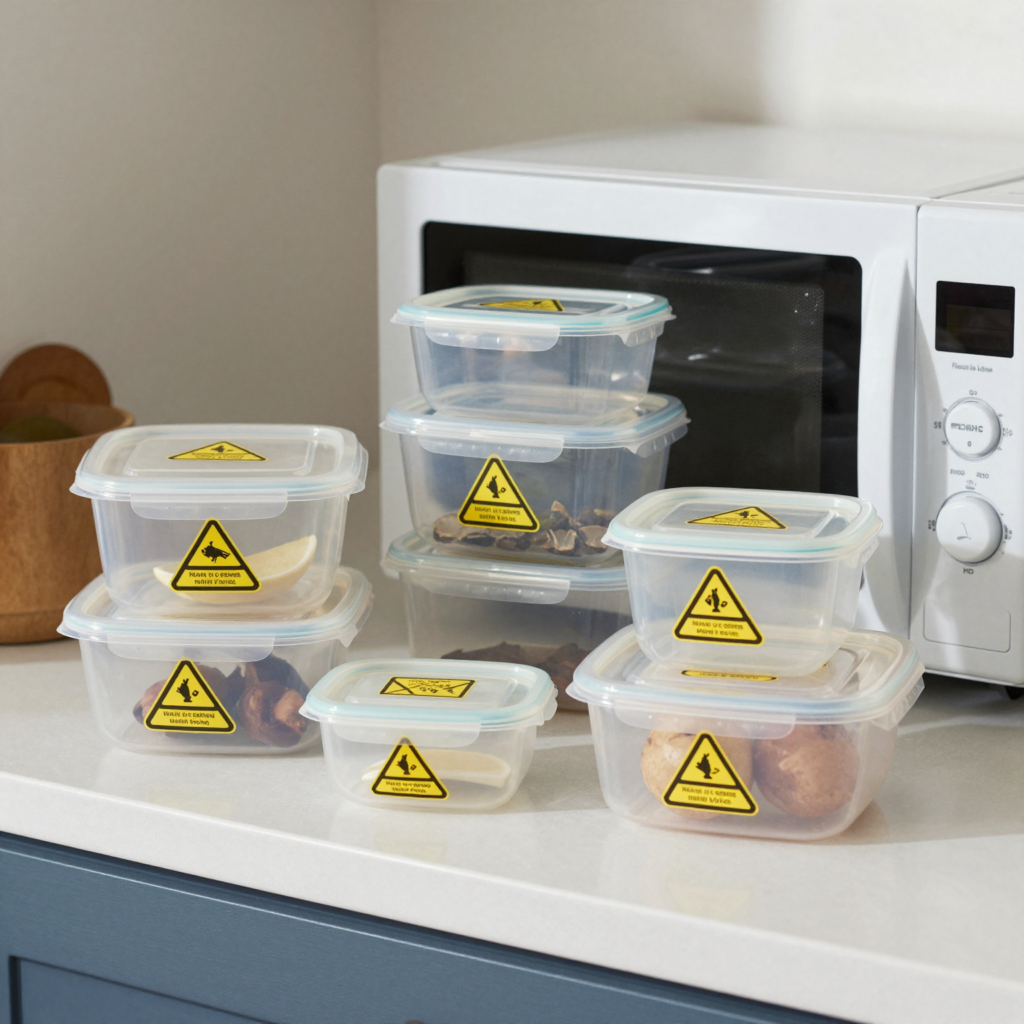
Microwaving food in plastic containers is a common practice in many food service businesses, but it comes with a set of significant safety concerns. As restaurants, food trucks, bubble tea shops, and catering services look for convenient ways to heat up meals quickly, understanding the potential hazards of using plastic in microwaves is crucial. Recent studies have indicated that heating certain plastic materials can cause harmful chemicals to leach into food, especially when these containers are not labeled as microwave-safe. Such chemicals include phthalates and bisphenol A (BPA), which are associated with serious health risks, including endocrine disruption (Environmental Health News, 2026).
For food service operators, awareness and knowledge about the materials they use are not just about health and safety; they are also vital for maintaining customer trust and health regulations compliance. Serving food safely is paramount, and knowing what types of plastics are safe for microwave use could prevent potential liabilities and enhance the quality of service provided. Learn more about microwave-safe plastic containers, and ensure your business not only meets industry standards but also prioritizes customer safety with every meal.
In this article, we will delve into the specifics of which plastic containers are microwave-safe, the potential risks of microwaving food in them, and practical tips for food service businesses to follow.
As food service providers, including bubble tea shops, restaurants, and catering services, it’s essential to understand the safety concerns related to microwaving food in plastic containers. While plastic containers are commonly used for convenience, understanding the risks can safeguard your customers’ health and enhance the reputation of your business.
Chemical Leaching and BPA
One of the primary concerns when microwaving plastic is the risk of chemical leaching. When plastic containers are exposed to heat, their molecular structure can become unstable, increasing the likelihood that harmful chemicals migrate into the food. Key culprits include bisphenol A (BPA), bisphenol S (BPS), and bisphenol F (BPF), all of which are linked to various health issues, including hormonal imbalances and increased cancer risks.
Research shows that even containers labeled as “microwave-safe” can still release these substances, particularly when heating fatty, acidic, or salty foods, which are more likely to dissolve chemicals. For instance, studies indicate that microwave heating can cause significant leaching of these harmful substances, especially when containers are old or scratched, exacerbating the problem of chemical migration (Healthline).
Risks from High Temperatures
Another concern is that microwaving can create hotspots within plastic containers, prompting uneven heating that can lead to meltdowns or deformation of the container. This can result in further chemical leaching, compromising food safety. Some studies note that materials such as phthalates and antimony may also leach out during the heating process, which are associated with serious health risks (Medical News Today).
Importance of Choosing Safe Plastics
To ensure food safety, it’s crucial to select containers made from food-grade, microwave-safe plastics. Look for containers labeled as BPA-free or those specifically designed for microwave use. Containers made from polyethylene or polypropylene are often safer choices, as they exhibit more stable properties under heat compared to other plastic types.
Conclusion
In conclusion, while microwaving food in plastic containers is a common practice, awareness of the associated safety concerns is critical for food service operations. Educating your team on selecting high-quality, safe plastics and providing options for alternative materials can promote better health outcomes for customers and create a safer food service environment. Discover more about choosing suitable plastic containers here.
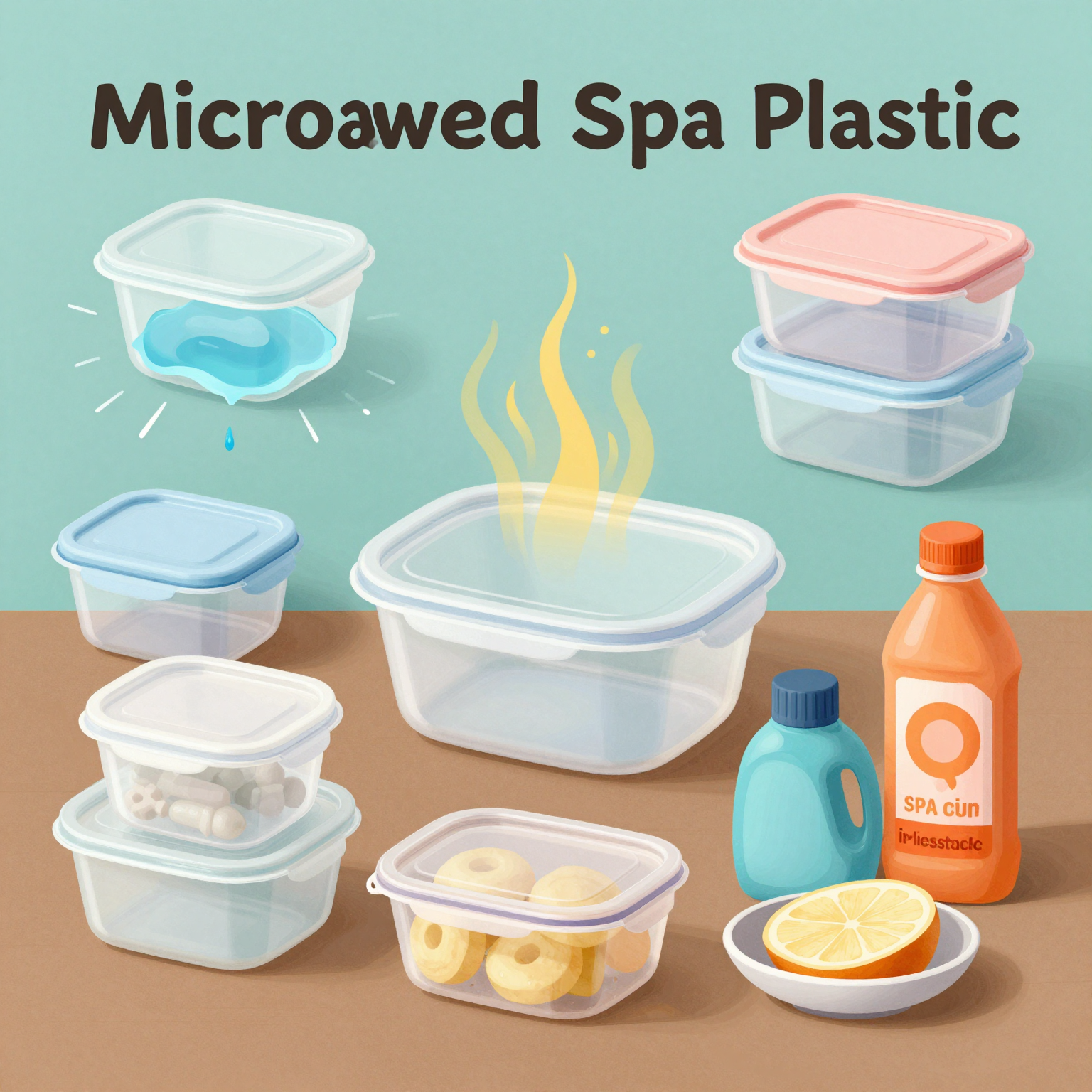
Ultimately, being proactive about the materials used in food service can help you protect your customers and enhance your business’s reputation.
Types of Microwave-Safe Plastics
When it comes to microwaving food in plastic containers, not all plastics are created equal. Some are specifically designed to withstand heat without leaching harmful chemicals into your food. Here are the main types of microwave-safe plastics:
-
Polypropylene (PP)
Often used for takeout containers, PP is a favorite due to its high melting point (around 160-170°C). It is resistant to chemicals and can handle microwave heat without warping. Look for containers labeled with a ‘5’ or ‘PP’ symbol to ensure safety.
Learn more about how to choose safe plastic containers. -
Polyethylene (PE)
Found in many food storage containers and wraps, PE is safe for microwave use at lower temperatures (up to about 110°C). However, it’s best to avoid using PE containers for high-temperature cooking to prevent degradation. -
Polycarbonate (PC)
Although durable and transparent, PC can release BPA (Bisphenol A) when heated, which could be a health concern. It’s advisable to use PC for storage rather than heating. -
Polystyrene (PS)
Commonly used for disposable cutlery and containers, PS is not recommended for microwave use, as it can melt or warp and potentially release harmful substances. -
High-Density Polyethylene (HDPE)
This type of plastic is suitable mainly for cold storage and is generally not considered safe for reheating in a microwave.
It’s vital to check the labels on your containers for microwave safety, as aging or damaged plastics can pose risks, regardless of material type. For more tips on using plastic safely in the microwave, see our guide on microwave-safe containers.
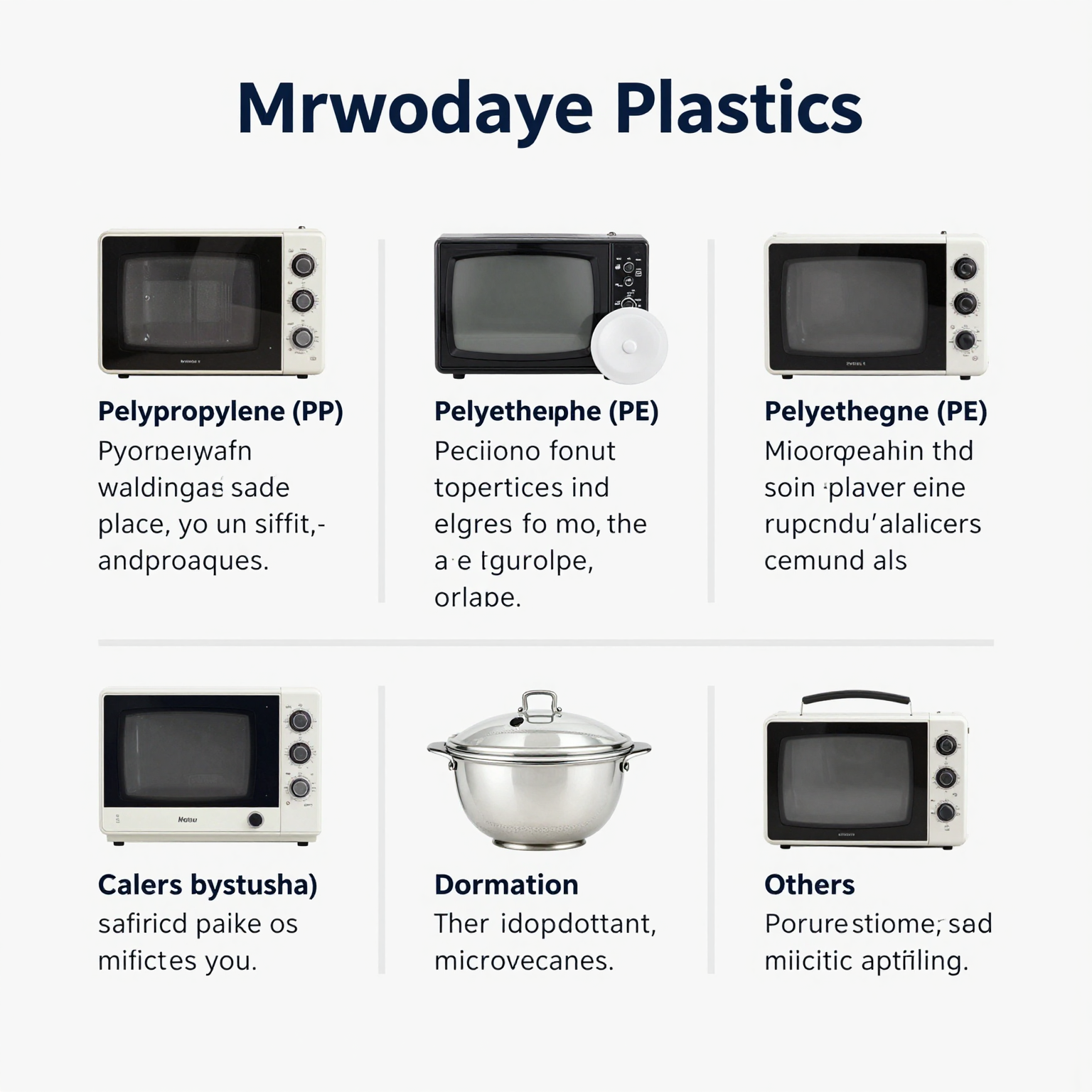
An infographic highlighting the types of microwave-safe plastics.
By being aware of the materials used in your food containers, you can ensure a safer and healthier microwaving experience.
Comparing Microwave-Safe Plastic Container Brands
When it comes to microwaving food in plastic containers, choosing the right brand and type is essential. The following table compares different microwave-safe plastic container brands based on durability, safety ratings, and user reviews. This information can help bubble tea shops, beverage chains, restaurants, food trucks, catering services, event planners, and corporate procurement teams make informed decisions.
| Brand | Type | Durability | Safety Ratings | User Reviews |
|---|---|---|---|---|
| Pyrex | Glass with Plastic Lids | High | Excellent (FDA compliant) | Praised for durability and non-breakable lids; withstands high temperatures. |
| Rubbermaid | Brilliance (Tritan) | Very High | Excellent (NSF certified) | Highly rated for leak-proof seals and stackability; remains clear over time. |
| OXO Tot | BPA-free Polypropylene | Moderate | Very Good (BPA-free) | Users appreciate child-friendly design and easy to clean; some reports of lid deformation. |
| Snapware | Airtight Plastic Containers | High | Good (FDA compliant) | Positive feedback on airtight seals; not as durable in extreme temperatures as others. |
| Amazon Basics | Basic PP Containers | Moderate | Acceptable | Good value for money, but longevity issues reported; suitable for short-term use. |
These brands stand out for their commitment to safety and durability, ensuring that both food businesses and their customers can rely on their products. For more details about microwave-safe containers, you can learn more about this topic.
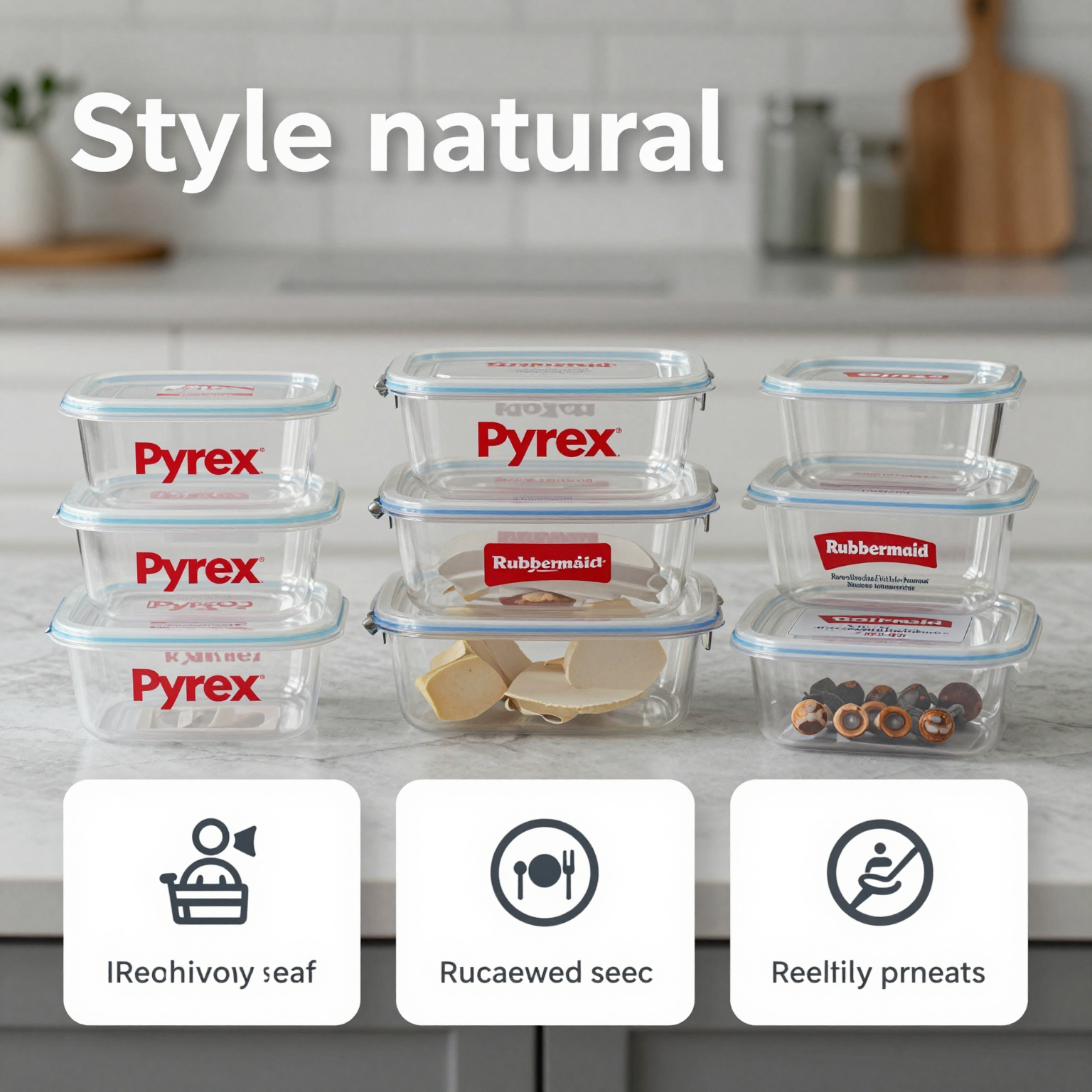
Explore various brands of microwave-safe containers to enhance your business’s efficiency and customer satisfaction!
Best Practices for Microwaving Food in Plastic Containers
Microwaving food in plastic containers can be convenient, especially for busy restaurants, food trucks, or catering services. However, it’s essential to follow best practices to ensure safety and quality. Here are some key tips:
1. Choose the Right Containers
- Look for Microwave-Safe Labels: Always use containers that are labeled “microwave-safe.” The FDA regulates these labels, ensuring they are suitable for heating. Check out our guide on plastic food containers to find suitable options.
- Avoid Old or Damaged Containers: Containers that are cracked or scratched may release harmful chemicals when heated.
2. Recommended Time Limits
- Keep Heating Times Short: To minimize the risk of overheating, start with short time intervals, like 30 to 60 seconds. Stir or rotate food between intervals to ensure even heating.
- Check Temperature: Use a food thermometer to ensure food reaches a safe temperature without overcooking, which can cause containers to warp or melt.
3. Avoid Overheating or Melting
- Be Cautious with High-Fat Foods: Fatty foods can heat up quickly, increasing the likelihood of chemical leaching from plastic. Learn more about safe plastic usage before microwaving.
- Use a Lid or Cover: Cover the containers with a microwave-safe lid or vented plastic wrap to avoid splatters while allowing steam to escape.
Additional Tips
- Don’t Reuse Takeout Containers: Many of these are not designed for multiple uses and may not be microwave-safe.
- Regularly Check for Safety: Stay updated on the latest research concerning plastic safety in microwaves to make informed choices for your business.
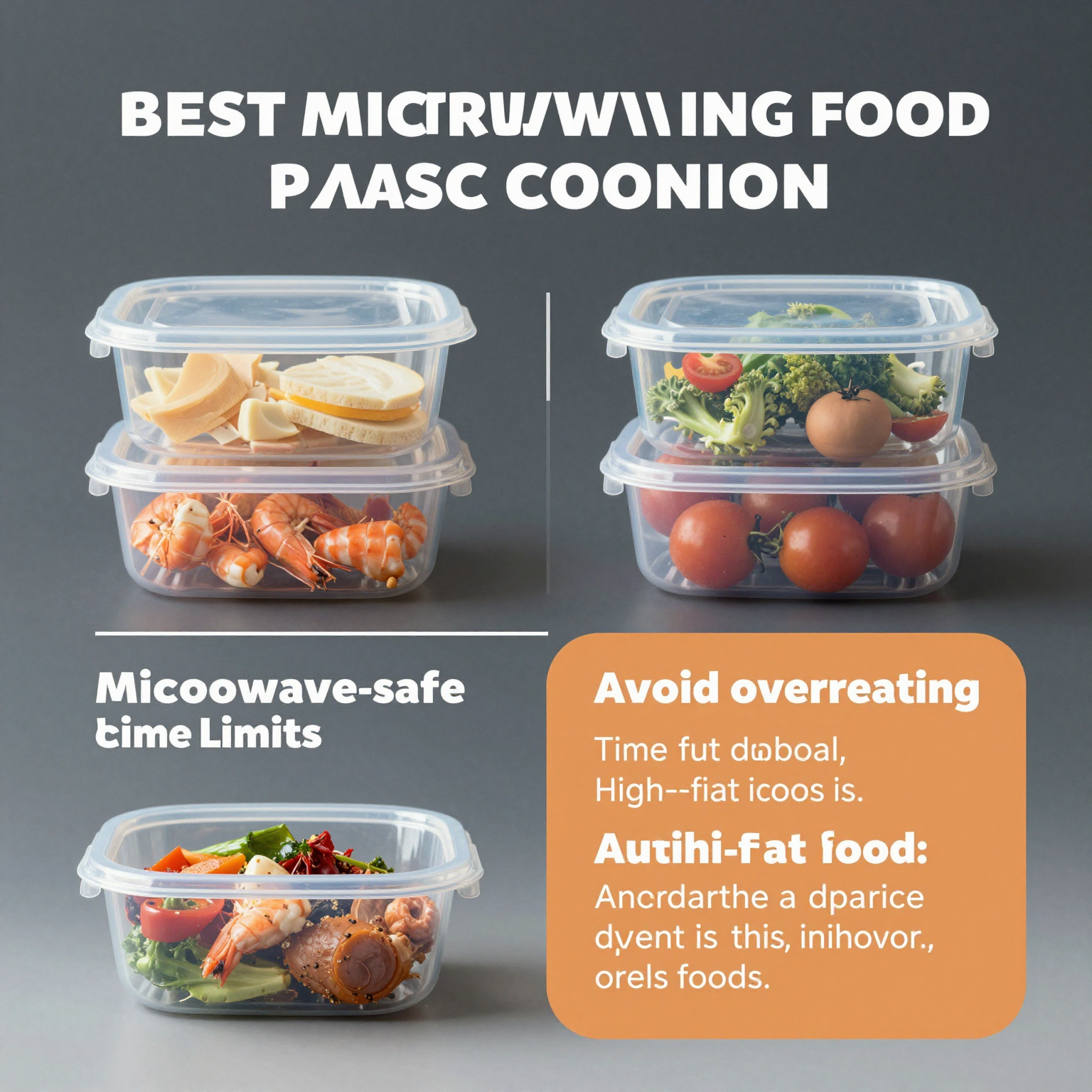
Using proper techniques when microwaving can enhance food safety and quality significantly. Remember, when in doubt, opt for glass or ceramic containers which are safer alternatives to plastic.
Whether you operate a bubble tea shop, food truck, or corporate catering service, understanding these practices is essential to ensure a safe dining experience for your customers.
Conclusion
By following these best practices, you can confidently microwave food in plastic containers without compromising safety. This knowledge will not only help your restaurant or catering service deliver quality meals but also provide peace of mind for you and your customers.
The Essentials of Microwave-Safe Plastic Containers
For restaurants, food trucks, and catering services, knowing which plastic containers are safe for microwaving is crucial. Microwave-safe containers are essential for reheating meals efficiently while maintaining the quality and safety of the food. Let’s dive into what makes these containers the right choice for your business.
What Are Microwave-Safe Plastic Containers?
Microwave-safe plastic containers are made from materials designed to withstand the heat generated by microwaves without melting or releasing harmful substances into food. They are typically labeled with a microwave-safe symbol or statement.
Here are some important considerations:
- Material: Look for plastics with recycling codes #1 (PET), #2 (HDPE), #4 (LDPE), and #5 (PP) as they are generally safer for microwave use. Avoid #3 (PVC), #6 (polystyrene), and #7 (polycarbonate) which may leach harmful chemicals.
- Guidelines: According to the FDA guidelines, only containers labeled as microwave-safe should be used. High-fat foods and damaged containers must be handled with special care to minimize safety risks.
Visual Inspiration
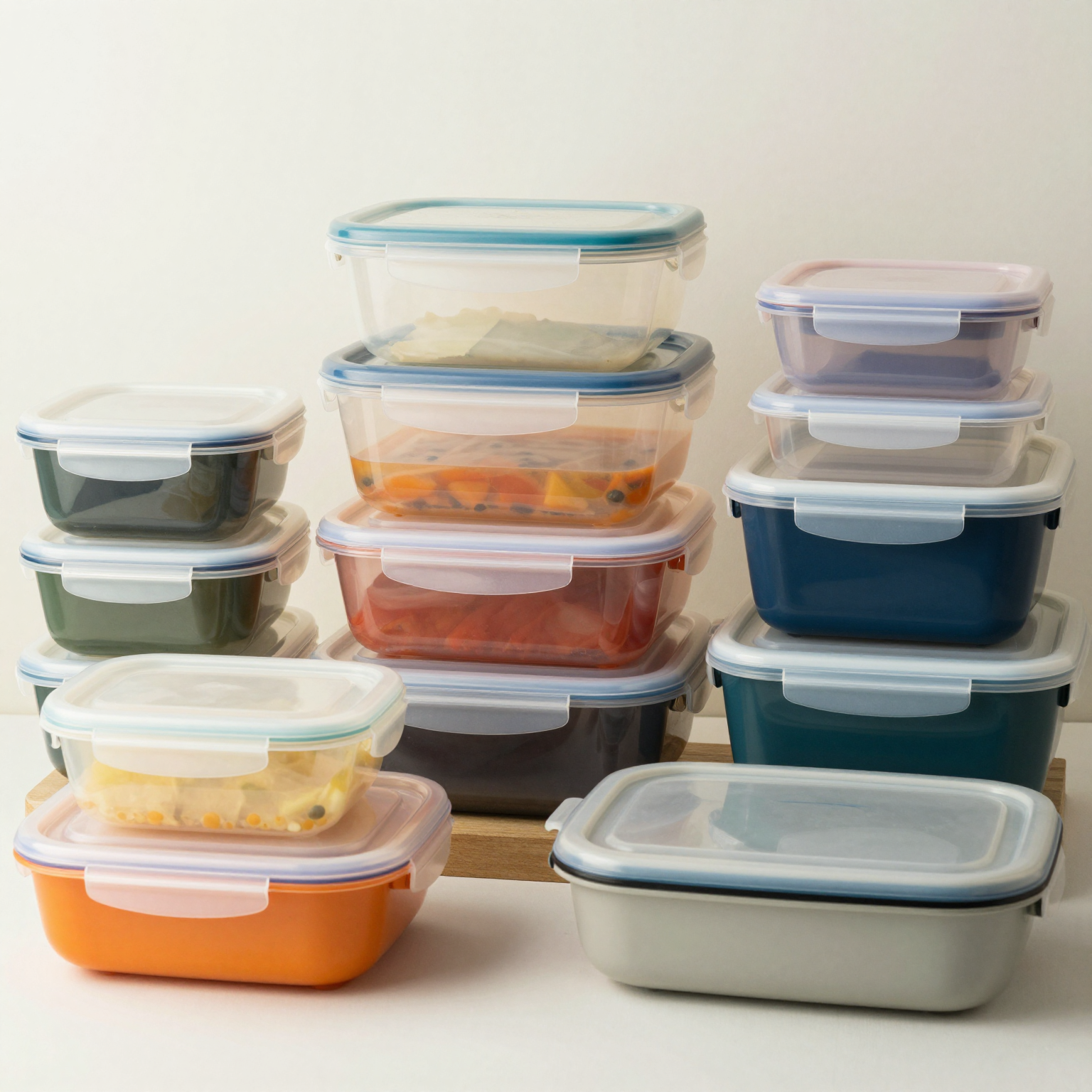
An array of microwave-safe plastic containers suitable for food service.
Safer Practices for Microwaving:
- Only use containers specifically labeled microwave-safe.
- Avoid using old or damaged containers, as they are more likely to leach chemicals.
- Be cautious with high-fat foods, which can increase the risk of chemical migration.
- Consider alternatives like glass or ceramic for long-term food storage and heating.
For more insights on plastic containers and their safety, check out our guides on plastic food containers and removing odors from plastic containers.
Understanding the usage of plastic containers in your food service can not only streamline operations but also enhance the customer experience. Always prioritize safety and quality in your choice of packaging!
Microwaving Food in Plastic Containers: User Experiences and Studies
Microwaving food in plastic containers is a common practice in many households, but it’s essential to examine the implications and safety concerns associated with this method. Recent studies and user experiences have raised important questions regarding the release of harmful substances from plastic when heated, especially regarding the potential health risks involved.
Common Concerns Among Users
Several user experiences and scientific studies point to the following shared concerns:
- Release of Microplastics: In a study, researchers found that microwaving food in plastic containers for just three minutes could release billions of microplastic particles into the food. These microplastics may enter the human body and potentially disrupt digestive and liver functions.
- Chemical Leaching: Another significant finding highlighted that heating fatty foods (like those with high oil content) in plastic containers can rapidly increase the amount of harmful chemicals released. One study revealed that microplastics were released at rates 125 times higher when food included oils compared to water.
- Adverse Reactions: Users have reported experiencing discomfort after heating food in plastic containers. Complaints included dry throats, dizziness, and gastrointestinal discomfort, likely influenced by the release of substances like dibutyl phthalate (DBP), a harmful endocrine disruptor.
Supporting Evidence from Studies
- Microplastic Release: A study published on 网易号 found that within three minutes of microwaving, significant microplastics were released. This situation has led experts to recommend minimizing the use of disposable plastic containers and opting for glass or ceramic alternatives.
- Chemical Migration: Research from Zhejiang University indicated that when oils were heated in plastic, the release of microplastics soared compared to water heating. This study underlines the need for caution when using plastic for food containing high levels of fat.
- User Reports: Reports from numerous consumers noted adverse health effects when using microwave-safe plastic containers for cooking fatty foods, emphasizing that “microwave-safe” does not equate to “risk-free.”
Recommendations
Given these findings, it’s advisable for users, particularly in food preparation businesses like bubble tea shops and catering services, to:
- Choose Safer Materials: Opt for glass or ceramic containers for microwaving food, particularly those containing oils or fats.
- Stay Informed: Regularly review studies and guidelines on food preparation safety. Links like Microwave Safe Plastic Containers can provide valuable insights into safer practices.
- Educate Staff and Customers: Inform staff about the risks associated with using plastic containers and guide customers on safer choices.
In conclusion, while microwaving food in plastic containers remains prevalent, awareness of potential hazards is critical. Until further safety measures or regulations are established, using safer alternatives whenever possible is the best practice to ensure health and safety.
Alternatives to Plastic Containers for Microwaving Food
When it comes to microwaving food, the choice of container material can significantly impact both safety and quality. While plastic containers are commonly used, alternatives such as glass and ceramic are becoming popular for various compelling reasons, especially in food service settings like bubble tea shops, restaurants, and catering services.
Glass Containers
- Safety: Glass containers are generally safe for microwaving and do not leach harmful chemicals into food. Unlike some plastics, they remain stable under heat, ensuring the integrity of your dishes.
- Durability: Glass is resistant to scratching and staining, making it more durable over time compared to plastic. This is especially important in fast-paced environments where containers are frequently handled.
- Presentation: Glass provides an appealing, clear view of the food, enhancing presentation and customer appeal. For instance, clear glass bowls can showcase colorful bubble tea or salads effectively.
Ceramic Containers
- Heat Resistance: Ceramic containers can withstand high temperatures and are excellent for retaining heat, making them suitable for dishes that require consistent cooking.
- Aesthetics: With a wide variety of colors and designs, ceramic dishes can elevate the dining experience. They are particularly advantageous for restaurants looking to provide a more sophisticated atmosphere.
- No Chemical Interference: Like glass, ceramics do not contain harmful substances, making them a safe choice for heating food.
Switching to glass or ceramic containers not only promotes a greener business practice but also enhances food safety and presentation. Learn more about glass vs plastic containers.
When using plastic containers in the microwave, safety should always come first. According to Dr. Laura Vandenberg, an endocrinologist and professor at the University of Massachusetts Amherst, “Just because a plastic is labeled ‘BPA-free’ doesn’t mean it’s inert or non-toxic. The replacement chemicals often haven’t been studied long-term.” She emphasizes the necessity of caution, especially when heating food in plastic containers, as some plastics can release harmful compounds like phthalates and BPS when heated, particularly with acidic or fatty foods. This is a crucial reminder for those in the food industry, including bubble tea shops, restaurants, and catering services, where the safety of food storage and reheating practices can directly impact customer health.
In addition, Dr. Vandenberg states, “The shift away from BPA has not eliminated risk-many substitutes like BPS and BPF behave similarly to BPA in biological systems. Without long-term safety data, consumers should treat all plastic containers with skepticism, particularly under high heat.” This underlines the importance of using high-quality, microwave-safe plastics and adhering to proper heating guidelines.
When selecting plastic containers for microwaving, the following practices are recommended:
- Look for Clearly Labeled Plastics: Always use containers that are explicitly marked as microwave-safe. These are typically made from polypropylene (PP) or Tritan™.
- Avoid Heating High-Fat or Acidic Foods: Such foods can increase the risk of chemical leaching.
- Monitor and Replace Old Containers: Over time, plastic containers can degrade, leading to unsafe chemical migration when microwaved.
In summary, while microwave-safe plastics can make our lives easier, it’s crucial to stay informed and skeptical about their safety. For further details on selecting safe containers, you may want to check out resources on plastic packaging food containers and the benefits of BPA-free containers.
Source: Expert insights on microwave safety with plastic containers.
Always prioritize health by choosing the right materials and staying aware of their potential risks!
Conclusion: The Importance of Safety in Food Service
In conclusion, ensuring safety in food service is paramount for all businesses involved in food preparation and service. From bubble tea shops to catering services, adhering to safety standards is essential not only for compliance but also to protect customers from health risks associated with foodborne illnesses. Recent findings indicate that implementing strict food safety practices can significantly reduce the likelihood of incidents and enhance customer trust in your brand. It’s crucial to stay updated with industry standards and adapt accordingly.
Disposable tableware can be an effective solution for maintaining hygiene and safety in food service operations. By opting for high-quality, eco-friendly disposable options, businesses can promote a clean environment while ensuring convenience during food handling. At Green Dispo Pack, we offer a variety of innovative disposable tableware solutions to meet your unique business needs.
Call to Action
Consider upgrading your food service’s hygiene standards by exploring our extensive range of disposable tableware. Join us in building a safer and more eco-friendly food service industry today!