
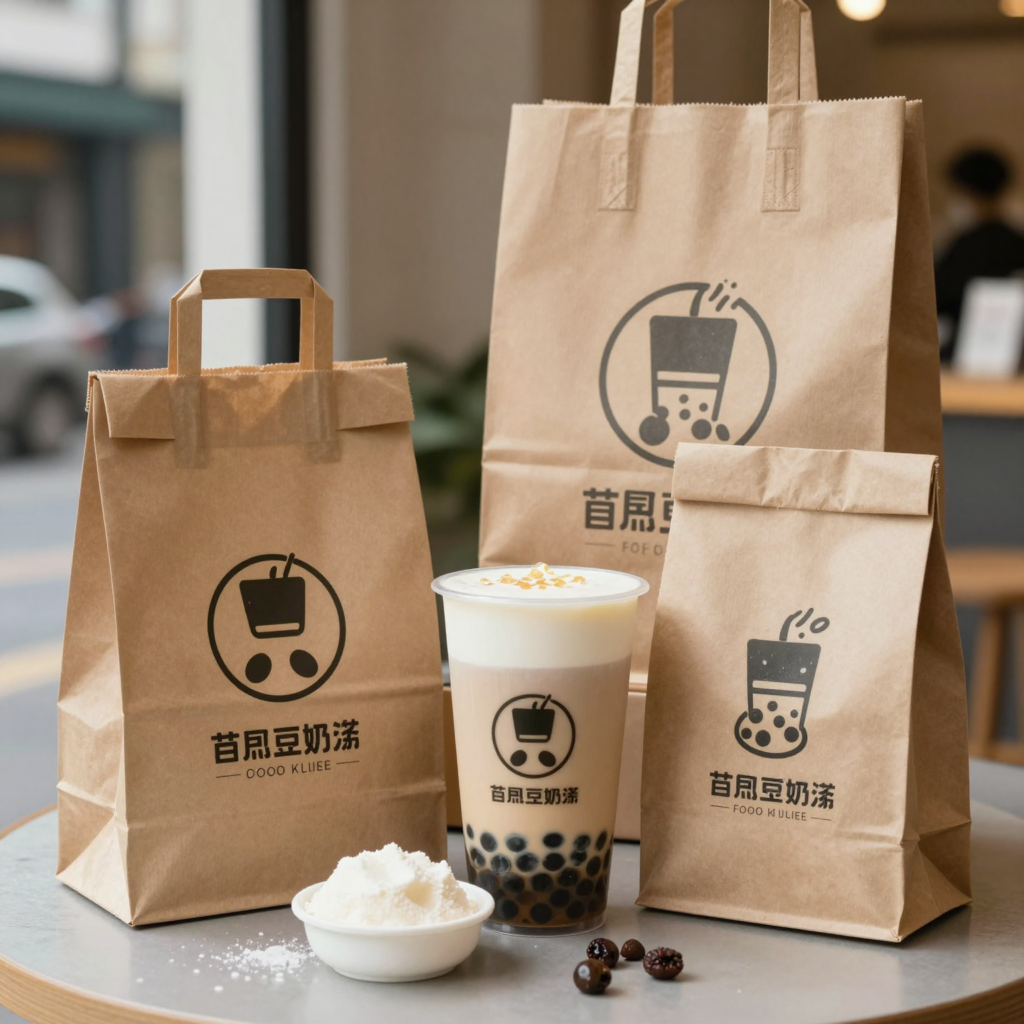
In today’s world, the demand for eco-friendly food packaging has taken center stage, blending sustainability with modern business practices. As consumers become increasingly aware of environmental issues, they seek out brands that reflect their values, making it essential for businesses such as bubble tea shops, restaurants, food trucks, and catering services to embrace sustainable packaging solutions. Eco-friendly packaging not only helps reduce waste but also fortifies a restaurant’s image, appealing directly to environmentally conscious consumers. For event planners and procurement teams, choosing eco-friendly options can enhance event sustainability and corporate responsibility initiatives. As we explore the various aspects of eco-friendly food packaging, from biodegradable materials to innovative designs, you’ll discover how integrating these options can foster positive brand reputation and customer loyalty. To dive deeper, you might want to learn more about personalized disposable plastic cups and explore the benefits of compostable paper cups.
Benefits of Eco-Friendly Food Packaging for Bubble Tea Shops, Restaurants, and Food Trucks
Using eco-friendly food packaging comes with a myriad of benefits, especially for businesses like bubble tea shops, restaurants, and food trucks. Here’s why it’s an excellent choice:
-
Sustainability: Eco-friendly packaging is often made from renewable resources that decompose naturally, significantly reducing landfill waste compared to traditional plastic. This helps businesses align with environmental regulations and attract eco-conscious consumers.
-
Enhanced Brand Image: By adopting sustainable practices, restaurants and food service providers can position themselves as eco-friendly brands. Enhancing reputation not only attracts customers but also fosters loyalty. Many consumers prefer brands that demonstrate a commitment to sustainability. Read more about sustainable business practices
-
Cost Efficiency: Although eco-friendly products can have a higher upfront cost, they can save money in the long run. For instance, compostable packaging can reduce waste disposal fees and potentially lead to tax benefits or subsidies.
-
Customer Satisfaction: Customers appreciate when businesses use biodegradable packaging, leading to increased satisfaction. This can result in repeat business and positive word-of-mouth advertising.
-
Customization Opportunities: Many eco-friendly packaging options allow for branding and customization, helping businesses stand out. Custom logos on compostable containers can enhance visibility and promote the brand identity. Explore customizable eco-friendly options
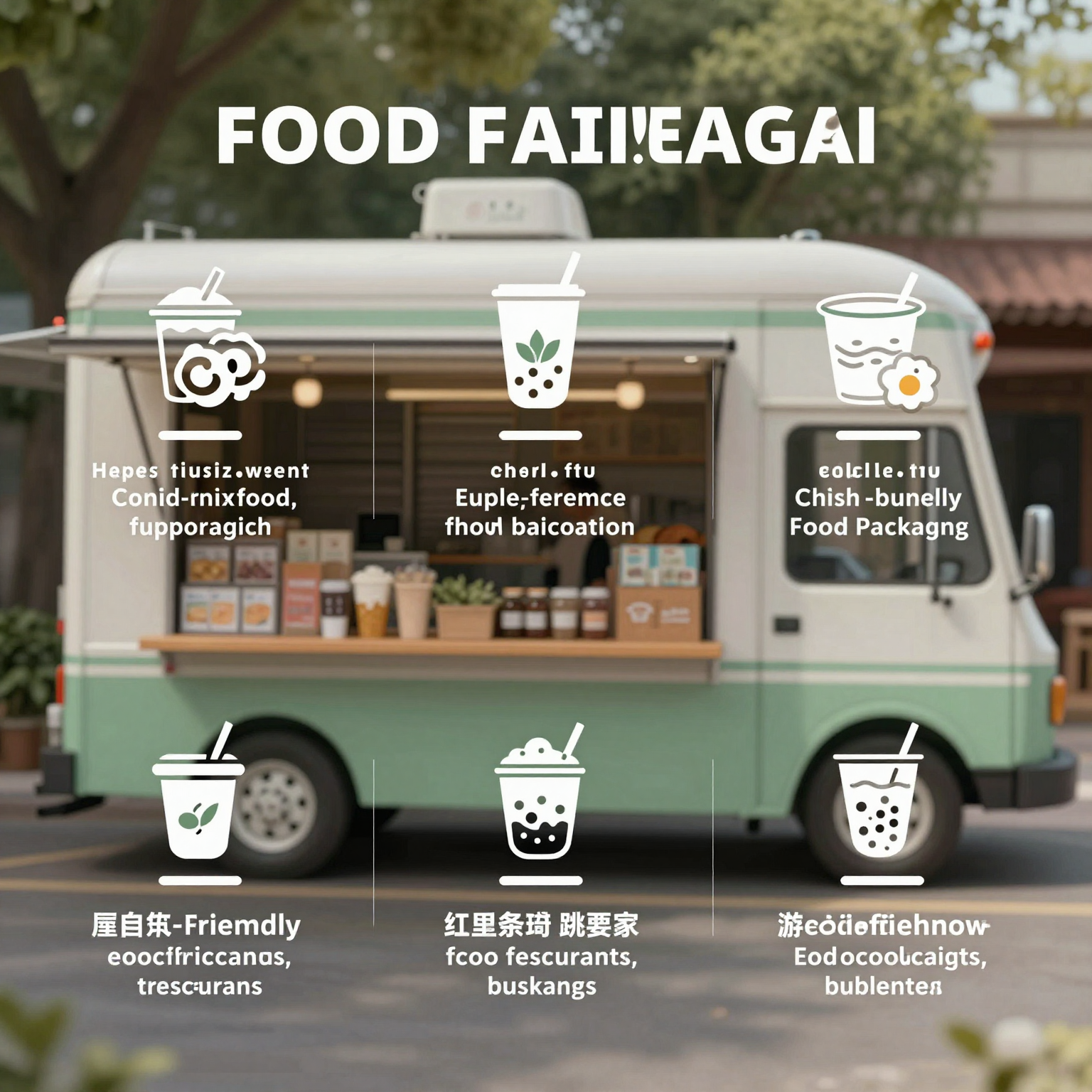
Infographic showcasing the benefits of eco-friendly food packaging.
In conclusion, eco-friendly food packaging not only benefits the environment but also enhances the overall business operation and customer experience in the food service industry.
“Eco-friendly food packaging is no longer a luxury-it’s a necessity. With over 400 million tons of plastic packaging produced annually, and less than 10% being recycled, shifting to sustainable alternatives is critical to reversing environmental degradation and meeting global climate goals.”
- Dr. Elena Martinez, Head of Sustainability at the World Economic Forum
Types of Eco-Friendly Food Packaging
In today’s environmentally conscious market, packaging plays a crucial role in a business’s sustainability efforts. Food service establishments, including bubble tea shops, restaurants, food trucks, and catering services, can benefit significantly from adopting eco-friendly food packaging. Here’s a look at the various types available:
1. Biodegradable Packaging
Biodegradable packaging is designed to break down into natural substances through the process of decomposing by microorganisms. This packaging type often includes materials like cornstarch-based plastics, which are derived from renewable resources. They’re suitable for hot and cold food items, making them ideal for takeaway containers and drinks. For instance, this guide outlines how cornstarch packaging can serve as an alternative to traditional plastics, enriching soil in the process.
2. Compostable Packaging
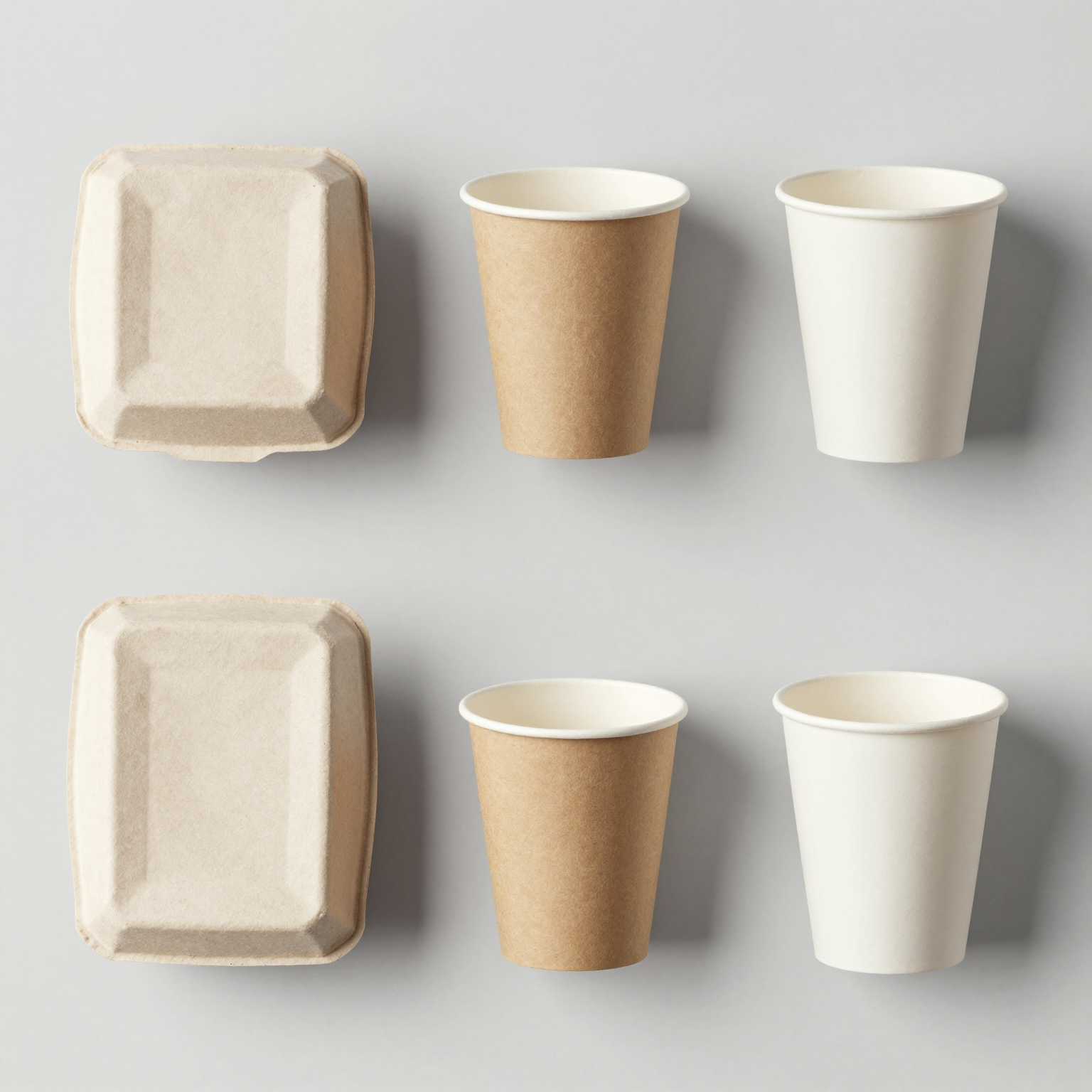
Compostable packaging goes a step further by not only breaking down but also enriching the soil. These materials typically decompose within 90 to 180 days in a commercial composting facility. Restaurants that use compostable packaging can significantly reduce their waste footprint, as noted by the National Restaurant Association. This type of packaging is particularly appealing to environmentally conscious customers and can also lead to reduced waste disposal fees in some municipalities.
3. Recyclable Packaging
Recyclable packaging can be processed and reused to make new products. Common materials include plastics (marked with recycling symbols), metal, and specific types of glass. While using recyclable materials does not directly eliminate waste, it encourages a circular economy by reducing the need for new raw materials and minimizing landfill contributions.
Ideal Choices for Target Audience
- Bubble Tea Shops & Beverage Chains: Compostable cups and straws are excellent choices as they cater to both hot and cold drinks while appealing to eco-conscious customers.
- Restaurants & Food Trucks: Biodegradable containers can be used for both dine-in and takeaway. They maintain food quality and support sustainability.
- Event Planners & Corporate Procurement Teams: Recyclable options help in ensuring waste management strategies and can enhance one’s corporate social responsibility image.
Adopting eco-friendly food packaging not only meets customer demands but also fosters brand loyalty among younger demographics that prioritize sustainability in their purchasing decisions. Taking these steps can lead to operational efficiencies and a strengthened market position for your business.
| Vendor | Product Offerings | Material Sourcing | Environmental Impact | Cost Efficiency | Scalability |
|---|---|---|---|---|---|
| EcoEnclose | Recycled and compostable mailers, boxes, tissue wraps, and custom packaging solutions. Offers carbon-neutral shipping and print-on-demand services. | 100% post-consumer recycled paper; compostable films made from plant-based materials (e.g., cornstarch). Partners with certified mills and recyclers. | Carbon-neutral operations; fully compostable or recyclable materials; low-toxicity inks; supports circular economy models. | Mid-range pricing; volume discounts available; cost-effective for small to medium businesses. | High scalability with modular design and digital customization tools. Supports rapid growth and seasonal demand spikes. |
| GreenPak | Recyclable corrugated boxes, biodegradable cushioning (e.g., molded pulp, mushroom foam), and kraft paper wraps. Custom branding options. | Sourced from FSC-certified forests and post-consumer waste. Uses renewable energy in manufacturing. | Biodegradable and recyclable across most U.S. and EU systems; low GHG emissions; no microplastics. | Competitive pricing with bulk ordering; suitable for startups and mid-sized brands. | Strong scalability with automated production lines and regional distribution centers. |
| Shenzhen Hafly Technology | Recycled cardboard boxes, bioplastics (PLA-based) packaging, and sustainable rigid containers. Offers OEM/ODM services. | Uses domestic recycled paper and imported PLA from bio-based feedstocks (e.g., sugarcane). Local sourcing reduces transport emissions. | Low carbon footprint; PLA is industrially compostable under specific conditions; minimal use of virgin plastic. | Lower-cost option due to Asian manufacturing base; ideal for export-focused businesses. | High scalability for large-volume orders; established manufacturing capacity in China. |
| Amcor | Rigid and flexible packaging solutions including mono-material films, recyclable bottles, and sustainable food packaging. Global presence. | Sourcing from certified sustainable raw materials; invests in closed-loop recycling technologies. | Aims for 100% recyclable or reusable packaging by 2025; reduced plastic use via lightweighting; supports global sustainability initiatives. | Premium pricing due to innovation and scale; cost-effective at high volumes. | Enterprise-level scalability with global supply chain and R&D support. Ideal for large corporations. |
| Sealed Air (Cryovac & Bubble Wrap) | Sustainable cushioning solutions including recyclable air pillows (RecycleMe™), paper-based void fill, and compostable bubble wrap. | Uses recycled content (up to 85% in some products); developed recyclable polyethylene alternatives. | Reduced plastic waste; recyclable packaging streams available; life cycle assessments show lower environmental burden. | Mid-to-high range; cost savings through material reduction and logistics optimization. | High scalability with integrated logistics networks; strong B2B support infrastructure. |
| Mondi | Paper-based packaging (kraft bags, boxes), flexible films (mono-material PE), and sustainable folding cartons. Focus on circular packaging. | Sourced from sustainably managed forests; uses renewable energy in production; promotes closed-loop systems. | Certified sustainable forestry; recyclable and compostable options; low carbon footprint; ISO 14001 certified. | Competitive at scale; long-term contracts improve cost efficiency. | High scalability with global manufacturing footprint and advanced material science capabilities. |
Sources:
- EcoEnclose: https://www.ecoenclose.com
- GreenPak: https://www.greenpak.com
- Shenzhen Hafly Technology: https://www.haflytech.com
- Amcor: https://www.amcor.com
- Sealed Air: https://www.sealedair.com
- Mondi: https://www.mondi-group.com
Note: Pricing and availability may vary based on region, order volume, and customization level. Data current as of March 2026.
Regulatory Standards Surrounding Food Packaging in the Foodservice Industry
In the foodservice industry, regulatory standards surrounding food packaging are crucial for ensuring the safety and well-being of consumers. Various organizations, including the U.S. Food and Drug Administration (FDA) and the European Commission, establish stringent guidelines to govern the materials used in food packaging, especially as the demand for eco-friendly options increases.
Safety Standards
The primary concern of food packaging regulations is the safety of food contact materials. The FDA outlines that all food packaging must be safe for its intended use, which includes rigorous testing to prevent harmful substances from migrating into the food. This involves evaluating bio-based plastics such as PLA (polylactic acid) and cellulose films for their safety and efficacy in food applications. You can find more about this in the FDA Guidelines on Food Contact Substances that detail the requirements for ensuring consumer safety.
Eco-Friendly Options
With the growing awareness of environmental issues, regulatory bodies are also encouraging the shift towards eco-friendly packaging. The European Union mandates that by 2030, all packaging must either be recyclable or reusable, promoting the use of sustainable materials such as compostable films made from plant starches. The EU’s recent regulations focus on a sustainable future, requiring a minimum of 30% recycled content for plastic packaging. This not only aligns with safety standards but also significantly contributes to reducing plastic waste.
Compliance with Green Packaging Requirements
Innovative solutions now meet both safety and eco-friendly standards. For instance, plant-based films emerged as biodegradable alternatives and are compliant with FDA and EU regulations for food contact materials. Additionally, brands are encouraged to pursue certifications such as OK Compost and TÜV Austria to verify their products’ safety and environmental claims.
By adopting eco-friendly packaging solutions that meet the existing regulatory standards, foodservice providers can ensure customer safety while contributing to a sustainable future. This balance is essential for fostering consumer trust and promoting a greener industry.
For more insights on eco-friendly packaging solutions, check out our blog about sustainable packaging in the foodservice industry.
Conclusion
Switching to eco-friendly food packaging offers numerous benefits that resonate strongly with today’s environmentally conscious consumers. For bubble tea shops, restaurants, food trucks, and catering services, adopting sustainable packaging solutions means significantly reducing your environmental impact, as these materials are designed to lower carbon emissions and minimize plastic waste. Moreover, using biodegradable and recyclable options not only enhances product safety and quality but also fosters a positive brand image, attracting eco-aware customers who prefer businesses committed to sustainability. Research indicates that 76% of diners are more inclined to choose restaurants utilizing eco-friendly packaging (Forbes Business Insights). As corporate responsibility becomes increasingly important, now is the time to align your practices with consumer expectations.
We encourage you to partner with us at Green Dispo Pack and explore our wide range of eco-friendly packaging solutions tailored specifically for your business needs. By making the switch, you are not only promoting a healthier planet but also leveraging a powerful marketing tool that can elevate your customer loyalty. Join us in paving the way for a sustainable future!
Growing Popularity of Eco-Friendly Food Packaging in the Foodservice Sector
The eco-friendly packaging trend is gaining significant traction in the foodservice sector. Recent data highlights a robust user adoption of sustainable packaging solutions, driven by increasing consumer demand for environmentally responsible products.
As of 2023, the global market for sustainable foodservice packaging is valued at approximately $59.45 billion. This marks the inception year for a trend that is expected to rise remarkably, with projections estimating the market to reach $107.3 billion by 2033. This trajectory represents a compound annual growth rate (CAGR) of about 6.08%
(Market Insights for Sustainable Foodservice Packaging).
Moreover, another sector report anticipates the global eco-friendly food packaging market to expand significantly, with projections indicating a market size of $227.985 billion by 2024. This growth illustrates not only a broad industry application but also reflects a profound shift in user acceptance and preferences within the food service sector (Eco-Friendly Food Packaging Market).
Chart of Projected Market Growth
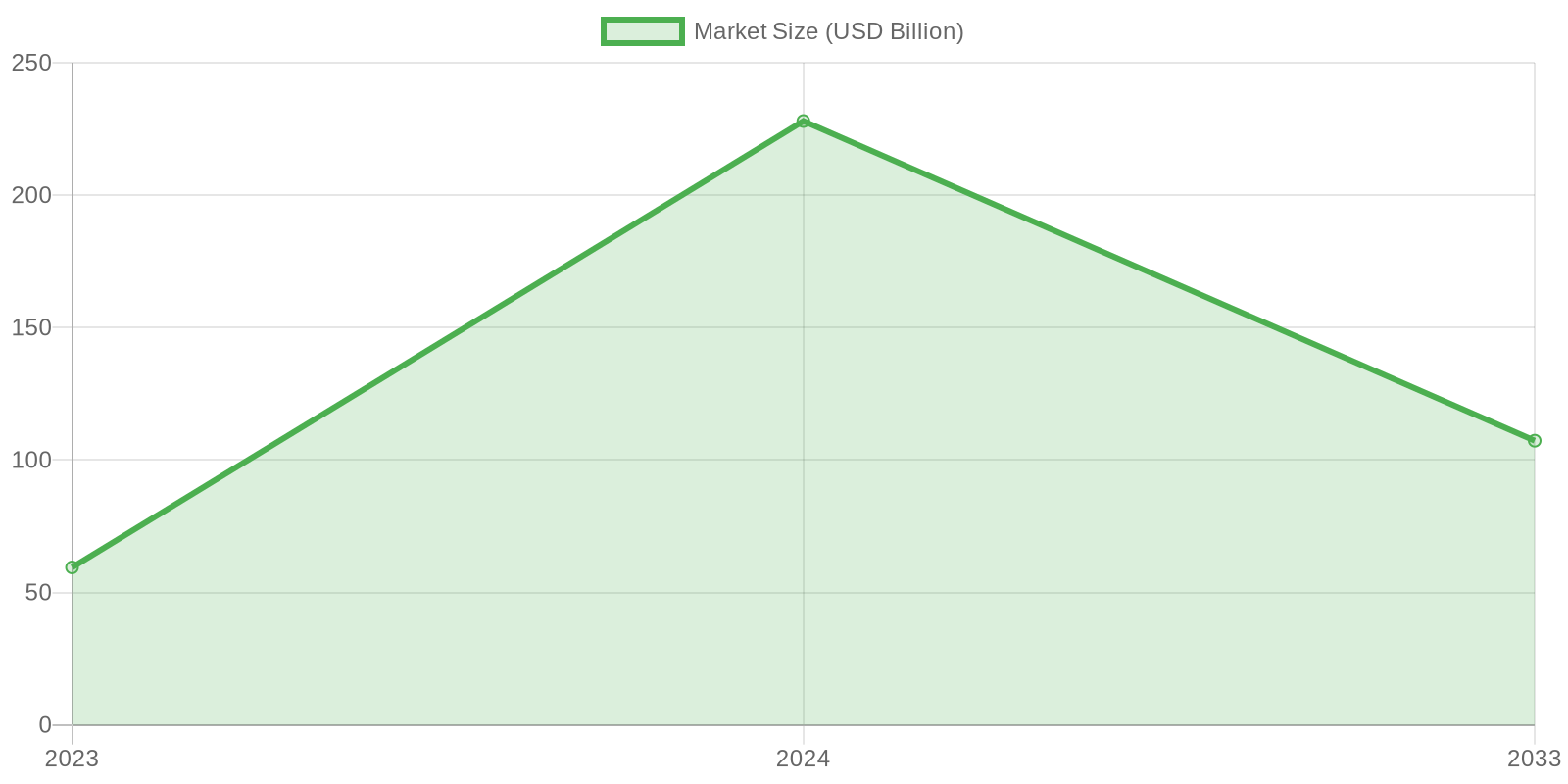
These statistics underscore the increasing adoption of eco-friendly solutions and highlight the critical need for businesses in the foodservice sector to transition towards sustainable practices.
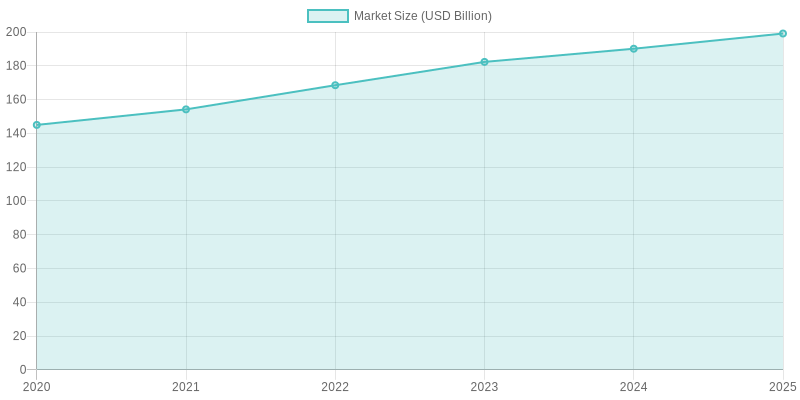
The chart above illustrates the growth trend of eco-friendly food packaging usage over the past five years. Here are the key insights derived from the data:
| Year | Market Size (USD Billion) |
|---|---|
| 2020 | 145.0 |
| 2021 | 154.2 |
| 2022 | 168.5 |
| 2023 | 182.3 |
| 2024 | 190.1 |
| 2025 | 199.1 |
This data demonstrates a steady increase in the market size, indicating a positive trend towards eco-friendly packaging solutions. Businesses within the food and beverage sector, such as bubble tea shops, restaurants, and catering services, can consider integrating these sustainable options into their services to meet the rising consumer demand for environmentally responsible products.