

Clear plastic dessert cups have emerged as a staple in the food service industry, particularly for businesses like bubble tea shops, restaurants, food trucks, and catering services. These versatile cups, often made from durable materials like PET and PP, provide an ideal balance of visual appeal and functionality. In this exploration, we delve into their specifications and materials, performance characteristics, and real-world applications, ensuring your procurement decisions are informed and beneficial for your business.
Crystal Canvases and Clear-Cut Economics: A Deep Dive into the Core Specs, Materials, and Wholesale Dynamics of Clear Plastic Dessert Cups
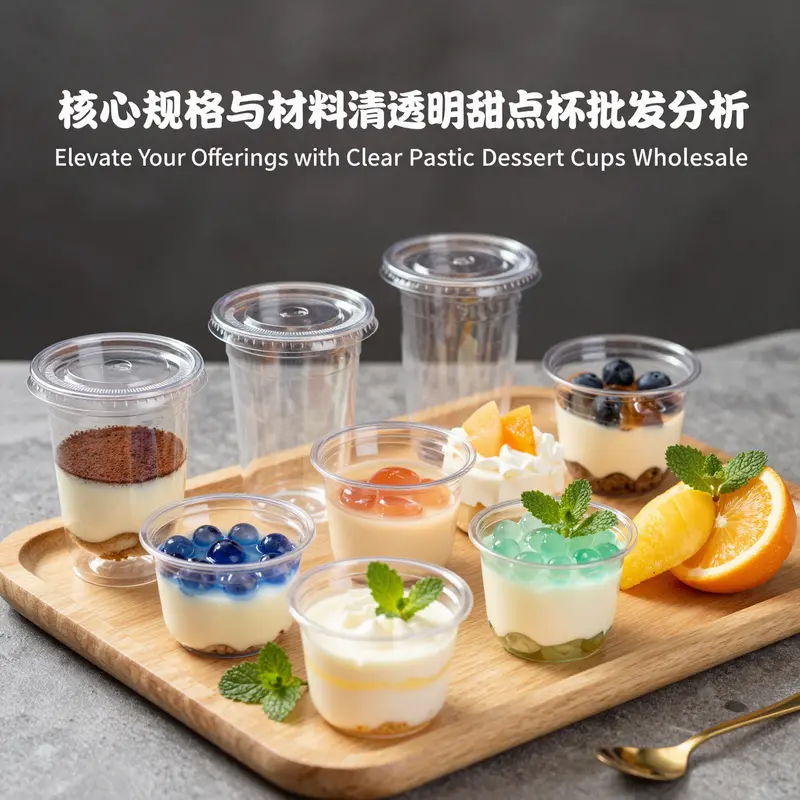
Clear plastic dessert cups have carved out a vital niche in the modern food service, event planning, and retail packaging ecosystem. They combine the visual power of an almost invisible frame with practical versatility, allowing chefs and brand managers to showcase layered desserts, fruit vessels, yogurt cups, and frozen treats in a display that looks as premium as the product tastes. In wholesale terms, this category operates at the intersection of form and function, where small but meaningful differences in capacity, wall thickness, seal type, and material choice ripple through the entire supply chain—from manufacturing costs to shelf appeal and consumer perception. To understand the full potential of these cups, one must follow the thread from core specifications to material science, then to the ways these choices drive branding, logistics, and procurement strategies for large buyers. The discussion here stitches together observed industry norms with practical guidance drawn from supplier data, consumer-facing considerations, and the realities of mass distribution. The result is a cohesive view of how the right combination of capacity, clarity, and containment can turn a simple disposable cup into a reliable canvas for dessert storytelling, a container that travels well from kitchen to consumer and leaves a lasting impression on the plate and the palate alike.
At the heart of wholesale decisions lies capacity, and the market for clear plastic dessert cups spans a wide spectrum—from compact, café-friendly portions to substantial party-sized servings. Typical capacities range from modest 60–100 milliliters up to nearly a liter, with the sweet spot for many dessert applications clustered around 130 milliliters, 150 milliliters, and 200 milliliters. The smaller end is ideal for bite-sized components or tasting menus where presentation matters as much as portion control. The mid-range sizes confidently accommodate layered treats such as tiramisu, yogurt parfaits, agar-based desserts, and fruit-and-jelly constructions, while the larger 500 milliliter and 700 milliliter variants transition into use cases beyond desserts—think specialty beverages, salad cups, or pre-portioned meals intended for self-serve stations and catering setups. In events, weddings, and large-scale catering, the big cups function as individual snack bowls or as prepackaged meal components that align with the aesthetic of a high-volume self-serve buffet. In short, capacity is not merely about volume; it is the lever that aligns the cup with the product narrative and the consumer’s expectation for portioning, handling, and presentation.
The capacity story is inseparable from design and material choices. The two dominant families of material in the wholesale space are PET (polyethylene terephthalate) and PP (polypropylene). PET is prized for its extraordinary clarity and rigidity. In many applications, a water-crystal transparency is essential to convey the dessert’s layers—the dark coffee stratum in tiramisu, the silver of a yogurt layer, the glimmer of fruit, or the jewel tones of jelly against a creamy backdrop. PET’s optical performance makes it an excellent vehicle for premium presentation, particularly in display-forward environments such as cafés, patisseries, and catering showcases where visibility drives appeal. However, PET’s heat resistance is more limited than PP’s, which means it is generally favored for cold or room-temperature servings rather than hot beverages or hot-food scenarios where higher temperatures are involved. This distinction matters in wholesale planning because it informs not just the product’s end use but the distribution and storage conditions buyers must maintain to preserve clarity and integrity.
PP, by contrast, offers robust heat resistance and durability. It endures temperatures well above those encountered in typical dessert service scenarios, making it a safer choice for items that may undergo short microwaving or hot-fill processes, or for containers that must withstand more strenuous handling during transport. PP also tends to be tougher in terms of impact resistance and can be a cost-effective option for larger-volume cups used in milk tea, iced beverages, or self-contained meals that might travel long distances or be stacked for extended periods. In a wholesale toolkit, PET and PP are not mutually exclusive; many buyers use PET for display-focused cups that showcase dessert layers, while turning to PP for lids, sleeves, or larger-volume cups designed for beverages and ready-to-serve meals. This dual approach allows brands to tailor packaging to product type, customer journey, and price point without compromising on either visual clarity or functional performance.
Safety and environmental considerations further shape material choice. In the wholesale sector, it is standard practice to specify that cups are BPA-free, ensuring that products meet consumer safety expectations and regulatory standards. The push toward safer and more sustainable packaging is not an afterthought but a central requirement for many buyers who want to align with brand promises around health and environmental responsibility. Certifications such as EU Food Contact Certification are increasingly highlighted by suppliers, signaling adherence to safety protocols that govern materials in contact with food. For buyers, this means selecting products that not only look pristine on the shelf but also carry the assurances needed to satisfy auditors, regulatory bodies, and end consumers who demand accountability. In addition, there is a growing emphasis on recyclability and recycled content. The market’s momentum toward environmental stewardship is visible in the adoption of recyclable PET and PP formulations, as well as the inclusion of post-consumer recycled content in some cup families. Even when the cups are designed for single-use, the ability to recycle them, together with clear labeling and consumer education, contributes to the perceived value and aligns with broader corporate sustainability targets.
From a performance standpoint, the design of the cup and its lid is crucial to user experience. The majority of wholesale products offer lids that seal tightly, with options ranging from simple flat seals to domed or hinged lids that can accommodate whipped toppings, layered ingredients, or fruit inclusions without leaking. For transport and take-away scenarios, leak resistance is a key attribute. The combination of a clear cup with an effective seal reinforces trust in the product, especially when customers may carry a dessert with other items in a bag or in a hot car. In practice, the packaging often includes a sealing method such as a foil or plastic seal, which helps preserve freshness and prevents spill during transit. This is particularly important for multi-ingredient desserts where the consumer expects to enjoy the dessert in a single, intact layer sequence after purchase. Beyond sealing, the presence of a matching cap or lid height-to-diameter ratio contributes to stackability and stability during storage and display, reducing breakage and waste in both retail environments and hospitality settings.
Customization is a major differentiator in wholesale markets. Suppliers widely offer full-surface printing, branding, and color coordination on cup bodies, enabling a cohesive brand narrative across packaging and merchandising spaces. This is not merely cosmetic; branding on the cup can enhance perceived value, convey thematic cues, and signal quality to the consumer. The practical benefits of customization extend to ordering efficiency, as some suppliers accommodate small or mid-size runs with rapid turnaround times, while others support larger, more complex campaigns with multi-color branding and variable design elements. The capacity to tailor lids, cup shapes, and ancillary components—such as spoons or inserts that accompany the cup—adds another layer of brand integration and functionality, particularly for menus emphasizing convenience and on-the-go consumption.
In terms of procurement economics, wholesale buyers must balance unit price with minimum order quantity (MOQ), lead times, and total landed cost. The data landscape shows pricing at different tiers depending on capacity and whether the cup includes a lid. For example, a common mid-range scenario includes a 130 milliliter cup with lid offered at a minimum order of 1,000 units, with a unit price around $0.06. A 200 milliliter PET cup without a lid can be found at the same MOA with an even lower unit price, approximately $0.015, still at 1,000 units. Larger, more durable models in the 500–700 milliliter range with a lid—often used for milk tea or larger daily beverages—may require much larger MOQs, such as 30,000 units, with unit prices that can dip to around $0.025. These numbers illustrate how economies of scale dominate the cost structure in wholesale purchases and highlight the strategic choice buyers face between premium presentation and budgetary constraints. For brands planning frequent promotions or seasonal campaigns, the interplay between MOQs and customization costs becomes a critical planning tool. The supplier ecosystem also supports smaller run projects through options like minimal branding or standard configurations, but the cost discipline typically increases as the degree of customization and the total quantity rise.
Beyond the sheer economics, storage and logistics play a pivotal role in the wholesale decision-making process. Clear cups, particularly in the PET category, are light, which translates to favorable freight costs and efficient palletization. However, the sheer variability of sizes means buyers must design their packaging and warehousing around a mixed bag of SKUs. Some retailers opt for a standardized family of cups across a range of capacities, ensuring predictable handling during restocking, assembly, and display replenishment. Others pursue a more aggressive assortment approach, aligning each capacity with a specific product line or consumer segment to optimize upsell opportunities and reduce the risk of overstock. In either case, suppliers who can provide consistent quality, reliable lead times, and clear specification sheets become essential partners in keeping the supply chain lean and resilient.
From the consumer experience standpoint, the visual clarity of a clear plastic cup is a critical asset. When a customer looks at a tiramisu or a fruit-forward dessert, the eye first perceives the layers and textures before the palate does. A high-clarity cup lets the product narrative come alive, which can translate into higher perceived value and willingness to pay a premium for a premium-looking dessert. This is particularly important in food-service environments where the dessert is often the final impression of the meal. The glass-like sparkle of PET can elevate a simple layered dessert into something that reads as artisanal or boutique, while a robust PP cup may understate that same dessert’s sophistication but win on reliability and heat- or cold-resistance for beverages and hot-fill preparations. The strategic combination of materials and shapes thus supports a cohesive brand story across channels—from in-store displays to social media posts showcasing the dessert’s layers and textures.
Choosing the right cup is not just a matter of matching a product to a capacity. It is about aligning the cup’s properties with the product’s formulation and the intended consumer journey. For cold or room-temperature desserts that thrive on visual appeal, PET cups with clear, undistorted walls can be the preferred option. If the product requires warmth or extended shelf stability, PP becomes a prudent choice for the cup or related components, ensuring stability under heat and reducing the risk of deformation or cracking during handling. It is also worth noting that for items with sticky or viscous fillings, the interior surface finish and wall thickness can impact how easily the dessert releases from the cup. Some suppliers offer smooth interior finishes that facilitate easy unmolding or scooping, reducing waste and improving the customer experience when the cup is finally consumed.
As buyers evaluate potential partners, a few practical selection criteria emerge. First, verify material safety credentials and certifications. EU Food Contact Certification is a strong signal that the supplier adheres to rigorous standards. Second, confirm the availability of lid options and the compatibility of lids with the selected cup diameters, since lid fit is fundamental to leak prevention and consumer confidence during transport. Third, assess the customization capability, including the breadth of imprint area, color options, and the minimum order quantities for branded runs. Fourth, consider the supplier’s ability to deliver consistent, on-time shipments, because in hospitality and event contexts, delays directly impact service levels and customer satisfaction. Finally, price should be weighed against the total cost of ownership, including potential waste or replacement costs due to leaks or breakage, and the convenience value of branding and presentation that supports higher perceived value.
The practical takeaway for a procurement professional is to tailor the selection to the product portfolio and the consumer pathway. A dessert with multiple delicate layers benefits from a high-clarity PET cup that showcases the product, provided temperature and storage conditions stay within PET’s comfort zone. A beverage-centric application or a prepared, hot-fill offering may be better served by a robust PP option, ensuring resilience against heat and rough handling. The decision matrix should also account for branding opportunities through full-surface printing and the strategic use of lids or spoons that enhance the consumer’s unboxing and consumption experience. The wholesale market rewards buyers who think in terms of total package performance—clarity, seal integrity, temperature compatibility, and brand resonance—rather than chasing a single metric like unit price alone.
To illustrate the practical scale and flavor of wholesale dynamics, consider the following illustrative scenarios drawn from observed supplier data. A 130 milliliter, lid-included tiramisu cup often comes with a minimum order size of 1,000 units and sells at roughly $0.06 per unit. A 200 milliliter PET cup without a lid can be secured with a similar MOA but at about $0.015 per unit, reflecting PET’s material efficiency and the role of packaging design in cost optimization. For larger 500–700 milliliter cups with lids destined for milk tea or fruit beverages, the market tends toward higher MOQs, such as 30,000 units, with unit prices that can dip to the $0.025 range, thanks to economies of scale and the lower relative complexity of the larger form factor. These data points are not mere numbers; they signal how buyers structure campaigns, plan inventory for seasonal demand, and negotiate with suppliers who can deliver the right cup in the right size, with the right seal, at the right price.
In discussing wholesale strategies, the narrative would be incomplete without acknowledging the practicalities of labeling, branding, and consumer communication. A clear cup becomes a surface for brand storytelling when paired with thoughtful logo placement, color coordination with the dishwasher-safe or recyclable symbols, and even the choice of lid design. The possibility to embed branding into the cup’s surface reduces the need for additional packaging layers to convey a brand message. Yet, it also imposes responsibility: clarity must remain intact so that the consumer can still appreciate the product’s appearance, and labeling must comply with food-contact safety standards. The modern supplier ecosystem supports not only the raw cup but a suite of accessories and customization that enables a brand to present a coherent, compelling dessert story from counter to consumer plate.
A final note on the procurement mindset centers on the balance between standardization and differentiation. The wholesale market rewards standard products that can be produced and shipped at scale, while still offering customization that allows brand differentiation for campaigns or limited-edition releases. Buyers who cultivate a core set of SKUs—perhaps a small PET-based line for premium display desserts and a PP-based line for hot beverages and ready-to-serve meals—can maintain lean inventories and predictable cash flows while preserving the ability to respond quickly to market shifts. This approach also simplifies training for staff and consistency in consumer experience across multiple locations, which is increasingly important in multi-unit hospitality environments and event-based retail.
As the exploration of core specs and materials concludes, the broader implication for wholesale strategy becomes clear: the choice of a clear plastic dessert cup is a strategic decision that influences product presentation, operational efficiency, and the brand experience. The cup is not a mere container; it is a part of the culinary theater, a translucent stage that can elevate a simple dessert into a memorable sensory moment. When paired with the right lid, the right level of transparency, and thoughtful branding, the cup can help a product command attention in crowded display environments, support a seamless logistics chain, and reinforce a brand’s promise of quality and care. The ongoing evolution in materials, certification standards, and customization capabilities suggests that buyers who remain attentive to innovations in co-molded components, surface finishes, and sustainable formulations will be well positioned to meet shifting consumer expectations while maintaining cost discipline in a highly competitive wholesale landscape.
For readers seeking a real-world reference point that captures the essence of this category, a sample supplier profile documenting the 130ml clear plastic tiramisu cup with lid illustrates many of the discussed attributes—capacities, lid options, certification standards, minimum order quantities, and customization possibilities that align with wholesale procurement goals. Disposable double-wall coffee cups with lid offers a concrete illustration of how additional cup features can be integrated into a broader packaging strategy, including branding opportunities and practical considerations for hot or cold beverages. This internal reference underscores the broader strategy of blending clarity, containment, and branding into a cohesive wholesale offering rather than treating the cup as a standalone item.
External reference: https://www.alibaba.com/product-detail/Custom-Transparent-Plastic-Dessert-Cups-10oz_1600239577537.html?spm=a2700.160949.0.0.1c5f6a3dYHqVxO
Crystal Clarity and Commercial Impact: How Performance Features Drive Wholesale Demand for Clear Plastic Dessert Cups
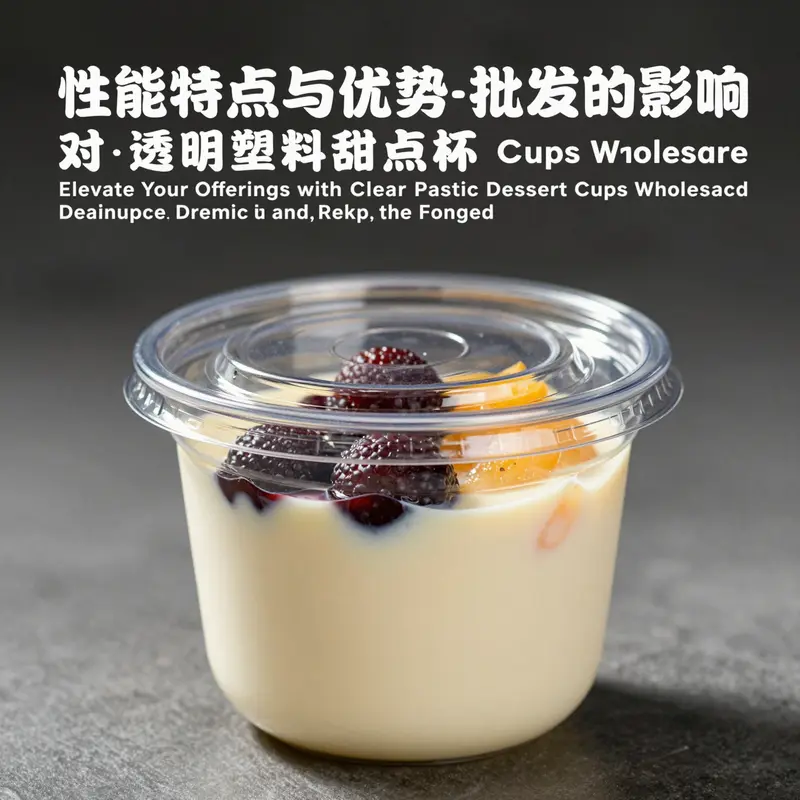
When buyers across the wholesale channel look at clear plastic dessert cups, they are not simply evaluating a container; they are weighing a set of performance attributes that shape every step of the supply chain, from production planning to in-store presentation. The appeal of these cups rests on a core triad: visual transparency that showcases the dessert, practical reliability for everyday use, and the flexibility to meet a broad spectrum of applications. In wholesale terms, those features translate into discernible value—lower risk, higher perceived quality, and stronger branding potential—factors that determine which SKUs win the most attention in catalogs and which orders become recurring business. The chapter that follows follows this thread through the lens of how performance features influence wholesale decisions, how they align with customer needs, and how they unlock pricing, customization, and logistics advantages for suppliers and buyers alike.
At first glance, the high transparency of clear plastic dessert cups is a key differentiator in a crowded market. When a tiramisu or a layered yogurt is presented in a crystal-clear cup, the coffee-soaked layers, the cream, and the fruit accents are not hidden behind opaque walls; they are framed like a miniature, edible display. This is not merely aesthetic; it is a commercial lever. The visual appeal of a dessert in a transparent cup can lift perceived product quality, justify premium pricing in boutique cafés, and spur impulse purchases in catering settings and large-scale events. In wholesale contexts, where buyers evaluate dozens of SKUs at a time, a cup that makes the dessert look irresistible can shorten the decision cycle. It also broadens the range of venues where the product can perform well—premier tasting events, wedding receptions, hotel buffet spreads, and seasonal promotions—because the cup itself becomes part of the storytelling.
A practical benefit that underpins the wholesale appeal is the cup’s light weight combined with robust durability. Compared with glassware, clear plastic cups reduce freight damage, simplify handling, and lower breakage risk during distribution, storage, and event service. This translates into tangible cost savings in the wholesale pipeline. For large orders, the ability to deliver many units per pallet without the fragility of glass means higher fulfillment velocity and fewer returns due to breakage. Buyers who coordinate mass catering or festival concessions particularly value this resilience, because it minimizes downtime during service and ensures a steady supply of visually compelling desserts for long-running events. The economics of scale are clear: as volumes rise, the per-unit cost declines, and the combined effect of lower logistic risk and a strong visual product can support aggressive discounting or bundled offers that stimulate large, repeat orders.
Material choices anchor much of this performance narrative. The dominant materials—PET and PP—each bring different strengths to wholesale buyers. PET offers premium clarity and a lightweight profile that makes the cups feel almost invisible, letting the dessert speak for itself. This is especially beneficial for display-oriented applications, where the goal is to maximize visual impact with minimal post-purchase handling. PET cups often pair with lids that seal securely, an important feature for take-away and off-premise consumption where leakage or spills can erode brand trust. PP, by contrast, brings superior heat resistance and ruggedness. Its tolerance for warm beverages and potential microwaving makes it suitable for hot-dessert pairings or ready-to-heat servings, expanding the product’s versatility in cafe menus and grab-and-go formats. For wholesalers, this material dichotomy means a catalog can cover both premium display cases and practical, heat-tolerant options without forcing buyers to seek separate suppliers. The result is a broader addressable market and more cross-selling opportunities within a single supplier portfolio.
The design flexibility that comes with modern molding processes further reinforces wholesale advantages. The same base concept—clear, food-safe cups—can be realized in a spectrum of capacities, from compact 60–100 ml portions ideal for mini desserts or tasting flights to large 500–700 ml options that function as self-contained meal or beverage containers. This range aligns neatly with the common wholesale practice of stocking a few core sizes that cover the majority of use cases while offering a handful of specialty sizes for niche events. The ability to mix sizes within a single order—often allowed by suppliers—helps customers tailor their offerings to specific service styles without committing to multiple disparate packaging lines. It is this adaptability that underpins the wholesale value proposition: customers can meet varied demand with a limited, well-coordinated assortment, reducing procurement complexity and improving on-shelf assortments.
From a manufacturing standpoint, the process realities behind these cups matter a great deal in wholesale pricing and reliability. Injection molding supports precise tolerances, consistent wall thickness, and reliable sealability with lids, all of which reduce defect rates and post-sale complaints. The physical resilience of the cups—resistance to cracking, chipping, and deformation under typical handling pressures—also contributes to a smoother supply chain. When a wholesale buyer considers a vendor, these factors align with expectations of consistent batch-to-batch quality, predictable lead times, and transparent testing protocols. Certifications that affirm food-contact safety, including EU food-contact compliance, are not mere afterthoughts; they are a gatekeeper that enables cross-border wholesale deals, ensures product acceptance in diverse retail environments, and protects the brand reputation of both supplier and purchaser. In practice, buyers often look for documentation that demonstrates compliance and traceability, knowing that the absence of such credentials can derail a deal at a late stage of procurement.
A further layer of value emerges from the product’s physical properties that customers may not notice at first glance but feel in everyday use. The cups’ surface integrity resists abrasion and staining, keeping presentation sharp even after repeated handling during service or transport. This is not only about consumer satisfaction; it impacts the buyer’s reliability metrics and service level agreements. In wholesale accounts that manage high-volume events or multi-site operations, cups that resist wear and maintain clarity after multiple uses help ensure brand consistency across locations. The interplay between optical clarity and mechanical robustness creates a product that can reliably meet the dual demands of premium presentation and high-volume service—a combination wholesalers pursue to secure steady demand and repeat orders.
The conversation around performance would be incomplete without addressing temperature considerations. PP’s higher heat tolerance makes it a natural choice for applications that involve warm components or beverages, while PET’s exceptional clarity is ideal for showpieces and cold desserts that rely on a pristine, see-through presentation. Wholesale buyers frequently evaluate whether a cup will be used for cold desserts, hot beverages, or both, and they appreciate the option to select from a portfolio that includes both materials. This flexibility reduces the need to source multiple supplier partners for different parts of a single program, streamlining procurement and safeguarding continuity, even during peak demand seasons. It also enables tiered pricing strategies—more premium, crystal-clear cups can be positioned for display-driven promotions, while robust, heat-tolerant options can support value-oriented bundles for take-away menus and mass events. In effect, the material choice becomes a strategic lever in wholesale negotiations rather than a simple technical detail.
The practical implications of these performance features extend into branding and customization opportunities, which are increasingly central to wholesale strategies. High-quality cups serve as canvases for logos, color accents, and decorative motifs that reinforce a brand’s identity. The opportunity to customize packaging—imprinting logos, brand colors, or thematic graphics on the cups or lids—transforms a simple disposable item into a portable marketing asset. Wholesale buyers often look for vendors that can deliver on branding at scale, with reliable imprinting capabilities, consistent color reproduction, and stable supply for long campaigns. When these capabilities exist, the cups become part of a broader experiential strategy, supporting consumer recall long after the event or promotion concludes. The added value of customization can justify higher unit prices in certain market segments, particularly in premium hospitality environments or corporate events where brand alignment and guest experience are prioritized.
The interplay between transparency, durability, and customization feeds directly into the decision calculus that shapes wholesale volumes and pricing. A distributor contemplating a large order weighs not only the per-unit price but also the broader economics of packaging, perishability, and logistics. Transparent cups that showcase a dessert’s layers can drive sell-through in visually oriented venues, but only if the container remains pristine during transit and on shelves. Durability reduces spoilage risk and returns, which in turn lowers overall carrying costs for the buyer. Customization adds value by elevating the perceived quality and enabling targeted promotions, yet it requires careful planning to avoid bottlenecks in production or increases in lead times. Wholesalers that can harmonize these elements—clarity, durability, design flexibility, and branding—are better positioned to secure large, recurring orders from a diverse set of customers, ranging from independent cafés to national catering brands.
In the broader ecosystem, the sourcing narrative also includes the practical realities of minimum order quantities and unit economics. The materials and configurations discussed translate into tangible wholesale patterns: modest-size cups with lids in a 130 ml range often ship with low MOQs and favorable per-unit pricing when ordered in bulk, while larger, un-lidded 200 ml variants can offer even lower unit costs per piece, given simple packaging and standardized production lines. For large-volume applications such as beverage cups and meal containers, 500 ml to 700 ml capacities with lids tend to be priced competitively when ordered at tens of thousands of units. These tiered pricing realities enable wholesalers to craft value propositions that accommodate both small, frequent restocks for local shops and massive, scheduled replenishments for chain-operated venues. The bottom line for procurement teams is straightforward: performance features that translate into safer handling, stronger display appeal, and flexible customization should correspond with clear, scalable pricing that aligns with the buyer’s demand forecast and promotional calendar.
The decision to invest in particular configurations is also shaped by regulatory considerations and consumer expectations for safety. Certifications that verify food contact compliance help reassure buyers that the cups can be used with diverse dessert formulations, including acidic fruit fillings, cream-based compotes, and dairy-rich layered treats. When suppliers can offer EU food contact certifications and transparent material disclosures, they reduce compliance risk for retailers and foodservice operators, making it easier to assemble consistent assortments across geographies. In a wholesale setting, compliance becomes a differentiator that can tip the scales in competitive bidding situations, especially for customers who operate under strict quality controls or who serve sensitive populations. Buyers may also weigh recyclability and end-of-life considerations as part of their sustainability programs, seeking cups that balance performance with responsible disposal options. PET’s recyclability, PP’s recyclability, and the presence of clear labeling for recyclability can influence long-term partnerships and drive repeat business with sustainability-minded operators.
Another dimension to consider is the way these cups fit into a broader packaging ecosystem. The cups are often paired with compatible lids and sealants that prevent leakage, preserve aroma, and extend shelf life, enabling smoother logistics and more reliable service. This compatibility reduces the complexity of selecting multiple components from different suppliers and supports a more streamlined operations workflow. For wholesale buyers, the ability to source a coherent system—the cup, the lid, and the seal—through a single channel simplifies inventory planning and reduces cross-supplier lead times. In practice, buyers often prefer catalogs that present a well-integrated range of sizes and lid types, with clear recommendations for which combinations work best for particular desserts or beverages. The timing of launches, seasonal promotions, and event-focused campaigns all benefit from such coherent assortments, as they allow marketing teams to execute campaigns with confidence about the packaging that will display and protect the product from the kitchen to the consumer’s hands.
From a strategic standpoint, the wholesale advantage of clear plastic dessert cups lies in their dual capacity to elevate product presentation and to minimize risk and cost across the supply chain. Buyers who understand that the cups serve as more than passive vessels can articulate a compelling value case to internal stakeholders, presenting a package that combines aesthetic appeal with operational efficiency. The result is a more resilient supply chain, capable of absorbing demand fluctuations, sustaining promotions, and supporting expansion into new markets or verticals. When paired with credible safety certifications, scalable customization, and material choices aligned to use-case realities, these cups become a core component of a retailer’s or caterer’s competitive toolkit.
To illustrate the practical implications with concrete numbers often observed in wholesale channels, consider typical configurations and pricing at scale. A 130 ml cup with a lid for tiramisu-style portions commonly appears in wholesale catalogs with a minimum order of around 1,000 pieces and a unit price that can hover near six cents, depending on the supplier and the exact lid design. A 200 ml PET cup without a lid—frequently used for cold desserts or snack-style servings—often commands a lower unit price in the neighborhood of a few cents, with per-unit costs dipping further as quantities rise toward the 1,000-piece tier. For larger, ready-to-serve formats such as 500 ml or 700 ml cups with lids used for milk tea or fruit beverages, bulk pricing often reaches toward the mid-two-cent range per unit when tens of thousands of pieces are ordered. While these figures are indicative rather than fixed, they capture the essence of wholesale economics: price per unit improves with volume, and the right performance profile—clear display, reliable sealing, and material suitability—helps secure the multiple-year commitments buyers seek in supplier relationships.
In closing, the wholesale narrative for clear plastic dessert cups is not solely about the container’s shape and material. It is a holistic story of performance that touches every touchpoint in the product lifecycle—from the dessert’s first presentation on a display shelf to the last mile of delivery at a corporate event. The most successful wholesale partnerships are built on a shared understanding of how transparency, durability, design flexibility, and compliance translate into tangible business value. Suppliers who cultivate a portfolio that marries premium display capabilities with practical robustness, while offering branding opportunities and regulatory reassurance, position themselves to win high-volume, long-term contracts. Buyers, for their part, should seek clarity on lead times, tolerances, and quality assurances as part of due diligence, while recognizing that the right combination of features can unlock not just better margins but stronger brand narratives in every market they serve. For readers who want to explore practical examples of customization and system-wide packaging solutions that align with these principles, one can see how a modular approach—paired with proven food-contact safety and scalable printing capabilities—can transform a simple cup into a strategic asset for retail, hospitality, and events. As the market continues to evolve, the enduring appeal of clear plastic dessert cups will rest on maintaining that balance between crystal-clear visibility and reliable performance, a balance that wholesale buyers have learned to prize as a core driver of growth and resilience.
External reference: https://www.alibaba.com/product-detail/130ml-clear-plastic-tiramisu-cup-with1600489837669.html?spm=a2700.galleryofferlist.pclc&src=gallery
Internal reference: For a broader discussion of customizable, take-away packaging solutions that complement dessert presentation, see this example of customizable takeaway packaging systems that integrate branding with practical cup-and-lid configurations. custom double-wall hot paper cups with lids.
Seeing Through the Glass: Charting Wholesale Demand, Design, and Compliance for Clear Plastic Dessert Cups
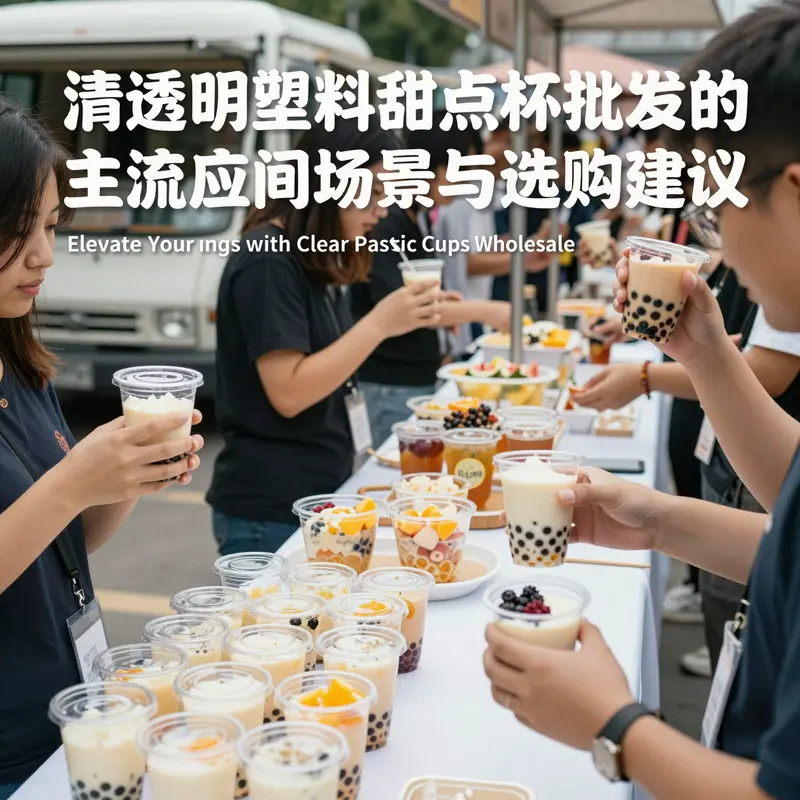
In the wholesale ecosystem for dessert presentation, clear plastic cups do more than hold sweet tiers and glossy coatings. They signal a product’s visual integrity, preserve texture from kitchen to consumer’s mouth, and carry the practical burdens of transport, branding, and disposal. The demand landscape for these cups is shaped not only by their ability to display layered desserts, but also by the reliability of supply chains, material adaptability, and the clarity of safety and environmental claims buyers verify before committing to large orders. On the front lines of this market, suppliers compete not merely on price but on a bundle of assurances: consistent transparency, lid options, predictable elasticity under load, and the ability to scale from cafe specials to thousands of units for events or campaigns. The resulting wholesale picture is one of layered considerations, where form, function, and compliance converge to determine which cups become standard tools of a modern dessert service.
From a materials standpoint, the two dominant families are PET, or polyethylene terephthalate, and PP, polypropylene. PET cups offer crystal clarity and light weight, creating a stage for the dessert that helps color gradients read clearly through the cup wall. PET cups align with many recycling streams in regions where recycling of clear plastics is supported. PP cups trade some translucence for heat tolerance and durability, handling warmer fillings and higher ambient temperatures more reliably. This is about performance as well as the vendor’s confidence in delivering the product intact after checkout, during transit, and at the table.
Capacity options reflect a market serving both small desserts and larger beverages. Common wholesale sizes hover around 130 ml to 200 ml for individual portions, with mid-range around 150 ml, and larger formats in the range of 500 ml to 700 ml for cold drinks or stacked components. In practice, 130 ml cups with lids preserve freshness during delivery, while larger PP cups support ready-to-drink or dessert-beverage hybrids.
The most telling feature with these cups is not merely what they hold, but how they hold it. The transparent wall is a canvas for the product’s story: the visible strata of a layered dessert and the texture of cream. A high-transparency design elevates perceived freshness, but transparency must balance leak resistance. Most offerings include molded lids, foil closures, or both. A snug seal prevents leakage, supports stacking, and is compatible with standard dispensing systems in cafes and catering operations. In bulk shipments, a secure seal matters between an appealing dessert and a soggy plan.
In discussing price and scale, wholesale conversations move toward the economics of bulk. The data behind price points show how volume and specification converge to reduce unit costs. A 130 ml cup with a lid, ordered in bulk, can be priced at a few cents per piece. Mid-range options such as 200 ml PET cups without lids may have a different cost profile, while 500 ml or 700 ml PP cups with lids can drop with tens of thousands of units. Buyers should align cup choices with anticipated demand, seasonality, and product mix to minimize waste and ensure a consistent presentation.
The applications for these cups are varied: beverages with desserts, bakery displays, catering stations, and grab-and-go retail. The packaging must convey hygiene and allow quick identification of choices. The packaging also acts as a canvas for branding and marketing, but branding should not compromise safety or readability. Customization options—print quality, color, and patterns—can extend brand presence to events and promotions and should be evaluated for durability in moist environments and feasibility for short-run orders.
Quality and safety cannot be peripheral concerns. Buyers verify that cups meet food-contact standards and request documentation such as ISO certifications or local food-safety approvals. They should note temperature limitations and disposal guidelines on packaging and labeling. Where possible, seek sustainable alignments, such as PET recyclability. In practice, these considerations guide a purchasing approach that respects business needs and the regulatory environment.
A pragmatic procurement approach involves mapping demand, identifying material preferences for climate and handling, and establishing a documentation checklist with food-contact certifications, heat-resistance data, and end-user disposal guidance. The ultimate objective is a packaging solution that preserves dessert integrity, supports efficient service, reinforces the brand, and minimizes waste. A supplier who offers end-to-end customization—from design concepts to on-time delivery—can dramatically reduce lead times and administrative overhead.
In sum, the wholesale landscape for clear plastic dessert cups is defined by transparency, resilience, and efficiency. The right combination of material, size, and lid, plus a reliable supplier, creates a packaging system that supports culinary craft and business growth. As markets evolve, the narrative will continue to unfold guided by innovations, retailer insights, and safety standards across the supply chain.
Final thoughts
The use of clear plastic dessert cups is not only a strategic choice for presenting desserts and beverages appealingly but also a practical solution for businesses aiming to enhance customer experience. With various sizes, materials, and features available, these cups stand out in their ability to adapt to multiple food service settings. Investing in high-quality, wholesale options will ensure your offerings are both attractive and effective in maintaining product quality and customer satisfaction.