
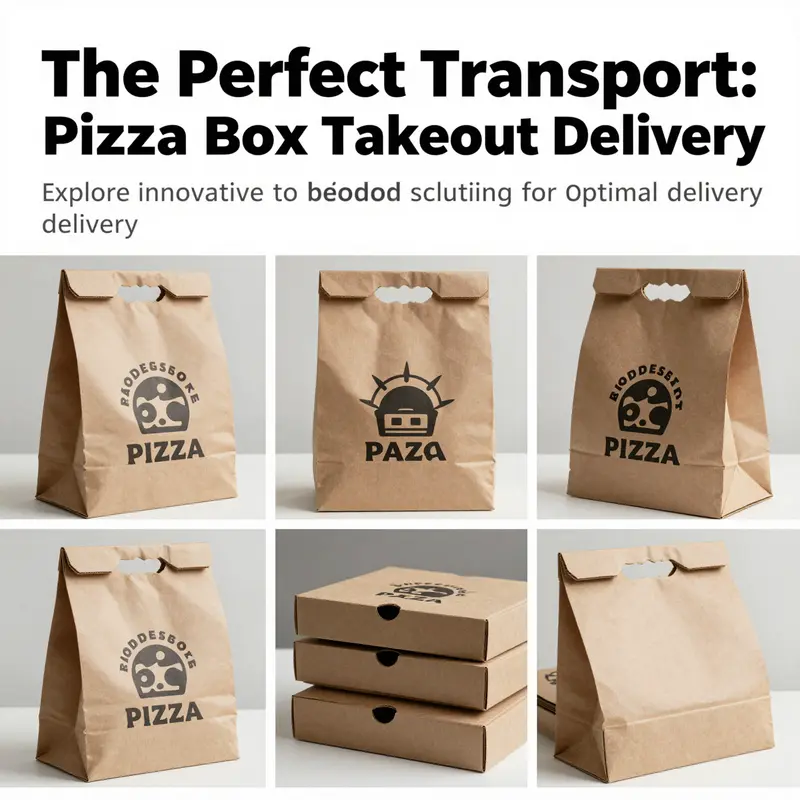
As the food delivery market continues to expand, the demand for efficient and practical packaging solutions skyrockets. Pizza box takeout bags are specialized tools designed for transport, keeping pizzas and other takeaway items hot, secure, and ready for enjoyment. These bags serve as essential assets for a variety of businesses, from bubble tea shops and restaurants to food trucks and catering services. In this exploration, we will delve into the three vital components of pizza box takeout bags: the heat retention capabilities of insulated bags, the eco-friendly alternatives provided by biodegradable options, and the potential for enhanced brand visibility through custom designs. Each aspect not only contributes to operational efficiency but also resonates with consumer values in today’s marketplace.
Insulated Pizza Box Takeout Bags: Heat Retention and Delivery Efficiency
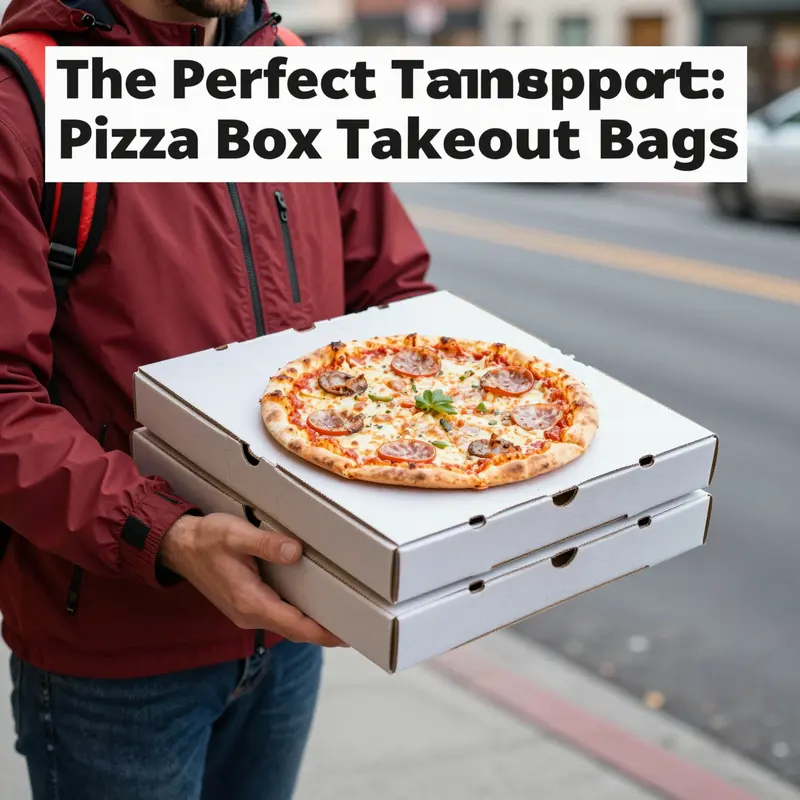
In the world of quick-service food, every minute matters, and every bite hinges on how reliably a hot pie arrives intact. Insulated pizza box takeout bags sit at the intersection of science and street-level logistics, translating thermal knowledge into practical, real-world performance. They are not mere carriers but carefully engineered tools that shape the customer experience from cafe door to doorstep. The challenge they address is simple in intent and complex in execution: keep the pizza at the right temperature without adding weight, bulk, or a sense of fragility to the delivery routine. The bag becomes a moving microclimate, a controlled pocket that negotiates heat, moisture, and handling in a way that a cardboard box alone cannot achieve. In dense urban corridors, where traffic can delay a rider or a driver for many minutes, the bag is a frontline factor in maintaining quality and confidence for both the courier and the customer.
At the core of these bags lies a straightforward physical principle: heat transfer occurs through conduction, convection, and radiation. Any warmth lost from the pizza must pass through the bag’s walls, then into the surrounding air and ambient environment. A well-designed insulated bag disrupts this transfer chain with material choices that create a barrier—an envelope thick enough to slow heat loss, yet light enough not to hinder quick, efficient delivery. The most effective configurations combine several layers: a reflective outer surface that minimizes radiant heat loss, a dense interior foam or composite core that reduces conductive heat flow, and a durable, grease-resistant lining that keeps the internal environment stable as the shipment travels. When these elements are aligned, heat retention can extend usable warmth for a meaningful window, often cited as roughly one and a half to two hours under typical delivery conditions. That window matters because it bridges the gap between kitchen readiness and customer satisfaction, a span that can absorb the variability of city traffic, weather, and route length without compromising the pizza’s integrity.
The design language of insulated pizza bag systems is practical and purposeful. A compact, backpack-style form factors grants hands-free mobility, which is especially valuable for bike couriers and pedestrians who rely on nimble, rapid handoffs. In practice, this means a bag that distributes weight evenly across the shoulders and back, with secure closures that minimize heat exchange at the seams. The zipper or Velcro closures are not afterthoughts but critical features that maintain a seal long enough to hold in heat during brief pauses and occasional detours. The interior configuration typically accommodates multiple standard-size boxes, often arranged in a way that preserves box integrity and prevents shifting that could crush crusts or mizzle toppings. The exterior is designed for durability and cleanability; greasy, flour-dusted hands are a constant, and a rugged exterior with reinforced seams and wipe-clean surfaces helps crews meet high turnover timelines without sacrificing hygiene.
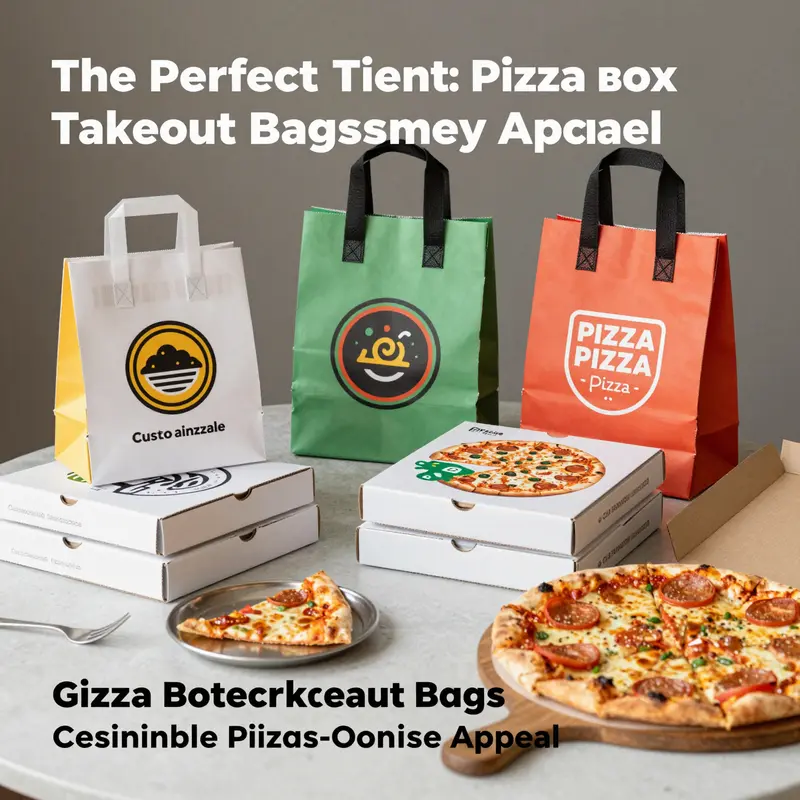
Beyond raw performance, the aesthetic and branding opportunities embedded in these bags are increasingly valued by operators who view packaging as an extension of the dining experience. The ability to print a logo or brand colors on a heat-retentive shell is not a cosmetic luxury but a strategic asset. A well-branded delivery bag reinforces perceived quality, signals care in handling, and contributes to a consistent, recognizable customer journey. In practical terms, UV printing or vibrant color accents on the bag’s exterior can evoke the same warmth and reliability that heat retention conveys on the inside, creating a cohesive brand narrative from kitchen to curbside. This alignment between performance and presentation is not incidental; it’s part of a broader shift toward packaging that communicates both function and fidelity to the dining experience.
Sustainability is no longer an optional consideration but a core criterion shaping the choice of insulated bag solutions. Operators increasingly seek materials that balance performance with responsibility. Insulated bags now frequently incorporate food-safe components and materials that are recyclable or recyclable-ready at the end of life. In some cases, the inner linings and outer shells are crafted from combinations that reduce environmental impact while still delivering heat integrity. The move toward sustainability is also reflected in the evolution of container ecosystems—where conventional plastic-based options are gradually paired with or replaced by kraft-based or other biodegradable alternatives for ancillary packaging components. The result is a system in which the bag itself performs its primary thermal function without compromising a restaurant’s commitment to eco-conscious operations. For restaurants aiming to elevate their environmental profile, this is not a bolt-on choice but a core element of the delivery architecture.
Consider how the thermal performance interacts with real-world delivery logistics. In urban settings, a courier’s route is rarely a straight line. Stops, detours, and weather change the rate at which heat dissipates. A robust insulated bag creates a buffer against these fluctuations, preserving pizza quality even when a ride stretches longer than planned. The “one bag fits all” impulse quickly gives way to a more nuanced approach: bags that balance heat retention with weight, ergonomics, and capacity. A single bag that can hold one or two standard boxes, while remaining comfortable for a long leg of a route, becomes a crucial asset. It reduces the need for multiple containers, simplifies inventory management, and speeds up handoffs at windows or doorsteps. In short, the bag’s design is inseparable from the delivery network’s efficiency metrics: fuel or energy consumption per delivered order, time-to-delivery, and the consistency of the hot-to-cold gradient inside each package.
An often-understated but vital factor is the interaction between the bag and the pizza itself. The heat inside the bag relies on a delicate balance between trapped air, moisture control, and the containment of steam that naturally escapes from a freshly baked pie. If the interior lining absorbs moisture too aggressively, it can degrade crust texture; if it reflects too aggressively without enough insulation, it can create condensation that compromises toppings. A well-made insulated bag addresses these nuances through materials that manage internal humidity and temperature with a quiet efficiency. The result is a pizza arriving with a crisp crust, gooey edges, and cheese that remains set rather than slick or slickened by steam. The sensory impact is not just about heat; it’s about preserving the pizza’s structural and organoleptic integrity in transit.
From a systems perspective, the value proposition for insulated bags expands beyond the contained delivery moment. A bag that maintains proper heat helps reduce complaints tied to temperature, which in turn lowers the need for discounting or re-delivery due to quality concerns. For operators who measure customer satisfaction through post-delivery surveys and repeat orders, the bag becomes a tangible touchpoint—evidence that the kitchen’s effort translates into a reliable, comfortable dining experience. This feedback loop—heat retention, user experience, and brand trust—reinforces the business case for investing in high-performance insulated bags as part of a broader delivery strategy, rather than treating packaging as a low-priority add-on.
The sustainability thread that threads through modern packaging also intersects with the lifecycle of the bag itself. Reusability is one axis, where a durable, easily cleaned outer shell can be returned to service many times, reducing single-use waste. Yet even single-use or limited-use models contribute to sustainability when they employ recyclable materials and compostable linings where available. In this sense, the bag is not simply a vessel for a single hot pie but a component of a circular approach to packaging that aligns with a restaurant’s broader environmental commitments. In practice, operators weigh the upfront costs of reusable options against the long-term savings from reduced waste, fewer substitutions caused by packaging failure, and the enhanced brand equity gained through responsible packaging solutions.
To illustrate the ecosystem briefly, consider the interplay between bag design, courier technique, and customer expectations. A courier wearing a well-fitted, ergonomically balanced insulated bag is less prone to fatigue and strain over a shift. The weight distribution reduces shoulder and back stress, which translates into steadier hands and fewer drops or mishandling incidents. The bag’s external features—quiet closures, reinforced handles, and pinch-resistant edges—minimize the risk of accidental opening or tearing during transit. Inside, a stable, multi-compartment arrangement helps keep pizzas orderly and secure, preventing shifting that can jostle toppings or cause crust edges to soften unevenly. All these micro-optimizations add up to a broader macro effect: faster, more predictable deliveries with a consistently warm product. In markets where customers expect immediacy and quality, the bag becomes a critical, differentiating asset rather than a routine accessory.
From a materials science perspective, the future may bring even more refined solutions. Advances in insulation chemistry, reflective coatings, and interior lining technologies hold promise for slimmer profiles that offer equal or greater heat retention. The drive toward sustainability may yield lighter, more recyclable compositions that still meet stringent health and safety standards. For managers evaluating procurement options, the takeaway is clear: a bag’s value is measured not only by how long it keeps pizzas warm, but by how it integrates with the delivery workflow, supports brand storytelling, and aligns with environmental responsibilities. In the everyday cadence of a pizzeria’s operations, the bag is both a practical tool and a strategic channel for quality assurance, efficiency, and stewardship.
One practical note for teams seeking to communicate this value to staff and customers is the language of expectations. Clear labeling about heat retention capabilities, best practices for stacking pies, and recommended delivery timelines helps set realistic customer expectations while guiding courier behavior. Training that emphasizes gentle handling, timely handoffs, and prompt closing of the bag’s seals can yield measurable gains in both performance and safety. In this sense, the insulated bag is not merely a passive container but a partner in operational discipline—an artifact of process that embodies a restaurant’s commitment to delivering hot, fresh food with consistency and care.
For operators exploring sustainable options that still deliver on heat performance, there is a spectrum of packaging ecosystems to consider. Some establishments pair insulated bags with kraft-based or recyclable outer components to extend overall durability and end-of-life options. These combinations can create a coherent narrative of responsibility—from kitchen to curb—to the customer who values a reduced environmental footprint without sacrificing the quality of the hot pie. The balance is delicate: high heat retention requires materials that resist heat flux; sustainability demands materials that are recoverable or compostable. Effective solutions reconcile these demands through thoughtful material science and supply chain choices, rather than trading one virtue for another.
In more practical terms, a well-chosen insulated bag should meet several criteria that collectively influence delivery efficiency. It should maintain a stable internal temperature with minimal fluctuation as the courier moves through varying environments. Its weight and size should fit naturally into daily routines, enabling rapid loading and unloading. It should resist grease and moisture, ensuring that the exterior remains both clean and sanitary after hours of use. It should offer a reliable closure system that seals the heat inside, protecting pizzas during brief stops at apartment hallways or office lobbies. And it should provide room for the typical box configurations a shop uses, with some margin for an occasional larger order or two smaller boxes side by side. When these criteria are met, the bag helps to reduce the cognitive load on the courier—fewer worries about temperature, crust integrity, or topping migration—so that attention stays focused on driving, navigation, and the precise timing that kitchens rely on to maintain a steady rhythm of orders.
To connect the thread back to the broader packaging landscape, the insulated bag’s role is best understood as part of a layered system. The pizza box itself, while sturdy, is not designed to single-handedly guard against the vagaries of the journey. The bag acts as a second shield, extending the box’s protective role into the street and into the customer’s experience. In this sense, the bag is not an isolated gadget but a critical node in a chain that links product quality to delivery reliability and to the broader narrative of responsible food service. As such, decisions about bag design, materials, and branding should be guided by a holistic view of performance, sustainability, and customer satisfaction rather than by a narrow focus on heat alone.
For teams seeking a tangible starting point in evaluating options, a practical approach combines performance testing with field observations. Measure how long pizzas stay visibly hot under typical routes and weather conditions, then compare how different bag designs handle common stresses like crowding, doorways, or stairwell transit. Use customer feedback as a compass—are pizzas arriving with crusts that retain their snap and cheese that stays grounded and not pooly? Track delivery metrics such as average time-to-delivery, rate of temperature complaints, and repeat orders, and map those metrics against the adoption of high-quality insulated bags. The goal is not merely to purchase a more expensive bag but to embed a design that supports speed, safety, and sensory appeal in the customer’s hot pie experience.
If one looks at the broader packaging ecosystem, the choice of insulated bag interacts with other takeout components. Traditional packaging elements, such as kraft-based containers and paper wraps, contribute to the sustainability profile and can complement the bag’s performance. Acknowledging this intersection invites a design approach that respects the strengths and limits of each component. For example, a takeaway that includes a sturdy, recyclable outer bag and a heat-retentive interior can offer an integrated solution that reduces waste while preserving quality. The aim is to create a dependable, scalable system that can adapt as menus evolve, demand patterns shift, and sustainability commitments deepen. In this context, the insulated bag is a platform for operational resilience, brand consistency, and environmental stewardship rather than a single-purpose accessory.
As this chapter surveys heat retention and delivery efficiency, it is important to foreground a practical takeaway for operators. When selecting or upgrading insulated bags, prioritize materials with proven thermal performance, ergonomic design for daily use, and compatibility with your typical delivery configurations. Look for interiors that resist oil and moisture, robust closures, and multi-box capacity that aligns with most orders. Consider branding options that allow your restaurant to communicate care and quality, while keeping a future-facing eye on recyclability and end-of-life options. The balance of these considerations—performance, usability, and sustainability—defines how effectively insulated bags translate kitchen excellence into a reliable, high-quality delivery experience.
In the end, the bag is more than a container; it is a kinetic piece of the delivery puzzle. It absorbs the rigors of urban travel, channels heat where it matters, and projects a restaurant’s commitment to quality in every curbside exchange. The best designs emerge from listening to the rhythm of the routes, studying how heat behaves in motion, and aligning packaging choices with the values customers expect. When a bag can reliably keep a hot pie hot, a crust remains crisp, a topping stays intact, and a customer smiles at the doorstep, the delivery becomes more than a transaction. It becomes a moment of trust—the moment a meal travels the last mile and proves that packaging, like taste, is a crafted experience.
For practitioners who want to explore a concrete packaging option in the broader landscape of sustainable, heat-retentive containers, see this resource that discusses disposable octagonal box kraft paper packaging as part of an environmentally conscious packaging family. It offers insight into how traditional materials can align with modern demand for performance while honoring a commitment to sustainability. disposable octagonal box kraft paper packaging. This reference helps frame the conversation about how printed or branded outer layers, recyclable interiors, and efficient thermal cores come together in a practical system.
For readers seeking a broader technical and commercial perspective on insulated delivery bags, an external product overview provides a complementary angle on heat retention specifications, durability, and real-world field use. The resource discusses performance characteristics and design considerations that drive the effectiveness of insulated bags in everyday delivery scenarios. External resource: https://www.alibaba.com/product-detail/New-Star-Foodservice-Insulated-Pizza-Delivery_1601793872218.html?spm=a2700.gallery-internal.0.0.7c8d7c8bQxKlTf
Biodegradable Pizza Box Takeout Bags: Eco-Friendly Solutions for Sustainable Pizzerias and Delivery Services
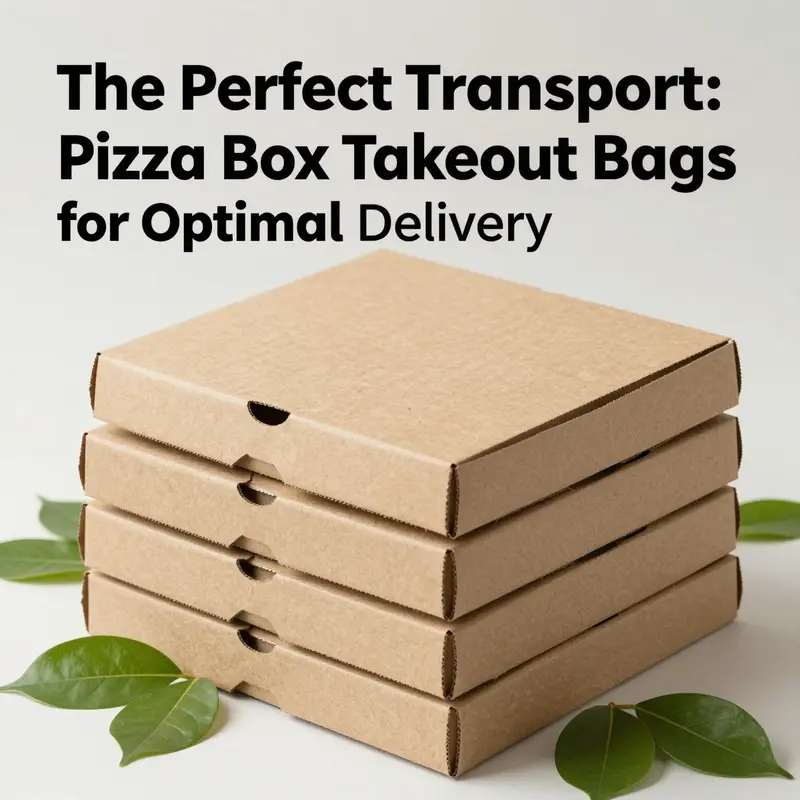
Biodegradable pizza box takeout bags represent more than a trend; they are a strategic component of a restaurant’s sustainability narrative and a practical response to the waste challenge that comes with fast food delivery. In an era when customers increasingly equate food quality with responsible packaging, pizzerias and delivery services find that the packaging itself can reinforce or undermine a brand promise. Biodegradable takeout options address this by combining functionality with environmental stewardship. They are crafted from renewable resources such as recycled paper and plant‑based fibers, often designed to break down under composting conditions rather than linger in landfills. The underlying aim is to align the moment of purchase with the end of life, so the footprint of a hot, fresh pizza does not linger long after the last bite. In this charge toward responsible packaging, the material choices and the life cycle of the packaging become as important as the pizza inside. And because the delivery ecosystem includes heat retention, moisture control, and protection from transit damage, these bags must not merely be biodegradable; they must perform under real world conditions. The result is a package that can keep a pie warm, safeguard its toppings, and exit the dining room with a story customers can feel good about sharing with friends and family. The shift toward compostable and recyclable takeout packaging is not just about reducing waste; it is about reimagining how a simple, everyday item can participate in a circular economy. These solutions recognize that pizza delivery is a logistic process with a defined start and end, and the end should circle back into the system rather than become waste. The ambition is to create a packaging loop that complements heat retention and structural integrity while enabling responsible end-of-life scenarios, whether through industrial composting facilities or in some cases well-managed local composting streams. An important aspect of this transition is the recognition that biodegradability does not automatically mean low performance. The best materials combine a robust barrier against moisture and air, strength to resist tearing and crushing, and a surface strength that supports branding and consumer communication without compromising compostability. In practice, that balancing act leads to a spectrum of solutions. Some options emphasize high recycled content and minimal coatings to support recyclability, while others emphasize compostable fibers that can stand up to the weight and heat of a fully loaded pizza box. Across this spectrum, the overarching advantage remains clear: packaging that can be responsibly managed after use without sacrificing the integrity of the food carried inside. Materials science, process engineering, and supply chain logistics converge in ways that can transform not only a single restaurant’s footprint but the collective footprint of the delivery segment itself. Sugarcane bagasse and recycled paper are among the most commonly deployed fibers, valued for their strength, moisture resistance, and composting compatibility. In addition to these plant‑based and post‑consumer materials, many manufacturers are exploring blends that optimize heat insulation while reducing reliance on traditional petrochemical plastics. It is not unusual to see takeout bags that are designed for industrial composting to decompose within a defined window, typically within 90 to 180 days, under controlled conditions. These timelines reflect a realistic expectation of how composting facilities operate in many markets and how municipal programs are evolving to handle more compostable packaging. The end-of-life story for these bags is nuanced. While industrial composting remains the primary pathway for many compostable options, home composting is less predictable due to temperature and moisture variability. This reality has implications for brand messaging and consumer education. Businesses that communicate clearly about disposal guidance—whether customers should seek industrial facilities or local programs—often see better outcomes in terms of actual end-of-life management and consumer trust. A practical implication of this nuance is that biodegradable packaging must be matched to local waste ecosystems. When a packaging choice aligns with the available infrastructure, the likelihood of proper processing increases, and the packaging completes its intended cycle rather than becoming a contaminant in the recycling stream. For operators, this means a careful evaluation of local composting capabilities, municipal guidelines, and even the potential for partnerships with waste processors. The environmental benefits multiply when packaging design considers the entire lifecycle. A simple shift from nonrecyclable coated paper to a compostable fiber can cut the volume of waste entering landfills, especially when a brand communicates the lifecycle story to customers. The consumer who receives a hot slice of pepperoni through a bag that identifies itself as compostable is not simply buying a meal; they are participating in a broader sustainability conversation. Beyond the immediate environmental advantages, biodegradable pizza box takeout bags can influence brand perception and loyalty. In markets where customers are attuned to sustainability, packaging that discloses materials, disposal pathways, and end-of-life expectations can differentiate a business from its competitors. The credibility of these messages is reinforced by transparent processes and reliable performance. If a bag loses its structural integrity or fails to keep the pie sufficiently warm, the sustainability story can backfire, eroding trust rather than building it. Thus the challenge for operators is to balance environmental goals with the practical demands of fast, high-volume service. The best biodegradable options deliver strong barrier properties against moisture and air, maintain heat for a meaningful window during transit, and resist the wear and tear of a doorstep handoff. The packaging must also present a clean, professional surface that can accommodate brand marks, messaging, and any regulatory disclosures without compromising compostability or recyclability. In parallel with material innovation, there is growing interest in multi‑compartment takeout solutions that extend the biodegradability ethos to more complete meal packaging. Bagasse based multi‑compartment containers, for instance, offer a durable, moisture‑resistant alternative for multi‑item orders, turning what used to be a simple pizza carrier into a carrier system that can separate sauces, salads, and sides without resorting to plastic liners. Such integrations demonstrate how sustainability can permeate the entire takeout experience. As these packaging ecosystems evolve, businesses discover that simple changes can yield measurable advantages. A customer who receives a hot, intact pizza in a bag that performs reliably and is clearly labeled as compostable is more likely to become a repeat visitor and to advocate for a brand that shares its values. Equally important is the potential for these options to align with broader sustainability goals, such as reducing reliance on fossil-based plastics, cutting landfill contributions, and supporting local waste infrastructure. In terms of procurement, biodegradable takeout packaging is becoming more mature and accessible. Vendors offer a spectrum of products, from plain unprinted options that minimize environmental impact to customized designs that enhance brand visibility while still preserving end-of-life performance. For small and medium-sized businesses, competitive pricing has improved as demand grows and manufacturing processes scale. A recent market trend notes that the starting cost of some biodegradable mini pizza box alternatives can be surprisingly affordable, even for smaller operators, when ordered at sensible MOQs and with standardized sizes. This affordability does not come at the expense of performance. Properly selected materials can achieve the temperature retention necessary to deliver hot pizzas and the moisture control needed to prevent sogginess or leakage. To align with sustainability goals and customer expectations, many operators also pursue a mixed approach. They may use biodegradable bags for the outer wrapper or the main carry bag while pairing them with compostable containers, cups, and napkins. This cohesive, end-to-end strategy can elevate a restaurant’s environmental credentials and deliver a consistent message across the dining experience. A practical way to illustrate this is to consider a scenario in which a pizzeria uses a biodegradable pizza bag that can be sealed tightly to minimize heat loss, paired with a compostable slice box or bag that can tolerate steam without losing its structure. The integrated system reduces waste while preserving the customer experience. For those who want to explore the broader landscape of eco-friendly packaging, the chain of options extends beyond pizza alone. The same biodegradable and compostable principles apply to multi-compartment meal containers and cardboard boxes used for other takeout meals, offering a scalable path for restaurants seeking to standardize sustainability across menus. An emerging opportunity within this space is the ability to customize the look and feel of biodegradable packaging without compromising its end-of-life performance. Sustainable packaging vendors increasingly offer plain, unprinted options that minimize coatings and facilitate compostability, along with custom branding that remains visually appealing and durable during transit. It is essential that branding decisions account for the impact on compostability. Some inks, coatings, and adhesives can affect the degradation process, so developers emphasize printing methods and materials compatible with industrial composting streams. In practice, this means choosing inks and finishes that can be broken down along with the substrate, or selecting brand-appropriate occlusions that do not compromise the end-of-life pathway. The broader implication of these developments is that sustainability gains are not achieved by a single change but by a well-coordinated packaging strategy. A restaurant that aligns its takeout bags, boxes, and disposable tableware with a shared end-of-life plan stands to reduce waste more effectively, improve customer trust, and strengthen its competitive position. This integrated approach requires a collaborative mindset. It invites dialogue with suppliers about the exact materials used, the compostability certifications or standards applicable in the target markets, and the disposal infrastructure accessible to customers in different regions. It also invites conversations with waste management partners about how these products are processed and how to monitor performance. For readers seeking a concrete, practitioner-friendly starting point, consider examining the ecosystem of options that support biodegradable takeout packaging. Materials science is advancing quickly, and the market is maturing to meet the demands of busy kitchens and discerning customers. A practical takeaway is the realization that sustainability is a journey rather than a destination. Each packaging choice contributes to a cumulative impact, and the most successful venues communicate transparently about their choices and their expected end-of-life fate. In this journey, the packaging itself becomes a storytelling device—one that conveys care for the environment and a commitment to responsible business practices. To support this narrative, many operators adopt a simple rule of thumb: pair a compostable outer bag with a compostable internal carrier, maintain performance standards under delivery conditions, and ensure disposal guidance is clear and accessible to customers. The result is a packaging system that not only supports the food but also stands as a concrete emblem of a brand’s sustainability commitments. As markets continue to evolve, the appetite for affordable, scalable biodegradable solutions will likely grow further. Vendors report expanding capacities and more favorable unit costs as demand increases, validating the business case for restaurants that want to reduce their environmental footprint without sacrificing service quality. For businesses positioned to act, this is a moment to reframe how packaging is evaluated and funded—not as an afterthought but as a strategic enabler of customer satisfaction and long-term resilience. The next steps for any operator involve a careful assessment of local waste streams, a collaboration with packaging suppliers to verify compostability credentials, and a thoughtful approach to product design that does not compromise the dining experience. When these elements align, biodegradable pizza box takeout bags become a powerful ally in sustainable growth, enabling brands to deliver hot, fresh pizzas while respecting the planet that hosts their customers and their kitchens. External resource: https://www.alibaba.com/product-detail/Disposable-Biodegradable-3-4-5-Compartment-Takeout_1600255893734.html
null
null
Final thoughts
Pizza box takeout bags not only serve as a functional necessity but also as a powerful branding tool in the competitive landscape of food delivery services. By integrating insulated, biodegradable, and customizable options, businesses can enhance their operational efficiency, appeal to eco-conscious consumers, and elevate brand visibility. As you consider your packaging choices, remember that investing in quality takeout bags is investing in customer satisfaction and long-term loyalty. Empower your delivery strategy today and watch your business thrive.