
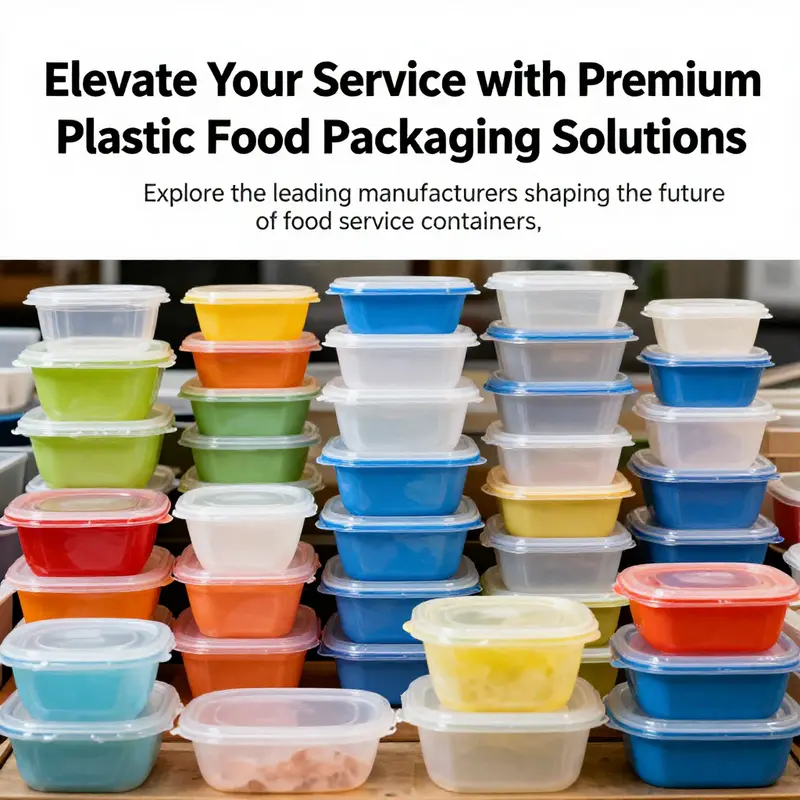
In the bustling world of food and beverage service, effective packaging is crucial for ensuring quality and convenience. Plastic food containers play an integral role in this landscape, offering versatility and durability for a wide range of applications—from bubble tea shops to catering services. Understanding the dynamics of plastic food container manufacturers helps industry professionals select the right suppliers and products. This comprehensive overview delves into China’s pivotal role as a manufacturing titan, highlights essential features and advantages of leading suppliers, identifies notable manufacturers, and explores the latest market trends. Together, these chapters will equip you with the insights needed to enhance your service and engage your customers effectively.
Innovative Titans: How China Transformed the Global Landscape of Plastic Food Container Manufacturing
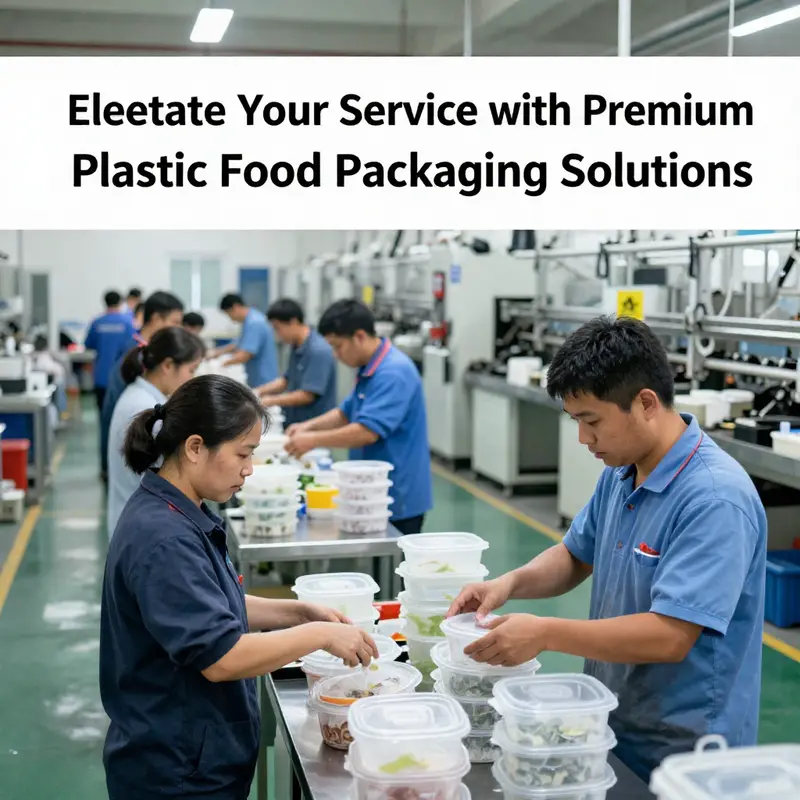
China’s rise to prominence in the plastic food container manufacturing arena is a story of technological prowess, robust industrial networks, and a relentless drive for efficiency. Over the past few decades, China has transformed its production capabilities and supply chain dynamics, making the country an indispensable hub in the global marketplace. Chinese manufacturers have mastered a model that integrates every step of the production process, from sourcing raw materials to sophisticated molding techniques. These capabilities are underpinned by the seamless collaboration among regional clusters, ensuring that each component of the manufacturing process is optimized for both cost efficiency and product quality. The nation’s commitment to continuous innovation and adherence to international safety standards has made it a trusted partner for companies worldwide. In today’s competitive landscape, where meeting regulatory requirements and rapid scalability are paramount, China stands out as a beacon of industrial excellence in plastic food container manufacturing.
The transformation of manufacturing clusters in provinces such as Guangdong, Shandong, and Hebei is a testament to China’s integrated ecosystem approach. In these regions, manufacturers have developed close-knit relationships with suppliers of raw materials, advanced machinery providers, and logistics companies. This tightly woven fabric of industrial partners provides an environment where production processes are not only efficient but also highly adaptable to change. The proximity to major seaports such as Ningbo, Qingdao, and Shenzhen further streamlines the export process, reducing lead times and cutting down on transportation costs. A well-developed infrastructure and a strategic geographic positioning have allowed Chinese manufacturers to quickly scale operations and meet fluctuating market demands on a global scale. This integration of supply chains, logistics, and production is a key element in China’s ability to stay ahead in an industry where precision and speed are critical.
Rapid advancements in technology have played a critical role in elevating China’s capabilities in plastic food container production. The nationwide adoption of automation and Industry 4.0 technologies has paved the way for precision molding, quality consistency, and swift production cycles. Manufacturers now deploy sophisticated robotics and computer-controlled processes to achieve exacting tolerances and innovative container designs. These modernization efforts are not only beneficial for production efficiency but also for enhancing product functionality. For instance, advanced molding techniques allow companies to create containers with features such as microwave resistance or freezer durability, tailored to the specific needs of various food products. This integration of technology ensures that each plastic food container meets exacting international food safety standards while also offering innovative design solutions that cater to a diverse clientele. The drive to couple technological progress with traditional manufacturing strengths has solidified China’s position as a leader in this competitive sector.
Economic indicators reveal a thriving and dynamic market that continues to grow at a steady pace. Industry data suggests that the market for plastic packaging containers in China was valued at 15.78 million tons in 2026 and is projected to reach 19.39 million tons by 2031, with a compound annual growth rate (CAGR) of approximately 4.21%. This robust growth is underpinned by strong domestic demand and a surge in international trade, where economies of scale have allowed Chinese manufacturers to offer competitive pricing without compromising quality. The ability to manage both small trial orders and large volume contracts is a significant advantage for B2B buyers who require reliability and consistency. Companies in China are not only able to meet high demand volumes but also to innovate rapidly as market preferences shift. The economic vigor of the plastic food container sector is a reflection of the broader industrial landscape in China, where continuous investment in technology, infrastructure, and research has created an environment ripe for sustained growth and innovation.
Quality assurance and regulatory compliance remain at the heart of China’s manufacturing strategy. Chinese companies have made considerable investments in ensuring that their products are not only competitively priced but also meet stringent international food safety standards. Top manufacturers use food-grade polymers such as high-density polyethylene (HDPE) and polypropylene (PP) which are rigorously tested to comply with regulations set forth by agencies like the U.S. FDA, the EU’s LFGB, and ISO 22000 standards. Advanced testing protocols, including third-party laboratory analyses, are a routine aspect of production, ensuring the traceability and purity of raw materials. These measures are particularly important for products designed for acidic or hot-fill applications, where the risk of chemical migration must be minimized. In an environment where buyers are increasingly vigilant about product safety and environmental impact, Chinese manufacturers have strategically positioned themselves as both cost-efficient and compliant partners. This focus on quality and compliance not only protects public health but also reinforces China’s reputation as a dependable source of high-quality plastic food containers in global markets.
For B2B buyers worldwide, evaluating supplier performance extends well beyond a simple price comparison. Companies sourcing plastic food containers increasingly consider factors such as production scalability, operational maturity, responsiveness, and the rigor of compliance practices. Chinese manufacturers have come to excel in these areas by leveraging their deep-rooted industrial ecosystems and innovative production techniques. Buyers are now looking at a holistic picture that includes the manufacturer’s ability to perform under strict quality control regimes, maintain supply chain traceability, and adapt quickly to market shifts. The evaluation process is supported by transparent certification processes, where suppliers provide verifiable documentation regarding the origin of materials and compliance with international standards. This thorough vetting process minimizes risk and ensures reliable, on-time delivery. The strategic cooperation between suppliers and global trade partners has fostered trust and long-term relationships, thereby setting a high benchmark for supplier performance in the highly competitive arena of food packaging.
Regional disparities within China have given rise to specialized roles among manufacturing clusters, each contributing unique strengths to the overall landscape of plastic food container production. Manufacturers in Guangdong are widely recognized for their emphasis on customized design and innovative product development, constantly pushing the envelope to meet changing consumer preferences. Conversely, companies located in Shandong have built their reputation on the basis of cost-efficient scalability, catering to large volume orders without sacrificing product integrity. Hebei, too, plays a crucial role by ensuring that high standards of production are maintained through rigorous quality controls and precise manufacturing protocols. Such regional specialization has not only reinforced China’s competitive advantage but also allowed international buyers to tap into a robust network of suppliers that offer tailored solutions based on specific market demands. This evolution of regional strength underlines the multifaceted approach that Chinese manufacturers adopt to meet global needs, bridging the gap between innovation and efficiency.
Despite the impressive scale and sophistication of China’s plastic food container manufacturing sector, the industry is not without its challenges. Environmental sustainability and resource management have become pressing issues as global consumers demand more eco-friendly packaging solutions. In response, Chinese manufacturers are increasingly investing in research and development initiatives aimed at reducing waste and incorporating recycled materials wherever possible. There is a growing trend towards using bio-based plastics and developing new formulations that provide the same durability and safety while lessening the environmental footprint. This shift towards sustainable manufacturing is coupled with ongoing efforts to further enhance the energy efficiency and technological capability of production facilities. Balancing cost efficiency, high-quality standards, and environmental responsibility is complex, but China’s dynamic industrial environment has shown remarkable adaptability in the face of these challenges. The industry’s proactive measures in embracing sustainable practices are setting the stage for future growth that is both economically robust and environmentally conscious.
In synthesizing the various facets of China’s dominant role in the global plastic food container market, it is evident that the nation’s success is built on a foundation of integrated technological innovation, scale, and unwavering quality control. The transformation of local manufacturing hubs into sophisticated centers of production has empowered Chinese manufacturers to compete on an international scale, meeting the rigorous demands of both regulatory bodies and B2B buyers. The country’s ability to harness the power of Industry 4.0, automate production processes, and streamline logistics has resulted in a level of operational maturity that few other nations can match. For global buyers, this means access to products that are not only cost-effective but also compliant with strict safety standards, offering a reliable and innovative solution for food packaging needs. As the market continues to evolve and new challenges emerge, China’s commitment to research, sustainability, and continuous improvement ensures that it will remain a key player in the global landscape of plastic food container manufacturing. For further insights into market trends and performance, you may explore additional external perspectives at Market insights on China Plastic Packaging Market.
Innovating Safety, Scale, and Sustainability: Unveiling the Strategic Edge of Plastic Food Container Manufacturers
The plastic food container industry is built on a foundation of uncompromising quality, technological innovation, and a steadfast commitment to safety and sustainability. With manufacturers consistently rising to complex demands, the narrative behind these products is one of intricate process integration and strategic planning. Across expansive production floors in China, and indeed in other major manufacturing hubs, companies have established themselves as beacons of reliability by investing in advanced materials, precision engineering, and innovation-driven design. The conversation on plastic food containers is not merely one of cost and output—it is an evolving dialogue around quality, adherence to global food-safety standards, and responsive design solutions that meet the diverse needs of modern food service and retail segments.
At the heart of this industry lies a deep respect for material safety and regulatory compliance. Manufacturers have adopted food-grade plastics such as PET, PP, HDPE, and PS, which have earned the confidence of international regulatory bodies. These materials are lauded for their chemical stability, non-toxicity, and negligible migration of unwanted compounds into food. Companies rigorously subject raw materials to quality tests to ensure they meet stringent standards such as those set by the U.S. Food and Drug Administration, strict European Union regulations, and key certifications demanded by global markets. The careful selection and processing of polymers not only safeguard the consumer but also bolster the market position of manufacturers by building a reputation rooted in safety. Such commitment enables manufacturers to step confidently into markets that prioritize consumer health, while also paving the way for long-term partnerships with global food and beverage brands.
This dedication to quality is matched by groundbreaking advancements in manufacturing technology. Modern production lines integrate automated injection molding machines, blow molding setups, and innovative printing techniques that allow for consistent output and superior design. In many facilities, centralized material feeding systems and real-time monitoring are standard features that ensure every unit produced meets exacting quality controls. Automation and digitized process management have minimized human error and allowed for the production of containers that are not only aesthetically pleasing but also functionally versatile. Innovations such as multi-layer co-extrusion, mold-in-labeling, and specialized printing have opened new avenues for customization. These technologies allow manufacturers to craft customized container shapes, sizes, and finishes that cater to a wide spectrum of requirements—from microwave or freezer resistance to intricate branding details that help clients distinguish their products in competitive markets.
Beyond the technical prowess in manufacturing, design innovation plays a critical role in differentiating manufacturers. The ability to offer bespoke designs tailored to the needs of a client is a powerful competitive tool. Manufacturers have embraced customization by developing containers with unique sealing mechanisms, ergonomic features such as handles that provide a comfortable grip, and finish variations that enhance functionality. This level of customization ensures that a wide array of customers—from fast-moving consumer goods companies to restaurant chains—can source packaging that is not only practical but also reinforces their own brand identity. The strategic focus on providing customizable solutions helps these companies remain agile in a market where changes in consumer preferences and industry standards occur regularly. An evolving aesthetic and functionality, informed by ongoing customer feedback, has positioned manufacturers as true partners in the supply chain, capable of responding to quick-turnaround orders and small trial runs as effortlessly as they manage large-scale contracts.
Environmental sustainability has emerged as an essential component of the production process in the modern era. Many manufacturers are now integrating sustainable practices without compromising the quality or functionality of plastic food containers. The pivot towards environmentally responsible production is evident in multiple facets—from the development of new recyclable polymers to the introduction of lightweight designs that reduce plastic usage. Some leading manufacturers have gone further by employing biodegradable materials blended with plant-based compounds, ensuring that even when their products reach the end of life, the environmental footprint is minimized. Sustainability is not a mere trend but a strategic imperative that aligns with global market shifts and consumer expectations. As environmental regulations tighten and consumer preferences lean heavily towards eco-friendly options, companies that pro-actively invest in green technology and sustainable practices can access new market segments as well as bolster their reputation as responsible manufacturers.
In addition to technological and sustainable innovations, the backbone of competitiveness in this sector lies in scalable production capacity and robust supply chain management. Modern facilities are characterized by their ability to handle both mass production and smaller, customized shipments with equal efficiency. Quality control measures such as ISO9001 certifications, comprehensive testing protocols, and continuous process improvements ensure that every shipment meets the highest standards of integrity and durability. This level of operational agility is crucial in an environment where market demands can shift rapidly—whether driven by a sudden spike in consumer demand or in response to global supply chain disruptions. A proven production capacity not only cements a manufacturer’s role as a reliable supplier but also provides the strategic advantage of timely delivery. Consistently meeting deadlines and maintaining production volume—even in peak periods—helps in nurturing long-term client relationships that are the lifeblood of the food packaging industry.
The strategic advantages of plastic food container manufacturers extend beyond technical and operational expertise. The evolution of these companies into trusted brand names underscores their role as partners in the broader food and beverage supply chain. A strong reputation, built over years of delivering consistent quality and innovative design solutions, opens doors to significant business opportunities. Manufacturers that are widely recognized in the market can leverage their brand equity to enter new markets and form partnerships with major food service providers and retail chains. The collaboration with established global food, dairy, and restaurant brands is a testament to the reliability and performance of these plastic food containers. Such alliances are supported by rigorous testing standards and certifications that assure end-users of the product’s safety and efficacy.
Within the competitive landscape of food packaging, the convergence of quality, technological innovation, and sustainability has elevated the profile of plastic food container manufacturers. These companies have effectively responded to the twin imperatives of market demand and regulatory oversight, positioning themselves at the forefront of a transformative era in food packaging. In markets where consumer safety and product innovation are paramount, the promise of high-grade plastic containers provides an indispensable solution that meets the dynamic requirements of the modern food industry.
An illustrative example of this synthesis of innovation and strategy is seen in modern production facilities that continuously integrate new technologies into established manufacturing processes. By harnessing the potential of automated controls, real-time data monitoring, and advanced molding techniques, manufacturers are able to achieve not only remarkable precision in container design but also impressive operational efficiency. Such advancements enable manufacturers to quickly alter production lines to accommodate evolving market trends. Whether responding to seasonal changes in demand or capitalizing on shifts in consumer preference towards more sustainable packaging, this dynamic adaptability is key. The ability to seamlessly adjust production parameters ensures that manufacturers remain competitive in a market where time-to-market often determines success. These factors collectively contribute to a resilient supply chain that is capable of weathering global market challenges and harnessing emerging trends.
It is also important to note the subtle interplay between regulatory compliance and market innovation in this industry. The rigorous adherence to international safety standards does not stifle creativity; rather, it drives manufacturers to innovate within the framework of globally accepted norms. Every container must not only reflect high-grade material usage and aesthetic appeal, but it must also pass through multiple layers of testing for chemical stability, durability, and performance under various conditions. Manufacturers invest significantly in research and development to refine the properties of polymers, ensuring that the products meet evolving safety mandates while also exploring new functionalities. As these companies continue to develop and introduce cutting-edge solutions—such as containers that can be used safely in microwaves or freezers—industry trust increases and consumer confidence is further solidified.
A natural outgrowth of these innovations is the integration of sustainability into the core production strategy. As consumer awareness regarding environmental issues increases, manufacturers are compelled to go beyond traditional expectations. Eco-friendly practices are no longer optional, and firms that proactively integrate sustainable solutions into their manufacturing processes are rewarded with increased market share and enhanced brand loyalty. The transition toward the use of renewable resources, improved recyclability of products, and the development of biodegradable alternatives has redefined industry benchmarks. In a market driven by consumer values and regulatory pressures alike, manufacturers that lead in sustainability not only mitigate environmental impact but also catalyze market growth through new customer channels. This proactive stance on environmental responsibility is gradually becoming the standard rather than the exception, influencing every stage of the production process from raw material sourcing to the final packaging design.
Another significant factor bolstering the competitive advantage of plastic food container manufacturers is the strategic emphasis on flexibility and supply chain reliability. In an era where market disruptions are common, a resilient supply chain is more than just an operational need—it is a strategic asset. Manufacturers invest in comprehensive quality assurance programs and adopt international quality standards to ensure that every container meets stringent durability and performance metrics. The ability to adapt to fluctuations in demand while maintaining high output levels is a critical indicator of operational excellence. This operational flexibility, coupled with a strong distribution network, means that businesses relying on these manufacturers can plan and execute their supply chain strategies with confidence. Such reliability not only drives repeat business but also attracts new customers who value consistency and dependability.
The focus on operational scale is complemented by a profound understanding of client needs. Modern manufacturing is as much about relationship management as it is about production metrics. Many leading manufacturers actively work with their clients to understand specific requirements, thereby ensuring that the final product delivered is fully aligned with the client’s vision and operational needs. This client-centric approach often includes collaborative design sessions, prototyping, and iterative feedback mechanisms that enhance product quality and functionality. The process underscores the importance of balancing customization with mass production—a careful equilibrium that is hard to achieve but essential for success. For instance, while one client may prioritize design aesthetics for high-end retail packaging, another may focus on the functional aspects such as leak-proof seals and durability for bulk food service operations. This flexibility and responsiveness to client demand illustrate why these manufacturers are viewed as trusted partners rather than just suppliers.
Furthermore, the ongoing transformation within the food packaging industry has encouraged some players to explore hybrid models that integrate traditional plastic containers with newer, eco-friendly design philosophies. Although the primary focus remains on plastic due to its superior performance, companies are increasingly exploring ways to merge the benefits of plastic with environmentally responsible innovations. This may include using recycled plastics, reducing material thickness without compromising strength, or even combining plastic with biodegradable elements to create hybrid containers that offer the best of both worlds. This innovative crossroads not only broadens the appeal of plastic food containers but also positions these manufacturers as forward-thinking leaders in sustainable packaging. For those interested in understanding the evolution of eco-friendly packaging trends and their interplay with plastic technologies, additional insights can be found in discussions on various cutting-edge packaging solutions, such as those highlighted in our coverage of eco-friendly packaging innovations available here: eco-friendly printed logo single wall coffee cups.
In summary, the plastic food container manufacturing industry is characterized by its relentless pursuit of excellence. Driven by commitments to quality, safety, and innovation, manufacturers have developed a layered strategy that aligns advanced technology with sustainable practices and customer-centric design. Through the deployment of state-of-the-art production techniques, strict adherence to international safety standards, and an embracing of new sustainable materials, they have positioned themselves to meet modern challenges head-on. Scalability, regulatory compliance, and the ability to create customized product solutions ensure that these manufacturers not only satisfy current market demands but are also well-prepared for future advancements. As global markets continue to evolve, driven by technological breakthroughs and changing consumer expectations, the strategic advantages of these manufacturers reinforce their role as indispensable partners in the global food supply chain.
For an in-depth perspective on how evolving market dynamics and technological advances are shaping the future of food packaging, further details can be sourced from the comprehensive report available at Fortune Business Insights: Plastic Containers Market Size, Share & Trends Analysis Report By Type, By Application, And Segment Forecasts To 2035.
Navigating China’s Production Powerhouse: Unveiling Innovation, Scalability, and Global Partnerships in Plastic Food Container Manufacturing
In the fast-evolving world of plastic food container manufacturing, China stands out as a global leader whose production prowess has redefined industry standards and buyer expectations. Throughout this expansive narrative, we explore how a network of integrated industrial ecosystems, advanced production methodologies, and robust export infrastructures have positioned China at the forefront of the market. The story of China’s success is one of innovation, precision, and efficiency, where vast production capabilities blend seamlessly with the ability to cater to highly customized requirements while maintaining the stringency demanded by international food safety regulations.
From the early days of mass production to the modern era of lean manufacturing and digital transformation, Chinese plastic food container manufacturers have continuously refined their processes. This evolution has been driven by regional industrial clusters, each with a specialized focus and unique set of capabilities. These clusters, notably in provinces such as Guangdong, Zhejiang, and Jiangsu, serve as the backbone of the country’s impressive output. Guangdong Province, for example, has become synonymous with high-volume, precision-molded containers that satisfy large-scale orders and complex design requirements. The seamless integration of design and production processes in this region allows manufacturers to produce containers that boast both consistency in quality and competitive pricing.
Zhejiang Province has similarly carved out a reputation as a hotbed of innovation, where sustainable production techniques and eco-friendly material solutions are at the forefront of research and development. Manufacturers here embrace creative design while ensuring that their production practices are aligned with contemporary environmental standards. By investing in green technologies and process optimization, these companies produce containers that are not only durable and reliable but also offer an alternative to traditional, less sustainable options. In Jiangsu Province, advanced automation systems and rigorous quality control measures work hand in hand. This region is known for its commitment to meeting strict international regulatory requirements, which helps in assuring global buyers that each batch of products undergoes meticulous quality evaluation before it reaches the marketplace.
At the heart of China’s manufacturing strategy is the ability to scale production rapidly while maintaining a level of customization that is essential in today’s diverse market. Manufacturers have established production methods that can easily oscillate between small trial runs for new clients and full-fledged mass production for long-established brands. This degree of flexibility is particularly valuable for businesses looking to test innovative product designs or for those that must react quickly to market trends. The integrated approach ensures that even when order volumes are vast, there is no compromise in the level of detail or quality. Every container is produced in facilities fitted with state-of-the-art molding technologies, which allow for precise customization in terms of shape, size, and design. This technological edge not only supports brand differentiation but also reinforces the reputation of Chinese manufacturers as reliable partners in global supply chains.
Beyond the realm of production volume and customization, cost efficiency remains a cornerstone of China’s competitive advantage. Economies of scale play a predominant role in reducing the per-unit cost of production. In an industry where margins are often tight, this capacity to deliver competitive pricing without sacrificing quality is a key motivator for B2B buyers across the globe. The affordability of Chinese-made plastic food containers goes hand in hand with their proven durability and compliance with international safety standards. Manufacturers routinely adhere to stringent guidelines such as those stipulated by the U.S. Food and Drug Administration, the European Union regulations (such as EU 10/2011), and German LFGB standards, among others. This compliance not only boosts consumer confidence across international markets but also reinforces China’s standing as a trusted production hub.
As manufacturing capacity grows, so too does the industry’s commitment to innovation. Companies invest heavily in research and development to push the boundaries of what plastic food containers can achieve. Product innovations often target functional improvements such as microwave or freezer resistance, which are critical for meeting evolving consumer lifestyles. Advanced molding technologies now enable the integration of ergonomic design features that enhance practicality without compromising aesthetics. By continuously exploring novel materials and production methods, manufacturers ensure that their offerings stay ahead of the curve in terms of safety, functionality, and environmental impact. The agile nature of this innovation cycle means that manufacturers can quickly adapt to emerging trends, whether it be through the incorporation of biodegradable materials or through the development of completely new container designs that address hitherto unmet market needs.
The interconnected nature of the Chinese manufacturing landscape is further exemplified by the way companies collaborate and share resources within regional clusters. This cooperation fosters an environment where technical expertise and process innovation are disseminated rapidly among firms, ensuring that best practices are widely adopted and constantly refined. The result is a competitive market that not only drives prices down but also continually raises the quality benchmarks for plastic food containers. High standards of production are maintained even as output scales dramatically. This commitment to quality is an essential part of the value proposition communicated to global buyers who rely on these products to meet their specific packaging needs reliably and efficiently.
For many global importers and B2B buyers, sourcing the right supplier can be a daunting task, and one of the key advantages of working with Chinese manufacturers is the ease with which potential partners can be identified through established sourcing platforms. Digital marketplaces provide buyers with detailed insights into supplier capabilities, production capacity, quality certifications, and client reviews. These platforms foster an environment of transparency and competitive bidding, which ultimately benefits buyers in terms of cost, customization, and delivery times. This integration of digital tools and global connectivity has democratized the sourcing process, making it easier for companies of all sizes to access top-tier production resources. In fact, interested parties looking to explore eco-conscious packaging options are encouraged to learn more about innovative design trends by visiting an informative page about an eco-friendly printed logo single wall paper cup, which provides further context into how sustainability is being woven into the fabric of modern food container production.
Sustainability is a word that resonates strongly across all facets of the plastic food container industry today. With growing awareness of environmental issues and regulatory pressures, manufacturers are not only refining the efficiency of their production processes but are also pioneering the use of recyclable and renewable materials. The adoption of eco-friendly practices is driven by consumer demand for greener alternatives and by global trends towards circular economy principles. Many Chinese manufacturers are thus investing in the development of packaging that minimizes environmental impact without sacrificing performance. This dual focus on product excellence and environmental stewardship provides a competitive edge as brands around the world are increasingly expected to align with sustainable values. In this way, the industry is witnessing a melding of tradition with innovation, where the robust capabilities of established manufacturing techniques are enhanced by forward-thinking, green technologies.
Quality control remains an inseparable part of the production process. Integrated quality assurance systems, which combine automated inspections with manual oversight, enable manufacturers to detect and correct even minor deviations in product performance. These systems ensure that every container leaving the production line meets both domestic and international regulatory requirements. In such a competitive market, the assurance of quality operates as a silent promise that builds trust and underpins long-term relationships between suppliers and buyers. The vigilance in quality assurance underscores the reliability of Chinese manufacturers, making them trusted partners in the global food packaging supply chain. By rigorously upholding quality standards, these manufacturers safeguard the reputation of their products and ensure consistent satisfaction among their international clientele.
The interplay between technological innovation, cost efficiency, and quality control paints a picture of an industry that is far more dynamic than it might appear at first glance. The constant drive towards automation and digitalization has led to significant reductions in lead times while simultaneously enhancing precision in production. This evolving landscape has also seen the integration of big data and artificial intelligence tools to monitor production metrics in real time. Manufacturers leverage these technologies not only to optimize their output but also to foresee potential challenges before they escalate. Such proactive measures help in maintaining an uninterrupted supply chain, which is critical for businesses that rely on timely deliveries and consistent product quality. Moreover, the adoption of these advanced technologies highlights the strategic vision of manufacturers who are not content with merely meeting current market demands but are actively shaping the future of the industry.
The global reach of Chinese plastic food container manufacturers is accentuated by their ability to serve a wide array of markets, each with its own set of demands and regulatory landscapes. Whether catering to consumers who prioritize convenience and affordability or those who seek innovative, sustainable solutions, Chinese manufacturers have demonstrated an exceptional ability to tailor their offerings to diverse requirements. The rise of e-commerce and the expansion of global trade networks have only amplified the importance of these manufacturing clusters. Strategic positioning within key economic hubs across China means that products can be rapidly deployed to major markets in North America, Europe, and Southeast Asia, ensuring that even the most distant buyers experience minimal delays.
The evolution of this industry has not only been marked by technical advances but also by a transformation in the way business is conducted. B2B relationships have grown more collaborative over time, with suppliers and clients working together to develop customized solutions that address specific challenges. The trend towards deeper collaboration has resulted in long-term partnerships that transcend mere transactional interactions. Instead, these relationships are built on the mutual benefits of shared innovation, risk management, and market adaptation. In a time when consumer needs change rapidly, the agility offered by these partnerships is invaluable. This spirit of collaboration propels the entire industry forward, ensuring that manufacturers continue to be at the cutting edge of design, technology, and efficiency.
The immense scale of production combined with the ability to closely adhere to diverse regulatory requirements has made China’s plastic food container industry the go-to resource for companies around the world. While many industries face difficulties when scaling up production without compromising on quality, Chinese manufacturers have demonstrated that it is possible to deliver both at once. This balance of scalability and precision is achieved through vertical integration, where every step in the production process—from material sourcing to the final quality check—is coordinated in a finely tuned manner. Such integration minimizes external dependencies and ensures that operational speeds can be maintained without sacrificing the integrity of the product. It is a system that not only reinforces China’s leadership in the global market but also provides a blueprint for manufacturing excellence that many emerging economies seek to emulate.
In an industry characterized by rapid technical changes and shifting market dynamics, the ability to predict future trends has become a vital component of strategic planning. Many manufacturers are investing in research initiatives that look beyond current technologies to explore what the next generation of plastic food containers might look like. Concepts such as increased recyclability, the integration of smart packaging features, and further enhancements in automation are all under active exploration. These initiatives are supported by partnerships with academic institutions, technology providers, and even end-users, ensuring that the products of tomorrow are designed with real-world applications in mind. The future of plastic food container manufacturing is one that is filled with potential and promise, driven by a continuous quest for improvement and a commitment to meeting the evolving needs of consumers across the globe.
Over time, these robust manufacturing processes and innovative solutions have not only transformed the plastic food container landscape within China but have also had significant implications for global trade. The reliability of Chinese suppliers is underpinned by their extensive experience in managing large-scale operations, which in turn translates into shorter lead times and fewer supply disruptions for international buyers. In today’s interconnected world, where supply chain resilience is a top priority, such reliability represents a critical competitive advantage. Buyers are no longer compelled to choose between cost and quality; rather, they benefit from the simultaneous achievement of both, demonstrating the unique value proposition that Chinese manufacturers consistently deliver.
The consolidated strength of China’s manufacturing sectors is further enhanced by the digital transformation of global trade practices. Online sourcing platforms have revolutionized the way buyers and suppliers interact by providing immediate access to detailed information about product specifications, compliance records, and production capabilities. These platforms serve as a central repository of knowledge, which streamlines the decision-making process and reduces uncertainties. The digitization of trade has removed many of the traditional barriers to entry, enabling even small and mid-sized importers to tap into the vast capabilities of China’s plastic food container industry. With transparent practices and immediate verification of supplier credentials, these platforms ensure an efficient and secure trading environment for all parties involved.
In many ways, the evolution of China’s plastic food container manufacturing sector mirrors broader global trends in manufacturing and supply chain management. It is a story of transformation where traditional methods have been integrated with cutting-edge technology, creating a symbiotic relationship that benefits producers and consumers alike. As the industry continues to mature, there is an increasing focus on sustainability, with manufacturers developing eco-conscious practices that align with international environmental standards. The pursuit of sustainability does not come at the expense of innovation; rather, it drives manufacturers to explore new materials and methods that further enhance the quality and functionality of their products.
The compelling narrative of China’s manufacturing leadership is underscored by its commitment to continuous improvement and its proactive stance toward market challenges. It is this unwavering focus on innovation and quality that has made China the preferred source for plastic food containers worldwide. Every stage of the production process is meticulously planned and executed, ensuring that final products meet the rigorous demands of a global marketplace. In a sector where product safety, durability, and design are paramount, Chinese manufacturers have set a high bar that others strive to reach.
The remarkable journey of these manufacturers is a testament to the fact that success in the modern industrial landscape requires much more than simple mass production. It demands a visionary approach where technological innovation, strict regulatory adherence, and customer-centric strategies intersect to create products that are both functional and forward-thinking. The plastic food container industry, with its emphasis on scalability and customization, serves as a perfect example of how advanced manufacturing can be leveraged to create value for businesses and consumers alike.
Ultimately, as global markets continue to evolve and new challenges arise, Chinese plastic food container manufacturers remain poised to adapt and innovate. Their ability to combine cost efficiency with advanced production techniques, all while meeting international quality standards, provides a reassuring prospect for companies around the world. The future of this industry is intricately linked with continued improvements in technology and sustainability practices, ensuring that these manufacturers remain at the cutting edge of industrial innovation. For those seeking deeper insights into how these global partnerships are forged and maintained, an external resource on sourcing strategies can offer additional expert perspectives. For further sourcing insights and in-depth analysis, please visit this online sourcing guide.
Transformative Trends in Plastic Food Container Manufacturing: Sustainability, Innovation, and Global Dynamics
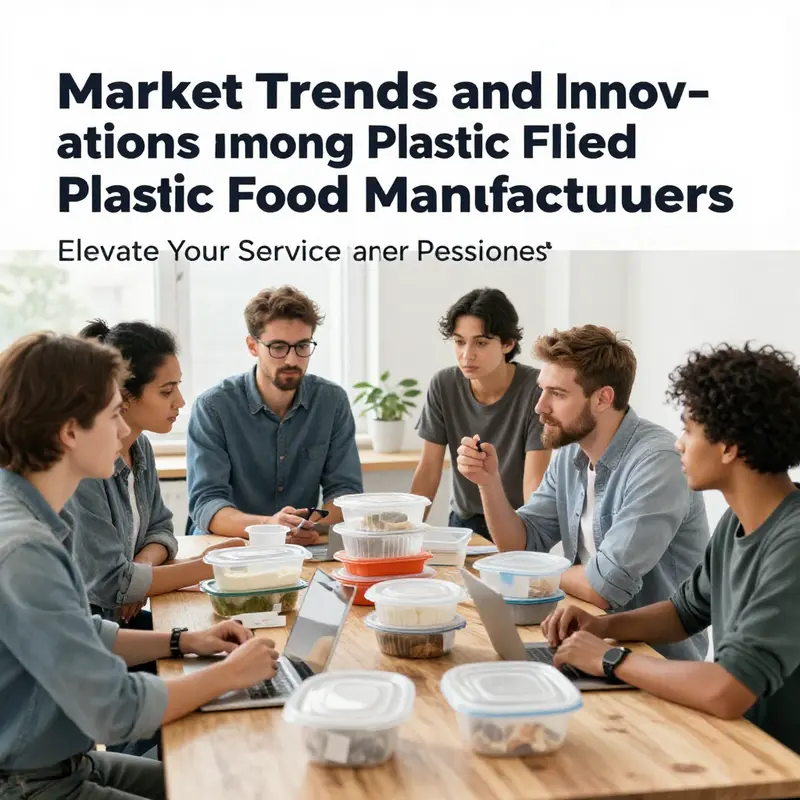
The evolution of plastic food container manufacturing is characterized by a melding of sustainable practices, advanced technological innovations, and an unwavering commitment to regulatory compliance. Manufacturers across the globe are not only responding to consumer demands but are also setting new benchmarks that have redefined the industry landscape. At the heart of this transformation is a realization that efficiency and innovation can coexist with environmentally conscious practices, thereby ensuring that manufacturers remain competitive while addressing global concerns. As one explores this intricate dynamic, it becomes clear that the evolution is underpinned by several critical factors, including material sustainability, cutting-edge design innovations, improved production scalability, and adherence to international safety standards.
One of the most pivotal shifts in recent years is the growing emphasis on sustainable materials. Manufacturers are increasingly opting for advanced polymers that offer recyclability without compromising on functionality. Polypropylene and high-density polyethylene have garnered significant attention because these materials not only meet the stringent demands of food safety but also cater to eco-friendly initiatives. Moving away from potentially hazardous chemicals such as bisphenol A (BPA), these materials provide a safer alternative for consumers and manufacturers alike. The focus on sustainability is not just an environmental imperative; it is also a strategic business decision shaped by consumer awareness and regulatory pressures. Industry players have invested substantial research and development resources into creating materials that are both durable in everyday use and compliant with a host of international standards. Such innovations have facilitated the development of food containers that possess desirable characteristics such as heat resistance, microwave safety, and robustness, making these containers suitable for a wide variety of culinary applications.
The commitment to sustainable materials is intertwined with an ongoing reinvention in container design. Modern design innovations center around enhancing the user experience while simultaneously improving product performance under various conditions. Manufacturers are designing containers that feature multi-compartment layouts, a development that addresses the modern consumer’s penchant for convenience and functionality. These multi-compartment solutions allow for the separation of different food items, ensuring that tastes and textures remain unadulterated and that the freshness of each component is maintained over time. The underlying technology in these designs often incorporates advanced sealing systems that prevent leaks, thus safeguarding the quality of the food during storage and transportation. Beyond the functional aspects, ergonomic design plays a substantial role in redefining the way these containers are used in everyday scenarios. By focusing on ease of handling, manufacturers are developing containers that not only provide superior durability but also simplify the portability of meals prepared at home or on the go.
Technological innovation is also driving significant progress in improving the production scalability of plastic food containers. One of the notable advantages for manufacturers, particularly in regions like China, is the capacity to accommodate both limited trial orders and large-scale production runs. This flexibility is achieved through investments in automated production lines and precision molding technologies. Such systems ensure that every container produced is consistent in quality and dimensional accuracy, which is vital for maintaining customer trust and meeting the stringent requirements imposed by international regulations. Scalability is further enhanced by integrated supply chains that cater to every stage of the production process, from raw material sourcing to final product packaging. The synergy between technology and scaling enables manufacturers to manage fluctuations in demand while keeping overall costs in check. This operational flexibility is particularly valuable in an industry where consumer trends can change rapidly and market conditions may vary widely from one region to another.
From a global perspective, the dominance of regions such as China in plastic food container manufacturing cannot be overstated. The country’s integrated industrial ecosystem, deep expertise in the production of high-quality plastic products, and robust export infrastructure have set the stage for it to emerge as a leading player in the international arena. Regional clusters in China, where manufacturers specialize in various facets of plastic food container production, have become hubs of innovation and efficiency. These clusters facilitate a rapid exchange of ideas and best practices, while also enabling manufacturers to take advantage of economies of scale. The resultant cost efficiencies, coupled with the ability to adhere to multiple international safety standards, create a compelling value proposition for buyers across the globe. The advanced capabilities of these manufacturing clusters are continuously refined through investments in technology, research, and workforce training, ensuring that companies remain at the forefront of industry trends.
Innovation in design and manufacturing is closely linked to the broader quest for safety and regulatory compliance. The food packaging industry, by its very nature, must adhere to exacting standards since the products directly interact with consumables. Manufacturers routinely implement procedures to ensure that their plastic food containers do not compromise the sanitary conditions required for food safety. This necessitates obtaining certifications from globally recognized bodies and strictly following guidelines pertaining to chemical leaching, heat resistance, and durability. A significant aspect of this evolution is the phase-out of materials known to harbor risks when exposed to certain conditions. For instance, as concerns over the safety of traditional polymers intensify, there has been a marked shift towards newer, more stable compounds that mitigate such risks. This shift is emblematic of the broader transition within the industry—a transition that marries innovation with a steadfast commitment to consumer safety. Emphasizing quality control and precision in manufacturing processes, companies are steadfast in ensuring that safety standards are not compromised even in the pursuit of innovation.
Furthermore, the push towards ecological responsibility is steadily influencing product lifecycle management in the plastic food container industry. Manufacturers are now considering the environmental impact of their products from the design phase to their eventual disposal or recycling. This holistic approach has fostered innovations that extend beyond the container itself to include the entire supply chain. For example, some manufacturers are exploring closed-loop recycling processes that allow for the reintroduction of recycled plastics back into production lines. These initiatives not only decrease the overall carbon footprint of food packaging but also create opportunities for cost savings that can be passed on to consumers. The integration of sustainability into every facet of production underscores a broader commitment to responsible manufacturing practices and reflects a critical understanding that environmental stewardship and commercial interests can be effectively aligned. In many instances, the pursuit of sustainable manufacturing practices has led to collaborations between industry players and environmental organizations, thereby driving further advancements in eco-friendly design and production methodologies.
In addition to these developments, the pace of change in consumer behavior has also been a driving force behind manufacturing innovations. Today’s consumers, armed with a heightened awareness of environmental issues and safety concerns, expect products that not only meet their functional needs but also contribute to a sustainable future. This shift in consumer attitudes has compelled manufacturers to re-evaluate their product design and material choices. The transition to eco-friendly materials, such as biodegradable polymers and recyclable plastics, is a direct response to these evolving expectations. Over time, the increased demand for environmentally responsible products has spurred further investments in green technologies and research. As a result, industries that once relied on traditional production methods are steadily embracing practices that reduce waste and promote material reuse. This evolution in consumer expectations, combined with advances in technology, has generated a virtuous cycle of innovation where each success builds on the last.
Sustained advancements in technology have also led to the rise of innovative production methodologies that streamline the entire manufacturing process. Modern facilities are utilizing precision molding and automated quality control systems that guarantee consistency even during high-volume production. This rigorous approach to quality assurance has not only fortified the reputation of manufacturers but also allowed them to maintain a competitive edge in global markets. With the increasing complexity of designs and the adoption of new materials, these advanced production techniques provide a level of precision that was once unattainable. As manufacturers strive to differentiate themselves in a crowded market, the ability to offer customizations—be it through shape modifications, color variations, or enhanced functionality such as microwave resistance—has become a significant competitive advantage. Prevention of defects, reduction of production waste, and the optimization of raw material usage are all outcomes of the strategic deployment of modern manufacturing technologies.
The convergence of innovation, sustainability, and regulatory rigor has also resulted in a closer integration between research and industry practices. Many leading manufacturers are investing in research collaborations with academic institutions, innovation centers, and even regulatory bodies to help shape the future of plastic food container design. This cross-pollination of ideas has resulted in breakthroughs that would have been impossible in a purely commercial setting. By bridging the gap between theoretical research and practical application, the industry is advancing at an exponential rate. These partnerships not only drive innovation but also ensure that emerging technologies are implemented in a manner that conforms to ever-evolving regulatory landscapes. In doing so, manufacturers are poised to meet both current and future challenges with agility and foresight, positioning themselves as industry pioneers who are capable of anticipating and adapting to market demands.
Given the rapid evolution of the industry, it is essential to recognize that manufacturers face a delicate balancing act. They must continuously invest in technology and innovation while ensuring that their practices remain economically viable for both small-scale and large-scale operations. This balancing act is especially evident in the area of production scalability. On one hand, the need to produce containers that meet varied consumer preferences—ranging from highly specialized designs to generic models suitable for mass markets—requires flexibility in manufacturing processes. On the other hand, achieving efficiency at scale demands investments in automation and precision engineering that can drive down production costs. Manufacturers who have successfully navigated this terrain demonstrate that the integration of innovation with operational efficiency is not merely aspirational but a practical necessity that underpins sustained success in a competitive industry.
The industry’s progression extends beyond technological and material advancements; it also encompasses a marked improvement in consumer safety protocols. As global safety standards have become more stringent, manufacturers are compelled to implement rigorous testing and quality control mechanisms to ensure that every product reaching consumers meets the highest possible standards. This focus on safety is evident in every facet of production, from the selection of non-toxic materials to the deployment of cutting-edge manufacturing equipment that minimizes the risk of contamination. Through a series of systematic improvements, the industry has managed to not only comply with but often exceed the requirements of regulatory agencies around the world. These efforts are reflective of an industry that is dedicated to continuous improvement and is committed to delivering products that consumers can trust.
In light of these trends, the future of plastic food container manufacturing appears both dynamic and promising. Industry leaders are increasingly viewing sustainability and innovation as two sides of the same coin. This integrated approach is paving the way for the development of products that are not only environmentally responsible but also highly functional and appealing to a wide range of consumers. As market dynamics evolve, manufacturers are expected to further concentrate on optimizing production processes, exploring new recyclable compounds, and broadening the scope of customizability in container design. Innovations such as smart packaging, which involve embedding sensors or other digital tools to monitor the freshness of food, may soon become part of the mainstream technological repertoire. While the high degree of customization that is now available provides a competitive advantage, it also sets the stage for further challenges in maintaining consistency and managing costs. Nonetheless, the overall trajectory is optimistic, with manufacturers showing a remarkable ability to adapt and thrive even in the face of rapid change.
The integration of sustainable design practices with cutting-edge production techniques serves as an encouraging indicator of an industry that is willing to embrace change. As manufacturers push the boundaries of what is possible, traditional paradigms are being continuously challenged and redefined. This evolution is made possible not only by advances in technology but also by a deep understanding of consumer needs and a resolute commitment to environmental stewardship. It is a journey that involves a complex interplay between market forces, regulatory frameworks, consumer expectations, and the relentless pursuit of innovation. As the industry continues to forge new paths, the ultimate beneficiaries will be consumers who are provided with products that exemplify the best of modern manufacturing—products that combine convenience, safety, durability, and aesthetic appeal.
Even as the focus shifts increasingly towards sustainability and innovation, the importance of maintaining rigorous safety standards cannot be overemphasized. Manufacturers around the globe are meticulously adjusting their practices to ensure that every plastic food container produced is fully compliant with international food-contact regulations. This adherence to safety protocols is crucial for building trust with an increasingly discerning consumer base. By aligning their production processes with the guidelines set out by organizations such as Plastics Europe, manufacturers demonstrate not only regulatory compliance but also a proactive approach to consumer health and safety. This commitment has fostered an environment where safety and innovation are not mutually exclusive but are, in fact, mutually reinforcing principles that drive the industry forward.
Looking ahead, it is evident that the landscape of plastic food container manufacturing will continue to evolve at a brisk pace. Companies are investing in research and development to pioneer advanced materials and production techniques that further enhance both the functionality and sustainability of their products. As global markets become more interconnected, manufacturers are increasingly looking to expand their reach by entering new territories where demand for high-quality plastic food containers is rising. This globalization of supply chains reinforces the competitive advantages of regions with well-established industrial ecosystems and positions them as hubs of innovation and excellence. In this context, the interplay between innovation, safety, and sustainability will remain a defining characteristic of the industry.
For professionals and stakeholders seeking detailed insights into material standards and evolving regulatory guidelines, additional information is available through reputable external sources such as the Plastics Europe website. This resource provides invaluable data related to food contact plastics and the sustainability measures embraced by the industry, serving as an excellent reference for those looking to deepen their understanding of these transformative trends. Explore authoritative insights on sustainable food contact plastics to gain further perspective on how innovations continue to shape this dynamic industry.
Final thoughts
Understanding the landscape of plastic food container manufacturers is vital for food service professionals aiming to enhance their operations and meet customer demand. By engaging with leading suppliers, recognizing the advantages of advanced manufacturing, and keeping abreast of market trends, businesses can optimize their packaging choices. As you explore your options, remember the importance of quality, compliance, and innovation in meeting the ever-evolving expectations within the food service industry.