
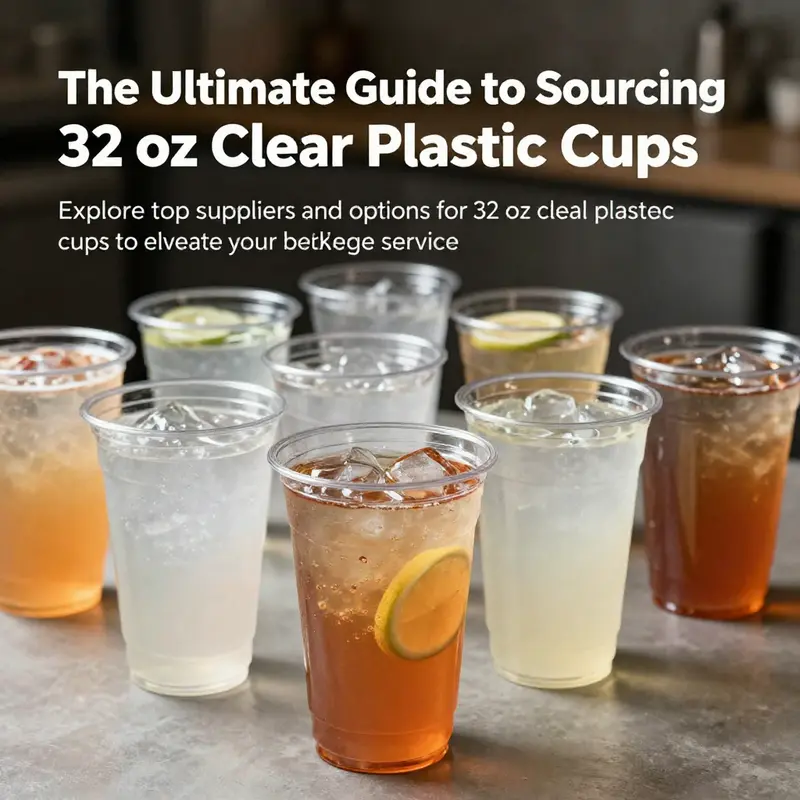
Whether you’re running a bustling bubble tea shop, a catering service, or planning an event, the right disposable cups can help elevate your offerings while maintaining convenience. 32 oz clear plastic cups are a popular choice due to their versatility and practicality. In this comprehensive guide, we explore the best sources for these cups, including bulk suppliers, individual retailers, and customization options. Each chapter will breakdown how businesses in food and beverage can effectively procure the right plastic cups for diverse applications and needs, making it easier to serve your customers with style and functionality.
Finding 32 oz Clear Plastic Cups on Alibaba.com: A Practical Guide for Bulk, Branding, and Sustainability
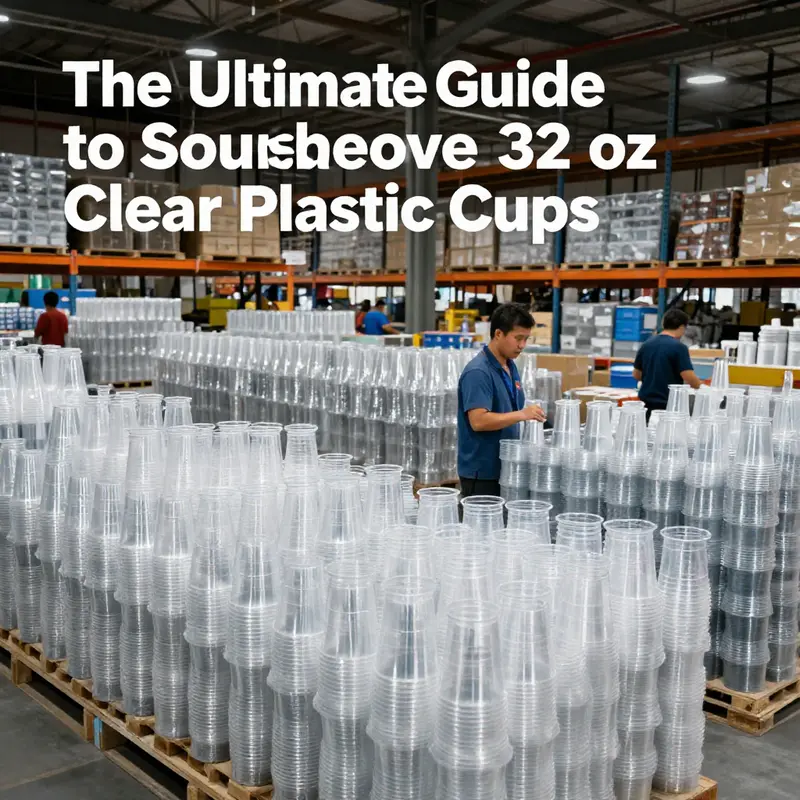
Sourcing large, clear cups is a common challenge for cafes, beverage brands, and event organizers who want a dependable vessel for cold drinks, shakes, and desserts. When the goal is to equip a business with hundreds or thousands of units, the path often leads to a wholesale marketplace that can accommodate bulk orders, customization, and varying material options. Alibaba.com stands out as a familiar entry point in this landscape, offering a spectrum of 32 oz clear plastic cups in bulk, with accompanying lids, branding possibilities, and material choices. The key is not just finding a price point, but understanding how the range of options aligns with your product goals, your quality standards, and your throughput needs. In practice, that means looking beyond the surface clarity of the cup to inspect the material, the lid design, and the supplier’s ability to support your branding and regulatory requirements.
On the surface, the market for 32 oz clear cups presents choices in material families such as PET, PS, and PP, each with its own performance profile. PET tends to offer clear visibility, impact resistance, and a suitable barrier for many beverages. PS can provide a lightweight option, while PP often delivers strong temperature tolerance and a robust lid fit. Suppliers frequently bundle these cups with spill resistant lids, vented caps for carbonated drinks, or dome lids designed to showcase the beverage’s appearance. For outdoor events or food service operations, a leak proof, securely fitting lid is as crucial as the cup’s clarity itself. It is common to find options that pair the cup with ergonomic handles or with lids that feature straw slots, making them suitable for smoothies, iced coffee, and specialty drinks. The breadth of choices also mirrors a broader trend toward branding and packaging customization, as vendors offer printing or labeling options so a cup becomes a small, portable billboard for a company’s logo and color scheme.
A representative listing of this kind often highlights not simply the cup’s size and material, but certifications and sustainability claims. In a marketplace context, FDA food safety certification is frequently cited to reassure buyers about the cup’s suitability for food contact. Some listings emphasize eco friendly attributes, including compostable design claims that align with industrial composting standards. This is where it becomes important to read the fine print. Certifications for compostability, when present, tend to specify whether the material is suitable for industrial composting facilities rather than home composting. The broader implication for buyers is to verify the exact scope of the certification, the material composition, and any end of life guidelines the supplier provides. Such details help prevent mismatches between a brand’s sustainability goals and the actual environmental impact of the packaging.
Within this context, a particular Alibaba listing illustrates a practical option for buyers seeking a 32 oz clear cup designed for milkshakes, smoothies, and similar beverages. The product is described as a 32 oz transparent plastic cup made from PET, paired with a spill resistant dome lid. A notable feature is the potential for branding through customizable options, which is essential for cafes and beverage businesses looking to maintain a cohesive brand experience across packaging. The listing also stresses an eco friendly angle through a BPI certification for industrial compostability, signaling that the product can be aligned with a composting program that accepts such materials. While this kind of environmental claim can be appealing, it is important to interpret it in the context of local waste streams and facility availability, as industrial composting capabilities vary by region. In practice, this combination of a clear PET cup, a secure lid, and branding flexibility can provide a compelling solution for operations that aim to deliver an attractive, hygienic, and on-brand presentation to customers at scale.
As buyers navigate these options, the path to a successful purchase on a wholesale marketplace often boils down to a few practical steps. First, determine the minimum order quantity and the lead time. Wholesale listings typically start with a minimum order, which may be a few thousand cups, though some suppliers offer lower thresholds for samples or smaller batches. Lead times can vary significantly depending on the factory production cycle, current demand, and the supplier’s ability to stock or rework orders. It is wise to request a production timeline that includes raw material allocation, molding or forming, lid production, packaging, and shipping, so that the delivery schedule aligns with store openings, seasonal peaks, or event calendars. Second, request samples before committing to a full order. A physical sample lets you evaluate the cup’s transparency, edge quality, lid fit, and overall tactile feel. When the sample arrives, test for leakage, deformation under cold and warm liquid exposure, and the ease of assembly when the lid is attached. If branding is important, inquire about sample proofs that show how a logo appears on the cup’s surface and how the branding holds up after handling and transport.
Third, verify safety and regulatory details beyond the surface level. While many listings cite food contact safety, it is prudent to confirm the exact material family and any applicable certifications, such as FDA status, and to review documentation that accompanies the sample or the catalog. If your operation requires specific certifications or recalls, request copies of the supplier’s certificates and any third-party testing results. Finally, assess the supplier’s capacity to handle customization. Branded cups may require lead times for printing, labeling, or engraving, and they can affect minimum order quantities. Clarify whether branding is done in-house or through a partner facility, who handles art proofs, and how many rounds of revision you can expect before final approval. An experienced supplier should provide clear, written guidance on artwork dimensions, color matching, and the expected durability of branding when exposed to daily use and washing by end customers.
In the broader content ecosystem of packaging, it helps to connect the dots between product pages, supplier capabilities, and the values behind sustainable packaging choices. For brands exploring branding friendly packaging that also supports sustainability, this kind of 32 oz clear cup with lid can become a focal point of a wider packaging strategy. If you want to see how a packaging page might present a branding oriented option, you can explore materials and design choices through our internal resource that highlights eco friendly printed logos on cold beverage cups with lids. This resource demonstrates how branding can be integrated into a practical, single-use vessel without sacrificing clarity or performance. See the internal page linked here for a concrete example of the branding approach: eco-friendly-printed-logo cold beverage cup with lid.
For those considering the environmental narrative, keep in mind that the environmental claims on wholesale listings often involve tradeoffs. A cup that is marketed as compostable typically requires a certified industrial composting stream, proper separation in recycling programs, and public education about waste disposal. If your location lacks access to industrial composting facilities, you may need to balance the allure of compostability with practical end of life options. In addition to material choice, the packaging chain should consider the entire lifecycle, including how the cups are transported, stored, and disposed of by customers after use. While the design aims for a clean, crisp appearance, the practical reality of compostability, recycling, or waste management varies by market, and buyers should align these claims with local infrastructure and consumer behavior.
Navigating a marketplace with such breadth also raises the question of which external reference to consult to supplement your decision process. An external resource worth reviewing is a detailed product page that outlines a 32 oz transparent plastic milkshake cup with a lid, made of PET, and featuring a dome lid with a design oriented toward branding and sustainability. The listing explicitly notes spill resistance and the availability of logo printing, together with an eco friendly certification that reflects industrial compostability considerations. This external reference provides a concrete example of the type of product you may encounter when browsing bulk cup offerings and helps calibrate expectations about price, customization, and environmental claims. You can access this external resource here: https://www.alibaba.com/product-detail/32-oz-transparent-plastic-milkshake-cups-with_1600579817247.html?spm=a2700.162609.0.0.1f4a7d9bZmYBnV
In sum, finding 32 oz clear plastic cups on a bulk marketplace involves a thoughtful blend of material understanding, supplier diligence, and brand alignment. The 32 oz PET cup with a spill resistant lid represents a practical and scalable option for beverage service, while branding options and sustainability claims open doors to differentiating your product in a crowded market. As you compare listings, request samples, confirm certifications, and evaluate custom printing timelines, you’ll build a clearer picture of how to translate a broad marketplace offering into a reliable, attractive, and responsibly sourced packaging solution for your business. The goal is not only to acquire cups but to secure a packaging experience that reinforces your product quality, supports your branding ambitions, and respects the logistics realities of your operation.
Clear, Convenient, and Bulk-Ready: Sourcing 32-Ounce Clear Plastic Cups on Amazon for Every Occasion
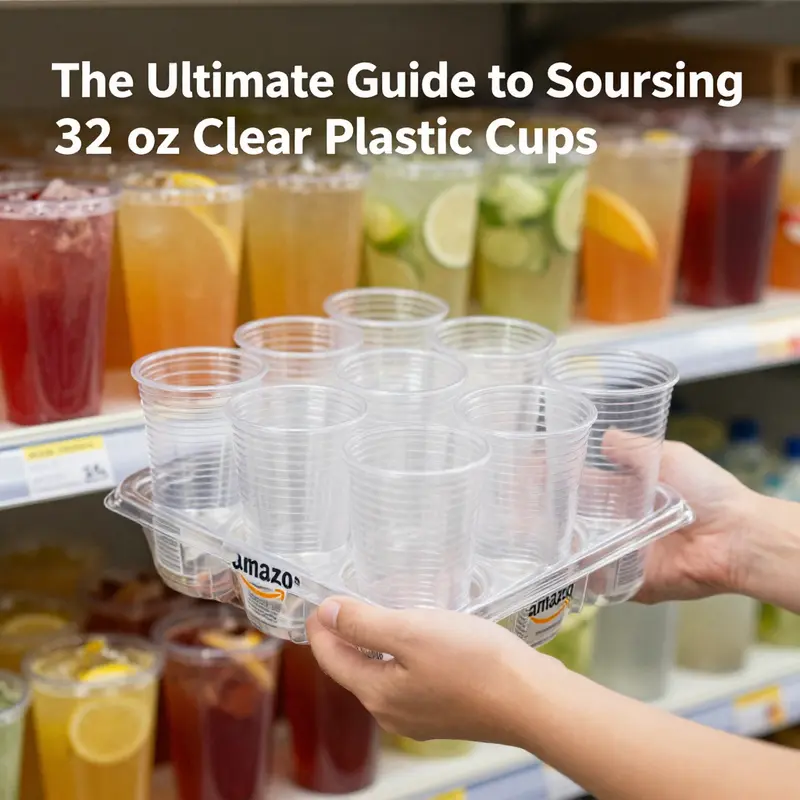
When you set out to source 32-ounce clear plastic cups on Amazon, you’re really solving a broader puzzle about capacity, presentation, and practicality. These cups are large enough to showcase thick beverages, yet transparent enough to let the color and texture of the drink take center stage. They are popular for home entertaining, casual parties, and even light commercial use such as cafés or catering events where a disposable, easy-to-transport option is valuable. The typical listings you’ll encounter describe cups designed primarily for cold drinks, including smoothies, iced coffees, milkshakes, frappes, and fruit-based beverages. The key is to align the cup’s features with your exact needs—whether that means including a matching lid and straw, ensuring a leak-resistant seal for transport, or choosing a sturdier material that won’t crack when filled with a thick, viscous liquid.
On Amazon, the most common format is a bulk or multi-pack listing that bundles the cups with lids and often with straws. You’ll see configurations described in terms of the number of cups per set, the presence of a compatible lid, and whether a straw slot is included. Listings emphasize practical attributes that matter in real-world use: the cup’s impact resistance when carrying liquid on the go, a design that minimizes condensation on the outside, and the ease with which a consumer can grip the cup when it’s full. The cups themselves are usually clear PET, a material that provides clarity and a certain level of rigidity while remaining light enough to be disposable. The emphasis on PET also aligns with common food-contact safety expectations you’ll encounter in product descriptions, with many listings noting BPA-free status as a reassurance for users who are concerned about chemical migration.
A crucial consideration is the lid. For many buyers, a secure lid is non-negotiable because it prevents spills during transport and makes the cups suitable for takeout or outdoor service. Some Amazon listings feature flat lids that mimic a traditional smoothie cup cover, while others offer straw slots or vented lids that are beneficial for carbonated beverages or drinks that might release pressure during handling. It’s worth noting that different lid designs can affect the drinking experience—vented lids, for example, can help reduce foaming in carbonated drinks, while a tight seal can improve transport reliability but may slightly limit easy sipping without removing the lid.
Material choices, while centered on PET for clarity and recyclability, often come with safety assurances. Most listings highlight that the cups are intended for cold use and are suitable for single usage. The recyclable nature of PET is a common selling point, and many buyers appreciate knowing a product fits into existing recycling streams. While the standard Amazon ecosystem focuses on convenience and accessibility, some buyers think ahead about environmental impact. In the broader marketplace, options labeled as compostable or eco-friendly exist, typically through third-party certifications. However, it’s important to recognize that these more sustainable options are usually encountered in wholesale channels or dedicated eco-product platforms rather than through standard consumer listings. This distinction matters for anyone weighing the trade-off between a straightforward, low-cost solution and a more planet-conscious option that may come at a premium.
Beyond safety and practicality, there is the branding and presentation angle. A growing number of buyers in the small-business space consider whether a 32-ounce clear cup can double as a vehicle for branding. On Amazon, customization options are less prevalent than in wholesale marketplaces, where vendors routinely offer logo printing and color-matched lids for large orders. Within Amazon’s consumer-facing catalog, you’re more likely to encounter standard, unbranded cups with the ability to add a label or sticker after purchase rather than an in-listing customization service. If branding is essential, many businesses turn to bulk suppliers outside of Amazon or to printing services that partner with packaging suppliers, then source the base cups through marketplaces that cater to retailers and event organizers. Still, the basic, clean aesthetic of a clear cup with a lid can serve as a neutral, versatile canvas for promotional messaging when used in conjunction with branded sleeves, stickers, or custom napkins and cups sleeves.
When you’re evaluating listings, the practical steps become as important as the fancy features. Start by confirming the quantity per order and whether a matching lid is included. Check the lid type carefully—does it snap on securely or rely on a simple press-fit? Is there a straw slot, and if so, is it compatible with standard drinking straws? Look for notes about temperature tolerance, which, for cold beverages, is typically generous, but it’s still wise to verify if you’re serving anything near freezing or dense, ice-laden drinks. Another essential check is the material specification and safety assurances. A straightforward “PET, BPA-free, food-safe” label is reassuring, but it’s also prudent to scan the customer reviews for any notes about cracking, warping, or leakage under typical use. Reviews often reveal real-world performance that raw listings cannot fully convey.
Pricing dynamics also shape the decision. Bulk-pack listings often present a per-unit cost that is attractive for events or daily use in a small kitchen or café. The availability of sets with lids can simplify purchasing decisions, reducing the number of separate items you must source. Shipping considerations matter as well; prime shipping or fast fulfillment options can be a decisive factor for event planning or a sudden uptick in demand. While the catalog on Amazon tends to emphasize readily available, ready-to-ship options, some listings may offer extended ranges of pack sizes, so it pays to filter by the exact quantity you need and then compare per-unit costs across the top options.
Branding and customization, while desirable for many operators, is rarely the primary driver when shopping for a generic 32-ounce clear cup on Amazon. If your goal is a simple, dependable container for a large beverage, the focus should be on clarity, lid compatibility, leak resistance, and overall handling comfort. If you need a cup that can bear the identity of a business with a logo, you may be better served by pursuing wholesale channels or dedicated packaging suppliers where customization is a core service. In any case, using the Amazon listings as a starting point for benchmarking typical sizes, lids, and package configurations helps you quickly separate the commonly available, reliable options from niche or oddly sized alternatives. As with any sizable purchase intended for regular use, it’s wise to begin with a smaller batch to test performance before committing to a large order.
Finally, a note on where to look for the best current options and how to translate these findings into a practical purchasing plan. Start with a targeted search using terms like “32 oz clear plastic cup with lid,” “32 oz PET cup with straw slot,” and “large cold-drink cup with lid.” Refine results by filtering for “cups with lids” and then sort by customer reviews and pack size to gauge real-world performance. Reading through recent reviews can reveal insights about fit with lids, the feel of the plastic, and any issues with leakage or cracking when the cups are filled to capacity. If branding remains a priority, plan to complement the cups with labeled sleeves or printed marketing materials sourced from other suppliers who offer customization options. This approach keeps the core cup selection straightforward while enabling scalable branding on the final presentation.
For readers seeking a quick route to current options and reviews, you can explore a broad Amazon search for 32 oz clear plastic cups here: https://www.amazon.com/s?k=32+oz+clear+plastic+cups
Bulk Pathways: Navigating Wholesale Options for 32-Ounce Clear Plastic Cups
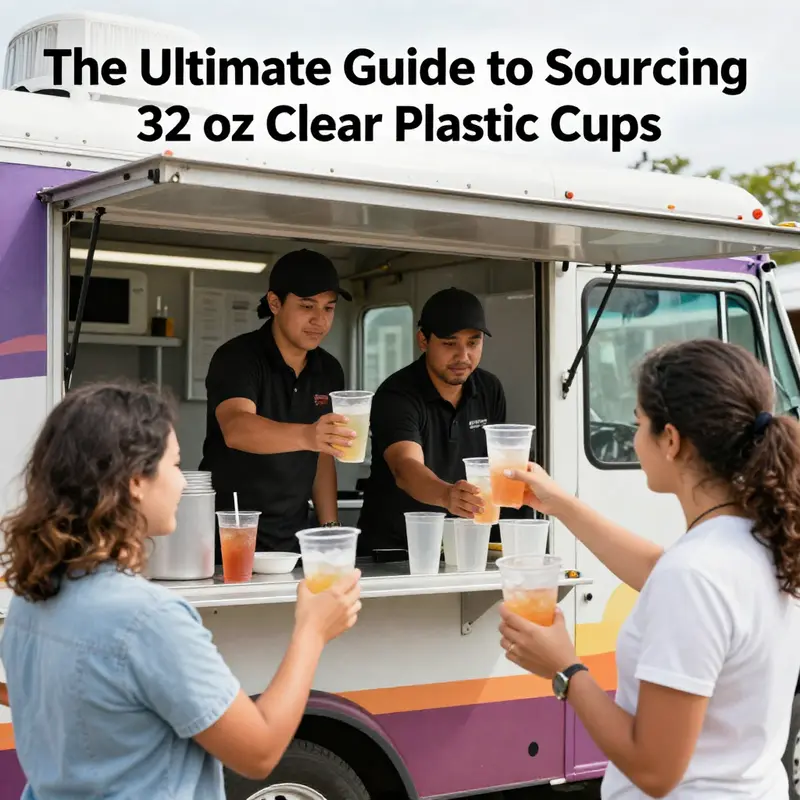
When a foodservice operation scales beyond family-sized servings, the plumbing of the supply chain matters as much as the menu itself. The 32-ounce clear plastic cup sits at a strategic crossroads: it is large enough to convey substantial beverage volume and visibility, yet standardized enough to streamline procurement, branding, and service. In a wholesale context, the decision becomes less about a single purchase and more about a coordinated approach to material, customization, safety, and lead time. The choices available in the wholesale landscape reflect a spectrum of priorities—durability for outdoor events, clarity for beverage presentation, and branding potential through printing or fitment with halo lids and seals. What drives the selection is less a solitary feature and more the interplay of utility, hygiene, and cost when orders scale into hundreds or thousands of units. Deep within the current market, several well-tested wholesale pathways emerge, each with distinct advantages for different venues and objectives, from bustling cafes and busy caterers to pop-up brands seeking consistent, repeatable packaging kits. A practical route begins with considering the core materials, because the family of plastics used in these cups—PET, PP, and PS—each carries its own profile of clarity, rigidity, temperature tolerance, and environmental footprint. PET tends to be synonymous with high clarity and robust cold-beverage performance. It resists cracking under typical handling and offers a crisp presentation when filled with iced tea, smoothies, or lemonades. PP, on the other hand, can be a cost-effective alternative with adequate clarity for most cold drinks and the added benefit of strong lid compatibility. PS cups are often lighter and less expensive but can be more brittle and less forgiving in stacked or high-traffic service contexts. In wholesale listings, these materials appear in variations that pair with dome lids, vented lids for carbonated drinks, and even built-in straw slots, creating a compact, ready-to-serve package for a fast-paced service line. One of the most compelling wholesale propositions comes from suppliers who offer BPA-free, food-grade PET or PP options with certification trails that reassure buyers about safety and compliance. In the heavy cadence of a weekend market or a large corporate event, the reassurance of FDA or equivalent food-safety certifications is not a mere formality. It translates into predictable performance, less risk of contamination, and smoother vendor audits. The market’s emphasis on eco-friendly credentials—such as BPI-recognized or other compostability-related certifications for certain liner and lid combinations—adds another layer of value for buyers who want to align packaging choices with sustainability goals. This eco-conscious thread often leads buyers toward cups designed to pair with recyclable lids and to support brands that pursue reduced waste through effective bulk ordering. Deepening this narrative are the customization possibilities that wholesale platforms routinely offer. A typical 32-ounce clear cup in bulk can be configured with snug-fitting dome lids that seal securely, minimizing spill risk during transport or service on the go. For beverage brands that view packaging as a branding channel, the option to print logos or promotional graphics on the cup’s surface becomes a differentiator. Custom logo printing, while sometimes adding a unit cost, can be justified by improved brand recall at events, drive-through windows, and in-house blends that rely on clear cups to showcase color, layering, and ingredient integrity. Another practical feature linked to wholesale cups is seal integrity. Sealing films and lids designed for high-volume service help to preserve cold beverages during delivery, curb leaks, and extend the window for consumer enjoyment. In contexts such as outdoor festivals or coffee carts, this feature becomes a customer satisfaction lever and a risk-reduction measure for sellers and staff alike. Lead times and minimum order quantities are not mere administrative details; they shape how a business plans menus, promotions, and seasonal launches. A wholesale supplier that maintains readily available stock in standard 32-ounce configurations enables rapid restocking, a critical capability during peak periods. Conversely, suppliers that require longer manufacturing runs for customized prints or special lid configurations can help a business elevate its brand during a targeted campaign, but they demand more planning and cash flow discipline. In evaluating wholesale sources, certification presence—FDA, HACCP, and other safety attestations—acts as a shorthand for reliability. These certifications are not hollow labels; they reflect the supplier’s adherence to food-safety protocols, materials compliance, and quality control systems. When a cafe chain or catering outfit operates across multiple locations, consistent product specs help unify ordering, reduce back-office complexity, and simplify inventory forecasting. A related consideration is the range of compatible accessories. The ecosystem around the 32-ounce cup frequently includes a curated set of accessories: dome lids with or without vent holes, straw slots, and sometimes sealing films, all designed to integrate with the chosen cup shell. The best wholesale program aligns these elements so that a unit can be swapped quickly from counter service to grab-and-go packaging without wrestling with mismatched lids or poorly fitting seals. For brands that prize branding as a core differentiator, the ability to print or emboss a logo on the cup surface opens a pathway to consistent, portable marketing. In bulk terms, this feature translates into a higher upfront investment but can yield a meaningful lift in brand visibility at events, in-store promotions, or regional campaigns. The strategic takeaway for buyers, then, is to map a simple decision framework: determine the primary use case (outdoor events, high-traffic cafe service, or premium branding), evaluate material and lid compatibility, confirm applicable certifications, and weigh customization against cost and lead time. A well-chosen wholesale supplier will not only meet the immediate need for 32-ounce clear cups but also connect the buyer to a broader ecosystem of packaging options that align with sustainability objectives and operational realities. For readers who want a concrete touchstone in this landscape, a notable wholesale listing highlights PET-based, BPA-free cups designed for cold beverages, with snug dome lids and optional logo printing, and it carries eco-friendly certifications that appeal to brands seeking greener packaging narratives. The ability to customize, combined with the assurance provided by safety certifications, positions wholesale options as a critical lever for growth, not merely a procurement task. If you are exploring how to weave packaging into your product story, it helps to consider a nearby reference point that frames the broader packaging ecosystem while staying anchored in the reality of volume buying. For those seeking extra context on broader wholesale offerings, you can explore a general catalog of bulk options that discusses these same materials, safety considerations, and customization avenues. For further reading, an external resource offers a practical snapshot of bulk PET cup options and their compliance aspects. External resource: https://www.alibaba.com/product-detail/FULING-12oz-16oz-32oz-PET-cold-drinking_1600495728433.html. For an internal perspective on related packaging choices and to tangibly connect with sustainable alternatives in disposable ware, consider the internal reference to eco-friendly paper cup options and explore how brands balance plastic and paper solutions across their packaging portfolios: eco-friendly cold beverage paper cup with lid. This internal link offers a complementary view of how sustainability narratives intersect with bulk purchasing decisions, even as the core focus remains on clear plastic cups for high-volume beverage service.
Clarity, Custom Fit, and the Sourcing Path: Materials, Customization, and 32 oz Clear Plastic Cups
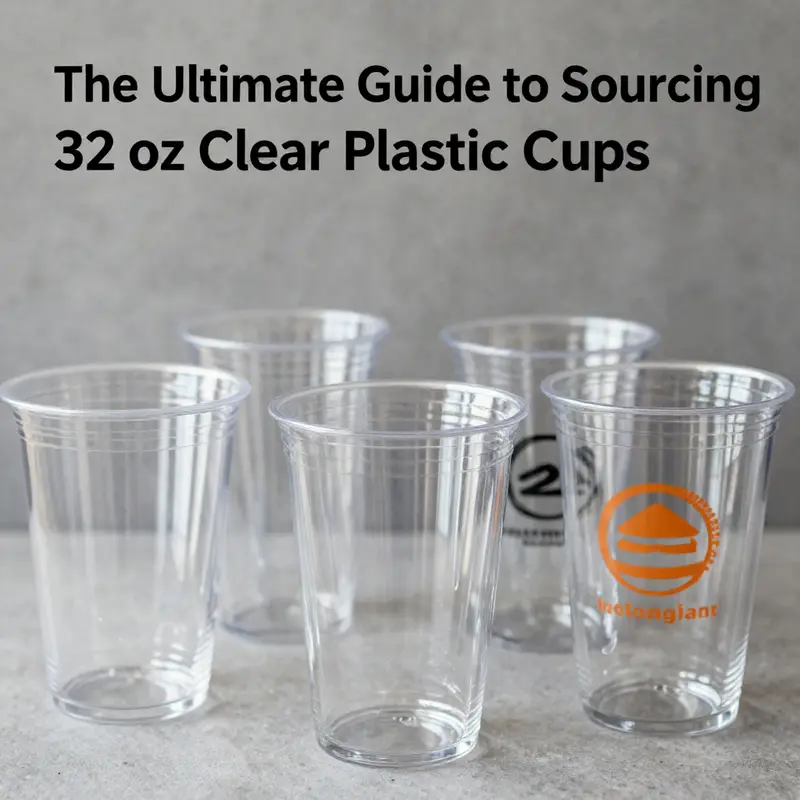
When you start plotting the practical path to 32 oz clear plastic cups, the first question is not just where to buy them but how they perform in your hands and how they can carry your brand as confidently as the drink they hold. The cups themselves are a canvas, and the choices you make about materials, lids, and branding ripple through every service encounter, from a bustling event to a quiet takeaway window. The core materials—PET, PS, PP, and the biodegradable PLA option—each bring a distinct combination of clarity, strength, and practicality. PET stands out for its glass-like transparency, a feature you notice the moment a smoothie or iced tea catches the light. Its durability makes it a reliable vessel for chill beverages that travel, and its recyclability aligns with many municipal streams. The trade-off, however, is that while PET shines in appearance and resilience, it is not biodegradable in ordinary conditions, so its environmental story becomes a conversation about recycling systems rather than compostability. In contexts where the cup is meant to disappear back into nature, PLA offers a compostable alternative. PLA’s crystal-clear finish mirrors PET’s visual appeal, yet its heat tolerance and cost structure tell a different tale; it tends to require industrial composting to break down efficiently and can strain budgets when scaled for large events. In contrast, PS provides clean clarity at a friendly price point. It feels sturdy enough for cold drinks and everyday use but can deliver a less premium perception and is not as widely recycled as PET in many locales. Then there is PP, the tough, flexible workhorse of disposable containers. It handles impact well, supports sturdy lids and handles, and generally holds up well under everyday transport and reuse-leaning service models. While its clarity is good, it rarely matches the depth of PET, yet its thermomechanical performance makes it a dependable choice for cups that need a lid, a straw slot, or a convenient grip. Each material carries a different environmental and logistical profile: the recyclability codes vary, the end-of-life realities differ, and the price curves shift with demand and scale. For brands weighing sustainability alongside performance, PLA often emerges as a compelling, if more expensive, option for cold beverages where composting infrastructure is available. The choice this chapter foregrounds is not merely a material race but a balancing act that aligns with your service model, audience expectations, and supply chain realities. Clarity remains a constant virtue across PET, PS, and PP, which is especially critical when the beverage inside is vibrant with fruit, color, or added textures; the cup must disappear into the drink’s story, not fight for attention away from it. Customization enters this decision-making as a potent multiplier, turning a simple 32 oz cup into a merit badge for your business. Printing on clear cups is a case of leveraging transparency to maximum effect. All major materials can carry high-quality branding, but the impact is amplified when logos, color palettes, and promotional graphics are aligned with the cup’s sheer visibility. A logo that is bold yet legible against a clear backdrop can become a signature cue at a glance. The process benefits from foresight: the printing method, whether it is high-definition digital decorating or more traditional wrap-around branding, needs space and contrast to perform at the level customers expect. The result is a beverage presentation that is instantly recognizable in photos and in person, a feature that matters when customers are deciding between a standard drink and a signature offering. The lid design intersects with branding and function in equally consequential ways. Vent holes are not a mere optional detail but a practical feature for carbonated beverages, keeping pressure in check and preventing the Yo-Yo foam that sometimes accompanies fizz. A secure seal, meanwhile, preserves freshness and reduces spill risk during transit—crucial considerations for caterers and event organizers who rely on on-the-move service. The choice of lid material can mirror the cup’s own material, or it can be a compatible plastic that preserves clarity and seal integrity. When handles are part of the cup design, the ergonomic shape becomes a touchpoint for user comfort. A well-contoured handle not only improves grip but also reinforces a brand’s persona—whether it’s a sleek, minimal look for premium beverages or a bold, accessible style for family-friendly venues. Color and transparency options exist but demand careful balance. Colored or frosted finishes can support a branding brief; however, they can compromise beverage visibility and reduce the perception of the drink’s vibrancy. In practice, many brands opt for the classic clear cup to preserve the drink’s visual appeal, pairing it with strong, high-contrast branding on the cup wall or on adjacent lids and sleeves. The customization story, then, becomes a choreography of print quality, lid engineering, and ergonomic form. In addition to the aesthetic and functional considerations, there is a governance layer to weigh. Many suppliers offer cups with certifications such as FDA recognition for food safety, with accompanying assurances that materials meet standards for contact with consumables. For professionals who operate across regions or serve diverse menus, these assurances matter as much as the design itself. The sourcing path for 32 oz clear plastic cups is a practical journey through online marketplaces, wholesale channels, and direct manufacturing relationships. If you are ordering in bulk to equip a cafe chain or a festival, platforms that facilitate bulk purchases often provide the most favorable economics and extended lead times. For smaller batches or test runs, consumer-facing marketplaces can deliver ready-to-ship options with minimal lead times and simple return policies. The real advantage of understanding materials and customization is that it helps you articulate a precise specification to suppliers, trimming back miscommunication and ensuring that the final product supports your brand’s story as faithfully as possible. When you narrow your choices, you also clarify the kinds of partners you want to work with. Do you value a supplier who can offer flexible print runs and quick turnaround for limited-edition promotions, or one who can match your color standards across multiple packaging formats? Do you need a supplier who can provide sustainable options and recyclability data, or one who can deliver ultra-clear PET cups with a particular lid geometry that your operations require? These questions are not peripheral. They define the operational rhythm of a beverage business. The sourcing path for 32 oz clear cups therefore becomes a negotiation of materials, print capabilities, closure systems, and logistics, all tuned to the service model you run, the audience you serve, and the budgets you manage. For readers navigating this landscape, the most practical step is to start with a clear specification document that details the preferred material, the required level of clarity, the intended use (cold, hot, or mixed), the preferred lid type, and the branding intensity. From there, you can approach suppliers with confidence, comparing quotes that reflect not only price but also minimum order quantities, lead times, packaging configurations, and compliance guarantees. If bulk sourcing is your goal, a platform that lists 32 oz clear plastic cups in bulk can be especially advantageous, offering options from minimalist, no-frills cups to fully customizable, branded solutions with logo printing, vented lids, and ergonomic handles. And if you’re exploring a more sustainable or premium impression, consider how PLA-based options or high-clarity PP cups might fit your standards for environmental responsibility while maintaining the service levels your customers expect. For branding teams, the key is to pair the right material with the right print method and lid geometry, then to align those choices with the overall customer journey—both in-store and on social media—so the cup truly becomes part of the brand narrative rather than just a vessel. For readers who want a pragmatic starting point in this sourcing journey, a reference that illustrates the breadth of bulk options in the market can be found here: https://www.alibaba.com/product-detail/32-OZ-Plastic-Drink-Buckets-Clear_60589487013.html. If you’d like to explore a supplier page that emphasizes eco-friendly and logo-ready cup designs, you can also browse this internal option: eco-friendly-printed-logo cold beverage cup paper cup with lid. These resources are not a conclusion but rather a starting point to translate the material science and branding potential into a tangible, scalable packaging solution that fits your operation and your customers’ expectations.
Finding Clarity and Capacity: A Practical Guide to Locating 32 Oz Clear Plastic Cups
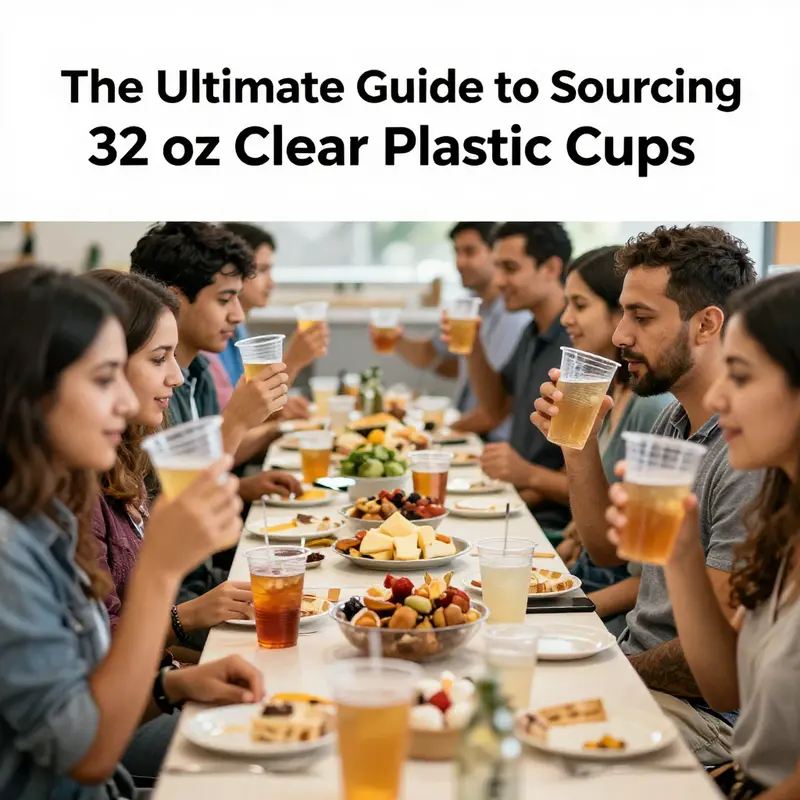
Finding the right 32 oz clear plastic cups is a practical process that goes beyond a single storefront. It requires understanding materials, certifications, and supplier models that fit your needs. The size offers generous capacity for thick blends and layered drinks, while clarity, durability, and reliable supply turn a cup into a consistent tool for service. Step one is to compare materials such as PP, PET, and PS, noting how each balances rigidity, clarity, heat and chemical resistance, and recyclability. The goal is a cup that stays clear under cold and semi frozen conditions, presents drinks well, and can be shipped in the volumes you need. Then map your demand profile and align it with lead times and MOQs from chosen suppliers. Custom branding on cups is common and can extend a concept beyond the venue, but it may require higher minimums and longer lead times. Sustainability matters too; look for recyclability or compostability claims and verify certifications. In practice, request samples to check clarity, rim feel, lid compatibility, and fit with your chosen straw ports. Finally, review a few supplier pages and catalogs to understand the range of options and to build a concrete procurement plan that matches demand, quality, and environmental goals. A practical reference is to search for bulk options from online marketplaces, direct from manufacturers, and from regional distributors, then compare pricing, MOQs, and shipping terms.
Final thoughts
Finding the right 32 oz clear plastic cups for your business needs doesn’t have to be a daunting task. With a variety of suppliers like Alibaba and Amazon, and options for customization in materials and designs, you can ensure that every beverage presented meets your service standards. Leveraging these resources will not only streamline your operations but also enhance your customer’s experience. Whether you opt for wholesale quantities or tailored cups with your branding, selecting the right cups is a foundational step in providing quality service.