
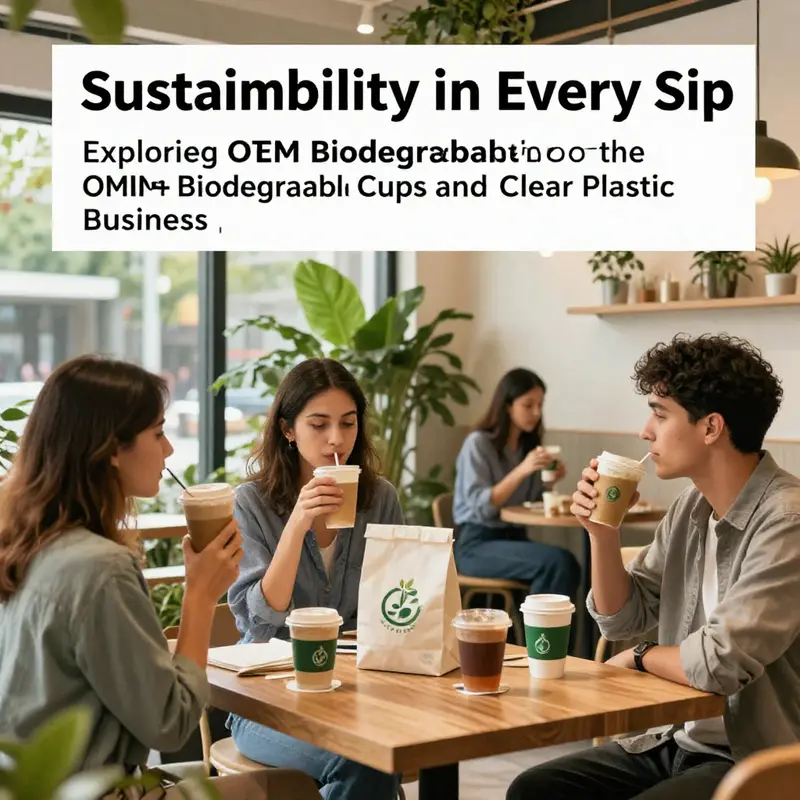
As the demand for sustainable practices continues to rise, businesses in the beverage and food industry are seeking innovative ways to reduce their environmental footprint. OEM biodegradable cups and clear plastic bags have emerged as crucial components of this green revolution. In the following chapters, we’ll explore the diverse options available for these biodegradable solutions, highlighting their benefits, market trends, and environmental impact for bubble tea shops, beverage chains, restaurants, food trucks, catering services, event planners, and corporate procurement teams. By understanding these offerings, operators can make informed decisions that align with both their service needs and sustainability goals.
Clear Path to Sustainability: OEM Biodegradable Bags as the Engine of Modern Packaging
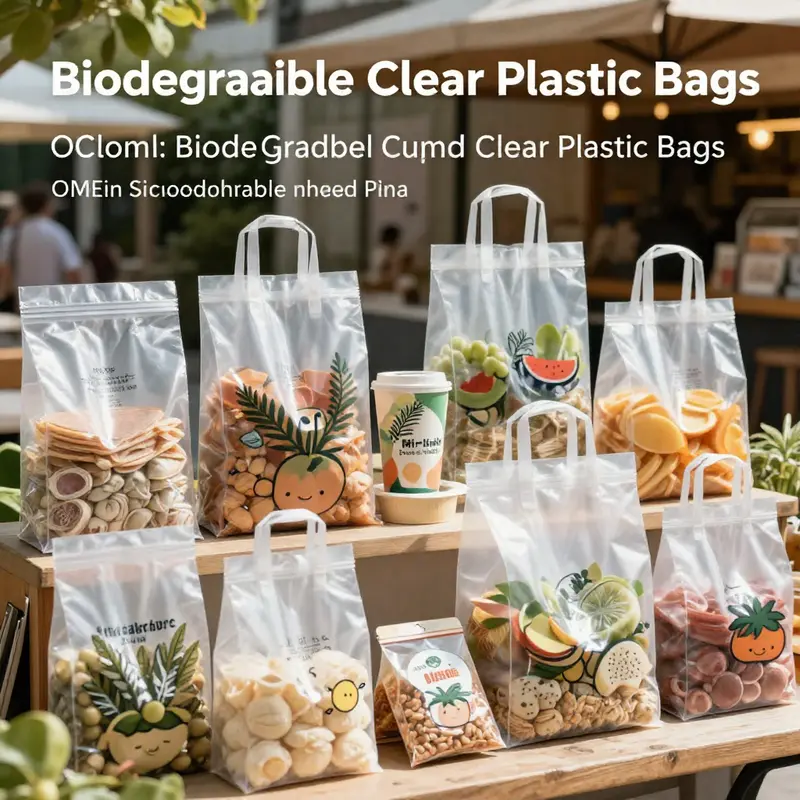
A practical path for packaging sustainability hinges on balancing visibility, performance, and responsibility. OEM biodegradable clear bags offer a way to preserve product integrity while signaling commitment to the environment. Material choices such as biopolymer blends and industrially compostable films enable clear, functional packaging that can meet brand standards. The essence of OEM offerings is customization: precise dimensions, finishes, print branding, and reseal features that fit a product line across SKUs. Production scale and process controls can deliver this customization with competitive unit costs, especially at larger volumes. Yet challenges remain, including variability in composting infrastructure and the need for clear disposal guidance on packaging. For brands ready to adopt, the OEM path provides a scalable route to sustainable, market-ready packaging that can align with circular end-of-life systems.
From Plant-Based Polymers to Brand Identity: Crafting OEM Biodegradable Cups for Sustainable Beverage Service
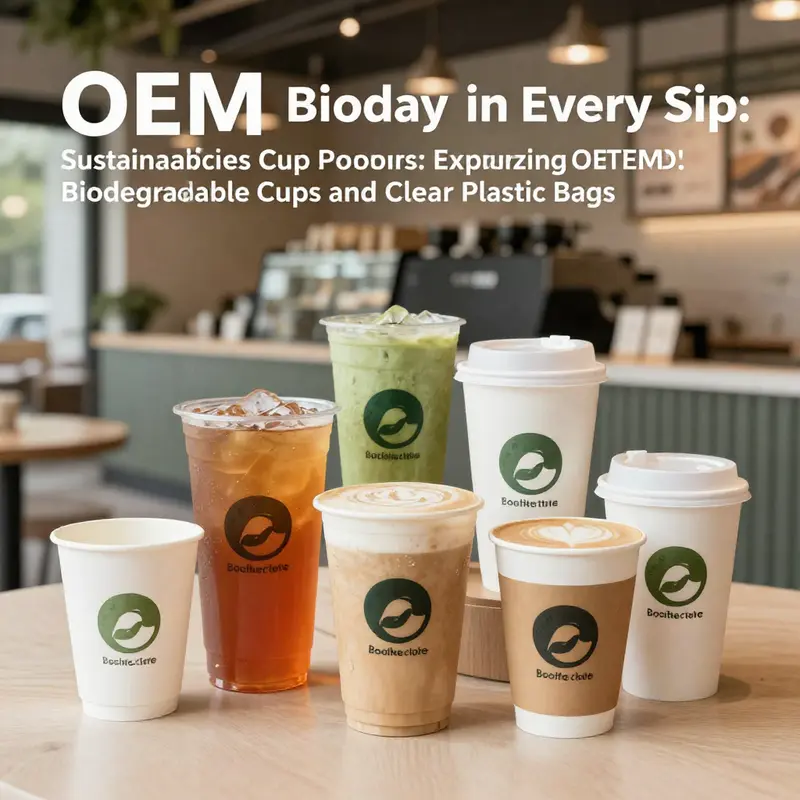
The shift toward eco-conscious packaging is reshaping the way beverage service communicates value. In many operations, the cup is no longer a disposable afterthought; it is a carefully engineered component that carries a brand’s promise of responsibility, performance, and style. OEM biodegradable cups sit at this intersection of sustainability and service. They are designed to deliver the same reliability expected from traditional disposables while addressing the environmental imperatives that influence consumer choice, regulatory expectations, and long-term business resilience. The result is a product family that can be tuned precisely to a brand’s voice, service style, and logistical realities, creating a seamless experience from the moment a customer orders to the moment the cup is discarded or returned for composting. The conversation around these cups therefore begins with material science, moves through branding and usability, and ends with compliance and practical deployment at scale, all while staying attuned to evolving standards for end-of-life disposal.
Material technology underpins the entire argument for biodegradable cups in modern beverage service. The most common plant-based options rely on biopolymers derived from renewable feedstocks such as corn or sugarcane. Polylactic acid, or PLA, is a standout among these materials because it can be produced with a relatively small fossil fuel footprint and, when processed in industrial composting facilities, breaks down into organic compounds that return to the soil. This end-of-life pathway is crucial for operators who want to minimize landfill impact and align with municipal composting infrastructure wherever feasible. PLA-based cups can be designed to tolerate the temperature ranges typical of hot beverages, especially when paired with double-wall constructions or protective outer layers that keep the cup comfortable to hold without leaking through the wall. Beyond PLA, kraft paper cups with bio-based coatings, whether derived from PLA or other compostable resins, offer a complementary route. Double-walled kraft still delivers the heat retention and spill resistance customers expect, while the paper itself can be sourced from FSC-certified virgin pulp or responsibly managed sources. The coating choice—bio-based rather than conventional polyethylene—can influence both the environmental profile and the compostability of the finished cup. In both material families, the objective is to reduce greenhouse gas emissions across the product’s life cycle, from feedstock cultivation and resin synthesis to manufacturing energy use and the end-of-life phase.
The environmental argument for these cups is strengthened when the entire lifecycle is considered. Life-cycle thinking pushes manufacturers and brands to optimize not only the raw materials but also the production processes, transport, and waste management. For instance, lighter-weight designs can lower shipping energy and reduce the carbon footprint associated with distribution. When a cup’s design emphasizes modularity—such as compatible lids that fit snugly and minimize leakage, or insulation that preserves drink temperature without adding excessive bulk—the overall service experience is improved without compromising environmental goals. Additionally, the shift toward compostable packaging often dovetails with broader corporate strategies around circularity. By coordinating with suppliers able to provide certified compostable lines under recognized standards, brands can communicate a credible end-of-life story to customers and partners while navigating market-specific regulations. Certification and verification matter here because they translate abstract sustainability claims into measurable outcomes that can be audited and reported.
Customization is where OEMs truly unlock the potential of biodegradable cups. A brand can move beyond commodity packaging to deliver a visually distinct, message-rich experience that reinforces its sustainability narrative. Full customization enables logo imprinting, color matching, and design motifs that echo a company’s mission. At the same time, practical considerations—such as heat tolerance, lid compatibility, and ergonomic grip—must be evaluated to ensure the design does not compromise usability or safety. Printing methods like offset or digital printing can be chosen to balance color fidelity, run length, and cost. The result is a cup that not only communicates a green story but also serves as a portable brand touchpoint—whether handed to a passerby at a street festival or offered to a coffee-lover in a busy cafe line. Importantly, the branding work does not end with the cup’s surface. Structural design elements, such as embossed textures that create a tactile connection or color-blocking that signals a flavor profile, can further enhance consumer perception and engagement. This convergence of aesthetics and function is a core advantage of OEM solutions, enabling brands to maintain a consistent look across every point of contact while still adapting to different beverage formats and service scenarios.
From a performance perspective, modern biodegradable cups are engineered with durability and reliability in mind. Practical features address the realities of fast-paced service: leak-proof mechanisms, spill resistance, and secure lid fit are non-negotiable for hot and cold beverages alike. Insulation strategies—such as double-wall construction or inner barrier layers—help maintain temperature, enhancing the consumer experience when a drink is meant to be sipped over time or carried during commutes. On the lighter side of the equation, material and design choices can reduce the weight of a cup by meaningful margins, supporting lower shipping costs and smaller packaging footprints. These improvements do not come at the expense of safety. Food-grade accreditation and compliance with safety standards ensure that every component—whether the cup, the coating, or the lid—meets stringent criteria for contact with consumables. In markets with diverse regulatory ecosystems, achieving harmonized performance standards is a strategic asset, reducing risk for operators who serve a broad customer base and simplifying supply chain planning.
Certification and regulatory alignment are critical to the credibility of OEM biodegradable cup programs. Reputable suppliers often pursue certifications that attest to sustainable sourcing, end-of-life behavior, and compliance with food-safety requirements. Forest stewardship and responsible material sourcing are signaled through certifications that reflect a commitment to management practices that protect ecosystems and communities. End-of-life standards such as industrial compostability are typically described in recognized frameworks like ASTM D6400 or EN 13432, with performance expectations that cups will break down in controlled composting facilities within a defined timeframe. In parallel, regulatory frameworks around packaging waste, such as Extended Producer Responsibility (EPR) schemes in certain jurisdictions, require manufacturers and brands to take responsibility for packaging waste in the post-consumer environment. These certifications and regulatory provisions are not just bureaucratic hurdles; they are essential signals of credibility that help brands communicate their green commitments to consumers, retailers, and waste-management partners. For companies operating across borders, the ability to articulate compliance with multiple regimes becomes a competitive advantage, enabling faster market entry and reducing risk linked to non-compliance.
The ideal applications for OEM biodegradable cups span a wide spectrum of beverage service contexts. In cafes and coffee shops, the visible commitment to sustainability becomes part of the brand narrative, reinforced by cups that carry the brand identity while performing flawlessly under daily use. Food trucks and mobile vendors rely on compact, sturdy cup designs that resist leaks and tipping during transport, paired with lids that seal securely for customers on the go. Outdoor events and festivals demand lightweight, compostable options that minimize waste and simplify waste stream management for organizers and attendees alike. Corporate offices and eco-conscious workplaces increasingly adopt sustainable service models, blending cup programs with reusable cup stewardship or return-and-reuse systems that reduce waste while maintaining convenience for employees. Across these settings, OEM solutions offer a scalable path to uniform packaging that aligns with sustainability targets, branding standards, and operational realities.
The strategic value of OEM biodegradable cups also emerges in the governance of the packaging supply chain. Brands can collaborate with manufacturers to tailor product specs—from sleeve textures and color ranges to lid shapes and closure mechanisms—so that every unit reinforces a shared sustainability narrative. This level of collaboration supports not only branding consistency but also process optimization, reducing errors, speeding up production, and enabling a smoother transition from prototype to mass production. As businesses increasingly treat packaging as a serviceable asset rather than a disposable afterthought, the ability to iterate designs rapidly, test consumer responses, and scale production efficiently becomes central to competitive advantage. The OEM model shines here because it concentrates design, materials science, and manufacturing capability into a streamlined pathway that preserves intent while adapting to changing market demands.
For brands pursuing a turnkey path to branded beverage cups, consider the example of a disposable takeaway cup with a custom logo and kraft-based design. This approach demonstrates how branding, material choice, and functional performance can align in a single, coherent package. See an illustrative reference here: disposable-takeaway-paper-cup-custom-logo-kraft-coffee-cup-with-lid. The link showcases how a single product family can deliver uniform service quality, predictable supply, and a clear environmental narrative across varied service contexts. It also highlights how customization can be achieved without sacrificing compatibility with existing lids, sleeves, or sleeve-and-lid ecosystems, a practical consideration for operators who manage large inventories of accessories and consumables.
Within the broader market, external perspectives reinforce the importance of these developments. The landscape for biodegradable coffee cup solutions is increasingly populated by suppliers offering a range of compostable materials, certifications, and global distribution options. This external market context informs brand decisions about supplier selection, quality assurance, and risk management. When brands evaluate potential partners, they typically weigh material performance under real-use conditions, the robustness of end-of-life options, and the clarity of sustainability claims supported by third-party verification. The OEM approach helps align these factors by integrating material science with brand design and supply-chain execution, ensuring a cohesive experience for customers and a verifiable reduction in waste impact.
In this integrative view, the future of beverage service rests on packaging that respects planetary boundaries while elevating the consumer experience. The interplay of renewable materials, engineering for temperature and leak resistance, and the ability to project a brand’s sustainability message through visual design creates a compelling proposition for operators who want to differentiate themselves in crowded markets. It also places a premium on collaboration among brands, packaging engineers, and waste-management partners to optimize both product end-of-life options and on-site disposal or composting workflows. The result is not merely a cup, but a holistic packaging system that supports waste reduction goals, fosters consumer trust, and promotes responsible consumption.
External resource for broader market context: https://www.alibaba.com/showroom/biodegradable-coffee-cups.html
Clear Commitments, Complex Markets: The Economic Pulse of OEM Biodegradable Cups and Bags
A rising tide of sustainability is reshaping every corner of packaging, from producer lines to consumer shelves. In the realm of clear, compostable bags and cups, original equipment manufacturers (OEMs) stand at the nexus where environmental goals meet operational scale. The current landscape is driven not just by ideals but by concrete market forces: heightened environmental awareness, stringent regulatory pressures on single-use plastics, and a growing demand from brands and consumers for packaging that is both functional and responsibly sourced. Taken together, these forces create a market that is robust, increasingly sophisticated, and primed for sustained expansion. The global biodegradable cups market is projected to reach hundreds of millions of dollars in the next few years, with growth expected to outpace many conventional packaging sectors as more players adopt compostable materials and invest in end-to-end sustainability claims. At the same time, the broader disposable cup segment—which encompasses a wide range of materials and formats—continues to scale, with food-delivery services fueling demand and consumers seeking options that align with environmental values. This convergence of demand, policy, and practicality is redefining what success looks like for OEMs in clear biodegradable cups and bags and making the economics of green packaging both complex and compelling.
The market dynamics unfolding around OEM biodegradable cups and bags reflect a careful balance between performance, cost, and environmental responsibility. On the one hand, there is a relentless push toward materials that can function across temperatures, resist moisture and oil, and maintain clarity and strength throughout use and disposal. On the other hand, the production realities demand materials that are renewable, traceable, and legally compliant with composting standards. The materials most frequently at play—polylactic acid derived from corn starch (PLA), other bio-based blends such as PBAT, and blends that include starch-based components—are chosen not merely for their compostability but for their ability to meet practical needs. They must endure the rigors of hot beverage service or cold refreshment, while also fitting into commercial composting streams that differ substantially from home composting. This is why OEMs emphasize compatibility with standards like ASTM D6400 and EN 13432, which certify that products can break down in industrial facilities within a predictable timeframe, typically around 90 days, ensuring that the packaging completes a credible life cycle. The emphasis on standards is not academic; it translates directly into the credibility brands can claim about their products and into the real-world conditions that composting facilities require for processing streams of cups and bags efficiently.
Market signals point to a sustained, if measured, expansion. The global biodegradable cups segment has shown resilience and growth potential as brands seek to differentiate themselves with sustainability narratives that are verifiable. Market analyses project continued expansion compounded by the growth of on-demand food services and the increasing prevalence of eco-conscious consumer choices. In parallel, the broader disposable cup market is tracking toward multi-billion-dollar figures globally, underscoring the scale at which OEMs must operate to meet demand across regions, product formats, and price points. This scale brings opportunities but also pressures. OEM providers are pressed to refine their manufacturing portfolios to offer full-cycle capabilities—from material selection and design to certification, production, and packaging customization. The end-to-end nature of this value proposition is what enables brands to transition from pilot projects to large-scale deployments without compromising sustainability claims or operational reliability.
Within this context, capacity becomes a central axis of competitiveness. Modern suppliers increasingly deploy full-cycle manufacturing lines that leverage renewable feedstocks, such as corn-based PLA and sugarcane-derived polymers, alongside biobased blends that optimize performance and cost. The production capabilities described in industry conversations span wide ranges, with facilities configured to scale from small test runs to hundreds of metric tons monthly. Lead times, typically in the 15–25 day window after design approval, reflect a market that values both speed and consistency. This balance supports flexible order structures, enabling brands to move from concept to shelf with confidence and to accommodate spikes in demand during seasonal campaigns or major promotions. The capacity to produce tens of thousands of units in a single run translates into real advantages for brands that must balance inventory costs, packaging customization, and sustainability commitments, all while maintaining service levels in a fast-paced market.
The product design space that OEMs can offer further reinforces the strategic value of these partnerships. Clear biodegradable cups and bags are not merely functional; they are configurable canvases that brands can tailor to align with identity, color palettes, and messaging. Size variety—from compact 4-ounce cups to larger 16-ounce or 24-ounce formats—supports a broad spectrum of beverage concepts, from hot coffees to cold beverages and frozen treats. The customization envelope extends to branding through logos, colors, and even packaging design that complements the cup or bag. The result is packaging that contributes to brand recognition and storytelling, while still meeting environmental criteria and compliance obligations. The ability to customize also affects the total cost of ownership for brands. Although advanced biobased materials can carry premium costs relative to conventional plastics, scaling production, optimizing material blends, and leveraging efficient process flows can deliver cost efficiencies over time. In practice, OEMs that combine design flexibility with dependable performance tend to win not only on price but on reliability, consistency, and credibility of sustainability claims.
A critical thread running through the OEM value proposition is supplier relations and certification discipline. Successful sourcing in this space is not reducible to price alone. Brands and manufacturers increasingly seek suppliers with robust technical capabilities, reliable operations, and transparent supply chains. Certification portfolios—covering compostability, food-contact safety, and environmental management—are now a baseline requirement for most buyers. The market rewards transparency: consistent product performance, traceability of feedstocks, and verified environmental claims. In this sense, the OEM ecosystem acts as a steward of credibility, ensuring that the packaging not only performs in the moment but remains accountable across the lifecycle—from raw material sourcing to end-of-life processing.
The strategic implications of these dynamics are clear. First, there is a tangible shift toward scalable, reliable production capacity that can support both small experiments and large-scale launches. This is essential because the economic logic of biodegradable cups and bags often hinges on order volumes that can justify the investment in renewable feedstocks, high-precision molding, and sterilization and packaging lines. A typical OEM setup may handle a spectrum of monthly production volumes—from tens of thousands to hundreds of metric tons—while accommodating lead times that keep pace with demand. Second, the market continues to reward operators who can deliver not only green materials but consistent, auditable performance. Brands increasingly want to see clear data on compostability outcomes, physical performance under stress, and the integrity of packaging during transit and handling. Third, the relationship between sustainability narratives and supply chain transparency grows more important by the day. In a marketplace where environmental claims can be scrutinized, the ability to point to certifications, supply chain governance, and measurable outcomes distinguishes leaders from laggards.
In practice, these dynamics translate into actionable opportunities for brands and OEMs alike. For brands, the path forward involves partnering with OEMs that can translate sustainability goals into tangible packaging that meets regulatory expectations, consumer needs, and practical logistics. It means seeking out suppliers with demonstrated capabilities in material science, process engineering, and quality assurance, as well as a willingness to collaborate on design iterations that optimize performance and cost. It also means recognizing that the green promise must be credible and verifiable, backed by third-party certifications and transparent reporting. For OEMs, success hinges on building an integrated value chain that can deliver on multiple fronts: advanced materials and blends that maintain clarity and strength, scalable production lines that can flex with demand, and a design-and-packaging service that helps brands align packaging aesthetics with environmental claims. The strongest players will be those who can fuse technical excellence with dependable service and transparent, verifiable sustainability credentials.
As the market evolves, several practical considerations emerge for ongoing success. The move toward compostable systems requires careful attention to end-of-life infrastructure. Industrial composters, rather than home composting, are generally the operational reality for many biodegradable packaging streams. This reality reinforces the importance of standards like ASTM D6400 and EN 13432, which help ensure that products break down within expected timeframes under industrial conditions. For OEMs, this means validating performance across a range of facilities and collaborating with composter networks to optimize processing flows and minimize contamination or process disruptions. It also means communicating clearly with customers about disposal expectations and capabilities in different regions, so sustainability claims remain robust and credible across markets.
The economic implications of this ecosystem extend beyond the factory floor. When OEM capacity is scaled to meet growing demand, it can influence pricing structures, lead times, and the flexibility brands require to test and iterate packaging concepts. Larger production runs may yield unit-cost advantages that help justify the investment in high-quality, compostable materials and advanced molding technologies. Conversely, shorter runs and high customization demands can increase per-unit costs, underscoring the importance of thoughtful collaboration and planning. In all cases, the strategic objective remains consistent: deliver packaging that performs at a high level, aligns with sustainability commitments, and supports efficient distribution and consumer experience.
For brands that want a concrete glimpse into how OEM capabilities translate into real-world offerings, one reflection point is the availability of eco-friendly, customizable coffee cups with lids that can be tailored to corporate identity while maintaining compostable integrity. This kind of offering exemplifies how OEMs can turn sustainability ambitions into practical packaging solutions that brands can deploy at scale. As with any supplier relationship, the key is not simply to select the lowest-cost option but to build a partnership grounded in technical capability, reliability, and a shared commitment to credible environmental stewardship.
Taken together, the market signals and economic implications paint a picture of a mature but still rapidly evolving space. The demand for biodegradable clear cups and bags is expanding, supported by capacity development, material innovation, and a growing appetite among brands for packaging that can tell a credible sustainability story. OEMs that invest in scalable production lines, robust supplier governance, and comprehensive certification portfolios are well positioned to capture this momentum. In doing so, they enable a broad spectrum of brands—from startups testing new concepts to established operators seeking to refresh their sustainability narratives—to offer products that are not only functional and visually appealing but also aligned with a future where responsible packaging is standard, not special.
For readers seeking a broader, data-driven view of market dynamics and economic drivers, a comprehensive industry report offers deeper insight into growth trajectories, shifting regional patterns, and scenario-based projections that inform strategic planning for OEMs and brands alike: Biodegradable Cups Market | Global Industry Report, 2027.
Internal reference for further exploration: In practice, manufacturers and brands exploring OEM capabilities often look for end-to-end packaging solutions that align with sustainability claims and design language. A representative example of such OEM collaboration in action can be found at this product page, which highlights eco-friendly, custom coffee cups with lids designed for scalable branding and responsible end-of-life considerations. eco-friendly custom paper coffee cups with lid.
External resource for further reading: Biodegradable Cups Market | Global Industry Report, 2027. https://www.scribd.com/document/543210987/Biodegradable-Cups-Market-Global-Industry-Report-2027
Closing the Loop: The Real Environmental Promise of OEM Biodegradable Bags and Cups
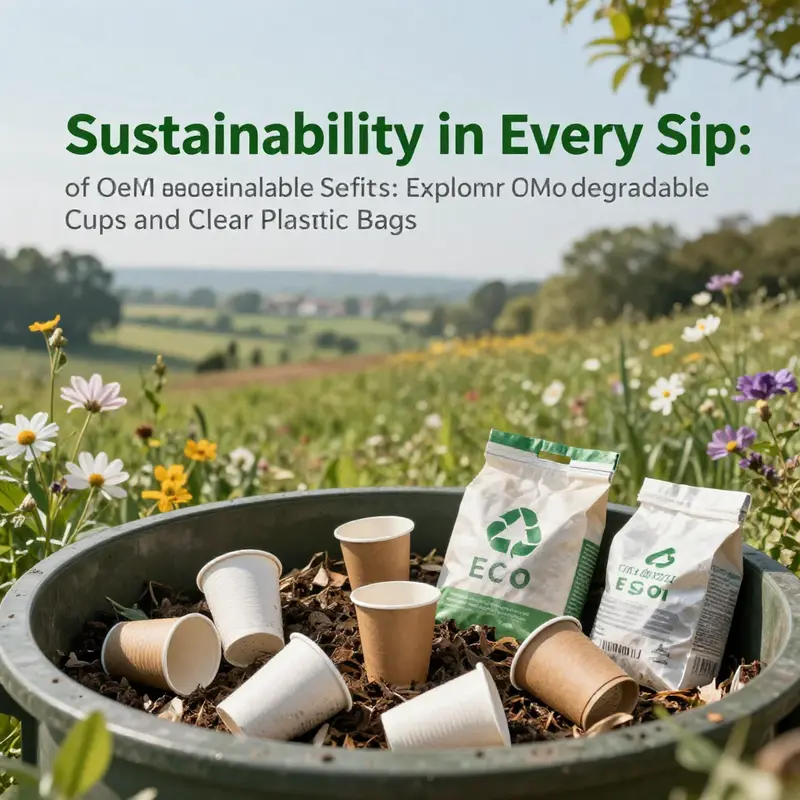
A shift in packaging philosophy is reshaping how businesses think about sustainability. It is no longer enough to reduce harm; the aim is to reimagine the lifecycle of a product so that materials return to the system in a way that minimizes waste and resource use. OEM biodegradable clear plastic bags and cups sit at this crossroads. They are not a single solution but part of a broader design approach that couples material science with the realities of production, distribution, and end-of-life management. When brands adopt these solutions, they do more than sell a product; they participate in a system designed to decouple consumption from long-term environmental damage. The core idea is simple in principle, but its realization depends on rigorous material choices, thoughtful design, and robust infrastructure. Biodegradable packaging options are typically rooted in renewable plant-based feedstocks such as corn-based polymers or cellulose derivatives. This lineage is a deliberate departure from fossil fuel-based plastics, and it carries with it the potential to lower the carbon footprint of packaging across several stages of the product life cycle. In practice, this means that the raw materials used to craft clear bags and cups are derived from sources that can be replenished rather than exhausted. The shift toward plant-based inputs aligns with a broader industrial shift toward renewable resources, and it speaks to a transition in which packaging materials are part of a cycle rather than a permanence. Yet the environmental promise hinges on more than material origin. It relies on the ability of these products to break down in controlled conditions and on the systems that collect and process them after use. The chemistry that makes a clear bag or cup transparent and strong can also be tuned to make it break down in a composting facility. In many cases, these products are certified compostable under standards such as ASTM D6400, which set performance criteria for industrial composting. The certification implies that, when disposed of in the proper facilities, the materials will degrade within a designated timeframe and leave behind no harmful residues. That timeline—often described as a matter of weeks to a few months in industrial composting environments—provides a framework for measuring environmental impact and for communicating expectations to consumers and partners. The practical significance extends beyond end-of-life behavior. The ability to design with compostability in mind can influence how packaging is manufactured in the first place. Clear bags and cups can be produced from PLA (polylactic acid), cornstarch blends, or other biobased formulations alongside conventional polyolefins such as LDPE and LLDPE, depending on the performance requirements. This versatility allows brands to balance transparency, heat tolerance, strength, and moisture barriers with the desire to reduce fossil fuel dependence. A thoughtful OEM partner can guide a company toward formulations that meet both functional needs and sustainability objectives. The value of this approach becomes clearer when one considers the concept of a circular economy. In a truly circular system, materials are kept within use cycles for as long as possible, and what cannot be reused is designed to return to the environment with minimal impact. Biodegradable packaging supports this loop by enabling products to re-enter the natural or industrial streams after service. But the loop only closes if there is reliable collection, separation, and processing. Industrial composting facilities, certified recycling streams, and clear consumer guidance are part of the infrastructure that makes the loop functional. Without them, even the best biodegradable formulation risks underperforming relative to its potential. This is why OEM providers often position themselves as partners in not just supply, but in system design. They offer customization that aligns packaging performance with branding while maintaining stewardship objectives. A brand can, for instance, tailor the size and shape of a clear bag to optimize material use and packaging integrity, or specify a cup size that minimizes waste and leverages compostable properties. Customization extends to branding—logos, colors, and packaging designs that reinforce an environmental narrative without compromising the material’s end-of-life pathway. The synergy between design and disposal is where the environmental benefits become tangible. Consider the lifecycle of a typical consumer encounter with a biodegradable bag or cup. The product is used, disposed of in the appropriate system, and proceeds through industrial composting or recycling streams. In facilities designed for compostable plastics, the materials break down into organic matter, water, and CO2, while leaving no persistent microplastics. This outcome contrasts with conventional plastics that can linger for centuries and fragment into microplastics that pollute soils and waterways. The environmental advantage, therefore, is not merely about reducing waste but about transforming waste into a feedstock for new biological or industrial processes. It is a shift from a stubborn linear model to a more regenerative approach. The potential gains are broad. Reducing reliance on fossil fuels lowers fossil-based emissions across the production chain. Plant-based materials, when grown responsibly, can sequester carbon during growth and contribute to a lower overall carbon footprint than some traditional plastics. The degradation process in modern composting facilities typically occurs within a compressed timeframe, minimizing the long-term presence of packaging in landfills and the environment. This helps reduce the risk of long-term pollution and microplastic contamination that has become a pervasive concern in modern waste streams. The environmental case strengthens further when one considers the broader system in which OEM biodegradable solutions operate. A circular economy thrives when materials can be returned to the system, reused, or repurposed with minimal energy input. Biodegradable plastics can play a crucial role in closing loops if there is adequate sorting, acceptance, and processing infrastructure. In practice, this means partnerships among material suppliers, brand owners, waste managers, and policymakers. When all parties coordinate, the path from production to end-of-life becomes more predictable and efficient. The collaboration also extends to standards and certifications. Certifications that verify compostability help ensure that end users receive consistent guidance on disposal. They also help avoid confusion caused by marketing claims that cannot be substantiated by performance in real-world facilities. Standards such as ASTM D6400 provide a measurable basis for evaluating whether a material can break down under industrial composting conditions. Consumers, retailers, and municipal programs benefit from the clarity these standards offer. Brands that pursue OEM biodegradable packaging solutions also gain from the flexibility these materials provide in design and branding. The ability to customize sizes, shapes, and finishes makes it possible to maintain or even enhance consumer appeal while adhering to environmental commitments. Clear packaging, for instance, can showcase product integrity while using materials that break down in the proper facilities. In some cases, that transparency becomes a narrative in itself—a visible signal to customers that the brand is serious about sustainability. Yet it is important to acknowledge that compostability and biodegradability are context-dependent. Not all facilities are equipped to process every type of biodegradable material, and consumer behavior can affect outcomes. A bag or cup might be certified as compostable, but if it ends up in a municipal waste stream that lacks industrial composting capacity, the expected end-of-life result may not be realized. This is where the role of OEM partners becomes critical. They can guide clients toward materials and designs that align with the available waste-management infrastructure in their target markets. They can also advise on labeling, packaging, and consumer education to minimize confusion and maximize proper disposal. The alignment with sustainable practices extends beyond environmental metrics. Companies that adopt OEM biodegradable packaging often align with broader environmental, social, and governance (ESG) goals that resonate with customers, investors, and regulators. The narrative shifts from “less bad” to “actively good.” The brand communicates a commitment to resource stewardship, responsible manufacturing, and a future-oriented approach to packaging. This alignment can influence procurement decisions, supplier relationships, and market positioning. The practical implications for brands are tangible. There is a cost component to consider, as biobased and compostable materials can differ in price and supply dynamics from conventional plastics. However, the OEM model supports scalability and cost-efficiency, especially when production volumes reach into tens or hundreds of thousands of pieces. The ability to order large quantities with consistent quality and branding can offset higher unit costs with economies of scale. In addition, subsidies or incentives for sustainable packaging implementation in some regions can improve the financial equation. Alongside cost considerations, performance traits matter. Cups designed for hot beverages require heat resistance and structural integrity; bags must resist tearing and moisture exposure. Biodegradable formulations are continually refined to meet these requirements without compromising end-of-life outcomes. For hot drinks, for example, a compostable cup must withstand temperature without losing clarity or strength during service, while still fragmenting appropriately in composting facilities. The same logic applies to clear bags used for food packaging or retail display. It is possible to engineer clarity and durability with plant-based polymers and approved blends, providing a credible alternative to traditional plastics in many use cases. A concrete example of how these principles translate into a tangible product is found in the broader ecosystem of OEM packaging solutions. A biodegradable, eco-friendly option for take-away packaging—from lids to bowls to bags—demonstrates how customization can maintain brand identity while advancing environmental goals. This example illustrates how a design philosophy rooted in end-of-life performance can guide decisions across materials, production, and packaging design. When a company considers OEM biodegradable packaging, it is not merely selecting a material; it is choosing a path that integrates manufacturing pragmatics with environmental ethics. It is a choice to participate in a system that favors renewables, reduces waste, and facilitates responsible end-of-life management. Of course, transition challenges exist. The success of biodegradable packaging depends on the availability of proper composting and recycling streams and on consumer participation. Education and clear disposal instructions help empower customers to contribute to the intended end-of-life pathway. Clear communications can prevent missteps that undermine environmental benefits. The broader implication for industry is a call to action: to invest in materials research, to build partnerships across the supply chain, and to support infrastructure that makes composting feasible at scale. In this framework, OEM biodegradable packaging becomes more than an option; it becomes a strategic instrument for brands seeking to align operational choices with planetary health. The environmental benefits are meaningful when embedded in a deliberate strategy that recognizes the dependencies between material science, waste-management systems, and consumer behavior. To illustrate the point with a concrete, relatable example, consider the biodegradable eco-friendly take-away ODM OEM round kraft paper bowl. This symbolically bridges the gap between fancy, transparent packaging and the practical demands of modern sustainability, reminding stakeholders that even everyday packaging can contribute to a circular economy when designed and distributed thoughtfully. For readers seeking further context on how these standards shape real-world practice, the Environmental Protection Agency offers a comprehensive resource on biodegradable packaging standards and applications: https://www.epa.gov/sustainable-management-plastics/biodegradable-packaging-standards. This resource underscores the importance of alignment among materials, facilities, and policies in realizing the environmental promise of biodegradable packaging. In sum, the environmental benefits of OEM biodegradable bags and cups emerge when material choices, product design, and end-of-life management are harmonized. The potential reductions in fossil-fuel dependence, the natural breakdown of materials in the right facilities, and the contribution to a circular economy all point toward a packaging future that is both responsible and resilient. The journey from sheet to sleeve to compost bin is not instantaneous, and it requires coordinated effort across producers, brands, and waste-management systems. Yet the gains—reduced persistence in ecosystems, lower net greenhouse gas emissions, and a stronger alignment with consumer expectations—make a compelling case for continuing to invest in OEM biodegradable packaging solutions. The more these partnerships mature, the more robust the infrastructure will become, and the more brands will be able to tell a consistent, credible sustainability story that resonates with customers and communities alike.
Final thoughts
As the journey towards sustainability continues to shape the food and beverage industry, OEM biodegradable cups and clear plastic bags represent a promising way for businesses to reduce waste and enhance their eco-friendly initiatives. By embracing these solutions, bubble tea shops, restaurants, food trucks, and catering services can not only meet consumer demand for sustainable practices but also contribute to a healthier planet. Making informed decisions about packaging will cultivate a loyal customer base while advancing corporate responsibility.