
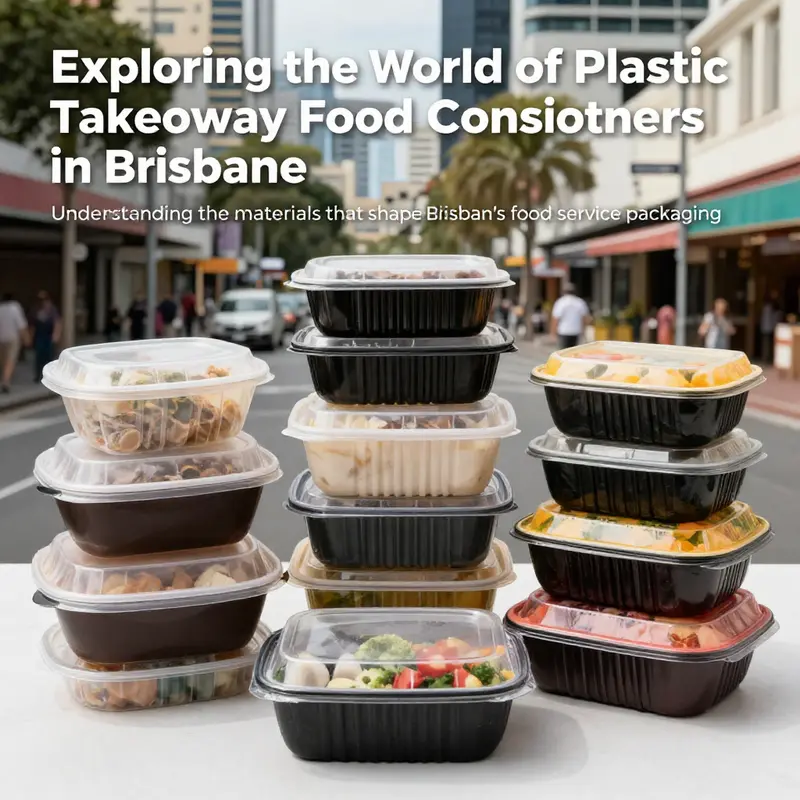
In Brisbane, plastic takeaway food containers are the backbone of the bustling food scene, providing convenience and versatility for various eateries. From bubble tea shops to food trucks, these containers play a critical role in accommodating diverse culinary offerings and enhancing customer experiences. The choice of materials used, such as high-density polyethylene (HDPE), low-density polyethylene (LDPE), and polycarbonate (PC), influences factors like durability, food safety, and sustainability. This article takes a deep dive into each material’s application, advantages, and health concerns, alongside insights on reliable suppliers and sustainable options. By understanding these elements, businesses can make informed decisions that align with consumer preferences and regulatory standards.
HDPE in Brisbane Takeout Containers: Strength, Safety, and a Path Toward Sustainable Food Packaging
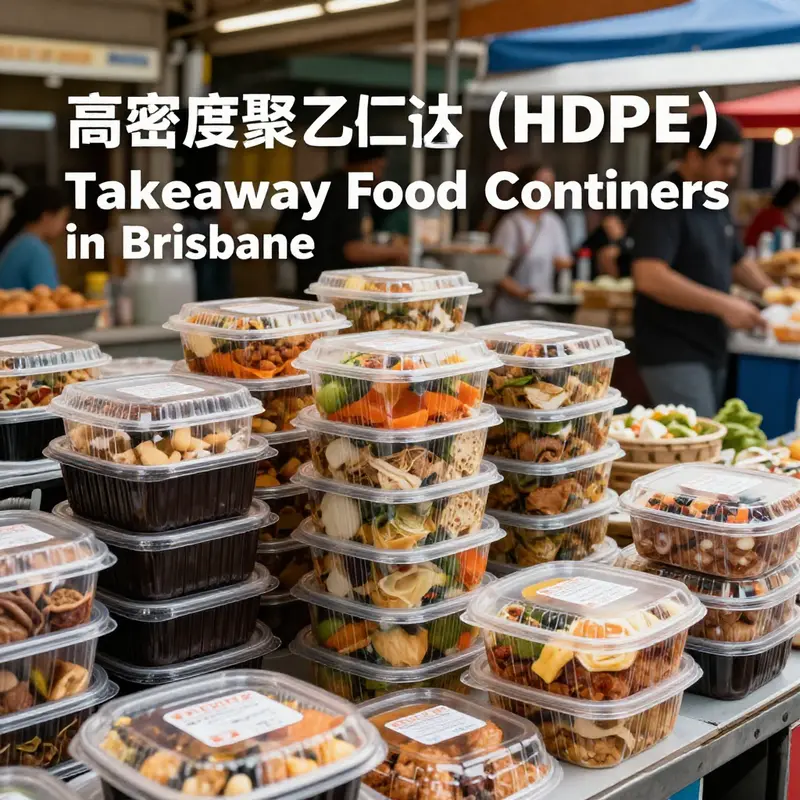
In Brisbane, plastic takeaway containers sit at the intersection of practicality and public health. They are the everyday instrument through which meals travel from kitchen to home, preserving flavor, temperature, and safety across urban streets and suburban routes. Among the plastics used for these purposes, high-density polyethylene—HDPE—stands out for its combination of rugged performance and relatively simple lifecycle management. Its popularity in the local food service ecosystem is not accidental. It reflects a careful balance of material science, regulatory compliance, and an evolving appetite for more sustainable packaging options that still meet the demands of busy kitchens and diverse consumer palates.
HDPE is prized for several reasons that matter directly to the Brisbane dining scene. Mechanically, it is stiff and impact resistant, which translates into containers that can resist dents and punctures during transit. This rigidity helps protect contents and reduces the chance of leaks, a critical consideration when packaging soups, stews, or dressings that can otherwise slosh during delivery. Thermally, HDPE can handle relatively high temps for short periods—up to around 100 degrees Celsius—without warping or deforming. This makes it a versatile choice for hot meals and beverages, as well as cold items like salads and fruit cups. Chemically, HDPE demonstrates robust stability; it holds up well against common acids, bases, and a wide range of organic solvents found in kitchen and restaurant environments. That stability also contributes to its broad food compatibility, a key requirement for containers designed to hold diverse dishes safely.
From a safety and regulatory perspective, HDPE’s suitability for food contact is not a matter of aesthetics alone. In Australia, packaging materials destined for contact with food must pass rigorous checks under standards such as theFood Contact Materials guidelines. Specifically, HDPE materials used in consumer packaging are expected to undergo sensory tests, migration assessments, and migration-to-food testing to ensure that no harmful substances migrate into foods at levels that could pose a risk to health. Containers sold in the Brisbane market and labeled as HDPE or bearing the 2 recycling code typically reflect compliance with these frameworks. The result is a packaging option that provides a reassuring level of protection for a broad spectrum of dishes, from steaming noodles to chilled smoothies.
Yet no material exists in a vacuum. The decision to use HDPE in Brisbane’s takeaway sector is also shaped by practical considerations in supply chains and waste management. HDPE’s durability reduces the likelihood of breakage and leakage during handling and transit, which translates into lower product loss for a busy delivery service and less mess in customers’ cars and homes. It also provides meaningful cost advantages in the sense that its sturdiness can reduce packaging waste through fewer damaged containers and easier stacking and stacking stability in transport. For many operators, this translates into tangible savings that complement the environmental rationale for using a material with a proven track record.
A further layer of appeal lies in the potential for closed-loop recycling. In Brisbane, there is rising interest among restaurants and food-service operators to recover used HDPE containers and transform them back into feedstock for new packaging or other products. This approach aligns with a broader push toward circular economy principles—minimizing waste by recuperating materials rather than consigning them to landfills. When successful, such programs reduce the life-cycle impact of packaging and help the city address plastic pollution while maintaining the convenience and performance customers expect from takeaway food containers. The pathway from used container to new container is not automatic, and it requires coordinated collection, sorting, and processing infrastructure. Still, the momentum around recycling HDPE is growing and is a defining feature of Brisbane’s evolving packaging landscape.
The regulatory backdrop remains a constant guide for operators who want to align with best practices while meeting consumer expectations. The Australian government maintains a portal on food contact materials that outlines the safety and compliance expectations for materials used in packaging and containers intended for contact with foods. For HDPE, this means ensuring that products entering the market have been tested for sensory acceptance, total migration, and specific migration—the standard suite of checks that helps guarantee that the material remains inert with respect to the food it touches under normal use conditions. In practical terms, this translates into clear labeling, traceable supply chains, and documentation that demonstrates compliance for retailers and regulators alike. It also supports a broader public confidence that the packaging protecting meals in Brisbane’s streets and homes is designed with consumer safety as a priority.
Within the Brisbane market, HDPE’s appeal is reinforced by its compatibility with a broad set of use cases. Containers made from HDPE are commonly employed for hot meals, soups, salads, and beverages, as well as for meals that require a light, leak-resistant vessel. The material’s combination of chemical resistance and mechanical strength supports a wide temperature window, enabling kitchens to prepare and package meals without resorting to multiple packaging formats. This versatility reduces complexity in the supply chain and simplifies the decision-making process for restaurateurs who must balance performance with cost and sustainability considerations. In a city with a busy dining scene and a growing emphasis on eco-conscious choices, HDPE represents a pragmatic compromise that helps restaurants deliver quality while keeping waste manageable.
The role of consumer behavior should not be underestimated. Brisbane households and workplaces are increasingly attentive to how packaging affects waste, recyclability, and the environmental footprint of what they eat and drink. HDPE’s recyclability, while not universal across all local programs, is a critical advantage when it is accepted by municipal or private recycling streams. The high density of the material means it can be more readily cleaned, sorted, and reprocessed into new HDPE products or other resin streams. This potential for circularity strengthens the case for HDPE in an urban setting where waste management resources are under continual pressure and where residents expect responsible stewardship of packaging materials. The ongoing dialogue between suppliers, restaurants, recycling facilities, and city authorities is essential to translating HDPE’s technical strengths into real-world outcomes.
Despite the strengths, there are important caveats that operators and consumers should heed. Heating HDPE in a microwave oven is generally discouraged, particularly with containers that are not expressly rated for microwave use. While HDPE can withstand heating to substantial temperatures for food safety in many contexts, the risk of warping, chemical migration in non-specified conditions, or structural failure—especially with irregular shapes or multi-layer designs—means it is prudent to avoid microwaving or heating foods beyond the material’s intended limits. For hot foods, this translates into using HDPE containers that are clearly labeled for heat tolerance and following the manufacturer’s guidelines. Consumers should also avoid filling containers with overheated contents and ensure lids and seals are properly secured to prevent leaks during transit.
The Maslow-like hierarchy of packaging decisions in Brisbane places safety at the base, followed by functional performance, and finally sustainability. HDPE’s safety profile and mechanical performance help it satisfy the first two tiers, while the city’s evolving recycling and waste-management infrastructure addresses the third. The result is a practical, science-based approach to packaging that supports a vibrant food scene without compromising public health or environmental integrity. For operators seeking to diversify beyond traditional HDPE formats, the market for eco-friendly alternatives—such as kraft paper packaging shown in related packaging channels—offers a complementary path. For instance, one avenue to explore is disposable octagonal boxes and other paper-based solutions that pair well with a takeout ethos focused on sustainability. A practical reference to such packaging options can be found here: disposable-octagonal-box-restaurant-food-kraft-paper-packaging.
In sum, HDPE remains a durable, safe, and versatile backbone for Brisbane’s plastic takeaway containers. Its performance under a wide range of kitchen conditions, along with a clear regulatory framework and a growing emphasis on recycling, supports an infrastructure that can deliver reliable service to diners while enabling progress toward a more circular packaging economy. The material’s strengths are most evident when paired with careful design choices—such as ensuring correct labeling, using containers appropriate for the intended temperature range, and coordinating with recycling facilities to capture and reprocess used components. As Brisbane continues to expand its dining economy, HDPE is likely to play a central role in balancing the demands of taste, safety, and sustainability that define modern takeaway culture.
External reference: Australian Government Department of Agriculture, Fisheries and Forestry – Food Contact Materials: https://www.agriculture.gov.au/food
null
null
布里斯班外卖容器的材料演变:聚碳酸酯风险与替代之路
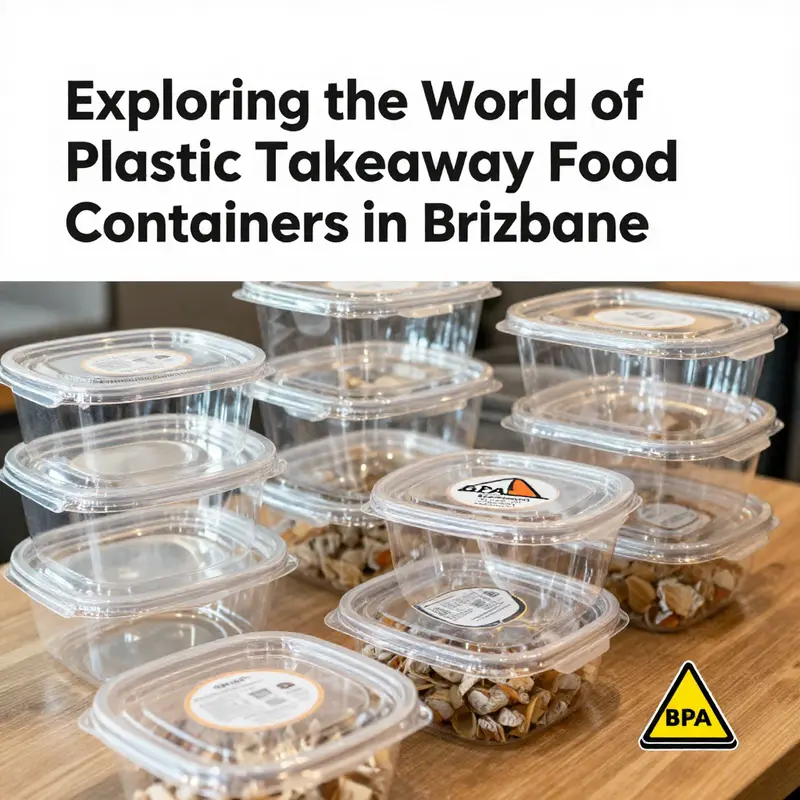
本章聚焦布里斯班外卖包装材料的演变,分析聚碳酸酯(PC)在食品容器中的使用及其潜在的双酚A(BPA)迁移风险,阐明健康与监管关切。结合市场趋势与供应链实践,解读为何越来越多的商家与消费者转向聚丙烯(PP)等更安全的材料,以及在确保食品安全、可回收性和成本效益之间寻求的平衡路径。
布里斯班塑料外卖食品容器的供应商与可持续选择
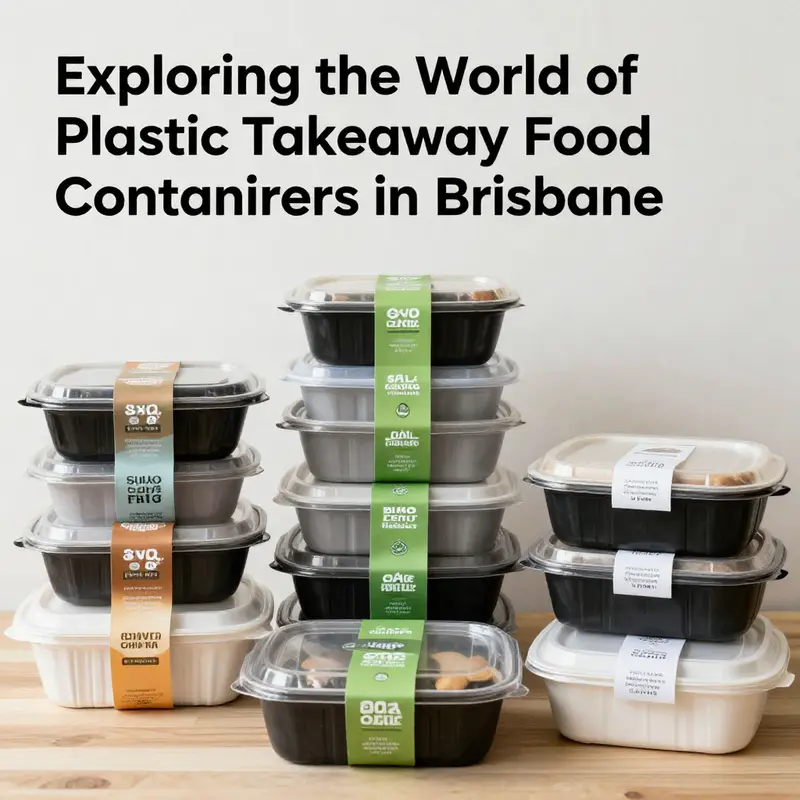
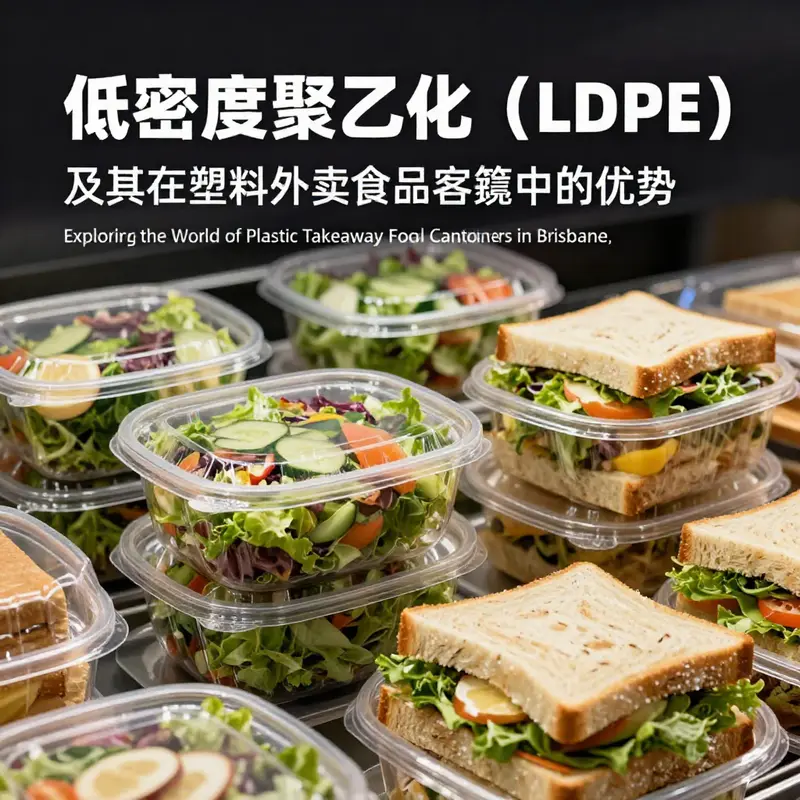
布里斯班的外卖文化在近年来迅速扩展,街角的外卖摊到繁忙的餐厅后厨,塑料外卖食品容器成为日常运营不可或缺的一部分。这样的容器通常采用聚乙烯家族的材料,例如高密度聚乙烯(HDPE)或低密度聚乙烯(LDPE),以及聚碳酸酯(PC)等材料。它们的共同优点是坚固、轻便、便于运输,能够承受日常的物流与餐饮场景中的撞击与挤压。然而,材料的选择并非仅仅看表面的耐用性,背后还隐藏着对安全、回收与环境影响的综合考量。HDPE以其良好的化学稳定性和较强的回收潜力成为餐盒和饮料杯的常见选择,但在高温加热方面存在局限;LDPE则以柔韧性与良好密封性著称,常用于包裹沙拉、三明治等易碎或易洒落的食物;而PC,尽管透明度高、抗冲击力强,逐渐因为潜在的健康顾虑而在食品接触领域的使用受限,此类担忧与聚合物中潜在的有害物质释放相关。对布里斯班的餐饮业者来说,理解这些材料的特性不仅是选择适合菜品的容器,更是在确保食品安全、提升顾客体验与实现可持续经营之间寻求平衡的过程。
Final thoughts
In summary, the landscape of plastic takeaway food containers in Brisbane is vast and nuanced, catering to the diverse needs of the food service industry. Understanding the properties of HDPE, LDPE, and PC helps businesses select the best options that not only comply with safety standards but also resonate with customer demands for sustainability. As more suppliers push for eco-friendly practices, the industry is moving towards a more sustainable model that benefits both businesses and the environment. Adapting to these changes is essential for success in today’s competitive market.