
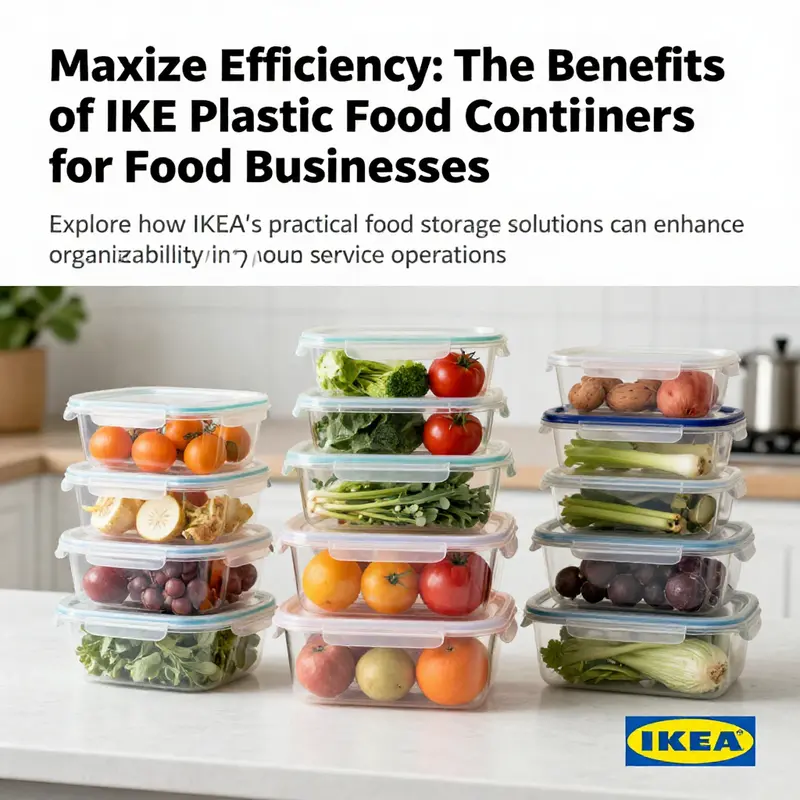
As the food industry evolves, the need for efficient, safe, and sustainable storage solutions becomes paramount. For bubble tea shops, restaurants, food trucks, and catering services, effective organization is key to managing food costs and maintaining quality. The IKEA 365+ plastic food containers offer an array of features tailored for the food service sector. In this article, we will explore the design and materials used in these containers, their functionality, environmental impact, organizational benefits, and the economic value they provide. Each chapter will demonstrate how IKEA’s practical solutions can be seamlessly integrated into food service operations, ultimately enhancing efficiency and reducing waste.
Modular Plastic Food Containers: Design, Materials, and Everyday Organization
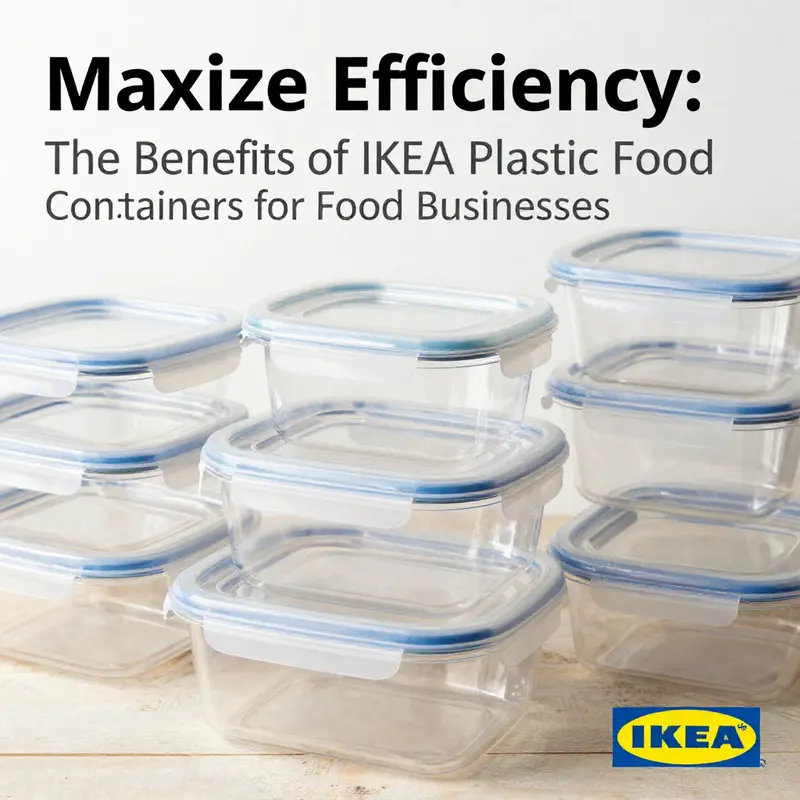
In many kitchens a quiet set of modular plastic food containers coordinates daily routines more than most people notice. They sit on the counter or tucked away in a cabinet, ready to convert leftovers into reliable meals and to protect dry ingredients from moisture air and temperature changes. This chapter traces a storage line designed not merely to hold food but to harmonize with the rhythms of modern life. The design rests on practicality yet pursues a contemporary aesthetic that fits a clean uncluttered kitchen landscape. The result is a system that feels almost invisible while performing much of its work behind the scenes: preserving freshness easing meal prep and guiding daily habits toward fewer decisions and less waste.
The heart of the concept is flexibility. Containers come in a range of shapes and sizes that can be matched with lids sharing a common logic. The goal is to let users assemble exactly the configuration they need for a given task whether storing a week of oats soup or frozen portions. The ability to mix and match sizes without sacrificing seal integrity makes the system adaptable to daily tempo. The look is understated and modern with transparent bodies that reveal contents at a glance.
The lid design acts as a reliable quiet engine of the system. A snap and lock mechanism secures an aroma tight seal that resists leaks and protects flavors during transport and daily use. The seal supports safe stacking when empty and helps keep liquids contained during transit. It feels practical not fragile and it reinforces a sense of control in many users passing through kitchens every day.
Materials and maintenance are integral to the experience. Polypropylene is common here for its durability light weight and food contact safety. The material holds its shape under pressure and tolerates repeated heat and cold cycles from freezer to microwave. Dishwasher safe design reduces care burden and promotes hygiene which in turn supports longevity and performance.
The broader story connects design to sustainability. The emphasis on durability and reusability positions the containers as tools against waste. A stackable form makes efficient use of cabinet and refrigerator space, and long service life reduces material turnover. In this way everyday storage becomes a small but meaningful contribution to responsible living.
Readers curious about safety can consult regulatory guidance on food contact materials and packaging. Practical chapters and external resources illustrate how these choices are vetted for safety and performance in real world use. The chapter closes with a view of how modular storage shapes daily cooking shopping and the choreography of the kitchen.
Transparent, Stackable, and All-Purpose: Reimagining Kitchen Organization with a Large Plastic Food Container
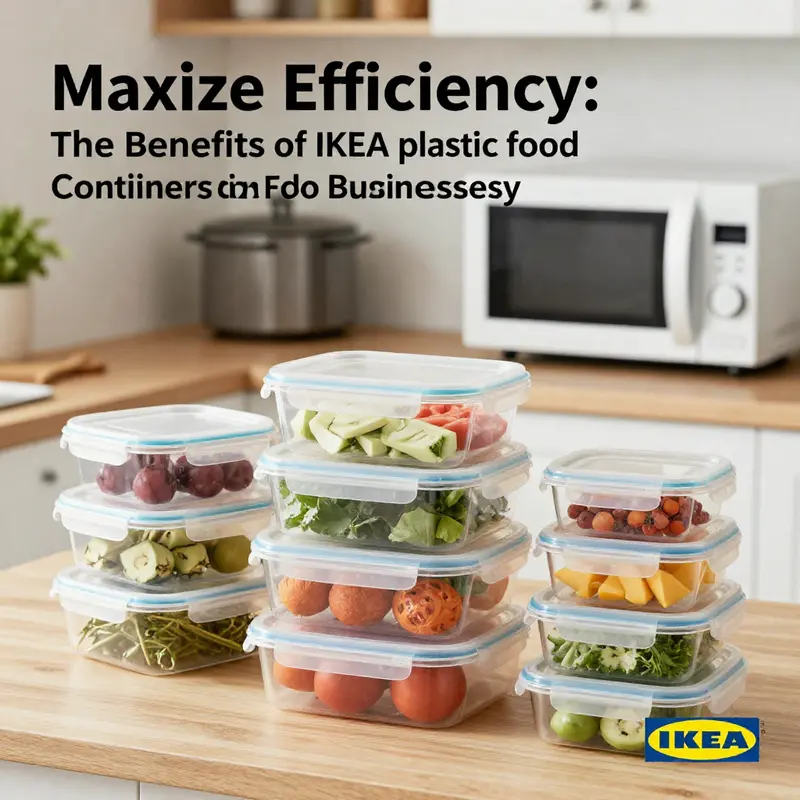
In the kitchen, the large rectangular plastic storage container embodies a practical philosophy: durability, clarity, and reliability that can adapt to daily rhythms. Its generous capacity makes it suitable for dry goods, grains, snacks, or substantial leftovers, serving both family kitchens and households that routinely buy in bulk. This scale is not a luxury but a thoughtful solution to storing a week’s worth of staples without sacrificing cabinet space or quick access. The dimensions—32 centimeter length, 21 centimeter width, and 22 centimeter height—translate into a footprint that fits neatly on shelves, in the back of a fridge, or in a deep pantry corner. The result is a tool that shapes how you cook, plan, and live with your food. A container of this size can accommodate a whole bag of flour, bulk granola, or multiple portions of soups and stews, supporting fewer store trips and better use of what you already have. The capacity, then, is part of a broader intent: to reduce overbuying and encourage steadier cycles of consumption aligned with real life.\n\nThe idea of transparency continues to influence daily routines. When you can see the contents, you can quickly assess freshness, portion size, and the need for a refill without opening every lid. This is not merely convenience; it’s a small act of waste reduction. Food in view within the same container is less likely to be forgotten in the back of a fridge or wasted. The clear body and lid also simplify meal planning: you identify what you have on hand, map out a few meals for the week, and restock with clarity. The cumulative effect is better inventory awareness, fewer duplicate purchases, reduced waste, and more thoughtful meal preparation. In homes where shelves become part of a larger organizational system, this visibility becomes a crucial advantage, transforming a chaotic pantry into a navigable space.\n\nAnother cornerstone is the locking lid. It creates an airtight, leak-resistant seal, essential for transporting lunches, storing liquids, and preserving aromas during long-term storage. The seal supports a range of uses—from packing a lunch to storing soups for later—and helps maintain freshness even when containers are stacked in a crowded cabinet or tucked into a travel bag. The lid’s compatibility with the container body ensures a consistent, trouble-free experience across repeated cycles of use.\n\nDurability reinforces everyday practicality. The container is designed to withstand bumps and pressure whether it sits in a backpack, tote, or crowded cabinet. Its rigid construction helps preserve shape, keep lids fitting snugly, and maintain seal integrity. This is not vanity; it matters for daily life. Warping or misalignment can compromise seals and complicate cleaning, undermining the practical advantages at the heart of the design. The sturdiness also supports everyday portability, from lunch to work to road trips. Maintenance is straightforward: a quick rinse before first use, followed by dishwasher-friendly cleaning in regular cycles. The ability to move from fridge to dishwasher without special handling saves time and effort, letting busy cooks focus on cooking rather than upkeep.\n\nFrom a health and environmental perspective, the container offers a compelling case. It is BPA-free, a detail that matters to families seeking to minimize chemical exposure in everyday food storage. BPA-free materials are now expected in modern kitchen storage and align with concerns about plastics in food contexts. Safety does not exist in isolation; it complements durability, transparency, and seal strength. A container safe for repeated heating, cooling, and washing fits into a kitchen lifecycle that values responsible plastic use and mindful storage. The range’s assortment of sizes and shapes supports a modular approach to organization. Rather than one oversized box trying to do everything, a family of containers in varying dimensions can fit different foods, portions, and spaces, creating a tailored kitchen system that reduces waste and supports efficient meal planning.\n\nIn practice, this design yields a kitchen where bulk staples are kept in one place, leftovers in another, and prepped ingredients in a third, with containers aiding a smooth workflow. The clarity of the design invites a disciplined approach to meal planning: see what you have, portion what you need, and restock with purpose. When assembling a set that includes large containers for bulk items, mid-sized units for daily meals, and smaller boxes for sauces or snacks, you gain a flexible backbone for everyday cooking. The overall effect isn’t about chasing gadgetry but about establishing a reliable practice that reduces waste, saves time, and supports healthier habits by making food organization intuitive rather than burdensome. As kitchens evolve toward thoughtful storage solutions, the value of a sturdy, transparent, and well-sealed container range remains evident—a quiet engine of efficiency that underpins the rhythm of family life, week by week, meal by meal, with steady practicality.
Clear Choices, Lasting Footprints: Environmental Impact and Safety Standards of a Plastic Food Storage Container
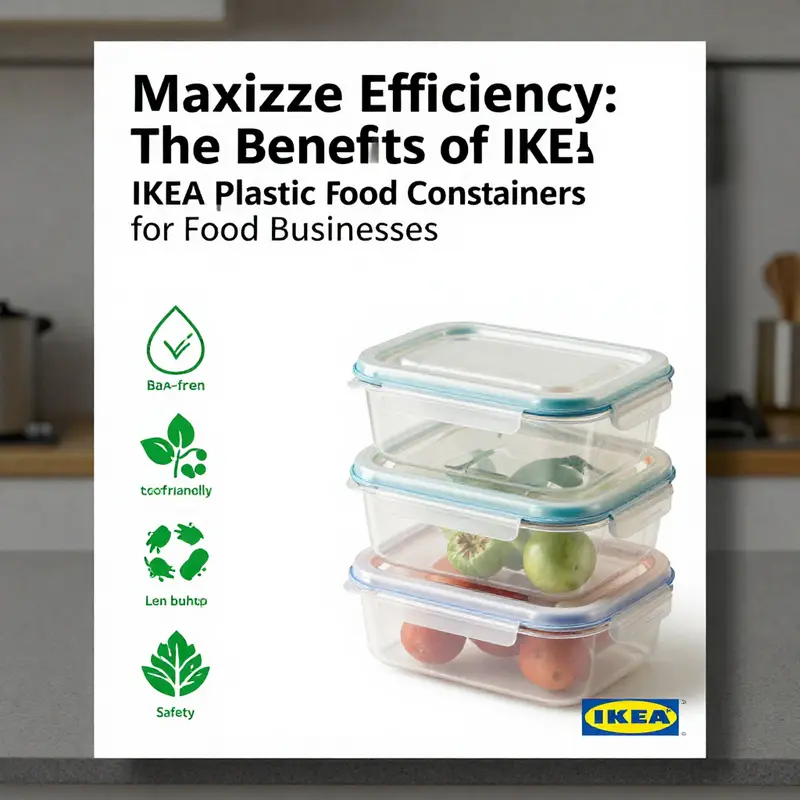
A simple plastic storage container can carry more meaning than its clear walls and snap-tight lid imply. It embodies a practical stance on how households manage food—from the moment a meal is plated to the afterlife of the container itself. The square 750 ml plastic container, designed with a silicone seal and a transparent body, offers a cohesive story about everyday sustainability and safety. It is not merely a tool for organization; it is a compact statement about how design choices ripple outward into household habits and environmental impact. In this chapter, we look beyond the surface to understand how such a container functions within a broader ecosystem of safety standards, material science, and responsible consumption. The discussion centers on three intertwined threads: material composition and performance, environmental footprint, and the safety practices that enable repeated, versatile use in daily cooking, storage, and transport.
At the core of these containers is polypropylene, a polymer that has earned a reputation for durability and broad recyclability. The choice of this material is not accidental. It offers the necessary balance between rigidity and clarity that helps a family see what’s inside without opening the box. Clarity matters, because it reduces the likelihood of forgotten leftovers lurking in a shelf or a cold corner of the fridge. The translucent body, combined with a matching transparent lid, gives quick visual cues about contents, urging more mindful consumption and timely reuse. The seal between the lid and the container is formed by a silicone rubber gasket, chosen for its resilience and ability to maintain an airtight, leak-resistant fit. When liquids or semi liquids are stored, this seal becomes a guardian—limiting spills during transport and protecting the food from freezer burn or drying out. It is this small but persistent performance that underpins a broader philosophy: design for longevity and reuse, rather than single-use convenience.
From an environmental perspective, the impact of such containers scales through a few interconnected mechanisms. First is food waste reduction. When leftovers stay fresh longer, fewer meals are discarded due to spoilage, which translates into lower greenhouse gas emissions associated with wasted food and the resources consumed in growing, processing, and transporting that food. The containers are designed to be stackable and nestable, a feature that extends their utility in cramped kitchen spaces and minimizes the volume of packaging and shipping material needed for households and retailers alike. This stackability is not just a space saver for the pantry; it reduces the energy footprint of storage and transport by enabling more efficient use of space in transit and in storage facilities. The same design ethos supports recyclability and resource efficiency on a larger scale. When families reuse containers rather than switching to disposable options, the cumulative effect touches on waste streams and pollution, contributing to a more circular approach to plastics in daily life.
A second environmental thread is reusability in practice. The compatibility of the container with lids across a broader line encourages households to keep returning to reusable solutions instead of turning to single-use alternatives. In practice, this means fewer lids and containers end up in landfills because parts can be mixed, matched, and repaired as needed. It is a small example of a larger design strategy: create modular, interoperable components that extend the lifecycle of the product. In the kitchen, this translates into fewer guilty trips to the store for disposable containers and less packaging waste generated in households. The material choice—polypropylene—also supports recycling streams in many regions, further aligning with circular economy objectives. This is not a perfect solution; the real value rests in the degree to which households embrace and sustain these reuse patterns over time. Yet the continuity provided by a well-designed container can become a daily habit, a quiet but meaningful contribution to resource stewardship.
Safety standards sit at the point where daily practicality meets regulatory expectations. A crucial element of the container’s safety profile is its suitability for multiple environments: the microwave, the freezer, and the dishwasher. The material’s behavior under heat matters. Up to a defined threshold, the container can be heated in the microwave, provided the lid is left slightly ajar to allow steam to escape. This simple guideline is designed to prevent pressure buildup while preserving the container’s shape and the integrity of its seal. Freezer safety is equally important; the structure resists brittleness at low temperatures, safeguarding contents from freezer burn and reducing the risk of container cracking when food is partially thawed. Dishwasher safety offers a practical convenience that supports hygiene and repeat use, which in turn is essential for reducing the temptation to rely on disposable packaging. Hygiene is reinforced by a straightforward precaution: wash the container before first use. This is not merely a ritual; it is a step aimed at ensuring that any residual manufacturing residues or handling contaminants are removed before food contact takes place.
Transparency plays a subtle but powerful role in safety and sustainability. The clear design invites users to monitor the condition of stored items—an everyday form of risk management. When food items are visible, forgotten leftovers are less likely to endure beyond their recommended shelf life. This visibility reduces the chance of consuming spoiled food and lowers the emotional and financial cost associated with waste. The safety narrative is completed by a simple but essential reminder: respect the limits of use. Heating, freezing, or washing should be done within the product’s defined parameters. Pushing the material beyond these boundaries—such as attempting to heat heavily fatty liquids at temperatures exceeding the allowed threshold or sealing the container too tightly when heating—can compromise both safety and performance. The practical upshot is that these containers are built to support responsible, everyday cooking and storage, not to serve as a catch-all for every kitchen experiment.
In speaking of sustainability, the conversation also turns to the broader commitments that shape product design in today’s market. Companies increasingly emphasize the use of recyclable materials and the creation of products that are durable by design. A focus on longevity reduces turnover and the frequency with which households replace items. This, in turn, lowers the energy and material inputs associated with production, packaging, and distribution. The circular economy mindset invites consumers to think in terms of reuse, repair, and eventual recycling. The design language of these containers—transparency, modular compatibility, and a seal that lasts—reflects an approach that treats everyday kitchenware as a long-term asset rather than a disposable convenience. While no single product can solve all challenges of plastic waste, the cumulative effect of such design choices can be meaningful when scaled across households and communities.
Care and use become acts of stewardship when interpreted through this lens. The practical rhythm of everyday life—cooking, storing, freezing, reheating, and cleaning—needs to be simple and reliable. A well-made container that is easy to clean, resists staining, and remains seal-tight after repeated cycles reduces friction and encourages ongoing reuse. Clear ownership of the container’s lifecycle—understanding when to retire it, how to recycle its materials, and how to integrate it with complementary components—transforms a mundane object into a sustainable habit. In this sense, the container becomes a teaching tool about mindful consumption: its transparency helps prevent waste, its durability reduces disposal, and its safety features ensure that it remains a trusted companion through many meals and seasons.
As households navigate the tension between convenience and responsibility, the story of a plastic storage container emerges as a case study in practical sustainability. It demonstrates how a single product can balance form and function, making daily routines more efficient while aligning with broader environmental goals. The container manufactures a reliable micro-environment for leftovers and ingredients, wards off unnecessary waste, and supports a cleaner kitchen ecosystem. The narrative also invites readers to consider their own patterns: how often do leftovers sit forgotten in the back of a fridge? How often do we choose to reuse a container rather than discard it? How can we adjust our routines to maximize the container’s lifespan, while respecting safety guidelines that keep kitchens free from contamination and accidents?
In closing, the square plastic storage container embodies a confluence of practical performance and responsible design. Its polypropylene body, silicone seal, and transparent construction work in concert to deliver a product that is not only easy to use but also aligned with contemporary expectations of environmental stewardship and safety. This is not a grand statement of revolution in materials science; it is a daily invitation to make better choices with ordinary things. When people see the clear lid, the visible contents, and the neatly stacked boxes on a shelf, they are reminded that sustainability thrives on consistent, small decisions—decisions made every time a meal is planned, leftover is saved, or a lunch is packed for later. The power of this container lies not in novelty but in reliability: a dependable partner for reducing waste, simplifying routines, and keeping food safe from the kitchen through to the table and back into storage, again and again. External resource: https://www.ikea.com/gb/en/p/365-food-container-square-plastic-750-ml-60452174/
Stow, See, and Sustain: How IKEA 365+ Plastic Food Containers Reframe Kitchen Organization
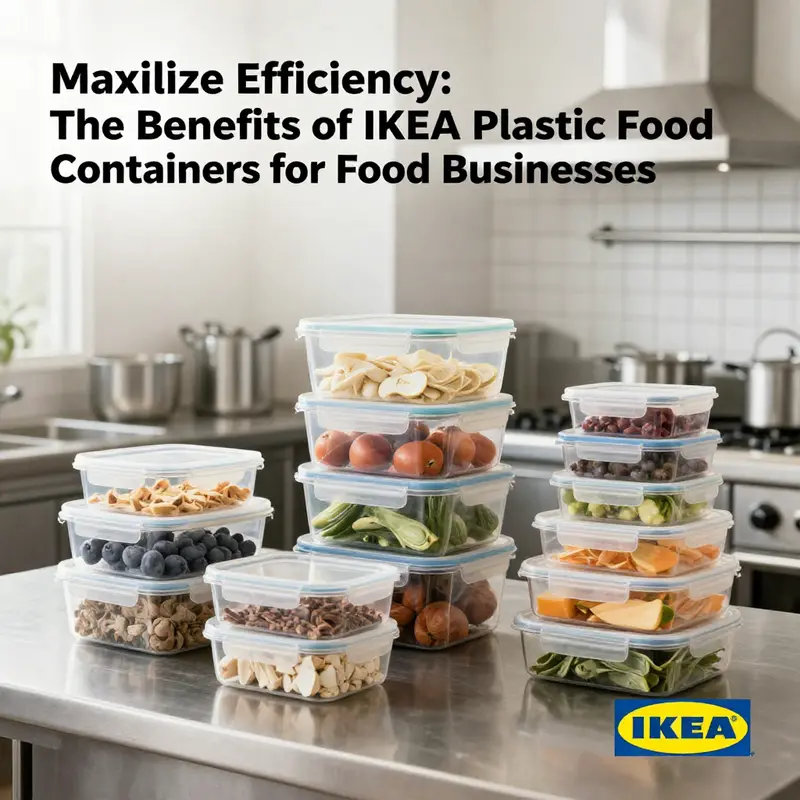
The kitchen is more than a place to prepare meals. It is a small, daily operating system where habits, space, and one simple tool can either shackle you with clutter or unlock a smooth, confident routine. In this context, a well-designed set of storage containers does more than hold leftovers or dry goods. It acts as a quiet catalyst for efficiency, healthier choices, and waste reduction. The IKEA 365+ plastic food containers, with their careful blend of durability, clarity, and versatility, embody that shift. They are not merely vessels for food; they are instruments of rhythm, shaping how a family plans, stores, reheats, and revisits meals with minimal fuss. At first glance, their appeal is practical: a range of sizes in transparent polypropylene, lids that seal securely, and shapes that fit neatly into cupboards and drawers. Yet the deeper impact lies in the gentle discipline they invite. When you can identify what you have at a glance, you are less likely to overbuy, less prone to letting leftovers languish, and more empowered to craft meals around what is already in the fridge. The containers’ transparency is not just about aesthetics. It reduces the cognitive load of meal planning. You do not need to pry lids off or hunt through opaque sections to see what’s inside. A quick glance reveals the progress of a week’s leftovers, the progress of a batch of prepped grains, or the exact contents of the freezer. This visibility nudges healthier decisions because ingredients are harder to forget and easier to repurpose. It also subtly curtails waste, as forgotten items in the back of a shelf are less likely to escape notice when their shapes and colors are clearly visible.
Material safety is foundational. The containers are BPA-free, aligning with growing consumer demand for food-safe plastics. This reassurance matters in a culture of frequent reheating and freezing, where the interaction between food and container is constant. A lid that clicks shut with a confident snap provides not only assurance against leaks but a tactile reminder that the storage environment matters. Airtight seals keep foods fresher longer, preserving both flavor and texture. That combination—safety plus freshness—underpins real kitchen efficiency. It means fewer trips to the store for missing ingredients and more confident use of what is already on hand. In a world where leftovers can morph from a convenience into a source of guesswork, a dependable lid is a quiet ally.
The design language of the 365+ line emphasizes space optimization without sacrificing accessibility. The standard family of shapes—rectangular, square, and round variants—acknowledges the realities of real kitchens. Rectangular and square forms make the most of vertical space, stacking neatly in cabinets or on pantry shelves. Round options offer flexibility for liquids and soups in a way that helps keep cold compartments tidy. But it is the nesting and stacking capability that truly reshapes the shelf. Containers can be nested when not in use, which reduces clutter and makes cabinet dimensions feel more generous. When in use, their uniformity enables a predictable, orderly stack. The result is a kitchen where every inch of storage feels intentional rather than accidental. Drawer dividers, though simple, complement this system by preventing containers from sliding around during daily use. The outcome is a space that stays organized even as the family moves through busy mornings and leisurely weekends alike.
Everyday use anchors the containers in a practical, almost rhythmic routine. They are microwave-safe with the lid vented, a small but meaningful detail that enables easy reheating without the awkwardness of removing the entire top. Food can be reheated while the lid remains slightly ajar, balancing steam with safety. They are also freezer-safe, an essential feature for batch cooking and long-term storage, which helps reduce impulse purchases and food waste. Cleaning is straightforward too, with dishwasher safety that keeps the hands-off maintenance simple. The ease of cleaning reinforces the habit of using containers regularly rather than letting them accumulate on the periphery of the countertop. The more habitual the routine becomes, the less likely it is for meals to be wasted because they were never properly stored or labeled. The transparent walls aid in labeling, too. A quick note on the outside with a dry-erase marker becomes a practical guide to reheating times, portions, or day-by-day contents, turning the containers into a small, reusable kitchen protocol.
Choosing the right size is not about matching every possible scenario; it is about building a coherent system that reflects how a household actually cooks and stores. The 365+ assortment offers a spectrum—from compact 750 ml units suited for sauces and small leftovers to large 2-liter and broader formats for bulk prep and family-sized portions. This variety supports a dynamic approach to meal planning. On a Sunday, you can portion out several meals for the week into the 750 ml and 1-liter blocks. After a grocery run, you can fill the larger shapes with bulk staples or prepared components for quick weeknight assembly. Because the lids seal tightly and the walls stay clear even after repeated cycles of freezing and reheating, the line encourages a habit of reusing rather than discarding. In this sense, the containers become a practical extension of sustainable kitchen practices. They reduce reliance on single-use plastics and encourage a cycle of reuse that aligns with broader environmental goals.
The broader organizational benefits come from how these containers integrate with a kitchen’s workflows. They invite a new mental model of storage where order behaves like a system rather than a series of isolated decisions. The stackable design is more than an engineering convenience; it becomes a behavioral cue. It signals a basic principle: what is visible is doable. When you can see all the components of a stored meal—from grains to sauces to vegetables—planning becomes easier and more precise. This clarity supports efficient meal management. It enables batch cooking with confidence, since reheating times and portion sizes are standardized across the range. It also reduces the time spent searching and reconfiguring. In a family kitchen, where every minute counts, those small efficiencies add up to meaningful improvements in daily life. Yet the value is not merely practical. It extends to the emotional texture of the kitchen. A tidy, well-lit pantry or fridge top reduces friction. It creates a sense of control that spills into other routines—grocery lists, weekly menus, and even daily mood in the heart of the home.
Sustainability threads throughout the narrative of these containers. Reusability stands out as a counterweight to the proliferation of throwaway packaging. Using durable, long-lasting containers helps households shrink their plastic footprints while preserving food quality. The BPA-free composition and the possibility to keep foods fresh for longer also mean less waste due to spoilage. The investment in a good set can pay dividends over time, translating into fewer trips to replace broken or flimsy containers and fewer disposable alternatives in the kitchen waste stream. In addition, the modularity of the system makes it adaptable to different life stages—single households, growing families, or households that frequently batch cook. The versatility of sizes and shapes supports evolving routines without forcing a new storage philosophy at every turn.
In closing, the value of a well-designed set of plastic food containers lies not in one dramatic feature but in a quiet, daily reliability. Visibility, safety, airtight performance, and space efficiency converge into a simple, repeatable workflow. The IKEA 365+ line offers a coherent storage philosophy built for real kitchens: a commitment to keeping food safe and fresher longer, to staying organized, and to making daily meals less stressful and more deliberate. It is not a glamorous transformation; it is a practical reshaping of how a home cooks, stores, and reuses food. The result is a kitchen where organization does not feel like a chore but a natural ally in pursuing healthier eating, reduced waste, and a calmer, more predictable daily rhythm. For those drawn to the idea of a kitchen that supports mindful, efficient living, these containers provide a concrete starting point.
For readers seeking broader context on related sustainable storage options, explore eco-friendly packaging alternatives such as eco-friendly recyclable pulp cups within the same planning frame. eco-friendly recyclable pulp cups.
External resource for further reading: https://www.ikea.com/us/en/p/365-food-container-rectangular-plastic-20471747/
Smart Storage, Real Savings: How IKEA 365+ Plastic Containers Align Price, Practicality, and Preference
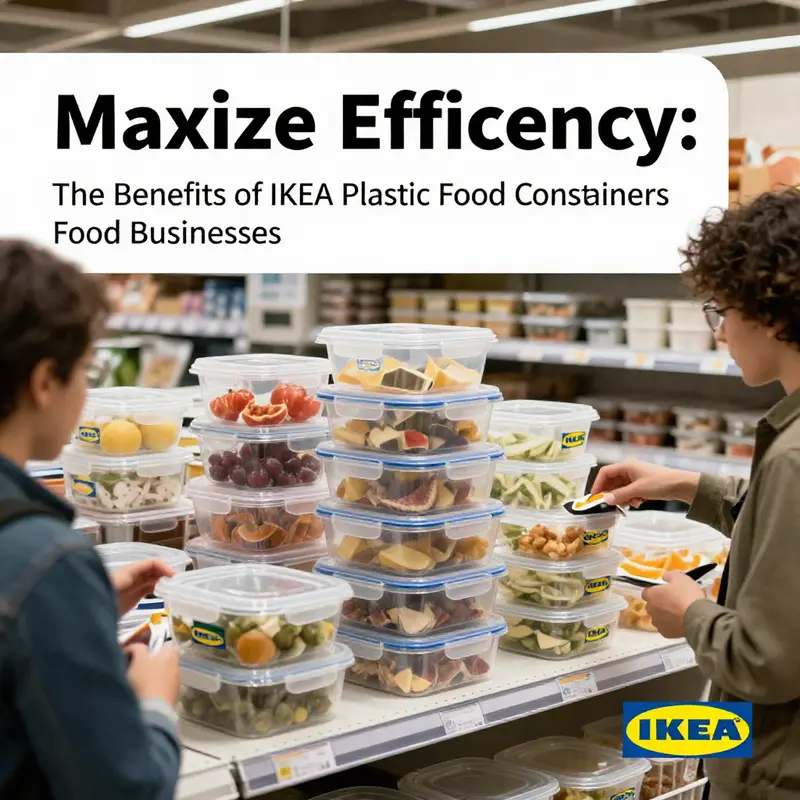
The IKEA 365+ plastic food containers sit at a practical crossroads where affordability, everyday usability, and health-conscious design meet. They are not merely receptacles for dry goods or leftovers; they function as a modular system for modern kitchens, especially in homes that prize order, efficiency, and flexibility. In the broader arc of kitchenware, these plastic containers exemplify a deliberate balance between value and value-adding features. They are designed to be seen through—literally—by their transparent bodies, so owners can identify contents at a glance, a small yet meaningful detail that compounds into tangible time savings during busy mornings or late-night reorganizations. This transparency is not only about ease of use; it reinforces a mental model: when you know what you have, you waste less and plan better. The containers’ cap design—secure, snap-lock lids—works in concert with that clarity. The lids seal tightly enough to resist leaks during transport or in crowded refrigerators, yet they are simple to remove and reseal, reducing the friction that can turn meal-prep into a chore. The result is a storage solution that feels ordinary in use but quietly powerful in impact, especially for households seeking to curb waste without compromising convenience. In this sense, the value proposition extends beyond price and into daily rhythms—how quickly a kitchen regain order after a busy day, how easily a lunchbox travels to work or school, how confidently leftovers rejoin the week’s meal plan.
From the outset, the economic value of the 365+ line is anchored in affordability without sacrificing reliability. A set of three one-liter containers can be found at a price point that makes them approachable for budget-conscious shoppers who still demand durable, reusable storage. Recent pricing data underline this balance: a trio of 1.0-liter containers is offered at $9.90, which breaks down to roughly $3.30 per container. That figure is notable not just for its low absolute cost but for what it implies about sustained value. It reflects a pricing strategy that prioritizes accessibility while maintaining the durability and versatility users expect from a mainstream brand. The fact that this price point follows a previous higher price—an evident reduction—speaks to a broader market dynamic: competition is pushing down entry costs while quality remains steady. In practical terms, that means more households can adopt a reusable storage system that reduces reliance on disposable packaging, while still enjoying the peace of mind that comes with reliable containment.
The more you expand beyond the smallest sizes, the clearer the price-to-volume logic becomes. Larger containers—5.2-liter and 10.6-liter options—are priced at $24.99 and $29.99, respectively. These figures illuminate a compelling value proposition for bulk storage needs. For households that regularly batch-cook, portion meals for the work week, or store grains and dried goods, the appeal is straightforward: more capacity for a modest incremental cost. The economics here are not merely about per-unit cost; they reflect efficiency in space, time, and planning. The larger formats suit bulk storage in a pantry or freezer, enabling a consistent, organized approach to dry goods, leftovers, or prepped meals that reduces the likelihood of waste and last-minute, last-drop purchases. The combination of small, medium, and large shapes—square, rectangular, and round—also invites a more deliberate approach to organization. People can pick configurations that fit their pantry shelves, fridge drawers, or freezer racks while maintaining a coherent system that looks orderly and feels manageable.
Consumer preferences align closely with this economic logic. Durability is a recurring theme: the containers retain their shape under pressure, a feature that matters when portions are stacked or stacked again after a busy evening. The 750 ml round container, for example, is frequently highlighted for its durability and usefulness for on-the-go lifestyles. It is the kind of size that lends itself to daily use—grab-and-go lunches, snacks, or small meal segments—without the anxiety of fragile plastic failing under a regular commute. Transparency is another pillar of preference. When contents are visible at a glance, meal planning becomes less about guesswork and more about deliberate choices. This is critical in households juggling multiple meals, kid-friendly lunches, and pantry staples, where the ability to identify contents quickly translates into less time spent rummaging and more time enjoying meals together.
Stackability is more than a space saver; it reinforces a habit of careful, proportional storage. The nested, stackable design makes drawers and cabinets appear calmer and more organized, which encourages users to store items more efficiently. When storage looks organized, the likelihood of repurchasing or duplicating items decreases, a subtle but meaningful economic effect. The airtight snap-lock lids complete the package by ensuring freshness and preventing leaks, which is essential for leftovers and liquids stored in refrigerators or during transport. The kit’s versatility—lids that may be sold separately or included—also aligns with how many households purchase and adapt storage as needs evolve. The capacity range, from 750 ml to 10.6 liters, means the system can accommodate a spectrum of foods—from small portions of yogurt or fruit to bulk grains or boiled vegetables—without forcing users into a one-size-fits-all approach.
A meaningful aspect of consumer appeal lies in health and environmental considerations. The containers are BPA-free, a feature that resonates strongly with health-conscious shoppers who want to minimize potential chemical exposure from everyday plastics. In a market where concerns about safety and chemical leaching have become a standard part of the decision calculus, BPA-free design offers reassurance that extends beyond a single product cycle. It also aligns with a broader ethos of long-term usability and sustainability: containers intended to be used repeatedly over many months and years should be free from substances that could degrade the trust a customer places in a brand.
The practical, everyday value of IKEA’s storage system also intersects with community and policy-oriented benefits. The design supports not only household efficiency but also broader goals of reducing food waste. By making portion control and meal planning easier, the system helps households store what they intend to eat and eliminates the impulse purchases that later end up in the trash. The return policy, as part of the IKEA ecosystem, adds another layer of consumer confidence. IKEA Family members enjoy an extended return window up to 365 days, a commitment that signals trust in the longevity of the product and a willingness to stand behind practicality over impulse purchase. In a marketplace where quick turnover can reward novelty, such a policy reinforces the value of long-term use and careful consideration of what to buy.
From a design standpoint, the containers’ transparency, airtightness, and versatile shapes reinforce a holistic approach to kitchen organization. The coupling of form and function matters: the clear bodies let you see the contents; the locking lids keep liquids contained and foods fresh; the shapes ensure you can optimize cabinet and fridge real estate. In an urban or compact kitchen where space is scarce, such details cumulatively reduce the cognitive load of meal management. People no longer need to juggle an array of incompatible containers or hunt for lids that don’t belong to the right base. Instead, a coherent system emerges that makes everyday tasks—washing, drying, stacking, and storing—more predictable and less time-consuming. This is where the economic value and consumer preferences converge into a single narrative of practicality: the better a storage system serves daily routines, the more indispensable it becomes, and the more likely households are to realize true long-term savings through reduced waste and greater meal planning efficiency.
For readers seeking related discussions on eco-conscious packaging and how storage choices can align with sustainable living, a related resource on eco-friendly take-away packaging provides additional perspective. It illustrates how materials, design, and lifecycle considerations influence consumer choices beyond a single product line. eco-friendly-recyclable-pulp-2-4-cups-coffee-take-away-cup-holder/
In the larger arc of kitchen storage, the IKEA 365+ plastic containers embody a pragmatic philosophy: invest in a system that yields real daily benefits, at a price that invites broad adoption, without compromising safety or durability. They do not promise to eliminate all clutter or to magically solve every organizational challenge, but they do offer a scalable, durable framework that supports better planning, less waste, and easier everyday living. The combination of transparency, airtightness, stackability, and BPA-free materials makes them a sensible choice for households seeking a reliable, affordable, and health-conscious storage solution. The real measure of their success, though, comes not from one-off purchases but from repeated use across weeks and seasons—the way a kitchen becomes more predictable, how leftovers are less likely to stagnate, and how meal-prep routines become a little less burdensome. In that sense, value is not a single price tag but a pattern of behavior that grows clearer each time the container’s lid clicks shut and a meal plan neatly reappears in the refrigerator shelf. The chapter of affordable, adaptable plastic storage closes with a practical insight: good design, executed with attention to how people actually cook, store, and live, turns everyday containers into everyday value.
External resource: https://www.ikea.com/us/en/p/365-plus-food-container-rectangular-plastic-52-l-80393065/
Final thoughts
In summary, the integration of IKEA 365+ plastic food containers into food service operations offers a blend of durability, functionality, and environmental responsibility. These containers not only enhance organization but also align with consumer demands for safety and sustainability. By opting for these smart storage solutions, businesses can optimize their kitchen spaces, reduce waste, and ultimately increase their operational efficiency. Embrace IKEA’s practical approach to food storage and witness a positive transformation in your service quality and work environment.