
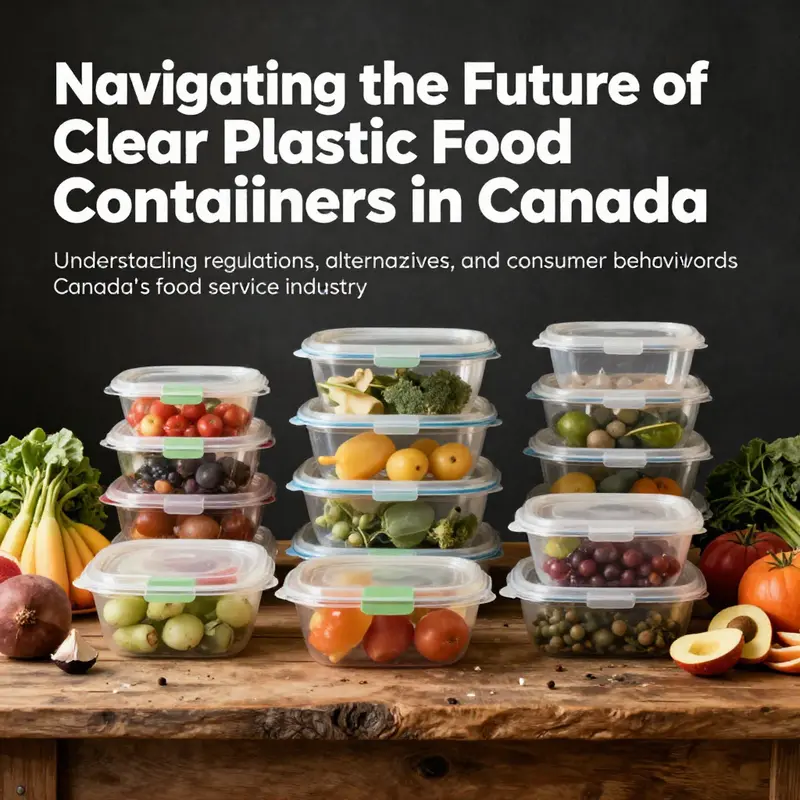
As the Canadian food service industry gears up for significant regulatory changes surrounding clear plastic food containers, it becomes crucial for businesses like bubble tea shops, restaurants, food trucks, and event planners to familiarize themselves with these new rules. Effective December 2023, the sale of specific plastic containers deemed harmful to the environment will be banned, pushing operators towards more sustainable practices. This article delves into the regulatory changes affecting clear plastic food containers, explores sustainable alternatives available to your business, analyzes the environmental impacts of these containers, and highlights evolving consumer awareness and behavior regarding plastic use. By understanding these dynamics, you can better position your services for compliance and efficiency in a more eco-conscious future.
Between Bans and Exports: Canada’s Regulatory Shift on Clear Plastic Food Containers and the Road to Safer Packaging
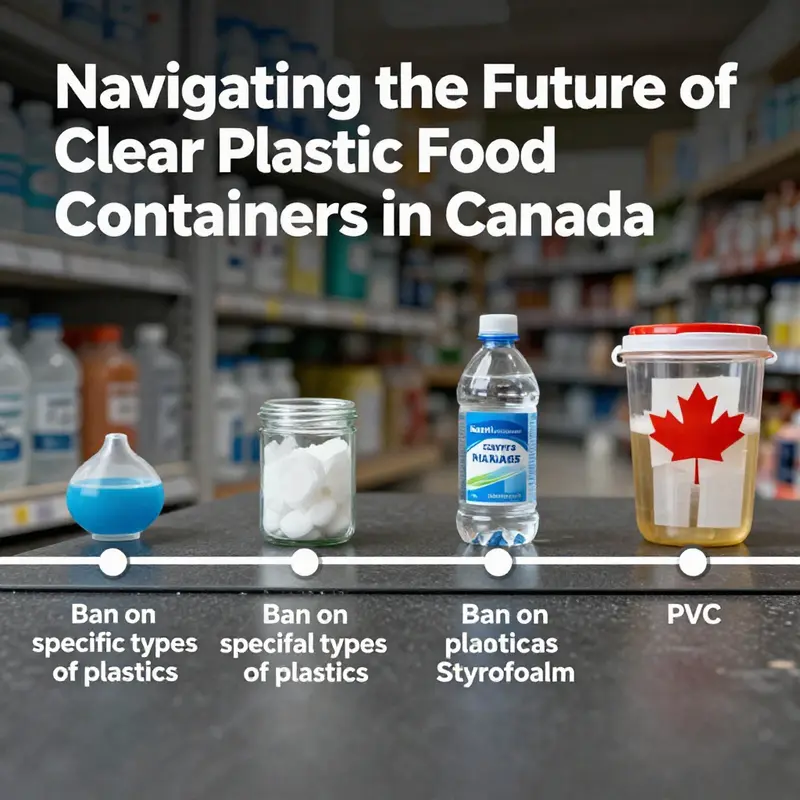
Canada’s regulatory landscape around clear plastic food containers has been moving with careful intent and visible momentum. The 2022 final regulations marked a turning point, signaling a concerted effort to curb plastic pollution, protect public health, and guide consumer markets toward more sustainable packaging practices. The government’s decision to prohibit the sale of disposable food containers made from specific plastics—most notably foamed polystyrene, expanded polystyrene, polyvinyl chloride, carbon black, and oxo-degradable plastics—reflected a practical understanding that the problem of plastics extends beyond their use and into the life cycle that follows. The emphasis on disposables used for supply or transport of ready-to-eat foods or beverages underscored a policy aim: to shrink the most visible sources of litter and microplastic contamination in urban and coastal environments alike. It is important to recognize that the prohibition targeted particular materials and forms of packaging, rather than an outright ban on all clear plastics. PET containers, for instance, are not categorically outlawed; instead, the rule focuses on the most problematic, hard-to-recycle plastics employed in single-use, consumer-facing containers. This distinction matters because it frames a broader conversation about how to balance convenience and safety with environmental stewardship, especially in a country as geographically diverse and trade-oriented as Canada. The practical implication for businesses and households is a transition away from single-use disposables crafted from materials that have a demonstrated tendency to accumulate in landfills or escape into the environment.
The regulatory logic behind the 2022 measures rests on several pillars. First, reducing reliance on foams and other materials that pose handling and recycling challenges helps minimize environmental leakage. Second, it aligns domestic practice with evolving expectations around circular economy principles, where packaging is designed for reuse or easier end-of-life processing. Finally, it seeks to protect vulnerable ecosystems and public health by limiting exposure to plastics known to fragment into microplastics and to harbor contaminants. In this framework, the Canadian government framed clear plastic containers as a transitional focal point. They are not banned wholesale; rather, the policy nudges the market toward robust and reusable alternatives that can be safely managed across municipal recycling streams or within closed-loop systems. In practice, this means that restaurants, retailers, and institutional food-service operations have to rethink how they package, transport, and present ready-to-eat items and beverages. The path forward involves embracing materials with lower environmental footprints, investing in durable designs, and supporting the development of recycling or composting capabilities that can actually handle the chosen packaging formats.
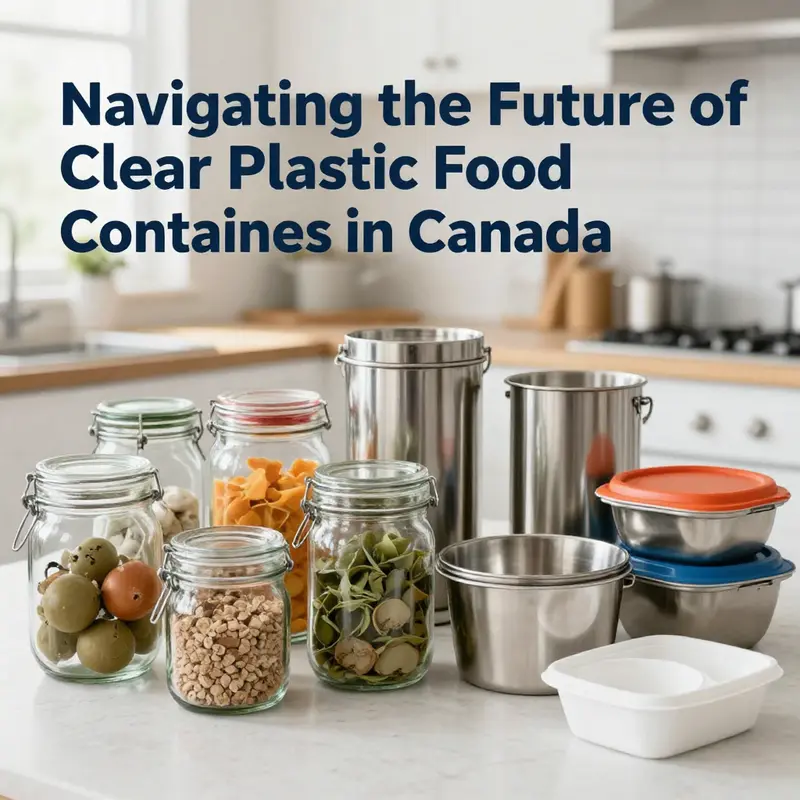
From the outset, the policy also invites a broader discourse about consumer behavior and the incentives that shape it. As disposable containers become less available or more costly due to regulatory friction, households and businesses alike are pushed toward reusables and alternatives that can be cleaned, reused, or composted with greater ease. This transition is not merely about substituting one material for another; it is about reimagining the entire packaging ecosystem. The shift includes adopting reusable glass or stainless steel containers for transport and service, or turning to compostable, bio-based materials such as polylactic acid (PLA)—while being mindful of end-of-life realities and the capacity of local composting infrastructure. The policy thus nudges design toward modular, durable solutions that can withstand multiple cycles and reduce the load on waste streams.
Yet the regulatory narrative does not end with the 2022 regime. A more nuanced and dynamic layer has emerged in the mid-2020s as Canada considers global market realities and the need to stay competitive. In January 2026, Environment and Climate Change Canada (ECCC) issued a notification under the World Trade Organization’s Technical Barriers to Trade (G/TBT) framework that proposed relaxing restrictions on six types of single-use plastics (SUPs) when they are intended solely for export. This proposal—documented in G/TBT/N/CAN/764 and open for public consultation until February 28, 2026—signals a deliberate attempt to shield Canadian manufacturers from potential competitive disadvantages in international markets. The six products targeted by this proposed change include checkout bags, cutlery, food service ware made from or containing problematic plastics, ring carriers, stirrers, and straws. The emphasis here is export eligibility rather than domestic production or domestic sale, a distinction that reflects a broader strategy: to prevent a perceived distortion in global trade where other jurisdictions may not impose comparable restrictions on exports. The proposed relaxation does not erase the domestic standards that were established in 2022; instead, it introduces a measured flexibility that recognizes the need for Canadian-based producers to remain commercially viable when serving international buyers. At the same time, the proposal preserves a crucial compliance thread: record-keeping. Entities manufacturing, importing, or selling these SUPs for export must retain documentation proving that the goods were exported rather than sold domestically, and this archival requirement runs for five years. In other words, Canada aims to maintain robust traceability to avoid any regulatory drift that could undermine environmental objectives while still ensuring the sector’s export competitiveness.
To understand how the two regulatory moments—2022 domestic restrictions and 2026 export-oriented relaxation—interplay, it helps to situate them within the broader regulatory framework that governs plastic packaging. The 2022 regulations, announced and phased in with explicit timelines, created a domestic compliance regime that compelled a shift in how packaging materials are selected, produced, and disposed of within Canadian borders. The phased approach, with prohibitions on manufacture and import beginning in late 2022 and prohibitions on sale enacted in 2023, followed by export-phase milestones in 2025 for most items, established a clear domestic signal: the market would move away from problematic SUPs in consumer-facing packaging. The allowed or tolerated alternatives then became a key area of focus for industry and policymakers. Materials that recur in the more sustainable packaging conversation—recyclable plastics with established streams, biobased options, and renewables-friendly options—received heightened attention as viable roadmaps for replacing the banned categories over time. The HS codes associated with the regulated products underscore the breadth of coverage, ranging from polyethylene bags and totes to plastic cookware, disposable cups, and cutlery. The enumeration, while technical, maps the policy to concrete global trade categories, ensuring that regulation can be interpreted consistently by manufacturers, importers, and exporters alike.
For businesses and policymakers, the net effect of the 2022 regime is clear: a push toward packaging ecosystems designed for lower environmental impact and for higher compatibility with modern waste-management and recycling infrastructures. The 2026 proposal, by contrast, is a reminder that policy must remain adaptable, especially in a country that participates actively in global supply chains. The export relaxation proposal recognizes a pragmatic concern: Canadian manufacturers compete with international peers who may operate under less stringent domestic constraints or different regulatory regimes. If implemented, the change would remove certain domestic production and sale barriers for export-only products, allowing producers to access international markets while still reinforcing domestic environmental goals through export documentation and record-keeping obligations. In practice, the policy trajectory suggests a dual track: a rigorous, home-market standard that pushes for safer, more recyclable, and more durable packaging; and a calibrated, export-oriented flexibility that preserves trade competitiveness without eroding core environmental objectives. This dual track may encourage a more deliberate design and sourcing strategy across sectors—from quick-service settings to institutional catering, from packaging converters to logistics providers.
The implications extend beyond policy texts and regulatory codes. For businesses, the immediate effect is a need to reassess product portfolios, supplier relationships, and end-of-life options. Replacing a single-use, foam-based container with a reusable metal or glass alternative demands not only procurement changes but also new workflows for cleaning, sanitization, and return logistics. When considering compostable or bio-based materials, organizations must evaluate the real-world viability of composting streams in their municipalities, including acceptance criteria, industrial vs. home composting capabilities, and the potential for contamination. The regulatory narrative thus encourages a systems-thinking approach: designers must weigh barrier properties, thermal performance, and shelf stability against the realities of recycling infrastructure and consumer behavior. Categories that are especially sensitive to such trade-offs include items like cups, lids, food-service ware, and ring carriers, which intersect with daily operations across a wide range of food-service contexts. While the 2026 proposal emphasizes export, it does not negate the domestic imperative to move toward safer materials and formats that align with municipal waste-management capabilities and the public’s growing demand for transparency in packaging life cycles.
From the consumer’s perspective, the policy shift translates into more durable, reusable options appearing in retail and food-service environments, alongside clearer labeling about end-of-life options. The conversation around “what happens after the meal” becomes more central to everyday decision-making. Households may gradually adopt thriftier practices—carrying personal containers or choosing venues that provide robust reusables—while businesses expand their take-back schemes, return programs, and partnerships with local recyclers or composters. For policymakers, ongoing oversight will likely emphasize not only the effectiveness of bans and exemptions but also the reliability of export-trade documentation and the integrity of supply chains. In this sense, the Canadian model seeks to strike a balance: it reduces domestic pollution and health risks while preserving the country’s capacity to participate in global markets, provided exporters can demonstrate that products destined for foreign shores do not undermine the intended environmental protections domestic consumers enjoy.
As packaging designers and supply-chain professionals navigate this evolving landscape, the search for viable alternatives becomes more nuanced. The shift away from hard-to-recycle materials prompts a renewed interest in paper-based and pulp-derived packaging solutions that can perform as well in terms of hygiene, moisture resistance, and temperature stability while offering more favorable end-of-life pathways. The broader implication is that alternatives must be compatible with both Canadian recycling streams and, when applicable, industrial composting networks. A practical route involves embracing multi-material configurations that maximize recyclability and minimize contamination, even if that means reworking adhesives, printing inks, and barrier coatings to align with recycling facility capabilities. In several settings, such transitions have been supported by increasing access to compostable biobased materials, which, when properly supported by municipal programs, can reduce reliance on fossil-based plastics. The policy environment thus serves as a catalyst for cross-disciplinary collaboration among packaging engineers, waste-management professionals, and consumer-education experts, all working toward a common objective: packaging that protects contents, respects health and safety standards, and ultimately leaves less residue in the environment.
In this broader narrative, it is worth noting how the industry views the practical alternatives available today. Reusable glass and stainless-steel containers, though heavier, can offer reliable performance for repeated cycles and can be integrated with efficient cleaning and return systems. Compostable biobased options, such as plant-based polymers, hold promise where industrial composting is accessible, and they can be designed to degrade more rapidly in appropriate facilities. Some suppliers are also developing rigid, recyclable paper-based packaging that can substitute several categories of disposable plastics in takeout and retail contexts. The goal is not simply to replace one material with another; it is to re-engineer packaging ecosystems so that choices are guided by a lifecycle-aware calculus. The thinking extends to outer packaging, transit solutions, and even secondary containment that helps ensure product safety while simplifying disposal or recovery for end users. The end result is a packaging environment in which choices are more predictable, environmentally conscious, and more resilient to regulatory changes.
Amid this evolution, a deliberate focus on clarity and communication remains essential. Consumers benefit from clear messaging about the rationale for restrictions and the benefits of reusables, as well as straightforward guidance on how to dispose of or return used packaging. Businesses benefit from predictable policy cues that support long-range planning and investment in safer materials and more efficient logistics. Stakeholders also recognize that regulatory shifts—such as the proposed export-relaxation alongside domestic bans—require ongoing dialogue and transparent consultation. The January 2026 notification process, with its public-comment window, demonstrates a commitment to inclusive policymaking, inviting industry, civic groups, and researchers to weigh in on trade-offs and potential unintended consequences. In this sense, Canada’s approach to clear plastic food containers is less about a single policy moment and more about a continuing conversation across sectors about how to reconcile convenience, safety, environmental protection, and global competitiveness.
For readers exploring the practical implications of these developments, there is value in examining how the market is responding with packaging formats that are more robust, reusable, and recyclable. The movement toward kraft-based and paper-forward packaging represents one of several avenues being pursued to reduce dependence on the most problematic plastics while retaining the functional properties that food-service operations require. A glimpse into these options can be found in some industry showcases that emphasize eco-friendly, take-away-focused designs and straightforward, end-of-life pathways. As industries continue to adapt, the idea of a circular packaging economy—where materials circulate through multiple uses and are reprocessed rather than discarded—gains traction, supported by regulatory expectations and consumer demand alike.
In sum, Canada’s regulatory trajectory around clear plastic food containers embodies a strategic balance. It uses robust prohibitions to curb domestic pollution and health risks while maintaining a pathway for international trade through careful documentation and targeted export allowances. The result is a framework that challenges producers to pursue safer, more sustainable packaging architectures, and it invites consumers to engage more actively with choices that reduce waste and environmental impact. The story is still unfolding, and its next chapters will hinge on how well the country can harmonize ambitious environmental goals with practical considerations of global commerce, supply-chain resilience, and the evolving capacities of recycling and composting systems.
External resource for official details and updates: https://www.registre.canada.ca/notice/g/tbt/n/can/764. For readers seeking concrete examples of alternative packaging formats that align with the move toward sustainable options, see one practical application of paper-based packaging at the following internal reference: disposable-octagonal-box-restaurant-food-kraft-paper-packaging. This example illustrates how packaging suppliers are translating regulatory aims into tangible options that maintain functional performance while reducing environmental impact.
null
null
Clear Choices, Clean Outcomes: Reimagining Canada’s Food Packaging in Light of Regulatory Change
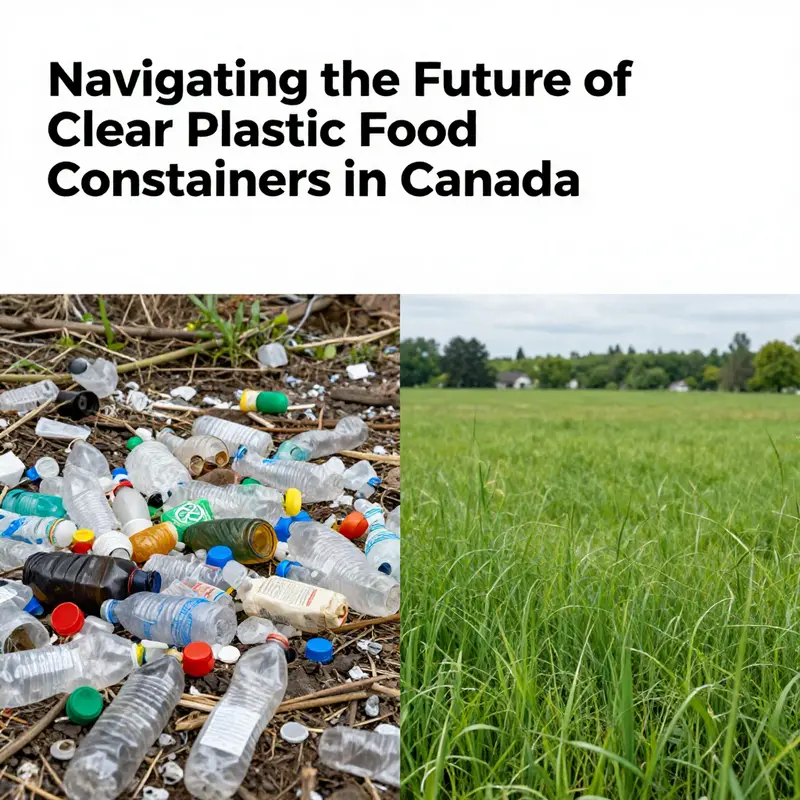
Canada’s move to regulate clear plastic food containers marks a pivotal moment in the country’s approach to packaging and environmental stewardship. When the final regulations were released in mid-2022, they set a clear timetable: by December 2023, a broad wave of disposable containers made from specific plastics—most notably foamed polystyrene, expanded polystyrene, PVC, carbon black, and oxo-degradable plastics—would no longer be sold for the supply or transport of ready-to-eat foods and beverages. The intent behind these rules is straightforward, even if the path to full compliance is complex. PET and some other clear plastics themselves are not banned outright. Instead, the policy targets the most problematic disposable options—those that are hard to recycle, contribute heavily to litter, and pose real risks to wildlife and public health when mishandled. The overarching aim is to curtail plastic pollution at its source while nudging businesses and consumers toward more durable, reusable, or compostable alternatives. This shift signals a broader Canadian commitment to a more circular economy, where long-term environmental costs are factored into product design, packaging choices, and end-of-life management. In practice, the regulatory framework is prompting retailers, restaurateurs, and households to rethink what they buy, how they use it, and what comes after the meal is finished.
The change is also a reminder that policy can guide behavior without dictating every daily action. Governments provide the framework; innovators, manufacturers, and operators fill in the details. For many small businesses, the transition begins with a packaging audit, a calculation of total waste streams, and a candid assessment of life-cycle impacts. Where once the default choice was convenience, the new reality asks for deliberate selection—favoring materials and designs that minimize waste, maximize recyclability, and, where feasible, support reuse. The policy anticipates a portfolio of alternatives rather than a single best option. Reusable glass and stainless steel containers, durable metal and BPA-free options, and compostable biobased materials like polylactic acid (PLA) are all part of the palette that industry and consumers are invited to consider. Of course, the shift has to be practical: it must align with cold-chain requirements, transport logistics, and the realities of quick-service operations. It must also work with existing recycling and composting infrastructure, which varies by region, municipality, and season. In other words, regulation is not a silver bullet; it is a catalyst for deliberate, systems-level thinking about how we package and handle food in a country as vast and diverse as Canada.
From a consumer standpoint, the regulation invites a change in daily habits without eroding the convenience that people expect from takeout and prepared foods. People still want safe, clean containers that protect the product, keep it at the right temperature, and arrive in good condition. What changes is the material story behind that container. When a customer buys a meal now, the environmental narrative behind the packaging is likely to be shorter and more transparent: single-use plastics that typically end up in landfills or waterways are not the default anymore in many sectors. Instead, foodservice operators may showcase the reuse values of containers, or the compostability of packaging designed to break down in industrial facilities. The shift also raises questions about what happens after use. Recyclability and compostability depend on the availability of appropriate facilities, the cleanliness of streams, and the policies that govern post-consumer waste. These variables are not uniform across Canada, which means that the same packaging choice can have different outcomes depending on where it is used. Yet the core objective remains consistent: reduce waste, lower environmental risk, and promote packaging that performs its function without becoming a persistent pollutant.
To illustrate how the industry is responding, consider the rising interest in paper-based alternatives that can meet the demands of takeout and delivery while mitigating the environmental tradeoffs of plastic. Kraft paper bowls and other fiber-based packaging have become familiar at many counters and curbside pick-up points. Paper packaging is not a panacea—its actual sustainability is contingent on sourcing, manufacturing energy, coating technologies, and end-of-life handling—but when designed thoughtfully, it offers meaningful advantages. For example, certain kraft-based bowl designs can be used across a range of products and heat levels, reducing the need for multiple single-use options. In the broader market, operators are seeking packaging that balances mechanical performance with environmental performance. This means containers that resist leaks and deformation during transport, while also enabling recycling or composting after use. The regulatory push has helped accelerate experimentation with multi-material composites and coatings that protect the food but remain friendlier to recycling streams than traditional foams. It has also spurred dialogue about returnable systems and sturdy, reusable containers that can withstand repeated use without compromising food safety.
The industry’s shift toward more sustainable packaging is not happening in a vacuum. It is anchored in a growing body of research that quantifies the environmental costs of different materials across their life cycles. A notable study published on ScienceDirect in 2019 examined single-use takeaway containers across several materials and impact categories. The findings highlighted that polypropylene (PP) containers were among the more burdensome options in seven of twelve categories, including higher global warming potential and greater resource depletion. While life cycle assessment (LCA) results depend on assumptions about manufacturing energy, transport distances, and end-of-life processing, the study clearly signals that the environmental burden of some conventional plastics is substantial. It also underscores the importance of looking beyond a container’s primary function to understand its full environmental footprint—from raw material extraction to production, distribution, usage, and disposal. The Canadian regulatory posture aligns with this broader shift in thinking: minimize environmental harm, improve waste management outcomes, and reward packaging choices that are part of a sustainable system rather than an isolated, disposable solution.
The regulatory response in Canada reflects a nuanced balancing act. On one hand, it aims to curb the most problematic waste streams and reduce the hazards associated with litter and mismanaged plastics. On the other hand, it recognizes the pragmatic realities of foodservice operations: customers expect speed, reliability, and food safety. As a result, the policy encourages a spectrum of alternatives rather than a single pathway. Reusable containers, which may initially impose higher upfront costs and require careful sanitation, can be economically advantageous over time through reduced waste disposal fees and improved brand reputation. Meanwhile, compostable and biobased materials offer a different set of advantages and challenges. Compostable biobased options often require industrial composting infrastructure, which may be unevenly distributed. This means empty promises are avoided by clear labeling, proper disposal guidance, and real investment in local facilities. The success of these solutions rests on clear governance, reliable collection streams, and public participation. Communication plays a central role: customers must understand what to compost, what to recycle, and what to return, and businesses must provide the documentation and support that enable those decisions.
In practice, businesses are increasingly performing packaging due diligence as part of their operational planning. The process includes cataloging all packaging materials, mapping the product and service life, and identifying reusable or recyclable options that meet the logistical demands of takeout and delivery. A practical example of this shift can be seen in the growing interest in fiber-based bowls that combine sturdy performance with end-of-life clarity. For readers who want to explore concrete packaging alternatives, one example is the disposable 700ml kraft paper bowl take-out octagonal-rectangle paper bowl, which demonstrates how designers are rethinking form and function to support reuse or recycling without compromising user experience. You can learn more about this option here: disposable 700ml kraft paper bowl take-out octagonal-rectangle paper bowl. The goal is to move from a line of disposable, single-use items toward a packaging suite that can be repurposed, returned, or recycled with minimal contamination and maximum recovery.
Another essential dimension of the transition is consumer education. Regulators rely on informed consumers who practice correct disposal. Retailers, in turn, must provide clear guidance on how to dispose of each packaging option and why it matters. The conversation also extends into the realm of environmental justice and health. By reducing reliance on materials that harbor persistent pollutants or release harmful substances during degradation, the policy helps to shield communities and wildlife from harm while supporting a cleaner landscape. For businesses that ship food across provinces, this approach requires alignment with diverse waste-management regimes; what is acceptable in one city may not be feasible in another. These disparities amplify the importance of flexible, modular packaging strategies and a scalable infrastructure that can accommodate both urban and rural contexts.
The path forward is not without obstacles. Cost remains a central concern for many operators, particularly those serving price-sensitive markets. Reusable systems demand upfront investments in containers, cleaning, and logistics. Compostable options may carry a premium and require specific composting facilities that are not universally available. Additionally, supply chain readiness matters. The availability of compliant materials, reliable coatings, and consistent performance under refrigeration and hot-fill conditions influences decision-making. To navigate these challenges, many organizations are adopting phased approaches that combine short-term replacements with long-term investments in reuse and recovery. Collaboration across sectors—foodservice, packaging manufacturers, municipalities, and consumers—is essential to create practical, scalable solutions that deliver real environmental benefits without sacrificing service quality.
In closing, Canada’s regulation of clear plastic food containers signals a broader reorientation of how packaging is designed, used, and disposed of. It acknowledges that the environmental costs of disposable plastics are borne by ecosystems, wildlife, and public health. It also acknowledges that meaningful change requires more than a ban; it requires a clear vision of alternative pathways, a robust support system for recycling and composting, and a culture of responsible consumption. The result is a more resilient packaging ecosystem that rewards materials and designs with lower life-cycle impacts while still meeting the demands of modern foodservice. For readers seeking a deeper methodological lens on the environmental performance of takeaway containers, see the external resource linked here. The ongoing dialogue between regulation, industry innovation, and consumer behavior will shape the trajectory of Canada’s packaging landscape in the years ahead, reinforcing the idea that choices at the point of purchase can echo through the environment long after a meal is finished.
External resource: Environmental impacts of takeaway food containers
null
null
Final thoughts
As the regulatory landscape evolves, understanding the implications of these changes becomes vital for the food service sector. With the ban on disposable clear plastic containers approaching, businesses must embrace sustainable alternatives that not only comply with regulations but also resonate with consumers’ growing environmental consciousness. Transitioning to eco-friendly packaging options can enhance brand reputation, meet customer demands for sustainability, and contribute positively to the planet. The shift towards responsible practices is not just about compliance; it represents a pivotal opportunity to align business operations with a sustainable future, ensuring continued success in a changing marketplace.