
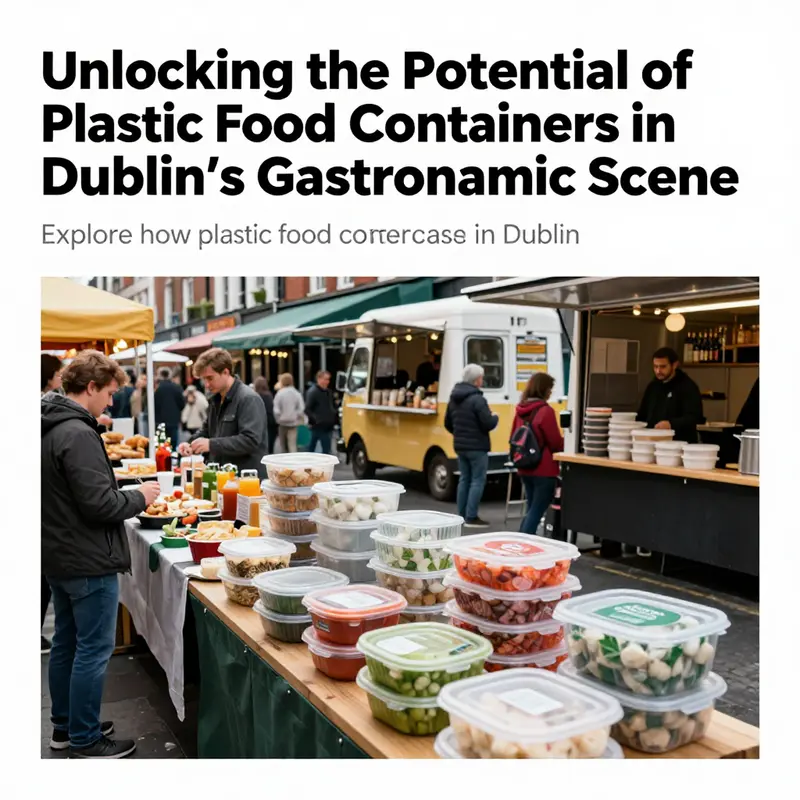
Dublin’s vibrant food scene thrives on innovation, convenience, and consumer preferences that adapt to modern dining experiences. Plastic food containers play a pivotal role across various sectors, from bubble tea shops to catering services, providing an efficient solution for food storage and transportation. This article delves into the local market dynamics of plastic food containers, particularly the impact of prominent retailers like IKEA and international platforms like Alibaba. We will also explore the safety concerns surrounding their usage and the growing demand for eco-friendly alternatives. By the end, you’ll gain a comprehensive understanding of how plastic food containers are not just products, but essential tools that influence food service operations and customer choices in Dublin.
Dublin’s Everyday Storage, Reimagined: IKEA Ireland’s Plastic Food Containers in the City’s Kitchens
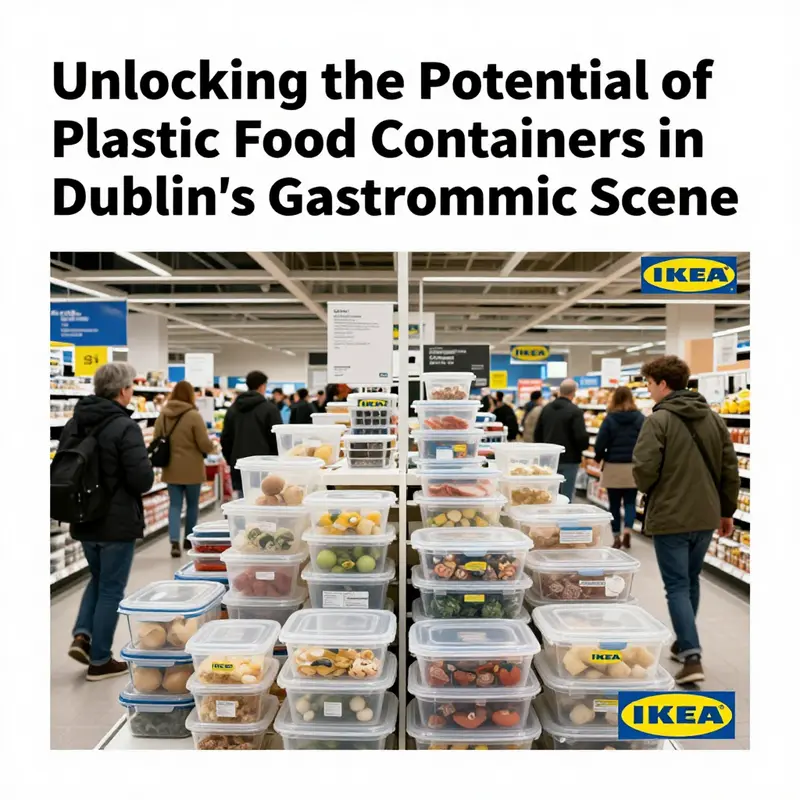
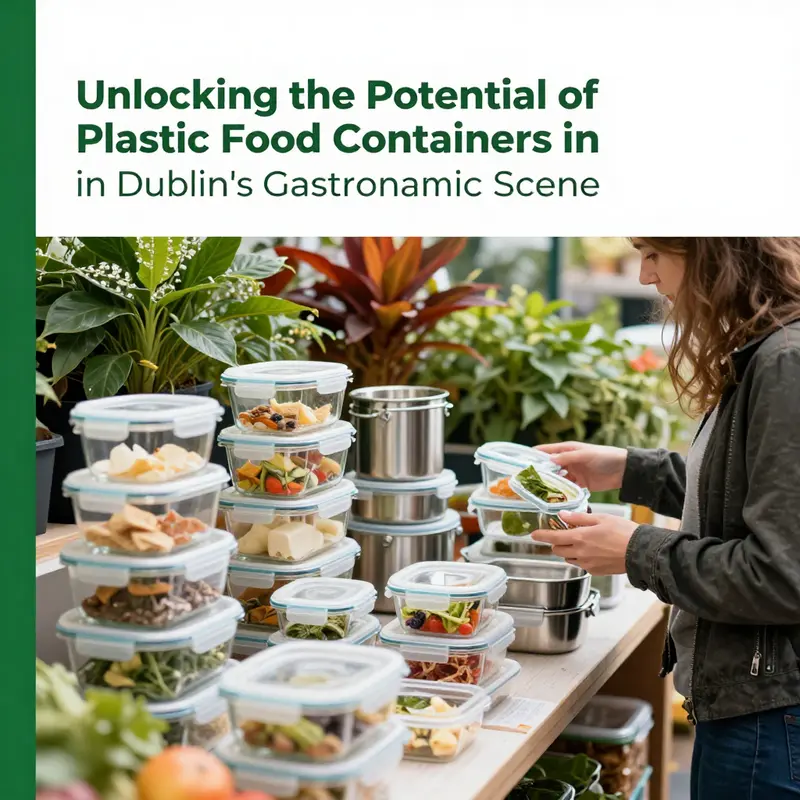
In Dublin, the rhythm of daily life gladly bends around practical, inexpensive solutions for storing food, packing lunches, and keeping ingredients fresh through a busy week. In this environment, plastic food containers from a well-known domestic retailer have carved out a stable presence. The city’s households, quickly adapting to the pace of work and study, often favor storage options that are lightweight, durable, and easy to clean. For many Dubliners, these containers are not just tools for the kitchen; they are practical partners in meal planning, batch cooking, and the careful management of groceries. The appeal rests on a combination of straightforward design, reliable performance, and a price point that makes it feasible to outfit a pantry or a fridge with a consistent system. The broader Dublin market rewards such simplicity because it aligns with the urban demand for efficiency, space-saving, and predictable results when food is prepared, stored, or transported to work or school.
Across the city, the channels through which people acquire these containers have grown more diverse. In addition to traditional in-store purchases, Dublin residents increasingly turn to online shopping, quick pickup, and multi-channel retailers that bridge home delivery with in-store access. A popular option in Ireland is a major retailer with a long-standing emphasis on affordable, functional home goods. The containers it offers are made from a kind of plastic that feels sturdy yet light, easy to maneuver, and practical for everyday use. In Dublin kitchens, they commonly serve as the backbone for batch-cooked meals, leftovers that deserve a second life, and ingredients that need to be portioned for the week ahead. The containers’ versatility makes them a natural fit for the city’s varied households—from solo residents who want compact storage to families who juggle the demands of school routines, after-school activities, and weekend meal planning.
A core feature that endears these containers to Dublin shoppers is the combination of microwave compatibility, freezer suitability, and dishwasher-safe cleaning. This trio of capabilities matters in a city where time is almost always at a premium and where households actively pursue routines that minimize waste and maximize freshness. In practice, the containers enable easy thawing and reheating of prepared meals, preserving the texture and flavor of dishes that might otherwise lose their appeal with rough handling or makeshift storage. The lids, designed to seal effectively, help minimize spills and keep odors contained, which is particularly welcome in apartments and shared living spaces where kitchens double as dining rooms and study areas. The ability to stack containers without a wobble or slide is another prized attribute in Dublin’s compact homes, where every centimeter of shelf space is precious and where clever organization can transform a crowded fridge into a calm, predictable system.
The design ethos behind these plastic storage solutions mirrors a broader shopping culture in Dublin that prizes practicality and value. They are often made from BPA-free polypropylene, a material chosen for its balance of durability, heat tolerance, and ease of cleaning. This gives households confidence when they use the containers for a range of everyday tasks—from marinating ingredients to portioning servings for a workday lunch. The practical design is complemented by a thoughtful scale of sizes that accommodate both the solitary diner’s needs and the more extensive requirements of families. A 1.4-liter box and a 1.0-liter rectangular variant, for example, become go-to options for different kinds of leftovers and meal kits. The former might house a portion of pasta or a stir-fry, while the latter could hold fruit, salads, or pre-measured ingredients for the week. The pricing, while modest, reinforces the appeal: containers that are both affordable and reliable, allowing a kitchen to grow a cohesive storage system without a steep upfront cost. In a city where apartments range from compact to generously sized, the ability to mix and match sizes according to space and purpose is a particularly valued trait.
Consumers in Dublin have responded to these containers with a warmth that speaks to a broader urban desire for everyday efficiency. User feedback often highlights simple virtues—“perfect size,” “stackable to save space,” or “great for travel”—and these comments tend to resonate with the city’s constant movement. The containers’ lightweight nature makes them ideal for trips to work, university, or the countless takeout stops near office clusters and residential districts. They fit easily into backpacks, tote bags, and even larger handbags, which is a practical advantage in a city where many people combine commuting with social and professional obligations. The positive reception is not merely about convenience; it also reflects an emerging city habit of preparing meals in advance and transporting them without worry. When the fridge contains a consistent lineup of well-sealed, clearly labeled containers, the morning rush becomes less chaotic, and the evening routine more predictable. In Dublin, where people often aim to minimize waste, the ability to portion, preserve, and re-serve meals supports a more sustainable kitchen philosophy without sacrificing convenience.
Market dynamics in Dublin further shape how these containers perform in the city’s retail landscape. The product category benefits from a multi-channel approach: shoppers can purchase in physical stores, order online with home delivery, or pick up from a store after browsing a broad assortment. This channel mix aligns well with Dublin’s diverse consumer base, which ranges from early-career professionals furnishing first apartments to families upgrading their kitchen storage. The retailer’s strategy tends to emphasize affordability, straightforward design, and a retail experience that makes stocking up feel almost effortless. The result is a product category that remains accessible to a wide audience while still offering enough variation to appeal to those who want a cohesive, easy-to-maintain system in the kitchen. In a market where cost pressures and the demand for value are persistent, the appeal of sturdy, reusable storage becomes even more pronounced. The environmental conversation around plastics—especially concerns about heat exposure and chemical leachables—also informs consumer decision-making in Dublin. Shoppers become careful readers of usage guidelines, seeking to minimize risk by avoiding heated or highly acidic or fatty foods in these containers and by respecting temperature boundaries to preserve both safety and longevity of the containers themselves.
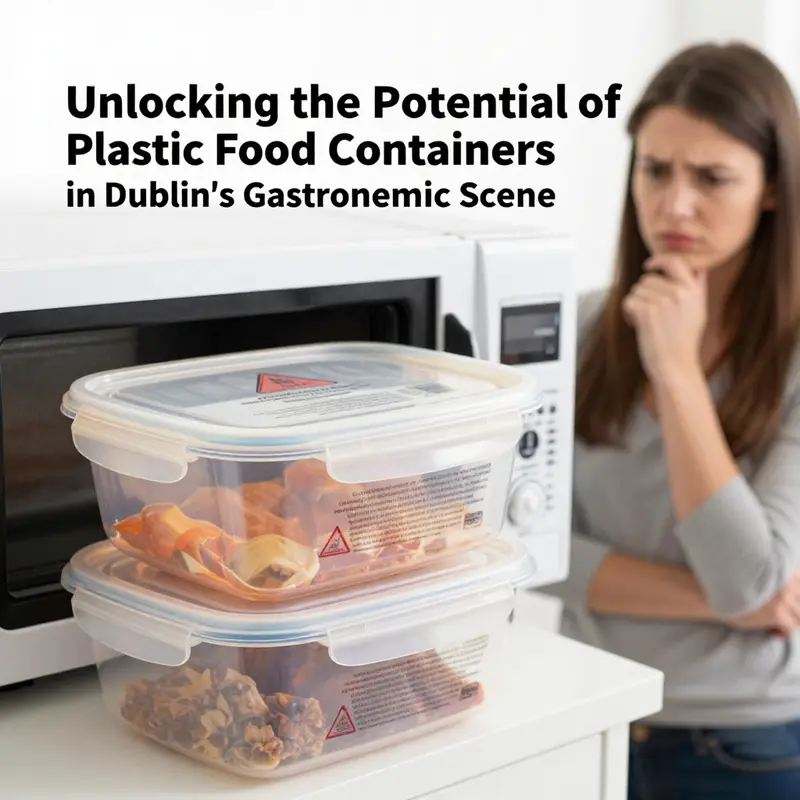
From a safety perspective, the discussion in Dublin mirrors a broader global conversation about how plastic containers interact with heat and food. When containers are heated, especially in microwaves or environments with high temperatures, there is potential for microplastics or certain chemicals to migrate into food. This concern has led many households to adopt cautious usage practices. A common takeaway in the Dublin context is to avoid heating foods that are highly acidic or fatty in plastic containers, and to avoid long-term high-temperature storage that could stress the material. Users frequently turn to the dishwasher-supporting feature for ease of cleaning, yet they also keep in mind that extreme heat or overly aggressive detergents can over time compromise the seal or the smoothness of the lid. Consequently, while the containers provide a practical solution for day-to-day storage and transport, many families complement plastic options with glass or stainless steel alternatives for hotter uses or for foods that might demand a higher degree of inertness. In this way, Dublin households curate a balanced storage ecosystem where the strengths of plastic meet the safeguards of other materials, ensuring that the kitchen remains versatile and safe for long-term use.
The Dublin market’s receptivity to these containers also reflects a broader cultural current: a shift toward organized, low-wuss, low-fuss approaches to daily life. The containers are easy to integrate into a routine that emphasizes meal planning, portion control, and reducing waste. The capacity to prepare meals in batches, to portion them into clearly sized containers, and to reheat portions with minimal fuss aligns with the city’s demand for efficiency. The containers’ stacked form, their translucent surfaces, and their ease of labeling contribute to a sense of order that many residents associate with a well-run home. The practical benefits of organization—more predictable refrigerators, less spoiled food, and smoother transitions from pantry to table—are particularly attractive for households juggling work, study, and family life in the Dublin area. In short, these storage solutions do more than keep food fresh; they enable a lifestyle in which preparation, pragmatism, and care coexist in a compact urban space.
Economic relevance also plays a role in the Dublin narrative. These containers are positioned as affordable entry points into a broader system of kitchen organization. They invite users to build a family of containers that can be used interchangeably for different meals, courses, or ingredients. The modest price point makes it easier to expand one’s storage toolkit over time, rather than requiring a single, large purchase. This incremental approach aligns well with Dublin shoppers’ tendency to adopt practical, value-conscious buying habits. It also dovetails with a growing interest in reusable storage as a sustainable alternative to disposable packaging. In a city that hosts a thriving hospitality sector and a lively takeout culture, the ability to transport meals and leftovers with containers that are easy to clean and reuse adds a layer of efficiency that serves both households and small businesses alike. By supporting reusable options, the storage range offered by the retailer complements broader urban goals of reducing waste, promoting responsible consumption, and maintaining a stable, tidy kitchen environment.
Although plastic containers maintain a solid foothold in Dublin, they are part of a larger conversation about packaging and alternatives. Consumers increasingly explore glass and stainless steel for situations that demand heat resistance, chemical stability, or a perceived preference for non-plastic materials. In Dublin, such alternatives are readily available in specialist shops and mainstream retailers, offering choices that complement the plastic options and expand the range of possible storage configurations. This diversification helps create a more resilient market, where different materials serve different needs without forcing a single solution on all households. The city’s residents benefit from having a spectrum of choices—each with its own strengths—so that families can tailor their storage systems to the nested realities of space, budget, and health considerations. The result is not just a narrower but a more adaptable landscape in which the everyday act of storing and transporting food is embedded in a thoughtful, balanced approach to materials, use, and routine.
In sum, the Dublin market for plastic food containers linked to a familiar, globally present retailer reveals a cohesive pattern: practical design meets affordable pricing, and a design that supports daily routines while offering a gateway to healthier, more organized kitchens. The containers’ ability to endure repeated use, to handle a mix of frozen and reheated foods, and to survive frequent washing makes them a dependable platform for Dublin households seeking reliability and ease. The city’s unique combination of space limitations, busy schedules, and an emphasis on sustainability gives these containers their reason to be. They are not merely kitchen tools; they are enablers of a disciplined approach to meal planning and food management, a rhythm that harmonizes with Dublin’s pace and its people’s preference for straightforward, effective solutions. For readers curious about the storage options available in the city, a broader look at the category shows how small, well-designed containers can influence daily life in tangible ways, shaping how people think about food preservation, leftovers, and the simple discipline of keeping a kitchen organized. To explore more about the range and design considerations from a practical retailer’s perspective, visit the external resource on storage solutions that highlights contemporary ideas in kitchen organization.
External resource: For broader context on storage solutions from IKEA Ireland, see this external resource: IKEA Ireland – Food Storage.
国际电商如何重塑都柏林塑料食品容器供需格局
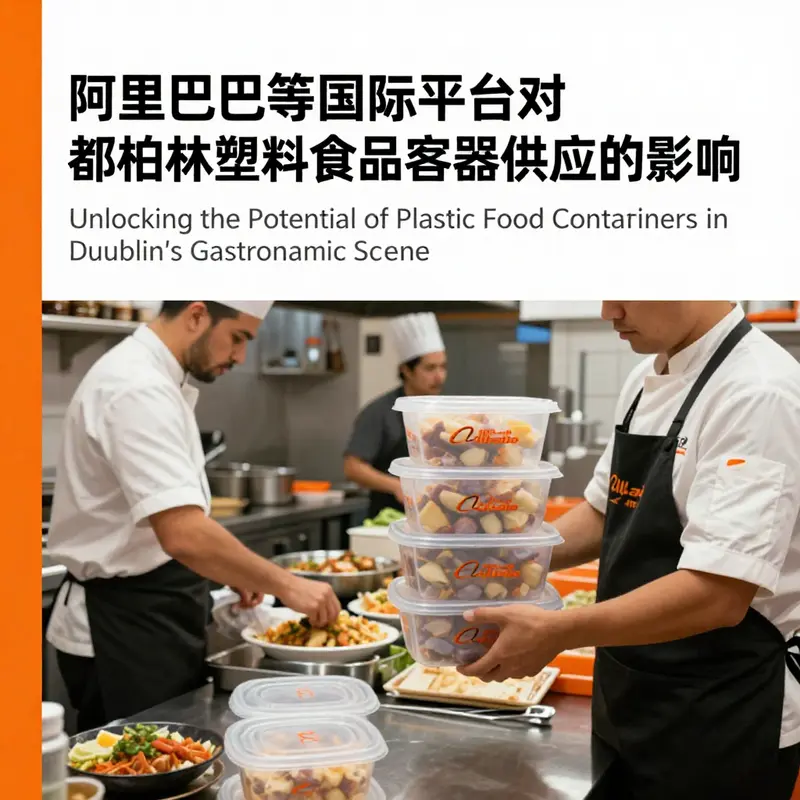
在都柏林的塑料食品容器市场,国际电商平台扮演了越来越关键的角色。它们以数字化通路连接全球买家与供应商,既改变了供应链结构,也影响了本地商家的竞争策略与合规要求。对都柏林的零售商、餐饮小微企业和批发商来说,这种变化既带来机遇,也带来了新的挑战,需要在成本、质量、合规和可持续性之间重新平衡。
首先,国际平台极大缩短了采购链路。过去都柏林的采购方在寻找塑料食品容器时,经常依赖本地批发商或区域性贸易商,并透过多个中间环节完成订单与配送。现在,平台让都柏林的买家可以直接与海外制造商接触,询价、下单和安排物流更加透明。直接采购降低了中间成本,也让小批量买家看到更广泛的产品组合。这种通路的开放对那些希望扩大销售或寻求更低成本包装的外卖店和餐厅,影响尤其明显。
其次,平台带来了更高的市场可见度。都柏林本地制造或贸易企业,通过上传产品信息与检测报告,可以在全球范围内被发现。这一过程促使企业更加重视产品描述的准确性、图片质量和合规性证明。对本地商家而言,提升这些要素不仅有助于开拓国外订单,也能提升其在都柏林境内客户的信任度。与此同时,平台的搜索与推荐机制,使得需求端能够更快比价和找到合适的供应商,推动了价格透明化,但也加剧了价格竞争。
第三,平台服务在操作层面上降低了出海与采购门槛。许多国际电商提供从下单、门到门物流到逆向退货的解决方案。对都柏林的企业而言,这意味着即便没有复杂的国际贸易经验,也能参与跨境采购与销售。对于供餐企业,这类半托管服务尤其有价值:产品配送、仓储和退货处理由平台或其合作方承担,减少了运营复杂性。同时,这也要求本地供应商在库存管理、发货速度与包装合规上达到平台和目标市场的标准。
第四,合规性与可持续性正成为交易的硬门槛。欧洲对食品接触材料的监管严格,买家和平台越来越频繁要求第三方检测报告和合格声明。都柏林的供应商被动地或主动地提升生产与检验流程,以满足如化学残留、材质标注和耐热性能等要求。更重要的是,可持续性已由市场偏好转为采购条件。面对限制单次使用塑料和鼓励可降解材料的法规,很多买家在平台上筛选时将环保属性列为优先项。这样一来,既推动了供应商改良配方和包装设计,也使替代材料在都柏林市场的可见度提升。若要在长期竞争中获胜,本地业者需将合规检测、环保认证与透明供应链作为常态化投入。
但国际化通路并非没有代价。第一是价格压力。平台上的全球竞价令毛利空间被压缩,尤其是对于标准化程度高的塑料容器。许多制造商通过规模化生产和低成本原料维持价格优势,这可能迫使本地小厂调整定价策略,或转向差异化产品线,例如加强设计、耐用性或提供本地化的客户服务。第二是质量与安全风险。低价竞品可能忽视食品安全细节,如耐高温性或化学迁移测试。都柏林的采购方因此需强化验货程序,或要求第三方检测,以避免食品安全事故和声誉损失。第三是物流与时效问题。尽管平台提供物流服务,跨境运输仍受海运、空运延迟及关税政策影响。对于依赖季节性或快速翻新的包装设计的买家,这些延时会影响库存周转与销售计划。
在此背景下,本地生态系统出现了多种响应策略。部分都柏林供应商选择专注于高附加值产品,比如经过认证的食品级塑料、耐热可重复使用容器以及专为欧盟市场定制的包装解决方案。另一些企业则在供应链上做文章,通过在欧洲设立仓储或与当地配送商合作,实现更短的交货时间和更灵活的退货处理。还有公司转向混合采购模式:标准化或大批量订单从海外采购,而核心差异化产品或急单则由本地生产或采购。这样的策略既利用了国际平台的成本优势,也保留了对服务与质量的本地控制。
从买家的视角,都柏林餐饮和零售业主需要建立一套明确的采购准则。首先,标明对食品接触材料的具体要求,包含可承受温度、是否可微波、是否含有特定添加剂等。其次,要求供应商提供检测和合规文件的复印件,或接受第三方检验。再次,将可持续性纳入评分体系,优先考虑可重复使用、可回收或经认证的环保材料供应商。最后,结合成本、交货时间与售后服务制定综合评估,而非仅以单价决策。
政策与行业协会也在适应这股潮流。监管者正推动更清晰的标签和追溯要求,以保障消费者安全与环境目标。行业协会则为本地小微企业提供培训,涵盖合规申报、国际物流和质量管理。都柏林的包装与餐饮企业若能积极参与这些项目,将更容易在国际平台竞争中保持稳定。
总体而言,国际电商平台对都柏林塑料食品容器供应的影响是深远的。它们带来了成本优势与市场拓展机会,也推升了对质量与可持续性的要求。都柏林的企业在这场变革中,需要采取灵活的供应策略,强化合规与检测能力,同时在产品和服务上形成差异化。对买家而言,理性的采购标准和对可持续性的重视,会让市场朝更安全、环保的方向发展。与此同时,监管与行业支持将为都柏林的市场参与者提供必要的保障,使他们在全球化竞争中保持韧性与向上空间。
有关国际电商平台上推动可持续替代包装的实践,可以参考以下内部资源。更多关于生物降解纸质包装的信息,请参见 biodegradable eco-friendly take-away kraft paper bowl。
外部参考链接:
https://www.alibaba.com/product-detail/clear-white-plastic-bucket-pp-food-grade-sealed_1600857934656.html?src=google&spm=a2700.12001521.0.0.3d7a5c5bNvYqKZ
null
null
都柏林的替代之路:更安全、可持续的食品容器选择
都柏林的街区在日常生活中对塑料食品容器的依赖并非偶然。人们习惯于以透明、轻便、易于堆叠的容器来储存剩菜、分装食材,或在外卖服务中快速打包。城市的一些政策动向也在推动这一习惯向更环保的方向演变。都柏林市中心为应对因塑料垃圾袋破裂造成的街道污染而实施禁令,禁止在90条街道使用塑料垃圾袋。这一举措不仅是对垃圾管理方式的调整,也是对消费行为的一次引导,促使人们重新思考日常用品的材料、使用场景以及最终的废弃路径。将这样的社会背景放在塑料食品容器的讨论中,我们可以看到一个更清晰的趋势:便利性并非单一价值,健康、环境与经济之间的权衡正在重新定义日常包装的“最佳实践”。在这样的语境里,替代材料和替代做法并非遥远的理想,而是逐步落地的现实选择,尤其在家庭和小型餐饮业的日常操作中,替代品的可得性、耐用性和成本都成为关键考量点。
当我们谈及塑料容器的替代时,首先出现的往往是对材料的直接替换——更少释放有害物质、在高温条件下更稳定、可重复使用或更易回收。玻璃、硅胶和可生物降解的可食用材料构成了这个替代矩阵中最具想象力的三个方向。玻璃容器以其耐高温、结果稳定、不会释放微塑料或化学物质而被广泛推崇。它们在微波炉和洗碗机中的耐受性使日常使用更加方便,且从长期看,玻璃的使用寿命通常比一次性塑料长,尽管重量较大,且在运输环节需要更高的耐摔能力。健康与安全的关注点在于玻璃的化学相容性较高,不与酸性或油脂性食物发生反应。对心血管健康有益的另一个层面,是玻璃不含双酚A/B等可能在塑料容器中迁移的化学物质。因此,在家庭储存和餐厨操作中,玻璃容器往往成为优选的天然替代材料。
其次是硅胶制品。硅胶材料具备出色的耐用性、柔韧性和耐温性,适用于冷冻、解冻、加热和清洗等多种场景。密封性好、可重复使用的特性,让它成为减少一次性塑料使用的可靠选择。硅胶制品在日常生活中可以是密封袋、托盘、托碗等形式,尤其适合冷冻食物分装、预先备餐以及带走餐盒的复用。与玻璃相比,硅胶在耐摔性、重量和运输便利性方面也有优势,尽管价格通常更高,但其长期使用成本往往能抵消初始投入。就健康而言,合格的硅胶材料被广泛认为对人体安全,使用时无需担心有害化学物质的迁移问题,尤其是在日常清洗和妥善维护的前提下。
第三类方向接近于未来主义的概念——可食用包装材料。以淀粉、蛋白质或海藻等天然成分为基础制成的薄膜,理论上能在使用后自然降解甚至被食用,从根本上解决了废弃物问题。尽管这类材料在实际广泛应用上仍面临技术、成本和食品兼容性的挑战,但它们为我们提供一个关于“包装本身也可以是食物链一部分”的全新视角。它提醒都柏林乃至更广区域的包装设计者,未来的包装不仅要保护食物、延长保质期,更要在生命周期末端回收、再制造或再利用,尽可能降低对自然资源的压力。
在讨论替代材料时,不能忽视与之并行的其他环保替代品。布袋、牛皮纸袋和纸质包装在日常购物和食品分装中逐渐成为常态,尽管它们在某些场景下的耐用性可能不及玻璃或金属,但它们的可回收性、低能耗加工和原材料的再生潜力为减少一次性塑料使用提供了直接路径。不锈钢水壶、竹筒等容器也在某些场景被广泛采用,成为强力的重复使用解决方案。更具创意的做法包括蜂蜡布等可重复使用的包裹材料,它们以天然材料为载体,替代传统的保鲜膜,降低了有害化学物质的潜在暴露风险。
不得不提的是,任何替代方案都需要在本地市场的可得性和供应链的弹性中得到验证。都柏林及其周边地区的消费人群越来越关注健康与环境的并行重要性,因此与之相匹配的供应链也在调整。例如,国际批发平台上广泛存在的用于商业用途的分层外卖盒、微波炉可用等规格,虽然价格低廉、支持大宗采购,仍需结合本地的物流、关税与回收体系来决定是否进入城市的日常使用。这种跨区域的供给能力对都柏林的餐饮业者尤其关键,因为他们需要确保包装材料在高峰时段也能稳定供应,同时兼顾消费者对可持续性与卫生的高要求。
在健康与环境两端之间,公众教育与消费者行为的改变同样至关重要。关于塑料容器的使用,专家持续强调:尽量避免高温条件下的加热和盛放酸性或油脂性食物。高温会增强某些塑料材料的迁移性,让微塑料颗粒和化学物质进入食物,长期暴露的健康风险尚在进一步研究中。消费者应优先选择玻璃或金属容器来储存与加热食物,尽量减少在微波炉中直接使用塑料容器的情况。对于需要重复使用的容器,日常清洗应遵循耐温范围和清洁指南,避免在高温下反复使用低质量材料,以免对容器材料造成损伤并促使污染物迁移。政府与机构在这一过程中的角色,是通过透明的标识、易于理解的使用指引和高效的回收体系来提供保护,而不是单靠禁令来改变行为。
在都柏林市场,除了上述材料的选择之外,还存在一个具体的 take-away 包装选项的趋势,即在外卖和餐饮场景中采用更具再利用潜力的包装设计。当地商家与消费者都在探索“低废弃、易回收、可重复使用”的解决方案。对城市来说,未来的路径不仅是替代材料的简单替换,更是通过零售端的创新、餐饮端的清洁与回收体系的协同作用,构建一个更清晰的资源循环系统。为此,应该鼓励使用耐用、可清洗的容器,在对外卖和外带服务进行包装时尽量降低一次性材料的比重。这既是对城市环境的直接回馈,也是对个人健康的长期投资。
在日常生活和商业经营层面,现实的可行性也取决于成本与使用便捷性。玻璃与金属容器的初始投资通常较高,但其长期回报包括更长的使用寿命和更低的替换频率,从而降低整体消费成本。硅胶类产品则在使用灵活性方面具备显著优势,尤其适用于需要高强度日常使用的家庭与小型餐饮单位。可食用包装尽管迷人,但需要在成本控制、食品安全和法规合规性方面实现突破,短期内可能更多地停留在试点和概念阶段。对于纸基包装和布质替代品的推广,则需要在消费者教育、回收体系和原料来源方面投入持续的优化。
都柏林的替代之路还需要与本地政策、教育倡导和企业实践共同推进。政府层面,继续强化对环境友好材料的支持与激励,同时确保回收和再利用网络的效率,减少“废弃物误置”的发生。教育层面,学校、社区组织和商业伙伴应共同开展关于正确使用、清洁与循环的知识传播,帮助居民在家庭日常中做出更安全、可持续的选择。企业层面,则应推动供应链的透明化,包括来自海外的包装材料的可追溯性、回收性评估,以及在设计阶段就将可重复使用和可回收性考虑进去的产品开发。
在这一连续的变革中,具体的消费行为转变也将推动市场供给的调整。人们可能会在购买时更倾向于耐用、可重复使用的容器,优先选择能在多种烹饪场景下使用的材料,如耐高温玻璃和耐用硅胶。对于外带食品,越来越多的消费者会偏好使用自带容器或选择包装设计更简洁、易于回收的选项。这样的趋势将推动本地商家在包装策略上做出更具前瞻性的选择,也会促使批发与零售渠道更加关注长期成本与环境影响之间的平衡。
就都柏林而言,替代材料与环保考量并非单一议题,而是一个跨领域、跨行业的系统性挑战。它要求我们在个人行为、商业实践和公共政策之间建立更紧密的协同关系。对城市居民而言,选择玻璃或硅胶容器来储存和加热食物,是在日常生活中实践低碳、低污染生活方式的一部分。对餐饮业者而言,采用更耐用、可回收的包装解决方案既是对客户健康的承担,也是对环境责任的兑现。对政策制定者而言,建立清晰的标识体系、强化回收基础设施、并提供可持续包装的激励机制,是推动整个生态系统向前迈进的重要工具。
关于具体的替代路径,一些低风险、可操作的做法已经在都柏林及周边地区得到检验。对家庭来说,优先使用玻璃容器、金属容器与硅胶制品来分装、加热和储存食品,可以显著降低暴露风险并提升重复使用率。在外卖场景中,选择带盖、可重复使用的包装设计,或携带自有容器以减少一次性材料的使用,都是日常实践的可行途径。对于商家而言,建立容器回收制度、提供清晰的使用与清洗指南、并优先采购生命周期更长的材料,是建立可持续包装体系的关键。
在这一章节的讨论中,围绕都柏林的政策动向、消费者偏好与健康考量,呈现了一个清晰的趋势:以更安全、更可持续的材料来替代传统塑料容器,不仅是应对环境问题的短期策略,更是实现长期健康目标、推动循环经济的重要环节。都柏林正在以实践为证,向城市与全球传递一个信息:塑料并非不可替代,流通的瓶颈在于设计、使用与回收的闭环。最终,城市的生态健康将取决于我们每个人的选择,以及周边社区如何把这些选择变成日常生活的一部分。
在此基础上,若你正在考虑在本地市场中寻找更安全、可持续的包装替代方案,可以考虑以木质、纸质、玻璃或硅胶等材料为核心的存储与外带解决方案。对于需要分装和便携的场景,一次性包装逐渐被更耐用、可重复使用的选项所替代。这不仅能减轻环境压力,也有助于消费者维护餐饮卫生与健康。为进一步了解在都柏林可获得的类似包装选项,可以查看专注于环保纸质包装的本地产品信息页面,该页面提供多种适用于外卖与零售的纸质碗、盒和容器的设计与用法建议。
若你希望在日常采购与设计中快速感知替代材料带来的影响,可以关注对比分析以及生命周期评估的公开信息。对公众而言,理解原材料来源、生产过程中的能耗、运输距离和最终处置方式,是做出明智选择的关键所在。通过将个人行为、商业活动与政策框架紧密结合,都柏林的替代之路将继续向前铺展,成为一种可复制、可扩展的城市级别实践。
外部资源供读者进一步了解全球范围内关于塑料、微塑料与健康关系的权威信息。对于关注健康与环境的读者来说,了解微塑料及相关化学物质对暴露途径和风险的解释有助于更理性地评估日常使用的包装材料。外部参考资料可提供更广泛的视角和更新的数据,以支持本章关于替代材料的讨论。
参考性外部资源:https://www.who.int/news-room/fact-sheets/detail/microplastics
Final thoughts
The landscape of plastic food containers in Dublin encapsulates the city’s diverse culinary culture and evolving consumer preferences. With establishments ranging from bubble tea shops to corporate catering services, understanding the dynamics of container supply, safety implications, and eco-friendly alternatives is imperative for any food business. Embracing these insights not only optimizes operations but aligns with the growing demand for sustainability in packaging. As Dublin continues to thrive as a gastronomic hub, the choices made regarding food storage and transport will play a critical role in determining the health of consumers and the environment alike.