
Plastic food packaging containers have become a ubiquitous part of the dining experience, particularly in modern food service environments like bubble tea shops, restaurants, and food trucks. However, the environmental consequences of this convenience are severe, with a staggering percentage of plastic waste either ending up in landfills or polluting ecosystems. Businesses today face a critical challenge: balancing operational needs with sustainability efforts. This article will explore the pressing environmental concerns associated with plastic food packaging, approaches to recycling and waste management, the sustainable alternatives available today, and the evolving regulations and economic implications for businesses. Each chapter will provide valuable insights to assist food service professionals in making informed decisions that benefit both their operations and the planet.
The Lingering Footprint: Tracing the Environmental Toll of Plastic Food Packaging Trash and the Pathways to Safer Alternatives
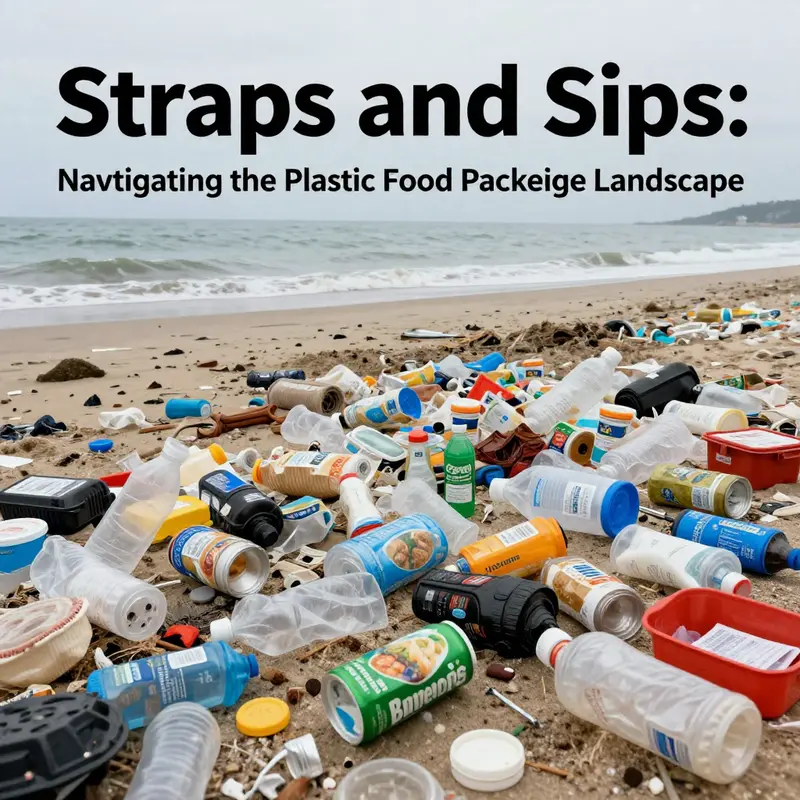
Plastic food packaging containers and their accompanying trash bags have become a symbol of modern convenience, yet they carry a heavy, often invisible, burden on ecosystems and human health. In the vernacular of waste streams, packaging functions as a gateway—collecting our meals, holding them secure, and then becoming the primary source of plastic waste that escapes proper treatment. The latest syntheses of global waste data reveal a stark imbalance: only about 9% of plastic waste is recycled, roughly half is landfilled, and an additional portion is mismanaged, leaking into streets, soils, rivers, and oceans. When examined alongside the thousands of tons of packaging that never complete a formal recycling loop, the math translates into a pervasive, persistent pollution problem. The environmental narrative here is not just about end-of-life disposal; it is about a production system that leans on fossil fuels, uses energy-intensive processes, and yields products designed for short-term use but long-term ecological consequences. This chapter takes that narrative seriously, tracing how plastic packaging becomes trash, what that trash does once it enters the environment, and why a move toward more sustainable materials and smarter waste management is essential for a healthier planet.
From cradle to grave, plastic food packaging carries a lifecycle that is both technically efficient and ecologically complicated. Plastics used in food packaging are often designed for performance—strength, moisture resistance, barrier properties, and clarity—yet those same properties complicate waste management. They enable portability and shelf life, but they also reduce the likelihood of easy, clean reuse in many real-world settings. The 2020 LK Ncube study emphasized that the packaging of food contributes a substantial share to the broader plastic waste problem in the environment. This is not merely an issue of aesthetics or nuisance; it is about the integrity of soils and waterways. Once packaging materials escape controlled streams, they fragment into smaller pieces, becoming microplastics that travel through soil and water, eventually circling back to organisms, including humans, through food chains. The persistence of these fragments means they remain in the environment long after the initial discard, creating a legacy of contamination that is difficult to reverse.
The gravity of the situation is further magnified when we consider life cycle emissions. A 2022 analysis by M. Kan suggested that plastic packaging contributes less than 10% of the total life cycle emissions for many common foods. Yet emissions are not the only dimension of harm. The environmental cost is disproportionately sustained by the physical presence of plastics in ecosystems. In other words, even if a single product’s carbon footprint is modest, its potential to persist, accumulate, and cause harm in the environment remains high. When plastics accumulate in soils and aquatic systems, they act like time-delayed polluters. As they weather, they release additives and toxins that can disrupt microbial activity, soil structure, and aquatic life. The cumulative effects of such pollutants extend beyond the immediate vicinity of litter, potentially affecting crop health, biodiversity, and water quality downstream. The challenge is not only to curb emissions but to reimagine materials so that their afterlife is gentler on the ecosystems that support food production and human well-being.
One of the most compelling arguments for change is the potential to replace single-use plastic packaging with materials designed for reuse or easier, safer end-of-life processing. Biodegradable and recyclable solutions are increasingly popular in both policy circles and business strategy. However, the transition is not straightforward. Biodegradable plastics can perform well in certain controlled environments, but when mismanaged, they may not degrade as intended in natural settings, and they can contaminate recycling streams. The key is to align material design with realistic end-of-life pathways—thin-walled packaging that remains sturdy during transport but can break down predictably in appropriate composting conditions, or packaging that is readily recyclable in existing systems. This alignment also hinges on robust collection and sorting infrastructure, which remains uneven across regions. Without reliable waste management, even well-intentioned materials may fail to deliver the intended environmental benefits.
The policy and consumer dimensions are no less critical than material science. Reducing reliance on single-use packaging requires coordinated action among manufacturers, retailers, policymakers, and consumers. Policies that incentivize higher recycling rates, fund improved collection systems, and encourage producers to take responsibility for their waste can shift the economics of packaging toward sustainability. At the consumer level, awareness matters: understanding that a packaging choice today has downstream consequences for land, water, and biodiversity can influence buying habits and disposal practices. Yet awareness alone is not enough. Convenience remains a powerful driver, and unless alternatives are accessible, affordable, and compatible with current consumption patterns, people will continue to default to familiar plastics. The literature underscores the need for integrated solutions that combine material innovation, waste management upgrades, and behavioral change. This is not a call for a single solution, but for a system-wide redesign that makes sustainable choices easier and more economical at the point of purchase and at the point of disposal.
In thinking about practical pathways, it is helpful to compare the inherent strengths of plastics with the strengths of eco-friendly alternatives. HDPE and LDPE, common in film bags and packaging components, offer durability, resistance to tearing, and moisture barriers. These same properties, when divorced from a robust circular economy, become liabilities in a world of escalating waste challenges. The push toward recyclable plastics and biodegradable variants is motivated by a dual aim: to maintain functional performance while reducing ecological persistence. Yet the transition demands careful attention to end-of-life routes. A material that is technically compostable must be compostable in real systems; a plastic that can be mechanically recycled must be captured in an efficient, well-run recycling stream. The reality on the ground often reveals a gap between idealized behavior in controlled studies and actual outcomes in everyday waste management. Bridging that gap requires not only better materials but also improved infrastructure, standardized labeling, clearer recycling instructions, and incentives that encourage proper disposal.
From a design standpoint, a more sustainable approach emphasizes simplicity and compatibility with common waste streams. Packaging that can be recognized by existing sorting facilities, that can be easily separated from food waste, and that can be processed without contaminating other recyclables stands a better chance of achieving a circular path. In parallel, there is growing interest in paper-based and pulp-derived packaging as a lower-risk alternative for many applications. Paper and pulp materials naturally align with established recycling streams in many regions and can present lower ecological footprints when responsibly sourced and manufactured. For businesses weighing these choices, the decision often comes down to trade-offs between functional performance, cost, and end-of-life outcomes. This is not a matter of choosing one perfect solution but of selecting the best option within a system that rewards durability, clarity, and a realistic, scalable end-of-life process.
To illustrate how a shift toward paper-based options can look in practice, consider the takeout sector, which is a major consumer of disposable packaging. While this realm has long relied on plastics for speed and seal integrity, there is growing momentum around kraft paper-based packaging choices that maintain a level of performance suitable for busy service environments. For those exploring alternatives, a practical entry point is to examine non-plastic packaging designs that can meet demand while integrating with recycling and composting streams. A representative example of this direction is the availability of kraft paper packaging options designed for restaurant takeout and delivery. For readers seeking more on these alternatives, exploring the broader landscape of kraft paper packaging options—including shapes and sizes suitable for different foods—can provide a tangible path toward reducing plastic waste. See the concept here: Kraft paper packaging alternatives for takeout.
Of course, changing the packaging landscape also requires rethinking consumer culture around convenience. The ubiquitous plastic box is a reliable, familiar tool, and replacing it with an alternative means altering everyday routines—from how food is stored to how leftovers are handled. This is where education and transparent labeling play essential roles. If a biodegradable option is offered, consumers must understand under what conditions it will break down, how long that process takes, and where to dispose of it properly. If a packaging system is designed to be recycled, clear instructions about curbside sorting and local facilities become part of the product’s value proposition. When these components align, the market can reward innovations that deliver both performance and environmental protection. A mature system also encourages manufacturers to invest in end-of-life technologies and to partner with municipalities to expand access to recycling and composting.
The MDPI study, Environmental Impact of Food Packaging Materials, provides a comprehensive lens through which to view these issues. It highlights the multifaceted nature of packaging’s environmental footprint, urging readers to consider the entire lifecycle—from raw material extraction through production, distribution, use, and end-of-life management. The study emphasizes that the persistence of plastics in the environment is a central concern, with microplastics and chemical leachates posing potential risks to soil health and aquatic ecosystems. This underscores the need for solutions that do more than reduce emissions; they must also break the chain of environmental persistence and contamination. For those seeking a scholarly synthesis to augment practical discussions, this MDPI resource offers detailed context and data that complement the policy and design considerations discussed here. It is a reminder that the choices we make in packaging design and waste management reverberate through ecosystems for decades to come.
In sum, the environmental impact of plastic food packaging containers and trash is not a single problem with a single solution. It is a constellation of issues: high persistence in the environment, potential harm from additives, reliance on fossil fuels, and uneven waste-management infrastructure that complicates recycling and disposal. Yet the chapter also points to a hopeful path forward. By combining improved waste management practices with better material design, policy frameworks that incentivize circularity, and consumer choices that favor reusable and recyclable options, communities can reduce the ecological footprint of packaging without sacrificing food safety or convenience. The transition is incremental, requiring collaboration across sectors and commitment to long-term outcomes. It is about building a system where packaging serves its intended purpose and then returns to a value stream rather than turning into a lingering form of pollution. To realize that vision, ongoing research, transparent reporting, and accessible alternatives will be essential. In the end, the story of plastic packaging is not only about waste; it is about stewardship—how we design, use, and reclaim the materials that accompany our meals.
For readers who want to explore further the practical dimensions of packaging alternatives and their integration into current waste systems, the landscape is increasingly rich with options that balance performance and sustainability. The shift toward paper-based packaging, recycling-ready designs, and stronger collection infrastructures holds promise for reducing litter and environmental persistence. And while no system is perfect, the ongoing dialogue among researchers, policymakers, manufacturers, and consumers is narrowing the gaps between aspiration and reality. The result could be packaging that protects food as reliably as plastics do today, but with a far more favorable end-of-life trajectory—one that minimizes harm to soils, water, and the broad web of life that sustains food production and, ultimately, human health. The journey is long, and the stakes are high, but the direction is clear: rethink packaging materials, strengthen waste management, and align consumer choices with a more sustainable future.
External resource for further reading: https://www.mdpi.com/2071-1050/12/16/6638
Closing the Loop on Plastic Food Packaging: Rethinking Recycling and Waste Management in a Trash-Heavy System
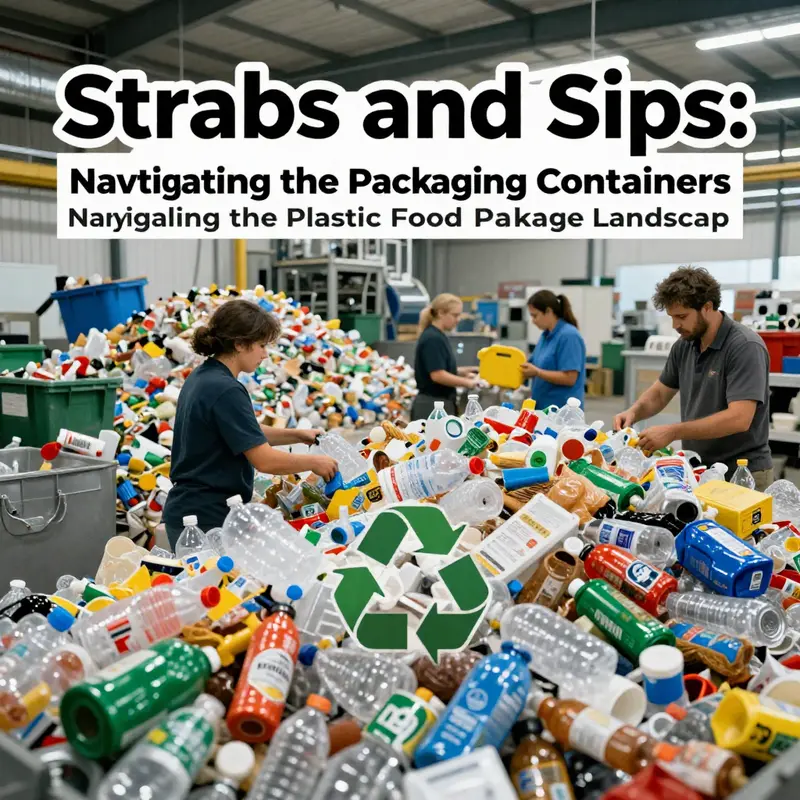
The ubiquity of plastic food packaging in modern economies is both a triumph of convenience and a stubborn challenge for sustainability. Plastic, with its light weight, barrier properties, and malleability, helps preserve the safety and shelf life of perishable foods, enables efficient logistics, and reduces food waste in the short term. Yet this same material becomes a stubborn burden once the consumer seal is broken and the package enters the consumption cycle. The chapter that follows threads these tensions into a cohesive narrative about how societies can move from a linear habit—produce, use, discard—to a more resilient system in which plastic food packaging containers and their associated trash are managed in a way that minimizes harm to ecosystems and maximizes material value. In doing so, we must acknowledge the stark reality of current waste management outcomes: only a fraction of plastic waste is recycled, with the rest diverted to landfills or mismanaged streams that eventually pollute soils, rivers, and oceans. This chapter connects the dots between design choices, collection and sorting infrastructure, consumer behavior, and policy instruments, all while keeping a sharp eye on the practicalities of implementation across diverse contexts. The numbers are sobering: roughly nine percent of plastic waste is recycled, about half is landfilled, and an additional portion is mismanaged and leaks into the environment. These figures are more than statistics; they reflect the friction between industrial systems and ecological limits, a friction intensified by food packaging’s often complex compositions and multi-material interfaces.
The structural problem lies primarily in the composition of many packaging systems. A sizable share of plastic food packaging is multi-layered or blends materials that are bonded for performance—barrier properties, clarity, heat resistance, or moisture control. When such packages reach recycling streams, the separation of layers proves technically challenging or economically unattractive. Mechanical recycling, which relies on clean, homogeneous streams, struggles with these composites; contaminants and residues further degrade the quality of the recovered material. As a result, many packages do not re-enter the same product category; instead, they are downcycled into lower-value products or, in the worst cases, end up in landfills or informal disposal settings. The net effect is a leakage of post-consumer plastic into the environment, where it fragments and persists for centuries, contributing to microplastic exposure in marine life and urban ecosystems alike. This pattern is not an abstract concern. It manifests in real-world contexts where coastal communities, riverine habitats, and wastewater systems bear the brunt of mismanaged packaging waste, underscoring the interconnectedness of packaging choices, waste management capacity, and environmental stewardship.
In response to these challenges, a set of coordinated strategies has gained prominence within both industry and policy circles. A central thread is the circular economy—an approach that prizes the continuous use of resources and aims to decouple economic activity from virgin resource extraction. Within packaging, this translates into several practical directions. One is a design-for-recyclability mindset that prioritizes mono-material configurations and removal of non-recyclable adhesives or coatings. Mono-material packaging, for example, reduces the fragmentation of streams and makes collection and processing more straightforward for existing recycling facilities. Another direction involves rethinking the business model surrounding packaging itself, with a push toward reuse and return systems that keep materials in circulation longer and reduce the need for single-use disposables. These shifts require careful consideration of food safety, consumer convenience, and the economics of scale, yet they offer a clear path toward reducing the overall environmental footprint of packaging waste.
A parallel strand concerns advanced recycling technologies. Chemical recycling, for instance, has the potential to break down mixed plastics into their molecular building blocks, which can then be repolymerized into new plastics. While this approach can address some of the bottlenecks posed by multi-material packaging, it is not a panacea. It depends on energy inputs, process efficiencies, feedstock quality, and rigorous quality control to produce materials that meet critical performance standards. The deployment of such technologies tends to vary by region, dictated by energy costs, regulatory environments, and the maturity of local recycling industries. Even as chemical recycling expands, it must be integrated into a broader system that values source reduction, design for recyclability, and robust post-consumer collection. Alongside technology, policy frameworks are increasingly shaping the incentives and responsibilities that drive better waste outcomes. Extended producer responsibility (EPR) schemes, for example, place a duty on manufacturers to fund and participate in the end-of-life management of their products. These policies aim to align product design with end-of-use realities, encouraging packaging that is easier to recycle, reuse, or safely recover, while ensuring funds are available to support collection, sorting, and processing infrastructure.
Public awareness and consumer sorting behavior also bear heavily on the fate of plastic packaging waste. Sorting efficacy hinges on accessible, clearly labeled streams and consistent guidance that reduces cross-contamination. Education campaigns that help households understand which items belong in which bin—and why—can improve material recovery rates and the quality of the recycled feedstock. Yet education alone cannot compensate for gaps in infrastructure or ambiguous signals from manufacturers about the recyclability of packaging. In many places, the raw capacity to collect and sort packaging is a more significant constraint than the willingness of residents to participate. This is why retail and hospitality sectors—where take-out and ready-to-eat meals dominate—must adopt packaging that aligns with local waste systems and can be reliably sorted and processed without compromising food safety or convenience.
From a design and materials perspective, the debate often centers on whether to replace plastic packaging with alternatives, or to reimagine how plastics themselves can be made more sustainable at scale. On the one hand, biobased or biodegradable options promise end-of-life benefits under certain conditions, but they come with caveats about soil, compost, and water compatibility, and they may complicate recycling streams if not carefully integrated. On the other hand, paper-based or pulp-inspired packaging—especially when made from responsibly sourced fibers—can reduce reliance on virgin plastics, but it introduces its own set of tradeoffs, including production energy intensity, water use, and the need for coatings or barrier layers to imprison fats and moisture. The critical insight is not that one material is categorically superior but that systemic optimization is essential. This means choosing packaging configurations that minimize environmental impact across cradle-to-grave life cycles, considering the specific demands of the food being packaged, the logistics network, and the local waste-management capabilities.
In practice, several industry practices illustrate the tension between performance needs and end-of-life considerations. The shift toward thinner films and more transparent layers has improved consumer appeal and product visibility but can hamper recycling quality if layers are difficult to separate. In response, designers and manufacturers are exploring streamlined compositions that maintain barrier properties while enabling easier separation and higher-quality recyclate. When reuse systems are viable, durable containers can offer environmental advantages by displacing single-use items and reducing waste generation. However, scaling reuse requires robust logistics, sanitation protocols, and consumer acceptance—factors that vary widely by market and service model. Even as these strategies unfold, the larger picture remains clear: without reliable collection, sorting, and processing capacity, packaging innovations struggle to realize their full environmental potential.
The practical implications of this challenge extend into policy and governance. Governments and organizations are increasingly adopting EPR schemes that require producers to finance and participate in the end-of-life management of their packaging. Such schemes can incentivize upstream changes in packaging design, material choice, and labeling, while ensuring the downstream systems have the resources to collect and recycle or recover materials effectively. The design of these policies matters as much as their existence. If incentives are misaligned or enforcement is weak, the best technical solutions may fail to materialize at scale. Consequently, a coherent policy mix that pairs economic signals with clear performance standards and support for innovation is essential. This includes not only technological investments but also investments in sorting infrastructure, pilot programs for deposit-return schemes, and public campaigns that raise awareness about proper disposal and the environmental consequences of mismanaged waste.
Within this broader discourse, there is room for practical examples that navigate the realities of food service and consumer markets without sacrificing environmental goals. In contexts where convenience and speed define consumer expectations, packaging that is easier to recycle or reuse—without compromising safety—can offer meaningful improvements. Businesses experimenting with reusable service ware, or swapping to materials designed for single-stream recycling, illustrate how waste management outcomes can improve through collaborative approaches that involve manufacturers, retailers, and municipalities. Such collaboration is essential because the end-of-life fate of packaging is not determined by a single actor but by a suite of choices made across the supply chain, at the point of sale, and within the household.
Even as the dialogue evolves toward more sustainable options, it remains important to normalize a shift in consumer expectations. The public is often overwhelmed by mixed messages about what can be recycled or composted, leading to misinformed disposal practices. Clear labeling, consistent standards, and visible reuse pathways can reduce confusion and increase the likelihood that packaging is directed to the correct streams. In this sense, the social dimension of waste management matters as much as the technical dimension. A well-informed consumer base, cooperating with well-designed packaging, can amplify the benefits of policy and technology changes and help close the loop more reliably. This alignment is not a one-off reform but a continual process of tuning materials, processes, and behaviors to fit into an economy where waste becomes a resource rather than a blemish on landscapes and waterways.
For readers seeking concrete options that lie at the intersection of practicality and sustainability, consider the potential of reusable or recyclable alternatives in everyday use. In many take-out and dining contexts, it is possible to shift toward packaging that is easier to recycle within current municipal systems or that supports a successful reuse service. Some operators are exploring durable containers and exchange models that maintain food safety while reducing single-use waste. In the realm of disposable packaging, materials that lend themselves to clean separation and high-quality recyclates can meaningfully improve recovery rates. The design challenge is to balance performance requirements—such as heat resistance, moisture control, and product integrity—with end-of-life compatibility that minimizes environmental risks. A practical starting point is to prioritize mono-material solutions where feasible, reduce adhesives and coatings that complicate recycling, and pursue standardization across products to streamline sorting.
In considering all these dynamics, it is important to acknowledge how a broad range of packaging choices intersects with local waste-management capabilities. Urban centers with comprehensive curbside recycling and advanced material recovery facilities may achieve higher recovery rates than regions with limited infrastructure. Similarly, regions with robust take-back programs or deposit schemes can divert more packaging from landfills into reuse or recycling streams. The heterogeneity of these systems means that policy and industry actions must be tailored to local realities while still adhering to overarching principles of resource efficiency and environmental protection. The overarching aim is to tilt the balance toward materials and configurations that maximize recoverability and minimize the risk of environmental leakage, all without compromising the health and safety of the food supply or the livelihoods of workers across the packaging value chain.
From here, the most constructive way forward is to view plastic food packaging containers and their trash as a shared responsibility—an opportunity to redesign both product and process so that waste becomes a less costly, less persistent consequence of nutrition and nourishment. The move toward circularity requires investment, collaboration, and a willingness to rethink old habits. It calls for packaging that is easier to recycle, systems that collect and sort materials efficiently, and policies that reward innovation while ensuring accountability for end-of-life outcomes. It also invites a mindful shift in consumer culture—toward better sorting, a willingness to participate in reuse schemes, and an understanding that small everyday decisions influence large-scale environmental trajectories. In practical terms, this means manufacturers embracing design-for-recyclability as a core product attribute, retailers facilitating take-back or reuse programs where feasible, and policymakers creating a coherent framework that aligns incentives with environmental performance. The end goal is not a single perfect solution but a portfolio of feasible pathways that collectively reduce waste, lower greenhouse gas emissions, and keep plastic resources circulating within the economy instead of leaking into ecosystems.
For readers who wish to explore broader perspectives on plastic waste generation and management, a comprehensive overview offers a wider lens on the challenges and opportunities across industries and regions. The discussion presented here aligns with those broader insights, emphasizing how design, policy, technology, and behavior intersect in the real world to shape outcomes for plastic packaging waste. As the field evolves, continuous learning and adaptation will be essential, given the dynamic interplay of consumer demand, material science, waste infrastructure, and governance. Emphasizing adaptability without sacrificing safety or functionality will be a hallmark of progress in managing plastic food packaging containers and their trash in the years ahead. To deepen understanding of the systemic landscape, readers can consult broader reviews and reports that synthesize current knowledge and emerging trends in plastic waste generation and management.
External resource: https://www.mdpi.com/2071-1050/13/19/10867
Internal link for practical considerations: kraft paper bowls and the idea of substituting traditional disposable plastics with paper-based serving options can be part of a broader strategy that reduces single-use plastic demand while remaining compatible with existing waste streams when properly designed and managed. These kinds of options illustrate how packaging choices can be aligned with local waste-management capabilities and consumer expectations, helping to close the loop rather than widening the leaks in the system.
Rethinking Plastic Food Packaging: A Path Toward Trash Reduction Through Sustainable Alternatives
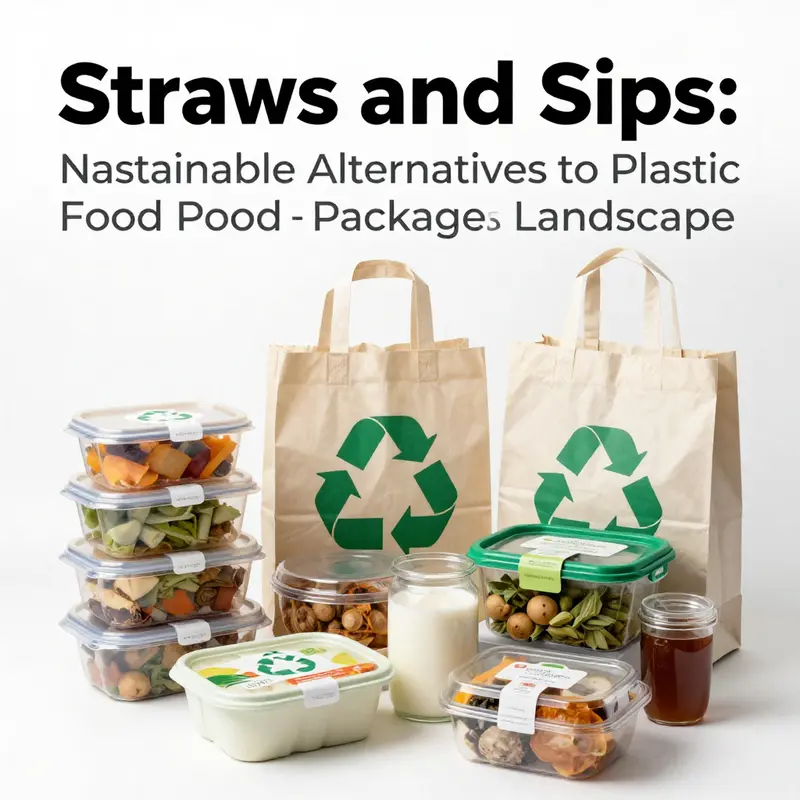
The global story of plastic food packaging is not merely a tale of convenience; it is a chronicling of waste that communities continually wrestle with. Recent studies, including the sobering figures that only a fraction of plastic waste finds its way back into circular use while half ends up landfilled and a sizable portion is mismanaged, remind us that the problem is systemic. The consequence extends beyond the bin: debris travels through waterways, landscapes, urban infrastructure, and even the food systems designed to feed us. The chapter ahead is not a paeon to a single miracle material but a synthesis of pathways that can collectively shrink the footprint of packaging waste while preserving food safety, shelf life, and consumer ease. The focus here is on sustainable alternatives to plastic food packaging containers and trash bags, not as a rigid prescription but as a spectrum of options that can be layered, scaled, and adapted to different contexts. Each path carries a set of tradeoffs—weight, durability, energy use, end-of-life options, and consumer behavior—that must be weighed in real-world decisions. The aim is to illuminate how a shift in materials, systems, and practices can reduce the amount of trash generated by modern meals without compromising the integrity of food storage, transport, or access to affordable packaging. In this larger picture, the choice of container matters as much as the choice to reuse, recycle, or redesign the way we think about waste itself. The chapter that follows threads together multiple strands of innovation—some rooted in tradition, others in cutting-edge chemistry or circular economy models—into a coherent vision for a future in which packaging supports both people and ecosystems rather than undermining them.
Glass containers, long admired for clarity and perceived purity, offer a compelling narrative about sustainability. Glass is highly recyclable, with the potential for infinite reuse without the quality degrading. It is inert, so it does not leach chemicals into food, which makes it a reassuring choice for storage and reheating in many consumer kitchens. The durability of glass in a properly managed system contributes to a long lifespan, and the material’s aesthetic versatility helps reduce kitchen clutter by providing a sense of order and permanence. Yet glass is not a perfect solution. It is heavier than most plastics, which translates into higher transport energy in some supply chains and increased breakage risk in households, especially where children or crowded spaces are involved. The energy balance of glass hinges on local recycling infrastructure, curbside programs, and consumer practices. When communities maintain robust glass recycling streams, the environmental advantages can far outweigh the drawbacks. In settings where recycling of glass is inconsistent, the advantages can be diminished, underscoring the need for complementary strategies such as reuse or alternative materials. Even as glass gains renewed interest, it is essential to pair it with educational efforts about proper disposal, compatible dishwasher or oven use, and careful handling to preserve its advantages. The broader implication is that shifting toward glass requires an accompanying frame of logistics and culture that supports high recycling rates and minimizes breakage losses over time.
Beyond single-material options, reusable and refillable systems illuminate a different route: a circular approach that decouples consumption from waste through durability and return loops. In principle, durable packaging designed for repeated use can dramatically reduce the volume of disposable waste if the lifecycle is managed with high fidelity. The Loop model, in its essence, demonstrates how collaboration among brands, retailers, and consumers can create a shared infrastructure for returning, cleaning, and reusing containers. In practice, this model depends on a reliable system for collecting empties, processing them to a state suitable for refilling, and delivering them back into circulation. The challenges are substantial: consumer participation, cleaning standards, transport emissions, and the need for standardized sizes and compatibility across brands. Yet the benefits—reduced single-use volumes, steady material streams, and the potential for high-quality reuse—make this approach indispensable in a diversified toolkit. Reusable systems also invite a cultural shift toward valuing the container as a long-term resource rather than a disposable item. When households and workplaces adopt durable options, they can reduce the volume of waste while maintaining convenience and food safety. The transition requires thoughtful design, clear return pathways, and transparent communication about the lifecycle of each container, so that the promise of reuse does not collide with consumer expectations of cleanliness and convenience. In many communities, a hybrid approach—combining reusable systems with readily recyclable or compostable packaging for specific use cases—offers a pragmatic path forward, especially in sectors like food service, catering, and take-away.
Plant-based and biodegradable materials present a forward-looking segment of the solution set. Innovations rooted in natural polymers and bio-based feedstocks hold promise for reducing reliance on fossil-based plastics while maintaining barrier properties, food safety, and mechanical performance. One notable line of inquiry explores edible or compostable films and coatings produced from starches, proteins, and algae. These materials can serve as edible streams, compostable coatings, or wrappers that perform similarly to conventional plastics in terms of moisture control and shelf life. A particularly intriguing development has been edible, antimicrobial coatings that extend shelf life while remaining compostable, addressing post-harvest losses and overall food waste. This broad class of materials challenges conventional notions of packaging permanence by introducing end-of-life pathways that align more closely with natural cycles. However, scalability, supply-chain compatibility, and the need for dedicated composting or anaerobic digestion infrastructure remain critical hurdles. Public policies and consumer education will shape how widely these bio-based options can be deployed across the food system. The overarching narrative is not simply about substituting one material for another; it is about cultivating a portfolio of materials and processes that collectively lower the environmental burden from production to disposal while preserving the sensory and safety aspects that matter to consumers.
Edible packaging represents a bold reimagining of the container-content boundary. It dissolves the barrier between eating and packaging, inviting possibilities for entirely new dining experiences. Reports cite experiments with edible cups made from cereals or grains, and papers and films derived from starches, proteins, or algae that can wrap or coat foods and then be consumed with the product or broken down in compost. For certain applications, such as single-serve portions or on-the-go snacks, edible options could simplify end-of-life decisions and reduce waste streams. Yet practical barriers remain. Early prototypes have faced criticisms about taste, texture, and consumer acceptance, as well as regulatory questions about food-contact safety and allergen management. Even where sensory attributes are acceptable, the consumer’s willingness to eat or fully compost a wrapper varies by culture, occasion, and convenience. The potential for edible packaging lies in niche roles and complementary systems where acceptance is high and regulatory pathways are clear. The trajectory points toward a future in which edible and compostable layers work in concert with recycling or composting streams, rather than replacing established waste management channels.
Paper and cardboard packaging continues to gain traction as a credible alternative for many packaging needs, especially when used for shipping, retail display, and some food-service applications. The paper sector has a distinct climate and energy profile compared with plastics, with emissions profiles that, in some analyses, can be considerably lower. Paper and cardboard generally offer high recyclability, lower energy requirements for production, and a favorable end-of-life narrative. This is not a one-to-one replacement in all cases, but in many contexts, it reduces the overall environmental footprint of packaging. The emissions balance of paper is achieved not only through material choices but also through manufacturing practices, recycling yield, and the ability to circulate the material many times. The message here is nuanced: paper is a strong option for certain uses and locations, particularly where high recycling rates are supported by robust collection and processing systems. When paired with fiber-rich packaging and minimal coatings, paper can outperform plastic on several environmental metrics while preserving performance for shipping, display, and consumer handling. A critical caveat is that paper’s barrier properties for food, moisture, and grease sometimes require coatings or laminates that complicate recyclability. The industry is exploring solutions that preserve recyclability while maintaining functional performance, suggesting a future in which paper packaging becomes more widely suitable for diverse food formats.
Reusable silicone and stainless steel containers offer a durable, non-toxic alternative that aligns with long-term use in households, workplaces, and travel. These materials provide excellent chemical resistance and can withstand microwave and dishwasher use, enabling rapid transitions from storage to reheating without needing to discard the container. Their longevity reduces the need for frequent replacements, and the availability of various sizes and shapes supports a range of meals and ingredients. The tradeoffs are practical: higher upfront costs and heavier base materials can deter some consumers, and in some contexts—such as shared living spaces or low-minimum-order supply chains—getting a full benefit from these options requires coordination and education. Nevertheless, the appeal lies in a straightforward, repeat-use model that, with proper care and cleaning protocols, can deliver many years of service with a minimal waste footprint. A growing body of households and food-service settings adopts these containers as part of a broader zero-waste or low-waste strategy, recognizing that durability and care translate into lower lifecycle waste when used consistently over time.
Beeswax wraps, cotton textiles infused with natural waxes and oils, emerge as an elegant, low-tech option for wrap-and-store needs. These wraps provide a renewable, reusable alternative to plastic wrap and can be washed and reused for up to a year with proper care. They are well-suited for covering bowls, wrapping sandwiches, or protecting produce in the fridge. The appeal lies in their simplicity and compatibility with a low-woss approach to materials management. Yet they are not a universal substitute; they require routine maintenance, careful handling to avoid tearing, and mindful use with very moist or oily foods. They also depend on consumer behavior to ensure consistent reuse. In aggregate, beeswax wraps contribute to a more diverse packaging ecosystem by offering a durable, compostable, and human-scale option for many everyday tasks. The overarching point is that even modest innovations—folded into daily habits—can accumulate meaningful reductions in single-use waste when adopted across households and small businesses.
Taken together, these varied materials and systems illustrate a central truth: there is no single miracle material or policy that will halt packaging waste. Instead, a mosaic of solutions, deployed where they fit best, can drive substantial reductions in trash while still serving the food system’s needs. The practical path forward depends on balancing safety, performance, and cost with ecological considerations. It requires robust waste-management infrastructure, clear labeling, and consumer education that makes the end-of-life path for each container obvious and accessible. It also demands policy signals that reward durable, recyclable, and compostable choices while discouraging designs that make disposal a needless burden for households and municipalities. In the end, the transition is less about renouncing convenience than about redefining it—shifting from convenience defined by disposability to convenience defined by reuse, recovery, and responsible end-of-life options. This redefinition sits at the heart of transforming plastic food packaging from a symbol of abundance into a component of a more sustainable food ecosystem.
As a practical bridge between theory and daily life, consider how a restaurant, school, or workplace might integrate these options. A mixed system could use glass storage for bulk ingredients in kitchens, coupled with reusable containers for take-away operations and refill stations for liquid or sauce products. For some meals, a compostable or plant-based wrapper might replace a plastic film, while a paper-based board or tray could serve as a recyclable alternative for display and transport. When selecting packaging for a take-away program, businesses can lean into kraft paper bowls for certain applications and pair them with lids or PET-free coatings designed for compostability or recyclability. A practical example would be a disposable kraft paper bowl take-away packaging with lid, which can be linked to a broader range of sustainable choices while aligning with consumer expectations for convenience and clean handling. This approach does not ignore cost, scale, or performance; instead, it distributes risk across a portfolio of materials and strategies, allowing for testing, iteration, and gradual expansion as supply chains, consumer demand, and infrastructure evolve. In the long run, the most resilient food-packaging strategy will not hinge on a single breakthrough but on a nuanced, layered approach that blends durable materials, reusable systems, plant-based innovations, and widely recycled or composted formats. The target is clear: reduce trash generated by plastic food packaging containers without sacrificing safety, taste, or access to essential meals—an objective that increasingly aligns with policy shifts, market trends, and a growing public appetite for responsible stewardship of resources. For readers navigating this landscape, the central takeaway is that every container choice matters, and every step toward reuse, recycling, or responsible disposal compounds the broader victory over waste.
To connect these ideas with everyday options, consider how a consumer might curate a personal kit of containers that spans several of the strategies discussed: a sturdy glass storage set for leftovers, a set of durable silicone or stainless steel containers for meals on the go, reusable wraps for non-liquid items, and a plan for returning or recycling all packaging from take-away meals. In the broader system, a commercial context can incorporate paper and cardboard alternatives for shipping and display, while pilot programs and community partnerships expand the reach of reusable packaging platforms. In all cases, communications that clearly explain end-of-life options—whether recycling, composting, or safe reuse—are essential to sustaining momentum. The aim is not to force abrupt changes but to encourage informed choices that gradually shift behavior and expectations toward a healthier relationship with food packaging waste. The shift is already underway in many regions, propelled by consumer demand, rapid material innovation, and policy incentives that reward sustainable design from the outset. When these forces converge, the result is a packaging ecosystem that supports safe food storage and distribution while significantly reducing the trash that ends up polluting ecosystems and local communities.
For readers seeking concrete, accessible references that complement these ideas, a practical entry point rests in the translation of these concepts into everyday products and processes. For instance, exploring kraft-paper-based solutions for take-away contexts demonstrates how a familiar format can be adapted toward greater recyclability and lower environmental impact. This kind of alignment between material choice, end-of-life infrastructure, and consumer behavior helps bridge the gap between aspiration and action, turning sustainability from a theoretical goal into a tangible practice. Ultimately, the path forward lies in the steady integration of glass, reusable systems, plant-based innovations, edible options, paper and cardboard, silicone and steel, and beeswax solutions into a cohesive packaging ecosystem that respects both human needs and planetary limits. The chapter you have engaged with does not pretend that such a transformation is instantaneous; rather, it invites deliberate experimentation, cross-sector collaboration, and patient, incremental progress that, taken together, can redefine what it means to package food in a way that minimizes trash while preserving the benefits of modern, convenient dining. In the dialogue between durability, safety, and end-of-life choices, the strongest move is to design with the end in mind—creating containers that are not merely discarded but are valued resources in a circular economy.
External reference and further reading: for a concise comparison of glass versus plastic containers and their environmental implications, see https://www.housedigest.com/why-glass-containers-are-better-than-plastic/.
Internal link reference (illustrative example of a kraft paper bowl option and its end-of-life considerations): disposable kraft paper bowl take-away packaging with lid.
From Pack to Policy: The Regulatory and Economic Turn in Plastic Food Packaging Trash
The pressures surrounding plastic food packaging containers and the trash they generate have shifted from a purely technical problem of materials and design to a complex interplay of policy, markets, and public expectations. When we consider the environmental footprint of packaging—where only a sliver of plastic waste is recycled, with large swaths ending in landfills or drifting into ecosystems—the need for a coherent regime becomes clear. The regulatory push is not merely about reducing waste; it is about shaping a transition toward systems that segment waste from food contact, encourage safer handling of materials, and align incentives for manufacturers, retailers, and consumers to make smarter choices. In this context, the chapter that follows traces how rules and economics interact to redefine the practical viability of plastic food packaging and how the waste it creates becomes a central design and policy problem rather than a footnote to product development. The discussion that unfolds is not an abstract debate about ideology; it is a pragmatic assessment of how markets respond when policy leans toward higher recycled content, greater recyclability, and clearer accountability for post-consumer streams, all while consumer concern about safety and microplastics continues to rise. The numbers are stark enough to drive that shift. Global plastic waste management remains fraught: a mere nine percent of plastic waste is recycled, half is landfilled, and about twenty percent is mismanaged, leading to pervasive pollution in soils and waterways that intersects with the systems used to store, transport, and consume food. These realities push regulators to act and push manufacturers to rethink packaging designs, materials, and end-of-life strategies. The resulting dynamic is not linear. It is a complex feedback loop in which policy tightens, markets recalibrate, technology adapts, and public opinion intensifies the demand for safer, more sustainable options. In this sense, the regulatory and economic dimensions are not separate chapters in a manual; they are two faces of the same imperative: to bend the economics of packaging toward materials, processes, and services that reliably minimize environmental harm while maintaining food safety and supply chain resilience.
Regulatory frameworks have emerged as the primary engines of change. In Europe, the tightening trend is visible in the European Commission’s approach to recycled plastic materials and articles used in food contact. The directive landscape now emphasizes a move toward measurable targets and traceability that ensure any plastic reaching a consumer’s table has been vetted for safety and environmental performance. A notable milestone is the directive mandating minimum recycled content in plastic packaging by 2030. Specifically, this policy requires 30 percent recycled content for contact-sensitive PET-based packaging and 10 percent for other plastic packaging categories. The implications are profound. For manufacturers, the requirement translates into a shift from a linear model—produce, use, discard—to a circular model where packaging is designed with recyclability as a core attribute and with reliable streams for collection and processing. The regulatory emphasis on recycled content also signals an implicit demand for better sorting and a more robust post-consumer infrastructure, since the value of recycled polymer rises only when materials can be efficiently recovered and purified. In practice, meeting these standards requires not only new materials but redesigned packaging architectures, enhanced labeling to aid recycling, and assurances that the recycled content will meet stringent food-contact safety criteria. This is particularly true for PET-based packaging, where the quality and purity of the rPET stream must align with health and safety standards to avoid consumer concerns or regulatory liabilities.
The economic consequences of these regulatory shifts are multifaceted. On the one hand, tighter rules tend to raise production costs. Producers must invest in alternative materials, modify packaging lines, obtain third-party verification, and sometimes retool entire supply chains to ensure that recycled content is achieved without compromising shelf life or barrier properties. On the other hand, regulations drive liability awareness and risk management that can alter price structures and contract terms across the chain. For companies that fail to adapt quickly, the risk is not merely higher costs but a potential loss of market access in regions where regulatory compliance is a prerequisite for entry. This dynamic can disproportionately affect smaller enterprises that lack scale and capital to upgrade plants or to secure the necessary technology and know-how. Nevertheless, the same regulatory momentum creates opportunities for innovation. When the cost of non-compliance rises, firms tend to invest in recyclable, compostable, and biodegradable alternatives that align with a circular economy mindset. The market response also includes the development of value-added packaging features—clear labeling, modular designs, and standardized components—that simplify recycling and improve the quality of recovered materials. In many instances, the economic calculus favors materials and designs that yield higher rates of recovery, even if initial unit costs are higher, because the total cost of ownership is mitigated by savings in waste management, extended producer responsibility schemes, and the avoidance of regulatory penalties.
Consumer awareness forms a critical axis in this evolving landscape. The public’s growing concern about microplastics and their potential migration from packaging into food during storage or heating has intensified conversations around safer, non-plastic or plastic-alternative options. This shift does not occur in a vacuum; it is reinforced by research, media reporting, and consumer experiences. The demand side now seeks packaging that not only protects food but also minimizes environmental risk, supports safer handling, and, ideally, is demonstrably easier to recycle or compost. This collective anxiety about microplastics has accelerated interest in plant-based films, paper composites, and compostable materials as credible pathways away from conventional plastics. Yet these alternatives are not panaceas. They bring higher upfront costs, potential trade-offs in barrier performance, and supply chain challenges—factors that must be weighed against the long-term environmental and regulatory benefits.
To illustrate the real-world tensions, consider the cross-cutting needs of food-service providers, manufacturers, and waste managers. Food safety remains non-negotiable; any alternative packaging must meet rigorous hygiene standards and not compromise the integrity of the product. At the same time, the regulatory push toward recycled content and better end-of-life outcomes creates demand for materials that can be effectively recovered, sorted, and processed in existing or adapted recycling streams. This is where design for recyclability becomes not just a concept but a practical criterion baked into product development. It means selecting polymers with compatible recycling streams, using closures and adhesives that do not contaminate the material stream, and adopting labeling that clearly communicates handling instructions to consumers. The economic dimension then comes full circle: packaging that is easier to recycle can reduce liabilities and create more predictable disposal pathways, which in turn lowers long-term costs and preserves market access in jurisdictions with stringent rules.
In this intertwined reality, the role of alternative packaging technologies becomes more pronounced. Innovations in biodegradable or compostable formats promise pathways to curtail the accumulation of waste in landfills and the environment. The shift toward plant-based or fiber-based materials, as well as recyclable blends that preserve barrier properties, reflects a broader ambition to align packaging with circularity goals. Yet, the transition is not a universal upgrade; it is a careful, risk-managed process that requires assessing performance under real-world conditions, evaluating the supply chain readiness, and analyzing cost trajectories over the product lifecycle. Businesses must navigate a spectrum of considerations—from the durability of packaging in transportation and storage to the potential demands of retailers and consumers for consistent quality and branding opportunities. In some cases, rethinking the packaging format can yield co-benefits. For example, lighter-weight materials or packaging that doubles as a functional accessory can reduce material inputs and enhance the user experience, all while staying within the bounds of regulatory expectations.
Within this framework, the choice between continuing with traditional plastic packaging and investing in alternatives is not simply a matter of cost and compliance. It is also a matter of resilience—resilience in supply chains, resilience in waste management systems, and resilience in consumer trust. The liability landscape is evolving. Companies may face increased responsibility for the entire lifecycle of packaging, from design to end-of-life outcomes. Extended producer responsibility schemes, sometimes coupled with deposit-return systems in certain regions, can shift the financial burden away from municipalities and toward manufacturers. In such contexts, the economics of packaging design become a strategic variable that influences not only product pricing but also market positioning. A business that demonstrates proactive compliance, transparent environmental reporting, and credible recycling or composting pathways can differentiate itself in markets where consumers and regulators are increasingly aligned on sustainable practices. The long-run economic viability of plastic packaging now hinges on three intertwined levers: compliance with recycling targets, the ability to design for recyclability, and the capacity to earn public trust through measurable environmental performance.
Even as policy frameworks push toward greater recycled content and cleaner end-of-life outcomes, the ecosystem must address practical implementation challenges. Sorting infrastructure, contamination control, and consumer participation in recycling programs are critical to translating regulatory ambitions into tangible environmental benefits. Without robust collection and separation, the value of recycled content can fall, and cost differentials between traditional plastics and alternatives can widen. This dynamic underscores the importance of synchronized policy and infrastructure investments. When regulators set ambitious targets, they implicitly call for public investment in recycling facilities, credible labeling programs, and improved consumer education. In turn, those investments can unlock economies of scale, drive down processing costs, and expand the feasibility of recycled-content packaging in more categories, including those with stringent safety requirements for food contact.
From an industry perspective, the path forward is one of careful integration rather than abrupt overhaul. It involves aligning materials science with policy signals, balancing performance with environmental performance, and leveraging data to demonstrate progress toward recycling targets. It also means recognizing that the transition will unfold unevenly across sectors and geographies. Regions with well-developed waste infrastructure and stable regulatory environments are likely to progress more quickly, while others may face persistent hurdles related to collection rates, sorting capabilities, or public acceptance. Importantly, the economics of this transition are not static. As recycling technologies mature and supply chains reorganize, the relative cost of recycled-content packaging is likely to improve. The trajectory will also depend on financial incentives, public-private partnerships, and the scope of extended producer responsibility mechanisms. In the absence of such mechanisms, the burden of transition could fall disproportionately on smaller actors, dampening innovation and limiting the diffusion of best practices.
For businesses actively exploring the shift toward sustainable packaging, there is a growing array of practical options beyond pure plastics. The marketplace increasingly features packaging formats designed for recyclability, reduced material use, or straightforward compostability in appropriate facilities. These options often involve a combination of materials, such as paper composites or plant-based films, which can meet safety and performance standards while offering clearer end-of-life pathways. In practice, choosing among these options requires a careful assessment of the product’s lifecycle, from sourcing and manufacturing to use and disposal. A crucial aspect is compatibility with the local waste management framework; what works in one city may not be feasible in another, given differences in recycling streams and composting capabilities. The regulatory signals, however, provide a compass for long-term investment. As the industry learns to design with end-of-life in mind, packaging can become an asset rather than a liability, supporting brand integrity and reducing environmental risk.
This evolving landscape also opens up opportunities for collaboration across the value chain. Food-service operators, packaging manufacturers, and waste managers can co-create solutions that improve recyclability and reduce contamination in the post-consumer stream. For instance, standardized packaging components, clearer consumer guidance, and coordinated take-back programs can enhance the efficiency of sorting and material recovery. The complexity of these collaborations should not be underestimated; they require alignment of incentives, transparent reporting, and a commitment to shared responsibility. Yet the potential benefits—in terms of reduced environmental impact, greater supply chain resilience, and stronger alignment with consumer expectations—make them compelling. In an era where regulatory requirements increasingly favor recyclable content and traceability, early adopters can gain a strategic advantage by building robust, auditable pathways for end-of-life handling, thereby mitigating risk and unlocking new revenue opportunities through recycled-material markets.
Within this broader context, it is possible to observe a quiet but meaningful shift toward safer, more sustainable packaging ideas that still meet the functional demands of food packaging. A practical example of this shift lies in the selective adoption of eco-friendly packaging forms that emphasize recyclability and compostability where feasible, while maintaining performance standards. For example, entertaining a lifecycle approach to packaging design may prompt consideration of materials that are either widely recyclable or compatible with composting streams, depending on local infrastructure. In other words, the regulatory and economic narrative is gradually rewarding packaging choices that reduce environmental risk without compromising food safety or user experience. The strategic takeaway for industry players is clear: to thrive under tightening rules and shifting consumer expectations, the design and business models around packaging must prioritize end-of-life clarity, recyclability, and lifecycle accountability. The path to a more sustainable and resilient packaging ecosystem involves embracing regulatory signals as catalysts for innovation, not as obstacles to growth, and recognizing that the economics of packaging are now inseparable from environmental performance and social acceptance.
To connect these ideas to practical actions, consider the possibility of selecting packaging formats that align with broader circular economy objectives. For teams evaluating supplier options or revisiting product lines, the choice of materials and their processing can influence not only compliance costs but also the ease with which a company can demonstrate responsible stewardship of resources. When packaging is designed with end-of-life pathways in mind, the downstream partners responsible for collection, sorting, and processing can operate more efficiently, reducing waste leakage and enhancing the overall environmental profile of the brand. The resulting benefits are not limited to compliance and cost savings. They extend to customer trust, reputational gains, and alignment with regulatory expectations that increasingly favor accountability along the entire value chain. In short, the regulatory and economic landscapes are converging toward a shared vision in which plastic packaging is integrally linked to a transparent, sustainable system for food production, distribution, and consumption.
For readers seeking a concrete example of how this convergence plays out in practice, consider the broader ecosystem of eco-friendly, recyclable packaging options that are increasingly highlighted in industry discussions and procurement decisions. The movement toward paper-based or pulp-based solutions, for instance, reflects a recognition that many recycling streams can accommodate these materials with relatively lower risk of contamination, especially when supported by standardized designs and clear consumer guidance. The industry is also experimenting with biodegradable formats that decompose under appropriate conditions, offering an additional route for reducing long-term environmental burden where composting infrastructure exists. While such options come with higher upfront costs and supply chain considerations, the long-term benefits—in terms of regulatory alignment, market access, and public trust—often justify the investment. The ongoing balance between environmental performance and economic viability will continue to shape packaging strategies as more regions adopt similar targets for recycled content and end-of-life management. As policy signals sharpen, so too will the incentives for innovation, collaboration, and disciplined lifecycle thinking across the packaging value chain.
In the spirit of practical guidance, those navigating the shift can find value in exploring packaging formats that blend recyclability with performance and safety. For instance, consider materials and designs that facilitate easy separation of polymer layers, reduce adhesive complexity, or leverage readily available, recyclable substrates. The aim is to minimize the likelihood that post-consumer streams become contaminated and to maximize the recoverability of materials at end-of-life. By prioritizing designs that cleanly fit into existing or scalable recycling infrastructures, producers can reduce the economic risk of stranded assets and improve the resilience of their supply chains in the face of evolving regulatory expectations. The linkage between policy and practice is not theoretical here; it translates into concrete decisions about supplier partnerships, material choices, and packaging configurations that sustain both product integrity and environmental stewardship.
For readers who want to see how this translates into real-world packaging options, one avenue is to explore materials designed for safer disposal and recycling. You can learn about biodegradable and eco-friendly take-away solutions that aim to reduce environmental impact while meeting the practical needs of food service. For example, the following option illustrates a type of packaging designed with end-of-life considerations in mind: biodegradable eco-friendly Kraft paper bowls. This kind of packaging represents a path toward aligning product design with regulatory targets and consumer expectations without sacrificing performance or safety. As regions across the globe intensify their focus on packaging waste, such options become increasingly relevant for brands seeking to demonstrate leadership in sustainability while maintaining competitive cost structures. Of course, the feasibility of these solutions varies depending on local waste management capabilities and the availability of appropriate processing facilities. The broader regulatory architecture, the economic calculus, and the dynamics of consumer demand together determine where and how these options can be deployed most effectively.
Looking ahead, the regulatory and economic landscape will continue to evolve in ways that demand ongoing vigilance and adaptation. Businesses will need robust data on recycling rates, contamination levels, and end-of-life performance to justify investments in new materials and processes. Policy stability will matter as well; abrupt changes can disrupt supply chains and erode the anticipated returns on capital that sustainability initiatives require. At the same time, the alignment of policy, industry innovation, and consumer expectations offers a powerful lever for reducing the overall environmental burden of packaging. In environments where regulation rewards recyclability and measurable environmental outcomes, the economics of packaging design shift in favor of solutions that incorporate recyclability by design, clear labeling, and transparent lifecycle information. As these trends mature, they will reshape strategic priorities, supplier ecosystems, and consumer experiences in ways that are recognizable across the food packaging landscape.
For those seeking a broader regulatory anchor to inform strategy, recent guidance from the European Commission—Packaging and Packaging Waste Regulation—provides essential context on the direction of travel and the rationale behind recycled-content targets and traceability requirements. Although the chapter above centers on economic and design considerations, understanding the regulatory rationale helps stakeholders anticipate future policy moves and align investments with long-term environmental and public health objectives. This alignment is critical for ensuring that packaging systems support safe food handling, minimize waste, and foster a transition toward a more circular economy. The policy framework thus acts not only as a constraint but also as a catalyst for innovation, collaboration, and smarter decision-making across the packaging value chain. In this sense, the chapter’s themes converge on a single point: the future of plastic food packaging is inseparable from the rules that govern waste and the economics that drive sustainable choices for food security, environmental integrity, and consumer trust.
External resource: European Commission – Packaging and Packaging Waste Regulation: https://ec.europa.eu/environment/waste/packaging/
Final thoughts
The environmental challenges posed by plastic food packaging containers are overwhelming but not insurmountable. As bubble tea shops, restaurants, food trucks, and other food service providers take steps toward sustainability, they also find opportunities for innovation and cost savings. From understanding the environmental impact and improving recycling practices to exploring sustainable alternatives and navigating regulatory frameworks, every action counts. Embracing these measures not only aids in reducing environmental harm but also positions businesses as responsible stewards in the eyes of increasingly eco-conscious consumers. The journey toward sustainability is ongoing, and each strategic choice you make today can contribute significantly to a healthier planet tomorrow.