
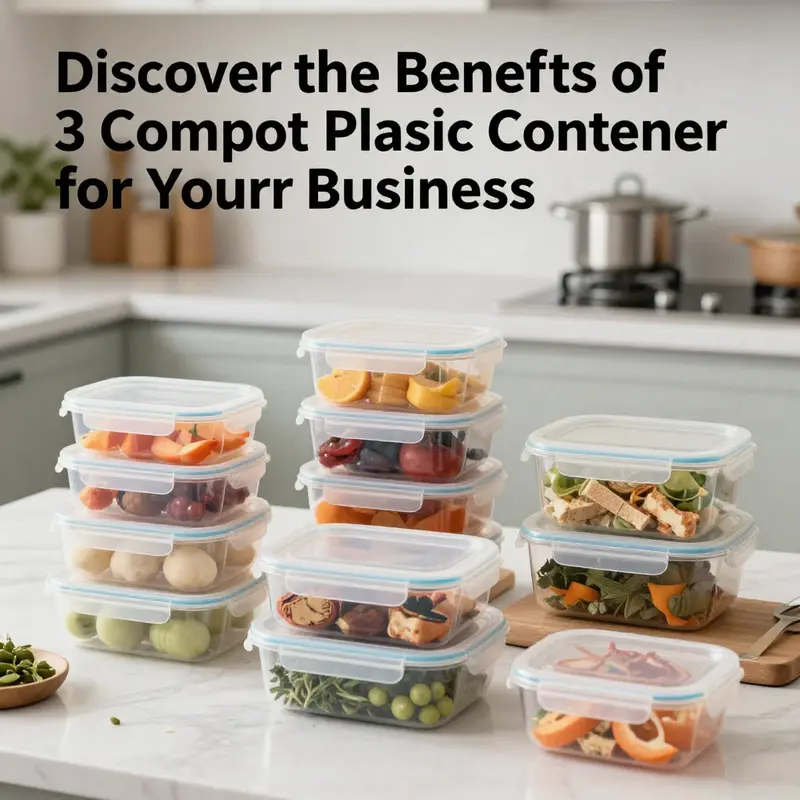
In today’s dynamic culinary landscape, efficient food packaging is more crucial than ever. The 3 compartment plastic food container stands out as a practical solution for businesses ranging from bubble tea shops to catering services. This article delves into the core features that make these containers a favorite among restaurateurs. Building on essential product characteristics, we’ll dissect the materials that ensure safety and usability, introduce key suppliers to streamline your procurement process, and identify market trends that are shaping the future of food packaging. Join us as we unwrap the myriad benefits of adopting 3 compartment containers for your flavorful offerings.
Three-Chamber Plastic Food Containers: Designing for Flavor, Safety, and Everyday Convenience
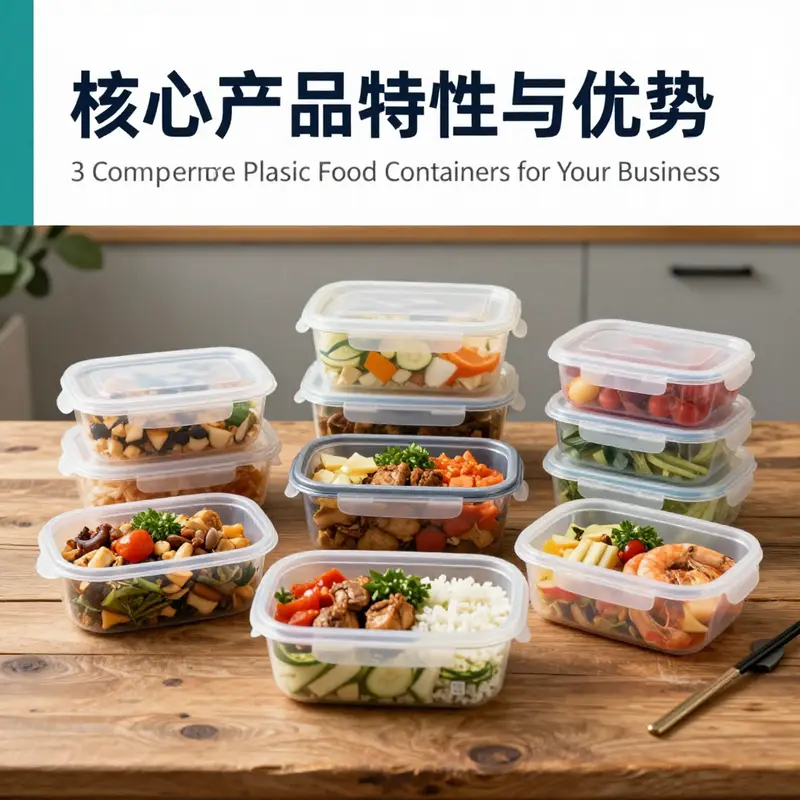
A three-compartment design tends to feel like a small architectural feat within the kitchen of daily life. It is not merely a container; it is a system that recognizes how people eat, how they plan meals, and how packaging can gently guide healthier choices without turning convenience into a compromise. The core logic of these containers rests on a thoughtful division of space. Each of the three compartments acts as a dedicated zone for distinct components of a meal—starch, vegetables, and protein—so flavors do not mingle in unintended ways and textures stay true to their nature. As a result, the overall dining experience remains coherent from the first bite to the last, whether the meal is packed for a commute, a desk side lunch, or an outdoor adventure. In this sense, the 3-compartment format embodies a practical philosophy: structure can enable spontaneity by making balanced choices effortless rather than burdensome. The design invites users to plan meals with intention, to portion with precision, and to enjoy meals that feel complete in every respect. It is a small but potent statement about modern eating, one that aligns with broader trends toward meal prep and healthier, more organized daily routines without demanding exotic preparation or fragile vessels to achieve it.
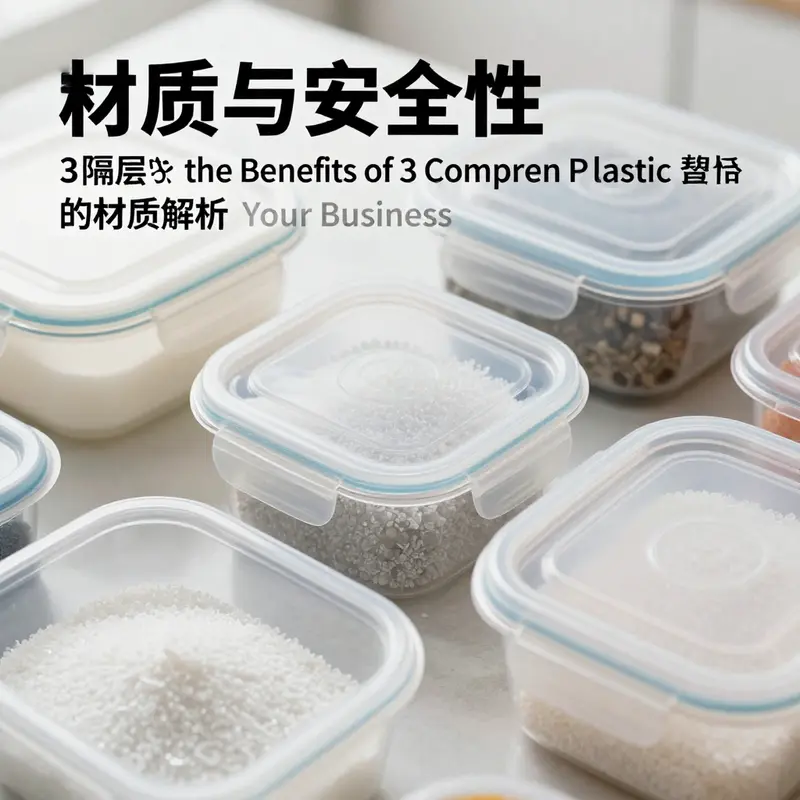
At the heart of these containers lies a set of material choices that balance performance with safety. The prevailing options are polypropylene (PP) and co-polyester (CPET), each selected for specific advantages. PP is widely favored for its heat tolerance and microwave compatibility. It accepts moderate to high temperatures without deforming, which makes reheating straightforward for many meals. CPET, with its crystalline structure, tends to offer enhanced heat resistance and clarity, qualities that can support more demanding reheating cycles while preserving the integrity of the seal and the separation between compartments. In practical terms, this means a user can warm a dish with confidence, without worrying about leaching or odor transfer crossing from one chamber to another. Across the supply chain, this reliability is often reinforced by certifications that reassure buyers and regulators alike: FDA, CE/EU, and comparable food-safety benchmarks. When a product clearly states its compliance, the buyer gains a measure of assurance that the container was designed with dietary safety in mind and manufactured to consistent standards.
Beyond heat tolerance, the design emphasizes a leak-resistant experience. A well-engineered lid—paired with gaskets and robust sealing geometry—minimizes the risk of spillage during transport. This matters not only for home use but for commuting, school meals, and travel where the container’s integrity can be the difference between a meal that is enjoyable and one that creates a mess. The triple-chamber layout also contributes to a more secure transport experience. When the compartments are properly sealed, liquid and sauces stay put, and the risk of cross-contamination is reduced. This is particularly important for portions that combine moist components with items that release steam or moisture, where an average flat, single-compartment box might struggle to maintain cleanliness over a period of hours. The practical outcomes are visible in daily routines: fewer leaks on the bag, fewer spoiled lunches, and less stubborn washing tasks at the end of the day.
In terms of adaptability, these containers are designed for a broad spectrum of environments. They are equally at home in a kitchen drawer, a school cafeteria, or a courier bag. Their form factor is compatible with standard microwaves, freezers, and dishwashers in many cases, enabling a seamless bridge from cold storage to hot serving. This compatibility is not simply about convenience; it also reflects a conscious effort to reduce waste by supporting reusable use patterns. The three-chamber configuration makes meal-prep more efficient by enabling pre-portioned meals to be prepared in bulk while maintaining the individual identities of each component. A well-balanced lunch can be assembled at the start of the week and heated quickly when time is scarce, without accidental mixing or compromised texture. The potential for everyday optimization is substantial: less time spent on repackaging, less risk of spoilage, and more predictable portions that align with dietary goals.
As awareness of safety and sustainability grows, the market has begun to expand the material palette beyond traditional plastics. While PP and CPET remain dominant for microwavable and durable use, there is also growing interest in sustainable substitutes that address environmental concerns. Sugarcane bagasse, for example, has emerged as a biodegradable or compostable option in certain segments of the catering and packaging world. For buyers, this convergence of materials means choices can be aligned with broader corporate and consumer values. The shift toward greener packaging does not happen in isolation; it influences supplier behavior, manufacturing processes, and the consumer’s perception of a brand’s responsibility. Even when the three compartments continue to be manufactured from durable plastics, the packaging ecosystem as a whole benefits from the inclusion of recyclable, compostable, or responsibly sourced materials wherever feasible. In practice, this means that tiered packaging solutions now offer not only functional benefits but also clearer pathways toward sustainability objectives. For a business aiming to meet evolving regulatory and consumer expectations, this narrative of material variety becomes a strategic consideration as much as a design preference.
When it comes to procurement, the landscape is shaped by a few reliable factors. First, the availability of appropriate certifications is a non-negotiable criterion. Buyers look for products that bear credible endorsements from food-safety authorities and regional regulatory bodies. FDA, CE, and EU certifications are frequently cited as markers of rigorous testing and quality control. These credentials provide a common language across suppliers and buyers, enabling faster, more confident decisions when scaling up orders. Second, the functional clarity of the product feeds into decision-making. For some operations, microwavable performance is essential; for others, long-term storage or freezer tolerance takes precedence. The triple-chamber design must be accompanied by explicit data on temperature range, sealing reliability, and compatibility with existing appliances. Third, the practical step of testing is widely recognized as prudent. Vendors commonly offer low-cost samples to prospective purchasers, allowing hands-on evaluation of sealing integrity, ease of use, and actual performance under anticipated conditions. A handful of dollars spent on samples can prevent costly missteps in bulk procurement and ensure that the chosen design will truly meet the intended applications. This sampling mindset aligns with a broader principle in packaging acquisition: verify before committing to mass production, because the delta between claimed performance and real-world use can be substantial.
Creating value in this space also means recognizing the different contexts in which three-chamber containers function. In the takeout market, the emphasis is on robust spill resistance and clean handling. A well-sealed lid that remains secure through a busy delivery cycle translates into a better customer experience and lower return or complaint rates. In the workplace and school environments, the challenge often centers on ease of cleaning and dishwasher compatibility, which reduces the long-term cost of ownership for institutions and households alike. For outdoor activities or travel, the containers must balance durability with weight, stackability, and straightforward opening—factors that collectively influence user satisfaction. In all these scenarios, the three-chamber format acts as a thought-through solution rather than a convenient afterthought. It provides structured division without requiring extra steps such as using separate containers for different food items, and that simplification often translates into real-world time savings and improved adherence to dietary plans.
In this narrative of practicality and safety, branding and communication also play subtle roles. Consumers today are increasingly drawn to packaging that communicates clearly about its safety credentials and reuse potential. Labels that highlight BPA-free status, heat tolerance, and recyclability resonate with shoppers who want to make responsible choices without compromising on convenience. The message is not merely about what the container can do; it is about what it signifies — a commitment to health, a pledge to minimize waste, and a reliable partner in everyday nutrition. While specific product names may appear in catalog pages and online listings, the underlying value proposition remains anchored in a few universally resonant themes: separation without compromise, dependable performance across the meal lifecycle, and a design approach that respects both the meal and the person who prepares it.
For readers who are weighing the best path forward in sourcing these containers, a practical takeaway emerges. Prioritize a supplier that can demonstrate comprehensive certifications, provide transparent material specifications, and offer reliable sample programs. Evaluate not only the container’s immediate function but also its compatibility with everyday routines, from freezing to microwaving to washing. The triple-chamber arrangement, with its promise of organized meals and flavor integrity, is more than a clever packaging trick. It is a tangible facilitator of healthier eating habits and streamlined food-assembly workflows. In a market where demand for safe, efficient, and sustainable packaging continues to rise, this design remains a robust, adaptable solution that can fit a wide array of business and personal contexts. The broader narrative is one of packaging doing more with less—more organization, more safety, more convenience—without demanding sacrifices in taste, texture, or environmental responsibility.
To anchor this discussion in concrete options while keeping the language focused on the chapter’s broader themes, it is useful to consider how a real-world supplier ecosystem supports these objectives. For instance, some manufacturers offer mid-sized three-compartment boxes with customization options for color and dimensions, providing scalability for different volumes of orders. In parallel, others position themselves as fast-turnaround suppliers, capable of delivering large batches with short lead times, which is essential for restaurants and catering operations managing fluctuating demand. The common thread across these scenarios is a shared emphasis on verified safety, predictable performance, and efficient distribution. The three compartments are not a luxury feature; they are a practical interface that aligns with how people plan meals, how kitchens operate, and how retailers present convenient, trustworthy options to their customers. This synergy between design, material science, and supply-chain execution is what makes the three-chamber plastic container a durable fixture in modern food packaging, capable of supporting healthier eating patterns while keeping pace with the demands of busy lives.
Internal reference for further exploration is provided to illustrate how related packaging categories can complement the three-chamber approach in real-world settings: disposable-700ml-kraft-paper-bowl-take-out-octagonal-rectangle-paper-bowl.
As the conversation moves forward, the focus shifts from the practicalities of a single container design to how these choices ripple through procurement decisions, sustainability targets, and consumer expectations. The next chapter will examine how market trends shape supplier selection and how to balance cost, performance, and environmental considerations when building a portfolio of packaging solutions for diverse food-service needs. In the meantime, the three-compartment model remains a compact yet robust framework for organizing meals, safeguarding flavor, and supporting a more intentional, less wasteful approach to everyday eating. The result is not simply a container that holds food; it is a thoughtfully engineered partner in the daily act of nourishing oneself and others, with the capacity to adapt as tastes evolve and as the packaging landscape continues to respond to safety and sustainability imperatives.
External resource: For further context on related packaging dynamics and consumer safety considerations, see the external resource linked here: Amazon listing.
Material Realities and Safety Implications in 3-Compartment Plastic Containers: PVC, Hazards, and Safer Pathways
In the realm of practical food packaging, the appeal of a three-compartment tray is undeniable. It offers a straightforward way to separate staples, vegetables, and proteins without flavor transfer, while supporting meal prep, takeout, and convenient home dining. Yet beneath the everyday practicality lies a quieter set of concerns about the material that forms the container’s backbone. The number molded into the bottom, often accompanied by a triangular recycling symbol, may appear to be just a recycling code. In many discussions about three-compartment plastic containers, there is a recurring clarification that the digit “3” corresponds to a specific plastic type. According to the detailed material interpretation provided in the investigated materials, the numeral three in the emblem is associated with Polyvinyl Chloride, commonly known as PVC. This seemingly technical mapping has practical consequences for consumer safety, product design, and procurement choices, especially when the same container is intended for contact with a variety of foods that differ in temperature, fat content, and moisture. The significance of PVC in this context is not just about what the plastic can do, but what it should not do when it sits in proximity to heat, oil, and evolving aromas that characterize a well-composed meal.
PVC, as a material, is recognized for its strength, rigidity, and processability. It can be extruded or molded into precise shapes, including multi-compartment formats, with good clarity and relatively low cost. These attributes explain why PVC has historically found uses in numerous applications beyond food packaging. However, the same properties that make PVC versatile also introduce distinct risks when the material encounters the very conditions it would meet during typical use in food service. The most consequential concerns relate to residual substances that can migrate from the container into food, especially under conditions of heat and oil-rich content. Vinyl chloride monomer (VCM), a known residual from PVC production, is classified by major international health authorities as a carcinogen with proven hazards when exposure is sustained. In addition, the plasticizers—often chosen to impart softness and resilience to PVC—may migrate under heat or with fats. These additives, such as certain phthalates, have been implicated in endocrine-disrupting effects in various toxicology assessments, raising questions about long-term health implications for regular use with hot liquids or greasy foods. Taken together, these factors imply a precautionary stance: PVC is not an inherently food-safe material for direct contact in many modern regulatory environments, particularly when heating or high-fat content is involved.
The practical implications for a three-compartment design are nuanced but important. The partitioned layout itself is a logical solution for keeping flavors distinct and preventing cross-contamination between different meal components. In many markets, however, the use of PVC for food contact is constrained by regulatory guidance, consumer safety expectations, and a growing emphasis on non-toxic packaging. When a container bears the 3 designation, it should prompt buyers and kitchen managers to scrutinize the type of plastic and its compatibility with their intended use. For meals that are served hot or that involve oil-rich ingredients, the risk profile shifts even more toward migration and potential degradation of the container’s integrity. PVC cannot be relied upon to maintain stability in high-temperature conditions, and the breakdown products it may release when heated or stressed are a critical consideration for health and compliance. This is not a blanket condemnation of all PVC applications, but rather a call for clear labeling, rigorous testing, and prudent usage guidelines that distinguish short-term consumption from longer-term storage or reheating scenarios.
In contrast to the concerns associated with PVC, many modern three-compartment designs favor materials with well-established food safety records and higher heat tolerance. Polypropylene (PP), often designated as “5” in the resin identification code, is widely recognized for its favorable balance of toughness, rigidity, and chemical resistance. PP can tolerate typical microwaving temperatures, which aligns with the reality that many takeout and meal-prep containers are intended to be reheated in household appliances. The CPET family—crystal clear, heat-resistant co-polyesters—offers another robust option for containers designed to withstand microwave heating and freezing alike. The presence of PFAS-free coatings and certified food-grade status in PP and CPET variants contributes to a confidence that migration levels are consistently controlled for a broad range of foods. In practice, these materials provide a design space where sealing mechanisms, lid integrity, and multi-compartment geometry can be engineered to deliver reliable performance without sacrificing safety. The overarching message is not a universal switch away from PVC, but rather an informed material choice where the end-use scenario—heat exposure, fat content, storage duration, and consumer handling—guides the selection.
For buyers weighing the economics and reliability of three-compartment containers, material selection is only one axis of risk assessment. Certification and provenance matter just as much as the raw material. A container that carries recognized food-safety credentials, such as validation from regulatory bodies or conformity with recognized international standards, offers a more predictable safety profile. Transparency about the material composition, heating guidelines, and suitability for freezing is essential. In this context, the trade-off between cost and safety often tilts toward PP or CPET when the product is intended for hot foods or repeated use in reheating cycles. The decision matrix becomes clearer when suppliers provide explicit statements about heat tolerance, chemical migration limits, and the absence of controversial additives. A responsible supplier will also offer data on the container’s performance during simulated meal-service conditions, including exposure to fats, acidic foods, and repeated cycles of freezing and thawing.
Alongside thermal performance, an emergent dimension of the three-compartment equation is sustainability. Markets are increasingly demanding packaging solutions that align with environmental stewardship without compromising safety. Conventional plastics persist in the market due to their familiar performance characteristics and established supply chains, but environmental concerns push both manufacturers and purchasers to explore alternatives. Sugarcane bagasse-based materials and other bio-based or compostable options have started to carve out a niche in the broader landscape of disposable packaging. These alternatives aim to reduce the environmental footprint and respond to consumer expectations for greener packaging. Yet, the shift toward greener solutions also prompts careful consideration of barrier properties, heat tolerance, and the practical demands of food service workflows. In a three-compartment format, where portions and sauces may require different heating and storage profiles, the migration risk from the container and the overall integrity of the packaging become even more salient when the aim is to preserve flavors and textures without compromising safety.
Given these considerations, procurement decisions should be anchored in a structured set of criteria that go beyond the sticker price. First, verify that the product carries robust certifications from reputable authorities—preferably including food-contact safety validations from recognized agencies. Second, assess the material’s functional fit with the intended use case. If the plan includes microwave reheating or long-term freezing, prioritize PP or CPET with clearly defined temperature envelopes and migration behavior. Third, leverage samples to test real-world performance before committing to large orders. The availability of affordable samples—sometimes as low as a few cents per piece—provides a practical way to evaluate sealing performance, seal integrity, and resistance to deformation under heat. Such testing helps ensure that the multi-compartment design actually delivers the intended separation and that the container remains structurally sound through typical service life. Finally, consider the broader packaging ecosystem, including sustainability initiatives. While PVC’s potential hazards counsel caution, greener formulations and compostable or bio-based alternatives are increasingly available. For teams seeking a transition pathway that reduces environmental impact without compromising safety, the literature and supplier networks now offer viable options that can be integrated with existing operational workflows.
To illustrate the availability of greener pathways within the broader packaging landscape, consider the growing emphasis on biodegradability and compostability in take-away packaging. For teams exploring these paths, there are offerings framed around biodegradable and eco-friendly options such as kraft-paper bowls for takeaway use. See an example here: biodegradable-eco-friendly-take-away-odm-oem-round-kraft-paper-bowl. This reference underscores that the conversation about safety and performance is increasingly intertwined with a desire to minimize environmental impact. It is not a direct substitute for a three-compartment plastic tray, but it signals a direction in which food-service packaging is moving—toward structures that can deliver reliable performance while aligning with sustainability goals. The choice between a PVC-labeled three-compartment tray and a greener paper-based or bio-based alternative will hinge on the specific meal scenario, the reheating or storage requirements, and the regulatory frame within which the operation functions.
The tension between safety, functionality, and sustainability is not merely a theoretical exercise. It is a practical, day-to-day calculation that food-service managers, product developers, and procurement officers must perform. In the current market, where consumer scrutiny about food safety is high and environmental expectations are rising, making an informed material choice for a three-compartment container means considering the full lifecycle of the packaging. It involves understanding how the label corresponding to the number three on the bottom of the container translates into real-world safety, how that safety aligns with the way the product is used, and how alternative materials may enable safer and more sustainable service without sacrificing the essential advantages of the three-compartment configuration. The narrative is not that PVC is universally unacceptable, but that its potential health risks require a conservative approach to its use in food contact applications. By contrast, PP and CPET provide a more predictable safety profile for hot foods and reheating requirements, while the shift toward bio-based or recyclable alternatives marks a continuing evolution in the packaging ecosystem. As the field advances, the best practice becomes one of deliberate material selection, supported by solid certification, meaningful testing, and clear communication with suppliers and end-users.
External resource: For regulatory and safety context from a national authority, see the guidance provided by the national pharmacovigilance and regulation authorities, which offers a framework for understanding food-contact materials and their risk profiles: https://www.nmpa.gov.cn/zhengce/yjjd/20240927161508122.html.
Three Compartments, Global Chains: Tracing the Supply Web Behind Modern Plastic Food Containers
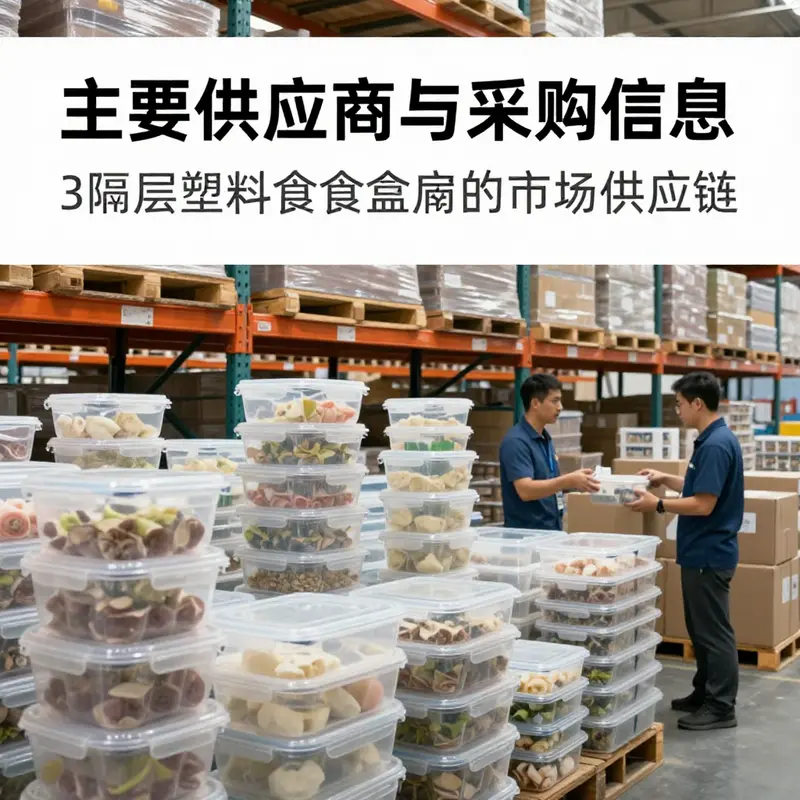
The three-compartment plastic food container is more than a simple vessel for meals; it is an engineered decision made at the intersection of taste preservation, safety assurance, and supply-chain discipline. The three distinct compartments allow diners to keep components separate—think starch, vegetables, and protein—so flavors do not mingle and textures remain intact. In practice, this seemingly modest design drives a cascade of operational choices for manufacturers, distributors, and buyers alike. When a restaurant, a catering service, or a consumer uses these containers, they tap into a carefully calibrated system that balances material science, regulatory compliance, and scalable production. The modern market is not driven by luxury features but by reliability, safety, and the capacity to adapt to demand surges, from lunch rushes to holiday catering.
From a material science perspective, two polymer families dominate the field: polypropylene (PP) and co-polyester (CPET). These materials are not chosen for aesthetics alone; they are selected for predictable performance under heat and cold. PP-based containers are favored for microwavability, a critical feature for many take-out and meal-prep scenarios. CPET, being a crystalline form of polyethylene terephthalate, provides excellent thermal resistance, enabling safe reheating or storage at a wider range of temperatures. The value proposition extends beyond heat tolerance. In markets where consumer trust is paramount, the presence of recognized certifications—such as FDA recognition for food contact and CE/EU compliance—becomes a tangible signal of safety. Industry literature highlights that the most credible products carry clear labeling like “microwave-safe,” “freezer-safe,” and “food-contact compliant,” which translates into smoother procurement cycles and lower risk for end users. These certifications do not appear in isolation; they are backed by rigorous quality-management ecosystems. The best-in-class suppliers often operate under ISO 9001 for quality, ISO 14001 for environmental management, and ISO 45001 for occupational health and safety, creating a comprehensive framework from material sourcing to finished packaging.
Alongside safety and performance, the market today places a heavy emphasis on sustainability. The 3-compartment format is finding itself under pressure to align with greener packaging narratives. Traditional plastics remain central to most supply chains due to cost, clarity, and speed, but more manufacturers are exploring biobased or compostable alternatives such as bagasse-based options derived from sugarcane residues. For buyers, sustainability is not a niche concern; it influences supplier selection, branding, and even logistics, since greener packaging choices can affect waste streams, recycling compatibility, and end-of-life handling. In practice, this means that a modern procurement decision often weighs a three-way equation: performance in the three compartments, regulatory compliance, and the environmental footprint of the chosen plastic system.
The supply chain for these containers is dominated by a triad of organizational archetypes: scale-driven manufacturers with deep process control, specialized hot-formed or injection-molded producers with design prowess, and multi-vendor marketplaces that connect buyers to a broad spectrum of options. The first category features manufacturers with substantial annual output and robust distribution networks. They can match large orders with confident lead times and predictable quality under strain. The second category emphasizes structural innovations—such as improved sealing architectures and leak-proof designs—that address real-world use cases like transport and stacking. The third category leverages digital marketplaces to offer a wide range of materials, sizes, and customization, often at lower minimum order quantities. Each category brings its own advantages and constraints, and the optimal mix for a given buyer often depends on volume, desired customization, and time-to-market considerations.
Within this ecosystem, the idea of reliability through testing and certification is paramount. A leading producer with a documented focus on quality control typically showcases a triple layer of assurance: adherence to national safety standards, rigorous internal testing, and resilient supply agreements. For instance, containers that undergo a sealed-stress test, a three-point leak check, and drop tests from substantial heights can offer confidence to brands that depend on consistent performance from batch to batch. The GB4806.7-2016 standard in China, which governs food-contact materials, is one such benchmark that buyers frequently mention when evaluating suppliers. Complementary certifications—like ISO 9001 for quality management, ISO 14001 for environmental stewardship, and ISO 45001 for health and safety—signal an integrated approach to risk management across design, manufacturing, and logistics. In markets where distribution networks span multiple regions, such certifications translate into smoother cross-border procurement, fewer compliance hiccups, and clearer due-diligence trails during supplier audits.
Within the procurement landscape, a few core supplier archetypes emerge as especially influential. First, the large-scale producer with multiple production bases and an expansive distribution footprint tends to dominate capacity and delivery reliability. Such a company can claim annual output in the tens of millions of units, enabling buyers to place bulk orders with confidence in on-time fulfillment. The second archetype is the innovator—an entity that excels in thermoforming or advanced molding techniques and is able to deliver specialized features, such as enhanced sealing pressure or unique stack-friendly geometries. These suppliers often serve as the go-to partners for brands seeking to differentiate through design or performance. Third, the marketplace layer—where buyers and a broad range of suppliers connect—offers a spectrum of options, from cost-optimized disposables to more durable, reusable models. The trade-offs here revolve around minimum order quantities, lead times, and the alignment of the supplier’s capabilities with the brand’s quality and environmental objectives.
The strategic implications of this supply chain are clear. For buyers, selecting the right partner involves a careful balance of scale, customization capacity, and certification coverage. A large manufacturer can accommodate high-volume orders with consistent quality, making it a dependable backbone for cafeteria chains, airlines, and large event organizers. Yet for smaller brands or pilot programs, smaller or mid-sized suppliers—and even marketplace vendors—offer the possibility of testing new designs or different price tiers with lower risk. The procurement process is not merely transactional; it is a collaborative exercise that may involve co-development of tooling, material substitutions for sustainability goals, and joint-quality improvement programs. In many cases, the ability to obtain samples at a nominal cost—sometimes as low as a few cents per unit—facilitates fast, real-world validation of sealing performance, ease of use, and durability. This sampling step helps translate specifications on paper into tangible performance, which is essential for products destined for take-out, meal prep, or catering applications.
Within this narrative, the role of packaging variety cannot be understated. Modern buyers often blend three or four different packaging formats to address varied use cases: standard three-compartment disposables for quick-service take-out, enhanced models with tamper-evident elements for higher-end vendors, sealed variants for travel-friendly meals, and, increasingly, recyclable or compostable lines that align with environmental commitments. The market segmentation behind these choices is driven by price sensitivity, performance requirements, and corporate sustainability pledges. The stark contrast between disposable and reusable formats also informs the lifecycle economics of a packaging program. While disposables provide convenience and speed, reusables introduce a longer-term cost narrative that factors in durability, cleaning regimes, and lifecycle emissions. Forward-looking buyers often design programs with both formats in mind, aligning each with the appropriate customer segment and meal scenario.
To illustrate how these dynamics play out in practice, consider the procurement pathway for a mid-sized food-service operation. The organization might begin with a high-capacity supplier that can fulfill bulk orders and provide consistent, standardized three-compartment designs in a few core sizes. This baseline ensures reliability during peak periods and supports brand uniformity across locations. At the same time, the operation may engage a heat-forming specialist to develop a complementary line with specific leak-prevention features or a faster-dispense lid. The third leg of the strategy could involve a marketplace partner that offers trial runs of smaller lots, enabling the brand to experiment with new shapes, lid designs, or colorways without a heavy upfront commitment. The end effect is a packaging ecosystem that is adaptable, scalable, and capable of maintaining food safety while delivering on taste and presentation.
In this context, the concept of a “three-compartment” container becomes a case study in how design, materials, and supply chains intersect to support modern food service. The simplest configurations rely on robust sealing and heat resistance to protect meal integrity from kitchen to consumer. Yet the most effective programs also account for the regulatory landscape, the environmental trajectory of packaging, and the economics of volume. When buyers factor in certifications, sample-testing opportunities, and customization capabilities, they create a purchasing profile that can weather regulatory changes, supply disruptions, and evolving consumer expectations. The result is not just a box for food; it is a designed system that sustains safety, preserves flavor, and supports responsible sourcing across the life cycle of the meal.
For readers seeking more context on how the packaging market is navigating these complexities, a representative resource on food-contact materials provides broad guidance on how authorities view safety, labeling, and compliance in the broader ecosystem. See FDA’s overview of food-contact materials for reference. And for a sense of how packaging content can be framed visually and structurally in related categories, consider exploring a representative example of packaging content in a relevant online catalog, such as the disposable octagonal box restaurant food kraft paper packaging page. This internal resource offers tangible illustrations of how packaging formats are marketed and perceived by buyers, even as the underlying science and certifications remain central to safety and performance. https://www.fda.gov/food/food-contact-materials
(disposable octagonal box restaurant food kraft paper packaging)
External reference: https://www.fda.gov/food/food-contact-materials
趋势驱动下的3隔层塑料食品容器:在环保、智能与轻量化之间的未来之路
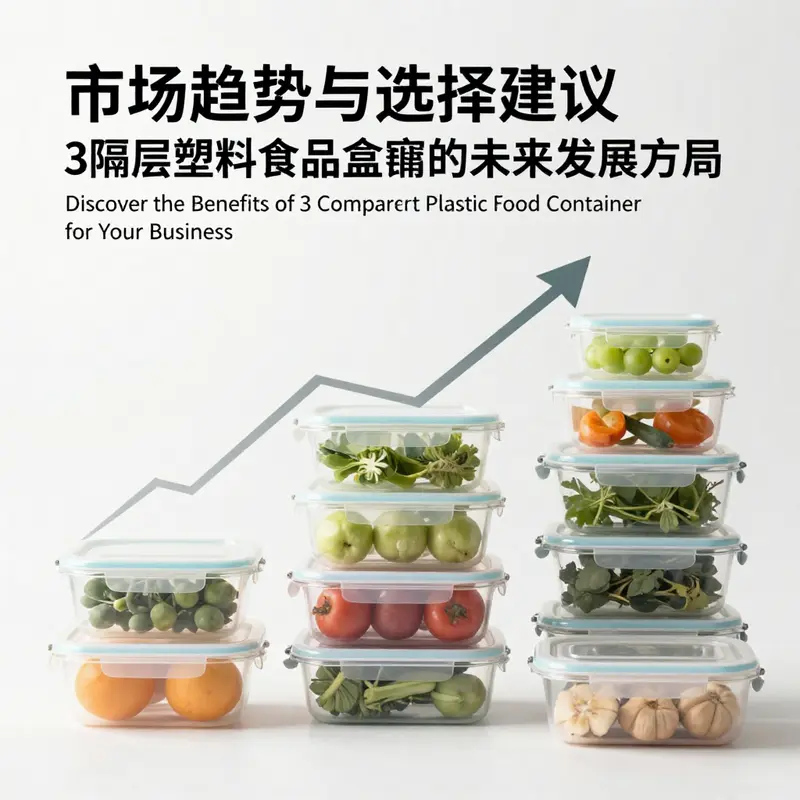
3隔层塑料食品容器长期以来是现代餐饮与便捷生活的核心工具,其三格设计在外卖、学校与工作场景中发挥着稳定的功能性作用:有效分隔主食、蔬菜与肉类,确保风味互不干扰,并便于按份控制与组合搭配。然而,进入新时期,消费者对食品安全、回收便利性与整体环境影响的关注愈发深刻,促使这一细分领域的创新从单一的便利性转向与环境责任、材料科学和智能设计深度绑定的综合性提升。未来的发展轨迹,将在可持续性、功能集成与供应链协同三大维度上展开,并以更清晰的生命周期目标来整合设计、制造和市场需求。与此同时,尽管塑料容器在成本与耐用性方面仍具优势,行业正在以更高的标准评估替代材料与回收路径,力求在保持用户体验的前提下实现绿色转型。为此,研究与行业实践都强调,优先选择具备权威食品安全认证、清晰回收渠道和明确耐用性指标的产品,同时在设计阶段就落实现代包装应具备的易回收性与可持续性。与此相呼应的一点是,环保材料的应用并非简单的替换,而是以“单一聚合物全系、可堆肥认证或高生物基含量”的策略为导向,从而最大限度降低回收难度与分离成本,并提升在不同市场法规中的适配性。若将目光投向材料与工艺的交叉创新,薄壁注塑、发泡技术及多层共挤结构等工艺路径将成为降低重量、提高阻隔性与保持强度的关键手段。通过减重与优化封装结构,3隔层容器不仅能降低运输与原材料成本,还能在冷藏、冷冻甚至微波加热等场景中提供更稳定的性能表现。\n\n在功能设计方面,未来的3隔层容器将继续扩展“分区之外的价值”——通过精准温控、密封与模块化组合来提升使用体验。材料配方的优化能够实现微波加热时热量分布更均匀,减少热点区域,同时保持较好的隔热与耐热性能,避免对食品风味的额外影响。更重要的是,防漏密封是提高便携性的核心,要通过自锁式盖子、硅胶密封圈等技术,确保在运输或外卖配送中不会发生渗漏,特别是对于带汤汁或酱料的组合餐。模块化的隔板与可互换的容器模块,将使消费者可以按个人口味与日常饮食习惯进行灵活组合,真正把“定制化用餐”从概念变成日常现实。\n\n与此同时,轻量化与高阻隔性需要在设计与材料之间实现更精妙的平衡。减少单位体积所需的材料,是降低环境足迹的直接路径;这要求在不牺牲强度与耐久性的前提下,采用薄壁结构、蜂窝支撑或轻量化填充材料等新型注塑工艺。高阻隔性同样不可忽视,尤其在食品新鲜度与保质期方面,不让氧气、水蒸气和异味穿透容器,是提升用户体验的关键。未来的多层共挤结构、纳米涂层技术与更精细的界面设计将成为实现这一目标的有效手段,使容器既轻便又具备优异的保鲜与风味保持能力。\n\n数字化与品牌价值的融合,也将把包装从“承载工具”转变为“沟通媒介”。在电商和外卖场景中,容器表面越来越多地承载二维码、可追溯信息、个性化图案乃至增强现实互动,帮助品牌传递故事、提供使用指南并增强消费者粘性。包装不再只是收纳物,而成为品牌与消费者对话的一部分。通过这些数字元素,企业可以更高效地收集使用数据、优化再购买路径,并在激烈的市场竞争中建立差异化优势。\n\n在采购与质量控制方面,本文强调认证与实际使用场景的匹配。对于从事大批量采购的企业,优先关注具备FDA、CE/EU等权威认证的材料与制品,并核验其在微波、冷冻、耐高温等具体场景中的适用范围。供应链的现实性也要求对样品进行充分测试,低价样品(如0.01美元/件级别)是快速验证封口密封性、耐用性与实际使用体验的有效途径。只有在实际测试中确认无可见渗漏、良好密封和耐久性时,才应进入大规模采购,以避免后续的退换货和成本风险。\n\n在对替代材料的关注上,纸基与生物基包装的增长势头越来越明显。虽说塑料在成本与功能性方面仍具优势,但可降解、可堆肥与易回收的选项正逐步进入餐饮业的采购决策链。对容量较小的3隔层餐盒,轻量化且易于回收的纸质或生物基替代材料具有一定吸引力。对这一趋势的理解不仅有助于降低总体环境负担,也有助于企业在可能收紧的法规环境中保持合规性与市场竞争力。关于“可堆肥纸质餐盒”等案例,是理解全生命周期设计如何影响采购决策的有效窗口。请参阅该类型产品页面以获取关于材料分离、回收路径与实际使用体验的直观信息。\n\n在总结层面,未来的3隔层塑料食品容器将以四个维度的协同进化来实现突破:环保材料的深入应用、智能化功能与界面设计、轻量化结构与高阻隔性的综合优化,以及品牌叙事与数字化营销的深度融合。只有真正把材料科学、制造工艺、法规合规与消费者体验绑定在一起来思考,企业才能在多变的市场中找到长期发展的一致性与韧性。对于采购与设计团队而言,这意味着在初期就建立清晰的目标:选择易回收、耐用且符合法规的材料,配合可定制化的模块化设计,最终通过数字化元素提升品牌价值与用户黏性。\n\n在进一步探索的过程中,市场也在持续给出信号。对比传统塑料餐盒的价格与性能,环保与可持续包装的议题正成为行业共识的核心驱动。要把握这一趋势,需在材料选择、回收体系对接、供应商评估以及测试流程等方面建立一整套标准化流程。内部团队可以通过对比不同材料在自家菜品与餐点中的表现,结合样品测试、法规核验与成本控制,形成一个面向未来的采购与设计框架。对于关注替代材料的企业来说,理解生命周期成本以及生态足迹,是将“绿包装”转化为商业竞争力的关键。\n\n外部参考与进一步阅读可参照权威分析以获得宏观行业视角;如有需要,可通过本章末尾的外部资源链接获取更系统的行业趋势研究。 同时,为了帮助读者了解在不同场景下的材料选择与设计实践,特别推荐关注可堆肥纸质餐盒等具体案例页面,以洞察从材料选型到产品实现的完整链路。可堆肥纸质餐盒页面作为一个生动的参照,帮助读者理解全生命周期设计在采购决策中的直接应用。最终,行业的成功将来自于对环保材料、智能功能、轻量化设计和品牌价值四维度的持续投入与协同创新。\n\n外部参考资源: https://www.hbxin.com/industry/1159.html
Final thoughts
Understanding the multifaceted benefits of 3 compartment plastic food containers is essential for food service businesses aiming to enhance customer satisfaction and operational efficiency. As this packaging solution evolves with material innovations and growing environmental consciousness, it’s important to choose suppliers who prioritize safety, sustainability, and reliability. By investing in these containers, businesses can ensure decorated presentations of varied cuisine, maintain food safety, and appeal to eco-aware consumers. The future of your culinary offerings starts here.