
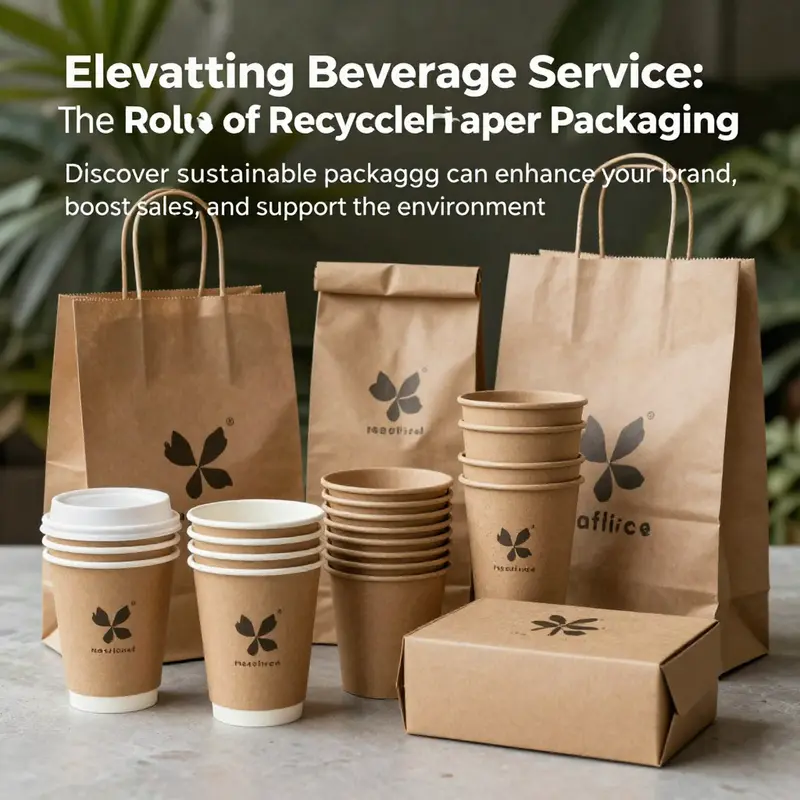
In today’s eco-conscious market, businesses within the food and beverage industry, such as bubble tea shops, restaurants, food trucks, and catering services, are increasingly seeking sustainable packaging solutions. Recycled kraft paper packaging offers a perfect balance of functionality and environmental responsibility. This article explores the importance of sustainable practices associated with recycled kraft paper packaging, its economic impact on businesses, innovative designs enhancing their functionality, consumer preferences shaping market trends, and essential regulatory considerations. Each chapter navigates the evolving landscape of packaging, providing actionable insights for industry stakeholders aiming to make a positive impact on both their brands and the planet.
Circular Craft: Advancing Sustainability Through Recycled Kraft Paper Packaging
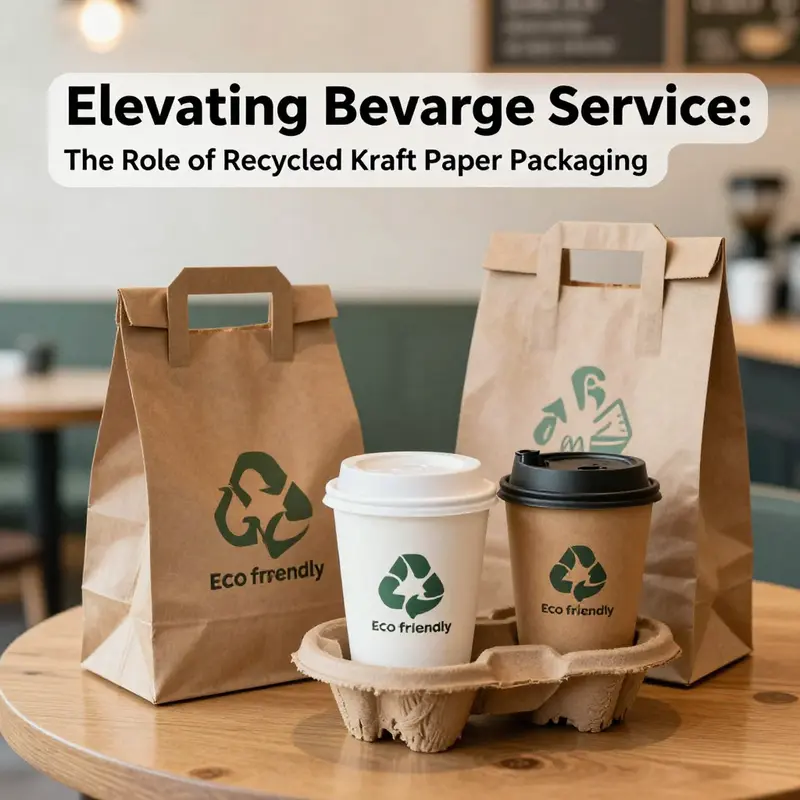
Sustainable practices in recycled kraft paper packaging are not a single innovation but a continuous refinement of how materials are sourced, fabricated, used, and recovered. At its core, recycled kraft paper is built from post-consumer waste and pre-consumer scrap, a design choice that directly reduces the demand for virgin wood pulp. When forests face growing pressures from demand, turning post-consumer fibers back into meaningful packaging becomes a practical pact between businesses and the planet. The environmental impact extends beyond forest conservation; it includes lower greenhouse gas emissions tied to the energy-intensive stages of pulp and paper production. By embracing a circular mindset, brands can transform packaging from a linear, disposable transaction into a material system that loops back into the economy. The natural, textured appearance of kraft also communicates a subtle promise: reliability and responsibility without sacrificing presentation. In food service, retail, electronics, and cosmetics alike, recycled kraft paper packaging is becoming a credible, durable choice that aligns with consumer expectations for environmental stewardship and brand ethics. This alignment is not merely aesthetic; it translates into measurable improvements in life-cycle performance and market resonance as we move through a world increasingly attentive to climate and resource use.
Advantage follows advantage when a company commits to recycled kraft paper. The most immediate benefit is resource efficiency. The manufacturing process typically consumes less energy and water than producing paper from virgin materials, partly because it leverages already-formed fibers. That conservation compounds over a supply chain that values lower operational footprints. Kraft fibers also contribute to biodegradability and recyclability, key components of a circular economy. When a package made from recycled kraft paper ends its initial life, it can re-enter the recycling stream or biodegrade as appropriate, reducing waste streams and supporting systems that value reuse over disposal. The material’s earthy tone and natural texture offer a biophilic appeal that resonates with consumers who want products that feel honest and purposeful. Importantly, the versatility of recycled kraft means it can be adapted to a spectrum of packaging needs—from sturdy corrugated boxes and protective sheets to lightweight bags and wrap. The combination of strength, recyclability, and a low environmental burden makes recycled kraft a practical choice for brands seeking to balance performance with responsibility.
Innovations in this space have often centered on balancing function with recyclability. A notable development is the use of coated recycled kraft paper for food packaging. For instance, coatings designed to resist grease and moisture enable safe takeout experiences while preserving recyclability. The frontier here is coatings and adhesives that work with the fiber system rather than against it. The aim is to maintain barrier properties necessary for food safety and product integrity without creating barriers to recycling streams. The industry is moving toward coatings and laminates that are separable or designed to be compatible with standard recycling processes. This evolution is critical, because one extra layer of complexity can tip a package from being curbside recyclable to needing specialized handling. In parallel, the inks and adhesives used on recycled kraft packaging are being reformulated to reduce contaminants and improve print quality without compromising end-of-life outcomes. These advances collectively enable brands to deliver enhanced consumer experiences—clear branding, legible information, and appealing aesthetics—while staying true to sustainability commitments. For a practical example of how these materials perform in takeout contexts, Disposable 700ml kraft paper bowl takeout.
A crucial, often overlooked, element of sustainable packaging is design for end-of-life. Three components deserve particular attention: minimal, non-toxic adhesives and inks; lightweight construction; and standardized dimensions. Non-toxic adhesives and inks are essential because they reduce chemical leaching risks and ensure that the entire package remains recyclable rather than contaminated by hazardous residues. Lightweight designs contribute to lower transportation emissions, a factor that grows in significance as supply chains stretch across continents. Standardized dimensions simplify sorting and handling in recycling facilities, improving the likelihood that materials can be recovered and reprocessed efficiently. These design principles are not abstractions but practical choices that affect the entire value chain—from factory floor to consumer doorstep, and onward to the recycling center. A seemingly small decision, like choosing a lighter-weight board or a standardized flap, can yield meaningful reductions in energy use and emissions across millions of units. The broader implication is clear: sustainable kraft packaging is not a niche category but a prime example of design for circularity that teams can apply across product lines and markets.
Market availability and transparency further shape how recycled kraft packaging fulfills its promise. Global suppliers now offer a broad spectrum of certified products—including corner guards, sheets, and boards—sourced from regions where established recycling streams and quality controls are in place. Certifications such as FSC or PEFC help buyers verify that the recycled content is genuinely traceable and responsibly managed. This transparency matters because it underpins credibility in sustainability claims and creates a foundation for rigorous supplier audits. The ability to source consistent, certified material at scale is essential for brands pursuing large-volume packaging programs. To illustrate cost dynamics, bulk orders can be highly competitive, with prices for certain items moving into a favorable range as volumes rise. Such economics encourage broader adoption of recycled kraft packaging, turning environmental responsibility into a strategic cost consideration rather than a ceremonial virtue. As the market broadens, standardized specifications, better data on supply chains, and clearer certification criteria will help firms compare options and foster genuine competition on sustainability performance, not just on price or appearance.
Even as supply grows, supplier transparency remains a defining factor for sustainability. Companies must choose partners who publish sourcing details and maintain verifiable certifications, ensuring the recycled content is genuinely integrated into production streams. This traceability supports credible claims about recyclability rates and forest stewardship. It also enables brands to respond quickly to sustainability audits or green marketing requirements without compromising on quality or availability. A transparent supply chain reduces risk and builds resilience—key attributes in a world where regulatory expectations and consumer scrutiny are both tightening. When suppliers openly disclose fiber sources, processing methods, and end-of-life outcomes, brands can design with confidence, knowing the packaging will perform as intended during use and collect properly afterward.
Technological progress plays a supporting, accelerating role in these developments. As demand for recycled kraft packaging grows, recycling technologies continue to improve, raising the quality and consistency of recovered fibers. Higher-quality fibers enable stronger paper grades, printing fidelity, and reliable performance in diverse environments—from humid storefronts to refrigerated displays. Innovations in lightweight laminates, barrier coatings, and printable surfaces are enabling more sophisticated packaging without sacrificing recyclability. Digital printing and smart labeling approaches are also entering the space, offering brand differentiation while maintaining an emphasis on recyclability and waste reduction. The evolving technology stack means recycled kraft packaging can match or exceed the performance of traditional materials in many applications, broadening its appeal to a wider range of industries and use cases.
In practical terms, embracing recycled kraft paper packaging represents a scalable step toward reducing environmental impact across supply chains. It aligns with consumer expectations for responsible business practices and supports corporate sustainability goals by lowering material footprints, enabling efficient end-of-life management, and reinforcing brand values through tangible packaging choices. The journey, however, is ongoing. It requires careful supplier selection, transparent sourcing practices, and a continued commitment to design that favors recyclability and low-impact production. As brands experiment with coatings, inks, and form factors, they can test and measure improvements in recyclability, emissions, and lifecycle costs. The result is not a single triumph but a sustained evolution toward packaging that performs with craft and care—delivering function, beauty, and responsibility in equal measure. For readers seeking a practical reference point on takeout packaging, the linked product page offers a glimpse into how one design aligns with these principles, while the broader literature confirms that such approaches, when scaled, can redefine industry standards. External resource: https://www.alibaba.com/product-detail/100-Recycled-Kraft-Paper-Corner-Guard-for_1600745892457.html?spm=a2700.189048.0.0.3d9b3c1eZJLwKj.
Economic Ripples: The Profit and Growth Case for Recycled Kraft Paper Packaging
The economics of recycled kraft paper packaging reveal a chain reaction that begins with raw materials and ends in brand perception, customer loyalty, and bottom-line profitability. In 2024, the global Recycled Natural Kraft Paper Bags Market stood at about USD 3.2 billion, a figure that underscores not just current demand but the momentum behind sustainable packaging as a strategic asset. This momentum is not a boutique preference; it is increasingly shaping procurement decisions, production scheduling, and investment priorities across industries. Companies that embrace recycled kraft packaging are aligning cost efficiency with responsible branding, a combination that resonates with both regulators and a rising class of purpose-driven consumers. The financial logic is visible across multiple layers of the value chain, from material inputs and manufacturing efficiency to distribution costs and market premium opportunities.
The drivers behind this growth are clear and interlocking. First, rising environmental regulations push organizations toward packaging solutions that reduce virgin fiber demand, lower energy intensity, and minimize waste streams. Compliance is no longer a one-time hurdle; it has become an ongoing cost of doing business that favors recyclable, compostable, or reusable options. Second, consumer preferences are tilting toward sustainability without sacrificing quality. Shoppers are increasingly willing to reward brands that demonstrate concrete environmental stewardship, translating into higher preference shares and, in some cases, willingness to pay a modest premium for eco-friendly packaging. Third, brand differentiation has evolved from a design flourish to a core competitive lever. In crowded markets, packaging that signals stewardship—through materials, finish, and recyclability—can cut through clutter and foster trust. The economic implication is that recycled kraft packaging is not merely a cost saver; it is a differentiator that can sustain demand across cycles of economic fluctuation.
Cost efficiency for manufacturers is a central channel through which these dynamics translate into real financial benefits. Recycled kraft fiber typically costs less than virgin fiber, providing a direct input cost advantage. Beyond the raw material bill, energy consumption in pulping, processing, and finishing tends to be lower when recycled content is higher, contributing to lower operating expenses and more predictable production costs. Waste disposal costs also fall as the packaging becomes easier to recycle and de-risk in circular economy flows. The combined effect is a more favorable cost of goods sold over time, which can improve gross margins, especially when production scales up or when supply chains cross regional boundaries with varying labor and utility costs.
Market applications illustrate how versatile this material is in practice. Recycled kraft paper is used for wrapping, bags, envelopes, and custom boxes—from everyday wrappers to premium gift sets. It supports aesthetic versatility, allowing brands to present a natural, earthy look that aligns with sustainability narratives. Luxury or specialty packaging, such as mooncake boxes or tiered gift sets, shows how recycled kraft can perform in premium contexts, provided the finish and structural integrity meet expectations. For food service, recyclable custom kraft paper package bags with die-cut handles have become a popular, biodegradable alternative to plastic bags, combining convenience with environmental responsibility. In electronics, cosmetics, and retail, kraft paper packaging with clear display windows or tailored internal dimensions demonstrates how sustainability and product visibility can coexist. These applications are not merely decorative; they influence packaging design decisions that affect product protection, consumer experience, and waste diversion rates at the end of life.
Production and supply dynamics further illuminate the economic picture. Lead times for recycled kraft products generally hover around 15–20 days after payment, a rhythm that supports just-in-time manufacturing and reduces finished goods inventories. Minimum order quantities can be as low as 2 tons, which opens this packaging option to small- and medium-sized enterprises as well as larger manufacturers. Such scalability matters because it lowers the barriers to adopting sustainable packaging across different business models and product lines. When a company can test a new packaging concept with a modest order and then ramp up if performance meets expectations, the risk-adjusted cost of transition decreases. In the same breath, bulk pricing can be compelling: reports of bulk units reaching as low as $0.0029 per piece highlight how unit economics shift with volume, enabling cost-conscious brands to pursue sustainable packaging without sacrificing price competitiveness.
The strategic value of recycled kraft packaging extends beyond immediate cost margins. As sustainability becomes embedded in supply chain strategy, companies that adopt these materials reduce their environmental footprint and strengthen their reputational capital. The narrative of responsible sourcing resonates with investors, customers, and regulatory bodies alike. This alignment often translates into operational resilience: a packaging solution that can be sourced from multiple suppliers, adapted to different product formats, and reprocessed in recycling streams reduces single-source risk. Moreover, a robust recycled kraft program supports branding claims—evidence of a proactive commitment to circularity and resource stewardship. This combination of risk mitigation and brand enhancement contributes to long-term profitability by stabilizing demand, improving retention, and supporting premium positioning in certain segments.
To appreciate the economic tapestry, consider how this packaging behaves across industries. In retail, efficient, visually appealing kraft packaging can lower breakage rates and facilitate efficient stacking and shipping, reducing damage costs and optimizing warehouse space. In food service, biodegradable bags and containers streamline disposal logistics and align with municipal recycling programs, which can translate into favorable waste-management arrangements and potential regulatory credits in some markets. In e-commerce, the pull toward lighter, sturdier packaging supports lower shipping weights and improved protection for fragile items, enhancing customer satisfaction and lowering reverse logistics costs. Across these applications, the steady demand for recycled kraft packaging reflects a broad-based market confidence that sustainable options can meet performance requirements at scale.
An ecosystem of suppliers underpins this economic reality, offering customization and consistency that reassure brand owners. Many manufacturers provide certifications such as SGS and ISO 9001:2008, signaling product quality and process reliability. For businesses seeking tailored solutions—such as brand-specific weights, textures, or print capabilities—these supplier ecosystems offer value through screen printing, offset printing, and flexo printing, enabling brand visibility without compromising sustainability. The ability to customize packaging while maintaining a green profile reduces the need for compromise between aesthetics and ethics, which, in turn, preserves margins by avoiding redesign costs or mid-cycle replacements.
The broader financial message is that recycled kraft paper packaging is not a niche solution but a mainstream option with scalable economics. As environmental, social, and governance (ESG) expectations rise, the market is consolidating around reliable, certified, and customizable packaging that meets both budget and environmental targets. This shift is already visible in investment patterns, supplier consolidation, and product diversification—ranging from simple wraps to premium, display-worthy boxes that still carry a lighter ecological footprint than many alternative packaging systems. The end-to-end value proposition—lower input costs, energy efficiency, waste reduction, differentiated branding, and resilient supply chains—creates a compelling case for businesses to integrate recycled kraft packaging into core procurement and product-strategy decisions.
For readers exploring concrete design and sourcing choices, brands frequently experiment with distinctive shapes and formats that reinforce sustainability without compromising function. An example is the octagonal takeout box, which blends practicality with a unique aesthetic that can command premium shelf or takeaway presentation. Such options are available through dedicated packaging suppliers and illustrate how form, function, and sustainability converge in a way that supports both customer experience and cost discipline. See this example here: octagonal takeout kraft paper packaging. As product lines evolve, the ability to balance durability, printability, and recyclability will continue to anchor the economics of recycled kraft packaging.
Finally, the decision to adopt recycled kraft packaging is reinforced by accessible procurement data and market intelligence. Detailed pricing and MOQ information, alongside performance specifications, helps buyers forecast costs, set budgets, and compare alternatives with transparency. For those seeking broader procurement context, external market insights and supplier catalogs provide corroborating evidence of the material’s cost trajectory, quality range, and supply reliability. An external resource that captures this landscape is available here: https://www.alibaba.com/product-detail/Recycled-Custom-Kraft-Paper-Packaging-Paper_1600587458892.html?spm=a2700.10013784.0.0.7e2b4c28aYKjFg. This resource reinforces the view that recycled kraft paper packaging remains a global, scalable solution with diverse supplier options, competitive pricing, and meaningful environmental benefits that translate into tangible economic value for a wide spectrum of businesses.
From Kraft to Conversation: Innovations Elevating Recycled Kraft Paper Packaging
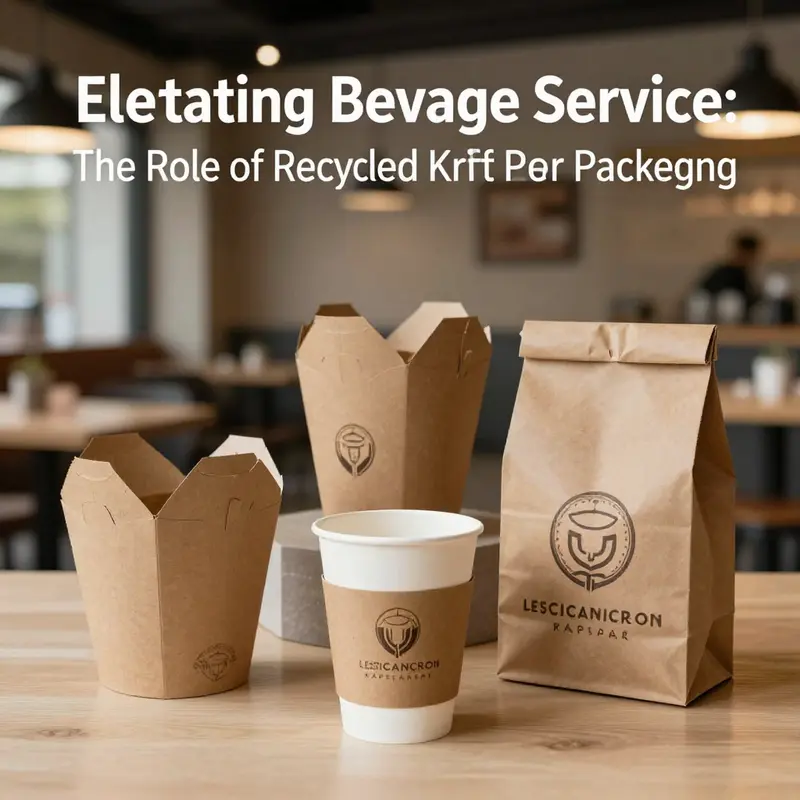
Recycled kraft paper packaging has evolved from a simple eco-label into a capable design-forward medium that supports brands through every touchpoint of the customer journey. Its origin lies in reclaimed fibers, augmented with carefully chosen virgin pulp to deliver the strength required for bags, boxes, and wraps that carry meals, cosmetics, and consumer goods. The modern landscape recognizes that sustainability alone isn’t enough; packaging must engage the eye, protect contents, and align with brand stories. Innovations in design and functionality expand the practical language of the material itself. When a box survives a rough handoff in a busy warehouse, prints with crisp fidelity, and still reveals a natural texture, kraft earns a broader seat at the table of contemporary packaging strategies.
Aesthetic progress pairs with responsible chemistry to produce a brighter, cleaner look without sacrificing compostability. Advances in bleaching reduce chlorine-based processes while preserving biodegradability and ink adhesion enabling bold branding and legible typography. Brands treat kraft packaging as a premium surface that communicates value through tactile cues as much as through color and shape. Minimalist typography and restrained palettes are elevated when the substrate feels right in the shopper’s hand.
Functional breakthroughs include barrier coatings that are bio-based and compostable, improving moisture and grease resistance without compromising end-of-life recyclability. The surface permeability can be tuned for different contents and temperature ranges, enabling a broader spectrum of uses while keeping recyclability intact.
Structural innovations reimagine kraft packaging with lighter, stronger forms through honeycomb cores and clever fold patterns. These designs reduce material usage and transportation mass while preserving damage resistance, making recycling simpler and more efficient at scale.
For brands, this means a cohesive system where material choice, printability, coatings, and geometry work together to tell a sustainability story without compromising practicality. The packaging itself becomes an ambassador for responsible manufacturing, circularity, and thoughtful consumer experience.
Choosing Green by Design: How Consumer Preferences Shape Recycled Kraft Paper Packaging
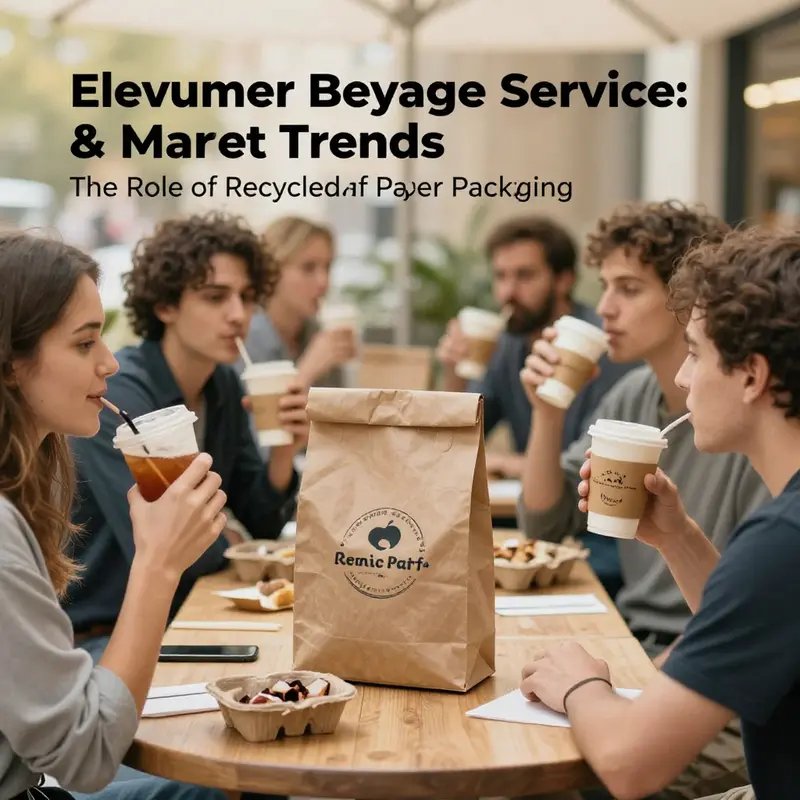
Consumers today regard packaging as part of the product experience, not merely a container. When the material is recycled kraft paper, that experience carries meaning: it signals care for the environment, a reduction of waste, and a brand stance that values durability alongside design. The shift toward recycled kraft packaging is not accidental. It tracks a broader awakening about plastic pollution and climate impact, and it aligns with a growing preference for materials that can be responsibly sourced, recycled, and reused. Brands respond by choosing packaging that preserves the aesthetic of natural fibers while delivering on performance and visibility. This balance is particularly important in sectors where takeout, retail, and personal care intersect with fast-moving consumer goods. The appeal of recycled kraft paper packaging rests on several converging forces: consumer demand, design flexibility, and the economics of materials that can be sourced, processed, and recycled in robust supply chains. Across categories—from takeout meals to cosmetics and electronics—kraft paper bags, boxes, and wraps demonstrate that sustainable choices can coexist with visibility and durability. The growth in demand is not only about the end product; it’s about the supply chain and the life cycle: recycled fibers reduce the environmental footprint, and innovations in finishing improve printability and texture, while maintaining sustainability standards. A typical recycled kraft paper bag often blends post-consumer fibers with a touch of virgin pulp to ensure tear resistance, surface smoothness, and reliable printing. The result is a packaging that feels straightforward and honest, one that doesn’t scream wastefulness but instead speaks to considered consumption. The industry’s push toward recycling is also a push toward resilience: recycled kraft can be sourced locally in many regions, reducing freight emissions and supporting domestic manufacturing ecosystems even as brands pursue global scale. In practice, the material’s evolution reflects a continuous improvement mindset, where the objective is to raise durability and finish without compromising the core promise of sustainability. While virgin kraft remains the benchmark for certain high-clarity finishes and premium rigidity, recycled variants are catching up in strength and appearance. This progress matters because it reduces environmental load without forcing brands to compromise on user experience. For consumers, this translates into packaging that feels premium in touch and visual appeal while embodying a responsible choice. What the market increasingly rewards is transparency in the packaging story. Consumers want to know where materials come from, how they are processed, and how end-of-life disposal will unfold. Transparent or semi-transparent recycled kraft packaging—where the contents are visible through a window or through a clear sleeve—can build trust by showing the product rather than hiding it behind opaque barriers. The visual honesty resonates in categories such as food, beauty, and consumer electronics, where first impressions matter as much as the product’s performance. In this regard, the packaging design becomes a marketing tool: it elevates brand values and communicates practicality, without resorting to flashy gimmicks. The consumer’s eye is trained to notice textures, natural hues, and the tactile experience of a sturdy paper bag or box, and brands that invest in finishes—soft-touch coatings, matte lamination, or subtle debossing—gain credibility in crowded marketplaces. For example, a consumer might encounter packaging that carries a subtle message about sustainability, such as a disposable takeout cup that shows a logo while remaining clearly compostable. This combination of visibility and virtue helps explain why some categories are adopting recycled kraft packaging as standard rather than novelty. Even the humble disposable takeaway cup can serve as a beacon of this shift; a cup carrying a custom logo on kraft paper communicates both brand identity and sustainability disposable takeaway paper cup with custom logo kraft coffee cup with lid. The presence of such examples underscores how packaging design can act as a bridge between product quality and environmental accountability. The market dynamics behind these shifts are not solely aesthetic. Regulatory pressures, packaging sustainability targets, and the push toward circular economy models are steering manufacturers toward recycled kraft at scale. As brands seek to reduce landfill waste and lower carbon footprints, the supply chains for recycled fibers, inks, and coatings become strategic assets. The economics of the material continue to improve as demand grows and recycling streams mature, enabling bulk production with competitive unit costs. When measured against the lifecycle impacts of plastic films or non-recycled papers, recycled kraft often demonstrates lower energy use, reduced water consumption, and a diminished reliance on virgin pulp. The appeal extends beyond green credentials; it touches product stewardship, brand storytelling, and risk management. Consumers increasingly reward brands that demonstrate consistent sustainability commitments through packaging that can withstand shipping and shelf life while still reflecting an authentic, unpretentious aesthetic. The consumer-led momentum is complemented by a broader market interest in packaging that is adaptable and modular. Recycled kraft can be molded into an array of forms: bags with die-cut handles for quick-service eateries, boxes with windows for product visibility, and tubes or wraps for premium gifting. The versatility of the material supports a range of sizes, branding options, and logistic needs, which is essential in a world where e-commerce and omnichannel retail demand flexible packaging. Vendors respond with customized solutions, offering screen printing, offset printing, and flexo printing to keep branding clear on textured surfaces and to accommodate variable data, seasonality, or limited editions. For sustainability-minded businesses, this adaptability translates into less waste from overproduction and a shorter ripple effect in end-of-life processing, aligning with circular economy goals. From a consumer standpoint, engagement with recycled kraft packaging will often hinge on how well the design communicates the product’s value proposition while keeping costs predictable. The best packaging choices strike a balance between eco-credentials and tactile sensation. A heavy weight, natural-feel surface signals durability; a lightweight form preserves transport efficiency; and a thoughtful graphic language signals care for the user’s time and the planet’s health. This equilibrium becomes more accessible as manufacturers invest in education and communication that helps shoppers interpret the packaging as a decision they can feel good about. The packaging itself becomes a narrative device, a quiet ambassador that communicates brand ethics through texture, color, and form rather than loud messaging. For those brands seeking to integrate sustainability with practicality, the move toward recycled kraft paper is not a trend to chase but a strategic alignment with a more responsible consumer base. In practice, the evolution of consumer preferences creates ripple effects across product development, retail presentation, and logistics. Retailers increasingly favor packaging that is easy to stock, easy to display, and easy to dispose of in consumer households. The demand for minimalism—clean lines, restrained typography, and unadorned surfaces—further reinforces the value of recycled kraft, since the material itself offers a natural, unobtrusive canvas for branding. At the same time, the potential for brand differentiation remains potent. When a consumer sees a product envelope or a box that feels genuinely sustainable, differentiation arises not from ostentation but from consistency and honesty. A brand that consistently uses recycled kraft across packaging formats can build a coherent visual system that reduces cognitive load for shoppers, making recall and trust more likely. The value of consistency becomes more apparent as product portfolios expand and channel mix broadens; shoppers encounter a unified environmental message rather than disjointed, one-off packaging experiments. For practitioners, the imperative is to translate consumer sentiment into concrete packaging decisions without compromising supply chain reliability or cost management. Design teams must weigh the tradeoffs between printability, barrier performance, and end-of-life outcomes, often choosing recycled kraft variants that deliver the best overall balance. This requires collaboration across procurement, manufacturing, and marketing, as well as a clear roadmap for how packaging will be recycled or composted in local waste streams. The outcome is packaging that performs under real-world conditions—during transit, at retail, and in consumer hands—while reinforcing a brand’s commitment to sustainability. The story is not simply about choosing a material; it is about integrating values into the packaging system so that every touchpoint—from shelf to sink—reinforces the same message of responsibility. For further exploration of market dynamics and growth, readers can consult the latest industry analysis on the recycled kraft paper bags market, which provides data on demand drivers, regional variations, and forecast scenarios that shape investment decisions in this space. https://www.grandviewresearch.com/industry-reports/recycled-kraft-paper-bags-market
Guardrails of Green Packaging: Navigating Regulatory and Compliance Waters in Recycled Kraft Paper Packaging
Regulatory and compliance considerations form the quiet backbone of any sustainable packaging strategy. For recycled kraft paper packaging, the landscape is a web of environmental protections, product-safety guarantees, and market-access requirements that vary by region and by the intended use of the packaging. The ambition to reduce plastic waste and close the loop with recycled fibers is powerful, but it must be balanced with assurances that materials in contact with food, cosmetics, electronics, or other consumer goods do not pose risks to health or the environment. A robust approach to regulation does not merely prevent problems; it creates trust with customers, retailers, and regulators alike, enabling brands to articulate a credible, verifiable story about sustainability without compromising safety or performance. In practice, this means aligning material sourcing, production processes, and end-use specifications with a regulatory framework that is deliberate, science-based, and continually evolving as new materials and recycling technologies emerge.
In the EuropeanUnion, the regulatory fabric is particularly explicit about safeguarding health and ensuring consumer confidence in materials that may contact food and other products. Regulation (EC) No 1935/2004 sets the baseline for all materials that could migrate constituents into foods. It requires that packaging materials, including those made from recycled kraft fiber, do not transfer substances to foods in quantities that could endanger human health or alter the food’s composition. Compliance hinges not only on the raw materials but also on the processing methods, the additives and inks used, and the overall migration behavior of the finished packaging. The Waste Framework Directive adds another layer by emphasizing the recycling loop’s quality; it imposes expectations for contaminant limits, including heavy metals and PAHs, to preserve the integrity and safety of recycled materials. Together, these directives push manufacturers toward traceability, decontamination practices, and validated recycling streams that can demonstrate ongoing compliance. The European Food Safety Authority (EFSA) plays a critical role by evaluating the safety of substances encountered in recycled materials used for food contact. For brands aiming to place recycled kraft packaging in food service or grocery contexts, EFSA guidelines become a practical compass for assessing potential risks and selecting compliant materials and processes. The regulatory emphasis is not merely about passing a test; it is about establishing a documented safety profile for each batch of recycled input and for the finished packaging, reinforced through third-party verification and rigorous quality control.
Across the Atlantic, the United States presents a different but equally complex set of expectations. The FDA’s framework for packaging materials, codified in Title 21 CFR, emphasizes processing methods that ensure safety and freedom from harmful contaminants. Although there is no dedicated federal regulation specifically for recycled paper, the FDA relies on general good manufacturing practices (GMPs) to ensure that recycled content is managed in a way that protects public health. This means validated cleaning and deinking processes, careful management of inks and laminates, and clear documentation of the material’s provenance. The EPA’s Sustainable Materials Management (SMM) initiatives further shape the environment by encouraging recycling and the use of sustainable inputs, which can influence industry norms and supplier practices even when enforcement is indirect. In addition, voluntary programs like the USDA BioPreferred initiative can affect market acceptance by signaling a preference for environmentally responsible materials, thereby influencing procurement decisions and consumer perception. Although these programs operate with varying degrees of compulsion, their signaling power often translates into tighter internal standards for recycled kraft packaging and more rigorous supplier audits.
On the international stage, widely recognized standards help harmonize expectations and provide auditors with concrete criteria for evaluating sustainability and traceability. The Global Recycled Standard (GRS) offers a credible route for proving recycling content, chain-of-custody integrity, and social and environmental safeguards throughout the supply chain. ISO 14001, focused on environmental management systems, helps manufacturers structure their processes so environmental considerations—material selection, energy use, waste handling—are integrated into everyday operations rather than treated as an afterthought. For producers and brands, these standards are not merely compliance checkboxes but strategic tools that can improve efficiency, reduce risk, and communicate a consistent message about responsible supply chain management. The interplay of these standards supports a broader ambition: to offer recycled kraft paper packaging that delivers performance and aesthetics while meeting the highest expectations for safety, sustainability, and transparency.
Implementing a comprehensive compliance strategy for recycled kraft paper packaging begins long before the first roll of paper is milled. It starts with material sourcing. Material suppliers must provide assurance that inputs—recycled fibers, any virgin pulp blended to assure strength, and the additives or coatings used in printing and finishing—adhere to safety and quality thresholds appropriate for the intended use. Processing validation follows, ensuring that the deinking, washing, and refining stages effectively remove contaminants to meet migration limits and regulatory expectations. Third-party certification steps in here as a verifier of compliance, offering brands a tangible, auditable trail that reduces the burden on internal teams and aligns with global supply chains. An essential companion to certification is traceability: detailed records tracking the journey of the recycled material from source to finished package, and through to the point of sale. This traceability becomes particularly important when a regulatory update or a market shift prompts a recall or a need to demonstrate post-consumer recyclability and safe disposal.
In practice, the regulatory landscape translates into concrete design and operational choices. For instance, when selecting inks, coatings, and adhesives for recycled kraft packaging—especially for food contact—the emphasis is on materials with established safety credentials and migration profiles. Printing methods, whether offset, flexo, or screen printing, must be compatible with the safety expectations of the target markets and must not introduce contaminants that could compromise compliance. Packaging that involves windows, liners, or barrier coatings demands careful assessment of their migration potential and compatibility with the recycled base. Even seemingly minor decisions, such as the use of certain dyes or laminates, can influence regulatory status, market eligibility, and consumer trust. The goal is to achieve a package that performs as required—durability for transport and handling, protection for contents, and a compelling presentation—without compromising the rigorous standards that ensure consumer safety.
A critical aspect of regulatory alignment is proactive risk management. Failure to comply can trigger product recalls, regulatory penalties, or reputational damage that extends beyond a single product line. For brands that operate globally, the challenge intensifies as regulatory expectations diverge across regions and evolve over time. Keeping pace with potential changes to the EU’s Single-Use Plastics Directive or updates to FDA guidance is essential for long-term market access. This means maintaining agility in supplier selection, investing in ongoing testing and validation, and fostering a culture where compliance is embedded in product development rather than retrofitted after launch. The most resilient programs treat regulatory compliance as a continuous improvement journey: regular supplier audits, routine migration testing, and a forward-looking plan to adapt to new thresholds for contaminants, new guidance on recycled content, and enhanced traceability requirements.
To illustrate how these considerations translate into real-world packaging decisions, consider a line of food-contact packaging options that blends recycled kraft paper with carefully selected barriers and inks. The packaging must meet safety standards while delivering a consumer-friendly aesthetic—natural brown tones, tactile texture, and a clear message of sustainability. The choice of formats, such as the disposable octagonal box for restaurant kraft paper packaging, becomes a case study in balancing form, function, and compliance. The design must accommodate compliance testing, ensure materials are compatible with the intended contents, and facilitate accurate labeling and recycling information. A well-documented supply chain, coupled with third-party verification, can be the differentiator that reassures retailers and consumers alike that the packaging not only looks good but also aligns with the highest safety and sustainability standards. This is the nexus where policy, science, and business performance converge, turning regulatory obligations into trust, efficiency, and opportunity.
For readers seeking practical context on how these regulatory insights translate into supplier and product choices, consider a detailed example of compliant packaging formats and their testing pathways. When brands evaluate options such as the aforementioned octagonal box, they should scrutinize the entire lifecycle—from source material quality and deinking efficiency to printing inks and finishings—ensuring each step aligns with governing rules and industry standards. This approach protects the integrity of the recycled kraft base while supporting consistent performance in diverse markets. Ultimately, regulatory and compliance considerations are not constraints but enablers: they help ensure that recycled kraft packaging remains a durable, aesthetically appealing, and safe choice across food service, retail, electronics, cosmetics, and beyond.
External reference: European Commission – Food Contact Materials. https://ec.europa.eu/growth/sectors/chemicals/food-contact-materials_en
Internal resource for further context (example of packaging formats in practice): disposable octagonal box for restaurant kraft paper packaging
Final thoughts
As businesses in the food and beverage sector strive to meet customer expectations while minimizing environmental impact, incorporating recycled kraft paper packaging emerges as a viable solution. It balances economic considerations, innovation in design, and compliance with regulatory standards, all while appealing to the increasingly eco-conscious consumer. By leveraging these insights, brands can elevate their packaging strategy, enhance operational efficiency, and solidify their commitment to sustainability, yielding benefits for both their businesses and the planet.