
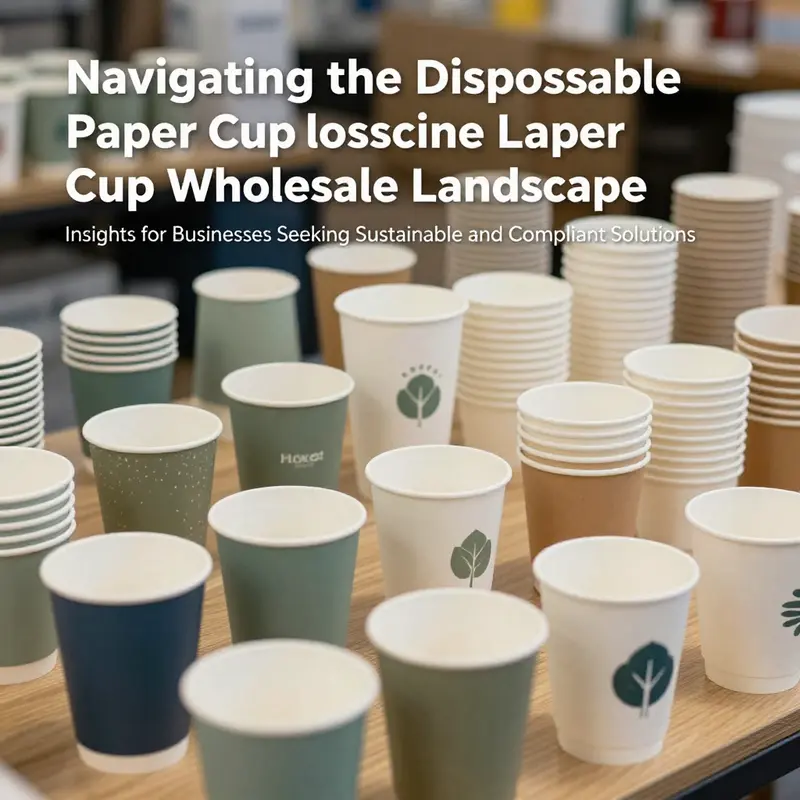
The disposable paper cup market is experiencing significant transformations, driven by evolving consumer behaviors and increasing sustainability demands. As a wholesaler in this competitive landscape, it is crucial to understand market dynamics, supply chains, environmental considerations, and the regulatory frameworks that govern this sector. This comprehensive analysis will delve into the current trends and future projections shaping the disposable paper cup industry. We’ll explore the intricacies of the sourcing and distribution processes, address the environmental impact associated with single-use items, and discuss the essential regulations that wholesalers must adhere to. By understanding these components, businesses—be it bubble tea shops, beverage chains, restaurants, food trucks, catering services, event planners, or corporate procurement teams—can make informed decisions that not only meet market demands but also align with sustainability goals.
null
null
From Clusters to Cafes: The Sourcing and Distribution of Disposable Paper Cups in Wholesale
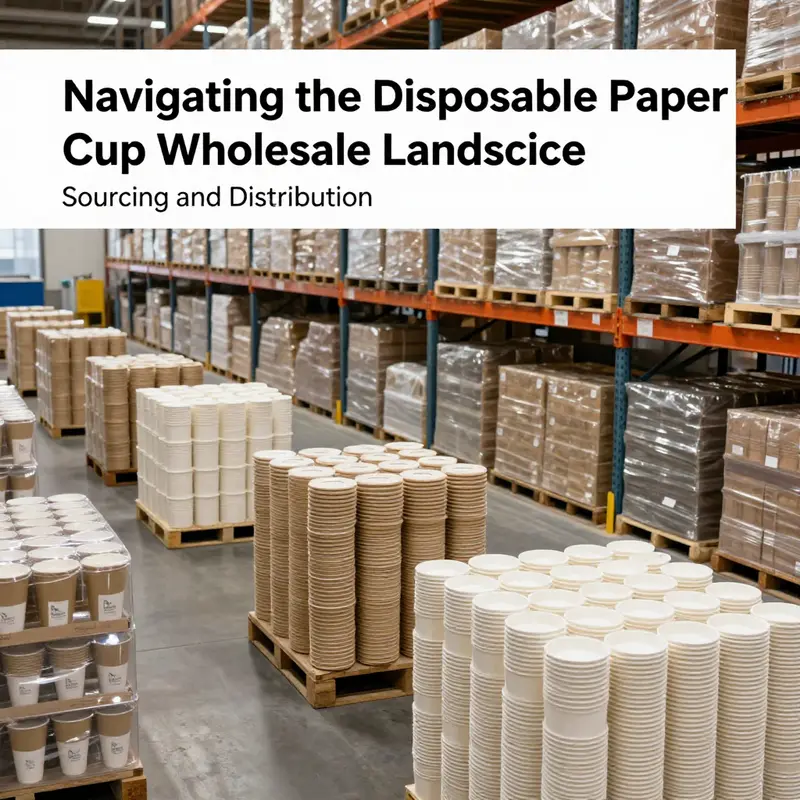
Disposable paper cups travel from factory yards to cafe counters via a multi-layered wholesale network. In China, clusters in Guangdong, Hunan, Hubei, and Anhui knit together raw material mills, coating facilities, printing units, cup forming lines, and packaging. Raw materials like food-grade kraft paper, polyethylene coatings for moisture barrier, and emerging PLA biopolymers drive safety and compostability, all needing strict thickness, coating integrity, and print adhesion standards. Proximity of mills and converters reduces transfer times and strengthens throughput; digital flexographic printing supports branded designs without compromising speed. Logistics nodes around Dongguan, Wuhan, and Anqing enable smooth material flows; export hubs like Shenzhen, Shanghai, and Ningbo support large orders to North America, Europe, and Southeast Asia. Factories deploy automated forming lines, inline quality checks, and modular equipment to switch between standard items and customized designs, delivering scale with flexibility. Regulatory frameworks — FDA in the United States and Regulation No. 1935/2004 in the EU — impose traceability, testing, and documentation requirements; sustainability certifications such as BPI for compostable PLA-lined variants influence procurement decisions. Wholesalers emphasize supplier evaluation, transparent communication, and direct manufacturer engagement to reduce middlemen and accelerate time-to-market for branded cups. Platforms like Alibaba can help verify supplier capabilities but must be paired with ongoing due diligence on quality management, environmental compliance, and traceability. The distribution model hinges on balancing cost, compliance, quality, and agility, with contingency plans and diversified supplier bases to absorb demand oscillations. As consumer expectations grow, the sector pushes toward recyclable and compostable solutions and verified end-of-life outcomes, while maintaining the efficiency required to meet large-volume orders from major chains and smaller, branded campaigns. The road ahead is about transparent supplier relationships, real-time data across pulp to plate, and scalable options that support both standardized and customized cups, all while staying aligned with safety and environmental criteria.
Rethinking the Lifecycle: Environmental Realities and Strategic Responses for Paper Cup Wholesalers
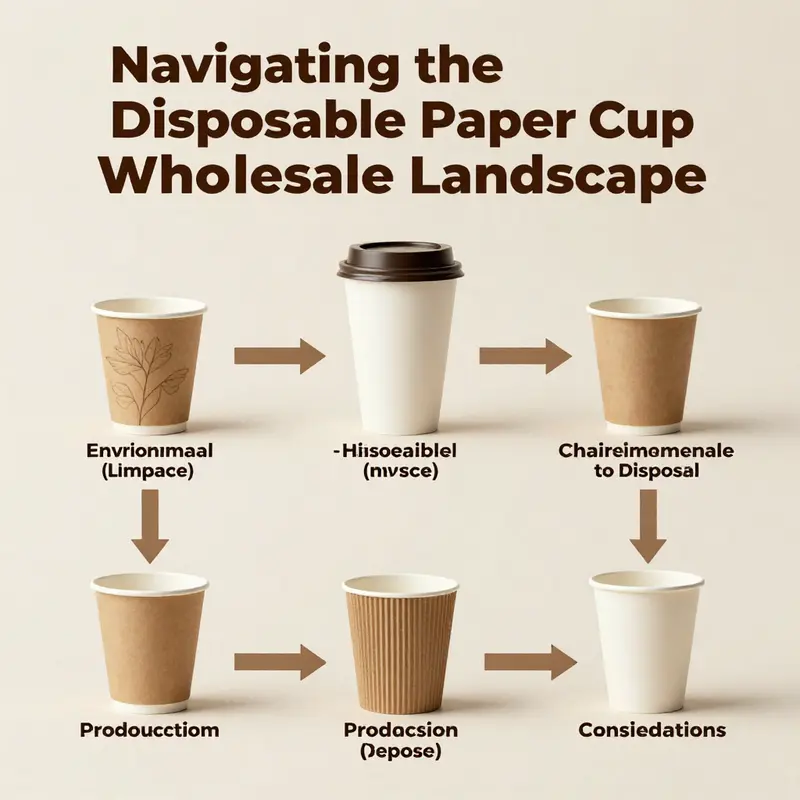
The wholesale market for disposable paper cups sits at an increasingly transparent crossroads. On one hand, the demand signals from urban cafés, quick-service restaurants, and large event venues push wholesalers to supply affordable, convenient, and dependable single-use options. On the other hand, growing awareness of environmental footprints and tighter regulatory expectations press the same wholesalers to question what truly happens after a cup is discarded. This tension is not merely a theoretical challenge; it shapes sourcing decisions, product assortment, and the advice that wholesalers feel compelled to offer their customers. A clear throughline emerges: packaging choices travel far beyond a shelf and a sale. They influence waste streams, municipal recycling capabilities, and even the reputations of the businesses that rely on these cups to serve customers who increasingly demand responsible stewardship of materials. For wholesalers, this is not a side conversation. It is a core strategic factor that can define competitiveness, resilience, and long-term viability in a market that prizes speed, convenience, and rising sustainability expectations in roughly equal measure.
When people think about disposable paper cups, they often picture a simple, renewable material story—the wood pulp behind a familiar cup. The reality, however, is far more intricate. Most cups marketed for single-use purposes are lined with polyethylene, a thin plastic film that seals the cup against leaks and allows hot beverages to be carried without spill. That film, while functionally essential, creates a fundamental end-of-life complication. The polyethylene lining makes the cups difficult to separate cleanly in ordinary recycling streams. In practice, this means a very low recovery rate in many municipal systems. In the United States, the share that actually makes it back into a recycling process hovers around or below the 1 percent mark, with the rest ending up in landfills or becoming litter. This is not a small aftertaste; it is a signal about how fragile the perceived eco-friendliness of a paper cup can be when the end-of-life regime is not aligned with the product design.
From the producer’s cradle to the consumer’s hand, the environmental footprint of disposable cups extends beyond the act of purchase. Upstream, the pulp and paper industry consumes significant volumes of water, energy, and, in some cases, fiber from forests that are not responsibly managed. Deforestation pressures, land-use changes, and the energy mix of the production location all contribute to a broader lifecycle impact that wholesalers must consider when evaluating supplier stewardship. Even for wholesalers who emphasize “green” branding or promote recycled-content papers, the underlying conversion process remains energy-intensive and dependent on the efficiency of local utilities and the availability of renewable energy sources. Meanwhile, the downstream phase presents its own set of complexities. Once a cup has fulfilled its function, its journey through the waste system is often interrupted by design choices that impede recycling. The presence of a liner, ink, or adhesives can complicate downstream processing, and many facilities lack the capacity or inclination to sort and process paper cups that are contaminated with liquids or plastic coatings. The result is a systemic bottleneck that undermines the environmental promise the product rhetoric may imply.
Given this backdrop, wholesalers face both ethical considerations and practical constraints. It would be tempting to label all disposable cups as inherently unsustainable and retreat to a purely reusable paradigm. Yet the wholesale market operates within varied real-world contexts. Many customers rely on disposable cups precisely because they support fast service, high-volume throughput, and minimal cleaning logistics. The challenge for wholesalers is not to deny the reality of the footprint but to translate that reality into responsible, actionable options that can be implemented at scale. This often means presenting a spectrum of choices rather than a single, one-size-fits-all solution. On one end, there are conventional options with improved end-of-life support, such as cups designed for easier separation in recycling streams where facilities exist. On the other end, there are certified compostable designs intended to break down in industrial facilities, paired with information programs that help customers locate compatible composting partners. The middle ground—where most real-world decisions unfold—consists of carefully calibrated mixes of materials, coatings, and service models that balance performance with environmental considerations and cost.
Importantly, the role of the wholesaler goes beyond product selection. It becomes a stewardship function that involves educating customers about end-of-life realities and supporting them with practical pathways to improve outcomes. This can involve partnerships with recycling programs, access to certified composting networks, and the provision of guidance on proper disposal practices. It also requires a critical eye toward greenwashing. In a market where marketing messages can outpace infrastructure, customers may be led to believe that a given “eco-friendly” label guarantees a favorable end of life. Wholesalers must therefore emphasize transparent disclosures, third-party certifications, and data about lifecycle impacts whenever possible. When customers understand the true constraints of industrial composting versus home composting, they can make more informed choices about what to stock, what to promote, and how to communicate with their own customers.
The environmental narrative surrounding disposable cups also intersects with regulatory dynamics that have intensified in many jurisdictions. Governments, in response to mounting plastic and waste concerns, are increasingly examining packaging mandates and extended producer responsibility schemes. For wholesalers, this translates into closer attention to supply chain transparency, material traceability, and the ability to demonstrate compliance with evolving standards. It is no longer sufficient to provide price and delivery timelines; buyers increasingly ask, sometimes implicitly, for documentation about sourcing practices, certifications, and end-of-life pathways. This regulatory backdrop elevates the strategic value of building robust sourcing criteria, maintaining verifiable records, and educating customers about the implications of their packaging choices. In short, the sustainability conversation moves from a marketing advantage to an operational requirement that can influence procurement criteria, risk management, and the cost structure of a wholesale operation.
In analyzing these pressures, it becomes clear that the environmental burden of disposable cups persists regardless of scale, creating a paradox for wholesalers who must balance urgent demand with longer-term stewardship. The EPA’s comprehensive assessment of disposable cups and their impact underscores a central takeaway: end-of-life challenges are not easily solved by scale or clever marketing alone. The simple assumption that paper equals good and plastic-free equals better is not borne out by the lifecycle realities. For wholesalers, this means embracing a dual emphasis on mitigating upstream impacts and facilitating responsible disposal downstream. One practical implication is a more intentional product strategy that considers not only the performance and cost of a cup but its compatibility with recycling or composting infrastructure in the markets where customers operate. This may involve diversifying offerings to include cups with lighter coatings, coatings that are more widely compatible with recycling streams, or variant designs that encourage pre-separation by users and by facility staff.
Beyond material choices, wholesalers can play a pivotal role in catalyzing systemic improvements. This begins with clear criteria for supplier selection: evidence of responsible forest management, transparent energy use disclosures, and credible lifecycle assessments where available. It also extends to collaboration with customers to implement reusable or semi-reusable systems in high-traffic venues, supported by return-and-refill logistics, durable cup programs, or deposit schemes where regulations allow. Each of these moves carries implications for logistical planning, inventory management, and pricing models. For example, introducing a reusable or semi-reusable cup program might require investments in washing facilities, standardized cup sizes, and coordinated pickup or exchange workflows. While these changes can be substantial, they also unlock new forms of value: higher perceived quality, reduced single-use volumes, and stronger customer loyalty from brands that want to signal environmental responsibility to their patrons.
One of the more tangible avenues for wholesalers to assist customers is to broaden the catalog with designs that address end-of-life realities while maintaining the performance needed for daily operations. This includes exploring products that are designed to be more compatible with available recycling streams or that support industrial composting when such facilities exist nearby. It may also involve offering guidance on how to implement proper disposal practices within cafés and stores, such as clearly labeled receptacles and staff training that reduces cross-contamination and facilitates sorting. In some cases, wholesalers may find value in highlighting a specific product line that demonstrates these considerations—for instance, a cup that balances functional performance with a more recyclable-friendly coating and a packaging sleeve that communicates disposal instructions to the consumer. Integrating this approach with a broader education and support program not only improves waste outcomes but also positions the wholesaler as a trusted advisor rather than simply a conveyor of goods.
The internal dynamics of the wholesale market also shape how these environmental considerations translate into practical decisions. Demand volatility, supplier reliability, and the cost sensitivity of buyers all interact with sustainability goals. In markets with strong café culture, the volume and turnover of cups are high, which means the environmental consequences of disposal are amplified and the incentive to optimize end-of-life outcomes is strongest. Wholesalers in these markets often find opportunities to partner with local recycling programs or industrial composters, to secure volumes for cups designed with end-of-life pathways in mind, and to provide customers with clear, actionable information on how to dispose of cups properly. Such partnerships can create a virtuous circle: better disposal outcomes reduce municipal burden, improve overall waste performance, and reinforce the value proposition of the wholesale supplier as a stakeholder in a more sustainable local economy.
A practical example of this mindset is the careful curation of product dozens or ranges that align with the realities of the customers and the communities they serve. For instance, a wholesale catalog might foreground a set of cup designs that are specifically engineered to be more compatible with recycling facilities in nearby urban centers, alongside guidance on which municipal programs accept cups with certain coatings. When customers ask about sustainability, the wholesaler can reference these design choices and explain how they impact end-of-life recovery rates. This level of transparency helps to build trust and differentiates a wholesaler in a crowded market where price competition often dominates discussions. It also supports a more resilient supply chain, because products with clearer end-of-life profiles reduce the risk of discarded inventory becoming stranded or misused trash.
Embedded in this approach is the recognition that sustainability is not a one-time decision but a continuous process of improvement. Each cycle of product development, supplier engagement, and customer education yields new data about what works in practice. Wholesalers can capture these insights through simple, scalable metrics: recycling or composting compatibility percentages, average end-of-life recovery rates for the cups they stock, and the degree to which customers have adopted reusable or returnable cup programs. When paired with strong supplier audits and independent certifications, these metrics offer a practical way to monitor progress and adjust strategies as infrastructure evolves in different regions. The goal is not to have perfect performance from day one but to establish a credible, incremental pathway toward better waste outcomes and more responsible consumption patterns.
In weaving together these strands—production realities, end-of-life challenges, regulatory pressures, and strategic supplier relationships—the chapter returns to the central premise: the environmental impact of disposable cups, even when sourced through a wholesaler, is a shared problem that demands collaboration. The wholesale channel is uniquely positioned to influence a broad ecosystem of actors, from manufacturers and logistics partners to cafés, retailers, and municipal waste managers. By embracing a more holistic view of the lifecycle and by aligning product choices with the realities of disposal infrastructure, wholesalers can help their customers reduce environmental harm while maintaining the performance expectations essential to high-volume service. The shift requires careful thinking about design, partnerships, and education, but it also offers a path to differentiation in a market where sustainability is increasingly a competitive asset rather than a compliance checkbox.
To illustrate the kind of practical, ready-to-adopt options that align with this philosophy, consider expanding the catalog with designs that emphasize recyclability and cleaner end-of-life handling. For example, some cups in the market are paired with packaging and accessory options that simplify disposal processes in busy venues. This aligns with the broader goal of making responsible choices easier for the end user and more straightforward for waste streams to process. Such an alignment between product design and disposal infrastructure is the kind of systemic thinking wholesalers are well positioned to champion. It is a move that requires investment, coordination, and a willingness to navigate regulatory landscapes, but it also has the potential to yield measurable environmental and economic returns over time. And because consumer brands increasingly value supply chain transparency, wholesalers who can demonstrate credible end-of-life outcomes will be better positioned to secure long-term partnerships with cafés, quick-service chains, and event organizers.
In sum, the environmental realities surrounding disposable paper cups demand a shift from a purely transactional mindset to a proactive, lifecycle-driven approach. Wholesalers have a pivotal role to play in steering markets toward better outcomes through product selection, supplier collaboration, and customer education. The path forward is not a single fix but a suite of interlocking actions that acknowledge the limitations of current recycling and composting infrastructure while still delivering the convenience that customers expect. By foregrounding end-of-life realities in procurement decisions, investing in design improvements that improve recyclability or compatibility with available facilities, and partnering with waste-management ecosystems, wholesale players can contribute to a more sustainable packaging landscape without compromising service quality or market competitiveness. This is not an abstract ideal; it is a practical, revenue-conscious strategy that aligns the economic incentives of wholesalers with the environmental imperatives increasingly demanded by regulators, customers, and the public. As the market evolves, the most successful wholesalers will be those who integrate sustainability into operational discipline, supplier governance, and customer collaboration, turning environmental responsibility into a core business capability rather than an afterthought.
For readers seeking a concrete example of how end-of-life considerations can influence product recommendations, a related product category that highlights adaptable, recyclable-oriented designs is linked here: disposable-700ml kraft paper bowl take-out octagonal rectangle paper bowl. This example underscores how a single design choice can simplify downstream processing while maintaining the performance needed in fast-service contexts. As the industry continues to evolve, wholesalers who embrace these concepts will be better prepared to guide customers through a more sustainable packaging journey, helping to ensure that convenience and responsibility coexist in the lifecycle of every cup.
External resource for further reading: https://www.epa.gov/sustainable-management-waste/understanding-disposable-cups-and-their-impact
Safeguarding Scale: Compliance, Safety, and Sustainability in the Disposable Paper Cup Wholesale Landscape

The wholesale market for disposable paper cups sits at a crossroads where safety, sustainability, and speed converge. For wholesalers, the regulatory landscape is a dynamic framework that shapes every link in the supply chain—from sourcing raw materials to labeling and after sale assurances. As urban life accelerates and beverages move from counter to go, regulators respond with policies designed to protect public health and the environment. For wholesalers, compliance must be integrated into product design, supplier selection, and risk management to scale and sustain trust among buyers, retailers, and end customers. This chapter outlines core concepts such as material safety, cross-border compliance, and eco-conscious labeling, while noting the practical realities wholesalers face when translating policy into practice. Credibility rests on verifiability; third-party certification and independent audits back up safety and environmental claims. The text concludes with a practical playbook: require third-party verification for coatings and end-of-life claims; maintain up-to-date standards in each market; score supplier risk; and keep open channels with regulators to stay ahead of evolving rules. In short, compliance becomes a competitive differentiator that supports reliability, transparency, and responsible packaging as markets globalize.
Final thoughts
The wholesale market for disposable paper cups serves as a reflection of modern consumer demands and sustainability initiatives. As businesses adapt to rapid changes in market trends, environmental consciousness, and regulatory requirements, understanding these dynamics becomes paramount. From cafes to catering services, every stakeholder within this sector plays a role in steering the industry towards sustainable solutions. By prioritizing compliance and embracing innovative approaches, wholesalers can ensure they meet not only the needs of their customers but also contribute positively to the environment. The future is bright for those who navigate these challenges effectively, leading to a more sustainable and responsible disposable paper cup market.