
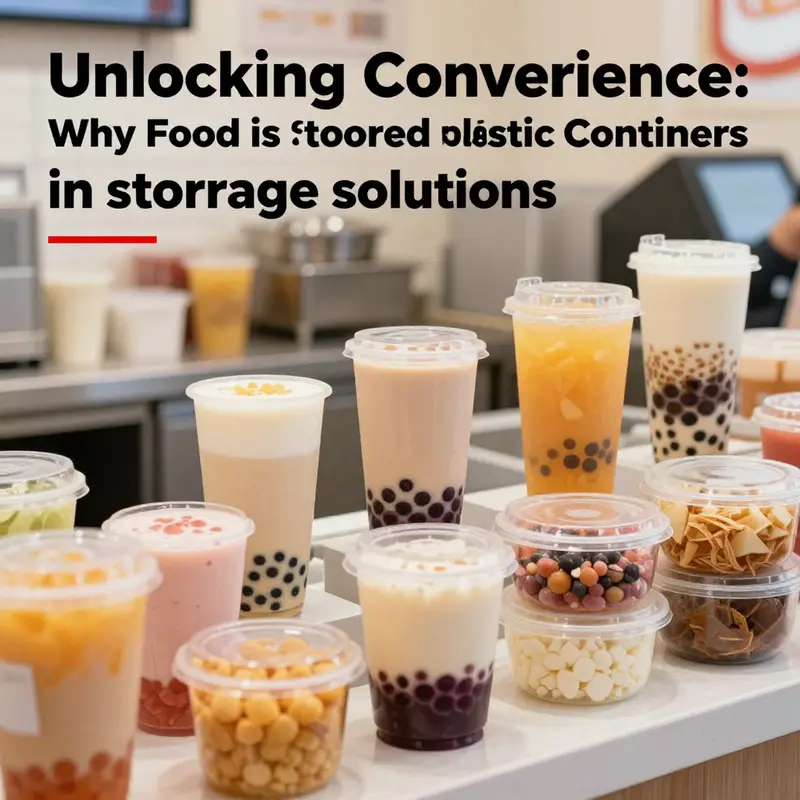
The way food is stored significantly impacts its freshness, safety, and how well it can be transported. Many businesses in the food industry, from bubble tea shops to catering services, rely on plastic containers for food storage due to their unique combination of benefits. This article uncovers the crucial reasons why these containers are favored, addressing practical benefits like durability and barrier properties, economic factors such as cost-effectiveness and availability, health and safety considerations surrounding food-grade materials, and finally, the environmental impact alongside emerging alternatives. By understanding each aspect thoroughly, food-related businesses can make informed choices for their operations while prioritizing quality and customer satisfaction.
Sealed for Freshness: The Practical and Subtle Science Behind Storing Food in Plastic Containers
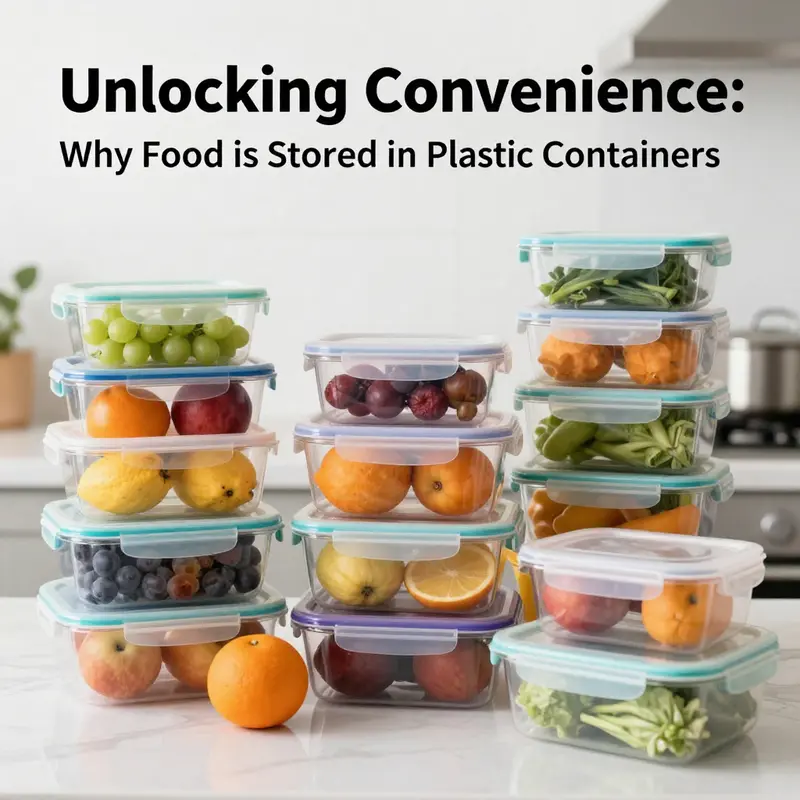
Plastic containers occupy a central, often unglamorous place in modern kitchens, yet their everyday utility rests on a network of practical advantages that make them hard to replace for many households. They are not mere vessels for holding food; they are tools engineered to preserve quality, simplify routines, and adapt to the rhythms of family life. The reasons people turn to plastic storage go beyond color, shape, or a quick convenience. They hinge on a combination of barrier performance, portability, flexibility, and accessibility that together shape how households manage freshness, manage time, and manage space. When we consider why food is stored in plastic containers, we begin to see a layered logic that blends science with daily practice, economics with habit, and safety with simplicity.
At the core of the appeal is the barrier they provide against the elements that threaten food safety and freshness. Good plastic containers form a reliable seal that minimizes exposure to moisture, air, and a wide range of potential contaminants. This airtight barrier slows moisture loss from foods that would otherwise dry out and helps limit the oxidation that can alter flavors and textures—especially in fruits, vegetables, and cooked dishes. By reducing the rate at which oxygen enters the container, fats are less prone to rancidity, leafy greens stay crisper longer, and soups or stews maintain a consistent profile as they move from stove to fridge to future meals. In practical terms, this means fewer spoiled leftovers, less waste, and more confidence in the quality of what’s stored for later.
The barrier properties are most effective because plastic containers are designed to fit into modern refrigeration and pantry workflows. Their seals are engineered to work with a variety of contents, from thin broths to thicker sauces. This versatility matters, because real-life meals are rarely uniform in texture or moisture content. A robust seal that can accommodate liquid or semi-solid foods minimizes the chance of leakage, cross-contamination, and odor transfer between compartments. In crowded refrigerators, where light, air, and mechanical movement can all conspire to degrade food quickly, the right container helps maintain the integrity of what’s inside. It is not a magic shield, but a dependable, repeatable barrier that keeps flavors and textures closer to their peak for a meaningful span of time.
Beyond the barrier, the physical practicality of plastic containers is a crucial driver of their ubiquity. They are lightweight, often unbreakable, and easy to stack, which translates into space savings and safer handling. In households where children or elderly relatives are involved, avoiding glass or metal reduces the risk of injury from accidental drops. This durability is not merely about resilience; it is about everyday reliability. A container that can be nested within another, or slid into a crowded cabinet, supports a kitchen routine in which organization matters as much as preservation. In places where pantry space is at a premium, the ability to stack, label, and rearrange containers without sacrificing accessibility makes plastic an attractive core system for food storage.
The design flexibility of plastic is another quiet strength. Plastics can be molded into myriad shapes and sizes to fit different needs—from slim, space-saving rectangular formats to rounded, easy-to-handle vessels. The lids come in diverse sealing mechanisms, including snap-on, push-pull, and threaded closures, each chosen to suit specific storage goals. This versatility supports both everyday meals and more particular scenarios, such as batch cooking, meal prep for the week, or packing for school and work. The option to select containers that are specifically tailored to re-seal tightly after microwaving, refrigeration, or freezing helps users maintain a seamless workflow: prepare, portion, store, reheat, and enjoy with minimal transfer or mess.
Cost efficiency and wide availability reinforce the appeal of plastic storage. Plastic is generally cheaper to produce than glass or metal, which translates into lower prices for consumers and easier access for households with limited budgets. The fact that these containers are produced in vast quantities around the world means they are consistently in stock, frequently on sale, and available in an array of retailers and marketplaces. This ubiquity reduces friction in daily decisions about what to store and how, empowering people to keep food fresher for longer without overhauling their kitchen setup.
Another practical dimension is compatibility with modern appliances. For many households, the ability to use the same container for storage, reheating, and sometimes even freezing eliminates extra dishes and transfers. Food-grade plastics—most commonly polypropylene for many containers—are chosen for their balance of safety, heat tolerance, and chemical resistance. When used correctly, these materials can withstand refrigerated and microwave use, and many are dishwasher-safe as well. The convenience of reheating directly in the storage vessel can save time and reduce cleanup. This integration with daily routines matters: it means fewer steps between cooking and enjoying a meal and, often, less dishwashing as a result.
Clarity and visibility are subtle but significant benefits. Clear or translucent plastics let you see what’s inside without opening the lid. This simple feature supports more mindful consumption and reduces unnecessary fridge openings, which in turn helps preserve the cold chain and minimize heat exposure to foods that should be kept cool. Visibility supports better inventory management—different foods, different stages of freshness, and different portions become easier to track at a glance. For many families, this translates into fewer wasted items and better planning for next meals, which is as practical a benefit as any.
The practical benefits extend to versatility across food types. Plastic containers handle both dry goods and liquids, including those with oils or sauces, which makes them a practical choice for a home that does not want to juggle specialized vessels for every item. They support gentle salad preparations, marinated vegetables, or leftovers with gravies, all without the fear of shattering or staining permanent fixtures. This broad utility means a single system can cover a wide range of household needs, from the fridge to the freezer to the pantry, and back to the table in a matter of minutes.
Of course, the most honest assessment must acknowledge the trade-offs. The same heat that makes reheating convenient can also accelerate the migration of certain chemicals from some plastic materials into food, particularly when the food is hot or fatty. This has led many experts to advise caution with hot, oily, or acidic items and to favor safer alternatives like glass or stainless steel for those particular use cases. The caution is not a rejection of plastic storage; rather, it is a call for mindful usage. Cooling hot foods before sealing, avoiding prolonged contact with fatty items, and selecting containers certified for hot use can mitigate risk while preserving the many benefits listed above. In daily practice, many households simply adapt by separating hot from storage tasks and adopting a practical hierarchy: use plastic containers for general storage and meal prep, and reserve glass or metal for hot or highly fatty foods when the highest exposure to heat and fats is anticipated.
Environmental and health considerations add complexity to the choice set, reminding us that storage decisions are not only about what keeps food fresh but also about what happens after the shelf life ends. Plastic is a material whose lifecycle includes production, use, and disposal. The issue of microplastics and long-term environmental impact has heightened attention to responsible use and recycling practices. While not every plastic item ends up in a landfill, and many containers are designed for multiple uses, the broader ecological picture remains a factor in how households decide which containers to rely on for which purposes. This broader context does not negate the practical value of plastic storage; it reframes it, inviting more deliberate choices and better end-of-life handling.
In the end, the popularity of plastic containers arises from a blend of predictable performance and flexible design. They offer a repeatable, scalable solution to the daily task of keeping food safe, fresh, and ready to eat. They enable portion control, simplify planning, and reduce waste, all while accommodating a kitchen environment that values speed, efficiency, and order. The trade-offs are not ignored; they are acknowledged, and the guidance is practical: use plastic storage where it makes the process easier and safer, and pivot to alternatives when heat, oil, or acidity dominates the scenario. The result is not a simple story of plastic versus other materials; it is a nuanced practice of selecting the right tool for the right job, with a clear eye on safety, efficiency, and sustainability.
As readers move forward through the article, the next chapters will build on this foundation by exploring how material science informs the choices we make in the kitchen, how to balance convenience with safety, and how to align storage habits with broader concerns about health, waste, and the environment. The overarching theme remains clear: plastic containers are favored not merely for being cheap or convenient, but for the reliable combination of barrier protection, handling ease, and adaptable design that helps everyday life run more smoothly. With mindful usage, they can be a durable ally in preserving freshness while supporting orderly, efficient meal routines.
The Lean Economics of Plastic Storage: How Cost, Convenience, and Scale Keep Food in Plastic Containers
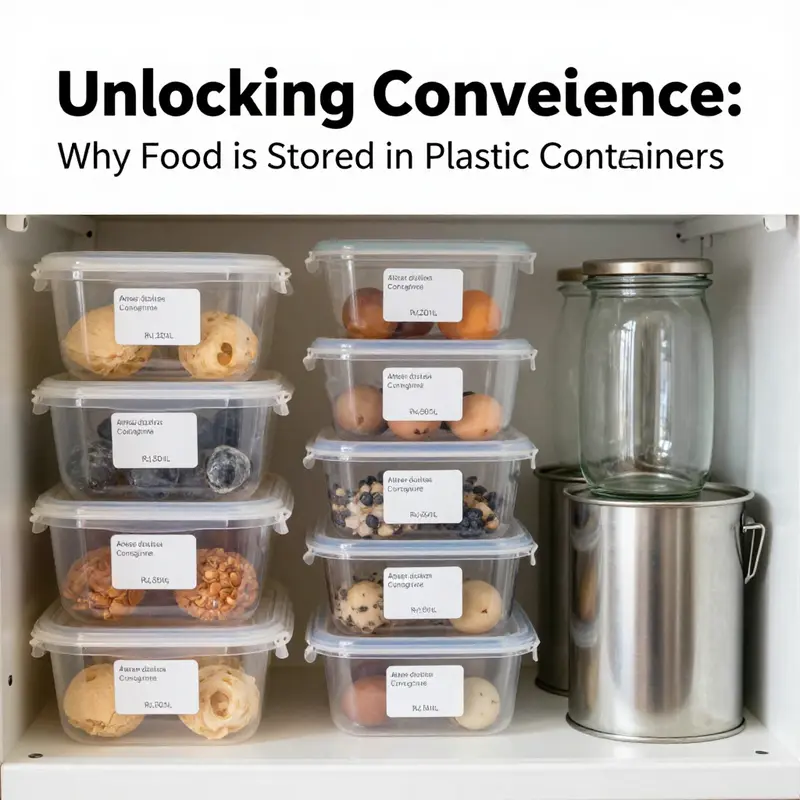
The economic logic behind storing food in plastic containers is a thread that runs through the modern food system, tying together manufacturing choices, retail dynamics, consumer behavior, and the pace of urban life. While the everyday appeal of plastic—its lightness, its resilience, its capacity to seal in freshness—seems obvious on the kitchen counter, the deeper driver is often financial. Plastic storage is favored not only because it keeps food safe, but because it does so at a price point and with a distribution efficiency that align with the economics of mass consumption. In this view, plastic containers become a practical embodiment of systemic efficiency: a material and a design that reduce waste, lower handling costs, and enable a highly scalable marketplace where meals travel from producer to consumer with minimal friction. The resulting affordability, in tandem with the convenience that modern life demands, helps explain why plastic remains dominant in food storage even as conversations about sustainability intensify.
From a basic production standpoint, plastic materials—especially food-grade variants—offer a cost advantage that cascades through the supply chain. The raw materials used to create molded plastics tend to have lower per-unit costs than glass or metal, and the manufacturing technologies involved—injection molding, thermoforming, film extrusion—are optimized for high-speed, high-volume output. This translates into predictable unit prices and a level of standardization that makes it easier for brands and retailers to forecast expenses, manage inventories, and plan promotions. The result is not merely cheaper containers, but a packaging ecosystem whose economics encourage large-scale production runs, standardized sizing, and compatibility across multiple stages of the retail workflow. Such economies of scale matter when tens or hundreds of millions of containers are required each year for groceries, ready meals, and takeout services.
Beyond the cost of the material itself, plastic storage unlocks significant savings in logistics. Weight is a constraint in any distribution channel, influencing fuel consumption, loading efficiency, and warehousing costs. Plastic containers weigh less than glass or metal equivalents, so trucks carry more product per trip and warehouses can handle higher volumes without expanding real estate. The lighter mass also reduces injury risk for workers handling crates and cooler boxes, a factor that, while not always front-of-mind, translates into lower insurance and labor costs for retailers and service providers. In a courier-driven economy where a late lunch can hinge on the swift arrival of a bag, the difference between a fragile glass jar and a durable plastic tub is meaningful. The ability to stack and nest containers further compress storage space, enabling more efficient shelf layouts in supermarkets and more compact pantry organization in homes. In sum, logistics advantages compound the material cost benefits, producing a composite savings that becomes part of the price customers pay and the margins suppliers earn.
The capacity for design versatility is another economic virtue of plastic. Manufacturers can mold plastic into a wide array of shapes—round, square, rectangular, or unusual configurations—tailoring products for specific uses, from large families with meal-prep to compact bureaus in dorm rooms. Sealing mechanisms vary—from snap-on lids to push-pull designs—allowing for airtight storage when needed or simply easy access for everyday use. This versatility reduces waste in several ways. First, containers can be sized to fit standardized portions, minimizing space wasted in boxes and on shelves. Second, better seals extend shelf life by protecting contents from moisture and air, reducing spoilage and food waste—an important economic and environmental consideration. Third, the ability to tailor packaging for microwaves, refrigerators, or freezers means one container can perform multiple roles, lowering the number of different products retailers must stock and consumers must own. The economic effect is a simplified, scalable product family that supports broad distribution and convenient consumer experiences without requiring frequent new tooling or retooling.
Market dynamics reinforce this picture. The global Disposable Plastic Food Containers Market has shown sustained growth, driven by rising demand for convenience foods, rapid urbanization, and the expansion of food delivery services. In this economy, plastic packaging functions as an enabling technology that keeps operations lean for producers and keeps prices accessible for households. Convenience foods—frozen entrées, ready-to-heat meals, pre-packaged snacks—rely on packaging that can endure the rigors of transport and storage while remaining economical. Delivery services, in particular, create a demand cascade: containers must withstand transit, maintain temperature to some degree, and be inexpensive enough to amortize across a large volume of orders. The result is a packaging system where plastic containers, by design, support a fast-paced, volume-driven food economy. As the research into this market suggests, even as consumer awareness about sustainability grows, the cost and efficiency advantages of plastic remain central to why these containers persist in everyday use.
Yet the economic narrative is not blind to the overhanging costs associated with plastics. The literature on reusable or biodegradable alternatives highlights a fundamental tension between upfront cost and long-term savings. Although reusable systems promise reductions in material generation and waste, they impose operational complexities: cleaning, collection, return logistics, and the need for storage space and tracking. Across many markets, these operational burdens erode the long-term economic advantages, at least in the short to medium term. An economic and environmental assessment of reusable plastic containers points to a critical insight: when margins are tight and the tempo of daily life is brisk, single-use plastics often win on the economics front because they sidestep the incremental costs of managing a reverse logistics loop, cleaning cycles, and multi-channel inventory control. In such environments, the allure of inexpensive, immediately usable packaging aligns with real-world constraints, making plastic containers the economically rational choice for many stakeholders—from manufacturers and retailers to households and food-service operators.
This pragmatic logic faces a countercurrent of environmental and regulatory pressures. High-profile concerns about chemical migration and microplastics have raised questions about safety and long-term external costs. The economic response to these concerns has been nuanced. Safer, food-grade plastics, better recycling infrastructure, and more efficient end-of-life management add cost pressures, yet they also open pathways to more responsible practices. In some markets, compliance costs are absorbed by producers and passed along to consumers in the form of slightly higher prices, while in others, regulatory frameworks spur innovation that reduces waste or improves recyclability. The bottom line is that the economics of plastic storage is not static; it shifts with policy, consumer expectations, and advances in materials science. Still, the balance of short-run affordability and operational efficiency continues to sustain plastic’s dominant market position in many regions.
From a consumer perspective, the economic incentives are intimately tied to habit and time. In busy households, the ability to prepare, store, and reheat meals in the same container translates into tangible savings in cooking time, dishwashing, and the mental load of meal planning. When a family can reduce the number of containers used per week, they cut not only material costs but utility costs like water and energy. In professional kitchens and food service operations, the story is amplified. The same containers that protect freshness also travel through cold chains, display cases, and delivery networks, reducing spoilage and the need for rapid repackaging. In environments where every minute and every cent counts, the incremental savings accrue across thousands of transactions, shaping a market that continues to favor plastic storage despite the rising chorus of sustainability concerns.
Of course, alternatives exist, and some consumers and businesses actively pursue them as part of broader risk management and value strategies. A notable segment explores packaging that emphasizes recyclability, compostability, or a longer service life through reuse. In practice, however, higher initial costs, more complex cleaning protocols, and the logistical requirements of return systems have often limited their competitiveness, especially in high-volume, fast-turnover settings. The economic analyses underpinning these choices emphasize lifecycle costs, not just sticker price. When the total cost of ownership—upfront price, maintenance, and end-of-life handling—factors in, single-use plastic containers often still come out ahead for many applications. This is not a universal truth, but a robust pattern that helps explain why plastic remains a default in much of the food storage landscape.
In contemplating the broader packaging ecosystem, it is instructive to acknowledge the role of design and consumer perception in shaping economic outcomes. Packaging that reduces waste, protects quality, and supports efficient stocking translates into lower operational risk and better shelf performance. When retailers can count on a familiar, durable container that travels well from warehouse to kitchen to table, they minimize spoilage costs, returns, and complaints. For manufacturers, a standardized, highly manufacturable plastic format lowers unit costs, supports flexible production planning, and simplifies compliance with safety and labeling requirements. The resulting price stability and supply-chain predictability matter in procurement decisions, promotional planning, and inventory management. In this sense, the economic calculus surrounding plastic storage is a holistic one: it integrates materials science, manufacturing processes, logistics, sales, consumer behavior, and policy into a coherent framework that rewards scale, reliability, and convenience.
Within this framework, it is useful to acknowledge that packaging design and material choices do not exist in a vacuum. They arise from and respond to the realities of a fast-moving food economy in which demand for convenience is both widespread and persistent. Packaging must support a broad spectrum of use cases—from households stocking up for the week to street-food vendors delivering hot meals to late-night crowds. Each scenario has its own cost structure, risk profile, and performance criteria. Plastic containers are particularly well-suited to bridging these varied needs because they can be produced in large volumes, customized for different food types, and integrated into existing logistical systems without requiring specialized handling. The economic narrative, then, is not simply about the price of a single container, but about the cumulative savings achieved across procurement, storage, transport, and consumer use—a chain of advantages that reinforces plastic’s durable position in the food storage ecosystem.
To illustrate a strand of packaging options beyond plastic and to reflect how cost pressures influence design thinking, retailers and producers increasingly consider alternatives that balance price with environmental goals. Packaging such as disposable octagonal kraft paper packaging demonstrates how a different material class can fit into the broader cost and value equation. It embodies a shift toward design that prioritizes recyclability and resource stewardship while still aiming to keep costs manageable at scale. While this is not a wholesale replacement for plastic in all contexts, it signals an ongoing readjustment in the packaging landscape as stakeholders experiment with configurations that can reduce life-cycle costs or align with specific sustainability commitments. For readers curious about these packaging design alternatives and their practical implications, a representative example is discussed in industry offerings under disposable kraft paper packaging.
As the market continues to evolve, the interplay between economics and technology will keep shaping which solutions accrue the most advantage. The Disposable Plastic Food Containers Market Analysis for 2026 and beyond points toward growth driven by convenience, urban lifestyle, and the expansion of delivery ecosystems. These forces reinforce the economic case for plastic storage in many markets, even as conversations about eco-friendly materials, recycling infrastructure, and regulatory clarity push the sector toward new innovations and shifting cost structures. The future likely holds a more nuanced balance: plastic will remain a core component of the storage toolkit where speed, volume, and reliability matter most, while gradual expansions in recycling, material efficiency, and alternative packaging will offer choices that respond to environmental and policy pressures. In this sense, the chapter’s core message remains: the economics of plastic storage are not merely about price tags; they are about building a resilient, scalable system that supports a modern, convenience-driven food economy.
For readers who want to see packaging choices in a concrete context, consider exploring packaging designs that illustrate how cost and practicality interact. For instance, the option of disposable octagonal kraft paper packaging demonstrates how packaging channels respond to cost pressures while preserving functional performance. This example helps illuminate the broader principle: packaging decisions are not made in isolation but as deliberate responses to the economics of production, distribution, and consumption. Such choices reflect a balancing act between affordability, sustainability, and operational efficiency that characterizes the contemporary food supply chain. For further context on market dynamics and economic drivers, a detailed external reference provides a structured analysis of how these factors play out at scale.
External resource: https://www.researchandmarkets.com/reports/597384/disposable-plastic-food-containers-market-analysis-2026
Internal reference for packaging design context: disposable octagonal kraft paper packaging
Guarding the Table: Health, Safety, and the Quiet Trade-Offs of Storing Food in Plastic Containers
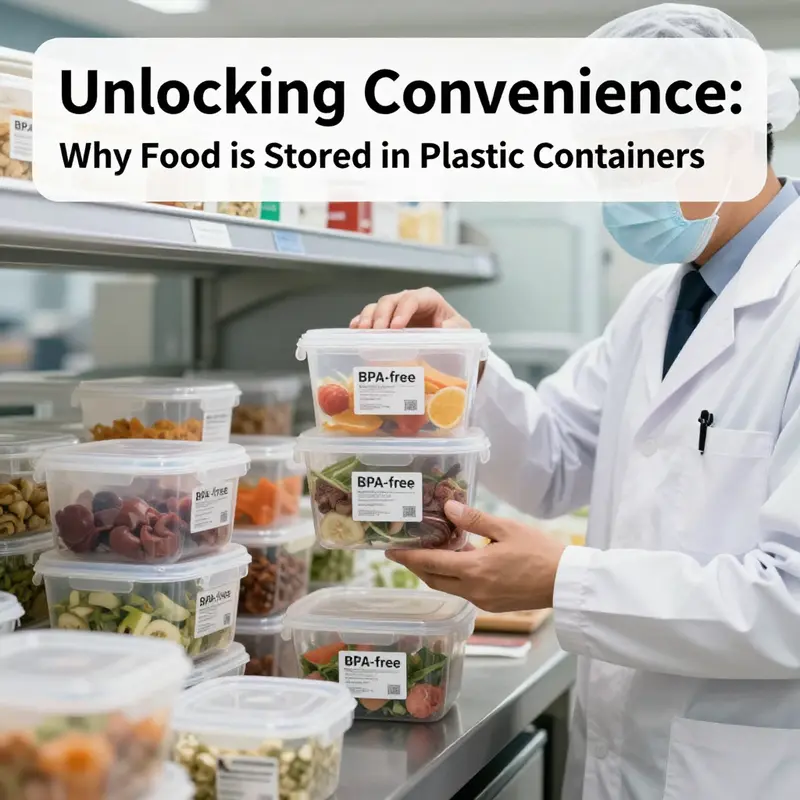
Plastic containers sit at the crossroads of everyday practicality and unseen health considerations. They are chosen not only for the convenience of keeping foods fresh and organized, but also because they are lightweight, affordable, and compatible with modern kitchens that rely on microwaves, refrigerators, and freezers. Yet beneath the everyday usefulness lies a series of health and safety questions that practitioners, researchers, and informed households must weigh. This chapter threads a nuanced narrative through those concerns, linking the practical benefits to the potential risks and the safer alternatives that allow people to tailor storage choices to the foods they hold and the temperatures they use. It is a conversation about chemistry and cleanliness as much as it is about convenience and cost.
At the heart of the health discourse is the reality that some plastic formulations can interact with foods in ways that bear watching. When plastics are heated or come into contact with acidic or fatty foods, certain chemical components can migrate into the food. This is not a universal truth for every plastic, but it is a risk profile that has guided regulatory oversight and consumer guidance for years. The most scrutinized chemical in this context is Bisphenol A (BPA). BPA was historically used in polycarbonate plastics and epoxy resins found in a range of containers and liners. Although many manufacturers have moved to BPA-free options, the landscape has not settled into a simple, risk-free replacement. Substitutes like bisphenol S (BPS) have shown endocrine-disrupting properties in emerging research, raising ongoing questions about long-term safety. The message here is not to condemn plastic storage outright, but to recognize that chemical leaching is a measurable phenomenon with real-world implications for certain use cases and temperatures.
The risk becomes more pronounced when heat enters the equation. Reheating foods in containers that are not designed for high temperatures can escalate both the rate and extent of any potential leaching. Microwaves, for instance, can raise the internal temperature of the container and its contents, creating an environment in which molecules may migrate more rapidly into the food. This is precisely why many experts recommend using food-grade plastics that are labeled microwave-safe only for brief reheating, and often only with containers that explicitly state compatibility for such use. The fundamental idea is simple: heat accelerates chemical exchange, and while the materials used in everyday plastic containers are engineered to withstand routine use, they are not invincible to the physics of diffusion and abrasion.
Another chemical concern worth acknowledging is the family of substitutes that replace BPA. The lingering question is whether these alternatives truly eliminate risk or simply shift it. Endocrine disruption can stem from a combination of molecular characteristics and exposure patterns. If a substitute has a similar molecular architecture that can interact with hormone receptors, it may carry overlapping hazards. The best available signal from researchers and safety bodies is to approach all plastic storage with an evidence-informed mindset: use the least risky option for the task at hand and be mindful of how, when, and at what temperature that task occurs. In practical terms, this translates into a cautious approach to hot, oily, or acidic foods that rely on plastic for long-term storage or reheating.
Beyond chemicals, there is the more mundane but equally important issue of material durability and cleanliness. Plastic containers can degrade over time. Repeated washing, especially with abrasive detergents or aggressive high-temperature cleaning, can produce micro-scratches and clouding. These tiny imperfections are not merely cosmetic. They can harbor bacteria and make thorough cleaning more difficult, creating microenvironments where microbes can persist between uses. The idea that a smooth, non-porous surface is always perfectly clean is a tempting simplification; in reality, no material remains pristine forever under the demands of daily kitchen life. The scratches and microchannels formed by repeated use create challenges for sanitation, particularly for households that reuse containers across weeks or months.
Another practical dimension is odor and flavor absorption. Plastics do not behave like inert containers. They can absorb strong odors and flavors from foods like garlic, curry, or fish. Even after careful washing, traces may linger, subtly influencing the taste of subsequent meals. The phenomenon of flavor migration is a function of the polymer’s interaction with volatile compounds and the texture of the container surface. For sensitive palates or for foods where purity of flavor is paramount, this odor transfer can be a real constraint on how and what is stored in plastic.
The interplay of chemical leaching, degradation, and odor transfer creates a composite risk profile that varies with material type, age, use patterns, and food type. In this light, some observers advocate a cautious layering of storage strategies: plastics for everyday, low-temperature, non-acidic storage and transport; glass for long-term storage, reheating, and highly acidic or fatty foods; and silicone or other inert, certified materials for specific applications where safety margins must be maximized.
A guiding voice in this space comes from the field of food safety research. Dr. Lena Park, a Food Safety Researcher at the National Institute of Kitchen Sciences, has voiced a succinct evaluation of non-porous materials: “Non-porous materials like glass offer superior protection against flavor migration and bacterial retention. Once sealed, they maintain internal conditions more consistently than most plastics.” This summation captures a core insight: while plastics offer barrier properties that help preserve moisture and limit contamination in everyday contexts, non-porous materials can provide more stable barriers over the long term, particularly under heat and with challenging foods. The comparison should not be framed as an absolution of plastic storage, but as an evidence-based consideration when health and safety are paramount.
What this means for households is nuanced. For cold storage of non-acidic foods, plastic containers of appropriate food-grade quality can be an efficient choice. They are generally designed to resist moisture ingress and to manifest odour control tendencies that keep most foods in reasonable condition for short to medium timeframes. But as soon as heat, acidity, or prolonged storage enters the equation, the calculus shifts. In those cases, the safer option set broadens to include glass and, where appropriate, certified silicone or other inert materials. Silicone, when properly certified for food contact, can offer a different balance of heat resistance, flexibility, and cleanability. The key is certification, temperature compatibility, and careful handling.
From a practical perspective, one approach is to choose containers with clear temperature guidelines and to respect those limits. If you intend to reheat, move the food to a container explicitly labeled as microwave-safe or compatible with the intended appliance. If a dish is acidic, such as tomato-based sauces or citrus-rich dishes, consider storage in glass or a non-reactive alternative rather than in a plastic container that may interact more readily with the acidity. And for meals prepared in bulk or stored for longer periods, the evidence supports favoring non-plastic options to minimize the cumulative exposure risk, especially if the containers will be repeatedly heated and cooled.
The broader conversation around health and safety also intersects with environmental and sustainability considerations. While it is tempting to frame the issue as a simple choice between plastic and glass, the optimal approach is highly context dependent. For everyday meal prep, transport, and short-term storage, high-quality plastics can deliver reliable barrier properties and convenience. For hot storage, oily or acidic items, or long-term preservation, non-plastic materials provide clear advantages in chemical stability and sanitation. The decision becomes a question of balancing risk, practicality, and personal preferences for durability, ease of cleaning, and reusability.
To illustrate how readers might navigate this landscape, consider how a household could structure its storage strategy. Begin with a basic kit of food-grade plastic containers for quick meals and cold storage. Use glass containers for items stored in the fridge for longer periods or for reheating, especially when acidity or fats are involved. For specialized applications such as baby foods, sauces, or leftovers that will be heated and eaten later, ensure that the chosen materials are certified for microwave use and are designed to withstand repeated heating without degrading. Routine checks are essential: inspect containers for scratches, cloudiness, or any signs of wear. Replace those that show wear rather than risking harboring bacteria or cross-contamination between foods. Cleanliness is central; avoid scrubbing with abrasive tools that can create micro-scratches and always air dry before sealing to minimize moisture retention that could foster microbial growth.
In this light, the language of safety becomes practical guidance. Do not overfill containers, which can hamper thorough cooling and cleaning. Avoid stacking foods in a way that discourages complete washing of surfaces. Be mindful of temperature transitions; hot foods should not be placed directly into refrigerated containers that are not designed for rapid temperature changes. And always consider the nature of the food. Highly acidic, fatty, or spicy items may interact differently with plastics than with glass, molds, or silicone. In short, the path to safer storage is not a single material fix but a nuanced practice built on understanding material properties, product labeling, and careful handling.
For those exploring safer, non-plastic packaging options as part of a broader sustainability or health-conscious approach, a practical resource is the following page which highlights biodegradable and eco-friendly containers suitable for take-away and home use. The page presents a range of non-plastic alternatives that can complement the kitchen’s storage strategy and help minimize exposure to potential leachates while preserving the integrity and flavor of foods. biodegradable-eco-friendly-take-away-odm-oem-round-kraft-paper-bowl.
The larger question about plastic storage, however, is not merely scientific. It is practical and cultural. It asks how households balance the need for convenience with the desire to minimize risk and preserve both health and taste. It invites a proactive stance: know the limits of your containers, respect the conditions of use, and be willing to switch materials when the scenario calls for it. The grocery shelf offers a spectrum of packaging choices, and the kitchen is the space where those choices translate into daily routines. By interpreting the science through the lens of everyday life, households can make informed decisions that align with their health priorities without sacrificing the benefits of efficient, organized storage.
External resources play a key role in broadening this understanding. The Guardian has reported on safety and health risks associated with plastic containers, highlighting the ongoing conversations around chemical leaching, BPA, and broader environmental concerns. While this chapter synthesizes core findings and practical recommendations, readers may wish to consult external analyses to gain a fuller view of evolving research and policy developments. The Guardian article provides a current, high-level overview of the safety considerations that inform consumer choices and industry practices in the contemporary landscape.
In sum, the choice to store food in plastic containers rests on a mix of barrier efficacy, convenience, and economic practicality. The health and safety considerations outlined here remind us that no material is entirely free of risk. The most robust approach is a balanced one: apply plastic where it is safe and appropriate, lean on non-plastic options where heat, acidity, or long-term storage are involved, and stay informed through reputable sources as the science continues to evolve. This chapter respects that ongoing dialogue and aims to equip readers with a clear framework for making storage decisions that protect health while retaining the everyday benefits that plastic containers have long offered.
Beyond Convenience: Environmental Footprints, Safer Choices, and the Road Toward Alternatives in Food Storage
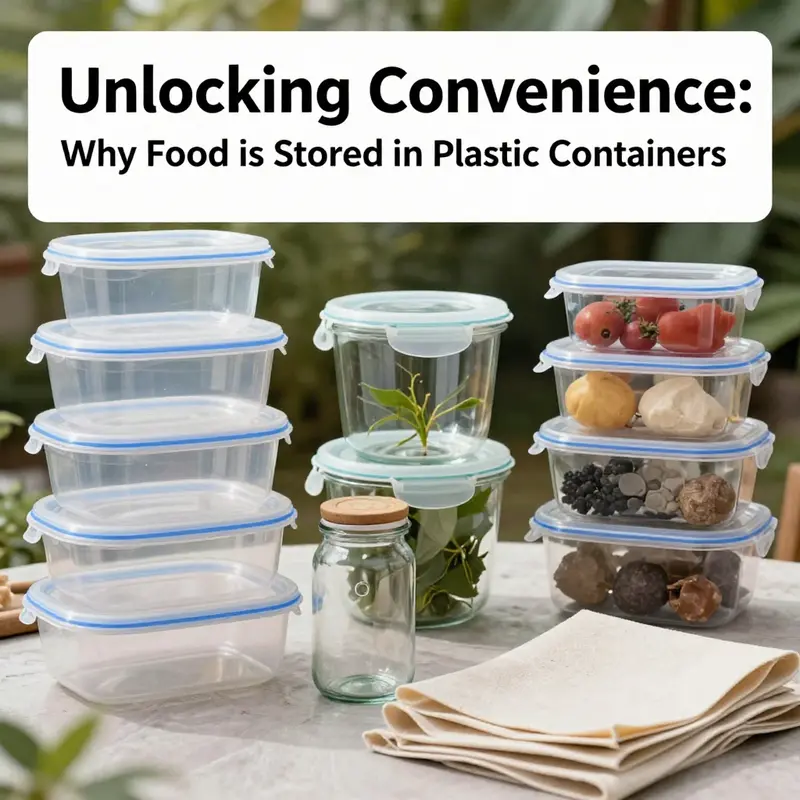
Storing food in plastic containers has long been a default practice in kitchens around the world. The convenience is undeniable: containers are lightweight, durable, affordable, and designed to keep moisture out, air out, and odors in. They fit neatly in cupboards, stack compactly in refrigerators, and can be reused many times before disposal. Yet the environmental footprint of that convenience is not incidental. As with many everyday consumer choices, the way we store food in plastic is tethered to a broader ledger of resource use, waste generation, and ecological impact. This chapter digs into that ledger, tracing how plastic storage materials come to life, how they behave once discarded, and why many people now look beyond plastic toward safer, more sustainable alternatives. The aim is not to condemn convenience but to illuminate the environmental trade-offs and to sketch a landscape of practical, meaningful options that align human needs with planetary health.
The journey begins with the life cycle of plastic food storage. Plastic containers are typically made from petrochemical feedstocks, and their production consumes energy, emits greenhouse gases, and uses a mix of additives that can shape performance. The barrier properties—resistance to moisture, air, and contaminants—that make plastics so good at preserving freshness are, paradoxically, the same characteristics that contribute to persistence in the environment when those containers become waste. Once in the waste stream, plastics can endure for centuries. They are often non-biodegradable in natural settings, and their fragments break down into microplastics that can travel far from their origin, infiltrating soils and waterways. The persistence of plastic waste in landfills and the oceans is a primary reason why the environmental costs of plastic storage extend far beyond the moment of purchase and use.
The environmental accounting of plastics is not only about waste. The production, transformation, and transportation of plastics consume energy and resources at every stage. The combination of demand for raw materials, the energy intensity of manufacturing, and the emissions associated with logistics compounds the climate footprint of plastic containers. In addition, the end-of-life fate of plastics is uneven across regions; while some materials are recycled, the truth is that only a fraction of plastic packaging actually re-enters the circulation. Contamination, mechanical failure, and the economics of recycling all limit the effectiveness of end-of-life strategies. When plastics are not recycled, they often end up in landfills or the environment, where they can fragment into microplastics and accumulate over time. This reality forces us to reconsider the long-term consequences of a storage choice that appears inexpensive and convenient in the moment.
The environmental conversation about plastics also intersects with the broader issue of waste management and consumer behavior. A growing portion of the waste stream is food packaging, and plastics account for a substantial share of that packaging. In many places, the observed rates of recycling and the ability to recover plastics are influenced by local infrastructure, consumer habits, and policy incentives. The result is a complex system where the same container that helps preserve a food item for a few days or weeks can contribute to long-term environmental challenges if not managed wisely after use. That complexity points to a central theme: the environmental cost of plastic storage is not merely the act of sealing in flavor and moisture; it is connected to how materials are produced, how they circulate in the economy, and how they eventually exit the system.
Health and safety concerns have also sharpened the debate around plastic storage. Chemical migration from certain plastics can occur when containers are heated or come into contact with acidic or fatty foods. Over time, these interactions raise questions about the potential for chemicals to leach into food, even as regulatory frameworks strive to keep consumer exposure within safe bounds. Beyond chemical migration, there is the broader risk of microplastics entering the food chain. While the science is evolving, the possibility that tiny fragments could be ingested along with meals has heightened public interest in safer storage alternatives, particularly for hot, oily, or highly acidic items. Recognizing these concerns invites a more nuanced view of plastic storage: it is not purely about performance and convenience but also about the compatibility of everyday practices with long-term health and environmental goals.
Against this backdrop, the search for alternatives centers on materials and designs that can deliver comparable performance with reduced environmental burden. Among the options touted by researchers and environmental advocates, glass emerges as a particularly strong candidate. Glass storage containers offer non-porous surfaces that do not absorb odors or stains, and they are famously compatible with common kitchen tasks. They are safe for microwaves, and many glass options are suitable for ovens, dishwashers, and freezers. The non-porous nature of glass means it does not harbor residues as readily as some plastics can, supporting both cleanliness and flavor integrity. Glass also has a distinct advantage in terms of chemical stability: it does not degrade or leach chemicals into food over time under ordinary use. From a consumer perspective, these attributes translate into a sense of long-term reliability and ease of maintenance, as well as a perceived reduction in risk associated with repeated use.
From an environmental standpoint, glass containers are celebrated for their recyclability. Unlike most plastics, glass can be recycled repeatedly without a loss of quality, which minimizes the need to extract new raw materials and reduces energy intensity over the lifecycle. The circular potential of glass—its ability to be reused and endlessly remanufactured into new containers—offers a clear pathway toward reducing waste and conserving resources. However, glass is not a perfect substitute in every context. It is heavier than plastic, which can influence transport emissions and energy use for shipping. Its breakability can pose safety concerns in households with children or in busy kitchens where accidents happen. And the energy costs of producing, transporting, and heating glass containers can offset some of the environmental gains if weighing every stage of the lifecycle. These considerations remind us that the choice between plastic and glass is not a simple either/or decision; it is a trade-off analysis that weighs convenience, durability, safety, and environmental footprint in a nuanced way.
The argument for glass, nonetheless, gains strength when framed around reuse and long-term sustainability. Used for many years, glass containers reduce the need for frequent replacement, which aligns with a strategy of reducing resource throughput and waste generation. For households aiming to minimize single-use packaging, glass can be part of a broader shift toward refill, reusability, and responsible disposal. In this spirit, it is worth noting the types of packaging that can complement a move away from plastic. For everyday meals and leftovers, durable, reusable glass containers can replace many disposable plastics. For prepared items or transport where weight and fragility are concerns, hybrid approaches may emerge—where glass is used for home storage, and recyclable paper or metal alternatives fill niches that prioritize lighter weight or simpler disposal.
Beyond glass, other materials warrant discussion, even if they do not replace plastic entirely in all situations. Stainless steel and certain silicone-based options, for example, offer durability and reusability that fit within a cautious environmental framework. Metals can be highly reclaimable and long-lasting, reducing the frequency of replacement. Silicone presents an appealing set of properties—flexibility, heat resistance, and a degree of resilience—that can work well for specific storage needs. Paper-based packaging, particularly those designed for food storage, provides another pathway toward reducing the environmental footprint of daily meals. When designed to be recyclable or compostable, or used in reusable formats, paper-based options can support a lighter-touch approach to packaging. The key idea is not to pin all hopes on one material but to adopt a portfolio strategy: use the right material for the right purpose, optimize reuse where possible, and minimize the life-cycle impact through thoughtful design and behavior.
Practical guidance naturally emerges from this environmental frame. Consumers can adopt several strategies that balance the convenience of plastic storage with environmental responsibility. First, reduce overall reliance on disposable plastic containers. When possible, choose containers that are designed for long-term reuse and that can tolerate heat and dishwasher cycles without degrading. Second, prioritize materials with strong end-of-life prospects. If choosing glass, ensure safe handling to minimize breakage, and leverage recycling streams that return glass to the cycle rather than letting it end up in landfill. Third, consider the broader environmental context of a storage decision. Transport energy, local recycling capabilities, and household waste practices all influence the real-world footprint of a given material. Fourth, practice mindful use with food safety in mind. Use heat-resistant, food-grade materials appropriately, and avoid heating plastics that may contain additives or contaminants that could migrate into food. Finally, embrace innovations in packaging design that emphasize reuse, durability, and recyclability. Thoughtful packing solutions, such as properly sealed glass containers and well-designed lids, can extend freshness while reducing waste.
To illustrate how alternatives can be integrated into everyday routines, consider a household that swaps a portion of its plastic storage for durable glass containers. The efficiency of this transition depends on several factors: a desire to minimize chemical exposure, a preference for simple cleaning, and a willingness to manage heavier materials. In practice, this means selecting glass containers with sturdy, secure lids to preserve freshness and prevent leaks. It also means recognizing when plastic remains a sensible choice. For instance, flexible, lightweight bags or certain single-use items may still play a role in on-the-go meals or certain storage contexts. The aim is not to enforce a single solution but to encourage informed decisions that align with personal habits and environmental goals. In this sense, the conversation around plastic storage becomes a conversation about stewardship: how we care for food, how we manage resources, and how we participate in a system that moves toward less waste and greater resilience.
A practical consideration for readers who want to visualize alternatives is to explore packaging formats designed to minimize waste while maintaining convenience. For example, reusable glass containers often pair with lids designed to keep contents fresh and to stack efficiently in shelves and refrigerators. The ability to reuse reduces the throughput of raw materials and energy per use, especially when the containers survive many cycles. For occasional disposables, paper-based packaging can offer a lower-carbon alternative when responsibly sourced, well designed for recycling, and paired with efficient waste systems. This is where the idea of a portfolio approach becomes most valuable: mix materials strategically to optimize environmental outcomes, weekly routines, and household budgets. In addition, the design of containers matters. Thoughtful sealing mechanisms, such as snap-on or twist-lock lids, influence how well a container preserves food while minimizing waste due to spoilage. When lids seal effectively, food stays fresher longer, reducing the likelihood of disposal.
The narrative above is not a manifesto against plastic but a map of practical options and their implications. It recognizes the everyday realities that drive plastic storage—ease of use, low cost, compatibility with appliances, and quick organization in the kitchen. It also acknowledges the legitimate concerns about long-term environmental impact and potential health implications. The challenge, then, is to design and use storage systems that honor both human needs and ecological limits. This means encouraging reuse, designing for recyclability, and supporting communities and policies that improve waste management and material cycles. In homes, workplaces, and schools, the adoption of safer, more sustainable storage choices can have a cumulative effect, changing demand signals and prompting manufacturers to innovate with lower environmental footprints.
To bring this closer to a practical decision point, consider the broader systems-level shift toward safer, reusable storage. The environmental benefits of glass, when used over many cycles, can be meaningful, particularly in households that value durability and long service life. Yet the real gains depend on how products are designed and used, how well they are maintained, and how containers are disposed of at the end of their life. Recycling infrastructure and consumer participation are critical determinants of outcomes. The more households embrace robust recycling streams and reuse practices, the more the environmental burden of plastic storage can be alleviated. Conversely, where recycling systems are weak or contaminated by improper disposal, the net effect of plastic storage can be more harmful than anticipated.
In closing, the conversation about why food is stored in plastic containers, and how we might move toward alternatives, is a story about balancing convenience with responsibility. Plastic remains deeply integrated into modern life because of its performance, affordability, and adaptability. But the environmental reality invites a broader view—one that considers lifecycle impacts, waste management realities, and the health and safety dimensions of everyday storage. Glass and other durable options represent meaningful pathways for reducing environmental footprint while maintaining practicality in daily kitchens. A measured transition—grounded in reuse, recycling, and thoughtful design—can preserve the benefits of storage while diminishing the long-term costs to ecosystems and communities. As individuals and households explore these options, the choices they make contribute to a larger cultural shift: that the way we store food today should be compatible with the health of tomorrow’s planet.
For readers seeking a concrete example of an alternative approach that aligns with these ideas, consider the role of durable, recyclable storage in everyday dining and food packaging. This approach can extend beyond home use and inform practices in offices, schools, and food-service settings, where coordinated waste reduction and material efficiency can amplify environmental benefits. The broader takeaway is clear: the environmental impact of food storage is a measurable, modifiable factor in our daily lives. By appreciating the lifecycle of containers and the trade-offs involved, we can choose storage options that support freshness and safety while reducing waste and resource use. In short, moving beyond plastic storage is not a rejection of convenience; it is a shift toward systems thinking, where each container is a link in a cycle that honors both people and the planet. This perspective invites ongoing curiosity, experimentation, and dialogue about how best to store food in ways that are kind to the Earth without compromising the everyday comforts we rely on.
External resource: For a broader picture of how food packaging and waste intersect with environmental policy and practice, see the EPA’s overview of Food Waste Impacts and Solutions at https://www.epa.gov/organics/food-waste-impacts-and-solutions.
Internal link: A practical example of an alternative packaging option in common use is discussed here: kraft paper bowls for food packaging. This example illustrates how paper-based, disposable solutions can pair with reusable and recyclable systems to reduce reliance on single-use plastics while maintaining serviceability in daily dining and takeout contexts.
Final thoughts
Food storage in plastic containers is not just about convenience; it encompasses practical benefits, economic viability, safety assurance, and the ongoing discussion of environmental responsibility. As trends shift, understanding these factors provides clarity for food businesses seeking to optimize their storage solutions. Transitioning to safer alternatives is a crucial consideration in modern culinary practices that uphold food integrity while meeting consumer demands. As industry standards evolve, staying informed enables food service professionals to balance operational efficiency with sustainable practices.