
In the food service industry, especially for bubble tea shops, restaurants, food trucks, and catering services, choosing the right oil proofing agent for pulp food containers is paramount. These products not only ensure the integrity and safety of the food packaging but also align with growing consumer demand for environmentally friendly solutions. As sustainability takes center stage, understanding the features and benefits of oil proofing agents from different provinces in China will enable buyers to make informed decisions. This comprehensive guide delves into suppliers from Guangdong and Zhejiang provinces renowned for their innovative solutions, while also exploring the cost-effectiveness of those from Shandong and Hebei provinces. An emphasis on compliance and performance, as exemplified by BlueSun’s high-quality offerings, completes the picture, ensuring that buyers can confidently select the best oil-proofing agents for their operations.
Guangdong’s Manufacturing Edge: Sourcing Wholesale Oil‑Proofing Agents for Pulp Food Containers
Guangdong’s Edge for Wholesale Oil‑Proofing Agents
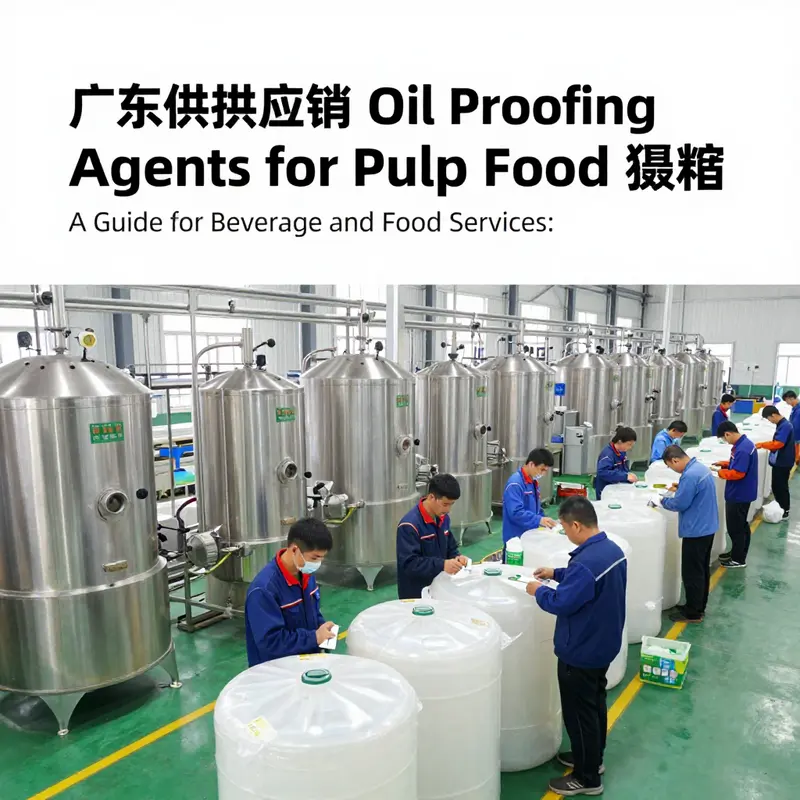
Guangdong Province combines scale, technology, and supply‑chain integration in ways that directly benefit buyers of wholesale oil‑proofing agents for pulp food containers. The region’s industrial ecosystem supports every step of the food‑grade packaging value chain. Buyers who understand Guangdong’s strengths can reduce lead times, improve product reliability, and secure formulations that meet increasingly strict food‑safety and environmental requirements.
Guangdong’s manufacturing network centers around cities with deep packaging experience. These hubs host advanced printing, coating, and thermoforming lines. The proximity of converters, pulp suppliers, and testing labs speeds product development. For B2B buyers, that means quicker sample iterations and faster scale‑up when a formulation performs well. Guangdong suppliers typically offer large‑volume runs and flexible minimums, which suits buyers planning phased rollouts or seasonal volume spikes.
Technology plays a defining role. Modern coating lines in the province support a wide range of oil‑proofing chemistries. Manufacturers can apply surface coatings or integrate internal sizing during pulp molding. They also operate high‑precision applicators and drying tunnels. This equipment ensures consistent barrier performance across batches. For containers intended to hold hot or greasy foods, consistent oil resistance is non‑negotiable. The machinery in Guangdong reduces variability and increases the likelihood that a coating will perform reliably in diverse real‑world conditions.
Supply‑chain maturity is another advantage. Guangdong’s network of raw material suppliers, converters, and logistics providers has evolved to support export markets. Buyers benefit from suppliers who can source food‑grade kraft pulp and certified coating ingredients without excessive lead times. The region’s proximity to major ports simplifies shipping for buyers worldwide. Consolidated logistics also lowers the risk of delays when raw materials are needed quickly to meet production schedules.
Compliance and traceability are key concerns for any buyer of oil‑proofing agents. Reputable Guangdong manufacturers are accustomed to global food‑safety standards. They typically understand documentation requirements for markets such as the U.S. and EU. This familiarity translates into suppliers that can provide regulatory paperwork, ingredient declarations, and third‑party testing certificates. Request specific certificates early. Look for independent lab reports that quantify oil and grease resistance, migration limits, and any relevant extractables testing. Documentation reduces the chance of hidden compliance risks during customs checks or retailer audits.
Sustainability trends shape formulation choices. Many buyers now prefer PFAS‑free solutions. Guangdong manufacturers have responded by offering PFAS‑free and non‑toxic coating options that maintain barrier performance. When selecting a supplier, confirm the chemistry behind an oil‑proofing solution. Ask whether the formulation is suitable for direct food contact and whether it affects recyclability or compostability. Some coatings are optimized for pulp molding processes and biodegradability. These formulations can improve a product’s environmental profile without sacrificing functionality.
Performance requirements vary by application. Soup bowls, takeaway boxes, and cup holders demand different levels of heat and grease resistance. Guangdong suppliers often provide customizable solutions tailored to specific container types. For example, heavy‑duty coatings can be applied to pulp molded bowls, while thinner surface treatments work for single‑use cups or lids. Buyers should specify end‑use conditions—temperature range, expected dwell time, and types of food—to ensure the chosen agent delivers the necessary barrier properties.
Quality assurance practices matter. Leading suppliers in Guangdong run routine batch testing and maintain traceable records. Visit manufacturing sites when possible. On‑site audits reveal process controls, cleanliness standards, and sample‑retention policies. Ask about the supplier’s ability to support third‑party audits and to provide test reports from recognized labs. Rigorous QA practices reduce variability and help buyers meet retailer specifications consistently.
Working with local partners offers logistical advantages. Local sourcing enables just‑in‑time deliveries and faster prototyping. It also simplifies communication during technical trials. Guangdong manufacturers usually maintain in‑house technical teams that assist with formulation tweaks and compatibility testing. When a coating needs minor adjustments, this local expertise can compress development cycles from months to weeks.
Cost considerations are pragmatic. Guangdong can offer competitive pricing due to high production volumes and efficient supply chains. However, price should not be the sole selection criterion. Low cost with weak documentation or inconsistent performance introduces risk. Balance price against documented compliance, testing history, and the supplier’s ability to scale. A slightly higher unit cost can be worthwhile when backed by reliable certifications and traceable quality systems.
Choosing the right partner means balancing capabilities with due diligence. Verify that potential suppliers can supply test samples and provide third‑party laboratory reports. Ask for material safety data sheets and detailed ingredient lists. Confirm their experience with pulp molding and surface coating lines. Prioritize suppliers who understand both food‑safety legislation and environmental expectations in target markets.
For buyers focused on finished packaging as well as raw treatments, Guangdong’s product ecosystem includes ready‑made container options that illustrate coating performance. Reviewing real examples of waterproof or grease‑resistant bowls helps set performance benchmarks. One useful reference is a waterproof paper bowl with lid that demonstrates practical application of oil‑proofing treatments in pulp containers: waterproof paper bowl with lid. Examining such finished products clarifies expectations and informs lab test criteria for new formulations.
In procurement planning, build trials into your schedule. Allow time for sample evaluation under real use conditions. Define acceptance criteria for grease resistance and migration. Require traceability for each production batch, and negotiate terms that include replacement or remediation if a batch fails testing. These contractual safeguards protect supply continuity and brand reputation.
Guangdong’s manufacturing strengths create a compelling sourcing option for wholesale oil‑proofing agents used in pulp food containers. Buyers who pair local capability awareness with strict testing and documentation protocols will find suppliers that deliver scalable, compliant, and increasingly sustainable solutions. This regional approach reduces development friction and helps align barrier performance with market‑specific regulatory demands.
Zhejiang’s Fluorine-Free Advances: Practical Oil-Proofing for Wholesale Pulp Food Containers
Zhejiang’s fluorine-free advancement and industrial fit
Zhejiang has become a pivotal region for developing oil-proofing chemistries that meet both stringent food-safety standards and wholesale manufacturing demands. Manufacturers in this province focus on water-based, cationic and polymeric formulations that deliver reliable oil and grease resistance without relying on persistent fluorinated compounds. These developments are important for buyers sourcing oil-proofing agents for pulp food containers because they combine regulatory readiness, scalable production, and practical performance for everyday foodservice applications.
Technically, the shift favors waterborne systems that penetrate pulp fibers and form continuous barrier layers. Cationic chemistries bind effectively to the negatively charged cellulose surface. That improves retention during pulp forming and reduces binder washout. When properly formulated, these agents provide measurable oil and grease resistance while keeping water permeability within acceptable limits for many food uses. The result is disposable bowls, trays, and cup carriers that resist seepage and maintain structural integrity during service and transport.
For B2B buyers, the appeal goes beyond barrier performance. Zhejiang suppliers typically operate integrated R&D labs close to pilot production lines. This proximity allows rapid iteration on viscosity, solids content, drying speed, and binder compatibility. It also enables customization: a formulation tuned for molded pulp bowls with short dwell times in drying ovens can differ from one optimized for surface-coated paper cups. That technical agility matters when scaling orders from pilot runs to multi-ton shipments.
Operational compatibility is crucial. Water-based oil-proofing agents must match existing pulp production parameters, including pH range, retention aids, and drying profiles. Viscosity and solids control impact spray and dip coating systems, and drying temperature dictates oven fuel consumption and throughput. Zhejiang suppliers often provide application guidance for pulp molding, suggesting specific solids percentages and recommended drying cycles. They also support on-site trials and small-batch adjustments to minimize line disruption during product qualification.
Regulatory compliance is another decisive factor. Leading Zhejiang formulations are designed to avoid regulated persistent substances and to meet migration and safety tests required by major markets. Buyers should request technical datasheets that include food-contact compliance statements and independent lab results. Third-party testing from recognized laboratories provides confidence in grease-resistance performance, overall migration, and the absence of restricted chemistries. For wholesale procurement, insist on clear batch testing, certificates of analysis, and traceability for each shipment.
Sustainability is embedded in product design. Fluorine-free agents reduce the risk of long-term environmental persistence. Many Zhejiang manufacturers are also exploring bio-based binders and lower-energy curing processes. That approach enhances end-of-life outcomes for disposable pulp items. When combined with appropriate waste-management systems, fluorine-free treated pulp containers offer improved compostability and recyclability compared with fluorinated alternatives.
Cost considerations demand pragmatic assessment. Newer fluorine-free solutions can carry a price premium over legacy fluorinated chemistries. However, that gap narrows at scale. For wholesale buyers, the total cost of ownership matters: improved supplier technical support, lower regulatory risk, and fewer end-of-life liabilities can offset higher unit pricing. Volume discounts, long-term supply agreements, and jointly developed specifications often reduce per-ton costs. Requesting samples and running pilot production helps quantify the real-life cost impact before committing to large orders.
Quality assurance and supplier selection should focus on repeatability. Ask potential vendors for process capability data, like batch-to-batch variance in solids content and pH. Review their QC protocols for microbial control, stability testing, and accelerated aging. Good suppliers will provide guidance on storage conditions and shelf life, since water-based chemistries can be sensitive to temperature and contamination. Ensure packaging options and bulk-handling recommendations match your logistics capabilities.
Integration with finished goods is straightforward when the formulation and production process are aligned. Pulp molded bowls and trays, for instance, benefit from sizing agents that are applied during sheet formation. Surface coatings are a better fit for printed cups and multi-material laminates. For practical examples of final products that use effective oil-proofing in pulp or paper formats, see a representative waterproof paper bowl with lid that illustrates finished-goods performance in the market: https://greendispopack.com/product/new-style-good-quality-waterproof-paper-bowl-with-lid/.
Testing protocols should include industry-standard grease-resistance evaluations, water-resistance tests, and migration assays relevant to your target market. Grease-resistance kits provide fast, comparative results. Migration testing assesses potential transfer of any residual components into food. For export, align your testing regimen with the receiving market’s demands and compile documentation accordingly. A complete sampling plan, including small-batch pilot runs and subsequent third-party certification, reduces the risk of product recalls or shipment rejections.
Finally, consider supply chain resilience. Zhejiang suppliers often have access to regional specialty chemical clusters and fast shipping routes to major ports. That supports shorter lead times for reformulation or urgent restocking. Still, global disruption can affect raw-material availability. Building relationships with multiple vetted suppliers in Zhejiang helps secure continuity. Negotiate clear minimum order quantities, lead times, and contingency plans so your supply meets seasonal demand spikes without compromising compliance.
For a technical overview of standards, structures, and industrial uses of sustainable packaging additives, refer to this external resource for deeper context: https://www.ecofriendlyproductswholesale.com/standards-structure-industrial-applications
Cost-Effectiveness in Wholesale Pulp Food Container Oil Proofing Agents from Shandong and Hebei Provinces
The economics of sourcing wholesale oil proofing agents for pulp food containers is rarely a simple arithmetic of price per ton. In Shandong and Hebei, the cost picture is shaped by a dense ecosystem where large-scale chemical production sits alongside sophisticated packaging manufacturing. Buyers who prioritize cost-effectiveness must look beyond headline price to understand how regional infrastructure, access to raw materials, logistics, and supplier capabilities interact to deliver reliable performance at scale. The result is a nuanced balance: lower unit costs can be offset by longer lead times, higher minimums, or variations in formulation that impact compliance with food-contact standards. In practice, the most effective procurement strategy begins with a clear view of the regional advantages and the accompanying risks, then aligns supplier selection with documented performance, consistent supply, and regulatory assurances.
Shandong’s strength comes from its robust chemical and packaging clusters. The province has long benefited from integrated value chains that connect resin and emulsion chemistry with downstream pulp and paper processes. For wholesale oil proofing agents, this translates into a mature supply network capable of industrial-scale production, precise emulsion technology, and stable delivery schedules. Pricing in this region tends to reflect the scale of operations and the reliability of the distribution channels. Typical wholesale offers point to a price band around US$15,000 to US$16,000 per ton, with a minimum order quantity often set at one ton. This configuration signals a market designed for buyers who need consistent volumes and predictable cycles, rather than sporadic, small-batch purchases. The capacity to produce high-performance barrier emulsions at scale also transfers into shorter replenishment lead times when demand spikes, ensuring that large manufacturers and contract packagers can maintain uninterrupted lines of pulp molding and surface coating processes.
Logistics in Shandong further reinforce cost-effectiveness. Proximity to major ports, well-developed inland transportation networks, and dense industrial zoning reduce freight complexities and simplify the route from factory to customer. Consistency of supply is underpinned by ongoing access to feedstocks and a stable regulatory environment that supports food-contact compatible formulations. These factors directly influence landed costs, which in procurement terms means less volatility and more reliable budgeting for long-run packaging programs. For buyers evaluating total cost of ownership, the Shandong option often delivers a favorable combination of unit price, supply reliability, and compatibility with existing manufacturing lines, particularly when there is a need for bulk emulsions that can be integrated into both molding and coating steps.
Hebei complements this picture with advantages rooted in logistics efficiency and lower operating overhead in some submarkets. The province sits within easy reach of northern industrial hubs such as Beijing and Tianjin, enabling faster cross-regional distribution and reduced handling time for bulk orders. The cost economics here can be particularly appealing for buyers managing large, ongoing programs across northern cities or for companies that require frequent replenishment. Because Hebei’s public data on specific oil proofing agents is less transparent in open channels, due diligence becomes even more critical. Prospective purchasers should demand detailed performance data, third-party test results, and a clear traceability plan for each batch. The aim is to ensure that lower overhead costs do not mask gaps in conformity with food-safety standards or in the consistency of barrier performance across production lots.
A central thread in both provinces is the shift toward sustainable formulations that meet food-safety criteria without compromising barrier strength. In the wholesale market, this translates into emulsions and polymer systems designed to minimize residual migrates while delivering reliable water and oil resistance on pulp-based substrates. For buyers, the sustainability angle is not merely a compliance checkbox; it is a driver of long-term cost savings. Food-contact regulations in major markets require robust testing and documentation, and formulations with clear safety profiles can reduce the risk of product recalls, line stoppages, or demand-shifts caused by regulatory scrutiny. Where regional suppliers innovate toward lower environmental impact, the downstream cost benefits include less waste, cleaner processes, and enhanced brand credibility among customers who prize responsible packaging.
However, the path to cost-effectiveness is not exclusively about price and sustainability. It hinges on a disciplined evaluation of supplier capabilities and the ability to translate regional advantages into consistent performance for specific use cases. Procurement teams should compare not only the price per ton but also the total value proposition: the breadth of product offerings that can serve both molding and surface-coating needs, the reliability of supply chains for bulk orders, and the depth of quality assurance programs. In practice, this means requesting performance data that demonstrates barrier strength, water resistance, and compatibility with direct-contact food packaging. It also means requiring third-party verification from reputable laboratories, such as SGS or Intertek, to validate that each lot meets applicable food-safety standards and does not introduce unacceptable contaminants into the finished packaging. The importance of traceability cannot be overstated: if a supplier can detail batch records, raw material sources, and test results for every shipment, the perceived risk associated with cost savings diminishes considerably.
From a strategic sourcing perspective, the optimal approach blends regional capabilities with disciplined supplier selection. Buyers should favor certified suppliers who have demonstrated competence in food-safe chemical formulations and who can supply performance data that correlates with their claimed barrier properties. In Shandong, where production scale and infrastructure support consistent output, the emphasis should be on maintaining stable lead times and predictable pricing across seasonal demand cycles. In Hebei, emphasis should be placed on ensuring logistics reliability and obtaining transparent cost breakdowns that reveal any potential hidden charges tied to remote sourcing or extended lead times. A practical tactic is to structure procurement around tiered commitments: secure baseline volumes at agreed prices while maintaining flexibility to adjust orders as performance data accumulates. This approach allows buyers to capture the advantages of scale without sacrificing the ability to adapt to evolving regulatory or market conditions.
To translate these regional dynamics into a workable purchasing plan, it helps to anchor decisions in measurable criteria. Demand forecasts that tie directly to packaging formats—pulp molding versus surface-coated containers—provide the framework for choosing the most suitable regional supplier mix. Performance criteria should include barrier strength under realistic contact conditions, resistance to oil migration during storage and use, and compatibility with existing molding or coating lines. The documentation package ought to encompass batch-level test results, certifications for food contact compliance, and traceability records that enable rapid investigation if a quality incident occurs. While price remains a critical factor, the total cost of ownership—comprising lead times, changeovers, waste, and potential regulatory risk—often proves decisive in long-cycle procurement programs.
As buyers navigate these provincial options, a careful balance emerges between the direct savings available from Shandong’s scale and Hebei’s logistical leverage and cost competitiveness. The prudent path is to pair a core, stable supply relationship with selective, project-based sourcing from the region that best aligns with current demand patterns and regulatory requirements. It also pays to maintain a robust pipeline of potential suppliers, so negotiations can benefit from competitive tension while giving teams sufficient leverage to demand the high standards of quality, safety, and transparency that modern food packaging demands. For practitioners, this means maintaining clear supplier qualification criteria, systematically comparing tenders on total value rather than price alone, and insisting on independent testing reports as a condition of any large order. A well-structured supplier ecosystem across Shandong and Hebei reduces the risk of disruption and keeps cost-per-ton in check without compromising safety or performance.
For further context on how regional strengths shape overall packaging ecosystems, consider a broader industry analysis that outlines regional strengths and material specialization in China’s packaging manufacturing landscape. This external resource provides a macro view that complements on-the-ground supplier evaluations and can help buyers anticipate shifts in supply dynamics as regulatory and market demands evolve. External resource: https://www.made-in-china.com/industry/20251221/chinas-packaging-manufacturing-ecosystem-regional-strengths-and-material-specialization
Inside this regional framework, an internal reference can be useful when aligning packaging procurement with end-use needs. For instance, a supplier page detailing custom, logo-enabled take-away kraft cups demonstrates how manufacturers seek compatibility between oil proofing formulations and customer-facing packaging solutions. Such materials underscore the practical need for consistent performance across both molding and coating steps, reinforcing why comprehensive third-party testing and clear batch traceability are non-negotiable in cost-conscious programs. See a representative example of such packaging applications here: custom-logo kraft coffee cup with lid. This internal reference helps connect the procurement mind-set—focused on regional cost efficiency and supply reliability—with the tangible packaging assets that end users interact with every day.
How Fluorine-Free Oil Proofing Agents Perform in Pulp Food Containers: Practical Traits B2B Buyers Need
Performance in Production and Use
Selecting an oil proofing agent for pulp food containers hinges on a few measurable performance traits. Buyers need assurance that the barrier repels grease and oil, endures thermal and mechanical stresses, and aligns with evolving environmental and food-safety rules. Modern fluorine-free, water-based cationic formulations deliver that balance. They form a thin, continuous film inside molded pulp or on coated surfaces. That film interrupts oil pathways, keeps liquids from darkening the fiber, and preserves a clean presentation. In practical terms, this means containers hold greasy foods without staining or leaking for expected service times.
Barrier effectiveness shows up in simple tests. The KIT test and oil penetration trials quantify resistance with repeatable numbers. A robust compound will score high on those tests and show consistency across production batches. Equally important is film integrity during heat exposure. Many food operations expose containers to heat, steam, or short-term oven temps. The best fluorine-free agents resist softening and maintain barrier characteristics at elevated temperatures commonly used in fast-food and take-away operations.
Compatibility with pulp processes matters as much as intrinsic barrier performance. These agents are designed for pulp molding and surface coating. When integrated properly, they do not compromise sheet formation or bonding between fibers. They also work alongside wet-strength and dry-strength additives. Proper dosing keeps the paper tensile and tear resistance within target ranges. A small reduction in stiffness can be offset by adjusting fiber blends or wet-pressing parameters, preserving handling performance and stacking strength.
Application flexibility is a key commercial advantage. Water-based, cationic formulations suit size-press and spray systems, and some can be added during pulp slurry or applied post-formation. Choice of method depends on capacity, equipment, and the container design. In-line curtain or spray coaters give controlled coverage and fast drying. Sizing during pulp formation offers deeper penetration and durable internal protection, especially for molded bowls and specialty trays. Immersion or dip coating works for prototypes or low-volume runs but requires careful control to avoid overloading the pulp and slowing drying.
Process control is straightforward but essential. Maintain stable pH and temperature during mixing. Agitation prevents settling and ensures uniform distribution. Typical concentrations are optimized to meet performance without wasting material. Overdosing produces a brittle feel and may interfere with ink adhesion. Underdosing reduces barrier life. Most suppliers provide trial protocols and target coat weights for specific pack styles.
Food safety and regulatory compliance frame procurement decisions. Fluorine-free systems avoid PFAS-related concerns and often carry the added benefit of being free from other restricted substances. For B2B buyers, insisting on third-party test reports is non-negotiable. Certificates from accredited labs showing migration testing, overall and specific migration limits, and biodegradability claims are key documents. Buyers should also request compliance documentation aligned with regional rules, such as EU food contact regulations or comparable authorities.
Environmental performance is becoming a decisive differentiator. Biodegradability and lower eco-toxicity profiles reduce lifecycle impacts. Fluorine-free formulations with proven degradation pathways align with waste management streams like composting or standard recycling. However, buyers should verify claims with independent lab data. Certifications and standardized testing frameworks show where a formulation stands relative to circular packaging goals.
Durability and shelf life are operational concerns. Water-based products commonly have a defined shelf life under controlled conditions. Proper storage avoids freeze-thaw cycles and contamination. On-site handling guidelines cover mixing order, dilution ratios, and filtration to prevent nozzle clogging. Regular QC checks on viscosity and solids content keep production stable. Simple inline checks, combined with occasional lab verification, avoid surprises when scaling batches.
Aesthetic impact is often underestimated. A high-quality oil barrier keeps containers looking clean and fresh when served. Clear films that do not impart gloss or color allow printing and branding to remain prominent. Some treatments can slightly change surface texture; manufacturers can advise on the coating weight that keeps the intended look and feel intact while giving reliable protection.
Cost-effectiveness must be judged across the product lifecycle. While raw-material costs vary, performance-per-gram and required coat weights determine true value. Lower coat weights that achieve equal barrier results reduce material usage and drying energy. Buyers should compare real-world performance on their product lines rather than rely solely on lab benchmarks. Trials on representative containers, like bowls and takeaway boxes, reveal the operational cost in energy, throughput, and waste.
Quality assurance practices are crucial for consistent results. Implement incoming material inspections, lot traceability, and retention samples. Test treated containers under simulated use: hot oil exposure, cold storage, and stacking. Evaluate printing adhesion after treatment. A simple acceptance protocol saves time and reduces costly recalls.
Practical buyer tips: 1) Request small-scale sample runs on your actual container designs. 2) Ask for third-party migration and biodegradability reports. 3) Confirm application methods and expected coat weights. 4) Verify compatibility with inks and adhesives used downstream. 5) Check recommended storage and shelf-life conditions. These steps reduce technical risk and speed time to market.
For pulp packaging OEMs, this performance profile suits a wide range of applications. Fast-food wrappers, take-away bowls, paper cups, and bakery trays benefit from a fluorine-free oil barrier that resists grease, withstands heat, and supports sustainable claims. When combined with proper process control and supplier transparency, these agents help packaging brands meet consumer expectations and regulatory demands while preserving the tactile and visual qualities of molded pulp.
For reference on a representative container type suitable for oil-proofed pulp, see the new-style waterproof paper bowl with lid product page: new-style waterproof paper bowl with lid.
Full technical specifications, application guidance, and performance data are available from manufacturer resources. For a direct product reference and detailed technical data, consult the fluorine-free oil proofing agent product page: https://www.bluesunchemical.com/products/fluorine-free-oil-proofing-agent-jl106
Guardrails of Safety: Navigating Compliance in Wholesale Pulp Container Oil-Proofing Agents
When buyers pursue wholesale oil-proofing agents for pulp-based food containers, safety and reliability are not mere priorities; they are prerequisites that frame every sourcing decision. In a market increasingly oriented toward PFAS-free formulations and environmentally responsible packaging, the right oil-proofing treatment must protect the product, preserve the container’s integrity, and remain compatible with strict food-contact regulations. The best suppliers understand that performance cannot outpace safety. They design formulations that resist both oil and water exposure while remaining inert in the context of human contact, processing, and waste streams. The challenge for buyers is to balance aggressive barrier performance with traceable conformity to global standards, especially in the large and diverse North American and European markets where regulators, retailers, and consumers scrutinize every ingredient and every test report. A supply chain built on robust safety parameters reduces the risk of regulatory disruption, product recalls, and reputational damage, enabling manufacturers to scale confidently across regions that demand consistent quality at every run of production.
To navigate this landscape effectively, buyers must anchor their decisions in a clear understanding of the regulatory framework that governs oil-proofing agents for food-contact materials. In the United States, the FDA maintains an Inventory of Food Contact Substances as a catalog of permitted substances or their uses in packaging. Compliance implies that any oil-proofing component or additive either appears on this list or has been reviewed for safety under FDA guidelines and established as a suitable part of a packaging system. In Europe, EFSA provides the parallel assurance framework, with assessments that influence approvals for substances used in contact with food. For teams evaluating potential suppliers, the existence of specific approvals or favorable safety determinations becomes a central criterion. The practical implication is that a supplier’s ability to provide documentation—comprehensive risk assessments, material safety data, and proof of compliance—is as valuable as the oil-proofing performance itself. The standard of proof matters because it translates into the confidence that a product will meet the exacting requirements of a regulated market, while still performing under the logistical realities of mass production and high-volume orders.
Beyond safety per se, environmental stewardship has become inseparable from the regulatory conversation. Many pulp-based packaging solutions now pair oil-proofing treatments with materials designed to be biodegradable or compostable. Here, environmental standards such as ASTM D6400 for compostable plastics and EN 13432 for packaging recovery guide the acceptable boundaries. Buyers increasingly demand that oil-proofing agents not hinder the biodegradability of the pulp matrix or the compostability of the finished container. In practice, this means testers and chemists must verify that the interaction between oil-proofing chemistries and pulp fibers does not leave persistent residues or interfere with microbial degradation pathways. For materials like sugarcane pulp (bagasse) or PLA-lined papers, the compatibility question becomes even more nuanced. A successful oil-proofing strategy should preserve barrier performance without compromising the end-of-life options that customers expect, enabling a pathway toward waste streams that are more sustainable and more aligned with circular economy goals.
A parallel layer of verification concerns the management systems that underpin safety and environmental performance. Many major buyers require evidence that the supplier operates under integrated food safety and environmental management systems. ISO 22000, the standard for Food Safety Management Systems, provides a framework for hazard analysis, prevention, and continuous improvement that extends beyond a single product line. ISO 14001, focused on environmental management, signals a commitment to reducing ecological impact across the supplier’s operations—from raw-material handling to manufacturing practices, packaging, and shipping. Third-party certifications carry additional weight. Independent audits by organizations such as SGS, Intertek, or Bureau Veritas offer objective confirmation of safety claims, environmental performance, and supply-chain responsibility. For a buyer, these certifications translate into a streamlined due-diligence process. Rather than negotiating the credibility of a collection of internal documents, the buyer can rely on external attestations that align with the rigorous expectations of retailers and distributors who demand consistent supplier reliability.
The practical implications for procurement teams extend into the day-to-day workflow of supplier evaluation. A robust due-diligence approach starts with a request for a complete safety dossier, including the substance lists of all components, their regulatory status in target markets, and any restricted-use limitations. It also entails a plan for third-party testing, with specific tests tailored to food-contact applications—migration testing, for example, under defined contact scenarios, exposure durations, and temperature conditions. Because oil-proofing can be used in both pulp molding and surface coating processes, teams must ensure tests cover the full range of manufacturing methods. This diligence often culminates in a request for samples accompanied by independent test reports from recognized laboratories. The reports should cover not only safety and regulatory compliance but also performance metrics such as oil resistance, water barrier properties, and how the treatment interacts with different pulp substrates. Such evidence reduces the risk of surprises during scale-up, enabling a smoother transition from pilot runs to full-scale production.
Geography matters as well, because the supplier’s location can influence both compliance posture and operational agility. The leading manufacturing hubs for pulp packaging—in particular, regions with established printing, coating, and packaging ecosystems—tend to offer strong international supply chains and sophisticated quality-control ecosystems. In practice, buyers often find advantages in engaging with suppliers from major industrial corridors that emphasize PFAS-free, food-grade chemistries and have updated their processes to reflect evolving environmental standards. When the supply chain is anchored in regions with mature regulatory cultures and proven track records in food-grade chemical formulation, the likelihood of encountering misalignment between product claims and in-market performance declines substantially. That alignment is essential for long-term relationships with major retailers and distributors who operate under strict compliance regimes and demand consistent supplier performance across multiple SKUs and packaging formats.
From a buyer’s perspective, the decision calculus also includes practical considerations for scale and cost. Oil-proofing agents designed for pulp containers must be compatible with the standard manufacturing workflows used in high-volume pulp molding and coating plants. They should offer predictable shelf stability, ease of handling, and straightforward batch traceability. Importantly, the formulations should be PFAS-free and BPA-free, aligning with broader consumer safety trends and regulatory pressures. While some regions may offer competitive pricing for basic formulations, the safer choice often lies in partnering with suppliers who can demonstrate a full compliance package, including product specifications, third-party testing results, and certificates of conformity. The assurance that a batch of oil-proofing agent meets FDA or EFSA standards, while also complying with environmental certifications, enables buyers to commit to longer-term contracts with confidence and reduces the need for frequent requalification.
For buyers seeking tangible evidence of how safety and compliance translate into real-world outcomes, the market provides tangible examples of packaging solutions that combine barrier performance with responsible disposal options. Market examples show a family of pulp-based cups and bowls that rely on oil-proofing treatments compatible with compostable or biodegradable substrates. In such cases, a typical supplier presentation layers the technical data with third-party verification, demonstrating that the coating or sizing process does not impede compostability nor leave residues that would undermine waste-management efforts. The discourse around these products emphasizes that safety and sustainability are not competing objectives but complementary imperatives that, together, enable brands to expand their footprint across markets with diverse regulatory expectations.
Navigating this landscape requires a disciplined approach to supplier selection and performance validation. Buyers should seek samples and request third-party test reports before placing large orders, not only to confirm regulatory compliance but also to verify that the oil-proofing agent delivers durable performance under representative usage conditions. When a supplier can show documentation that aligns with FDA and EFSA expectations, and can demonstrate environmental stewardship through ISO and third-party certifications, the path to scalable, responsible supply becomes clearer. For readers exploring market options, the experience of reviewing packaging options—such as disposable kraft-thick paper cups designed for hot beverages—can illuminate how safety, performance, and sustainability converge in practical terms. disposable kraft-thick paper cup for hot drinks serves as a tangible exemplar of how oil-proofing strategies must mesh with consumer-facing packaging while respecting the end-of-life narrative.
Ultimately, the chapter on safety standards and compliance in wholesale pulp container oil-proofing agents should be understood as a living framework. The regulatory landscape continues to evolve, with increasing emphasis on non-persistent formulations, clear labeling, and robust environmental disclosures. Buyers who anchor their sourcing decisions in widely recognized standards, supported by independent testing and transparent documentation, position themselves to meet the demands of global retailers, raise the bar for product safety, and contribute to packaging solutions that are both effective in use and responsible in disposal. For those who maintain a proactive posture toward compliance, the payoff is a steadier supply chain, fewer regulatory interruptions, and a shared commitment to safeguarding public health and the planet’s resources. As the industry advances, the relationship between safety data, environmental responsibility, and real-world performance will remain the compass guiding every wholesale decision in oil-proofing for pulp-based packaging.
External resources for wider context: For an authoritative overview of current safety requirements, refer to the U.S. FDA’s guidance on food-contact materials: https://www.fda.gov/food/food-contact-materials
Final thoughts
In summary, selecting the right wholesale pulp food container oil proofing agents is crucial for ensuring the quality and safety of your food products, while also meeting the increasing consumer demand for sustainable practices. By carefully considering suppliers from Guangdong and Zhejiang for their advanced capabilities and eco-friendly innovations, you can find reliable partners for your business needs. Meanwhile, cost-effective options from Shandong and Hebei can also meet your budgetary requirements without sacrificing compliance and performance. With BlueSun’s high-performance offerings as a benchmark, you’ll not only ensure the integrity of your packaging but also contribute positively to your brand’s sustainability goals. Ultimately, a thoughtful approach to sourcing these vital products will elevate your service and enhance customer satisfaction.