
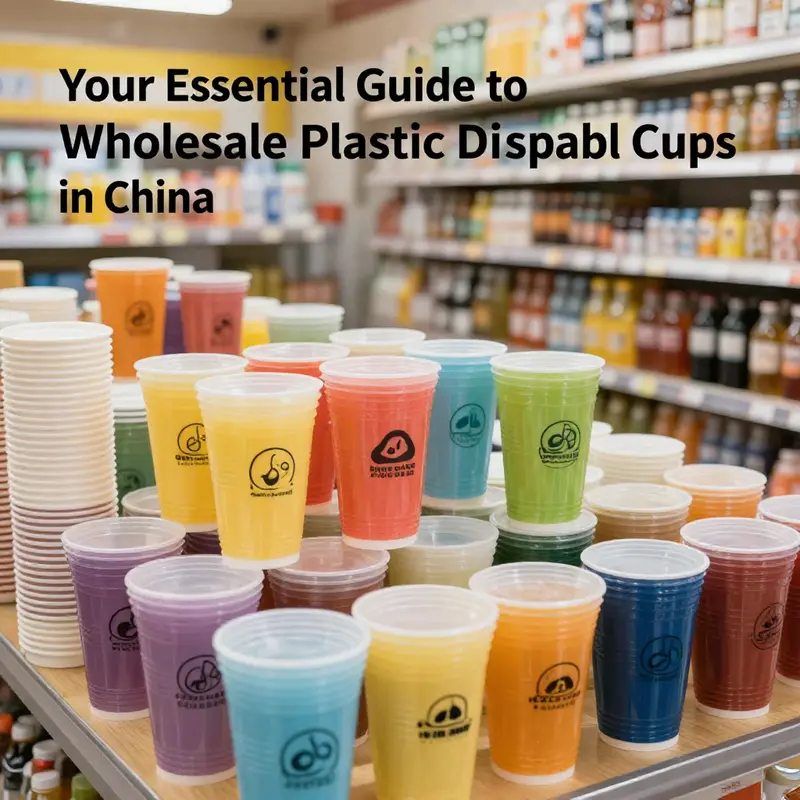
As the beverage industry evolves, sourcing high-quality disposable cups from reliable suppliers in China becomes increasingly important. This guide delves into the thriving market of wholesale plastic disposable cups, exploring key suppliers in regions like Zhejiang, Hubei, and Anhui. We will discuss product features, customization options, and actionable purchasing recommendations to help businesses in the beverage sector—ranging from bubble tea shops to corporate procurement teams—make informed decisions. Additionally, we will explore emerging market trends that influence the future of disposable packaging, ensuring that your business stays ahead in a competitive landscape.
From Zhejiang to Wuhan: Tracing China’s Wholesale Plastic Disposable Cup Supply Landscape
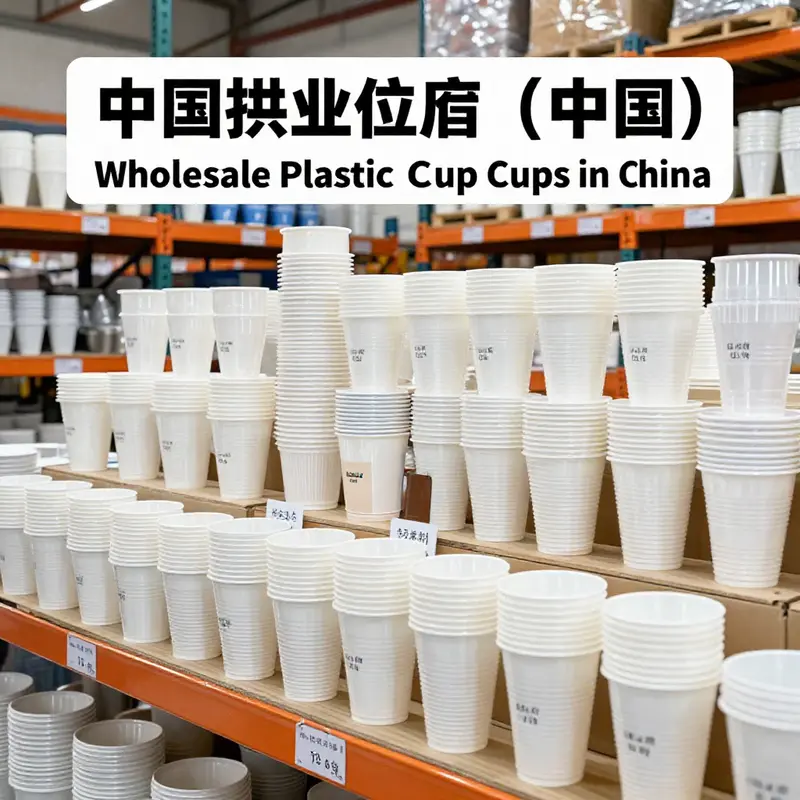
China has solidified its status as the world’s wholesale hub for plastic disposable cups, a landscape defined by scale, speed, and a network of specialized manufacturing clusters. The country’s dominant production ecosystems stretch across several key provinces, where factories have honed the entire value chain—from resin procurement and injection molding to automated sealing and high-speed printing. These clusters—most notably in Guangdong, Zhejiang, Fujian, and Hubei—are not just about large volumes. They represent a tightly coordinated system that translates design concepts into mass-produced cups with tight tolerances, consistent quality, and export-readiness that few competitors can match. In these districts, production facilities operate with precision lines that can be retooled for different cup sizes, lids, or branding schemes, all while maintaining the speed essential for retailers and distributors who must respond to seasonal demand or shifting consumer trends. The technology stack supporting this output is equally important: robust injection molding for durable cup bodies, automated sealing lines to attach lids with reliable seals, and print streams capable of applying logos, regulatory marks, or flavor descriptors at industry-standard speeds. The result is a scalable supply fabric that can switch from a 7-ounce offering to a 16-ounce line with minimal downtime, preserving both quality and lead times that buyers increasingly come to expect in today’s competitive market. For many buyers, this capacity translates into meaningful advantages: the ability to synchronize procurement with promotional cycles, reduce per-unit costs through economies of scale, and negotiate flexible terms that accommodate large orders without sacrificing speed or fidelity.
Within the broader matrix of Chinese suppliers, the 16-ounce category with lids has emerged as a core product pillar. This size, favored for cold beverages, teas, and some light snacks, often employs food-grade materials such as PET or PP for the cups, with compatible lids designed to seal safely for transport. A notable feature of the supply chain is its incremental diversification: while PET and PP remain the workhorses due to their clarity, rigidity, and heat resistance, there is a growing subset of manufacturers exploring PLA-based options. PLA cups, sourced from bio-based polymers, are positioned to meet the market’s increasing demand for sustainable packaging—even though the majority of high-volume cups in the wholesale channel continue to rely on conventional plastics for cost-efficiency and performance. The possibility of blending eco-conscious options with standard lines helps manufacturers and buyers navigate the tension between price competitiveness and environmental responsibility.
From a safety and regulatory perspective, the Chinese cup manufacturing ecosystem has aligned itself with international expectations. Common standards and certifications—such as FDA-equivalent safety approvals for food contact in international markets, European LFGB compliance, and EU Regulation 10/2011 for plastic materials in contact with food—frame the baseline that many factories strive for in export shipments. This compliance is not merely a box-checking exercise; it is a strategic capability that enables faster onboarding of new customers, smoother cross-border logistics, and fewer post-shipment issues. Buyers benefit from the assurance that the cups they purchase can transition into retail environments without immediate recertification, reducing time-to-market and enabling faster ramp-ups for promotions or seasonal launches. Alongside these regulatory anchors, manufacturers often pursue additional certifications—ISO 9001 quality management, SGS testing, and CE markings in some cases—reflecting a broader commitment to process reliability and traceability. Although the core emphasis remains on volume and speed, the steadily rising emphasis on quality control and documentation underscores how seriously the sector treats risk management and customer satisfaction.
Procurement dynamics in this space are shaped by two intertwined forces: the pursuit of price advantages through scale, and the need for flexibility to meet varied demand profiles. In practical terms, buyers frequently encounter prices in a broad band. While market conditions can tilt costs, it is common to see unit pricing that declines with larger orders, contributing to substantial savings for retailers and distributors who commit to substantial MOQs. Commonly observed ranges place per-unit costs in a competitive band that reflects material choice, whether the cup is PP, PET, or a bio-based alternative, and the degree of customization involved. For many buyers, the economics of scale make wholesale purchases viable even for regional or international markets where logistics and minimums might otherwise pose barriers. MOQs in the wholesale sector often fall in the tens of thousands to the low hundreds of thousands, with first-order lead times that can stretch over a month to several weeks depending on production scheduling, customization needs, and container availability. Repeat orders, meanwhile, are frequently delivered much faster as manufacturing cycles are already optimized and stored production lines can be reused with minimal retooling.
In terms of delivery and logistics, export-ready Chinese suppliers have long established efficient routes with major customs hubs and ports. For years, shipments have predominantly exited from gateways along the southern and eastern coasts, with Shenzhen and Guangzhou playing pivotal roles for many traders, while Wuhan, in central China, has grown as a strategic node for certain supply routes and as a hub for shipments to inland markets. The geographic spread of these hubs helps factories mitigate risk associated with port congestion and seasonality, offering buyers a more resilient supply chain. The ability to align production timing with shipping cycles—and to negotiate expedited options for repeat orders—helps buyers synchronize product availability with retail calendars, trade shows, or promotional windows, reducing stockouts and carrying costs. In this context, the procurement experience is not simply about placing an order; it is about orchestrating a holistic flow from design and sampling through production, inspection, and delivery. Many buyers leverage B2B platforms to obtain quotes, request samples, and compare MOQs, which accelerates supplier selection while preserving the capacity to negotiate favorable terms.
For readers who want to explore related packaging options—especially as brands consider shifts toward more sustainable or differentiated packaging—the broader ecosystem offers instructive comparables without abandoning the core advantages of wholesale plastic cups. A relevant pathway involves examining eco-friendly, paper-based alternatives that mirror the take-away convenience and branding potential of plastic cups. This information can be found in dedicated resources that discuss disposable eco-friendly custom paper coffee cups with lids, which illustrate how packaging ecosystems are expanding to meet evolving consumer expectations while maintaining logistical efficiency. Accessing such resources can help brands balance environmental considerations with the need for reliable performance and cost control. disposable-eco-friendly-custom-paper-coffee-cups-with-lid offers a pertinent point of reference for readers weighing this strategic trade-off.
Equally important is understanding how buyers verify supplier credibility and ensure consistent quality. In a market where scale is a defining advantage, the ability to distinguish reliable manufacturers from riskier options hinges on traceable production practices, documented certifications, and transparent logistics. The landscape rewards buyers who request samples to verify material safety and print quality before committing to a full-scale order. It also rewards those who align with platforms offering Trade Assurance or equivalent guarantees, which help reduce the perceived risk inherent in cross-border transactions. The emphasis on traceability—ranging from resin supplier credentials to the final palletization and containerization process—helps ensure that what arrives on the dock is exactly what was promised during negotiation, reducing the probability of mismatches in color, lid fit, or seal integrity.
Within this framework, the wholesale cup market in China remains a dynamic, efficiency-driven sector that can adapt to diverse customer needs. The combination of industrial specialization, standardized processes, and export-oriented logistics creates a robust environment where buyers gain access to a broad spectrum of options—from standard, economy-grade lines suitable for large chains to higher-spec offerings designed for premium beverage brands. The ability to customize, whether through logo printing, color variations, or lid configurations, adds another dimension to the value proposition. But customization is not pursued in isolation. It must be weighed against lead times, MOQs, and total landed cost, factors that shape the decision calculus for every procurement team.
External reference: for broader context on global sourcing dynamics and to explore established marketplaces linking buyers with verified manufacturers, consult the following external resource: https://www.alibaba.com/showroom/disposable-plastic-cups-with-lids.html
From Factory Floors to Global Shelves: Navigating China’s Wholesale Plastic Disposable Cups—Materials, Customization, and the Supply Chain
In the world of foodservice and on-the-go beverage service, wholesale plastic disposable cups are more than a convenience. They are a critical element of brand experience, product safety, and operational efficiency. When buyers look beyond price to understand value, they encounter a complex mosaic of materials, designs, and manufacturing ecosystems. China, with its expansive network of producers, has become a central node in this mosaic. The country’s wholesale cup landscape is shaped by regional strengths, from the dense plastics clusters of Zhejiang to the logistics hubs of Hubei’s industrial cities and the moulding and finishing capacities found in Anhui. These regional dynamics translate into a flexible supply chain that can respond to a wide range of market needs, from standard cold-drink cups designed for high-volume service to more specialized options that balance aesthetics, safety, and sustainability. A buyer entering this market quickly feels the pull of scale—hundreds of factories capable of churn, customization, and rapid shipment—and the subtle pull of specificity—the requirement to match a particular lid design, a precise temperature tolerance, or a brand identity that resonates with a consumer audience. The result is a wholesale environment that rewards clarity of purpose and a thoughtful approach to sourcing that can be difficult to sustain without local knowledge and careful vendor evaluation.
Zhejiang stands out as a manufacturing powerhouse within this ecosystem. The province has long been a backbone of China’s plastics industry, with a concentration of producers who can deliver a broad spectrum of cup formats, finishes, and printing capabilities. For buyers, Zhejiang represents a well-trodden path to scale: a single source capable of offering multiple sizes, a range of materials, and options for on-cup branding. In practice, many Zhejiang-based suppliers provide cups in a variety of common cold-drink sizes and materials, while also supporting design elements such as a transparent appearance, rim integrity, and durable wall thickness that helps preserve beverage temperature and reduce spill risk during transport. The capability to customize—especially with logos or promotional graphics—helps brands extend their reach at the point of sale, turning a simple cup into a portable billboard for the brand’s identity.
Hubei, with Wuhan as a major logistics and export center, reinforces the supply chain by offering strategic access to shipping routes and a different set of manufacturing capacities. Wuhan and its surrounding industrial communities help facilitate rapid production cycles and can serve as a conduit for distributors who need faster replenishment or flexible MOQs. The presence of numerous manufacturing entities in this region ensures competition on price and service levels while maintaining the reliability expected by large buyers that rely on consistent lead times and quality control. For exporters and wholesale buyers, Hubei’s role can translate into shorter transits to port facilities and more predictable scheduling, which is crucial when aligning production with seasonal demand or promotional campaigns.
Anhui adds another layer to the spectrum, contributing to the variety of cup formats, including transparent cups in a range of capacities. This province’s manufacturing footprint complements Zhejiang’s broader capabilities with specialized lines that may emphasize clarity, wall thickness, and compatibility with a wider array of beverage types. The presence of regional brands and contract manufacturers in Anhui broadens the options for buyers who seek a balance between price, customization, and delivery timelines. Taken together, these three regions create a triad of capabilities: Zhejiang’s scale and design versatility, Hubei’s logistical proximity and steady throughput, and Anhui’s niche flexibility and potential for faster-turnaround runs. The result is a wholesale ecosystem where buyers can source a broad portfolio of disposable cups from a relatively compact geographic footprint, while still benefiting from the efficiencies of a large, integrated supply chain.
Beyond the regional dynamics, a deeper look at product characteristics reveals the evolving choices that drive compliance, sustainability, and consumer trust. Material options span polypropylene (PP), polystyrene (PS), and increasingly, biodegradable polylactic acid (PLA). PP remains the workhorse for cold drinks thanks to its clarity, durability, and proven food-contact safety. It performs well under the typical temperature ranges found in beverage service and pairs with a wide range of lids and sleeve accessories. PS is still common for its crisp clarity and ease of use in mass-market applications, where image and presentation matter. PLA, sourced from renewable feedstocks such as corn starch, represents a compelling eco-friendly option that aligns with consumer demand for sustainability. The PLA option is not universally suitable for all hot beverages, but for cold drinks and certain food-contact applications, it offers a compelling balance of visibility and environmental appeal.
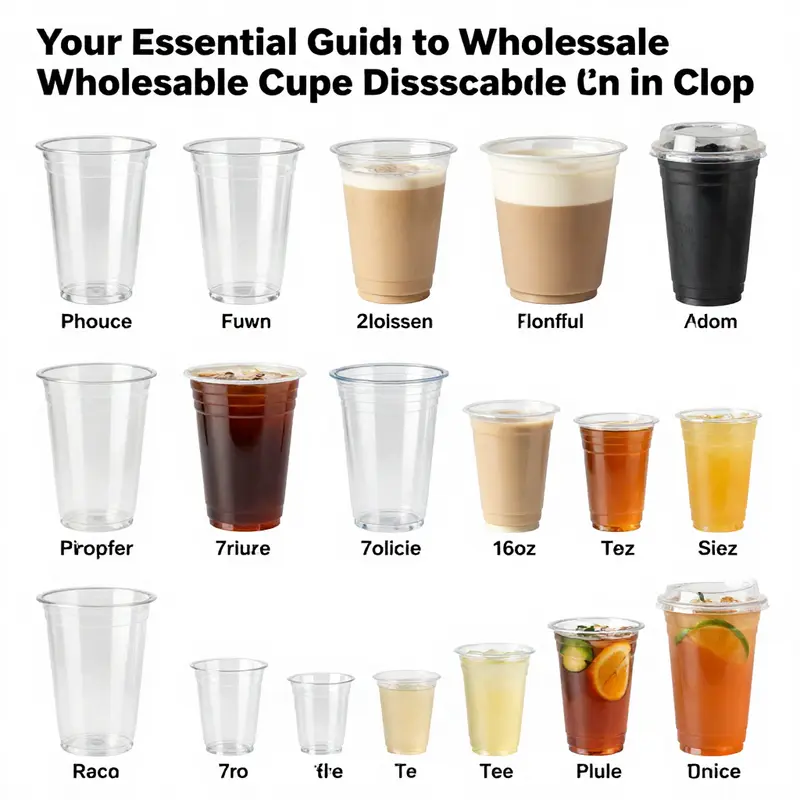
Sizes and configurations further define how these cups meet market needs. A typical catalog includes a broad spectrum—from petite 4-ounce cups designed for samples or desserts to larger 32-ounce options for high-volume venues. In practice, 12-ounce and 20-ounce cups are among the most popular for juices, soft drinks, and iced beverages. The geometry matters as well: common dimensions such as a 98-millimeter outer diameter, a 60-millimeter base diameter, and a height around 140 millimeters help determine stability, stackability, and compatibility with standard lids. For buyers working with cold drinks, the structure needs to support a reliable seal and minimize leakage risk, especially during curbside delivery or when cups are jostled in transport. Cups are typically offered with or without lids, with many suppliers providing lid compatibility across a range of cold or hot beverage formats. The ability to pair a cup with a matching lid is not merely a convenience; it is a crucial factor in maintaining product integrity and consumer safety across the distribution chain.
Customization, a cornerstone of wholesale purchasing, is where the cup becomes an instrument of branding and marketing. Flexographic printing, often limited to a few colors, enables companies to imprint logos, taglines, or promotional motifs directly onto the cup surface. The degree of customization typically involves an initial commitment in the tens of thousands of units, with minimum order quantities (MOQs) commonly starting around the fifty-thousand to one-hundred-thousand unit range, depending on the complexity of the print design and the material selected. This scale matters because it affects the per-unit cost and the decision to pursue a one-time promotional push versus ongoing brand reinforcement. The ability to customize also intersects with safety and regulatory concerns. Reputable suppliers provide printing processes that preserve food-contact integrity, ensuring that inks and coatings are compliant with FDA or equivalent standards and do not pose contamination risks during handling or consumption.
For buyers who require assurance of quality and a way to validate performance before committing to a large order, suppliers often offer sample provisions. Free samples are commonly available, though the shipping costs fall to the buyer. This arrangement allows teams to assess clarity, wall thickness, and overall tactile quality, while checking stacking behavior and lid compatibility. A practical consideration during procurement is the balance between immediate needs and the longer tail of reorders. Wholesale vendors in China typically offer scalable production cycles: initial orders may require longer lead times—often in the range of 30 to 45 days for first production runs—while repeat orders can be fulfilled in a shorter window, typically 7 to 15 days, provided there is sufficient inventory and confirmed specifications. Certifications are also a meaningful signal of reliability. Depending on customer requirements and destination markets, buyers may request documentation such as FDA compliance statements, ISO 9001 quality management certifications, and third-party inspection reports. These credentials contribute to risk mitigation and help buyers navigate customs and regulatory checks in importing countries.
From a purchasing perspective, the wholesale landscape is not just about the product; it is about the process, the price, and the potential for branding. Market visibility is enhanced by B2B channels and wholesale marketplaces that aggregate suppliers and standardize some of the negotiation dynamics. For buyers who are evaluating options, it is common to connect with multiple suppliers to compare MOQs, price tiers, and available customization features. Price ranges for wholesale cups can vary widely based on material choice, volume, and print complexity. In general terms, a bulk cup—depending on whether it is PP, PS, or PLA, and on the level of customization—may fall into a price spectrum that reflects both material costs and the expenses associated with branding. In some cases, the per-unit cost can be as low as a few hundredths of a dollar, while larger MOQs and more elaborate prints push the unit price higher. The procurement strategy often centers on balancing upfront investment in branding with the projected knock-on effects on sales and customer perception. This is where the strategic dialogue with suppliers becomes essential, because it enables buyers to align production schedules, quality benchmarks, and packaging logistics with marketing campaigns and seasonal demand.
From a broader market perspective, it is important to acknowledge the role of digital platforms in shaping access to wholesale plastic cups. Platforms that connect buyers with manufacturers in China provide a pull-through mechanism for price discovery, sample requests, and pre-shipment inspection coordination. The ability to solicit quotes quickly, compare material options, and schedule production aligns with the fast pace of modern retail and foodservice. For buyers, the process often begins with a clear specification sheet that includes cup capacity, material, lid compatibility, and any branding requirements. It then moves to supplier conversations, where lead times, MOQs, and sample shipments become the focal points of decision making. The ultimate objective is to secure a reliable, scalable supply line that can deliver consistent quality, on-time deliveries, and branding that resonates with customers. The right supplier relationship is built on mutual transparency, shared quality standards, and a track record of regulatory compliance.
In navigating this landscape, reference to broader industry resources can help buyers calibrate expectations and verify claims about sustainability, safety, and performance. For those who want a tangible touchstone for wholesale packaging capabilities, an external resource highlights the practical realities of sourcing bulk disposable cups and lids and helps validate the expectations associated with materials, certifications, and delivery timelines. External research and industry benchmarks can complement direct supplier interactions by providing independent comparables and a richer sense of what constitutes best practice in terms of safety, environmental stewardship, and packaging integrity. As with any procurement path, due diligence remains essential: request samples, verify certifications, and conduct independent testing when product safety is at stake for end consumers.
For readers looking to explore branding and customization more deeply, a related example within the same ecosystem demonstrates how branding can be integrated into disposable cups through a logo and design process. This example illustrates the practical steps from artwork approval to color matching, print readiness, and the final verification of print durability under normal handling conditions. It also underscores that while paper-based or kraft-cup formats often receive emphasis for environmental narratives, the underlying principles of branding, print quality, and product safety translate across material choices. The conversation around cups, lids, and branding thus expands beyond a single material to a holistic packaging strategy where aesthetics, function, and regulatory compliance intersect at the point of sale.
Internal link reference: For examples of branding integration in disposables, you can explore a related case on our site through this page: disposable-takeaway-paper-cup-custom-logo-kraft-coffee-cup-with-lid.
External resource: https://www.amazon.com/b?node=1045258
From Design to Delivery: How Customization Shapes China’s Wholesale Plastic Disposable Cup Market
Customization is not a luxury in the wholesale plastic disposable cup sector in China; it is the core competence that sets suppliers apart in a crowded, geographically layered market. Across the nation, especially in manufacturing hubs such as Zhejiang, Hubei (with Wuhan as a key logistics and export node), and Anhui, a dense network of producers has built the capability to tailor a single product into many versions. This ecosystem is driven by the convergence of versatile raw materials, flexible manufacturing lines, and a client base that values both branding opportunities and functional innovations. In practice, customization begins long before a cup leaves a factory. It starts with material selection, continues through precise sizing and lid configurations, and culminates in branding, packaging, and even post-production services. The result is not merely a container for beverages but a portable marketing asset that travels with a brand, event, or promotion, enabling companies to extend their identity far beyond traditional advertising channels.
A foundational pillar of customization is material choice. In the Chinese market, the most common options are food-grade polypropylene (PP) and polystyrene (PS), with a growing segment adopting polylactic acid (PLA) for its claimed environmental advantages. The spectrum of practical sizes typically spans from miniature 7-ounce to a generous 16-ounce range, roughly translating to about 200 milliliters to 540 milliliters. This range covers cold beverages, hot drinks, fruit juices, and even dessert applications, making cups suitable for a wide array of foodservice operations, parties, and promotional events. PLA, in particular, has attracted interest where sustainability is a strategic message, though buyers weigh the trade-offs related to composting infrastructure and end-of-life disposal. For many buyers, the decision comes down to a balance between cost, performance (temperature tolerance, clarity, rigidity), and the environmental narrative they seek to communicate to customers.
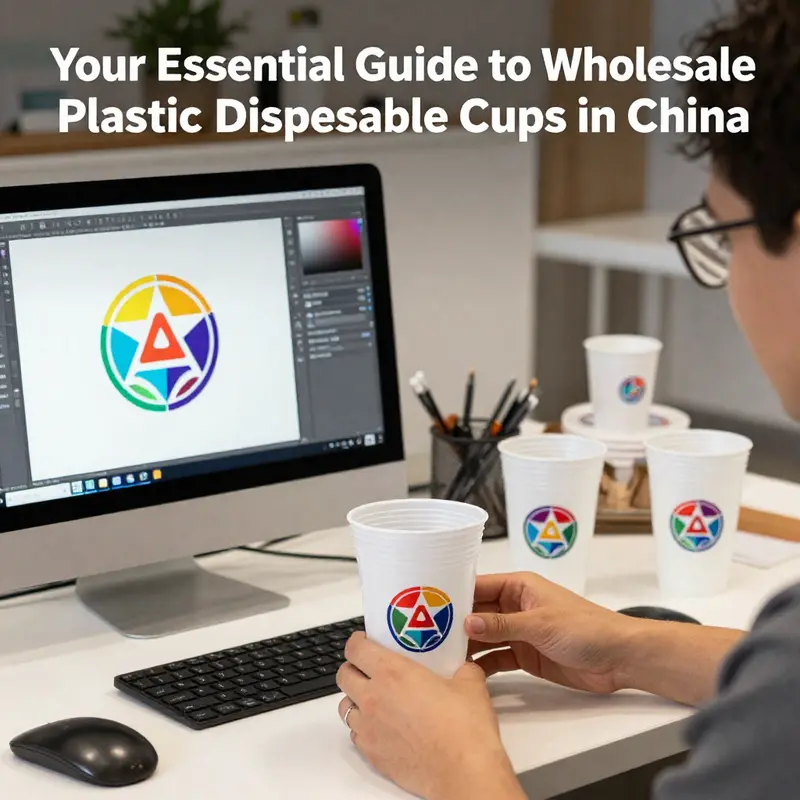
Beyond material and capacity, the market’s shared advantage is the breadth of customization options that suppliers offer. The process often begins with a simple inquiry about a logo, color scheme, or slogan, and expands into full-service design and production planning. In most cases, a client can request on-cup printing of logos or artwork, and the scope can extend to color matching, multi-color prints, and even complex branding layouts that align with corporate identity guidelines. Many suppliers provide a branding-focused workflow that includes artwork review, color proofing, and on-press verification to ensure fidelity between the design concept and the finished cup. This is not merely decoration; it is an integration of identity into the packaging experience that can transform a disposable item into a lasting impression.
The economics of customization in wholesale cups are anchored by flexible minimum order quantities. While traditional mass production favors large runs, Chinese manufacturers increasingly accommodate smaller, more frequent orders to support startups, event planners, and seasonal campaigns. In the current landscape, a common threshold for a transparent cup with customized printing can be around fifty thousand pieces, with unit prices typically ranging from about one cent to four cents, depending on capacity, material, print complexity, and the scale of the order. This flexibility makes it feasible for buyers to test designs, sample different configurations, and iterate before committing to larger volumes. At the same time, buyers who need larger deployments can leverage the same supply chain to achieve economies of scale, with per-unit costs diminishing as quantities rise. The ability to tailor both the product and the order size under a single supplier umbrella is a distinctive strength of the Chinese wholesale market.
The real value of customization, however, extends well beyond the cup’s physical form. A growing portion of the market recognizes the cup as a mobile canvas for branding and targeted messaging. On-cup printing allows a company to imprint its brand name, logo, or promotional copy directly onto the cup body, turning a simple beverage vessel into a lightweight, high-visibility advertising channel. For enterprises seeking deeper collaboration, some suppliers offer optional branding services that can include trademark accommodations, ensuring that a client’s marks appear consistently across multiple production runs and packaging configurations. The result is a more cohesive and recognizable brand presence, whether the cup travels from a café to a corporate event or from a distributor to hundreds of retail locations.
Innovation in design is another dimension of customization that Chinese manufacturers are popularizing. A notable trend is the development of user-friendly cup geometries that improve pouring control and reduce spillage, an especially valuable feature for outdoor events, sports venues, or bustling urban settings. A U-shaped cup body, for example, has gained attention for its steady liquid flow during tilting and its compatibility with standard cup holders and accessories. At the same time, designers are optimizing for stackability and nesting efficiency, which translates into tangible logistics benefits. When cups can be stacked tightly during storage and transit, warehouses free up valuable space, and carriers can transport more units per shipment, a practical advantage for bulk buyers and distributors who operate on tight margins.
For procurement teams, the Chinese customization ecosystem is navigable through established B2B channels. Buyers commonly start with global platforms that connect them to a broad supplier base, confirm lead times, verify minimums, and request samples before proceeding to full-scale orders. These platforms also facilitate price benchmarking across materials and capacities, helping buyers protect cost efficiency while pursuing creative design options. Importantly, the price dynamics discussed in supplier conversations reflect not only raw material costs but also the breadth of customization: print complexity, color depth, and the number of print areas all factor into a final quote. Another practical advantage is the proximity of these manufacturers to major export hubs, such as Wuhan in Hubei, which serves as an active shipping point for many exporters. The geographic concentration of production in southern and central China helps shorten lead times for international buyers and supports more predictable delivery schedules, even when orders require multiple customization layers.
From a buyer’s perspective, a comprehensive customization program also encompasses packaging and branding cohesion beyond the cup itself. Suppliers often coordinate with packaging partners to ensure the cup design aligns with labeling, sleeve printing, or lid branding, forging an integrated packaging story. When a client seeks consistency across a campaign, this alignment reduces the risk of misbranding and simplifies logistics. In cases where clients want to conserve or repurpose existing design assets, the ability to reproduce a brand’s graphic language on cups and lids reduces friction between marketing and operations teams. The practical upshot is that customized cups do not exist in isolation; they are part of a broader system of branded packaging that strengthens consumer recognition and reinforces the value proposition of a product or event.
To illustrate the practical pathway of customization, consider how buyers interact with suppliers during the design-to-delivery cycle. They begin with material and size selections, then specify print requirements and any branding considerations. A proofing stage ensures the artwork translates cleanly onto the chosen cup surface, highlighting color fidelity and legibility under real-world lighting conditions. Once the design is approved, production scales to the chosen MOQs, with ongoing quality checks at predetermined milestones. When the cups are manufactured, the logistics team coordinates with the customer’s distribution network or event staging plan to ensure timely delivery, often leveraging Wuhan’s export capabilities or other regional hubs. This end-to-end approach transforms a simple disposable cup into a strategic asset that supports marketing, customer experience, and operational efficiency.
An important nuance in this landscape is the balance between environmental responsibility and practical use. The market’s interest in PLA-compatible cups reflects a broader push toward more sustainable disposable options. Buyers increasingly evaluate the lifecycle of the cup, including manufacturing footprint, recyclability, and end-of-life disposal. Suppliers respond by offering clear material specifications, guidance on compostability where applicable, and options for recycling-friendly designs that simplify waste streams at events or in retail settings. Yet the decision often rests on the buyer’s infrastructure and commitments. Some buyers favor the clarity and rigidity of PS for robust prints and performance in hot or cold drinks, while others pursue the perceived sustainability benefits of PLA, alongside clear messaging about disposal and recycling. In all cases, customization remains the lever that aligns product capability with brand narrative and environmental values.
The result of this convergence—material versatility, flexible MOQs, branding integration, and design-driven innovations—is a market that can respond quickly to global demand. It enables small and mid-size brands to access custom packaging solutions that previously required larger, less flexible supply agreements. It also allows multinational buyers to implement consistent, scalable cup programs across regions while preserving local adaptability for events, promotions, or seasonal campaigns. In sum, customization in China’s wholesale plastic disposable cup sector is not a feature; it is the operating model that underpins cost efficiency, brand resonance, and logistical agility in one of the world’s most dynamic packaging ecosystems.
Internal resource for further context on related disposable packaging design and branding concepts can be found here: custom double-wall hot paper coffee cups with lid.
External reference for broader industry context and supplier examples: https://www.alibaba.com/product-detail/Custom-Disposable-Plastic-Cups-for-Events-and-Parties_1600387291814.html
From China’s Factories to Global Events: A Cohesive Guide to Purchasing Wholesale Plastic Disposable Cups
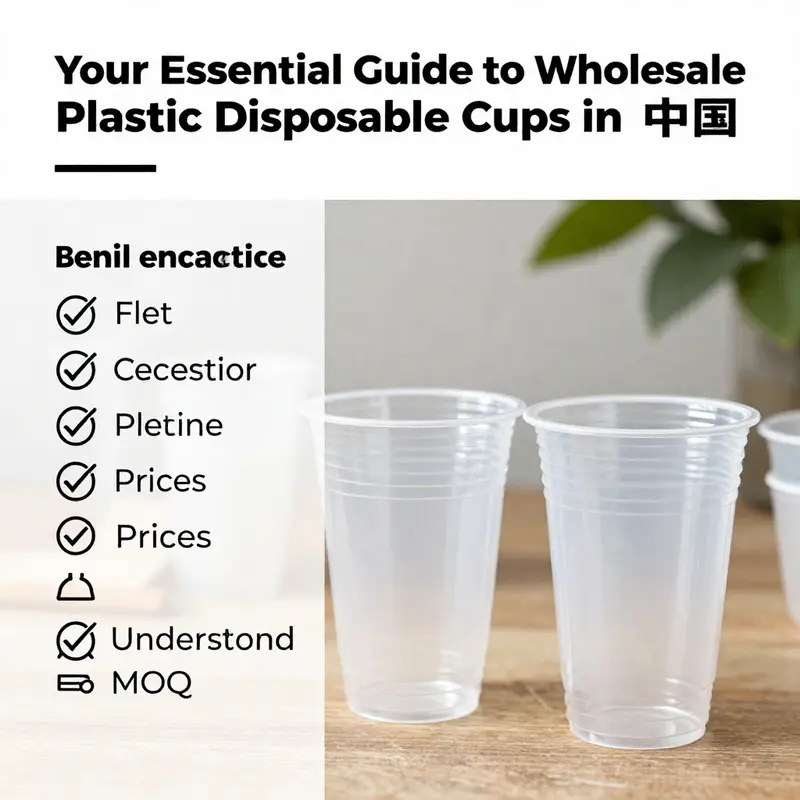
Across China’s manufacturing landscape, wholesale plastic disposable cups form a critical link between price, performance, and speed. The supply chain runs from inland manufacturing clusters to coastal hubs, with Zhejiang, Hubei, Anhui, and other provinces playing major roles. Buyers seeking scalable, reliable options for events, catering, or retail packaging face a market with breadth and complexity. A clear procurement strategy helps convert a commodity item into a branded or programmatic asset.
Regional strengths matter. Zhejiang offers compact lead times, flexible minimums, and robust customization capabilities. Wuhan serves as a logistics and export hub with efficient shipment consolidation. Anhui provides diversified supplier options and strong capacity for various sizes and finishes. Together, these regions create a sourcing map that emphasizes speed, risk management, and the ability to pilot designs before large runs.
Material choices span polystyrene, HDPE, PET, and polypropylene. Low cost formats suit short term use, while PET and PP offer improved durability and recyclability where facilities exist. Consider lifecycle, disposal, and local waste infrastructure when choosing materials.
Sustainability is increasingly important. Biodegradable options like PLA and recycled-content cups attract interest where regulatory and consumer expectations align. The market continues to balance end of life considerations, regulatory compliance, and brand storytelling with price and performance.
Specifications and finishes influence value as much as raw material. Sizes typically range from 5 to 16 ounces, with lids, branding, frosted or matte finishes, and color options shaping user experience and event design. Visual customization can turn a bulk purchase into a portable marketing piece, reinforcing brand identity at scale.
Procurement discipline reduces risk. Verify food-contact safety certifications, request samples, and assess supplier export capability and logistics footprint. Understand minimum order quantities, lead times, and post sale support to minimize disruption for large orders.
A practical workflow for buyers includes: define exact sizes and finishes in a specification sheet; compare Zhejiang suppliers for baseline capacity and responsiveness; evaluate Wuhan firms for export readiness and distribution flexibility; use Anhui producers to diversify risk; request samples; pilot a small order; and refine the specification based on testing results. Maintain clear communication throughout the process to ensure alignment on quality, timing, and pricing.
To complement the cup program, consider adjacent packaging such as sleeves, take away bowls, or compatible containers that enable a cohesive take away system. A cross category approach helps buyers streamline procurement and deliver a consistent consumer experience from counter to table.
In summary, the China sourcing landscape for wholesale disposable cups remains dynamic. A strategy that blends regional advantages with thoughtful material selection, careful validation with samples, and clear expectations on lead times and logistics will support reliable, scalable procurement. For readers seeking broader context, a practical, up to date reference on packaging strategies and market trends can be found in industry resources and supplier catalogs.
Market Trends and Prospects for China’s Wholesale Plastic Disposable Cups: From Fragmented Baseline to Sustainable Growth
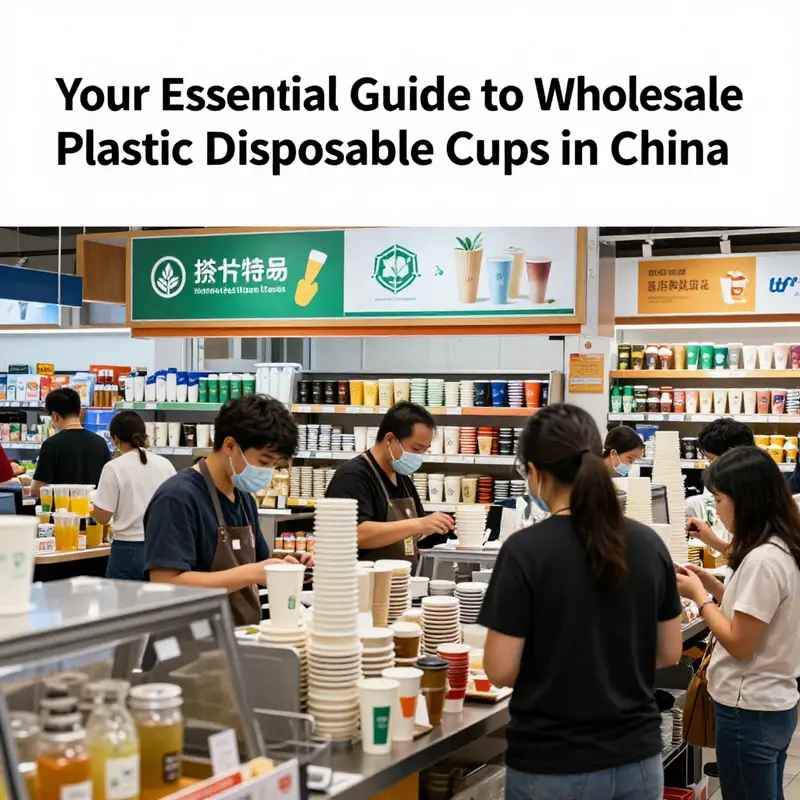
China’s wholesale plastic disposable cup market stands at a pivotal point, balancing a vast, fragmented base with the pressure and promise of sustainability-driven change. In 2023 the sector’s size hovered around 185亿元人民币, about 26亿美元, underscoring the scale of demand in a dining landscape that increasingly favors standardized, brand-ready packaging. Projections for 2030 place revenue at roughly 8.072亿美元, or about 59.5亿元人民币, signaling a steady, if moderate, expansion with a CAGR near 5.4%. These figures illuminate a market that remains essential to the food service and beverage economy even as policy, consumer expectations, and competitive dynamics push for more sophisticated, cost-efficient, and environmentally conscious solutions. The fundamental reality is clear: wholesalers must navigate a landscape where volume is abundant but margins tighten, and success hinges on differentiation beyond price alone.
The market’s core growth drivers are anchored in downstream consumption patterns and the evolving competitive ecosystem. The constant rise of new tea brands and specialty coffee concepts, characterized by rapid store expansion and standardized purchasing needs, has transformed cups from simple containers into vehicles of brand identity and customer experience. Even when naming conventions are avoided, the result is a demand for consistent quality, reliable supply, and customization options that preserve a brand’s visual language across thousands of outlets. On the cost side, upstream volatility remains a critical challenge. The feedstock minerals of PP and PS—the primary materials behind most disposable cups—can swing with global energy prices. Price fluctuations can exceed 20%, injecting a layer of unpredictability into quarterly budgeting and supplier negotiations. For smaller players, this translates into a risk band where per-cup costs might drift by as much as 0.02–0.05 yuan within a month, a spread that can erase competitive gains if not actively hedged through supplier relationships and design efficiency.
Policy is another decisive force. The ongoing push to curb plastic waste—through targeted restrictions and a preference for greener alternatives—puts pressure on traditional, single-use cups while simultaneously creating opportunities for bio-based and recyclable options. This regulatory environment does not merely restrict; it reshapes the cost-benefit calculus for manufacturers and buyers alike. In regions like Zhejiang, Hubei, and Anhui, local production capacity is adjusting in real time to meet stricter standards, while still supporting the scale buyers require for wholesale operations. The result is a market in which cost competitiveness cannot be achieved through price cuts alone; it demands smarter choices about material selection, production methods, and logistics strategies.
Beyond the headline numbers, several structural shifts are redefining competitiveness. The industry is moving away from a narrow focus on quantity toward a broader evaluation of value: durability, safety, and the environmental footprint of a cup from cradle to disposal. PLA-based or other bio-based options are increasingly featured in supplier portfolios, reflecting a growing demand for sustainable packaging that aligns with consumer expectations and regulatory trajectories. While traditional plastic cups still dominate, the penetration of greener materials is accelerating, aided by improvements in processing technology and economies of scale that gradually reduce the cost premium of these alternatives. This transition is not merely theoretical; it is reflected in the investment patterns of leading manufacturers who are integrating bio-based materials, improving barrier properties, and expanding the use of recycled content where feasible.
Technology and modernization are reshaping the production floor as well. The push toward smart manufacturing and flexible production lines is a direct response to the needs of downstream customers for fast replenishment, customizable designs, and consistent quality. In the most capable facilities, automated quality control, real-time process monitoring, and modular equipment enable run rates that push toward high-90s percent defect-free performance. This level of reliability lowers total cost of ownership for buyers who must manage large, multi-location rollouts. It also supports the broader trend of a product-plus-service ecosystem, where a cup is not a standalone item but part of a broader packaging and logistics framework that brands rely on for speed, consistency, and waste reduction. The notion of a simple commodity cup has given way to a more integrated offering that includes design consultation, printing, logistics coordination, and even take-back or recycling programs in some markets.
Within this evolving landscape, the channel and procurement dynamics are equally important. Buyers seeking scale often turn to wholesale suppliers who can provide a range of sizes and configurations under consistent quality, with the option for customization that preserves a brand’s color, typography, and messaging. A typical segment of the market still hinges on standard sizes, such as 12–16 ounce cups with lids, which remain a workhorse across many beverage concepts. For readers who want a concrete touchpoint, a representative example is the disposable single-wall paper cup in the 12–16 ounce range with a lid, which is widely cataloged by suppliers in the wholesale space and serves as a practical baseline for volume negotiations. disposable single-wall paper cup (12oz-16oz) with lid.
From a strategic perspective, the future belongs to those who balance cost discipline with product differentiation and service integration. The fragmented nature of the supply side—where the top five players hold less than 20% of the market—creates intense price competition and a constant search for efficiency gains. For wholesalers, this translates into a twofold opportunity. First, there is room to build value through customization—brand-safe printing, color fidelity, and bespoke packaging solutions that resonate with local markets and channel partners. Second, the ecosystem is ripe for scaled, end-to-end solutions that move beyond the cup to the entire packaging journey, including compatible lids, sleeves, and waste management options that align with CSR and sustainability goals.
The sustainability narrative, in particular, is a decisive differentiator in the long run. The past decade has shown a robust ascent in biobased and compostable alternatives, with research indicating strong double-digit growth in related applications. Although the mainstream cup remains a petroleum-based product in many segments, the adoption curve for sustainable materials and recycling-friendly designs is steepening. Industry observers project that the share of greener cups will rise as technology advances and policy frameworks reward lower footprints. In the broader context, firms that can credibly articulate a lifecycle perspective—materials, manufacturing, distribution, and end-of-life handling—stand to gain trust and access to new client segments, including institutions and corporate buyers that prioritize ESG metrics.
Yet risk remains a constant companion. Market participants face a delicate balancing act: managing input cost volatility, adapting to evolving regulatory requirements, and sustaining margins in an environment where lower per-unit prices can pressure profitability. The most resilient actors will be those who treat price pressures not merely as a cost story but as a signal to innovate. They will reallocate resources toward higher-value offerings—such as heat-tolerant designs, improved barrier properties, and branding features that convert a functional item into a recognizable product extension. This is where the line between supplier and strategic partner blurs; the winner-provider is the one who can deliver a reliable product, a compelling design, and a logistics experience that reduces stockouts and accelerates time-to-market for their customers.
The market’s evolution also carries a cautionary note about the pace of change. While the near-term outlook remains constructive, external shocks—whether a sharper tightening of plastic-related regulations, a global rebound in raw material prices, or a disruption in international logistics—could alter the trajectory. Conversely, the anticipated policy emphasis on sustainability and circular economy practices creates a window of opportunity for green-capital markets and ESG-aligned buyers. The organizations that leverage this window by upgrading their manufacturing footprint, expanding their material repertoire, and forming integrated service agreements will likely outperform peers who rely solely on price competition or expect uniform demand across regions.
In sum, the Chinese wholesale plastic disposable cup market is transitioning from a volume-driven, fragmented sector into a more structured, value-aware ecosystem. Growth remains anchored in a large, stable demand base, but success now demands a blend of operational excellence, material innovation, and a bundled services mindset. The structural shifts toward higher-end designs, smarter production, and greener materials are not optional add-ons; they are essential to sustaining competitiveness as consumer expectations rise and policy landscapes evolve. The future belongs to wholesalers who can blend cost control with a compelling, differentiated product and a scalable, end-to-end packaging solution that aligns with the broader goals of modern beverage service.
External context and further readings on the global plastics outlook can be found for a broader policy and environmental perspective at this external resource: https://www.unep.org/resources/report/global-plastics-outlook-economic-environmental-and-social-opportunities
Final thoughts
As the demand for high-quality disposable cups continues to grow in the beverage industry, understanding the landscape of suppliers and the diverse options available is crucial. This guide has provided a comprehensive look into sourcing wholesale plastic disposable cups in China, emphasizing the importance of customization and market trends. By leveraging this information, businesses can enhance their operations, meet client needs, and adapt to the evolving market. Embrace these insights and position your business to thrive in the competitive beverage sector.