
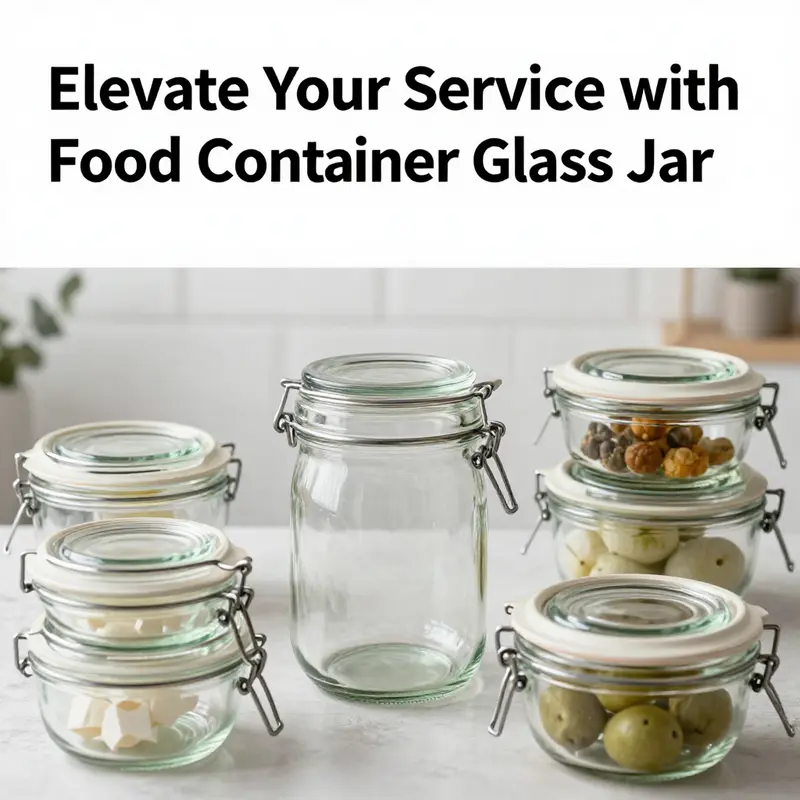
Wholesale glass food containers are becoming increasingly essential for businesses in the food and beverage sector, including bubble tea shops, restaurants, food trucks, catering services, and event planners. Their durability, safety, and environmental benefits align perfectly with contemporary consumer expectations and business practices. The wholesale pricing model not only enhances cost-effectiveness but also allows for versatility in serving various food and beverage items, providing a refined presentation that appeals to customers. Each chapter of this article explores key aspects of wholesale food container glass jars, from the advantages that make them stand out in the market, to the challenges businesses may face, and the latest market trends driving their use. By the end, you’ll have a comprehensive understanding of how these containers can support and elevate your operations.
Crystal Clarity, Enduring Value: The Wide-Ranging Benefits of Wholesale Glass Jars in Food Packaging
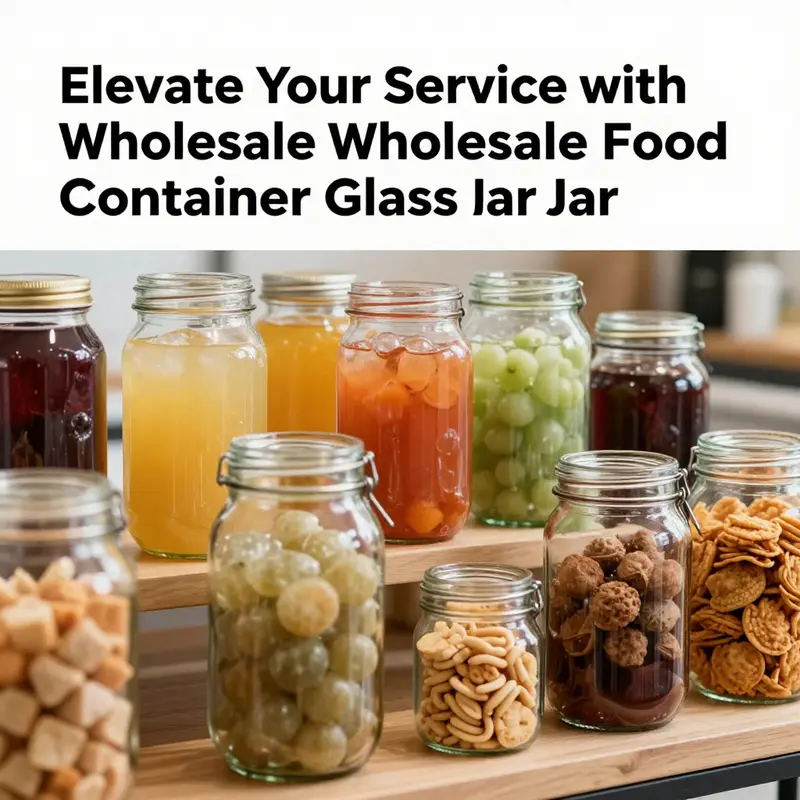
The idea of packaging that preserves, presents, and proclaims a product’s quality is more than a marketing notion; it is a practical standard that guides producers, retailers, and households alike. Wholesale glass jars sit at the intersection of performance and perception, delivering a suite of advantages that extend far beyond mere containment. When a brand leans into glass for its food jars, it invites a narrative of care, longevity, and responsibility that resonates in kitchens, on store shelves, and across sustainability reports. The story begins with material science, but it does not end there. It unfolds through everyday use, long-term storage, and the evolving expectations of conscious consumers who increasingly value safety, flavor integrity, and the environmental footprint of packaging. In this sense, the benefits of wholesale glass jars are not simply about keeping contents intact; they are about maintaining trust, enabling efficiency, and enabling a cohesive brand experience from production line to pantry shelf.
Durability and resilience emerge as the foundation of this value proposition. Glass jars designed for wholesale use are typically crafted from tempered soda-lime glass or borosilicate equivalents that balance mechanical strength with practical usability. This composition grants a noteworthy resistance to thermal stress, enabling safe transitions between hot and cold contents. The practical implication is clear: these jars can handle a range of temperatures encountered in everyday storage, from freshly heated sauces to cool, dry pantry staples, without compromising structural integrity. In kitchens, this versatility translates to fewer product losses due to cracking or deformation and, for manufacturers, reduced breakage during handling and distribution. The ability to withstand minor mishaps in a busy supply chain contributes to smoother operations, lower waste, and a more predictable logistics profile. While it is true that glass is heavier than many plastic alternatives, the return on durability often outweighs the incremental weight in scenarios where longevity and premium presentation matter. A robust container reduces the need for frequent repackaging, minimizes the likelihood of compromised product quality, and supports brand reliability across multi-channel sales.
Airtight performance is another cornerstone of the glass jar advantage. When paired with high-quality closures—ranging from metal lids to silicone-sealed caps—these containers can form reliable, airtight seals that protect contents from air and moisture. The resulting preservation of freshness, flavor, and nutritional value is especially meaningful for homemade preserves, spice blends, grains, and dry goods. Airtight sealing reduces the risk of flavor migration and scent bleed between products, a concern that can compromise a retailer’s entire shelf profile. The practical upshot is straightforward: longer shelf life, reduced waste, and greater consumer confidence that what they purchase will taste the same weeks or months later as it did at purchase. The design of lids and gaskets matters, too. Materials selected for seals must resist degradation, maintain pliability, and remain inert in contact with food, ensuring that the seal remains consistent across repeated openings and closures. In a wholesale context, securing dependable sealing solutions at scale becomes a strategic advantage, supporting both product integrity and efficient inventory management.
The clarity of glass offers an almost universal benefit: visibility. A wholesale glass jar’s transparent body makes contents instantly recognizable, which is invaluable for inventory control in warehouses and on retail shelves. Clear visibility reduces the need for explicit labeling to identify contents, speeds up picking and restocking, and enhances consumer confidence as shoppers can visually assess texture, color, and quality without opening the jar. This immediate recognizability also supports branding by showcasing the product itself—a feature particularly effective for premium items such as local honey, artisanal jams, or spice blends where color and texture are meaningful signals of quality. In retail settings, the glass’s transparency often communicates a premium aesthetic that aligns with a brand’s narrative of craft and care. The absolute non-porous surface also resists lingering odors and staining, helping the container stay visually appealing even after repeated use, which is a subtle but important factor in customer perception and repeat purchase rates.
Non-reactivity is perhaps one of glass’s most understated advantages. Glass does not interact with most foods, a property that preserves taste and aroma rather than altering them through chemical exchange. This inertness is especially crucial for acidic or citrus-based products, pickled items, and spice blends whose flavors can be subtly or aggressively altered by reactive packaging materials. The assurance of flavor integrity supports consumer trust—an intangible asset that translates into brand equity for producers selling through multiple channels. For businesses, non-reactivity reduces return and complaint rates tied to flavor changes, and it supports cross-category packaging across product lines where the same jar family can safely house items with varied chemical profiles. In short, glass does not impart off-notes or absorb strong odors, enabling a cleaner, more faithful presentation of the product inside.
From a sustainability standpoint, wholesale glass jars embody a compelling value proposition. They are 100% recyclable and reusable, aligning packaging choices with increasingly ambitious environmental targets. The lifecycle story of glass can extend well beyond a single product’s journey: jars can be cleaned, sterilized, and repurposed for new contents, reshaping the end-of-life phase from waste into opportunity. This recyclability complements consumer demand for greener packaging and supports brands pursuing circular economy narratives. Moreover, glass’s durability means jars can withstand multiple cycles of use and re-use in both consumer households and professional kitchens, reducing the overall frequency of new packaging purchases. When a brand emphasizes reusability and recyclability, it communicates responsibility and quality—messages that resonate in markets that prize ethical sourcing, reduced plastic footprint, and transparent supply chains. The environmental case for glass thus intertwines with economic considerations: recycling streams and the potential for re-labeled or repurposed containers can contribute to lower long-term packaging costs and a steadier supply chain, especially for products with seasonal spikes in demand.
Colored glass adds another layer of protective functionality. Amber, green, cobalt, and other hues can shield light-sensitive contents from UV exposure, a factor that extends shelf life for oils, herbal extracts, and certain spice blends. This UV protection does not merely preserve appearance; it can preserve the chemistry of the product, slowing the degradation of sensitive compounds and maintaining potency and flavor. The ability to select glass color as part of a broader packaging strategy gives brands an additional tool for product differentiation. Beyond function, colored glass enhances brand storytelling: a distinctive hue can become a visual signature on the shelf, signaling quality and care to the shopper even before the label is read. In wholesale terms, this versatility translates into a broader portfolio of SKUs that share a consistent container family, facilitating efficient procurement, storage, and display for retailers who want a cohesive brand presence across multiple product lines.
Design versatility is an essential asset for wholesalers and brands alike. Glass jars come in a wide range of sizes—from compact 150–200 ml shapes suitable for sample or travel packaging to larger capacities that accommodate pantry staples or premium condiments. The shapes also vary, including traditional round silhouettes and more space-efficient forms with flat sides or hexagonal profiles that maximize shelf visibility and space utilization. This design flexibility supports creative branding while simplifying logistics. For producers, standardized components reduce complexity; for retailers, a uniform family creates a harmonious presentation that improves category management and customer recognition. The ability to customize with printed labels, engravings, or colored lids further elevates perceived value and enables brands to convey story elements—origin, sourcing, or flavor notes—without compromising the container’s clean, inert interior. In wholesale terms, a modular approach to jar design can harmonize procurement, packaging, and merchandising strategies, producing a more consistent and compelling product story across a brand’s entire line.
Cost-effectiveness and scalability are central to the wholesale appeal of glass jars. For businesses that operate at scale, the economies of quantity and repeatable manufacturing processes create compelling unit economics. The ability to source jars in bulk reduces per-unit costs and supports predictable budgeting for packaging across product launches or seasonal campaigns. While glass packaging often carries a higher upfront price than some plastics, its durability, reusability, and premium aesthetics can reduce long-term costs associated with replacement, waste disposal, and customer dissatisfaction. Furthermore, wholesale relationships enable standardized procurement, shortening lead times and stabilizing supply chains. The consistency of supply—especially during peak periods—helps brands maintain momentum in product launches and avoids the disruption that can accompany sporadic sourcing of fragile containers. The broader implication is that glass jars support not only operational efficiency but also brand positioning; a premium, consistent packaging narrative can justify price points and elevate the overall product perception in a crowded market.
Yet no material choice exists in a vacuum. The practical deployment of wholesale glass jars requires careful attention to the realities of shipping, handling, and storage. The heavier nature of glass adds to transportation costs and logistics planning, which means packaging strategies must balance container quality with shipment efficiency. Proper packaging solutions, such as double-walled corrugated cartons or reinforced dividers, can mitigate breakage risk during transit. The non-trivial weight difference also informs warehouse handling and palletization strategies, as well as consumer expectations around in-store and online fulfillment. For brands, this means designing packaging that protects the jar while presenting the product in an accessible, appealing way. It also means communicating care for the consumer’s time and safety—an unspoken promise that a premium container will arrive intact and ready for use. In wholesale contexts, close cooperation with manufacturers and logistics partners helps to align specs, lead times, and service levels with business needs, ensuring that the advantages of glass are not overshadowed by avoidable supply-chain friction.
The broader implications of these advantages tie into a coherent business case. Glass jars support stronger branding through clarity, reliability, and aesthetic appeal, which in turn enhances consumer trust and willingness to pay for premium products. For private-label brands, wholesalers can offer a versatile palette of shapes, sizes, and finishes that enable quick market testing and portfolio diversification. The ability to customize labels and lids at scale preserves a consistent brand image while enabling targeted promotions and limited-edition launches. In store environments, the visual impact of glass—its clean lines, transparency, and reflective glints—can elevate a category, drawing attention to product texture, color, and quality. Online channels, too, benefit from the transparency of glass; product photography can showcase color, texture, and viscosity with a fidelity that plastic containers may not reproduce as clearly. From a consumer experience perspective, glass jars invite repeat use, ease of cleaning, and reusability in households, which strengthens long-term relationships between brands and buyers.
There is, of course, a spectrum of considerations that accompany the wholesale glass option. Weight and fragility require thoughtful packaging design, insurance considerations, and clear safety guidelines for handling and storage. While glass’s inert nature minimizes flavor interference, it demands gentle treatment in transit and at retail points of sale. Businesses must balance these operational realities with the consumer and brand benefits outlined above. The upfront cost can be higher than some alternatives, but the extended lifecycle, the potential for multiple uses, and the premium impression can justify the investment—especially for brands aiming to reinforce a premium image, reduce plastic reliance, or demonstrate a commitment to sustainability. Sourcing strategies often emphasize long-term supplier relationships, quality assurance processes, and transparent material specifications to ensure that the jars meet safety standards and performance expectations across markets. In this way, wholesale glass jars become not just containers but a strategic asset—a material choice that underpins product quality, brand integrity, and environmental stewardship across the supply chain.
In closing, wholesale glass jars embody a fusion of science, design, and duty. They offer durability and thermal resilience, reliable airtight sealing, and the pure, unaltered taste of contents. Their transparency supports meticulous inventory management and appealing merchandising. Their inert chemistry protects flavor and nutrition, while their recyclable, reusable nature aligns with social and environmental goals. Color and shape choices empower brands to tell a story without words, and the scalability of wholesale supply enables consistent execution across product lines and channels. The practical realities of shipping and handling are real, but with deliberate packaging and logistics planning, these challenges can be managed. The result is a packaging solution that respects the product, delights the consumer, and supports a sustainable business model over time. For brands seeking to differentiate themselves through packaging that communicates quality, responsibility, and longevity, wholesale glass jars stand as a compelling, multi-faceted option worth thoughtful consideration and strategic deployment. External resources can offer deeper supplier insights and broader market context for organizations evaluating glass as a core packaging pillar.
External resource: https://www.alibaba.com/product-detail/Wholesale-Kitchen-Food-Storage-Container-Jar_1600837947441.html
Between Fragility and Fortune: Navigating the Challenges and Opportunities in the Wholesale Glass Jar Market
The wholesale glass jar market sits at a quiet crossroads. On one side is a storied tradition of chemical inertness, airtight seals, and the tactile premium that glass conveys. On the other side is a suite of pressures that touch every link in the chain—from raw material costs and supplier reliability to regulatory compliance and shifting consumer expectations. The tension between value and risk defines the current landscape. Glass jars, celebrated for their ability to store honey, jam, spices, tea, coffee, sugar, and other dry goods without imparting flavors or odors, are more than containers. They are the visible promise of quality and sustainability in a world increasingly hungry for responsible packaging. Yet the very strengths that make glass jars appealing—durability in use, recyclability, and a premium aesthetic—also complicate their wholesale economics and operational realities. Understanding this duality is essential for any business aiming to compete, grow, or reimagine its product lines within a wholesale glass jar framework.
Price competition, especially from low-cost manufacturers in major exporting hubs, looms large. Buyers often pursue the most favorable unit costs, a pursuit that can pull the market toward aggressive pricing and, at times, toward corners cut on material quality or process controls. In practice, this dynamic creates a bifurcated market: a segment that advances on volume, speed, and price, and a segment that prioritizes material integrity, long-term performance, and the brand-edge that premium glass can deliver. For suppliers who invest in higher-grade glass—whether borosilicate for improved thermal resistance or tempered soda-lime for enhanced durability—every price squeeze feels like a direct test of their competitive stance. When margins tighten, there is a real temptation to trade some aspects of performance for lower costs. But the consequences of such choices ripple beyond a single shipment. They affect consumer trust, batch-to-batch consistency, and the ability to command premium positioning in retail environments that prize reliability.
Another defining pressure is the logistical complexity and volatility that accompany a global supply chain built around delicate, high-value glass. The industry benefits from manufacturing clusters in regions where scale and expertise enable competitive lead times, typically in the 25–40 day range. Yet those averages mask a mosaic of risks: sudden shifts in freight rates, port congestions, and geopolitical frictions can extend lead times or inflate landed costs. Glass jars demand careful packaging, not only to protect their fragile contents in transit but to preserve the perceived value of the product when the consumer finally unpacks it. Breakage during shipping translates not only into material waste but into elevated replacement costs and a hit to customer satisfaction. The fragility also complicates inventory planning. Retailers queuing for rapid fulfillment expect reliable on-shelf availability and predictable delivery windows, a standard that becomes harder to meet when carriers reroute shipments or capacity tightens. In this environment, resilience becomes a key differentiator—how well a supplier can balance cost, speed, and damage risk while maintaining the glass’s pristine appearance.
Regulatory compliance adds a persistent edge to the wholesale glass jar equation. Markets around the world impose diverse requirements on food-grade materials, potential chemical leaching from sealants and lids, and labeling. In Europe, frameworks such as REACH and EFSA guidelines create a high bar for material safety testing and documentation. The United States imposes its own set of expectations through FDA-mandated testing for substances that may migrate into food. For wholesalers and manufacturers, meeting these standards means a sustained investment in certifications, supplier audits, and in-process quality controls. It is not merely about passing a single test; it is about maintaining traceability, documenting raw material provenance, and implementing robust batch control. The cost of compliance compounds when products are customized for branding or when lids and gaskets are sourced from external partners. Yet when compliance is integrated into the manufacturing mindset, it becomes a competitive asset—the assurance that a product will withstand regulatory scrutiny across multiple markets while preserving taste integrity and consumer safety.
Consumer preferences are evolving rapidly, reshaping how glass jars are designed, marketed, and used. A growing emphasis on sustainability has elevated the bar for minimal plastic content, recyclability, and the overall environmental footprint of packaging. This trend aligns naturally with the glass advantage, but it also raises expectations around reuse, aeration, and airtight sealing that can extend the jar’s lifecycle beyond single-use. Brands are drawn to reusable, airtight designs that emphasize longevity, nestability, and ease of cleaning. At the same time, the rise of e-commerce has recalibrated what “fast delivery” means in packaging. Customers now expect not only reliable product quality but the flexibility to order in variable quantities, with rapid fulfillment and efficient returns if needed. This means manufacturers must invest in scalable production capabilities, agile logistics, and flexible packaging formats that can accommodate evolving SKUs without sacrificing the integrity of the glass or its finish. The anticipatory design that anticipates shelf appeal—clear glass to showcase color and texture, precise lid fit, and a durable seal—becomes a strategic differentiator in a crowded marketplace.
Quality inconsistency remains a stubborn challenge, especially among smaller and mid-sized manufacturers who often operate with differing levels of process rigor. Consumers rely on uniform thermal resistance, consistent sealing performance, and predictable leaching behavior, particularly when jars are used for hot foods or preserved goods. Without transparent third-party testing or forthright material disclosure, a batch can slip through that undermines brand trust. In a market where a single faulty run can saturate channels or erode retailer confidence, wholesalers must insist on rigorous supplier qualification, ongoing QC sampling, and supplier development programs that raise the floor for everyone. This is not merely a risk management exercise; it is a strategic investment in brand equity. When a supplier’s quality systems demonstrate stability across material composition, thermal shock resistance, sealing integrity, and long-term performance, brands gain a durable platform for premium positioning and co-branding opportunities.
In this complex fabric, a set of practical responses emerges. Foremost is a rigorous supplier evaluation framework that extends beyond unit price. Buyers increasingly weigh technical capability, regulatory readiness, reliability, and service flexibility. They demand evidence of material composition, consistent batch quality, and robust traceability from raw glass through finished jars and lids. Establishing supply contracts that incentivize quality and on-time delivery, even at slightly higher unit costs, can yield long-term savings by reducing waste, returns, and reputational risk. This approach is complemented by a commitment to quality assurance that is embedded in product development. Wholesalers who work closely with mills to pilot new shapes, sizes, and finishes—while preserving inertness and seal integrity—can differentiate themselves with designs that balance aesthetics with practicality. The net effect is not price alone but value—value that signals durability, safety, and a premium consumer experience.
Another pillar is resilience in the supply chain. Diversifying supplier bases, including both near-shore and distant manufacturers, can mitigate the risk of disruption. In practice, this means cultivating relationships with multiple glass producers, gasket suppliers, and lid manufacturers. It also means investing in protective packaging, smart logistics planning, and inventory strategies that reduce stockouts without bloating warehouse costs. For fragile goods, the packaging system matters as much as the jar itself. Innovations in outer packaging, padding, and carton design can reduce breakage rates and improve overall yield. In the context of rising freight costs, it becomes essential to optimize container utilization, consolidate shipments where feasible, and use data analytics to forecast demand more accurately. When a product line expands—adding new jar shapes or sealing options—the ability to calibrate production runs and schedule maintenance without sacrificing quality becomes a competitive advantage, enabling brands to respond quickly to trends without sacrificing reliability.
Regulatory adaptation is not a onetime hurdle but a continuous discipline. The global landscape will keep shifting as markets evolve and as scientific understanding of materials and migration behavior advances. The most resilient suppliers treat compliance as an ongoing program, integrating it into product development, supplier audits, and customer communications. Certifications, supplier declarations, and transparent labeling become part of the value proposition rather than burdens to be endured. In this sense, regulatory readiness supports brand storytelling: it reassures retailers and consumers that the packaging not only preserves taste and aroma but also aligns with health and safety expectations across borders. For brands that depend on clear glass to showcase product quality, this is especially important because any doubt about safety or compliance can undermine consumer confidence far more quickly than a well-lit bottle on a glossy shelf.
As these forces converge, the market often calls for a balancing act. The best suppliers are those who can deliver high-quality glass jars at scale, with dependable lead times, robust compliance, and flexible service models. They invest in process controls, routine third-party testing, and batch traceability that verify material identity and performance across temperatures and over time. They also build foresight into product development, anticipating shifts toward more airtight designs, tamper-evident features, and heat-resistant lids that support microwaving or oven use where appropriate. The consumer’s eye for premium presentation—clear glass that shows the product inside, a precise seal that suggests freshness, and a lid that exudes durability—must be matched by a supplier’s internal discipline: consistent glass purity, stable thermal performance, and a packaging system that can withstand the rigors of distribution, retail display, and consumer use without compromising safety or aesthetics.
Within this broader context, it is useful to consider pathways that marry the desire for sustainability with the realities of wholesale logistics. Glass, being inherently recyclable, offers a strong environmental narrative. However, the lifecycle costs of glass—weight, energy use in production, and the potential for breakage—must be balanced with the long-term benefits of reuse and recyclability. Savvy buyers acknowledge that the value proposition goes beyond the jar’s first use; it encompasses the jar’s ability to be cleaned, refilled, and repurposed many times, especially in home and small-batch settings. Toward this end, packaging designers and manufacturers are experimenting with seal systems and mold designs that optimize both airtight performance and ease of reuse. They are also exploring shapes and sizes that reduce waste and maximize storage efficiency in consumer kitchens and retail back rooms. The result is a more nuanced conversation about total cost of ownership and lifetime value. In this sense, the wholesale glass jar market is not simply a price-driven race but a multidimensional negotiation around quality, reliability, compliance, and sustainability.
The practical implications of these dynamics show up in every step of the market’s choreography. Buyers scrutinize supplier capabilities early in the procurement cycle, seeking validation of material integrity, sealing performance, and compatibility with specific product lines. They favor partners who can demonstrate consistent quality across batches, provide transparent documentation, and respond quickly with alternatives when disruptions occur. For suppliers, success depends on maintaining a workflow that can absorb demand variability, protect glass during transit, and keep packaging costs predictable so that wholesale pricing remains stable enough to support retailers and food producers in their own planning. In turn, retailers and manufacturers benefit from a steady supply of jars that not only meet safety standards but also offer design potential to elevate brands and improve consumer experience. The interplay of governance, efficiency, and aesthetics becomes the invisible engine that keeps the wholesale glass jar ecosystem moving, even as it faces the constant friction of external shocks.
To illustrate how these elements intersect in practice, consider the broader packaging ecosystem and the role of design in risk management. The push toward eco-friendly, minimal-plastic packaging aligns naturally with glass, yet it raises questions about lifecycle performance and consumer convenience. The choice of mold shape, the precision of the seal, and the chemistry of the lid gasket all influence both product safety and user satisfaction. In many cases, the best path forward is collaborative product development in which mills, gasket suppliers, and manufacturers co-create solutions that meet stringent safety criteria while delivering a premium user experience. This collaborative mindset also supports continuous improvement: feedback from retailers and end-users can guide iterative changes in cap design, jar geometry, and labeling that reinforce the jar’s value proposition without sacrificing reliability. As consumer expectations evolve, the ability to adapt—and to demonstrate that adaptation with measurable quality and compliance—becomes a meaningful differentiator in a market where price is only one of several levers.
For teams navigating this landscape, one practical starting point is a structured but flexible supplier qualification process. Such a process evaluates material composition, thermal resistance, sealing effectiveness, and the presence of any potential contaminants. It also requires a critical look at the entire supply chain, from raw glass cullet to final packaging. The goal is to ensure that every link can withstand the stresses of manufacturing, transit, and consumer use. More than compliance, this approach supports trust—an essential currency when a customer’s jam, spice, or coffee is stored in a jar that promises freshness, safety, and recyclability. It also supports strategic growth by enabling brands to introduce new lines with confidence, knowing that the foundational packaging can scale with demand and align with evolving standards. And because the market prizes both speed and quality, suppliers who can deliver reliable lead times, consistent quality, and responsive service will find themselves well positioned to capture new opportunities and expand their share in a competitive field.
From the perspective of a buyer or brand, embracing this complexity means redefining what constitutes value in a wholesale glass jar. It means recognizing that a higher upfront cost in premium glass can yield downstream savings in reduced waste, enhanced consumer trust, and stronger retailer partnerships. It means planning for regulatory changes and supply disruptions with a proactive stance rather than a reactive one. And it means staying attuned to consumers’ desire for beautiful, functional packaging that aligns with sustainability goals without imposing burdens on production timelines. When viewed through this lens, the glass jar market emerges as a resilient platform for premium branding and responsible packaging in a world where environmental and economic pressures will continue to shape, but not derail, the pursuit of quality.
As we look ahead, the narrative of the wholesale glass jar market remains defined by both risk and opportunity. The challenges outlined—price competition, logistics, regulatory complexity, shifting consumer preferences, and quality inconsistency—are real, but they are also catalysts for smarter sourcing, better product design, and stronger partnerships. Brands that invest in end-to-end quality, diversify their supplier ecosystems, and embed compliance into every stage of development will not only survive but differentiate themselves. They will frame glass jars as a dependable, premium, and sustainable packaging solution that still resonates with cost-conscious buyers who demand efficiency and reliability. The market’s capacity to adapt will be tested repeatedly, but its underlying logic—glass as a safe, recyclable, and high-visibility packaging option—remains compelling. In this ongoing negotiation between fragility and fortune, the glass jar continues to offer a tangible expression of care for product quality, consumer experience, and a more sustainable packaging future.
For readers seeking a broader market perspective that complements these themes, a comprehensive external resource offers a deeper dive into challenges and trends shaping wholesale glass food containers. https://www.glasscontainer.com/wholesale-glass-food-container-market-challenges-and-trends-2026
As the next chapter unfolds, we will explore strategies for turning these challenges into competitive advantages, examining case-informed approaches to supplier validation, design optimization, and lifecycle thinking that can help wholesalers and brands elevate their glass jar offerings without compromising speed, safety, or sustainability. For those who want to glimpse how packaging ecosystems balance form, function, and finance, the journey from raw glass to the consumer’s kitchen remains a testament to the art of managing complexity with clarity and purpose. In this spirit, the conversation about wholesale glass jars moves from risk assessment to opportunity realization, inviting a reimagining of what a jar can help a brand become in a world that increasingly prizes quality, transparency, and responsible stewardship of materials.
How Market Forces Are Shaping the Wholesale Glass Jar: Sustainability, Design, and Commercial Strategies
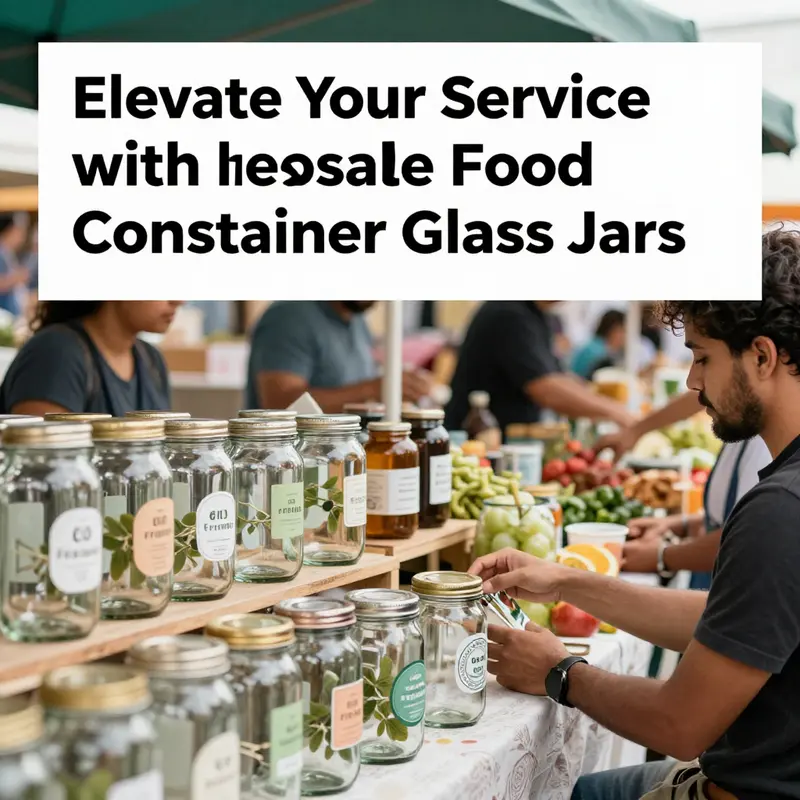
Market momentum and the demand for glass jars
The wholesale market for food container glass jars is moving beyond simple storage. Buyers now expect packaging that performs, communicates brand values, and reduces environmental impact. This shift has pushed manufacturers to blend function with aesthetics and to offer a wide palette of materials and finishes. The result is a highly dynamic segment in the packaging industry, where glass jars are positioning themselves as the preferred choice for premium food, specialty ingredients, and refillable formats.
Sustainability has become the central organizing principle for many purchasers. Glass already has a strong advantage: it is chemically inert, fully recyclable, and widely accepted by consumers as a safer alternative to plastic. But today’s customers want more than recyclable glass. They want visible commitments to circularity and lower embodied impacts. Suppliers respond by increasing the use of recycled glass cullet, offering lighter-weight wall options without sacrificing strength, and combining glass bodies with renewable lid materials like bamboo. Bamboo-lidded jars, in particular, have gained traction because they convey an eco-forward story while providing a tactile, premium finish. These lids satisfy both marketing needs and sustainable-material preferences.
Functionality and versatility drive specification decisions. Retailers, small-batch producers, and large manufacturers alike look for jars that support multiple use cases. Airtight seals are non-negotiable for preserving freshness in products like honey, jam, spices, and coffee. Microwave- and oven-safe glass types—typically borosilicate or tempered soda-lime—give brands flexibility in how consumers use the product. Freezer- and dishwasher-safe ratings increase practicality and reduce single-use waste because consumers reuse the container. Suppliers now publish clear performance data so buyers can match product attributes to end-use requirements.
Design variety widens the buyer’s toolkit. Standard cylindrical jars remain popular for cost-efficiency and packing density. At the same time, hexagonal, square, and wide-mouth shapes appear more frequently for differentiation on shelf. Shape affects perceived value and stackability, so brands balance an eye-catching silhouette with operational needs. Vertical-grain and textured finishes offer visual depth and hide fingerprints, which benefits retail displays and e-commerce photography. Colored glass and tinted finishes, including violet UV-protective glass, are selected for light-sensitive goods and for a distinctive look.
Lid choice is a key design lever. Metal lids with silicone or PVC gaskets provide reliable airtight sealing and suit classic jar profiles. Screw-top metal lids continue to dominate for mass-market uses, while flip-top and clamp designs appear for higher-end or reusable applications. Plastic lids remain in the lineup for cost-sensitive purchases where extreme durability isn’t required. Bamboo and other natural lids target premium, eco-conscious segments. Functional accessories—droppers, spray heads, pipettes, lacquered dippers—expand application into personal care and liquid food categories. Jars with integrated measurement marks or dual-compartment designs respond to meal-kit and ingredient-portioning trends.
Material innovations respond to both performance and regulation. Recycled-content glass reduces embodied carbon and appeals to eco-focused brands. Violet UV-protective glass filters harmful wavelengths, extending shelf life for oils and herbal infusions. Borosilicate options provide thermal shock resistance for multifunctional usage. Suppliers increasingly offer material certificates and compliance documentation, such as food-grade declarations that address global markets. Transparent products still dominate, because they display product quality and color. But tinted and opaque variants are growing in demand for light-sensitive items and for premium branding.
Size ranges must cover a broad spectrum of uses. Wholesale catalogs now span from tiny 15ml mini jars used for samples and cosmetics to 750ml or larger bulk containers for pantry staples and ingredient storage. Common commercial sizes—100ml, 200ml, 280ml, 380ml, 500ml—remain core SKUs because they fit retail assortment logic and provide predictable shipping densities. Custom size runs accommodate branded bundles and promotional packaging. Volume buyers look for inventory flexibility so they can manage seasonal products and limited editions without costly tooling investments.
Customization is a higher-margin opportunity for suppliers and a brand-building tool for buyers. Printing, embossing, and labeling options allow brands to create a cohesive look across SKUs. Direct printing on glass increases perceived quality and reduces the need for secondary labels. Embossing or etched logos withstand multiple washes and give a premium tactile impression. Color-matching lids and coordinated accessories complete a branded unboxing experience that benefits both brick-and-mortar and online channels.
From a sourcing perspective, global supply chains remain concentrated in regions with glass manufacturing capacity and economies of scale. Buyers commonly access suppliers through major sourcing platforms and trade networks to compare pricing, MOQs, and lead times. Competitive pricing emerges from efficient production runs and standardized tooling. Entry-level wholesale pricing for common clear jars can be very low at high volumes, but customization, premium materials, and additional accessories increase unit cost. Importantly, buyers must weigh per-unit price against the total cost of ownership. Glass jars often justify higher unit prices with reuse potential and stronger brand perception.
Logistics and packaging innovation are responding to glass’s weight and fragility. Transport optimization now focuses on reducing breakage and lowering freight costs. Suppliers pack jars in nested configurations when possible or use engineered partitioning and cushioning materials for transit. Collapsible secondary packaging or optimized pallet patterns reduce wasted shipping volume. Some manufacturers design jars and lids to stack more efficiently in transit, improving space utilization. These operational details matter because breakage and returns erode the sustainability and economic benefits of glass jars.
Quality control and regulatory compliance are central to buyer decisions. Food-contact declarations, traceability of raw materials, and adherence to regional standards inform cross-border sales. Certifications and independent lab results help brands access stringent markets and institutional buyers. Traceable supply chains also increase buyer confidence when claiming recycled content or low-carbon intensity. Manufacturers are more transparent about material sourcing, recycled-content percentages, and emission-reduction measures. This transparency supports sustainability claims and makes it easier for brands to communicate with consumers.
Retail and e-commerce presentation is reshaping packaging design. Consumers increasingly judge product quality by packaging aesthetics in online photos. Glass jars photograph well—they transmit light and color, and they signal premium status. Brands use this to their advantage with minimalistic labels, window boxes, or reusable gift-ready formats. For retailers, jars that maintain visual integrity after handling are valuable. That’s why finishes that resist smudges and label slippage are a priority. For direct-to-consumer sellers, packaging that reduces returns and damage on last-mile delivery is critical.
Market segmentation drives product diversification. Gourmet and artisanal food producers favor distinctive shapes and custom finishing. Coffee roasters and tea blenders emphasize airtight seals and dark glass options. Skincare brands choose glass for perceived purity and for compatibility with essential oils. Bulk food suppliers look for large-volume jars with durable seals. Refill and zero-waste programs push demand for robust jars that can survive multiple cycles of reuse and return.
Sustainability marketing is a growing consideration in product selection. Brands communicate the recyclable nature of glass, the reduced chemical migration, and the potential for reuse. Emphasizing post-consumer recycled content or a closed-loop return system can justify premium pricing. Some manufacturers offer trade-in or refill partnerships with retailers to create circular business models. Packaging portfolios now often combine recyclable glass jars with compostable or recyclable outer packaging to minimize overall environmental impact.
Price sensitivity and purchasing strategy remain nuanced. For mass-production, cost per unit dictates material and finish choices. For niche and premium categories, brands accept higher costs for differentiated jars. Buyers manage these trade-offs by selecting a core set of standard SKUs and adding seasonal or limited-edition customized runs. Minimum order quantities (MOQs) and lead times factor into planning. Smaller brands negotiate lower MOQs or join group buys to access better pricing without overstocking.
Technology and product innovation are expanding applications. Integrated measurement markings, modular lids with compartmentalization, and tamper-evident closures are becoming more common. UV-protective glass and anti-microbial coatings serve niche needs. Some suppliers experiment with smart-cap technology that records opening events for food safety tracking in industrial contexts. While such innovations add cost, they also open new markets and use cases beyond conventional pantry storage.
Competition and landscape evolution favor suppliers who combine material expertise with flexible manufacturing. Firms that offer quick tooling changes, small-batch customization, and a catalog of tested finishes win business from agile brands. Conversely, large-volume purchasers prioritize consistent unit pricing and efficient supply chains. Both buyer types benefit when suppliers provide clear documentation on material performance, recyclability, and compliance.
Retailers and brand owners adopt several practical sourcing strategies. First, they request technical samples and performance data to validate claims. Second, they evaluate packaging partners for ability to scale and to protect jars during shipping. Third, they insist on transparency around recycled-content claims and material origins. Finally, they align on timelines and contingency plans to manage capacity constraints in peak seasons.
The future direction of the wholesale glass jar market centers on harmonizing sustainability, convenience, and brand storytelling. Reuse schemes, refill stations, and subscription models will increase the lifecycle value of glass jars. Recycled-content innovations will reduce embodied emissions and appeal to regulatory regimes focused on circular economies. At the same time, the drive for distinctive shelf presence ensures design innovation will continue. Brands and suppliers that balance technical performance with environmental credibility will capture the most value.
Practical guidance for buyers follows naturally from these trends. Prioritize airtight sealing and material certificates for food safety. Evaluate variants of glass for thermal resistance if heating or freezing is a use case. Consider natural lids for premium positioning, but factor in supply consistency and finish durability. Request nestability or stacking specifications to optimize shipping costs. Insist on sample orders that model your final packaging, with labels and secondary packaging in place. Finally, measure total cost of ownership—not just unit price—considering breakage, returns, and consumer experience.
For brands seeking alternatives or complementary solutions, some sustainable secondary packaging options align well with glass jars. For example, recyclable pulp cup holders provide sturdy transport options for smaller jar configurations and strengthen the overall eco narrative in multi-item sets. See an example of such holders for reference: eco-friendly recyclable pulp cup holders.
Sourcing channels continue to provide competitive supply options. Buyers can find cost-effective base-line jars at scale, and they can engage suppliers for co-development of premium finishes. When comparing offers, evaluate sample quality, MOQ flexibility, packaging engineering, and compliance documentation. These criteria determine whether a jar supports long-term brand and operational goals.
Overall, the wholesale glass jar market is maturing while remaining open to innovation. Its strengths—recyclability, durability, and premium perception—align well with current consumer preferences. Emerging materials, lid combinations, and functional features expand the category. For commercial buyers, success depends on choosing the right balance of price, performance, and brand alignment, while leveraging transparent supply partners who can deliver consistent quality and sustainability credentials.
External reference for a supplier listing: https://www.alibaba.com/product-detail/Wholesale-glass-candy-jars-container1600384929788.html?spm=a2700.galleryofferlist.normal.1.4a9f6b19KwXZjV&from=productdetail&productId=1600384929788&source=product_detail
Final thoughts
Wholesale glass food containers represent a robust opportunity for businesses in the beverage and food industry to enhance their packaging strategy. While they come with challenges such as handling and weight considerations, the benefits they offer—such as sustainability, quality preservation, and aesthetic appeal—make them worth considering strongly. Awareness of market trends and customer preferences will further empower you to make informed decisions that align with your brand’s identity. The adoption of these containers can not only elevate your business’s image but also resonate with consumers who value quality and eco-friendliness.