
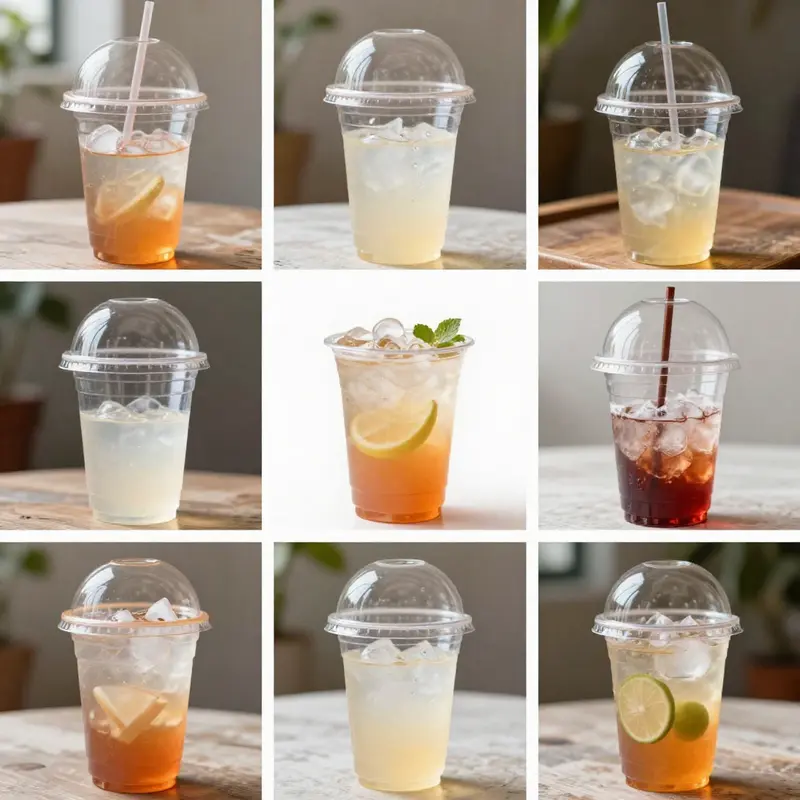
In today’s fast-paced beverage industry, presentation and functionality are crucial. Wholesale clear plastic cups with dome lids have emerged as a preferred choice for bubble tea shops, beverage chains, restaurants, food trucks, catering services, and event planners. These cups not only enhance the visual appeal of drinks but also ensure practicality and safety for your beverages. In the following chapters, we will explore their core features, performance advantages, typical applications, procurement strategies, and essential considerations to help you make informed choices for your business needs.
null
null
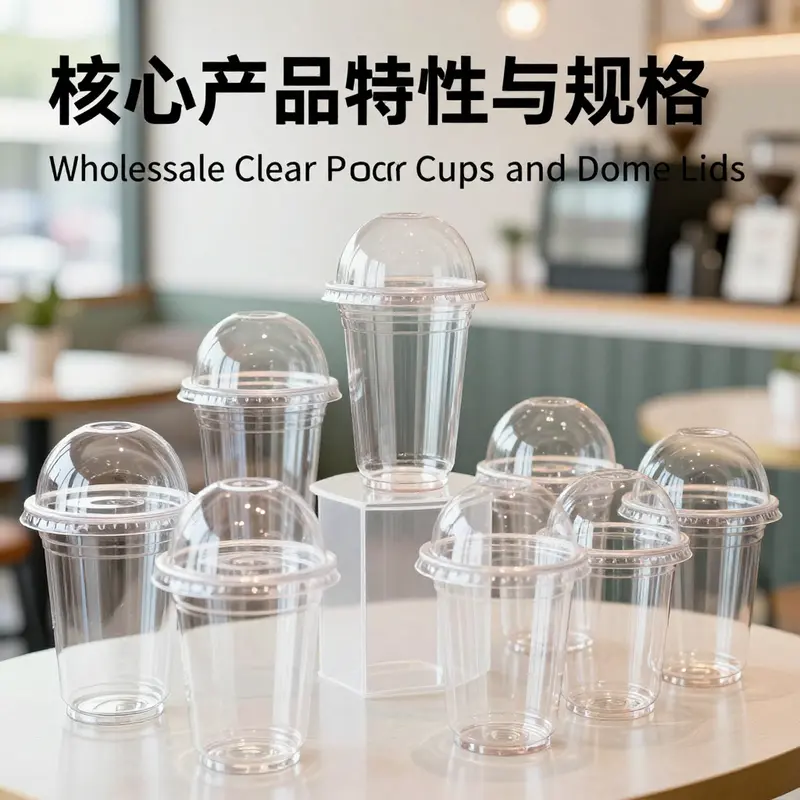
The Clear Advantage: Market Dynamics and Performance of Dome-Lid Cups in Wholesale Packaging
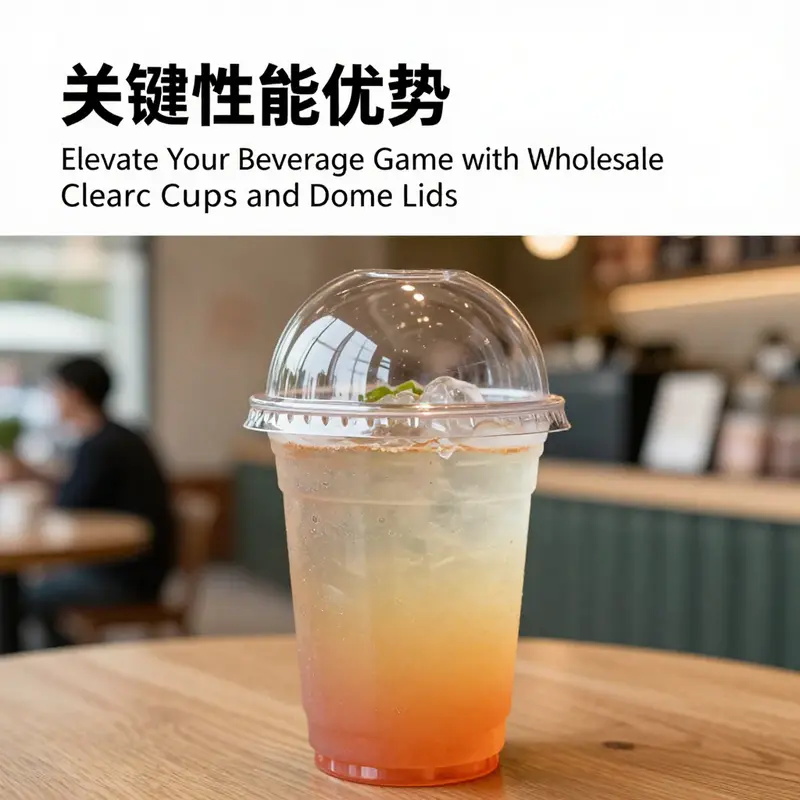
When the market talks about convenience in beverage packaging, it often circles back to a single, dependable solution: a clear plastic cup paired with a dome lid. This pairing has evolved beyond a mere container; it has become a strategic instrument in wholesale packaging because it blends reliability with visual appeal, and it does so at scale. The core materials—food-grade polymers such as polypropylene (PP) and polyethylene terephthalate (PET)—offer the practical virtues that brands crave. They deliver high clarity, which makes the drink and its ingredients instantly legible to the eye, while also delivering the cold resistance and safety demanded by global food-safety standards. In a wholesale context, where orders run into tens or hundreds of thousands, the predictability of these materials matters as much as their performance in a single unit. The robust supply chain that underpins such large purchases depends on consistent resin quality, stable extrusion and injection-molding cycles, and a suite of options that can be matched to a brand’s ambitions. The result is a packaging system that scales without sacrificing the precise features that matter to operators and consumers alike: a crisp, transparent presentation; dependable sealing; and a design language that communicates freshness at a glance.
The dome lid is not a mere top accessory; it is a functional geometry that shapes the entire user experience. The arc of the lid, its fit around the cup lip, and the presence (or absence) of a small opening for pouring or sipping define how efficiently a drink travels from bench to consumer. In wholesale markets, where products must withstand the rigors of loading, transit, and in-store handling, the seal must be tight enough to resist leaks during bumpy deliveries, yet not so onerous that customers struggle to access the drink. Dome lids with optional features—such as a tiny dasher opening or a precisely cut straw hole—offer a spectrum of handling realities. The dasher, a small outlet on certain premium lids, is especially useful for thick beverages like milkshakes or yogurts, where a controlled flow matters. A dedicated straw hole balances the need for comfort and spill prevention, allowing sipping without removing the lid entirely. These features underscore why dome-lidded cups have become a staple in the portfolios of wholesalers serving beverage bars, dessert studios, and food-service networks that prioritize both speed and presentation.
From a performance standpoint, the sealing capability of a dome-lid cup is the cornerstone of its wholesale value proposition. The curved lid is designed to mate with the cup’s rim in a way that minimizes ingress of air and moisture, thus preserving the beverage’s freshness and flavor integrity during hours on the shelf, in transit, or in a packed carryout bag. This protection is essential for items that rely on ice or partial carbonation, because it helps maintain the beverage’s intended temperature and texture until the consumer is ready to enjoy it. In practice, this translates into fewer complainants about spills or oxidized flavors, which in turn reduces return rates and protects a brand’s reputation across dozens of outlets. In addition to preventing leakage, the dome lid’s transparency is not incidental. It allows the consumer to evaluate the product’s appearance—ice crystals, color depth, and foamy crests—at a glance. For wholesale buyers, that visible quality translates into higher impulse appeal on shelves and in delivery apps, where the drink’s visual appeal can be the deciding factor in a purchase.
The aesthetic aspect should not be overlooked. Clear cups and lids reveal the beverage’s true color and texture, turning a simple drink into a visual cue that communicates what the product is, and what it stands for. In an era when social media attention can drive sales, that high transparency becomes a marketing asset. Ice, fruit inclusions, or layered colors are instantly legible through the cup, and the lid’s transparency ensures those visual cues aren’t dimmed by an opaque top. The same principle applies to desserts and semi-solid treats housed within the cup. A dome lid preserves the display of whipped toppings or creamy layers, while the cup’s own translucence ensures the dessert’s texture looks as appealing as the flavor it promises. From a procurement perspective, that visual advantage reduces the need for additional decorative elements, such as wrap-around sleeves or elaborate labeling, while still delivering a branded, premium presentation.
A further layer of wholesale practicality comes from the capacity range and regulatory alignment of these cups. Common sizes include 8, 9, 11, 12, 16, 20, 24, and 32 ounces, with 16 ounces standing out as a balanced choice for cold beverages and desserts. This versatility means a wholesaler can cover the needs of a cafe’s standard cold drinks, a dessert bar’s mini portions, and a mobile cart’s grab-and-go offerings, all with similar packaging hardware. The materials—PP and PET—are chosen not only for clarity and rigidity but also for their favorable food-contact properties and resistance to chilling temperatures. This makes them a practical choice for cold drinks, iced beverages, smoothies, and even layered treats that demand a container capable of preserving texture under freezing or near-freezing conditions. From a supply-chain vantage, standardization across these sizes enhances production efficiency, reduces stocking complexity, and enables bulk discounts that arise from high-volume runs.
Customizability is another critical axis of wholesale value. The dome-lid system supports a range of branding opportunities. Silkscreen printing, heat transfers, and flexible-printing options—often up to six colors—enable a brand to extend its identity from the cup to the lid. This is not just about aesthetics; it is about communicating quality and consistency across a network of outlets that share a single packaging language. When a buyer orders in bulk, the ability to align cup and lid graphics with a brand’s color palette and messaging helps create a coherent customer experience. This threading of design through multiple packaging components— cup, lid, and even the inner liner in some configurations—can reinforce recognition, foster trust, and ultimately drive repeat purchases. The cost calculus in wholesale contexts supports this. While unit costs may be relatively modest at scale, the added value of customization is often realized in faster shelf turnover and higher average order values. The up-front investment in branding can thus be recouped through increased consumer engagement and loyalty across multiple store fronts and delivery channels.
From a sustainability standpoint, the market shows a cautious but decisive shift toward eco-conscious alternatives without compromising performance. While these dome-lid cups are widely adopted for their convenience, there is increasing demand for biodegradable or bio-based options, particularly among retailers who emphasize responsible packaging. Suppliers are responding with blends that maintain the same sealing integrity and clarity while offering compostable or partially compostable profiles. The trade-off analysis—between compostability, cost, and shelf-life stability under cold conditions—remains nuanced. In wholesale procurement discussions, a seller’s ability to offer a range of materials, including standard PP/PET and environmentally friendlier alternatives, becomes a differentiator. This aligns with broader consumer expectations that convenience should not come at an unsustainable environmental cost and that the end-to-end packaging solution should reflect a brand’s commitments to responsible operations.
The logistical facet of wholesale distribution further underpins the appeal of dome-lid cups. The design supports stacked storage and efficient packaging, helping to maximize pallet density and minimize breakage risks during transport. The lid’s geometry is engineered to resist deformation under stacked conditions, provided that layers are balanced and properly cushioned. That reliability translates into lower spoilage risk and fewer damage-related losses when orders move from factory floors to distribution centers and onto individual outlets. For operators managing fleets of vehicles or multiple micro-fulfillment centers, consistent performance across thousands of units means predictable handling, which is essential for route planning and inventory control. In practical terms, wholesalers can rely on shorter lead times and higher fill rates when their production lines produce standardized cap-and-cup combinations at scale. The net effect is a packaging system that reliably meets the demands of busy beverage environments, dessert stations, and mobile food services that require a fast, clean, and repeatable packaging solution.
In the broader market, the dome-lid cup has proven its value not only as a functional vessel but as a flexible platform for leveraging trends in beverage culture. The ongoing rise of cold brew coffees, craft iced teas, fruit-forward beverages, and ice-based desserts creates a demand for packaging that can showcase clarity while safeguarding freshness. The dome lid’s sealing performance, coupled with its capacity to accommodate classic sipping and modern, controlled-dispense features, makes it a robust option for a wide spectrum of operators. At the same time, the printing opportunities enable brands to cultivate a presence that extends beyond the beverage inside the cup. By treating the cup and lid as a single brand touchpoint, wholesalers can help retailers build a coherent visual narrative that travels across storefronts, pop-up events, and online marketplaces. In a market where margins often hinge on efficiency and brand differentiation, dome-lid cups deliver a compact, scalable, and aesthetically compelling solution that aligns with contemporary consumption patterns and logistical realities.
For procurement teams evaluating wholesale options, the practical takeaway is clear: seek a dome-lid system that couples strong performance with predictable cost, extensive customization, and a pathway to sustainable alternatives where feasible. Assess the total cost of ownership not just by unit price, but by the broader benefits—export-ready packaging that reduces damage, branding consistency that strengthens customer recognition, and materials that offer compliance with global food-safety standards. The pathway to success lies in balancing the equation of function, form, and finance, ensuring that every cup that leaves the warehouse upholds the brand’s promise of freshness, reliability, and visual appeal. In this light, wholesale clear plastic cups with dome lids emerge not merely as packaging, but as a strategic component in a retailer’s overall value proposition, capable of elevating customer experience while supporting the operational realities of large-scale distribution and rapid service. External resource: https://www.fda.gov/food/packaging-labeling-food-contact-substances/food-contact-materials-faqs
透明圆顶盖杯的行业场景:批发应用在餐饮、配送与品牌传播中的综合作用

透明圆顶盖杯在现代食品与饮品包装中的角色,常被低调地忽视,却在日常运营里发挥着决定性作用。它们以清澈的杯体展示饮品色泽,以圆弧形盖顶锁住新鲜,成为餐饮、外卖、活动与零售场景中高效、卫生、具备品牌潜力的容器。材料通常选择食品级聚丙烯(PP)或聚对苯二甲酸乙二醇酯(PET),二者在透明度、冷藏耐受性与安全性方面都表现出色,符合国际食品安全标准。容量覆盖从8oz到32oz甚至更大,16oz成为冷饮和甜品的主流选择,既能盛装冰咖啡、果汁、奶昔,也能容纳果酱式甜品或布丁类半固态食品。圆顶盖的弧形设计不仅美观,更具实用性:对付含气饮料的气泡溢出、对厚质饮品的延缓流出有明显效果;一些高端款在盖顶设有“小口”或“dasher”,可实现可控倒出,减少倒出时的飞溅。部分型号还集成吸管孔,兼顾密封性与使用便利。这些设计细节共同塑造了杯具在不同场景中的可用性与品牌呈现力。
从消费者体验的角度看,密封性强、漏斗状的圆顶盖能在运输与配送过程中显著降低泄漏风险,保障产品完整性。对于外卖和快递场景,顾客收到的饮品往往需要在路上经过颠簸、温度波动,圆顶盖的封闭性和对气体的隔离能力,帮助延缓氧化与味道的流失,维持口感与新鲜度。视觉上的透明度让饮品颜色与层次在光线下更具吸引力,成为即时社媒分享的美学基础,这对品牌传播和促销活动都具有潜移默化的正向效应。
在应用场景上,批发透明圆顶盖杯的覆盖面广泛而深入。连锁咖啡与茶饮店常以此类杯具承载冰咖啡、奶茶、果茶、冰沙和酸奶类饮品。甜品店与烘焙坊借助杯体的透明性展示如冰淇淋杯、蛋糕杯、布丁和水果沙拉等甜品组合,圆顶盖还能让上层配料的视觉层次一目了然,提升顾客的购买欲望。在外卖和快餐领域,这类杯具以良好的密封性与便捷的分发特性,成为快速配送的常态化包装选项。活动与派对场景中,透明杯的高端感与盖顶带来的整洁外观,天然与品牌形象相呼应,成为礼品杯或现场饮品的理想选择。
此外,某些供应商也在扩展应用边界,将此类杯具用于宠物食品或小型零食的临时盛装,强调材质的密封性与防污染能力。便利店与自动售货机也将标准化、易堆叠的杯体作为即饮品的理想容器,这与零售端的货架陈列效率、备货与再加工便捷性高度契合。企业在进行市场推广时,常通过定制化印刷来强化品牌辨识度。丝印、热转印与柔版印刷等工艺在同一杯体上实现多色图案,最高可达到六色印刷,既能展现企业标志又能传达促销信息,使包装本身成为营销载体,超越单纯的容器功能。对品牌而言,这是一种“看得见的广告位”,在顾客购买决策的关键时刻提供视觉激励。
在采购与供应链的维度,研究显示16oz杯体的性价比与普适性使其成为批发市场的核心规格,适配冷饮、奶茶和小份甜品等多样需求。价格区间通常与材料、印刷复杂度、是否带有dasher等附加功能相关,起订量(MOQ)随型号差异而变动。对于希望实现品牌定制的企业,定制印花的16oz杯具成为兼具功能性与品牌传播的组合选项,MOQ往往低至数千件,帮助新兴品牌以较低门槛进入市场。32oz型则在果汁、超大杯奶昔等场景中更具备“单杯承载力”,通常面对更高的单价与更大的起订量,但在促销活动、野餐或团体聚会中能创造更强的现场效果。总体而言,16oz杯的市场普适性、密封性和美观性,使其成为批发渠道的主力军。
从印刷与定制的角度看,品牌方在杯体上投射自有图案、口号和促销信息,可以通过丝印、热转印以及柔版印刷实现多色效果。印刷不仅提升品牌辨识度,同时也塑造消费者对产品品质的第一印象。尽管需要额外的前期沟通与最低印刷量要求,定制杯具依然是提升活动曝光率与忠诚度的有效工具。与此同时,环保趋势也在推动包装选择的更新换代。一些供应商提供生物基或可降解材料的替代选项,以回应对可持续包装的市场需求。对于追求绿色形象的品牌,将来在杯体材料与盖顶设计之间寻求兼容性与合规性,成为重要的考量点。
在供应链与储运方面,圆顶盖的堆叠与存放需要注意防变形与挤压。包装与运输环节的优化,如托盘分层、适当的箱内填充物和防护材料,将直接影响到货到客户手中的 cup quality 与品牌口碑。合规性方面,确保所选杯具在食品接触环境中符合FDA、LFGB或欧盟食品安全认证,尤其在出口市场,该合规性不仅是合规要求,也是客户信任的基石。
在行业传播层面,批发透明圆顶盖杯不仅满足功能性需求,还可成为市场沟通的一部分。一些企业将杯具视为“可移动的品牌展台”:在促销活动中,透明杯的视觉效果与盖顶的整洁外观共同传达专业性和关注细节的品牌态度。品牌视觉可以通过容器本身延展至广告、促销品与互动体验中,形成统一的品牌叙事。对于企业而言,这不仅是包装,更是一种营销资产,通过交叉渠道的使用,提升顾客对品牌的一致性认知。
在跨行业的应用探索中,批发透明圆顶盖杯提供了一种灵活的解决方案。餐饮业可以将其与不同风味的甜品搭配,创造“组合式”销售;活动与展会则通过定制图案与品牌信息实现视觉冲击;零售与便利店通过高效的库存管理与标准化的杯体设计提升顾客体验。这些因素共同塑造了圆顶盖杯在现代商业生态中的核心地位:它们既是产品的承载工具,又是品牌传播与客户互动的重要载体。
在采购渠道方面,市场上有多种渠道可供选择。大型B2B平台提供了广泛的选择、规模化价格与定制服务,而专业包装供应商则更注重材料、印刷工艺和供应链的稳定性。无论选择哪种渠道,关键都是明确需求:容量、盖型、是否需要dasher、是否需要吸管孔、是否需要定制印刷、MOQ与供货周期等。通过系统化的采购流程,企业不仅能获得具备性价比的杯具,还能确保在高峰期维持稳定的供应,确保营销活动与日常运营的无缝对接。
最终,批发透明圆顶盖杯的价值并非仅在于一次性使用的便利性,更在于它们作为“包装即体验”的枢纽角色。它们帮助饮品与甜品在视觉与功能之间达到平衡,提升外观吸引力,优化运输与配送中的安全性,同时为品牌叙事提供可持续的、可扩展的载体。正是因为这些多维度的能力,透明圆顶盖杯在餐饮、配送、活动和零售的场景中广泛应用,成为行业不可或缺的一环。
eco-friendly-printed-logo cold beverage cup with lid
外部资源方面,随着全球市场对包装合规与采购渠道的持续关注,采购方往往会对不同供应商的定价与服务做对比。一个可参考的外部资源是全球批发平台的相关页面,其中汇集了带圆顶盖的透明杯等多样选项,便于快速检索、比较价格与交货条件。这类信息源对需要快速扩张的店铺或活动组织方尤为有用,能够帮助决策者在短时间内评估供应链的弹性与成本结构。外部链接如下,供进一步探索与对比之用:
https://www.alibaba.com/trade/search?fsb=y&IndexArea=product_en&CatId=&SearchText=clear+plastic+cups+with+dome+lids
总之,批发透明圆顶盖杯以其透明的杯体、稳健的盖顶设计、灵活的定制性与广泛的应用场景,在现代商业生态中承担着不可替代的角色。它们让饮品与甜品在第一时间被看见、被体验,也让品牌故事在每一次递送中逐步延展。对于寻求高效、可扩展且具备品牌传播潜力的商业模式而言,这类杯具不仅是包装工具,更是推动增长的关键资产。
Strategic Sourcing for Clear Plastic Cups with Dome Lids: Balancing Quality, Cost, and Brand Impact
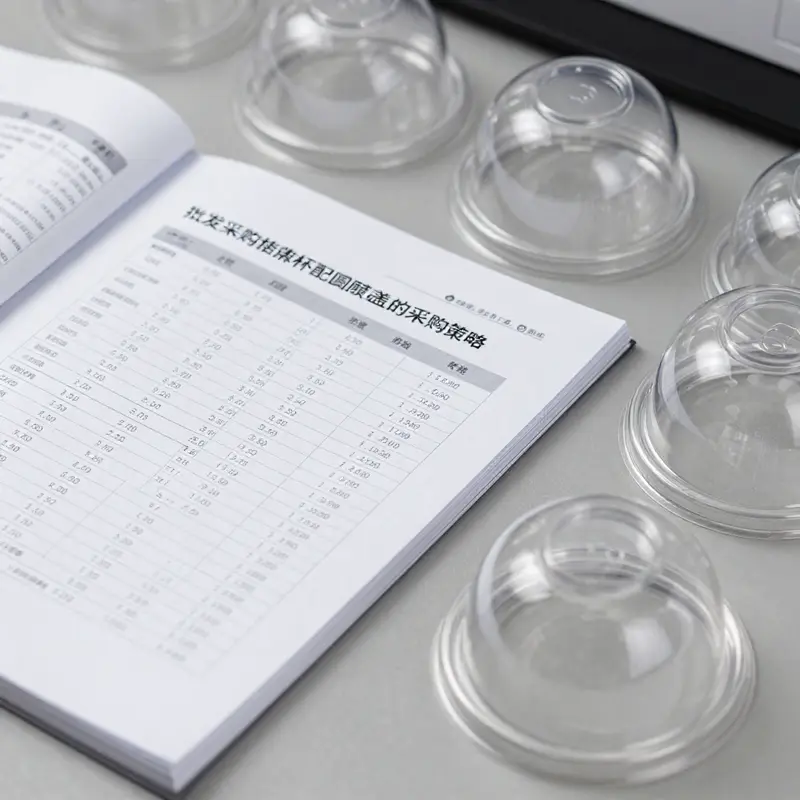
In the fast-moving world of beverage and dessert service, wholesale procurement of clear plastic cups with dome lids is more than a logistical task. It is a quiet driver of customer experience, brand perception, and operational resilience. The choice of cup and lid shapes how a product travels—from the point of purchase to the doorstep of a customer who may be sipping on the go. The materials, the fit of the lid, and the tolerance for leaks all synchronize to protect the integrity of the drink or dessert while showcasing its color, texture, and freshness. At the heart of this chapter lies a practical philosophy: select options that harmonize performance with cost, and align with a brand’s promise of reliability and aesthetics. This means understanding not just what the cups are made of, but how they perform in real-world settings—from bustling mornings to late-night deliveries, across cold beverages, thick shakes, and semi-solid treats.
Material choice sits at the foundation of this decision. The two dominant options—food-grade PET and PP—each offer distinctive advantages. PET tends to deliver higher clarity and excellent rigidity, which helps emphasize the color and texture of a drink or dessert. PP, while perhaps slightly less rigid, brings excellent barrier properties and is often more forgiving in a wider range of temperatures. Both materials meet international food-safety standards and are commonly labeled as food-grade, providing a reassurance that mixes of liquid and flavor do not introduce unwanted odors or tastes. For operators who plan to offer a premium visual experience, the transparency and brilliance of PET can be decisive; for those weighing cost and stacking efficiency, PP can present an inviting balance of performance and value. The choice between these materials often comes down to anticipated handling: the cold chain, the frequency of reuse or refilling, and the expected shelf life of the product.
Capacity, in turn, anchors how a cup travels through a menu. The 16-ounce size has emerged as a mainstream workhorse for cold drinks—ice coffee, chilled fruit beverages, milkshakes, and semi-solid desserts. It is not the only option: a spectrum from smaller 8-ounce or 9-ounce cups to larger 32-ounce cups exists to match the menu’s needs. The ecosystem of dome lids complements this spread. A domed top with a curved profile accommodates a generous headspace for foamy toppers and carbonation, while a tight seal minimizes spills during transport and handling. The lid may also feature a dasher opening on higher-end designs, a small passage that reduces splashing when thick beverages are poured or agitated, and a straw slot designed to balance usability with leak resistance. The subtle differences between lid heights, inner ridges, and the diameter of the drinking hole translate into tangible outcomes: whether a drink leaks during a curbside pickup, or a straw is comfortably aligned with the user’s mouth without requiring awkward angles.
From the bakery-café counter to the delivery rider’s bag, a cup’s performance is judged by how well it preserves drink quality and presentation. The dome lid’s air-tight characteristics slow oxidation and flavor drift, helping a product retain its freshness. This is particularly important for beverages that are shelf-stable for hours and may sit in warm delivery vehicles. The materials’ heat and cold resistance also play a role: a well-matched cup and lid pair remains robust under refrigeration, in transit, and during consumption. The visual appeal—liquid color, the clarity of ice, and the overall impression of cleanliness—further strengthens brand storytelling. When a cup is lifted, the consumer’s perception of quality is shaped not just by the drink’s taste, but by the transparency and finish of the container itself.
The procurement decision benefits from a disciplined approach to customization. Many suppliers offer printing methods such as silk screen, heat transfer, or flexo printing with a range of colors, enabling brands to translate logos, color schemes, and taglines onto the cup surface. The ability to imprint a logo or design on the cup enhances brand recall at the point of sale and through social sharing when customers photograph their beverages. However, customization costs must be weighed against expected volume and return on brand lift. In practice, standard, non-custom cups may deliver the most cost-effective route for seasonal menus or high-volume quick-service environments, while a highly visible campaign or flagship flavor might justify a limited run of branded cups. The trade-off between upfront customization costs and long-term gains in brand visibility must be modeled with forecasted demand and the probability of repeat purchases.
A robust procurement plan also considers the practicalities of supplier relationships and platform selection. Global platforms for wholesale purchases provide access to a broad network of manufacturers and distributors, with transparent pricing, lead times, and minimum order quantities. The advantages are clear: scale advantages, a variety of material options, and the ability to tailor orders to specific needs such as freeze-thaw tolerance or added moisture barriers. Yet, the procurement process benefits from due diligence. Evaluating a supplier’s factory capabilities, delivery reliability, and after-sales assurances can prevent costly disruptions. Certifications such as food safety attestations and quality management systems offer evidence of consistent performance. Reliability in packaging and logistics—careful handling during shipment, protective inner packaging, and appropriate outer cartons—helps prevent deformation of the dome lids and damage to the cups in transit. The net effect is a smoother supply chain with fewer delays, fewer defects, and a reduced risk of stockouts during peak seasons.
To navigate these complexities, many teams anchor their strategy on a few core questions: What is the expected demand, and how does it fluctuate with seasons or promotions? Which combination of cup size and lid design minimizes waste while delivering a satisfying consumer experience? What are the total costs of ownership, including shipping, handling, and potential customization charges? What sustainability commitments can be met without compromising performance or price? Answering these questions requires a blend of demand forecasting, supplier market intelligence, and a realistic assessment of operational constraints. It also demands a clear plan for sample testing. Before large-scale orders, teams often request physical samples to evaluate fit, seal integrity, and the user experience—how easy it is to drink, whether the straw hole aligns ergonomically, and whether the lid proves secure after jostling in transit. The empirical feedback gathered through these tests informs final specifications, reduces risk, and accelerates decision-making when market conditions demand agility.
The conversation around cost is nuanced. While unit prices can be attractive at very high volumes, the total cost of ownership includes the cost of customization, the reliability of supply, and the long-term durability of the packaging under real-use conditions. A cup that is cheap to purchase but prone to cracking, leakage, or mis-sealing will incur higher replacement costs and erode customer trust. Conversely, a slightly higher unit price that purchases peace of mind—through stronger seals, better stacking stability, and dependable supply—often yields lower total costs over the lifecycle of a menu or campaign. The supplier landscape supports this through tiered pricing tied to MOQ and volume commitments. The ability to consolidate orders—combining cups with lids, or organizing bundles for different sizes—can optimize freight efficiencies and reduce handling complexity. These operational efficiencies matter as the scale of operations expands, whether in a multi-location chain or a high-volume delivery operation.
Sustainability remains a central theme in modern procurement. As consumer expectations evolve, many operators explore materials that balance performance with environmental responsibility. Biobased and biodegradable options, including PLA-based cups destined for cold beverages, are increasingly discussed as part of a broader waste-management strategy. Yet trade-offs persist: some sustainable materials may not offer the same rigidity, temperature stability, or shelf-life performance as conventional PET or PP. In planning, brands often adopt a phased approach—maintaining primary packaging with proven performance while piloting eco-friendly alternatives in limited runs or seasonal programs. This incremental strategy allows teams to quantify the impact on cost, supply reliability, and consumer perception before wider deployment. The procurement narrative thus shifts from a sole focus on price to a more holistic appraisal of value: environmental footprint, brand alignment, and long-term viability of the supply chain.
For teams seeking tangible pathways to execution, the mechanics of supplier engagement matter as much as the design details. Platforms that aggregate manufacturers and wholesalers streamline discovery, but success hinges on careful vendor evaluation. Questions to ask during outreach include: What are your lead times, minimum order quantities, and print capabilities? Can you provide SGS or ISO certifications and product test results? Is there a defined process for quality control, returns, or replacements in the event of defects? Do you offer samples, and what is the lead time for prototyping? These details shape risk profiles and help build a resilient procurement calendar that can absorb fluctuations in demand without compromising service levels. In the hands of a skilled buyer, the combination of well-chosen materials, right-sized volumes, and a thoughtfully designed lid becomes a competitive advantage rather than a routine expense.
As a practical cue for procurement teams, the horizon toward which most operations move is the pursuit of a reliable, scalable supply chain that preserves the drink’s appearance and integrity while enabling efficient service. For brands that want to explore options beyond base configurations, the opportunity to tailor the packaging—through process-compatible printing and a measured approach to customization—offers a route to stronger brand differentiation without sacrificing performance. The dome lid, with its curved silhouette and protective seal, remains a symbol of the unbroken chain between packaging and product, a small but meaningful element in the consumer’s overall experience. The cup itself is the first handshake between the beverage and the buyer; the lid completes the conversation by ensuring that the handshake stays clean and confident through delivery, consumption, and social sharing.
If you are surveying the market today, you will likely encounter a spectrum of offerings that range from standard, unbranded clear cups to fully customized solutions with specialized lid features. The decision framework described here—careful specification of capacity, material, seal, and customization, coupled with vendor due diligence and a measured view on sustainability—provides a practical map for navigating this space. It is not about chasing the lowest price per unit; it is about aligning packaging choices with operational realities and brand ambitions. In the end, the most successful wholesale purchases are those that translate into a consistently premium customer experience, a reliable supply chain, and a packaging aesthetic that supports the product’s story at every touchpoint.
For teams seeking concrete pathways to source, consider exploring wholesale options that emphasize a balance of price, quality, and service. The following resource offers a broad gateway to supplier options and price tiers, helping buyers filter by material, capacity, and customization capabilities: https://greendispopack.com/product/wholesale-take-away-8oz-12oz-disposable-coffee-paper-cup-with-lids/.
External resource for market context and supplier landscape: Alibaba (https://www.alibaba.com). This platform aggregates manufacturers and wholesalers worldwide, with transparent pricing, MOQ details, and documentation that can support due-diligence processes.
From Clarity to Compliance: Navigating the Wholesale Path of Clear Plastic Cups with Dome Lids
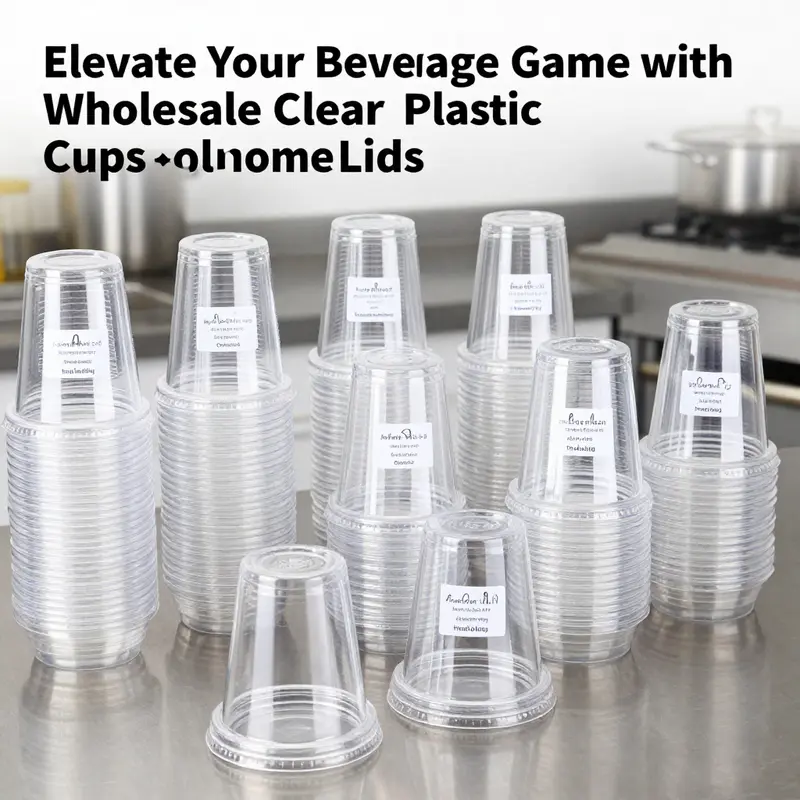
Clear plastic cups with dome lids sit at a unique intersection of visual appeal, functional engineering, and scalable logistics. They are more than just containers; they are a branding surface, a means of preserving beverage integrity during transit, and a logistics solution for fast-paced service environments. When a buyer steps into the world of wholesale procurement for these cups, the journey begins with a careful balance between clarity, safety, and cost. The decision is not simply about choosing a container with a pretty top; it is about selecting a system that can carry a brand story, maintain freshness, and survive the bumps of delivery from factory to storefront to customer doorstep. In this sense, the process resembles a convergence of product specification, supplier reliability, and practical testing, all tuned to the realities of the growing demand for cold drinks, desserts, and semi-solid treats that rely on dome lids to keep their integrity intact.
The backbone of any good choice lies in the fundamental materials and capacities. Most of the widely used cups in this category rely on food-grade polypropylene (PP) or polyethylene terephthalate (PET). PP tends to offer a favorable balance of cost, clarity, and heat resistance, making it a pragmatic choice for a large share of cold beverages and dessert applications. PET, by contrast, can deliver higher rigidity and superior transparency, which can lift the perceived quality of the beverage inside and support premium visuals when the cup is used for display or brand storytelling. Some producers experiment with alternative materials such as bio-based polymers, including PLA, to address sustainability concerns, though the trade-offs in clarity, heat tolerance, and barrier properties require careful evaluation. Capacity options span widely—from compact 8oz and 9oz sizes up through 11oz, 12oz, 16oz, 20oz, 24oz, and up to 32oz. Among these, the 16oz format stands out as a versatile middle ground for ice-cooled coffee, fruit beverages, and indulgent desserts, balancing portion size with transport efficiency and customer perception.
The design of the dome lid itself is where the product’s functional advantages become explicit. The dome’s curved shape creates extra headspace to accommodate foams, whipped toppings, or thick liquids that require a bit of space, while still maintaining a favorable profile for stacking and storage. For beverages that travel with carbonation or effervescence, the dome lid can help prevent overflow and manage splashes better than flatter lids. In higher-end variants, you may encounter dome lids with a dasher small opening. This feature is particularly advantageous for thicker drinks such as milkshakes, yogurt blends, puddings, or layered beverages where precise portion control on pouring reduces splashes and spills. Some models also incorporate a dedicated straw hole or a precisely cut straw aperture that preserves seal integrity while offering convenient sipping. The goal of these design elements is to deliver a cup that is leak-resistant in transit, easy to carry, and visually appealing when displayed on a shelf or in a case.
Beyond the basic materials and dome geometry, the opportunity to customize adds a compelling dimension to wholesale purchases. Printing capabilities such as silk screen, heat transfer, or flexographic printing enable brands to transform a clear cup into a moving advertisement. A six-color printing potential can cover a spectrum of brand motifs, from logo and tagline to seasonal artwork, without sacrificing the cup’s transparency. This capability matters more than the eye might initially perceive. In a crowded marketplace, a well-printed cup can act as a pivot point for brand recall, particularly when the cup is used for display in-store or captured in social media posts. Yet customization must be balanced with cost. The price per unit can vary significantly based on print complexity, color count, and the minimum order quantity (MOQ). Buyers should map out a production plan that aligns print runs with anticipated demand, marketing campaigns, and seasonal promotions to ensure the economics remain favorable.
In practice, the most common applications for these cups are varied and, in many ways, mirror the broader shift toward takeout and delivery cultures. Cold beverage outlets, including coffee shops, tea venues, smoothie bars, and fruit juice purveyors, rely on these cups to present vibrant beverages with a clean, premium look. The dome lid’s ability to showcase the product while protecting it is particularly beneficial when cold drinks travel through delivery networks or when a product is displayed in a self-serve or grab-and-go format. The pastry and dessert segment finds value in the dome lid’s capacity to hold toppings or layered textures, making cups suitable for ice cream, mousse, pudding, or fruit cups. Event organizers and catering services likewise favor these cups for their blend of practical security and brand visibility, turning a simple disposable item into a portable marketing tool. The broad applicability contributes to the volume-driven economics that wholesalers crave, underscoring why 16oz and other mid-to-large formats dominate the wholesale conversation.
From a performance perspective, sealing and leak resistance deserve close attention. A dome lid that fits snugly around the cup edge, a precise fit that minimizes air ingress, reduces oxidation and flavor deterioration while preserving the beverage’s original character. In transit, turbulence is a fact of life; the ideal dome lid resists leakage even when the package is tilted or jostled. This reliability is not merely a convenience—it is a core expectation in the takeout economy, where the customer’s confidence in delivery quality hinges on a container that behaves as promised. Clarity remains another critical factor. The transparent nature of PP and PET not only shows off the beverage’s color and texture but also communicates the absence of leaks or imperfections to the consumer at the moment of purchase. When a product relies on visual appeal to drive impulse buys, the ability to see a clear, well-formed drink through the cup becomes a subtle but powerful driver of sales.
The procurement journey does not end with material choice and dome geometry. The wholesale decision must navigate supplier evaluation, quality assurance, and logistical practicality. A reliable supplier network is essential for bulk purchases because it provides consistency, lead times, and contingency options. Buyers often turn to established B2B marketplaces or direct factory relationships to source cups with dome lids, looking for certifications such as FDA-compliance, LFGB, or EU food-safety marks depending on the market. The presence of a factory or verified manufacturing partner reassures buyers that the product has undergone appropriate quality controls and that the supplier can scale production to meet growing demand. When evaluating suppliers, attention should be paid to indicators of reliability: production capacity, on-time delivery history, and the ability to provide product testing reports or material compliance documentation. The minimum order quantity (MOQ) is another practical consideration. Some items may require thousands of pieces per order, which aligns with large retail needs but can strain smaller operations. A careful forecast of demand, seasonal peaks, and marketing initiatives is essential to ensure that MOQ aligns with cash flow and storage capacity.
The step from supplier selection to actual purchase must include a rigorous sampling and testing phase. Request physical samples to examine wall thickness, edge smoothness, lid fit, and overall feel of the product. Tests should include practical leak tests, fit tests with the dome lid, and a check of stacking stability when lids are applied. For products designed to hold foamed or semi-solid fillings, ensure the dome lid accommodates the volume without compromising the seal. In this testing phase, it is also prudent to test under different temperatures if the product is intended for a wide range of beverages, from icy cold smoothies to moderately warm milk-based drinks. The goal is to verify that the material remains transparent after cooling, the lid holds its seal, and the stackability of the cups remains efficient in storage and transport.
Custom branding adds another layer of strategy. If a brand requires a distinctive identity on its cups, the printing method and color palette need careful calibration with the product’s geometry. Excessive color layers can obscure the translucence of the cup and complicate the printing process, potentially increasing costs or reducing yield. A balanced approach—where branding uses a limited palette and strategic placement on the cup or lid—can achieve high visibility without compromising product performance. In several cases, buyers integrate a two-stage approach: secure baseline, unprinted cups for standard operations, and schedule a separate run for branded cups during peak marketing windows. This allows the business to maintain continuity while managing the costs and risks associated with customization.
As with any large-scale packaging decision, sustainability and compliance are increasingly central. The wholesale conversation now must factor in environmental considerations, including the availability of recycled or compostable variants and the potential to replace conventional single-use plastics with more sustainable options. Buyers should inquire about the recyclability of both cup and lid materials and seek suppliers who can provide transparent lifecycle information. Compliance with food-safety standards remains non-negotiable, especially for products destined for export or premium outlets. Certifications and test reports offer the assurance that a cup will perform consistently across the supply chain and in consumer hands.
To navigate these complexities, a structured yet flexible procurement approach helps. Start with a clear specification of the required capacity, material, and lid variant. Align this with a realistic MOQ—minimum order quantity—and plan for sample testing, quality checks, and a staged rollout. If branding is essential, map out a phased approach that includes a baseline, a branded line, and seasonal variations. Maintain open channels with suppliers to manage lead times and potential disruption, and keep a meticulous record of test results, certifications, and communication threads to support audits or regulatory checks. The wholesale route thrives on disciplined planning and reliable partners who can deliver on both quality and quantity.
For readers seeking practical pathways to access these products, the wholesale marketplace remains a practical starting point. A straightforward search can reveal a range of PP and PET cup options with dome lids, including variants with dasher openings or straw compatibility. When evaluating options, it is helpful to compare not just the unit price but the total cost of ownership, which includes packaging, shipping, and any setup or customization fees. A demonstrated track record of successful deliveries, responsive customer service, and accessible documentation can be the deciding factors between a good deal and a dependable supply arrangement. If you would like to explore a related example that demonstrates how a brand might approach customization while preserving product integrity, you can refer to the related product page on the supplier’s site: https://greendispopack.com/product/disposable-takeaway-paper-cup-custom-logo-kraft-coffee-cup-with-lid/. This example, while centered on paper cups, illustrates how branding considerations and functional design choices intersect in the broader disposable cup ecosystem.
In closing, the wholesale path for clear plastic cups with dome lids is about aligning material properties, lid geometry, and printing capabilities with market demand and logistical realities. The 16oz size often serves as a balancing point between perceived value and portability, but the right choice depends on intended use, climate, transport conditions, and the customer’s expectations for presentation and performance. The procurement journey requires thoughtful supplier evaluation, rigorous sampling, and an ongoing dialogue about customization, packaging, and sustainability. The ultimate aim is to secure a reliable supply of cups that are crystal clear, securely sealed, and capable of presenting beverages and desserts in a way that enhances both the customer experience and brand impact. To begin this journey, buyers should explore reputable wholesale channels and compare options that meet their specific needs, keeping in mind the trade-offs between cost, quality, and service. For those who want to start with a broader view of the wholesale landscape and the practical steps involved, the online resource at the end of this chapter can provide useful guidance and current market data: https://www.alibaba.com/trade/search?fsb=y&IndexArea=product_en&CatId=&SearchText=clear+plastic+cups+with+dome+lids.
Final thoughts
Wholesale clear plastic cups with dome lids represent a critical investment for businesses in the beverage sector. Their combination of aesthetic appeal and functionality ensures that beverages look great while remaining secure. By understanding their core features, performance advantages, and appropriate applications, businesses can enhance customer satisfaction and streamline operations. As you explore procurement options, keep in mind the importance of product quality, supplier reliability, and sustainability practices, setting your beverage offerings apart in a competitive market.