
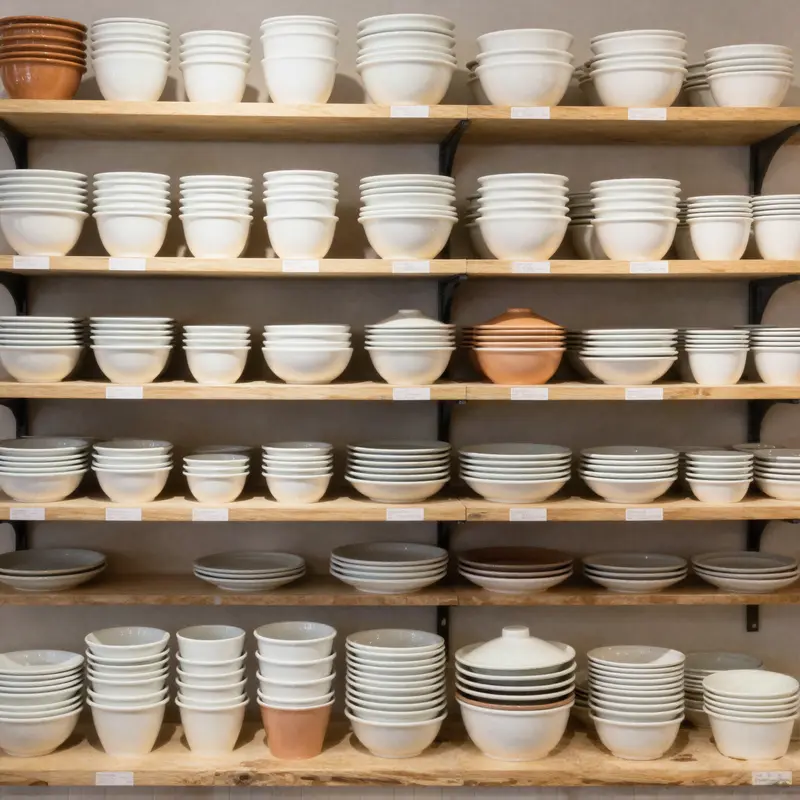
Ceramic food storage containers have become a vital asset for businesses in the food and beverage industry, including bubble tea shops, restaurants, catering services, and event planners. Their strength, aesthetic appeal, and functional design make them an ideal choice for storing ingredients, preserving freshness, and elevating brand presentation. These containers offer benefits ranging from durable moisture resistance to natural insulation, thus supporting food quality and safety. This article explores five key dimensions of wholesale ceramic containers that matter to your business success. First, it delves into their design versatility and practical functions. Next, it highlights the economic advantages of buying wholesale. The discussion then moves to sustainability benefits, meeting growing eco-conscious customer demands. Following that, it examines current market trends shaping container innovation and consumer expectations. Finally, it guides you through the best distribution channels for sourcing these containers in volume and at competitive prices. Together, these chapters provide a comprehensive understanding of wholesale ceramic food storage containers tailored for your business needs.
Beyond Bulk: Design, Durability, and Detail in Wholesale Ceramic Food Storage Containers
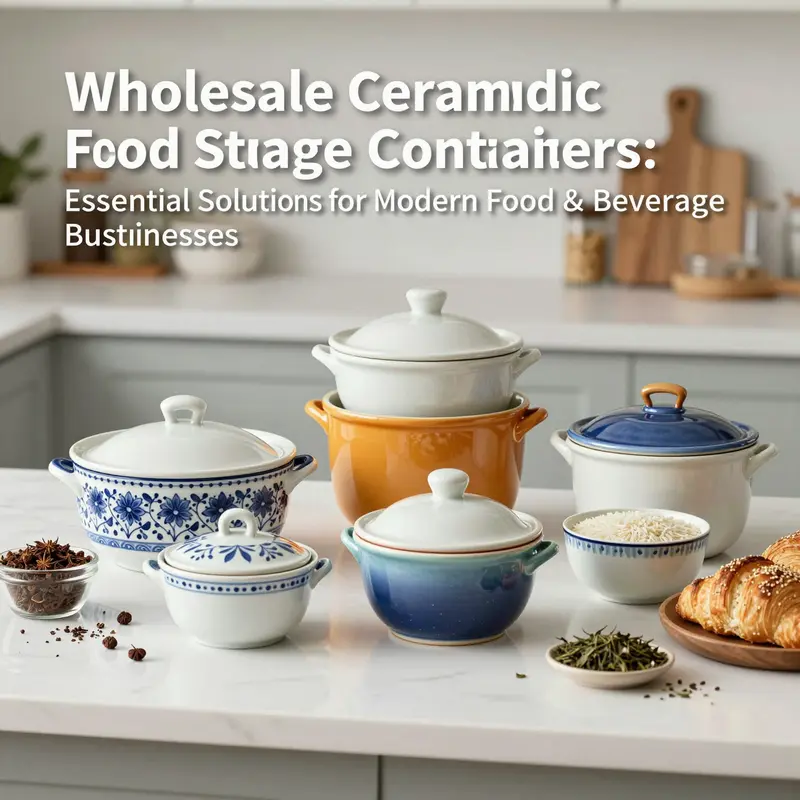
Wholesale ceramic food storage containers occupy a quiet but essential niche in kitchens and retail spaces. They blend the grounded presence of fired clay with the demands of modern commerce, offering a durable, visually appealing solution for storing dry goods, bulk ingredients, and everyday kitchen staples. The appeal is not purely aesthetic; the design choices behind these containers directly influence how well they protect, preserve, and present contents in a busy pantry or on open shelves in a boutique shop. At their core, these containers are crafted from high-quality ceramic clay and finished with glazes that reinforce moisture resistance and cleanliness. The glaze forms a protective barrier that helps shield contents from air and light, two factors that can erode freshness over time. The opaque nature of ceramic also keeps the stored items out of sight, supporting a minimalist kitchen aesthetic while preventing visual clutter—an advantage for retailers aiming to curate calm, organized shelves that invite customers to linger and browse.
The most visible design consideration in wholesale ceramic storage is, of course, the lid. Airtight seals are provided by a range of lid designs that can include snap-on rings, silicone gaskets, or precision-fitting rims. These elements are not merely about keeping spills contained; they actively slow down the processes of moisture exchange and oxidation that can degrade dry goods such as flour, sugar, coffee, tea, rice, pasta, and spices. When a lid fits snugly, it also reduces the opportunity for pantry pests to intrude, which is a compelling selling point for bulk buyers who serve households, small businesses, or hospitality operations where inventory control matters. The combination of glaze, lid design, and the overall thickness of the ceramic walls determines how well a container maintains a stable microclimate inside, a subtle but practical form of insulation that helps keep ingredients at a steady temperature regardless of seasonal swings.
Beyond function, the design possibilities for wholesale ceramic storage are surprisingly expansive. While many containers still honor classic forms—rounded or squared profiles in soft, neutral tones—there is a growing spectrum of finishes that appeal to varied market segments. Traditional cobalt underglaze patterns remain a nod to timeless kitchenware, yet modern colorways, embossed textures, and hand-painted motifs offer opportunities for branding and storytelling within a retail setting. The visual language matters because open-shelf display often doubles as a brand statement. A boutique shop, for example, might favor a cohesive line where texture and color synchronize with its interior design, turning a practical pantry solution into a decorative accent. This flexibility is one of the reasons bulk buyers look to wholesale ceramic containers: they can tailor the look to support an in-house aesthetic or a store’s targeted mood, whether that mood channels rustic farmhouse, contemporary minimalism, or vintage artisanal charm.
Functionality follows form, and the practical details ensure these containers perform as reliably in a professional kitchen as they do in a home kitchen. The glaze, while primarily decorative, is also a key sanitary feature because it yields a smooth, easy-to-clean surface, reducing the risk of residue buildup that can attract pests or harbor odors. For retailers, that translates into lower maintenance when products are stocked on open shelves, and for consumers, it means quick wipe-downs after use. The interior finish—often glazed as well—helps prevent staining from spice powders or coffee, preserving a cleaner look over long periods of use. Stackability is another important design feature that maximizes storage efficiency in both consumer pantries and foodservice environments. Containers that nest securely or stack with stable contact points reduce the risk of toppling and optimize vertical space, a practical advantage in smaller kitchens or compact storerooms.
Another facet of design, sometimes overlooked, is the capacity for customization. In wholesale contexts, many suppliers offer options to tailor sizes, shapes, finishing touches, and even branding on lids or outer bodies. This ability supports brand identity for boutiques, hotels, or restaurant programs that want their storage solutions to reflect a distinctive character without sacrificing durability. The more nuanced the customization, the more these containers can function as multipurpose assets: they serve in bulk storage, display in retail settings, and act as part of a coordinated aesthetic in hospitality environments where guests notice thoughtful details as part of their experience. Even small decorative touches—such as a subtle embossed motif or a carefully chosen glaze color—can transform a standard storage item into a signature piece that reinforces a store’s story or a chef’s table concept.
Sustainability and safety are central to the design conversation as well. Ceramic storage avoids the chemical concerns associated with some plastics, notably the risk of bisphenol A (BPA) and phthalates. For environmentally minded retailers and households, the non-toxic nature of ceramic, combined with durable long-term performance, underpins a compelling value proposition: less frequent replacement, reduced waste, and a product that looks and feels timeless. This longevity is a critical consideration for bulk buyers who need inventory to withstand the rigors of open-shelf display, frequent handling, and routine cleaning. The result is a category that can claim both ecological responsibility and everyday practicality, appealing to a broad audience that includes home cooks, food enthusiasts, boutique retailers, and professional kitchens alike.
Yet, the chapter of design and durability also acknowledges the trade-offs that accompany ceramic storage. Heavier than plastic or many glass options, these containers demand careful handling during transport, stocking, and daily use. The risk of chipping or cracking remains a real possibility, particularly in busy kitchens or stores where items are frequently moved or bumped. For the same reasons, these containers are generally not the best choice for liquids or refrigerated storage where temperature fluctuations and liquid contents could stress the material. From a retailer’s perspective, this means clear labeling and guidance for customers, as well as robust packaging during shipping to minimize breakage. For buyers in the wholesale marketplace, it also means evaluating MOQs, unit costs, and lead times to align inventory with demand cycles, whether for seasonal baking surges, holiday gift displays, or year-round pantry staples.
In pursuing bulk procurement, buyers increasingly navigate a landscape where sourcing platforms offer competitive pricing and flexible minimum order quantities. The economics of wholesale ceramic storage hinge on balancing unit price with durability, design scope, and the supplier’s ability to deliver consistent quality. Certifications and standards—such as FDA or LFGB compliance for food contact materials—provide assurance that the glaze and ceramic body meet safety expectations across different markets. The sourcing journey becomes not just about acquiring containers, but about building a reliable supply chain that can support both stock replenishment and specialty orders, from large distributors to boutique stores seeking limited-edition finishes. In this context, the ceramics market benefits from suppliers who can offer both standard options for broad appeal and bespoke runs for retailers wanting a unique line, all while maintaining the performance that makes ceramic storage a trusted choice for serious cooks and professionals.
For readers who wish to explore packaging ecosystems that complement ceramic storage in retail settings, a practical example lies in wholesale packaging solutions that balance aesthetics with function. One illustrative option in the broader packaging space is wholesale custom print Kraft paper food storage salad noodle bowls, which can be used in tandem with ceramic storage to create cohesive display narratives, branding opportunities, and versatile serving concepts in-store. See: Wholesale custom print Kraft paper food storage salad noodle bowl.
In the end, the value of wholesale ceramic food storage containers emerges from a synthesis of design elegance, practical performance, and strategic sourcing. Their ability to withstand daily use, preserve content quality, and convey a sense of craft makes them a compelling choice for retailers looking to elevate product presentation while delivering dependable storage solutions to customers. The narrative is not about choosing between form or function but about harmonizing both at scale—delivering durable, beautiful storage that can be stocked, displayed, and branded with confidence across kitchens, from home cupboards to professional venues. For those who want to dive deeper into supplier options and certifications, external resources exist that map the landscape of wholesale ceramics and related packaging, offering guidance on quality control, minimum orders, and logistical considerations.
External resource: https://www.alibaba.com/product-detail/Dwax-DXFR05-Creative-Wholesale-Food-Container_1600748325989.html?spm=a2700.gallery-merchant-detail.0.0.7e5d3f3cHvCZQK
Beyond Aesthetics and Bulk: The Economic Case for Wholesale Ceramic Food Storage Containers
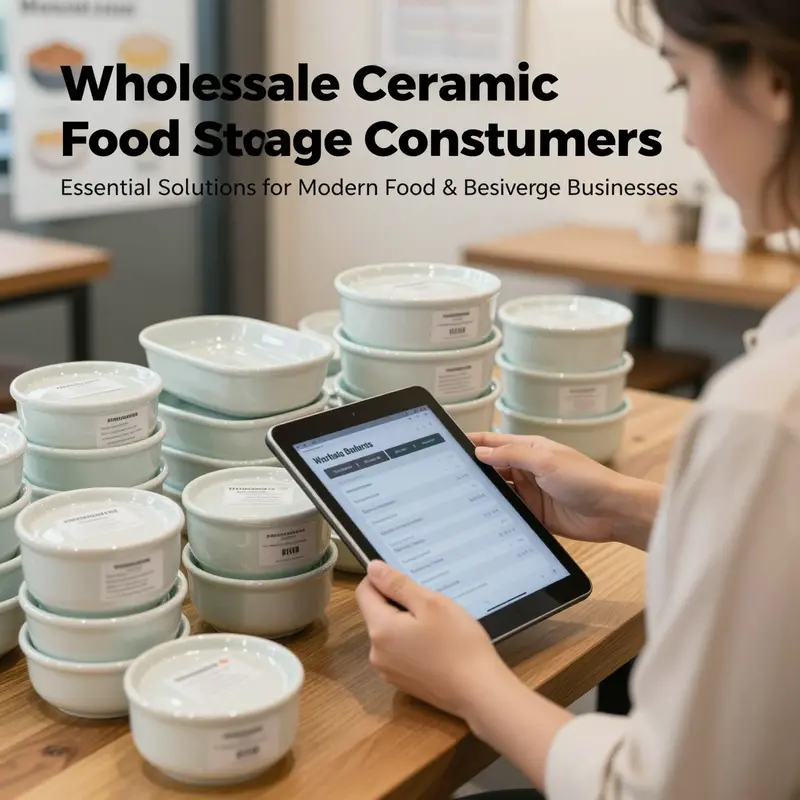
The case for wholesale ceramic food storage containers goes far beyond their timeless look or the satisfaction of storing dry goods in a tidy, traditional form. It rests on a careful balance of cost control, reliability, and value that shows up across the revenue line and the kitchen workflow alike. Retailers, foodservice operators, and manufacturers increasingly view these containers not just as vessels but as strategic assets that influence margins, labor efficiency, and customer perception. When purchased in bulk, high quality ceramic jars become a predictable element in the supply chain, less prone to the price swings and waste associated with disposable or rapidly degrading alternatives. The outcome is a more resilient operation and a clearer path to sustainable profitability. Across kitchens and storefronts, the decision to source wholesale ceramic containers reflects a deliberate stance toward durability, reuse, and principled material choices, all of which translate into measurable economic benefits over time.
Cost efficiency is the most immediate and tangible benefit. Bulk purchasing reduces the per unit cost, a lever that matters most in high-volume settings such as bakeries, cafeterias, grocery chains, and large caterers. When a business can lock in favorable unit prices through bulk agreements, the impact compounds as usage scales. The savings compound not only from the price itself but from diminished administrative effort: fewer purchase orders, reduced supplier management, and steadier lead times. The less time spent chasing replacements or expediting emergency orders, the more time can be allocated to production planning and customer service. Ceramic containers, with their durable fired clay and glaze finish, resist moisture ingress and minor handling wear, which minimizes the frequency of replacements compared with cheaper alternatives. That durability helps ensure predictable procurement costs over longer cycles, which in turn stabilizes budgets and frees cash for other strategic investments.
A second significant dimension is inventory stability and the mitigation of stockouts. In fast-moving food operations, running out of storage jars or misaligning inventory with seasonal demand can stall production or derail a promotional event. Wholesale purchasing creates a buffer that keeps production lines flowing and shelves stocked. The bulk approach simplifies forecasting because the containers themselves have fewer variable production requirements than many plastic or mixed-material packaging options. In the long arc of a season, the ability to meet demand without scrambling for last-minute sourcing translates into fewer missed sales opportunities, more consistent service levels, and happier customers who see a reliable brand experience rather than a haphazard display.
Durability and long-term reuse sit at the heart of the lifecycle cost argument. Ceramic containers survive years of use when cared for properly, unlike many single-use plastics that require replacement after a single spill, crack, or perceived wear. The total cost of ownership story—purchase price plus reusability, maintenance, and disposal costs—often tilts in favor of ceramic for operations that prioritize longevity and waste reduction. The investment is amortized over time through repeated cycles of production, storage, display, and service, reducing the need for frequent restocking and disposal volumes that add to operating expenses. Even when a business does not use the containers day-to-day, their potential to outlast cheaper packaging makes them a prudent asset, especially for brands seeking consistency in their retail aesthetics and back-of-house routines.
Branding and marketing advantages reinforce the economic case. Ceramics bring a visible premium to open-shelf displays in supermarkets, bakery cases, and boutique shops. The tactile quality of ceramic, along with subtle glaze patterns and finishes, enhances perceived product value. In retail environments, these containers function as more than storage; they act as part of the merchandising strategy. A strong shelf presence can lift product confidence, contribute to higher conversion rates, and justify pricing that reflects quality and craftsmanship. While the containers themselves do not create demand, they reinforce a brand narrative of care, craftsmanship, and sustainability. This alignment between packaging aesthetics and product storytelling can translate into stronger margins and longer customer relationships, which is a source of competitive advantage that complements active marketing efforts.
Sustainability and consumer expectations form a third pillar of the economic argument. Ceramic is a natural, non-toxic material that aligns with rising consumer demand for eco-friendly packaging. As environmental considerations become part of purchasing criteria, brands that emphasize durable, reusable packaging can access eco-conscious market segments and meet stricter regulatory expectations without sacrificing performance. A lifecycle view shows how ceramic containers can help minimize waste, reduce the frequency of replacements, and support recycling or repurposing strategies where applicable. In markets where customers value transparency around packaging materials, the ability to demonstrate a credible commitment to sustainability adds to brand trust and, ultimately, to profitability through sustained sales and loyalty.
From an operational perspective, the right ceramic containers offer more than just containment. They support efficient workflows, precise inventory control, and streamlined training for staff. The right lid design—whether airtight, nestable for shipping, or stackable for storage—can influence spoilage rates, open-shelf access times, and even the speed of meal prep in kitchens. The balance between airtight protection and practical usability is a key point in selecting wholesale ceramic options that match the needs of a given business model. When containers are designed with consistent sizing and secure lids, it becomes easier to standardize product handling, labeling, and rotation. This standardization reduces errors, improves traceability, and lowers the cost of mis-picks in both production and retail contexts.
The purchasing strategy itself also matters. With wholesale ceramic storage, buyers often negotiate favorable terms based on volume, commitment, and stability of demand over time. A well-structured supplier relationship can unlock benefits such as preferential lead times, custom branding, and packaging options that align with a retailer’s or manufacturer’s merchandising plan. Custom finishes or coordinated lid designs can unify a store’s aesthetic across multiple product lines, enhancing the overall customer experience and supporting a premium pricing approach without additional promotional spend. In practice, a thoughtful procurement approach that emphasizes consistency, quality assurance, and long-term partnerships yields the strongest returns. It reduces the need for constant re-evaluation of suppliers and minimizes disruption from supplier capacity constraints, which in turn stabilizes operating expenses.
For businesses exploring bulk sourcing, it is important to consider how to balance cost savings with risk management. Size variety, lid compatibility, and color or glaze options influence both procurement feasibility and display cohesion. A well-rounded range should cover common storage needs—ranging from small spice jars to larger canisters—while maintaining a consistent design language that supports on-shelf storytelling. Quality controls, certifications, and supplier transparency become critical, especially for operators who must meet health and safety standards. A deliberate focus on these factors reduces the likelihood of returns, complaints, or recalls that erode the savings achieved through bulk pricing. The conversation with suppliers should include expectations around lead times, packaging integrity, and the ability to substitute with similar but equally robust options should demand shift unexpectedly.
In the broader view, economic optimization emerges from aligning procurement with use, display strategy, and customer expectations. When these containers are integrated into a holistic packaging and merchandising plan, the benefits multiply. The combination of cost efficiency, inventory stability, durability, branding potential, and sustainability creates a compelling multiplier effect for profitability. Rather than treating ceramic storage containers as a fixed cost, smart buyers see them as a cornerstone of an efficient supply chain and a differentiating element in a crowded market. The result is not simply lower expenses, but a more predictable cost structure, healthier margins, and a more compelling product story for customers who value quality, longevity, and responsible material choices.
To connect the practical side with the browsing experience of potential buyers, retailers often explore complementary packaging options that reinforce a cohesive display strategy. For instance, open-shelf merchandising can pair ceramic containers with other durable, eco-friendly gear to create a curated kitchen vignette that resonates with shoppers. This approach supports cross-selling opportunities and can elevate the overall store ambiance, inviting customers to engage longer with the product assortment. It is not just about what sits on the shelf; it is about the narrative the shelf communicates—of reliability, style, and sustainability. In such contexts, the ceramic container becomes less a disposable vessel and more a featured element that strengthens brand perception and drives repeat visits.
A pragmatic, show-don’t-tell mindset underpins successful procurement. Buyers should seek suppliers who can provide consistent quality, traceable materials, and transparent communication. When a vendor demonstrates reliable production schedules and clear quality benchmarks, the risk of disruption diminishes. A predictable supply, in turn, supports the company’s broader strategic aims—be it seasonal promotions, new store openings, or portfolio expansion. The economic advantage of wholesale ceramic storage thus rests on a disciplined, forward-looking approach to sourcing, one that treats containers as long-lived assets rather than transient packaging. And as the market continues to reward responsible materials and enduring design, the economic rationale for ceramic storage containers remains robust, particularly for operators who value stability, aesthetics, and sustainable practices in equal measure.
For readers who want to explore how to integrate these containers into a broader packaging and merchandising ecosystem, a practical example can be found in a wholesale offering that combines design with functionality in a single product family. This approach demonstrates how a cohesive line can support consistent pricing, easier inventory management, and stronger on-shelf storytelling. It also illustrates how open-shelf displays can be complemented by other durable, recyclable packaging choices to create a unified brand presence that appeals to today’s sustainability-minded consumers. In short, the economics of wholesale ceramic storage containers are most favorable when the purchase is part of a deliberate, integrated plan rather than a standalone purchase.
In addition to the strategic considerations outlined above, retailers and producers may find value in exploring related packaging options that align with the ceramic storage narrative. A cohesive assortment—one that blends the durable aesthetic of ceramic jars with complementary packaging choices—can yield a stronger shelf impact and a more efficient supply chain. For those seeking a concrete example of how such an approach plays out in a wholesale context, consider a resource that highlights how standardized packaging across product lines can support branding and logistics. wholesale custom print kraft paper food storage salad noodle bowl.
External resources can deepen understanding of material performance and regulatory considerations. For industry professionals evaluating storage solutions, a detailed external reference on kitchen storage jars provides technical specifications, grades, and practical applications that inform selection and quality assurance. Understanding Wholesale Kitchen Storage Jars: Technical Specifications, Grades, and Practical Applications.
Earth-Wise Storage: Sustainability in Wholesale Ceramic Food Containers and the Circular Kitchen
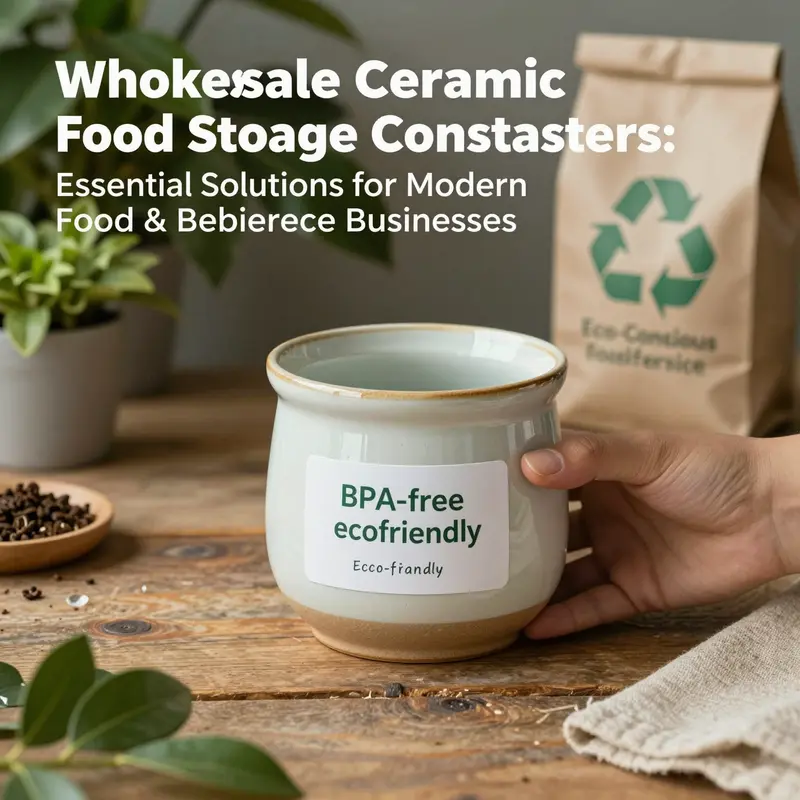
Sustainability in wholesale ceramic food storage containers is not an afterthought but a core design and sourcing principle. In a market hungry for durability, beauty, and responsible practices, ceramic containers offer a different equation from plastics. They are made from natural, abundant raw materials like clay and silica, substances that exist in the earth’s crust and can be replenished through sustainable mining and processing when done with care. The extraction footprint of ceramics is often gentler on ecosystems than petroleum-based plastics, especially when producers optimize energy use and reduce transport distances by localizing production. Ceramics also behave differently in the environment: they are inert and non-toxic, so they do not release biodegradable microplastics as they degrade, nor do they leach synthetic additives into food over time. This set of characteristics positions wholesale ceramic storage as a compelling option for retailers and foodservice providers who want to minimize long-term environmental risk while preserving food quality.
At the heart of ceramic containers is a careful blend of earth-derived materials: clay, silica, and various fluxes. These components are processed at high temperatures to yield a dense, hard body that resists moisture and impact. The result is a vessel that can endure repeated use, thermal cycling, and washing without losing shape or glaze integrity. Properly fired ceramics resist staining, odors, and microleakage, enabling dry goods—flour, sugar, rice—and even more delicate ingredients like coffee and spices to stay fresh in stable microclimates. The longevity of these pieces translates into fewer replacements, which cuts down on production waste and end-of-life waste streams compared with single-use or short-lived packaging. When consumers or kitchens rely on a consistent set of containers across years, there is a quiet but meaningful reduction in the demand for new plastic or paper packaging to supplement or replace worn-out items.
Durability is not merely about resilience to drops; it’s about the lifecycle performance of a container in dynamic kitchen environments. Ceramic storage often features secure lids and airtight seals that help preserve aromas and deter pests, reducing spoilage in bulk storage scenarios. For restaurants, bakeries, or large households, this translates to fewer trips to replace spoiled ingredients and less risk of cross-contamination from compromised packaging. Because ceramic can tolerate repeated washing cycles, it suits open-shelf display and meal-prep workflows without degrading as quickly as some plastics. The result is a practical reduction in waste and a more stable inventory across days or weeks. Yet durability is earned through responsible manufacturing and mindful use—overloading a glaze or mismanaging a lid can undermine performance. The best producers emphasize quality control, ensuring that the final product remains food-safe through every cycle of use.
Even though ceramics are not biodegradable in the conventional sense, they are fully recyclable in specialized facilities and do not shed hazardous byproducts as they break down. Here, the conversation shifts from temptation to dispose to strategies for repurposing and recycling. In practice, end-of-life planning means designing containers for disassembly where possible, selecting glazes and clays that can be processed by local recycling streams, and promoting take-back or refurbishment programs in wholesale channels. In contrast to virgin plastics that accumulate for centuries in landfills or pollute oceans as microplastics, well-regarded ceramic lines can be rebirthed into new goods or reprocessed into raw materials with manageable energy requirements. This is a cornerstone of sustainable thinking in a circular economy, where the emphasis is on keeping materials in productive use for as long as possible and then returning them to appropriate streams.
Manufacturing choices strongly influence the environmental profile of wholesale ceramics. Many producers now invest in kilns with lower emissions, energy-efficient firing cycles, and preheating strategies that cut fuel use. Siting factories near raw material sources and end markets minimizes transport emissions and supports local economies. Water management and recycling within the production facility further reduce the footprint. Even the choice of glaze matters: glazes are the final barrier between the ceramic and the food, and their composition determines both safety and life-cycle impact. Responsible manufacturers test glazes for lead and cadmium content, certify that finishes are food-safe, and document conformity with standards that protect consumer health. When a glaze carries credible certifications and third-party testing, retailers gain confidence that the sustainability narrative extends from mine to shelf to kitchen.
Glazing is a delicate balance between aesthetics, function, and safety. A beautiful glaze can enhance cleanliness and display while contributing to a reliable seal against moisture and air. But lower-quality glazes can harbor contaminants that pose risks if used with food. The most trustworthy suppliers publish certificates showing compliance with food safety standards, such as recognized international tests, and provide details about glaze composition. For buyers, this means asking for batch-specific test results, verifying allergen statements, and confirming that the glaze does not introduce heavy metals into the food chain. With certified non-toxic glazes, a porcelain or stoneware piece becomes not only a durable utensil but a responsible choice aligned with public health and environmental stewardship. The net effect is a product that supports safe food storage over years, reducing disposal pressure and the need for replacements.
From a business perspective, choosing durable, reusable ceramic storage supports wider green initiatives. It aligns with circular economy principles by reducing dependency on disposable packaging and by promoting reuse and repair over replacement. Retailers can integrate ceramic lines into sustainability storytelling—displaying them in shops as both functional containers and decorative pieces that invite longer product life. In bulk storage operations, the consistent use of a single, well-made line of containers can simplify inventory, lower packaging waste from secondary containers, and cut the volume of corrugated waste associated with plastic packaging. For foodservice operations, the ability to withstand repeated cleaning cycles without degrading means fewer disposables and a smaller environmental footprint per operation. This synergy among material science, manufacturing discipline, and consumer behavior is what makes sustainable ceramic storage more than a niche preference. It demonstrates how a well-managed product family can contribute meaningfully to corporate ESG goals while maintaining practical, cost-conscious benefits for buyers and end-users.
To maximize sustainability, buyers should examine not only the product itself but the supply chain behind it. Transparent sourcing practices, evidence of local or regional production wherever feasible, and energy-use disclosures help buyers gauge the true environmental cost of the goods. In wholesale contexts, minimum order quantities (MOQs) can be a double-edged sword: they enable efficiency but can also create waste if demand is uncertain. The best suppliers provide flexible MOQs and offer refurbishment or exchange options that extend the life of containers and keep their environmental advantage intact. Certification schemes, traceability documents, and clear labeling about glaze safety and material origin empower retailers to communicate value to conscientious consumers. In addition, harmonized standards across markets help avoid duplicative testing and enable faster, safer scaling for large orders. The cumulative effect is a supply chain that does not just deliver a product but also demonstrates stewardship, accountability, and a willingness to invest in greener manufacturing practices.
From the shelf to the kitchen, the aesthetics of ceramic storage matter. The timeless appeal of clean lines, soft finishes, and hand-feel textures makes containers attractive in boutique stores and upscale home goods markets. This is not mere ornament; it supports longer product lifespans because consumers choose to reuse rather than discard decorative pieces. When retailers frame these containers as part of a broader kitchen sustainability story—emphasizing reusability, non-toxicity, and the potential to replace multiple plastic items—customers are more likely to view the purchase as a long-term investment. In open-shelf displays, ceramic containers can be paired with natural materials such as wood, cork, or linen to create a tactile, memory-rich shopping experience that reinforces responsible consumption. The practical benefit is straightforward: greater likelihood of regular use, fewer impulse replacements, and a cascading effect of reduced waste across households and kitchens.
For buyers seeking a larger macro view, it helps to anchor decisions in recognized international and national guidance. The environmental argument for ceramics hinges on materials that are abundant and non-toxic, combined with production processes that can be optimized for energy efficiency. The body of evidence about plastics—particularly microplastic pollution and long-lived residues—provides a clear incentive to diversify away from disposable packaging where feasible. In this context, the U.S. EPA’s Sustainable Management of Plastics offers a lens for understanding the broader waste hierarchy and how durable, reusable goods fit into a waste-minimizing future. When a supplier can point to energy-efficient kilns, low-emission production practices, and robust end-of-life options, buyers gain assurance that their procurement choices support a more sustainable path that extends well beyond the initial sale.
For procurement teams, sustainability is a question of evidence as well as intent. Request supplier declarations on raw material sources, kiln energy profiles, and glaze safety testing. Seek products that are certified as food-safe and free from toxic additives, with documentation showing adherence to safety standards in each batch. Ask about the recyclability pathways in local facilities and whether the supplier participates in take-back programs or refurbishment initiatives. In practice, the best wholesale ceramic lines balance form and function with responsible practice: an assortment that stores dry goods securely, preserves food quality, and carries a credible environmental story. When retailers communicate this story transparently, consumers respond with greater trust and willingness to invest in durable, long-lasting kitchenware. This chapter has charted why sustainable ceramic containers deserve a place in modern supply chains, and how the approach to material choice, production, and life cycle can translate into tangible reductions in waste and emissions over time.
External resource: For deeper context on plastics and sustainability, see the U.S. Environmental Protection Agency resource on Sustainable Management of Plastics: https://www.epa.gov/sustainable-management-plastics
Ceramic Keeps: Market Trends Shaping Wholesale Ceramic Food Storage Containers
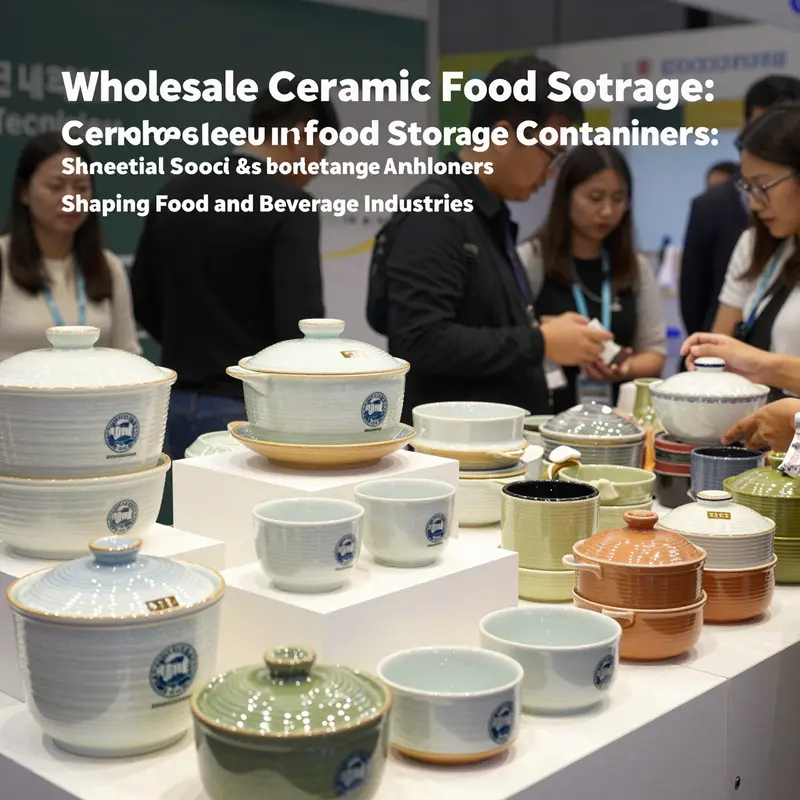
Ceramic keeps have long stood as a quiet promise in the kitchen: durability that survives the rigors of daily use, beauty that elevates display, and practicality that preserves freshness. In wholesale channels, this promise translates into a compelling value proposition for retailers, food producers, and distributors who need bulk solutions that do more than merely hold dry goods. The current market climate strengthens that promise. Data from the broader food container sector show steady expansion, with the market nearing the $245.5 billion mark in 2025 and forecast to climb to about $258.7 billion in 2026, driven by consumer demand for safer, longer-lasting, and more visually appealing storage options. The 10.4% compound annual growth rate cited for the 2025–2026 window signals a durable shift away from plastics toward ceramics and other non-toxic materials. Within this trajectory, wholesale ceramic storage containers occupy a strategic niche: they are sturdy enough to withstand bulk handling in warehouses and storefronts, yet refined enough to serve as display pieces on shelves, open counters, or gift-forward collections. The appeal rests not only in function but in the enduring aesthetics of fired clay—unfazed by time and still capable of presenting ingredients with a touch of craft that plastic can rarely match. This fusion of resilience and design is central to why retailers and producers are increasingly prioritizing ceramic as a core line for bulk storage and premium merchandising alike.
Sustainability is the first axis powering these shifts. Consumers today look for packaging and storage solutions that align with a broader environmental ethos. Ceramic fits that narrative because it is designed for reuse, has a long life span, and carries a non-toxic profile that resonates with health-conscious households and professional kitchens alike. The pivot away from single-use plastics is not merely a trend but a structural change in how products are sourced, used, and disposed of. In response, manufacturers are embracing sustainable production practices that reduce emissions and waste. Low-carbon firing processes, the incorporation of recycled ceramic waste into new products, and the application of advanced glazing techniques to improve durability and odor resistance are increasingly common. These improvements help minimize the life-cycle footprint of ceramic containers while preserving the essential visual and tactile attributes that retailers leverage for in-store displays and gift-oriented merchandising.
Design innovation has become a distinct differentiator in wholesale ceramic storage. The market rewards not just reliability but also the ways in which ceramic containers elevate the consumer experience. Finishes range from classic white and cobalt underglaze to bold, contemporary glazes and embossed textures that invite tactile exploration. Lids with secure seals are crucial for maintaining freshness and reducing spills, a feature especially valued in open-shelf displays and bulk storage in commercial settings. Yet the newest design conversations extend beyond airtightness. Color, pattern, and ergonomic shapes contribute to a sense of place in a kitchen or café, turning a functional container into a product that sparks conversation and encourages repeat purchases. Some manufacturers experiment with interactive finishes and decorative motifs that can be integrated into branding campaigns or seasonal promotions, helping retailers attract attention without sacrificing the clean lines and simplicity that define ceramic’s timeless appeal. This design emphasis—where form supports function and vice versa—drives higher perceived value in wholesale programs and creates opportunities for responsive customization through smart production workflows.
Quality and safety remain non-negotiable. Consumers increasingly demand BPA-free and non-toxic storage solutions, even in durable, reusable categories. Ceramic’s intrinsic material safety, together with modern glazing and glaze-sealing technologies, speaks directly to these expectations. At the same time, the sector faces legitimate engineering challenges: warping, cracking under intense heat, and odor adsorption can undermine user trust if not properly addressed. The industry’s response has been threefold: refine glaze chemistry to minimize odor absorption, optimize kiln schedules to reduce internal stresses, and invest in glaze applications that create more impervious, easy-to-clean surfaces. When executed well, these improvements translate into containers that consistently perform in demanding environments—from bustling retail aisles to busy commercial kitchens. The result is a product line that offers both the assurance of safety and the satisfaction of longevity, reinforcing the idea that ceramic storage can be a durable, aesthetically pleasing alternative to plastics and lower-cost ceramics with shorter lifespans.
Sustainability in production is no longer an adjunct but a core driver of innovation. The industry’s shift toward responsible manufacturing includes closed-loop thinking and digital tools that optimize resource use. Digital technologies such as AI-driven design and digital twin systems enable rapid prototyping, reducing material waste and accelerating customization. This is especially valuable in wholesale contexts, where buyers often seek brand-aligned packaging that can be tailored to campaigns or store concepts without sacrificing mass-production efficiency. The convergence of digital design, waste-conscious material strategies, and streamlined logistics supports a new era of smart, scalable ceramic production that can meet both broad distribution needs and the nimble demands of boutique retailers.
Market opportunities in wholesale ceramic storage extend across mass-market and niche segments. For buyers, the appeal lies in a product that can serve as both pantry workhorse and retail showpiece. The category supports bulk stocking for back-of-house operations, retail shelf displays, and specialty sections dedicated to sustainable goods or kitchen aesthetics. Platforms that aggregate wholesale suppliers—while offering varying MOQs and price points—allow buyers to calibrate initial assortments and gradually expand as demand clarifies. In practice, this means the ability to source clear white porcelain or more decorative, brandable finishes at competitive unit costs, with scalable quantities that fit both small distributors and larger chains. The purchasing narrative is shaped by flexibility: moderate MOQs for test orders, favorable unit pricing at higher volumes, and branding or packaging customization that can be integrated through the supplier network. For buyers exploring adjacent product categories while remaining within the broader storage ecosystem, there is value in examining related wholesale offerings. For example, a closely related category demonstrates how wholesale packaging can pair storage function with marketing impact; see Wholesale Custom Print Kraft Paper Food Storage Salad Noodle Bowl. This example highlights how wholesale channels optimize for both practicality and promotional potential, underscoring the market’s broader move toward flexibility, customization, and sustainability across materials and finishes.
The retail and distribution landscape also benefits from the storytelling potential of ceramic storage. In boutique stores and gift shops, ceramic containers function as decor as well as utility, enabling merchandising strategies that blend kitchenware with lifestyle branding. This dual role supports higher ticket values and encourages cross-category purchases, such as complementary kitchen textiles, storage caddies, and herb or spice sets that can be displayed alongside ceramic canisters. The aesthetic versatility of ceramic—ranging from minimalist white to richly glazed textures—affords retailers the option to curate seasonal assortments that align with consumer mood and home styling trends. In this way, wholesale ceramic storage becomes more than a repository for pantry staples; it becomes a cultural artifact that communicates quality, care, and sustainability, all while delivering dependable performance.
The sourcing and supply chain dimension of wholesale ceramic storage cannot be overlooked. Buyers increasingly value transparency, certifications, and lead-time predictability as essential components of risk management in bulk procurement. While the broader market discussion cites platforms that connect buyers with manufacturers capable of meeting customizations and MOQs, the underlying trend remains consistent: manufacturers are investing in more transparent production practices, traceability, and flexible manufacturing that can accommodate quick-turn orders without compromising quality. For retailers, this translates into reliable onboarding of new SKUs, faster restocking cycles, and the ability to respond to seasonal or promotional opportunities with confidence. For producers, the focus is on creating scalable processes that preserve the integrity of glaze finishes, ensure consistent wall thickness, and maintain precise tolerances across a broad range of sizes. Taken together, these capabilities reduce the friction that often comes with bulk procurement and enable a more dynamic and resilient wholesale market for ceramic storage.
From a consumer-facing perspective, the value proposition centers on durability, safety, and the aura of craftsmanship. The materials and finishes convey a sense of responsibility and care, aligning with shoppers who scrutinize product life cycles and environmental impact. In turn, retailers can justify premium pricing or elevated shelf presence by linking product stories to sustainability reporting, local production narratives, or collaborations with artists and designers who bring soul to functional objects. The result is a wholesale ecosystem in which ceramic storage containers perform the double duty of practical tool and decorative element, supporting brand narratives and strengthening customer loyalty through tangible, long-lasting value.
For readers seeking a concrete example of how wholesale ceramic storage discussions intersect with broader packaging trends, a related category demonstrates how wholesale platforms leverage packaging as a marketing touchpoint. Wholesale Custom Print Kraft Paper Food Storage Salad Noodle Bowl serves as a reminder that the wholesale mindset embraces both practicality and promotion. The underlying lesson remains consistent across materials: buyers gravitate toward solutions that combine reliable performance, sustainability, and the potential to amplify brand messages through thoughtful presentation. As production methods evolve, the market will likely see greater alignment between the timeless appeal of ceramic and the agile, story-driven requirements of modern retail.
External reference: Global Food Container Market Report 2026, Global Industry Analysts, Inc. provides a broader industry context for these trends, emphasizing sustainability, safety, and the pace of innovation across materials and digital-enabled manufacturing. See https://www.giiresearch.com/reports/food-container-market.html for the published analysis.
Channeling Durability: Mapping the Distribution Pathways for Wholesale Ceramic Food Storage Containers
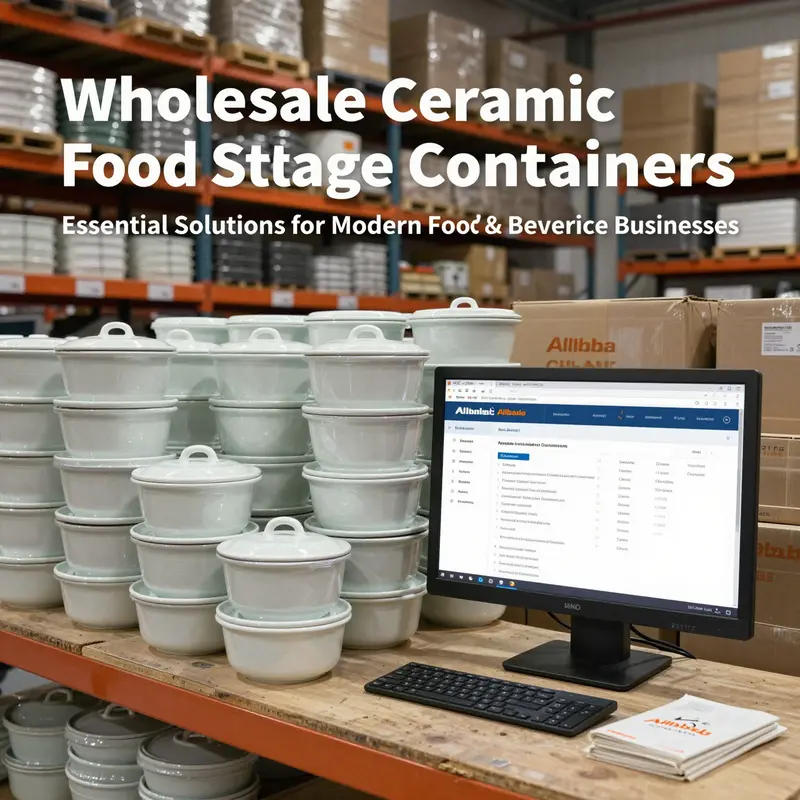
Durability, aesthetics, and reliability shape how buyers move ceramic storage containers from factory to kitchen shelves. The wholesale distribution landscape is diverse, designed for large foodservice operations, mid-sized retailers, and online brands. Channels balance price, lead time, safety, and branding while prioritizing safety and sustainability. Buyers map a journey from raw clay to market-ready product that remains effective under shelf and prep conditions. The path involves online and offline ecosystems tuned to demand cycles and regional regulations.
A core axis is online B2B marketplaces, which aggregate options from multiple manufacturing hubs into a catalog of sizes, shapes, and finishes. These platforms support sourcing in volume with flexible MOQs and transparent pricing. Suppliers may offer low per-unit prices with modest MOQs or higher per-piece prices for larger lots with predictable lead times and standardized quality checks. Buyers must scrutinize specifications, glaze safety, packaging integrity, and terms that fit cash flow.
Trade shows and industry expos offer tactile evaluation and opportunities to verify QA, enabling partnerships that reduce transit times and enable regional distribution. Direct supplier relationships give buyers control over customization and QA, often reducing markups but requiring more vendor management and stricter lead-content and glaze safety adherence.
Wholesale distributors and regional suppliers fill gaps across geographies, handling warehousing, cross-docking, and replenishment. For buyers, distributors provide reliable stock, documented regulatory compliance, and strong after-sales support, which translates to fewer stockouts and a better consumer experience.
E-commerce platforms with wholesale programs broaden reach for boutique brands while preserving direct-seller relationships. These channels offer flexible order quantities and transparent shipping terms, but require ongoing supplier verification and post-purchase support to protect margins.
Pricing and MOQs run as a practical thread across channels. Buyers must align supplier production capabilities with demand forecasts, storage capacity, and the intended use—bulk storage for warehouses or display-ready sets for specialty retailers. Lead time remains critical, with transparent calendars and backup stock.
From a safety and sustainability standpoint, standards compliance and responsible sourcing inform channel decisions. Glazes and finishes should meet food-safety regulations, with clear approaches to lead content and packaging sustainability.
Branding and customization can swing decisions where logos or colorways enable co-branding and premium placements. A clear process for artwork approval, minimum runs, and lead times supports seasonal campaigns.
Logistics and risk management tie the cycle together. Buyers rely on reliable packing, tamper-proof seals, and tested shipping configurations to minimize breakage while aligning with store cadences and promotions. A thoughtful mix of channels—direct for premium lines, regional distributors for local service, and online wholesale platforms for steady replenishment—yields resilience.
Final thoughts
Wholesale ceramic food storage containers present an exceptional solution for food and beverage businesses aiming to combine durability, style, and sustainability. Their functional designs suit a wide range of storage needs, from maintaining ingredient freshness to serving as attractive décor. By purchasing wholesale, companies can enjoy significant economic advantages, optimizing operational budgets while fostering environmental responsibility. Recognizing emerging market trends helps businesses stay competitive by offering products that resonate with discerning consumers and elevate brand perception. Leveraging efficient distribution channels ensures access to quality containers that match varying scale demands, whether for boutique bubble tea shops, bustling restaurants, or large-scale catering teams. Embracing wholesale ceramic containers can thus enhance storage efficiency, support sustainability goals, and contribute to a professional and memorable customer experience.