
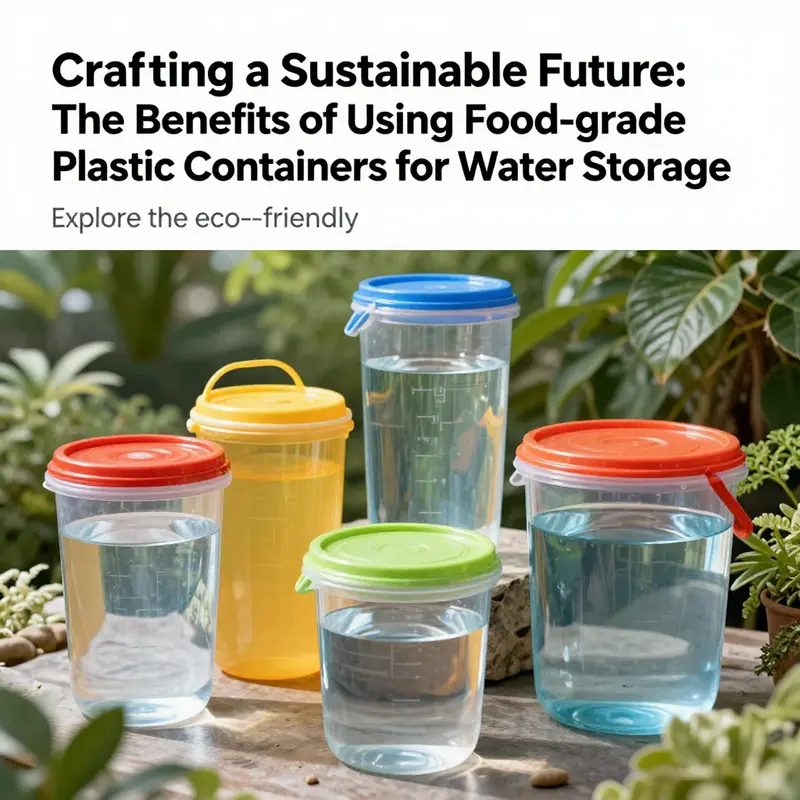
In a world where sustainability and efficiency are paramount, the choice of storage containers plays a crucial role in the operations of Bubble Tea Shops, Catering Services, and Food Trucks. Using used food-grade plastic containers for water storage not only aligns with environmental considerations but also opens up avenues for cost-saving. Throughout this article, we will explore essential material aspects, safety inspection guidelines, effective sourcing methods, and best practices for utilizing these containers. Each chapter provides a vital piece of the puzzle that enhances your understanding of repurposing food-grade containers to create informed and sustainable business operations.
null
null
From Reused to Reliable: A Thoughtful Guide to Inspecting and Preparing Used Food-Grade Plastic Containers for Water Storage
Repurposing used food‑grade plastic containers for water storage offers a practical route to expand preparedness while reducing waste. When approached with care, these containers can become dependable reservoirs for drinking water in emergency kits, during extended outdoor activities, or in off‑grid living contexts. The appeal lies not only in the savings but in the opportunity to reuse materials that were designed to be in contact with consumables. But the transition from a prior life in a kitchen or a commercial pantry to a reliable water storage vessel demands a disciplined, unified process. The goal is simple in its outcome yet exacting in execution: to remove every hint of former contents, to verify the container’s compatibility with potable liquids, and to maintain a seal that keeps contaminants at bay. The path is practical and evidence based, balancing material science with hands on cleaning and ongoing vigilance. A careful approach does not guarantee perfection, but it does significantly reduce risk and increase the odds of producing water that remains safe to drink for the span of its intended storage window. It begins with a clear understanding of what makes a container acceptable for reuse and ends with a habit of inspection that becomes part of routine preparedness rather than a one off task.
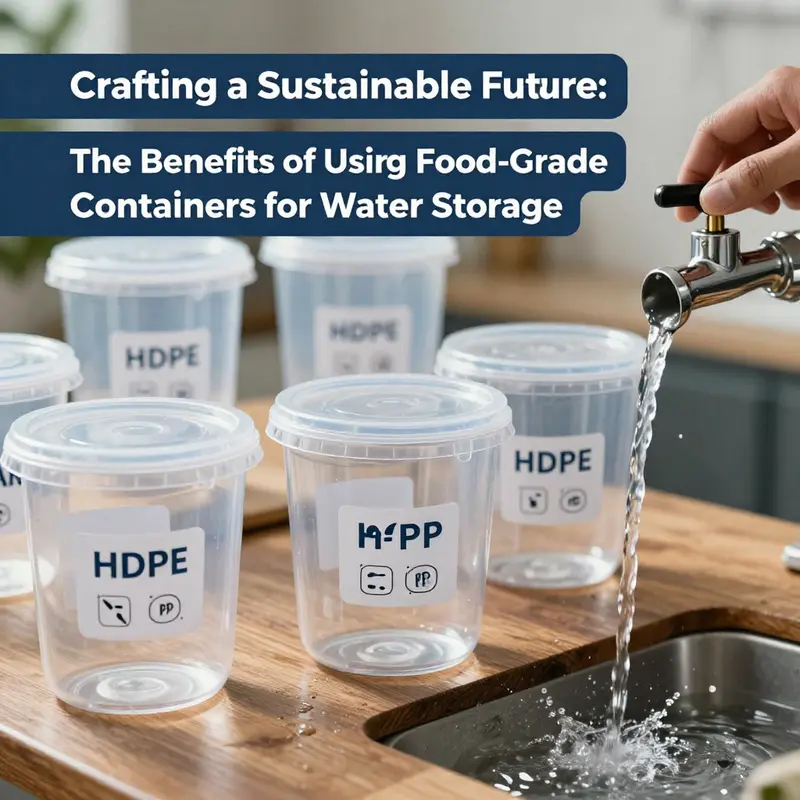
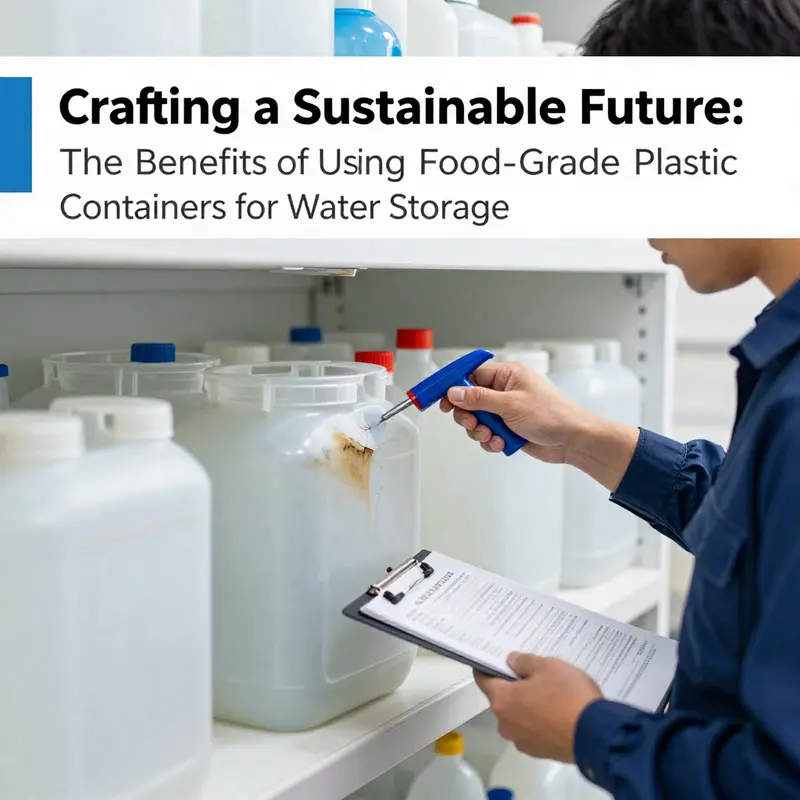
A practical, stepwise approach to safety begins with an initial visual and physical inspection, followed by thorough cleaning and sanitization, and then a final verification and ongoing monitoring. The inspection focuses on material type, condition, and potential residues. The most common food safe plastics used in prior containers are high density polyethylene HDPE, low density polyethylene LDPE, polypropylene PP, and polyethylene terephthalate PET. Each of these materials has a recognized profile for contact with food and beverages, but not every container bearing a label is perfectly suited for long term water storage. The recycling symbols and resin codes offer a quick guide: HDPE is usually code 2, LDPE code 4, PP code 5, and PET code 1. Codes 3 PVC, 6 PS, or 7 other raise caution, and PC sometimes appears in the mix. The crucial distinction is not only the code but the specific certification for long term liquid storage. If a container is not clearly certified for long term water contact and storage, it should not be assumed safe. The interior should be free of cracks, deep scratches, warping, or any structural deformity. Scratches can shelter microbial life and microbeads can harbor in crevices under normal temperature and pressure changes. A container with visible damage should be discarded or repurposed for non potable storage where permissible and safe.
Beyond the visible, it is essential to evaluate the container’s history. A strong odor, a lingering chemical scent, or signs of prior content such as grease marks or unusual discoloration can indicate residual residues that may alter water taste or even pose health concerns. While a gourmand aroma might fade with cleaning, true residues can persist beyond a casual rinse. The interior should appear uniform in color and texture, with no sticky films or unusual sheen that might signal lingering oils or chemical byproducts. The exterior deserves equal attention; a dull sheen, cracking around seams, or softened edges can reflect UV exposure or material degradation that compromises containment. The interior threads around the cap and any sealing surfaces warrant particular scrutiny because these gasket areas determine how well the container seals against air and contaminants. A poor seal invites airborne particles, moisture intrusion, and potential microbial ingress over time. These observations shape the decision to proceed with cleaning or to retire the container from potable use.
The next phase centers on a rigorous cleaning and sanitization regime designed to neutralize potential contaminants while preserving the container’s material integrity. Start with hot, soapy water—mild dish soap and warm water are typically sufficient for general cleaning. Scrub all internal surfaces, paying special attention to the neck, thread areas, and the lid gasket where grime tends to accumulate. The goal is to remove any traces of the previous contents and to create a pristine surface for disinfection. After cleaning, rinse thoroughly to remove all soap residues. Any leftover soap can impart flavors to stored water or foster microbial growth if traces remain.
Sanitization follows cleaning and is a critical step in ensuring the container is safe for drinking water. A common, food safe approach uses a dilute bleach solution, typically one tablespoon of unscented household bleach per gallon of water. Let the solution sit in the container for at least five minutes to allow contact with surfaces and any potential biofilms. After sanitizing, rinse extremely well with clean water until there is no detectable bleach odor. For those seeking a non chemical option, a vinegar solution can be used as an alternative; equal parts white vinegar and water is a gentler choice, though it may not provide the same broad range disinfection as bleach. Regardless of the method chosen, thorough rinsing is essential to remove all traces of sanitizing agents. The final step is to dry completely. Air drying upside down on a clean rack in a well ventilated area helps ensure any residual moisture evaporates and reduces the chance of mold or bacterial growth during storage.
Label removal is a practical but sometimes overlooked part of preparation. Original labels and adhesives can leave residues that are not compatible with food contact after cleaning, and dyes within labels may migrate into water under certain conditions. Removing these labels helps eliminate potential contaminants and also makes it easier to inspect the container for any new signs of wear in the future. In the same vein, it is wise to ensure that no non food substances were stored in the container prior to repurposing it. A container that previously held chemicals, cleaners, or solvents is not suitable for potable water and should be retired from reuse for drinking storage. This caution is not about stigmatizing reuse but about preserving water safety and aligning with best practices that emphasize contamination avoidance from the outset.
With cleaning and labeling addressed, the container is ready for the final verification steps before it is filled. A scent test can be an indicator that odoriferous residues remain; if the container carries any chemical, musty, or sour smell after drying, it should not be used. The lid and sealing surface warrant a careful look: the lid should fit snugly, and the gasket or seal should be intact, clean, and free of debris. A compromised seal is a vulnerability point that could allow contaminants to enter over time. After the container is filled with water, store it in a cool, dark place where light exposure and heat are minimized. Light and heat can accelerate the degradation of plastics and the growth of microbes, respectively, so controlling the environment is part of responsible storage practice. Periodic inspection of the stored water is prudent. If cloudiness, an unusual color shift, or an off odor develops, the prudent course is to discard the water and re clean the container before attempting to refill. This ongoing vigilance is what separates a well prepared system from a careless reuse effort.
This chapter does not aim to glamorize reuse as the optimal long term solution for all water storage needs. Even when a container passes every inspection and sanitization test, reused vessels carry inherent uncertainties, particularly for long term or high reliability applications. New, certified food grade containers are the most reliable option when the storage of potable water is essential for critical scenarios. However, if cost, availability, and environmental considerations push toward reuse, this structured approach provides a solid framework for reducing risk and extending the life of containers that have already performed in a food contact context. The practical guidance outlined here—thorough inspection, meticulous cleaning and sanitization, careful labeling, careful sealing, and ongoing monitoring—offers a pathway to safer water storage while acknowledging the limits of repurposed vessels.
An important contextual note concerns the practical realities of sourcing used containers. Containers of sufficient size and with appropriate sealing features are commonly found in industrial or commercial settings. Some may have been used to store liquids such as oils, beverages, or cleaning concentrates, and they often arrive with features like handles and dispensing spouts that can facilitate transport and use in field conditions. When considering such vessels, assess not only the container itself but the overall system of water storage you intend to build. This includes how you plan to dispense the water, how you will label and track the storage inventory, and how you will rotate water to avoid stagnation. The bottom line is that repurposing can be a reasonable strategy, but it must be grounded in a disciplined, safety oriented routine. The combination of material knowledge, careful inspection, thorough cleaning, and vigilant monitoring transforms an imperfect reuse scenario into a practical, responsible water storage solution that aligns with a mindful approach to preparedness and environmental stewardship.
From Secondhand to Safe: Navigating Used Food-Grade Plastic Containers for Water Storage
When the topic turns to storing drinking water, the appeal of reuse is understandable. Used food-grade plastic containers can appear like a smart, economical, and environmentally minded option for emergency kits, outdoor expeditions, or off-grid living. Yet the trail from a container that once held edible products to a problem-free water reservoir is not a straight line. The public, consumer-wacing information available publicly focuses overwhelmingly on new, clearly certified food-grade containers. That emphasis reflects a consensus about risk: even if a container was originally certified for food contact, its second life as a liquid reservoir introduces a host of uncertainties. The absence of widely accepted, explicit, practical guidelines for reusing “second-life” containers means the safer, more accountable path for most people is to choose new containers with strong, verifiable certification. This is not merely a matter of preference; it is a matter of protecting health and preserving trust in our access to clean water when it matters most. The decision to pursue used containers, therefore, must be informed by a careful risk assessment, an uncompromising cleaning and inspection routine, and a candid recognition of the limits of what can be known about a container’s past. The core challenge is this: the history of a reusable container can be partially reconstructed, but it cannot be fully traced. A container may have begun life in a food processing environment and later become part of a different supply chain. It might have stored a variety of liquids before its next role as a water vessel. Each of those possibilities raises a different spectrum of potential contaminants, including residues from oils, cleaning agents, or harsh liquids, as well as microbe concerns that could persist despite cleaning. In theory, a container labeled as food grade, or made from materials commonly deemed safe for consumables, should not pose a hazard when repurposed. In practice, however, the transition from one lifecycle to another accelerates the complexity of risk. The dialogue around water storage is a conversation about risk tolerance as much as it is about material science. The practical takeaway from current authoritative guidance is clear: use new containers when possible, especially for long-term or critical water storage. The official emphasis is on food-contact materials that can be relied upon to meet safety standards throughout their lifecycle. This is why the literature and regulatory references consistently point to certifications from recognized authorities and standards bodies that cover the manufacturing, labeling, and intended use of plastic packaging for liquids used in food and drink applications. When discussing used containers, the most conservative stance is the most protective. Yet there is a legitimate, nuanced discussion to be had about when, if ever, repurposing might be acceptable under strict conditions, and what those conditions would entail. The present analysis pulls together what is known from the available research while highlighting the practical realities faced by individuals who consider second-life containers for water storage. A first and non-negotiable priority is material verification. Containers that are labeled as suitable for food contact and made from widely accepted materials such as high-density polyethylene (HDPE) or polypropylene (PP) are preferable to others. These two plastics have long track records in contact with consumables and are generally recognized as safe for drinking water in the context of container design. HDPE is typically associated with recycling code #2, while PP is code #5. In contrast, polycarbonate containers, often marked with code #7, have raised concerns about long-term leaching. The distinction is not merely academic: it shapes the risk profile of a container and sets boundaries around what should or should not be considered for reuse. A second pillar is condition assessment. Even if a container carries the right material designation, it is essential to inspect for physical damage such as cracks, deep scratches, or discoloration. Visual cues often reveal microscopic fatigue in plastics that might compromise barrier properties. A compromised container can harbor microbial life or permit slow ingress of contaminants. Discoloration can indicate chemical exposure, aging, or degradation of the polymer matrix that might influence the container’s interaction with stored water over time. If a container shows any of these signs, it should be discarded rather than repurposed for potable water. The third pillar is meticulous cleaning and disinfection. Cleaning a used container begins with a thorough rinse and a wash with mild soap and warm water to remove surface residues. This initial step should be followed by a disinfection process that is safe for food-contact surfaces. A commonly cited method is a diluted bleach solution—typically about one teaspoon of unscented bleach per gallon of water—applied and allowed to sit for a short contact time, followed by a rigorous rinse until no traces of cleaning agents remain. The goal is to eliminate residual contaminants while avoiding any chemical exposure in the storage water. For those seeking additional sanitization methods, food-safe sanitizing agents are an option, provided they are appropriate for plastics and proven effective against a broad spectrum of microbes. The critical outcome of cleaning is not just removing visible residues, but achieving a microbial profile compatible with safe drinking water. Fourth, label removal matters. Original labels and adhesives may carry dyes or residues that are unsafe for contact with water. Adhesives can leave sticky residues that harbor bacteria or attract mold. The removal process should be thorough, and new containers should not be re-labeled in ways that introduce ambiguous or misleading information about the container’s safety status. Fifth, contamination avoidance cannot be overstated. Reused containers should never have stored non-food substances—such as cleaners, solvents, pesticides, or harsh chemicals—before repurposing for drinking water. The history of the container is the history of its permeability to contaminants, and any previous exposure to non-food substances increases the risk that residues will persist or re-emerge in the water supply. The cumulative risk from unknown past exposures can be difficult or impossible to quantify, especially for consumers without access to specialized analytical resources. When considering second-life containers, the narrative must recognize that the absence of complete tracing of a container’s past is not a trivial detail. It is a fundamental limitation that researchers and regulators acknowledge in public guidance. The reality is that some households may be comfortable accepting a level of risk if the container in question has a transparent provenance, an explicit cleaning protocol, and documented post-cleaning testing. But such scenarios are the exception rather than the norm in the consumer landscape. The literature consistently emphasizes new containers with explicit certifications. For households seeking a sustainable path, the recommended alternative is to pursue containers made from safe materials that are manufactured to standards and marketed as food-grade, yet produced from post-consumer recycled materials or recycled content that still maintains certification for food-contact use. The idea is to balance environmental considerations with safety guarantees, an approach that avoids the uncertain chain of custody inherent in secondhand packaging. The tension between sustainability and safety is not a contradiction so much as a calibration problem. It requires examining the entire lifecycle of packaging, including raw materials, manufacturing controls, distribution, end-of-life management, and the safe reuse or recycling of materials within the ambit of food-contact safety standards. In the absence of a robust framework for validating every possible used-container scenario, the precautionary principle tends to dominate. This principle leads to a practical decision for most households: procure fresh containers with clearly documented food-grade certification. These certifications, whether grounded in national standards or international benchmarks, are the most reliable way to ensure that water stored for personal consumption remains truly potable and free from avoidable risks related to chemical leaching or microbial contamination. That said, the search for second-life containers is not inherently futile. If a household or organization still wishes to explore this route, the process must be anchored in three pillars of due diligence. First, obtain verifiable documentation from the seller about the container’s history, including its previous contents and the cleaning regimen it has undergone. Second, perform independent chemical and microbiological testing through a qualified third-party laboratory to assess potential residues and microbial presence. Third, maintain rigorous chain-of-custody practices to ensure the container has not been repurposed again, and implement a protocol for ongoing monitoring of water quality after storage. These steps, while technically feasible, carry significant cost and logistical complexity. They are generally beyond routine consumer capability and may be impractical for most household emergency kits or everyday water storage needs. In practice, then, the most prudent guidance remains straightforward: prioritize new containers with explicit, verifiable food-grade certification. If environmental goals motivate you to consider recycled-content packaging, look for fresh containers that incorporate recycled materials but still retain the same level of safety tested and certified for drinking water. Certifications cited in current guidance typically include recognition from agencies or standards bodies that oversee food-contact materials, as well as labeling that clearly communicates the container’s intended use. In some jurisdictions, standards such as GB4806.1-2016 represent a framework for labeling and material safety in food-contact contexts, while in others, agencies such as the U.S. FDA provide official guidance on materials suitable for food contact. The overarching message is not just about material composition; it is about accountability, traceability, and the assurance that once water is placed inside the container, it will remain free from hazards associated with the container’s life history. The environmental argument for reuse remains compelling, particularly in contexts where supply chains are stretched, where waste volumes matter, and where there is a structured program for safe reuse with documented testing and certification. In many real-world scenarios, communities and households could create a cautious, hybrid approach that leverages the best of both worlds: invest in new, certified containers for regular storage and use well-regulated, tested reuse pathways in emergency planning contexts where the source and history of containers can be reliably documented and verified. Ultimately, the long-term objective is straightforward: ensure access to safe, clean drinking water without exposing people to avoidable risks. The weighing of safety, cost, environmental impact, and practicality will continue to shape how used containers are viewed within personal preparedness strategies. For the majority of households, the safest and most reliable path remains clear: acquire new, food-grade containers with explicit certification, and limit reuse to contexts where a robust system of testing, documentation, and traceability is in place. For anyone who still considers second-life containers, a candid calculation of the financial, logistical, and health costs is essential. If the aim is resilience alongside safety, the dialogue should emphasize documentation, professional testing, and strict adherence to cleaning and storage protocols. When this level of rigor is possible, there is room for exploration; when it is not, the safer alternative—new, certified containers—is the more prudent choice. In the end, water storage is about trust. It is about trusting that the container will not introduce contaminants into the water you drink. It is about trusting the governance of materials used in packaging for food contact. And it is about trusting the institutions that publish guidance on what is safe for human consumption. The available evidence points toward safety as the primary criterion for container selection. The regulatory landscape—whether through the FDA’s food-contact materials guidance or national standards—exists to reduce risk and provide clear, auditable pathways for certification. The absence of a robust, universally accepted protocol for second-life containers does not imply that reuse is impossible in principle; it means that any attempt to reuse must be under a framework that ensures traceability, testing, and accountability—an arrangement that is rare for individual consumers. For most readers, then, the decision to source used food-grade plastic containers for water storage should follow a risk-aware, evidence-informed path that prioritizes safety above all. When in doubt, the safest course is to select containers with unambiguous, verifiable food-grade certification and to view environmental objectives through the lens of sustainable manufacturing and end-of-life management. The upshot is clear: safety first, documentation always, and a careful weighing of reuse’s environmental benefits against the practical realities of maintaining truly potable water over time. External guidance and current best-practice references are available for those who want to delve deeper into the material science, regulatory expectations, and real-world testing paradigms that underpin safe water storage practices. See the authoritative guidance on food contact materials for more details: https://www.fda.gov/food/food-contact-materials
Chapter 4: Safe Waters in Reused Vessels—Mastering Water Storage in Used Food-Grade Plastic Containers
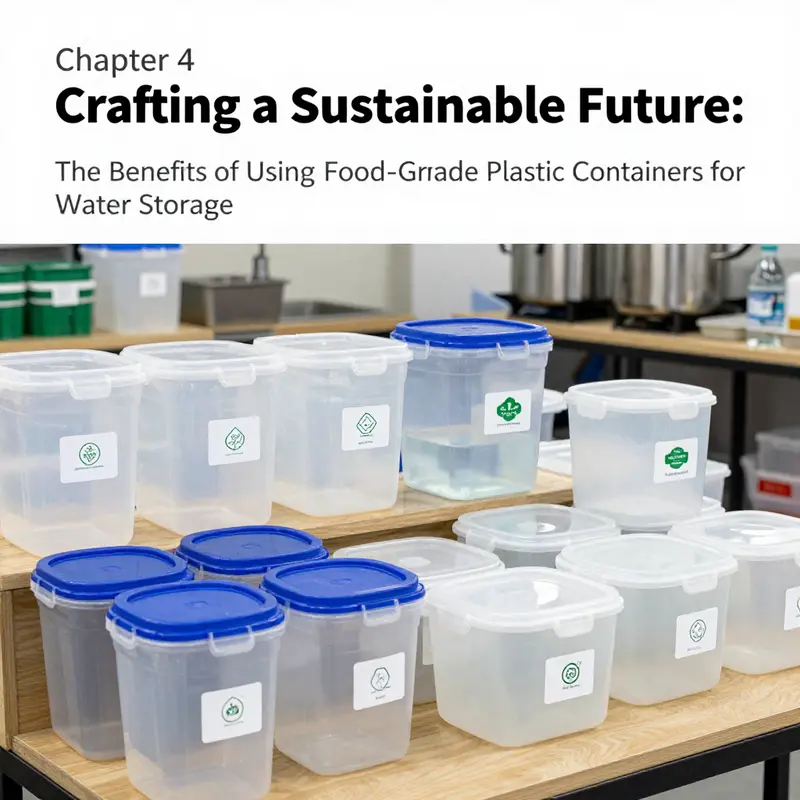
Storing water in containers that once held food is a practical approach for emergencies, off-grid living, or sustainable water storage. Reusing food-grade plastic containers can be safe and cost-effective when done with care. The key is to treat every container as a potential potable-water vessel and to follow a disciplined process of material verification, inspection, cleaning, sanitization, labeling, storage, and rotation. Materials matter: HDPE and PP are commonly recommended for water contact because they resist many chemicals and hold up to cleaning. If a container is labeled 7 or other plastics, scrutinize closely; unless it is explicitly certified as BPA-free and designed for long-term liquid storage, retire it from water storage.
Damage assessment is the next guardrail. Before filling, inspect for cloudiness, yellowing, deep scratches, warping, or cracks. Damaged containers can harbor biofilms or leak. If you see pitting, distortion, or sticky residues that won’t clean, retire it. Consider the container’s history; a former container for strong-smelling solvents or oils warrants extra caution and often retirement.
Cleaning and sanitizing form the core of safe reuse. Wash with warm soapy water and a bottle brush, rinse thoroughly to remove detergent. For sanitizing, boil only if the plastic is known to be heat-resistant; otherwise a dilute bleach solution is reliable. A common standard is one tablespoon of unscented household bleach per gallon of water, fill the container, and let it sit for several minutes, then rinse until odor and chlorine taste are gone. Ensure complete rinsing; trace residues can affect water taste and safety.
Label removal and surface preparation are important. Remove dyes or adhesives that could migrate into water. Wipe surfaces dry before filling. Inspect caps, gaskets, and threads for integrity and replace any worn parts to maintain a tight seal.
Storage should be in a cool, dark place away from direct sunlight and potential chemical smells. Temperature stability helps preserve taste and safety. Where transparency is helpful, keep a labeling system indicating fill dates and rotation schedules.
Rotation and monitoring are essential. A practical guideline is to rotate water every six months, labeling containers with the fill date and setting reminders. Distinct containers for different uses (emergency reserve, daily use, and transport) help prevent confusion and cross-contamination.
Finally, consider the container’s history. Do not store non-food substances in these vessels before they are repurposed for drinking water. If you are unsure about a container’s safety, retire it and use a clearly labeled, tested vessel instead.
This approach prioritizes safety while leveraging reuse. By focusing on material quality, thorough cleaning, proper sanitization, solid storage, and disciplined rotation, you can maintain a reliable supply of potable water from reused containers.
Final thoughts
Embracing the practice of using used food-grade plastic containers for water storage is not only environmentally responsible but also a smart business move. With the right materials, thorough inspection, strategic sourcing, and best practices, Bubble Tea shops, catering services, and other beverage providers can significantly enhance their operational efficiency. By repurposing these containers effectively, businesses can address sustainability concerns while ensuring the safety and quality of their water storage solutions. As you incorporate these practices, remember that every small step can lead to a larger impact on the planet and your bottom line.