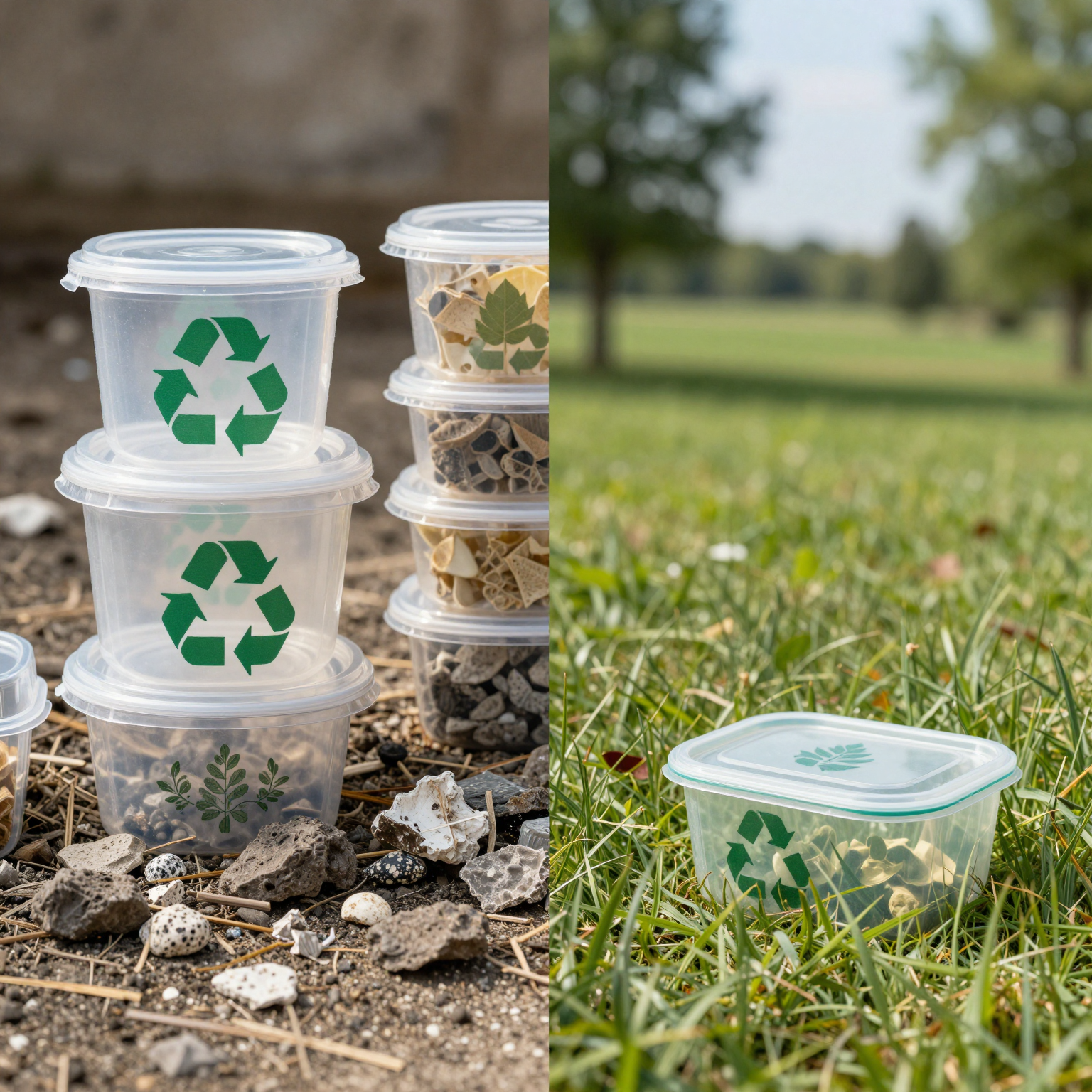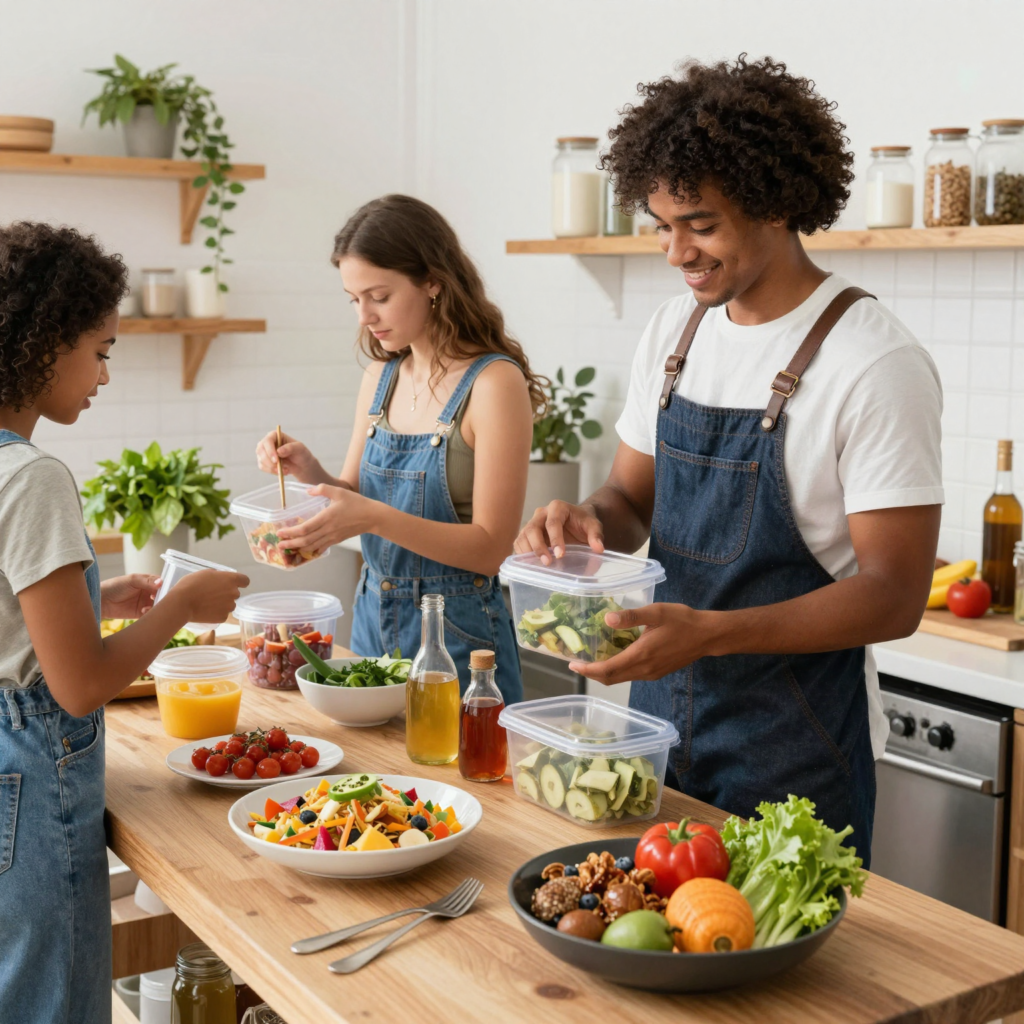
In a world grappling with the escalating crisis of plastic waste, the urgency to take meaningful action has never been more pronounced. Every year, approximately 400 million tons of plastic waste is generated globally, with the food service industry contributing a staggering 30% of this total. This alarming statistic underscores the critical need for transformation within the sector, where upcycling plastic food containers emerges as a beacon of hope. For bubble tea shops, restaurants, food trucks, and catering services, upcycling not only addresses the growing environmental concern but also offers tangible economic benefits. Studies reveal that businesses adopting upcycled packaging can reduce their reliance on single-use plastics by an impressive 65%. Moreover, these practices lead to a remarkable 40% decrease in food waste, showcasing how sustainability can seamlessly merge with operational efficiency.
Imagine the positive ripple effects for your brand-enhanced customer loyalty, improved public perception, and potential cost savings. As we navigate through this environmental dilemma, it’s time for stakeholders across the food service spectrum to embrace upcycling as a strategic approach. By doing so, we not only commit to safeguarding our planet but also pave the way for a more sustainable, resilient future in food service. Discover more about how upcycling can revolutionize your business and join the movement towards a greener tomorrow. Learn more about sustainable packaging solutions here and explore how you can make a difference!
Why Upcycling Matters
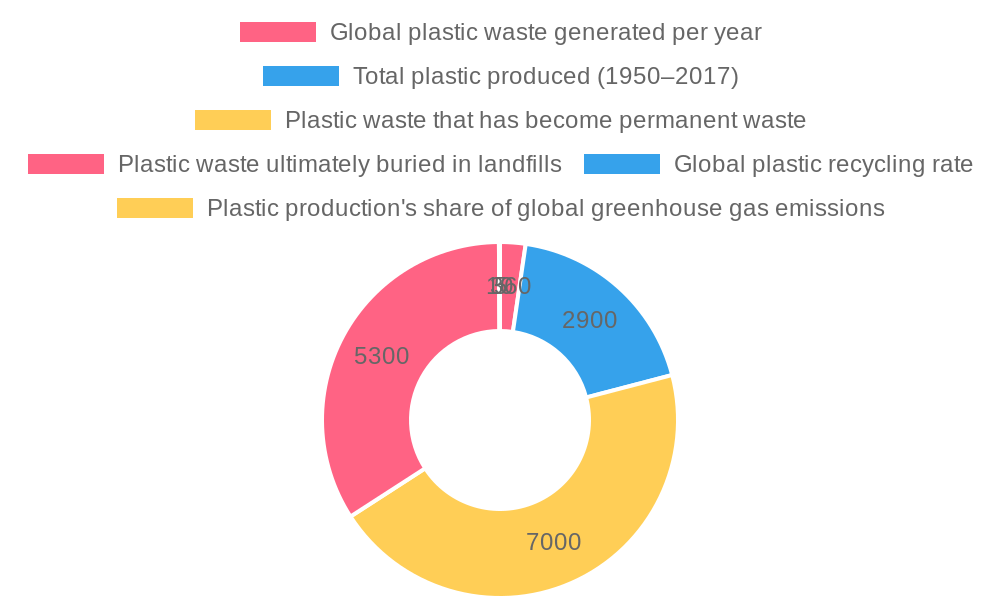
The issue of plastic waste has reached alarming proportions, threatening our environment and health. According to the United Nations Environment Programme (UNEP), global plastic production soared to 4.3 billion metric tons annually, with an overwhelming two-thirds classified as single-use plastics. Sadly, only about 10% of all plastic waste is effectively recycled, resulting in approximately 800,000 metric tons entering our oceans annually and causing severe harm to marine ecosystems and wildlife.
The environmental impact of plastic waste is staggering: 20 million metric tons of plastic leaked into the environment in 2020, a figure that’s expected to escalate further. The World Wildlife Fund (WWF) notes that plastic pollution affects over 276 species of marine animals and raises concerns about microplastics found in human blood and tissues, indicating a broader health risk.
In this context, upcycling emerges as a crucial strategy for combating plastic waste, particularly within the food industry. Upcycling involves transforming waste materials into new products, effectively keeping plastics out of the landfill and ocean. The practice benefits food businesses by:
- Reducing Waste: By repurposing plastic containers and materials previously deemed unusable, businesses can significantly lower their waste footprint.
- Enhancing Sustainability: Embracing upcycling strategies not only reflects corporate responsibility but also appeals to eco-conscious consumers, allowing food businesses to differentiate themselves in a competitive market. Companies that adopt upcycled materials strengthen their brand reputation and open up new market opportunities. For insights into how upcycling can enhance your business, check out our post on custom plastic forming machines.
- Creating New Revenue Streams: Upcycling can transform by-products like fruit peels or coffee grounds into valuable ingredients, promoting not just ethical practices but also financial viability. This clever reuse of materials contributes to a more circular economy while minimizing environmental impact.
Investing in upcycling processes not only addresses the plastic crisis but bolsters the reputation of food businesses by demonstrating commitment to sustainability. As we confront the growing challenge of plastic pollution, upcycling provides viable pathways for food establishments to thrive while protecting our planet.
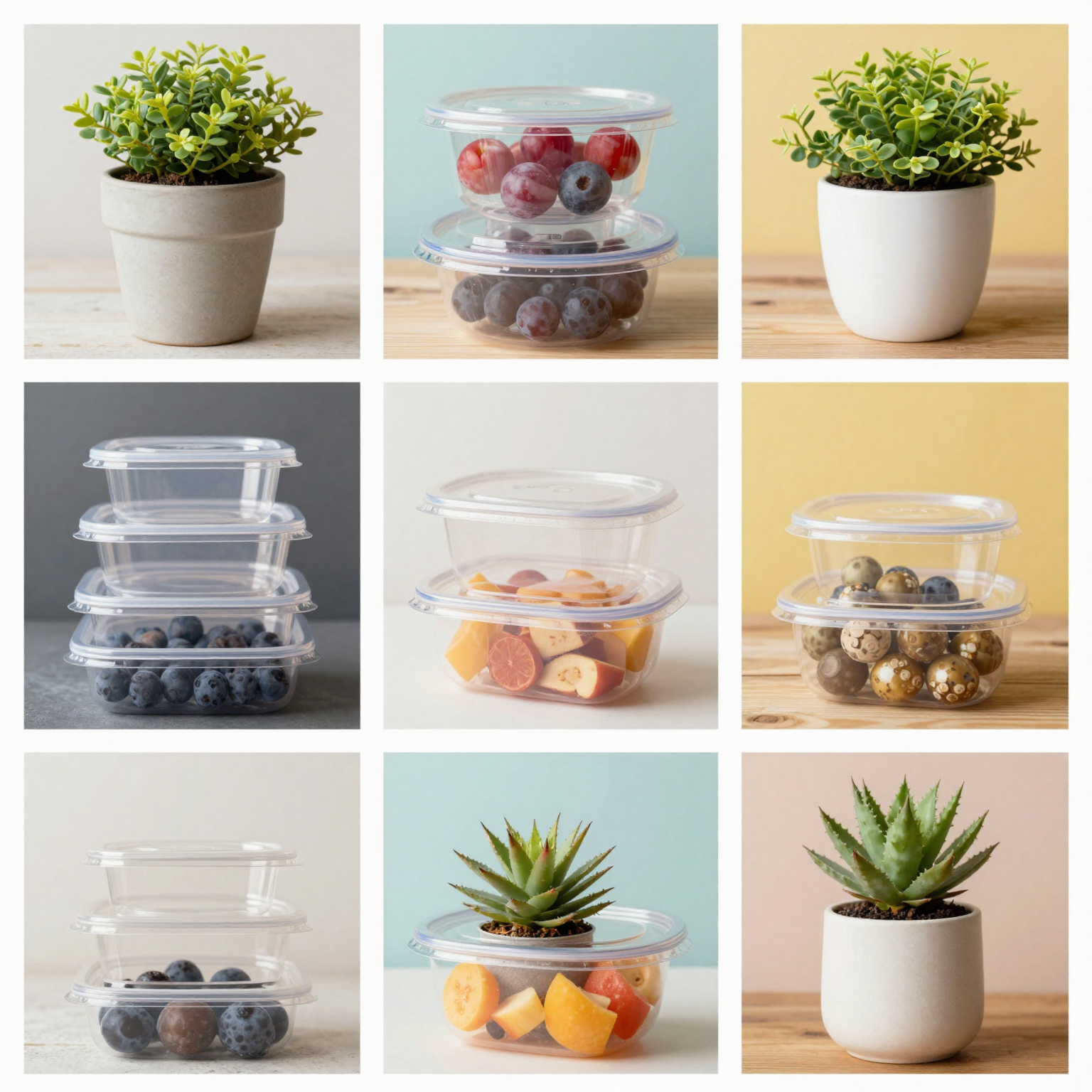
Benefits of Upcycling Plastic Containers
Upcycling plastic containers offers numerous advantages for businesses like bubble tea shops, restaurants, and event planners. Here are some key benefits:
- Cost Savings: Reusing materials reduces procurement expenses over time, as businesses can cut down on new packaging purchases. Learn more about cost-effective packaging.
- Enhanced Brand Image: Displaying a commitment to sustainability helps build a positive brand reputation, appealing to eco-conscious consumers.
- Customer Loyalty: Sustainable practices resonate with customers, boosting brand loyalty and engagement.
- Innovation in Product Design: Upcycled containers can be transformed into unique art, decor, or signage, adding creativity and personality to offerings.
- Community Engagement: Collaborating with local recycling programs fosters community ties and strengthens public relations.
- Waste Reduction: Minimizes operational waste and landfill usage, contributing to environmental preservation.
- Unique Branding Opportunities: Upcycled items can be marketed as bespoke promotional products or event decor, making for unforgettable guest experiences. Explore eco-friendly practices for businesses.
Creative Ways to Upcycle Plastic Food Containers
Upcycling plastic food containers presents an innovative opportunity for restaurants and food businesses to contribute positively to the environment while enhancing their aesthetics and functionality. Here are some practical ideas that can be easily implemented:
1. Herb Gardens
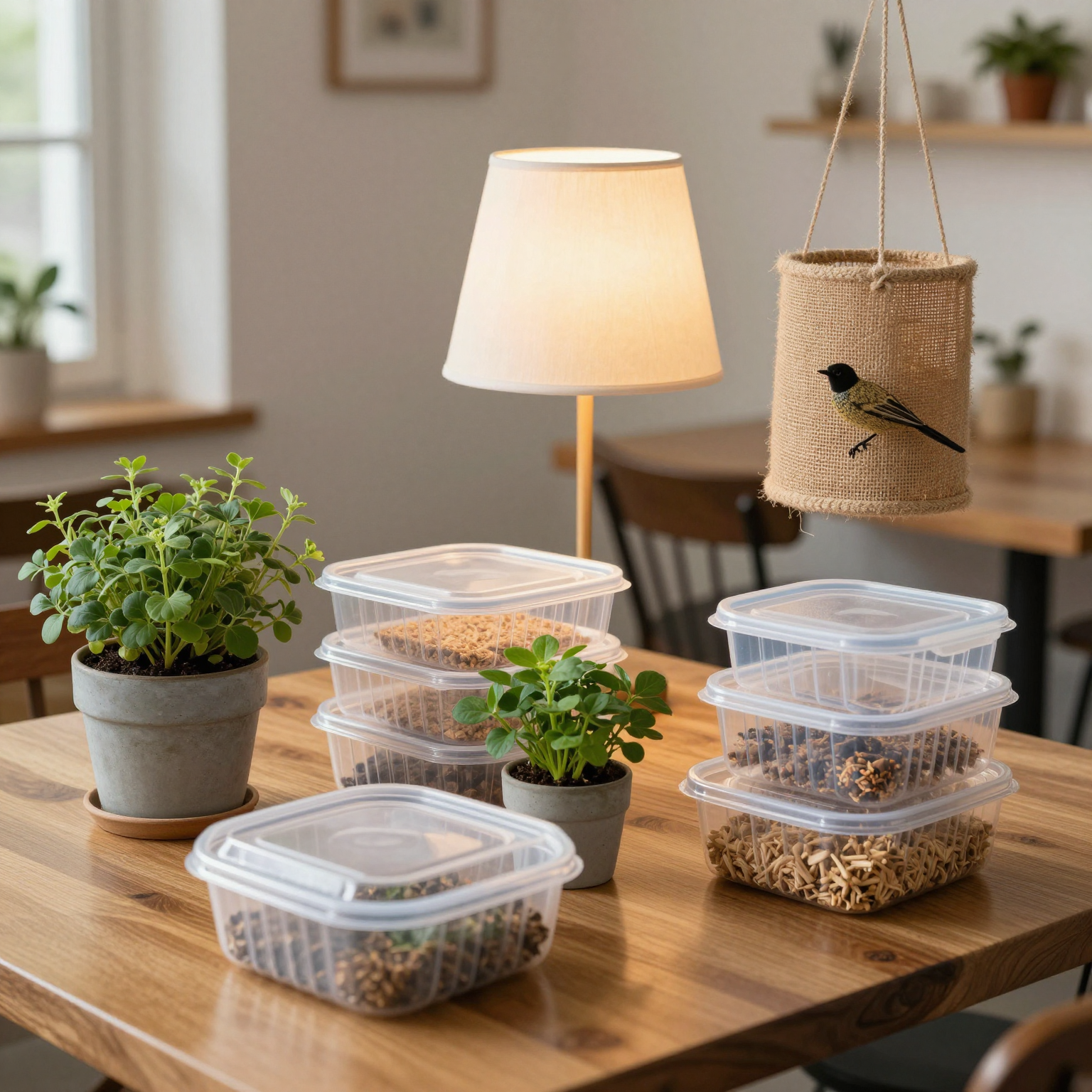
Transform unused containers into delightful herb gardens. Restaurants can use larger plastic containers to plant herbs like basil, mint, or cilantro. This not only creates a vibrant green aesthetic but also allows for the incorporation of fresh ingredients directly from the patio or kitchen garden into dishes. For instance, A Farm to Table restaurant in San Diego has revamped its outdoor area by using recycled containers filled with fresh herbs, promoting the farm-to-table concept.
2. Decorative Lampshades
With a bit of creativity, clear plastic containers such as yogurt cups can be turned into stunning lampshades. By adding decorative touches, these containers can create warm ambient lighting in dining areas. This method was utilized by The Green Eatery in Los Angeles, where they host eco-friendly themed nights, showcasing their upcycled lamps.Learn more about effective eco-friendly practices.
3. Bird Feeders
Restaurants can engage with the local community by turning plastic containers into bird feeders. By cutting holes and hanging them on trees outside or in gardens, these feeders attract birds, thus creating a lively atmosphere. An inspiring example is seen at Mel’s Diner in Austin, where they’ve placed bird feeders made from containers outside their window as part of their nature-inspired décor.
4. Outdoor Furniture Enhancements
Repurpose sturdy plastic containers as protectors for outdoor furniture legs. Restaurants can wrap picnic table legs or chair legs with cut containers to protect wood from rain and mud. This approach not only ensures longevity but adds a whimsical touch to the outdoor dining experience.
The Cozy Corner café in Portland has adopted this approach, enhancing the lifespan of their outdoor seating area.
5. Food Storage Solutions
For food trucks and catering services, using plastic containers to store ingredients neatly can streamline kitchen operations. These containers are ideal for meal prep, keeping everything organized. Additionally, they can be efficiently stacked for space-saving storage. Businesses like Tasty Trucks in New York use a variety of repurposed containers to keep their kitchen clutter-free and operationally efficient.Check out more on effective food storage solutions.
Conclusion
Implementing these creative upcycling ideas can greatly benefit food businesses not only by enhancing their environmental responsibility but also improving their branding as sustainable establishments. Embracing innovative uses for plastic containers can lead to a positive impact on both the community and the environment.
| Upcycling Method | Pros | Cons | Practicality for Food Businesses (Restaurants, Food Trucks, Catering, Beverage Chains) |
|---|---|---|---|
| 1. Reusing for Storage | – Low cost and immediate implementation. – Reduces need for new packaging materials. – Maintains food safety if containers are clean and undamaged. |
– Limited to reusable, durable plastic types (e.g., PET, HDPE). – Risk of contamination if not properly cleaned. – Not suitable for all food types (e.g., acidic or oily foods may degrade containers). |
✅ High practicality in restaurants and catering services with established cleaning protocols. ⚠️ Moderate for food trucks due to mobility and sanitation challenges. ❌ Not ideal for beverage chains with high-volume, single-use demands. |
| 2. Crafting into New Products (e.g., furniture, signage, decor) | – Creative use of waste; enhances brand image through sustainability storytelling. – Can be used for internal branding (e.g., restaurant décor). – Reduces landfill waste significantly. |
– Labor-intensive and requires skilled artisans or partnerships. – Limited scalability for large-volume operations. – Not directly applicable to food packaging needs. |
⚠️ Moderate for restaurants and boutique food trucks with strong branding focus. ❌ Low practicality for high-volume catering or beverage chains due to scale and time constraints. |
| 3. Transforming into Biodegradable Materials (e.g., via chemical upcycling like acetolysis) | – Converts waste PET into high-purity terephthalic acid and ethylene glycol, enabling full closed-loop recycling. – Produces materials that can be repolymerized into new PET or used in biodegradable polymers. – Life-cycle assessment shows lower carbon footprint compared to traditional recycling. – Effective even for colored or blended plastics, which are typically non-recyclable. |
– Currently limited to industrial-scale facilities; not accessible to small businesses. – Requires significant energy input and specialized equipment. – High initial investment and technical expertise needed. |
❌ Low practicality for most food businesses currently. ✅ High potential for future adoption as technology scales and becomes more accessible (e.g., partnerships with recycling hubs). |
Understanding Safety Standards for Upcycling Plastic Food Containers
As businesses in the food sector increasingly focus on sustainability, upcycling plastic food containers has emerged as a viable option. However, it is crucial that organizations adhere to stringent safety standards to ensure consumer health and product quality. Below are key considerations that food businesses must keep in mind when engaging in the upcycling process.
Compliance with Safety Standards
-
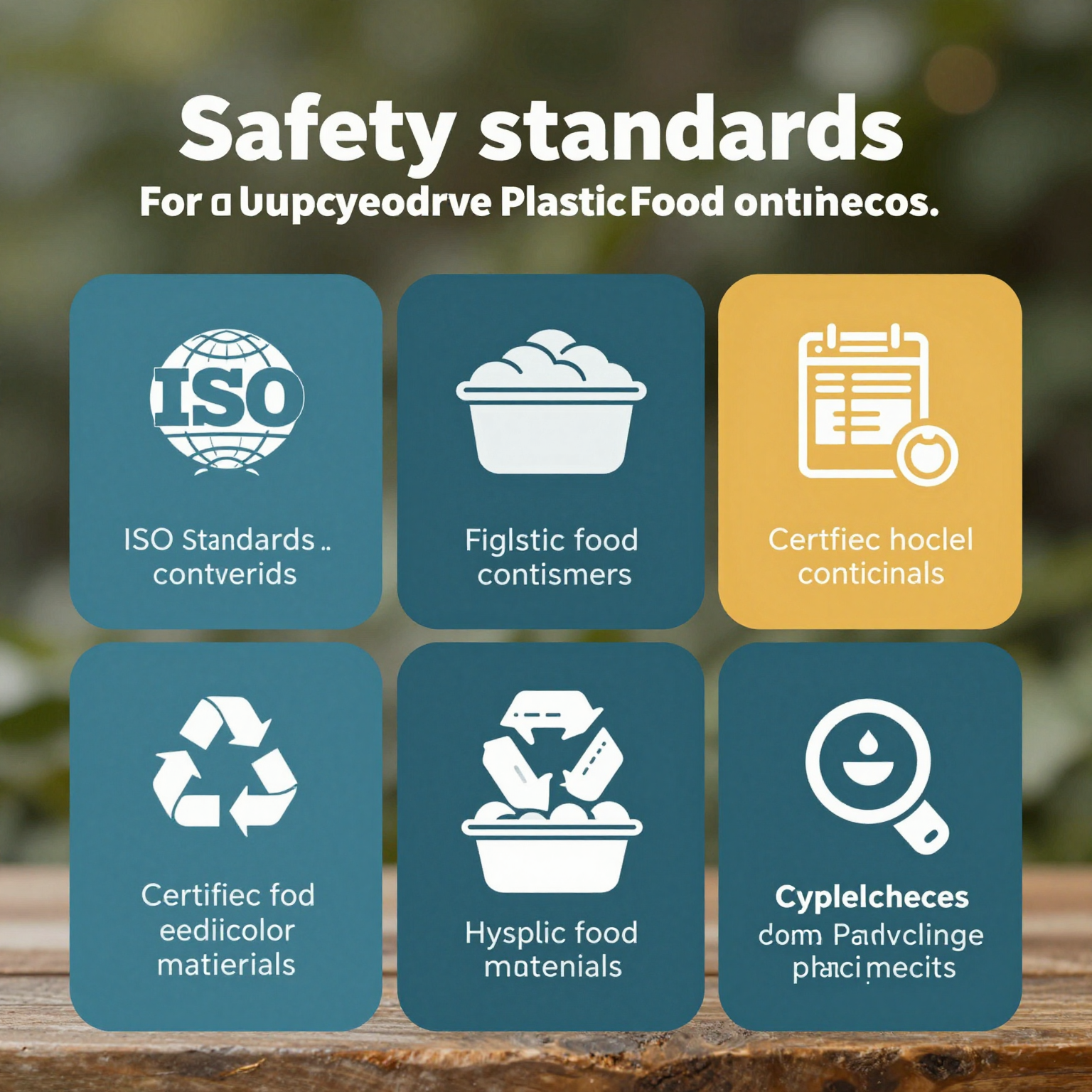
Material Certification: Before repurposing any plastic food containers, ensure they comply with food safety standards set by organizations such as the FDA or international bodies like ISO. This includes the usage of food-grade materials that have not been contaminated during their lifecycle. According to the European Commission guidelines, businesses should utilize certified recycled plastics (rPP) and maintain traceability to avoid food safety issues.
-
Hygiene Protocols: Adhering to Good Hygiene Practices (GHP) and Hazard Analysis Critical Control Point (HACCP) principles is vital. Containers must be thoroughly cleaned, sanitized, and tested to prevent cross-contamination. This process should be audited regularly to ensure compliance with health regulations.
-
Labeling and Transparency: Clear labeling is critical for consumer awareness and compliance. Labels should include information about the materials used, recycling codes, and the presence of any additives that could affect food safety. Clear communication ensures that consumers and regulators are informed about the safety measures in place.
Quality Assurance
- Quality Control Checks: Establish robust quality control checks during the manufacturing and upcycling process. Regular testing of containers for integrity and contamination should be performed.
- Training Staff: Personnel involved in the upcycling process should receive adequate training on safety standards and procedures to ensure consistency and quality in practices.
Conclusion
While upcycling plastic food containers presents an excellent opportunity for sustainability, it comes with the responsibility of adhering to various safety standards and regulations. By implementing these practices, food businesses can ensure not only compliance but also the safety and satisfaction of their customers. For more insights into plastic food container standards, check out our comprehensive guide.
“Upcycling plastic waste is not just an environmental necessity but a strategic economic opportunity. By integrating upcycling into the circular economy framework, we can reduce dependency on fossil fuels, lower carbon emissions, and create new green industries-key pillars for achieving UN SDG 12 by 2030.”
- Leading Expert in Sustainable Development, Discover Sustainability Review
This perspective reinforces the importance of upcycling in promoting sustainability and underlines the economic benefits that come along with it, making it particularly relevant for industries such as bubble tea shops, restaurants, and catering services seeking eco-friendly practices.
Implementing Upcycling in Your Business
Incorporating upcycling practices into your operations can not only benefit the environment but also enhance your business’s image, reduce costs, and appeal to eco-minded customers. Here’s a practical guide to help your restaurant, food truck, or catering service embark on an upcycling journey for plastic food containers and other materials.
1. Assess Current Waste
- Inventory Waste: Start by conducting a thorough assessment of the waste generated in your operations, focusing particularly on plastic food containers. Identify which items are consistently thrown away and could be repurposed.
- Categorize: Classify your waste into separable streams-plastic, organic, cardboard, etc.-to make them easier to manage and upcycle.
2. Innovate Culinary Practices
- Recipe Development: Create recipes that utilize ingredients that may otherwise go unused. For example, transform vegetable scraps into broths, or stale bread into croutons or bread pudding.
- Training Staff: Involve your kitchen staff by running workshops focused on upcycling techniques. Their creativity can lead to innovative menu items that also reduce waste.
3. Partner with Upcycling Initiatives
- Collaborate Locally: Explore partnerships with local startups or initiatives focused on upcycling food waste, such as Bruized and Remix Snacks, which convert leftover produce into healthy snacks (learn more about these initiatives).
- Community Engagement: Engage your local community by hosting events that raise awareness about food waste and offer workshops on how to upcycle at home.
4. Reuse Plastic Food Containers
- Storage Solutions: Instead of discarding used plastic containers, reuse them for storage in your kitchen for ingredients or leftovers. This not only helps streamline your process but also reduces new purchases.
- Creative Packaging: Consider utilizing these containers for packaging takeaway orders or merchandise. You can even personalize the containers to promote your brand while championing sustainability.
5. Educate Customers
- Transparency and Awareness: Use your marketing platforms to educate customers about your upcycling efforts. Share stories about how you’re reducing waste and the impact it has on the environment. This can enhance customer loyalty and attract eco-conscious consumers.
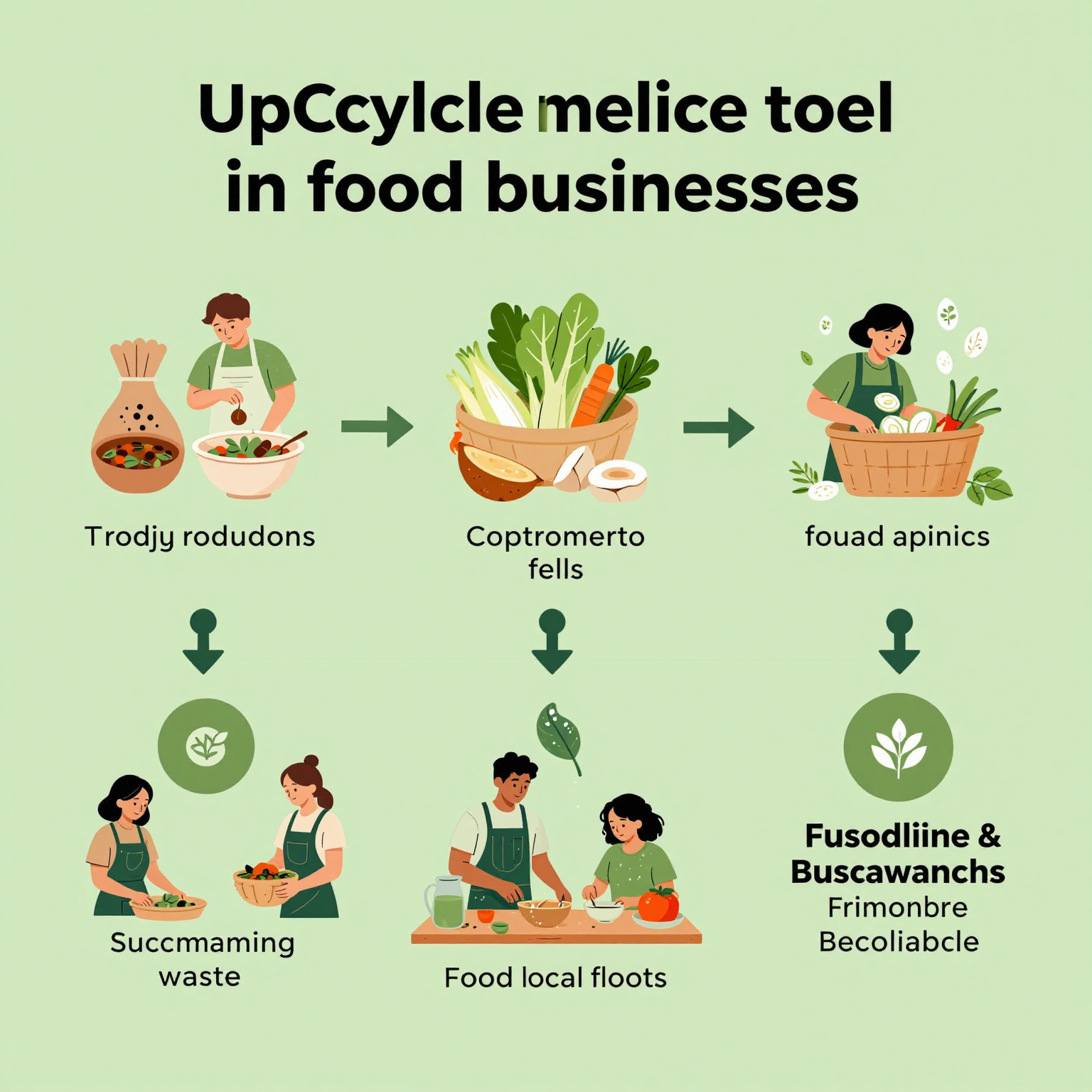
- Visual Aids: Create signage or include messages on menus illustrating the importance of upcycling. A friendly and professional graphic (see below) can help convey these messages effectively.
6. Measure Your Impact
- Track Waste Reduction: Set specific goals for waste reduction and track your success. Evaluate how much waste has been reduced since implementing your upcycling practices.
- Cost Savings: Analyze the financial impact of your upcycling efforts, which typically results in reduced waste disposal costs and potential savings from reusing materials.
7. Share Success Stories
- Highlight Achievements: Share your journey of implementing upcycling with your customers and on social media. It could encourage other businesses to start similar initiatives.
- Networking Opportunities: Join forums or groups focused on sustainability in the food industry, such as the Food Waste Reduction Alliance, to learn from others and share experiences (check out their insights).
Conclusion
By integrating these actionable steps into your business model, you can effectively implement upcycling practices that not only help the environment but also resonate with consumers looking for sustainable options in food services. Start small but think big-you can make a significant impact in your local community and beyond!
Additional Resources
For more information on best practices in using plastic food containers, check out our comprehensive guide.
In conclusion, upcycling plastic food containers offers a myriad of benefits that extend beyond mere waste reduction. It is a transformative approach that not only curtails plastic pollution but also fosters a circular economy, creating higher-value products from waste materials. By embracing upcycling, businesses can significantly lower their carbon emissions, reduce reliance on raw resources, and contribute to a more sustainable future. The potential to repurpose old containers into valuable items-such as construction materials, durable consumer goods, and textiles-demonstrates how this practice can infuse forgotten resources with new life, benefiting both the economy and our environment.
Moreover, sustainable packaging plays a critical role in minimizing food waste, which is responsible for nearly 10% of global greenhouse gas emissions. Innovative packaging solutions protect food quality and extend shelf life, ensuring that our edible goods reach their consumers unspoiled. As the demand for eco-friendly practices rises, so too does the necessity for businesses to invest in green packaging options.
Are you ready to elevate your business while making a positive impact? Partner with us at Green Dispo Pack to explore tailored solutions that fit your needs and enhance your sustainability efforts. Together, we can reshape the future of packaging-one container at a time.