
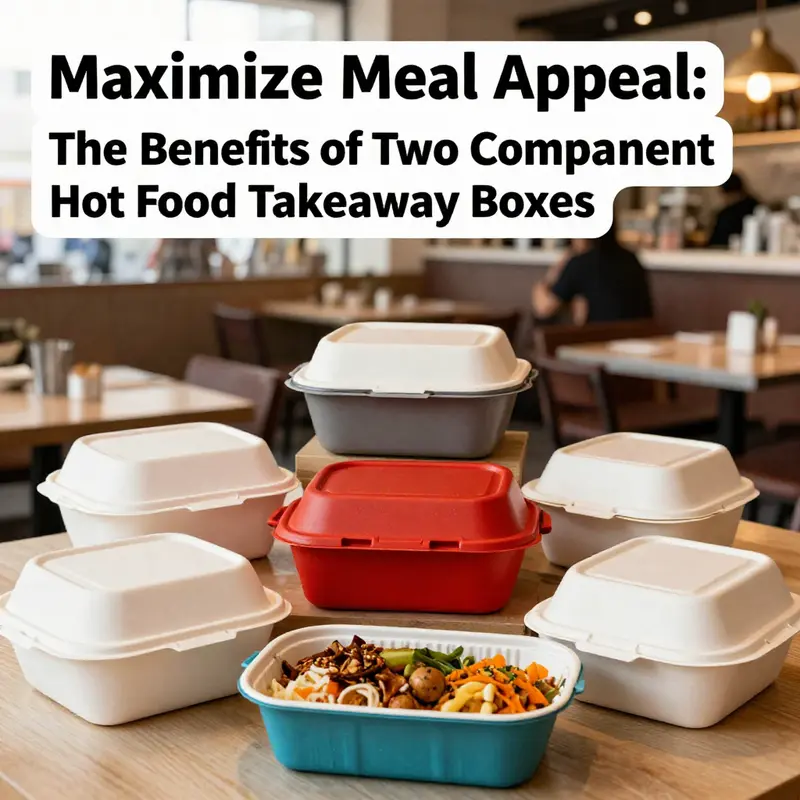
In the competitive realms of food service, providing quality packaging is as crucial as the meals themselves. Two compartment hot food takeaway boxes cleverly cater to restaurants, catering services, and food trucks by maintaining the integrity of diverse meal components during transit. This packaging solution not only ensures that flavors do not blend, but also keeps each element at the ideal serving temperature. In the chapters ahead, we’ll delve into their key features, explore their applications in food delivery services, review the various material options available, and highlight the branding opportunities that come with customization. Understand how these boxes can enhance your service quality—whether you’re a bubble tea shop, a bustling restaurant, or an event planner looking to impress clients.
Dual Design Mastery: Unlocking the Potential of Two-Compartment Hot Food Takeaway Boxes
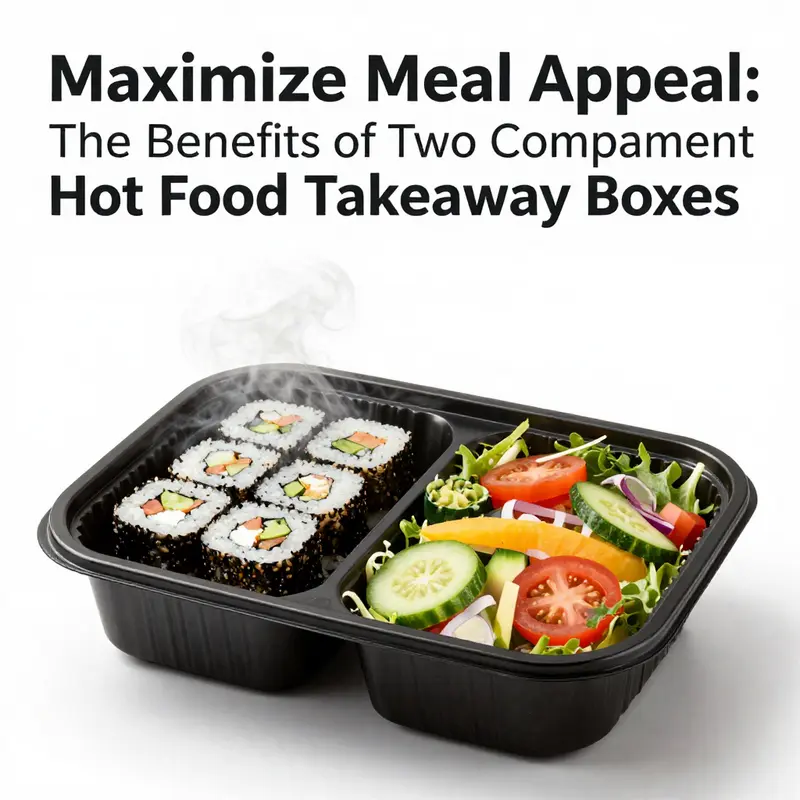
In the dynamic arena of food service packaging, the two-compartment hot food takeaway box has emerged as a revolutionary solution engineered to redefine the dining experience from restaurant kitchens to customers’ doorsteps. This innovative container is more than just a vessel for hot meals—it is a thoughtfully designed system that addresses modern needs of food separation, thermal retention, and sustainability. The box’s signature dual-compartment layout not only provides distinct zones for different food elements but also assures that flavors, textures, and temperatures remain perfectly preserved. With its incorporation of a leak-proof structure, adaptable material choices, and convenience features like microwave safety, this takeaway box is fast becoming the go-to choice for a diverse range of culinary establishments. Throughout its meticulous design, every element of the two-compartment box is oriented towards enhancing both consumer satisfaction and operational efficiency, offering a blend of practicality and aesthetic appeal that supports brand messaging and environmental responsibility.
At the heart of its success lies the ingenious dual-compartment layout, a feature that sets this container apart from its single-chamber counterparts. The design features two separate sections that allow for the organized distribution of food items, ensuring that different ingredients such as rice, proteins, vegetables, and sauces remain isolated to preserve the unique qualities of each dish. This separation is critical in preventing flavor crossover and sogginess—a problem all too common in mixed packaging systems. By keeping foods apart, restaurants can craft meals that look as good as they taste, elevating the consumer’s dining experience. This system of portion control is particularly beneficial for meals that combine both hot and cold components. With careful compartmentalization, diners enjoy an optimal blend of textures and temperatures, whether it’s a steaming curry alongside a crisp salad or a freshly cooked stir-fry served with a cool dipping sauce. This logic and simplicity in design are a testament to the evolution of food safety and presentation, and it has led to a significant improvement in meal quality across delivery platforms and takeout services.
The robust leak-proof design of these containers plays an equally critical role in their popularity, ensuring that even the sauciest or moisture-laden dishes are securely housed during transit. A well-engineered seal and lid maintain food integrity, guarding against spills that could otherwise mar the dining experience and compromise the presentation when a customer receives an order. Engineers and designers have invested significant research into the selection of materials and sealing mechanics that combine durability with safety. The internal structure is crafted to be resilient enough to withstand the shocks of transportation while remaining gentle on delicate meals. This balance of strength and subtlety is particularly valuable in busy urban environments where food is not only expected to arrive hot but also without any compromise to its visual appeal and taste profile. As food delivery services expand their reach, every detail counts, and the leak-proof feature ensures that customers receive their meals exactly as envisioned by the chefs.
Yet another facet of the two-compartment box’s appeal is its microwave-safe attribute, particularly in plastic varieties. In an age when customers often prefer the convenience of reheating their meals at home, the ability to safely microwave the container provides an added layer of practicality. Manufacturers have focused on utilizing high-quality, food-grade plastic that does not leach harmful chemicals when heated, ensuring that the reheated food remains both safe and delicious. The microwave-friendly property eliminates the need for transferring food to another vessel, which not only minimizes mess but also preserves heat and moisture. This thoughtful integration of usability and health-conscious practices speaks to the broader trend in the food industry of emphasizing convenience without compromising quality or safety.
Another remarkable aspect of these takeaway boxes is their versatility when it comes to the choice of material. Producers offer a range of options to suit varying business needs and environmental standards. Durable plastics such as PP or PS provide a sturdy, cost-effective solution ideal for high-volume operations that require a re-usable option or high-performance delivery packaging. On the other hand, the paper-based, bento box style containers stand out for their eco-friendly credentials, often made of recyclable and compostable materials that meet the increasing demand for sustainable packaging solutions. These paper alternatives are sometimes PLA-lined to improve moisture resistance and heat retention, making them an attractive option for eco-aware consumers and businesses that wish to minimize their environmental footprint. Moreover, foam versions, although less favored today due to sustainability concerns, offer superior thermal insulation, keeping food at the desired temperature for extended periods. The diversity in material options underscores a commitment to customization that caters to varying operational requirements and environmental regulations.
Customization is a feature that not only enhances functionality but also transforms these boxes into a powerful marketing tool. Businesses can now incorporate logos, brand colors, and unique designs directly onto these containers, turning every meal delivery into an opportunity for brand interaction. Such personalized touches contribute to heightened brand recognition and customer engagement. Restaurants and takeout services that invest in customized branding options elevate their packaging from a mere utility to an extension of their brand identity. For instance, establishments focusing on a particular niche, such as gourmet Asian cuisine or contemporary fast-food options, can tailor the visual appeal of their boxes to reflect their culinary philosophy. A beautifully printed container with a signature logo or a creative design can leave a lasting impression on a host of customers, reinforcing trust and encouraging repeat business. For more insights on tailored packaging concepts, one may explore the options available through a link to a customized octagonal box packaging solution, which reflects the industry’s shift toward functional yet visually appealing packaging.
In addition to the high levels of practicality and aesthetic potential, the portability of the two-compartment takeaway box is a feature that cannot be overstated. Designed with ergonomic considerations in mind, these containers are easy to carry and resistant to tipping or accidental spills during transit. Despite their slightly larger footprint compared to single-compartment boxes, they are engineered to be user-friendly, ensuring that even when filled to capacity, the box remains manageable. The sealed lid does more than just maintain temperature—it offers a firm grip that simplifies handling, even under conditions of movement and potential disruption. This combination of speed, ease of use, and reliability is essential in fast-paced urban settings where consumer convenience is paramount. The balance between secure containment and ease of transport makes these containers a favorite among busy professionals and families alike who rely on efficient, on-the-go meal solutions.
The versatility of these takeaway boxes extends into their suitability for a wide array of dishes and cuisines. Their design is inherently democratic, adapted to meet the demands of various culinary styles and serving methods. For example, dishes that require a distinct presentation for different components—like a carefully arranged bento featuring neatly separated sushi, vegetables, and rice or a balanced rice bowl complemented by a side of savory sauce—are optimally served in a two-compartment setting. The separate sections allow the chef to innovate and design meals that flourish in both taste and presentation. The dual compartments help maintain the integrity of each component, ensuring that the flavors remain distinct and are not muddled by unintended mixing. This level of sophistication appeals not only to consumers with discerning palates but also to establishments that wish to uphold a high standard of food presentation. The ability to design meals that cater to both visual appeal and taste elevation has propelled these boxes into widespread use across various segments of the food industry.
Environmental considerations have become critical in today’s discussion around food packaging, and the two-compartment hot food takeaway box is no exception. Many manufacturers are now prioritizing sustainability by offering biodegradable or recyclable options that reduce the overall environmental impact. The trend towards eco-friendly materials is not simply a marketing gimmick; it reflects a genuine shift in consumer expectations and regulatory frameworks. As awareness of environmental issues grows, many food service providers are turning to boxes made from sustainable materials that decompose naturally or can be repurposed with minimal environmental stress. The choice between conventional plastics and compostable paper or pulp-based alternatives allows businesses to align their packaging strategies with their broader sustainability goals. This not only enhances the brand’s image but also meets a growing global demand for packages that are both effective and responsible. The varied material options provide decision-makers with the flexibility to tailor their packaging solutions to local standards and customer preferences, ensuring that high performance and environmental stewardship go hand in hand.
From a technical perspective, the precision engineering behind a leak-proof, dual-compartment box demonstrates the culmination of years of research and development in food safety and packaging science. The materials selected for these boxes are rigorously tested to ensure they can withstand rapid temperature changes and varying conditions during transportation. Advanced design techniques such as incorporating anti-fog lids and insulated layers guarantee that not only is the food’s temperature maintained, but condensation is effectively minimized, so the presentation remains intact upon arrival. This technological sophistication is particularly important when dealing with complex dishes that involve multiple elements with different temperature requirements. Whether a meal requires a hot entrée served with a cold side or vice versa, the two-compartment design offers unparalleled flexibility. The assurance of readiness, whether the meal is enjoyed immediately or reheated later, helps build consumer confidence in the quality and reliability of the food service provider.
The operational benefits provided by these packaging solutions are as significant as their consumer-facing advantages. For restaurants and food delivery services, the dual-compartment box minimizes waste and simplifies portion control, which can be critical in maintaining consistency. By offering separate sections for each component of a meal, these boxes help kitchens reduce errors during food assembly, ensuring that each dish is prepared and served according to exacting standards. In a competitive industry where presentation and consistency are paramount, the reliability of the packaging directly influences customer satisfaction. Moreover, the packaging’s ease of storage and stackability further contribute to its efficiency in busy kitchens. As establishments strive to optimize every facet of their operations for both speed and quality, the two-compartment design emerges as a solution that bridges the gap between innovative design and practical functionality.
The integration of these advanced features offers a glimpse into the future of food packaging, where function and form merge to create an entirely new category of takeaway solutions. The two-compartment hot food takeaway box represents more than just a container; it is a convergence of chemical engineering, design innovation, and marketing insights. Its ability to maintain food quality while presenting a sleek appearance has redefined customer expectations for packaged meals. In an era where the meal is not only about taste but also about the overall experience, this packaging solution encapsulates the essence of modern dining—the interplay between technology, aesthetics, and environmental consciousness. As the food service industry continues to evolve, these containers are set to play an increasingly pivotal role, serving as ambassadors of quality and sustainability in every delivery.
The journey of the two-compartment hot food takeaway box from concept to everyday utility is a narrative of thoughtful design and relentless pursuit of excellence. Every feature—from the cleverly divided compartments to the robust leak-proof characteristics, from the microwave-safe materials to the customization options offered through advanced printing technology—has been refined through extensive research and innovation. This detailed attention to both user convenience and operational efficiency explains why the container has become a trusted asset for food service professionals around the world. Businesses leveraging these boxes benefit not only from improved presentation and safety but also from the inherent flexibility to adapt to ever-changing consumer demands and environmental guidelines. Industry experts predict that further advancements in packaging technology and sustainable materials will only serve to enhance the functionality and appeal of such containers even more.
For culinary professionals and business owners, adopting a two-compartment hot food takeaway box is a strategic initiative that addresses multifaceted challenges. The product’s robust features enable food establishments to maintain high standards of hygiene, streamline kitchen operations, and provide an exceptional dining experience from the moment the box is sealed until the last bite is savored. In today’s competitive market, every detail counts, and a meticulously designed container can decisively influence customer satisfaction and brand loyalty. As you explore the evolving landscape of food packaging, it is clear that innovations like these are not merely conveniences—they signal a new era in which packaging is a critical component of a restaurant’s overall value proposition. For those interested in deepening their understanding of industry standards and technical details, additional insights can be found in this comprehensive article on hot food container standards and properties.
In summary, the two-compartment hot food takeaway box represents a harmonious blend of functionality, innovation, and sustainable design. Its dual-compartment layout ensures that food items remain distinct and flavorful, while the leak-proof and temperature retention features guarantee that meals arrive in pristine condition. The option to choose from multiple material types allows businesses to address operational needs and environmental concerns simultaneously. Whether it is the convenience of microwave safety or the strategic advantage of customized branding, every aspect of this container speaks to a future where efficiency meets elegance in the fast-paced world of food delivery and takeout. As the industry continues to evolve, the refined engineering behind these boxes sets new benchmarks for quality, safety, and sustainability, making them indispensable in the modern culinary landscape.
Innovative Food Delivery: Enhancing Meals with Dual-Compartment Hot Food Takeaway Boxes

The evolution of food delivery services has been marked by a continuous drive toward enhancing customer satisfaction, operational efficiency, and sustainability. At the forefront of this revolution is the dual-compartment hot food takeaway box—a design that marries practicality with innovation. These boxes are not merely containers but are carefully engineered solutions that address longstanding challenges such as maintaining food temperature, preventing unwanted mixing of flavors, and optimizing the dining experience from restaurant to doorstep.
A primary function of these boxes is to ensure that every element of a meal reaches the customer exactly as the chef intended. In traditional packaging, sauces and moist components can easily come into contact with drier foods, compromising their texture and taste. With separate compartments, each food element—from hot curries and steamed rice to accompanying salads or crispy sides—retains its individual character while still being part of a cohesive meal. The impact of this subtle yet revolutionary difference in food preservation is evident in the improved overall quality of delivered meals. Customers experience the freshness of vegetables, the warmth of hot proteins, and the firm texture of starches, all maintained by the box’s careful design.
In an industry where time is of the essence, the dual-compartment design plays a critical role in ensuring that meals remain at their optimum serving temperature. Insulated materials, often integrated into the lid and base of these boxes, work to trap heat. Moreover, many models incorporate features such as anti-fog treatments to prevent condensation, thereby ensuring that the presentation of the meal remains as appealing as it was when it left the kitchen. This precision in temperature control is not only essential for flavor retention but also crucial in maintaining food safety standards during transit. In essence, the dual-compartment takeaway box acts as a guardian of the meal’s integrity, preserving both taste and hygiene.
The materials used to manufacture these containers are equally important in their function and appeal. Many of these takeaway boxes are made from food-grade, eco-friendly materials like biodegradable kraft paper or molded pulp. This not only allows businesses to meet rising consumer demand for sustainable packaging solutions but also aligns with the broader global shift toward reducing single-use plastic waste and embracing recyclable alternatives. For businesses that take pride in their environmental responsibility, opting for packaging that benefits both the customer and the planet can be a significant marketing advantage.
The structural design of these boxes is noteworthy. Each compartment is meticulously designed to be strong and resilient enough to withstand the rigors of transport. A hinged, tight-sealing lid mimics a clamshell design, ensuring that the contents are secure from spillage while also facilitating ease of opening upon delivery. The importance of such a design cannot be overstated—during busy delivery hours and amidst the hustle and bustle of city traffic, sturdy containers prevent messy accidents that could otherwise tarnish a customer’s dining experience. This durability is achieved without compromising on weight or bulk, meaning that the boxes stay lightweight and easy to handle for food service operators.
Optimizing the layout within the takeaway box has allowed restaurateurs to focus on meal organization. The separation of meal components is particularly advantageous for dishes that require a mix of textures and temperatures. For instance, in cuisines like Asian fusion or contemporary bento-style offerings, it is common to serve a main protein alongside a refreshing salad or a side of perfectly steamed rice. By keeping these elements apart, the box not only ensures that wet ingredients do not overly saturate their drier counterparts but also contributes to a more visually appealing presentation that enhances the overall dining experience. This integration of functionality and aesthetic appeal is a significant advantage in an era where presentation is nearly as important as flavor itself.
Beyond the immediate benefits of maintaining culinary integrity, the two-compartment design also introduces an element of convenience for both consumers and food service operators. From the consumer’s perspective, the act of eating from a dual-compartment container is inherently pleasant. The design eliminates the need for the diner to transfer food into separate bowls or plates, thus minimizing mess and reducing the risk of spills. For businesses managing large volumes of orders, this means faster packing, fewer complaints, and the opportunity to focus on other aspects of quality service. In high-demand periods, when every minute counts, the ability of these containers to deliver an organized and flavorful meal is invaluable.
Many food service providers have also embraced the customization possibilities offered by these boxes. With advanced printing and design techniques, restaurants can imprint their logos, slogans, or unique patterns directly onto the packaging. This not only reinforces brand identity but also transforms an everyday container into a mobile advertisement that works to enhance customer recall and encourage repeat business. In a competitive market where differentiation is key, such customization can be a subtle yet highly effective way to build a loyal customer base. The dual-compartment design, therefore, represents more than a packaging solution—it becomes part of the brand’s narrative and a visible commitment to quality and innovation.
Moreover, the inherent versatility of the dual-compartment box has made it a popular choice across multiple cuisines. The containers are used in services that range from traditional fast-food chains to gourmet delivery concepts including Asian, Mediterranean, Mexican, and even fusion cuisines. Their universal appeal lies in their ability to preserve the unique presentation styles required by different cultures and culinary traditions. Chefs can use these boxes to craft meals that celebrate the distinct flavors and textures of their ingredients while still offering a cohesive dining experience that travels well over long distances.
Another noteworthy aspect of these containers is their contribution to operational sustainability. By utilizing biodegradable and recyclable materials, food service operators can significantly reduce their environmental footprint. This is particularly important in today’s market where consumers are increasingly aware of and sensitive to environmental issues. Many businesses are adopting these eco-friendly options as part of their broader sustainability strategies, ensuring that the benefits extend from the consumer’s table to the wider community and planet. In this way, the dual-compartment hot food takeaway box exemplifies how functionality and environmental responsibility can go hand in hand.
While the benefits of this innovative packaging solution are clear, its integral role in evolving food delivery services extends to its contribution in streamlining the logistics of meal handling. The careful design of separate compartments simplifies the task of catering to specific dietary needs and portion control. For families ordering verbose meals or individuals seeking a balanced diet, the ability to keep components separate reduces the risk of uneven mixing, which might otherwise diminish the quality of the meal when reheating or consuming later. This aspect of functionality is particularly important for meal prep and ready-to-eat food services that are expanding rapidly, with each order designed to provide a balanced mix of nutrition and taste.
Additionally, the dual-compartment box supports the implementation of innovative delivery concepts such as meal bundling. Restaurants and food delivery services can offer combo meals and multi-course dining experiences in a single package, yet still preserve the integrity of each dish. The dual-compartment format allows for creative menu designs, where a chef might, for instance, combine a hot entrée with a cool dessert, all packaged within one container. This flexibility not only enhances the appeal of the meal offering but also demonstrates a keen understanding of modern dining preferences.
From the perspective of the food delivery personnel, these boxes significantly reduce the chances of mishaps during transit. The robust design and secure sealing mechanisms ensure that meals arrive intact, regardless of the bumps and jolts experienced during urban delivery routes. This reliability is crucial when performance metrics for delivery services are often measured by the condition in which food arrives at the customer’s door. Every aspect of the box—from its material strength to the clever engineering of its compartments—ensures that the product withstands physical handling, thereby reducing waste due to damaged containers and improving overall customer satisfaction.
Furthermore, an often underappreciated benefit of these boxes is the positive impact they have on the perception of food safety and hygiene. In an era where consumer concerns about safety have reached unprecedented levels, packaging that minimizes the risk of cross-contamination plays a critical role. The compartmentalization, combined with the use of food-grade materials, assures customers that their food is protected from external contaminants, even in the hustle of fast-paced delivery environments. This reassurance is not only vital for maintaining trust in the brand but also contributes to repeat business and positive word-of-mouth referrals.
The utility of dual-compartment takeaway boxes has spurred a wave of innovation in packaging technology. Research and development in this field continue to refine aspects like heat retention capabilities, structural enhancements to prevent deformation under stress, and the integration of user-friendly features such as easy-open mechanisms. Some manufacturers have even begun experimenting with intelligent packaging that can provide real-time feedback on the temperature or freshness of the food, bringing the digital age into the realm of physical packaging. These forward-thinking developments stand as a testament to how a simple packaging solution can evolve to meet the dynamic needs of both consumers and businesses.
Interestingly, the dual-compartment system not only impacts the food on its way to the customer but also influences the back-end operations of the food industry. A streamlined packaging process is invaluable for restaurants during peak hours. By reducing the likelihood of errors during the packaging process, these boxes help in cutting down preparation time without sacrificing quality. The end result is an efficient workflow that minimizes delays and maximizes customer satisfaction. In this context, the takeaway box is a small yet significant cog in the larger machinery that drives modern food delivery and quick-service restaurants.
Operational efficiency is further enhanced by the ease with which these boxes can be stacked, stored, and transported. Their compact design makes them ideal for restaurants with limited storage space, while their sturdy construction minimizes the need for additional protective packaging. This dual functionality not only simplifies logistics but also contributes to lowered operational costs—a benefit that can be directly passed on to consumers through more competitive pricing structures. In a market where margins are thin and customer expectations are high, every operational advantage counts.
For those interested in exploring innovative food packaging options further, there are numerous resources available that detail the various design elements and material compositions that make these boxes so effective. For example, you can find additional insights into sustainable and efficient food packaging by visiting a detailed resource on disposable food bowls that are both functional and eco-friendly, such as the information available through this internal resource on a related packaging product disposable kraft paper bowl for food package. This integration of internal resources with practical knowledge underscores the broad applicability of modern packaging solutions.
The deployment of two-compartment hot food takeaway boxes represents an intersection of art and science. Chefs and engineers work in tandem to ensure that a meal’s journey from the kitchen to the consumer is as seamless as possible. The overall impact is an elevated dining experience, where every aspect—from taste and texture to organization and presentation—is enhanced. As the field of food delivery evolves, it is innovations like the dual-compartment takeaway box that set the standard for what convenience, quality, and sustainability should look like.
Looking ahead, it is clear that continued advancements in packaging materials and design will only further solidify the role of these containers in food delivery services. The increasing emphasis on environmentally sustainable practices is likely to spur additional research into biodegradable and compostable materials that do not sacrifice durability or performance. This commitment to sustainability, coupled with the undeniable functional benefits of precise meal compartmentalization, positions the dual-compartment box as a cornerstone of modern food logistics.
Furthermore, the adoption of these advanced packaging solutions creates opportunities for new business models. Start-ups and established brands alike are investing in research that will bridge the gap between digital food ordering platforms and physical delivery methods. As artificial intelligence and the Internet of Things become integral to logistics and supply chain management, the future may see these boxes embedded with smart sensors that track temperature, freshness, and even the location of the delivery. Such innovations would not only enhance the customer experience but also add valuable data points for food service providers attempting to optimize their operations.
The journey of a meal from a bustling kitchen to a welcoming home relies on a network of meticulously coordinated elements. Among these, the role of sophisticated packaging cannot be overlooked. The dual-compartment hot food takeaway box is a prime example of this, offering tangible benefits that enhance the flavor, safety, and visual appeal of meals while also ensuring operations run smoothly behind the scenes. This thoughtful design meets the needs of modern consumers who demand both convenience and quality in every aspect of their dining experience.
For anyone interested in exploring additional insights on efficient food packaging techniques, an external resource that delves deep into design standards and best practices in the industry is available at the Takeaway Food Packaging Guide: Grades, Composition, and How to Optimize Performance in Industry (https://www.foodservicepackaging.com/takeaway-food-packaging-guide/). As we consider the future of food delivery, it is evident that innovations such as the dual-compartment takeaway box will continue to shape a market that values excellence, sustainability, and customer-centric design in every package delivered.
Innovative Material Choices for Enhancing Two-Compartment Hot Food Takeaway Boxes
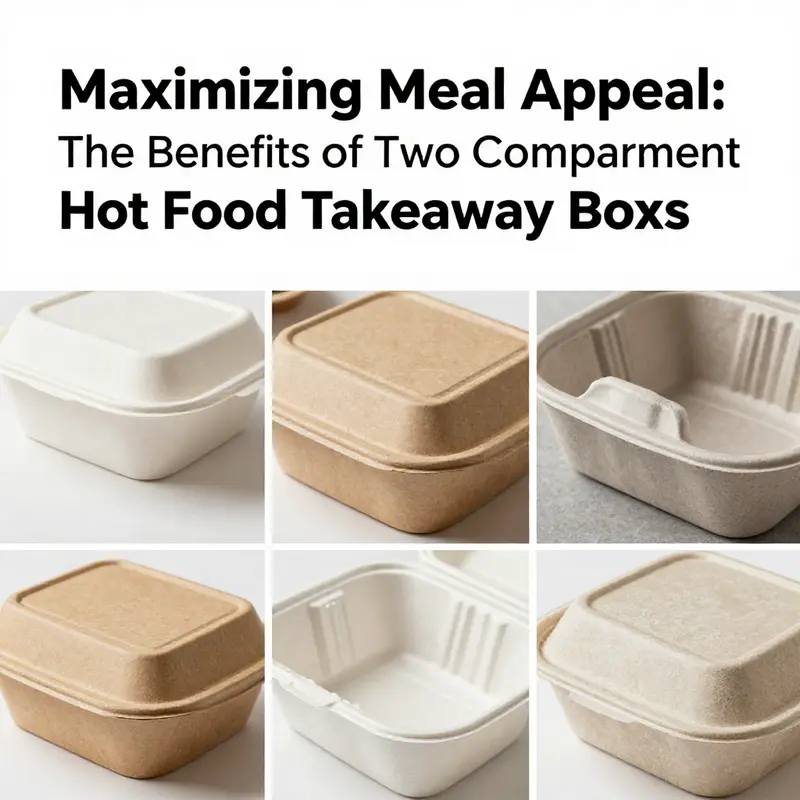
Two-compartment hot food takeaway boxes have rapidly evolved from a simple means of food delivery to an engineering marvel where material science meets practical design. The very materials used in constructing these boxes define not only the preservation of food quality and temperature but also influence brand perception, convenience, and environmental impact. In this chapter we delve into the various materials available, examining the merits and limitations of each option while presenting a holistic narrative that clarifies why the choice of material is as important to the end-user as it is to the business that delivers a meal.
The evolution of takeaway packaging is closely tied with consumer demand for quality and sustainability. In earlier days, the singular focus for food packaging was ensuring that the meal remained intact and reached the customer without major spills. However, as food culture transformed—with meals comprising several components served at different temperatures—the design requirements called for segregated compartments. Two-compartment designs emerged as the answer, and now for these boxes the choice of material plays a critical role in how well the final product performs. From heat retention to durability and even aesthetics, manufacturers now have an array of materials to choose from. Yet, no single material suits every scenario; the trade-offs concerning usage, environmental impact, and cost continuously drive innovation.
Plastic has long been a staple for takeaway packaging, particularly when the objectives are durability and moisture protection. Polystyrene (PS) and polypropylene (PP) are among the most popular materials found in these boxes. The inherent benefits of plastic include exceptional lightweight properties and resistance to the permeation of moisture and oils. These attributes are essential for a meal that might consist of a hot protein dish accompanied by a cooler salad or side dish. Plastic options are often engineered to include transparent viewing windows, allowing the diner a glimpse of the beautiful arrangement inside. Moreover, many plastic variants are microwave-safe. This attribute enables customers to conveniently reheat their meals at home without transferring to another container, thereby preserving food quality and minimizing waste through multi-use potential.
However, the advantages that plastic offers come with their own set of concerns. Environmental sustainability is now a pivotal consideration for both consumers and businesses. Non-biodegradable plastics, even those that can be recycled, have sparked debates about long-term environmental impacts. The persistence of plastics in landfills and the potential hazard of microplastic pollution are issues of global magnitude. Manufacturers are actively seeking innovations that maintain the reliability of plastic while reducing its environmental footprint. Research is underway to integrate recycled content into plastic formulations and develop biodegradable plastics that can maintain a similar degree of performance in both hot and cold applications. As consumers become more environmentally conscious, the balance between functionality and sustainability is driving further improvements in the plastic variants used in takeaway packaging.
In contrast to plastics, paper and fiber materials offer an entirely different narrative—one that is steeped in sustainability and eco-consciousness. Materials like bagasse, bamboo fiber, and sugarcane residue not only reduce reliance on fossil fuels but also offer inherent compostability. One of the most attractive features of these materials is that they are derived from renewable resources, making them an ideal choice for businesses keen to reduce their carbon footprint. When processed and manufactured properly, these bio-based materials can hold up remarkably well under the strains of hot food packaging. They are naturally heat-resistant and can withstand the temperature differences between two distinct compartments designed to hold hot and cold items.
That said, every material has its caveats. Paper and fiber-based containers might sometimes lack the robustness required to handle greasy or extremely liquid-rich dishes without additional internal coatings or liners. The need for such linings can sometimes compromise the biodegradability of the solution if the lining is not produced with environmentally safe materials. Despite these minor limitations, the growing consumer awareness around environmental issues has driven a surge in demand for eco-friendly packaging solutions. This trend has led to continuous improvements in paper and fiber technology so that companies can produce containers that not only meet performance criteria but are also aligned with sustainability objectives. Incorporating these options into takeaway packaging reflects a modern, ethical approach to everyday products and fosters brand loyalty among environmentally aware customers.
Foam-based materials, particularly those made from expanded polystyrene (EPS), represent another material option for two-compartment boxes. EPS foam is particularly renowned for its excellent thermal insulation properties—a critical requirement when the meal demands that different components maintain their temperature until consumption. The lightweight nature of foam translates into ease of handling and convenience in transit. In addition, foam boxes are generally very cost-effective, making them widely used in contexts where margins are tight, and cost efficiency is paramount.
However, EPS foam also stands at the crossroads of controversy and regulatory scrutiny. While its insulating performance is unparalleled, EPS foam’s environmental disadvantages are significant. The material is notoriously difficult to recycle and, owing to its chemical stability, persists in the environment. The drawback of potential microplastic contamination has led many regions to impose strict regulations over the use of foam in food packaging. In the balance between cost, performance, and environmental responsibility, EPS foam is increasingly being reconsidered by companies who place a high priority on sustainability even as they seek to maintain the key benefit of effective thermal insulation. The debate around foam highlights the complex interplay between performance and environmental stewardship that modern packaging designers must navigate.
For those with an eye on premium and reusable applications, materials such as stainless steel and glass open up a completely different avenue of possibilities. These materials are ideal when the packaging is seen not as a single-use item but as a component of a high-end dining experience or corporate branding initiative. Stainless steel, in particular, resonates with users due to its high degree of durability. Even when exposed to the cumulative effects of heat and moisture on a daily basis, stainless steel maintains its integrity without corroding. Its ability to retain temperature coupled with excellent hygiene qualities makes it a desirable candidate for upscale, reusable packaging solutions. On the aesthetic front, stainless steel offers a sleek, modern look that can be customized in terms of branding and finishes.
Glass, on the other hand, offers its own set of advantages. The visibility of food through transparent glass can add a visual appeal that boosts consumer confidence in the quality of the meal. Glass is inert, meaning it does not leach chemicals into food, thereby preserving the taste and quality of the cuisine. This inertness, combined with recyclability, allows glass containers to present a lower environmental impact profile over their life cycle, especially if they are cleaned and refilled repeatedly. Yet, the very quality that makes glass attractive for some applications—its transparency—can also be a drawback in terms of fragility. The possibility of breakage during transit, albeit reduced through careful design, means that glass is best suited for scenarios where the container is likely to be handled with extra care. In this sense, both stainless steel and glass elevate the experience of takeaway dining beyond disposable convenience to signal an investment in quality and durability.
An important aspect of choosing the right material for a two-compartment takeaway box goes beyond performance alone. It is an exercise in understanding the values held by both the provider and the consumer. Businesses that align themselves with eco-friendly practices may prefer paper and fiber materials, despite the challenges, because these materials resonate well with a growing base of consumers who value sustainability. Conversely, companies that need to assure consumers of the robustness and thermal retention of the meal may gravitate toward high-performance plastics or even carefully engineered foam solutions. The challenge is always in finding the optimal balance between customer expectations, operational cost, and environmental responsibility.
Another dimension to consider is the role of customization. Modern takeaway packaging is rarely one-size-fits-all. Whether branded with the restaurant’s emblem or tailored in dimension to suit a particular meal component, two-compartment boxes are increasingly being customized to appeal to specific markets. Custom print logos, handle inserts, and specific texture finishes are not mere aesthetic choices; they contribute to a memorable brand experience. For instance, a restaurant that specializes in both spicy soups and delicate salads might choose a box that has a heavy-duty, insulated plastic compartment for the hot soup and a biodegradable paper compartment for the salad. Such duality in material choices reflects the complexity of modern dining preferences and the importance of tailored solutions. An example of such innovation can be seen in designs that merge traditional materials with modern technology to create eco-friendly, recyclable options with advanced thermal performance. Companies are now leveraging research and development to blend different materials in a single container, reaping the benefits of multiple material characteristics while mitigating individual shortcomings.
The transition to new materials is also accompanied by the need to educate consumers about their choices. When a diner accepts a takeaway container made from recycled plastics or biodegradable fibers, they are also engaging with an ecosystem of eco-conscious practices. In many ways, the material choice becomes part of the overall dining narrative—a story that starts when the meal is prepared and continues through the careful, sustainable packaging that delivers the experience. As such, packaging is no longer only about function but also about conveying a message. This message, embedded in the everyday interactions of takeout ordering, speaks volumes about the company’s commitment to its customers and its planet.
It is also worth noting that the performance of these materials is continuously being refined. Advances in material engineering have led to improved heat resistance in biodegradable fibers and increased durability in recycled plastics. The integration of coatings that prevent seepage without compromising recyclability is a prime example of innovation. Emerging techniques in nano-coatings and biodegradable films are set to redefine what consumers expect from their takeaway boxes. With these technological advancements, manufacturers are also receiving valuable insights from end-users, feedback that often prompts refinements in the overall design. The contemporary focus is on creating a synergy between design, functionality, and sustainability. Companies are increasingly collaborating with research institutes and material scientists, setting benchmarks in industry standards that ultimately benefit both business and consumer.
A subtle, yet crucial aspect of this discussion involves cost. While advanced materials like stainless steel and glass provide excellent performance, their cost can be prohibitive for high-volume, single-meal services. Conversely, while plastics and foams present a cost-effective solution, their environmental impact can have long-term financial ramifications through increased waste management and regulatory compliance expenses. The decision matrix, therefore, often comes down to a cost-benefit analysis that weighs short-term operational savings against long-term environmental and brand sustainability. It is within this framework that innovative material choices are most relevant. Many businesses are beginning to adopt a hybrid approach, using premium materials where they are needed and eco-friendly, cost-effective alternatives elsewhere.
In today’s competitive market, companies are striving to balance multiple priorities—ensuring food safety, maintaining optimal temperature, preserving flavor integrity, and meeting environmental stewardship targets. Each material option for two-compartment hot food takeaway boxes represents a compromise and a promise. The promise that the food will remain at the intended temperature, the promise of sustainability, and the promise of reinforcing a brand image that values quality and innovation. As disruptive technologies and eco-friendly packaging become increasingly common, it is likely that we will see a surge of hybrid solutions that merge the best properties of plastics, fibers, and even metals to address unique consumer demands.
Furthermore, the scale at which these products are produced is an important determinant of which material is ultimately chosen. For example, large fast-food chains opting for mass-market solutions might favor high-volume plastics or foam designs due to the economic efficiencies, while boutique eateries or specialty restaurants may invest in custom-designed, reusable containers that use stainless steel or glass. Even within the realm of paper and fiber materials, different formulations and production methods can drastically alter performance metrics such as moisture resistance and insulation quality. Innovation in this domain is often driven by both consumer expectation and regulatory frameworks that promote sustainable production practices. As governments worldwide adopt stricter environmental guidelines, manufacturers are increasingly pushed toward materials that are easily recyclable or biodegradable. This regulatory influence, combined with consumer advocacy for greener products, creates a dynamic marketplace where material choice is continually evolving.
Customization plays a significant role in differentiation. Business owners are often looking for ways to extend their brand identity beyond the confines of their physical outlets. The packaging, in this sense, becomes an extension of the dining experience and the brand itself. For instance, a restaurant known for its artisanal cuisine might choose a container that not only separates its hot and cold components but also bears subtle textural accents or color schemes that hint at its heritage. Such design nuances are frequently achieved by manipulating the underlying material. In this regard, an example of innovative craftsmanship can be found when companies employ sustainable materials such as recycled kraft paper integrated with modern design techniques. For those interested in exploring such eco-forward options, one can view details on disposable kraft paper bowl for food packaging, which exemplify how traditional materials are being reimagined for modern applications.
An equally essential factor is how each material contributes to a seamless customer experience. Two-compartment boxes are often designed to preserve the integrity of the dish from the time it leaves the kitchen to the moment the customer unwraps it at home. The internal design of the box, influenced heavily by the choice of material, must ensure that there is no cross-contamination of tastes or textures. A well-designed compartment for hot foods will keep its contents steaming and aromatic, while the second compartment might serve to protect a cooler ingredient from unwanted warming or sogginess. The material must be able to withstand temperature gradients and prolonged exposure to heat without warping, discoloration, or leaching any unwanted odors. It is not merely a container—it is an extension of the culinary artistry behind each meal. Such technical requirements demand rigorous testing and quality assurance, and the ongoing evolution of materials reflects industry-wide efforts to meet increasingly stringent standards.
The integration of sustainability into the design framework of two-compartment boxes is driving a transformation in how companies approach everyday packaging. Material scientists are now challenged to create solutions that not only serve practical packaging functions but do so without depleting natural resources or generating excessive waste. This shift in priorities reflects a broader ideological shift in the business community, where social responsibility and economic viability must coexist. As environmental concerns become more urgent, manufacturers are investing in novel approaches that reduce energy consumption during production and minimize the carbon footprint of the packaging lifecycle. By opting for eco-friendly solutions, companies can also enhance their image in the eyes of consumers who increasingly value green practices.
As we continue examining the future of food packaging, the role of material choices in ensuring safety, performance, and environmental stewardship becomes evident. The interplay between various materials—from the robust plastics that guarantee reliability to the biodegradable fibers that underscore environmental commitment—illustrates the complexity of modern packaging solutions. Each material type supports different priorities and performance metrics, ensuring that businesses can fine-tune their packaging solutions to be as specialized and effective as the meals they serve. The market is now witnessing a convergence where multiple material technologies are being integrated within a single product, enabling a sophisticated response to the diverse needs of modern food consumers.
This comprehensive exploration of material options underscores a fundamental truth: the choice of material is not an isolated decision but rather a critical component of a larger strategic framework. It influences the way food is preserved, presented, and perceived. The dialogue between performance and sustainability continues to evolve as innovations in material science offer fresh perspectives on what modern takeaway packaging can accomplish. The relentless pursuit of a perfect balance in this dynamic environment promises a future where every component, no matter how seemingly mundane, contributes to an exceptional, intertwined experience of dining convenience and environmental responsibility.
For designers, manufacturers, and restaurant owners alike, the decision on which material to use entails a series of calculated trade-offs. It involves a careful assessment of thermal retention, durability, environmental impact, and overall consumer experience. With each option—be it a high-performance plastic, a biodegradable paper product, versatile foam, or a premium metal or glass container—a distinct narrative unfolds. These narratives are interwoven with the practical demands of modern food service and the evolving expectations of consumers, who now seek not just quality cuisine but a responsible and sustainable dining experience. As technology advances, the promise of improved materials and innovative design continues to fuel industry transformation, ensuring that every meal delivered also carries a message of thoughtful engineering and environmental respect.
In closing, as the evolution in packaging moves forward, stakeholders in the food industry must remain agile. The careful selection of materials for two-compartment hot food takeaway boxes is emblematic of a larger shift towards a more sustainable, consumer-friendly approach. The investment in research and the implementation of cutting-edge material technologies not only optimizes the functionality of these containers but also reinforces a brand’s commitment to quality and sustainability. For those keen on understanding the underlying standards and detailed performance characteristics of these materials, a comprehensive Overview of Takeaway Food Box Standards and Grades is available as a resource to further explore this critical subject.
In essence, the narrative of material selection for two-compartment hot food takeaway boxes is one of innovation, balance, and continuous improvement. It is about ensuring that every dining experience, from the moment the meal is packed to the final bite at home, is delivered with the utmost quality, care, and responsibility. The sophisticated integration of diverse materials not only meets the technical demands of food safety and temperature control but also elevates the everyday ritual of eating—a testament to the relentless pursuit of excellence in one of the most essential aspects of modern hospitality.
Innovative Impressions: Elevating Brand Identity with Custom Two-Compartment Hot Food Takeaway Boxes
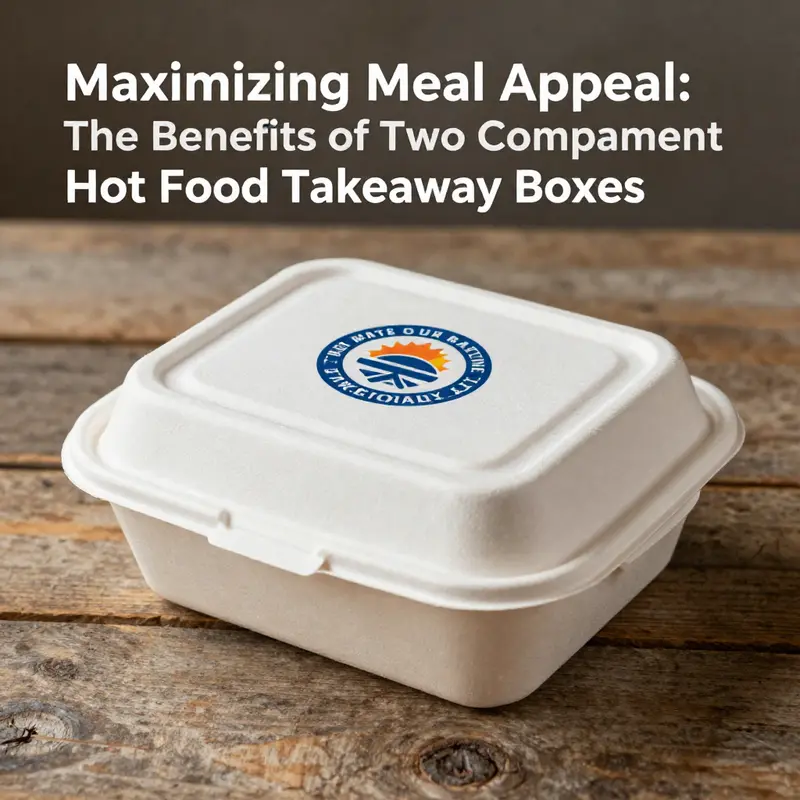
The two-compartment hot food takeaway box is more than just a container; it is a canvas on which businesses can project their identity and values. In today’s competitive food industry, how a meal is presented plays a crucial role in building trust and recognition. These specialized boxes are crafted with precision to keep hot foods at optimal temperatures while ensuring that the different components of a meal remain distinct. This design, which prevents flavors from intermingling, also offers brands the unique opportunity to incorporate visuals that resonate with their core message and identity.
Customization in these boxes goes far beyond printing a logo. It involves a strategic approach to packaging, where color schemes, textures, and even finishings like matte or glossy coatings are selected to mirror a brand’s personality. Marketers and restaurant owners are given a space that doubles as both a container and a marketing medium. With full-color printing and modern design techniques, each box turns into a unique storytelling device that speaks volumes about the quality of the food within. The ability to add creative touches, such as foil stamping and embossing, elevates the perceived quality of the meal, setting the tone for a memorable dining experience.
Innovative print options enable businesses to incorporate elements that tell a story about their brand heritage or sustainability practices. Many brands now opt for eco-friendly materials, and having a biodegradable partitioned box sends a strong message of environmental responsibility. For example, a restaurant dedicated to sustainability might choose boxes made from compostable kraft paper with custom printed eco-friendly icons and messages. This emphasis on responsible packaging does not only cater to a growing environmentally aware customer base but also differentiates the brand from competitors who rely on conventional materials. The integration of green practices within packaging design helps form an emotional connection with consumers who value ethical business practices.
The dual compartments themselves offer a unique marketing opportunity because they allow for targeted messaging. One side of the box might feature a warm color palette and images of freshly prepared hot meals, while the other side can highlight cool, refreshing elements such as crisp salads and condiments. This split design can be used to segment the marketing narrative, letting consumers immediately understand that the box is engineered to maintain the ideal temperature for each type of food. This separation of functions not only ensures that the meal remains appetizing from start to finish, it also serves to enhance the overall brand experience. Many restaurants use these boxes to reinforce specific brand colors and messages, ensuring that each takeaway order encapsulates the brand’s unique style.
The power of customization is evident when one considers how these boxes are used in high-volume operations. Businesses ordering in bulk are not just buying a functional product; they are investing in a branding tool that travels with their meals to countless customers. When a customer receives an order packed in a beautifully designed and thoughtfully branded box, it creates an immediate impression of quality and attention to detail. This level of consistency and professionalism is invaluable in a market where visual identity can be a make-or-break factor in consumer loyalty. The process of integrating a brand’s logo, tagline, and other design elements into a two-compartment layout is both an art and a science. The interplay of design, functionality, and sustainability makes these boxes an ideal medium for delivering a complete brand experience.
The tactile nature of these takeaway boxes also contributes to the overall consumer experience. The texture of the container, whether it’s a subtle embossed finish or the smoother sheen of a glossy coating, adds an extra layer of sensory interaction when the customer holds the package. This physical engagement enhances recall and builds a lasting impression. A subtle yet expertly executed custom design can transform a simple meal delivery into a multi-sensory journey that deepens customer loyalty. In addition, innovation in handle design and compartmentalization further underscores the brand’s commitment to quality and customer satisfaction. When a customer sees a box that feels as thoughtfully made as the meal it contains, the brand narrative is effectively communicated. Moreover, these design choices help differentiate a brand in the highly competitive takeaway market, ensuring that each reveal is both visually pleasing and unique. For those interested in exploring advanced packaging alternatives, more information on reliable packaging and design innovations can be found in detailed discussions about restaurant food packaging solutions.
Apart from the aesthetic and tactile considerations, functional durability is another critical aspect of branding with a two-compartment takeaway box. Many of these containers are engineered to withstand the rigors of transport. They are constructed to keep hot foods warm for longer periods, regardless of external factors. When a brand emphasizes reliability through its packaging, it reinforces its broader commitment to quality. A customer who receives a package that not only looks great but also performs well is more likely to trust the brand and become a repeat customer. Durability and performance are further bolstered by utilizing materials that are microwavable, allowing for a seamless transition from takeaway to home consumption. This feature is particularly appealing in today’s fast-paced environment, where convenience and reliability go hand in hand.
The interplay between customization, branding, and functionality warrants a deep dive into the technological advancements behind these boxes. Modern manufacturing processes have allowed for the integration of high-resolution printing directly onto food-grade materials. This means that even the smallest details, such as a brand’s subtle watermark or intricate patterns, can be perfectly rendered on the boxes. Moreover, the use of state-of-the-art coating and lamination technologies prevents the boxes from developing condensation or excessive heat loss. This results in an unblemished finish that upholds the brand’s aesthetic integrity while also ensuring the box remains functional under various conditions. The fusion of traditional design elements with modern technology creates an innovative product that stands out in the marketplace. Each box serves as a representation of the brand’s commitment not only to food quality, but also to cutting-edge design and engineering.
The journey toward effective customization is an ongoing process that involves input from design experts, marketing professionals, and production engineers. Meetings between creative teams and manufacturers often focus on balancing visual appeal with the practical aspects of food packaging. The goal is to create a product that is visually impressive, functionally reliable, and adaptable to myriad branding needs. In this collaborative process, the design phase is crucial. Decision-makers choose from a palette of colors, textures, and finishes to best represent their brand’s values. Some opt for a minimalistic approach, relying on clean lines and a bold logo, while others choose a more elaborate design that tells a story through vibrant imagery and playful typography.
The evolution of the two-compartment takeaway box from a simple meal container to a sophisticated marketing tool illustrates the remarkable fusion of art and science. Each component of the box is designed with the end user in mind, ensuring the food remains at the perfect temperature while also conveying a sense of care and meticulous attention to detail. In many ways, the box serves as an ambassador for the brand. It is a silent yet powerful tool that reinforces the overall customer experience. Brands that embrace customization in their packaging not only show an understanding of their customers’ needs but also demonstrate a foresight that can set them apart in a crowded market. By marrying functionality with aesthetics, these boxes deliver a narrative that transcends the physical realm and connects with customers on a deeper, more personal level.
As the food industry continues to innovate, the customization options available for two-compartment takeaway boxes will only expand. Technological advancements in printing and material science suggest that future designs may include interactive elements, such as QR codes or augmented reality experiences, which provide customers with additional information about the food or even the story behind the brand. Businesses are increasingly aware that every detail matters, from the meticulous choice of material to the final brushstroke of a printed logo. This deep attention to detail is what creates a memorable unboxing experience that remains imprinted on the customer’s memory long after the meal has been enjoyed. It is this blend of innovation, functionality, and branding that fuels the ongoing evolution of custom takeaway packaging.
For companies that have yet to fully explore the potential of these innovative boxes, the time to act is now. With rising consumer expectations, every element of a meal delivery service—from food quality to packaging—is under scrutiny. Customization offers a tangible way to meet these expectations while simultaneously creating a memorable brand signature that customers can easily recognize. In competitive spaces where the visual appeal of packaging can be as influential as the cuisine itself, investing in two-compartment hot food takeaway boxes is a strategic move that promises significant returns. The thoughtful integration of advanced printing techniques, sustainable materials, and innovative design principles not only elevates the brand’s image but also enhances overall customer satisfaction.
Ultimately, these custom packaging solutions embody the spirit of modern food service, where every interaction matters and every detail contributes to a cohesive brand narrative. As more businesses realize the power of visual storytelling through their takeaway boxes, the industry is poised for a transformation that goes beyond just food delivery—it is about crafting an experience that customers will remember and share. By aligning packaging design with overall brand strategy, companies ensure that every meal delivered is a testament to quality, innovation, and a deep commitment to customer care. With the market evolving at a rapid pace, those who leverage the full potential of customization today will find themselves at the forefront of tomorrow’s culinary artistry.
For further insights and product innovations that enhance both packaging performance and brand visibility, you can explore the latest customizable box options on Alibaba, where one can find detailed specifications and innovative design features at Customisable Hot Food Takeaway Boxes.
Final thoughts
Two compartment hot food takeaway boxes are a valuable investment for businesses looking to enhance their meal delivery services. By keeping meal components separate, maintaining temperatures, and providing customization opportunities, they cater efficiently to diverse culinary needs. Whether you’re operating a bubble tea shop or managing event catering, these boxes are a practical solution that contributes to customer satisfaction and brand loyalty. Embrace the benefits of this innovative packaging and elevate your service offerings today!