

In the competitive landscape of beverage service, thick plastic disposable cups have emerged as a favored choice among bubble tea shops, restaurants, food trucks, and event planners. Their ability to maintain integrity under pressure, coupled with heat resistance and versatility, makes them indispensable for any beverage-focused business. As you delve deeper into the nuances of thick plastic disposable cups, this article will illuminate their durability and functionality, dissect their material composition, provide economic insights, highlight health and safety regulations, and finally, assess their environmental impact. Understanding these elements will empower your business to make informed decisions that not only meet customers’ needs but also adhere to safety and sustainability standards.
Built to Withstand: The Durability, Design, and Real-World Function of Thick Plastic Disposable Cups
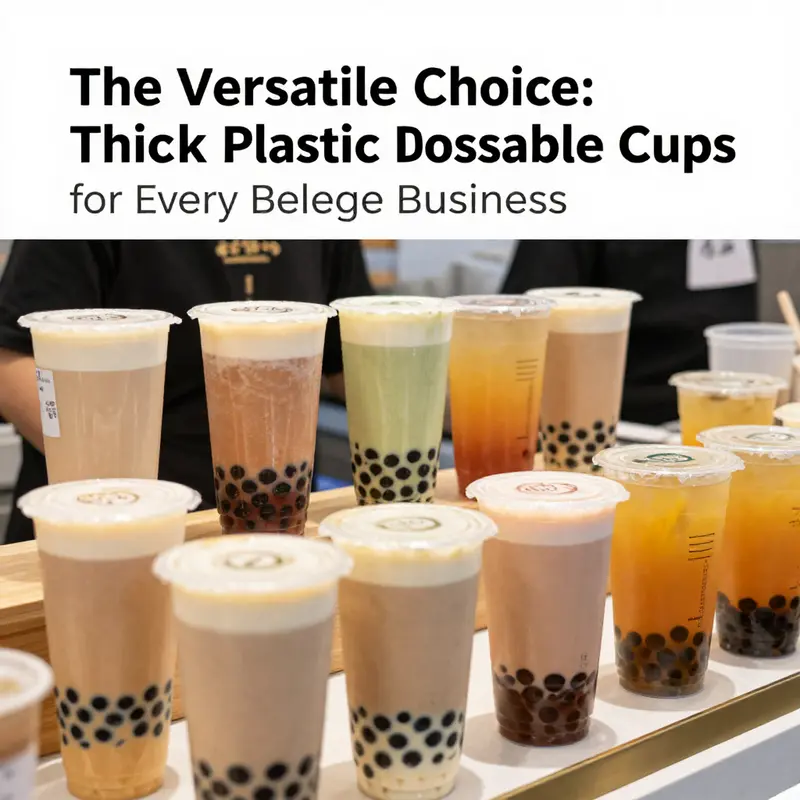
Thick plastic disposable cups are more than just convenient vessels. They embody a careful balance between architectural strength and everyday practicality. The wall that looks simply sturdy is the result of deliberate material choices, measured thicknesses, and manufacturing precision. When a server pulls a tray through a bustling cafeteria line or a family gathers for an outdoor festival, the cups in motion reveal a design philosophy: the cup must hold its shape under pressure, resist deformation when stacked, and deliver a reliable grip even when hands are damp or gloved. The thicker walls translate into tangible benefits. They reduce the risk of collapse during transit, which in turn protects the beverage inside from splashing and leaks. They also allow the cup to be handled with confidence, whether it is carrying a hot beverage that steam rises from or a cool drink that can sweat on the exterior. This reliability is fundamental in catering, bulk packaging, vending, and event settings where a small failure can lead to a large waste of time, resources, and customer goodwill.
Materials play a central role in achieving that durability. Many thick cups rely on high-grade polypropylene (PP) or, in some cases, specialized plastics like Tritan™. These materials are chosen for strength, chemical resistance, and their ability to maintain integrity under heat. PP, in particular, is valued for its balance of rigidity and flexibility, which helps the cup resist cracking when dropped or squeezed by a customer trying to keep a beverage at the right temperature. The absence of bisphenol A (BPA) in many modern formulations is a standard expectation, aligned with consumer demand for safer, food-grade options. In practice, the exact formulation varies by supplier and by intended use, with some cups designed to tolerate hot liquids while others are optimized for cold beverages. In either case, the thick-walled construction often means that a successful cup can be reused a limited number of times in low-wriction contexts, though the primary purpose remains single-use practicality.
Thickness is not simply a matter of heft; it is a functional language. Increased wall thickness contributes to shape retention under pressure. A cup that resists warping is less likely to tip, spill, or collapse under the weight of a larger ice load or heavier dry snacks that might accompany a drink in a mixed-service setting. The rigidity from thickness also improves the overall user experience. A sturdy cup feels substantial in the hand, which communicates a perception of quality and reliability to the consumer. Even the way the cup sits on a tray or in a cooler can be subtly enhanced when the walls hold their geometry rather than splaying outward. In practice, this translates to fewer service interruptions and a smoother flow of orders in high-volume environments.
The functional excels in a spectrum of contexts. In bulk packaging, these cups simplify inventory management and ease of transport. They stack neatly, reducing space in storage and enabling more efficient loading for distribution. In vending machines, the cup’s rigid walls prevent deformation that could jam the mechanism or misalign the dispensing throat. For party platters and retail displays, the cup’s robust appearance supports a premium presentation, especially when paired with matching lids or seals that reinforce the sense of cleanliness and safety. Outdoor events add another layer of necessity; sun and heat can soften materials that are too thin, but thick cups maintain form, limiting spills that would otherwise ruin a moment of celebration. Even in sheltering environments such as beach parties or summer weddings, the cups can handle the dusty gusts and casual handling common to large gatherings.
From a safety perspective, some cups incorporate tamper-evident features that help communicate package integrity. Integrated lids, security seals, and peelable foils are more commonly found in premium configurations but they underscore a broader point: consumer trust increases when the cup and lid are offered as a coordinated system. In such designs, the user can easily verify that the beverage they pick up is untouched, an attribute particularly valued in catering, schools, and corporate events where protocols around safety are stressed. The safety feature set dovetails with the material durability to form a coherent package that delivers both form and function.
The importance of thickness extends into cost considerations and environmental thinking. A thicker cup uses more plastic per unit, which increases material costs and affects waste. The industry often negotiates this trade-off through tiered thickness options, enabling buyers to choose a specification that aligns with expected use. For hot drinks, some thick cups are explicitly engineered to withstand higher temperatures without becoming brittle or deformed. In contrast, standard thick cups may be excellent for cold beverages or light soups but have some limitations when exposed to very hot liquids unless the wall design is tailored for heat resistance. This nuance matters for operators who want to avoid cup failures in the face of demanding service conditions.
Health and environmental concerns shadow the convenience of disposable cups. Consumer tests and regulatory reviews have highlighted troubling trends in the broader market. In some instances, products marketed as eco-friendly or compostable did not deliver on those claims due to the presence of non-degradable components or misleading labeling. A key issue is the potential presence of 3-chloro-1,2-propanediol (3CPD), a byproduct associated with certain processing methods, which can exceed safe limits in some cups. 3CPD is a substance of concern for health, and its appearance underscores the need for careful supplier selection and third-party verification. Likewise, some so-called biodegradable or plant-based cups may still rely on conventional plastics, complicating end-of-life outcomes in industrial composting facilities. PFAS chemicals, which can persist in the environment and accumulate in human tissues, have also appeared in some mischaracterized products. Against this backdrop, consumers and businesses are urged to favor products backed by transparent certifications and third-party assessments, such as well-known compostability or safety standards.
These concerns elevate the practical importance of due diligence when sourcing thick plastic cups. The market reward is clear: consistent quality, reliable performance, and predictable consumer experiences. The risks, however, are equally real. Cheap, unbranded options may cut price but can also bring unpredictable performance and ambiguous safety claims. To navigate this landscape, buyers commonly look for explicit food-grade certifications and independent tests that attest to safety, heat resistance, and absence of prohibited substances. In addition to safety certifications, reputable suppliers may provide information about the actual wall thickness, material grade, and the intended use case. Such transparency helps buyers model total cost of ownership and plan for waste management or reuse opportunities.
Sustainability remains a central thread in this story, even as the durability of thick cups competes with environmental concerns. The practical imperative is to minimize waste while delivering the reliability customers expect. Some innovators in the field offer eco-conscious options that emphasize recyclability and reuse in limited contexts, or that align with industrial composting standards when truly certified. Yet caution remains essential. Labels such as biodegradable or compostable are not universal guarantees of end-of-life success. Consumers should look for third-party certifications and verify that compostability claims apply to the specific facility types available in their region. In the meantime, the most durable path toward sustainability is often reuse. Reusable water bottles and travel mugs, correctly cleaned and maintained, can significantly lower per-use environmental impact while preserving the strengths users associate with thick cups when cups are preferred for temporary events.
For buyers exploring the packaging ecosystem, it helps to consider one practical example of how alternatives fit into the broader context. If a project requires a green option within the cup family, a related route can be the selection of eco-friendly paper-based options for cold beverages or light foods. For a related exploration of such options, see this resource: eco-friendly custom paper coffee cups with lid. This link illustrates how packaging suppliers expand the range of choices beyond traditional plastics, providing a sense of how green design can coexist with reliability and convenience.
The purchasing landscape for thick plastic cups is shaped by market dynamics as well. In many cases, suppliers offer a range of thicknesses, caps, and customization options that influence price and lead times. Basic translucent PP cups in modest quantities can be among the most economical choices, while larger orders with logos, colors, or special shapes can push costs higher but deliver strong branding effects in bars, cafés, or event venues. Large-volume buyers often benefit from discounts tied to order size, with tiered pricing that rewards logistics efficiency. The optimal decision for a given operation depends on a combination of usage intensity, required heat tolerance, and the supplier’s reliability in fulfillment and customer support. In practice, fast fulfillment, good returns policies, and clear quality assurance practices contribute to a smoother supply chain, especially in high-demand periods when the ability to dispatch within 48 hours or similar timeframes becomes a meaningful operational advantage. While such considerations can seem like footnotes in a product brief, they directly translate into how well a venue handles peak service, whether it is a wedding reception, a festival, or a seaside concession.
The story of thick plastic cups, then, is not simply about the cup itself. It is about the alignment of material science, manufacturing discipline, and responsible sourcing with the realities of service environments. The thicker wall communicates durability and consumer confidence; the material choice signals safety and compatibility with hot and cold beverages; and the presence of tamper-evident designs underlines the commitment to product integrity. Yet the same narrative invites scrutiny. It calls for vigilance about labeling, certifications, and the true environmental footprint of the product from cradle to end of life. As conversations about plastic waste intensify, the industry is pushed to innovate with clarity and accountability. In this climate, the most resilient approach blends robust design with transparent communication about safety and sustainability. And while the immediate benefits of thick cups for handling and presentation are clear, the ongoing challenge is to ensure those benefits do not come at the cost of health risks or environmental harm. For readers who want to explore broader packaging options that might reduce dependence on single-use plastics, the linked resource above offers a window into the supply chain and the kinds of verification that help buyers make informed choices in a crowded market.
External resource: A Complete Guide to Disposable Plastic Cup Long
Material Composition and Performance in Thick Plastic Disposable Cups
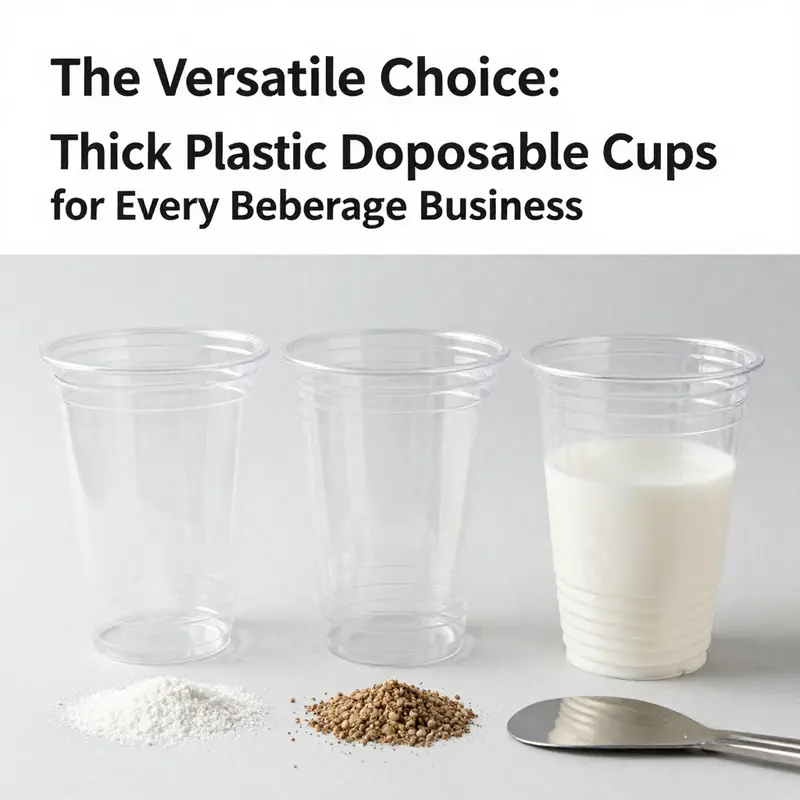
Thick plastic disposable cups rely on a careful stack of materials chosen to balance heat tolerance, rigidity, and safe food contact.
The backbone polymers most often used are polypropylene (PP), polystyrene (PS), and polyethylene terephthalate (PETE). Each brings different strengths: PP stands up to hot liquids, PS offers light weight and insulation for cold drinks, and PETE provides clarity and rigidity for cold applications but is less heat resistant. In practice, many cups are not pure single material; multi layer or co extruded structures combine barrier layers and inner coatings to manage heat transfer, insulation, and moisture, while keeping the outside comfortable to hold. Resin identity codes help users understand the general material family, and labeling connects to safety, recyclability, and disposal. The environmental conversation around single use cups centers on end of life: many are not biodegradable, and responsible recycling streams and third party certifications are increasingly sought. Beyond performance, health and safety standards ensure that resins and additives meet regulatory requirements to prevent leaching and to maintain stability during service, with colorants and processing aids controlled to avoid variability. The trend toward transparency has grown, with calls for clearer labeling and evidence of environmental claims. For readers seeking lower impact options, reusable cups and travel mugs offer durable alternatives, while some manufacturers explore multi layer designs that improve thermal management without greatly increasing material burden. In summary, the material composition of thick plastic disposable cups is a balance of material science, safety, and lifecycle considerations that shape performance in hot, cold, and mixed beverage service.
The Price of Sturdiness: Economic Insights into Thick Plastic Disposable Cups
Thick plastic disposable cups sit at a compelling intersection of performance, price, and perception. They are not merely a vessel for a beverage; they are a control point for experience, a shield against leaks, heat, and mishandling that can otherwise tarnish a brand’s reputation in a fast-paced service environment. For operators in fast-casual dining, food trucks, and delivery services, the economics of these cups extends beyond the sticker price. It extends to reliability, brand visibility, and the quiet, cumulative savings that accrue when a cup performs consistently under heat, during transport, and in crowded take-away lines. The thicker wall is a deliberate design choice with material costs that rise with resin usage, but the payoff can manifest as fewer customer complaints, fewer refunds, and less need to reissue orders. In an industry where a single spill can ripple into negative online reviews, that reliability translates into measurable value, sometimes at a surprisingly modest premium per unit when ordered in bulk.
Material costs are the most visible economic lever. Thick cups are typically molded from durable plastics such as polypropylene (PP) or polyethylene terephthalate (PET), and in some high-end lines, BPA-free resins like Tritan™ may be used to enhance heat resistance and structural integrity. The result is a product that can hold hot coffee, hot soup, or chilled beverages without warping or leaking. For buyers, this means a higher upfront unit price, but it also means a lower rate of product failure in the field. When cups stand up to heat and pressure, the operation experiences fewer leaks and spillage incidents, which in turn reduces the need to reprocess orders, issue apologies, or provide replacements. Across a busy shift, those savings compound quickly, turning a seemingly small price difference into a meaningful impact on margins.
Market dynamics reinforce this logic. The global disposable cups market was valued at about USD 17.40 billion in 2024 and is projected to grow to roughly USD 22.14 billion by 2030. This expansion is driven by urbanization, the rise of convenience culture, and the growing demand for on-the-go meals and beverages. Within this broad market, thick plastic cups occupy a premium segment, particularly for hot liquids such as coffee, tea, soup, and milkshakes, where structural integrity and thermal retention are crucial. The ability to print branding or logos on these cups adds a further dimension to value, turning a disposable cup into a mobile ambassador for a retailer’s identity. In practice, savvy buyers weigh not just the price per cup, but the price per served product, factoring in waste reduction, speed of service, and the potential for enhanced brand visibility.
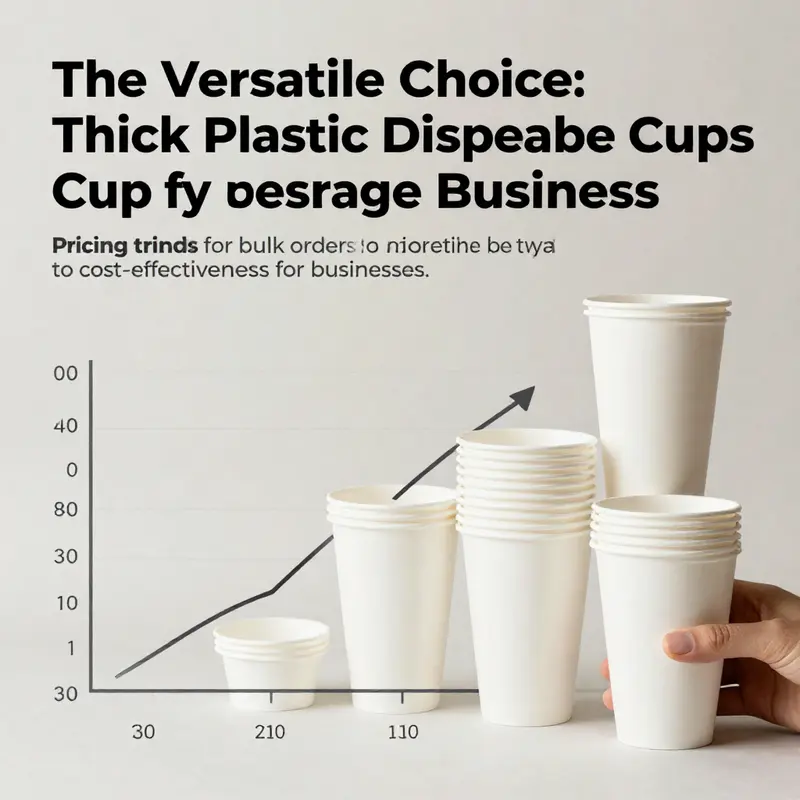
From the supplier side, pricing mirrors both material costs and the scale of demand. Basic transparent PP cups at about 170ml, sold in packs of 100, can be found for as low as ¥3.8 per 100 units—roughly five cents per cup when purchased in bulk. This baseline illustrates the price elasticity that exists at the entry level of the market. When orders move into customization, the economics shift. A 210ml customized cup, especially one printed with a logo or specific color alignment, can range from ¥0.15 to ¥0.78 per unit, depending on design complexity and order volume. The economics of customization reveal a tiered structure: the more you buy and the more you standardize, the more cost-efficient each unit becomes. Across larger quantities, suppliers commonly offer discounts that further compress unit costs, with some 1,000-piece packs priced under ¥10.4, about $1.45, painting a picture of economies of scale that can make premium cups affordable for substantial operations.
Market visibility and reliability also shape the economic equation. In Alibaba-driven trade channels, some suppliers have gained prominence through rapid fulfillment—dispatch times as short as 48 hours—and robust after-sales support, including returns policies and quality assurance. Yet this landscape also carries risk: return rates have, in some cases, been reported to lean toward the higher end, approaching 55.9%. For a business buyer, that statistic is a nudge to perform due diligence, especially when evaluating new suppliers or chasing aggressive price points. The prudent path is a blend of supplier vetting and physical testing: requesting sample cups to compare thickness, rigidity, and performance under real-world conditions before committing to a long-term contract. Only through hands-on comparison can a buyer avoid paying for a thickness that exceeds actual needs or, conversely, purchasing a cup that buckles under heat or during transit.
The economics of thick cups also interact with broader sustainability trends and regulatory frameworks. Thick cups are not inherently eco-friendly by themselves, but their durability can be part of a more responsible end-of-life strategy if paired with effective recycling streams and clear waste sorting. In recent years, manufacturers have begun experimenting with biodegradable polymers and closed-loop recycling concepts in response to tightening rules and rising consumer expectations. This evolution, however, introduces its own pricing dynamics: moving toward more sustainable formulations or certifying products with third-party schemes—like OK Compost or other recognized certifications—adds cost, but also creates a clearer value proposition for buyers who must justify packaging choices to customers and regulators alike. At the same time, there are cautionary signs in the labeling landscape. Some products marketed as biodegradable or plant-based nonetheless rely on non-degradable PP content, while others burden their claim with PFAS residues that persist in the environment and in the body. In this context, the economic calculus extends beyond unit price to include trust, risk, and the cost of regulatory compliance. Buyers are increasingly urged to favor products that carry independent certifications and to view plastic packaging as part of a broader strategy toward circular economies and reduced overall material exposure.
The decision-making framework for buyers becomes more nuanced when considering the broader palette of packaging options. In many cases, the premium placed on thickness is justified by the reduction in service failures and the ability to sustain a consistent brand experience across a wide range of scenarios—hot drinks, soups, and other heat-tested items—where a thinner cup might fail. Yet the sustainability impulse is reshaping demand. The growth of the market, paired with heightened scrutiny of single-use plastics, has spurred a rethinking of the packaging mix. Some operators are experimenting with more durable single-use options that survive a typical delivery cycle, while others are committing to reusable water bottles and travel mugs for frequent customers as a longer-term strategy to reduce waste and exposure to health and environmental risks. In the end, the optimal choice balances the cost of material and risk against the cost of quality control, the value of branding, and the evolving regulatory environment.
For operators who want to explore packaging formats that blend performance with environmental considerations, an option worth considering is the eco-friendly, printed-logo single-wall paper cup. This alternative is accessible through packaging suppliers and can offer comparable branding opportunities with a different material profile and end-of-life pathway. The decision to explore such an option should be informed by a careful comparison of total costs, including waste disposal, potential leakage costs, and the speed of service in high-volume environments. Internal testing, pilot programs, and a close eye on consumer perception are essential elements of a responsible procurement process.
In sum, thick plastic disposable cups embody a pragmatic fusion of resilience and cost efficiency within a volatile, regulation-inflected market. Their economic appeal rests on a straightforward premise: higher upfront material input can yield lower downstream losses, greater brand consistency, and improved service reliability. The premium attached to thickness is thus a premium on operational stability, a hedge against the costs of failure, and a pathway to a consistent customer experience in a world where speed and perception often determine patronage. As the sector continues to evolve, driven by urbanization, consumer demand for convenience, and a growing emphasis on responsible packaging, the price of sturdiness will keep bouncing between raw material costs, production efficiencies, and the intangible but real value of brand trust. External context and rigorous supplier evaluation will remain central to decision-making as buyers seek to optimize margins without compromising performance or safety. For a broader market context, see the external industry report: Mordor Intelligence’s disposable cups market study.
Regulatory Guardrails: How Health and Safety Standards Shape Thick Plastic Disposable Cups
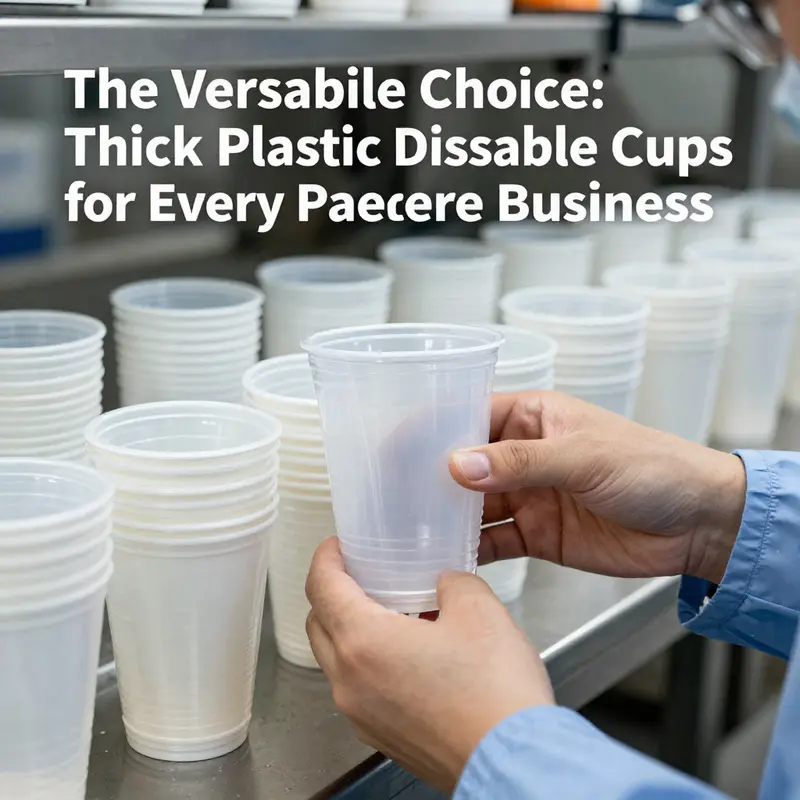
The convenience and ubiquity of thick plastic disposable cups mask a complex regulatory landscape designed to protect public health and manage environmental impact. These durable vessels, formed to hold hot liquids, must demonstrate safety from chemical migration while also meeting standards for strength, durability, and labeling. The following chapter shows how laws and standards governing food contact materials shape every stage of a thick cup’s life, from design and manufacture to consumer use and end-of-life considerations.
In the European Union, safety for plastics in contact with food rests on Regulation (EC) No 1935/2004. This framework requires that materials and articles intended to come into contact with food be safe and comply with migration limits for substances that may migrate into beverages. For thick cups, whether single-use or insulated, the regulation translates into concrete testing and documentation requirements, with emphasis on preventing both overt contamination and subtle, cumulative exposure over repeated uses. Compliance entails verifying that any substances used in the cup do not migrate into the drink above established thresholds, a process that blends chemistry, toxicology, and quality assurance.
Linked to this is Regulation EU No 10/2011, which lists authorized substances for food contact materials and sets migration limits and evaluation procedures. This regulation also provides a system for updating allowed materials as new data emerge and as processing conditions evolve. Practically, manufacturers must maintain a precise inventory of the polymers, additives, and production methods used for thick cups. PETE is a common choice for cold beverages, valued for rigidity and clarity but still subject to the same migration rules as other plastics. When exposed to high heat or aggressive cleaners, PETE can degrade, so microwave or dishwasher use is typically not advised for hot beverages in cafe or takeaway settings.
Looking forward, the EU framework anticipates tighter controls as technology advances. Provisions expected in the coming years will influence single-use cups containing substantial plastic content, and Article 7(2) may guide policy from January 1, 2030, toward a balance between affordability and safety. For businesses, this means ongoing vigilance—designs relying heavily on plastic content may face more rigorous testing or new restrictions, while innovations in barrier layers, alternative monomers, or additive formulations will need to prove continued safety under evolving rules.
Beyond the EU, the broader regulatory environment includes food contact materials guidance that shapes permissible practices in the United States and other markets. Regulators emphasize safety testing, exposure assessment, and labeling accuracy. For reusable cups, durability across repeated wash cycles and resistance to odors or discoloration become part of the safety narrative. Across borders, agencies assess long-term safety using migration studies, toxicological data, and real-world performance testing, reflecting a shared belief that safety is a continuous process rather than a one-off certification.
For stakeholders in supply chains and foodservice, compliance is not limited to statutes alone. Certification schemes and harmonized standards translate migration limits into verifiable assurances. Certifications such as food-safety labeling, and adherence to up-to-date migration testing norms like EN 13130 for compliance with food contact materials, provide milestones that buyers can trust. When a cup bears recognized certification, purchasers gain confidence that the product has been evaluated against consistent criteria, a consideration especially important for thicker cups designed to withstand heat.
The regulatory story also intersects with consumer-facing labeling and advertising. Claims that a cup is eco-friendly or biodegradable have come under heightened scrutiny. Independent testing and transparent product data help prevent misleading assertions, and buyers—whether individuals or operators—are encouraged to seek products backed by credible third-party verification rather than relying on bold but unverified statements.
Manufacturers bear responsibility to provide traceable documentation for thick plastic cups used in hot beverage service. This includes material declarations, migration testing reports, and evidence of compliance with relevant standards. A robust regulatory posture also requires staying current with updated guidance, because new analyses or revised thresholds can affect product choices. In practice, a safe operation rests on a well-documented chain of custody from material selection through production, packaging, and end use. Suppliers should provide regulatory compliance data, and customers should demand it, especially for high-temperature applications.
Some operators explore alternatives alongside traditional plastic cups, recognizing that regulatory frameworks also accommodate responsible substitutes. When considering options such as kraft thick paper cups for hot drinks, shoppers weigh heat resistance, breakage risk, dishwasher compatibility, and the potential for chemical migration. Transparent labeling and credible certifications help ensure that appealing claims do not come at the expense of safety.
For readers seeking authoritative regulatory grounding, the official EU regulation text offers the definitive reference: Regulation (EC) No 1935/2004. It outlines the framework for all plastics in contact with food and defines safe migration limits, material choice, and ongoing safety assessments. See the official regulation for precise language and requirements: https://eur-lex.europa.eu/legal-content/EN/TXT/?uri=CELEX:32004R1935.
Rethinking the Plastic Footprint: The Hidden Environmental Toll of Thick Disposable Cups
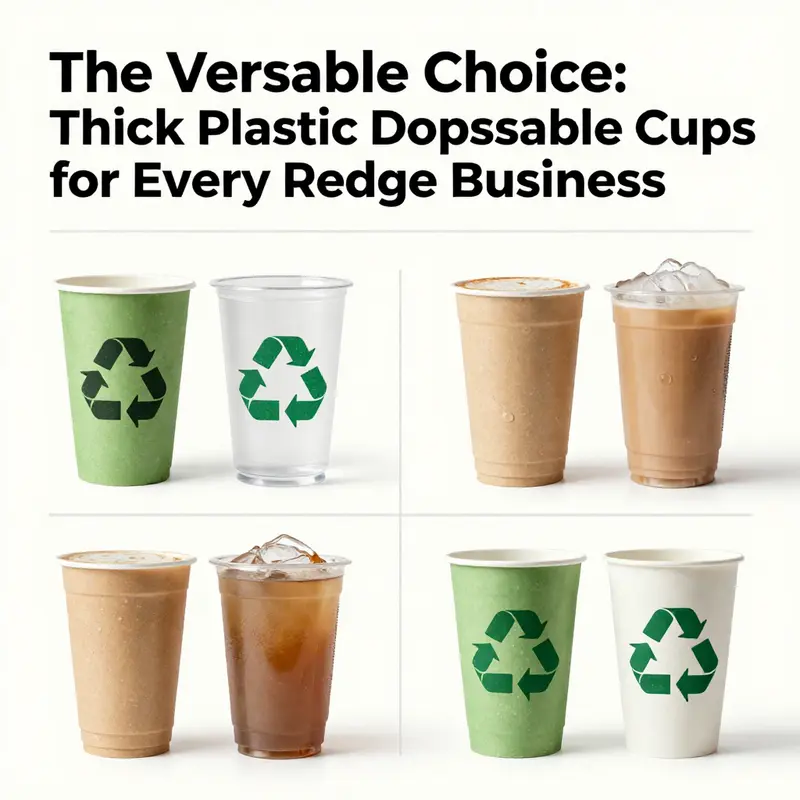
When people reach for a thick disposable cup, the choice may seem simple: a sturdy vessel that holds hot coffee or a cold drink without leaking. Yet the sturdiness signals a design tuned for single-use convenience rather than long-term stewardship.
These cups, typically made from PP or PS derived from fossil fuels, persist far beyond their moment of use, fragmenting into microplastics that infiltrate oceans, soil, and food chains. Their longevity makes every cup added to the waste stream a potential future exposure risk, even as disposal decisions are still being made.
Recycling rates compound the problem. EPA data often highlight that only a small fraction of plastic ever produced is recovered. In practice, many thick cups end up in landfills or incinerators, or as litter. The material’s durability becomes a liability in a system still striving to divert waste and reduce emissions.
Research suggests that simply making cups thicker does not meaningfully lower the environmental burden. A 2026 assessment by the Global Sustainability Institute found that increasing thickness correlates with more non-biodegradable waste per unit, not less. The energy and material demands rise, offsetting any gains from improved leak resistance.
The broader implications go beyond waste streams: climate dynamics, biodiversity, and public health are touched by plastic production and persistence. Consumers deserve clear labeling and credible third-party certifications that verify environmental claims, not vague or greenwashed language.
For individuals, the path forward is to rethink packaging choices: reduce disposable use, favor reusable systems, and seek products with transparent end-of-life pathways. When disposables are unavoidable, choose certified eco-friendly options and verify real-world performance rather than laboratory guarantees. The aim is to align performance with planetary health, not to demonize plastic cups but to push for designs that minimize life-cycle impact.
Ultimately, responsible packaging means collaboration among manufacturers, retailers, policymakers, and consumers to shift toward circular systems that deliver heat resistance and practicality without compromising the environment. A simple step is to minimize single-use cups and invest in reusable options where feasible.
External reference: https://www.epa.gov/epawaste/nonhaz/municipal/pubs/plastic-waste-factsheet.pdf
Final thoughts
In conclusion, thick plastic disposable cups are more than just a practical choice; they embody functionality, safety, and economic viability for businesses in the food and beverage industry. By understanding their durability, material composition, economic benefits, compliance with health regulations, and environmental implications, businesses can make informed decisions that not only enhance service quality but also promote responsible practices. As the demand for reliable and safe beverage service products increases, investing in thick plastic disposable cups can be a smart and sustainable choice for the longevity and success of your operations.