
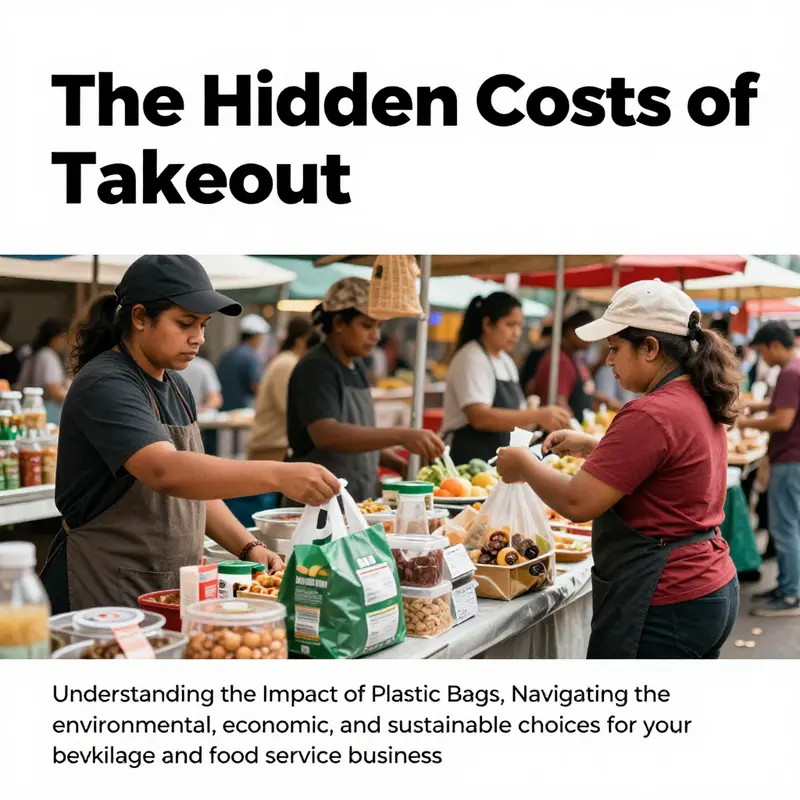
Takeout plastic bags are a ubiquitous part of modern dining, serving their purpose swiftly before becoming a problem for our environment. As a bubble tea shop, restaurant, food truck, or event planner, it’s crucial to understand the broader implications of these single-use items that contribute to pollution and waste. With their production linked to greenhouse gases and their lifecycle resulting in microplastics that infiltrate our ecosystems, takeout plastic bags pose challenges that cannot be ignored. In this article, we’ll explore the environmental impact of plastic bags, the economic consequences of their usage, effective policy responses, viable alternatives to mitigate waste, and shifts in consumer behavior. Together, these chapters will guide you in making more sustainable choices that align with your business goals while contributing to a healthier planet.
Beyond the Aisle: The Environmental Toll of Takeout Plastic Bags
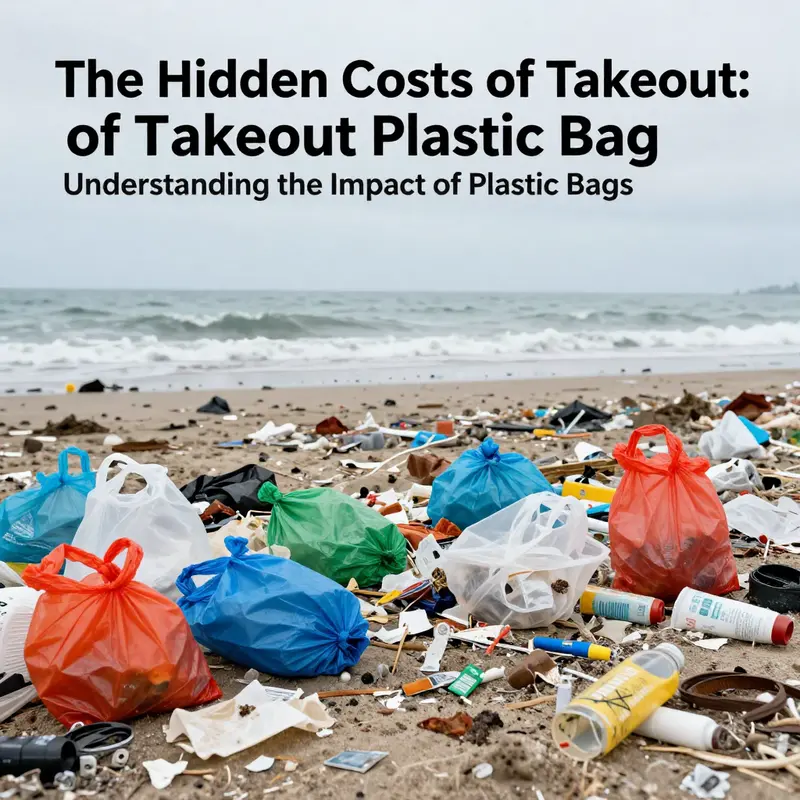
Takeout plastic bags are often treated as a minor convenience, a disposable afterthought tucked into the receipt of a quick meal. Yet their journey from factory floor to far‑reaching ecosystems reveals a chain of consequences that stretches far beyond the counter. These bags, typically made from low-density polyethylene, embody a paradox: they are lightweight and inexpensive to produce, but their cumulative footprint is heavy enough to tilt the scales of climate impact, waste management, and ecological health. The story of a takeout bag begins with the extraction of fossil fuels and the energy demanded to turn simple hydrocarbons into a workable plastic. The energy intensity of plastic bag production is not incidental; it compounds greenhouse gas emissions at a time when the world is trying to bend the curve on climate change. Each bag’s manufacture consumes resources and contributes to the atmospheric burden, a reminder that the convenience of one moment is connected to the resilience of distant landscapes and communities. Even before a bag is filled or discarded, it bears an embedded cost that rarely appears on a receipt but ranks among the most consequential in the lifecycle of consumer plastics.
Once created, takeout bags are designed for brief use. The research materials emphasize a startling estimate: their average lifespan is around 12 minutes from the point of purchase to disposal or repurposing. In those minutes, a system of waste management, municipal infrastructure, and consumer behavior is tested. Globally, less than 10 percent of plastic bags are recycled, a statistic that reflects both contamination risks and fragmented recycling networks. The vast majority—more than 90 percent—end up in landfills or in the environment, where they persist for a century to half a millennium. Photodegradation, not biodegradation, governs their fate in the open air and at the edge of land and water. This means the bags do not simply “disappear”; they fragment into microplastics that infiltrate soils, rivers, and eventually the food chain. Over time, these fragments become a diffuse but persistent contaminant that challenges ecosystems and public health alike.
The environmental footprint of takeout bags extends beyond their physical presence. In the environment, plastic bags act as conduits for a range of chemical leachates. As plastics weather and break down, additives such as phthalates and bisphenols can migrate into surrounding soil and water. These chemicals are of concern because they are linked to hormonal disruptions in wildlife and—through complex exposure pathways—potentially in humans as well. The health implications of chronic, low‑level exposure to such additives remain the subject of ongoing research, but the precautionary principle urges a reduction in the use of materials that can introduce these substances into the environment and, ultimately, into human bodies.
The litter that results from mismanaged bags is more than an eyesore. It is a danger and a nuisance that travels with wind and water. On streets, in rivers, and across coastlines, bags tangle with debris and obstruct drainage, contributing to localized flooding and sanitation challenges. In marine environments, the stakes are especially high. Bags can resemble prey to a range of animals, including jellyfish in some contexts, which can prompt mistaken feeding and ingestion. The consequences for wildlife are severe: ingestion may cause internal blockages, reduced foraging efficiency, diminished nutrient uptake, and, in many cases, death. A 2015 study published in Marine Pollution Bulletin found that more than 90 percent of seabirds had ingested plastic, a figure that highlights the pervasive reach of these materials in the world’s oceans. If trends continue, some researchers project that this prevalence could rise to 99 percent by 2050, underscoring the fragility of marine food webs that people rely on for livelihoods, recreation, and nutrition.
The long persistence of bags in the environment also translates into long-term ecological costs. In landfills, where oxygen is often limited and temperatures vary, bags do not biodegrade in any meaningful sense. Instead, they undergo photodegradation, breaking into smaller and smaller pieces that can travel with wind and water, ultimately becoming microplastics that pervade soils, sediments, and waterways. Microplastics are notorious for their ability to sorb pollutants and for their potential to accumulate in organisms along the food chain. Their presence raises concerns not only for wildlife but for human consumers who rely on seafood and other agricultural products. The scale of this problem becomes more apparent when one considers consumption patterns: globally, about 5 trillion plastic bags are used each year, equating to roughly 150 bags per person annually. In the United States alone, roughly 100 billion bags are used each year, a figure that, if linked end to end, would circle the Earth thousands of times. These numbers are a sobering reminder that the convenience of a bag is supported by a vast, inefficient system of production, use, and waste that compounds environmental harm across continents.
The climate and ecological costs of takeout bags are inextricably linked to consumer habits and policy frameworks. The economic argument often centers on job losses or cost shifts associated with regulation, but the broader ecological accounting reveals that the price of inaction is paid by ecosystems and communities that rely on clean water, productive soils, and healthy oceans. To move toward a more sustainable pattern of consumption, many scientists and practitioners emphasize the importance of reuse and responsible disposal. The idea is not merely to replace plastic bags with another single‑use material, but to elevate the reuse cycle so that every bag serves many meals rather than a single encounter. Dr. Lena Torres, an environmental scientist who has studied sustainable materials, has underscored this point: “Every bag has an environmental footprint before it’s even used. The key is spreading that impact over as many uses as possible.” This insight reframes the decision about what counts as “sustainable”—not simply the material itself, but the life it leads when it changes hands, is repurposed, and finally exits the system through responsible end‑of‑life practices.
The call for alternatives is not a simplification but a reconfiguration of the entire supply chain. Reusable bags and containers can substantially reduce environmental burdens if they are used repeatedly enough to offset their higher initial resource inputs. The sustainability calculus shifts as usage scales up: the upfront costs of textiles or durable materials can be justified only if those products are incorporated into a pattern of regular, long‑lasting use. In this context, the value of behavioral change becomes evident. A person who opts to bring a cloth or robust reusable bag to every takeout pickup contributes to a slower turnover of single‑use plastics and to a more resilient waste management system. It is not enough to advocate for a ban or a fee on single‑use bags; policies must also encourage a culture of reuse and responsible disposal, paired with investments in recycling infrastructure that can handle contaminated streams and recover materials efficiently. The policy landscape around takeout packaging is complex, and the most effective strategies often combine pricing signals, public education, and convenient, accessible alternatives that reduce the likelihood of litter at the source.
For those seeking practical pathways, the simplest and most immediate step remains the one that starts at the counter and continues into daily life: carrying a reusable bag or container for meals, choosing packaging that is designed for reuse or easier recycling, and supporting policies that discourage wasteful practices through sensible fees or bans. Even when reusable options have higher upfront costs, their environmental burden per use declines when they are employed across many occasions. In addition, consumers can participate in broader waste‑reduction efforts by properly cleaning and storing reusable items to preserve their durability and by learning how to separate materials at the end of life in ways that maximize recovery in recycling streams. The overarching message is not to demonize every bag but to recognize the cumulative impact of billions of decisions and to steer those choices toward systems that balance convenience with planetary health.
The narrative about takeout bags is a narrative about systems. It invites reflection on how a small, ordinary object ties into climate dynamics, biodiversity, and human health. It invites consideration of the air we breathe, the seas we cherish, and the soils that produce the food on our plates. It invites a reimagining of what a meal’s afterlife could look like when every participant—consumer, business, and regulator—acts with an understanding of shared risk and shared responsibility. In this light, a single act of bringing a reusable bag can become a ripple with measurable consequences, expanding outward as more people participate and as communities invest in better waste management, smarter packaging choices, and durable, low‑impact materials.
For readers seeking a deeper dive into the broader implications of single‑use plastics, including takeout bags, a comprehensive external resource provides a broader context for the tradeoffs, policy options, and systemic changes needed to reduce environmental harm. See the external resource: https://www.stockholmenvironmentinstitute.org/research/impact-of-single-use-plastic-bags
The Hidden Ledger of Convenience: Economic Costs and Consequences of Takeout Plastic Bags
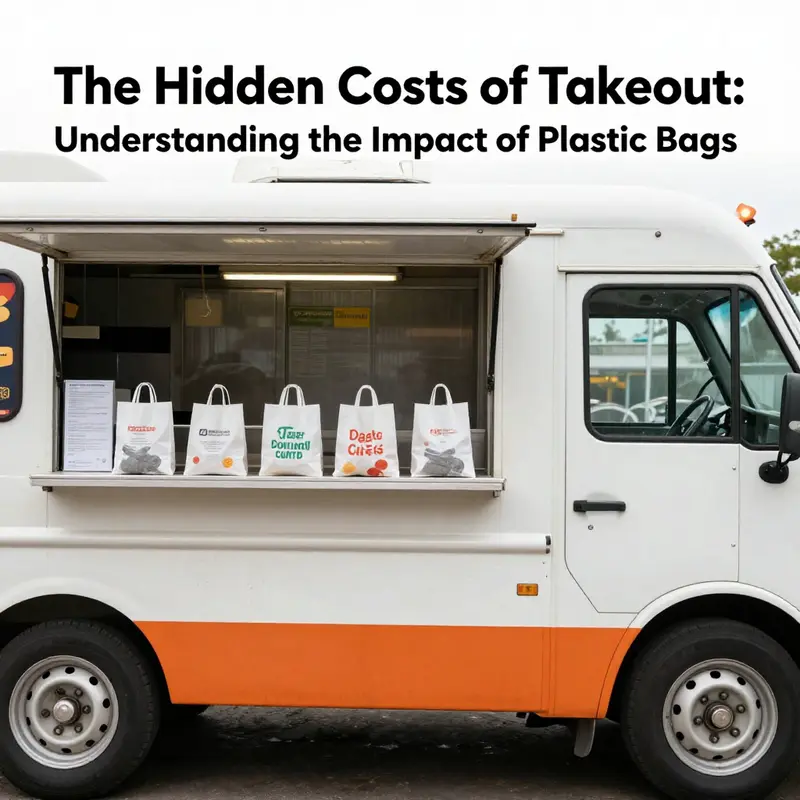
Every takeout bag carries a narrative beyond its brief use. It begins as a cheap feedstock, a few cents per bag, and ends as a bill that extends into budgets, communities, and ecosystems. The economics of takeout plastic bags are a study in contrasts: the frictionless convenience of a bag versus the persistent costs that ripple through households and local governments. The lifecycle is short, but the financial and ecological price tag can extend for decades. In plain numbers, the production price is small, but downstream costs accumulate; municipalities shoulder collection, sorting, and disposal; and ecological damage translates into restoration and health costs that are harder to quantify yet real. When framed this way, the economics of takeout bags resemble a market failure: the private price tag is tiny while the social price tag is substantial.
One striking facet is the scale of waste management burdens. Local governments collect bags, transport them to facilities, and process them for recycling or disposal. Even with recycling infrastructure, contamination and processing limits can derail recovery. The Ellen MacArthur Foundation has highlighted that only about 9 percent of plastic ever produced has been recycled, underscoring why long-term stewardship often looks unfavorably on single-use bags. The material’s fate ties into budgets that cities allocate for upkeep and restoration and shapes decisions about waste governance.
The environmental externalities extend beyond a single business or consumer. Plastic bags that escape capture litter streets and waterways, fragment into smaller particles, and persist for centuries. The ecological impairments translate into economic consequences, from declines in ecosystem services to higher remediation expenses, and intersect with public health concerns. In many accounts, the throwaway culture that normalizes bag use shifts costs from private transactions to broad public responsibilities.
Policy responses have aimed to correct incentives. Lightweight bag charges and bans have been deployed with varying success. European experiences show that charging for lightweight plastic carry bags reduces usage without disrupting related sectors. The Portuguese example illustrates a pathway by which charges dampen demand while allowing retailers and suppliers to adjust gradually. If a policy is too punitive or fragmented, it may push consumers toward substitutes that carry new costs and footprints.
In the United States, multiple city and state initiatives—bans and bag-fee policies—have reduced single-use bag consumption. Yet unintended consequences can emerge: higher prices, shifts to alternative packaging, or heavier bags that raise other costs. The macroeconomic picture becomes a balance between reducing environmental harm and maintaining affordability for small businesses and households. The long-run calculus weighs not just the price at the dispenser but the entire life cycle of packaging choices.
A broader shift toward circular economy principles seeks to redesign packaging for reuse, durability, and end-of-life recovery. The goal is to increase recycling or composting rates, reduce virgin feedstocks, and lower overall environmental and fiscal costs. In practice, this means encouraging materials easier to recycle, designing products for higher recovery, and investing in infrastructure that can handle more recovered material. The social accounting tells a story of resilience, where communities, businesses, and policymakers collaborate to transform a low-cost habit into a more sustainable pattern that preserves fiscal space for essential services.
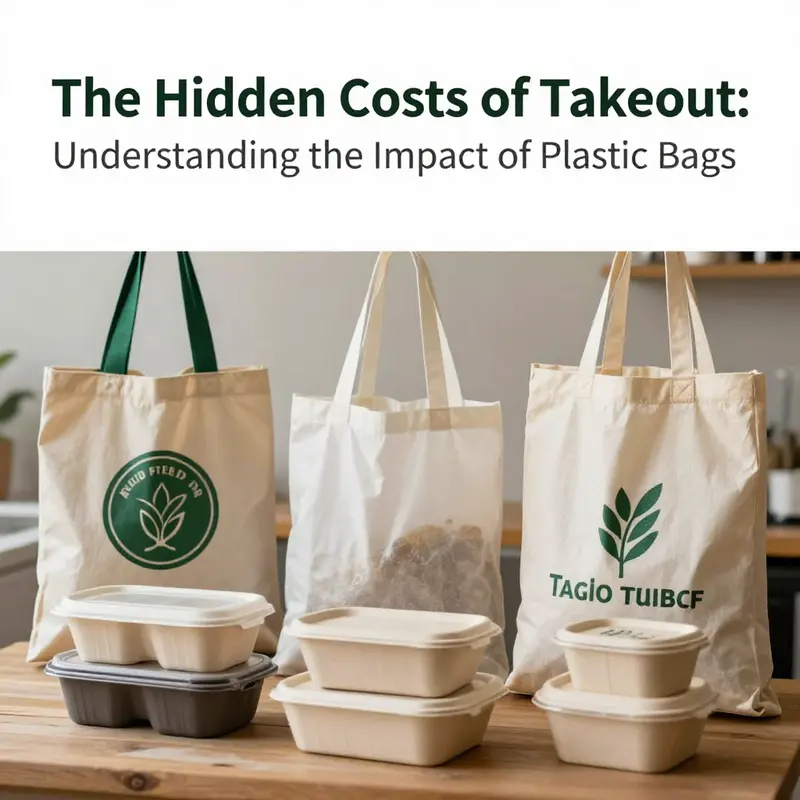
Practical changes are already underway. Some operators use packaging that emphasizes recyclability, compostability, or reusability and aim for long-term savings from reduced waste and cleaner public spaces. In packaging design, kraft paper options illustrate balancing protection, convenience, and end-of-life handling. A practical reference in this space is disposable kraft paper packaging for takeout, which demonstrates how form and function can align with environmental considerations. See this example of kraft takeout packaging for reference: https://greendispopack.com/product/disposable-octagonal-box-restaurant-food-kraft-paper-packaging/.
The challenge is to align convenience with ecological health. The price of a bag should reflect its social costs, not simply its private price tag. By improving policy design, encouraging sustainable packaging, and investing in recovery infrastructure, societies can reduce environmental harm and fiscal strain while preserving the convenience modern dining expects.
Ultimately, the community role matters. Budget planners must account for cascading costs of waste management and restoration, while businesses and policymakers assess life-cycle impacts and end-of-life outcomes. The economic narrative of takeout bags expands from price at the register to social return on investment: what we gain in the short term and what we bear in the long term. The evidence suggests that with thoughtful policy design and collaboration across sectors, it is possible to reduce both environmental harm and financial burden without sacrificing convenience.
Policy Currents and Practical Moves: Rethinking Takeout Packaging Through Law, Incentives, and Industry Reform
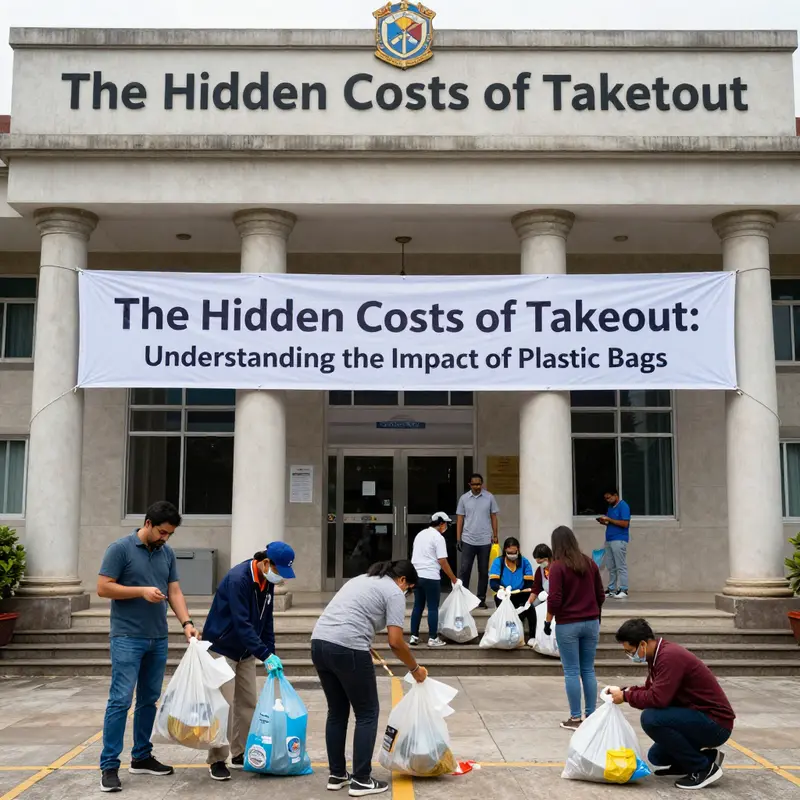
A new chapter in the life cycle of takeout packaging is being written by policymakers, regulators, and industry leaders who view waste reduction as a lever to redesign packaging systems and consumer habits. This chapter is not about a single ban but about aligning incentives across producers, platforms, retailers, and diners. The environmental costs of single-use plastics—production energy, emissions, and litter—drive the case for standards and durable alternatives. When governments move from voluntary commitments to enforceable rules, the takeout sector becomes a testing ground for systemic change. The goal is packaging that is reusable, recyclable, or compostable and designed with end-of-life in mind. Policy responses are a coordinated mix of design standards, producer accountability, and consumer engagement that can shrink the environmental footprint while preserving convenience and economic vitality. The Chinese example shows phased regulation, incentives, and responsibility sharing, serving as a blueprint for other jurisdictions while recognizing local differences in waste management capacity and consumer culture. Challenges remain, including enforcement gaps, contamination in recycling streams, infrastructure limitations, and the need to ensure a just transition for workers in the packaging and waste sectors. A successful path combines clear targets, transparent reporting, and practical collaboration across the supply chain, with policies that encourage reuse and the development of robust end-of-life systems.
null
null
Takeout Bags and Everyday Choices: Convenience, Waste, and Behavior
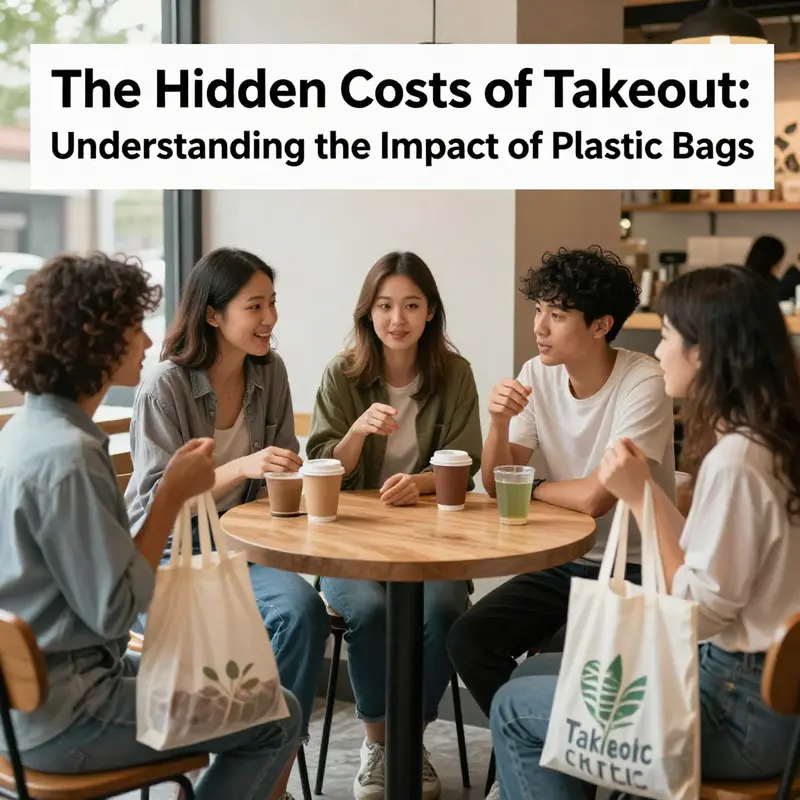
Takeout bags occupy a paradoxical space in modern consumption. They are designed for speed, portability, and convenience, yet their footprints linger far longer than their brief use. A single bag may vanish from a customer’s awareness within minutes, but its journey after that moment can stretch across years in landfills, the natural environment, or the broader ecosystem. The environmental calculus around these bags extends beyond the bag itself to the patterns of daily life that surround takeout. When millions of meals pass through countless hands each day, small decisions accumulate into measurable impacts on land, air, and water. The narrative of consumer behavior is not only about awareness; it is about the friction between intention and action, and the social cues that define what counts as normal when taking food away from a venue.
The study of takeout habits across campuses and communities reveals three recurring barriers. First, perceived inconvenience remains a stubborn hurdle: the friction of bringing a personal container, finding storage, and navigating busy environments makes reuse feel like an extra step rather than a norm. Second, access gaps persist: if reusable options aren’t readily offered at the point of sale or are out of stock, even motivated individuals struggle to act. Third, social stigma weighs on younger or image-conscious consumers who worry that bringing their own containers signals conspicuously virtuous behavior rather than practical sensibility. These factors help explain why stated concern about plastic waste does not automatically translate into durable change in real-world settings.
Yet there is also a robust thread of rational motivation that can drive meaningful shifts. Financial savings—keeping more money and wasting less food—resonate with a broad cross-section of people, including students and budget-minded households. When campaigns emphasize concrete, immediate benefits and make reuse feel convenient and economical, they can bypass some resistance born from inconvenience and social concerns. The messaging that tends to move behavior is pragmatic: “save money, save resources, and fit your routine,” rather than abstract environmental virtue. Reframing the choice as an everyday, affordable habit helps close the intention-behavior gap.
Policy and practice can translate these insights into action. Public messaging should foreground value and practicality, while programs can offer incentives that align loyalty rewards with reusable-container use. Easy access to durable containers, visible return or exchange stations, and streamlined workflows at the point of sale reduce friction for both customers and staff. Branding that normalizes reuse—through positive imagery, clear labeling, and social-proof—can help shift norms over time.
From an ecosystem perspective, aligning consumer desires with feasible options prompts providers to rethink packaging design and service flows. When reusable or recyclable options become more convenient and affordable, the volume of single-use bags declines, and the path toward a more circular packaging system becomes clearer. The ultimate aim is to make the sustainable choice the effortless one within daily life, not a special effort reserved for the motivated few.
For practitioners and researchers alike, the packaging ecosystem offers a concrete set of levers: ensuring container availability at venues, reducing the steps required to reuse, and embedding reminders and incentives into ordering systems. By coordinating policy, campus culture, and industry practices, communities can nudge behaviors toward reuse as a normal, everyday habit rather than an exception.
Note: The actual references are omitted to keep this chapter self-contained, but readers can consult widely cited studies on consumer perceptions of takeout waste for deeper context.
Final thoughts
The conversation around takeout plastic bags extends beyond convenience; it touches on the very fabric of environmental health and economic viability for your food service business. By understanding the implications discussed in this article—from their environmental impact to economic burdens, proactive policy measures, viable alternatives, and evolving consumer expectations—you are equipped to steer your establishment towards more sustainable practices. Your choices matter, and embracing eco-friendly solutions can set your business apart, attract environmentally-conscious customers, and contribute positively to the planet. The transition to more sustainable takeout options is not merely a trend; it is a necessity for future generations. Let’s collectively reduce our reliance on plastic for a cleaner, greener tomorrow.