
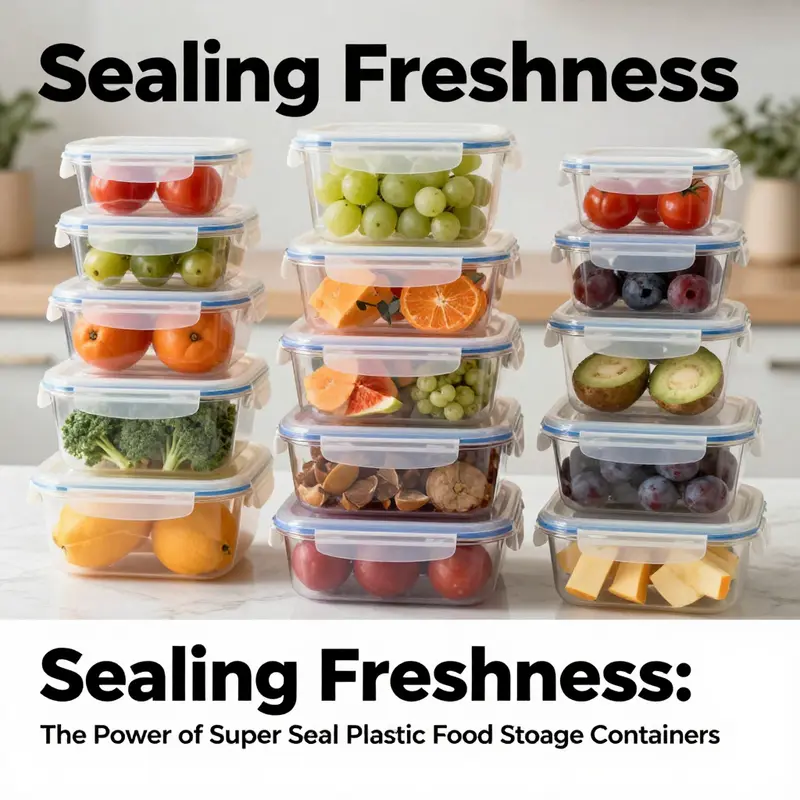
In today’s competitive food service landscape, the quality and safety of food storage solutions are paramount. Super Seal plastic food storage containers, renowned for their exceptional sealing capabilities, are making waves in the industry. Specifically designed for various sectors, including bubble tea shops and catering services, these containers offer an ideal blend of safety, durability, and performance. Each chapter will delve into the material composition and safety features, functional designs and unique characteristics, environmental impacts and eco-friendly options, market trends and consumer preferences, and practical applications across different sectors—all highlighting how Super Seal containers can greatly benefit your operations.
Beyond the Lock: The Material Heartbeat and Safety of Super Seal Plastic Food Storage Containers
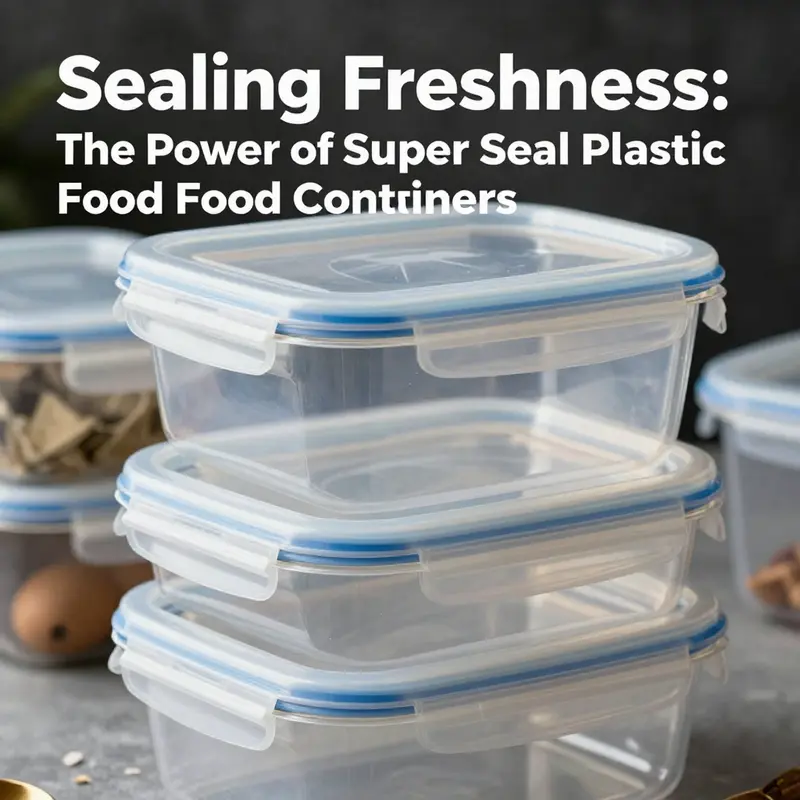
Super Seal plastic food storage containers have earned a reputation for reliability, enabling people to preserve everything from liquid sauces to delicate leftovers with a simplicity that feels almost routine. The real magic lies not just in the airtight lids, but in the material choices that underwrite every seal, every snap, and every lingering aroma that remains after a long day of culinary activity. In kitchens, whether domestic or professional, the goal is to keep food safe, fresh, and flavorful without adding risk or instability to the process. A seemingly ordinary food storage container becomes extraordinary when its core material behaves predictably under a range of conditions—when it holds heat without warping, resists chemical attack from acidic marinades, and does not shed or migrate unwanted substances into the food. That combination is what makes Super Seal a practical benchmark in the sector. The journey from raw polymer to a finished, food-grade container involves a balance of chemistry, engineering, and consideration for everyday use. It is a balance that has evolved alongside shifting consumer expectations around health, safety, and sustainability. When we examine material composition and safety, we see a layered story: the backbone polymer, the potential additives or co-materials, the integrity of the sealing mechanism, and the testing regimes that ensure performance over the long haul. Foremost among these layers is the dominant role of polypropylene, the workhorse polymer that forms the fabric of most food-grade storage options in this category. Polypropylene, or PP, is prized for being lightweight yet strong, a combination that translates into containers that feel sturdy in the hand but easy to slip into a bag or pantry shelf. PP’s thermoplastic nature means it softens slightly when exposed to heat and recovers with a controlled rigidity as it cools, a property that makes it ideal for containers that must withstand repeated cycles of washing, freezing, and occasional microwaving when the labeling permits. What elevates PP beyond a simple plastic shell is its compatibility with food safety standards administered by major authorities, including the U.S. FDA and the European EFSA. This alignment is not merely about marketing words; it is about formal testing, migration limits, and certifications that ensure a container does not leach harmful substances into food under typical use scenarios. In practice, this translates into containers produced from food-grade PP that comply with stringent safety benchmarks. The result is a material system that can encounter hot soups, acidic dressings, or mineral-rich broths without compromising safety or flavor. Yet the material story does not end with PP alone. In higher-end lines, manufacturers may introduce Tritan™ or similar BPA-free copolyester resins as co-materials or alternatives. Tritan™, widely recognized for its clarity, toughness, and resistance to staining and odors, can be especially valuable when a transparent container is desired for easy content inspection without sacrificing durability. The appeal of Tritan™ lies in its capacity to maintain transparency over time, which helps users monitor contents more easily and plan use before spoilage. Importantly, Tritan™ is marketed as BPA-free, and its chemical composition aims to minimize migration of additives into food, a consideration that reassures consumers concerned about the long-term effects of plastics in the kitchen. The combination of PP and, where relevant, Tritan™, yields a material system that is chemically inert in many common culinary contexts. Inertness means that the polymer resists reaction with acidic, fatty, spicy, or salty foods, preserving both flavor and aroma while reducing the risk of unwanted chemical interactions. This inertness is not a guarantee of perfection; it assumes proper use within the product’s specified temperature and time limits. Nevertheless, when users follow guidelines—avoiding direct exposure to oven temperatures unless explicitly labeled for oven use, handling hot contents with appropriate care, and adhering to microwave or dishwasher recommendations—the materials deliver a consistent, reliable performance that supports the broader aim of food safety. The material choices are strongly aligned with public safety standards and sustainability narratives. PP recycling codes are straightforward, with a recycling code noted as #5 in many systems, signaling to municipal programs and consumers that the container is intended to be recycled where facilities exist. This recycling potential contributes to a broader environmental narrative, even as it coexists with the practical realities of recycling plastics, which vary by region and infrastructure. The embrace of BPA-free claims—whether PP or Tritan™—also reflects a cautious approach to consumer health, acknowledging past concerns about bisphenol A while presenting a conservative, safety-forward stance. In practice, this means Super Seal containers are designed and marketed to minimize risk while maximizing convenience. Yet safety is never a static promise. It is reinforced through explicit usage guidelines that accompany the product: avoid direct contact with extreme heat beyond rated limits, unless the label states oven-safe performance; when in doubt, assume that high heat or direct flame exposure could compromise the seal and the container’s structural integrity; use only containers marked as food-safe and BPA-free; and observe microwave, freezer, and dishwasher instructions to preserve both safety and performance. The sealing mechanism itself—often described as a “super seal”—is a key safety feature. An airtight, leak-proof closure not only preserves the moisture and aroma of contents, it also minimizes the risk of cross-contamination and slows the ingress of ambient humidity or airborne microbes during storage. The seal’s reliability rests on a precise interaction between the lid geometry and the container rim, a near-hermetic fit that resists imperfect closures. In combination with chemically inert materials, this design helps preserve the integrity of stored foods over meaningful time frames, whether for a week’s leftovers, a batch of prepared sauces, or dry pantry staples. The discussion cannot ignore the broader context in which these containers exist. In a marketplace increasingly attentive to health and environmental considerations, plastic storage products face both competition and scrutiny. Consumers increasingly weigh the trade-offs between convenience and sustainability. While glass and stainless steel offer attractive durability and inertness, plastics like PP and Tritan™ remain compelling due to lighter weight, cost efficiency, and superior shock resistance. The cumulative effect is a materials narrative that emphasizes not just what is inside the container, but how the container itself interacts with temperature, moisture, and microbes over time. The safety profile of these materials is reinforced by the inert, non-reactive character of PP and Tritan™ with common culinary agents. This means that, under normal usage, acidic lemon zest, olive oil, soy sauces, and other everyday staples do not trigger hazardous chemical migrations that would undermine safety. However, safety messages remain nuanced. No material is entirely risk-free if misused. The practical takeaway is to stay within manufacturer-directed limits, to choose BPA-free options, and to be mindful of aging containers. Over years of use, even high-quality plastics can show signs of wear—micro-scratches, clouding, or slight odor retention—yet these are typically indicators to retire the item rather than indicators of imminent danger. From a consumer perspective, the material story also intersects with hygiene. The inertness of PP and Tritan™ helps resist staining and odor retention, making cleaning more straightforward and reducing the risk of residual flavors impacting future contents. Yet cleaning effectiveness depends on appropriate washing conditions. Dishwashers can be convenient, but repeated high-heat cycles or aggressive detergents may affect seals or the surface finish. Microwave use should be limited to items explicitly labeled as microwave safe, since uneven heating or material migration can occur if the container is not designed to withstand such exposure. In essence, the material composition of Super Seal containers is a carefully calibrated mix of performance, safety, and practicality. PP provides a robust, heat-resistant, chemically resilient backbone that aligns with global safety standards and recycling streams. When used with compatible co-materials like Tritan™, the system gains enhanced clarity and odor resistance. The result is a storage solution that not only keeps food fresh but also reassures users about the safety of the packaging itself. Finally, while the conversation about packaging materials is ongoing—driven by research developments, evolving regulations, and shifting consumer preferences—the core message for most users remains steady. Respect the rated use, prioritize BPA-free options, and consider the practicalities of cleaning and reuse. Material choices do the heavy lifting of safety, but responsible handling, informed by labeling and guidelines, completes the chain. For readers who want to explore the standards and best practices that underpin the modern material landscape of plastic food containers, a recent industry overview provides additional context and technical detail on composition, testing, and performance in delivery and storage scenarios: https://www.foodserviceindustry.com/plastic-food-containers-delivery-materials/
Airtight Precision: How Super Seal Plastic Food Storage Containers Preserve Freshness and Shape Modern Kitchen Habits
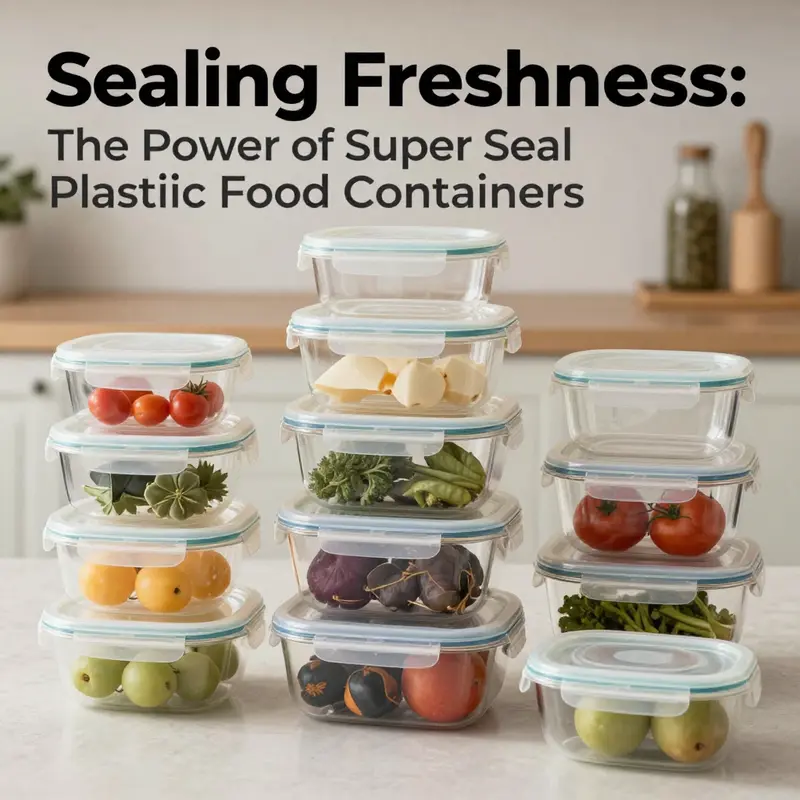
Airtight precision defines the everyday utility of Super Seal plastic food storage containers. In kitchens across homes, restaurants, and clinical settings, these containers embody a design philosophy that starts with a steadfast seal and ends with reliable, repeatable performance. The core promise is straightforward: keep air and moisture out, protect taste and texture, and make storage predictable. When air stays out, flavors stay in; when moisture stays out, surfaces stay dry; and when both stay out, the risk of spoilage declines. This is not mere packaging rhetoric but a practical outcome that reduces waste, simplifies meal planning, and supports safer, cleaner food handling in busy routines. The airtight system hinges on a thoughtful collaboration between materials and geometry. A well-chosen plastic—often food-grade polypropylene, and in some variants high-density polyethylene—resists the kind of chemical interactions that can alter taste or odor. The lid’s fit, the rim geometry, and the integrity of the seal all work in concert to resist leaks during transport or storage. The result is a container that remains dependable whether it sits in a refrigerator, slides into a lunch bag, or stands on a shelf in a compact pantry. The seal’s reliability becomes even more meaningful when one considers the broad range of foods these containers are asked to manage—from liquids like soups and sauces to dry goods like grains and spices. The containers are designed to perform across this spectrum without sacrificing the ease of use that modern kitchens demand. The architectural choice of a snug lid that closes with a definite click reinforces the sense that practical storage is a form of kitchen intelligence, guiding users to keep ingredients fresh and ready when needed.
Material choice matters beyond safety alone. PP and HDPE offer a compelling blend of lightness and toughness. They resist cracking under casual impacts and tolerate a dishwasher’s cycles and a freezer’s chill without compromising their structural integrity. The emphasis on safety is multi-faceted: these plastics are selected for food contact suitability, with BPA-free declarations serving as an important reassurance for health-conscious users. This alignment with health and sustainability resonates with a growing audience that seeks long-lived solutions rather than disposable convenience. Even as some households consider glass or stainless steel for certain uses, the appeal of plastic storage remains robust. Its advantages—lower weight, favorable cost, and the ability to withstand a broad temperature range—keep it firmly in the decision set for both home cooks and professional kitchens.
The functional design of these containers extends beyond a simple bowl and lid. A practical, multipurpose approach enables storage of a wide array of foods, from chunky stews to fine-grained staples. A translucent lid invites quick content checks without the need to open, which is a small but meaningful efficiency in daily kitchen life. In addition, several variants incorporate built-in measurement markings that transform the container into a handy tool for portion control and recipe planning. This feature supports healthier eating patterns and reduces waste by enabling precise dating and portioning, turning storage into a proactive step in meal preparation. The geometry of these containers also favors space efficiency. Many models are designed to stack neatly, recognizing that pantry real estate is often at a premium. When nested or stacked, they create a tidy, modular system that simplifies inventory management, makes room for other essentials, and minimizes the chance of topple or spill. Even in compact setups, the blend of a strong cap and a sturdy body helps to maintain shape over time, preserving the seal’s effectiveness across repeated use.
Durability is not merely about surviving a few rounds of washing; it is about sustaining performance across days, weeks, and seasons of use. A robust lid-locking or snap mechanism—paired with tight tolerances—helps maintain the seal’s integrity through routine handling, transport in bags, and exposure to varying temperatures. The containers’ ribbed or contoured bodies reduce surface fatigue and resist deformation that could undermine the seal. This reliability is vital for storage of liquids, sauces, or perishable items where even small leaks would cause a cascade of waste or cross-contamination concerns. The combination of durable material, carefully engineered tolerances, and practical features yields a product line that users can count on for both everyday meals and more demanding storage needs in culinary or institutional contexts.
The conversation around sustainability sits alongside durability and convenience. Reusable plastic storage aligns with broader eco-conscious practices, offering a repeated-use alternative to single-use packaging and helping to curb waste. Yet, even as markets diversify toward eco-friendly options like glass or stainless steel in some contexts, plastic containers retain a unique value proposition: they are lighter, more affordable, and widely adaptable for stacking, freezing, reheating, and cleaning. For many kitchens, the optimal path is not a radical shift but an informed balance that leverages the strengths of plastic storage while remaining mindful of environmental considerations. The key is longevity built on safe materials, thoughtful design, and consistent performance that invites careful reuse rather than hurried disposal. In this light, Super Seal plastic containers embody a pragmatic response to real-world storage challenges: they protect contents, simplify daily workflows, and encourage durable, responsible use of resources.
As readers contemplate the broader packaging ecosystem, the choice between plastic, glass, and metal becomes a question of circumstances, priorities, and scale. The durability and low weight of these containers make them attractive for daily cooking and for environments where rapid turnover and frequent washing are routine. The ability to store hot or cold foods, or to transition from refrigerator to oven-safe heating where permitted, adds to their versatility. The trade-offs—cost, weight, aesthetics, and heat tolerance—highlight why plastic storage remains a mainstream solution even as other materials gain ground in specialized niches. In short, the Super Seal design exemplifies how functional engineering can translate into practical kitchen habits: reliable seals, clear visibility of contents, easy organization, and a sustainable approach achieved through reuse rather than waste.
For readers exploring packaging options in related contexts, see Wholesale Custom Print Kraft Paper Food Storage Bowls for context on how packaging formats can influence storage thinking even when the primary containers are plastic. This linkage helps situate plastic storage within a broader ecosystem of reusable, value-driven containers and emphasizes the recurring theme of efficiency, safety, and environmental mindfulness across different materials.
External reference: https://www.alibaba.com/product-detail/Wholesale-PP-Super-Seal-Plastic-Containers1600428773579.html?spm=a2700.galleryofferlist.pcrm.3.5f7a5c91JwGkQK&fsb=y&productId=1600428773579
Seal, Waste, and Wisdom: Reconsidering Plastic Food Storage in a World of Environmental Constraints
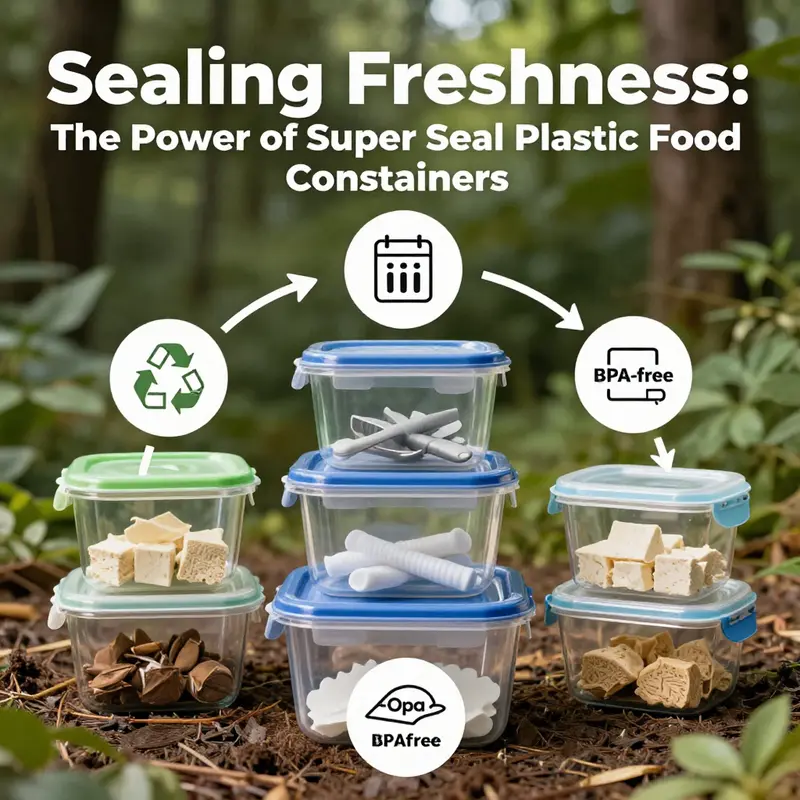
Plastic food storage containers have become ubiquitous in kitchens, breakrooms, and food-service operations. They promise convenience, portion control, and a simple way to keep leftovers fresh. Yet as households and institutions weigh the benefits of a sealed system against the reality of material flows and environmental costs, a more nuanced picture emerges. The conversation moves beyond the single-use mindset to consider how design, use, and end-of-life decisions shape the true footprint of these containers. In this chapter, we trace that footprint from raw material extraction to the final disposition, while also examining what ecologically minded consumers can expect from alternatives that balance practicality with sustainability. The aim is not to vilify a commonplace object but to illuminate how choices around its composition, durability, and end-of-life handling intersect with broader efforts to reduce waste, curb greenhouse gas emissions, and protect resources. The narrative that follows ties these threads together, showing how a product designed for reliability can still contribute meaningfully to a circular economy if its life cycle is understood and optimized at every stage.
Material composition anchors much of the environmental discussion. The majority of these containers are fashioned from food-grade polymers such as polypropylene (PP) or high-density polyethylene (HDPE). Both are derived from fossil fuels and rely on complex refining and polymerization processes. This means that production networks—driven by energy intensity, chemical feedstocks, and process emissions—contribute a measurable share to greenhouse gas outputs. The plastic’s appeal lies in its balance of toughness, clarity, and relatively light weight, which lowers transport emissions compared with heavier alternatives. Yet the same traits that support durability also lock in long lifespans, and with that longevity comes a responsibility for stewardship. When a container serves years of reuse, its per-use impact can decline dramatically. But if it is damaged, becomes difficult to clean, or is discarded after a questionable lifetime, the aggregate effect can be substantial. The tension between practicality and planetary health is most visible not in a single use but across a sequence of uses, cleanings, and eventual disposal. Even materials marketed as “safe” during normal use can become a question mark under stress, heat, or aging, reminding us that performance and safety are not solely about immediate food compatibility but about long-term stability under real-world conditions.
The end of a container’s life reveals some of the thorniest challenges. While these products are often marketed with reuse in mind, many end up in landfills or informal disposal streams. The recycling landscape for plastics is uneven and highly dependent on local infrastructure. Even items labeled as recyclable face practical barriers, such as contamination from food residues or the complexity of multi-material designs—lids, seals, and vents that combine different plastics. Municipal recycling systems struggle to process such blends, and a surprising portion of collected plastics are not actually recycled into new products. This reality aligns with broader national patterns: legacy waste streams and underdeveloped collection networks contribute to a situation in which a sizable portion of plastic packaging ends up in landfill or the environment rather than being looped back into a new life. The numbers speak to a systemic gap between aspiration and execution. In 2021, for example, millions of tons of plastic waste were generated, with a fraction recycled and a larger fraction diverted to disposal—an outcome that underscores the need for improved collection, sorting, and processing as well as consumer-level decisions that reduce contamination.
Chemical safety concerns also deserve attention. While storage containers are designed to be food-safe, long-term exposure to heat, repeated washing, and physical wear can influence the stability of the material. Research in environmental science and technology has highlighted how certain kitchen plastics contribute to broader waste streams when their lifecycle is extended beyond a prudent threshold or when materials degrade. In situations where containers are subjected to repeated high-heat conditions or are damaged, the risk of chemical leaching cannot be dismissed outright, even though many modern plastics meet safety standards for typical household use. This nuance matters because it reframes the question from a narrow focus on immediate safety to a wider inquiry about how materials behave under real-life conditions over time. The take-away is not to avoid plastics altogether but to recognize that the durability and containment performance must be matched with responsible usage guidelines and vigilant maintenance.
Against this backdrop, sustainable alternatives rise as practical complements or replacements in households and facilities that prioritize environmental responsibility. Materials such as glass, highly durable silicone, and certain durable metals offer long lifespans and inert properties that minimize chemical interaction with stored foods. Glass is chemically inert and infinitely recyclable, which makes it appealing from a lifecycle perspective. Silicone, while not biodegradable, is extremely durable and can endure many cycles of freezing and heating without appreciable degradation, which lowers its per-use impact when used for a long period. Metals, when food-grade and properly maintained, can also deliver resilience and reusability. A growing strand of research in the discipline of sustainable packaging highlights that replacing single-use or short-lived plastic containers with high-durability alternatives can markedly reduce per-use environmental impact over the product’s lifetime. A 2026 study in the Journal of Cleaner Production reports reductions of up to about 80 percent in per-use impact when durable, reusable packaging substitutes are adopted instead of disposable options. That finding is not an outright indictment of plastics but a data-driven prompt to tilt consumption toward long-lived materials and to extend the useful life of packaging through careful design, repair, and reuse.
Consumer choices, too, matter. The practical path toward lower environmental impact involves more than material selection; it encompasses how goods are used, cleaned, stored, and ultimately disposed of. A key lesson is to favor configurations that maximize lifespan while minimizing risk of damage or contamination. Simple steps—like avoiding exposure to high heat that can stress polymers, using appropriate lids to maintain seal integrity, and cleaning containers with non-abrasive detergents—can extend life considerably. When a container does reach the end of its usable life, choosing options that are readily recyclable within local schemes or that can be repurposed for other storage tasks helps close the loop on a circular-use mindset. Some parts of the packaging ecosystem are already exploring more holistic approaches, including designs that simplify materials and enable easier disassembly at end of life. In the broader packaging landscape, there are examples of materials that are engineered to be recycled in many municipal programs or to serve as feedstocks for other products, illustrating that the future of food storage packaging may be defined by adaptability and modularity as much as by raw durability.
For readers exploring greener packaging ecosystems, alternative avenues within the broader market can offer useful perspectives. A notable example within the packaging spectrum is the shift toward eco-friendly, recyclable pulp-based take-away solutions, which demonstrates how products can be designed with end-of-life realities in mind. This approach points to a design philosophy that prioritizes compatibility with established recycling streams and reduced reliance on persistent plastics for certain applications. eco-friendly recyclable pulp take-away cup holder
The environmental accounting of plastic storage containers must also reckon with policy and infrastructure realities. While consumer demand can drive material innovations, systemic change depends on robust waste-management networks, consistent labeling standards, and incentives for durable, repairable product systems. The EPA’s municipal solid waste statistics illuminate the scale of the challenge: a substantial portion of plastic waste is not recycled, even when it is technically recyclable, due to collection gaps and processing bottlenecks. This reality underscores why end-of-life management deserves as much attention as material choice or design optimization. It also motivates researchers, policymakers, and engineers to pursue packaging solutions that harmonize performance, safety, and recyclability within the constraints of existing infrastructure. In practice, that means designing containers for repairability, standardizing closures and lids to minimize material variety, and promoting consumer education on cleaning, sorting, and reuse. It also invites product developers to quantify environmental trade-offs across the life cycle, so choices reflect not only upfront cost or convenience but long-term sustainability outcomes.
External resource for further context on waste and recycling trends: https://www.epa.gov/epawaste/nonhazardous/msw/county-data
Sealed for Freshness: Market Dynamics, Safer Materials, and the Growing Promise of Super Seal Plastic Food Storage Containers
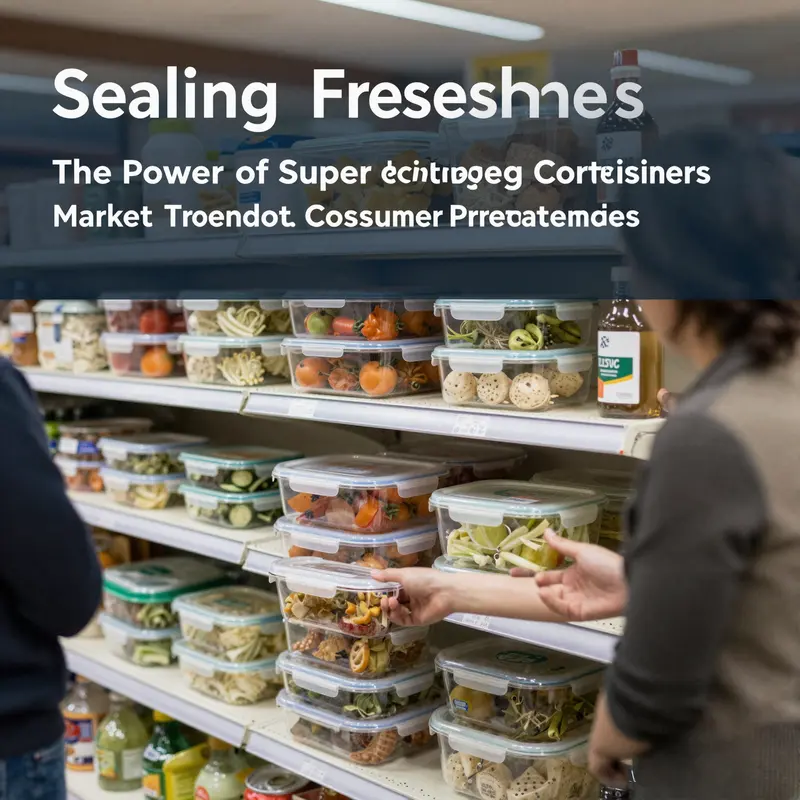
The chapter unfolds in the space where daily practicality meets long-term consumer expectations. Super Seal plastic food storage containers have emerged not merely as convenient vessels but as a focal point in how households, food services, and institutions confront safety, waste, and usability. Market researchers project a steady arc for the plastic food container sector, with a global CAGR around 5 percent between 2026 and 2032. This growth reflects a sustained appetite for storage solutions that blend immediacy with reliability. Consumers want containers that fit into busy routines—containers that are easy to open and close, seal tightly, and keep contents fresh without demanding special handling. The appeal lies in the combination: dependable performance at home, in offices, and in professional kitchens, where the right container can reduce spoilage, minimize waste, and simplify inventory management. The numbers also hint at a broader shift toward convenience paired with responsibility. People seeking healthier lifestyles increasingly scrutinize how food is stored, transported, and reheated. They want packaging that preserves nutrients and flavors while limiting potential contaminants. In this context, the durability and reusability of high-grade plastic storage become a practical answer to both daily needs and larger concerns about resource use. That dual demand—efficiency and safety—drives continuing refinement in design and material choices, making the space for Super Seal containers a bellwether in modern kitchen ecosystems.
Material safety sits at the heart of consumer trust. Contemporary Super Seal containers increasingly rely on food-grade plastics such as polypropylene (PP) or copolyester-derived formulations that are BPA-free. This is not merely a compliance checkbox but a response to a rising demand for materials that feel compatible with long-term food contact. PP and related plastics offer a robust balance of chemical resistance, heat tolerance, and clarity, allowing users to see contents at a glance while resisting staining and odors. The emphasis on safety dovetails with the practicalities of everyday use: containers that perform under microwave and dishwasher cycles, yet remain light enough to handle, stack, and store efficiently. Transparency is more than aesthetics; it’s about reducing the guesswork in meal prep, portion control, and portioning for families with varied schedules. In practice, this means clear sides that let users identify leftovers quickly, while the lid systems maintain an airtight seal that helps contain humidity and odors. The material choice, therefore, underwrites a broader narrative about health, cleanliness, and confidence across a spectrum of users—from home cooks who batch meals to healthcare facilities that require reliable containment for patient meals.
Yet safety does not mean rigidity. A central market narrative is the ongoing refinement of lid design and seal technology. Airtight, leak-resistant, and weatherproof seals translate into tangible value: the ability to transport soups, sauces, and liquids without fear of spills, the prevention of freezer burn for frozen goods, and the avoidance of moisture ingress that can compromise texture and aroma. The best designs deliver not only a secure seal but also user-friendly operation. Hinge, latch, or clip mechanisms are engineered to resist fatigue after repeated use, ensuring that the containers maintain their integrity across months or even years of cycles. For daily routines, this translates into less frustration at cleanup time and more confidence in the container’s ability to remain closed during transit. The practical advantage is clear: better seal longevity often correlates with lower replacement costs and reduced waste, especially in households that rely on rotating storage for weekly meal plans. In the same breath, manufacturers are mindful of cleaning efficiency, ensuring that designs minimize crevices where residues can accumulate and that compatible materials tolerate dishwasher regimens without degradation. The result is a family of products that not only looks the part but also behaves consistently in real kitchens, offices, and service environments.
In parallel with these functional enhancements, the market recognizes that sustainability remains a defining lens through which consumer choices are made. Plastics, by their nature, offer advantages in weight, durability, and cost efficiency, making them a mainstay for many users who require dependable storage on a daily basis. At the same time, eco-conscious consumers gravitate toward solutions that extend the life of containers, reduce waste, and align with circular economy principles. This has spurred a dual path in product development: on the one hand, improving the recyclability and end-of-life options for plastic containers; on the other, offering designs that maximize reuse and minimize material input over time. For instance, circular strategies emphasize recyclability without sacrificing performance, ensuring containers can be processed responsibly at end-of-life. The ongoing conversation about sustainability also reflects broader consumer education about packaging choices. People increasingly consider how materials interact with food, how long products can be used before replacement, and what happens to the packaging after use. In response, manufacturers are refining resin formulations, exploring multi-material components that can be recycled together, and emphasizing the hygiene benefits of reusable storage in households and workplaces. Across the board, the aim is to deliver a product family that harmonizes safety, durability, and environmental stewardship without compromising price or practicality.
In terms of consumer behavior, the appeal of Super Seal containers extends beyond mere storage. They have become a staple in meal-prep cultures and in busy office environments where lunches and snacks require efficient organization. The ability to portion ingredients for a week or to distribute meals for a multi-person household aligns well with contemporary time management and dietary planning. The transparent design allows for quick visual assessment, supporting more mindful consumption and reducing the likelihood of forgotten leftovers. For parents balancing busy schedules with child nutrition, reliable containment that prevents leaks during transport means fewer spills in bags and car seats, a small but meaningful improvement in daily life. In professional settings, food service operations benefit from standardization in container sizes and seals, which translates into more predictable inventory control and cleaner kitchen workflows. Healthcare facilities appreciate containers that meet stringent hygiene standards while supporting safe handling and easy cleaning, reinforcing the role of storage solutions as a routine yet essential component of patient care. These manifold use cases illustrate how a single product family can touch many facets of daily life, turning storage into a reliable ally rather than a daily challenge.
The narrative would be incomplete without acknowledging the spectrum of alternatives that still attract certain segments of the market. Glass and stainless-steel options, often favored for their inert qualities and perceived sustainability, continue to challenge plastic with regard to weight, breakage risk, and cost. This tug-of-war is not a rejection of plastics but a recognition of diverse needs. In households where space and budget enable longer-term investments, durable, non-plastic options may gain traction. Yet for vast portions of the market—especially where light weight, shatter resistance, and lower upfront costs matter—high-quality plastic containers that are BPA-free, heat-tolerant, and leak-resistant remain a pragmatic choice. As innovations progress, manufacturers increasingly present hybrid thinking: containers that maximize recyclability and reuse, while still delivering the practical benefits that have made plastic storage a household staple. The result is a marketplace that accommodates a broad range of consumer priorities—safety, convenience, and sustainability—without forcing a one-size-fits-all solution.
For readers seeking a broader lens on how packaging trends are evolving in this space, consider exploring related discussions on eco-friendly packaging options beyond plastics. eco-friendly-recyclable-pulp-2-4-cups-coffee-take-away-cup-holder. This resource highlights how sustainable design thinking is shaping container ecosystems across materials, from paper to composite solutions, underscoring the momentum toward packaging systems designed for reuse, recyclability, and lower environmental impact. In the end, the story of Super Seal containers is not a tale of a single product line but a reflection of how modern households and institutions balance safety, convenience, and responsible resource use in everyday storage.
As innovation continues to unfold, the design focus shifts toward longer lid longevity, smarter use of materials, and improved cleaning efficiency. This trio of priorities translates into real-world benefits: fewer replacements, more reliable performance in the heat of daily use, and simpler maintenance that keeps kitchens and facilities running smoothly. The market responds with containers that are not only safer but more adaptable to the varied demands of modern life—whether that means catering to a week-by-week meal plan, supporting a busy office lunch program, or ensuring minimal waste in a healthcare setting. The dynamic interplay of consumer values—safety, practicality, and sustainability—will continue to shape how Super Seal containers evolve, guiding future iterations toward even more robust seals, clearer materials, and smarter, space-efficient designs. External reference for broader market dynamics can be found at https://www.marketsandmarkets.com/Market-Reports/plastic-food-container-market-179898479.html.
Sealed by Design: The Broad Impact of Durable Plastic Food Storage Containers on Safety, Efficiency, and Convenience
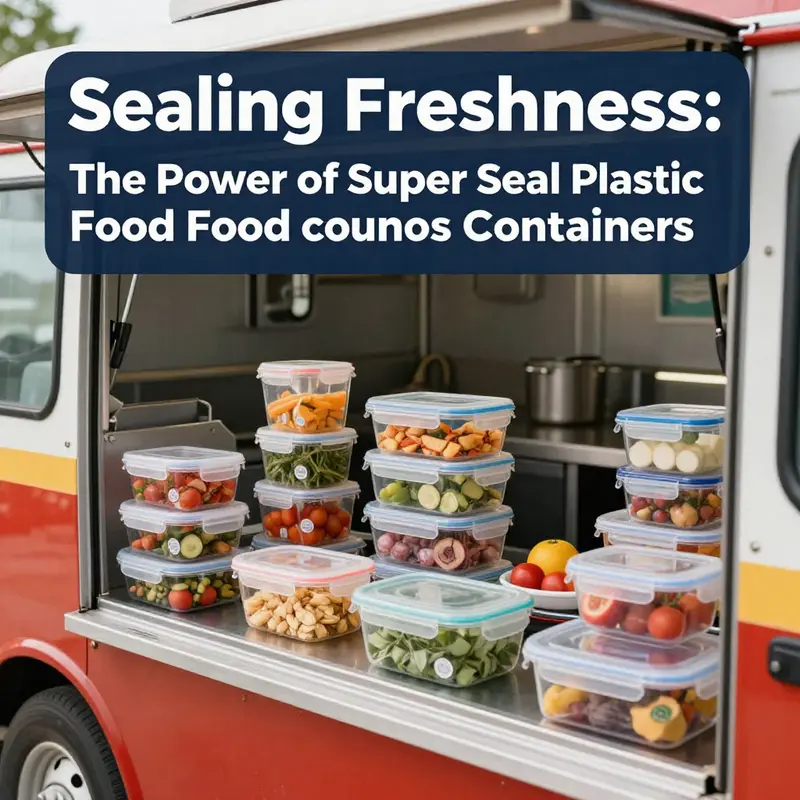
A well-sealed plastic storage container is more than a simple receptacle; it is a quiet enabler of safety, efficiency, and consistency across a spectrum of environments. Built from food-grade polymers such as polypropylene and high-density polyethylene, these containers are selected for safety, chemical resilience, and light weight. A robust lid and gasket system that fits precisely creates an airtight microenvironment inside, guarding against moisture ingress, odor transfer, and microbial intrusion. This is especially important when storing liquids, sauces, or moist ingredients, where even small leaks or volatilization can compromise quality and safety. When the design is executed with care—an emphasis on cleanability, chemical resistance, and a BPA-free formulation—the result is a durable system that serves as a trusted partner from storage through reheating and serving, all while remaining compatible with standard cleaning and sanitation protocols.
In bustling commercial kitchens, the value of dependable sealing becomes tangible in both routine and scale. Bulk ingredients land on prep lines in large quantities, then move through portioning, cooking, and plating. A leak-proof container minimizes the risk of cross-contamination between ingredients and protects storage areas from spills that could attract pests or spoil nearby items. Temperature stability matters too; the same container that protects liquids in the fridge should keep sauces from thinning and emulsions from separating if bumped during transport or during service. The ease of stacking and the predictable dimensions of these containers also streamline inventory management. Space is precious in a professional setting, and uniform, secure containers simplify labeling, rotation, and auditing. In addition, the materials’ resistance to the acids and marinades common in professional kitchens helps preserve container integrity, ensuring that repeated use and frequent washdowns do not degrade performance. This reliability translates into reduced downtime, fewer replacement purchases, and a steadier, more predictable workflow across prep, service, and delivery cycles.
Transitioning to the realm of food delivery, the same sealing performance underpins customer satisfaction as meals move from kitchen to doorstep. Containers must tolerate fluctuations in temperature and the jostling of transit without leaking or showing content separation. The seal’s integrity helps preserve temperature differentials, maintaining a hot entrée’s texture or a cold dish’s crispness long enough for delivery windows to close with a positive impression. Beyond temperature, the presentation of the meal matters; intact lids and secure tamper-evident features help ensure that what arrives at the customer’s door matches what left the kitchen. The material choice also supports convenience, as many PP-based designs can be microwaved if appropriate for reheating and can withstand freezer conditions when a store-and-serve model requires longer storage. This adaptability reduces the need for multiple packaging formats, simplifying both supply chains and consumer expectations. The end result is a reliable, versatile container system that protects the integrity of meals through transport while supporting efficient, scalable operations for a growing delivery ecosystem.
Within healthcare and pharmaceutical settings, the emphasis shifts toward sterility, containment, and compatibility with stringent cleaning regimes. Containers designed for these environments are valued for their chemical resistance and the ability to withstand repeated exposure to cleaners and sterilants without losing structural integrity. In hospitals and research labs, they are used for specimen storage, medication organization, and the containment of lab reagents. The clarity of the walls enables quick visual verification of contents, reducing the number of times lids must be opened and limiting exposure to potentially hazardous materials. Durable plastic storage solutions also support traceability and procedural fidelity, enabling staff to manage aliquots and samples with confidence that the container will preserve their integrity across cycles of storage and handling. The overarching goal is to maintain a controlled storage microenvironment that minimizes contamination risk, supports accurate lab workflows, and aligns with the safety standards that govern healthcare and research environments.
Even at home, the practical benefits come into sharper focus as daily routines intersect with food safety and convenience. For many households, these containers are central to meal-prep and organization, turning a busy week into a series of efficient, orderly steps. Clear walls help family members identify contents quickly, while the lids’ seals prevent spills in lunch boxes or pantry shelves. Odor resistance protects aromatic foods from lingering flavors, which is particularly helpful when storing pungent ingredients like garlic or curry. The containers’ lightness supports easy handling during washing, stacking, and transport to school, the gym, or office. Yet even as plastic storage remains widely used at home, growing attention to environmental considerations prompts shoppers to balance convenience with sustainability. This ongoing conversation acknowledges the value of reusability and responsible disposal, while recognizing that durable plastics can play a meaningful role in a broader packaging ecosystem that includes glass, stainless steel, and other materials where appropriate. The key is selecting a system that meets safety and performance needs while aligning with the households’ values and routines.
From a practical and operational perspective, the design philosophy behind these containers extends into the warehouse and supply chain. In industrial and wholesale contexts, uniform shapes and durable construction support efficient handling, automated shelving, and streamlined logistics. The ability to endure temperature fluctuations during transit, the ease of cleaning, and the capacity to withstand repeated cycles of use directly influence total cost of ownership. In addition, the lids and seals are often designed to tolerate stacking pressures and to resist fatigue from frequent opening and closing. This practical durability helps reduce breakage, contamination, and product loss, which matters in any scale—from a neighborhood grocery backroom to a large distribution center. Packaging decisions then intertwine with operational realities, guiding choices that balance performance, cost, and environmental considerations across multiple touchpoints in the supply chain.
Trends in packaging stewardship also shape how buyers evaluate their options. While the sealing performance and hygienic benefits of high-grade plastic storage remain compelling, there is a growing emphasis on lifecycle thinking and compatibility with recycling streams. Products marketed as BPA-free respond to health-conscious consumer demand, but buyers increasingly seek clarity about recyclability and long-term environmental impact. In this evolving landscape, manufacturers respond with formulations that support recycling programs and with design strategies that extend container life through robust plastics and reinforced geometries. The conversation broadens to include alternative materials for specific applications, yet the strength of the sealed plastic system remains evident for many use cases where cost, weight, and reliability are decisive.
For readers seeking a concise technical overview, official product documentation from leading manufacturers explains the materials, seal geometry, and testing protocols that underpin these containers’ performance. And for those exploring how packaging choices translate into retail and service aesthetics, the option to consider paper-based and other alternative packaging formats can be part of a broader sustainability strategy. In this light, retail packaging programs that pair storage solutions with serviceware, such as wholesale custom-printed kraft paper food storage salad noodle bowls, illustrate how brands extend their packaging vocabulary beyond plastic alone. This integration of packaging choices reflects a broader move toward packaging ecosystems that support both safety and presentation across channels, including food service, delivery, and consumer households. The story of durable plastic storage is, at heart, a story of practical engineering meeting everyday needs, a story that continues to unfold as materials science advances and consumer expectations evolve.
External reference: For deeper technical context on sealed plastic storage solutions, see the manufacturer’s technical documentation at https://www.plasticcontainers.com/super-seal-food-storage
Final thoughts
Super Seal plastic food storage containers represent a reliable solution for food safety and storage across several sectors, including beverage shops, restaurants, and catering services. Their exceptional material composition ensures safety and durability, while their design caters to diverse storage needs. Additionally, the increasing consumer demand for eco-friendly products aligns perfectly with the capabilities of Super Seal containers. By choosing these innovative food storage solutions, businesses can not only maintain high standards of food safety and quality but also contribute positively to environmental sustainability.