
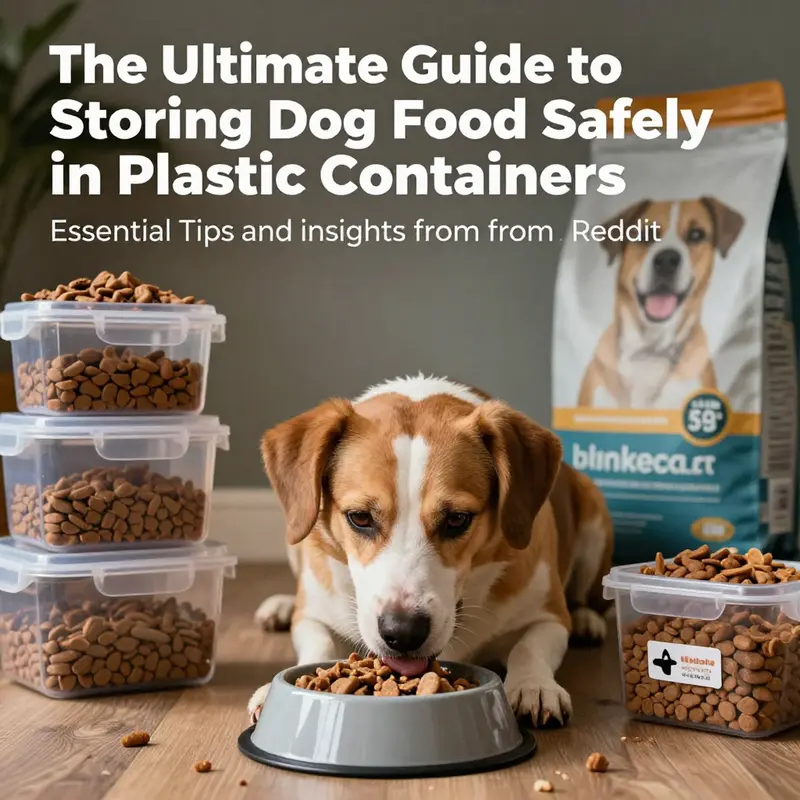
Proper storage of dog food is vital not only for maintaining its nutritional value but also for ensuring the health of our furry friends. As dog owners and professionals in the pet care industry, understanding the best practices highlighted by the Reddit community can help safeguard our pet’s food against spoilage, pests, and contamination. This guide delves into the best practices for storing dog food in plastic containers, safety considerations, tips for choosing the right containers, and maintaining longevity. With insights from Reddit users, we aim to equip you with the knowledge needed to elevate your dog food storage practices effectively.
Guarding Freshness: Best Practices for Storing Dog Food in Airtight Plastic Containers
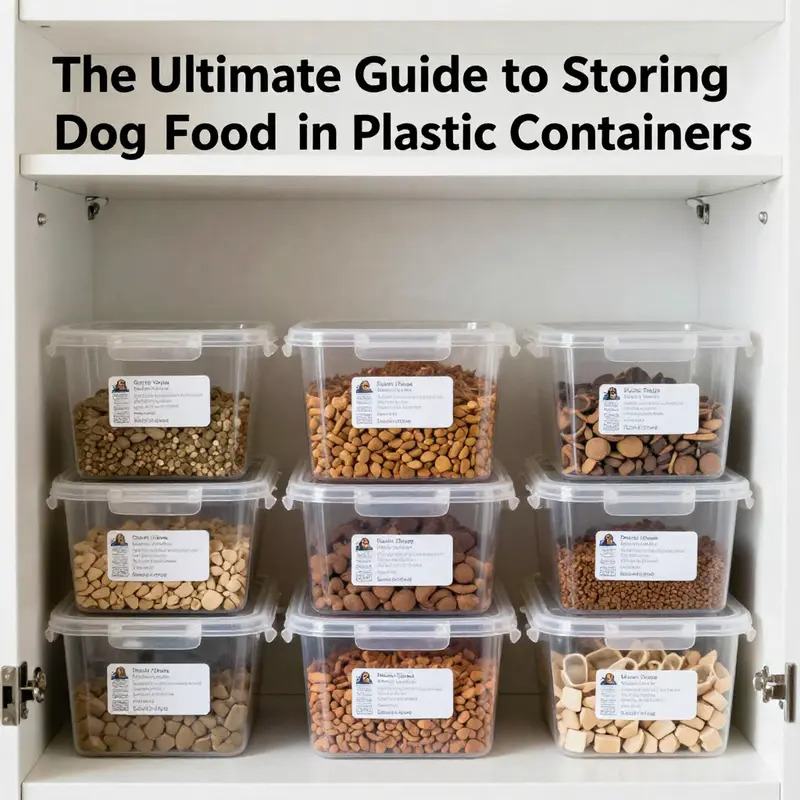
Reddit discussions about storing dog food read like a practical, living manual created by experienced pet owners. The throughline is straightforward: lasting freshness comes from a careful trio of high-quality materials, airtight design, and steady, routine habits. The conversations center on plastic containers designed for pet food storage, but the wisdom extends to how climate and handling affect shelf life.\n\nA primary pillar is airtight containers built for pet food. Moisture, air, and pests are the three saboteurs that threaten kibble and canned food once it leaves the bag. A lid that seals tightly reduces air exchange and slows staling and potential microbial growth. Many owners tuck the original bag inside the container to preserve the bag’s seal and assist with measuring and rotation.\n\nPlastic quality matters too. The consensus points to food-grade plastic free from BPA and resistant to leaching, even in warm kitchens or sunny corners. Do not reuse containers that previously held non-food items or chemicals; residues can migrate into food and affect taste or odor.\n\nStorage conditions matter as much as the container. Keep the container in a cool, dry place, away from direct sunlight and heat sources, ideally at roughly 50°F to 70°F (10°C–21°C). In kitchens, garages, or laundry areas with temperature swings, the risk of fat oxidation and aroma changes increases, so a stable microclimate is crucial.\n\nLabeling and rotation help maintain control. A simple date label and the food type enable a First In, First Out (FIFO) approach, ensuring oldest stock is used first. This reduces waste and helps detect moisture or seal issues early.\n\nCleaning is a core habit. Thorough washing followed by complete drying preserves seal integrity and prevents residue that could foster mold or bacteria. The container should be dry before refilling, especially for wet foods, to minimize micro-condensation and microbial risk.\n\nDifferent foods require different strategies. Dry kibble stored in a sealed, cool space tends to stay usable longer, while wet foods may require quicker turnover or separate containers with opened portions refrigerated or used within a shorter window. Some owners keep wet food in smaller portions and refrigerate opened portions while dry kibble remains in the main airtight vessel.\n\nReddit communities add practical support, sharing troubleshooting tips on leaks, stiff seals, or odors. The tone is calm and incremental, emphasizing reliable routines over radical changes. The result is a shared playbook: choose a food-grade plastic container with a true seal, store away from heat and light, label for rotation, clean regularly, and adapt to your dog’s meals and the household rhythm.\n\nA concrete example: a two-dog home uses a large dry-container for kibble and a smaller one for opened wet portions. The dry container sits in a cool pantry corner; the original bag remains tucked inside to maintain seal cues. Wet portions are portioned and kept in a separate sealed container in a cool shelf. Each week includes date checks, stock rotation, and a routine cleaning.\n\nBeyond Reddit, credible guidance from dog-food storage resources reinforces these practices, highlighting temperature control and airtight sealing as central to preserving nutrition and palatability. For readers seeking formal guidance, consider mainstream resources on safe storage and shelf-life for dry and wet dog foods as a complement to user experiences. https://www.pedigree.com/uk/pet-care/dog-food-storage-tips
Guarding the Bowl: Reddit-Informed Safety Tactics for Storing Dog Food in Plastic Containers
Storage is more than a shelf, more than a box between meals. For many dog guardians, the container that holds a daily bag of kibble becomes a quiet line of defense against staleness, pests, and the subtle, unseen changes that can rob nutrition over time. On Reddit, conversations about storing dog food in plastic containers frequently circle back to safety first, then convenience, then long-term peace of mind. The practical wisdom across threads is to choose high-quality, food-grade plastic that is designed for long-term food storage, preferably opaque to block light and with a robust airtight seal. In this framework, many redditors emphasize that the container’s purpose matters: it must be built to handle a dry, fatty food without compromising its integrity.
A key caution echoes Dr. Thompson’s warning: even BPA-free doesn’t always mean safe. ‘Even BPA-free doesn’t always mean safe. Some replacement chemicals, like BPS and BPF, behave similarly in the body and may pose comparable risks.’ This pronounces a truth that many readers internalize: product labels tell only part of the story. The overall quality of the plastic, the rate of chemical migration, and the conditions under which the container is used all matter. In the same vein, Reddit discussions often highlight that a label’s confidence can be overshadowed by how the container is used in real homes, where heat, sunlight, and daily handling shape outcomes over weeks and months.
Within Reddit discussions, HDPE and LDPE emerge as favorites for long-term storage. These polyethylene grades are known for lower chemical migration and greater chemical stability under typical kitchen temperatures. Their stability matters because dog food can be fatty, and fats can facilitate leaching once a container begins to soften or degrade. Guardians often look for a resin identification code and a claim that the container is food-grade; they want to see that the container is intended to store dry pet food rather than used for non-food items. The general idea is to pick a container that resists heating, is easy to seal, and can be cleaned thoroughly. The practical advantage here is simple: stronger plastics tend to hold up under routine domestic conditions, resisting small scratches and scuffs that can harbor residues when they are not cleaned properly.
Another recurring theme is caution about reuse. Used for non-food items, scratched, or discolored containers can harbor bacteria and may offer micro-crevices that encourage dirt and residue. In addition, scratches can harbor microbes that survive washing, and over time, microenvironments may alter smell or, in extreme cases, contribute to breakdown of the plastic. Redditors advise inspecting for cracks, cloudy patches, or any odor after cleaning; such signals suggest it’s time for a replacement rather than a deeper clean. The emphasis is not only on the material itself but on the lifecycle: a container that looks worn is often a sign that its barrier properties have diminished, increasing the odds of moisture intrusion or odor transfer that could affect a dog’s appetite or gut comfort.
Sealing is not just about smell; it’s about keeping humidity and pests away. A tight seal helps prevent moisture that invites mold and can accelerate spoilage, as well as deter pantry pests that might exploit tiny openings. Users consistently stress the importance of storing containers in a cool, dry place, away from direct sunlight and away from heat sources like stoves or dishwashers. Light, heat, and moisture each push chemical and physical changes in the plastic, even in seemingly sturdy materials. A cool, dry closet or pantry, kept away from outside walls that can accumulate moisture, becomes a practical sanctuary for the kibble. In many homes, the storage spot is as important as the container itself, because a well-chosen corner can safeguard against accidental heat exposure from appliances or a hot afternoon sunbeam that travels across a kitchen shelf.
Large-volume containers pose another set of considerations. For households that feed multiple dogs or manage a kennel, a 25kg plastic container may seem ideal for its durability and capacity. It’s a robust solution for big households, kennels, and farms, where consistent access matters. But the crucial caveat remains: verify that such containers are designed for direct contact with food and are certified food-safe. Avoid anything that carries fragrances, dyes, or stabilizers that could migrate into food. The message from Reddit and from researchers alike is that more mass or bigger size does not automatically translate to safer storage. Instead, it translates into a greater need for meticulous cleaning, rigorous inspection, and disciplined rotation of stock.
Many guardians keep the original kibble bag inside the container, folded closed at the bag’s seal. The logic is simple: the intact bag often retains the original moisture barrier and aroma barrier, which can extend shelf life. Yet this technique requires careful adaptation: the bag must remain sealed, not crushed, and the container must be dry and clean before the bag goes back in. Some experts warn that this approach can trap condensation if the interior is not truly dry after washing. It is a compromise between preserving a built-in seal and ensuring the interior remains dry and clean. In practice, some households find this method reduces waste and preserves the bag’s integrity, while others prefer transferring to the container after a thorough inspection of the bag’s outer seal and any signs of moisture.
Before filling, washing is essential. Containers should be washed with hot, soapy water and thoroughly rinsed; a sanitizing rinse or a brief soak in a pet-safe disinfectant may be warranted, followed by air drying completely. Any residual moisture is an invitation to mildew or mold and can create a breeding ground for bacteria. The goal is to have a dry interior that won’t promote clumping or spoilage. The instruction for cleanliness becomes part of the routine—an ongoing habit rather than a one-time chore. Some redditors even develop a simple calendar reminder to rotate containers or to rewash them after certain intervals, recognizing that human memory can easily forget how long a bag has sat in the same container, especially when multiple bags are stored in rotation.
Labeling is a small ritual with a big payoff. A simple sticker or marker noting the purchase date or the opening date helps owners track freshness and plan rotation. The concept is basic: once a dog food bag is opened, the clock starts on the product’s freshness. For some guardians, the label becomes a reminder that even the best container can only slow spoilage; it cannot replace proper storage conditions or responsible feeding timelines. In households where dogs have sensitive stomachs or dietary needs, this information dovetails with a routine of using the oldest stock first and setting a schedule for replenishment. A tidy labeling system also minimizes the chance of cross-contamination between different flavors or formulations, which can happen when multiple bags share a single storage space.
While plastic remains the most accessible option for many households, some guardians explore alternatives. For instance, there are kraft-paper-based storage solutions that can be lined or paired with airtight lids to help maintain dryness and protect contents from light. See wholesale options described in the packaging catalogs as kraft paper food storage bowls; with thoughtful design, these can complement plastic-only strategies or serve as a temporary transfer option when shopping cycles shift. kraft paper food storage bowls.
Integrating these practices into daily life requires balance. Space constraints, climate, and the pet’s dietary needs all influence decisions. For apartment dwellers with limited cabinet depth, a compact, airtight container might sit on a shelf while the bag remains inside a labeled bin to keep the seal intact. For households with multiple dogs or seasonal exposure to heat, the choice might lean toward thicker-walled containers with larger gaskets that resist wear. The Reddit community often shares their layouts, noting that a little planning saves big losses in freshness and tummy comfort. Even the most careful user must remain flexible, often swapping containers or resizing storage as the dog’s diet evolves or as life changes seasons and environments.
In the end, safeguarding a dog’s nutrition through storage is less a single trick and more a disciplined routine. The container is only as reliable as the conditions around it: a clean interior, a cool spot away from light, a tight seal, and a mindful rotation of stock. The conversation on Reddit underscores that safety isn’t a binary attribute tied to labels but a continuum of material science, practical handling, and human habits. By combining high-quality, food-grade plastics with sound storage practices—and by keeping an eye on the conditions that impact chemical migration and moisture—guardians can preserve freshness, minimize waste, and support a dog’s health over the long term.
External resource: Smart Ways to Store Your Dog’s Food – Pedigree. Smart Ways to Store Your Dog’s Food – Pedigree
Guarding Freshness: A Reddit-Informed Guide to Storing Dog Food in Plastic Containers
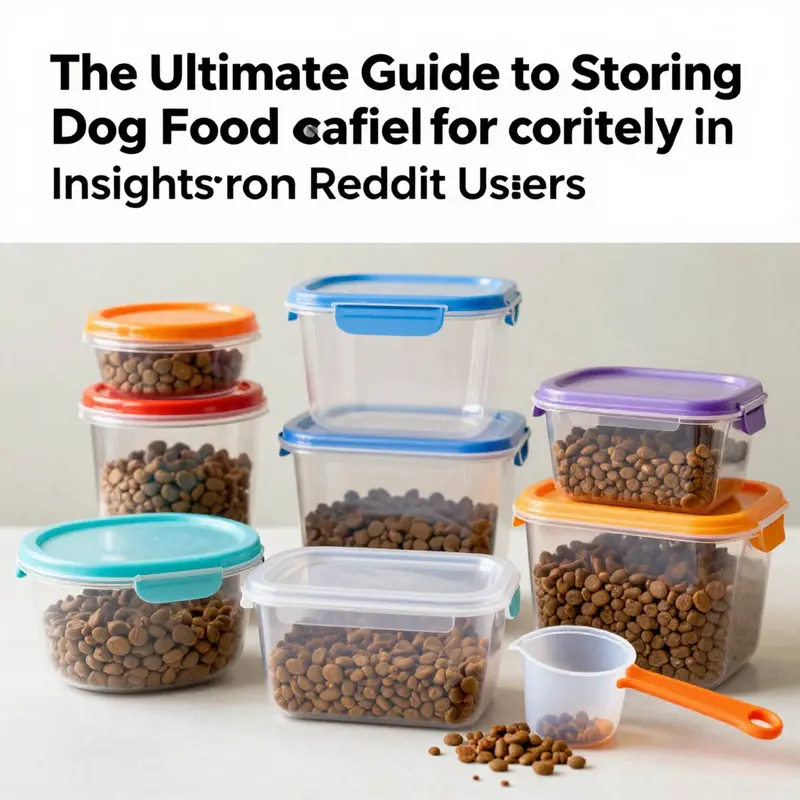
Deciding how to store dog food often feels like a small domestic science project, yet it matters more than many pet owners anticipate. Across Reddit threads and dog care communities, households converge on a practical, repeatable approach: use sturdy plastic containers that are genuinely food grade, designed for long term storage, and capable of keeping kibble fresh in real world conditions. The core idea is simple: when food stays dry, light is kept out, and air cannot creep in, kibble maintains its aroma, nutrients stay intact, and pets are less likely to encounter spoiled food or insects in the pantry. This is not about fancy gadgetry; it is about choosing containers that help every member of the household sleep a little easier at night, knowing dinner won’t be rushed back to the bowl because the bag failed to seal properly.
Material quality sits at the top of Redditors’ lists for a good reason. Much of the guidance centers on selecting plastics designed for contact with food and free from potentially harmful leachates. The consensus emphasizes pantry friendly plastics labeled as food grade, with attention to formulations such as polypropylene and high density polyethylene. These materials tend to be tougher than cheaper options and resist wear and chemical interactions that occur in a busy kitchen. The warning echoed through the feed is clear: avoid containers made from lower quality plastics or those with mystery resin codes that may degrade over time. The risk is not only cosmetic; it can translate into off flavors, reduced shelf life, or exposure to substances you’d rather keep away from a beloved dog.
Alongside material, opacity helps. Many Reddit users favor opaque containers. Light can be a silent accelerator for pantry spoilage, even when the food is not visibly damp. An opaque shell helps preserve color and scent, giving kibble fewer cues to deteriorate under indoor lighting or sunbeams. The choice between clear or opaque is about more than aesthetics; it is about giving the food a steady environment that helps maintain its appeal to your dog and reduces rummaging through bags in search of something fresher. In temperate to humid climates, this light blocking layer becomes part of a broader strategy to moderate environmental stressors that can otherwise speed up stale notes in kibble.
Airtight seals are another recurring theme. The dialogue is about genuine restraint against moisture and air exchange. Containers with airtight lids and reliable seals—often with silicone gaskets or tight fitting rims—are highlighted as essential for preserving kibble freshness. The tiniest gap can invite humidity that softens bits, invites mold, or leaves a stale aftertaste that pets pick up on. In many households, the practice is to transfer the contents from the original bag into the dedicated container right after purchase, then fold and tuck the original bag for reference or packaging storage. This keeps the lot’s integrity intact and minimizes openings, reducing opportunities for air to mingle with the food.
Beyond sealing, the geometry matters. Size and accessibility come up in discussions about family routines and multi pet households. Large, stackable containers with wide mouths are popular because they balance capacity with ease of use. A wide mouth makes scooping straightforward, reduces crumbling kibble, and simplifies cleaning. For families with more than one dog, or with a big breed, there is merit in modular solutions that can be stacked or separated. Some owners also favor containers built to accommodate a built in divider, which helps separate kibble from treats or supplements, fostering organization without multiplying storage units. Mobility is another consideration. For homes with heavy bags or awkward layouts, wheeled or easily movable containers can prevent strain, especially when pantry shelves are narrow or high.
Placement matters. Reddit threads consistently advise elevating containers off the floor, away from doors, windows, or other risk zones. Elevation minimizes moisture exposure from cleaning, reduces pest intrusion, and promotes airflow around storage areas. Shelves or sturdy stands create a microclimate easier to regulate than a floor level box that might be knocked by pet bowls or vacuuming. The practical upshot is simple: a clean, dry, well ventilated storage corner with containers that are accessible but not temptingly exposed to pests tends to stay fresher longer. In humid or temperate climates, this approach is a hedge against moisture and microfauna that can otherwise damage shelf life.
Maintenance earns its place. Redditors share a practical rhythm: clean containers thoroughly between uses, dry them completely, and keep them free of food residue that could harbor mold or attract pests. Regular inspection becomes part of the routine, checking seals for wear, looking for micro cracks that invite leaks, and ensuring lids still fit snugly. A container that has retained odors or shows wear should be retired from food storage, or sanitized with a food safe solution and allowed to dry before refilling. The guidance is steady but pays off in peace of mind. The moment a container shows even a trace of odor retention or a compromised seal, it is a cue to refresh the setup rather than risk stale kibble or unhappy eaters.
Labeling and rotation undergird every successful storage system. A simple date marking on the container helps track freshness at a glance. The first in, first out principle becomes practical in busy households. When a dog meals itself on a predictable rhythm, organizing the food contributes to consistent nutrition and reduces waste. Reddit users describe a fresh batch mindset: when a new bag is opened, the label moves to the front, and the older kibble is used first. This habit reduces the chance that an opened bag sits too long, absorbing humidity or developing a stale aroma that might deter a dog and create confusion for households juggling multiple brands or special diets.
All these considerations—the material, the seal, the size, the placement, and the routine—coalesce into a practical philosophy. The best container balances food safety with everyday usability. It is not merely a vessel but a component of a broader system that treats dog food storage as part of daily care that keeps pets healthy and humans at ease. The Reddit feedback, rooted in real kitchens and busy living rooms, reinforces a simple truth: small design choices, made consistently, yield outsized benefits. An airtight lid that stays closed, an opaque wall that blocks light, a container large enough to hold a bag and then some, and a shelf that keeps everything dry are choices that reduce spoilage, minimize pests, and extend shelf life without adding extra effort.
For households new to this, a quiet confidence comes from readiness rather than guesswork. Keep the original kibble bag inside the container folded closed if you want to preserve the internal seal without wrestling with a new bag’s zipper every day. Label each container with a readable date so you know when open life begins for that batch. If a container has previously held non food items, or if it shows signs of residue that won’t wash away, retire it from food storage and select a food safe option. It is tempting to repurpose vessel after vessel, especially when space feels scarce or when a clutter of containers seems like a clever savings. The Reddit community’s emphasis on safety and hygiene serves as a steady reminder: not all containers earn the status of food storage. The distinction is worth guarding, because it is the difference between a home that smiles at dinner time and a home that worries about spoilage or pests.
As you reflect on these practices, remember that the goal is a practical, reliable routine rather than a perfect, polished setup. The containers themselves are not magic; they are enablers of consistent care. With the right materials, a genuinely airtight seal, smart sizing, elevated placement, and disciplined maintenance, dog food can stay fresh longer and remain appealing for the pets who depend on it. The conversation on Reddit, which blends cautious skepticism with shared wisdom, offers a pragmatic blueprint: choose food grade plastics, prioritize airtight sealing, invest in user friendly sizes, elevate storage, and commit to routine checks and labeling. In that framework, the problem of stale kibble becomes an avoidable hiccup rather than an inevitability.
External resources deepen this practical tapestry. For a veterinarian informed perspective on safe storage practices and broader pet care guidance, readers can consult reputable care guidance that expands on containment, hygiene, and long term food safety. Pedigree’s guidance on smart storage complements the Reddit based advice by translating kitchen habits into pet health considerations. Together, these sources create a grounded everyday approach to keeping dog food at its best while respecting the realities of busy households, climate variations, and diverse dog needs. By prioritizing safe, well sealed, appropriately sized containers and integrating simple routines into daily life, owners can safeguard nutrition, reduce waste, and enjoy the peace of mind that comes with a well managed pantry.
For further reading on practical storage practices that support pet health, see the external resource linked here: https://www.pedigree.com/uk/pet-care/dog-food-storage-tips
Keeping Kibble Fresh: A Reddit-Informed, Practical Guide to Airtight Plastic Storage for Dog Food
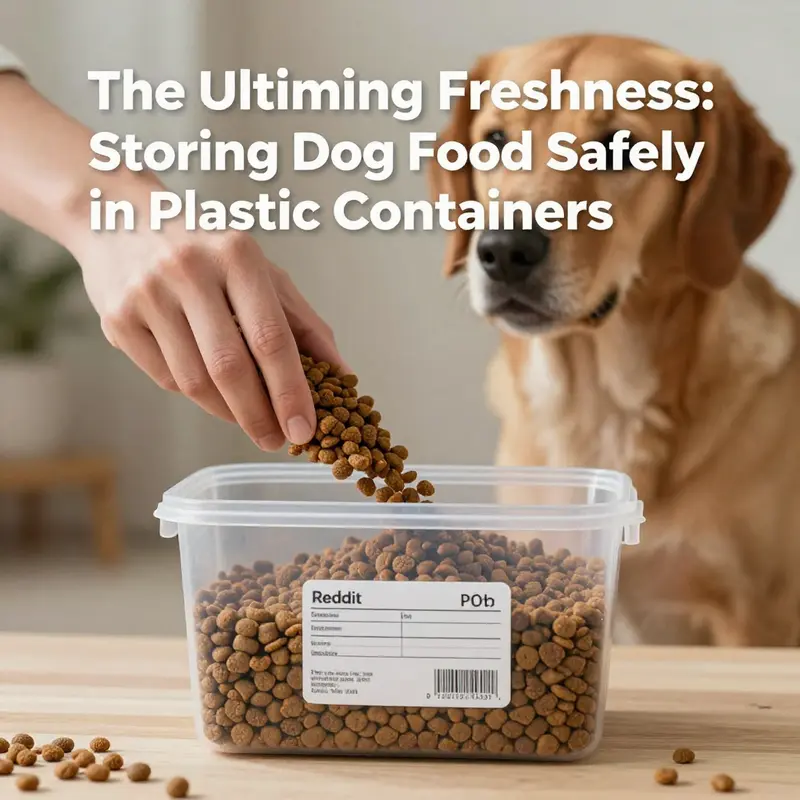
In the quiet hours of online forums and late-night Reddit threads, a simple question often surfaces: how do you keep a dog’s food tasting the same from the first scoop to the last crumb? The answer tends to revolve around one steady principle—freshness through proper storage. This chapter weaves together community wisdom with field-tested guidelines, offering a cohesive, actionable approach to storing dog food in plastic containers. It’s not about clever tricks or fads; it’s about creating a small, reliable system that guards flavor, nutrients, and safety. The chatter on Reddit, built from countless households with wagging tails, emphasizes a few core truths: choose containers that protect against light, air, moisture, and pests; use materials that won’t introduce chemicals into the food; and maintain a routine that keeps the food in its optimal state for longer. This is how routine becomes resilience in the pantry, and how a dog’s daily meals stay nutritious and appetizing, no matter the weather outside.
One of the first decisions that set the tone for long-term freshness is the container itself. The consensus favors opaque, airtight plastic bins designed for food storage. Opaqueness prevents light from accelerating fat oxidation in kibble, which slows the onset of rancidity and preserves aroma. Airtight lids that seal snugly are crucial too; they form a protective barrier against moisture and air, both of which can invite spoilage and staleness. In practice, many Redditors favor containers that include built-in seals or resealable features, because those small hardware details translate into meaningful gains in how long the food remains palatable. The underlying philosophy is straightforward: if the container is not reliably keeping air out, the rest of the precautions lose their effect. For the curious reader, a practical walkthrough of similar storage considerations appears in respected pet-care resources, including a detailed guide on storing dog food properly.
Material safety is not a flashy concern until it matters. The choice of plastic matters because the surface and composition can influence both safety and odor transfer. The Reddit community consistently points to food-grade, BPA-free plastics as the baseline expectation. BPA, a chemical that has raised concerns about its interaction with food, is best avoided in any container that will hold a dog’s daily meals. Beyond BPA, the idea is to prioritize plastics known for durability and inertness in contact with dry food. The emphasis is not on fancy materials but on the reliable performance of a container that resists micro-scratches and cracking, which can harbor bacteria or create micro-vents for air exchange. It’s a simple equation: safer materials plus a solid seal equals better preservation of nutrients and flavor, especially during warm months or periods of heavy use when containers are opened frequently.
Preparation is half the battle. Before the first scoop, a careful routine begins with cleaning. A container can look pristine but still carry faint odors or residues from previous contents. Redditors often advise a thorough initial wash, using hot water and mild dish soap, followed by a rinse that removes any soap traces. For those who want extra assurance, a quick sanitizing rinse with a diluted white-vinegar solution can neutralize stubborn odors and sanitize surfaces. The point is not to overdo chemical cleaners but to ensure that the container’s interior is truly food-safe and free of lingering scents that could affect the dog’s willingness to eat. Another layer of prudence is to avoid repurposing containers that have previously held non-food items, especially if they haven’t been cleaned to a food-grade standard. Odor carries fast in pet food, and a faint scent of something else can deter even the most enthusiastic eater.
Storage location is another piece of the freshness puzzle. The container should live in a cool, dry spot, away from direct sunlight. Heat can accelerate fat rancidity in kibble and degrade some nutrients, especially fats and vitamins sensitive to light and heat. A pantry shelf, a cabinet, or a closet in a climate-controlled room often works well. The goal is stable conditions rather than dramatic temperature swings. For households in hotter climates, where sun exposure is a constant risk, an extra layer of consideration is warranted: position the container away from exterior walls where the wall’s temperature can be higher, and keep it off the floor where dampness or pests might intrusion. This is not about restricting the dog’s access to food; it’s about preserving that access by ensuring the food remains fresh and safe to consume.
Portion control emerges as a practical tactic within this broader framework. When possible, use smaller, bite-sized containers within a larger storage system. This layout reduces the repeated exposure to air that comes with opening and scooping from a single large bin. It also helps with meal planning and minimizes waste. The cognitive ease of grabbing a single-meal portion rather than the entire bag can encourage better feeding habits for both dog and owner. In addition, if you do need to refresh a portion or move to a new bag, transferring only what you need—leaving the rest sealed and intact—helps preserve the overall integrity of the stored kibble. A calm, thoughtful approach to quantity reduces the risk of accidental spoilage and keeps every bowl’s contents tasting like the first serving.
The practical risks of improper storage are not abstract in Reddit threads; they are described in measurable terms: air and moisture can promote fat rancidity, which in turn can upset a dog’s digestive system or lead to longer-term health concerns. Pests are another tangible danger. Open or poorly sealed containers become inviting targets for ants, cockroaches, and rodents. The result is not only hunger for your food but a seriousness of hygiene that affects the whole household. The solution is not to obsess over perfection but to maintain a reliable, repeatable system. That means keeping the container closed promptly after each scoop, ensuring lids fit securely, and checking the seal for wear from time to time. It also means choosing containers that are robust against small impacts and temperature fluctuations, since cracks or warping can compromise the barrier that protects the kibble.
The habit of regular inspection cannot be overstated. A container with even small cracks, warping, or chip remnants can harbor micro-rashed edges where bacteria hide, or it can serve as a conduit for air to seep in. A visible crack is a sign to replace the container promptly. The lid’s integrity is equally essential; a loose seal defeats the entire purpose of airtight storage. The practice of periodic checks—after a certain number of weeks or when you notice a change in the food’s aroma or texture—helps catch issues before they affect a dog’s health. A simple, consistent habit, this continuous assessment translates into fewer spoilage events and a higher likelihood that each serving will be as fresh as the previous one.
Labeling adds a quiet but powerful layer of protection. Keeping a date on the container—either the purchase date or the opening date—helps track freshness, especially when you rotate stock. A well-labeled bin makes it easier to adhere to a first-in, first-out approach, which is particularly valuable for households with multiple bags in a single storage system. The act of labeling also serves as a gentle reminder to reassess the storage conditions and to consider replacing aging containers. Even a minimal label can save days of guesswork and prevent a dog from receiving kibble that has started to degrade in flavor or nutritional content. If you adopt a labeling routine, it can be as simple as a small, erasable marker on the container itself, paired with a quick note inside the original bag’s seal, if you prefer to keep that information together.
The broader guidance from established sources aligns with these Reddit-driven practices. The aim is not to replace professional nutrition guidance but to support it with practical, day-to-day steps that families can implement. A widely cited resource emphasizes the importance of choosing containers that are designed for pet food storage, ensuring built-in seals or resealable features, and maintaining a cool, dry storage environment. It also cautions against containers that previously held non-food items, highlighting the risk of residual odors and chemical contamination. Taken together, these recommendations form a coherent blueprint for maintaining freshness through simple, repeatable actions.
An important nuance is that the best storage solution is one that fits a household’s rhythm. For some families, a single large container with a reliable seal works well; for others, a tiered system of smaller bins within a larger bin makes sense due to feeding schedules or space constraints. The core idea remains constant: reduce exposure to air, light, and moisture; use food-safe materials; clean thoroughly before first use; store in a place that stays cool and dry; and monitor for wear and odor. In other words, the chain is only as strong as its weakest link. If one link—the lid, the material, or the location—begins to fail, a dog’s trust in the bowl can waver as well, because a stale or contaminated scent can influence appetite. The goal is steady quality, a daily reassurance that the meal is both safe and satisfying.
For readers seeking a concise reference, the broader literature on dog food storage supports this practical approach. The emphasis on air-tight, BPA-free containers, regular cleaning, appropriate placement, and mindful labeling is echoed across reputable guides. The collaborative wisdom from Reddit, grounded in real-life routines, dovetails with expert recommendations to create a simple, robust storage system. The result is a straightforward method that reduces waste, supports nutritional integrity, and minimizes the risk of contamination—all with a calm, methodical routine that any busy household can sustain.
To round out the discussion, consider integrating a quick, mindful ritual into your week: wipe the container’s exterior with a damp cloth to remove any stray kibble dust, label any newly opened bag with the date, and perform a visual inspection of the seal and the container’s condition. These small steps can accumulate into a noticeably fresher-feeding experience for your dog. The important thing is to start with the right container and a clean slate, then let your routine grow organically around your dog’s eating schedule. In this way, Reddit’s practical, experience-based insights become a reliable, everyday standard for keeping kibble flavorful and safe.
Internal resource note: for a practical walkthrough of the storage setup, a detailed guide from The Spruce Pets offers accessible, step-by-step advice on how to store dog food properly. It complements the community-driven tips with a clear, evidence-informed perspective. The Spruce Pets guide on storing dog food properly.
External resource: for a broader, authoritative overview of best practices, see Pedigree’s smart ways to store your dog’s food. This resource reinforces the core principles described above and provides additional context for long-term freshness and safety. https://www.pedigree.com/uk/pet-care/dog-food-storage-tips
Final thoughts
Storing dog food properly in plastic containers is an important process that enhances the food’s shelf life and nutritional integrity. By adhering to the best practices discussed, considering safety measures, choosing the right containers, and keeping freshness in mind, you can ensure that your dog’s meals are always safe and nutritious. Armed with these insights from the Reddit community, pet owners and professionals alike can enhance their dog food storage methods and provide a better feeding experience for their furry companions.