
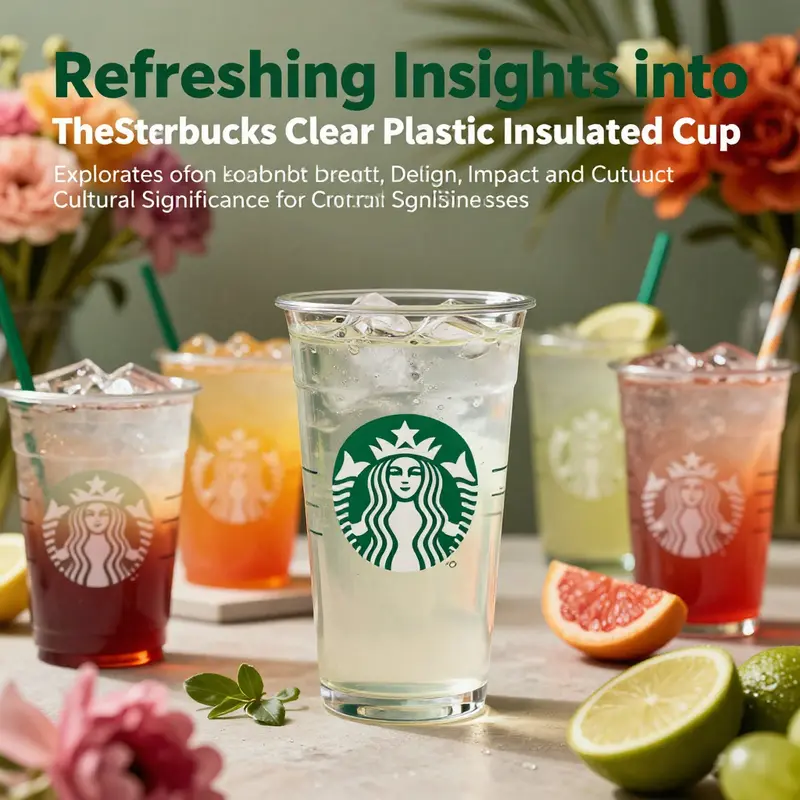
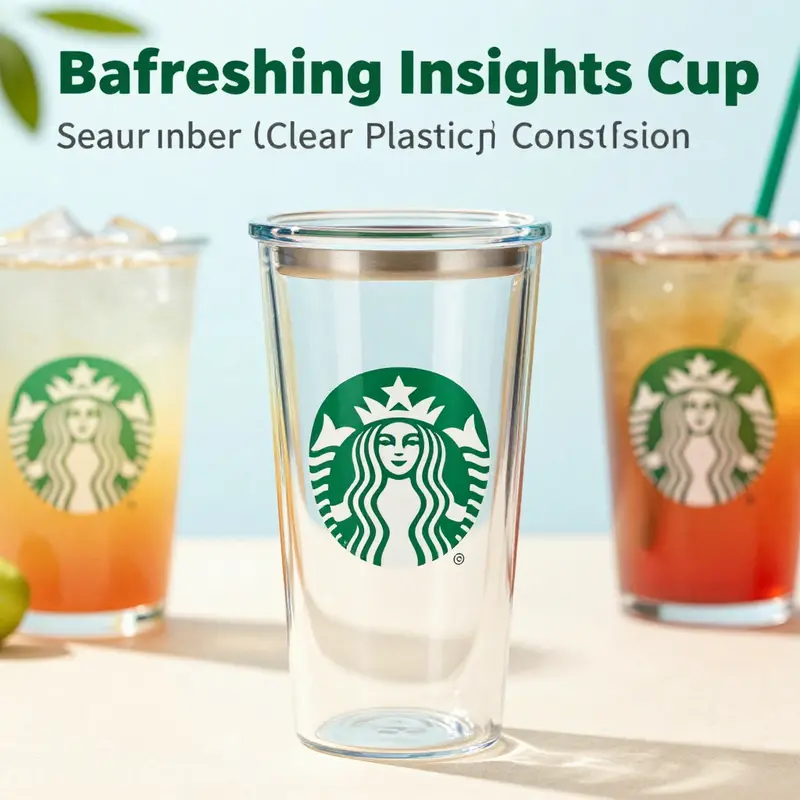
The Starbucks Clear Venti Double Wall Acrylic Cold Cup Tumbler stands out as a prime example of functional and stylish beverage ware in today’s marketplace. With its double-walled acrylic construction, this insulated cup is designed to preserve the chill of your favorite cold drinks, all while making a visually appealing statement with its transparent design. As bubble tea shops, beverage chains, food trucks, and event planners look for durable and ergonomically designed drinkware, understanding the multifaceted appeal of this cup is essential. This article delves deep into its design and construction, environmental considerations, customer experiences, market trends, and its cultural symbolism, showcasing how the Starbucks Clear Cup can elevate the beverage experience for both businesses and consumers alike.
null
null
Clear, Insulated, and Complicated: The Life and Footprint of a Reusable-Cold Cup
A single object can tell a complex environmental story. The clear, double-walled acrylic cold cup that many customers carry is visually simple. Its transparent walls, matching colored straw, and branded emblem make it an instant style signal. Yet its environmental consequences flow through multiple stages: raw material extraction, manufacturing, distribution, daily use, and eventual disposal. Each stage adds emissions, waste, and resource demands. Understanding that lifecycle helps people choose more effectively and pushes companies to design smarter products.
The production phase begins with fossil fuels. Most clear, rigid acrylic and similar plastics originate from petrochemicals. Extracting and refining these feedstocks consumes energy. It emits greenhouse gases. It also concentrates environmental risk in regions near extraction and refining facilities. Chemical processing to create acrylic resins produces wastewater and byproducts. If not carefully managed, those effluents carry microplastics and toxic compounds into waterways. Those contaminants harm aquatic life and accumulate in food chains. The manufacturing steps that follow — molding, finishing, and applying logos — add more energy use and waste. Scrap plastic from production can sometimes be recycled on-site. But contamination and mixed materials often limit reuse.
When the cup reaches a cafe or store shelf, transportation adds another layer of impact. Bulk shipping, often across continents, burns fossil fuels. Packaging protects fragile acrylic walls, increasing material use. The marketing value of a visually appealing reusable cup can justify these costs for businesses. Consumers pay for the perceived durability and design as much as for the physical object. That perceived longevity matters for environmental outcomes. A reusable cup only reduces total impacts if it replaces many single-use items. If it is lost, discarded, or used rarely, the initial production burden remains mostly uncompensated.
Use-stage behaviors determine whether a reusable cup delivers net environmental benefits. Daily reuse, frequent hand washing, and replacement over years shift the scale. But convenience matters. A lightweight, clear plastic tumbler is easy to carry and attractive. That increases reuse rates. Still, not every owner uses it every time. Incentives help. Small discounts for bringing a personal cup increase adoption. Clear communication about storage, cleaning, and longevity helps too. Yet even with frequent use, contamination and cleaning introduce their own footprints. Hot wash cycles or dishwasher energy can add emissions, though these are often much smaller than the emissions from producing single-use alternatives over time.
End-of-life is where plastic products face their largest challenges. Recycling sounds like a solution. In practice, acrylics and many rigid plastics often lack clear, widely available recycling streams. Labels or codes do not guarantee processing. Contamination from food residues or mixed materials makes sorting harder. As a result, many reusable-looking cups still find their way to landfills or into the environment. In landfills, plastics persist. They fragment into microplastics. Those fragments move through soil and water. The slow breakdown timeline means environmental effects can last centuries. Even worse, littered cups add to visible pollution in city streets and natural areas.
Comparisons to single-use paper cups complicate the picture. Paper cups use renewable feedstocks, such as trees. Their production consumes water and often requires energy-intensive pulping. Many paper cups also include polyethylene or similar linings. Those linings hinder recycling and composting. For businesses seeking lower-impact single-use options, newer designs attempt to avoid plastic liners. Products that are fully fiber-based or that use compostable coatings can reduce some disposal problems. For organizations and consumers considering a shift away from rigid plastic tumblers, options like the best-price 8oz double plastic-free paper cup exist. These alternatives trade off durability for lower end-of-life persistence. They may still require different resource inputs and present their own recycling or composting challenges.
Corporate responses can sway outcomes at scale. Programs that promote reuse reduce demand for single-use packaging. Financial incentives, such as discounts for bringing personal cups, nudge behavior. Retailers can design cup systems explicitly intended to maximize reuse: modular lids, easily replaceable straws, and materials that are easier to clean and recycle. They can also invest in take-back schemes. These allow patrons to return worn cups for recycling or refurbishment. But corporate programs must be backed by infrastructure. Local recycling facilities need clear standards for processing. Return logistics must be convenient. Without these, well-intentioned programs stall.
Design choices matter as much as policy. Double-walled acrylic offers insulation and visual appeal. Still, material selection could favor polymers that are easier to recycle. Using mono-material construction simplifies sorting. Avoiding glued-on badges or mixed materials makes end-of-life processing easier. Labels and user instructions can extend product life. If consumers know the best cleaning methods and the expected durability, they will replace items less often. Manufacturers can also offer repair parts, like replacement lids or straws. These small moves reduce the need for whole-product replacement.
On the consumer side, the most effective action is consistent reuse until the end of a product’s usable life. That means using the cup frequently, maintaining it, and choosing to repair where possible. When disposal is necessary, checking local rules for recycling is crucial. If local systems cannot accept a specific plastic, seeking municipal special collection programs or manufacturer take-back initiatives is better than general trash. For those weighing a new purchase, evaluate the full lifecycle. Consider materials, where the product was made, and whether the retailer offers refund or return programs. Small incentives and clearer labeling can guide smarter choices.
At the policy level, broader shifts make individual choices more impactful. Extended producer responsibility rules force manufacturers to manage end-of-life. Investment in recycling infrastructure expands what can be processed. Clear standards for compostable or fiber-based single-use items prevent greenwashing and reduce contamination. When companies and municipalities coordinate, reusable programs scale. That coordination becomes a practical path to reduce the net environmental load of beverage packaging.
The clear insulated cup stands at a crossroads. Its design encourages reuse and brings aesthetic appeal. But its material roots and disposal realities demand careful consideration. When production, use, and disposal align toward longevity and recoverability, the cup can lower total environmental impacts. When they do not, the cup adds to the problem it seeks to solve. Consumers, designers, and policymakers must therefore treat such products as system problems, not isolated choices. For more on corporate reusable cup initiatives, see the program details here: (https://www.starbucks.com/reusable-cups)
Living with a Clear Double‑Wall Insulated Cold Cup: A User’s Perspective
A user’s view: everyday realities of the clear double-wall insulated cold cup
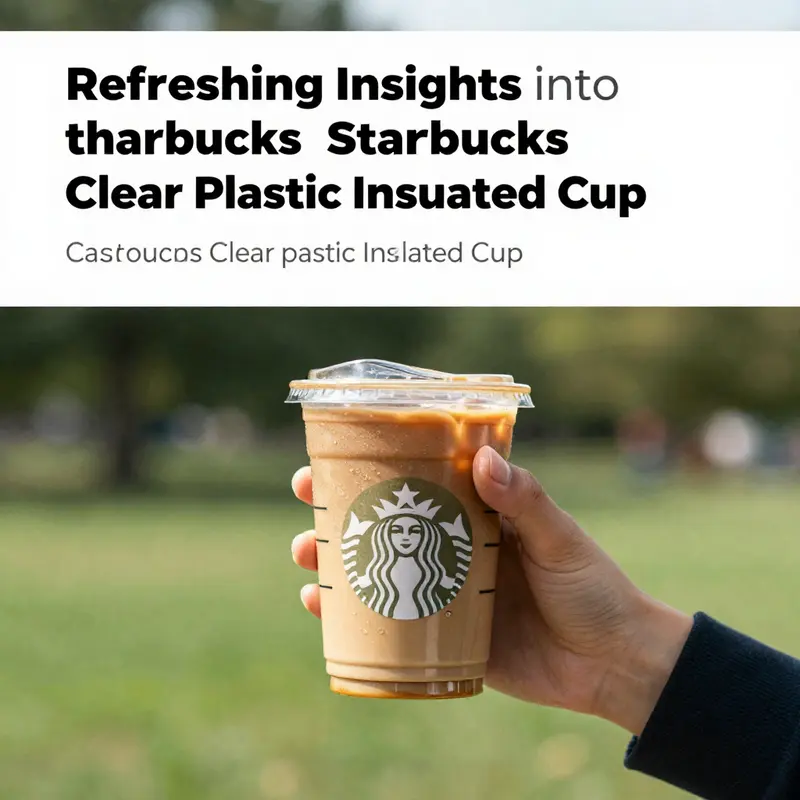
The clear double-wall insulated cold cup blends a simple function with a visible style. Its transparent walls let the drink become part of the design. That immediate visual appeal is often the first thing users mention: iced drinks look vibrant, layered beverages read like recipes, and colorful syrups or fruit pieces become part of the experience. But the cup delivers more than looks. For many people, the daily relationship with this kind of cup is defined by a handful of practical traits that shape satisfaction over time.
Insulation sits at the center of the user story. Double-wall construction creates an air gap that slows temperature exchange. For cold drinks this translates into slower melting of ice and less rapid warming, which users appreciate when they want their iced beverage to stay crisp for an hour or longer. The transparent material—often an acrylic or a high‑grade plastic—rejects the metallic feel of steel and the heaviness of ceramic, offering a lighter carry that still feels sturdily built. Many users praise that balance: it feels like a durable accessory rather than disposable drinkware.
Condensation management is another frequent talking point. Single‑walled cold cups tend to sweat; double‑wall designs mostly stop that. That means fewer sweat rings on desks, bags, and laps. For commuters and office workers, that small improvement makes the cup far more convenient. It also affects perceived quality. A cup that avoids dripping feels thoughtfully engineered; it elevates a routine sip into a tidier ritual.
Lids and straws shape everyday ease. A secure press‑fit lid and a fitted straw deliver a straightforward sip without fuss. Users often note that wide straws make cold drinks and blended beverages easier to enjoy. But there are tradeoffs: some lids are not fully leak‑proof, and straw holes leave the potential for spillage if the cup tips. Those who prioritize a truly leakproof carry often choose a screw top or a travel mug with a sealed spout instead. For most users of clear cold cups, the lid‑and‑straw combo hits the sweet spot between convenience and portability.
Cleaning and maintenance influence long‑term satisfaction. Reusable clear cups can be dishwasher safe, but many users prefer hand washing to preserve decals, logos, and the clarity of the walls. Over time, acrylic may develop faint clouding or small scratches, which can dull the visual effect. Simple care—gentle dish soap, soft cloths, and avoiding abrasive scrubbers—preserves the finish. Users who treat the cup as a daily companion often invest in routine care because the transparent look is part of the appeal.
Weight and portability matter in real life. Compared with insulated stainless steel alternatives, acrylic double‑wall cups are lighter. That weight difference makes them better for long commutes, bike rides, or stashing in a tote bag. However, they can be bulkier in shape, and some designs may not sit perfectly in narrow car cup holders. People report learning the quirks of their cup shape: what fits in a car, which cup holders wobble, and whether a silicone sleeve helps with grip and stability.
Durability is a mixed story. High‑quality acrylic resists breakage and keeps a clean look for months or years. Still, drop it on concrete and the chance of cracking or chipping exists. Users who prize longevity look for thicker walls, reinforced rims, and lids that snap into place firmly. Many find that modest investment in a higher quality insulated cup pays off because it avoids frequent replacement and keeps the visual appeal intact.
Sustainability and ethics show up in user choices and rationales. Reusable cold cups are often purchased as an alternative to single‑use plastic or paper cups. For some, the decision is symbolic: owning a reusable cup signals a preference for reduced waste. Practical savings follow when a retailer offers discounts for bringing your own container. But users balance these gains against the materials used; not all plastics are equal, and the ability to recycle a damaged cup varies by local programs. People report appreciating clarity from manufacturers about BPA‑free materials and recyclability labels. When such information is absent, buyers rely on general cues—weight, finish, and retailer statements—to judge safety.
Aesthetics and seasonal design drive emotional attachment. Many users buy a clear insulated cup not just to carry drinks but to express a style. Limited‑edition colors, seasonal prints that sit under the transparent wall, and small logos transform a utility item into a collectible. This emotional value influences care: people are more likely to hand wash and protect a cup they love. It also feeds community behavior—users trade tips on where to find new designs, and some treat their cup as part of a daily outfit.
Practical tips emerge from long‑term users. To maximize lifespan, rinse the cup immediately after acidic or sugary drinks to avoid staining. Use a straw for thicker blends to reduce contact with the rim and interior. Store lids and straws separately to keep seals responsive. When buying, check that the cup’s mouth matches available lids and replacement parts; compatibility simplifies long use. If condensation is a concern, choose double‑wall models specifically advertised as insulated and test them with an ice trial before committing to daily use.
Users also adapt cups for mixed roles. Many people repurpose the cup for non‑coffee uses: infused water, iced tea, smoothies, and simple storage for small items while traveling. The transparent body makes it easy to see contents and unusual uses, turning a beverage vessel into a multi‑purpose travel accessory.
For those seeking a bridge between disposables and durable reusables, pairing a clear insulated cup with supporting accessories can matter. A simple cup holder designed for disposable cups can make the transition to reusable drinkware smoother by preventing slippage in cars and on buggies. If you’re interested in complementary eco solutions, consider exploring an eco‑friendly recyclable cup holder to accompany your reusable cup.
Taken together, the customer experience of a clear double‑wall insulated cold cup is more than a sum of features. It is a daily relationship shaped by how the cup looks, how well it keeps a drink cold, how easy it is to clean, and how it fits into life on the go. Users who prioritize visibility, lightness, and style will often find that this cup type delivers exactly what they want, while those who need absolute spill protection or extreme temperature retention may look to alternatives. Still, the common thread is that thoughtful design—secure lids, sturdy materials, and clear care instructions—turns a simple drinking vessel into a reliable part of the day.
Clear Transparency with a Sustainable Pulse: Market Currents in the Clear Plastic Insulated Cup
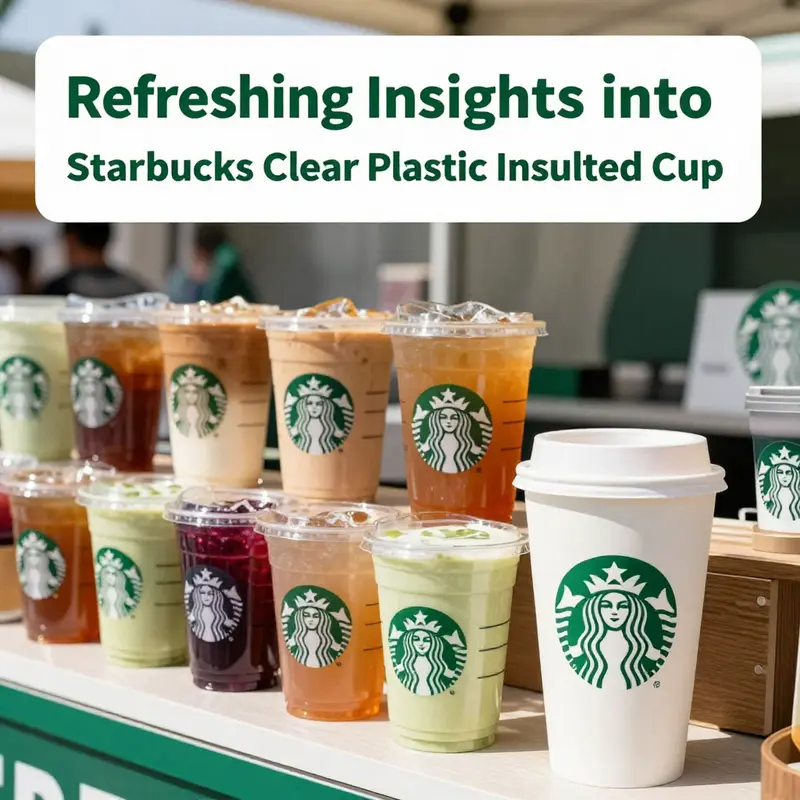
Sustainability has shifted from a niche value to a core criterion for product development in many consumer segments, and the clear plastic insulated cup is a case in point. Where once a focus on transparency and chic minimalism might have stood alone, today the market expects clear, reusable drinkware to also minimize environmental impact. For the large coffee retailer that popularized a line of reusable tumblers and cups, this means balancing the crave for a glassy, pristine look with a broader strategy to phase out single use plastics and to push toward circular packaging. The result is a design language that remains crisp and unobstructed while incorporating materials and finishes that can be recovered, recycled, or repurposed at end-of-life. In practice, this translates into a careful evaluation of plastics and coatings, a willingness to adopt food safe solutions that can be recycled, and a stronger preference for coatings and polymers that enable easier disassembly. The practical implication for consumers is clear: a cup that can stay colder longer, resist condensation, and still be recycled or repurposed with a lower environmental cost. This triad of performance, aesthetics, and sustainability is shaping the way transparent, insulated drinkware is imagined and used in daily life.
Product line evolution in 2026 reinforces the sense that sustainability and style can coexist without compromise. In this moment, minimalist palettes coexist with seasonal color bursts to offer both timeless and collectible options. Colors like coral and frost tones are deployed not merely for fashion, but to enable a sense of seasonality that invites repeat purchases. Limited edition collaborations and capsule designs have become a central tactic to drive excitement and perceived value. These collaborations cultivate collectability, nudging customers to view the cup itself as part of a personal style rather than a disposable accessory. At the same time, the materials story is guiding choices. The consumer demand for durable, insulating performance is matched by a rising interest in food safe, high clarity plastics that also meet evolving sustainability benchmarks. In short, the market wants a clear cup that looks premium, performs reliably under cold temperatures, and aligns with a longer term vision of responsible consumption.
From a data perspective, reusable tumblers built from durable polycarbonate and premium stainless steel continue to lead sales. These materials provide the right mix of impact resistance, thermal performance, and the potential for long life, which is essential for customers who value the idea of reuse over time. The loyalty demonstrated by customers who repeatedly choose a particular style or color also drives growth in this space. In the context of clear plastic insulated cups, this means that a transparent option is most compelling when it can deliver dependable cold-holding, resisting fogging and heat transfer that dulls the user experience. The combination of visibility and performance resonates with on‑the‑go use, breakfast runs, or post-workout rituals where a drink’s color and clarity matter just as much as its temperature retention. The market thus rewards products that can pair a clean, modern silhouette with practical, durable performance while staying true to a sustainability narrative.
Innovation in materials stands out as a key differentiator in this space. Beyond traditional plastics, there is growing interest in food-safe, recyclable plastics and in biodegradable coatings that can extend the life of the cup and reduce the burden at end of life. These developments suggest a potential future pathway for clear plastic insulated options that meet new environmental standards without sacrificing the transparent, glass-like aesthetic. The industry is watching whether advances in recycling streams, chemical recycling, or redesigned polymers can make clear plastic insulated cups more sustainable at scale. In this moment of transition, the path forward involves a balanced portfolio: improve durability and insulation while ensuring compatibility with recycling infrastructure and circular packaging programs. Manufacturers and brands alike are experimenting with coatings that resist staining and odors while offering a clean separation point for future recycling. The idea is to maintain clarity and brightness of the cup’s appearance, even as its underlying materials become easier to repurpose or recover.
A broader strategic context frames these product choices. There is a clear, ongoing push to phase out single-use plastics across major retailers, paired with enhanced circular packaging initiatives. This aligns with global trends toward more responsible packaging design, including easier disassembly, clearer labeling, and the use of materials that can be economically redirected into new products. The clear plastic insulated cup sits within this larger ecosystem as a potential bridge—an option that can satisfy a consumer craving for visibility and style while supporting a more responsible packaging framework. This is not merely about replacing one material with another; it is about reimagining the entire lifecycle of a cup, from production to reuse to end-of-life recovery. The supply chain enters this conversation with renewed attention on sourcing reliability and traceability. Manufacturers in leading hubs of production, particularly in major Chinese provinces known for their advanced manufacturing ecosystems, are increasingly expected to deliver food-safe, insulating-capable, and visually appealing plastic drinkware that adheres to global sustainability benchmarks. This means not only meeting performance metrics but also aligning with standards for recyclability, chemical safety, and worker welfare. The result is a more complex, but more transparent, value chain where durability and ecological responsibility are designed in at the outset rather than added after the fact.
The practical implications for designers, retailers, and customers are meaningful. On the design side, there is more emphasis on clean lines, reduced ornamentation, and color palettes that can be refreshed seasonally without abandoning the core clear aesthetic. On the retail side, storytelling around the cup’s lifecycle becomes part of the purchase decision. Consumers are drawn to narratives about recyclability, responsibly sourced materials, and the potential for the cup to live multiple lives through reuse and repurposing programs. And for customers, the tangible benefits remain compelling: a cold beverage stays colder longer, the beverage color remains visible to gauge sweetness or flavor profile, and the cup’s shape and weight feel solid in hand. All these elements contribute to a sense of value that justifies continued use rather than disposal, even when a budget or convenience instinct might tempt a one‑time purchase.
Within this evolving landscape, one practical note concerns supply chain realities. To deliver consistent, high‑quality results, manufacturers must partner with reliable B2B suppliers that can support the needs of demanding retailers. The regions most often cited for such capabilities include leading manufacturing hubs with established, vertically integrated supply chains. The emphasis is on sourcing that enables strict adherence to food safety standards, durable construction for cold drinks, and finishes that maintain visual appeal over many cycles of use. The interplay between material science, packaging strategy, and logistics is where the clear plastic insulated cup becomes more than a mere vessel. It becomes a test case for how brands can advance sustainability without compromising user experience or brand equity. The narrative, then, is not simply about a cup’s transparency or its ability to hold ice. It is about how design choices, material innovations, and responsible manufacturing come together to shape a coherent story of modern drinkware. A story that speaks to efficiency, style, and stewardship in equal measure.
For readers who want to see how this narrative plays out in related product ecosystems, consider a broader view of eco friendly and reusable cup offerings across categories. This broader lens helps connect the see-through, insulated cup to a larger movement toward sustainable drinkware and circular packaging. You can explore related discussions and supplier perspectives through resources such as the internal reference on eco friendly packaging and recyclable cup components eco-friendly recyclable pulp take-away cup holder. This linkage invites a deeper look at how clear, recyclable materials could complement or someday substitute traditional plastics in controlled contexts.
As trends evolve, the clear plastic insulated cup remains a telling indicator of how aesthetics, functionality, and responsibility converge in present-day drinkware culture. The cup’s popularity, while not the headline driver in every market, reflects a broader consumer appetite for transparent, high-performance vessels that can be integrated into a responsible, circular economy. It is a reminder that even seemingly simple products carry a complex value proposition. The market is watching closely how clear, insulated, reusable options can transition from novelty to norm, and how brands can maintain momentum by pairing seasonal style with durable, sustainable practice. This is not a one size fits all path; it demands thoughtful material choices, disciplined manufacturing, and clear communication about end-of-life options. In the end, the cup’s enduring appeal will hinge on whether it can deliver consistent cold performance, preserve the beverage’s color and aroma, and align with a packaging system that keeps resources circulating rather than becoming waste.
External resource for broader context on reusable tumblers and related products can be found here: Starbucks reusable tumblers
Transparent Identity: How a Clear Insulated Plastic Cup Became a Modern Cultural Icon
Transparent Identity: How a Clear Insulated Plastic Cup Became a Modern Cultural Icon
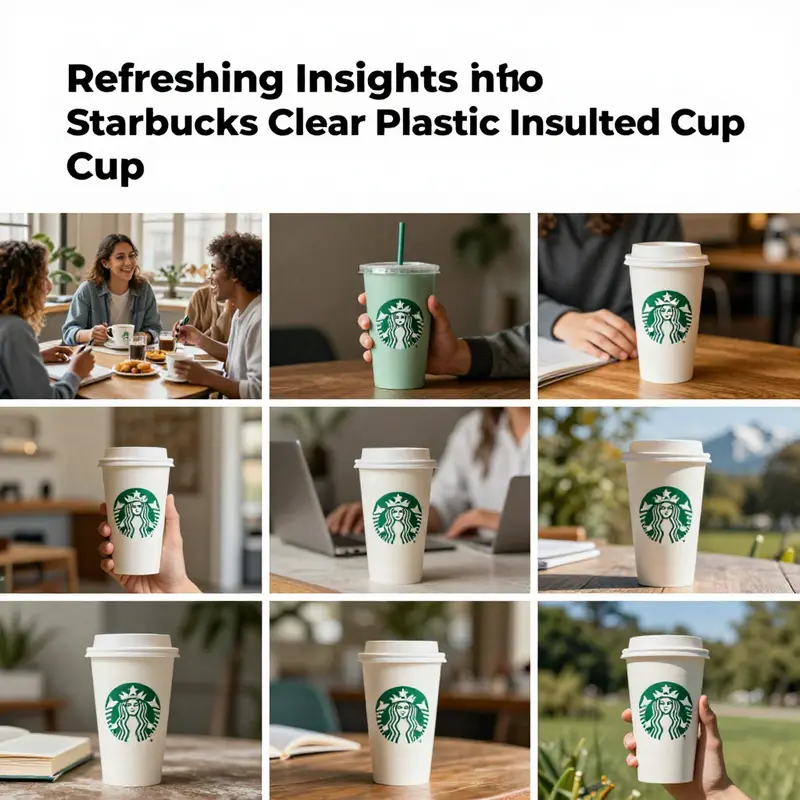
The clear insulated plastic cup has quietly moved beyond utility to become a cultural signifier. At first glance it appears as a simple vessel for cold drinks: durable, clear, and fitted with a straw. Look closer and it reveals a cluster of contemporary values—minimalist design, visible consumption, sustainable intent, and personal style. These cups invite users to show what they drink. They convert everyday beverages into visual statements. That visible aspect appeals to a generation that treats daily rituals as opportunities for self-expression.
Design explains much of the cup’s appeal. The double-wall clear construction isolates the drink while keeping the exterior easy to handle. Transparency changes the relationship between person and beverage. Layered drinks, bright syrups, and the subtle gradients of iced coffee become part of the object’s look. This turns utility into display. Drinks that once mattered only for taste now become colors and textures to be seen. The cup’s simple silhouette is intentionally neutral, which makes it versatile. It supports both a polished, minimalist wardrobe and a bright, eclectic aesthetic. Its discreet logo placement and consistent accents let users carry a recognizable badge of identity without loud branding.
Beyond aesthetics lies a practical promise: durability and repeat use. The material choices aim to balance lightweight portability with long-term performance. Users value a cup that survives daily commutes, fits in car cup holders, and resists cracking. The perceived sturdiness encourages reuse over disposability. That perceived environmental benefit matters to many consumers even if the material is plastic. For people who track their own waste reduction, the cup becomes a visible marker of effort. Carrying it signals a small but public commitment to less single-use waste. That signal is particularly potent in urban communities where sustainability is part of social currency.
These cups also participate in a wider economy of collection and seasonality. Limited runs and seasonal colors fuel repeat purchases. Fans plan visits and swaps, and communities form around new releases. The object becomes collectible, like a poster or a badge. This collectibility taps into social rituals: posting new acquisitions, trading designs, and curating displays at home. The cycle of new releases reactivates interest, keeping the item relevant across years. This approach blends retail strategy with social practice; the cup’s cultural role is nurtured by iterative design and timed scarcity.
Social platforms amplify the cup’s influence. Its transparency lends itself to photography, and photos of beverages in clear cups have become a recognizable visual vocabulary. A photo of a layered iced beverage in a clear cup conveys taste, mood, and season. Users craft carefully staged images where the cup anchors a lifestyle narrative. Those images are not only personal; they shape aspiration. When others see the cup repeatedly in curated contexts, it signals a range of desires: urban mobility, aesthetic refinement, and ecological awareness.
The cup also serves as a prop in small daily rituals. People develop habits around filling, carrying, and cleaning it. Those habits turn into minor rites that organize mornings and commutes. Rituals give solidity to routines. They also create micro-communities: colleagues who recognize the same cup, friends who compare stains or cleaning hacks, and strangers who comment on a seasonal color. The cup becomes a conversational tool that offers entry into informal social exchange.
Cultural significance is not without contradiction. The choice of durable plastic can spark debate. Some view the material as a pragmatic compromise between function and environmental ambition. Others criticize it as greenwashing when disposal systems remain imperfect. These tensions reflect broader questions about responsible consumption. The cup sits at the intersection of intention and infrastructure. Its cultural value depends on consumers’ ability to use it repeatedly, and on systems that support reuse and proper recycling.
The object’s subtle branding plays a role too. A recognizable emblem or colorway translates into trust for many buyers. The emblem signals institutional promises: quality, consistency, and design care. For habitual customers, the cup becomes part of a personal narrative tied to place. Carrying it signals continuity between on-the-go consumption and a preferred retail environment. Yet the cup is also adaptable. Its neutrality allows it to be repurposed for homemade drinks, gym sessions, or outdoor gatherings. That versatility broadens its cultural reach beyond a single retail context.
Viewed through a lifestyle lens, the cup expresses a set of choices. It reflects an orientation toward visible, mindful consumption. It intimates a preference for items that perform well while also looking good. The cup channels a contemporary ethos that values both practicality and aesthetics. For many, carrying the cup is a small act of identity construction. It conveys taste, habits, and sometimes values. That is why the cup has outgrown mere function and entered into visual culture.
In neighborhoods and offices alike, the cup now shapes social expectations. It normalizes bringing a reusable vessel and frames that practice as fashionable. This normalization can be quietly powerful. When reuse becomes visible and aspirational, others adopt it for social reasons as much as environmental ones. The cup thus acts as a cultural accelerant for more sustainable practices, even while it navigates the limitations of current materials and systems.
Practical accessories have sprung up around this phenomenon. Insulated holders, carry straps, and compatible lids help integrate the cup into daily life. Parallel product categories that support takeaway and reuse benefit from this trend. For those interested in sustainable packaging options, related accessories such as the eco-friendly recyclable pulp cup holder are useful complements to reusable cups and help reduce reliance on single-use carriers. The interplay between object, habit, and system shapes how lasting the cup’s cultural role will be.
For additional technical context and product overviews on reusable tumbler initiatives, see the official reusable tumblers overview: https://www.starbucks.com/rewards/products/reusable-tumblers
Final thoughts
The Starbucks Clear Venti Double Wall Acrylic Cold Cup has transcended its role as mere drinkware to become a cultural icon serving multifaceted purposes for businesses and consumers alike. Its stylish design, environmental consciousness, and positive customer interactions have solidified its place in the beverage industry. As trends evolve and consumer preferences shift, this insulated cup continues to encapsulate what it means to marry functionality with aesthetic appeal. For beverage establishments, hosting events, or catering services, choosing high-quality drinkware like the Starbucks Clear Cup can not only enhance visual presentation but also relate to a broader story of sustainable practices and customer satisfaction.