
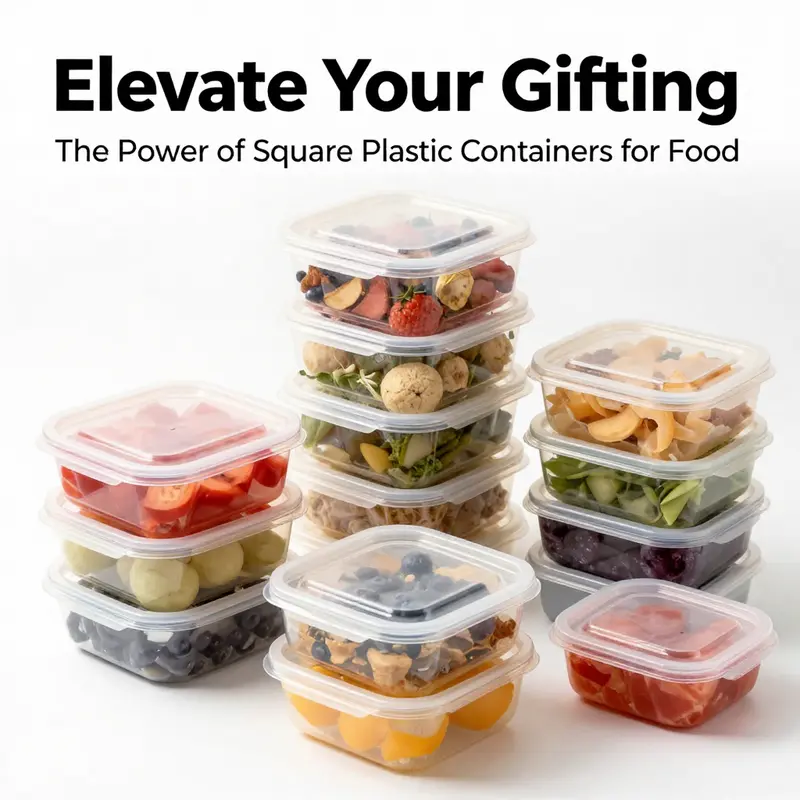
Square plastic gift containers are rapidly becoming essential for food businesses looking to enhance their presentation and functionality. Catering to diverse sectors—from bubble tea shops to catering services—these containers offer a blend of practicality and aesthetic appeal, making them ideal for food storage and gifting. In the following chapters, we’ll explore their standout features, delve into creative applications that are perfect for gifting occasions, and guide you on how to choose the right containers for your specific needs. Whether you’re focusing on efficient packaging solutions or aiming to impress clients with tasteful presentations, understanding these containers will empower you to make the most of your offerings.
Practical Elegance: Why Square Plastic Gift Containers Work So Well for Food
Key features and practical considerations
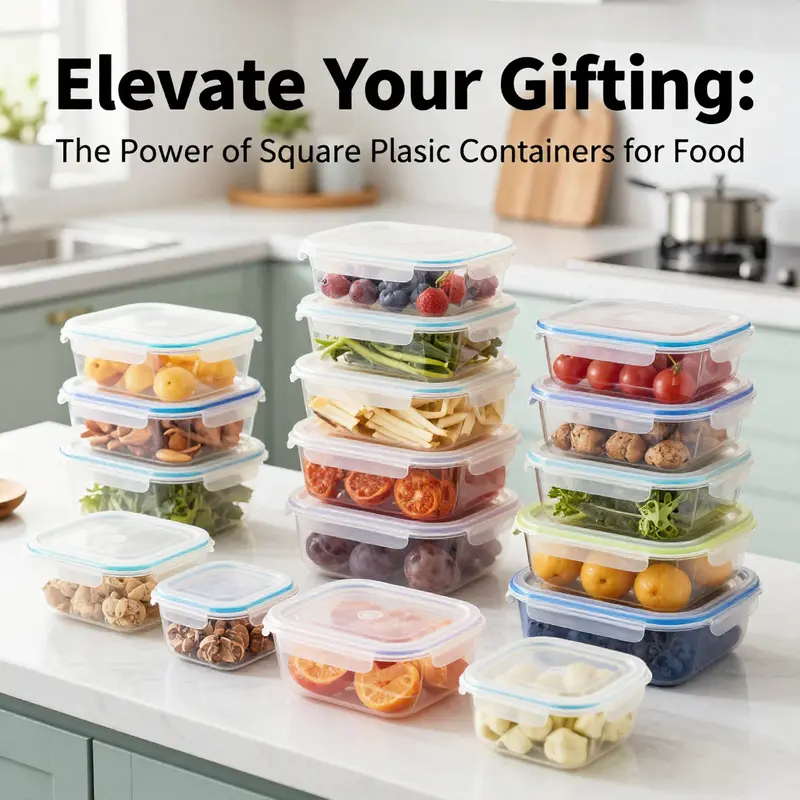
Square plastic gift containers balance form and function in a way few other packaging formats do. Their geometry is efficient, their surfaces invite visibility, and their engineering often focuses on safety and reliability. For anyone packaging edible gifts — from home bakers and small patisseries to event planners and corporate teams — understanding what these containers offer helps turn a simple delivery into a memorable presentation.
The first point to consider is material and food safety. Most square plastic food containers are molded from food-grade polymers such as polypropylene. This material is chosen because it resists deformation, maintains a food-safe barrier, and tolerates a wide range of temperatures without leaching chemicals when used appropriately. Manufacturers often highlight that the plastics are BPA-free and meet relevant food contact regulations. That combination of safety and structural strength makes these containers well suited for chocolates, cookies, small cakes, and layered desserts. It also means they can be stacked, transported, and handled repeatedly without cracking under normal use.
Transparency is another defining advantage. Clear or semi-clear walls let the recipient see the contents instantly, which is especially valuable when the gift is edible. Visual appeal is a crucial part of gifting: a beautifully piped cupcake or an artfully arranged assortment of sweets gains an extra layer of desirability when visible through pristine plastic. This openness eliminates guesswork at events and showcases the care behind the selection. At the same time, a transparent surface allows for minimal decoration while maximizing the impact of decorative inserts or ribbons placed around the container.
Closures and sealing systems influence both usability and perception. Quality square containers are often fitted with lids that snap securely over the base and may incorporate interlocking tabs or gasket-like features. These closures keep fragile pastries from being crushed and protect moist items from drying out. They also reduce leakage, which matters for layered desserts, creamy fillings, or any preparation with syrups. For gifting, a tight seal means the item arrives in the same condition it left in; this reliability builds trust with recurring buyers and repeat customers.
Stackability and modularity address practical constraints for both small-scale kitchens and commercial operations. Square shapes stack more efficiently than round ones because their sides align without wasted space. Modular sets with uniform dimensions make it easy to organize storage in refrigerators, delivery bags, or display cases. This efficiency translates into cost savings over time: better use of shelf and cooler volume means fewer trays in transit and fewer instances of items shifting during delivery.
Temperature performance broadens their utility. Many containers tolerate a wide temperature range. They can move from deep freeze to refrigerator and, in many instances, into microwave ovens for reheating. For edible gifts that travel, this flexibility lets a product be stored frozen for long-distance shipping and then thawed for local presentation. It also simplifies operations for caterers and retail bakers who prepare items in advance and reheat on site. Always check the product specifications for temperature limits, but the most versatile containers handle both extremes with minimal warping.
Aesthetic options make square plastic containers suitable as gifts without additional wrapping. Vendors often offer colorful lids, printed patterns, or clear tops paired with printed bases. Lids in a rainbow of colors add cheer and can be coordinated with event themes. Transparent lids present the food while a colored base or a sticker adds branding or a festive touch. For a cost-effective approach, many sellers provide multi-packs that include plain containers plus a sheet of decorative stickers. This lets the giver customize packaging to the occasion without investing in fully bespoke containers.
Customization and branding options are important for businesses. Wholesale suppliers commonly offer private-label printing or the opportunity to order bespoke lid colors and branded stickers. For corporate gifting, the ability to print a logo or a message on the lid or on a band around the container helps the gift double as marketing collateral. Customization can be as simple as including a branded sticker, or as involved as having a custom-colored lid and printed sleeve. These choices affect price, so it helps to plan quantities and design needs in advance.
Sustainability is increasingly central to purchasing decisions. Although plastic has environmental concerns, choices within plastics can mitigate impact. Containers made from recyclable polypropylene are preferable to mixed materials that are harder to recycle. Some producers use recycled plastic content, reducing the demand for virgin polymer. Others design containers for reuse, encouraging recipients to repurpose them for storage at home. For occasions where single-use is unavoidable, pairing a plastic container with eco-friendly outer packaging balances convenience and conscience: a paper sleeve or recyclable box can carry branding while the plastic protects the food.
Size variety supports a broad range of offerings. Square plastic gift containers are available in capacities from small 200-milliliter boxes to large multi-liter options. Small containers are perfect for single servings of truffles or small pastries. Mid-size options work well for multiple cookies or a small cake. Larger containers accommodate layered desserts or gift assortments. When choosing a size, consider the product’s height as well as volume; tall items need deeper boxes, while flat assortments benefit from wider, shallower containers. Matching the container to the item minimizes movement and reduces the need for fillers that could compromise presentation.
Functionality extends to added features such as removable dividers and built-in cooling systems. Dividers keep fragile items separated, reducing the risk of scuffing or decoration transfer. Some advanced designs include compartments molded into the base or snap-in inserts that create compartments for multiple items within one container. Integrated cooling elements — like snap-in ice packs or recesses for gel inserts — help temperature-sensitive goods during short transports. These features add complexity, but they elevate the container from a simple carrier to a tailored solution for fragile culinary gifts.
Durability plays a practical role in perceived value. Containers must resist cracks, avoid bending under light pressure, and keep their clarity after multiple uses. Reusable models with reinforced corners and thicker walls feel more premium. For gift contexts, the tactile quality matters: a solid snap and a smooth lid contribute to an impression of quality that matches the food inside. Durability also reduces waste, as recipients are more likely to keep and reuse a well-made container rather than discard it.
Ease of labeling and decoration matters for both individuals and businesses. Smooth plastic surfaces accept adhesive labels cleanly, allowing for ingredient lists, allergen warnings, or personal messages. Transparent lids can carry a sticker with a logo or note while leaving the food visible. For small operations, pre-printed labels applied at packaging are a low-cost route to professionalism. For special events, a printed sleeve or band around the entire container provides a polished finish without obscuring the product.
Transport considerations are practical and often overlooked. Square containers lend themselves to predictable packing patterns in boxes and crates. Their uniform shape reduces shifting and simplifies the process of loading delivery vehicles. For delicate items, consider adding a thin layer of cushioning, such as parchment or a food-safe paper liner. A tight-fitting lid reduces the need for banding during transit. For high-volume operations, invest in containers that stack securely, and use box inserts to maintain order during longer journeys.
Cost and sourcing decisions affect margins and scalability. Wholesale suppliers offer economies of scale, and many provide multi-pack discounts. Consider the balance between price and features. Extremely cheap containers may save money upfront but can increase product loss or return rates due to breakage. Mid-range containers with reliable lids and clarity usually offer the best value. For businesses that require branding, factor in the lead time and minimum order quantities for custom printing.
Care and reuse guide long-term perception. Clear instructions for washing and reuse help recipients get the most life from a container. Many polypropylene containers are dishwasher-safe; this adds to their appeal as a sustainable choice. For repeated gifting, recipients who reuse containers are more likely to remember the brand or the giver. Reusing also reduces waste, which reinforces a positive message about thoughtful gifting.
Choosing the right container requires matching product characteristics to container features. For fragile, tall pastries, select a deeper container with a tight lid and structural reinforcement. For assortments, use dividers or individual nested inserts to prevent damage. For shipping, favor containers with leak-resistant seals and consider integrated cooling. For events where presentation is as important as portability, select clear lids with colored bases or use decorative stickers to elevate a simple box into a stylish gift.
Finally, square plastic containers play well with other packaging solutions. Pairing a reusable plastic base with an eco-friendly outer sleeve combines practicality with sustainability. If the event calls for a rustic look, a kraft paper band around a clear box blends charm with modern convenience; for a corporate setting, a crisp printed band or sticker lends a professional tone. A useful alternative to suggest to customers is an eco-friendly paper bowl option when the square plastic is not preferred; for example, suppliers offer square and rectangular kraft salad bowls that provide a recyclable outer choice and still deliver neat presentation for certain products. See a take-away option for inspiration here: https://greendispopack.com/product/take-away-food-kraft-rectangular-square-rectangle-salad-paper-bowl/.
For a practical reference showing how many of these features come together in a single design, consult the detailed product listing that inspired this overview: https://www.ikea.com/gb/en/p/365-food-container-square-plastic-750-ml-90497582/.
These combined aspects — safety, visibility, secure sealing, stackability, temperature tolerance, and opportunities for customization — explain why square plastic gift containers have become a favored choice across so many food gifting contexts. They protect the contents while highlighting them. They scale from single-baker batches to large corporate runs. They can be simple and economical, or upgraded with inserts, color, and logo printing. Understanding these attributes helps anyone choose the right container for the right product, and helps ensure that edible gifts arrive fresh, intact, and visually compelling.
Seeing the Box: Elevating Food Gifting with Square Plastic Containers
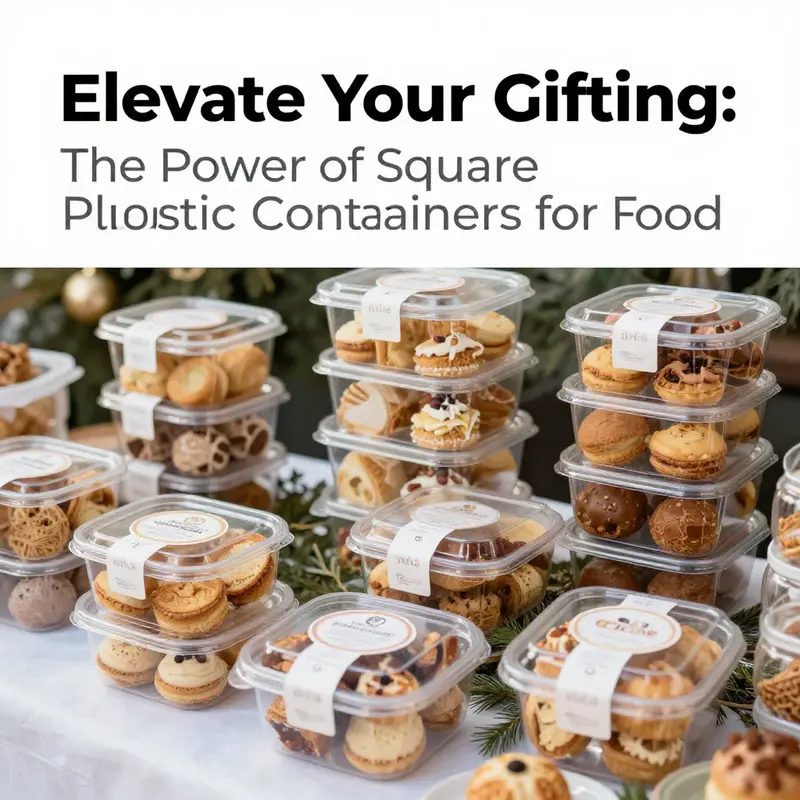
A square box has a way of whispering possibility before it is even opened. In the realm of edible gifts, square plastic containers have quietly become a design language that blends practicality with a certain kinetic elegance. They are not merely vessels for cookies or confections; they are the first impression of care, a frame that showcases the contents while gently carrying the story of the giver. The square footprint is more than geometry; it is a statement about efficiency and respect for the gift recipient’s time and space. In kitchens where every inch matters and every minute counts, these containers optimize the way we store, transport, and present food, turning ordinary treats into shareable, gift-ready experiences. The shift from bulk packaging to gift-grade presentation has brightened the role of these containers from utilitarian storage to deliberate, meaningful gifting. The lenses through which we view them—clarity, durability, and customization—reframe how a simple box can amplify taste, texture, and sentiment all at once.
Transparency is central to the charm of square plastic gift containers. When the lid is closed, a crystal-clear surface allows the recipient to glimpse the inside from the outside, inviting curiosity and anticipation. This visibility reduces the guesswork that often accompanies gifts of edible delight. The baker can rely on the aesthetic of the product itself—the ridges on a chocolate ganache, the delicate dusting on a dozen macarons, the golden edges of a laminated pastry—without relying on extravagant wrappings to carry the message. The container acts as the first reveal, a preview that signals quality and care before the lid is lifted. In bustling kitchens and fast-paced gift exchanges, this clarity accelerates decision-making, helping guests and recipients identify flavors, textures, and portions at a glance.
The square shape, in particular, serves a practical purpose that complements its visual appeal. In home pantries and professional kitchens alike, square containers stack neatly, align with shelving, and maximize refrigeration space. They fit snugly beside bottles, jars, and other containers without leaving awkward gaps, a small but meaningful advantage when every shelf and drawer matters. For delivery, the compact form translates into more efficient packing in bags and boxes, enabling more gifts to travel together with less wasted space. This efficiency extends beyond the kitchen; it informs the logistics of gifting at scale. A corporate event or a wedding favor line can leverage consistent, stackable packaging to simplify inventory, reduce handling complexity, and create a cohesive display that communicates a shared branding or gifting theme without overwhelming the eye.
Beyond form, the materials used in these containers matter as much as their shape. Food-grade plastics such as polypropylene and other clear, durable polymers offer a balance of safety, resilience, and clarity. They are engineered to resist cracking and bending during transport, preserving both the contents and the presentational fidelity of the gift. A well-made square container shields delicate desserts from pressure and impact, ensuring that a fragile pavlova or a capricious lemon tart remains whole when it travels from kitchen to party table. The lids, often designed to snap on or hinge securely, play an equally critical role. A tight seal helps preserve moisture and aroma, which is essential when gifts are shared across hours or across venues. A competent lid design also minimizes the risk of leaks—an important consideration when transporting items with ganache, custard, or fruit fillings. In a gift-giving culture where the final presentation can be as memorable as the flavor, those secure closures are as much about intent as about function.
The practical advantages do not end with safety and protection. Lightweight construction reduces the burden of carrying, shipping, and even reusing containers. A box that is easy to lift and handle is a box that is more likely to be repurposed, which in turn extends the life of the packaging beyond the initial gift moment. Reusability aligns with contemporary values around waste reduction and mindful consumption. When a recipient can rinse and reuse a container for leftovers, storage of small items, or even as a decorative keepsake, the gift extends its usefulness and its memory. The design language of these containers—clean lines, minimal seams, and a lack of superfluous ornamentation—lends itself to reuse, inviting the recipient to see the packaging as part of a practical, daily toolkit rather than as disposable clutter.
For gift-ready applications, customization is a powerful amplifier. The clear canvas of a square container invites personalization through decals, stickers, and printed messaging that cohere with a broader event theme. A wedding favor might carry a monogram, a newborn’s initial, or a brief note of thanks. A birthday gift could feature a playful motif or a seasonal color accent on the lid. Corporate gifting often leverages logo placement, color-coded lids, and message decals to unify a campaign across dozens or hundreds of recipients. In many markets, suppliers offer multi-pack options with vibrant lid choices or label-printing opportunities, turning a straight, transparent box into a miniature marketing and memory-maker. The more thoughtful the customization, the more the recipient dialogues with the gift, reading not just the edible treat inside but the care and intention that went into presenting it.
The applications of square plastic gift containers span varied occasions, and the narrative of their use grows richer as the contexts change. For a family celebration, a batch of cookies or petit fours tucked into a bright, transparent box can act as a portable centerpiece—part dessert, part decoration. In a wedding setting, guests appreciate the pure presentation and the promise of quality that the container carries, a sign that the host has considered every detail of the guest experience. Baby showers benefit from gentle hues and tasteful labeling that matches the event’s color palette, creating a cohesive aesthetic across favors and favors boxes. In the realm of corporate events, the efficiency of square packaging balances elegance with practicality: the gift remains impressive yet unobtrusive in crowded rooms, stacking neatly on tables or in gift bags as attendees mingle and collect tokens of appreciation.
The content inside the box—cookies, brownies, artisanal snacks, or specially crafted confections—takes on new meaning when framed by the container. The box becomes a stage for texture and color, with the contents’ visual appeal enhanced by the clarity of the plastic. The recipient’s sensory experience begins with sight, moves to touch as they lift the lid, and culminates in taste as the first bite arrives. In this sequence, the packaging does not merely protect; it enhances. It whispers a message of hospitality and generosity, of thoughtful planning that respects the recipient’s time and taste buds. And because the container is designed to be dependable, the gifts travel well. There is a quiet confidence in knowing that a carefully arranged assortment will arrive in pristine condition, no matter how many hands, cars, or bag checks stand between kitchen and celebration.
A practical consideration that often underpins the gifting decision is the safety and sustainability profile of the container. Food-grade plastics used in these square boxes are chosen to meet stringent safety standards. Recyclability is a common feature, and many models are BPA-free and designed to minimize the environmental footprint of a gift. For the sender who aims to balance delight with responsibility, these attributes translate into a more complete story: a gift that pleases the palate and honors the planet. Modern packaging conversations increasingly emphasize lifecycle thinking—how packaging is produced, how it travels through supply chains, and how it can be repurposed by recipients. In this framework, a square plastic container can be a responsible choice when sourced from suppliers that provide recyclable options and clear guidance on disposal. The design thus serves not only the present moment of gifting but also the ongoing relationship between giver, recipient, and the broader community.
Choosing the right container, of course, involves a quick calibration of needs: size, capacity, and the typology of contents. The range is broad, from compact 200- to 300-milliliter boxes that hold delicate truffles or single-serve pastries to larger 1500- to 5000-milliliter models that accommodate cake slices, layered desserts, or multi-item gift assortments. The decision rests on how the contents reveal themselves through visibility, how they travel—alone or in a group—and how much space the presentation should occupy in a fridge, a car trunk, or a delivery bag. The best choices align with a gifting strategy that values both beauty and utility, a rare blend that makes the act of giving feel effortless yet deliberate. In practice, this means selecting a container whose interior dimensions harmonize with the chosen edible items, ensuring that no space goes wasted and no item is crowded, crushed, or compromised on the journey from kitchen to celebration.
The narrative of square plastic gift containers also intersects with the realities of supply and demand. Multi-pack configurations provide convenience for event planners, bakers, and gift shops who must balance inventory with the variability of orders. A reliable set of square boxes with consistent dimensions fosters easier cataloging, easier inventory checks, and faster fulfillment during peak seasons. In a world where small details accumulate into a large impact, the predictability of a uniform packaging line translates into smoother operations, less waste, and a higher probability that gifts arrive on time and in pristine condition. This efficiency does not displace artistry; it frees space for it. The practicality of square packaging leaves room for creative expression in the contents themselves and in the decorative touches that accompany them—stickers, ribbons, twine, or embossed seals that catch the light through the clear panels and add a final flourish to the presentation.
As sustainability becomes more than a trend, the choice of container is increasingly a brand statement. The market offers recyclable, reusable, and certified options that reassure buyers worried about plastics in daily life. A thoughtful consumer weighs the trade-offs between single-use convenience and long-term value—the container that can be washed, reused, and repurposed gains emotional and practical currency. In this sense, the square plastic gift container is not a disposable afterthought but a component of a circular story: it protects, it travels, it persuades with clarity, and it invites reuse. For the giver who wants to minimize waste without sacrificing impact, these containers offer a practical bridge between intention and outcome. They enable a gift to be both generous and responsible, a pairing that resonates in personal celebrations as well as in broader campaigns that celebrate sustainability and mindful consumption.
To readers navigating the wider packaging ecosystem, it is worth acknowledging the broader palette of options that exists alongside square plastic containers. While plastics provide durability, transparency, and lightness, other materials offer compelling advantages in specific contexts. For those who prioritize compostable or recyclable paper-based solutions, wholesale custom print kraft paper food storage bowls present a robust alternative that can complement a gifting strategy with an eco-friendly accent. The choice between plastic and paper, or the decision to mix materials across a gifting line, can be guided by the event’s tone, the recipient’s context, and the sender’s sustainability commitments. The central thread remains constant: the container should elevate the edible gift by showcasing it, protecting it, and aligning with the values of both giver and receiver. The square form, combined with responsible materials and thoughtful customization, makes the act of gifting not just about what is inside, but about the shared moment of appreciation that happens as the lid is lifted and the contents are revealed.
For those who plan ahead, practical considerations extend to safety, storage, and reuse. It is prudent to review product specifications for temperature tolerance and microwavability when the contents may require reheating or safe handling after gifting. Some variants are designed to withstand cooling and moderate heating, enabling the recipient to store a prepared meal or a dessert tray and then reheat portions directly in the same container. This feature simplifies the post-gifting kitchen routine and reinforces the container’s value as a durable, long-term tool rather than a single-use placeholder. The more features a container offers—tight seals, integrated dividers for organized assortments, or even detachable trays for layered desserts—the more adaptable it becomes to a range of edible gift ideas. In such cases, what starts as a simple packaging choice evolves into a flexible system that supports creative presentation, efficient transport, and reliable performance across diverse occasions.
The narrative of gift-ready square plastic containers is ultimately a story about connection. When someone selects a carefully arranged assortment of confections, the container is a bridge between maker and recipient. It conveys gratitude, shared taste, and the intention to celebrate a moment together. In fast-paced gifting contexts, the box reduces friction by delivering immediate visual satisfaction and dependable protection. In calmer, intimate settings, it becomes a keepsake that lingers long after the last bite has been savored. The container’s clarity, shape, and sturdy construction enable this dual role: it is at once a functional vessel and a personal touch, a small object that carries a larger meaning. That is the quiet elegance of square plastic gift containers—an understated, effective marriage of form and function that supports both everyday meals and special occasions with equal grace.
As we consider the broader implications for gift packaging, we can see how these containers fit into a larger design philosophy. They are part of a system that values accessibility, efficiency, and aesthetic restraint. They invite generosity without demanding elaborate wrapping or excessive cost. They respect the recipient’s time by presenting treats that are easy to share, easy to transport, and easy to enjoy. In an era where gifts are often delivered across distances and across busy schedules, the square plastic container offers a reliable, attractive, and adaptable framework for edible gifting. It is a practical tool that, with the right care and customization, becomes a memorable part of the gift itself, a small yet meaningful promise that the giver has done more than hand over a treat; they have created an experience that travels well and remains delightful well after the first bite.
For those exploring the spectrum of packaging choices, the argument for square plastic gift containers remains robust. They deliver on core expectations—clarity for the display, protection for the contents, and efficiency for transport—while opening doors to creative personalization that can honor the occasion and reflect the giver’s sentiment. The result is a gifting experience that feels thoughtful, modern, and resilient. When a host or vendor selects these containers with care, they craft a narrative of generosity that is both visually compelling and practically sound. They turn a simple edible gift into an occasion—one that is easy to share, easy to store, and easy to remember. Of course, every gift is different, and there is space for a variety of styles and materials within a single gifting strategy. But the square plastic gift container remains a versatile core, a dependable, transparent frame that can showcase a dessert’s best features while maintaining the dignity of the moment at hand.
Internal link: For readers exploring a broader packaging spectrum, wholesale custom print kraft paper food storage bowls offer a compelling, eco-conscious counterpoint. Wholesale custom print Kraft paper food storage bowls. This option highlights how the packaging story can extend beyond plastic to embrace sustainability goals without compromising on presentation or practicality. In practice, many gift programs blend these materials to suit different events, budgets, and audiences—an approach that acknowledges that elegance can arise from both clarity and texture, from the gleam of a transparent box or the tactile warmth of recycled paper.
External resource: For a broader view of the consumer landscape and examples of what makes food gift containers appealing, consider exploring a well-curated selection that showcases transparency, storage efficiency, and gift-worthy presentation at scale. External reference: https://www.amazon.com/s?k=food+gift+containers
Framing Flavor and Function: Choosing Square Plastic Gift Containers that Elevate Food
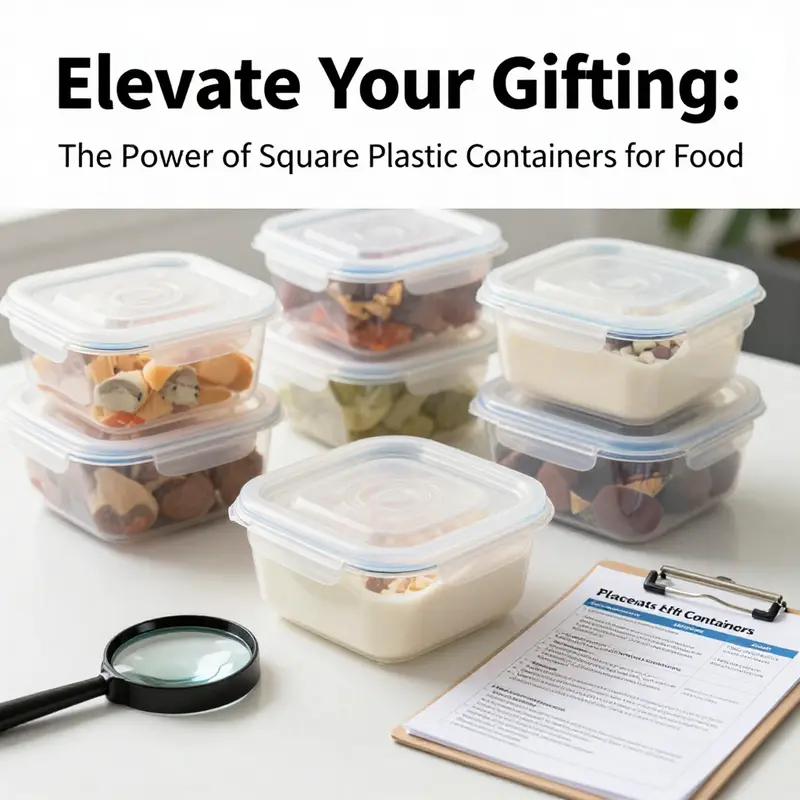
Choosing square plastic gift containers for food is more than picking a container; it is about marrying safety, practicality, and presentation in a single, clean silhouette. The square form is inherently efficient, stacking neatly in cabinets and aligning with the grid of a refrigerator or a display shelf. Yet the value of this shape emerges most clearly when it complements the contents—desserts that catch the eye, layered treats that reveal themselves through a transparent wall, and gifts that feel thoughtfully assembled from the moment they are handed over. In this chapter, the focus is not on a single model or brand but on a holistic approach to selecting containers that protect, display, and elevate edible gifts. The choices you make will ripple outward, influencing how the gift travels, how long it stays fresh, and how memorable the moment of opening becomes. To begin, safety remains the cornerstone. Food-grade material is non-negotiable. Containers made from PET or PP are widely recognized for direct food contact safety when properly certified. PET, with its clear, crisp visibility, and PP, noted for resilience and heat tolerance, are common selections precisely because they combine safety with performance. When scanning product specifications, look for explicit labeling such as “food-grade” and any compliance marks that align with FDA or EU regulations. Those marks are not mere marketing; they are assurances that the container has been evaluated for leaching and compatibility with a range of foods, from delicate confections to more robust sauces. In practical terms, this means checking for BPA-free claims and confirming recyclability. The choice of material informs everything from how the container holds up to temperature changes to how it should be cleaned after use. It also governs the kind of seal that will keep contents secure during transport. A tightly fitted lid with a gasket or an effective snap closure is essential when there is any chance of movement during delivery. For liquids or semi-liquids, the container must offer a truly leak-proof design. The last thing a gift needs is a spill that stains the wrapping or leaks through packaging. A robust seal not only preserves freshness but also reduces the risk of embarrassing mishaps as the gift makes its way from kitchen to recipient. The seal’s efficacy is closely tied to the geometry of the container. A square body provides even pressure distribution around the lid, helping the gasket form an airtight barrier with fewer gaps. The result is a container that travels well in a tote bag, a luncheon carrier, or a gift box, even when it encounters the bumps and shakes of everyday transport. Beyond safety and practicality, the visual appeal of a square, transparent container is a powerful return on investment for anyone giving edible gifts. Clear walls let contents become the feature, allowing the recipient to appreciate the color and texture of the treats inside without removing the lid. This is especially effective for gifts that rely on a visual cue—a glossy chocolate coating, the shimmer of sugar crystals, the marbling of a cake slice. The shape itself also lends a contemporary aesthetic: its clean lines communicate a sense of modernity and order. For a gift scenario, that modern edge can be harmonized with thoughtful presentation elements such as colorful lids or decorative stickers. The square format acts as a stage for the food inside, while the lid or edge accents bring personality to the presentation. When it comes to size, the range starts modestly and ends generously. A 200 milliliter container is well suited for single-serving portions or compact desserts, while larger options—approaching or exceeding 1000 milliliters—work for mixed treats, layered parfaits, or small composite gifts. The key is to match capacity to the nature of the contents and to the expectations of the gift recipient. The container should accommodate the quantity without appearing oversized, and there should be enough tolerance to accommodate slight shifts during transport. This is particularly important for gift-giving occasions where multiple items are clustered together, such as a dessert trio or a mini-treat assortment. Durability is another pillar of a wise choice. A sturdy build reduces the risk of cracks or splits when containers are stacked, dropped, or jostled in transit. Temperature resilience matters too. A container that can handle a range from cool to warm without warping provides more flexibility for transporting gifts that may be refrigerated or briefly heated before serving. Of course, no one should rely on a single property alone. A well-rounded option balances strength with flexibility, offering both a crisp, clear appearance and the interior confidence that the container will hold up under practical use. Reusability and eco-friendliness are increasingly central to gift packaging decisions. Consumers and gift recipients alike appreciate containers that can be reused or repurposed after the edible gift is enjoyed. Recyclability is a practical consideration that aligns with responsible consumption. Moderately rigid, long-lasting containers often survive multiple uses and cleaning cycles, which translates into a more sustainable lifecycle than disposable-only alternatives. Choosing packaging with repairable features—such as snap-on lids that resist cracking or gaskets that aren’t easily torn—extends the life of the container. The environmental footprint of a gift is always part of the story, even if it sits quietly in the background. For organizers and caterers, this adds a layer of responsibility that resonates with modern expectations. The choice of lid design also matters for the gift’s presentation. A well-fitting lid completes the gift’s look and helps protect the contents during sealing and shipping. Some lids are designed with translucent or tinted hues that can frame the interior colors, enhancing the perception of freshness and quality. Others may be compatible with decorative stickers or labeling systems that personalize the gift while preserving the container’s clean lines. The ability to customize is a practical advantage. For hosts who assemble gifts for weddings, baby showers, or corporate giveaways, a container that supports personalization—through decals, logos, or color-coded lids—adds a level of care that the recipient notices. The square plastic container becomes a canvas on which the edible gift is presented, elevating the moment of receiving it. When selecting a size and design, it helps to map out the likely contents and the recipient’s expectations. A carefully chosen size should feel substantial enough to convey generosity without imposing awkward bulk or weight. Consider the packaging’s compatibility with standard gift boxes or shopping bags, and whether additional wrapping will be required. An elegant packaging system is one that minimizes the need for extra padding while ensuring contents stay intact. The sourcing angle cannot be ignored. The market for food-grade plastic containers is broad, ranging from small boutique suppliers to large wholesale platforms. Reputable suppliers will provide clear specifications, including material type, capacity, temperature tolerance, and safety certifications. They will also communicate any practical care requirements, such as whether the container is microwave-safe, dishwasher-safe, or suitable for freezing. For buyers who plan large orders or branded gifts, wholesale options present an opportunity to align packaging with corporate color schemes and branding goals. This is where the tension between form and function is most evident: the container must be protective and practical, but it should also offer a surface for brand expression or personalized touches. In this sense, the container becomes part of the gift’s story rather than merely a vessel for food. A practical path to ensure quality starts with a careful read of the specifications. Look for temperature range, which often spans from freezer temperatures to moderate heat, and verify whether the material remains stable at those extremes. For containers intended for refrigeration or cold storage, the glassy look of PET is especially appealing because it does not distort the appearance of the contents. If heat is involved, verify whether the plastic remains safe in the microwave and if any parts, such as lids, are microwave-safe. It is also wise to confirm whether the product is BPA-free; while many manufacturers have moved away from this concern, it remains a relevant criterion for many buyers who want maximum assurance about food contact safety. For sustainability-minded gift planners, the recyclability of both the container and its lid is an important detail. Assessing whether the packaging supports recyclability in common local streams helps ensure that the gift’s afterlife aligns with broader environmental goals. In addition to materials and safety, the tactile experience of opening the container contributes significantly to the gift’s impact. A smoothly operating snap closure or gasketed lid invites the recipient to savor the unboxing moment. The act of removing a lid should feel effortless yet secure, signaling that the contents are worth preserving. The container’s edge design can influence this experience as well. A smoothly finished rim or a rounded corner reduces the risk of snagging wrapping material or gloves during handling. Even the smallest details—like a clean seam, even wall thickness, or uniform corners—signal a level of care that echoes in the tasting experience inside. The logistics of gift delivery also deserve attention. Square containers optimize shipping efficiency because they maximize space in transit and reduce wasted volume in packing boxes. This helps keep costs down for vendors and provides a smoother experience for the recipient who receives a neatly arranged package rather than a tumbled assortment of mismatched shapes. In a world where many gifts travel through multiple hands, the reliability of packaging matters. A well-designed square container with a secure seal minimizes the risk of leaks, spills, and spoiled contents. It also reduces cleanup hassles, which is especially valuable for busy hosts who want to preserve the joy of gifting rather than dealing with packaging headaches. When choosing, it is helpful to imagine the whole journey: from purchase or production, through storage and transport, to the moment the recipient unboxes the gift. Each stage benefits from square containers that have a stable base, a trustworthy closure, and a lid that protects while still offering easy access. The decision-making framework should be simple and repeatable. Start with safety: confirm food-grade material and certifications. Next, evaluate the seal and leak performance for the expected contents. Then, consider transparency for visual appeal and the potential for decorating or labeling. Size should match the typical gift quantity, platform, and storage method. Durability and temperature resilience should reflect how the gift will be transported and stored. Finally, weigh reusability and eco-friendliness as part of the container’s overall value. These criteria come together to define a container’s suitability for a given gifting scenario. For those who want a practical touchstone in sourcing, there are wholesale avenues and supplier listings that provide technical details inline with typical buyer needs. These sources often separate items by capacity, material grade, and compliance credentials, letting buyers assemble a cohesive kit of containers that work across many events and themes. In some instances, suppliers offer customization options that align with a brand’s color palette or a specific event motif, encouraging a more cohesive presentation. Choosing the right square plastic gift container is, at its core, about balancing the science of food safety with the art of presentation. The right container respects the food inside, protects it during transport, and contributes to a moment of delight when the recipient discovers the contents. The square shape helps achieve neatness and predictability in storage and gifting, while the transparent walls offer a glimpse of color, texture, and care. As you plan gifts for weddings, birthdays, baby showers, or corporate incentives, think of the container not as a mere vessel but as an ambassador for the edible gift’s story. The details—the material, the seal, the lid, and the possibility of embellishment—are the quiet partners in this story, guiding how beautifully the contents will be revealed and enjoyed. If you are exploring wholesale paths for these types of containers, you can reference a practical example that demonstrates how packaging options can be presented and sold in bulk, including the capacity to customize for branding and gift-ready presentation. wholesale-custom-print-kraft-paper-food-storage-salad-noodle-bowl
Final thoughts
Square plastic gift containers serve as a multifaceted tool for businesses in the food industry. By integrating their functional features and appealing designs into your operations, you can create memorable experiences and enhance the quality of your offerings. As you consider your options, remember to evaluate their application in various gifting scenarios, thereby transforming ordinary moments into extraordinary memories. Equip your business with the right square plastic containers and watch as they take your food presentation and gifting to new heights.