
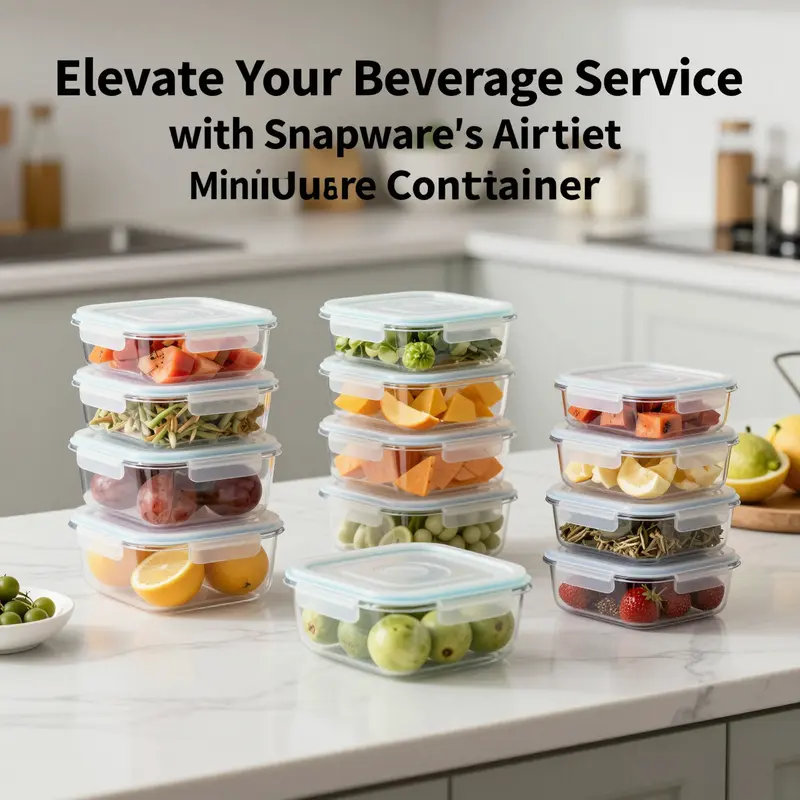
The Snapware 1.3-Cup Airtight Mini Square Food Storage Container serves as an essential asset for bubble tea shops, restaurants, food trucks, and catering services. Designed for efficiency, this container adapts seamlessly to meet the unique needs of your food preparation and service processes. This article delves into its storage capabilities, innovative design features, versatility in use, and market availability—all of which contribute significantly to enhancing your operation. From keeping ingredients fresh to serving snack portions efficiently, you’ll discover why this compact solution is crucial for any food-oriented business.
null
null
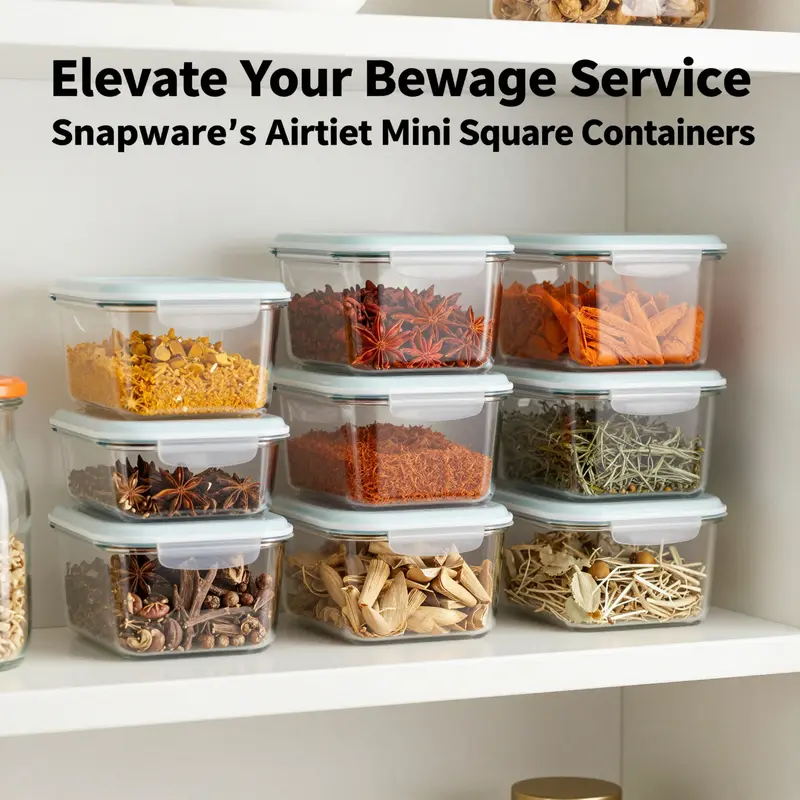
Compact Craftsmanship: The Design Language Behind the 1.3-Cup Snapware Mini Square Airtight Container
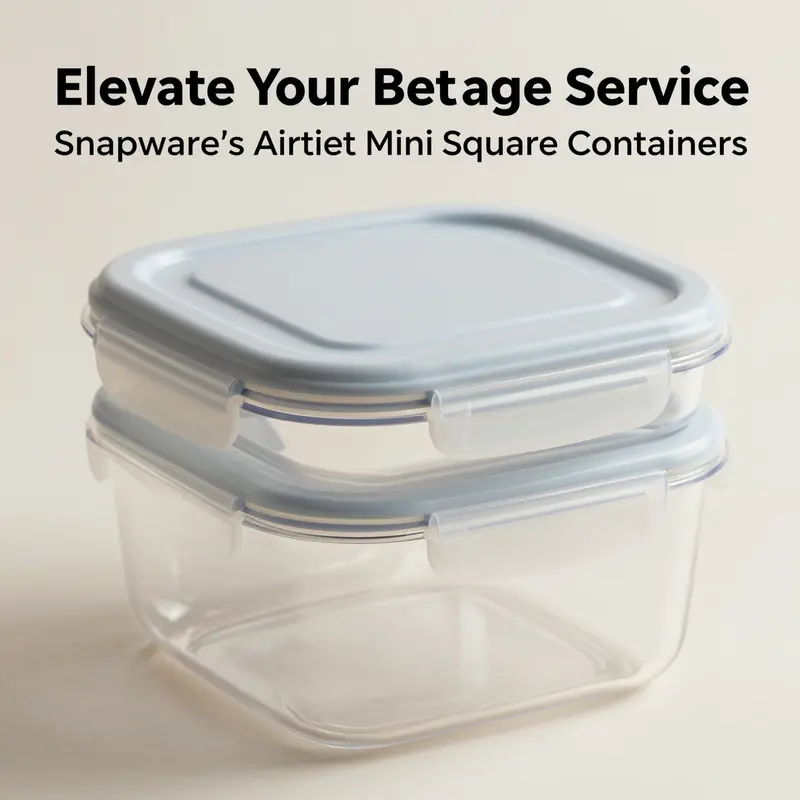
Every kitchen tells a story through the tools that keep daily routines smooth. When a storage solution promises freshness, portability, and space efficiency, it does more than hold food—it becomes a partner in meal planning and a quiet organizer on the shelf. The 1.3-cup Snapware mini square embodies this ethos with design decisions that align form and function. Its compact, square silhouette signals intent: it slots into tight spaces without wasting real estate. The geometry isn’t just a visual choice; it’s a practical one that helps store herbs, chopped produce, or snack portions in a crowded kitchen. Squares stack neatly, create predictable shelf boundaries, and reduce micro-inefficiencies as a kitchen grows busier. This discipline pays off in both organization and accessibility. See-through walls let contents read at a glance, minimizing rummaging and keeping friction low.
The airtight seal is the core of the design. Freshness matters in busy households, and air is the thief of texture and aroma. The lid locks in air with a snug gasket that fits the rim, delivering a reliable barrier against moisture and odors while shielding contents from the fridge or pantry environment. The psychological effect of airtight confidence shouldn’t be underestimated. When you place strawberries, almonds, or yogurt inside, you feel a boundary that preserves what’s inside and keeps external intrusions at bay. The hinge-free lid and intuitive closure make daily use almost effortless: press, click, and the sealed pocket of freshness is within reach.
Material choice underpins safety and durability. BPA-free plastic keeps contact with food safe without sacrificing toughness. The absence of BPA is a design philosophy as much as a specification: it stands for long-term resilience and safe handling. The material remains clear and resistant to yellowing through repeated dishwashing or microwave use, helping contents stay legible over time. A durable shell paired with a gasketed lid creates a dependable system for family routines—from snacks for school to portions for weeknight meals.
Microwave compatibility adds practical flexibility. The container is microwave-safe when the lid is removed, enabling quick reheating of small portions without transferring contents. This guideline preserves the seal during storage while supporting a seamless workflow from storage to meal assembly. The design encourages a kitchen routine that moves fluidly from fridge to table without extra steps or extra containers.
Storage efficiency is where the container shines. The 1.3-cup capacity (roughly 307 milliliters) balances portion control with versatility: a small batch of pasta, oats, or herbs fits comfortably, while a compact footprint keeps shelves uncluttered. The square form and stackable design make nesting straightforward, turning multiple units into a tidy, modular array. Portable enough for lunches or travel, these mini squares stay reliable on the go without leaks. Durability under freezing conditions is supported by sturdy plastic resistant to cracking or warping.
Durability and reassurance complete the picture. The product’s design is reinforced by a long-running warranty that signals confidence in materials and manufacturing. It frames the airtight seal, safe plastics, microwave compatibility, and dishwasher-friendly top rack as elements of a coherent philosophy rather than isolated benefits. When a user trusts both the daily performance of the seal and the promise of long-term use, the container becomes part of a sustainable routine rather than a disposable convenience.
In practice, these design choices come together to support real-world routines. A family can portion snacks, pack lunches, and prep ingredients with fewer steps and less clutter. The transparent wall, square geometry, and reliable lid create a calm, predictable storage system that reduces cognitive load and busy-work. The 1.3-cup mini square is not just a container; it is a deliberately crafted tool that aligns with how people live and cook today.
null

null
Compact Clarity: Reading Market Pulse on the 1.3-Cup Airtight Mini Square Storage Solution
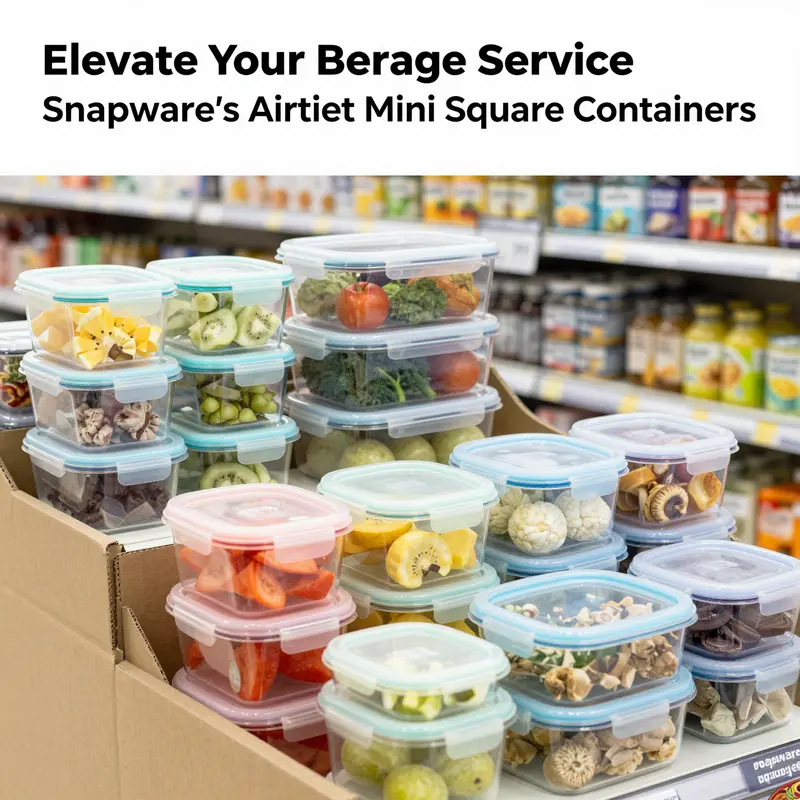
A compact, square, airtight container with a modest 1.3 cup capacity has quietly become a microcosm of how households approach organization, portion control, and portability in modern kitchens. Its appeal rests less on dramatic novelty and more on the steady reliability of small, well-designed tools that simplify daily routines. In markets where space is at a premium and decisions are made in quick seconds, this tiny square vessel embodies a philosophy: efficient design can change how we think about food storage, travel, and the friction between what we have and what we actually use. The product category to which this container belongs thrives on visibility, durability, and a seal that keeps air, moisture, and odors at bay. Consumers are drawn to the idea that a single, clearly transparent container can hold a precise portion of grains, snacks, or spices and still fit neatly into a crowded cabinet or a backpack for the day ahead. It is not merely a plastic box; it is a pragmatic tool that translates the abstract demands of portion control and freshness into a tangible, everyday practice.
Market presence for this size and shape is telling. The container shows up on major online marketplaces alongside sets that emphasize value, versatility, and a clean, no-frills aesthetic. Listings highlight a 1.3-cup capacity, a secure airtight seal, and a form factor that nests easily with other small-dose storage options. In a practical sense, the 4.25 by 4.25 inch footprint and the shallow profile of just over two inches offer a tangible advantage in the kitchen. It is a space-saving hero for those who want to maximize cabinet real estate without sacrificing accessibility. The packaging often notes its freezer compatibility, a feature that expands its use beyond mere pantry storage to meal-prep and short-term frozen portions. In a broader sense, such details help shape consumer expectations about what a basic storage container should deliver: trust that a lid snaps closed with confident assurance, a body that remains clear enough to check contents at a glance, and a construction that can withstand daily handling without showing wear.
From a design standpoint, the clarity of the container is more than cosmetic. The transparent body enables quick recognition of contents, which is a fundamental reason why households gravitate toward this size class. When a pantry or lunch bag is filled with a dozen mini containers, the ability to identify what’s inside at a glance reduces the ritual of rummaging through open bags and spilled packets. That visual efficiency carries real value in a busy kitchen, where time saved in locating ingredients translates into more streamlined meal prep and less recurrent restocking from bulk bins. The airtight mechanism, often described as a snap-lock or snap-seal, reinforces confidence about freshness, especially for items that may lose aroma or dryness if left exposed to air. The snug lid, paired with a durable plastic body, creates a closed system where a small teaspoon of seeds or a handful of dried fruit remains protected during transport to school lunchrooms, office desks, or commuter pockets.
Yet the market for this miniature storage solution reveals a nuanced consumer landscape. The most frequent praise centers on practicality and durability. Buyers repeatedly note that the container’s lid is reliable and the seal maintains freshness across time frames that range from a few days for snacks to weeks for dry goods. Its microwave and dishwasher compatibility, often listed as top-rack safe, adds a layer of convenience that aligns with the modern impulse to simplify cleanup and reheating, avoiding extra steps in a crowded kitchen routine. The ability to stack multiple units rather than spreading out across a counter or inside a drawer also resonates with purchasers who value an organized, modular approach to small-item storage. Aesthetically, the clear plastic is appealing for its unobtrusive presence; it blends with other kitchenware and does not demand attention with color or pattern. The result is a storage system that feels almost invisible in its efficiency, letting food take center stage rather than the container itself.
There is another thread in consumer sentiment that often surfaces in reviews: a tension between cost and perceived premium quality. Some buyers note that while the plastic used in these containers is sturdy and affordable, it does not carry the same premium feel as glass alternatives or higher-end brands. This perception matters, because it frames expectations about longevity, feel during handling, and the overall sense of value. However, the trade-off is frequently framed as acceptable or even preferable for many households, especially those managing a budget or requiring multiple containers for different purposes. The ongoing presence of a lifetime warranty in some listings reinforces a broader trust signal: manufacturers acknowledge that these containers will be subjected to daily handling, frequent washing, and the occasional rough shuffle in a lunch bag. The warranty becomes a tangible assurance that the balance between affordability, practicality, and durability is intentionally designed rather than left to chance. In this light, the container embodies a pragmatic philosophy: you invest in a tool that reliably fulfills a defined function, and you do so with confidence that it will endure the rhythms of everyday life.
The consumer narrative around portability amplifies the case for a small, airtight square. The 1.3-cup capacity is deliberately modest, catering to portions that align with snacking, meal-prep planning, or the storage of small quantities of ingredients like spices, pasta, or cereal. For travelers, students, and busy households, these little containers become part of a broader system for on-the-go nourishment, where a compact, leak-proof container can prevent spills in bags and keep a portion clean during transit. The size is a practical response to the problem of over-jostling in transit, where larger containers risk leaks and heavier payloads become a nuisance. In this context, the container functions as a micro-vehicle for organization—an object that helps separate, portion, and protect food across environments that range from the pantry to the breakfast table, to a desk drawer, to a gym bag after a workout. Its role in meal prep deserves particular attention. By enabling precise portioning, the container supports dietary goals and reduces waste, because smaller portions are easier to seal and store when the day ends or plans change. This aligns with a broader consumer shift toward mindful eating and efficient, evidence-based kitchen routines.
In examining the market dynamics, it becomes clear that a product of this class thrives when it integrates well with other storage practices. Consumers often stack these mini containers with other similarly sized units, creating a modular ecosystem that is easy to expand and reorganize without demanding a wholesale rethink of storage strategies. The clear, uniform silhouette of the container makes it visually predictable and easy to pair with lids of matching sizes, a factor that simplifies shopping decisions and reduces the cognitive load of organizing. For households, this translates into more consistent pantry rotation, clearer labeling, and the satisfaction of a tidy, rational space where every item has a defined place. For retailers, the appeal lies in the repeat purchase potential—distinctive enough to be a staple item but inexpensive enough to encourage multiple purchases for different food groups or family members.
As the chapter turns toward the lived experience of users, one thread remains constant: the container is not a question of one perfect solution, but a pragmatic complement to a broader approach to kitchen efficiency. It resonates with people who want to cut down on bulk, who prefer seeing what they have, and who need a storage option that travels without drama. The ability to move content in and out of freezers, microwaves, and dishwashers adds layers of convenience that translate into real-world time savings. When a family schedules activities around school lunch, work, and after-school commitments, these small, dependable containers act as anchors in a rapidly changing daily routine. They are a quiet yet essential enabler of a more organized, less stressful lifestyle—one where meals, snacks, and dry goods can be managed with confidence rather than guesswork.
The broader takeaway from this market snapshot is not merely that a small container exists, but that it fulfills a cluster of needs that modern consumers consistently signal: reliability, ease of use, visibility, and price performance. The 1.3-cup mini square design has found its niche because it answers these demands with a simple, durable toolkit that slots into many routines. It is not about grand kitchen overhauls; it is about the daily possibility of a neatly kept pantry, a lunchbox that travels without risk, and a meal-prep habit that feels effortless rather than chore-bound. In that sense, the product category mirrors a larger trend toward compact, modular, and affordable solutions that empower people to take control of their food environment without sacrificing convenience or quality. As markets continue to evolve, the core attributes that make this container appealing are likely to endure: a dependable seal, clear visibility, compact form, and the assurance that a lifetime or long-term warranty can turn a good purchase into a lasting partnership. For readers seeking a practical starting point in pantry optimization or in a packing system designed for varied daily needs, this little square container offers a quiet but powerful model of how thoughtful design can translate into real-world benefits.
External resource: https://www.ebay.com/itm/1-3-Cup-Snapware-Airtight-Mini-Square-Storage-Containers-Set-of-4/1234567890
Final thoughts
Incorporating the Snapware 1.3-Cup Airtight Mini Square Food Storage Container into your beverage service and food preparation operations enhances efficiency, storage options, and freshness of ingredients. With its durable design and versatility, it not only meets the demands of food trucks, restaurants, and catering services but also elevates customer experiences by maintaining the quality of served items. Embrace this compact solution to streamline your food storage needs and ensure your offerings are always at their best.