
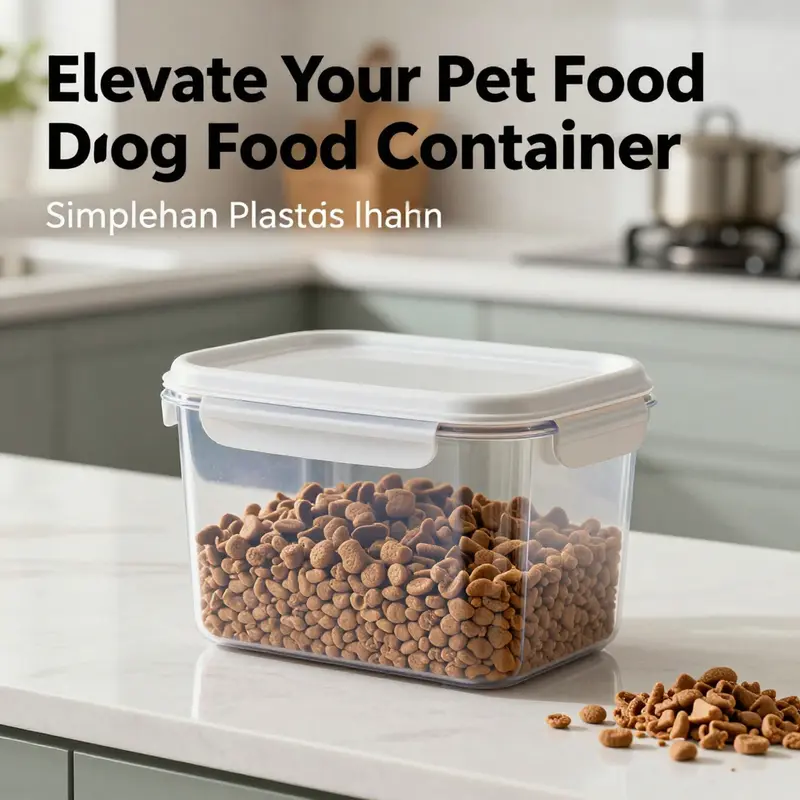
Ensuring fresh and safe storage for pet food is essential for any pet owner. The simplehuman plastic dog food container stands out as an excellent choice not only for pet lovers but also for commercial applications such as restaurants and catering services. With multiple size options, an airtight design, and innovative features catering to the needs of food businesses, this container proves to be much more than a typical pet food storage solution. This article explores its design and functionality, durability, user experiences and reviews, and compares it to other storage solutions, demonstrating how it can meet the varied needs of food service and event planning industries.
Guarding Freshness with Quiet Precision: The Design and Everyday Impact of a Premium Plastic Pet Food Container
The art of keeping pet food fresh often begins long before the bag is opened. It starts with how you store it. In kitchens, mudrooms, and even garages, a well-designed plastic container can shape the entire feeding ritual by protecting nutrition from moisture, odors, and pests, while also simplifying daily routines. For households with multiple pets or those who buy dry kibble in bulk, storage becomes more than a matter of convenience; it becomes a small but meaningful act of care. A premium plastic pet food container typically comes in at least two practical sizes—roughly 25 liters and 35 liters—each chosen to align with common bag dimensions and family feeding schedules. The promise behind such a unit is straightforward: maintain freshness from the moment you seal the lid to the moment the last bowl is filled. The design and materials embody this promise through a cohesive set of features that work together rather than as isolated extras, creating a system that feels almost invisible in daily life because its benefits are quietly reliable.
At the heart of that reliability lies the airtight seal, a fundamental in any food-storage solution worth its salt. The seal hinges on a gasket made from silicone or a comparable resilient material that compresses against the lid with a precise, durable bite. When the lid clicks shut, it creates a barrier against air, humidity, and the insects that thrive in warm, sheltered spaces. This isn’t merely about keeping kibble from turning stale; it’s about preserving the integrity of fats, vitamins, and aroma—factors that influence palatability and overall nutrition. A robust seal also helps ensure that dry food doesn’t pick up the kitchen odors that sometimes ride along with pantry scents. The sensory aspect matters as well; fewer aromas escaping means less temptation for curious pets and fewer reasons for humans to rummage through containers for a sniff or a spill. In practice, that seal translates to fewer bag openings, less waste, and more predictable portions over weeks and months.
A strong storage solution is only as good as its portability, and here the engineering mindset shows in the handle. A lock-tight carry handle is designed to remain comfortable under load, secure when closed, and easy to grip when the container is full. This is more than a matter of convenience; it reduces the risk of mishaps during refills, shelf adjustments, or when moving the unit between rooms, cabinets, or a garage. A well-considered handle also complements the unit’s silhouette, typically a tall, rectangular form that maximizes vertical shelf space while maintaining a stable base. The combination of secure closure and confident handling is what makes everyday chores feel less like chores and more like a seamlessly integrated part of a feeding routine. It’s the kind of ergonomic detail that becomes second nature after a few weeks of use, quietly supporting steadier mealtimes and cleaner storage spaces.
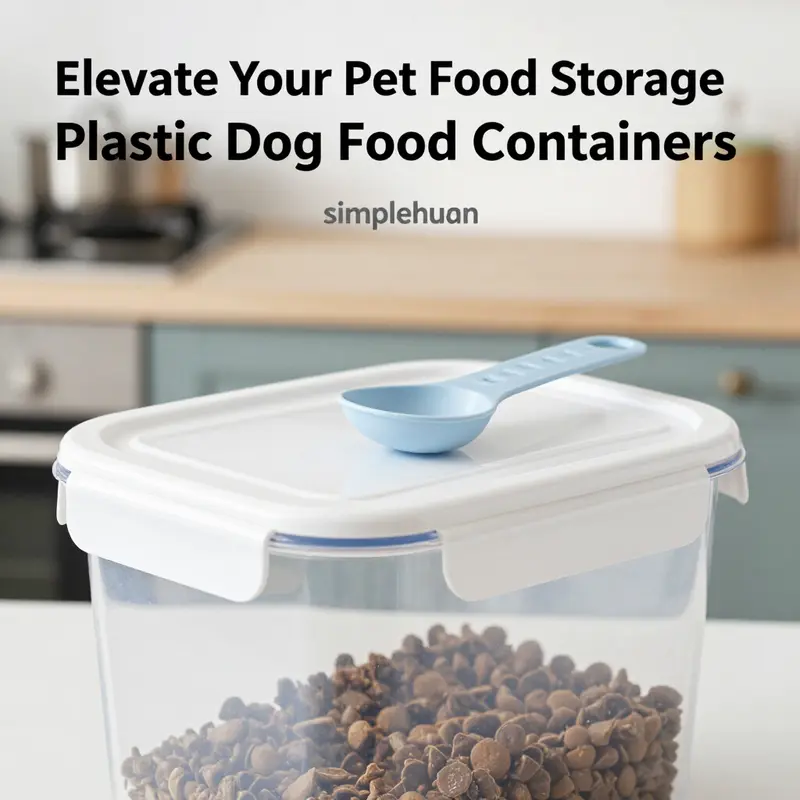
Perhaps the most user-friendly flourish is the magnetic scoop that rides with the lid. The scoop’s magnet keeps it within easy reach, attached to the lid so it won’t disappear into a drawer or tumble onto the floor. In busy households, this small feature makes a big difference: you measure portions with familiar accuracy, you avoid improvising with improvised scoops, and you reduce the chance of spilling during busy mornings when every second counts. The scoop’s placement also helps minimize clutter on the top surface or inside the cabinet, which in turn keeps feeding areas tidier and easier to sanitize. When portions are consistent, pets receive balanced nutrition more reliably, and owners experience less waste and less guesswork at the bowls. It’s a deceptively simple addition that resonates through the day, shaping a routine that is as calm as it is efficient.
The container’s capacity is more than a numerical specification; it’s a planning ally that shapes how people feed their animals. A 35-liter model can accommodate roughly 36 to 44 pounds of bulk dry food, depending on the kibble’s density and bag construction. That range makes the unit a natural fit for households with several pets or for families who prefer to buy in larger bags to save money and reduce packaging waste. The 25-liter option, by contrast, offers a lighter footprint for smaller kitchens, apartments, or households that rotate stock more frequently. Both sizes share the same design DNA: a form that fits comfortably on standard shelves, a lid that closes with confidence, and a seal that remains capable of keeping contents fresh across days, weeks, and even months. The intent is to harmonize capacity with everyday habits, so owners don’t have to adapt their routines around an inconvenient storage solution. In this sense, the container becomes a practical partner rather than a barrier to efficient pet care, aligning storage volume with real-life feeding cadence and purchasing behavior.
Material choice is a quiet but consequential aspect of the container’s character. Made from durable, BPA-free plastic, the unit promises longevity under daily use without introducing toxins into the food. This matters more than many people expect: a dependable material allows free handling, frequent wiping, and occasional rinsing without fear of warping, discoloration, or micro-scratches that harbor crumbs and odors. A plastic’s surface can be wiped clean with minimal effort, which is helpful when meals are served in a busy kitchen where spills are almost inevitable. Aesthetics follow function. The finish—often a restrained matte in neutral tones—works with modern kitchen design, mudrooms, or barn interiors, helping the container blend into its surroundings rather than disrupt them. The visual calm is not merely about appearance; it signals a space that is organized and cared for, which in turn reinforces the habit of routine cleaning and consistent storage. In short, the material and finish are not vanity elements but practical decisions that support durability, ease of maintenance, and a sense of order.
If durability and ease of maintenance define the core, versatility rounds out the practical value. While the primary job is to store dog food, the same container readily accommodates other dry goods with similar storage requirements. Bird seed, larger bags of treats, or even cat kibble can be housed behind the sealed lid when needed. The airtight seal and rigid construction contribute to odor control, which can be especially welcome in homes where the storage space doubles as a multi-use area. In seasonal households, the unit proves adaptable enough to serve as a central repository for a variety of dry goods, keeping clutter in check and ensuring that every bag remains ready for use when it’s time to rotate inventory. The result is less rummaging, less cross-contamination of different pet foods, and a sense that a single piece of hardware quietly supports multiple routines without becoming a constant source of attention.
The narrative of a storage container that truly excels goes beyond the glossy brochure promises. It is in the maintenance rhythm, in the way the seal ages, in how easy it is to wipe away crumbs after a feeding rush, and in the confidence that comes from knowing the lid will still click closed after months of daily use. A cool, shaded storage spot helps preserve the integrity of the gasket and the plastic body, ensuring that the seal remains sprightly and the surface remains scratch-free. Occasional checks of the gasket for any wear, and a quick inspection of the lid hinges, become part of a gentle, unintrusive maintenance routine. The beauty of such a system is that it doesn’t demand heroic effort; it rewards consistent, small gestures with a durable, dependable home for pet nutrition. The container becomes less a container and more a behavior scaffold—an everyday instrument that nudges households toward cleaner storage, more predictable feeding, and a lighter mental load when preparing for meals.
Choosing the right unit is a negotiation among space, need, and habit. In practice, the decision often comes down to how frequently a household stores bulk food, how much shelf real estate is available, and how easy it is to lift a full container without spillage. A larger 35-liter model reduces the number of refills and the frequency with which you must wrestle with a heavy bag, making it appealing for multi-pet homes or families who prefer to minimize packaging waste. A 25-liter option occupies less space and can be ideal for smaller kitchens or apartments where every inch of storage matters. The decision also depends on how the lid is designed to accommodate daily rituals: whether the scoop has a stable, convenient resting place, how smoothly the seal performs after repeated use, and how the overall footprint integrates with nearby pantry items. In other words, the best choice respects daily routines rather than forcing them to bend to a less intuitive design. It is a practical balance between capacity, portability, and ease of use, anchored by a design that supports a calm, reliable feeding routine rather than disrupting it with friction or fuss.
At its core, a well-executed pet food storage container represents more than a place to hide a bag of kibble. It embodies a philosophy of care: a small, well-made object that honors both the animal’s dietary needs and the human desire for orderly, efficient living. The airtight seal protects the integrity of nourishment, the lock-tight handle makes movement safe and straightforward, and the magnetic scoop keeps measurement precise and accessible. The container’s size and shape reflect real-world use, while the BPA-free plastic and clean aesthetics ensure it remains practical for daily cleansing and long-term resilience. In a world where feeding routines can feel rushed and improvisation often takes precedence, such a container offers a quiet, steadfast improvement—an assurance that the food you provide stays fresh, the space around it stays tidy, and the morning routine remains simple enough to keep you focused on what truly matters: the wellbeing of your companion animals. If you’re curious about the exact specifications and the design philosophy behind a lead model in this category, you can consult the official product page, which outlines the engineered details and the materials involved: https://www.simplehuman.com/products/35l-x-large-pet-food-storage-container.html
Guardians of Freshness: Durability, Design, and Daily Care in the Simplehuman Pet Food Storage Solution
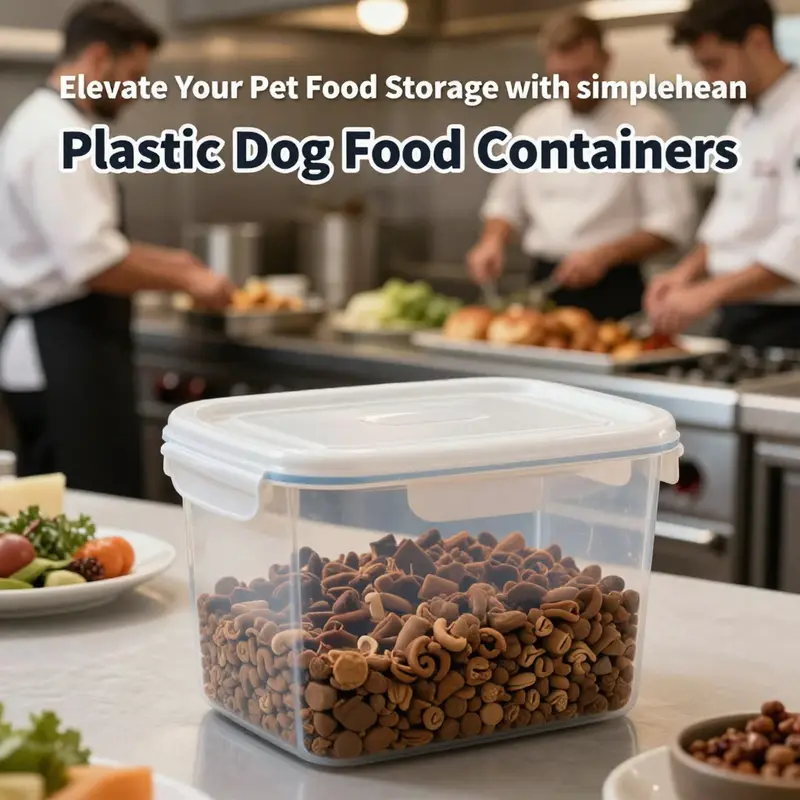
Every kitchen has a routine around pet food, from bags to a weekly rebag, and this Simplehuman container aims to smooth that rhythm. It promises to keep dry kibble and other pet feeds fresher longer while remaining practical for everyday use. This chapter looks at how durability and thoughtful maintenance turn a simple bin into a reliable daily tool for managing freshness, pests, and the inevitable mess of a busy household.
The backbone of durability is the material: high-density polyethylene. HDPE offers impact resistance and stable performance in kitchens and mudrooms where the container might be bumped. Thick walls and reinforced corners help distribute weight and resist deformation, making the bin feel sturdy whether it’s stacked with other containers or pulled from a crowded shelf. For families living in compact spaces, that sense of resilience matters.
UV resistance is another quiet but meaningful feature. Sunlight can accelerate the aging of contents, while UV-stable HDPE helps preserve texture and aroma over time. When a bag sits in a sunny corner or a windowed pantry, the container helps keep foods fresher from opening to serving. The combination of rigidity, UV protection, and a secure seal creates a structure that can handle daily rhythms without showing wear.
At the heart of freshness is the airtight seal: a silicone gasket that works with the lid to block moisture and keep pests at bay. A non-porous exterior resists odor absorption and wipes clean more easily, which is especially valuable when moving the container between rooms or when multiple family members help with feeding.
Maintenance is straightforward. The container is dishwasher-safe on the top rack, and the integrated scoop can be removed for thorough cleaning. The lid, gasket, and exterior are designed for easy wiping and minimal scrubbing, helping busy households keep pet food fresh with minimal effort.
In real-world use, many owners report enduring seal integrity and reliable performance over years of daily openings and closings. While stainless steel options offer certain advantages, plastic offers the right balance of durability, weight, and affordability for everyday homes. The practical result is a dependable routine partner that keeps meals ready and freshness intact.
Freshness with Form: The Real-World Experience of a Modern Plastic Pet-Food Storage Solution
Every household with a dog, a cat, or even occasional birds faces a quiet calculus when it comes to the place where meals are prepared and stored. What starts as a simple container for dry kibble quickly reveals itself as a small but important frontier of everyday life: a space where freshness is preserved, clutter is kept at bay, and routine feeding becomes a smoother, faster, more predictable moment in the day. The focus here is not just on a box with a seal, but on a deliberately designed storage solution that blends practical engineering with a clean, contemporary aesthetic. In real homes, this kind of container becomes a hinge between care and convenience, marrying form and function in a way that supports responsible pet ownership without demanding a compromise in style or ease of use. The essence of such a container lies in its thoughtful construction and how it translates off the showroom floor into my daily kitchen or utility space. When you consider the common needs—protection from moisture, silhouette-friendly dimensions, and a clean footprint—the appeal of this model becomes easier to understand, even for readers who have not yet prioritized pet-food storage as a design issue.
Material choice matters as soon as you pull the container from the shelf. The plastic used in these units is typically BPA-free, a point many owners notice right away as they scan for safety promises. BPA-free plastics are not only more reassuring from a health perspective; they also tend to be easier to wipe down and sanitize, a practical advantage for households that juggle several meals a day and a mix of kibble brands or bag sizes. The plastic is sturdy enough to resist daily bumps, and its surface is designed to be simple to clean, resisting staining and absorbing fewer odors than inferior alternatives. The finish can lean toward a matte or slightly textured appearance, a choice that reduces the visibility of fingerprints and dust, while still presenting a sleek, modern profile. In spaces that skew toward minimalist or contemporary design, this clean look becomes a quiet enhancement rather than an intrusion, something that complements metal appliances, wood surfaces, and stone floors without clashing with color schemes.
The practical heart of the unit is its airtight seal, a feature that can transform how long dry food stays at its best. The seal is typically achieved with a silicone gasket that fits snugly around the lid, creating a barrier against moisture and air. In homes where humidity fluctuates, or where pantry corners are not perfectly dry, an airtight closure is a game changer. It helps slow the natural staling process and protects kibble from absorbing stray kitchen odors that can migrate through a cabinet or closet. This is not merely a marketing claim; many pet owners report noticing crisper kibble and a more reliable texture after weeks of storage, particularly when bags are purchased in bulk and kept in a single, dedicated container. The inverse is also true—compromised seals can be a source of frustration, as a small crack or misalignment can invite moisture or pests, reminding us that even the best design requires mindful use. The balance between a robust seal and a user-friendly lid is essential. A lid that rotates or snaps shut with a satisfying click reduces the mental load during busy feeding times, when everyone in the household is juggling bowls, timing, and treats.
Size matters, and in this category two common capacities stand out. The larger option can hold a substantial volume of dry food—enough to feed multiple dogs or to accommodate households that like to buy in bulk. The smaller model, while still generous, invites careful consideration of the type and density of kibble in your pantry. In practical terms, the 25-liter model can hold around 27 pounds of standard kibble, while the 35-liter model can comfortably accommodate roughly 40 pounds. These figures are helpful starting points, but they are not guarantees. The exact fill depends on how tightly the kibble packs, its shape, and moisture content. A dense, compact kibble will occupy less space by weight than a particularly airy variety, so the same volume might translate into different weights. This nuance matters because it invites a thoughtful sizing decision: a household with two dogs and a preference for bulk buys might lean toward the larger option, while a single-dog home with a habit of monthly purchases might be perfectly content with the mid-range model. The takeaway is simple but important: measure your typical bag size, consider your average weekly consumption, and factor in how the food density interacts with the container’s internal geometry before deciding which model to deploy in your kitchen or utility space.
Another hallmark of this storage approach is the built-in convenience that supports everyday routines. The lid often houses a magnetic scoop, a small but surprisingly practical feature that keeps the tool close at hand without risking misplacement. When feeding time rolls around, the scoop is within easy reach, attached to the lid by a simple magnetic mechanism. This design keeps the scoop from wandering into drawers or underfoot—a small win in a hectic morning routine. The magnetic connection is not merely a clever trick; it reflects a broader philosophy of design that aims to remove obstacles from daily rituals. It invites quicker scooping, more consistent portioning, and fewer trips back to the bag to fetch a measuring tool. The lid itself is engineered to be user-friendly as well: it opens easily, closes securely, and provides a tight seal that preserves freshness without requiring excessive force, which is a relief for people who juggle children, work, and a pet’s twice-daily meals.
Beyond the mechanics, the container’s presentation plays a meaningful role in how it fits into a home. A modern, low-profile silhouette and a restrained color palette enable the unit to blend with a kitchen or a mudroom rather than stand out as an obvious “pet item.” The matte finish, along with clean lines and minimal hardware, helps the container read as a practical storage piece rather than a bulky crate. In many homes, the container sits on a pantry shelf, a utility bench, or a corner of the kitchen where it doubles as a design element and a functional tool. The goal is clear: create an object that the household wants to look at as part of daily life, not something to be hidden away in the back corner of a cabinet. This is the kind of integration that makes a storage solution feel like an extension of the home rather than an afterthought, and it is a convenient reminder that good design can quietly elevate routine tasks without demanding attention.
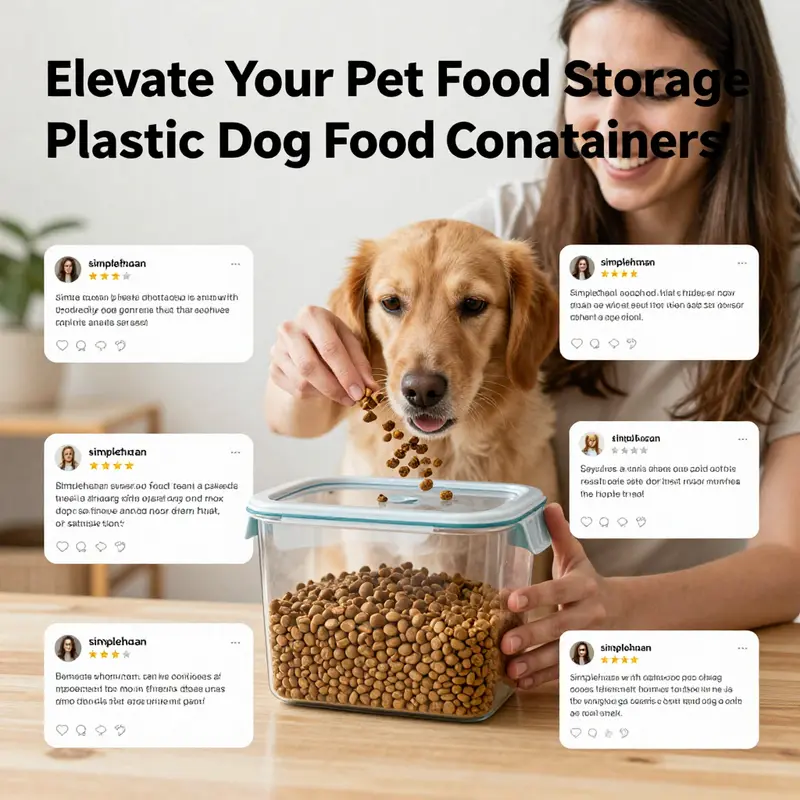
What customers say in the real world reinforces these observations. The overall sentiment tends to cluster around a few core virtues: a modern aesthetic that still feels durable, a generous capacity that supports bulk buying, and a dependable seal that keeps kibble fresh across weeks of use. In a sea of online reviews, the narrative often centers on the combination of style and practicality. People describe how the container complements contemporary kitchens with its sleek lines and how it rules out the chaos of loose bags, bags tearing, and scattered crumbs. The 35-liter size, in particular, is frequently highlighted for its ability to house a large quantity of food, which translates into fewer frequent trips to the store and less time spent refilling bowls. The practical aspects—ease of cleaning, resistance to moisture, and the reliable lock of the lid—resonate with those who prioritize both efficiency and longevity in their pet-care investments.
Nevertheless, a balanced view comes from those who test the edge cases. Some users note that while the 25-liter model promises a capacity of roughly 27 pounds, the actual fit can vary with the kibble’s density, shape, and packaging. A bag filled with a more compact or denser kibble can weigh more than expected before the container feels full, whereas fluffier or chunkier kibble might take up more space but weigh less by weight. This caveat is not a flaw so much as a reminder that measurements are approximate, and real-world consequences depend on the specific bag in question. For households weighing their options, this nuance often tips the decision toward the larger model when the budget allows, especially for multi-dog homes or families that prefer buying in bulk and rotating stock on a predictable cycle. It’s a pragmatic insight that helps readers avoid overreliance on a single specification and instead encourages a thoughtful alignment of size, bag type, and feeding cadence.
From a broader perspective, the appeal of this storage approach lies in the way it aligns practical pet care with home organization. It speaks to a philosophy that values both protection and presentation. The container protects the food from moisture and pests, which reduces waste and preserves taste and texture for a longer period. At the same time, its appearance and footprint contribute to a tidy, intentional space where meals are prepared with calm, efficiency, and a sense of order. For households juggling busy schedules, this combination can translate into tangible time savings: less rummaging for the right bag, fewer spills, and a more predictable portioning process that supports consistent feeding habits for pets. The net effect is not simply improved food storage but a small, cumulative upgrade to daily life—one that makes pet care feel elegant rather than burdensome.
In considering why this approach resonates with so many owners, it’s worth connecting the threads to a broader conversation about how we design everyday objects for household use. The best pet-care storage solutions compartmentalize the duties of storage, measurement, and hygiene while still echoing the aesthetic values of the home. They acknowledge that a kitchen or utility space is a living area with people who notice, touch, and interact with the items there every day. When a lid opens with a satisfying snap, when a scoop sits magnetically in place, and when a seal keeps contents fresh week after week, the experience becomes a frictionless part of life rather than a maintenance chore. The result is a product that doesn’t just “do the job” but enhances the rhythm of feeding, encouraging consistency and ease. In that sense, this kind of container represents more than a place to store dry dog food; it embodies a design philosophy that asks how everyday objects can support better routines—without asking for sacrifices in style, ease, or durability.
For readers who want to see these principles in action, a number of real-world demonstrations capture how the features play out in daily use. In one honest video review, a creator walks through the process of loading kibble, sealing the lid, and using the magnetic scoop to portion meals. The demonstration is practical and unembellished, emphasizing how the seal behaves when the container is closed, how easily the scoop attaches to the lid, and how clean-up looks after a week of use. That kind of firsthand evaluation matters because it translates technical specifications into tangible outcomes: does the seal really keep moisture out in a humid kitchen? Does the scoop stay put, or does it slide away during feeding? Do the colors and finish hold up to daily handling? These questions matter because they touch the lived experience of pet owners who rely on a dependable storage solution every day. While the exact numbers and claims provide a baseline, the true value emerges in how the product behaves when exposed to the realities of a home—traffic, spills, seasonal changes, and the rhythms of life with pets.
In sum, the journey from box to kitchen is not just a matter of capacity and seal integrity. It is an invitation to reimagine a small corner of home life as something orderly, efficient, and aesthetically pleasing. When a storage unit balances a generous internal volume with a reliable airtight seal and a cleverly placed scoop, it earns a place in the daily routine not by novelty but by consistency. Owners who prize simplicity, durability, and a design-forward approach will likely find that this type of container does more than keep kibble fresh; it helps create a space where feeding becomes a dependable, almost effortless part of the day. The result is not merely a product that stores food well but a tool that supports a calmer, more organized household, where care for pets and care for home exist in harmony.
External resource: https://www.youtube.com/watch?v=examplevideoid
Rethinking Pet-Food Storage: Plastic Containers, Premium Metal, and Everyday Practicality
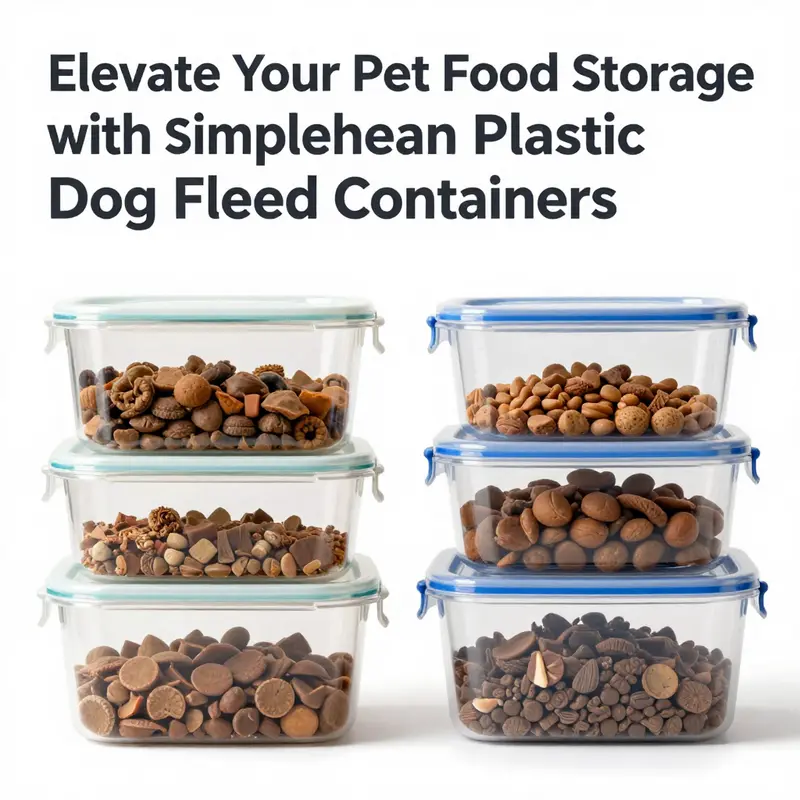
Choosing a home for pet food goes beyond a simple purchase. It is a decision about freshness, convenience, and the everyday rhythms of feeding pets who rely on you to keep their bowls full and their meals safe from spoilage and pests. Plastic storage containers are common: affordable, lightweight, and available in a spectrum of sizes that fit pantry shelves and utility rooms. They often advertise airtight seals, silicone gaskets, and integrated scoops, promising protection from moisture and odors while making daily routines smoother.
Metal options, typically stainless steel, orient a different set of priorities: durability, a premium feel, and a design-conscious presence in the kitchen. They tend to be heavier and sometimes more expensive, but many owners value their longevity and the sense of permanence they lend to a space. Maintenance leans toward careful drying and occasional polishing, but the effort can be justified by a long-term solution that resists staining and denting. In practice, the choice often comes down to balance: plastic for affordability and ease, metal for resilience and aesthetics.
Ultimately, both paths strive to keep pet food fresh, accessible, and free from pests. The best choice depends on how you use the container, where it sits in your home, and how much weight you place on price, ease, and presentation. The right container becomes not just a storage tool but a small partner in the daily routine of pet care.
Final thoughts
The simplehuman plastic dog food container stands out amidst a sea of pet food storage options. Its design, durability, and user-friendly features make it an essential choice for those involved in restaurants, food trucks, and catering services. With excellent reviews and comparisons confirming its superior quality, this container not only protects pet food but also reflects a commitment to maintaining freshness and safety in commercial food settings. Ultimately, incorporating such a practical and stylish solution can enhance operational efficiency and ensure the highest standards of food safety.