
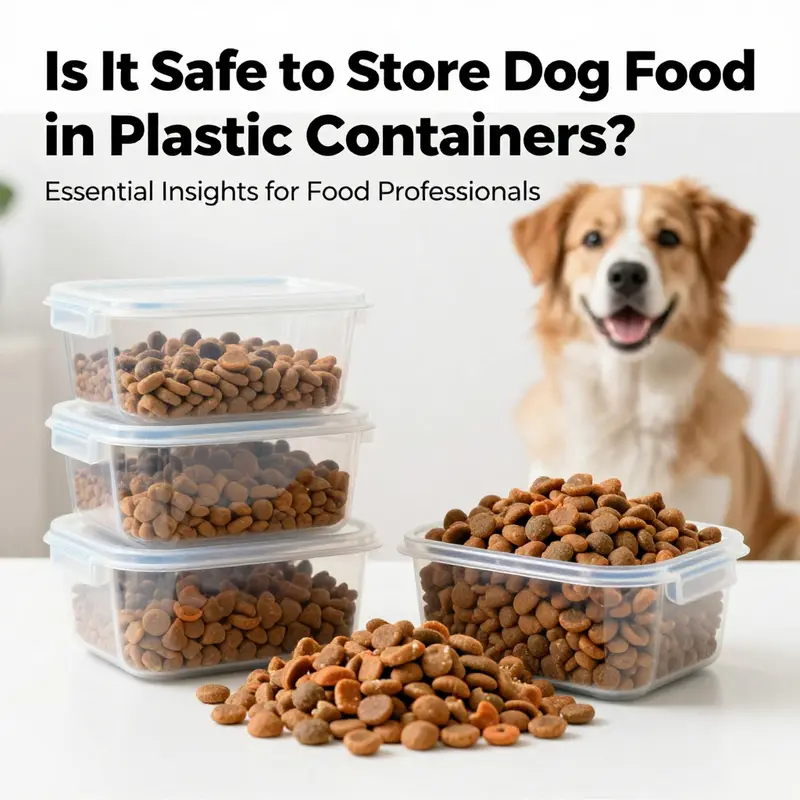
Storing dog food safely is crucial for pet owners and those involved in the food industry who cater to pet needs. The choice of storage container plays a significant role in preserving the quality and safety of the food. This article delves into the types of plastics suitable for dog food storage, emphasizing safe options while warning against hazardous materials. We will also outline best practices to ensure dog food remains uncontaminated and fresh, the impact of container materials on food quality, and alternatives to plastic storage. Each section will build a comprehensive understanding of maintaining dog food integrity, guiding beverage and food service professionals in their storage decisions.
Which Plastics Keep Kibble Safe: A Practical Guide to Food-Grade Containers
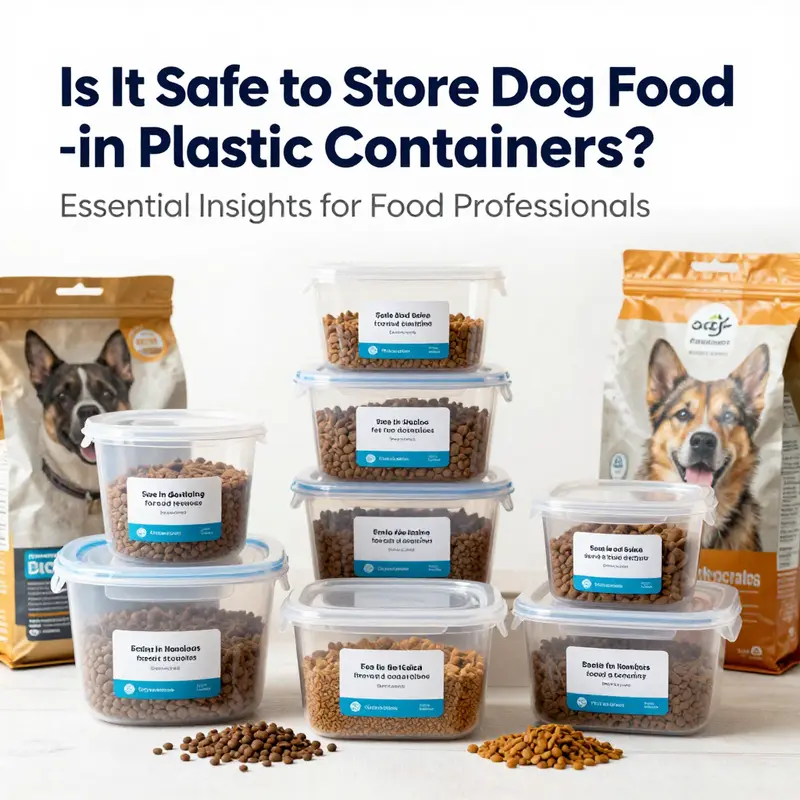
Choosing the Right Plastic
When deciding whether to put dog food in a plastic container, the single most important rule is to use the right kind of plastic and to use it correctly. Not all plastics are equal. Polypropylene (PP, recycling code #5) and high-density polyethylene (HDPE, recycling code #2) are widely accepted as food-grade materials. They resist moisture, stand up to regular handling, and have low risk of chemical migration into oily dry foods like kibble. These plastics are a practical choice for daily storage when you follow a few careful practices.
PP and HDPE are tough and heat-tolerant. They tolerate cold and moderate heat without breaking down. Their surfaces are less prone to absorbing fats, and they form an effective barrier against humidity when paired with a tight lid. Because of this, storing dry dog food in a labeled, food-grade PP or HDPE container will usually preserve freshness and slow fat oxidation compared with flimsy plastic bags. Still, the science reminds us that no material is absolutely inert. Even food-grade plastics can interact with certain chemicals under some conditions. That’s why correct use matters as much as the material itself.
A few risks deserve attention. Reused or unlabeled bins can contain additives, dyes, or residues from previous uses. Lower-grade plastics, items made from PVC, or many recycled plastics may include phthalates or bisphenols. These chemicals can migrate into oily food over time. Studies link some of these compounds to endocrine and reproductive effects. Recent research also raises questions about lesser-known interactions, like the capacity of certain plastics to bind or leach quaternary ammonium disinfectants and oleamides. While that research is still evolving, it underscores the need to treat even “safe” plastics with caution.
Beyond chemical concerns, physical wear matters. Containers develop microscopic scratches and crevices after repeated use or rough cleaning. Fats and oils in kibble lodge in those crevices and oxidize. Oxidation reduces nutritional quality and creates off-flavors that can attract pests. Moisture trapped in small defects promotes mold growth and bacterial colonization. For these reasons, a food-safe container becomes unsafe if it’s scratched, stained, or has lingering residues. Inspect containers regularly and replace them when they show obvious wear.
Practical habits protect the food inside a plastic bin. First, keep the original bag on the kibble when possible. The original bag is designed to limit oxygen exposure and often contains desiccant packs to capture moisture. Placing that bag inside the container provides a secondary barrier and reduces direct contact between food and the container walls. If you do transfer food directly, use a clean, dedicated scoop and avoid compacting the food tightly — airflow helps prevent condensation. Seal the lid firmly. Airtight lids with silicone gaskets or simple snap locks reduce oxygen and humidity exchange, slowing rancidity and insect infestation.
Cleaning matters. Wash food-grade plastic containers with warm water and a mild dish soap. Rinse thoroughly and dry completely before refilling. Avoid abrasive pads that scratch surfaces. If a container develops cloudy discoloration or a persistent odor, retire it. Those signs often indicate trapped oils and micro-wear. Also, avoid exposing plastic containers to direct heat or prolonged sunlight. Heat accelerates chemical migration and speeds material degradation.
Which plastics to avoid? PVC is a definite no. It often contains stabilizers and plasticizers that can leach into fatty foods. Reused tubs or buckets not labeled for food storage are risky, too. Many generic storage bins sold for garden or garage use are not food-safe and may contain unknown additives. PET (recycling code #1) and LDPE (code #4) are common in single-use packaging but are not ideal for long-term storage of oily kibble. They can degrade faster and have different permeability characteristics. When in doubt, choose containers labeled explicitly “food-safe,” “BPA-free,” or “FDA-compliant.”
For owners who prefer alternatives, stainless steel and glass are excellent. They are inert, easy to sanitize, and do not develop the same micro-scratches that trap oil. Glass offers a complete barrier to oxygen and moisture, but it’s heavier and breaks. Stainless steel is durable and lightweight, though some cheaper grades can dent. If maximum longevity and chemical safety are priorities, these materials outperform plastic.
That said, plastics still score on convenience and cost. A well-chosen PP or HDPE container can keep dry dog food fresh for weeks or months when used correctly. To get the best results, look for containers that meet these criteria: clearly labeled food-safe material (PP or HDPE), a tight-sealing lid with a gasket or locking mechanism, smooth interior surfaces resistant to scratches, and easy-to-clean construction. Avoid containers made from unclear or mixed plastics, and never use a container that previously held non-food items.
Small practices prolong kibble life. Store the container in a cool, dry place away from direct sunlight. Replace desiccant packs when they change color or effectiveness. Portion smaller quantities into a secondary container for daily use to reduce the number of times the main container is opened. Rotate stock so older bags are used first, preventing stale food from lingering at the bottom. If pet food sits in storage for long periods, inspect it for off-odors or visible mold before feeding.
There are also short-term, single-use alternatives when traveling or serving meals outside the home. Compostable or disposable paper bowls and lidded takeout containers provide hygienic, temporary options for feeding. They aren’t a long-term storage solution, but they offer convenience and a plastic-free choice for occasional use. For a short-term serving, a disposable kraft paper bowl with a lid works well and breaks down more easily than many plastic items. See a disposable kraft paper bowl for food package with lid for an example of this kind of option.
The balance between convenience and safety is simple. Use food-grade PP or HDPE when plastic is the practical choice. Use airtight seals and regular cleaning. Inspect containers and replace them at the first signs of wear. When possible, prefer inert materials like glass or stainless steel for long-term storage. And never use unmarked or repurposed bins for pet food. These steps reduce chemical risk, slow fat oxidation, and keep your dog’s food fresh and safe.
Authoritative guidance helps verify choices. For official standards and more on materials that contact food, consult the FDA’s guidance on food contact materials for clear, regulatory information.
https://www.fda.gov/food/food-contact-materials
Plastic Pitfalls in the Pantry: The Hidden Dangers of Storing Dog Food
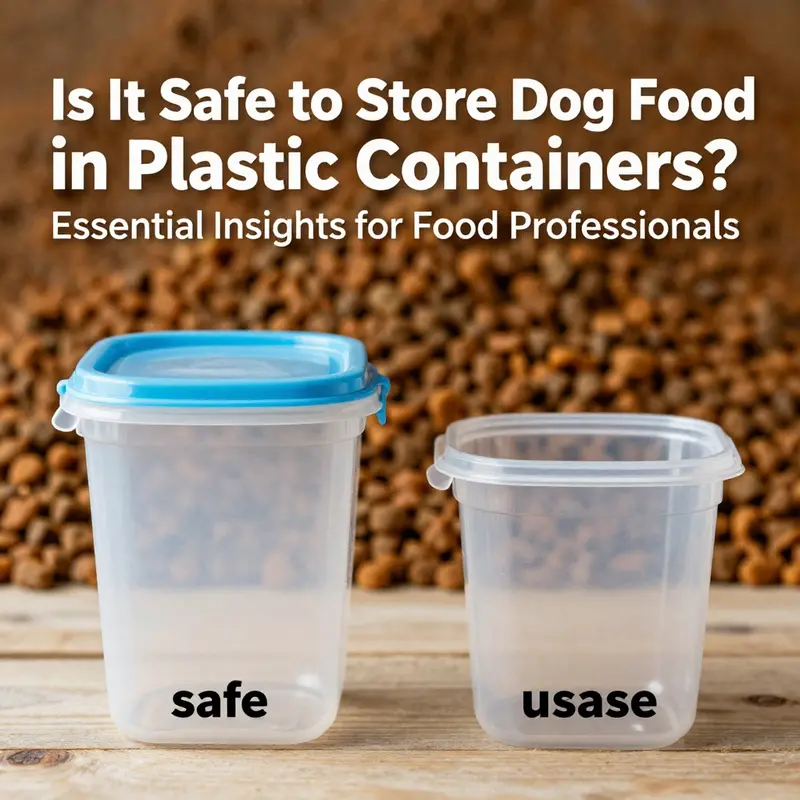
Storing dog food in plastic can feel like a straightforward, practical choice, especially when every bag comes with its own seal and a promise of freshness. But beneath the ease of a labeled bin or a simple tote lies a spectrum of risks that can quietly erode the quality of the kibble and, more importantly, the health of your dog. The question isn’t simply whether plastic is convenient; it is whether the material, the condition of the container, and the storage environment align with the goal of keeping dog food safe, flavorful, and nutritious from bag to bowl. When you take a long view of the chain—from packaging to pantry to perch at mealtime—the answer becomes nuanced, and for many households the safer route is to choose materials with inert properties and dependable performance across temperatures, oils, and time.
The most immediate concern hinges on chemical leaching. Plastic is a composite of many additives chosen to give it strength, flexibility, and durability. Some of these additives, particularly in older or lower-grade plastics, can migrate into dry or oily food over time. Bisphenol A (BPA) is perhaps the best-known example; once common in certain polycarbonate plastics, BPA has earned a reputation as an endocrine disruptor. While many manufacturers have eliminated BPA from consumer plastics, older stock or subpar products can still pose a risk. Phthalates, often used to make plastics more flexible, can migrate into fatty foods such as kibble coated with oils or fats. The concern isn’t hypothetical: extensive reviews have linked these chemicals to hormonal disruption and a range of health issues in animals and humans alike. In discussing safety, experts also emphasize that the risk isn’t static. It grows with heat, prolonged contact, and the presence of oils or acidic components that can accelerate chemical migration. The Environmental Working Group has underscored that certain plastics—especially those containing PVC or BPA-related additives—are high-risk when used to store food, including pet food. This is not just about a single container failing a test; it is about the cumulative exposure that can occur over months and years of routine storage. A practical takeaway is that plastic designed for food contact must be explicitly labeled as food-grade and should be selected with an awareness of the plastic type. A 2021 study in the Journal of Animal Physiology and Animal Nutrition highlighted how storage medium matters for nutrient preservation: dog food stored in certain food-grade PP containers showed notably better preservation of fats and overall freshness than some conventional plastic bags. Yet even safe plastics have limits, and the body of research continues to evolve about what is truly inert and how much leaching occurs under common household conditions.
Beyond chemical leaching lies the problem of physical degradation. Plastic is not a perfect barrier against air, moisture, or micro-contaminants. Over time, scratches, scuffs, and microfractures can form on the interior of a bin, especially when containers are frequently opened, cleaned roughly, or exposed to sunlight. These crevices become hiding spots for fats and oils, which oxidize and can lead to rancidity. More troubling, bacteria and mites can colonize tiny imperfections long before a surface becomes obvious to the naked eye. The result is a cycle of contamination that can manifest as subtle changes in odor or texture, or more dramatic symptoms in dogs after weeks of consumption. The risk intensifies if you reuse the same container for different foods or switch between dry kibble and treats with higher oil content. Even when a container appears clean, invisible residues can persist in micro-scratches, providing a foothold for unwanted microbial growth. The takeaway is practical: a container that resists scratching, is easy to disinfect, and remains sealed is a better bet for long-term storage of dry dog food.
Storage conditions play a pivotal role in how much risk plastic storage introduces. Heat is a primary accelerant of chemical migration from plastics, and it is not only the obvious hot room that matters. A car left in the sun or a pantry that overheats on a summer day can raise the internal temperature of the storage vessel. When temperatures climb, even food-grade plastics may release measurable amounts of chemicals into the food. In some plastics, heat can accelerate the release of volatile compounds that can impact odor, taste, and, potentially, health over time. The situation becomes more complex when dog food contains oils or concentrates of fat, which can enhance the migration of additives from the container. Acids—present in some supplements or fortified blends—can further influence the rate of chemical migration. In effect, the same bag of kibble stored in a sunny garage will behave very differently from the same bag kept in a cool, dark cabinet. The combined impact of heat and fat makes the choice of container material not just a matter of taste, but a determinant of how much of the food’s quality you retain across days, weeks, and months.
To mitigate these risks, many experts advocate for safer alternatives and disciplined storage practices. Stainless steel, especially food-grade options, offers an inert surface that resists the leaching of chemicals, does not harbor oils in the same way as plastic, and provides excellent moisture and oxygen barriers when paired with airtight lids. Glass, particularly borosilicate varieties, is another strong option. It does not leach any additives and cleans thoroughly, though it can be heavier and more fragile in households with energetic pets. A newer option, Tritan copolyester, is BPA-free and designed to be durable, though it must be certified food-safe and kept away from extreme heat to realize its full safety benefits. The common thread among these alternatives is that they provide predictable performance across a range of conditions while minimizing chemical interaction with the food. The preference for steel or glass is not simply about tradition; it is a practical decision to reduce variables that can erode the nutritional integrity of dog food over time.
For households that still use plastic, the path forward must be deliberate and mindful. First, avoid plastics that are not explicitly labeled for food contact, and steer clear of older stock that may carry legacy additives. If plastic must be used, choose containers made from food-grade PP or HDPE, both recognized for chemical resistance and durability. Temperature tolerance is also a factor; containers that can safely withstand subfreezing to moderately warm temperatures offer a buffer against accidental heat exposure. Importantly, keep the original bag inside the container. This simple act helps reduce cross-contamination from residual fats or oils and provides a familiar reference for the dog owner about storage conditions and expiration information. Do not transfer dog food into generic, unmarked, or unclear bins, and avoid repeated use of the same plastic container for different batches or varieties of food without thorough cleaning and inspection.
An integrated storage strategy can further reduce risk. Consider a two-tier approach: a daily-use, readily accessible stainless steel bowl for portions and a larger, sealed container—preferably glass or metal—for bulk storage. This arrangement minimizes the frequency with which the more vulnerable plastic components are opened and exposed to air, heat, and oils. Regular maintenance is essential as well. Clean containers promptly after use, rinse thoroughly, and let them air-dry completely to discourage mold growth. Replace desiccant packs in the original packaging if they change color, as they indicate moisture absorption and reduced protective value. Finally, avoid colored or heavily patterned plastics, which can sometimes contain dyes with metallic additives that may migrate under heat or contact with oils.
In the broader context of safe dog-food storage, there is a rich conversation about the materials we choose and the habits we form. A direct translation of the research points to a practical guideline: plastic is not inherently dangerous, but it is a fragile ally that requires careful selection, replacement, and maintenance. Yes, you can use a plastic container, but only if it is clearly labeled as food-grade PP or HDPE and designed specifically for dry food. If there is any doubt about the material or if the container shows scratches, warping, or an odor, it is prudent to replace it with a more inert alternative. The long-term health of a dog depends on consistent, quality storage rather than the convenience of a single, multipurpose bin.
For readers who want a tangible option that aligns with a broader approach to safe storage, consider dedicated storage solutions designed for food use that align with a rotating system. A practical link to a storage option that emphasizes paper and other natural materials can illustrate how households can reduce reliance on plastics while maintaining convenience. Wholesale Custom Print Kraft Paper Food Storage Salad Noodle Bowl offers a glimpse into an approach that embraces minimal plastic exposure for daily meals and storage needs. You can explore such an option here: Wholesale Custom Print Kraft Paper Food Storage Salad Noodle Bowl.
The dialogue around plastic and pet food storage is not merely about minimizing risk; it is about constructing a routine that keeps dog food fresh, palatable, and nutrient-dense across time. The Environmental Working Group’s synthesis of studies on chemical migration from plastics into food provides a sobering reminder that even containers marketed as safe can, under certain conditions, contribute to unwanted exposure. While it is not a universal indictment of all plastics, it does reinforce the wisdom of exercising caution, selecting materials with strong safety profiles, and maintaining a disciplined storage regimen. In the end, the simplest, most visible rule is robust: if a container looks worn, feels warm to the touch, or emits an unusual odor, replace it. And when in doubt, choose metal or glass over plastic, especially for long-term storage, to maximize safety for the dog you love. As a guiding thought from veterinary toxicology perspectives suggests, reducing exposure to endocrine-disrupting chemicals protects not only wildlife but our pets as well, underscoring how even everyday choices at home can matter profoundly over a lifetime.
External reference for further reading: Environmental Working Group – Plastic Food Containers and Health Risks. This resource reviews multiple studies on chemical migration from plastics into food, highlighting high-risk materials and the importance of selecting safe storage options for pet food. https://www.ewg.org/research/plastic-food-containers-and-health-risks
Smart, Safe Storage: How to Use Plastic Containers for Dog Food Without Risk
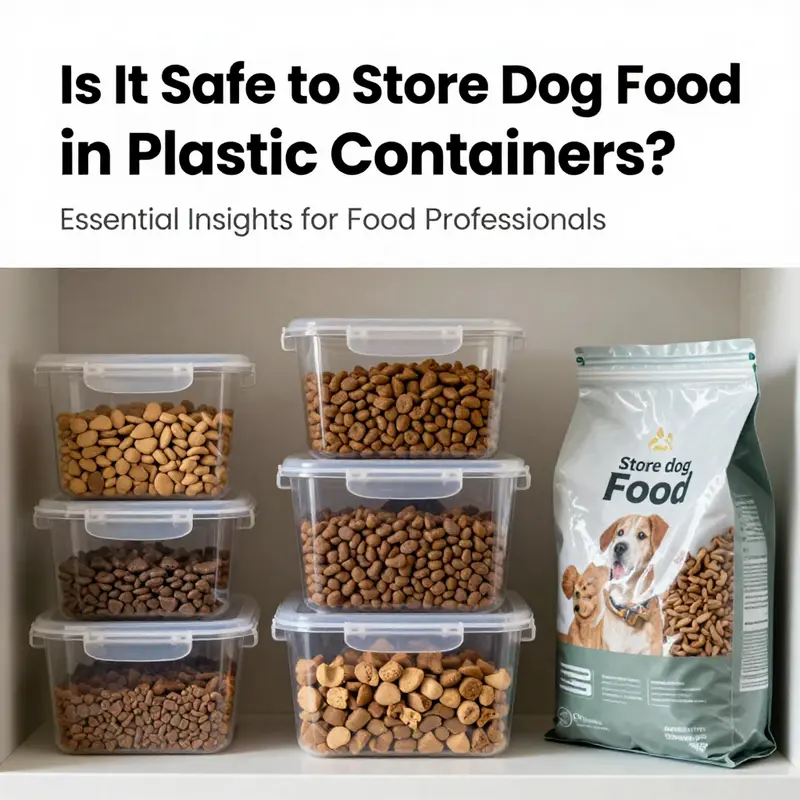
Choosing the right plastic container for your dog’s food is a balance of safety, freshness, and convenience. Not all plastics are the same. Some are engineered to resist chemical migration, oxygen, and moisture. Others can transfer harmful compounds into oily kibble over time. This chapter walks through the practical steps you should follow when using plastic storage, what to avoid, and how to treat alternatives—so food stays fresh and pets stay healthy.
Start with the material. Food-grade polypropylene (PP) and high-density polyethylene (HDPE) are the safe options. These plastics are chemically stable, resist grease, and are rated for food contact. They tolerate a wide temperature range, withstand repeated cleaning, and do not easily absorb odors. By contrast, PVC or unknown recycled plastics may contain additives such as phthalates or BPA derivatives. These can migrate into fat-rich pet food when heat or light accelerates breakdown. If a container lacks a food-safe label, assume it is not suitable for long-term dog food storage.
Airtight sealing is non-negotiable. Oxygen and moisture speed rancidity and encourage pests. Choose containers with tight lids, silicone gaskets, or cam-lock closures. A proper seal limits oxygen exposure and keeps out pantry insects. If the container is clear, consider a lid with a locking mechanism to prevent accidental spills and to maintain that seal over time. For extended storage, vacuum-seal lids or oxygen absorbers add an extra layer of protection.
Where you place the container matters as much as the container itself. Store it in a cool, dry spot away from direct sunlight. Ideal temperatures range from 50°F to 70°F (10°C–21°C). Heat accelerates fat oxidation in kibble and degrades plastic additives. Sunlight can cause some plastics to break down and may also reduce nutrient quality in fortified foods. Avoid garages or sheds that experience wide temperature swings. If sunlight exposure is unavoidable, opt for opaque or UV-stabilized containers to block light and reduce chemical migration.
Cleanliness prevents contamination. Before refilling, wash the container with warm, soapy water, rinse thoroughly, and air-dry completely. Moisture trapped inside encourages mold growth and bacterial proliferation. Never reuse containers that previously held chemicals, paints, or solvents. Residual residues can persist even after several washes and will contaminate food. If you buy a secondhand bin, discard it for other uses and choose a verified food-safe container instead.
Use the original bag when possible. Placing the manufacturer’s bag inside the container keeps food protected and helps preserve its freshness. The bag is designed to limit oxygen exposure and to hold desiccant packs that control humidity. If you remove the food from its bag, consider adding a fresh desiccant pack and transferring food only into containers rated for dry-food storage. Always label the container with the product name and the date you opened it. This simple step helps you rotate stock and ensures kibble is used while still fresh.
Rotate and portion to reduce waste. Buy only what your dog will eat before the food expires. If you buy in bulk, portion the food into smaller, airtight containers for daily use and leave the bulk sealed. Frequent opening and closing introduces oxygen each time. Smaller containers used more often mean the bulk container remains sealed longer, preserving nutrients.
Monitor for signs of spoilage. Look for off odors, clumping, discoloration, or a greasy film inside the lid. If the food smells stale, bitter, or simply “off,” discard it. Kibble rancidity is not always obvious by smell at first, but pets may reject food once oxidation progresses. Also watch your dog for digestive upset or changes in behavior after a new batch is introduced.
Be mindful of UV and heat exposure during transit. If you transport food in a car or leave it in a warm vehicle, heat can accelerate deterioration. Use insulated carriers for short trips, and avoid storing food in hot trunks. For travel or temporary feeding, disposable, food-safe paper bowls can be useful. If you need an on-the-go option, consider a disposable kraft paper bowl with lid, which keeps portions separate and can be used once and discarded to prevent cross-contamination. Disposable kraft paper bowl with lid
Regular maintenance extends container life. Inspect sealing surfaces for cracks, warping, or hardened gaskets. Replace lids or gaskets if they no longer compress properly. Clean crevices where fat and crumbs can accumulate. If a container develops persistent odors, retire it from food use. Even food-grade plastics have a finite lifespan and may degrade after many wash cycles.
Consider alternatives when appropriate. Stainless steel and glass are inert and do not leach chemicals. They also resist stains and odors better than plastic. For long-term storage in variable conditions, these materials are superior. Use plastic only when it offers a clear advantage in weight, durability, or cost. When selecting plastic, prefer opaque, food-grade PP or HDPE containers designed specifically for dry pet food.
Small details matter. Replace desiccant packs when they change color. Keep containers off concrete floors, which can draw heat and moisture into the bin. Avoid storing dog food near cleaning supplies or fertilizers. If you store multiple diets, use stackable, labeled containers to prevent cross-contact and to keep the pantry organized. Stackability keeps pests away and makes rotation easier. If a container is difficult to clean, it will be skipped during routine maintenance, increasing contamination risk.
Follow safety-conscious shopping habits. Look for recycling codes stamped into the plastic: a 2 (HDPE) or 5 (PP) is a reliable indicator of food-grade material. Avoid codes 3 (PVC) or unknown numbers. Manufacturer statements and food-safe certifications provide additional reassurance. When in doubt, contact the manufacturer or choose a container marketed specifically for pet food storage.
Using plastic responsibly also means accepting its limits. Even food-grade containers can allow slow oxygen transfer over months. For long-term storage beyond a few months, favor stainless or glass and store sealed, unopened commercial bags in their original packaging within a secondary container. For everyday home use, a properly chosen, airtight PP or HDPE container kept clean and stored correctly will preserve freshness and keep pets safe.
These practices keep dog food fresher, safer, and more palatable. They reduce waste and protect pet health by minimizing exposure to heat, moisture, pests, and unwanted chemical migration. If you want a practical industry guide on the finer points of storing pet food in containers, see the detailed storage recommendations here: https://www.petfoodstorage.org/storing-dog-food-in-plastic-containers
Choosing a Safe Home for Dry Dog Food: Why Plastic Type Matters for Freshness, Health, and Longevity
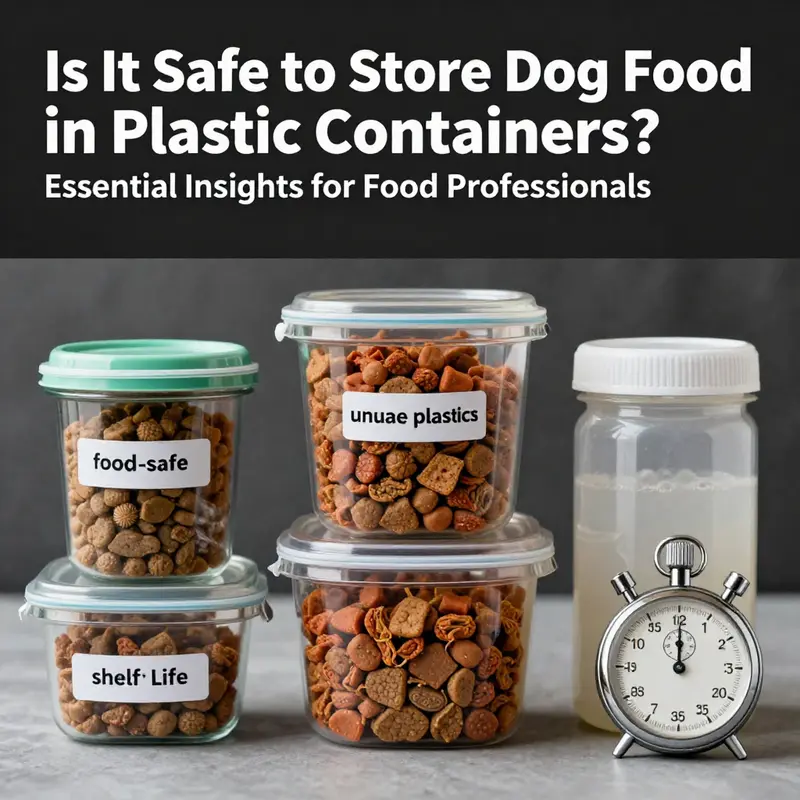
Storing dry dog food is more than a matter of keeping a bag off the shelf. It is about shaping a miniature storage environment where fats, vitamins, moisture, and microbes interact over days, weeks, and months. The choice of container matters because plastics are not created equal. Some are designed for food contact and have been tested for chemical stability, while others carry a history of additives that can migrate into oils and powders. If you want to preserve a dog’s nutrition and avoid the risk of spoilage, the first decision you face is the type of container you will use. At a practical level, no storage solution guarantees perfection, but there is a meaningful difference between containers made from certain food-grade plastics and those that are not worth the risk. Your goal is to minimize fat oxidation, limit moisture ingress, and prevent any potential contaminants from migrating into the food you feed your dog every day. In this sense, the science behind container materials becomes a dog owner’s preventive care, just as important as choosing a high-quality kibble or ensuring regular veterinary checkups. The right container acts as a shield against the slow but real processes that degrade freshness and safety, while a poor choice invites the opposite: accelerated nutrient loss, rancidity, and unwanted microbial growth.
When you weigh options, two families of plastics sit at opposite ends of the safety spectrum. On the one hand, food-grade plastics such as polypropylene, or PP, and high-density polyethylene, or HDPE, are widely regarded as safer for storing dry foods. These materials are chemically resistant, durable, and less prone to leach harmful substances into food under typical storage conditions. A key performance note is their ability to withstand a broad temperature range, roughly from -20°C up to 120°C, which makes them suitable for both pantry storage and refrigeration. The literature notes a tangible benefit: in a 2021 study published in a veterinary nutrition journal, dog food stored in PP containers demonstrated about 47% lower fat oxidation rates compared to the same kibble kept in plastic bags. That reduction translates to slower nutrient degradation, better flavor retention, and a longer window of freshness. For households that live in warmer climates or with frequent door openings, this can be a meaningful difference in how appetizing and nutritious the food remains over time. These materials are also easier to clean and less likely to harbor residues when properly maintained. If you are choosing plastic, making PP or HDPE your baseline standard paves a clearer path toward safer storage.
On the other side lies a set of plastics that many consumer bins relegate to the junk drawer of storage, or worse, the cupboard of questionable safety—a category that includes PVC, and many recycled plastics that carry additives from previous uses. The concerns here go beyond mere smell or color. PVC, and some recycled plastics, can contain phthalates, such as DEHP, and even BPA or its substitutes. These compounds are known to migrate into foods, particularly oily or fatty products, over time. The risk is not hypothetical: endocrine-disrupting chemicals can interfere with metabolic regulation in animals, and by extension, in our dogs. The Environmental Working Group has compiled a body of evidence showing how certain plastics can transfer toxic compounds into pet food, highlighting high-risk materials like PVC- or BPA-containing plastics. For readers who want a deeper dive, the EWG’s review on plastic food containers and health risks lays out the scientific landscape and the real-world implications of chemical migration. The takeaway is clear: not all plastics are equal in their interaction with dog food, and a careless choice can quietly undermine safety as the bag empties. This is why labeling matters and why relying on boxes or bins that lack explicit food-safe certification is a step toward risk rather than convenience.
A second thread in the science concerns physical aging inside the container. Even when chemicals are well-behaved, plastic surfaces are not perfectly inert. Many common storage bins have microscopic pores or surface irregularities. Fats and oils from dog food can accumulate in these micro-channels, and over time, they oxidize and degrade. That oxidation not only dulls the nutritional value but also creates a hospitable environment for mold and bacteria, especially if the container is not fully sealed or is stored in a humid space. The combination of fat-rich residues and imperfect sealing creates a cycle of spoilage that compounds as the food sits. This is a reminder that storage quality is not just about what the food sits in, but how well the container protects against moisture, air, and contaminants. The practical implication is simple: choose containers that minimize surface irregularities, offer a robust seal, and are easy to disassemble for thorough cleaning.
To translate that science into daily habits, many experts advocate for materials with known, FDA-approved safety profiles. Food-grade HDPE and PP stand out because they combine chemical resistance with thermal stability. They resist interactions with oils and fats that could otherwise leach out, and they hold up across the temperature spectrum many households encounter, from pantry warmth to refrigerator chill. In contrast, non-food-grade plastics, or containers lacking clear labeling, invite questions about safety and longevity. Even if a plastic bin looks sturdy, its long-term performance depends on the presence of a recognized food-contact designation. A deliberate, informed choice here can mean the difference between a container that simply holds kibble and one that preserves its quality and ensures your dog enjoys the same sniff-worthy freshness weeks later.
When it is possible to choose, many guardians opt for non-plastic storage options like stainless steel or glass. These materials are inert, do not leach chemicals, and often provide superior barriers to moisture and oxygen when paired with airtight lids. Stainless steel, in particular, has antimicrobial properties that can contribute to a lower risk of surface contamination, a benefit that becomes more meaningful in humid environments or homes with high humidity. If you do choose plastic, aim for full-seal designs and look for labels that confirm the container is “food-safe” and made from PP or HDPE. Such diligence matters because even a small lapse in sealing can accelerate moisture ingress, lipid oxidation, and deterioration of vitamin E and other sensitive nutrients. The overarching message is straightforward: the container you pick should be easy to clean, clearly labeled for food storage, and designed to keep air, moisture, and pests at bay.
For readers who want a concrete example of packaging design principles in action, take a moment to explore durable packaging used in food service. The page describing high-quality food take-out kraft paper rectangle bowls demonstrates how design intent translates into practical, user-friendly storage choices—especially the emphasis on secure lids and cleanable surfaces. This example reinforces the idea that robust, food-safe packaging exists across material families, but only certain designs meet the rigorous demands of dry dog food storage. If you’re curious about a tangible reference that embodies careful design without sacrificing accessibility, you can explore this example: high-quality food take-out kraft paper rectangle bowl. It serves as a reminder that functional, sealable, and easy-to-clean containers are achievable in everyday settings, whether for pet food or human food.
The bottom line remains consistent with the science: yes, you can use a plastic container for dog food, but only if it is made from food-grade PP or HDPE and is specifically designed for dry food storage. Avoid cheap, unclear, or non-food-safe plastic bins that lack labeling. When possible, consider stainless steel or glass as superior alternatives and reserve plastic for containers that carry explicit food-contact assurances. Regardless of material, the best outcomes come from airtight sealing, regular cleaning, and a storage environment that minimizes heat and humidity. Keeping the original bag inside the container also helps by reducing the transfer of residual fats and oils that can linger on interior surfaces after the bag is opened. In addition, replace desiccant packets when they change color, as they have absorbed moisture and can no longer protect the contents effectively. Informed material choices, careful sealing, and disciplined maintenance together create a safer, fresher feeding experience for your dog and provide peace of mind for you.
For further context on safety standards around food-contact materials, the FDA’s guidance offers a broad framework for how containers are evaluated and labeled. This science-based oversight helps dog guardians distinguish between truly food-safe plastics and those that should be avoided for practical reasons. External sources, including institutional reviews, continue to emphasize the importance of avoiding migration risks associated with certain plastics. To deepen understanding of the broader landscape of chemical migration from plastics into food, see the Environmental Working Group’s detailed discussion on plastic food containers and health risks. External resource: Environmental Working Group – Plastic Food Containers and Health Risks: https://www.ewg.org/research/plastic-food-containers-and-health-risks
Internal link note: for a real-world look at durable, food-safe packaging designs in practice, you can explore this example page on a high-quality take-out kraft paper rectangle bowl: https://greendispopack.com/product/high-quality-food-take-out-kraft-paper-rectangle-octagonal-bowl/
Beyond Plastic: Safer, Smarter Storage for Your Dog’s Food
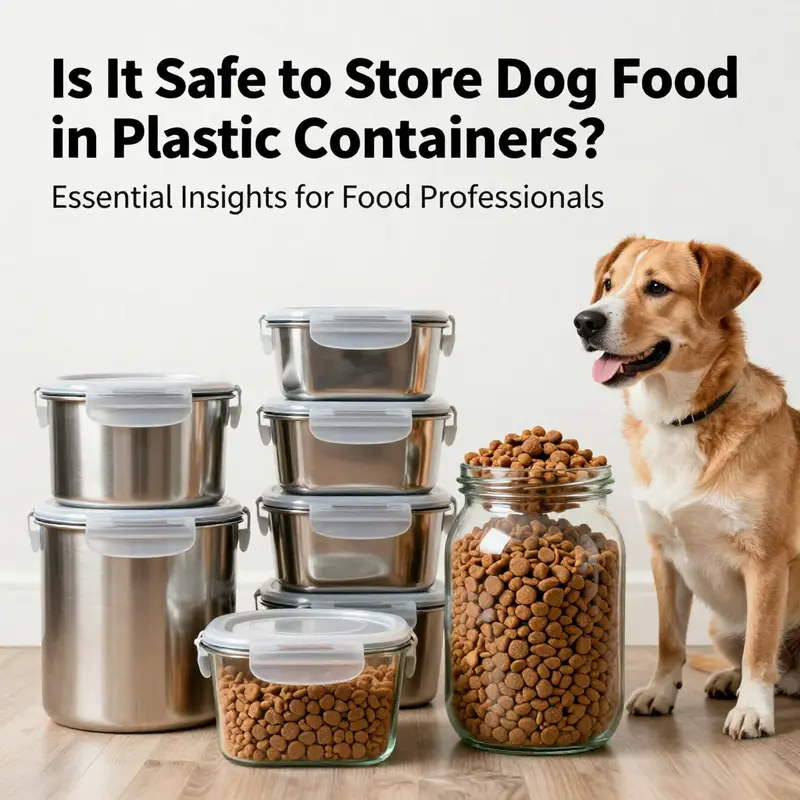
Storing dry dog food correctly matters as much as choosing the right kibble. The decision to use plastic containers often comes down to convenience and habit, but the conversations around safe storage have grown deeper. The core of those conversations is not simply about keeping food fresh; it is about guarding nutrition, flavor, and the health of the dog who depends on that food day after day. While some plastics can be engineered for food contact, other materials excel at keeping moisture, air, and pests out without risking unwanted chemical migration. When you consider alternatives to plastic, you are weighing durability, hygiene, and practical day to day use against the simple ease of a plastic bin. The aim is to protect the fats and oils in the food that give kibble its aroma and appeal, while also maintaining a barrier against the elements that cause spoilage. The right choice blends science with everyday routines, turning a routine task into a longer term investment in your dog s wellbeing.
Stainless steel stands out as a premier option for many households facing this question. It is non-reactive, which means it won t impart any metallic or off flavors to the food, a crucial factor when fatty oils and proteins are stored for weeks. Stainless steel containers designed for pet food storage typically offer an airtight seal achieved through silicone gaskets or a vacuum-lock mechanism. This seal is not merely about keeping the lid on; it is about maintaining a precise balance of moisture and oxygen, two variables that determine how quickly nutrients oxidize and how easily mold can take hold in humid conditions. The look and feel of steel also conveys durability. It resists staining and odors better than many plastics, and with proper care, it can endure years of use without the micro-scratches that harbor bacteria in other materials. The absence of porosity means it is easier to clean thoroughly, a practical advantage when you consider the oily residues that can linger in plastic if a container isn t cleaned promptly.
That said, stainless steel isn t a flawless panacea. It can dent if dropped, and it can be heavier than plastic bins, which matters for households that rotate containers between kitchen counters, pantries, and car trips. Yet even these drawbacks are manageable with sensible choices in lid design and size. Look for containers with a tight, gasketed lid and a design that supports a stable seal even after repeated opening and closing. Opt for models that are labeled as food-safe stainless steel and that are easy to disassemble for cleaning. For households that feed multiple dogs or switch foods seasonally, a set of medium to large containers that stack neatly can keep the feeding area organized and the environment sanitary without sacrificing accessibility. In daily practice, the airtight seal is the hero feature—the barrier against moisture, against airborne contaminants, and against pests that can hitch a ride on a forgotten scoop or a stray crumb. Keep the original kibble bag inside the steel container for an extra layer of protection against oil from the surface of the food that can attract dust and lead to quicker rancidity.
Glass, on the other hand, offers another compelling path for pet owners who prize clarity and inertness. A glass container gives you an unobstructed view of how much food remains, a simple aid to meal planning and budgeting. Its inert surface does not absorb odors or flavors, which is particularly appealing if you rotate between different brands or flavors of dog food. The downside of glass is its weight and its tendency to break if mishandled in a busy kitchen or a home with curious pets. However, for households with a stable storage spot away from high-traffic areas—where the risk of a drop is minimized—glass can be a stalwart ally. Many glass containers feature secure lids and silicone gaskets that create a reasonable barrier to moisture while still being easy to open for daily use. The visual appeal of glass can be surprisingly practical: you can see when the food is running low and you can monitor the presence of any discoloration or mold at a glance. When chosen thoughtfully, glass becomes a reliable, long lasting option that also aligns with a lifestyle that prioritizes recyclability and low chemical interaction.
Ceramic or enamel coated metal presents a blend of aesthetics and safety that some owners find appealing. These materials typically have smooth, non-porous surfaces that resist staining and odor absorption. Yet they usually do not offer the same robust sealing capabilities as stainless steel or the practical lightness of glass in a way that keeps every morsel perfectly sealed for months. If you lean toward ceramic or enamel, pairing the vessel with a separate airtight lid or placing it inside a secondary sealed container can help bridge that gap. This approach preserves the non-toxic surface while layering in the moisture and air protection that the food needs. Ceramics and enamel coatings also lend themselves to pleasing kitchen design, which can be a subtle but meaningful factor for households that enjoy a tidy, aesthetically cohesive space. The key with any ceramic option is to ensure you have a dependable lid and a plan for containment that prevents accidental spills and keeps the bag oils from migrating into the vessel’s walls.
Beyond the specific materials, the choice of storage solution converges with broader questions about sustainability and climate impact. Metal and glass containers are typically long lasting and highly recyclable, which speaks to a desire to reduce waste and to limit exposure to chemical migration over the lengthy lifetime of a container. Plastic, while light and inexpensive, has a nuanced environmental and health profile that depends on the plastic type and usage. The risk is not only about chemical leaching during storage but also about how often containers are replaced, how they are cleaned, and how responsibly they are disposed of when their useful life ends. For some families, the tradeoffs favor metal or glass despite the extra heft, simply because these materials align with a long term view of kitchen organization and pet care that values predictability, ease of cleaning, and minimal maintenance. For others, a carefully chosen high quality plastic container may still be a practical option, especially if it is a food grade material and used within its recommended limits. The overarching principle is clear: the goal is to minimize exposure to oils and moisture that degrade freshness while protecting the integrity of the food, and to choose a path that fits both daily life and long term health considerations for your dog.
If you are curious about packaging options that stay away from plastics altogether, a paper based alternative offers a compelling middle ground. For example, a wholesale kraft paper storage option designed for food use can reduce plastic contact while still providing a moisture resistant and sanitary barrier when paired with appropriate lids and liners. These paper based systems emphasize recyclability and a low environmental footprint, and they illustrate how a change in material can align with an overall strategy of responsible pet care and everyday practicality. This path is especially attractive for households seeking a minimalist approach to plastics in the home while still requiring dependable protection for dry dog foods. For readers exploring such options, a representative example of this approach can be found at a resource that outlines kraft paper food storage solutions, which demonstrates how a non plastic system can be implemented in everyday routines without sacrificing convenience. For an option that ties into paper based food storage, you can explore Wholesale Custom Print Kraft Paper Food Storage Bowls. Wholesale Custom Print Kraft Paper Food Storage Bowls.
In the end, the best alternative to plastic hinges on your priorities: if durability, longevity, and a non reactive surface top your list, stainless steel earns strong consideration for long term use. If you prize visibility, ease of monitoring, and the ability to keep a delicate eye on freshness while minimizing weight, glass can be a superb choice. If aesthetics, a ceramic or enamel sheen, and a compromise between sealing and style appeal to you, ceramic or enamel coated metal can be a thoughtful option. Each path carries its own practical considerations—weight, breakage risk, ease of cleaning, and how well it supports a tight seal. The common thread across these choices is that you are actively reducing the risk of contamination and spoilage by selecting materials that stay inert in contact with dry dog food, while also supporting straightforward routines for cleaning and refilling.
As you weigh the alternatives, remember that the container is just one part of a larger system. The original dog food bag often contains valuable storage cues, such as desiccant packets and oils that can influence freshness. Keeping the original bag inside a non porous container can help maintain a barrier against residual fats and oils that may cling to the interior walls after a previous use. Tight sealing is non negotiable; the lid should sit flush and resist moisture ingress, and you should replace desiccants when they change color, signaling moisture uptake. These small, routine steps preserve freshness and extend shelf life, reducing the chances of stale kibble or off flavors that could turn a dog away from a nutritious meal. In practice, this means creating a simple, repeatable habit: transfer to the chosen container, inspect the lid and gasket, keep the bag inside, and ensure the container remains in a cool, dry place away from direct sunlight. The result is a storage system that supports the nutritional integrity of dry dog food, minimizes waste, and aligns with a thoughtful, health oriented approach to pet care.
For readers seeking further insights into how materials interact with food, a broader resource on food contact materials provides comprehensive context about safety standards. The evidence base emphasizes that the material type and usage pattern influence safety outcomes, and it clarifies why certain plastics carry higher risk profiles. This understanding can empower you to make informed choices that align with your dog s needs and your household values. External reading can illuminate the nuanced science behind packaging and storage and help you navigate the options with confidence. https://www.ewg.org/research/plastic-food-containers-and-health-risks
Final thoughts
In summary, the safety of storing dog food in plastic containers hinges on selecting the right type of plastic—particularly food-grade options like polypropylene or high-density polyethylene. Awareness of the risks presented by unsafe plastics is crucial for pet food quality and safety. Following best practices in storage, alongside exploring safer alternatives like stainless steel or glass, can ensure the well-being of pets while catering to the needs of food service professionals. By integrating these insights into your operations, you can enhance your service offering and ensure the highest standards of safety for your furry patrons.