
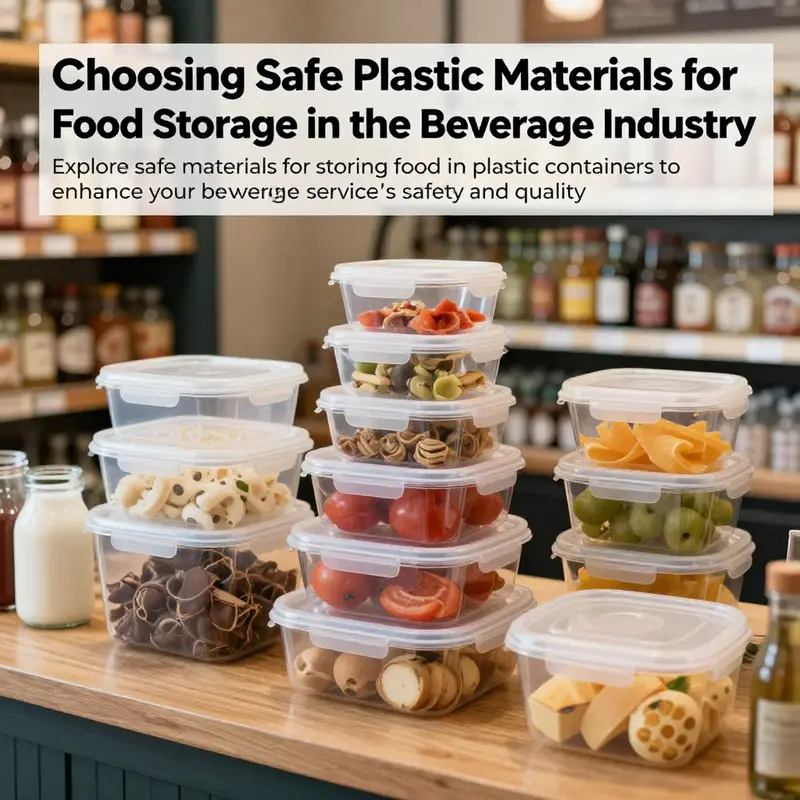
As businesses in the beverage industry, from bubble tea shops to catering services, prioritize quality and safety in their offerings, the selection of food storage solutions becomes paramount. Understanding which plastics are safe for food storage is crucial not only for compliance but also for maintaining the integrity of your products. This guide will navigate through essential types of plastics, decode recycling codes to help identify food-safe materials, examine health risks associated with unsafe plastics, and provide comprehensive guidelines for safe usage. Finally, we’ll explore alternatives to plastic that can elevate your food storage practices.
null
null
Decoding Recycling Codes: Choosing Safe Plastics for Food Storage
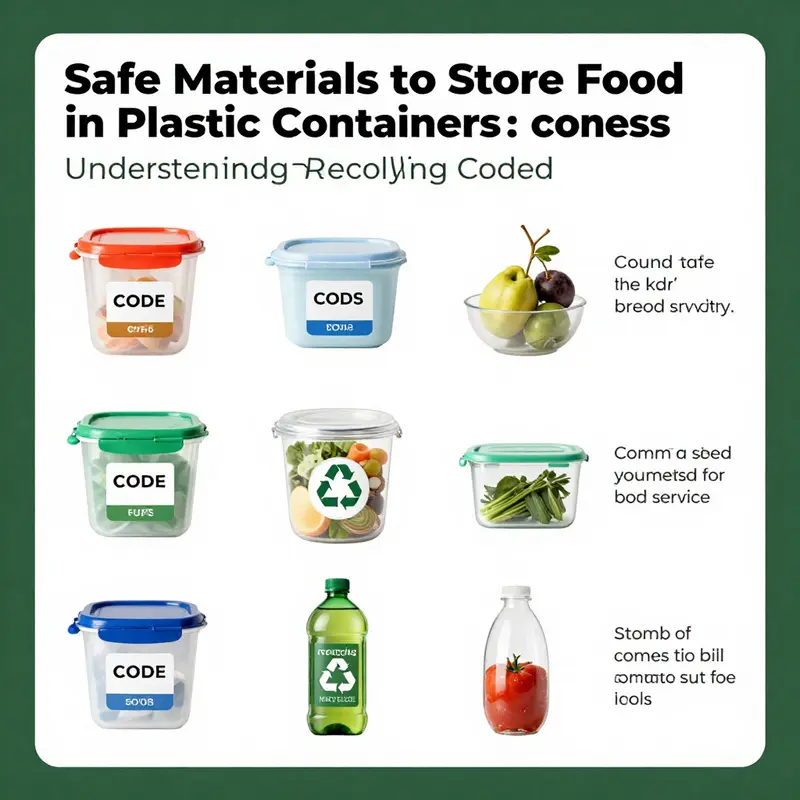
Reading the Number: What Each Recycling Code Means for Food Safety
When you place food in a plastic container, the small triangle with a number matters more than you might think. That tiny code identifies the polymer family, and it hints at how the material behaves with heat, fat, or acid. Not all plastics are equal for food contact, and recognizing the safer options helps reduce chemical migration into your food.
Start with the plastics most commonly recommended for repeated food use: #2 (HDPE), #4 (LDPE), and #5 (PP). High-density polyethylene (#2) is tough and chemically stable. It resists many fats and acids, so it works well for dairy, oils, and cold liquids. Low-density polyethylene (#4) is flexible and moisture resistant, making it suitable for wraps and bags used for short-term storage in the fridge. Polypropylene (#5) stands out for heat tolerance. It can handle hot food and steaming, and is often the material in containers labeled microwave-safe. Each of these codes indicates a lower risk of leaching when used as intended.
Contrast those with plastics to avoid for repeated food contact or heating. #3 (PVC) often contains plasticizers like phthalates. These additives can migrate into food, especially when warmed. #6 (PS), polystyrene, can release styrene with heat or with fatty or acidic foods. #1 (PET) is excellent for single-use bottles and cold drinks. Yet when PET is reused, warmed, or scratched, its structure can break down and allow more migration. Finally, #7 (OTHER) is a catch-all category. It includes polycarbonates that historically released Bisphenol A (BPA), and newer resins that may contain bisphenol analogs. A “BPA-free” label doesn’t automatically mean a material is risk-free. Replacement chemicals like BPS or BPF can have similar biological effects.
Knowing the number is a good start, but safety depends on conditions. Heat amplifies chemical migration. Fatty and acidic foods increase the likelihood that molecules will leach from plastic into food. Microwaving a container that lacks a microwave-safe label, leaving oily sauces in plastic for days, or using scratched, cloudy containers all raise risk. For each plastic type, follow the manufacturer’s instructions and avoid extremes of temperature when the label doesn’t explicitly allow them.
Look beyond the number for additional cues. Containers marked “food-grade” or stamped with a fork-and-cup symbol are intended for food contact. A microwave-safe icon means the design tolerates short bursts of microwave heating. Freezer-safe labels indicate the plastic retains structure at low temperatures. When those markings are absent, default to caution: use the container for non-food items or for dry, room-temperature goods.
Wear and tear matter. Scratches, clouding, warping, and persistent stains signal that a container’s surface has altered. Scratched plastics expose more surface area and can trap bacteria in grooves. They also provide pathways for chemicals to migrate more readily. When a container looks aged, replace it. For single-use plastics, avoid intentional reuse. Thin bottles and disposable tubs are designed for limited use and can degrade faster.
Practical storage choices minimize risk without adding complexity. Use #5 polypropylene for reheating meals if the container is labeled microwave-safe. Choose #2 HDPE for milk, oil, or juice stored at room temperature or in the fridge. Reserve #4 LDPE for wraps and items you plan to consume within a short period. Avoid warming food in #1 or #3 containers and never microwave styrofoam (#6). If a plastic container shows any signs of damage or smell retention, discard it.
When in doubt, opt for alternatives. Glass and stainless steel do not leach plastics and tolerate a wide temperature range. Glass preserves flavors and is ideal for long-term storage and marinating acidic foods. Stainless steel is lightweight and robust for transport and hot foods. For disposables and takeout, compostable or recyclable paper bowls with secure lids offer a safe option that avoids plastic contact; for example, a disposable kraft paper bowl designed for food packaging can be a reliable alternative for takeaway meals when you want to reduce plastic use and still keep food secure.https://greendispopack.com/product/disposable-kraft-paper-bowl-for-food-package-with-lid/
Be mindful of how you use containers, too. Do not place plastic containers near direct heat sources, such as stovetops or grill edges. Avoid pouring boiling liquids into thin plastic bottles. Let soups cool briefly before transferring them to plastic for storage unless the container is specifically rated for hot liquids. When packing lunches, choose insulated stainless containers for hot items and glass or high-quality plastic (PP) for cold salads.
Labeling and transparency from manufacturers make safe choices easier. Food-grade certification, microwave-safe marks, and clear recycling numbers should be visible. If a product lacks these indicators, assume limited suitability for food and treat it as non-food contact or single-use only. For commercial foodservice, insist on packaging that clearly states food contact safety and temperature limits.
Children, pregnant people, and those with hormonal sensitivities should exercise extra caution. Because endocrine-disrupting chemicals can have pronounced effects at low doses, prefer glass or stainless steel for baby food, formula, and breast milk storage. When plastic is used, choose materials with the lowest known risk profiles and replace containers regularly.
Recycling codes were created for waste sorting, not as detailed safety certifications. Still, they offer a practical shorthand. Use them alongside condition checks and manufacturer instructions. Avoid assuming that “BPA-free” equals harmless. Demand clear labeling and favor materials with long histories of safe food contact.
Understanding recycling codes empowers better decisions. A simple glance at the triangle can guide you toward safer storage choices, reduce unnecessary exposure to harmful compounds, and help preserve the taste and integrity of your meals. For deeper reading on how chemicals can migrate from containers into food and what current research shows, see the Johns Hopkins analysis on chemical leaching in plastic food containers: https://www.bloomberghealth.jhu.edu/news/2026/chemical-leaching-in-plastic-food-containers
Safe Plastics, Hidden Dangers: Choosing Materials to Store Food Without Compromise
Understanding the risks—and what to choose instead
When food meets plastic, chemistry matters. Not every plastic is designed for repeated food contact, and even food-grade plastics can become unsafe under stress. The most reliable choices for everyday food storage are polypropylene (PP) and polyethylene (PE). These materials are widely used because they resist chemical migration, tolerate common temperatures, and are broadly considered stable for food contact when used correctly. Look for the recycling codes and markings that identify materials and indicate safe temperatures. Those simple symbols are an immediate clue to whether a container suits your intended use.
Risk increases when plastics are low quality, damaged, or used outside their design limits. Heat and fat are particularly aggressive. Hot takeout, reheated dishes, and oily sauces raise the chance that plastic will release additives into food. Research shows that repeated exposure to leached chemicals can influence metabolism, insulin signaling, and vascular health. Compounds such as phthalates and bisphenols have been linked to inflammation and changes in cholesterol handling. Over time, this can accelerate atherosclerosis and raise the risk for serious cardiovascular events.
Label claims can mislead. “BPA-free” removes one chemical, but replacement substances may not be much safer. Scientists warn that alternatives like BPS and BPF can act like BPA in the human body. Endocrine disruption, even at low levels, can accumulate with chronic exposure. The more a container is heated or scratched, the more likely it is to release micro- and nanoplastics and soluble additives into food. Once these particles cross the intestinal barrier, animal studies show they can enter circulation and prompt chronic immune activation. That cascade—oxidative stress, persistent inflammation, and vascular damage—helps explain links to heart disease seen in population studies.
Standards exist to reduce these hazards, and they matter. For example, the 2024 Chinese national standard GB4806.7-2023 requires materials intended for food contact to meet strict migration limits and to declare safe temperatures. These rules aim to prevent containers from releasing harmful substances under expected conditions. Regulatory frameworks vary by region, but they share a common goal: keep chemical migration below levels of concern. Still, compliance is only part of the picture. User behavior matters too. Even compliant plastics can degrade when microwaved repeatedly, used to store acidic sauces for weeks, or scratched by utensils.
Avoid these plastics for food storage: PVC (polyvinyl chloride) and polycarbonate. PVC often contains plasticizers such as phthalates. These chemicals improve flexibility but can leach into food and disrupt hormonal systems. Polycarbonate has been associated with bisphenol A, though many products now claim to be BPA-free. Reuse of PET (polyethylene terephthalate) bottles for anything beyond single use is also risky. PET was never intended for repeated heating or prolonged contact with oily or acidic foods. Each time such containers are heated or roughly handled, the chance of chemical migration grows.
Practical habits reduce exposure. Never assume any unlabeled container is safe for heating. If a container lacks a microwave-safe mark, transfer hot food to glass or ceramic before reheating. Discard containers that show cloudiness, persistent stains, deep scratches, warped rims, or lingering odors; these signs signal structural breakdown. For hot, oily dishes consider aluminum trays or paper-based alternatives that avoid direct plastic contact. If you prefer disposable options for takeout, look for paper bowls and containers designed for food service. For example, disposable kraft paper bowls with lids offer a plastic-free choice suitable for many hot and semi-liquid foods: https://greendispopack.com/product/disposable-kraft-paper-bowl-for-food-package-with-lid/
When choosing reusable containers, favor PP (marked with the recycling code 5) for hot or microwave use. PP has a relatively high melting point and resists many chemicals. HDPE (code 2) performs well with oils and dairy at room temperature and in refrigeration, though it is not suitable for microwaving. LDPE (code 4) is common in plastic bags and wrap and is fine for short-term, cool storage, but it cannot withstand high heat. Selecting the right polymer for the job minimizes risk. Also choose containers labeled food-grade and made by reputable manufacturers that disclose maximum temperature limits.
Long-term safety strategies matter as much as single decisions. Rotate containers and replace old items on a schedule. Even a container that looks fine can harbor microfractures that release particles over time. Avoid putting plastic in the dishwasher if the manufacturer warns against it; high dishwasher temperatures and detergents can accelerate breakdown. When freezing, allow liquids to cool before sealing and never use containers not rated for freezing; expansion and cold embrittlement can cause cracks that later release material into food.
Dietary choices can help mitigate unavoidable exposures. Some chemicals exert harm via oxidative stress and inflammation. Eating antioxidant-rich foods supports the body’s defenses. Aim for regular servings of dark, colorful vegetables—broccoli and purple cabbage are especially valuable—and include whole grains. These foods supply fiber and phytonutrients that counteract oxidative damage. While diet cannot eliminate risk from chemical exposure, it can reduce the biological impact over time.
Communication and labeling improvements would further protect consumers. Clear maximum temperature markings, explicit food-grade certifications, and transparent statements about plasticizers and bisphenol alternatives would simplify safe choices. Until such labeling becomes universal, assume that plain plastic without clear marks is not safe for heat, and treat older, scratched, or warped containers as single-use or disposable.
Simple steps protect health in daily life. Check for material codes and microwave-safe markings. Reserve PP for reheating and hot food. Use HDPE or glass for oils and dairy. Transfer hot meals to glass or ceramic when possible. Replace damaged containers promptly. Choose paper or aluminum alternatives for very hot, oily, or highly acidic dishes. Support these habits with a diet rich in antioxidant vegetables and whole grains to blunt some of the physiological effects of low-level chemical exposure.
For authoritative regulatory guidance on plastics intended for food contact, refer to the official U.S. FDA resource on plastic food contact materials: https://www.fda.gov/food/food-contact-materials-industries/plastic-food-contact-materials
Choosing and Using Safe Plastics for Food Storage: Practical Rules and Alternatives
Choosing the right plastic for food storage starts with understanding the material, the conditions it will face, and how food chemistry affects chemical migration. Not all plastics are equal: some are designed to be food-safe and stable under heat, cold, and repeated use, while others contain additives that can migrate into food, especially when exposed to heat, fat, or acid. When you select containers and decide how to use them, focus on the resin identification code, the manufacturer’s food-grade claims, condition of the container, and the intended use.
Polypropylene (PP, recycling code #5) is the most versatile and broadly safest choice for everyday food storage. It withstands high temperatures—often over 120°C—so it tolerates microwaving and hot food. It resists chemical breakdown and is relatively stable against fats and oils. For reusable meal prep containers, yogurt tubs, and lunchboxes, PP is a reliable workhorse. High-Density Polyethylene (HDPE, #2) is also food-safe, with low reactivity and good resistance to fats and chemicals. It is excellent for room-temperature storage or refrigeration, and for containers like milk jugs and squeeze bottles. Low-Density Polyethylene (LDPE, #4) appears in bags and wraps and works well for short-term chilled storage. LDPE is flexible but has low heat resistance, so avoid using it for hot food or microwaving.
Polyethylene Terephthalate (PET, #1) is commonly used for single-use bottles and food packaging. The material is FDA-approved for food contact in many applications and generally resists chemical migration under normal, short-term use. However, PET is not intended for repeated heating or long-term storage of hot, acidic, or fatty foods. Reusing single-use PET bottles or exposing them to heat can increase the risk of chemical migration.
Some plastics should be avoided for food storage. PVC (polyvinyl chloride, #3) can contain plasticizers such as phthalates. Polystyrene (PS, #6) may leach styrene, especially with hot liquids. Resin code #7 covers a range of materials, including polycarbonate, which can contain bisphenol A (BPA). Even BPA-free alternatives sometimes use bisphenol substitutes such as BPS or BPF. Recent research suggests these substitutes can have endocrine effects similar to BPA. Choosing containers marked explicitly as food-grade and free from concerning additives reduces risk.
Practical rules help keep chemical migration minimal and food safe. First, always check the recycling code and food-safe marking on the base of the container. Look for a microwave-safe symbol if you plan to heat food in the container; that label indicates the manufacturer has tested the product under simulated microwave conditions across different food types. Second, never heat or microwave plastic unless the container is explicitly labeled microwave-safe. Heat accelerates migration, and the combination of heat plus fatty or acidic foods increases the amount of chemicals that can leach from plastic.
Handle, clean, and inspect plastics with care. Scratches, cloudiness, stains, and warping signal a breakdown in the plastic matrix and increased risk of migration. Discard damaged containers. Avoid using harsh abrasive cleaners that create micro-scratches. Many plastics degrade faster in the dishwasher due to high temperatures and aggressive detergents; handwashing extends life and safety. For freezing, PP and HDPE perform well. Allow hot food to cool to near room temperature before sealing and refrigerating, so you do not subject the container to sudden high heat.
Food chemistry matters. Fatty foods and oils can solvate plasticizers and other additives, drawing them into the food. Acidic foods, such as tomato-based sauces and citrus, can also enhance leaching. For prolonged contact with acidic, salty, or fatty foods, choose non-plastic containers, or use plastics specifically rated for such use. If you must use plastic, minimize storage time and transfer leftovers to alternative materials when possible.
When shopping, read labels beyond the resin number. Food-grade markings, microwave-safe symbols, or explicit manufacturer guidance on temperature and reuse are meaningful. Containers used for infant formula, breastmilk, or for pregnant people warrant extra caution; prioritize materials with the strongest safety records. Single-use plastics are convenient but designed for limited exposure. Reusing single-use PET bottles or clamshells is not recommended.
Seals and lids deserve attention. A tight-fitting lid reduces surface area exposure to air and contaminants. However, a plastic lid in prolonged contact with hot, fatty food can still be a migration pathway. If the container’s lid is made of a different plastic than the base, check both pieces for codes and microwave labels. Consider using glass or stainless steel lids where possible, or store food in glass containers and cover them with plastic-free options.
For long-term storage, high temperature, or when preserving delicate flavors, choose alternatives. Glass and stainless steel are inert, resist staining and scratching, and do not leach chemicals. They perform better when heating, cooling, or storing acidic and fatty foods for extended periods. For single-use or takeaway situations, compostable or kraft paper bowls with waterproof linings provide an eco-friendly alternative. A readily available option is a disposable kraft paper bowl for food packaging with a lid, which can be useful when plastic-free disposability is desired (see disposable kraft paper bowl for food packaging with lid).
A few actionable checks before every use: verify the recycling code and food-safe label; confirm microwave-safe status if heating; avoid hot liquids in non-microwave plastics; never use a scratched, discolored, or misshapen container; and avoid prolonged storage of fatty or acidic foods in ordinary plastics. If a container smells of previously stored food or is stained and won’t clean, replace it. For storing oils, dairy, or sauces intended for days of refrigeration, choose HDPE, PP, or better yet, glass.
Small habits protect health. Cool leftovers before sealing. Use glass or stainless steel for reheating. Rotate and replace plastic containers regularly. Use plastic primarily for short-term cold storage, transport, or when the container is rated for the specific use. Remember that labels and codes are not marketing—they reflect testing and regulatory standards. By combining careful material selection with proper handling and timely replacement, you can safely use plastic containers for many everyday needs while minimizing exposure risks.
For authoritative guidance on materials that contact food, consult regulatory resources and manufacturer data. The FDA maintains detailed information on food contact materials and safety requirements at https://www.fda.gov/food/food-contact-materials-ingredients/food-contact-materials
Smart Swaps: Safer Materials to Replace Plastic for Food Storage
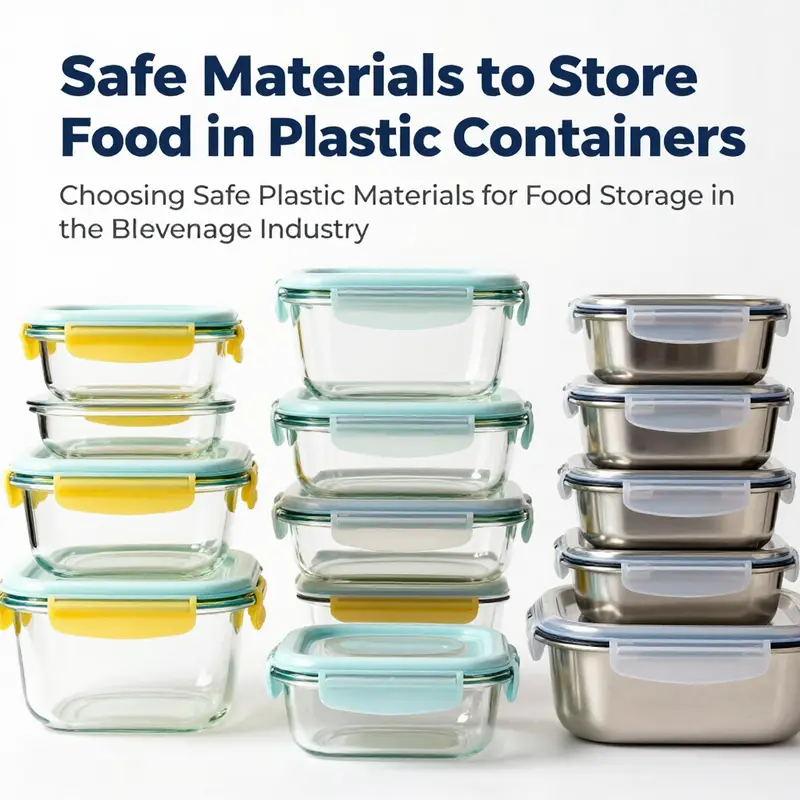
Choosing safer materials for food storage means balancing food safety, convenience, and longevity. Plastic is convenient, but not all plastics are designed for repeated contact with hot, acidic, or fatty foods. When you move beyond plastic, four durable alternatives stand out: glass, ceramic, stainless steel, and silicone. Each has clear strengths and trade-offs. Understanding those differences helps you pick the right container for the right job while protecting flavor and reducing chemical risks.
Glass remains the most versatile and fail-safe choice. It is inert and non-reactive, so it will not transfer chemicals or flavors into food. That makes glass ideal for acidic foods like tomato sauce or citrus-based dishes, and for oily foods that can interact with plastics. Glass tolerates high temperatures, so you can reheat leftovers directly in the container. It also resists staining and odor retention, which means sauces and strong spices won’t cling to the surface over time. Tempered or borosilicate glass options add thermal shock resistance for safer transitions from oven to fridge. The main downsides are weight and fragility. Choose thick-walled jars or containers with reinforced lids when you need durability. For everyday meal prep, a set of stackable glass containers with airtight lids often proves the best compromise between usability and safety.
Ceramic offers many of the same benefits as glass while adding aesthetic value and thermal stability. A well-glazed ceramic container is non-reactive and keeps flavors pure. It performs especially well for longer-term refrigeration of dairy products and cooked dishes. Ceramic retains heat well, so it can help maintain steady internal temperatures and reduce condensation. Quality glaze matters: use fully vitrified, food-safe ceramics to avoid lead or cadmium in older or decorative pieces. Many modern ceramic storage dishes are designed for direct oven use, enabling seamless reheating. The trade-offs are similar to glass: weight and potential for chipping. For family meals and baked dishes, ceramic storage is an excellent choice.
Stainless steel excels where toughness and portability matter. It is non-reactive and does not impart flavors. Stainless containers are ideal for dry goods, packed lunches, and long-term storage of items that will not be microwaved. They are light compared to glass, nearly indestructible in daily use, and easily sanitized. Some stainless containers come with leak-proof lids and insulated walls, making them great for transporting hot soups or cold salads. The main limitation is reheating: stainless steel cannot go in a microwave, and you risk uneven heating if using it on a stovetop without care. For household staples, meal prep, and travel, stainless steel is a top performer.
Silicone fills a flexible niche. High-quality food-grade silicone is heat-resistant and stable across a wide temperature range. It resists tearing, bends for compact storage, and works well as a reusable alternative to single-use plastic bags. Silicone is especially good for freezer storage and baking applications. It does not leach harmful chemicals under normal use, so it is safe for reheating and freezing. Be mindful of cheaper silicones and composites that mix plastics with silicone; prioritize products labeled as food-grade and free of fillers. Silicone can retain oily residues more than glass, so thorough cleaning is necessary to avoid flavor carryover. For snacks, freezer packs, and reusable storage bags, silicone is a practical and durable option.
Paper-based and molded fiber containers are useful when a disposable or compostable option is required. Modern kraft paper bowls and pulp containers often come with water-resistant linings and secure lids. They reduce plastic waste and offer convenience for takeout and events. For one-off uses, a high-quality paper bowl with a tight-fitting lid can be safer than a worn plastic container. If you depend on disposable solutions, choose fully compostable or recyclable paperware to limit environmental impact. For a ready example, consider a disposable kraft paper bowl for food packaging with lids, which provides a low-plastic, easy-dispose solution when single-use is unavoidable (see disposable kraft paper bowl for food package with lid).
Choosing the right material also means matching it to the food and conditions. For hot, acidic, or oily foods, prefer glass or ceramic. For transportable meals and rugged daily use, stainless steel is best. For freezing and flexible reuse, choose food‑grade silicone. Use paper or molded fiber for disposable, eco-friendlier single-use scenarios. Never assume all containers of one material are equal. Look for clear labeling: food-grade, microwave-safe, freezer-safe, or oven-safe. Those labels tell you whether the manufacturer tested the material for the intended use.
Care and maintenance keep alternatives safer longer. Inspect containers regularly. Discard any that show deep scratches, chips, or broken seals. Glass and ceramic should be free of hairline cracks that can hide bacteria. For stainless steel, avoid abrasive cleaners that can damage any protective coating. Silicone requires hot soapy water and occasional deep cleaning to remove oil residues. Store lids separately to avoid trapping moisture and odors. Avoid mixing materials improperly; for example, never microwave a stainless steel container, and do not put non-microwave-safe plastics into ovens.
Airtight seals matter more than the container body. Even the safest material will fail at keeping food fresh if the lid leaks. Use containers with well-machined seals and solid latching systems. For longer preservation of flavor and texture, consider vacuum-seal options when storing in glass or stainless steel. For everyday refrigeration, a simple tight-fitting lid will suffice. If you often freeze soups or sauces, leave headspace to allow for expansion, no matter the material.
Environmental impact is an essential consideration when switching from plastic. Glass and stainless steel are infinitely recyclable and long-lived. When used repeatedly, their environmental footprint shrinks compared to disposable plastic. Ceramic is durable but heavier to transport. Silicone is not yet widely recyclable everywhere, but its reusability reduces single-use waste significantly. Paper and molded fiber offer compostable options but require sustainable sourcing and proper disposal to deliver their environmental benefit. Choose containers you will actually use for years, not items that will sit idle and be replaced.
Practical choices reduce health risk without sacrificing convenience. Keep a small set of glass meal-prep containers for sauces and reheating. Add a couple of stainless steel lunch boxes for travel. Use silicone bags for frozen fruits and baking, and reserve ceramic dishes for oven-to-table comfort foods. When single-use solutions are necessary, pick certified compostable paper bowls with lids. Small changes like these lower exposure to chemical migration and preserve food flavor.
Switching materials is not about perfection. It is about making safer, smarter choices for storage demands. Select containers that match the food, the temperature, and the lifecycle you expect. Prioritize food-grade labeling, inspect items for damage, and replace what shows wear. These steps will keep food safer, taste better, and reduce reliance on plastics where they pose risks.
For official guidance on materials intended for food contact and safety standards, consult regulatory resources from food safety authorities: https://www.fda.gov/food/packaging-food-contact-substances-fcs/materials-food-contact
Final thoughts
Understanding which materials are safe for food storage is essential for maintaining the quality and safety of the products served in the beverage industry. By utilizing food-grade plastics, adhering to safe usage guidelines, and considering alternatives to plastic, retailers can protect both their customers and their brand. This comprehensive guide not only helps ensure compliance with health standards but also supports the sustainability movement within food service. By committing to safe and responsible food storage practices, you can enhance your business reputation and customer trust while contributing to a safer food environment.