
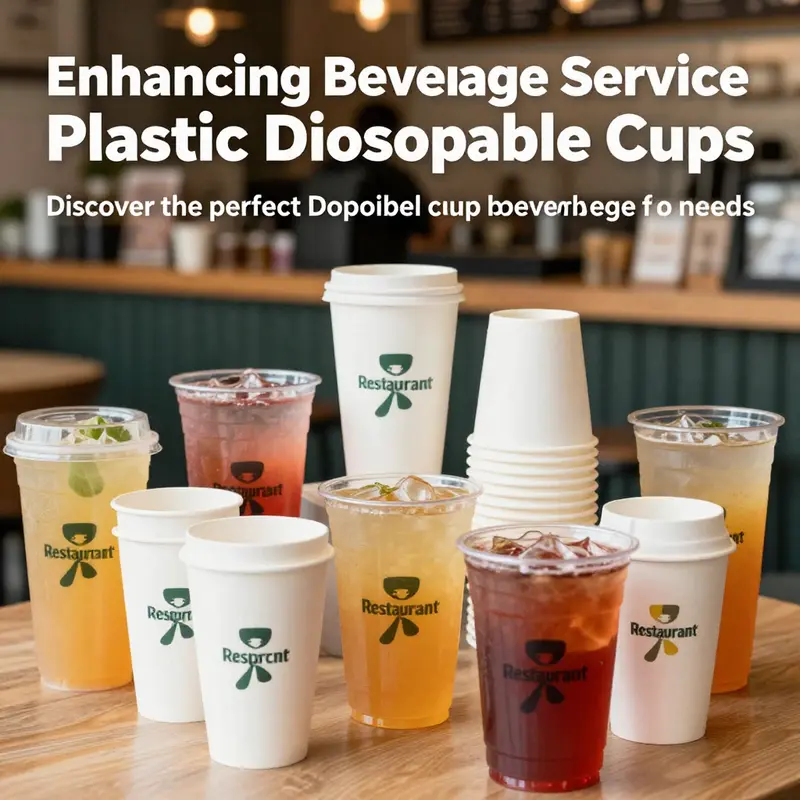
In the competitive landscape of food service and beverage delivery, the quality of your disposable cups can significantly impact customer satisfaction and operational efficiency. Restaurant Depot offers a diverse lineup of plastic disposable cups that cater specifically to the needs of bubble tea shops, beverage chains, food trucks, catering services, event planners, and corporate procurement teams. Understanding the variety of options available, their materials, durability, compliance with safety standards, and the economic implications can empower your business to provide an exceptional beverage experience while optimizing cost efficiency. This article delves into the assortment of cups available, their materials and durability, compliance with industry regulations, and the economic advantages they bring to modern beverage service operations.
Between Clarity and Craft: Navigating the Spectrum of Plastic Disposable Cups in Professional Foodservice
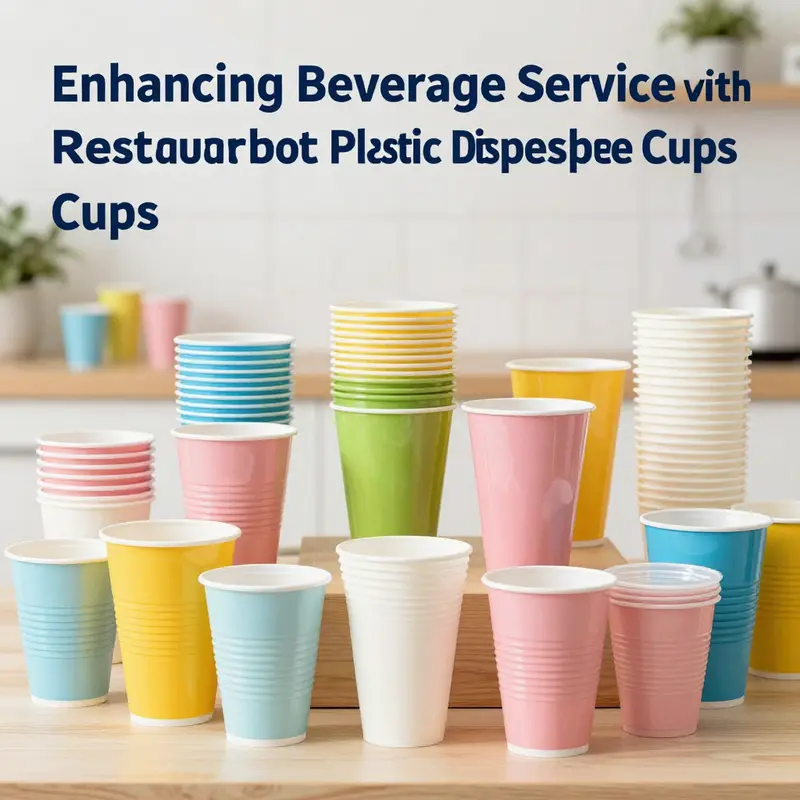
In the world of professional kitchens, events, and takeout operations, plastic disposable cups are more than simple vessels. They are the silent workhorses of a service system that hinges on speed, reliability, and the ability to maintain temperature and presentation from the moment a drink or soup leaves the kitchen to the moment it reaches a guest. The range of options offered by bulk suppliers is not a random assortment; it is a carefully curated spectrum designed to meet the many demands of a bustling restaurant depot. This spectrum stretches from cups designed for hot liquids to those built for the coldest beverages, from clear cups that showcase a beverage’s color and clarity to more durable tumblers that carry a brand’s identity as much as they carry a drink. When a hospitality operation looks to purchase in bulk, the choice becomes a balancing act between performance, cost, ergonomics, and waste management. The goal is to select a cup that complements the service model—whether it is a fast-casual line, a busy buffet, a banquet, or a mobile food truck—without compromising safety or the guest experience.
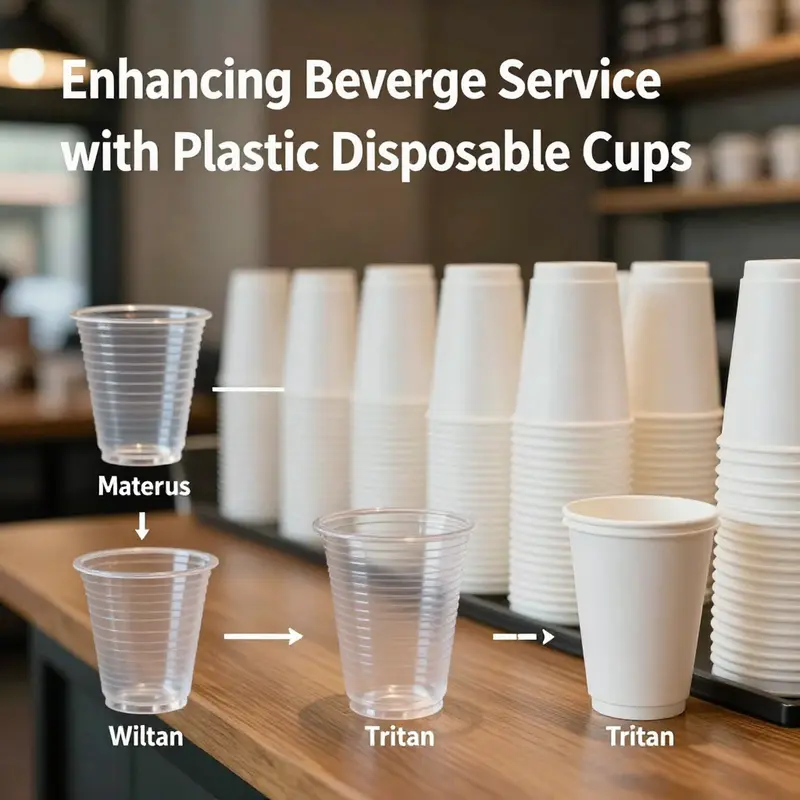
A fundamental distinction in this category lies in the material itself. PET, or polyethylene terephthalate, is a common choice for clear cups because it provides a crisp, see-through appearance that heightens the visual appeal of a beverage. PET cups are typically BPA-free and engineered to be crack-resistant, a combination that makes them suitable for both cold and, with careful design, hot liquids. In high-volume environments, the reliability of the cup matters as much as the lid or straw. The design must withstand the rigors of rapid service: repeated grasping, quick stacking, and sometimes mobility during delivery or event service. The result is a cup that maintains clarity under stress, keeps leaks at bay, and remains comfortable to hold through the duration of a guest’s experience.
Beyond PET, Tritan represents another tier in the plastic cup landscape. Tritan cups are valued for their durability and resistance to shattering, an attribute that translates into safer handling in crowded dining rooms or on a catering setup where glass is not practical. The aesthetic appeal of a glass-like appearance paired with the resilience of a tougher plastic creates a compelling option for beverage service in upscale casual settings or at promotional events where the impression matters almost as much as the drink itself. The choice between PET and Tritan often hinges on the intended use: if the priority is a crisp display with a lighter touch, PET may be the better fit; if the priority is long service life and a more premium feel, Tritan can offer an attractive balance.
Within the PET family, most operators lean toward the 16-ounce and 32-ounce formats as workhorse sizes. The 16-ounce cup tends to be the default for coffee service, casual cold beverages, and sampling stations, while the larger 32-ounce tumbler is well suited to self-serve beverage bars, banquet lines, and cafeterias where customers expect a bit more value in a single cup. These sizes are frequently paired with straw-slot lids, which protect the drink and reduce spill risk—an important consideration in transport, pickup, and buffet lines. The lids themselves are part of the performance equation: a well-fitting lid with a secure seal, coupled with a straw-port design, can significantly reduce leakage during delivery and service. The bulk packaging approach—often sold in sets or cases of 100 or more—aligns with the needs of high-volume operators who aim to streamline restocking, minimize handling, and reduce the time spent on inventory tasks.
In a different vein, disposable soup cups illustrate how plastic disposables extend beyond drinks to support broader meal service. These cups are engineered with reinforced walls and often feature lid designs that resist leaks even when contents are semi-liquid or fluid. The emphasis here is on stability during transport and on-site service, with a design that can withstand the modest heat of soups and broths while remaining lightweight for delivery and takeout. For food trucks, catering carts, or office meal programs, these cups deliver reliability in a format that remains easy to stack, transport, and reuse after disposal. The practical implication is clear: cups intended for soups must balance generous capacity with structural integrity, ensuring that the vessel does not warp or crack under the stress of hot liquids and rapid handling.
A separate strand of the spectrum is the category sometimes described as coupe-style plastics, which includes shatterproof options designed to mimic the look and feel of glassware. These pieces are often marketed as upscale alternatives for cocktail service or fine-dining-inspired presentations in casual settings. The visual appeal of a glass-like silhouette can elevate a beverage service without increasing the risk of breakage that comes with real glass. For establishments that host tasting menus, seasonal cocktails, or event-driven dining experiences, the combination of a sleek silhouette and robust construction helps preserve the ambiance while maintaining practical benefits such as stackability and lightness. Yet even within this coupe category, practicality governs choice: the material must remain clear and crack-resistant, and the lid, if used, must seal securely to avoid spills during service or transport.
Across these varieties, a few features recur as common denominators of quality. First, safety and compliance anchor every selection. Cups must be free from substances that could migrate into beverages and must adhere to industry food-safety standards. This means validated materials, appropriate labeling, and consistent performance under the temperatures typical of the service scenario. Second, convenience drives adoption. Stackability for efficient storage, grip-friendly textures for comfortable handling, and compatibility with lids and straws streamline the workflow of a busy service area. Third, leak resistance is not a mere afterthought. A leak-resistant design protects both the customer experience and the operation’s reputation, particularly in settings where beverages are handed across a counter, loaded into bags, or transported to a guest table. Finally, visual clarity and color stability matter for brands that rely on vibrant beverages or nuanced presentations. A cup that remains clear and pristine after repeated use and stacking helps preserve the drink’s appearance from the service line to the guest’s hands.
The procurement logic behind these cups is shaped by the realities of hospitality operations. In the daily cadence of a bustling venue, managers want reliable products delivered in predictable quantities. Bulk packaging removes many of the day-to-day procurement frictions, reducing the administrative load of reordering and enabling staff to focus on service. A typical bulk approach for a fast-paced operation involves stocking several core cup profiles that cover the majority of beverage and soup service. For cold drinks, the clear, crack-resistant PET cups in mid-sized formats are often sufficient for most routines. For hot beverages, a version of the same geometric design with heat-tolerant features can provide the necessary performance while maintaining a comfortable hold for guests. When soups or broths are part of the menu, dedicated disposable soup cups ensure stability and leak resistance across the supply chain. For upscale or event-based service, the shield of a coupe-style, shatterproof design can deliver an elevated experience while preserving practicality.
The question of availability inevitably enters the conversation. The typical path to securing these cups runs through a restaurant supply depot or a bulk distributor that serves hospitality professionals. In addition to the sheer variety of cup shapes and sizes, buyers become attuned to how well the packaging aligns with kitchen workflows. Bulk quantities, like 100-set bundles, are not just a matter of discount; they reflect the operational rhythm of high-volume service. Replacements must be available without delay, and the ability to quickly verify inventory against menus and service patterns becomes a key part of daytime operations. In this sense, the choice of cup becomes embedded in a larger system that includes the lids, straws, and packaging that together form a cohesive, efficient service experience.
Mixing and matching different cup profiles with corresponding lids and accessories can also be part of a strategic approach to minimize waste and optimize service areas. For instance, a café serving hot coffee in the morning and cold beverages in the afternoon may rely on a dedicated hot-line cup that can withstand heat, paired with a different cold-line cup that emphasizes clarity and color. In event settings, where the flow of guests may be less predictable, a small array of cup sizes and styles can support changing demand patterns without requiring rapid last-minute sourcing. The practical takeaway is simple: align cup choices with service models, guest expectations, and the throughput requirements of each shift.
A note on sustainability threads through the conversation about plastic disposables as well. While plastic cups offer a level of convenience and reliability that is unmatched in many scenarios, there is growing emphasis on responsible use, recycling, and end-of-life considerations. Operators increasingly evaluate the life cycle of their disposables, look for cups that minimize environmental impact through material choices, and integrate clear disposal guidance into the customer journey. Some customers appreciate the transparency of materials and the ease of recycling, while others lean toward options that pair disposables with recyclable or compostable waste streams. The balance between performance and responsibility remains a live conversation in most professional kitchens, influencing not just what is stocked but how it is used, stored, and disposed of after service.
Within this broader context, a practical way to connect the various cup profiles is to imagine the service path from preparation to presentation. A server picks up a cold beverage in a clear PET cup, the lid placed for transport, a straw added depending on the service style. The cup’s clarity showcases the beverage’s color and freshness, while its crack-resistant wall holds up against the rigors of movement. In a buffet line, guests refill from a self-serve station, and the cup must keep its shape and clarity as it changes hands. In a dine-in setting, the coupe-style forms lend a refined touch to cocktails or specialty drinks, while still delivering the security needed to prevent leaks. The end result is a cohesive system where material choice, form factor, and service context intersect to deliver a reliable guest experience without sacrificing efficiency in the back of house.
To illustrate how a family of disposables extends beyond cups alone, consider how related products in the same family of service packaging reinforce the decisions made about cups. An internal link in the broader content ecosystem might point readers toward related disposable options, such as eco-friendly paper cup solutions with lids, to underscore the diversity of disposable formats available to operators. For instance, a linked reference might highlight how paper cups with lids fit into a sustainability-minded mix when paper-based disposables are a strategic choice for certain shifts or events. This cross-category awareness helps operators design a cohesive, adaptable program that aligns with both guest expectations and corporate sustainability goals. eco-friendly custom paper coffee cups with lid serves as an example of the broader conversation about disposables beyond plastic, inviting readers to consider how different material families can complement one another in a well-rounded service strategy.
In the end, the chapter on the varieties of plastic disposable cups is not a catalog of products but a narrative about how a service organization translates volume, performance, and presentation into a material language. The choices made by buyers reflect a deep understanding of the restaurant ecosystem: the need to serve beverages and soups safely and efficiently, the desire to protect brand identity through thoughtful design, and the obligation to manage waste and inventory with as much care as possible. As service models evolve—driven by shifts in dining formats, off-premise catering, or the pace of a bustling kitchen—the cup remains a steadfast instrument in the toolkit of professional hospitality. By appreciating the spectrum—from clear, crack-resistant PET cups to shatterproof coupe glasses and specialized soup cups—operators can make informed decisions that anchor both guest satisfaction and operational resilience.
External resource: https://www.restaurantdepot.com
null
null
Guardrails of Trust: Compliance and Safety in Restaurant Depot Plastic Disposable Cups
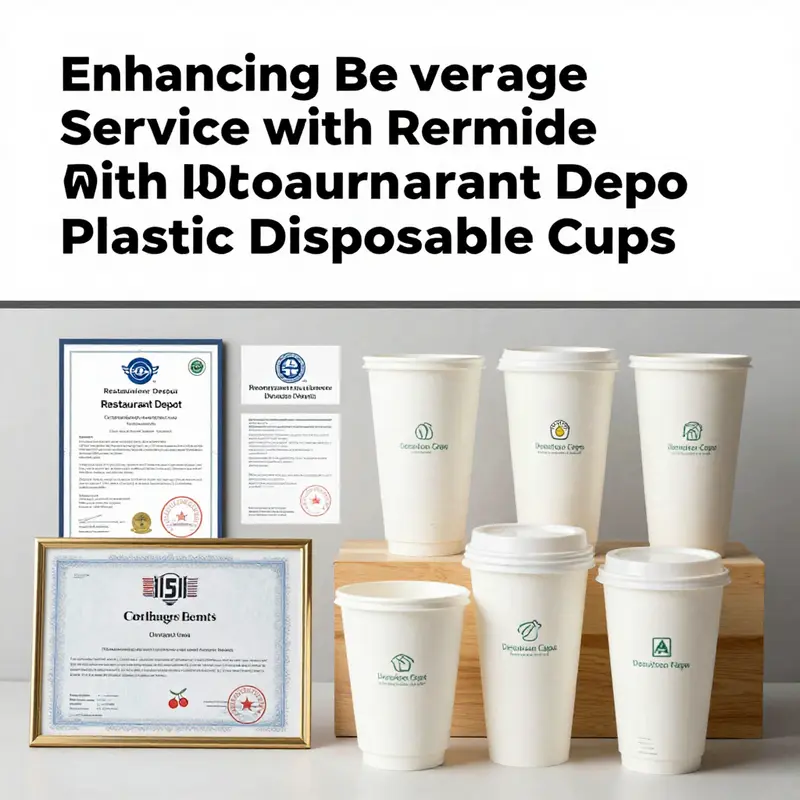
In the fast-paced world of restaurants and events, plastic disposable cups are more than containers – they are a line of defense for safety, consistency, and guest satisfaction. When operators select bulk cups, they are choosing more than price or color; they are committing to materials, manufacturing standards, and documented performance that protect customers and support smooth service. The Restaurant Depot catalog embodies a market built on reliability: cups designed for commercial use that balance clarity, rigidity, leak resistance, and compatibility with lids and dispensers. Understanding why compliance and safety matter means looking at how cups are sourced, tested, and labeled, and how third-party validation can add an extra layer of confidence for high-volume operations. Regulatory frameworks, such as food-contact safety guidelines and third-party certifications where applicable, help buyers verify that products meet expectations for safe beverage service. The practical result is a product that performs predictably in hot and cold service, minimizes waste from spills or cracks, and aligns with the sustainability and hygiene goals of busy kitchens and catering teams. This trust is earned through design discipline, data-supported claims, and ongoing surveillance of manufacturing quality, not through marketing alone. In short, the compliance and safety standards behind bulk disposable cups are the quiet infrastructure that keeps hospitality running smoothly, protecting guests while enabling operators to serve with confidence.
Bulk Cups, Big Impacts: How Wholesale Plastic Disposables Shape Costs, Service, and Innovation in Food Service
When a modern kitchen or a mobile pop-up lines up its beverage service, it does more than fill cups with liquids. It aligns suppliers, costs, and customer expectations into a compact economic script that every operator must read and respond to. In this landscape, wholesale plastic disposable cups play a starring role. They are not just containers; they are instruments of speed, consistency, and scalability that translate complex supply chains into a predictable, repeatable experience for diners. The scale and cadence of procurement from a major wholesale supplier, grounded in decades of market discipline, shapes pricing, availability, and even the way a business frames its menu and its service model. In the context of the food service industry, the consequences of this dynamic rippling through costs, operations, and even ideas are substantial enough to warrant a closer look at how these disposables alter competitive balance, financial planning, and everyday customer satisfaction.
From a cost perspective, wholesale models reduce the per-unit price of packaging dramatically as order volumes rise. The logic is straightforward: when a restaurant, cafe, food truck, or catering outfit buys in bulk, the supplier can spread fixed costs across more units and negotiate favorable terms with manufacturers. For many small and medium enterprises, this translates into the ability to offer consistent pricing for beverages, even when margins on the core menu items are slim. The economics extend beyond the sticker price of a single cup. When operators pay less per cup, they can maintain stable menu pricing, absorb occasional price shocks from other inputs, and experiment with service formats such as self-serve stations, broken down by size or by beverage type, without fear of eroding profitability. The net effect is a broadening of competitive viability for SMEs that might otherwise be priced out of certain service models or event programs.
Operational efficiency often travels hand in hand with cost advantages. Plastic disposables designed for high-volume environments are engineered with a relentless attention to durability, heat resistance, and leak-proof performance. These attributes are not cosmetic; they influence the entire flow of a service operation. In fast-casual dining and buffet-style setups, the reliability of a cup’s structure means fewer incidents of leaks, spills, or fragile seams giving way under heat or pressure. This reliability reduces product loss at the point of service and minimizes customer complaints, which in turn lowers the administrative burden on staff and reduces the need for compensatory service. A straightforward consequence of fewer disruptions is a smoother shift, less time spent redoing orders, and better staff utilization rates. The ripple effect can be seen in inventory management as well. Standardized cup designs simplify stock tracking, reorder triggers, and warehousing logistics. For managers, this translates into smaller safety stock buffers and more predictable procurement cycles, a boon in industries prone to demand spikes during holidays, big events, or seasonal promotions.
Beyond the arithmetic of price and part counts, wholesale plastic disposables influence the very tempo of service. When cups are readily available in reliable quantities, operators can embrace menus that rely on quick pour formats and batch preparation. This is particularly important for beverages that travel with customers—takeout coffee runs, milkshakes in the summer rush, or soups and broths that must travel well in vented containers. The design priorities of these cups—stability for hot liquids, leak resistance in transit, compatibility with lids and straws, and the ability to resist deformation under stacking—directly affect throughput. A well-chosen cup can shave seconds off each transaction, accumulate into meaningful hourly gains, and scale into measurable improvements in unit economics over weeks and months.
The availability and assortment provided by a large wholesale supplier also stabilize the quality of the customer experience across a broad client base. A common standard in these programs is to align packaging with safe handling practices. Cups that are BPA-free, crack-resistant, and engineered to meet food-safety standards reduce risk and reinforce trust in brands that rely on a busy service model. For operators who manage multiple locations or resolve variations in service formats—catering, mobile carts, or a dine-in experience—the uniformity of packaging minimizes cross-location variances. When every cup you pull from the shelf behaves the same way under the same conditions, you cut down on the cognitive load for staff and reduce the probability of service defects that could undermine the perceived value of a meal or an event.
This stream of efficiencies also produces a kind of financial stability that operators crave. In volatile markets, where the costs of ingredients and labor can swing widely, predictable packaging costs provide a counterweight. The bulk procurement framework cushions some of the volatility that might otherwise ripple through menus, promotions, and promotional pricing. It enables businesses to plan more confidently, to schedule shifts based on customer cycles rather than supply anxieties, and to invest in growth initiatives like catering programs, pop-up collaborations, or seasonal beverage offerings without destabilizing core operations.
The economic story, however, is not complete without considering the broader market dynamics that accompany a heavy reliance on disposable packaging. The availability of a cost-effective, mass-produced cup can spur hospitality innovation in two ways. First, it lowers the barrier to entry for new players—startup kitchens, mobile vendors, and street-food concepts can allocate more capital to branding, recipe development, and customer experience rather than to durable infrastructure. The affordability of disposables means experimentation with service models, such as grab-and-go beverage counters or mixed beverage bundles for large events, becomes financially feasible for ventures that are still testing market fit. Second, it invites a form of competition that prizes efficiency and consistency. When many operators share access to similar packaging, the differentiating factors tend to move toward process design, speed, accuracy, and the capacity to deliver a reliable product at scale.
Yet this same framework faces important trade-offs. The environmental footprint of single-use plastics remains a salient concern for regulators, investors, and customers alike. The convenience of bulk disposables does not erase the costs associated with waste management, recycling, and the life cycle of the packaging from production to disposal. In many markets, this translates into regulatory costs or the necessity to adopt alternative materials and end-of-life solutions. The long-term economic sustainability of relying heavily on disposables thus depends on a broader strategy: transparent packaging choices, waste reduction commitments, and a willingness to integrate more sustainable options when feasible. In practice, the market responds with a spectrum of offerings—from recyclable and BPA-free designs to compostable alternatives that align with evolving environmental standards. For operators, this means navigating a trade-off between upfront cost advantages and longer-term environmental considerations, a balancing act that increasingly factors into procurement decisions and brand narrative.
The supply chain narrative behind these cups is equally instructive. A wholesale supplier with decades of market presence provides not just products but a reliable distribution network. This reliability translates into lower stockouts, steadier lead times, and a more predictable reorder cadence. It reduces the friction that often accompanies demand surges, such as those caused by large events or seasonal promotions. When a business can depend on a steady supply of durable, compliant cups, it can avoid the cascading delays that ripple through food preparation, delivery, and guest experience. In practical terms, this means a business can maintain floor plans that optimize workflow, a continuous line of beverages through the service window, and a consistent brand touch at every touchpoint—from the moment a customer selects a drink to the moment they carry it away in a sealed, leak-free cup.
From a strategic perspective, the scale and scope of a wholesale program invites a broader conversation about branding and packaging strategy. The choice of cup can align with a restaurant’s identity or with a specific service line—think of the contrast between a basic table service setting and a premium grab-and-go concept. The economics of bulk cups intersect with marketing by enabling consistent packaging visuals, lid styles, and even sleeve options that carry a logo or message. In this sense, a cup ceases to be a mere utility and becomes part of the brand architecture. The practical upshot for operators is a more cohesive customer experience that reinforces expectations set by the menu, the service model, and the overall ambiance of the venue. It is no accident that the most cost-effective choice in one market may coexist with a premium, branded option in another, because the wholesale ecosystem often supports a tiered approach that lets businesses optimize for price, performance, and image across channels.
The environmental dimension, while necessarily critical, does not always relegate disposables to the margins. Instead, it reframes the conversation around lifecycle thinking. Operators may pair bulk disposables with expanded recycling programs or with partnerships that enhance waste diversion. They may adopt a mix of materials—pet, polyester film, or other polymers bound to specific performance needs—to meet both customer expectations and regulatory requirements. The decision framework becomes a negotiation among cost, convenience, sustainability, and messaging. In practice, this means that a manager must evaluate not only the upfront unit price of a cup but the downstream costs and benefits associated with its disposal, its compatibility with existing waste streams, and its alignment with the brand’s environmental promises. The result is a more nuanced procurement strategy that views packaging as a strategic asset rather than a mere expense.
As we consider the broader ecosystem, it becomes clear how deeply the economics of these disposables interact with service design and consumer behavior. A reliable, cost-effective supply of cups empowers operators to maintain consistent service levels across multiple locations, or to scale up events with confidence. It supports the development of streamlined workflows, where staff can focus on core tasks—prepping beverages, ensuring quality control, and engaging with customers—without being sidetracked by packaging shortages or quality concerns. The stability generated by a mature wholesale market also buffers against unpredictable shifts in consumer demand. When a sudden preference for a certain beverage format occurs, operators who have secure access to the necessary cups, lids, and associated accessories can pivot quickly, preserving service speed and guest satisfaction.
To bridge the practical with the aspirational, consider a design approach that leverages the internal capacity of a wholesale program. A cup with a reliable lid or a straw-slot feature can reduce spill risk during high-traffic periods and during transport for delivery services. The integrated design reduces the need for additional packaging layers and simplifies training for frontline staff. In turn, that simplification translates into fewer mistakes, faster service, and a tighter alignment between the customer’s expectations and the actual experience. The aggregate effect of these small wins is a measurable improvement in the efficiency of the hospitality operation, contributing to a more favorable cost-to-serve profile that can be reinvested in guest-centric innovations, from improved beverage programs to enhanced takeout packaging and branding.
For operators exploring the sustainability angle, the question often becomes: can we reconcile cost advantages with environmental stewardship without sacrificing performance? The answer in many cases is yes, but it requires deliberate supplier alignment, thoughtful material choices, and transparent communications with customers. A pragmatic path includes selecting cup families that balance durability with recyclability, and that align with local waste management capabilities. It also means communicating openly about packaging choices, so guests understand the trade-offs involved and the brand’s commitment to responsible practices. When done well, the economics of bulk plastics can support not only efficient operations but also credible sustainability narratives that resonate with a growing segment of customers who value practical solutions paired with environmental accountability.
In conclusion, the economic impact of wholesale plastic disposable cups on the food service industry extends beyond the price per unit. It shapes how operations are designed, how staff are trained, how products are marketed, and how brands interact with customers across channels. The advantages of scale—lower input costs, standardized packaging, and improved reliability—translate into tangible improvements in service speed, consistency, and profitability. At the same time, the broader environmental and regulatory context invites a more forward-looking approach, encouraging a balanced portfolio of materials, waste-reduction initiatives, and transparent consumer communication. The outcome is a complex but coherent picture: wholesale cup programs, when managed with attention to cost, reliability, and sustainability, can be a catalyst for both operational excellence and innovative service design in the dynamic world of food service.
For readers seeking related product options and sustainability-focused packaging choices, see the internal resource on eco-friendly packaging options: eco-friendly printed-logo cold beverage cup with lid. This link illustrates how design and material choices intersect with branding and waste strategy in modern hospitality operations. For broader context on supplier profiles and market dynamics in this space, end-users may refer to the Garden Grove location profile of a major national distributor, which provides detailed insights into sourcing, pricing, and distribution practices: https://www.restaurantdepot.com/locations/garden-grove-ca
Final thoughts
Choosing the right disposable cups can enhance your beverage offerings and operational efficiency. Restaurant Depot’s selection of versatile plastic disposable cups is tailored for beverage establishments seeking quality and reliability. From ensuring compliance with safety standards to providing various size and design options that appeal to customers, Restaurant Depot supports businesses at every level. Investing in the right serviceware not only improves customer satisfaction but can also make a significant economic impact on your bottom line. Elevate your beverage service today by exploring the options available at Restaurant Depot.