
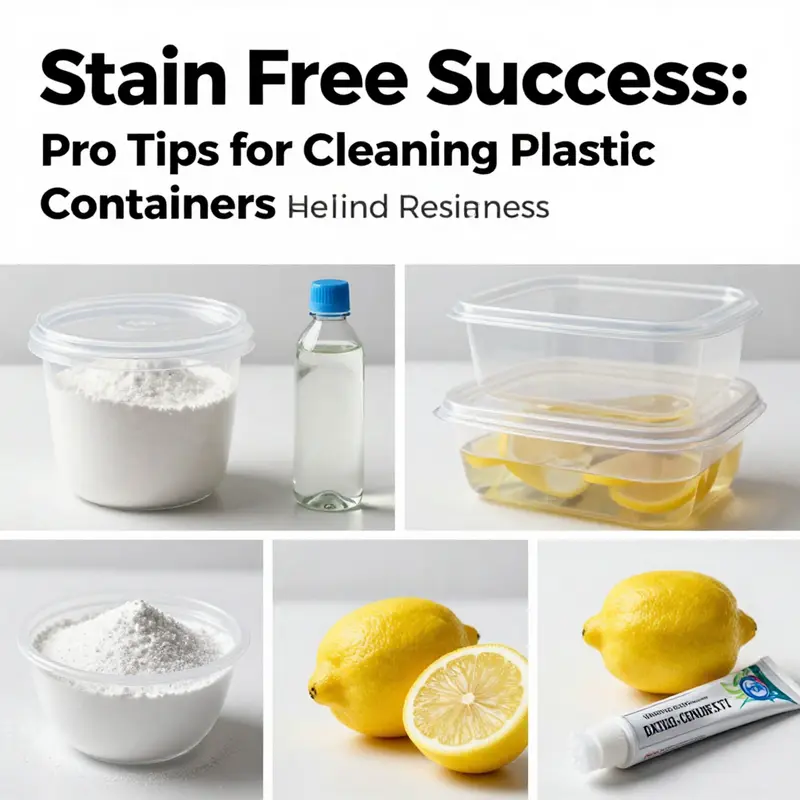
Maintaining clean plastic food containers is essential for any beverage chain, restaurant, food truck, or catering service. Tainted containers can negatively impact the presentation of your products and create hygiene concerns. This guide dives into proven stain removal techniques using household items, geared specifically towards catering businesses and event planners. We’ll explore various methods, from the gentle abrasiveness of baking soda to the natural bleaching properties of lemon juice. By harnessing these eco-friendly strategies, you can ensure your plastic food containers remain in pristine condition, positively influencing customer experience and brand reputation.
Baking Soda Alchemy: Restoring Clarity to Stained Plastic Food Containers
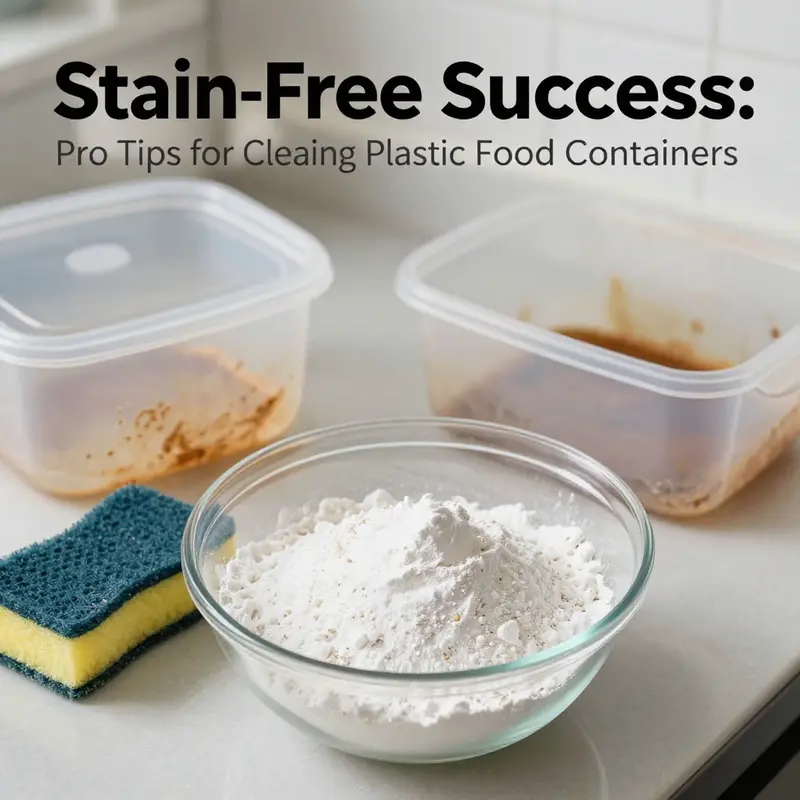
Stains on plastic food containers are a common daily irritant, especially after meals that feature tomato sauce, curry, coffee, or beet-rich juices. The surface of many plastics is slightly porous at a microscopic level, and tiny scratches can trap pigments and oils. That combination makes stubborn marks linger long after the food has vanished. Yet there is a straightforward, safe, and remarkably effective ally in many kitchens: baking soda. Its gentle alkalinity and mild abrasive action can lift oils and organic dyes without scratching or weakening the plastic. When used thoughtfully, baking soda offers a reliable path back to the container’s original clarity while keeping concerns about safety and food contact to a minimum. The goal is not to strip the plastic or to rely on harsh chemicals, but to encourage a gentle, persistent cleaning cycle that respects the material and the meals it stores.
Begin by recognizing what you’re dealing with. Stains from tomato sauce, curry, and red wines often cling because they contain natural pigments that bond with the plastic over time. Oils, fats, and dairy residues can also leave a filmy film that seems to seep into tiny crevices. Baking soda acts on two fronts at once: it helps dissolve greasy residues and it acts as a mild abrasive to dislodge pigment particles near the surface. This dual action makes it well suited to most everyday plastic containers, particularly those made from common polymers like PP, PET, or certain types of sturdy PS. The method is inherently conservative, but it does require patience and a few simple steps.
The simplest version of the technique starts with a thick paste. Mix baking soda with just enough water to form a paste that clings to vertical surfaces without sliding off. A good rule of thumb is to aim for the consistency of toothpaste rather than soup. This thickness helps the paste stay in place as it works on the stain. Apply the paste liberally to all visibly stained areas, ensuring complete coverage. The goal is to treat the stain rather than merely gloss over it. When you spread the paste, do so with a soft cloth or a non-abrasive sponge. Avoid metal scrubbers or abrasive powders that could scratch the plastic and create new crevices for future stains to cling to.
Let the paste linger. The waiting period—about 30 minutes—gives the baking soda time to interact with the stain. During this window, the mild alkalinity begins to loosen the organic pigments and emulsify any remaining oils trapped in the surface microtextures. Patience here pays off. For more stubborn marks, you can extend the pause. Some stains respond to overnight treatment, especially those from darker pigments or thicker coatings of sauce. If you choose to go longer, keep the container upright to prevent the paste from slipping, and use a covered or protected area to avoid any incidental messes.
After the waiting period, move to a gentle scrubbing phase. Use a soft-bristled brush or a non-abrasive sponge and work in small, circular motions. The idea is to lift the pigment particles without digging into the plastic. If the stain is especially tenacious, you can apply a second coat of paste and scrub again. It’s important to test your approach on a discreet area first if you’re unsure about the container’s finish. Most everyday plastics tolerate this method well, but a scratched surface can harbor more pigment and require a longer treatment or a slightly different approach.
Rinse thoroughly. Once the stain has diminished to your satisfaction, rinse the container under warm running water. A brief wash with dish soap helps remove any residual baking soda and any loosened pigment. It’s wise to rinse more than once and to ensure there are no powdery remnants that could affect the next use or impart an off taste. Dry the container completely before returning it to storage. A clean, dry surface reduces the chance of re-staining, since moisture can sometimes help pigments redeposit in micro-crevices if the container is left damp.
For particularly persistent stains, you can employ a brief, complementary step that reinforces the baking soda work without abandoning the gentle approach. A vinegar soak, for example, can help in cases where there are stubborn oily residues or dye-like stains embedded in the surface. Soak the container in a solution of equal parts white vinegar and water for 1–2 hours, or apply undiluted vinegar to the stained area and let it sit for 15–30 minutes before continuing with the baking soda paste. The combination works because vinegar’s acidity helps break down alkaline residues and certain dyes, while baking soda returns the cleaning emphasis with its mild abrasive action. After this dual treatment, rinse well and wash as usual. If you proceed in this way, ensure you do not expose the container to heat during the vinegar stage if the plastic is not designed for high temperatures. Heat can sometimes intensify odors or cause slight warping in some polymers.
Another route, when you’re dealing with stains of a different character or seeking a citrus note in the process, is to employ lemon juice and a gentle heat step. Fresh lemon juice carries citric acid, a natural bleaching agent, which can be useful for coffee, wine, or fruit juice stains. Mix lemon juice with an equal amount of water and fill the container with the solution. Microwave the mixture for about a minute to generate a gentle heat that can enhance cleaning action. This method should be used with care: avoid prolonging heating, limit exposure to heat-sensitive plastics, and rinse promptly to prevent a lingering citrus scent. After heating, allow the solution to cool, rinse well, and wash as you would after the baking soda treatment. The citrus step complements baking soda and vinegar by offering an additional oxidative nudge in the cleaner’s toolkit, though it’s not a replacement for the core baking soda method.
The baking soda approach also aligns well with broader safety and material considerations. Always confirm the container’s material before applying heat or strong chemicals. Plastics labeled as PP, PET, or PS generally respond well to gentle cleaning with baking soda, but there are exceptions. If a container is cracked or compromised, any chemical or heat exposure may worsen the damage or harbor bacteria in micro fractures. In such cases, it is prudent to retire the container from food use and replace it rather than risk contamination. Likewise, avoid aggressive scrubbing tools that can introduce new scratches and crevices where stains can hide in the future. The aim is to remove visible stains while preserving the container’s integrity and longevity.
In practice, you can think of baking soda as the reliable backbone of a stain-removal routine for plastic containers. It handles the majority of common culprits—tomato sauce, curry, beet juice, tea, and coffee—with grace. For those more challenging stains, a small dose of vinegar or a light lemon-juice-assisted step can be beneficial, but the core method remains straightforward and mostly safe for regular use. The beauty of this approach is that it uses ingredients most households already have, reducing the need to reach for harsher cleaners. It also dovetails with the growing desire for non-toxic, low-impact cleaning strategies that keep plastics safe for reuse in food storage.
To maximize long-term results, couple the cleaning with a proactive maintenance mindset. Rinse containers promptly after use, particularly when storing foods that are rich in pigment or fats. A quick rinse with warm water and a mild dish soap immediately after meals can prevent stubborn staining from forming in the first place. If you anticipate a stain risk—for instance, planning to store tomato sauce or curry leftovers—consider a pre-emptive rinse and a light wipe with a damp cloth. Regular, gentle cleaning reduces the need for intensive treatments and preserves the clarity and transparency of your containers over time.
This baking soda-focused technique is a practical example of how a simple pantry staple can do heavy lifting in household maintenance. It demonstrates a broader principle: when dealing with plastic containers, you benefit most from approaches that respect the material, avoid aggressive abrasives, and leverage gentle chemistry in a controlled sequence. It’s not about a single magic step; it’s about a measured routine that can be repeated as needed. The method also complements other safe strategies discussed in the fuller guide, including options like controlled heat or carefully chosen solvents for difficult cases. By combining patience with a light touch, you can recover clarity without compromising safety or the container’s long-term performance.
For readers seeking a concise summary or practical reminders, the core steps are clear: prepare a thick baking soda paste, apply and cover the stained areas, let it rest for about 30 minutes (or longer for stubborn stains), scrub gently with a soft tool, rinse thoroughly, and wash as usual. If a stain lingers, consider a secondary approach using vinegar or lemon juice in a careful, controlled fashion, always mindful of the plastic’s heat tolerance and structural integrity. As with any cleaning routine, the objective is to restore function and appearance while preserving safety and sustainability. In this light, baking soda stands out as a dependable, non-toxic ally in the quest to keep plastic food containers clean, bright, and ready for their next meal.
For readers who want a deeper dive into tomato-stain specifics and related methods, a comprehensive guide offers further insights and variations on stain removal that complement the baking soda approach. See the linked resource for extended coverage and practical tips beyond this chapter.
External resources: https://www.cleanipedia.com/en-us/142583/remove-tomato-stains-plastic-containers
Vinegar Mastery for Plastic Containers: Clearing Stains and Odors Without Harshness
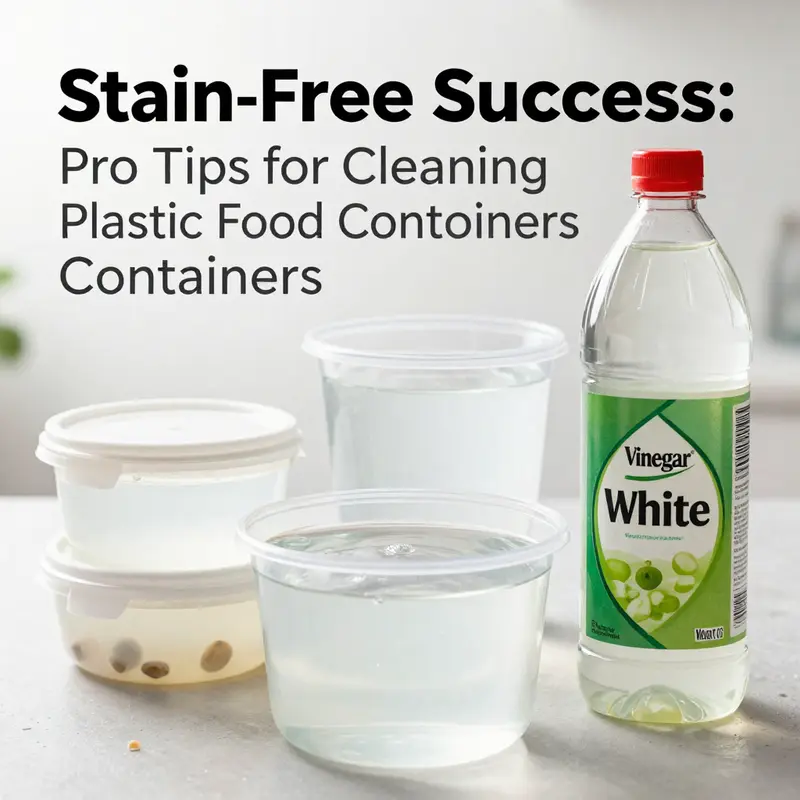
Stains on plastic food containers have a way of turning a simple kitchen routine into a scavenger hunt. Water rings, oily highlights, or the stubborn hues from coffee, curry, beet juice, and tomato sauce can cling to the surface long after the meal is gone. Many people reach for bleach or strong solvents, but those options can be rough on plastic and may raise safety concerns for reusable food storage. A gentler, highly effective approach lies in an everyday pantry staple: white vinegar. Its acetic acid is a mild yet persistent cleaner that tackles mineral residues, organic dyes, and lingering odors without demanding harsh scrubbing or risky heat. When used thoughtfully, vinegar becomes a quiet workhorse for restoring clarity and freshness to plastic containers, helping them look and smell as if they were new again.
The logic behind vinegar is simple and surprisingly reliable. The acetic acid in white vinegar can dissolve alkaline residues left by oils and dyes, soften mineral deposits that create faint cloudy patches, and neutralize odors that cling to plastic after meals with garlic, fish, or coffee. What makes vinegar especially attractive for home use is its compatibility with a wide range of plastics used in food storage. The caveat, of course, is that not all plastics are equally forgiving of all chemical exposures. Before you apply any cleaner, a quick check on the container’s material—whether it’s a common family of plastics such as PP (polypropylene), PET (polyethylene terephthalate), or PS (polystyrene)—is prudent. If a container is cracked, warped, or brittle, any cleaner, heat exposure, or aggressive agitation can worsen hidden bacteria growth or release compounds. With intact, food-grade plastic, vinegar shines as a safe, economical option.
To begin, prepare the vinegar solution with a balance that’s gentle yet effective: mix equal parts white vinegar and clean water. This 1:1 ratio delivers enough acidity to move stubborn stains without saturating the plastic with strong chemical residues. For most daily challenges, a simple soaking session is all that’s required. Submerge the stained container in the solution for 30 minutes, up to two hours for deeper stains. The duration matters because it gives the vinegar’s molecules time to penetrate into microscopic pigment pockets and oily residues. If the container has particularly stubborn marks, you can extend the soak slightly, but not indefinitely; long exposures, especially with heat involved, can gradually wear down plastic over time. When the timer ends, remove the container and proceed to a gentle scrub with a soft sponge or cloth. The goal isn’t to scour away at the surface with brute force but to lift the pigment and dislodge residues with measured, patient motion. A light circular motion is ideal, and you should avoid anything rough like steel wool, which can scratch the surface and create new crevices for bacteria to thrive.
Rinsing is a critical step, almost as important as the cleaning itself. After the scrub, rinse thoroughly with warm water to remove all traces of vinegar and dissolved residues. A lingering vinegar scent isn’t dangerous, but most people prefer a neutral smell. If you still detect a faint odor, a second gentle rinse with plain water or a quick air-dry can help. In some cases, a quick follow-up with a baking soda paste can be beneficial—though it’s best used sparingly to avoid reintroducing grit onto the surface. If you ever want a more targeted approach for specific stains, you can prowl your kitchen for a two-step routine: soak in the vinegar solution, then apply a mild paste of baking soda and water to the residual stain, and scrub gently. The combination leverages the cleaning power of both agents without resorting to abrasive scrubbing or heat, which can be a risk with certain plastics.
An often overlooked advantage of vinegar is its deodorizing capability. After a meal that leaves a strong lingering aroma—garlic, onion, fish, or curry—the same 1:1 vinegar solution can help. The acetic acid helps neutralize sulfurous and fatty odors trapped in the porous surface of plastics. If aromas persist after rinsing, you can reapply in a misting fashion: fill a spray bottle with diluted vinegar and lightly mist the interior, then wipe with a soft, clean cloth. The spray method is convenient for quick refreshes between uses, especially when the container has a wide mouth that’s easy to reach with a sponge or cloth. For a more hands-off approach, a rinse with the diluted solution in the container itself, followed by air-drying, can be enough to reclaim freshness between cleanings.
If you’re new to cleaning plastic containers with vinegar, you may worry about the method altering the color or integrity of the plastic. The reassurance is that most standard food-grade plastics tolerate the diluted vinegar well, provided you don’t rely on prolonged heat exposure or repeated aggressive treatments on the same container. Heat—especially microwaving or placing the container in hot dishwashers—can accelerate aging of some plastics, cause warping, or facilitate the migration of residues if the material isn’t designed to withstand such conditions. The vinegar soak, when paired with careful rinsing and air-drying, remains a forgiving approach that preserves the container’s appearance and performance. Remember that vinegar is not a miracle fix for every material; persistent or dye-rich stains from powerful pigments may require several cycles or a gentle combination of methods, such as a subsequent baking soda scrub or a lime-juice and light heat pass for a moment of mild bleaching. The key is to stay attuned to the container’s condition and to proceed step by step rather than applying a single heavy treatment in one go.
A practical tip that can streamline this routine involves understanding when to pivot to a targeted approach. For example, if a container’s interior has a shallow, light film, the soaking-and-scrub method described above is often enough. If you’re dealing with a darker stain that dates back to a particularly strong dye, you might revisit the vinegar soak after a short baking soda scrub to lift the last traces of pigment. In practice, a combined approach works well: soak in the vinegar solution, rinse thoroughly, scrub lightly with a soft sponge, then, if any pigment remains, apply a small amount of baking soda paste to the stubborn area, and rinse again. This sequence maintains a gentle touch while expanding the cleaning power where needed. The discipline of alternating mild cleaners rather than relying on a single attack preserves the plastic’s integrity while delivering meaningful stain relief.
As you consider your cleaning toolkit, it’s worth noting how this vinegar-centered method fits into broader routines for a kitchen that values sustainability. Vinegar is inexpensive, widely available, and free of harsh synthetic cleaners that can linger in plastic or require extensive rinsing. It aligns with a gentle, no-fuss philosophy that many households seek when managing reusable containers. And because vinegar also helps with odors, it reduces the temptation to substitute with more aggressive products that may not be ideal for repeated use on containers that hold everyday foods. In keeping with this philosophy, you may occasionally encounter a scenario where a container’s interior is too deeply etched by a long-ago stain to be restored to pristine clarity without professional intervention. In such cases, recognizing the limits of home methods and switching to a fresh container can be a prudent decision for food safety and peace of mind.
For readers who enjoy connecting cleaning routines with practical everyday examples, consider how a simple container maintenance moment can be integrated into meal-prep rituals. The same vinegar-based approach can be used for several containers around the kitchen, including ones that frequently hold coffee, tea, or fruit juices. By building a predictable routine—rinse soon after use, soak when a stain appears, scrub gently, rinse again, and air-dry—you can maintain a fleet of containers with minimal effort. This habit supports freshness and reduces the likelihood that residues build up into stubborn marks over time. If you think of containers as living parts of your cooking ecosystem, vinegar offers a steady, nonintrusive way to keep that ecosystem clean without introducing harsh chemicals into the foods you prepare.
In the broader context of the article, this vinegar-centered chapter links with practical, real-world decisions about how we treat plastic containers. It invites readers to see cleaning not as a punitive chore but as a mindful upkeep practice that extends the life of everyday items. The method respects the material, preserves the healthfulness of stored foods, and keeps costs down—all without compromising safety. If there are moments when stain removal seems stubborn, it’s a cue to slow the pace, re-evaluate the container’s material, and slightly adjust the duration of soaking or the balance of solutions. With patience, the vinegar method becomes less a single trick and more a repeatable, scalable approach to keeping plastic containers clean, fresh, and visually appealing.
For those exploring internal resources on container use and maintenance, you may notice how the broader ecosystem of packaging and storage products can intersect with cleaning habits. In particular, consider this related container example as a practical illustration of everyday storage challenges: disposable kraft paper cup with lid. While paper-based and plastic-based containers serve different purposes, the underlying principle remains: choosing materials thoughtfully and maintaining them with appropriate care preserves both function and value. Staying mindful about the materials you work with helps you tailor cleaning approaches to each item’s composition and design. This kind of attentiveness is especially valuable when you encounter a container that has survived multiple uses and a few stain battles, inviting you to apply a measured, methodical approach that respects the vessel’s original purpose and the foods it has carried.
As you wrap your mind around vinegar’s role, it’s also useful to keep an eye on reputable sources that explore the science behind everyday cleaners. For readers who want a deeper understanding of vinegar’s cleaning power and how it fits into food-safety best practices, a well-regarded resource provides a thorough overview of what vinegar can and cannot do in the kitchen cleaning arsenal. This external reference offers perspectives that complement the practical steps outlined here and can help you refine your approach over time. Healthline’s guide on cleaning plastic containers with vinegar discusses the method’s fundamentals, cautions, and broader benefits, including odor control and mild antibacterial effects. You can explore that perspective at Healthline: https://www.healthline.com/health/food-safety/how-to-clean-plastic-food-containers#vinegar-method.
Lemon Spark: Harnessing Citrus and Gentle Heat to Lift Stains from Plastic Food Containers
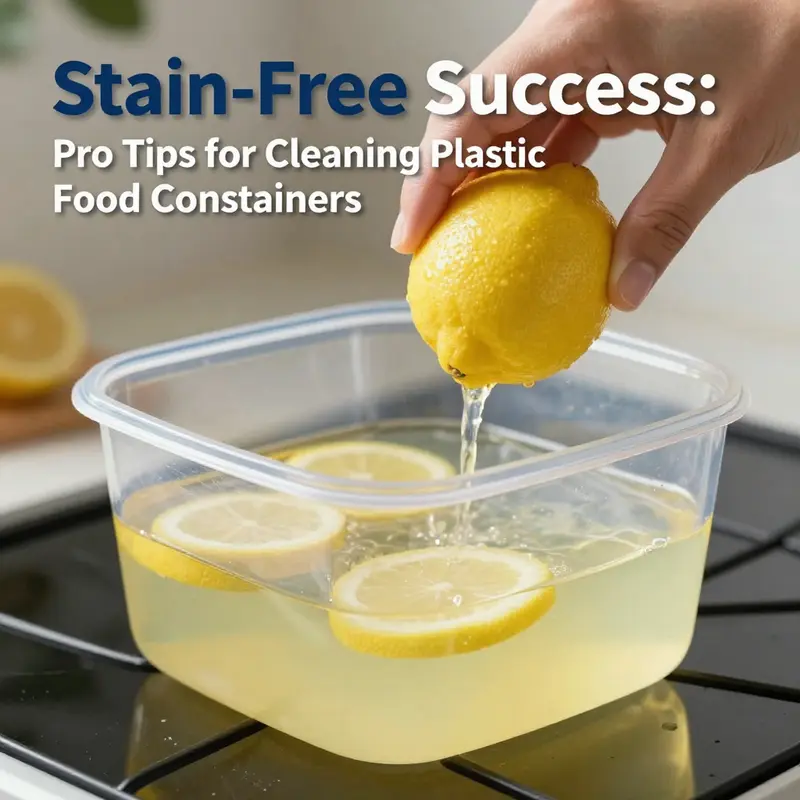
Stain stubbornness in plastic food containers often begins with the simple, unspectacular residues left behind after meals. A splash of tomato sauce, a lingering cup of coffee, or a splash of curry can leave an imprint that seems permanent. What makes lemon juice and a touch of heat particularly appealing in this context is the way citrus and warmth work together as a natural, gentle pairing. Citric acid, the active component in lemon, provides a mild bleaching action that can break down colorful pigments without resorting to strong chemicals. When heat is added, the cleaning power is enhanced: warmth speeds up chemical reactions and loosens stubborn residues, allowing the citrus juice to penetrate more deeply into microscopic pores of the plastic. The result is a cleaner surface with less persistence in color and shine. This method, while simple, is a thoughtful example of how everyday kitchen ingredients can be repurposed for maintenance tasks, aligning with a broader approach to safe, eco-friendly cleaning routines.
To understand why this approach works, it helps to visualize what stains really are inside plastic containers. Stains are often organic pigments that have migrated into the surface or slightly into the shallow layers of the plastic. Pigments from tea, coffee, or red wines can cling to microscopic irregularities, especially in older or frequently used containers. Citrus juice introduces a mild acid that can soften or loosen those pigment molecules, making them easier to dislodge. Heat acts like a catalyst in this chemical dance, accelerating the interaction between pigment and solvent. The combination is mild enough for everyday plastics when used carefully, but it still requires respect for the container’s material. The key is to avoid aggressive heat on plastic that shows signs of damage or aging, and to monitor and adjust based on the plastic type and its condition.
The practical steps below offer a reliable pathway for tackling common stain culprits with lemon juice and heat, while keeping the process approachable and safe. Begin by identifying the nature of the stain and the container’s material. Plastics used for food storage commonly fall into a few families, such as polypropylene (PP), polyethylene terephthalate (PET), and polystyrene (PS). Each has its own tolerances for heat and chemical exposure. If a container is cracked, warped, or scuffed, caution must be exercised. Cracks can harbor bacteria, and heating a damaged container can worsen the defect or release unpleasant odors or leachates. When in doubt, default to a cool water rinse and a non heating treatment or substitute a cooler soak with cold lemon solution. The goal is to avoid unnecessary risk while still pursuing a brighter, cleaner surface.
Begin with a fresh lemon and a clean workspace. Squeezing a lemon yields natural juice that is rich in citric acid and contains trace compounds that can contribute to odor control in addition to stain lifting. Fresh juice is preferred because its acidity is most potent before oxidation reduces its strength. If fresh lemons are not available, bottled lemon juice can be used, though the concentration may vary slightly and the scent may be milder. The juice citrus blend should be concentrated enough to make contact with the stained areas, not so diluted that the pigment molecules have ample room to cling. A small bowl of fresh lemon juice provides a convenient source for direct application, but the approach can be adapted to whole lemon use for larger or multiple containers. The simplicity of this step makes it approachable for family households, where everyone can participate in an easy, low risk cleaning routine.
One practical method is to apply lemon juice directly to the stained area and then introduce heat. For most stains associated with coffee, tea, or fruit juices, a 1-2 minute heat exposure in a microwave is often sufficient to boost the cleaning activity of the lemon juice. The success here depends on the container’s microwave safety and the absence of cracks or deformations that could be exacerbated by heat. Place the container with the lemon juice in a microwave, set it to a moderate power, and heat for a short period. The brief heating causes the citric acid to act more aggressively on pigments and helps the liquid to permeate slightly into the plastic surface. A minute or two is ample for initial treatment; longer exposure increases the risk of warping or odor if the container isn’t designed for microwaving. If you choose the hot water path instead, soak the container in hot water, hot but not boiling, for 10-15 minutes. This slower, gentler approach avoids direct microwave exposure, which some plastics may tolerate differently. It can be particularly helpful for containers with crevices or tight corners where lemon juice pools and cleansing action needs a steady, external stimulus.
After the heating or soaking, allow the container to cool slightly, then scrub with a soft brush or sponge. The abrasiveness of the scrub should be gentle; this is not an occasion for harsh tools that might scratch or remove surface coatings. A soft bristled brush or a non abrasive sponge helps lift the color-laden molecules that the combined action of lemon juice and heat has loosened. Scrub in a circular motion, paying attention to the stained patches first, then the surrounding areas. Rinse thoroughly with warm water to remove any residual lemon juice, pigment fragments, and loosened material. The residual citrus scent is a natural byproduct of this method, but it fades with a thorough rinse and air-drying. If stubborn patches survive, a repeat of the lemon juice treatment followed by another brief heat exposure can often finish the job without resorting to harsher chemicals.
This technique shines on particular stain profiles. Stains from coffee and tea, which often yield a brownish or tannin like hue, respond well to the acid softening action of citrus. Wine stains, which can be reddish or purplish, may show more stubbornness in older containers or those with porous surfaces. Fruit juices that carry intense pigments, especially those with natural dyes like beet or pomegranate, can leave vivid discoloration that requires repeated care cycles. Turmeric stains, known for their bright yellow-orange tint, pose a tougher challenge because of their strong pigment and potential to adhere to porous microstructures. In each case, lemon juice provides the initial lift, and heat enhances the effect. The synergy is most effective when paired with a regular cleaning routine that avoids letting stains set in for extended periods.
The interplay between lemon juice and heat is most respectful when you stay mindful of plastic health. Before you start, inspect the container for cracks or signs of aging. Damaged plastic can harbor bacteria in crevices and corners, and heating a compromised container risks releasing degraded materials into your stored foods. When heat is involved, always ensure the container is designed to tolerate microwave or hot-water exposure. Some rigid plastics that are labeled as microwave safe may still warp if exposed to repeated heat cycles or if the container has a particularly thin wall. If the container shows any sign of deforming, stop immediately and switch to a non-heat method or use a fresh container for heating tasks. The overarching precaution is to protect both your health and the integrity of the containers you rely on for daily meals.
Beyond the lemon juice technique itself, there is room to extend this approach safely. A mild strategy that acts as a system can involve a sequence of steps, rather than a single action. For example, if a stain proves resistant after the initial lemon and heat cycle, you can first soak the container in lemon juice diluted with a small amount of water, then perform a gentle baking soda scrub after cooling. The baking soda’s mild abrasive quality helps with surface-level staining while its milder alkalinity complements the acidic lemon juice without introducing harsh chemicals. If the scent of lemon persists longer than desired, a quick rinse followed by air-drying will help dissipate the fragrance. This layered approach is consistent with a careful, safety-forward cleaning philosophy that prioritizes natural ingredients and minimal chemical exposure.
In practice, the lemon-and-heat method works best as part of a broader habit of prompt cleaning. Stains become tougher when left to sit, especially on light-colored containers where pigments can become embedded in micro-scratches. A quick rinse immediately after use, followed by a lime juice or lemon juice spot treatment when you notice discoloration, keeps the container looking clear and bright for longer. The method is also appealing for households seeking to minimize chemical use, particularly if members are sensitive to cleaners or aiming to reduce exposure to synthetic additives. Its eco-friendly profile aligns well with the broader goals of responsible kitchen maintenance: simple ingredients, minimal waste, and a practical approach to everyday cleanliness.
For readers who want to ground this practice in a wider knowledge base, a broader understanding of natural cleaning agents and safe practices for different materials is valuable. The University of Illinois Extension provides guidance that complements this lemon-and-heat approach, offering context about safe and effective household cleaning practices, especially when natural ingredients are involved. While lemon juice is a modest component in this toolkit, understanding how it interacts with materials and heat can help you adapt the method to your own containers and routines. This broader knowledge base reinforces that natural methods can be both practical and safe when applied thoughtfully, and it encourages experimentation within the bounds of material safety and personal comfort.
Ultimately, lemon juice paired with controlled heat represents a thoughtful, accessible tactic for maintaining plastic food containers. It embodies a cautious optimism: a simple kitchen staple can play a meaningful role in restoring clarity and freshness to plastics that bear daily use. It is not a universal remedy for every stain, and it may require patience or repetition for particularly stubborn marks. Yet its combination of accessibility, safety, and environmental compatibility makes it a compelling option to add to the toolbox of stain-removal strategies. When applied with care—checking the container’s material, avoiding heat on damaged plastics, and washing away all residues afterward—it can yield notable improvements without introducing harsh solvents or aggressive mechanical actions. And because lemon is a familiar household ingredient, this approach invites broader engagement with sustainable cleaning habits that respect both people and the planet.
As you incorporate lemon juice and heat into your stain-removal routine, treat it as an iterative process rather than a single, one-and-done fix. Each container may respond a little differently based on its age, the type of plastic, and the nature of the staining pigments. Track what works best for your kitchen, and feel empowered to adjust the sequence—perhaps starting with the lemon-juice soak, then moving to a quick heat treatment, and finishing with a gentle scrub. A consistent, careful approach will build confidence over time and keep your plastic containers looking clearer and feeling fresher. The beauty of this method lies in its simplicity: one lemon, a dash of warmth, and a steady hand can reclaim storage containers that once seemed beyond repair, offering a practical solution that fits naturally into everyday cleaning rituals.
External resource for further reading on natural cleaning practices and safe material handling: https://extension.illinois.edu/
Restoring Clarity: Toothpaste as a Gentle, Practical Stain Remover for Plastic Food Containers
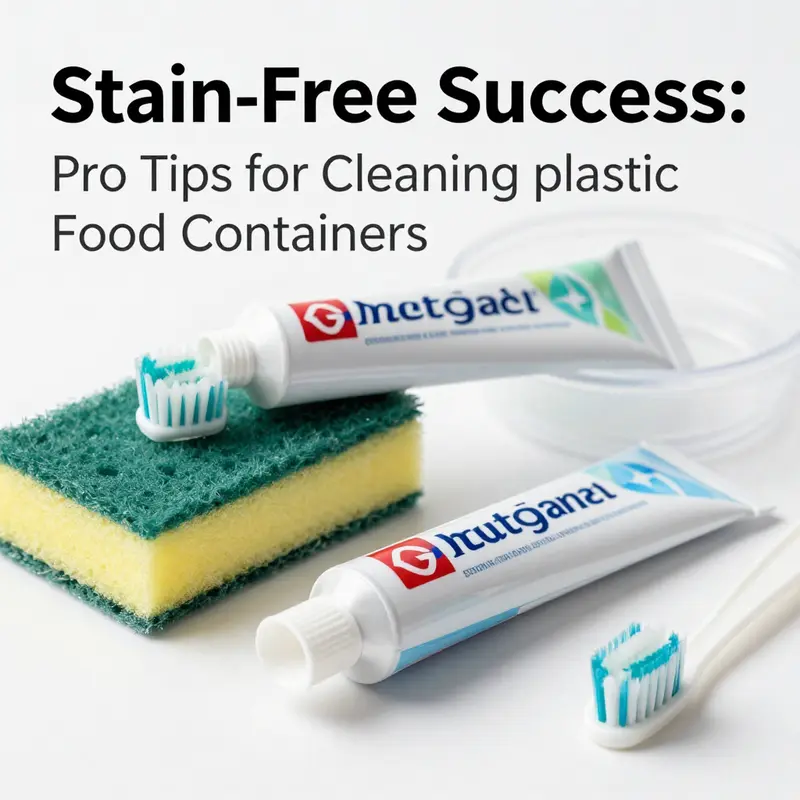
Stains on plastic food containers are a common, stubborn nuisance. They arrive from coffee rings, tea drips, beet juice, tomato sauces, and even lip color, sometimes leaving a reminder that a simple wash may not always restore the original clarity. In the search for safe, accessible methods, toothpaste stands out as a surprisingly effective and affordable option. It sits in many bathrooms next to brushes and floss, yet its mild abrasives and cleaning agents can work wonders on the inner and outer surfaces of plastic containers that have seen better days. This chapter threads toothpaste into a broader toolkit for stain removal, showing how a familiar household product can complement other methods such as baking soda, vinegar, and gentle heat. The goal is not to reinvent cleaning, but to expand the repertoire with a method that is gentle enough for everyday use while still providing meaningful results on common culinary stains.
To understand why toothpaste can help, it helps to look at what toothpaste actually brings to the effort. Most nongel, nonwhitening pastes contain small abrasive particles, such as hydrated silica or calcium carbonate. Those particles are designed to scrub away surface films without scratching enamel, and they perform a similar, milder function on plastic surfaces. Alongside the abrasives, toothpaste carries surfactants and mild detergents that help loosen and emulsify oils and organic residues. The combination of these ingredients allows toothpaste to lift pigment particles that have adhered to the surface of plastic containers after repeated use. The key is to apply the product with a gentle touch and to rinse thoroughly, so the abrasive not only removes stains but also leaves no residue behind.
In practice, toothpaste works best on surface stains rather than deeply embedded discoloration. Coffee and tea often leave tannin-rich films that cling to microtextures in plastic. Lipstick or marker stains, while sometimes more stubborn, respond to the mild scrubbing action and the cleaning agents in toothpaste. When stains sit on or slightly within the surface, a careful circular scrub can lift them away without the harsher action that stronger abrasives or solvents might unleash. Because plastic varies in composition and finish—from smooth PET to more forgiving polypropylene—the approach needs to be careful and adaptive. A basic rule of thumb is to start with the gentlest version of toothpaste and monitor the effect before moving to more robust combinations.
The method itself is straightforward, and its safety depends on a few important precautions. Begin with a small, nonabrasive dab of nongel, nonwhitening toothpaste. Choose a formula that emphasizes cleaning and gentle polishing rather than whitening agents or gels, which can be a bit more aggressive in texture or composition. Apply this dab to the stained area while the container is dry or damp, depending on what feels more effective to you. With a soft sponge, a cloth, or a gentle brush, work in small circular motions. The goal is to create enough friction to lift the discoloration without damaging the surface. Rinse the area thoroughly with lukewarm water, ensuring that no paste residue remains because leftover grit can attract new dirt or leave a filmy feel. A follow-up rinse with a clean, damp cloth helps remove any lingering paste and mineral residues, completing the process.
The careful nature of the scrub matters. Pressing too hard can create tiny scratches that catch further pigment and future stains, while brushing too aggressively can dull the surface sheen over time. A light touch is your best ally here. If you start to see only a faint improvement after a couple of minutes, it may be wiser to pause and consider a complementary method rather than pushing further with toothpaste alone. The simple reality is that toothpaste is a surface cleaner rather than a deep cleaner; it helps restore the surface gloss and remove superficial staining without altering the plastic’s integrity when used sensibly.
As with any cleaning approach, testing a small, inconspicuous area first is a prudent habit. Even though toothpaste is widely regarded as safe for plastic, it is not a universal remedy, and plastics vary in how they respond. A corner under a lid or a hidden edge of the container is a good testing ground. If you notice any change in texture, gloss, or color, stop and switch to a gentler method or refrain from using toothpaste on that particular piece. This caution is especially relevant for containers that have been cracked or damaged; any abrasive action in those conditions can worsen microcracks or harbor bacteria, complicating cleaning or posing a potential safety risk when heated.
For persistent stains, toothpaste can be paired with a supplementary approach to intensify results without resorting to harsh chemicals. A modest blend with baking soda, for instance, can form a slightly stronger paste that enhances the cleaning power while staying within the realm of household safety. The mixture should be used sparingly: combine a small amount of toothpaste with a pinch of baking soda to create a paste with a bit more bite than plain toothpaste alone. Apply this mixture to the stain with a soft sponge and scrub gently in a circular motion, then rinse thoroughly. Testing the blend on a hidden area first remains a wise precaution, as some plastics may react differently to mixing cleaning agents. The goal is to improve the stain’s visibility reduction without altering the surface in ways that could invite new staining or cause microabrasions.
There are important boundaries to keep in mind when using toothpaste as a stain-removal tool. First, never use toothpaste on containers that are cracked, deeply scratched, or damaged in any way. Damaged plastic can harbor bacteria, and toothpaste can trap debris in crevices, making cleaning more difficult rather than easier. Second, avoid frequent or aggressive use on containers that regularly hold high-risk foods or raw meat. Although toothpaste is gentle compared to solvents or strong chemical cleaners, repeated abrasion can wear down the plastic’s surface or microtexture, which can create new nooks for pigments to cling to. Finally, it is essential to ensure that the container is dishwasher-safe or at least compatible with the cleaning routine you intend to use. Some plastics degrade under high heat or mechanical stress, and toothpaste should be reserved for hand cleaning rather than boiling or intense dishwasher cycles when the container material is questionable.
The toothpaste method, when used judiciously, sits well within a broader set of steps a careful cleaner might take. It can be particularly effective when a container has done a respectable amount of kitchen service but shows only light to moderate staining—stains that leave a visible but not deeply set film. In such cases, a quick round with toothpaste can restore surface brightness and make subsequent washing steps more effective. If the stain is more tenacious, moving to baking soda or a mild vinegar soak can help. The vinegar soak, for example, can break down oily residues and pigments that toothpaste has loosened but not fully removed. After a soak, a final brushing with toothpaste can pick up any residual film, followed by a thorough rinse to remove any odor or taste that might linger from previous treatments. The combination is a thoughtful, layered approach that respects the container’s material while maximizing stain removal without resorting to aggressive solvents.
A practical mindset for applying toothpaste centers on observation and patience. Clean a small area first, then assess whether the gloss and brightness have returned. Patience is key because some stains respond slowly to gentle friction. If progress stalls, do not rush into harsher solvents or abrasive cleaners that could damage the surface. Instead, step back, rinse, dry, and reassess. The rhythm of cleaning—gentle scrub, thorough rinse, dry and re-evaluate—keeps the process controllable and reduces the chance of over-cleaning. By keeping the container’s life cycle in mind, you can preserve its appearance and extend its usefulness while keeping your cleaning routine accessible and inexpensive.
The toothpaste approach also invites a wider reflection on how households balance convenience, safety, and effectiveness. The simplicity of reaching for toothpaste as a first-line surface cleaner aligns with a minimalist ethos: it emphasizes everyday items already in the home and avoids introducing unnecessary chemicals into the kitchen environment. Yet the technique does not claim to be a universal remedy. Some stains, especially those deeply embedded or from strong dyes, may require the more robust strategies discussed earlier in this guide, such as vinegar or heat-assisted approaches under proper conditions. The overall strategy is to treat toothpaste as a reliable tool in the cleaning kit that can address many common stains with minimal risk when used wisely. This balanced view helps ensure that the method remains practical and sustainable for regular use, rather than a one-off experiment that might lead to disappointment or damage.
To reinforce the narrative with safety and best practices, it is helpful to remember a few concise guidelines. Always verify the container’s material and compatibility with heat or abrasive cleaning. Never apply toothpaste to cracked or compromised plastic, and avoid aggressive scrubbing on surfaces that show wear. If a stain persists after a few measured attempts, consider alternating with a vinegar soak or a baking soda treatment, and always finish with a thorough rinse to remove any trace of residue. Finally, keep expectations aligned with the realities of plastic staining: surface discoloration can often be improved but not always completely erased, and the aim is to restore clarity and evenness while preserving the container’s integrity for future use.
In this way, toothpaste emerges not as a glamorous breakthrough but as a dependable, accessible helper. It complements the other methods outlined in this chapter and illustrates how small, thoughtful steps can yield meaningful improvements in everyday cleaning tasks. The approach respects both the material you are cleaning and the environment in which you perform the cleaning. It also echoes a broader principle: the best stain-removal practices are those that blend accessibility, safety, and effectiveness in a way that fits real kitchen life. As with any technique, the value lies in using it judiciously, observing the results, and integrating it into a well-rounded, practical routine.
For readers who want to explore further options and read more about kitchen cleaning practices from a reputable source, the University of Illinois Extension provides a detailed guide on food safety and maintenance that discusses stain removal on plastic surfaces. This resource offers additional context and confirms the place of toothpaste among various household techniques: University of Illinois Extension Guide.
Final thoughts
By mastering these simple yet effective methods for stain removal from plastic food containers, your catering service or restaurant can maintain a clean and hygienic presentation that enhances customer trust and satisfaction. Leveraging everyday household items, you can ensure your kitchen operations run smoothly and your products always look their best. Remember, cleanliness and presentation go hand in hand to deliver a positive dining experience.