
In the food service industry, the convenience of reheating meals quickly is undoubtedly essential, particularly for bubble tea shops, restaurants, food trucks, and catering services. However, many professionals might overlook the potential health risks associated with reheating food in plastic containers. These risks can stem from harmful chemicals leaching into your food, caused by the breakdown of non-microwave-safe plastics. This article will guide you through the inherent risks of reheating in plastics, the importance of selecting safe containers, methods for safe reheating, and the best alternatives that ensure the health and satisfaction of your customers. Each chapter builds on the previous one, providing a comprehensive understanding of how to prioritize food safety without sacrificing convenience.
Warm Risk: Understanding the Dangers and Deliberate Steps for Reheating Food in Plastic Containers
Each time leftovers move from the fridge to the microwave, a quiet calculation takes place in the background. You expect speed, convenience, and the familiar comfort of a hot meal. What you may not anticipate is how the container itself can become part of the risk equation. Reheating food in plastic containers sits at the crossroads of everyday practicality and subtle chemistry. The heat required to turn cold, dense food into a warm, inviting dish can also intensify the release of additives and degradation products from the plastic. In other words, the very box that holds your meal can alter the safety profile of what you eat. This is not a remote lab concern but a real, practical issue that affects households, offices, and schools where takeout containers are reused or reused only briefly. The core danger is that plastic is not a neutral carrier when heated. Its chemical structure is built to be pliable and durable, not to be a hermetically stable barrier under microwave energy. When heat energy enters, it can disrupt the bonds within the polymer matrix, and with it, substances designed to make plastics flexible, bright, or cheap may begin to migrate into the food. It is precisely this migration that shifts the risk balance from mere material compatibility to potential chemical exposure. The practical takeaway is simple but important: the safety of reheating in plastic depends not on a blanket guarantee but on a careful, informed approach that weighs the container, the food, and the heating conditions against what science currently understands about chemical migration and bodily exposure. The moment you recognize that even a convenient habit can carry hidden risks, you gain a foothold for safer decision making. The evidence is clear enough to warrant caution without becoming paralyzing. While some plastics are marketed as microwave safe, that label indicates only a material that is unlikely to melt or warp under routine microwave conditions. It does not guarantee that harmful substances will not migrate into food. This distinction matters because the scenario most people encounter is not a laboratory test but everyday use: leftovers, a hungry household, a busy morning routine, the need to reheat quickly without finding a suitable alternative. The consequence of underestimating this risk is not theoretical. It can result in microplastic particles and chemical residues entering the meal, with potential long term effects that may be small per exposure event but accumulate over time. In this light, understanding the risks becomes not a matter of sensational warnings but a practical effort to reduce cumulative exposure while preserving the convenience that modern life often demands. The science underlying these concerns points to two converging processes. One is chemical leaching. Heat can accelerate the migration of additives, including substances like bisphenols and phthalates, into fatty or acidic foods where they are most likely to concentrate. Some of these compounds have endocrine activity, meaning they can interfere with hormone regulation even at low doses. The other process is physical degradation: repeated heating or high heat can cause plastics to crack, warp, or shed microplastics into the dish. The combination of chemical leaching and physical breakdown creates a cumulative risk profile that is not dismissed by regulatory approvals but is worth scrutinizing for everyday use. The urgency of the issue is not about vilifying plastic itself but about recognizing the specific conditions under which it becomes less of a safe vehicle and more of a hazard. Recent research has added nuance to this picture. A 2023 study in Environmental Science & Technology tested a broad set of common containers under realistic microwave conditions. The results were sobering: all tested containers released detectable levels of various chemicals, including antimony compounds, phthalates, and nonylphenols. The findings underscored a critical point: even when plastic carries a microwave safe label, repeated or high heat can still permit chemical migration. The regulatory process that approves a plastic for microwave use is not a guarantee against long term exposure effects; it speaks to the material’s integrity under specific energy and time constraints. This distinction matters when you consider the cumulative exposure that can arise from daily reheating routines. Beyond chemicals, the physical state of the container serves as a practical barometer of safety. Scratches, cloudiness, minor warping, or any visible wear are not merely cosmetic notes; they reflect underlying changes in the polymer’s structure that can accelerate leaching and microplastic shedding. If a container shows wear, the prudent move is to replace it rather than rely on it for heated meals. The health implications of exposure are not uniform. Pregnant people, developing infants, and growing children bear a greater burden because their systems are more vulnerable to hormonal disruption and to the potential toxic effects of certain additives. Even in adults, the jury is still out on long term, low level exposure, but the precautionary principle clearly weighs toward minimizing contact when possible. The call for safer practice, then, is not an outright ban on plastics but a structured approach to minimize risk. The first principle is to seek out the right container for reheating. The polypropylene family, identified by the recycling code PP5, is the only plastic widely considered safe for microwave use in the sense of resisting melting or deforming. This designation has to be taken with nuance. A container marked PP5 still needs to be used with care: it should be clearly labeled as microwave safe. The heating guidelines are specific: keep the heating duration short and avoid high heat. In practice, a conservative limit of about two minutes at a moderate power setting reduces the chance of hotspots and excessive chemical migration. The risk of uneven heating becomes a safety concern not only because hot spots can burn the mouth or throat but because they can cause certain areas of the plastic to heat beyond its tolerance. The reason for such a limit is straightforward. Plastic containers, even those deemed microwave safe, were not designed as uniformly heat resistant across all formulations and fats or sugars. Fatty foods, in particular, can interact with plastics to facilitate migration by changing the food’s solvent properties. Sugary foods can create intense localized heating, further stressing the container. Therefore the guidance to limit to short, medium power sessions is not a rigid rule but a risk-reduction strategy. Another essential step is venting the container. Lids should be loosened or the container should be vented to prevent pressure buildup and possible explosion. Momentum, not merely heat, can push the lid against the container, and a sudden release of pressure could send hot contents and plastic fragments in unpredictable directions. The practice of venting also reduces the chance of sudden superheating, which can intensify chemical migration or cause localized overheating that damages the plastics. A widely observed rule of thumb is to avoid reheating plastic more than once. Each heating cycle compounds the risk, whether through cumulative degradation of the polymer or through repeated opportunities for additives to migrate. If you must reheat again for any reason, consider transferring to a fresh container to reset the risk profile. This last point leads naturally to the strongest public health recommendation: if at all possible, do not rely on plastic containers for reheating. The safest, simplest approach is to transfer the food to glass or ceramic cookware or storage ware before heating. Glass, especially borosilicate, resists thermal shock and chemical interaction, and does not release substances into food under typical heating scenarios. Ceramic options, when labeled microwave safe, behave similarly well in both oven and microwave contexts. Stainless steel represents a robust choice for heating on the stovetop or in the oven, though it is not microwave friendly unless the product specifies otherwise. The key message is consistency: a simple transfer to one of these safer materials eliminates a large category of risk. The practical implications of this guidance are straightforward in everyday life. When leftovers arrive in the takeout box, or when you open a second storage container, move the food into a non plastic vessel for heating. A good habit is to start doing this as soon as possible after cooking. The moment you place food into glass or ceramic, you gain a transparent barrier that does not interact with the meal. This strategic step preserves flavor and texture while protecting health. If you must keep using plastic for any reason, choose a container that is genuinely designed for high heat. Some containers are explicitly built to withstand reheating, and these should be replaced at the first sign of wear. The safer alternative approach includes practical compromises. For instance, you can store portions in a plastic container for cold storage and then transfer to a heat safe dish just before reheating. This approach minimizes heating in plastic, while still preserving the practical benefits of using plastic for cold storage or transport. In situations where you cannot avoid plastic, consider a cautious workflow that minimizes risk: check the recycling symbol and the number, confirm it carries a microwave safe label, and do not rely on bags or unknown containers. Importantly, never heat containers that lack a clear marking. The absence of a mark is a red flag that the material identity is uncertain and therefore should be avoided for reheating. To help connect these principles with real life, consider a specific, low risk reheating sequence. Move the food to a glass or ceramic dish, loosely cover to avoid moisture loss, and reheat in short bursts, checking temperature and distribution between cycles. These steps reduce the probability of overheating and uneven migration of any substances, while preserving the taste and texture of the meal. When the alternative is to reheat in plastic, bear in mind that even the best case scenario has limits. The literature demonstrates that regulatory approvals do not guarantee the absence of risk for repeated exposure to certain chemicals. The bottom line remains clear: the most reliable protection is to minimize or eliminate heating in plastic when possible. For readers who want a direct reference to safer packaging options, one practical resource is a product page detailing disposable kraft paper bowls with lids, which illustrate a low risk, reusable alternative for serving reheated meals without plastic contact. See disposable kraft paper bowl with lid for more information. As you review your own kitchen routines, keep in mind that the safer approach does not require heroic measures. It demands a simple, deliberate habit: when in doubt, transfer to glass or ceramic before reheating. The health benefits of this habit accumulate even if each individual reheating episode seems minor. It is a small change with meaningful outcomes across a lifetime of meals. Ultimately, the decision about reheating in plastic hinges on the food type, the container quality, and the heat level. High fat or highly acidic foods tend to push migration higher, and thus warrant extra caution. Quiet changes in household routines, such as preheating the right vessel or staggering reheating times to distribute energy, can also reduce risk. While these adjustments cannot wholly erase the possibility of chemical migration, they can significantly lessen it. The broader message is about respect for the food you eat and the systems that deliver it to your table. Reheating should not become a source of avoidable exposure. With careful choices, the path to safety becomes practical, not prohibitively complicated. For readers who want to explore the space beyond plastic, the research on chemical leaching invites ongoing attention and updated guidelines. The 2023 study in Environmental Science & Technology demonstrates that even labeled microwave-safe plastics may release harmful chemicals under realistic use. This finding reinforces the logic of precaution and the strength of choosing safer vessels whenever possible. It also highlights the need for continued monitoring and transparent labeling that reflects real world conditions rather than theoretical safety. If you want to dig deeper into the science behind these findings, you can consult the Environmental Science & Technology article linked in the references. External resource: Environmental Science & Technology study on chemical leaching from microwave-safe plastics (2023) https://pubs.acs.org/doi/10.1021/acs.est.2c06789. To simplify daily decisions and support safer choices, many households adopt a proactive policy: colonize the fridge with glass or ceramic storage options, reserve plastic for cold storage only, and reserve paper or plant-based plastics that are designed for service use without heating for reheating tasks. In practical terms, this means preparing for reheating by having ready-access to a glass baking dish or a ceramic microwaveable container. It means labeling stored portions so that anyone can quickly distinguish whether heating is performed in plastic or in a safer vessel. It means building a routine that avoids heating plastic more than once, vents lids, and uses the minimum practical time necessary to achieve the desired temperature. These habits are not about fear; they are about evidence-based risk management that respects both health and convenience. For those seeking a tangible, store-ready option that aligns with these practices, consider containers made from glass or ceramic that are clearly heat-safe and labeled accordingly. When leftovers are ready to be reheated, the simplest rule of thumb holds: if you can avoid plastic, do so. When you cannot avoid it, choose PP5 and use the shortest heating window, always vent the lid, and replace worn containers promptly. The cumulative effect of these small, steady choices is a meaningful reduction in exposure to potential contaminants. And while the science continues to evolve, the precautionary principle provides a solid compass for everyday cooking and reheating decisions. For readers who want a quick reference on safer packaging options, see the linked kraft paper bowl with lid page as an example of non plastic serving and reheating alternatives. The broader goal is to keep meals both tasty and safe, without sacrificing the ease that makes reheating a daily habit. External resource note: The Environmental Science & Technology study remains a pivotal reference for understanding how real-world heating interacts with plastics and why vigilance matters in kitchen routines. For additional practical reading on packaging choices and safe reheating practices, consider the internal resources linked above. As the chapter closes, the core message remains straightforward: reheating is about managing heat and material together. When plastic is involved, the margin for error narrows. The safest path is to transfer to glass or ceramic before heating. If you must heat in plastic, insist on a verified microwave-safe PP5 container, vent the lid, keep the time brief, and avoid reusing the same container for multiple cycles. With these steps, you retain the convenience of reheating while protecting health over the long run. Internal link for further reading on safer containers: disposable kraft paper bowl with lid.
Choosing Safe Plastic for Reheating: Decoding Codes, Protecting Health, and Practical Steps
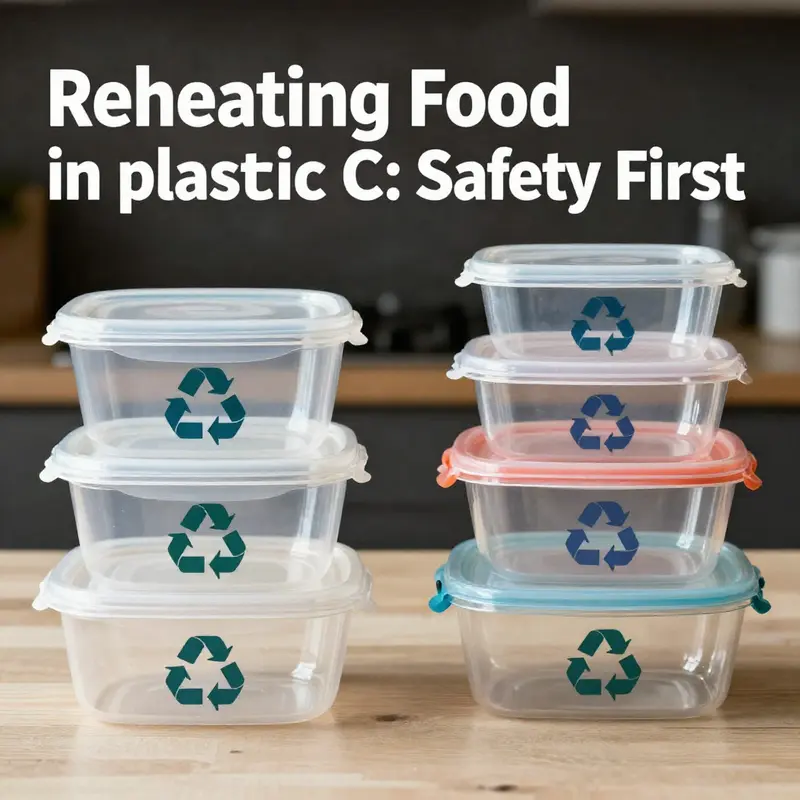
Reheating food in plastic containers sits at the crossroads of convenience and health. The choice you make in that moment can shape the safety of your meal long after the chime of the microwave has faded. The core risk comes not from the heat alone but from how heat interacts with plastic. When food is heated, water molecules vibrate and generate heat. In the confines of a container, that energy can push the plastic to its limits, especially if the plastic isn’t designed to withstand heat. The result can be a cascade: the container warps or melts, microplastics shed, and potentially harmful chemicals migrate into the food you’re about to eat. It is a chain of events that begins with a simple act—placing a container in the microwave—and ends with questions about what may be riding along with your leftover meal. This is why choosing the right plastic, or choosing to avoid plastic altogether, deserves careful attention rather than quick assumption. The stakes are not merely about a plastic smell or a stained container; they concern the chemicals that can accumulate in your body over time and the way those substances might affect organ systems such as the liver and kidneys. A cautious approach protects not just today’s dinner but many meals down the line, turning a routine habit into a long-term health safeguard.
Understanding the how and why behind the heat-plastic interaction helps illuminate practical choices. Microwaves excite water molecules in food, creating the rapid movement that warms both food and container. In a container not built for that heat, plastics can soften, deform, or even release microplastics and chemicals into the food. Studies have raised alarms about microplastic shedding in short heating sessions, a phenomenon that can be magnified by longer heating times or high-fat foods that reach higher internal temperatures. The risk is not uniform across all plastics; it’s the combination of material type, labeling, and how you treat the container during reheating. The message is not to panic, but to be deliberate—look for the right kind of plastic if you must reheat in plastic at all—and to prefer non-plastic options whenever possible. In a world of takeout meals and ready-to-heat convenience, understanding these nuances offers a path that honors both time and health.
At the heart of making safer choices is a simple, widely misunderstood coding system: the resin identification codes, the numbers inside the recycling triangle that tell you what the plastic is made of. Among the common plastics, Polypropylene, labeled with the number 5 (PP5), stands out as the only widely acceptable option for microwave reheating when it carries the proper labeling. Polypropylene has a higher heat resistance, with a melting point around 167°C (333°F), which helps it maintain structural integrity during short reheating cycles. But the label matters. A container that says “Microwave Safe” or “PP5” and bears the number 5 inside the triangle is a sign that it has been designed to withstand the temperature profile of a brief microwave session. The caveat, of course, is that not all PP5 containers are created equal; the lid materials, sealants, and any added components can introduce their own heat-related risks. Even with a PP5 base, overheating or exposing the container to steam and pressure without venting can still create problems. The rule of thumb is simple: verify the label, confirm the number, and always vent the container when microwaving.
The flip side of that coin is instructive. Other resins—PET (Code 1), HDPE (Code 2), PVC (Code 3), PS (Code 6), and the elusive Code 7—present a much more complicated risk profile when heated. PET, which many people recognize from water and soda bottles, is typically safe for cold or room-temperature use but degrades at higher temperatures. Heating PET can lead to the leaching of substances like antimony or other additives, which is precisely what microwave reheating seeks to avoid. PVC is notorious for releasing toxic compounds when heated, including certain phthalates and other additives. Polystyrene, commonly found in foam takeout boxes, can release styrene as it degrades under heat, raising questions about carcinogenic potential. HDPE and other materials might be more robust in some uses, but they are not universally designed for hot food contact, and the presence of coatings or adhesives can complicate safety. The point is not to demonize plastics but to recognize that most are not built for the heat of microwaving and that using them to reheat food introduces unnecessary risk.
A practical consequence of this knowledge is the emphasis on labeling and careful selection. If a container lacks a clear label—no microwave-safe mark, no resin code, nothing indicating the material—treat it as unsafe for reheating. The absence of information creates uncertainty about how the container will behave when heated, and that uncertainty translates into a risk that is simply not worth taking. The simplest, most reliable guidance is to choose containers that are clearly labeled as microwave-safe and to be aware of the material beneath the label. PP5 is the only common plastic that can be considered safe for microwave reheating under strict conditions, but even then, the guidelines require discipline: limit heating time, avoid high-fat or sugary foods that create uneven heating, and vent the container properly. Those precautions minimize the chance for hotspots that could compromise both the plastic and the food you’re reheating.
To translate theory into practice, consider the everyday moments where plastic choices show up. A plastic container labeled PP5 with a clear microwave-safe tag is a possible option when no other container is available. In such cases, keep the reheating time brief—no more than about two minutes on medium power. Short bursts reduce the chance that the container will overheat, warp, or shed particles. After microwaving, let the food rest for a minute or two so heat can distribute evenly. Stirring gently helps break up any hotspots and ensures the easiest path to a uniform temperature. And even then, it’s wise to avoid reheating fatty or sugary foods that tend to heat unevenly and can place more stress on the container’s structure. It is a balance between convenience, safety, and common sense—choosing the least risky path when you cannot avoid plastic entirely, and recognizing when alternatives are worth seeking.
The most protective stance remains a straightforward one: transfer reheated foods to safer containers whenever possible. Glass, ceramic, and certain stainless steel options are generally inert under reheating and do not carry the same concerns about chemical leaching or microplastics. For many households, this becomes a practical habit: you cook in one container, move portions to a non-plastic dish for reheating, and then enjoy the meal from a stable, heat-resistant vessel. The habit reduces cumulative exposure risk and makes it easier to limit the number of heating cycles that any single container endures. When you receive leftovers, the first instinct should be to switch to a different vessel that is explicitly designed for heating. This approach not only minimizes potential health risks but also protects the taste and texture of foods, since glass and ceramic tend to heat more evenly and are less likely to dry out or develop hotspots compared with typical plastic containers.
If you ever must reheat in plastic, the lid deserves particular attention. Lids can be made from different materials than the base container, and some lids are not designed to withstand heat. Always remove lids for microwaving, or at least loosen seals to vent steam. Pressure buildup inside a container can lead to sudden, hazardous outcomes, including the container bursting or warping in unpredictable ways. This simple venting step aligns with the broader principle of minimizing risk—pausing to ensure air can escape, and water vapor won’t build to dangerous levels inside. The aim is to keep the container intact and the food evenly heated, not to chase a rapid peak in temperature that may do more harm than good. These careful steps, though modest, echo the larger message: when in doubt, prioritize safety over speed, and prefer non-plastic options whenever feasible.
Beyond individual containers and reheating cycles, a broader picture emerges about the choices we make in everyday kitchens. Reheating practices are a small but meaningful part of a larger commitment to safer food handling. The simplest, most reliable recommendation is to avoid plastic for reheating whenever possible. Glass and ceramic containers, especially those labeled microwave-safe or oven-safe, offer predictable performance and reduce the potential for chemical migration. Stainless steel can be an excellent option for oven or stovetop reheating, though it is not microwave-friendly unless explicitly designed for that purpose. In a kitchen where leftovers are a daily reality, investing in a few versatile, heat-resistant vessels pays dividends in health, flavor, and ease of use. The small step of transferring food from a plastic container to a safer option before reheating can become a lasting habit that supports wellbeing over time, turning a routine act into a deliberate, health-conscious choice.
As this chapter threads through the complexities of material science and everyday cooking, it is helpful to anchor the discussion with practical resources that illuminate the path. To see one example of a non-plastic option that aligns with the idea of safe take-away and serving, you can explore disposable kraft paper bowls designed for take-out use. For a concrete reference, view this page: disposable kraft paper bowl take-away kraft paper salad bowl with lid. It illustrates how packaging choices can support safer reheating routines when you decide to avoid plastic altogether. In addition to choosing safer materials, it’s always valuable to stay informed about evolving guidelines and best practices. A reputable external source that consolidates government and health guidance is the U.S. Food and Drug Administration, which outlines safe practices for handling food packaging materials and underscores that only containers specifically labeled as microwave-safe should be used in the microwave. For authoritative guidance, consult the FDA’s detailed resource: https://www.fda.gov/food/food-contact-materials/food-packaging-and-plastics. This resource helps connect the practical steps described here with official standards and ongoing safety research, offering a reliable anchor for any reheat plan.
In summary, when it comes to reheating food in plastic containers, the safest course is to minimize plastic use and to choose materials that resist heat, leach fewer substances, and maintain their integrity under the conditions you typically employ. If plastic must be used, unequivocally favor PP5 with a clear microwave-safe designation, and strictly observe short heating intervals, venting, and no reheating multiple times. The strongest recommendation remains the simplest: transfer food to glass, ceramic, or appropriate metal containers before reheating, and reserve plastic for storage only. In this way, convenience and health coexist, and the meals you reheat contribute to nourishment rather than risk. The health you protect today becomes the steadiness of your meals tomorrow. For those who need a quick reference point, the central messages are clear: check labels, avoid unlabeled containers, vent properly, and prefer non-plastic options whenever possible. Your body will thank you over time for those careful choices.
Reheating Necessities: A Cautious Path Through Plastics, Glass, and Heat
Reheating food in plastic containers sits at a careful crossroads between convenience and health. The urge to warm leftovers quickly, especially during busy days, often leads us to reach for the plastic tub that came with a takeout order or a familiar storage container tucked in the fridge. Yet the safety of reheating in plastic hinges on material science and the behavior of heat when it meets plastic. When heat enters the equation, plastics can respond in unseen ways. Water molecules in the food vibrate, the container itself can soften or warp, and, more concerning, chemicals can migrate into the food. This migration is not a single event but a process that grows with temperature, time, and the fat content of the meal. The core risk is plastic breakdown under heat, which has two primary manifestations. First, some plastics can melt or warp, altering the food’s texture and the container’s integrity. Second, and more troubling, is the potential release of microplastics and chemical additives such as bisphenol A (BPA) and phthalates into the food. The idea that a couple of minutes in a microwave could release hundreds of millions of microplastic particles from certain containers underscores why caution is essential. Those particles may accumulate in organs over time, and the toxins associated with them raise legitimate concerns about long-term health effects. The science can feel unsettling, but it is not a call to panic. It is a call to informed choices and practical strategies that reduce risk while preserving the convenience of reheating when needed. The safest baseline is to avoid reheating in plastic whenever a safer alternative exists. If a plastic container must be used, strict guidelines can help minimize risk. At the core of these guidelines is the recognition that not all plastics are equal in their heat resilience or their chemical composition. A container labeled “microwave safe” is a helpful sign, but it is not an umbrella that covers every heating scenario. The variability among plastics means that even a label can be misleading if the food is fatty, acidic, or heated for longer than the label assumes. When heat meets fat, the leaching risk can rise because fats dissolve and transport certain additives more readily. A cautious approach is to accept the reality of trade-offs: some reheating will always involve weighing speed and convenience against a margin of safety. The detailed findings that guide safe practice emphasize several core principles: identify materials that are designed for heat, reduce the duration of exposure, vent containers to avoid pressure buildup, and avoid re-heating the same meal repeatedly. With those principles in mind, many kitchens adopt a straightforward habit: transfer leftovers from containers not rated for heating into a safer vessel before reheating. This habit is the simplest, most consistent safeguard against the unpredictable behavior of hot plastics. The knowledge that the safest option is to use glass or ceramic for reheating underscores the practical priority of reducing contact between food and plastic whenever possible. Glass and ceramic are inert to heat in typical household ranges and do not release the same kinds of chemical additives into food. They offer an all-around reliability that exudes confidence, especially for meals with sauces, oils, or dairy that can complicate heat transfer in plastic. Stainless steel provides another reliable path for reheating, particularly on ovens or stovetops. It is not microwave-safe in all forms, but for conventional reheating, it often serves as a durable alternative, enabling even heating without the risk of melting or microplastic shedding. Yet there are moments when plastic seems indispensable—when you need to store and reheat in the same container for convenience or space in a crowded kitchen. In those moments, careful adherence to guidelines helps. The most important conditional is to choose only plastics with explicit microwave safety labeling, and even then, to treat heat with a conservative approach. A practical rule is to limit microwaving to short time intervals, avoid high-fat or high-sugar foods that heat unevenly, and always vent the container to prevent pressure buildup. The logic behind these cautions is straightforward: higher temperatures and longer exposure increase the likelihood of plastic degradation and the potential movement of chemicals into food. A two-minute window at medium power is often cited as a practical upper bound for plastics that are deemed microwave-safe, yet this ceiling remains sensitive to the specific dish and container. When meals are roasted, fried, or enriched with sauces, the heat distribution becomes more intense in some spots than others. This unevenness can create hot pockets that stress the plastic more than gentler, evenly heated dishes. The same principle applies to reheating in the microwave if the container is not designed to withstand such bursts of energy. Even with a “microwave-safe” label, there is an ongoing debate about whether microplastics and additives can still migrate during heating. The best takeaway from the current research is clarity and conservatism: use plastic only if truly necessary, and keep heating times brief. This is not a retreat from practicality but an acknowledgement that safety can still coexist with efficiency, especially when accompanied by simple steps that reduce risk. If plastic must be used, the guidelines are clear and practical. First, verify the recycling symbol and number. The safest widely accepted option is polypropylene, coded as PP5. It is the only plastic generally considered safe for microwave use and can withstand temperatures up to about 120°C (248°F). Look for the number 5 inside the recycling triangle on the container bottom and confirm a label stating “Microwave Safe” or “For Microwave Use.” Second, avoid all other plastics for reheating. PET (1) is common in water bottles and melts at relatively low temperatures, making it unsuitable for microwaving. PS (6), used in foam takeout boxes, can release carcinogenic styrene when heated. HDPE (2) and PVC (3) are not ideal for heated food contact, and containers with “7” (unknown or other) can introduce BPA or other unknown substances into food. Third, never heat a container without clear labeling. If the mark is unclear or absent, treat it as unsafe. Fourth, even when using PP5, heat should be brief. Do not exceed two minutes at a moderate setting, and avoid reheating foods that are high in fat or sugar that can form hotspots beyond the plastic’s tolerance. Fifth, always remove lids and loosen seals to vent steam and prevent pressure buildup, which can cause explosions or leaks. Sixth, do not reheat multiple times. Each heating cycle increases the chance of degradation and particle shedding, and repeated reheating compounds risk. Seventh, after heating, let the food rest for a minute or two to allow temperature to equalize and to reduce the risk of scalding or uneven heat distribution. These steps are not absolute guarantees but collectively reduce risk and align with a cautious, practical approach to food safety in everyday life. In parallel with these guidelines, a broader safety stance recommends avoiding plastic altogether when possible. Transferring food to glass or ceramic containers for reheating is widely recommended for the safest outcomes. Glass and ceramic are non-reactive and unlikely to contribute harmful substances to the food during heating. They also tend to heat more evenly, which minimizes hotspots that can cause both culinary and safety issues. Stainless steel remains a solid option for stovetop and oven reheating, where microwaves are not involved. It offers robust heat distribution and durability, although it is not compatible with microwave heating unless the specific item is explicitly labeled as microwave-safe. The practical implications for a busy kitchen, a dorm room, or a small office break area are straightforward. When leftovers are stored, if there is any doubt about the container’s heat compatibility, the safest approach is to move the food to a safe vessel before reheating. If you must keep the leftovers in the original container for transport or storage, you can prepare for reheating by ensuring the container is clearly labeled for microwave use and by clustering a plan to minimize heating time and temperature. In daily practice, a small but meaningful habit can dramatically shift outcomes: prepare for reheating by choosing the safest path ahead of time. If the meal can be stored in a glass or ceramic dish with a vented lid, do so from the start. If plastic is unavoidable, keep to the shortest heating windows and periodically rotate or stir the food to promote even heat distribution. In this context, there is value in documenting a simple, transferable routine that keeps you consistent. A routine reduces the cognitive load each time you reheat and nudges you toward safer choices without sacrificing convenience. Beyond the practical steps, there is an ethical dimension to reheating in plastic. Even with precautions, the cumulative exposure to chemical additives from repeated heating remains a concern for some individuals. This awareness informs consumer behavior, especially for households with vulnerable members, such as pregnant individuals, young children, or people with sensitivities to endocrine-disrupting compounds. The science does not demand perfection but invites continuous improvement and mindful decision-making. If you encounter a situation where you must reheat and only a plastic container is available, apply the strictest possible discipline: limit heat exposure, vent the container, stir to promote even heating, and transfer to a safer vessel as soon as possible after heating. In practice, this means planning ahead—have a glass or ceramic option ready in your kitchen for reheating, especially if you routinely store leftovers in plastic. It also means avoiding the habit of reheating the same meal multiple times. This is not merely a procedural constraint; it is a health-first principle that reduces cumulative exposure to potentially harmful substances. For those who want a practical, tangible reference, consider the following simple decision framework: if a container is not specifically labeled microwave-safe, do not reheat in it. If it is labeled microwave-safe but not polypropylene or if the food is fatty, heat for as short a time as possible and check the temperature in multiple places to avoid hotspots. If there is any doubt, opt for transferring to glass or ceramic and reheat there. While this framework cannot guarantee absolute safety, it significantly reduces risk and aligns with widely accepted food safety guidance. The overarching message is accessible: reheating is a common activity, but plastic is not always the best vehicle for heat. By favoring glass, ceramic, or properly labeled plastics, and by observing mindful heating practices, you preserve flavor, texture, and safety. The journey to safer reheating comes down to small, repeatable choices that become habits. The more consistently you practice these choices, the more you protect yourself and your loved ones from unintended exposure to potentially harmful substances. For those who wish to explore related considerations about packaging and reheating, internal resources on safe food packaging can provide additional context. For example, you may consult materials connected totake-out packaging and storage alternatives that look toward non-plastic options when reheating is likely. disposable kraft paper bowl for food package with lid. This internal reference can support understanding of the broader ecosystem of containers and how choices beyond plastic can influence safety and convenience. When planning, remember that keeping your food in a glass or ceramic container for reheating is a widely recommended best practice. It provides the most robust protection against chemical migration and heat-related container degradation while offering reliable, even heating. In the end, the aim is straightforward: minimize risk while preserving the ability to enjoy leftovers. The safer default position is to transfer to glass or ceramic before reheating whenever possible. If plastic must be used, adhere strictly to the labeling, keep heating brief, vent adequately, and avoid reusing the same container for multiple reheating cycles. Your health is worth the extra step, and the small actions you take today can have meaningful long-term benefits. For further guidance on reheating safety, consider consulting official health resources. External resource: https://www.cdc.gov/foodsafety/food-safety-during-power-outages.html
Beyond Plastic: Safer, Eco-Friendly Pathways to Reheating Food
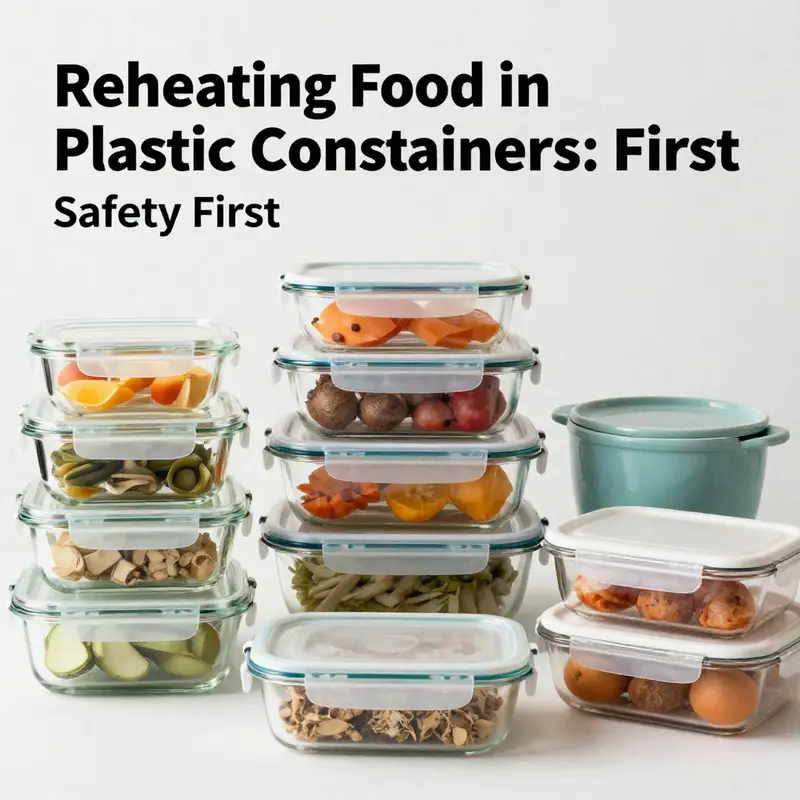
When heat meets a container, the real drama begins. The energy that makes reheated meals possible can also break down materials that were never meant to be part of our hot plates. In the context of reheating, plastic containers stand at the center of a delicate risk-benefit calculation. The risk is not merely theoretical: a growing body of evidence points to the migration of chemicals such as BPA, phthalates, and other endocrine-disrupting compounds into food when heated. The problem intensifies with repeated use, aging plastics, and fatty or sugary foods that encourage more rapid transfer of chemicals into the meal. Even containers labeled microwave-safe do not guarantee a perfectly safe outcome, and the cumulative exposure over a lifetime is not something to ignore. Against that backdrop, the move away from reheating in plastic emerges not simply as a precaution but as a practical, health-conscious habit that also aligns with broader environmental aims.
A compelling shift is to reframe reheating as a moment to choose safer materials rather than a routine abatement of appetite. The simplest, most immediate step is to transfer leftovers from their original plastic packaging into a container that is inert to heat, stable under microwaving, and capable of coping with the temperatures typical of reheating. The impulse to keep food in the same plastic vessel is understandable in the moment, but the safer habit really begins with a small, deliberate choice at the point of reheating. This narrative does not pretend that plastic never has a use in storage or transport; it acknowledges that the microwave, when misused, can transform ordinary containers into sources of risk. It instead offers a practical framework for selecting alternatives that protect health without sacrificing convenience.
Glass presents one of the most durable, reliable paths for reheating. Its chemical inertness means it does not leach substances into food under heat, a quality that makes glass-based reheating a robust choice for many meals. In particular, borosilicate glass is prized for thermal resistance; it endures the rapid temperature changes of a microwave or oven without cracking or warping in the same way that some other materials might. A key nuance, however, is thermal shock. Even sturdy glass can suffer if moved abruptly from a hot environment to a cooler one or if a hot dish is placed on a cold surface. The art lies in gentle handling: allowing the glassware to come to a moderate temperature before moving it, using a microwave with even power distribution, and avoiding sudden transitions that invite cracking. In practice, glass enables safe reheating for a broad spectrum of foods—from vegetables to starch-based dishes and even sauces—provided one respects the container’s limits and adheres to manufacturer guidance about microwave use, lid usage, and appropriate temps. The result is a reheated plate that preserves flavors and textures with fewer health trade-offs than plastics typically introduce.
Ceramic containers offer another natural path for reheating. When selecting ceramic ware, the emphasis should be on high-quality, microwave-safe pieces with glazes that are known to be free of lead and cadmium. The risk with ceramics lies in glazes that can release trace metals under high heat, especially if the ware is older or of questionable provenance. That is why careful labeling matters: look for explicit microwave-safe certification and inspect glazes for any signs of wear or crazing. Modern ceramic dishes designed for kitchen use perform well in both microwave and oven reheating. They can handle a wide range of foods, from soups to stews to noodle dishes, and they clean easily in a dishwasher, which adds to their practicality. The romance of ceramic is its everyday reliability: a dish that feels sturdy in the hand, resists staining, and does not contribute problematic substances to the meal. It is a choice that also tends to align with sustainable living because ceramic wares are durable and reusable across years of use, reducing the need for single-use options.
Stainless steel stands apart in its versatility, especially for batches prepared for storage or for reheating on a stovetop or in the oven. It does not microwave in most standard configurations, which means you often reheat in a separate glass or ceramic vessel before transferring back to steel for serving or to keep the warmth going in the oven. This approach preserves the integrity of the meal while avoiding the chemical concerns associated with plastics and some coatings. Stainless steel’s toughness, non-toxicity, and ability to withstand high oven temperatures make it an excellent choice for families that regularly reheat leftovers in a multi-step process. The key is to adapt the reheating method to the container: if you plan to use steel in the oven, you can move the food from a microwave-safe glass or ceramic container to the steel vessel just before serving. This keeps the heating environment stable and minimizes the risk of leaching or degradation while maintaining the convenience of reheating in portions that suit busy routines.
Beyond rigid containers, silicone—particularly for lids and covers—presents a flexible, reusable alternative to single-use plastic wraps. Reusable silicone lids and covers can seal containers during reheating without introducing traditional plastics into the process. They tolerate heat well, resist sticking, and are designed to endure numerous cycles of use. Pairing silicone lids with glass or ceramic containers creates a practical system: the lid traps moisture and heat to reduce drying or scorching, while still allowing steam to escape where appropriate to prevent pressure buildup. In many households, silicone-lid strategies are folded into everyday routines because the lids are easy to store, easy to clean, and compatible with a wide range of dish sizes. When combined with the sturdiness of glass or the glaze safety of ceramic, silicone becomes a bridge between performance and reusability that aligns with health and environmental aims.
Some households discover that covering reheated food with a plain paper towel or using a microwave-safe plate helps prevent splatter and heat distribution issues without introducing new chemical concerns. These simple, low-tech options underscore a larger design principle: if the container itself is not designed for heating, use a barrier that does not introduce new substances or rely on materials that might degrade with heat. Paper towels, when used in a microwave-safe manner, can be part of a broader strategy to minimize contact between food and plastics while still delivering a warm, appetizing result. The approach is particularly relevant for delicate sauces and emulsions that tend to separate or overheat at the wrong moment, because a light covering helps to moderate the surface temperature and preserve texture.
The conversation about safer reheating surfaces would be incomplete without acknowledging the environmental dimension. The environmental cost of plastic storage and takeaway packaging is substantial. The U.S. Environmental Protection Agency has highlighted that only a small fraction of plastic ever produced is recycled, illustrating that the footprint of plastics extends beyond human health to planetary well-being. In light of that, the habit of transferring leftovers to non-plastic, reusable containers does not just reduce chemical exposure; it also reduces waste generation and the demand for new plastics. Dr. Lena Patel, a researcher focused on environmental health, has emphasized that moving away from plastic storage for everyday meals is among the simplest yet most impactful changes a household can make for both personal health and planetary well-being. The message is straightforward: health is enhanced when the reheating process uses materials that are stable, inert, and designed for repeated use, and environmental health improves when the dependence on disposable plastics declines.
For those moments when plastic use cannot be entirely avoided, a cautious rule of thumb still applies. If you must reheat in plastic, the container should be clearly labeled as microwave-safe, ideally be polypropylene (PP5) and show the 5 inside the recycling triangle, and you should limit reheating to short durations at moderate power. Do not reheat fatty or sugary dishes for long periods, and never reuse a single-use container for reheating. Remove lids or vent seals to prevent pressure buildup, and never heat food in unknown or unlabeled plastics. These precautions, while important, function best when viewed as part of a broader commitment to safer materials in daily life. The core recommendation remains simple and clear: when possible, transfer the meal to a glass, ceramic, or metal surface designed for heat and reuse.
A practical, everyday example helps to ground these principles in routine decisions. Once a meal is prepared and cooled, many people reach instinctively for the original plastic tub or container to store and later reheat. An alternative approach is to store leftovers in a suitable non-plastic container—such as a glass dish with a lid or a ceramic food-storage ware—and keep the item ready for quick reheating either in the oven or the microwave, depending on the dish. If a non-plastic container is not immediately available, consider repurposing a paper-based option for interim storage and choosing a non-plastic vessel for the reheating step. For readers who want a practical example of non-plastic options, there are disposable kraft-paper-based bowls and lids designed for take-away use that can be adapted for home reheating in some circumstances. These options demonstrate that non-plastic storage does not have to compromise convenience; with thoughtful preparation, meals can be heated safely and efficiently while reducing exposure to potentially harmful substances. See for instance the kraft paper bowl with lid option described in product detail that supports safer, paper-based serving and storage in many households. kraft paper bowl for food package with lid.
The broader takeaway for this chapter is not to demonize plastic outright but to reframe reheating as a moment to choose a material that aligns with health and sustainability goals. It is about building habits that reduce exposure to endocrine-disrupting chemicals, minimize environmental impact, and preserve the sensory quality of the meal. A practical, resilient kitchen design emerges from that mindset: invest in a few versatile, durable containers, keep silicone lids handy, and use paper towels or microwave-safe plates as needed to contain splatter. Make glass or ceramic the default vessel for reheating, especially when sauces, fats, or sugar are involved, and reserve stainless steel for oven-to-table reheating when the process requires higher heat or longer durations. In this framework, the act of reheating becomes part of a larger daily practice of mindful material choice—one that supports health today while protecting resources for tomorrow.
From this perspective, the decision to move away from heating in plastic transforms from a cautionary note into a deliberate, empowering habit. It is a habit that respects the chemistry of heat, the biology of our bodies, and the ethics of environmental stewardship. It is also a practice that does not require radical, overnight changes; rather, it invites small, sustained shifts—transferring leftovers to glass or ceramic, keeping a silicone lid within reach, selecting a durable metal or ceramic serving dish, and using barrier coverings that do not contribute to plastic exposure. Over time, these choices accumulate into a healthier, more resilient kitchen culture—one that honors the food we cook, the bodies that eat it, and the world that sustains us.
External resource for further guidance: the U.S. Food and Drug Administration provides authoritative information on food-contact materials and safe packaging practices for heating and storage. Access the FDA guidance for more detail on which containers are considered microwave safe and how to minimize chemical migration during reheating: https://www.fda.gov/food/food-contact-materials/food-packaging-and-plastics
Final thoughts
Reheating food in plastic containers poses significant health risks that cannot be overlooked in the food service industry. Understanding these risks allows businesses, from bubble tea shops to catering services, to make informed choices. By opting for safe plastic containers or, even better, transitioning to glass and ceramic alternatives, you can protect not only your customers’ health but also the reputation of your food service brand. Prioritizing food safety will always yield the best results, ensuring customer satisfaction and loyalty in a competitive market.