
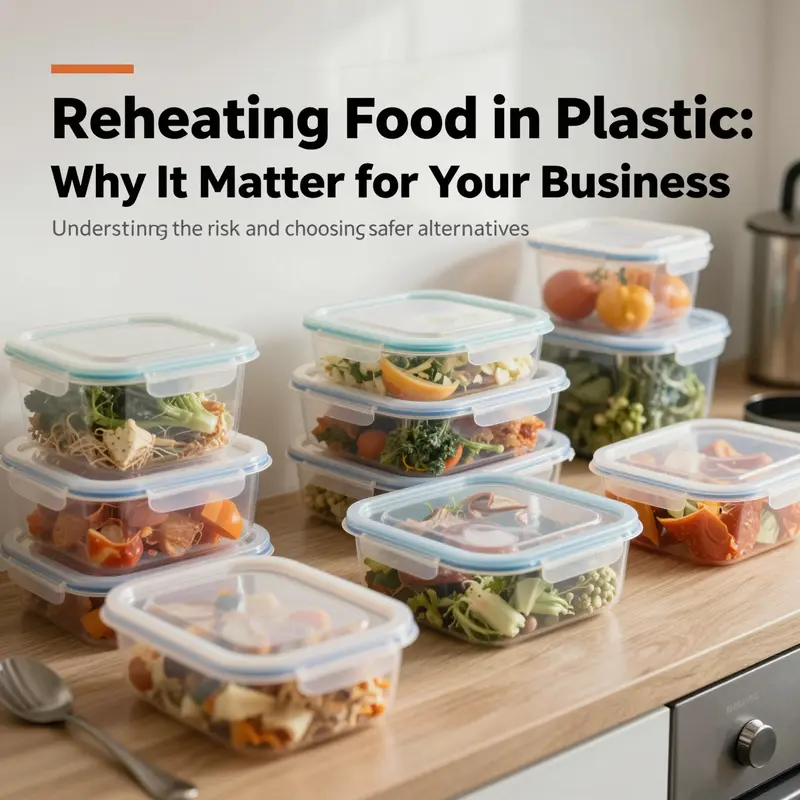
Reheating food is a common practice across various food establishments, from bubble tea shops to catering services. As a professional in the food industry, it’s essential to comprehend the implications of using plastic containers for reheating. While they offer convenience, there are significant risks associated with chemical migration and container quality that can impact health and safety. This article will dive into these crucial aspects while providing you with viable alternatives to ensure food safety and customer satisfaction. Each chapter focuses on a critical area: chemical risks, quality considerations, and safe alternatives, giving you a comprehensive understanding to apply in your operations.
null
null
Heat, Migration, and Longevity: Understanding the Quality and Safety of Reheating Food in Plastic Containers
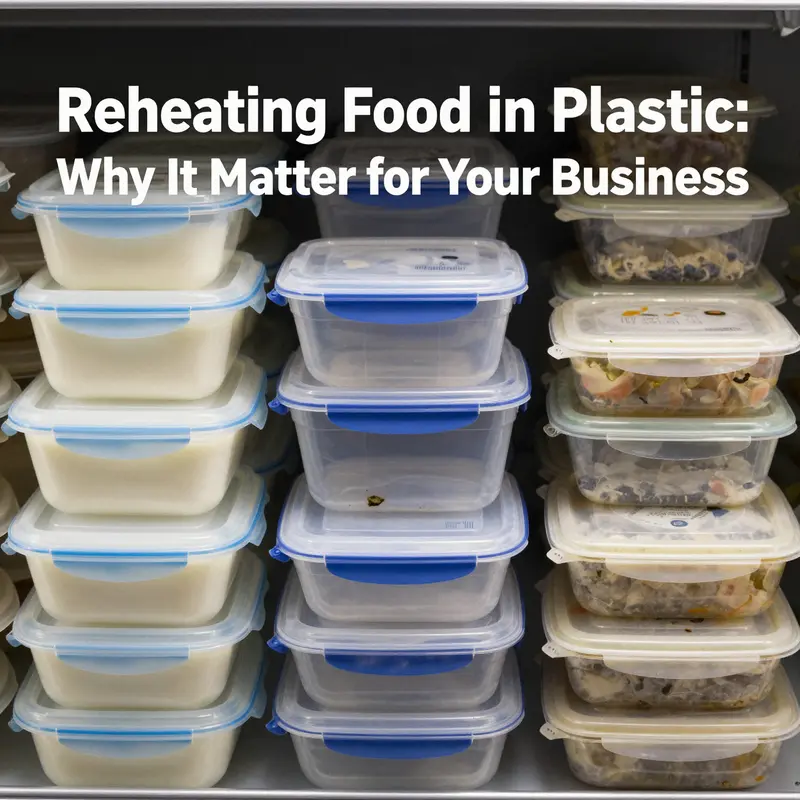
Each kitchen has its own routine when it comes to leftovers, and plastic containers are often the default choice for storage and reheating. The convenience is undeniable: a familiar lid, a familiar Tupperware-style shape, and a quick button press that turns yesterday’s meal into today’s. Yet beneath that everyday practicality lies a complex, evolving picture of safety and quality. Reheating food in plastic containers is not simply a question of whether the container will melt or deform in the microwave. The deeper question concerns what, if anything, could migrate from the plastic into the food when heat is involved. The label “microwave safe” is a useful shorthand for heat resistance, not an assurance of chemical safety. The distinction matters because plastics are not biologically inert once heat enters the picture. They are complex polymers loaded with additives—some intended to improve performance, others used to stabilize color or flexibility. When heated, these additives can migrate, to varying extents, into what we’re about to eat or drink. The practical consequence is more nuanced than a simple risk statement; it is a matter of how much, how often, and under what conditions migration occurs, and what that could mean for long-term health.
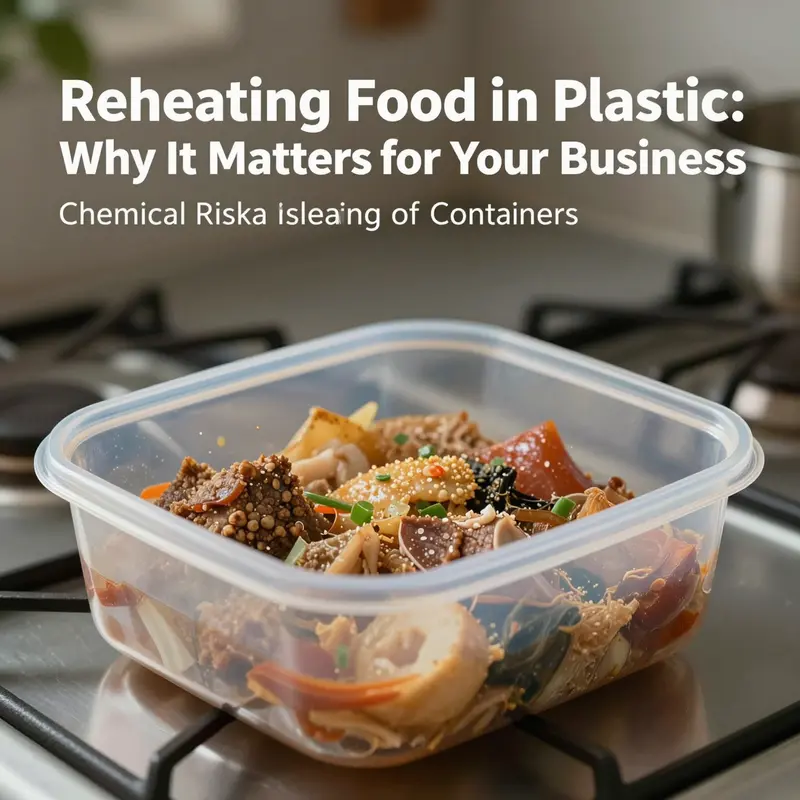
The core concern is chemical migration. Plastics in common use are often made from polymers such as polypropylene (PP) or polycarbonate (PC). These materials are engineered to withstand heat, shock, and repeated use, but they also contain a suite of additives—plasticizers, stabilizers, flame retardants, and other compounds—that keep the materials functional. Some of these additives, including bisphenols like BPA and its substitutes such as BPS, phthalates, and other plasticizers, can, under heat, migrate from the polymer matrix into the food or beverage. The fact that a container is labeled “microwave-safe” is no guarantee that it is free from chemical migration. It simply means the container is unlikely to melt or warp, not that it is chemically inert in the presence of heat. In real-world use, with repeated heating and washing, migration can occur to detectable levels, particularly with fatty or acidic foods that act as solvents, facilitating the transfer of chemicals into the meal.
These concerns are not merely theoretical. A growing body of research has highlighted that migration can happen at temperatures and with containers that ordinary households routinely encounter. In 2023, a peer-reviewed study published in Environmental Science & Technology examined containers labeled as microwave-safe and found detectable releases of substances such as antimony, phthalates, and nonylphenol when heated under conditions that resemble everyday use. The result challenges the assumption that regulatory approval equates to complete safety. It underscores a key point: the safety profile of plastics depends not just on the material class but also on the specific formulation, the age of the container, how often it is reused, and how it is cleaned. Repeated heating, scratches, cloudiness, and general wear all signal structural changes at the molecular level. Each of these changes can open pathways for chemicals to migrate more readily into food. The same study and related literature remind us that the migration is often more pronounced with fatty foods and certain acidic components, which can solvate and carry compounds more efficiently than water-based foods.
The broader implication is that plastic’s safety is not a fixed attribute but a dynamic one. Containers are subject to degradation through heat, dishwashing, ultraviolet light exposure in some kitchens, and physical wear from everyday handling. Micro-cracks and discoloration are not just cosmetic signs; they can reflect microstructural changes that increase the likelihood of chemical leaching. When the container’s structural integrity is compromised, more surface area becomes available for migration, and the risk compounds with every reuse. The practical takeaway is not simply to avoid one or two containers but to consider the life cycle of plastic in food contact applications. Safety, in this sense, is a function of material chemistry, manufacturing quality, usage patterns, and the consumer’s diligence in maintenance and replacement.
A closer look at the chemistry reveals that migration risks are not limited to the well-known BPA. Even BPA-free plastics, which many households rely on today, may contain alternative bisphenols or other substitutes such as BPS that carry their own health concerns. In addition to bisphenol-based compounds, phthalates and other plasticizers have been identified as potential endocrine disruptors with detectable migration into food under heat. The cumulative effect of these substances, particularly with long-term exposure, has raised concerns about developmental issues, reproductive health, and associations with certain cancers in some research contexts. While the human health impact remains a nuanced, context-dependent area of study, the precautionary principle—especially for growing children and pregnant individuals—leans toward minimizing exposure whenever feasible. That is why many health experts and consumer safety guides emphasize reducing or avoiding reheating in ordinary plastic containers whenever possible.
Given this landscape, what should a mindful consumer do? First, recognize that the safety of reheating in plastic hinges on the container’s design, not just its label. Some plastics are engineered for repeated microwave use and exhibit better heat stability, but even these materials come with caveats. The 2023 findings illustrate that heat exposure—even at moderate temperatures—can provoke the release of substances that would not be expected to migrate under idealized conditions. Second, consider the broader quality and durability of the container. Reuse, affixing tight lids, and washing cycles eventually create microcracks, haze, or cloudiness. These cues are not merely cosmetic; they indicate molecular changes that can escalate the likelihood of chemical migration and bacterial harboring. Third, be mindful of the food type you’re reheating. Fatty and acidic foods can facilitate migration by acting as solvents for certain compounds. A bowl of oily sauce or a citrus-based marinade is more likely to draw out additives than a plain water-based dish. These interactions are not about one item alone; they reflect complex interplays between the food matrix, the polymer, and the applied heat.
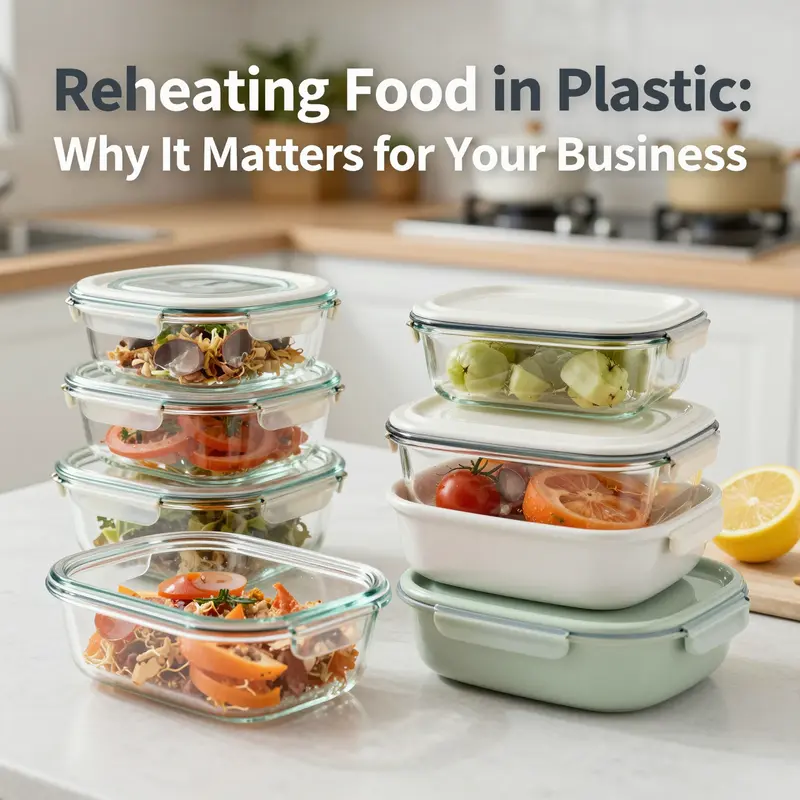
With all of this in mind, many chefs, nutritionists, and household safety guides advocate for safer alternatives whenever feasible. Glass stands out for its inertness and resilience under heating. Borosilicate and tempered soda-lime glass materials do not react with food and do not introduce chemical additives into the meal. They remain physically stable through heating, cooling, and repeated cycles, and they do not carry the same risk of chemical leaching that plastics do. The downside is that glass can be heavier, more prone to breakage if dropped, and sometimes less convenient for on-the-go storage. Yet for reheating, glass often delivers a practical and safety-forward choice that aligns with long-term health considerations. Ceramic containers, when properly glazed and certified as food-safe, also offer a reliable alternative. They share many of the inert properties of glass, though glazed ceramics can, on rare occasions, present concerns if the glaze contains lead or other contaminants. Choosing products labeled as “food grade” and verifying certification can mitigate those concerns. In sum, while plastic offers undeniable convenience, the safety calculus shifts toward glass and ceramic options for reheating leftovers when health risk reduction is a priority.
For households that continue to use plastic out of necessity or convenience, there are pragmatic steps to reduce risk without abandoning the practice entirely. First, be selective about the plastics themselves. Prefer containers made from polypropylene (PP), and avoid or minimize use of plastics in the polyvinyl chloride family or those identified by recycling codes that correlate with higher risk in heating, such as codes #3 (PVC), #6 (polystyrene), and #7 (a catch-all category that includes polycarbonates and many BPA-containing plastics). When a container is labeled microwave-safe, it is still wise to consider whether it has endured wear, scratches, or cloudiness, all of which can signal degraded performance and greater migration potential. Second, avoid heating foods that are high in fat or acidity in plastic containers. If you must reuse a plastic container, warmer does not equal safer, and the risk can be elevated by the type of food. Third, monitor the container’s integrity. Dents, deep scratches, or any warping are indicators to retire the vessel. A damaged container not only risks leaching more chemicals but also harbors bacteria in tiny crevices where soap scum and food particles can accumulate. Fourth, implement safer reheating practices when plastic use is unavoidable. This includes cooling leftovers before transferring to a microwave-safe plastic container, venting lids to prevent steam buildup, using lower power settings or shorter heating intervals, and then confirming that the interior has heated evenly rather than just at the surface. Finally, consider post-heating handling. Let food stand for a moment after microwaving to allow heat to distribute more evenly, and avoid letting heated contents sit in plastic containers for prolonged periods before consumption. Each of these steps does not guarantee complete safety, but they collectively reduce exposure and align household routines with the best available science.
The bigger story, however, is not merely the presence or absence of a single chemical in a single container. It is about rethinking packaging choices and the life cycle of the vessels we rely on to store and reheat food. In the ongoing conversation about safer practice, many consumers are turning to packaging formats that minimize contact between food and synthetic polymers altogether. The broad shift toward more inert and recyclable materials goes hand in hand with a growing emphasis on environmental sustainability and consumer health. Even within the realm of plastic, there is a spectrum of options—reputable brands increasingly produce heat-resistant plastics designed for safe reheating under specified conditions. Still, the prudent consumer will seek clear labeling that specifies not just heat tolerance but explicit safety assurances for migration under typical use. When possible, choosing containers that are designed specifically for reheating and labeled as microwave-safe with explicit migration data helps bridge the gap between convenience and health protection. For those rethinking the role of plastic in daily food routines, there are non-plastic alternatives worth considering as part of a broader sustainability strategy. A practical path is to adopt a habit of rotating storage options so that no single vessel undergoes excessive heat exposure or repeated cycles. This approach reduces cumulative wear and preserves both flavor and safety.
In the spirit of broadening safe options, many households are exploring packaging alternatives that align with both health considerations and environmental objectives. For example, non-plastic, recyclable or compostable containers—such as certain paper-based or plant-fulpal materials—offer feasible, durable, and heat-tolerant performance in many kitchen contexts. While these materials may require more careful handling or specific reheating instructions, they remain a compelling path for those seeking to minimize chemical exposure without sacrificing practicality. Moreover, a growing segment of home cooks and professional kitchens are adopting glass or ceramic reheating vessels that are designed to withstand frequent heating and cooling cycles without degradation of safety or quality. When these materials are used, the risk associated with chemical migration is diminished because they do not introduce migrating additives into the food. The trade-off, of course, is a shift in weight, fragility, and sometimes cost. Yet for many families, the long-term benefits—reduced cumulative exposure, easier cleaning, and better durability—make glass or ceramic options appealing choices.
The conversation around reheating in plastic containers also intersects with consumer education. A key message is that “microwave-safe” is not equivalent to “food safe under all conditions.” This distinction matters in everyday practice. Understanding that heat can alter the material and increase the likelihood of chemical leaching invites a more careful approach to reheating, storage, and ultimately to how we evaluate packaging choices. It also invites a broader reflection on the way we purchase, reuse, and discard containers. If the goal is a safer kitchen with fewer potential exposures, then replacing worn containers, reducing the reuse of questionable plastic vessels, and investing in inert alternatives should be part of routine household decisions. At the same time, the idea of limiting plastic contact with hot foods can be aligned with broader sustainability goals. A practical mindset is to view every container as a candidate for replacement after a certain number of cycles or years, particularly if signs of wear appear. In this way, safety is not a one-time decision but an ongoing responsibility.
From a consumer’s perspective, making informed choices also means considering the broader ecosystem of packaging. For households redesigning their approach to leftovers, the shift toward safer meal-storage options can be coupled with a thoughtful look at the packaging choices inside cafés, workplaces, and households. A simple way to begin is by evaluating whether the container you reach for most often is built to last for purposefully limited reheating cycles or whether it is truly optimized for heat tolerance, food safety, and ease of cleaning. The path toward safer reheating is not a single product choice but a portfolio of practices that combine heat-aware materials, correct usage, and a willingness to adapt to safer alternatives as they become more accessible. In this sense, the household kitchen can become a microcosm of a broader movement toward safer, more sustainable food systems that still honor the convenience that modern life demands.
For readers who want to explore practical alternatives while maintaining convenient workflows, there are options to consider that align with the broader aims of reducing chemical exposure and improving safety in reheating. A more sustainable approach emphasizes materials that are inert, durable, and easy to clean. This often points toward glass and ceramic alternatives as primary choices for reheating leftovers. They minimize the chemical-leaching risk and can be used in microwaves, ovens, and steamers when the products are appropriately designed and labeled. In practice, this means adopting a routine where those containers become the default for reheating, while plastic is reserved for cold storage or short-term use in non-heating contexts. In scenarios where plastic use is unavoidable, exercising restraint—limiting reheating in plastic to essentials, favoring PP-based containers, and replacing worn items—helps reduce cumulative exposure over time. The goal is not to demonize plastic but to use it more judiciously, recognizing its limitations and the evolving science surrounding its safety in heated contexts.
In this moment of evolving knowledge, the safest path remains clear: when it comes to reheating leftovers, prefer glass or ceramic containers whenever practical. If plastic must be used, choose high-quality options clearly marked as microwave-safe, avoid heating fatty or acidic foods in plastic, inspect containers for wear before each use, and retire any container that shows signs of degradation. As the research landscape continues to evolve—and as new materials and formulations are introduced—the prudent approach is to stay informed, read labeling with a critical eye, and adapt storage and reheating habits to align with the best available evidence. This approach protects health, supports better food quality, and encourages a more deliberate relationship with the packaging that accompanies everyday meals.
In line with this direction, it can also be helpful to think about the broader context of packaging decisions. The broader shift toward safer, more sustainable packaging formats is not only about personal health but about reducing the environmental footprint of our food system. The packaging decisions we make in the kitchen ripple outward to supply chains, product design standards, and waste streams. By embracing safer alternatives and more durable materials, individuals contribute to a broader movement toward packaging solutions that prioritize safety, recyclability, and reduced reliance on additives that can migrate under heat. This is a practical, everyday expression of a value system that links personal health to planetary well-being. And while no single change guarantees zero risk, a combination of informed choices—reheating in inert materials whenever possible, maintaining a high standard of container integrity, and supporting packaging that emphasizes safety and sustainability—creates a kitchen environment that better protects both health and the environment.
Ultimately, the question of whether you can reheat food in plastic containers is not answered by a single guideline or a sole study. It is answered by a nuanced approach that weighs heat tolerance, material composition, wear and tear, and the food being heated. It is answered by recognizing that “microwave-safe” does not equal “migration-free” and that the safest practice is to prioritize glass or ceramic for reheating while using plastic more conservatively. For readers who want to explore safer packaging options further, consider adopting non-plastic options when reheating is a regular activity. A practical example is transitioning toward inert materials for daily reheating tasks and reserving plastic for storage or cold services. In this way, safety and practicality can be balanced in a way that reflects both current science and personal kitchen realities.
As you navigate these choices, you can take a small, meaningful step today: acknowledge that the heating phase matters as much as the storage phase, and treat each heating event as an opportunity to minimize chemical exposure while preserving the integrity of your meals. The ongoing conversation about safer reheating is not about fear; it is about informed stewardship of the foods we eat and the materials we use to prepare and house them. In that sense, the chapter on quality and safety considerations for reheating food in plastic containers serves not as a final verdict but as a practical guide to a more thoughtful, healthier kitchen practice. For households ready to explore packaging alternatives, a simple step is to acknowledge the potential risks, weigh the benefits of safer materials, and test out cleaner, more inert options that fit your cooking and storage habits. This balanced approach helps ensure that leftovers remain convenient without compromising health, while also aligning with broader goals of sustainability and responsible consumption.
External resource: Environmental Science & Technology – 2023 study on microwave-safe plastics provides further context on migration under real-world heating conditions. https://pubs.acs.org/doi/10.1021/es204895r
Internal link for broader packaging discussions: For readers interested in non-plastic packaging options as part of a broader sustainable approach, see the discussion around kraft-based, eco-friendly packaging options. disposable kraft thick paper cup for hot drinks.
null
null
Final thoughts
In conclusion, understanding the risks of reheating food in plastic containers is vital for any food service operator. The potential for chemical migration, varying container quality, and the implications on food safety cannot be overlooked. By opting for safer alternatives such as glass or stainless steel, you not only prioritize the health of your customers but also enhance the reputation of your business. The move towards safer, more sustainable food practices reflects a commitment to quality that your clients will appreciate.