
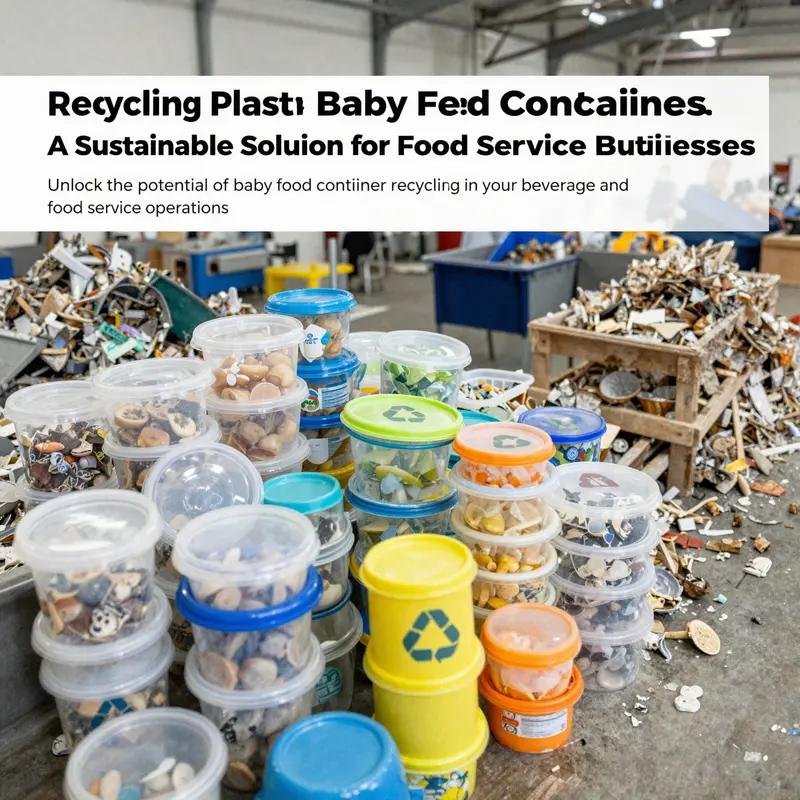
As businesses increasingly focus on sustainability, the importance of recycling has never been more critical. Plastic baby food containers, commonly made from #5 polypropylene (PP), offer a unique opportunity for eco-conscious businesses like bubble tea shops, restaurants, and catering services to enhance their waste management efforts. Understanding the recycling process, its environmental impact, and best practices for preparing these containers can significantly contribute to reducing landfill waste and improving operational sustainability. In this article, we will explore each aspect in depth, providing actionable insights specifically tailored to your business needs.
Closing the Loop on Plastic Baby Food Containers: Safety, Recycling Pathways, and Everyday Choices
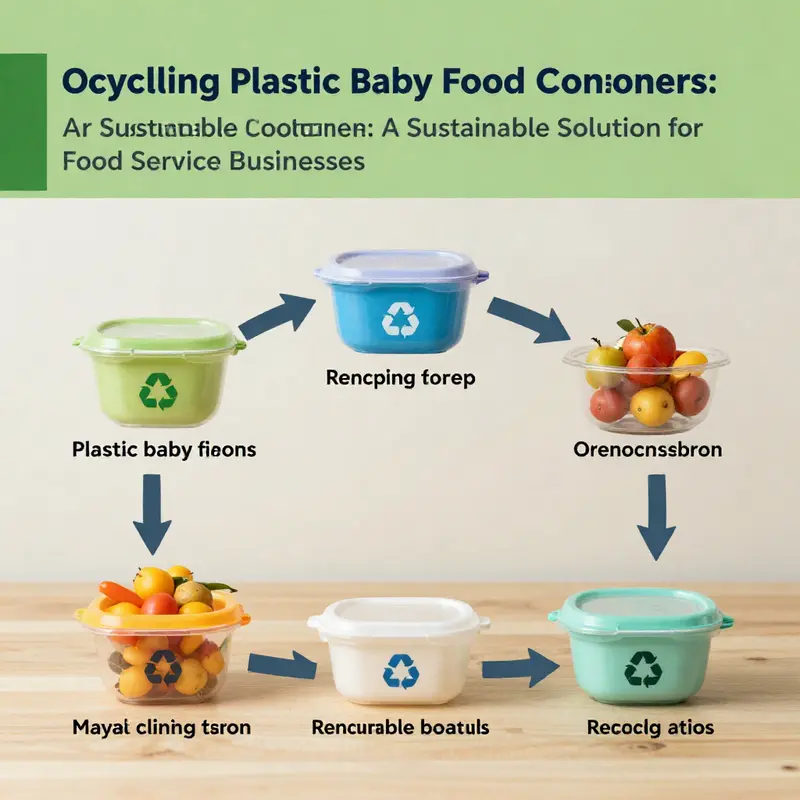
The journey of a plastic baby food container begins with a moment of certainty and ends, sometimes, in a long quiet bag in a landfill. For parents who prioritize safety for their little ones and a cleaner planet for the next generation, understanding that journey matters as much as choosing the food inside. These containers are usually made from polypropylene, resin code #5, or high-density polyethylene, resin code #2. Both materials are widely accepted as food-contact plastics and are the workhorses of modern packaging. But the story does not end at the grocery shelf, nor does it end at the curb. The path from disposal to reuse involves a careful sequence of steps, a web of regional guidelines, and a set of scientific and regulatory guardrails designed to protect infants and the broader ecosystem.
To begin, the practical reality of recycling plastic baby food containers rests on two things: correct identification of the plastic and diligent preparation by the household. The resin code on the bottom—#5 for PP and #2 for HDPE—provides a quick guide to recyclers, but local programs still decide what they will take. Acceptance can vary by city or county, and not all facilities are equipped to handle every material that claims the label “recyclable.” In this landscape, the most reliable move is to check with the local municipality or recycling service, or to consult widely available tools that map what can be recycled where, like Earth911’s Recycling Search Tool. While a simple rinse and a careful separation seems mundane, those steps have outsized consequences for the quality of material that can re-enter the production cycle. Clean containers, free from food residues, reduce the risk of contamination that can derail an entire batch of recycled plastic and complicate future reuse in food-contact applications.
Contamination is the stubborn hinge in the recycling process. A container that still holds a hint of baby food can undermine the purity of the stream. The next practical step—removing the lid if it’s made of a different plastic type—addresses a core issue: mixed plastics can contaminate batches, complicating the reprocessing and limiting the ways the material can be recycled into new products. Even when a container is technically recyclable, an incompatible lid or residue can push it out of the recycling stream, relegating it to disposal instead. Because baby food packaging often involves multiple materials, including different plastics for lids or seals, households that separate components as best as possible contribute to cleaner, more valuable recycled material.
Once collected and sorted, the material faces cleaning and shredding. This stage, often invisible to the public, is where the real quality control happens. Washing removes stubborn food residues and labels, and the plastics are shredded into flakes. The flakes then undergo a rigorous secondary wash to remove additional contaminants. The goal is to produce clean, uniform pieces that can be melted and re-formed into pellets. Pellets are the raw material for making new products, from non-food applications to potential food-contact uses in the future. Yet for baby food containers, the journey through mechanical recycling—melting the flakes and reforming them into pellets—carries with it a heightened safety lens. The European context, for instance, requires that a recycling process intended for food-contact uses meet strict criteria to ensure that no harmful substances migrate into food. The European Food Safety Authority has updated guidance to evaluate mechanical recycling processes under Commission Regulation (EU) 2022/1616, reflecting a robust, safety-forward approach. In short, the science and regulatory framework are aligned to ensure that recycled plastics used in baby packaging do not compromise infant health.
Chemical recycling represents an emerging horizon in this story. Rather than melting and reforming plastics, chemical recycling breaks polymers back into their chemical feedstocks, enabling the creation of virgin-quality plastic even from contaminated streams. The promise is especially relevant for high-risk applications like baby food containers, where the integrity of the material for food contact is paramount. Chemical recycling could, in theory, enable an infinite recycling loop with consistent material properties, overcoming some of the limitations of mechanical recycling. Yet, this path remains in the earlier stages of commercialization and scalability. It is a technology to watch—one that could substantially alter how we view the recyclability of mixed or contaminated plastic streams in the future—especially for packaging that once housed infant foods.
Alongside the technical pathways, a broader reality anchors this topic: not all recycling systems are equally accessible, and what gets recycled in one region may not be supported in another. Public awareness about how to dispose of baby food containers properly is uneven, and facilities vary widely in capacity and focus. Even when a container is theoretically recyclable, it might not be recycled because of practical constraints in a particular locale. That discrepancy underscores a vital point for families seeking sustainable choices: recycling is a system, not a single act. It requires consistent participation, clear labeling, and local infrastructure that can handle the specific plastics used in infant packaging. The safety angle compounds the complexity. Repeated reuse of containers—once a common practice in households looking to stretch resources—enters a nuanced debate. While reusing polypropylene or HDPE containers for non-food storage is common, reusing them for food storage or heating in the baby context raises concerns about material degradation, microstructural changes, and potential leaching. Even if a container looks intact, heat exposure and repeated washing can alter its properties, increasing risk exposure for infants. For this reason, many safety-focused guides now favor moving away from repeated use for infant foods and instead encouraging switched investments in durable, purpose-built, reusable alternatives like glass or stainless steel for storage and feeding, while still striving to recycle the original containers as efficiently as possible.
What this means for parents is a set of actionable considerations that blend science with daily practicality. The resin code remains a simple compass: #2 and #5 indicate plastics widely accepted for recycling in many programs. But the map is not universal. It’s essential to verify with local guidelines and to lean on trusted, up-to-date resources. In practice, the recommended steps are straightforward: empty the container, rinse it thoroughly, and remove the lid if it’s a different material. Then, place the container in the recycling stream according to local rules. If the label or the lid complicates the process, set those items aside and consult your program’s guidance rather than forcing them into a mixed-material batch. This careful approach reduces contamination and helps ensure that a container can re-enter the manufacturing cycle in some form, whether as a non-food product or, in ideal circumstances, as a food-contact material after appropriate processing and safety validation.
The broader conversation also invites a shift toward materials that consistently support a sustainable loop. Reusing containers for non-food purposes—think small storage bins for craft supplies, buttons, or screws—can extend the life of a container without exposing infants to the hazards of repeated heating or strong detergents. When storage needs arise for infants, choosing glass or stainless steel alternatives for feeding, heating, and storing baby foods reduces the risk of material interaction with heat and food. It’s not just a personal safety measure; it’s a step toward reducing the demand for virgin plastics in high-risk contexts, simplifying the circular flow by keeping critical, high-purity streams intact.
From a policy and industry perspective, the goal is to align consumer practices with robust safety standards and transparent recycling pathways. The EU regulatory framework, particularly Regulation (EU) 2022/1616, provides a rigorous benchmark for assessing recycled plastics intended for food contact. The need for rigorous risk assessments in the recycling process ensures that recycled content in baby food packaging does not introduce any harmful substances into food. This framework signals to manufacturers and recyclers that infant packaging is a sensitive, high-stakes application where the consequences of lapses extend beyond environmental concerns to direct human health. Even as chemical recycling promises to broaden the feasible boundaries of recycling for mixed or contaminated streams, the present reality remains that most baby food containers in circulation must navigate the existing capacities of mechanical recycling and the safety checks required to recover material for non-food applications where appropriate.
For parents seeking practical pathways, several guiding ideas emerge. First, embrace simplicity in how you prepare containers for recycling: rinse, separate, and follow local rules. Second, recognize that not all recycling capabilities are created equal; a container labeled #5 in one city might be treated differently in another. Third, consider the balance between reuse and safety. While reuse has its place for non-food storage, repurposing baby food containers for subsequent meals should be weighed against the risk of material degradation and potential exposure to residues. Fourth, support brands and packaging strategies that emphasize certified recycled content and transparent sourcing, which helps drive demand for recycled plastics that meet stringent safety criteria. Finally, stay informed through reputable sources and regulatory databases to understand how evolving guidance might affect recovery options for food-contact plastics. The environment benefits when households participate consistently in clean disposal and when communities invest in recycling infrastructure capable of managing the specific plastics used in infant packaging.
In the end, the recycling story of plastic baby food containers is not merely a technical matter of what can be melted and remade. It is a shared process that links the health of our children to the health of our communities and our ecosystems. It asks for careful attention to the materials themselves, a respect for the safeguards built into modern food-contact regulations, and a willingness to adapt daily habits toward safer, more durable reuse or recycling. It invites parents to see the container not as a single-use object but as part of a broader material lifecycle—a lifecycle that can be optimized through precise identification, responsible disposal, and an informed commitment to recycle or replace thoughtfully. And it reminds us that the simplest actions—rinsing, separating, checking codes, and choosing safer storage options—can set in motion a cascade of responsible choices that extend beyond a single product to future families and future environments. As each household contributes to a cleaner waste stream, the system gains the capacity to reclaim more material, reduce the extraction of virgin resources, and, crucially, maintain the safety standards that protect infants who rely on the most careful considerations in packaging.
For readers who want a quick anchor to the practical steps described, an internal reference that mirrors this journey through the recycling process can be found here: disposable-takeaway-paper-cup-custom-logo-kraft-coffee-cup-with-lid. While it points to a different packaging category, the anchor text mirrors the discipline of documenting how packaging moves from use to potential reuse or recycling, a discipline that is equally applicable to plastic baby food containers in the broader effort to close the loop on packaging materials.
As with any informed practice, local guidance matters most. The most up-to-date, globally relevant safety and recycling standards can be cross-checked in international and regional resources. For regulatory context beyond the household, consult the EU Register of Approved Recycling Processes and related materials databases, which provide structured information about food-contact material recycling processes. To explore the regulatory landscape, you can visit the official EU database at this link: https://ec.europa.eu/growth/industries/food-contact-materials_en
Rethinking the Cycle: The Environmental Realities of Recycling Plastic Baby Food Containers
Plastic baby food containers pose a more complex recycling challenge than many households expect. These items are typically made from polypropylene or polyethylene, chosen for lightness and durability, yet their fate depends on local programs and markets. The overall system often struggles to process such containers reliably, which means even items that are technically recyclable may end up in landfills.
Contamination is a primary barrier. Small residues of food or liquid can disrupt batch processing, increasing sorting difficulty and reducing material value. When residues push a load over the acceptable threshold, facilities may reject it, undermining the potential to recover the plastic. This reality underscores the importance of emptying containers completely and rinsing where practical, and of keeping lids and body plastics from different families separated when possible.
Infrastructure varies widely by region. The recycling landscape is not uniform, and some materials like PP and PE are accepted in some curbside programs but not in others. The EPA has noted that only a small fraction of plastic ever produced is recycled, highlighting a systemic mismatch between production and recycling capacity. Even households that prepare containers correctly may see limited benefit if collection and processing options are not aligned locally.
Even when recycling proceeds, the energy and water used in sorting, washing, and reprocessing contribute to the overall footprint. In some cases, the environmental advantages of recycling plastics can be smaller than the benefits of reuse and reduction. This complexity does not negate recycling, but it emphasizes that the best long-term answers combine prevention, reuse, and recycling in a coherent strategy.
A preventive approach focuses on durable, reusable containers and on choosing materials and designs that minimize contamination risk. Reusable options—such as stainless steel, glass, or high-quality silicone—reduce the need for single-use plastics and the volume entering the recycling stream. For families, practical steps include using reusable baby-food storage, selecting products designed for multiple uses, and reserving disposable packaging for circumstances where reuse is impractical.
Consumers can follow a practical checklist: empty and rinse containers as thoroughly as possible; separate lids from different plastic families; check local guidelines and guidance from resources like local government or waste-management sites; consider alternatives to single-use packaging such as reusable containers; and recognize that some waste will not be collected in all communities. Even with best practices, support for improved recycling markets and better sorting technologies helps make recycling more effective.
Market and design considerations matter, too. Some packaging designs target easier recycling or even capture through reuse systems, while others prioritize convenience at the expense of end-of-life options. Looking ahead, cradle-to-cradle thinking and materials that enable higher reuse rates can shape a more sustainable trajectory. The broader message for households is pragmatic: prevent where possible, reuse where feasible, and recycle where it makes sense given local infrastructure. For authoritative data on plastic recycling challenges, refer to EPA guidelines and local resources that outline the end-of-life options for your area. The discussion around pulp-based packaging and other alternatives points to a broader spectrum of choices that can complement plastic recycling efforts.
Tiny Containers, Big Responsibility: A Thorough Guide to Recycling Plastic Baby Food Containers in Real-World Recycling Systems
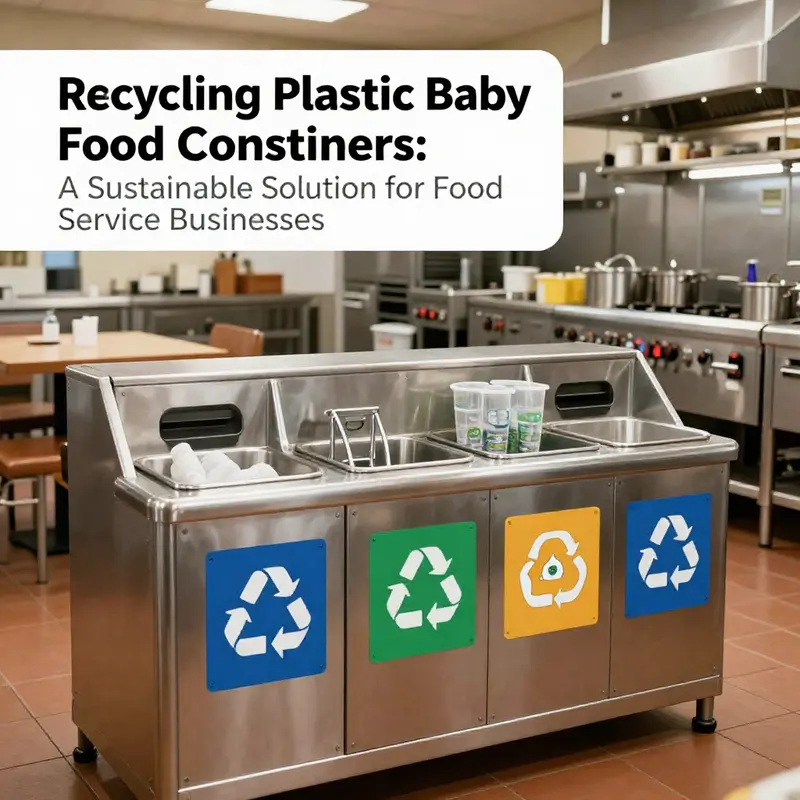
Every household with a growing child knows the daily routine of feeding and the plastics that accumulate. Baby food containers, lids, and seals play a real role in the recycling stream. This chapter explains how to read resin codes, rinse containers, separate lids if they are a different material, and verify local guidelines. Common codes include #1 PET and #5 PP, but acceptance varies by locality. Removal of labels and thorough cleaning reduce contamination and improve bale quality. Local programs differ, so consult your waste authority or trusted databases for guidance. Contamination is the main challenge, so minimizing residue and avoiding mixed materials helps facilities. Reuse and durable storage options can further cut waste, while reusable alternatives can simplify routines. The practical takeaways are: rinse, separate lids, know the resin code, check local rules, and stay aware of how nearby programs evolve.
Final thoughts
Recycling plastic baby food containers is not just a responsible choice but also a strategic decision that can enhance your business’s sustainability profile. By understanding the recycling process, recognizing its environmental impact, and implementing best practices in your operations, you can contribute to a cleaner planet while improving your brand’s reputation. Embrace recycling today and take a meaningful step towards a more sustainable future for your business and the environment.