
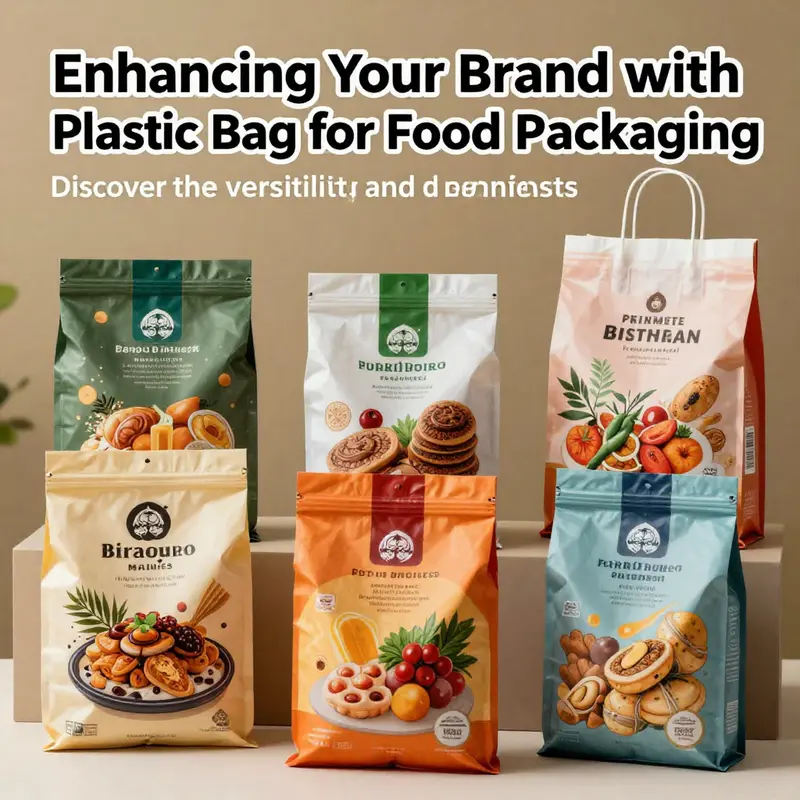
In today’s competitive food service landscape, effective branding and packaging can significantly enhance consumer appeal. Printed plastic bags for food packaging are not just practical; they are vital in communicating your brand identity, promoting product safety, and ensuring a memorable customer experience. Whether you own a bubble tea shop, manage a restaurant, or operate a food truck, the right packaging can elevate your business. This article explores the customization options available in printed plastic bags, the materials that ensure product safety, and the economic impact of these packaging solutions, providing a comprehensive understanding of how printed plastic bags can bolster your business’s presence in the market.
Brand Identity, Barrier Performance, and Beyond: The Strategic Craft of Custom Printed Food-Grade Bags
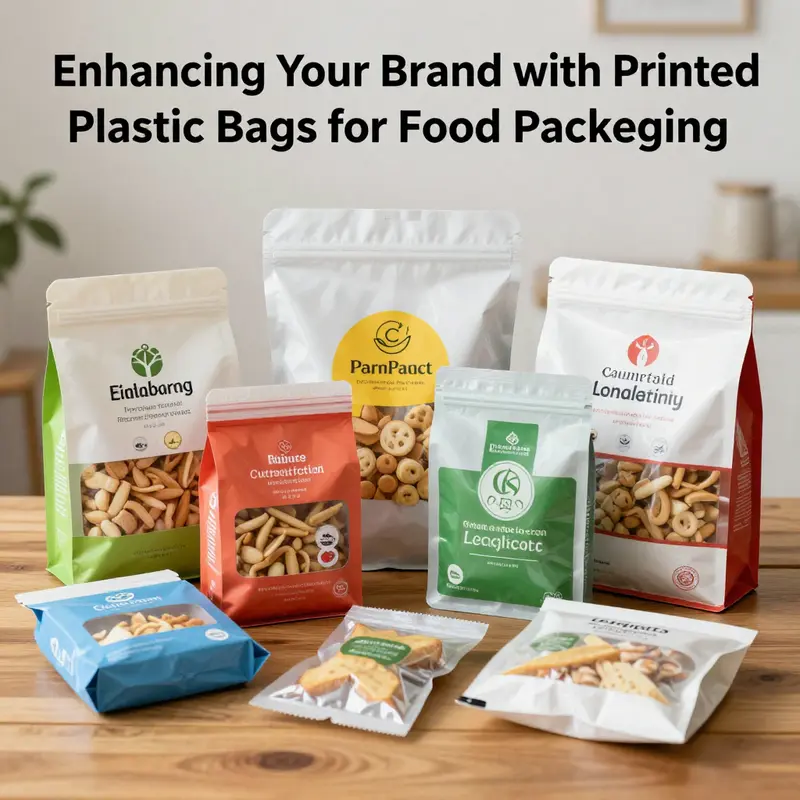
Printed plastic bags for food packaging have long served a practical function: containment, preservation, and transport. Yet in markets saturated with choices and governed by strict safety standards, the bag has evolved into a strategic asset. Custom printing turns a simple wrapper into a voice for the brand, a carrier of information, and a component of the product’s overall quality story. The journey from functional container to differentiated packaging solution begins with material choices that align safety requirements with the visual and tactile cues that shape consumer perception. Food-grade materials such as polyethylene (PE) and polypropylene (PP) are the baseline, chosen not only for safety in direct contact with food but for predictable performance under a range of handling conditions. These materials can be engineered into films that balance clarity with strength, or laminates that deliver high barrier properties without sacrificing printability. The decision to use high-density polyethylene (HDPE) for certain bags, for instance, reflects a recognition that weight-bearing items demand puncture resistance and robust seals. In contrast, for snacks, nuts, or fresh produce where visibility is valued, transparent films enable consumers to see the product, building trust and enticing impulse purchases. This blend of safety, visibility, and mechanical performance underpins the capacity for sophisticated customization to meet product-specific needs. The material science behind these choices is not static. It is a dynamic conversation among barrier properties, process compatibility, and sustainability considerations that increasingly guide new formulations. Where moisture ingress can undermine quality, laminated or high-barrier films are deployed to protect delicate contents from humidity and light. In dairy or spice applications, or dried fruits and coffee, the barrier strategy becomes a defensive line that preserves aroma, texture, and nutritional integrity. The practical implications of such designs extend beyond shelf life. They influence logistics—reducing waste due to compromised packaging and lowering the cost of returns and disputes in the supply chain—while elevating the consumer experience through better product preservation and predictable performance. Within this framework, the design language of a bag begins to matter as much as the chemistry inside it. The aesthetics of the print, the finish of the surface, and the way the packaging feels in the hand all contribute to a perception of quality before the consumer reads the nutritional panel. High-quality printing, using inks that are both vibrant and compliant with food-safety regulations, becomes a differentiator. UV spot gloss adds a subtle sheen to a logo or key messaging, drawing attention without overpowering the packaging. Foil stamping can impart a premium feel, while matte finishes offer a contemporary, understated elegance that resonates with sustainability values. These surfaces are not mere decoration. They are part of a carefully calibrated hierarchy of information delivery. The packaging must communicate essential facts—ingredients, allergen disclosures, nutrition information, and storage instructions—without distracting from the brand story. This is where typography and layout intersect with regulatory compliance. Clear, legible text in appropriate font sizes is a legal and ethical obligation, but it is also a design opportunity. When done well, the packaging invites the consumer to engage, scan, and learn more about where their food comes from, how it was produced, and what makes it stand out on the shelf or in the cart at checkout. The integration of branding with functionality is perhaps best demonstrated in the ways bags accommodate modern consumer behaviors. Reusable zip-lock designs respond to the demand for convenience and portion control, encouraging households to reuse packaging rather than discard it after a single use. This aligns with broader sustainability aspirations and reduces waste, contributing to a more circular approach to packaging. Yet even as reusability grows in relevance, the packaging must still protect the contents against contamination and degradation during transit and storage. The bag’s barrier properties, seals, and construction play a decisive role in maintaining food quality from plant to plate. For items with delicate aromas or volatile compounds, one-way degassing valves are a subtle but powerful feature. These valves, commonly associated with coffee packaging, permit gas escape while keeping air and moisture out, thereby delaying staling and preserving freshness. The net effect is a tangible improvement in consumer experience: a bag that keeps coffee or baked goods fresher for longer, while maintaining the ability to display the product and enable on-shelf visibility. The convergence of performance features and brand storytelling is what elevates customization beyond mere aesthetics. The bags become conveyors of information—nutritional facts, sourcing stories, and even QR codes linking to recipes or interactive content. The use of QR codes is more than a novelty; it is a bridge to the consumer, a means of delivering traceability and engagement in a format that is easy to access via a smartphone. This approach supports transparency and creates value beyond the immediate purchase. In this sense, the customization of printed bags now encompasses the broader narrative of the product itself, weaving safety, sustainability, and storytelling into a seamless packaging experience. The sustainability dimension has expanded from a simple print-friendly label to a holistic design philosophy. Suppliers increasingly offer materials and laminates that align with environmental values while preserving performance. Biodegradable or compostable options, often based on plant-derived polymers such as PLA, are being explored for specific applications where end-of-life conditions permit industrial composting. The promise of compostability is not merely a material claim; it requires a certified process and a well-defined supply chain to ensure that items reach appropriate facilities. The shift toward sustainable materials is accompanied by a rigorous attention to certifications and standards. Brands seek assurances that packaging materials comply with food-safety regulations in major markets, such as the U.S. FDA and various EU frameworks. This compliance is essential not only for regulatory conformity but also for consumer confidence. The customization process thus becomes a careful balancing act: selecting materials with safety credentials and barrier performance, while designing graphics and structure to support brand goals and sustainability commitments. Such alignment is more likely when manufacturers treat customization as an integral part of product development rather than as a late-stage add-on. When designers and food-safety experts collaborate early, the resulting bags can deliver both protection and communication with a coherent voice. The practical implications of this approach extend across the supply chain. A customized bag can reduce waste by extending shelf life, enabling better portion control, and enabling products to travel more efficiently due to improved barrier properties. In e-commerce contexts, where packaging material arrives with unpredictable handling conditions, the resilience of the bag becomes an important differentiator. A rugged, well-printed bag with reliable seals and clear labeling reduces the likelihood of damage or misinterpretation of product information during transit. At the same time, the supply chain benefits from a packaging solution that optimizes space while providing product visibility in the consumer’s hands. The economics of customization also reflect market realities. Pricing varies with order volume and the complexity of design. Large-volume runs can drive unit costs downward, supporting more expansive branding campaigns, while smaller orders may incur higher per-unit costs. For brand managers, this means that customization strategies must be aligned with demand forecasting, catapulting packaging from a mere operational cost into a strategic investment with measurable impact on conversion and loyalty. The conversation about economics often touches on the broader sustainability narrative: the environmental costs and benefits of packaging choices. The choice between a standard bag and a customized, high-barrier solution must be weighed against not only direct costs but also the life-cycle impacts, potential waste reductions, and consumer perceptions of value. In many markets, consumers are increasingly attracted to packaging that communicates care for the planet. The packaging itself becomes a platform for eco-conscious messaging—claims about recyclability, compostability, and the use of plant-based materials carry weight when they are supported by credible certifications and clear design cues. The rise of sustainable packaging has also spurred innovation in finishes and printing techniques. UV spot gloss, foil accents, and matte textures are deployed with a precision that respects readability and food-safety labeling. The constraints of printing on flexible film do not vanish; rather, they are navigated with an understanding of how different inks interact with substrates, how pigments behave as they bend around curves, and how to maintain legibility when the bag is stored in varying light conditions. This nuanced knowledge allows brands to craft packaging that communicates quickly and convincingly across in-store displays, online product pages, and unboxing moments. A critical but often overlooked dimension of customization is the alignment of design intent with consumer expectations about convenience, sustainability, and information. For example, a bag that communicates recyclable must be accompanied by accurate guidance on disposal, ideally including a reference to local recycling streams where available. Similarly, a claim about compostability must acknowledge the conditions under which the material will break down, helping to prevent greenwashing perceptions. In practice, the integrated approach to customization means balancing the message on the bag with the practical realities of production, disposal, and customer use. It invites suppliers to innovate with materials that meet safety and performance standards while enabling brands to tell compelling stories at the point of sale. The paradigm is shifting toward intelligent packaging concepts that extend the bag’s life beyond the counter. Embedded sensor ideas, while still maturing, point toward tracking freshness or detecting contamination. Blockchain-tracked supply chains, though not yet universal, promise to connect the consumer to the journey of the product from farm to fork in a way that is verifiable and accessible via the packaging. These possibilities reflect an industry that views customization not as a one-off aesthetic choice but as a platform for end-to-end optimization of safety, quality, and consumer trust. All of this points to a future in which printed bags do more than just carry food. They communicate standards, reaffirm commitments to sustainability, and invite the consumer to participate in a broader dialogue about how food is produced, packaged, and presented. To illustrate the breadth of the ecosystem without naming specific brands, it helps to consider a family of packaging concepts that aligns with the themes described above. The right combination of material, barrier, and print can turn a simple bag into a narrative device—one that carries not only nourishment but also the values of responsible sourcing, transparency, and care for the environment. In this broader vision, customization is the engine that translates product integrity into visible trust. It becomes a language that allows producers to speak to a diverse set of consumers across geographies and life stages. The bag’s surface tells stories about sourcing, safety, and sustainability; the structure delivers performance; and the graphics deliver the personality that sets one product apart in a crowded marketplace. This synthesis—material science, functional engineering, aesthetic craft, and environmental responsibility—defines the modern approach to printed plastic bags for food packaging. It is a discipline that requires cross-disciplinary collaboration, rigorous testing, and a commitment to continuous improvement. It demands attention to evolving regulatory landscapes and consumer expectations, as well as an openness to new materials and processes that preserve product quality while reducing environmental impact. The chapter of customization is not closed but being rewritten as new technologies emerge and new market pressures shape how brands communicate with their customers. For readers who trace these threads across categories, the picture is clear: printed bags are no longer mere wrappers but integral elements of product identity, quality assurance, and sustainability storytelling. They are designed to protect, inform, and engage, while also signaling a brand’s values through every dimension of their design and construction. In this sense, customization is both engineering and narrative—a joint undertaking that connects the science of materials with the art of communication. And as the industry continues to innovate, the stories carried by these bags will grow richer, more precise, and more deeply attuned to the evolving expectations of an ever more informed and environmentally conscious consumer base. The practical takeaway for manufacturers, brand owners, and packaging designers is straightforward: invest in materials and processes that meet safety standards and performance requirements while embracing design elements that convey trust and value. Build a packaging system that can adapt to product changes, market shifts, and regulatory updates without sacrificing consistency or integrity. And recognize that the packaging itself can be a conduit for the brand’s narrative—one that resonates with consumers, strengthens loyalty, and supports a more sustainable, transparent food system. To explore a related facet of sustainable packaging in downstream categories, see the eco-friendly recyclable pulp cup holder page, which exemplifies how a suite of eco-conscious design choices informs broader packaging decisions across the take-away ecosystem: eco-friendly-recyclable-pulp-2-4-cups-coffee-take-away-cup-holder. This linkage underscores how packaging choices, even in adjacent formats like cups and lids, reflect a shared commitment to safety, readability, and environmental responsibility. As the field advances, future research and industry practice will likely emphasize the convergence of smart materials, traceability, and consumer education. The push toward intelligent packaging could bring sensors capable of indicating freshness, while blockchain-based systems may provide verifiable provenance for ingredients and processing steps. Such developments promise a more integrated approach to packaging where the bag serves not only as a container but as a touchpoint for brand assurance and consumer confidence. In the meantime, the core principle remains: customization should be purposeful. Each design decision—from the selection of a barrier film to the choice of a printing method and finish—should align with a clear objective for food safety, product integrity, consumer engagement, and sustainable impact. When these elements align, printed plastic bags become more than vessels; they become facilitators of trust, guardians of quality, and ambassadors for responsible consumption. External resource for further reading on broader trends in custom food packaging can be found at: https://www.foodandbeverageinsight.com/2026/01/23/custom-food-packaging-trends
Choosing the Right Materials for Food-Grade Printed Plastic Bags
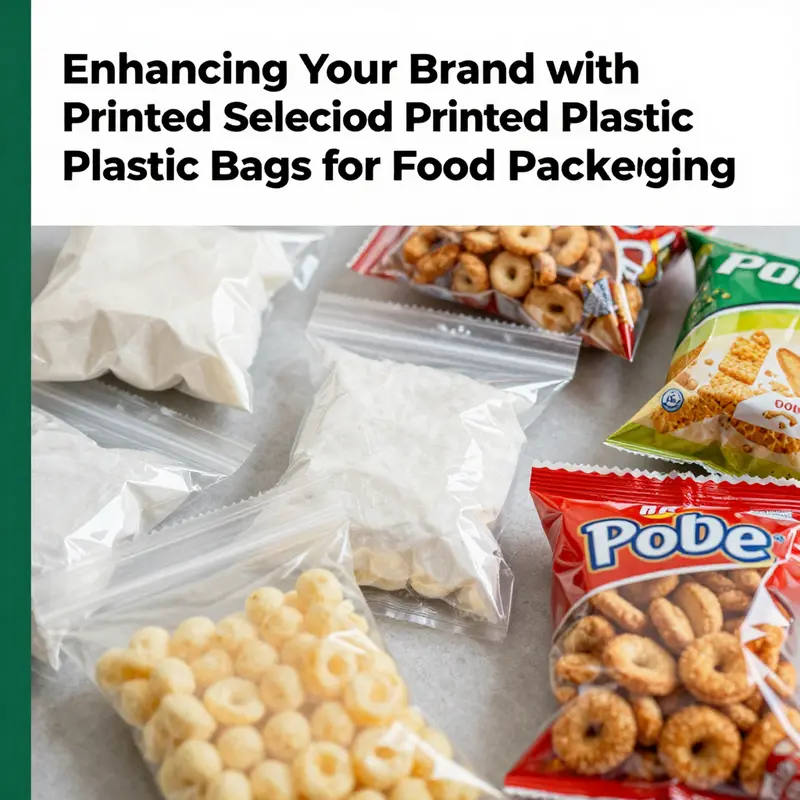
Material selection for food-grade printed plastic bags is a balanced decision that blends safety, barrier performance, printability, and sustainability. The chosen materials must protect the product from moisture, oxygen, and aroma loss while presenting a visual design that communicates brand value. Often, brands use multilayer laminates that combine different polymers and barrier components to meet specific shelf-life and handling requirements, with the outer printed layer serving both protection and marketing.
The three primary resin families that repeatedly appear in bag design are polypropylene (PP), polyethylene (PE), and polyethylene terephthalate (PET). PP offers durability and good print fidelity; PE variants (HDPE and LDPE) provide a spectrum from rigidity to flexibility and moisture barrier performance; PET adds clarity and gas barrier strength, with recyclability considerations. In many cases, these resins are combined in multilayer structures to optimize barrier against water, oxygen, and aromas while maintaining sealability and process compatibility.
Sustainability and regulatory compliance also guide material choices. Designers consider end-of-life options, recyclability, and compatibility with food-contact regulations (for example, FDA guidelines) to ensure safety. The goal is a package that preserves product quality, supports effective branding, and can be responsibly managed through its supply chain.
The Economic Pulse of Printed Plastic Bags in Food Packaging: Cost, Customization, and the Road Toward Sustainability
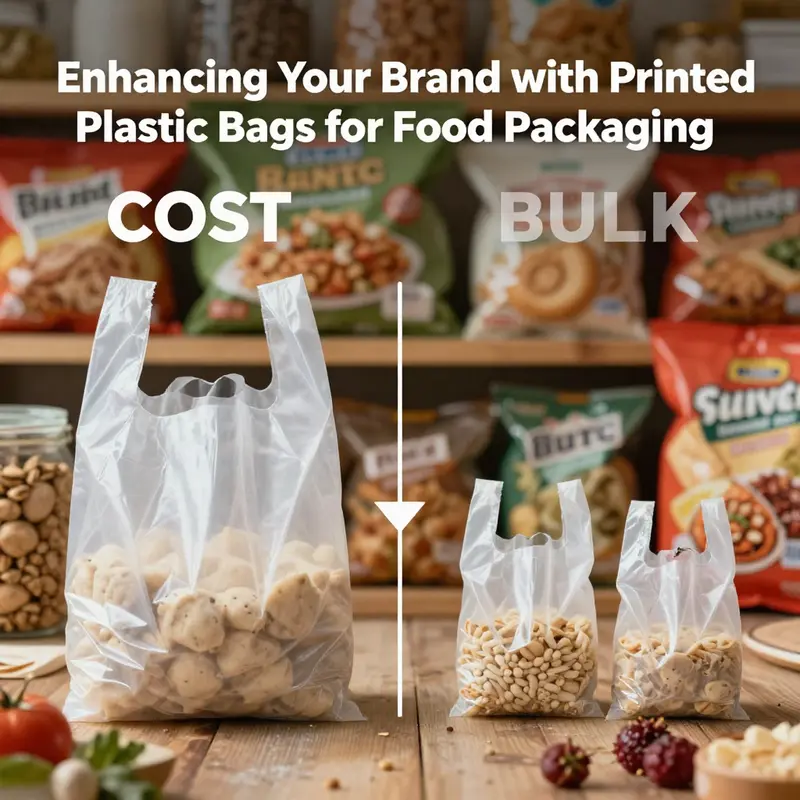
Printed plastic bags for food packaging sit at an intersection where cost, capability, and consumer expectations converge. They are not merely passive wrappers; they are dynamic instruments of branding, protection, and convenience that travel through countless hands from producer to retailer to plate. The economic story behind these bags is not simply about price per unit. It is about how a packaging choice aligns with production economics, regulatory pressures, and shifting social values. In markets around the world, the appeal of printed plastic bags rests on a triad: affordability, versatility, and the ability to convey information and identity at the moment of purchase. The materials themselves—from multilayer films to barrier coatings—are engineered to balance cost with performance. They are designed to protect freshness, minimize moisture intrusion, and extend shelf life, all while providing a canvas for branding and communication. When a retailer or brand considers a packaging line, the decision is influenced by more than the price tag. It is a calculation that weighs the cost of raw materials, the efficiency of the converting process, the economies of scale of production, and the downstream savings from reduced product waste and enhanced consumer appeal. In this sense, the economic impact of printed plastic bags emerges not as a single factor but as a constellation of interacting forces that shape market trajectories and corporate strategies.
At the core of their economic appeal is cost-effectiveness. In many regions, the cost of producing custom printed food bags falls within a broad band that makes them accessible to both small-scale operations and large producers. The production price often reflects a combination of resin cost, film thickness, print complexity, and the sophistication of the packaging format. While the exact price per ton can vary by material makeup and region, the structure of the pricing—set against a minimum order quantity—frames how buyers plan capital expenditure and inventory. A typical model allocates a baseline cost for the raw film and printing work, with incremental charges for color, finish, and the number of design iterations needed to arrive at a market-ready package. This pricing structure—where a minimum order can be a practical threshold—helps producers forecast investment, secure financing, and align packaging purchases with forecasted demand. In many cases, the unit economics improve with volume, making large-volume contracts particularly attractive for established brands that operate across multiple SKUs or regional markets. In practical terms, the affordability of these bags is not just a function of the price per kilogram or ton; it is a reflection of how efficiently a supplier can translate a complex design into a reliable, scalable output at a predictable cost.
The versatility of printed plastic bags is not a cosmetic feature but a fundamental economic asset. Lightweight by design, these bags travel through supply chains with minimal handling costs and a reduced carbon footprint per unit of product carried. The ability to customize translates directly into branding and merchandising advantages. A bag’s surface becomes an informational corridor—stressing ingredients, nutrition facts, allergen warnings, and usage guidance—while simultaneously delivering a visual cue that can communicate quality and trust at a glance. When a brand invests in high-quality printing, the initial outlay can be offset by improved product recognition, faster shelf decisions by retailers, and an increased likelihood of repeat purchases by consumers who value clarity and consistency. In practice, customization extends beyond logos and colors. It includes practical features such as moisture resistance, oxygen barrier properties, and heat-seal compatibility, all of which affect product integrity and waste. A packaging line that integrates these functional attributes with compelling visuals can shorten time-to-market, reduce returns due to spoilage, and support premium pricing where consumers perceive greater value in well-protected, clearly labeled products.
Global market dynamics reinforce the economic significance of printed plastic bags. In many food sectors, plastic bags remain the dominant packaging modality because they combine affordability with robust protective capabilities. The breadth of applications—from snacks and nuts to ready-to-eat meals and frozen goods—reflects a shared reliance on packaging that can withstand varied storage conditions while preserving sensory qualities. This universal applicability helps justify capital investment in printing and converting capabilities, as manufacturers can serve multiple product lines without switching packaging formats. The economic tallies are not just about unit costs; they include the downstream effects of packaging choice on supply chain efficiency, waste reduction, and product integrity. Efficient bags reduce spoilage and mess, lower import-export friction in cross-border trade, and streamline cold-chain logistics by maintaining consistent barrier performance. Taken together, these factors underpin a broad market consensus: printed plastic bags offer a compelling blend of price, performance, and adaptability that is difficult to replicate with many alternative materials.
Yet the economy of printed plastic bags cannot be examined in isolation from environmental costs. The social license to operate for packaging manufacturers increasingly hinges on responsible waste management and environmental stewardship. Statistics illustrating the current state of plastic waste are sobering. A limited percentage—only about 9%—of plastic waste is recycled, while roughly half ends up in landfills and another portion is mismanaged. These figures translate into tangible costs that businesses must confront, ranging from regulatory penalties and potential product stewardship charges to the reputational risks that arise when packaging contributes to visible pollution. The economic implications extend beyond externalities; mismanaged waste and insufficient recycling infrastructure can create supply chain inefficiencies, increase disposal costs, and complicate end-of-life management for packaging materials. In response, many firms are reexamining their material choices, seeking to balance performance with environmental responsibility and regulatory compliance. This tension between short-term cost advantages and longer-term sustainability obligations has become a central driver of strategic thinking in packaging. The industry increasingly recognizes that cost optimization must be paired with responsible design decisions and transparent communication about end-of-life pathways.
Regulatory environments around the world are intensifying attention to single-use plastics and their lifecycle impacts. Governments are implementing policies that raise the cost of disposability, encourage reuse or recycling, and set higher standards for material safety and traceability. The resulting compliance costs are not incidental; they are integrated into the total cost of packaging and can influence supplier selection, product design, and inventory planning. Companies that adopt early adaptation strategies—such as optimizing film configurations for recyclability, reducing additive complexity, or improving barrier properties with thinner layers—often gain a competitive edge. These changes can lower material costs over time, simplify certification processes, and reduce the risk of disruption from regulatory shifts. The financial calculus thus extends beyond unit price to include the costs and benefits of compliance, the predictability of supply, and the potential for favorable access to markets where sustainability criteria are increasingly prioritized by retailers and consumers alike.
The market is also witnessing a shift toward sustainable alternatives that can align with long-term economic advantages. Plant-based materials, biodegradable formulations, and compostable composites are gaining attention as part of a broader transition toward more sustainable packaging ecosystems. The upfront costs of these alternatives can be higher, and some performance characteristics may require adjustments in processing and product handling. However, as consumer preferences tilt toward eco-conscious choices and as regulatory regimes reward lower environmental impact, brands see opportunities to differentiate through sustainability. The long-run economic advantages can include stronger brand loyalty, resilience to policy changes, and alignment with the expectations of a growing segment of environmentally aware consumers. In this evolving landscape, printed plastic bags retain a critical position for many products, particularly where barrier performance and cost control remain nonnegotiable. Yet the trajectory toward sustainability signals a future in which the economics of packaging increasingly incorporate lifecycle costs, resource stewardship, and end-of-life outcomes as essential components of capital stewardship and strategic risk management.
Within this milieu, procurement and supply chain strategies play a decisive role in shaping the economics of printed plastic bags. Buyers seeking efficiency tend to favor suppliers who can deliver consistent quality at scale, with clear definitions of performance standards and predictable lead times. A reliable supplier network reduces the risk of stockouts, production delays, and quality variances that can erode margins. The ability to source standard formats quickly, while still accommodating customized prints, provides a valuable buffer against market volatility. Moreover, the capacity to consolidate packaging purchases across multiple product lines can yield material savings, reduce administrative costs, and simplify regulatory documentation. For manufacturers, these advantages translate into more stable margins, improved cash flow, and greater flexibility to respond to demand shifts without compromising protection or brand communication. The financial logic of bundling packaging needs—primary bags, liners, and related printed components—emerges as a practical approach to optimize procurement, especially when volumes exceed the thresholds necessary to maximize discounts and to streamline production scheduling.
Against this backdrop, the concept of value becomes more nuanced. Value is not only a function of the price per unit or per ton; it is also the certainty of performance, the strength of brand signals, and the alignment with a company’s broader strategic goals. A bag that reliably preserves product quality reduces waste and returns, which translates into tangible savings that may surpass the initial price advantage of cheaper materials. A packaging solution that reinforces brand identity can drive consumer preference and loyalty, increasing basket size and reducing price sensitivity over time. In markets where competition is intense, these intangible benefits can tip the balance in favor of one supplier over another, even when the stated unit costs are close. The economic narrative, therefore, is not a simple ledger entry but a multidimensional assessment that weighs upfront capital, ongoing operating costs, regulatory risk, and the potential for strategic differentiation.
In this sense, the future economics of printed plastic bags will hinge on how well the industry integrates performance with responsibility. Innovation in materials science promises thinner, stronger films with improved barrier properties that can lower total package cost by reducing spoilage without sacrificing print quality. Advances in printing technology can deliver higher-resolution graphics at lower per-unit costs, expanding the range of designs feasible at scale. The design-to-delivery cycle is shrinking as digital printing enables rapid prototyping and faster time-to-market, allowing brands to test packaging concepts with minimal risk and investment. These improvements can fortify margins, especially when combined with standardization efforts that reduce setup costs and waste. Meanwhile, the demand-side drivers—consumer demand for attractive, informative, and sustainably sourced packaging—will continue to push the market toward packaging that earns trust while delivering measurable performance. The bottom line is that the economics of printed plastic bags are evolving in tandem with shifts in technology, policy, and consumer expectations, producing a dynamic equilibrium that rewards efficiency, resilience, and forethought in packaging strategy.
A nuanced look at the economic landscape must also acknowledge the role of information and transparency. Brands increasingly expect packaging suppliers to provide life-cycle data, end-of-life pathways, and clearly defined material compositions. Such information not only supports regulatory compliance but also enhances trust with consumers who scrutinize the environmental footprint of their purchases. The ability to present credible data on recyclability, compostability, or reuse can become a differentiator in crowded aisles and crowded conversations about sustainability. While not every market has mature recycling infrastructure, a package that communicates a clear end-of-life story can still win consumer confidence and retailer support. In markets where recycling rates remain modest, companies may pursue design choices that simplify recovery and minimize contamination in sorting streams. These design decisions—such as selecting materials with established recycling schemes, limiting multilayer constructions that complicate separation, and avoiding additives that hinder recycling—can reduce long-run disposal costs and support regulatory alignment. The economics here are not abstract; they translate into practical decisions that affect procurement, manufacturing, and the ultimate perception of a brand’s responsibility.
To illustrate the broader context, imagine a typical packaging line that serves several product categories with varying requirements for barrier protection, print complexity, and thickness. The line must accommodate different film blends while preserving throughput and minimizing downtime. When a product requires a stronger moisture barrier, the cost profile may shift upward, but the risk of spoilage and waste decreases, which can yield savings that offset the higher material cost. Conversely, a lighter design that sacrifices some barrier strength may reduce raw material costs but increase waste risk, shifting the economics toward higher spoilage-related losses. The balancing act is delicate and highly specific to product type, storage conditions, and distribution networks. What remains clear is that the most successful packaging strategies optimize a portfolio: they mix formats that deliver essential protection at predictable costs with prints that maximize impact and clarity. In this way, the economic value of printed plastic bags is not a single metric but a composite measure that reflects materials science, manufacturing discipline, and strategic brand thinking.
The literature and market observations converge on a crucial insight: while the world seeks sustainable paths, the practicalities of food safety, shelf stability, and supply chain reliability keep printed plastic bags central to many packaging ecosystems. The objective for manufacturers and brands is not to select one path in perpetuity but to build adaptable systems. These systems can pivot between high-performance, low-cost configurations for everyday products and more sustainable or enhanced-functionality designs where market signals and regulations favor them. The outcome is a packaging strategy that remains economically viable today while positioning the business to respond to future shifts in policy, consumer values, and technological capabilities. In this light, printed plastic bags emerge as a resilient, adaptable component of the food packaging landscape—capable of delivering consistent protection, clear branding, and measurable value allocation across the supply chain.
For readers seeking a broader, contextual view of how these dynamics play out in large-scale manufacturing and international trade, a survey of industry overviews emphasizes the breadth and depth of the market. The sources highlight how composition, standards, and supply chain considerations influence the role of plastic-printed bags in industrial projects and global distribution. While the specifics vary by region and product category, the overarching narrative remains consistent: cost, capability, and consumer expectations together determine the economic trajectory of printed packaging, and those trajectories are increasingly influenced by environmental responsibility and policy developments that shape costs and opportunities alike. As the market evolves, stakeholders will increasingly assess packaging choices through a holistic lens that accounts for performance, price, sustainability, and brand equity in equal measure. Only then can a business confidently invest in packaging that protects what matters—product quality, consumer trust, and the long-term viability of the enterprise.
Internal link for further context: For a concise look at related packaging options that prioritize sustainability while maintaining performance, explore Kraft paper packaging options. Kraft paper packaging options.
External reading: For a broader industry overview and data points on plastic-printed bag composition and market dynamics, see this external resource. https://www.alibaba.com/product-detail/China-Plastic-Printed-Bags-Overview-Composition_1600347879529.html?spm=a2700.1.x.1
Final thoughts
The strategic use of printed plastic bags for food packaging reaches far beyond mere convenience. By prioritizing customization and carefully selecting materials that align with health standards, food businesses can not only enhance their branding efforts but also improve cost efficiency. Investing in quality packaging delivers significant returns through increased customer satisfaction and loyalty. As the demand for visually appealing and functional packaging grows, staying ahead in both quality and economic considerations can set your business apart in a crowded market.