
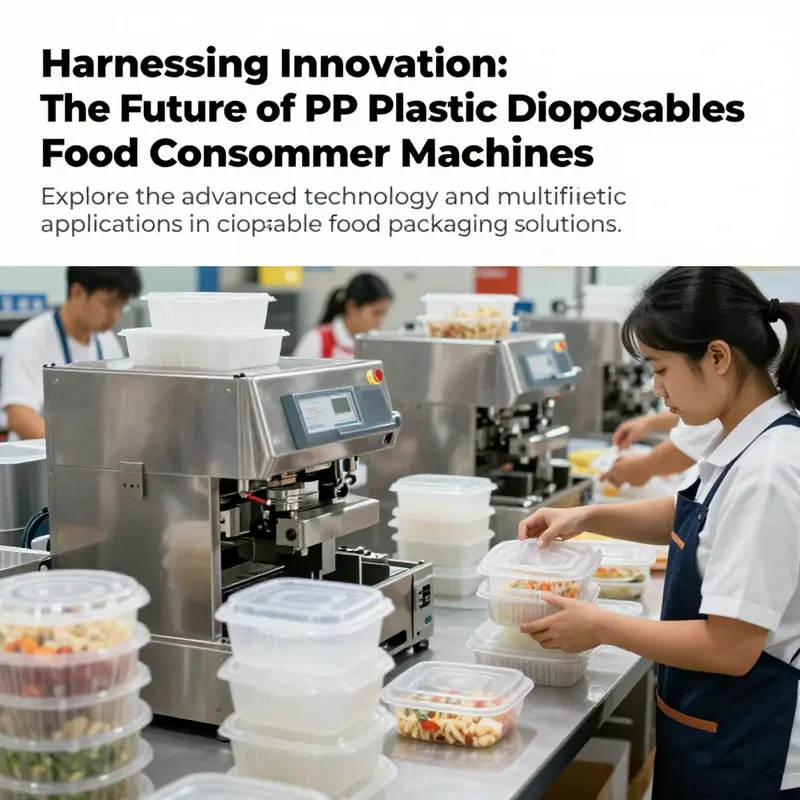
The fast-evolving landscape of the food service industry necessitates innovative solutions for packaging and serving food. As businesses seek sustainable and efficient ways to meet consumer demands, PP plastic disposable food container machines emerge as essential tools. These machines not only enhance production efficiency but also enable customization to cater to various culinary needs. In the upcoming chapters, we’ll delve into the advanced technology that powers these machines, explore their efficiency and customization features, uncover the diverse applications within the food industry, and highlight the importance of compliance with safety standards for a reliable operation.
From Lamination to Lifespan: The Advanced Engineering Behind PP Plastic Disposable Food Container Machines
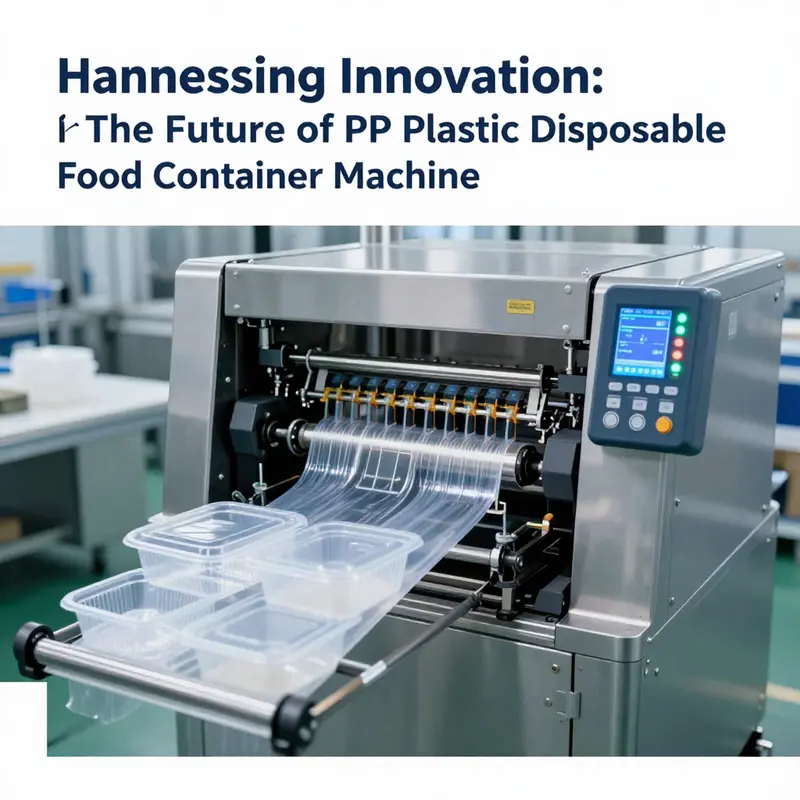
The development of polypropylene (PP) plastic disposable food container machines marks a turning point in how the food industry balances efficiency, hygiene, and environmental responsibility at scale. These machines embody a convergence of material science, mechanical engineering, and process control that translates raw PP sheet into a stable line of consumer-ready packaging. They are not mere toy anvils of mass production; they are carefully engineered systems whose every component—from the heating strategy to the clamping pressure and from the feed mechanism to the stack-counting manipulator—works in concert to deliver consistent geometry, strong seals, and clean edges. The result is a product that can withstand the variances of a bustling kitchen, a hot-to-cold shelf life, and the demands of microwaves, while still aligning with rigorous food-safety standards. To understand this evolution, one must look beyond the obvious end products and examine the integrated technologies that govern heat, material behavior, and automation in a continuous, scrupulously hygienic environment.
At the heart of these machines lies a sophisticated thermoforming process designed to exploit the properties of PP. PP is prized for its clarity, toughness, and chemical resistance, making it well suited for a wide variety of containers—from soup cups to take-out boxes and beyond. The first major leap in advanced systems is the laminated heating method, which distributes heat evenly across the sheet in a way that minimizes hot spots and warping. Uniform heating is not a cosmetic concern in this context; it is the primary determinant of wall thickness uniformity, the definition of the mold cavity, and the soldering-like integrity of the formed seams. In practical terms, the laminate approach reduces cycle-to-cycle variation and improves the predictability of material flow into the mold. This matters because even small deviations can translate into seal failures or edge burrs, which in turn compromise hygiene or stackability during automated handling. A well-executed lamination strategy thus pays immediate dividends in downstream automation by reducing the need for manual intervention and reworks.
Moving film punching technology represents another cornerstone of advanced lines. The lever here is to synchronize punching with the forming process so that holes, perforations, or trimming operations occur in a single, clean stroke rather than as an afterthought. The elimination of secondary punching steps addresses a critical hygiene concern: secondary operations are notoriously difficult to sanitize thoroughly, and residual particulates can migrate into crevices during washing and sterilization cycles. By integrating punching into the forming phase, operators gain a post-punch cleanliness that aligns with strict sanitary standards and high-temperature cleaning protocols. This feature is complemented by the use of moving film mechanisms that keep the punching area enclosed and away from potential contaminants. Such design choices reduce contamination risk and contribute to a consistently hygienic production footprint, even under demanding production schedules.
Process control in these machines is another area where modern engineering yields tangible benefits. Positive and negative pressure control, along with hybrid cycles that blend pressurized and depressurized forming, allow for precise shaping of complex geometries with tight tolerances. In a traditional thermoforming line, achieving a uniform wall thickness and robust formed walls depended primarily on press force and dwell time. The more advanced approach integrates pressure management with real-time feedback from sensors that monitor temperature, thickness, and mold contact. The result is a programmable cycle that can adapt to variations in PP sheet density, ambient temperature, or minor changes in sheet feed. The immediate consequence is not just higher yield; it is reproducible performance across tens of thousands of cycles. In the context of food packaging, such repeatability translates into consistent sealing, predictable shrinkage behavior during cooling, and reliable fit with lids or downstream accessories. Every improvement in this domain reduces the need for manual sorting, trimming, or rework—activities that introduce human contact points and potential contamination.
A fully automatic operation helps close the loop between production and quality. The automation chain typically starts with automatic sheet feeding and synchronizes heating with mold indexing. After forming, the formed parts are conveyed to punching or trimming stations and then to a cutting or scoring zone. A sophisticated robotic manipulator then retrieves finished items, stacks them, and counts them as they accumulate in a pallet or crate. The beauty of such a line lies not merely in the absence of human hands during the core operations; it lies in how each station communicates with the next. Digital controllers, networked sensors, and standardized interfaces ensure that a single fault can be traced quickly, and that adjustments can be deployed without halting the entire line. This level of integration reduces downtime, improves worker safety by removing repetitive handling tasks, and ensures that product quality remains within stringent specifications, even as demand ebbs and flows.
The post-processing phase is often overlooked in broader discussions of thermoforming, yet it is a crucial differentiator in a hygienic, efficient packaging system. Advanced lines minimize or even eliminate post-processing steps that once required manual punching or cutting. By bringing secondary operations into the primary forming line, the equipment reduces layout complexity and lowers the potential for cross-contamination that can occur when parts are moved between machines. The sanitization profile of these lines is carefully engineered: tool paths, chamber architectures, and drain systems are designed to withstand frequent washdowns and the elevated temperatures used to sanitize equipment in food-contact environments. In practical terms, this means a cleaner, faster, and safer production environment. Operators benefit from a simplified workflow, while producers gain in uptime, quality consistency, and regulatory compliance.
The selection of materials is also a crucial axis of this advanced technology. Food-grade PP, coupled with a corrosion-resistant stainless-steel framework, creates a durable, corrosion-resistant ecosystem that resists the kinds of wear and chemical exposure typical in a busy manufacturing setting. The composite structure of these machines is designed to endure long hours of operation, harsh washdowns, and frequent part replacements without sacrificing precision. PP’s broad temperature tolerance—from sub-freezing to hot, microwave-ready conditions—broadens the range of packaging formats that a single machine can support. The material’s performance characteristics allow designers to push for thinner walls and more efficient heat transfer, which in turn can shorten cycle times and reduce energy consumption. It is a careful balance: the walls must be thick enough to withstand thermal cycling and mechanical handling, yet not so thick as to waste material or impede heat transfer. The best modern lines achieve this balance through simulation, iterative testing, and a modular approach to mold design, enabling rapid reconfiguration for new shapes or sizes as consumer preferences shift.
Another dimension of the technology is the hygiene-first engineering philosophy that underpins these machines. The moving parts at the heart of the molding and punching systems are enclosed in sanitary enclosures with easy-clean surfaces and minimal crevices. The choice of fasteners, seals, and coatings is guided by long-standing food-safety principles, ensuring that cleaning agents do not degrade components or leave residues that could compromise product safety. The sanitization protocols extend to the tooling itself—molds, punches, and forming dies are designed for straightforward access, while integrated drainage channels prevent the pooling of liquids during wash cycles. The result is a line that stays compliant with international safety standards and meets the high expectations of food-service operators for reliability and cleanliness.
From a commercial perspective, the implications of these technological advances are profound. Higher output efficiency arises not merely from faster cycles but from reduced variability and tighter process control. When walls are consistently formed and edges are clean, downstream packaging operations—such as lid application, labeling, and stacking—proceed with fewer interruptions. This leads to tangible cost savings: less waste, lower labor costs, reduced scrap rates, and improved energy efficiency. Even small improvements in cycle time accumulate to meaningful gains at scale. A line that can push more containers per hour without compromising hygiene or form stability translates into a shorter capital payback period and a lower cost-per-unit of packaging produced. In markets where margins are tight and demand can be volatile, such resiliency is a decisive competitive advantage.
The assurance of safety and regulatory compliance is woven into every design decision. Equipment providers pursue certifications and standards that reassure operators about the reliability and safety of their lines. The summarized attributes—food-grade materials, corrosion-resistant components, cleanability, and traceable manufacturing practices—align with well-established safety criteria. Compliance is not an afterthought but an integrated attribute of the engineering philosophy. This holistic approach enables manufacturers to meet the strict requirements of diverse markets, whether the end-use is take-out meals, meal-prep services, or institutional catering. In a global supply chain, where packaging formats evolve with consumer expectations, the ability to adapt quickly to new shapes, sizes, and specifications is a strategic asset. The combination of flexible design and rigorous quality control ensures that a single line can respond to demand shifts without sacrificing the integrity of the packaging, its safety, or its performance under temperature stress.
The dialogue around packaging choices in the contemporary food ecosystem often centers on sustainability, recyclability, and end-of-life scenarios. While PP-based containers offer clear performance advantages, producers increasingly consider the full lifecycle, evaluating how automation can be leveraged to optimize material usage, facilitate recycling, and reduce waste. In this context, the advanced machinery described here plays a dual role. On the one hand, precise forming and trimming reduce scrap, saving resin and reducing waste streams. On the other hand, consistent quality makes recycling streams more straightforward by ensuring uniform wall thickness and predictable edge finishes, which simplifies subsequent processing. The result is a packaging system that not only performs well in use but also aligns with ongoing efforts to improve the environmental footprint of food packaging. In practical terms, this means better resource management, easier integration with recycling systems, and a clearer pathway toward more sustainable manufacturing practices without compromising the consumer experience.
In the broader narrative of industrial automation, the PP plastic disposable food container machine stands as a exemplum of how modern manufacturing blends physical engineering with digital oversight. The throughput, precision, and cleanliness demanded by food packaging are met not only through mechanical prowess but also through the intelligence embedded in control systems, sensors, and process recipes. The integration of automatic feeding, heating, forming, punching, cutting, and robotic handling creates a self-contained value chain that reduces manual handling and elevates product consistency. The human role shifts from performing repetitive tasks to overseeing system health, adjusting recipes for new shapes, and ensuring safety protocols are followed. As manufacturers face the evolving expectations of quick-service restaurants, cloud-based data transparency, and stringent hygiene standards, the capacity to adapt with minimal downtime becomes an essential asset. The machines thus serve not only as production tools but as flexible platforms for ongoing optimization, enabling operators to respond to changing menus, seasonal packaging needs, and new regulatory requirements without sacrificing throughput.
For those who study or practice packaging technology, a key takeaway is the importance of holistic design thinking. The most successful lines are not defined by the speed of one single station but by the harmony of the entire chain. A well-tuned heating module that shares data with the forming station will not only shorten cycle times but also reduce defect rates. A robust sanitary enclosure that keeps the punching zone pristine will lower maintenance costs and improve uptime. And a control architecture that can learn from each cycle—adjusting dwell times, pressures, and trimming offsets—offers a path toward more autonomous operation while maintaining traceability and safety. This is the essence of advanced engineering in PP thermoforming: it is about creating a system where each part reinforces the others, producing a dependable, scalable, and compliant packaging solution that can meet the demands of large-scale food packaging production.
As the industry continues to evolve, the role of these machines in shaping packaging design cannot be overstated. A line that can accommodate a broad range of container geometries, while preserving the integrity of the molded part, catalyzes innovation in container aesthetics and functional features. Think of deeper-formed bowls for premium meals, or more intricate edge profiles that improve stacking stability. Each new form challenges the machine to sustain accuracy under tighter tolerances, maintain smooth surfaces, and guarantee sanitary compliance through more aggressive cycles. The lessons learned from long-run deployment in high-volume environments translate into a feedback loop that informs mold design, control software, and maintenance practices for future generations of equipment. The result is a self-reinforcing cycle: better machines enable better packaging concepts, and better packaging concepts, in turn, demand more capable machinery.
Finally, it is worth re-emphasizing the practical context in which these systems operate. Food-service businesses rely on packaging that holds up from the moment of filling to the moment it reaches the consumer’s table. The advanced technologies outlined here support that journey by delivering reliable performance across a spectrum of temperatures, handling stresses, and service durations. They also enable operators to manage a portfolio of products—from single-serve cups to multi-compartment trays—with a single, adaptable platform. This flexibility reduces capital expenditure, lowers the barriers to experimentation with new packaging formats, and helps businesses scale responsibly as demand grows. In short, the sophisticated engineering behind PP plastic disposable food container machines is not just about making containers fast. It is about making packaging safer, more consistent, and more adaptable to the evolving needs of a modern food ecosystem.
For readers curious about practical references to related packaging materials and design trends, you can explore additional context through related packaging formats that share a focus on convenience, safety, and environmental stewardship. Internal link: disposable kraft paper bowl for food package with lid. External reference: https://www.alibaba.com/product-detail/Fully-Automatic-Disposable-Plastic-Food_1600634835627.html
Efficiency and Customization: How PP Plastic Disposable Food Container Machines Redefine Modern Packaging Through Speed, Flexibility, and Hygiene
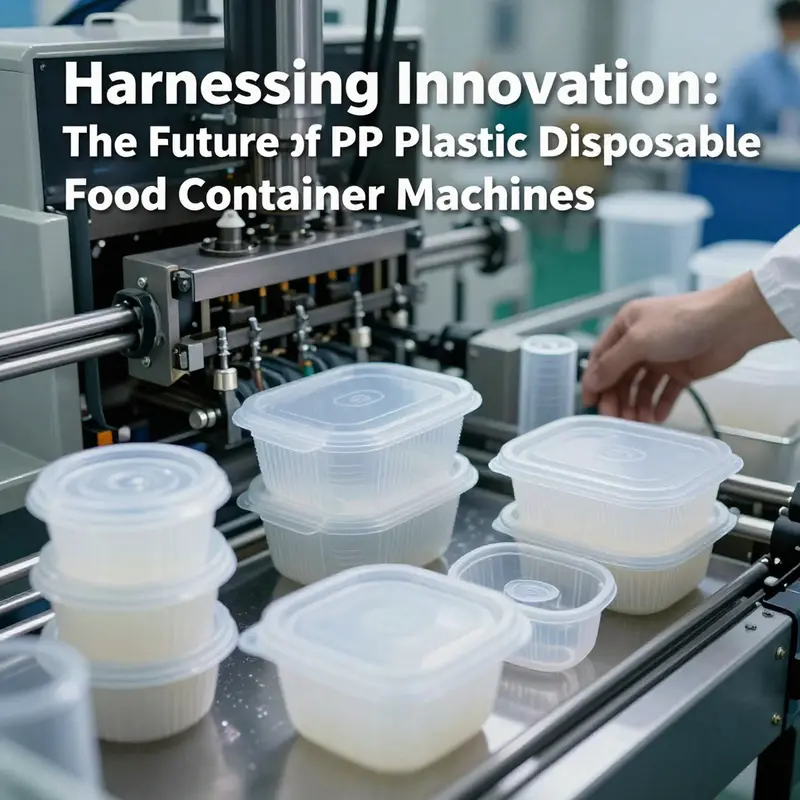
The demand for fast, reliable, and safe packaging has never been higher. In this landscape, PP plastic disposable food container machines stand out as pivotal enablers, turning high-volume production into a carefully calibrated balance of speed, precision, and adaptability. These machines, built around thermoforming principles, leverage heat-softened polypropylene sheets to form a wide array of containers—from compact cups and bowls to larger takeaway boxes and trays. The underlying driver is not merely speed but an integrated capability set that minimizes downtime while expanding the range of products a single line can produce. When discussing efficiency and customization in PP plastic disposable food container machine production, it is impossible to overlook how advances in automation, material handling, and process control converge to reshape both cost structures and product design.
At the heart of these machines lies a streamlined, continuous workflow. A heated platen softens PP sheet material in a controlled cycle, after which a forming mold defines the container’s geometry. The forming process is augmented by features that reduce variability, such as precision temperature control, uniform pressure application, and meticulous shutoff timing. This careful orchestration translates into uniform wall thickness, stable dimensions, and consistent look and feel—an outcome especially important for consumer-facing packaging where perception often equates to quality. Crucially, the equipment is designed for low contamination risk. The forming zone is engineered to minimize particulate introduction, and the entire line can be configured to meet stringent hygiene standards required by food-safety authorities. In practice, this means fewer rejects, tighter tolerances, and a more predictable yield per shift, even as product complexity grows.
The efficiency gains are multi-faceted. First, cycle time reductions are achieved through optimized mechanical design and smarter automation. In comparative terms, these thermoforming systems can push output speeds roughly 20% higher than older or more manually intensive setups. That improvement does not occur in isolation; it is supported by robust automation that coordinates heating, forming, trimming, and discharge without unnecessary intermediate handling. The implication is a manufacturing floor where uptime is maximized, and bottlenecks in material flow or tooling changes are minimized. The result is not only higher throughput but also greater stability in daily planning. For facilities with fluctuating demand—such as those serving both meal delivery and takeout operations—the ability to scale output up or down without major retooling is a meaningful competitive advantage.
Flexibility is another cornerstone. These machines are designed with interactive controls that enable customizable presets for container sizes, shapes, and thicknesses. The thickness range, for instance, can span from 0.3 mm to 2.0 mm, depending on the target product line. With simple parameter adjustments, operators can switch from forming a compact soup cup to a larger, rugged takeout box or tray, all on the same line. This capacity for rapid line changeover makes the technology attractive to manufacturers who must respond quickly to evolving menu trends, seasonal promotions, or new contract requirements. The ability to fine-tune dimensions and wall thickness without disassembling tooling reduces downtime associated with changeovers and helps maintain consistent quality across product families.
The material portfolio supported by these machines further extends their value. PP remains a preferred choice for many disposable containers due to its balance of rigidity, clarity, chemical resistance, and cost. Yet the same machines are engineered to handle a broader class of food-safe materials—PS, PET, and PLA—where market needs or sustainability goals favor alternative substrates. The compatibility with multiple polymers does not compromise safety or compliance. On the contrary, it enables producers to align packaging choices with regional regulations and customer expectations for food-grade standards. Across markets, CE and ISO certifications serve as benchmarks that these systems meet, offering a signal of reliability and performance that suppliers and end users alike rely on when planning large-scale deployments.
A defining feature of modern PP plastic disposable food container machines is their capacity for continuous operation. With 24-hour production capabilities, manufacturers can satisfy large-scale demand without sacrificing product uniformity. Long runs require machines that are not only fast but also robust and predictable in performance. The core materials—stainless steel and reinforced composite structures—contribute to longevity in harsh industrial environments where humidity, cleaning agents, and high cycle counts test equipment every shift. The emphasis on durability dovetails with energy-conscious design. Even as throughput climbs, intelligent heat management, precise servo controls, and efficient drive systems help reduce energy usage. In some configurations, energy efficiency approaches or surpasses a 20% reduction in operating costs compared with traditional designs, a difference that compounds over months and years of production.
In practice, an integrated line that handles from material feed through forming, trimming, and stack counting embodies the shift toward lean, automated manufacturing. A single-pass workflow minimizes manual intervention and the potential for human error. Film feeding, automated punching, cutting, and stack counting can occur within a single, continuous loop, reducing labor costs and limiting opportunities for secondary pollution or cross-contamination. This seamless progression is particularly valuable in sectors where sanitation is paramount, and where product quality can be compromised by exposure to handling or environmental contaminants. By eliminating manual touching points and consolidating tasks, the overall process becomes more predictable and easier to monitor with in-line sensors and quality checks.
From the operator’s perspective, the human–machine interface is a focal point of practical efficiency. Modern PP plastic disposable food container machines present intuitive controls that allow operators to predefine standard formats and run sequences. This capability reduces the cognitive load on plant floor staff and shortens training cycles for new operators. In addition, remote diagnostics and modular design simplify maintenance. If a component shows signs of wear, it can be replaced with minimal downtime, and trained technicians can diagnose issues without removing critical tooling from the line. The outcome is a more reliable production schedule, with fewer unplanned stoppages and better adherence to customer delivery windows.
The practical implications extend to post-processing and packaging. A line that includes accurate, automated stack counting contributes to inventory accuracy and downstream packaging efficiency. In environments where fulfillment speed is a priority, being able to feed counted, ready-to-pack units into secondary packaging, labeling, and palletizing steps reduces cycle times and improves overall throughput. The automation strategy also supports traceability. By integrating with plant-wide data collection, each batch can be associated with material lots, forming the basis for quality assurance records, recalls if ever needed, and continuous improvement programs.
Beyond throughput and changeover speed, the material and process choices influence total cost of ownership. The use of durable stainless steel and robust composites helps mitigate corrosion and wear, protecting investment in high-use machines. While the initial capital cost may be substantial, the longer-term savings accumulate through reduced scrap rates, lower labor intensity, and diminished downtime. The environmental footprint of production also shifts with the line’s efficiency profile. Lower energy draw, less waste from rejected parts, and better control of process parameters all contribute to a more sustainable operation, aligning with broader industry moves toward responsible packaging while preserving the economic appeal of PP-based solutions.
In terms of after-sales support, the value proposition becomes more tangible. Reputable machine providers often couple the sale with on-site engineering services, operator training, and extended warranties on core components. This level of service helps facilities maintain peak performance over several years and supports rapid response to any production hiccup. The combination of strong after-sales support and modular, upgrade-friendly architecture positions these machines as scalable investments—capable of accommodating growth, product diversification, and evolving safety standards without requiring a wholesale equipment replacement.
From a design and packaging perspective, the customization afforded by these lines is transformative. Product designers and packaging engineers can push toward new shapes, volumes, and material combinations, confident that the forming machinery can realize these concepts without prohibitive tooling costs or lengthy downtime. The result is a packaging ecosystem that can respond quickly to consumer preferences while preserving the clean, controlled process that modern manufacturing demands. However, this flexibility also requires disciplined process control and systematic validation. Each new format must be tested for dimensional accuracy, sealing performance, and compatibility with subsequent filling and sealing lines. In practice, this means investing in validation runs, quality checks, and process documentation to ensure that changes translate into reliable, repeatable output rather than sporadic results.
Amidst these technical considerations, sustainability remains a central thread. While PP is generally recyclable, the broader packaging strategy must account for end-of-life handling, waste streams, and consumer expectations for responsible packaging. The capability to switch materials on demand—while maintaining a high level of process stability—allows manufacturers to explore greener options when market conditions favor them or when customers request more sustainable solutions. In many markets, this flexibility is essential to balancing cost, performance, and environmental goals. The modern PP plastic disposable food container machine thus embodies a pragmatic approach: deliver high-quality, safe packaging fast, while preserving the option to adapt material choices in response to regulatory, logistical, or consumer-driven shifts.
For readers seeking a tangible sense of how these capabilities translate into real-world packaging ecosystems, it helps to consider design alternatives that align with sustainability goals. One relevant direction is the use of kraft paper-based packaging in combination with or as an alternative to plastic containers. These designs leverage biodegradable or recyclable substrates and can be produced with a similar degree of efficiency on advanced forming lines when integrated with suitable automation strategies. For instance, manufacturers exploring hybrid packaging formats—where paper-based shells are paired with plastic inserts or liners—can benefit from the same precision control, changeover agility, and continuous processing ethos that define modern PP forming systems. Such cross-material versatility expands the palette of design options while keeping production lean and predictable. If you are curious about specific packaging formats and their market fit, you can explore examples such as disposable octagonal kraft paper packaging, which demonstrates how design and material choice influence both aesthetics and performance on takeout platforms. disposable octagonal kraft paper packaging.
As the industry continues to integrate smarter sensors, predictive maintenance, and digital twins into PP plastic disposable food container machines, operators gain a clearer view of process health, product quality, and energy performance. Data-driven adjustments can fine-tune heating curves, pressure profiles, and mold temperatures to maintain uniformity across shifts while accommodating slight variations in raw material properties. The combination of advanced control software, robust hardware, and an emphasis on hygienic design creates lines that are resilient under diverse production schedules and material assortments. In turn, this resilience supports longer equipment lifespans, better uptime, and a more stable supply chain—factors that matter in industries where contract manufacturers must meet strict delivery windows and high quality standards consistently.
For those who want to anchor this discussion in a broader external reference, industry coverage and supplier catalogs are often the most practical sources of validation. A leading market listing provides concrete data on full automation capabilities, including auto-feeding, heating, forming, punching, trimming, and stack counting in a single continuous process flow. This example illustrates how the core concepts described here translate into an actual production line capable of delivering reliable, high-volume output with minimized labor input and reduced contamination risk. External resource: https://www.alibaba.com/product-detail/Fully-Automatic-Disposable-Plastic-Food_1600634835627.html
Shaping Safe, Ready-to-Heat Meals: The Applications and Impact of PP Plastic Disposable Food Container Machines
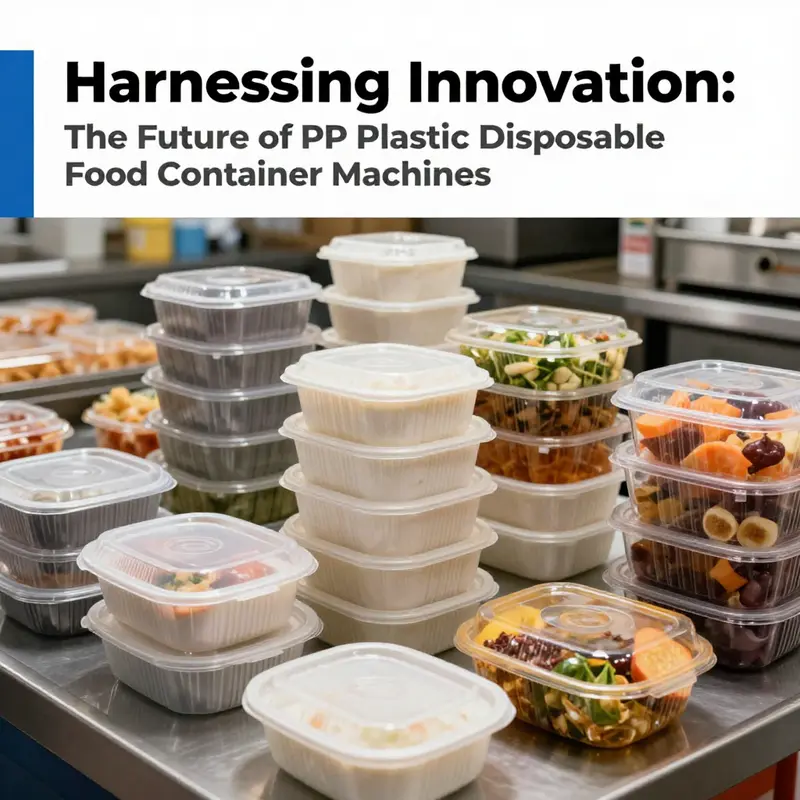
Between the hum of conveyors and the steady heat of forming stations, a quiet transformation travels from the kitchen to the counter and beyond. PP plastic disposable food container machines have become the backbone of modern packaging operations, turning sheets of polypropylene into precise, hygienic, and virtually trouble-free containers. The material itself brings a simple yet powerful set of properties to the table: robustness under heat, chemical resistance, and a remarkable balance of clarity and strength when needed. In a market that increasingly prioritizes safety, recyclability, and practicality, these machines do more than shape containers. They standardize quality, accelerate throughput, and reduce human intervention in critical sanitation steps. The result is a workflow that can keep pace with rising demand while maintaining rigorous food safety standards. At a deeper level, the technology embodies how automation and materials science intersect to support a supply chain that must deliver hot meals, cold desserts, soups, and sauces in containers that customers can trust from kitchen to consumer. What happens inside these machines is not just a sequence of heating, seating, and trimming. It is a carefully choreographed performance that integrates material science, mechanical design, and process control into a cohesive system. The core promise is straightforward: a reliable, food-grade container that can withstand the rigors of transport and reheating, without compromising taste, texture, or safety. In that sense, the PP thermoforming and related forming processes act as a bridge between raw material and consumer experience. The ability to heat and hold foods within the same packaging medium simplifies workflows in kitchens and catering operations alike, enabling faster service and cleaner handoffs. The machines are designed around a few essential decisions: the choice of a food-grade PP grade, the configuration of heating drums or infrared arrays, the geometry of thermoforming dies, and the efficiency of waste management. Each decision is a balance between performance, cost, and sanitation. A robust frame of corrosion-resistant stainless steel and durable polymer components ensures longevity in industrial environments. The materials are chosen not only for their strength but also for cleanability. Surfaces are finished to minimize edge nicks and micro-crevices where residues could hide, and the equipment is designed for easy disassembly so that sanitation teams can meet stringent cleaning protocols without sacrificing uptime. In practice, the equipment blends a modular atmosphere with a tightly controlled cycle time. The PP sheet, typically in a roll or a panelized form, moves into a chamber where heat softens it to a precise viscosity. The softened sheet is drawn into a mold, where a forming press shapes it into the vessel or tray. Cutting, trimming, and punching next separate the parts into usable pieces and prepare edges that will not injure food or grip during handling. A stack-and-count mechanism then prepares the finished items for packaging or downstream assembly, all under the watch of sensors that verify dimensions, wall thickness, and surface integrity. This approach makes the process resilient to minor material variation and ensures that even when a line runs at high speed, the final containers stay within exacting tolerances. The entire cycle relies on precise temperature control, accurate pressure profiles, and synchronized motion. The heat sources—whether layered heaters or rapid-fire infrared arrays—must deliver uniform heating across the sheet to avoid thinning or warping in corners. The forming tools, including molds with deep cups or shallow trays, must reproduce their features cleanly each cycle. The punching and trimming stages, often aided by servo-driven knives, are tuned to remove flash and waste with minimal kerf loss. The storyboard of operations is complemented by a robust control logic that can adjust cycle times on the fly, reprogram container footprints, and store presets for different product families. In many facilities, operators can predefine a library of container profiles—lunch boxes, clamshells, bowls, and trays—so a single line can switch from one container family to another with minimal manual intervention. This flexibility is not merely a luxury; it is a strategic response to the diversity of today’s food service demands. The considerations extend beyond shape and size. The packaging must withstand the journey from kitchen to consumer, preserve the food’s quality during transport, and tolerate reheating in homes or workplaces. PP provides a broad temperature window, resisting deformation from hot sauces to hot soups, and tolerating brief microwave exposure without compromising safety. The material’s chemical inertness is also valuable when packaging has to cope with acidic dressings or oily components that might otherwise interact with less stable plastics. These capabilities are not accidental; they reflect a deliberate alignment of material properties with processing capabilities. The forming process is complemented by sanitation-friendly design choices. Surfaces are smooth, corners are radiused, and the tools are shielded to minimize cross-contamination risks. The line is engineered to avoid unnecessary manual handling, which reduces opportunities for contamination and optimizes overall hygiene. The trend toward automation also aligns with regulatory expectations for food-contact materials. Many machines carry certifications that reflect international safety and quality standards. They are designed to minimize the chance of migration of contaminants from equipment into food, and they support traceability requirements through integrated data capture. In practical terms, this translates into a comparatively lower risk of recalls and returns, an outcome that matters to large-scale operators and to smaller kitchens alike. As a result, the trade-off between upfront capital investment and long-term operational savings tends to tilt in favor of automation when volumes begin to justify it. The claims of efficiency are not limited to speed. The reflective probability that a line can run with fewer interruptions makes a big difference in cost per unit. Even a modest 10 to 20 percent improvement in production efficiency, when multiplied across thousands of units each day, translates into meaningful savings. The modern PP container line is often designed to accommodate downstream automation, such as robotic pick-and-place systems, which can stack, count, and palletize finished containers with even greater consistency. This end-to-end capability reduces manual handling, mitigates human error, and supports safer workplace conditions. When customers rehearse a meal at home, the containers are expected to withstand reheating without color change, warping, or leakage. PP temperature resistance supports this scenario, enabling a broader set of use cases from microwavable meals to oven-ready dishes, while maintaining a tight structural profile that prevents collapse or rupture during transport. The universality of PP as a food contact material then becomes a strategic advantage for operators who aim to serve multiple segments—from quick-service restaurants to hospital cafeterias. In supply chains where speed and safety are non-negotiable, the ability to customize container footprints and process presets without sacrificing sanitation is a decisive factor. The industry’s appetite for automated lines grows alongside growing emphasis on sustainability. PP offers recyclability potential that, if managed properly, aligns with policy frameworks and corporate goals seeking to reduce landfill burden. The life cycle of PP containers—from resin to container to recycled feedstock or energy recovery—presents an actionable pathway for packaging programs that work within circular economy principles. Yet the journey is not without its challenges. The push for higher speeds must be balanced against the need for uniform wall thickness, consistent sealing interfaces on lids, and safe edge finishes. The interplay of heating profiles and mold design becomes critical as operators seek to optimize both productivity and product quality. In some facilities, engineering teams adopt lean manufacturing principles to minimize energy use and heat losses. Heat recovery systems can capture and reuse energy, while improved insulation reduces the overall energy footprint of the line. The overall result is a packaging ecosystem where automation, material science, and hygiene converge to deliver containers that travel well, perform reliably in consumer kitchens, and remain compliant with evolving safety and environmental standards. The versatility of PP containers is evident across market sectors. In fast food and quick-service contexts, the containers are chosen for their durability and microwave compatibility, enabling customers to reheat meals directly in the container without fear of melting or leakage. This is a crucial attribute as takeout and dine-at-home experiences converge into a seamless consumer journey. In meal prep and catering, PP containers hold up under the pressure of portioning and transit, preserving the integrity of soups, stews, salads, and hot entrees. The ability to withstand elevated temperatures during service and during home heating reduces the risk of containers softening or deforming, which can undermine the presentation and perceived quality of the meal. In institutional settings, the hygiene and standardization advantages become even more pronounced. Hospitals, schools, and corporate cafeterias rely on uniform packaging to support scalable operations. PP containers offer consistency in volume, shape, and performance while supporting waste diversion strategies. The same materials used to package ready-to-eat meals in hospitals may also be used for frozen entrées in other contexts, illustrating the breadth of application. For frozen meal packaging, the clarity and opacity options of PP enable brand differentiation and product visibility. The containers can be designed to showcase logos, labels, and nutritional information while still retaining mechanical integrity under freezing and subsequent reheating. In a broader sense, the trade-offs that packaging designers face involve more than the container itself. They include the overall system cost, the energy efficiency of the forming line, the ease of sanitation, and the regulatory compliance landscape. The modern PP container line responds to these demands with modularity and adaptability. Operators can specify the number of forming stations, the degree of automation in trimming and punch operations, and the sophistication of stacking and counting mechanisms. The result is a line that scales with demand while maintaining a stringent hygiene regime and stable output quality. It is also worth noting that the choice of mold design and shutoff mechanisms affects how quickly a line can switch between product families. Mold changes can be performed with minimal downtime when done with standardized components and a modular tooling approach. This capability is especially valuable in markets that require frequent changes in container shapes or sizes as consumer preferences shift, or as seasonal promotions drive different packaging formats. As the industry continues to evolve, the role of PP container technology will likely expand further into integrated packaging ecosystems. Automation will not only handle forming but will also coordinate with downstream processes such as labeling, sealing, and aseptic handling. The ability to capture data at every stage—temperature, pressure, cycle count, wall thickness—will enable more precise quality control and facilitate continuous improvement. The implications extend beyond the factory floor. For food service operators, the availability of reliable, heat-tolerant, and hygienic packaging simplifies the decision-making process when sourcing containers across multiple locations. For suppliers and manufacturers, the ability to offer standardized yet customizable lines reduces the risk of overproduction and waste. The ecosystem now balances the needs of speed, safety, and sustainability in ways that resonate with modern consumers who demand convenience without compromising their values. In this broader context, packaging choices reflect a commitment to safety and to the broader goals of responsible manufacturing. Even as alternatives such as paper-based systems gain traction in some segments, the PP container line remains an indispensable workhorse for many food service and industrial settings. Its evolution continues to be driven by innovations in materials, interface design, and process automation, all aimed at delivering containers that are resilient, hygienic, and adaptable to a changing world.
For readers who want to explore packaging options beyond plastics, a relevant reference can be found in kraft paper packaging solutions, such as a kraft paper bowl designed for food packaging with a lid, which demonstrates how packaging systems can diversify while still prioritizing safety and practicality. See this example here: kraft paper bowl for food packaging with lid.
From a technical standpoint, industry observers also recognize the value of external resources that document the capabilities of fully automated processes. External resources provide a sense of scale and the global context in which these machines operate. A comprehensive overview of fully automated disposable plastic food container pallet making and related processes is available from leading supplier channels online, offering insights into core technology parameters, certifications, and practical case studies. Access the external resource here: https://www.alibaba.com/product-detail/Fully-Automatic-Disposable-Plastic-Food_1600634835627.html.
Safeguarding Food and Future: Compliance Pathways for PP Plastic Disposable Container Machines
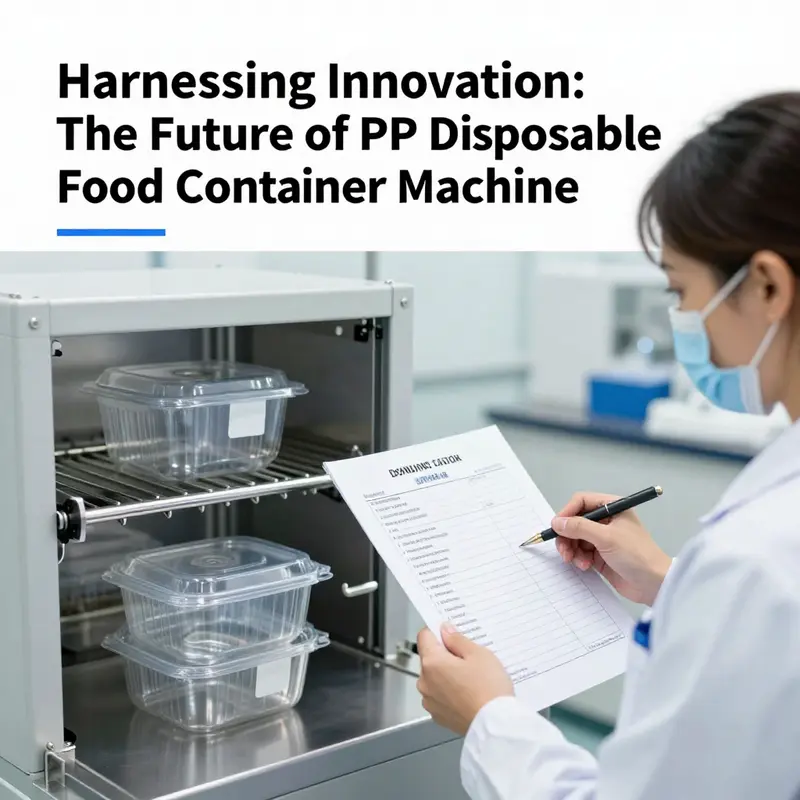
The journey from raw polypropylene to a finished disposable food container starts long before the first mold is closed. It begins with a precise commitment to safety, traceability, and environmental responsibility that must be baked into every stage of design, manufacture, and operation. In a market where food-contact packaging is scrutinized across multiple jurisdictions, a PP plastic disposable container machine cannot simply produce containers that look the part. It must support products that are genuinely safe for food contact, behave predictably under microwaving and hot holding, and align with ambitions to reduce waste and energy use. The compliance conversation, therefore, spans material science, mechanical design, process control, and the broader regulatory landscape. When a machine integrates all these dimensions, it does more than enable production; it builds trust between manufacturers, suppliers, and dining customers who expect safety, quality, and accountability with every tray, cup, or lid that leaves the line. In this light, the core question becomes not only how fast a machine can run, but how confidently it can prove that what it produces will not introduce risk to consumers or the environment over the container’s entire life cycle. The answer rests on concrete standards that govern the materials, the machinery, and the many processes that connect them from raw stock to finished packaging. At the material level, the emphasis is on food-grade polypropylene that is BPA-free. The raw PP must comply with international food safety expectations so that migration of substances into foods—particularly under heat or repeated use—remains within safe limits. This is not mere regulatory trivia; it is the practical boundary that determines whether a packaging line can claim compatibility with microwaving, hot liquids, or long-term storage. The U.S. regulatory framework, centered on FDA guidelines like 21CFR177.1520, provides one anchor. It sets a standard for the chemical composition of plastics used in contact with food and frames how those materials may interact with food under typical domestic conditions. The European context adds another layer, where the combination of EU Regulation 1935/2004 and the plastic-specific provisions, such as Regulation (EU) 10/2011, shapes what counts as acceptable materials for food contact in the European market. The combined perspective from these frameworks is not merely a checklist; it is a map of permissible material behavior that machine designers and operators must understand and respect. For a machine, this means selecting PP resins and additives that support predictable performance across a range from freezing to microwaving, and ensuring that the forming process does not introduce contaminants or residues that could migrate from the container to the food. The machine’s own construction matters as much as the material it forms. A CE-certified thermoforming system signals compliance with European health, safety, and environmental protection standards that influence everything from electrical safety to cleanability. A robust machine design employs corrosion-resistant stainless steel for contact surfaces, sealed joints that minimize crevices, and hygienic plastics or coated components where appropriate. The aim is to avoid any design that could harbor food residue or become a point of microbial risk during routine maintenance or cleaning. In practice, that means adopting hygienic design principles that facilitate thorough sanitation without compromising mechanical performance. The choice of materials—both for the PP stock and for the machine itself—must be guided by compatibility with food safety requirements and the realities of an industrial setting. The plastics used must not only resist heat but also tolerate repeated washing, occasional sterilization, and microwaving, all without releasing volatile compounds that could mingle with food. The machine must handle these materials in a way that preserves their safety profile across cycles, even as operators adjust sizes, shapes, or the exact dimensions of the containers. This underlines the importance of flexible, operator-friendly control systems. Advances in automation enable pre-set, adjustable container dimensions and shapes, so production lines can pivot quickly to supported configurations without sacrificing consistency. When the forming cycle begins, the heating, forming, and punching stages must synchronize with precise timing and controlled temperatures. Modern lines employ layer-based heating and membrane punching techniques to shape PP stock cleanly and consistently. Such approaches reduce the risk of secondary contamination during the forming and trimming steps, an especially important consideration for food-contact packaging where even microscopic residues can matter for consumer perception of safety. In a well-designed system, the transfer of formed parts to downstream handling—whether a stacking cell, counting mechanism, or robotic picker—occurs within a closed, contamination-controlled environment. The clean transfer reduces manual intervention, which not only lowers labor costs but also minimizes opportunities for human error or cross-contamination. The end of the line is where compliance evidence really comes to life. The finished containers must withstand the rigors of their intended use: microwaving, hot liquid storage, cold chilling, and refrigeration. Microwave safety is a common test, as is resistance to warping at elevated temperatures. Regulatory and quality practitioners expect data from third-party laboratories to verify these properties. BV and other ISO-based testing ecosystems provide the independent verification that the containers perform as claimed and that the packaging remains safe under the full spectrum of consumer use. In the real world, this is not an abstract concern. Food-packaging producers learn quickly that a well-run compliance program reduces the risk of product recalls, market withdrawals, or reputational damage when consumer safety questions arise. A compliant machine therefore embodies a workflow that documents material specification, process controls, and traceability at every stage. This is not just about the container’s safety; it is about the integrity of the entire process that creates it. Quality management expectations extend beyond the machine’s immediate outputs. They encompass material supplier qualification, incoming material inspection, and ongoing monitoring of process parameters such as cycle times, clamp force, and forming temperature. The design intent is to ensure that every batch of PP stock used on the line remains consistent with the safety and performance criteria demanded by regulators and customers alike. When a packaging line is equipped with well-documented batch records and validated operating ranges, it becomes easier to demonstrate compliance during audits or regulatory inspections. The challenge, then, is to harmonize oft-divergent standards across regions with the pragmatic realities of manufacturing. The machine’s CE certification confirms its alignment with EU directives, enabling access to European markets and the confidence of buyers who require demonstrable adherence to safety, health, and environmental protections. Yet safe operation is not a one-time check; it is a continuous discipline. Ongoing supplier qualification, periodic revalidation of material properties, and routine maintenance of the forming molds all contribute to sustained compliance. The integration of these elements into a single, auditable system is what separates a compliant line from a risk-laden one. As production lines become more automated, the role of automated handling for finished parts also increases. The risk of contamination during demolding, cutting, and stacking can be mitigated by technologies that minimize human contact with the formed containers. In addition, the use of food-grade PP that is BPA-free contributes to a lower risk profile for consumers who rely on these containers for daily use, including microwave heating and hot beverage service. The environmental dimension of compliance should not be overlooked. Material choices that support recyclability and reduce weight contribute to lower energy demands across the container’s life cycle from production to disposal. When PP is lighter and more easily recycled, it supports broader sustainability goals that many manufacturers and customers now expect. The regulations and standards described above interact with broader production practices that emphasize waste minimization, scrap management, and clean production environments. A line designed with waste reduction in mind helps ensure that any trimmed edges or defective blanks are recoverable or recyclable, rather than incinerated or landfilled. The mechanical design must also consider cleanability, as poorly cleaned equipment can become a hidden source of cross-contamination that regulators may require to be addressed in an audit. The safety and compliance equation is completed by rigorous testing and auditing. Third-party laboratories verify that the finished containers meet microwave and high-temperature performance expectations. They also assess the food-contact safety of the entire chain—from stock resin to finished part—ensuring that migration limits are respected and that no hazardous byproducts are introduced during processing. In practice, this means that a compliant PP plastic disposable container machine is more than a line; it is a traceable, auditable system that supports consistent output with documented safety margins. The broader regulatory ecosystem is dynamic. Material science evolves, new additives are introduced, and consumer expectations about safety and sustainability shift over time. A compliant machine accommodates these changes by enabling requalification of materials, revalidation of process controls, and rapid adaptation of line configurations. It also supports responsible supplier relationships, with clear specifications and testing requirements that keep the supply chain transparent and resilient. For manufacturers, the payoff of investing in compliance is clear: greater assurance of product safety, more reliable production performance, and stronger market access. When a plant can demonstrate that every batch of product has been produced under validated conditions, with materials that meet rigorous food-safety standards, stakeholders gain confidence. That confidence translates into more stable supplier contracts, fewer interruptions, and a better platform for scaling up to meet growing demand. The consumer ultimately benefits through safer, more consistent packaging that performs as expected in real-world use. The path to this outcome is not a single action but a continuous sequence of design choices, testing protocols, and quality controls that begin at the raw material supplier and end with a documented compliance certificate attached to each shipment. In practice, that means a relentless focus on material safety, hygienic machine design, controlled forming processes, and robust post-production verification. It also means staying attuned to evolving standards across jurisdictions and embracing third-party verification as a core component of quality assurance. For readers seeking a concrete reference to the scale and capability of the fully automated systems used to produce disposable plastic food containers, industry sources point to marketplace examples that showcase automation, shipping-ready configurations, and integrated handling that minimize human intervention. A representative reference site discusses fully automatic disposable plastic food container pallet-making machines, illustrating how automated lines combine material handling, heating, forming, punching, trimming, and stacking into a continuous, sanitary workflow. This external resource provides context for the kinds of capabilities that compliance-minded manufacturers expect from modern equipment. https://www.alibaba.com/product-detail/Fully-Automatic-Disposable-Plastic-Food_1600634835627.html
Final thoughts
The adoption of PP plastic disposable food container machines is a critical step toward enhancing productivity and sustainability in the food service sector. By leveraging advanced technology, ensuring compliance with safety standards, and embracing the potential for customization, businesses can better meet their operational demands and customer expectations. These machines are not merely a means for production but an investment in the future of food packaging solutions that align with modern ideals of efficiency and reliability.