
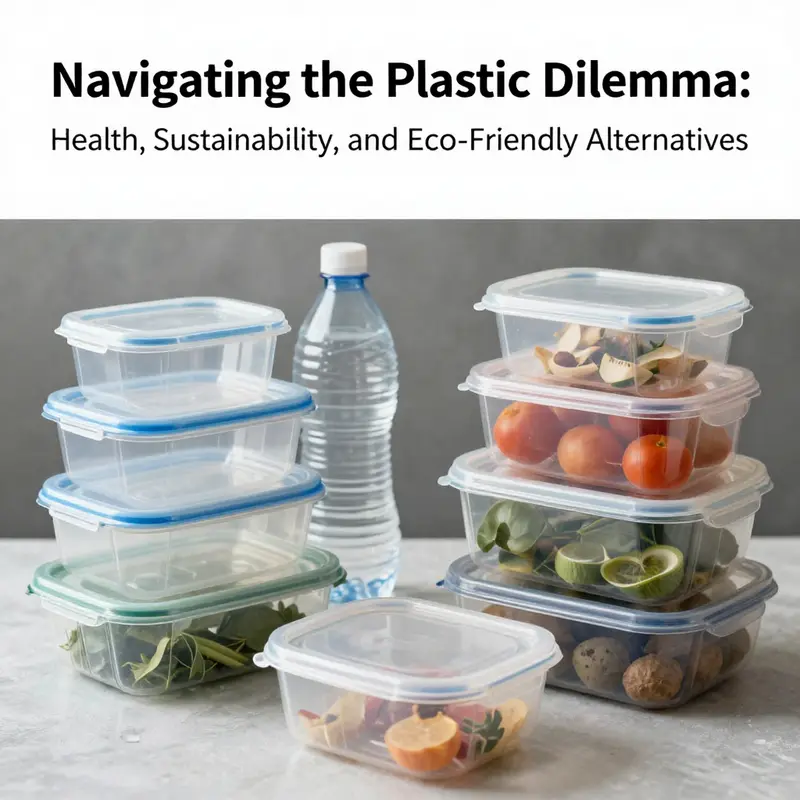
As the food and beverage industry embraces convenience and efficiency, the reliance on plastic food storage containers has grown. However, growing concerns over health risks and environmental impact urge businesses to rethink their strategies. This article delves into the health risks associated with plastic containers, explores sustainability challenges they pose, and presents eco-friendly alternatives that can align with your business values. By understanding these factors, bubble tea shops, restaurants, food trucks, catering services, and corporate procurement teams can make informed decisions that protect their customers and the planet.
When Safer Isn’t Simple: Health Risks in Plastic Food Storage and the Rationale for Safer Alternatives
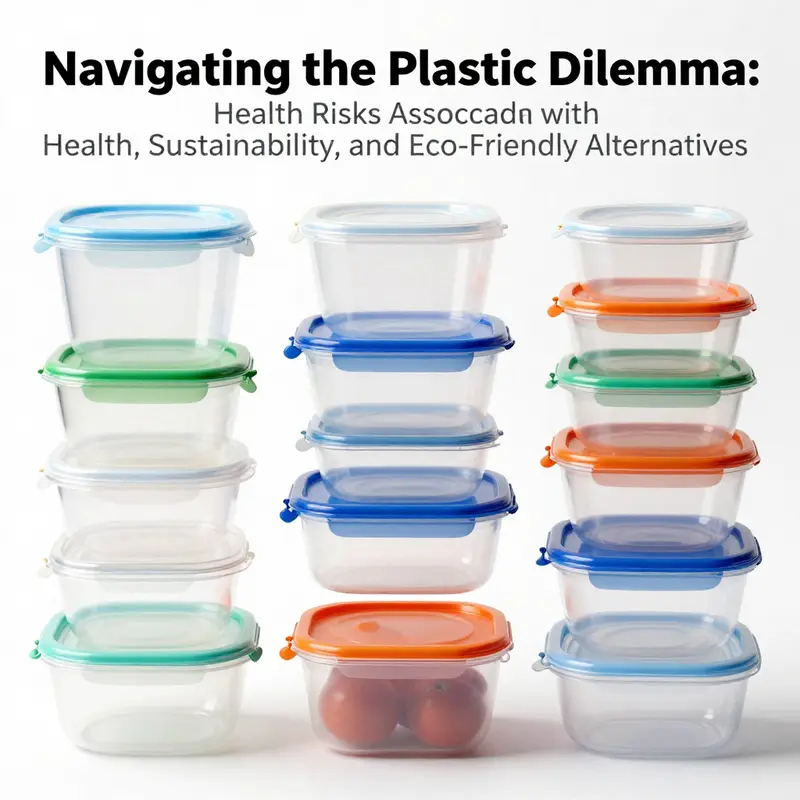
Plastic has become the default choice for storing, transporting, and reheating food. Its convenience is undeniable: light, durable, and endlessly customizable, with containers designed to handle everything from liquids to leftovers. Yet the very features that make plastic attractive—its flexibility, low cost, and resistance to shattering—also raise questions about long-term safety and health in ways that go beyond the kitchen counter. This chapter threads a clear through-line from the materials science of plastics to the lived realities of daily use, pointing readers toward safer choices without simplifying the trade-offs. It begins with a sober recognition that even containers marketed as BPA-free or FDA-approved live in a gray zone once heat, acidity, or repeated use come into play, and ends with a practical, psychologically manageable pathway toward safer, more sustainable storage habits that do not demand perfection but reward consistency.
At the heart of the concern is the possibility that certain plastics can release chemicals into food under conditions that frequently occur in everyday life. Not all plastics are equally risky, and not every exposure will translate into measurable harm. But the chemistry of leaching is well established: when plastic polymers are in contact with heat or acidic or fatty foods, small molecules can migrate out of the material and into the food or beverage. The substances of primary concern include bisphenols, such as BPA and its substitutes like BPS, as well as phthalates and other additives that were historically used to make plastics more flexible or durable. Each of these compounds has its own profile of biological activity, and many are classified as endocrine-disrupting chemicals (EDCs). Endocrine disruption can influence hormonal signaling in delicate ways, with potential consequences for development, reproduction, and metabolic regulation. While the presence of these chemicals in a single meal may not be alarming, repeated exposure over months and years raises questions about cumulative burden and susceptibility, particularly for children, pregnant people, and other vulnerable groups.
The risk is magnified by the reality of everyday use: people often reuse containers, wash them repeatedly, or subject them to microwave heating. Each of these practices can, over time, increase the likelihood that additives migrate into food. Additionally, the properties that make plastic containers so versatile—opacity, texture, and resilience—can deteriorate with use. Cloudiness, warping, scratches, cracking, or persistent odors are not just cosmetic problems; they signal structural compromise at the micro-level. When a container’s integrity is compromised, micro-erosions can become conduits for chemical migration, and micro- or nanoplastic fragments can themselves migrate into food or beverages in some circumstances. The upshot is a lifecycle view: a container that starts as a seemingly inert vessel can, after repeated use, heat exposure, and wear, become a dynamic, partly unsealed source of chemical and particulate exposure.
Compelling evidence about microplastics adds another layer of concern. Microplastics—tiny plastic particles generated by wear, friction, and breakdown of larger plastic items—have been detected in human tissues and fluids, including blood and lungs, and even in placental samples. This discovery reframes plastic use from an environmental problem into a potential direct exposure pathway for people. Microplastics can carry adsorbed chemical residues, including additives used in the plastics themselves, which means exposure could be dual: the physical presence of particles and the chemical exposure associated with those particles. While the exact health implications of microplastic exposure are still being explored, the cumulative nature of these data is clear: plastics in everyday storage contribute to a broader exposure landscape that modern science is only beginning to fully map.
Even labels like “microwave-safe” deserve scrutiny. The designation often implies a level of safety for reheating, but it does not guarantee freedom from migration. Repeated heating cycles can enhance chemical migration, alter the physical state of the plastic, and change how readily additives leach into foods. The complexities of real-world use mean that a container marked as microwave-safe may still present reduced safety under certain conditions, particularly when used with acidic foods, liquids near boiling temperatures, or during long reheating intervals. The practical implication is not to discard the concept of microwave safety but to recognize its conditional nature and to plan storage and reheating practices accordingly.
To ground this discussion in a concrete comparison, it is useful to contrast plastics with alternatives that offer different safety profiles. Glass, especially borosilicate or tempered glass, is notably inert. It resists leaching and maintains a stable surface across a broad range of temperatures. Glass does not micro-rub off polymers into food to the same extent and is less likely to accumulate microplastic fragments. Silicone, on the other hand, motivates a different set of safety and sustainability considerations. Silicone containers are highly durable, flexible, and safe across a wide range of temperatures, making them popular for freezing, microwaving, and dishwashing. Stainless steel offers another inert option, though it carries its own considerations about reactive metals, coatings, and the potential for denting or scratching. Bioplastics—where they live in the spectrum of safety and compostability—offer a path toward reduced fossil fuel dependence, but the long-term behavior of some bioplastic formulations under heat and in contact with certain foods remains an area of active research. The central tension is not a binary choice between plastic and non-plastic but a nuanced assessment of how a given container’s material properties intersect with use patterns, food type, and temperature history.
From a consumer health perspective, the safest general guidance is to limit exposure by reducing the potential pathways for migration and microplastic shedding. A practical first step is to avoid heating food in plastic containers whenever possible. Even when a plastic container is labeled as safe for microwaving, repeated heating can alter its chemical and physical characteristics in ways that increase the propensity for leaching. Transferring meals or liquids to glass before reheating creates a more stable barrier between food and potential contaminants. This is not merely a precaution for rare or extreme cases; it aligns with a broader precautionary approach that recognizes how everyday exposure accumulates over time. It also mirrors the lifecycle reality of plastics: the longer a container is in use, the more likely its surface has degraded and its barrier properties have weakened.
Another part of the equation concerns degradation signs long observed by sustainability researchers and material scientists. Clouding, warping, scratches, or persistent odors are not merely cosmetic flaws; they are important signals about the integrity of the container. Scratches and ends of life in plastic storage often create micro-niches where microbes can hide, but they also increase the likelihood of micro-erosions that can shed plastic particles into food. The practical response is not to discard every used container at the first sign of wear, but to recognize when reuse has become counterproductive to safety and to replace aged items promptly. This is a small but meaningful shift in daily habits that reduces cumulative risk without requiring a radical overhaul of all kitchen practices.
The health conversation around plastics is also a conversation about environmental health and how our choices in the kitchen ripple outward. The broader reality is that most plastics are derived from fossil fuels, and recycling rates remain disappointingly low. The U.S. Environmental Protection Agency and other bodies have consistently highlighted that a small fraction of plastics ever produced is ultimately recycled. This mismatch between production and end-of-life outcomes means that even well-intentioned reuse practices contribute to a system where plastics persist in environments and can fragment into microplastics that eventually find their way into soils, waterways, and, through the food chain, into human bodies. Taken together, these threads—chemical leaching, microplastic exposure, and the relationship between use-life and degradation—build a risk narrative that is not about sensational warnings but about incremental, cumulative risk that grows with exposure and time.
In this context, the role of safer storage alternatives becomes not merely a preference but a necessary adjustment in daily life. The safest options—glasses made from inert materials, stainless steel, and high-quality silicone that can withstand repeated cycles of freezing, heating, and washing—offer different risk profiles and operational advantages. Glass preserves the flavor and integrity of food because it is chemically inert and does not accumulate harmful coatings or particles through typical use. It does not require special handling beyond standard cleaning and is compatible with most reheating methods when transferred to a microwave-safe container or vessel. Stainless steel shares that inert character and is particularly robust for travel and bulk storage, although it may be less convenient for certain kitchen tasks that require see-through monitoring of contents. Silicone, widely available and versatile, provides a flexible alternative for compact storage, portioning, and freezing, while maintaining a more stable barrier against migration than some plastics—though even silicone is not entirely without risk if it is heavily degraded or used with reactive foods.
There is also a practical, consumer-oriented dimension to safety that involves how people think about containers in their day-to-day routines. If a container shows clear signs of wear or has held food with strong odors, it is reasonable to err on the side of replacement. If a container is used daily and subjected to frequent heating, it may be prudent to replace it on a schedule that anticipates material fatigue rather than waiting for cosmetic signs to appear. In parallel, adopting a mindset that prioritizes safer alternatives whenever feasible can reduce exposure exposure over time. This involves planning meals and storage in ways that minimize the need for reheating in plastic, segregating leftovers that will be heated and eaten soon from those that require longer storage, and embracing a rotational approach to container types so that no single material bears the majority of daily use.
For those who still operate within a plastic-centric routine, there are pragmatic, evidence-informed practices that can help minimize risk without abandoning the convenience that plastics offer. First, avoid heating or microwaving food in plastic containers, even if labels suggest it is microwave-safe. The safest practice is to transfer hot foods and liquids to a glass or other inert container before reheating. Second, be attentive to the physical condition of containers. Replace any item that has scratches, cloudiness, cracks, warping, or persistent odors. Third, minimize the storage duration of acid-rich or fatty foods in plastic, and avoid storing highly acidic items in clear, transparent plastics that may give a misleading sense of safety due to visibility alone. Fourth, wash containers with mild detergents and avoid abrasive scrubbing that can accelerate micro-scratches, and avoid dishwasher cycles that expose plastics to high heat unless the manufacturer explicitly supports it. Finally, when replacements are necessary, consider materials with stronger inertness and durability—glass, tempered glass, and stainless steel—as default options for households seeking to reduce exposure while maintaining convenience.
In parallel with these personal choices, there is a broader movement toward safer, more sustainable packaging ecosystems. The shift toward reusable, non-toxic alternatives—steel, glass, silicone, and certain compostable bioplastics—addresses both personal health and planetary well-being. The logic is empirical as well as ethical: non-leaching materials, resilient structures, and end-of-life options that do not perpetuate pollution and microplastic fragmentation. This does not demand a monastic overhauling of kitchen habits, but it does invite a thoughtful recalibration. For households already dealing with limited budgets or tight space, the most impactful step can be prioritizing a small set of versatile containers in durable materials and repurposing them for multiple uses, rather than maintaining a sprawling collection of inexpensive yet short-lived plastics. The economics of this approach are encouraging as well: while the upfront investment in durable vessels may be higher, the long-term waste reductions and the decreased risk of exposure can translate into meaningful cost savings and peace of mind over years.
To anchor this discussion in a practical, real-world frame, consider the lifecycle of a typical food-storage habit. A user might start with a mixed set of plastic containers of varying sizes, many of which age quickly due to frequent washing or heating. As wear accumulates, the likelihood of chemical migration and microplastic shedding rises, and the sensory cues—foggy surfaces, off-odor, or a changed taste in stored foods—signal that the container has crossed into a degraded state. At that point, the prudent step is to replace or supplement plastic with glass, steel, or silicone options. This approach acknowledges both the necessity and the limits of plastic in modern life while prioritizing health, safety, and sustainability. It also aligns with the broader evidence base that highlights the non-trivial health and environmental considerations associated with long-term or repeated exposure to plastics in food contact contexts.
For readers seeking a deeper dive into the science behind these conclusions, a peer-reviewed examination published in PMC provides a rigorous synthesis of current findings on plastic food container safety. The study details how migration patterns of bisphenols, phthalates, and other additives are influenced by heat, acidity, and repeated use, and it articulates the health concerns associated with such exposures, including hormonal disruption and metabolic impacts. It also situates these chemical risks within the broader context of microplastic exposure, which is increasingly documented in human tissues and underscores the urgency of safer storage practices. While the literature continues to evolve, the message is already clear: reducing reliance on plastic for long-term or high-heat food storage can meaningfully diminish cumulative exposure and support overall well-being.
Internal link note: for readers interested in practical, safer takeaway packaging options that align with the shift away from plastics, a relevant resource provides accessible examples of durable, reusable alternatives. This page highlights non-plastic, recyclable packaging solutions that embody the kind of pragmatic transition many households can adopt without sacrificing convenience. disposable kraft paper bowl for food package with lid
External resource: for a more technical review of plastic container safety and the nuances of chemical migration under real-world conditions, consult the peer-reviewed article available at https://www.ncbi.nlm.nih.gov/pmc/articles/PMC11253687/. This resource offers a detailed account of the factors that drive additive migration, the health implications associated with chronic exposure, and the methodological approaches used to assess risk across different plastic polymers and use scenarios. The study reinforces the call for vigilance in everyday storage practices and supports the broader shift toward safer, more inert materials in routine food handling.
Between Convenience and Contamination: Navigating the Sustainability Challenge of Plastic Food Storage Containers
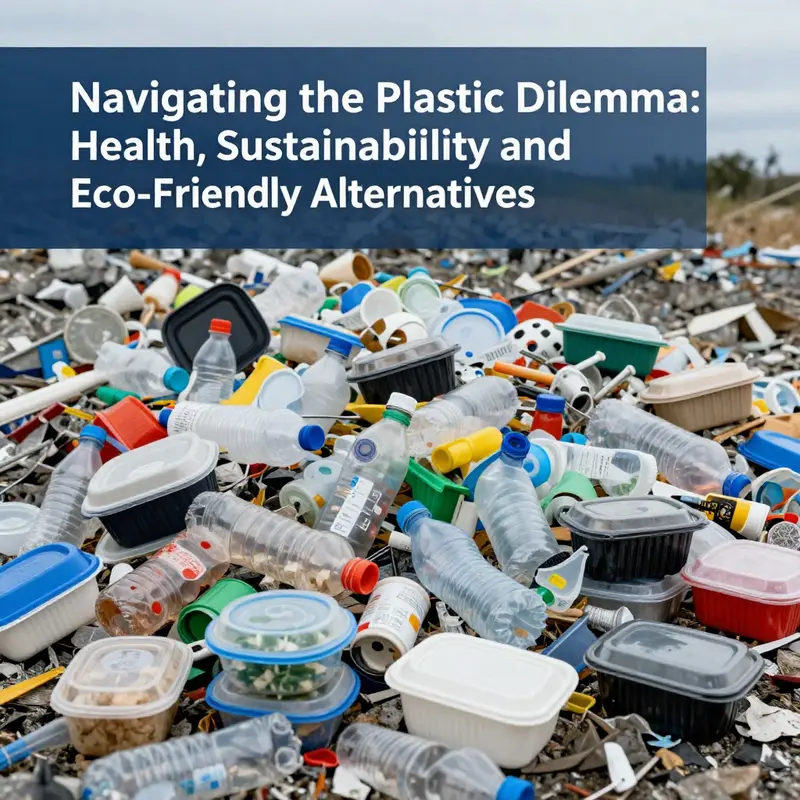
Everyday life hinges on plastic food storage containers. They are lightweight, stackable, transparent, and affordable, turning rough meals into portable portions and chaotic leftovers into orderly stock. Yet beneath this everyday convenience lies a complex, evolving conversation about sustainability that touches the environment, human health, and the systems that produce, manage, and reuse packaging. The sustainability challenges of plastics used in food storage cannot be reduced to a single flaw or a simple choice between good and bad. They are the product of material science, industrial design, consumer behavior, and policy that together determine the long-term footprint of the containers that keep our food safe. In this sense, the issue is not only what plastics can do for us today but what our choices enable or constrain for tomorrow. When we look beyond the kitchen counter, the same plastics that help preserve freshness also participate in a cycle whose consequences unfold over decades, even generations, and across ecosystems and organ systems that connect all people to the same planet.
Environmental persistence is the most visible anchor of this debate. Conventional petrochemical-based plastics are designed to resist degradation, not to disappear. They accumulate because modern life continuously regenerates demand for packaging while consumer and industrial systems still rely on a single-use mentality or extend the use of durable containers with repeated washes and refills. The result is a vast, stubborn reservoir of plastic waste that takes hundreds of years to break down. If one-third of all plastic waste ends up polluting oceans, soils, or air, the other two-thirds continues to affect other life cycles through leakage, fragmentation, and downstream waste management challenges. The environmental cost ripples outward, creating a chain of externalities that includes habitat disruption, wildlife injury, and the emergence of microplastics that permeate air, water, and food.
Microplastics have shifted from a muffled environmental concern to a direct public health question as research begins to map their presence in human tissues. Ingested plastics can fragment into micro- and nanoplastic particles that resist digestion and persist in the body. When food contact materials are strained under heat, aging, or mechanical stress, these particles can migrate from packaging into foods and beverages, turning a safety concern into a food safety concern. The health implications are still being clarified, but early signals point to inflammatory responses, cellular stress, and potential metabolic disruptions that warrant precaution, especially in vulnerable populations such as pregnant individuals, children, and the elderly. The realization that microplastics may travel through the food chain to end up in human tissues reframes a previously abstract environmental problem as a direct, everyday exposure. The full health consequences remain uncertain, but the precautionary principle invites careful design choices and informed consumer behavior to minimize exposure while the science catches up.
If the environmental and health narratives are the surface of the issue, the deeper currents run through the lifecycle and the economics of packaging. Bio-based plastics—made from crops, bacteria, or other renewable feedstocks—are often promoted as a more sustainable alternative to fossil-fuel-based plastics. In practice, however, the shift toward bio-based materials introduces a new set of trade-offs. Land and water use intensify as feedstocks competes with food and biodiversity. The energy balance and carbon footprint can improve during production, but these gains may be offset elsewhere in the lifecycle, such as in farming inputs, fertilizer run-off, or the need for new waste management infrastructure that can process bio-based materials efficiently. The result is a holistic, whole-system calculation: a material with faster degradation in some contexts could impose higher environmental costs in others, and a packaging option that reduces fossil fuel dependence could still drive land-use changes or water scarcity.
From a consumer perspective, even popular, seemingly safe plastics—like polypropylene (PP) and polyethylene (PE)—carry latent risks if misused. Labeled as microwave-safe or dishwasher-safe and often marketed as BPA-free, these materials do not guarantee immunity from health concerns. Improper handling, such as overheating beyond recommended limits, repeated high-heat exposure, or long-term reuse with aging containers, can alter the material matrix and promote leaching of additives, plasticizers, or oligomers. Odor absorption and flavor transfer can also compromise perceived safety and food quality, leading to a paradox where a container aimed at preserving freshness ends up altering taste or releasing compounds that customers would rather avoid. The guidance to consumers then becomes both practical and cautious: use containers within their intended heat and reuse lifespans, avoid heating in plastic whenever possible, and replace visibly damaged or aged items promptly. These steps, while straightforward, also reflect an acceptance that plastics are not an indefinite solution and that responsibility is distributed among manufacturers, retailers, and households.
A broader horizon reveals a set of systemic challenges tied to waste management and recycling infrastructure. The material choices embedded in packaging design influence the ease or difficulty of recycling, the purity of collected streams, and the ultimate fate of plastics after their use. In many regions, the recycling ecosystem remains fragmented, with differentiated streams for plastics, metals, glass, and organics, and with varying standards for labeling and sorting. This fragmentation undermines the potential benefits of even well-intentioned recycling programs, creating losses through contamination, downcycling, or uncollected streams that end up in landfills or incineration. For bioplastics and bio-based options, the earlier promise of “plants to packaging” is not automatically realized in current waste systems. Without robust composting and specialized recycling streams, bioplastics can contaminate conventional plastics or end up in the same facilities that are not equipped to process them properly. The environmental gains of producing and using bioplastics can be compromised by end-of-life realities, underscoring the need for a systemic, infrastructure-aware approach to packaging sustainability.
In this light, innovations are less about a single ideal material and more about an ecosystem of options that can, when combined, reduce overall harm. Edible or compostable bioplastics present intriguing possibilities for certain applications, but their deployment requires careful assessment of end-of-life pathways and incentives for proper disposal. Industry 4.0-inspired solutions promise to optimize packaging design and production through data-driven decision making, enabling manufacturers to tailor packaging to product needs, reduce over-packaging, and minimize waste through smarter inventory management. Meanwhile, mature alternatives like silicone, glass, and stainless steel offer inert, durable surfaces with minimal leaching risk and lower long-term consumer exposure to microplastics. Each option has its place in a growing, diversified toolkit for safer, more sustainable storage, but their adoption must be guided by life-cycle thinking, cross-sector collaboration, and policy that aligns incentives with environmental and public health outcomes.
The path forward is not a simple switch from plastic to a single alternative. It is a choreography of choices—how we design containers, how we manufacture materials, how we reuse and recycle, and how we regulate safety and environmental performance. For households, the practical question becomes not only what is safest for today but what creates less harm across the futures we share. This often means embracing alternatives where feasible, such as glass or stainless steel for long-term storage, silicone for flexible, heat-tolerant needs, or responsibly sourced, compostable options in contexts where end-of-life systems exist to handle them properly. It also means adopting safer usage patterns: avoiding heating containers filled with food in the microwave if the container is not explicitly rated for such use, minimizing repeated high-heat cycles, and promptly retiring any container that shows signs of cloudiness, warping, scratches, or persistent odors that hint at compromised integrity. In short, sustainability here is a dynamic equilibrium: it depends on the integrity of the material, the context of use, and the strength of the waste systems that recycle, reclaim, or responsibly dispose of packaging.
To illustrate how the design and selection of containers interplay with broader sustainability goals, consider the growing emphasis on non-plastic storage solutions that deliver durable performance without the same end-of-life risks. Reusable, non-toxic options—such as glass and stainless steel—offer inert surfaces that preserve food quality and largely avert microplastic contamination. They also provide a stable platform for long-term storage across a range of temperatures. Silicone, a different kind of non-plastic option, offers durability and flexibility, performing well in freezing, microwaving, and dishwashing. Its chemical stability reduces leaching concerns and supports repeated cycles of use, a critical attribute in lowering per-use environmental impact when compared with single-use plastics. Yet even these alternatives have trade-offs—from the energy intensity of producing glass and stainless steel to the brittleness challenges of some silicone formulations in extreme conditions. The consumer who weighs these options is nudged toward a nuanced understanding: there is no universal, one-size-fits-all solution, only a spectrum of materials each with situational advantages and constraints.
Within this spectrum, the idea of bio-based plastics has gained traction as a route to reduce fossil-fuel dependence. The promise of lower greenhouse gas emissions during production and a potentially favorable end-of-life profile—if paired with compostability or improved recyclability—speaks to a future where packaging aligns more closely with sustainable resource use. But the reality remains nuanced. Bio-based materials can require more land, water, and fertilizer inputs than conventional plastics, potentially straining agricultural systems and biodiversity if not managed carefully. The economics of bio-based plastics can also lag behind conventional plastics, limiting widespread adoption. Compatibility with existing manufacturing lines matters as well; introducing new materials into established workflows can entail capital investments, process adjustments, and quality control challenges that affect performance, yield, and ultimately consumer pricing. Brittleness in some bioplastics is a documented obstacle, though advanced formulations with plasticizers or blending strategies can mitigate this issue. And while claims of easier end-of-life processing are appealing, the actual infrastructure for composting or specialized recycling is uneven globally, meaning that a material’s ecological advantage may vanish in regions without the necessary disposal channels. Taken together, these dynamics emphasize the need for holistic life-cycle assessments that account for feedstock production, manufacturing energy, distribution, use, and end-of-life management before declaring any option categorically superior.
The health dimension, long a secondary consideration in packaging debates, is inextricably linked to these sustainability questions. Even when labels claim safety—BPA-free, microwave-safe, or food-contact approved—these assurances are only meaningful within the context of how food is stored and for how long. The combination of heat, time, and repeated use can alter polymer matrices, enabling some substances to migrate into food. The risk is not exclusively about one compound or one use case; it is a pattern that emerges wherever materials are stressed beyond their intended design envelope. This understanding calls for clearer, more conservative use guidelines, better consumer education, and, crucially, packaging that performs well across diverse contexts without raising risk through routine use.
Policy and governance add another layer of complexity to sustainability outcomes. Regulations that mandate safer materials, clearer labeling, and more robust end-of-life pathways can steer industry toward safer, more recyclable options. They can also incentivize innovation in packaging design—encouraging formats that reduce material use, simplify sorting, or enable better reuse. At the same time, policy momentum must be matched by investments in waste management infrastructure, including collection systems, advanced sorting technologies, composting facilities, and standards for labeling and certification. Without such infrastructure, even the most thoughtfully designed packaging can fail to realize its environmental or health benefits. A holistic policy approach recognizes that reducing plastic pollution, mitigating chemical exposure, and fostering circular economies require alignment among manufacturers, retailers, governments, and consumers. In this sense, sustainability is a shared outcome that depends as much on the rules of the game as on the materials chosen in the kitchen.
For households exploring safer routes, the conversation should also include practical, human-centered considerations. The shift from single-use or long-term plastic storage to greener options often hinges on the balance between convenience, cost, and perceived risk. A durable glass container, while heavy and more likely to break, reduces leaching and eliminates microplastic contamination, supporting long-term safety for many foods. Silicone provides a versatile middle ground, combining resilience with a broad temperature tolerance, and it stacks neatly for space efficiency. Non-plastic alternatives however require an upfront investment and may not be as ubiquitous in all kitchens or food service contexts. This reality underscores the value of flexible design ecosystems that accommodate varied use cases—from home kitchens needing compact, reusable solutions to commercial settings requiring robust, dishwasher-safe containers designed for rapid turnover. In such ecosystems, the goal is not to abandon plastic entirely but to optimize its role within a broader, more sustainable packaging portfolio that emphasizes safety, longevity, and responsible end-of-life choices.
Cycle thinking also invites attention to micro-level design considerations—how small choices compound into larger outcomes. Clear labeling about heat tolerance, washing limits, and reuse lifespans can empower consumers to use containers within safe boundaries, minimizing chemical migration and structural degradation. Packaging designers can also prioritize features that extend usable life, such as improved impact resistance, reduced edge scratching, and more inert material formulations. These small design tweaks accumulate into meaningful reductions in waste, lower emission footprints, and a more robust food safety profile. Meanwhile, the broader shift toward reusable, non-toxic alternatives—paired with clear guidance and accessible disposal options—can accelerate progress toward lower environmental impact and safer food storage practices.
Ultimately, the sustainability challenge of plastics in food storage containers is a reminder that convenience is not neutral. Every choice—from the material itself to the way it is used and disposed—intertwines with health, ecosystems, and the resilience of communities to manage waste in a fair and efficient manner. The path forward lies in embracing a spectrum of options, guided by life-cycle thinking, informed consumer choice, and policy that enables both safer products and better waste systems. It is a transition that requires patience, investment, and collaboration across sectors, but it is also a practical opportunity to reframe daily routines around storage as a lever for environmental stewardship and public health. As research continues to illuminate the trade-offs and as innovations mature, households and businesses alike can participate in a gradual rebalancing—one that preserves the benefits of reliable food storage while reducing the risks and costs that long-term plastic dependence imposes on people and the planet. For individuals who want a concrete, actionable step, it can begin with choosing containers that align with use-case needs, ensuring proper heating and washing practices, and supporting products and services that promote safer materials and responsible end-of-life management. In the end, the best choice is one that reflects both practical needs and a commitment to a future in which food safety, environmental health, and social well-being are strengthened together.
For readers seeking a pathway toward safer, more sustainable options without losing everyday convenience, consider exploring non-plastic or less-leaching alternatives for long-term storage while reserving plastics for uses where their performance is best suited and disposal systems are strongest. A growing portion of households are experimenting with and adopting reusable glass or stainless steel for pantry storage, silicone for flexible, temperature-tolerant applications, and compostable or responsibly recycled bioplastics where end-of-life options exist and are accessible. To support this transition, it helps to stay informed about product labeling, to understand the limits of heat resistance, and to engage with waste management programs that can rotate effective streams for different materials. The broader aspiration is a packaging system that aligns performance with safety, that minimizes environmental burden, and that remains accessible and affordable for diverse communities. These are not merely technical choices; they are everyday practices that shape the long arc of sustainability in the way we preserve, share, and enjoy food.
For a deeper dive into the trade-offs of bio-based plastics in the food packaging value chain, a comprehensive study offers a framework for evaluating environmental burdens and benefits across the lifecycle of these materials. This work underscores that improvements in one dimension do not automatically translate into overall gains unless they are integrated with efficient waste management and thoughtful policy design. By adopting a cradle-to-cradle mindset, stakeholders can better balance land use, water consumption, energy use, and end-of-life pathways to determine when biobased options are advantageous and when they may shift the burden elsewhere. The study also highlights the importance of system-wide assessment in guiding investment, research, and regulation toward packaging solutions that truly advance sustainability on multiple fronts. ScienceDirect study on sustainability trade-offs of bio-based plastics in the food packaging value chain. And while the science continues to evolve, the core principle remains clear: sustainable packaging must be designed for the entire life cycle, not just for a single performance metric in the short term.
Within this evolving landscape, consumers can also look to practical alternatives that align with both personal health and planetary well-being. If a household opts for non-plastic storage, the choice should consider not only the material’s inertness and safety but also the infrastructure available to support responsible disposal or recycling. When plastic remains part of a household’s toolkit, it is prudent to prioritize containers designed for longevity, with clear usage directives and durable construction. A deliberate, informed approach—grounded in lifecycle thinking and supported by transparent labeling—can help minimize risk while keeping food storage efficient and reliable. The interplay between consumer behavior, material science, and waste management policy will continue to shape the future of plastic use in food storage. The goal is not to vilify a material that has supported modern life but to improve how we use it, how we recycle or reclaim it, and how we transition to alternatives when they offer genuine advantages for health and the environment.
In sum, the sustainability challenges of plastics in food storage containers are multi-layered and interconnected. They demand a holistic view that weighs environmental persistence, potential chemical migration, end-of-life options, and the broader system of recycling and waste management. The path forward involves a mix of safer material choices, smarter design, resilient waste infrastructure, and informed consumer practices. It invites a shift from a culture of disposability toward a culture of durability, recyclability, and responsibility, where the choice of container becomes a decision with long-term implications for health, ecosystems, and future generations. By embracing this broader view, we can preserve the essential benefits of food storage while reducing the risks and the footprint associated with conventional plastics, moving toward a more sustainable, inclusive approach to everyday packaging.
Safer, Sustainable Food Storage: Practical Alternatives
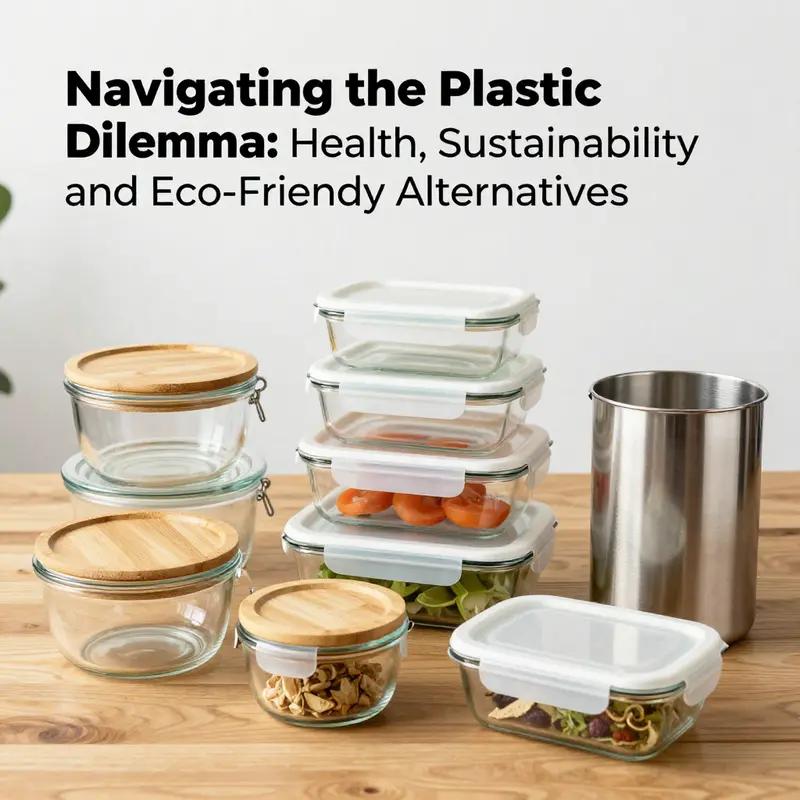
Many households rely on plastic to store, reheat, and transport food. However, safer, more sustainable options exist. Glass containers offer an inert, nonreactive surface, excellent for leftovers and sauces, and are microwave, freezer, and oven compatible with proper handling. Stainless steel is durable, nonreactive, great for cold or room temperature storage and travel. Silicone provides flexible, heat tolerant storage that can compress and expand to fit. Beeswax wraps replace disposable cling film for short term covering and are compostable at end of life. Plant based options from molded pulp bowls to bagasse are improving end of life outcomes but may be less suitable for long term liquid storage. When choosing storage, consider safety certifications, longevity, end of life, and how well each material fits your routine. A practical approach is to start with what you own, gradually add durable, nonplastic options, and reserve plastic for truly limited uses. Recycling remains imperfect, so reducing overall plastic use is beneficial for health and the planet.
Final thoughts
In conclusion, while plastic food storage containers offer convenience, they come with significant health risks and sustainability concerns that cannot be ignored by the food and beverage industry. Transitioning to eco-friendly alternatives like glass, stainless steel, or silicone can enhance food safety, reduce environmental impact, and meet consumer demand for sustainable practices. As businesses prioritize health and sustainability, these changes will not only benefit the planet but also strengthen brand loyalty among customers seeking responsible options. The time is now to make the switch and embrace a healthier future for both your business and the environment.