
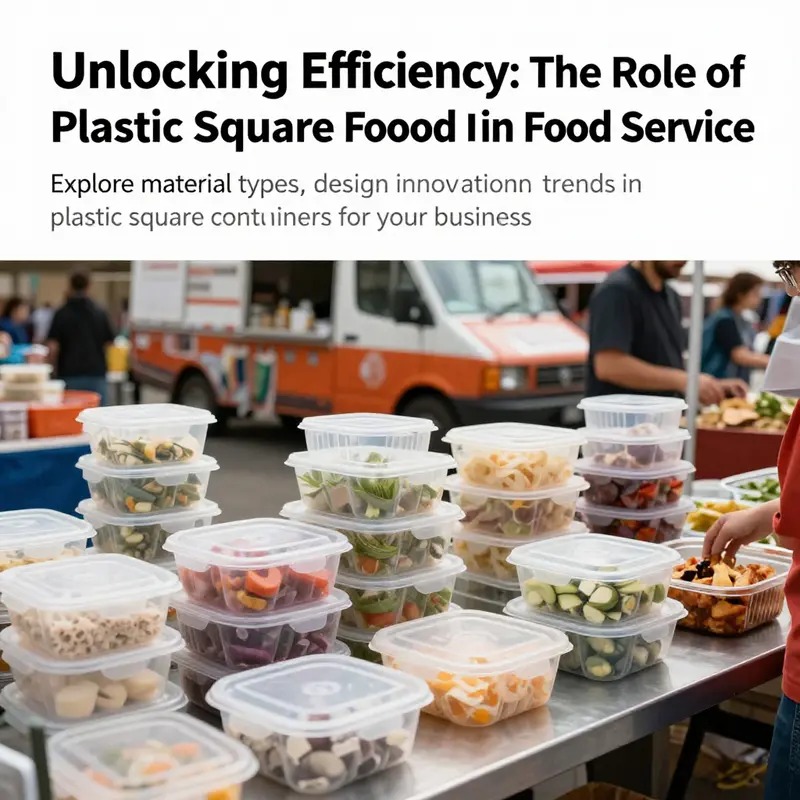
Plastic square food containers have become essential tools for beverage chains, restaurants, food trucks, and catering services. Their versatility, stackability, and cost-effectiveness make them ideal for both storage and transport of food. Understanding the different types of materials, innovative designs, and market trends will provide valuable insights for businesses looking to enhance their packaging solutions. In this exploration, we will dissect the material types, discuss the latest design innovations that cater to unique food service needs, and analyze the economic trends impacting purchasing decisions in the industry.
The Material Spectrum Behind Square Food Containers: Durability, Safety, and Sustainability
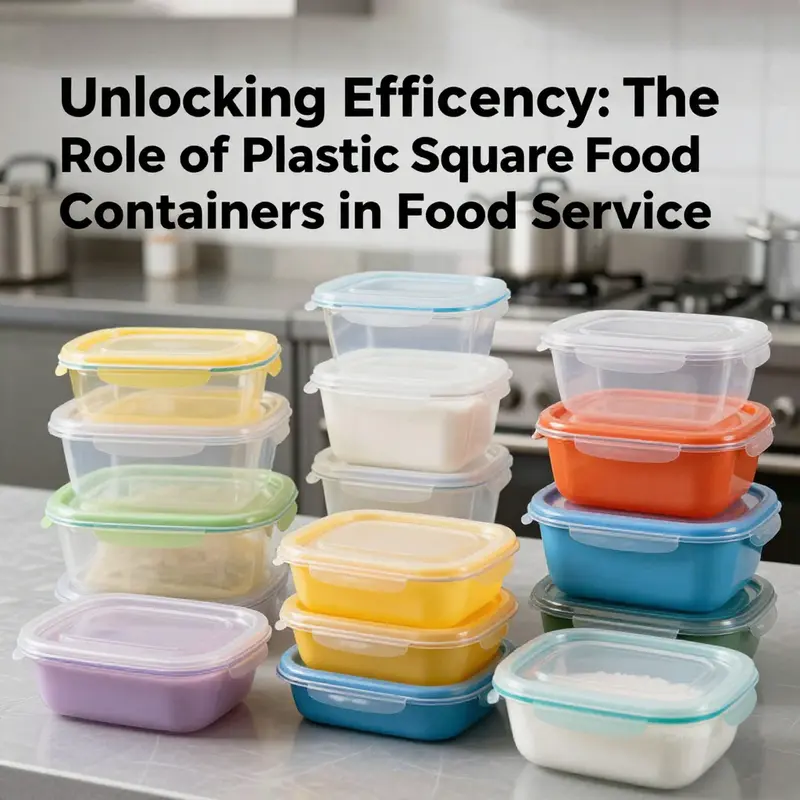
A square food container can look simple at a glance, a tidy box with crisp edges that slot neatly into a cooler, a lunch bag, or a kitchen shelf. Yet the material it is made from is the quiet force shaping every important choice that follows—whether a container will tolerate a hot lunch, survive repeated washing, resist staining, or even be recycled once the contents are long gone. In the modern context of meal prep, takeout, and home storage, the square container is less a single product than a family of polymers with different personalities. Understanding that material spectrum helps chefs and households alike select the right box for the job, balancing heat tolerance, rigidity, clarity, scent resistance, and the broader implications for safety and the environment. When you slide a stack of these boxes into a fridge or a delivery bag, you are not just managing space; you are stewarding a material system that determines how well food travels, how long it stays fresh, and how it ultimately returns to the cycle of reuse or recycling. The shape—square or rectangular—remains a constant advantage because it optimizes space, but it is the material behind that shape that determines the performance envelope. The most common materials that populate this space are HDPE and Tritan, with LDPE, PS, and PVC appearing in specialized configurations. Each of these polymers brings its own blend of benefits and constraints, a practical calculus that begins with safety and ends with lifecycle and practicality in real kitchens and homes.
HDPE, or high-density polyethylene, anchors many square containers in professional kitchens and households alike. In practice, HDPE is valued for its rigidity and durability, a balance that keeps boxes from warping in transit and from deforming under cold or warm conditions. The material’s heat tolerance makes it a reliable choice for hot meals and even for brief microwave-ready applications in some designs, where food safety and container integrity are paramount. When heated, HDPE maintains a respectable stiffness that helps keep foods contained and portions visually neat, a quality especially important for portion-controlled meal prep and for displays in a fridge or display unit where clarity and neatness matter. HDPE’s recyclability is an important facet of its profile, though the ease of recycling depends on local infrastructure. While many regions accept HDPE in curbside streams, each locale’s rules shape whether these containers can be reclaimed as a post-consumer material. In the broader safety framework, HDPE can be formulated to meet food-contact standards, and it is often selected for its balance of strength and light weight. In square configurations, HDPE’s rigidity helps maintain the clean lines that users associate with organized refrigeration, stacking efficiency, and stable transport.
LDPE, or low-density polyethylene, offers a contrasting voice within the same family. If HDPE is the sturdy backbone of many square containers, LDPE is the more flexible, pliable partner in some product lines. LDPE’s softness translates into excellent resistance to cracking under impact, which can be advantageous for thinner-walled containers that need to flex with contents or to fit into tight spaces within a stacked system. While LDPE is less rigid than HDPE, it still carries good chemical resistance and can contribute to moisture resistance and a lighter feel in the overall package. In certain designs, LDPE is used in specific layers or liners, where flexibility supports a seal or lid interface without compromising the ability to nest containers when empty. The trade-off with LDPE, as with many polymer choices, is in its heat tolerance and mechanical stiffness; in some instances, LDPE’s advantages in flexibility must be weighed against requirements for higher heat exposure, dishwasher cycles, or freezer storage. For consumers choosing LDPE-based square boxes, the emphasis is often on lightweight, low-cost applications, and on systems where the container’s interior geometry needs a forgiving, slightly squishy feel to accommodate contents that vary in shape or viscosity.
Polystyrene, particularly in its foamed incarnations, sits at the opposite end of the spectrum in many respects. PS-based disposable containers have long been favored in fast-food and takeout settings because their insulation properties help keep foods hot and contents stable during transit. The cost efficiency of PS and its lightweight nature make it well-suited to high-volume operations that prize simple, reliable performance with a predictable price point. However, PS-based foams carry limitations in temperature resistance and environmental impact. Foam insulation that benefits from low cost can complicate recycling streams, and concerns about long-term environmental persistence have led many jurisdictions to rethink or tighten the use of PS in consumer packaging. In square formats, PS often appears in thinner-walled containers designed for single-use occasions. The appeal here is convenience and speed, especially in delivery or impulse purchases, but it is balanced by considerations of reusability, energy use in disposal, and the potential attraction of heat or oil to the foam’s structure. The conversation around PS is thus a reminder that value in the short term must be weighed against the broader lifecycle that follows the product’s service window.
Tritan™ and acrylic stand out as a pair of materials that offer a translatable alternative to more common polyolefins. Tritan™ is a rigid, transparent copolyester that emulates the look and feel of glass without the weight or fragility. In kitchen storage and display applications, Tritan-based square containers deliver a prized combination: clarity that makes contents visible without opening the lid, and a durability profile that resists cracking, staining, and odor retention more effectively than many plastics. The rigid clarity of Tritan™ also translates into a perceived premium aesthetic for consumers who value a clean, glass-like appearance in their refrigerators and pantries. The airtight nature of Tritan™ containers supports longer shelf life and reliable portion control, a valuable feature for households and businesses seeking to minimize waste and maintain consistent quality. Acrylic shares some of Tritan™’s advantages in transparency and appearance, but it is typically used in formats where crushing strength or impact resistance is managed in combination with other design features. Acrylic can be lightweight and clear, yet it may present challenges related to brittleness under certain conditions or long-term exposure to solvents and heat. In practice, several square containers use acrylic components in lids, windows, or decorative panels to achieve a glass-like look while relying on a tougher polymer for the main body. The triad of Tritan™, acrylic, and the polyolefins demonstrates how designers can tailor an entire product line to balance bold aesthetics with robust mechanical performance, delivering storage solutions that are both visually appealing and technically sound.
PVC, once a staple in some direct-contact applications, has largely receded from primary roles in many modern food-contact containers. The concerns around health and environmental implications, and the availability of safer alternatives with equivalent performance, have limited PVC’s presence in contemporary square containers. When PVC does appear, it is generally in contexts where rigidity is paramount and where customer or regulatory requirements allow, but the prevailing trend is toward materials with clearer safety profiles and easier end-of-life handling. The shift away from PVC in direct food contact is a reminder that material choice is not only about how a container behaves on day one, but how it aligns with evolving safety standards, consumer expectations, and waste-management infrastructures.
Taken together, HDPE and Tritan™ often stand out as two of the most versatile choices for square containers. HDPE remains a workhorse for disposables and durable reuse contexts alike, especially where heat tolerance and dishwasher compatibility matter. Tritan™ offers a premium option for consumers who prize clarity, odor resistance, and long-term durability in reusable formats. LDPE, PS, and acrylic provide complementary options for specific use cases—cost-sensitive takeout, lightweight single-use applications, or visually striking display storage—while PVC’s role has diminished as the regulatory and environmental landscape matures.
Beyond the material makeup, the design ecosystem around square containers is deeply informed by safety standards and regulatory expectations. Reputable manufacturers align products with accepted food-contact guidelines, and many designs emphasize the absence of harmful substances while ensuring that the chosen material will not transfer flavors, odors, or contaminants to food. In this context, two widely recognized touchstones guide producers and buyers alike: the FDA’s guidance on food contact substances and the broader set of international standards that govern what can be touched, stored, or reheated alongside food. This alignment is not merely about compliance; it is about building trust with consumers who rely on these containers to perform cleanly and safely in daily life, across households, cafeterias, and delivery ecosystems.
The practical implications of material choice ripple through every facet of use. For microwave use, heat resilience, lid integrity, and minimization of warping become decisive. In freezing conditions, rigidity and resilience to cracking are prized. In dishwasher cycles, chemical resistance, heat tolerance, and structural stability determine how repeatable and easy the cleaning routine will be. The chemical compatibility of each polymer with common food components, oils, and acidic contents also matters. For example, the interactions between oils and some plastics can influence long-term odor absorption, while certain thick liquids can affect lid seals and overall containment. In the hands of chefs and home cooks, these subtle differences translate into fewer mid-meal surprises and more consistent results when portions are stored, transported, and reheated.
Yet the discussion cannot end at performance alone. The environmental and lifecycle implications of material choices shape the broader value proposition of square containers in a sustainability-minded era. HDPE’s recyclability, for instance, can be a meaningful advantage where local infrastructure supports it, but it is not universal. PS’s insulation advantage comes at an environmental cost in terms of recyclability and waste generation. Tritan™, while durable for reuse, sits in a space where manufacturing footprint and end-of-life disposition matter, especially when fine-tuning a product line toward high reuse rates. Plastic types differ in their recycling streams, their energy footprints in production, and their compatibility with regional waste-management rules. The conversation about sustainability is not only about what a container can withstand in the kitchen; it is about how the material participates in circular economy trajectories and how much waste is created or diverted as a result of design choices.
The commercial dimension reinforces these concerns. In bulk procurement, material selection is inseparable from the economics of portion control, packaging configurations, and branding opportunities. A typical 7-piece set with sizes ranging from a few hundred milliliters to several liters might be offered with a spectrum of lid colors—sometimes dubbed rainbow lids—to assist visual identification of contents. The configurations can include clever add-ons, such as a two-layer lunch box with a removable ice pack to maintain freshness during transport, or a salad bowl with an integrated spork for on-the-go meals. Customization options are extensive, including logos and branding, underscoring how material choice intertwines with identity and market positioning. For bulk buyers, manufacturers often provide pricing structures tied to volume, with very low per-unit costs at high volumes and modest MOQs that still enable mass customization. These realities are not incidental; they reflect how material science, industrial design, and logistics converge to deliver a packaging system that is scalable, recognizable, and efficient. In this context, Zhejiang and other manufacturing hubs have become focal points for the production of these containers, where economies of scale and proximity to raw-material suppliers can align with stringent quality-control standards and the rapid timelines demanded by food-service channels.
In the broader arc of consumer understanding, the decision to choose HDPE, Tritan™, PS, LDPE, or PVC is not simply a matter of price or appearance. It is a statement about what a user values in terms of heat tolerance, washability, transparency, and environmental responsibility. It is also a choice about how to balance the everyday conveniences of a meal-prep routine with the longer arc of product lifecycles and waste streams. For many households and businesses, the most practical path lies in aligning material features with the intended use-case. A high-use, reusable system may prioritize a rigid, transparent, and highly durable option like Tritan™, while a budget-conscious, high-volume takeaway operation might lean toward HDPE or PS with a well-structured end-of-life plan to minimize waste. The art of design in this space is therefore not only about making a square box that looks good on a shelf, but about selecting a material that harmonizes performance, safety, and sustainability across the container’s entire journey—from production to plate and back to the cycle of materials.
In pursuing this balance, the role of standards and safety governance remains critical. Consumers can look for explicit assurances that the product meets recognized food-contact safety criteria, and manufacturers often highlight compliance with FDA guidance and equivalent international benchmarks to reassure buyers and end-users that the material has been vetted for non-toxicity and safe food interaction. This safety orientation sits at the core of a consumer’s confidence in the container’s ability to perform under real-world conditions, from daily meal-prep rituals to emergency catering and last-minute deliveries. In practice, a well-chosen material will tolerate repeated dishwashing, occasional microwaving if permitted, and the rigors of freezing and stacking, all while maintaining its structural integrity, resisting odor transfer, and contributing to minimally wasted food through reliable containment.
As the spectrum of materials continues to expand with evolving polymer chemistries and new formulations, the square container remains a stable platform for innovation. Designers can push optics with clear, glass-like interiors that still survive the rigors of a kitchen; they can improve seals and lids to create more confident airtight experiences; and they can tune wall thickness and edges to optimize both grip and stacking density. The resulting products are not merely containers but curated systems that influence how we store, transport, and enjoy meals. In this sense, the material type is a foundational layer, setting the stage for usability, safety, and sustainability to unfold in concert with the shape that maximizes space efficiency and logistics practicality. The dialogue between material science and practical cooking continues to propel improvements in both domestic and commercial spheres, ensuring that square food containers remain efficient, safe, and increasingly responsible choices for a future in which food storage, delivery, and migration of leftovers become more nuanced, more reliable, and more aligned with sustainable life cycles.
To readers who want a tangible sense of how packaging choices appear in real-world formats, consider the range of takeaway and storage options that bring together these material concepts in compact, practical forms. A square container line might be offered in sets that span a wide range of capacities—from compact servings to large meal portions—accompanied by color-coded lids to simplify content recognition in busy kitchens. The design philosophy often emphasizes stackability, with nesting features that help conserve space during storage and transport. The ability to maintain contents at their desired temperature, safeguard against leaks or spills, and withstand repeated cleaning cycles are all tied to the underlying material choice and wall thickness. In this light, the material selection is less a mere attribute and more a strategic decision that affects user behavior, operational efficiency, and long-term cost of ownership. For those curious about a concrete packaging option that aligns with these goals, the take-away Kraft paper salad bowl family offers a useful point of reference for understanding how product lines balance form, function, and the practical realities of everyday food service and home use. The notion of a “take-away” container can be expanded to include a full spectrum of options, including square and rectangular shapes designed for easy stacking, secure lids, and compatibility with a range of contents.
In closing, the material types used in plastic square food containers reveal a nuanced balance between performance needs and environmental considerations. HDPE and Tritan™ emerge as particularly versatile anchors for reusable and single-use contexts, while LDPE, PS, and acrylic provide targeted advantages for specific use cases. PVC’s reduced role reflects a broader shift toward safer and more sustainable formulations. The shape remains a powerful design constraint and opportunity, enabling efficient storage and transport, but the ultimate value of any container rests in how its material translates into safety, durability, and responsible waste management. The modern consumer increasingly expects that a simple square box will perform reliably, maintain the integrity of its contents, and fit into a sustainable life-cycle that respects both global standards and local realities. As materials continue to evolve, the square container will remain a focal point where safety, practicality, and sustainability converge, guiding choices in kitchens, cafeterias, and delivery systems around the world.
For readers seeking a concrete bridge between these material choices and a packaging option that embodies them in practice, explore the take-away Kraft paper salad bowl family as a reference point for how packaging designers translate form and function into everyday use. This example illustrates how even outside the realm of plastics, the packaging ecosystem relies on thoughtful material behavior and adaptable design to meet evolving needs. take-away Kraft paper salad bowl options. The conversation surrounding materials is ongoing, and the choices we make about containers today ripple through food safety, consumer satisfaction, and the environmental footprint of how we store and move meals tomorrow.
External resource: FDA guidance on food contact substances
Precision in a Square: The Design Evolution of Plastic Square Food Containers for Storage, Safety, and Sustainability
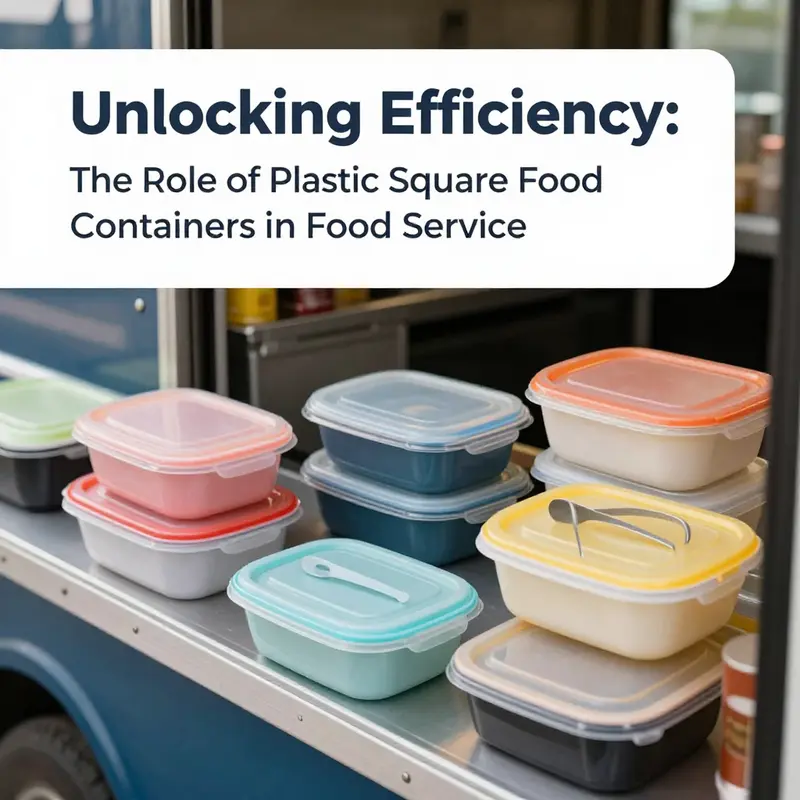
The square form has become a quiet protagonist in how we store, carry, and reheat food. It is not just about a container that holds leftovers; it is a deliberately engineered tool that maximizes space, streamlines workflows, and shapes how meals travel from kitchen to consumer hands. Over recent years, design innovations in plastic square food containers have moved beyond mere containment. They have grown into integrated systems that prioritize function, safety, and responsibility. The result is a class of products whose simplest aspect—their rigid 2D footprint—belies a complex orchestration of materials, geometry, and features aimed at making everyday eating and food management more reliable, predictable, and sustainable. In this chapter, we trace how this evolution unfolds across three intertwined strands: sealing and usability, material science and multifunctionality, and sustainability and compliance. Across these threads, the square container becomes less a consumer good and more a thoughtfully designed interface between food, user, and environment.
The most visible advance is a family of snap-and-lock lid systems that marry security with ease of use. The logic is straightforward but powerful: a lid that clicks into place, holds fast through transit, and releases with a simple, comfortable action transforms both storage and transport. In practice, this means fewer spills when a delivery bag topples, less frost damage in the fridge or freezer, and more confidence when a user picks up a container mid-commute. The ergonomic design of the grips—curved edges that sit naturally in the fingers—reduces the effort required to open a lid after a long day. The seal itself is engineered to resist moisture intrusion while remaining pliant enough to maintain its integrity after repeated cycles. This is not about a single feature but about a system where the lid, the base, and the lid’s edge work together to maintain the contents’ integrity from cabinet to microwave, from freezer to dishwasher. The practical upshot is simple: leak resistance that does not require a second vessel, frost protection that keeps sauces from freezing into a stubborn, rock-hard block, and an everyday convenience that accumulates into a meaningful reduction in waste and fuss for households and professionals alike.
Behind these lid systems lies a richer story about materials and the functional envelope they create. The dominant choices for rigid plastic square containers center on high-density polyethylene (HDPE) and, in some variants, low-density polyethylene (LDPE). The decision matrix involves heat tolerance, impact resistance, fatigue life, and ease of processing. HDPE offers robust rigidity, chemical resistance, and a level of toughness well suited to everyday use in busy kitchens. It can withstand repeated cycles of microwaving and dishwashing when formulated with food-grade specifications, while still delivering a clear enough appearance to allow quick content identification. LDPE, by contrast, often serves more specialized forms or thicknesses where flexibility and soft edge handling matter, though in the context of rigid square containers it appears less frequently than HDPE. These materials are chosen not only for performance in isolation but for their behavior under combined stressors: repeated thermal transitions, moisture exposure, and mechanical handling during stacking and transport.
A notable advantage of modern plastic square containers is the capacity to be used across the full spectrum of meal-preparation and serving activities. Many designs are microwave-safe, dishwasher-safe, and freezer-safe, enabling cooks and households to prepare, store, reheat, and even serve from the same vessel. The convenience is amplified by thoughtful design cues: side markings that indicate portion sizes allow portion control with a glance, while clear or translucent bodies enable quick visual checks of contents without opening the lid. The combination of transparency and safety is not incidental. In effect, manufacturers balance the desire for visibility with the need for material clarity, ensuring that the plastic remains non-toxic and stable under heat and chill. The result is a kind of kitchen geometry that minimizes the number of containers a user must own while maximizing the range of conditions these containers endure.
Sustainability has become a central driver shaping both form and function. The emphasis is on recyclable materials and on designs that extend the lifecycle of the product. Reusability is framed not as a compromise but as an enduring value. The move toward long-lasting, modular designs reduces the demand for single-use substitutes and aligns with broader environmental goals. In practice, this means choosing plastics that retain clarity and structural integrity over many cycles, while also reducing overall plastic use through clever geometry and stacking features. The impact extends beyond material choice. Clear plastics that are BPA-free offer safety assurances and improved consumer confidence, while also reducing the hidden costs associated with environmental and health concerns. Companies in this space increasingly emphasize recyclability, ensuring that the product at the end of its life can re-enter the supply chain as a raw material rather than become waste. This is complemented by packaging innovations that minimize environmental footprint, such as thinner walls where feasible, modular set configurations that replace bulky assortments, and durable lids that endure repeated use without losing their seal.
Within this sustainability frame, the visual appeal of the container gains new importance. Transparent plastics, when properly stabilized, provide a practical benefit by revealing contents clearly while avoiding the kind of opaque appearance that can discourage reuse. The interplay between form and function—where aesthetics do not compromise safety but instead reinforce it—becomes a design language in itself. The end effect is a product that feels trustworthy in the hands of users who want to keep foods safe and appetizing for longer. To that end, some manufacturers emphasize recyclable materials and avoid additives that complicate recycling streams, acknowledging the need to align with both consumer expectations and municipal waste systems. In this regard, the design challenge shifts from “how do we make a container that works?” to “how do we make a container that works, travels well, and can be recycled after years of use?” The answer lies in a holistic approach that treats the container not as an isolated object but as part of a circular economy where end-of-life considerations inform everyday choices.
Regulatory compliance anchors this entire design conversation. Food-contact materials must meet safety standards that protect consumers across borders. The U.S. Food and Drug Administration (FDA) guidelines provide a baseline for what constitutes safe materials for contact with foods. Compliance acts as a quality signal, assuring buyers that the plastics have been vetted for non-toxicity, chemical stability, and appropriateness for repeated exposure to heat, cold, and moisture. The international dimension is also important: many reputable suppliers align with LFGB and other national standards to ensure that their products are accepted in diverse markets. The practical effect of these standards is twofold. First, they reduce risk for kitchens and households, clarifying what is permissible in terms of additives and performance under heat. Second, they support innovation by providing a reliable framework within which designers can push for higher durability, better seals, and smarter usability without compromising safety.
The design language of these containers has also evolved to accommodate different configurations that are responsive to day-to-day needs. A growing number of sets present multiple sizes within a single collection, enabling organized portion control and storage efficiency. Rather than scattering different shapes across drawers, a single system of square and rectangular options can nest and stack with minimal empty space between units. Color-coded lids or lids with different tones offer quick visual cues for contents, improving efficiency in busy kitchens and on-the-go environments. Some designs feature two-layer configurations—a shallow base with a built-in, removable ice pack—designed to keep meals fresh during transit or in hot climates. There are even adaptable designs in which a salad bowl includes an integrated spork, a small but practical feature that supports on-the-go meals without the need for additional utensils. These integrated solutions reflect a broader trend toward reducing the number of separate items a person must carry, which in turn reduces clutter and simplifies cleanup.
Customization and branding have become meaningful dimensions of the design conversation. With rising demand for private-label products and corporate gifts, manufacturers offer OEM (original equipment manufacturing) and ODM (original design manufacturing) services that allow a brand to tailor materials, dimensions, and visual identity. Lids and bases can be formed to different tolerances, colors, or finishes, and even logos can be integrated onto surfaces in a way that remains robust through dishwasher cycles. This level of customization is not merely cosmetic; it aligns storage products with the identity of a business or institution and reinforces consistency across a line of containers used in large-scale operations such as cafeterias, catering, and restaurant chains. At the same time, retailers and manufacturers must balance customization with standardization to maintain supply chain efficiency and cost-effectiveness. The economics of scale become a guiding constraint: MOQs (minimum order quantities) and bulk pricing policies influence what features are feasible at a given price point. The interplay of these forces yields a product ecosystem that can be broadly adaptable while still preserving the essential advantages of the square shape—the tight packing, predictable behavior in cold or hot environments, and straightforward stacking that reduces storage footprint in refrigerators and freezers alike.
For buyers who must navigate large volumes, the economics of production matter as much as the physics of the material. Orders in the tens or hundreds of thousands of pieces are common in manufacturing hubs that specialize in household and food-service plastics. In such contexts, suppliers offer tiered pricing, with unit costs that drop as volumes rise, a practical reflection of the fixed costs of tooling and the efficiency gains from mass production. The ability to deliver within a window—often several weeks to a few months depending on the complexity of the set and the customization requirements—becomes a critical factor in planning for restaurants, caterers, and retailers. The result is a market where design choices are inseparable from supply chain realities. A container is not simply a product but a node in a broader system that must meet safety standards, satisfy end-user expectations, and travel efficiently from factory floor to consumer hands.
In this landscape, one can observe a clear throughline: the square container is increasingly treated as a modular, multi-use platform rather than a single-purpose vessel. Its design speaks to a future in which food storage, transport, and reheating are unified under a single, durable, and safe form. The visible benefits—leakproof lids, durable materials, and measured markings—sit alongside subtler advantages, such as reduced waste through reuse and smarter portioning, and the convenience of integrated accessories or features that minimize the number of separate items a user needs. When one looks at the broader trajectory, the square container emerges as a practical, scalable solution designed to fit the rhythms of modern life. It absorbs the pressures of busy kitchens, the needs of wellness-minded households, and the expectations of sustainability-minded institutions, all while adhering to safety norms that guarantee trust in every bite.
The practical implications for users become evident in everyday tasks. A compact, square container can be tucked into a fridge door or stacked on a pantry shelf with ease, translating to more efficient inventory and less food waste. The reliable seal and the predictable fit of lids and bases simplify both home and professional workflows. In a commercial environment, standardized container systems reduce the cognitive load on staff—less time spent hunting for the right lid, fewer mix-ups in order assembly, and faster service during peak hours. In households, the same predictability lowers the barrier to adopting meal-prep routines, which in turn supports healthier eating patterns and more consistent grocery planning. The net effect is not a single improvement but a series of interlocking gains across storage, transport, reheating, and waste reduction. Each of these gains confirms a broader truth: good design in plastic square containers is less about novelty and more about harmonizing performance with the realities of use, safety, and environmental responsibility.
To illustrate how these design principles translate into practical choices, consider how a consumer might approach selecting a set for a busy family or a food-service operation. The user would weigh the material’s temperature tolerance against the expected lifecycle of the product, understanding that a container designed for frequent microwaving and cleaning cycles should resist warping and maintain a seal even after repeated exposure to heat. The user would value clear portion markers that aid meal planning and reduce food waste by providing a quick visual cue about serving sizes. They would appreciate lids that stay closed during transit but open easily with a finger-friendly grip, avoiding awkward twisting or prying motions. They would also consider the sustainability profile: whether the plastic is recyclable, the degree to which it enables reuse, and whether the design minimizes the amount of material used without compromising strength. In short, the right container becomes a small but meaningful enabler of better food management practices, one that aligns practical needs with a sustainable mindset.
In the broader arc of the industry, these innovations contribute to a more resilient system of food storage and transport. They respond to the demands of home cooks seeking simplicity and reliability, as well as to the expectations of professional kitchens that must balance throughput with safety, hygiene, and cost control. They reflect a shift toward packaging that adds value not by being flashy but by being thoughtfully engineered to perform consistently across contexts. They also underscore a growing recognition that material choices, design details, and standardization can together reduce waste, simplify operations, and improve the consumer experience. The square shape, once a mere geometric convenience, has become a central platform for delivering dependable performance in a world that demands both efficiency and responsibility.
For readers who want to explore this alignment of sustainability and design more deeply, one accessible example illustrates how packaging design can be both practical and forward-looking without sacrificing environmental considerations. The focus here is on a family of containers that emphasizes recyclable materials, modular design, and reuse-friendly features, showing how a modern approach to plastics can support responsible consumption patterns. This example underscores the idea that aesthetics, function, and ethics can converge in everyday products, shaping how people store, transport, and enjoy meals while keeping an eye on the environmental footprint of each choice. In such a framework, the container becomes a reliable ally in daily life, enabling better organization, safer handling, and more thoughtful use of resources—an embodiment of how design can respond to the realities of modern food culture without compromising safety or sustainability.
As the design language of plastic square containers continues to mature, it remains essential to connect practical takeaways to guiding standards. Consumers and professionals alike are encouraged to seek products that clearly articulate their material makeup, heat and chemical resistance, and compliance with food-contact regulations. This transparency, together with robust lid mechanisms, durable materials, and clear markings for portion control, builds confidence that the container can support a wide range of uses—from quick-service and takeout to meal-prep and home storage. It is this fusion of usability, safety, and sustainability that elevates the square container from a mere storage tool to a critical component in the broader ecosystem of contemporary food management.
For readers seeking further context on safety standards in this domain, see the FDA guidelines on food-contact materials. The standards outline the expectations for materials that come into contact with food and provide a framework for evaluating the safety of plastic containers used in everyday settings. As the chapter shows, adherence to these guidelines is not a constraint but a baseline that empowers designers to push for better performance, longer lifespans, and more responsible resource use. And as markets evolve, the ongoing dialogue among material science, regulatory frameworks, and consumer expectations will continue to shape how square containers are designed, produced, and valued.
Internal link note: for an example of sustainability-focused packaging solutions that complement the above trends, see the practical emphasis on recyclable, eco-friendly packaging materials here: eco-friendly recyclable pulp cup holder.
External resource: for a foundational overview of safety standards governing food-contact materials, consult the FDA guidelines on food-contact materials: FDA guidelines on food-contact materials.
Market Currents, Material Choices, and the Economic Tides Shaping Plastic Square Food Containers
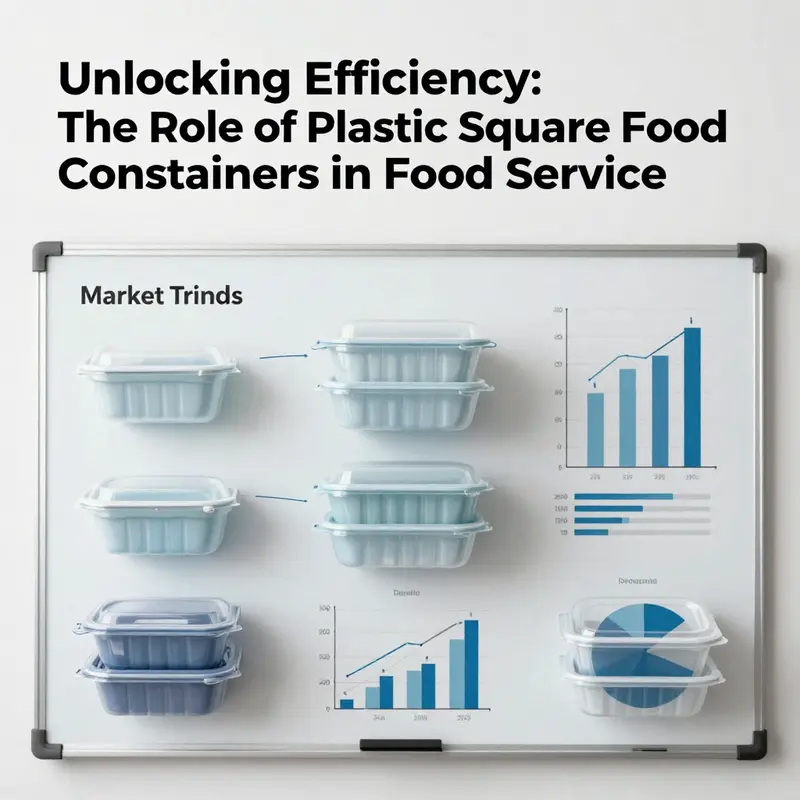
The market for plastic square food containers stands at a pivotal intersection of convenience, performance, and responsibility. As kitchens, offices, and delivery networks push for compact, stackable storage that preserves freshness without sacrificing efficiency, these containers have evolved from simple boxes into sophisticated packaging solutions. The growth dynamics are no accident. Consumers increasingly prize predictable portions, reliable seals, and the ability to reheat, freeze, and wash with minimal hassle. Businesses, in turn, chase predictability in supply, consistency in performance, and a cost structure that scales from local boutiques to global distributors. All of these threads weave a narrative about market momentum that is both pragmatic and aspirational, anchored by clear data and shaped by evolving expectations around safety, sustainability, and speed to market.
A cornerstone of the current market is the sheer scale and breadth of demand. Recent forecasts place the global plastic food containers market in the high tens of billions, with a trajectory that moves from a value around the mid-thirties in 2024 toward a broader, more expansive horizon by 2034. Within this expansive market, square containers occupy a distinct niche that is unusually influential. Their rectangular geometry has a natural affinity with how modern kitchens and transport systems manage space. In refrigerators, freezers, and delivery bags, every inch of vertical and horizontal real estate matters. The square footprint minimizes wasted space when multiple units are stacked, neatly aligning with the way households plan meals and how caterers package for portability. The result is not merely aesthetic appeal or organizational convenience; it is a tangible improvement in efficiency that translates into lower handling costs, faster processing times, and a more scalable storage strategy across diverse use cases—from meal-prep routines to takeout packaging.
Material choice sits at the heart of this efficiency. Polypropylene (PP) and high-density polyethylene (HDPE) dominate because they deliver a compelling combination of heat resistance, durability, and safety. PP’s heat resilience accommodates microwaving and steam cleaning while performing reliably in cold storage and freezer conditions. Its clarity and strength also allow for designs that maintain a neat, presentable look even after repeated use. HDPE, though less common for rigid containers in some markets, appears in versions engineered for heavier loads or hotter contents, offering a sturdier profile when needed. Other materials, like Tritan™ and certain acrylic blends, have carved out premium segments that aim to mimic glass-like aesthetics without the weight or fragility of glass. These options are not mere luxuries; they reflect a strategic diversification in materials intended to balance performance with consumer expectations, especially for premium retail presentations or branding-focused campaigns.
A crucial dimension for buyers—whether a small gourmet shop or a multinational packaging supplier—is the regulatory and safety framework that underpins food-contact plastics. The market’s integrity depends on adherence to standards that verify the absence of toxic substances and the safety of contact with food. In many regions, this translates into BPA-free polymers certified under FDA guidelines and EU regulations. The compliance backdrop is not simply about keeping shelves stocked; it is a strategic risk management tool that safeguards brand trust and protects businesses from compliance-related disruptions. As consumers become more aware of what their containers might leak into meals, the emphasis on safety standards grows louder and more critical. This shift toward rigorous safety testing and transparent labeling not only reinforces consumer confidence but also drives a higher baseline for competition. Suppliers now compete on the invisible metrics of material science: migration testing, heat stability, and the long-term behavior of polymers under repeated heating and cooling cycles.
The economics of scale and the realities of global manufacturing shape everyday pricing and supplier relationships. The market’s macro indicators reveal a robust demand curve, but the real power lies in the micro-level economics of production, procurement, and logistics. A telling indicator is the trend toward smaller MOQs that empower startups and niche distributors to test products without prohibitive capital outlays. It is not unusual to encounter MOQs in the low hundreds, a threshold that tilts decisions away from risk and toward experimentation. This agility is essential in a market where consumer preferences can pivot quickly, and where a single successful design can unlock rapid category expansion. The geographic clustering of manufacturers—cities known for plastic fabrication and reliable supply chains—plays a decisive role. Regions like Yiwu, Zhongshan, Suzhou, and Zhenjiang have earned reputations for scalable production capabilities, combining automation with domestic logistics networks that shorten lead times and improve the reliability of deliveries. Automated assembly lines and standardized processes contribute to the ability to fulfill orders that range from tens of thousands to hundreds of thousands of units per month, supporting both small pilots and mass-market campaigns.
Cost remains a fluent variable in this equation. The same technological investments that improve production efficiency also influence per-unit pricing, with material options exerting a direct effect on the bottom line. PP and HDPE are cost-competitive choices with predictable performance profiles, which makes them appealing for high-volume manufacturing where consistency matters as much as capacity. For premium segments, Tritan™ and acrylic offer the feel and look of glass with better durability and lighter weight, a trade-off that typically carries a higher price point but can be justified by enhanced consumer appeal and perceived value. In a market where a large order can drift toward modest unit costs—an often cited figure around a few hundredths of a dollar per container for bulk purchases—the exact price is a function of resin price, processing efficiency, tool wear, and the specifics of packaging design. The industry’s ongoing interest in reducing waste and improving reuse aligns with a model where repeat customers and long-term contracts become a meaningful part of the revenue mix, gradually moving pricing dynamics toward long-run equilibrium rather than short-term spikes.
The sustainability conversation has grown from a sidebar to a central axis around which product development and procurement decisions revolve. Microplastic contamination has emerged as a public health concern that underlines the need for more responsible packaging choices. Studies and regulatory scrutiny have heightened attention to how plastics behave under heat and extended contact with food. These concerns are not isolated to consumer anxiety; they drive real changes in design, in material selection, and in end-of-life considerations. As a result, many buyers explicitly weigh the environmental footprint of containers alongside performance metrics. This has accelerated investment in reusable plastic containers (RPCs) and, in some markets, advanced recycling programs designed to close the loop on plastic packaging. The balance between convenience and sustainability remains delicate: the same features that make square containers space-efficient and durable can complicate end-of-life management if recycling streams are not robust or clearly accessible. In response, manufacturers are increasingly offering traceable material sourcing, BPA-free and LFGB-compliant options, and design-for-disassembly features that facilitate recycling or repurposing at the end of a container’s life.
Against this backdrop, supplier-diversification strategies have become a practical necessity. The flexibility to source from multiple hubs, adjust production volumes, and switch materials in response to price signals or regulatory changes is now a competitive differentiator. Firms that integrate supplier risk assessment into their procurement playbooks tend to weather volatility better and maintain service levels even when component costs swing. This is where the strategic value of a flexible, responsive supply chain shines. It is not merely about locking in a low price; it is about establishing a robust ecosystem that can absorb demand surges, respond to compliance updates, and sustain continuous improvement over time. When a company negotiates a contract with a supplier capable of rapid retooling or a quick ramp-up to meet a sudden spike in orders, the resulting reliability becomes a non-price form of value—one that translates into fewer stockouts, steadier production schedules, and happier customers who depend on timely, consistent packaging for their hot meals, cold salads, or ready-to-heat lunches.
In practical terms, this market reality translates into visible signals in the form of product offerings and service features. Many manufacturers now highlight the ability to deliver multiple sizes within a single container system, the availability of color-coded or “rainbow” lids for quick content identification, and the option to customize with logos or branding for promotional or corporate gifting purposes. The trend toward customization is not merely about aesthetics; it is a response to the growing demand for differentiated, brand-enhanced packaging that can stand out in a crowded marketplace. Companies can tailor container heights, volumes, and seal styles to match specific meal-prep routines, catering menus, or retail formats. This breadth of customization, coupled with scalable production capacity, enables suppliers to serve both a local deli needing a consistent 1,000-piece daily run and a large distributor seeking tens of millions of units annually. The alignment between product design, manufacturing capabilities, and end-user needs creates a virtuous cycle where improved performance reinforces demand, and rising demand justifies continued investment in new materials and process innovations.
From a business perspective, the decision framework for choosing a supplier is increasingly sophisticated. It goes beyond price alone to include the total cost of ownership, which encompasses quality control, regulatory compliance, lead times, and post-sale support. Buyers evaluate factors such as the supplier’s track record with food-grade certifications, the transparency of their supply chain, and their ability to meet evolving safety standards across different regions. They also assess service factors like design assistance, sample provisioning, and responsiveness to scope changes. A mature supplier ecosystem offers a spectrum of services—from OEM and ODM capabilities to rapid prototyping and design validation—so that buyers can test and refine packaging concepts with minimal risk before committing to large-scale production. In this context, the value proposition of modern plastic square containers is not just about the container itself. It encompasses the entire package of dependable performance, regulatory clarity, scalable manufacturing, and a collaborative approach to product development that aligns with the business’s broader goals around efficiency, sustainability, and growth.
Market signals also reveal shifting patterns in consumer behavior that influence supply and design choices. The rise of meal-prep culture, for instance, has increased demand for containers that offer airtight seals, robust stackability, and resistance to temperature variations encountered during daily routines. Families juggling work schedules and school activities seek lunch solutions that keep food fresh, resist leaks, and fit neatly into lunch bags or small refrigerators. Office workers who rely on daily lunches appreciate containers that can transition from fridge to microwave with minimal handling, without warping or staining. In the catering and food-service sectors, volume-driven requirements dominate: predictable packaging for large events, efficient portion control, and reliable cold-huel storage for salads and prepared meals. The common thread is the demand for packaging that performs reliably across a spectrum of contexts and that can be tailored to different branding and service models. This breadth of use fuels a resilient market with durable demand, even as the packaging landscape continues to diversify with new materials and formats.
Amid these dynamics, the strategic takeaway for businesses is clear. The path to sustainable profitability in plastic square containers lies in balancing scale with flexibility, and standardization with customization. Companies that master this balance—investing in material science, ensuring rigorous safety compliance, and maintaining agile supply networks—will be well positioned to capture both the current wave of demand and the more gradual, long-term shifts toward sustainable packaging solutions. This means embracing a portfolio approach to materials, investing in process improvements that extend container lifespan and reduce waste, and integrating environmental considerations into product development from the earliest stages. It also means leveraging data and partnerships to optimize inventory, forecast market shifts, and align procurement strategies with regulatory expectations. In other words, the success story is not a single dimension of performance; it is a composite achievement built from quality, safety, efficiency, and a clear commitment to responsible packaging practices.
For readers looking to explore related packaging options beyond plastic, one practical touchpoint is the broader context of takeaway packaging that combines convenience with sustainability. A representative example in this space features a take-away solution designed to address portability, disposability, and end-of-life considerations in a compact format. This resource can offer a tangible sense of how different packaging families align with end-user needs and how brands can position themselves in a market that increasingly values both performance and environmental responsibility. https://greendispopack.com/product/takeaway-food-kraft-rectangular-square-rectangle-salad-paper-bowl/ Additionally, for a more comprehensive view of market size, trends, and regulatory implications, recent industry analyses provide a macro view of how plastic food containers fit into the wider packaging ecosystem. External research from recognized market analysts highlights the scale of growth, the drivers behind it, and the evolving landscape of safety standards and sustainability initiatives. See https://www.grandviewresearch.com/industry-analysis/plastic-food-containers-market for broader context and comparative benchmarks. The interplay between these macro insights and the on-the-ground realities of production, compliance, and end-user adoption helps explain why square containers remain a central element of modern food packaging strategies, even as the market continues to adapt to new materials, new safety expectations, and a more demanding sustainability agenda.
Final thoughts
Plastic square food containers are more than just storage solutions; they are pivotal for operational efficiency and customer satisfaction in food service. By understanding the diverse materials, embracing innovative designs, and staying abreast of market trends, businesses can make well-informed decisions that enhance service delivery. In a competitive landscape, these containers can significantly improve how organizations like yours manage food storage and transport needs, paving the way for future growth and sustainability.