
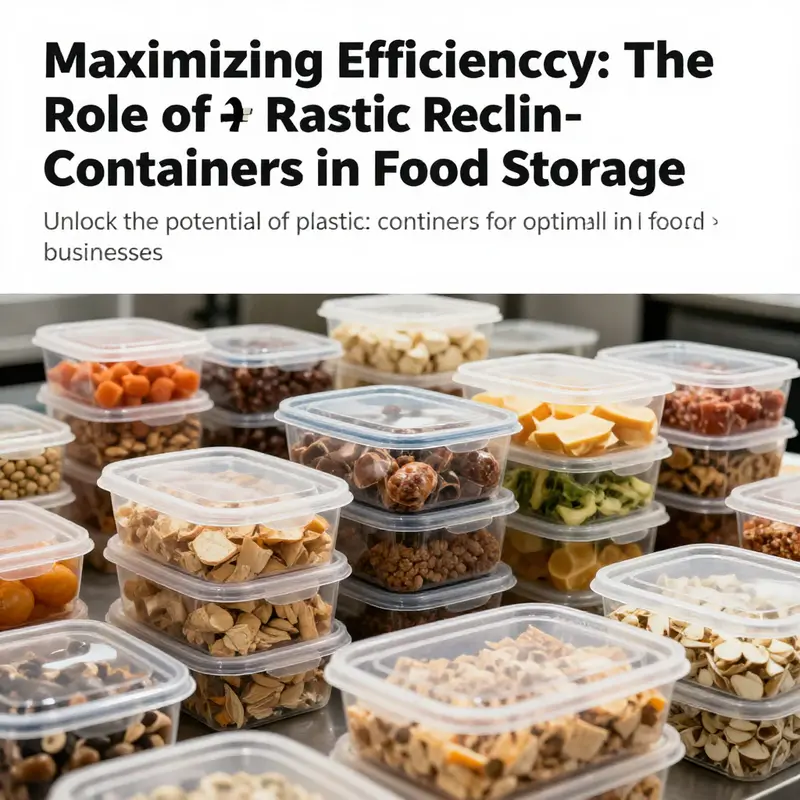
Plastic rectangular containers have become invaluable in various food-related sectors, including bubble tea shops, restaurants, food trucks, and catering services. Their versatility is unmatched, serving vital functions like food storage, meal preparation, and safe transport. This article delves into the applications, materials, safety standards, and competitive advantages of these containers, empowering event planners and corporate procurement teams to make informed choices. The chapters will discuss their practical usages in everyday settings and the advantages they offer over alternative storage solutions, culminating in a comprehensive understanding of why they remain at the forefront of food packaging.
The Shape of Organization: How Plastic Rectangular Containers Redefine Food Storage and Prep
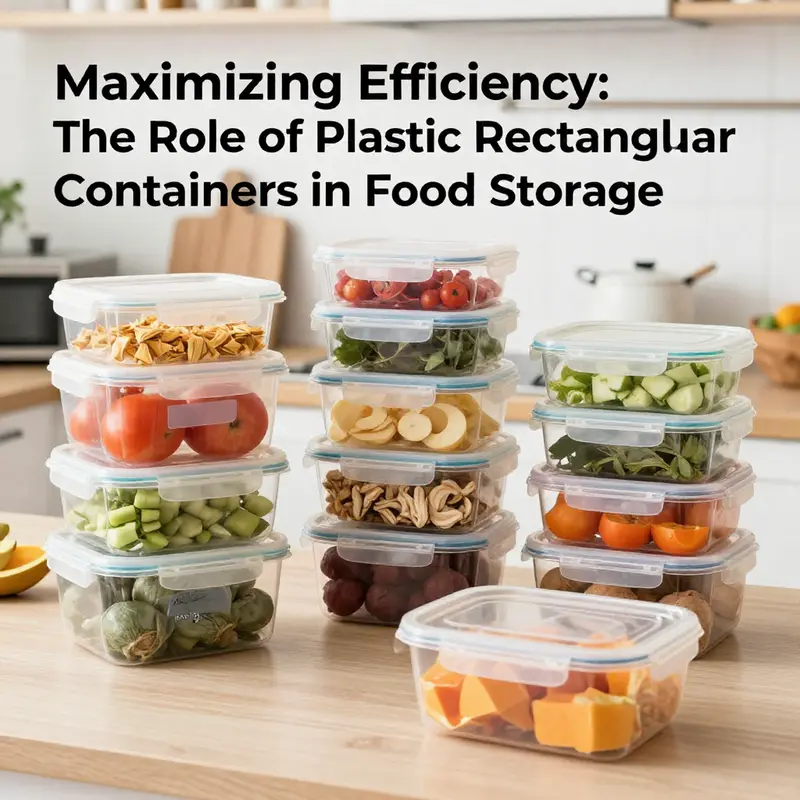
Rectangles have a quiet power in the kitchen. They line the shelves, crown the fridge doors, and become the invisible choreography behind meal prep and everyday storage. The plastic rectangular container, in its unassuming form, embodies a practical philosophy: pack more into less space, seal in freshness, and move efficiently between stages of a meal—from raw ingredient to ready-to-heat dish. This chapter asks you to see beyond the lid and the hinge, to understand how the geometry of storage shapes our routines, our safety practices, and our environmental considerations. At the core is a blend of material choice, structural engineering, and user-centered features that together convert a simple box into a reliable tool for kitchens of every scale, from home cupboards to food service lines and even agricultural fields where the flow of produce from field to market must be tidy and traceable.
The choice of materials is not incidental. Most widely used plastic rectangular containers are crafted from food-safe plastics such as polypropylene and high-density polyethylene. These polymers are chosen for their balance of chemical resistance, durability, and safety in contact with foods. Polypropylene, in particular, is favored for its heat tolerance and rigidity, while HDPE offers toughness and impact resistance that helps prevent cracks and leaks during transport. The emphasis on safety does not stop there. Reputable manufacturers often highlight compliance with safety standards such as FDA guidelines, along with other regulatory frameworks like ROHS, REACH, and ISO certifications. In practice, this means an assurance that the container will not impart unwanted chemicals into food, even after repeated cycles of use and washing. The walls of many high-performance models are deliberately slim—some as thin as 0.1 millimeters—so that the containers stay lightweight without sacrificing structural integrity. This innovation translates into tangible benefits in busy kitchens, where every gram saved in the container’s weight compounds into easier handling, more efficient stacking, and reduced transport cost in bulk operations.
The rectangular silhouette is not merely a matter of aesthetics. It is a deliberate design choice with clear, practical payoffs. In a modern refrigerator, freezer, or pantry, a rectangular shape enables tight, uniform stacking that minimizes dead space and makes the most of vertical storage. This is worth more than convenience: it reduces energy use by optimizing airflow around stored items and helps keep inventory both visible and organized. In commercial settings, the density of stacked containers can determine how efficiently a cold or dry storage room functions over a shift. The result is not a single product but an ecosystem of containers in various sizes that can nest within each other for space savings or align side by side for quick counting and rotation. The design logic extends into the lids. Most containers feature airtight, snap-on, or locking lids with silicone gaskets that create a near-hermetic seal. The gasket acts as a barrier to air and moisture, slowing the staling process and limiting freezer burn, which is particularly important for batch-prepared meals, chopped vegetables, and leftovers.
Lids with clever gasket technology also contribute to safety and cleanliness during heating and transport. In many of the best-performing models, vented lids with steam-release features are available. These vents give a controlled escape for built-up moisture during microwaving or reheating, reducing condensation and the risk of messy spills when containers are opened. The practical upshot is straightforward: safer handling, cleaner workspaces, and less waste from food that would otherwise suffer from moisture-related spoilage. In professional kitchens where speed and precision govern outcomes, these features become part of a broader system for maintaining food quality across service timelines. A well-sealed container protects the interior environment from cross-contamination, a critical concern when raw ingredients share storage spaces with ready-to-eat items. Color-coded lids or labeling conventions are common in venues where multiple lines of service operate in parallel. This organizational layer—while seemingly simple—reduces the chance of mistakes and streamlines audit trails for food safety programs.
The versatility of the plastic rectangular container is one of its defining strengths. They are engineered for a range of use temperatures and culinary tasks. Many models are optimized for freezing, refrigeration, and microwave reheating. Some are marketed as oven-safe up to temperatures that reach around two hundred degrees Celsius, enabling not just cold storage but also convenient reheating without a transfer to a separate dish. The ability to go from freezer to microwave to oven, sometimes in the same container, is a powerful time-saver that supports home cooks and busy kitchens alike. In practice, this flexibility translates into more complete meal-prep strategies. Individuals who prepare meals on Sundays for the workweek can portion out dishes into uniform blocks, knowing they will reheat evenly and maintain texture and flavor without needing to transfer contents to other bakeware. Varied capacities—from small portions to large bulk servings—appeal to families, communal kitchens, and food services that must scale up quickly for events, staff meals, or catering pick-ups.
Size range matters as much as the shape. Contemporary lines typically offer sizes from the smaller end—hundreds of milliliters—to well over a liter. In some supplier catalogs, 500 milliliters up to 2000 milliliters are commonly listed, with a spectrum of volumes in between. These options support a spectrum of routines: single-serving meal prep, ingredient batching for a week, and bulk storage for large events. The lightweight nature of plastic, when compared with glass or metal, adds another layer of practicality. Heavier containers can raise handling fatigue and complicate stacking in mass workflows; lighter designs keep operators moving and reduce the risk of injury. Yet the durability of plastics remains a critical consideration. Even with lightweight walls and resilient polymers, repeated cycles of freezing, thawing, washing, and heating test the long-term integrity of the container. The best models resist cracking, warping, and staining, maintaining clear visibility of contents and durable seals through many cycles.
Transparency is a valuable attribute in many storage scenarios. Clear or translucent plastics allow users to assess contents at a glance without opening lids, supporting both accuracy in inventory management and the avoidance of unnecessary food waste. This visibility matters in both home kitchens and industrial settings. When many containers sit on shelves, a quick glance can reveal what is inside, whether it’s leftovers, chopped vegetables, cooked grains, or batch-prepared meals. The ability to see contents through the walls also reduces the number of times containers need to be opened, helping prevent moisture loss and exposure to ambient air that can affect freshness and humidity-sensitive ingredients. In some cases, manufacturers pair this visibility with stackable, nestable configurations that still preserve the neatness of the line. Clear lids or windows provide a continuous line of sight even when items are stacked, reinforcing efficient organization with minimal fuss.
The use of plastic rectangular containers extends well beyond the kitchen counter. In the food industry at large, these containers serve as storage, transport, and display units. They support the workflow of restaurants and catering services by enabling rapid assembly, portioning, and transport of meals. Color-coded or labeled systems help prevent cross-contamination between raw and cooked ingredients, which is essential in kitchens that handle multiple food categories in close proximity. The adaptability of the rectangles—stackable for vertical space, modular for varying batch sizes, and adaptable to cold-chain requirements—makes them reliable workhorses in production lines, cold rooms, and service counters. In logistics and warehousing, these containers outperform traditional packaging in resisting moisture and dust while also offering superior inspectability and durability. Their lighter weight reduces handling costs and the risk of damage during transit, a practical advantage in environments where goods are moved repeatedly across warehouses, docks, and distribution centers. For agricultural applications, durable, weather-resistant plastic containers can be used to collect, transport, and store harvested produce or young plants. Their transparency aids in visual checks of contents, and their rugged exteriors withstand rough field conditions, rain, and handling by workers.
Sustainability remains a central concern in any discussion of plastic storage options. The industry has responded by exploring recyclable and bio-based alternatives that do not compromise performance. Advances in material science have yielded plastics that can be more easily recycled or produced from renewable feedstocks, aiming to close the loop between production and disposal. The lifecycle story of a plastic rectangular container includes manufacturing energy, durability during use, and end-of-life considerations. When used to extend the shelf life of fresh ingredients, these containers contribute to waste reduction by minimizing spoilage and enabling more precise portioning. The ability to reuse containers across multiple meals and seasons also reduces the frequency with which We replace one-off packaging. Yet, environmental concerns persist in the broader context of plastic waste, and designers increasingly seek to optimize wall thickness, printing methods, and lid designs to balance functionality with recyclability. The end-of-life scenario—whether through recycling facilities or downcycling paths—depends on careful packaging design and an infrastructure that can handle plastic waste in a responsible manner.
In contemplating the overall value proposition of plastic rectangular containers, it helps to acknowledge trade-offs. Glass and stainless steel have undeniable advantages in inertness and heat resistance, but they bring heavier weights and higher upfront costs. For many households and mid-scale operations, plastic remains the most practical compromise between performance, cost, and convenience. The best containers deliver a suite of capabilities: reliable seals, temperature tolerance, clear contents, seasonal adjustability through varied sizes, and compatibility with common kitchen workflows. They fit naturally into the Celsius-to-Fahrenheit rhythm of cooking—freezing for longer-term storage, refrigeration for daily readiness, microwaving for quick reheats, and, for some models, oven reheating with minimal transfer steps. They also align with the day-to-day responsibilities of people who batch-cook, organize leftovers, or manage school and work lunches. In the end, the container is not a standalone artifact; it is part of an integrated system that organizes, protects, and streamlines meals from the moment ingredients are prepared to the moment they are enjoyed.
If sustainability continues to rise in priority, the market will respond with packaging options that blend the best of both worlds: the robust performance demanded by kitchens and the environmental responsibility expected by consumers and regulators. Transparent materials might give way to more recyclable colors, and mechanical designs may reduce material use without compromising strength. In practice, this means a future where the rectangular container remains a staple but becomes even more adaptable and greener. It may include features that encourage reuse, easier cleaning, and more efficient recovery at the end of each cycle, with designers mindful of the entire lifecycle from cradle to cradle. Meanwhile, kitchens will continue to rely on its dependable geometry—shorter paths to better organization, faster service times, and fewer opportunities for spoilage—anchored by the science of plastics that keeps food safe, fresh, and accessible when it matters most.
Despite the many advantages, a responsible approach to storage also invites an ongoing evaluation of alternatives. In some settings, smaller, lighter, and more sustainable options like kraft paper bowls and other fiber-based packaging are used for short-term take-away needs. These materials can complement plastic containers in a broader packaging strategy that prioritizes waste minimization and recyclability. For those curious about how such alternatives compare in practice, see the overview on takeaway kraft rectangular paper bowls as a reference point for understanding different packaging paradigms and how they fit into a balanced, resilient food system. takeaway kraft rectangular paper bowls.
As we continue to refine the toolkit of food storage, the plastic rectangular container stands as a reliable, adaptable cornerstone. It translates the abstract idea of efficient space use into a concrete, repeatable workflow. In kitchens large and small, its shape—rectangular, stackable, and seal-ready—makes it a practical instrument for reducing waste, safeguarding safety, and supporting the daily rituals of cooking, reheating, and sharing meals. It invites a continuous conversation about materials, design, and sustainability, a conversation that will shape how we store, move, and think about food in the years to come. For readers who want to dig deeper into standards and best practices for food-contact materials, a trusted external resource offers further guidance and regulatory context: https://www.foodsafety.gov.
Materials That Hold the Meal: A Close Look at Plastics in Rectangular Food Containers
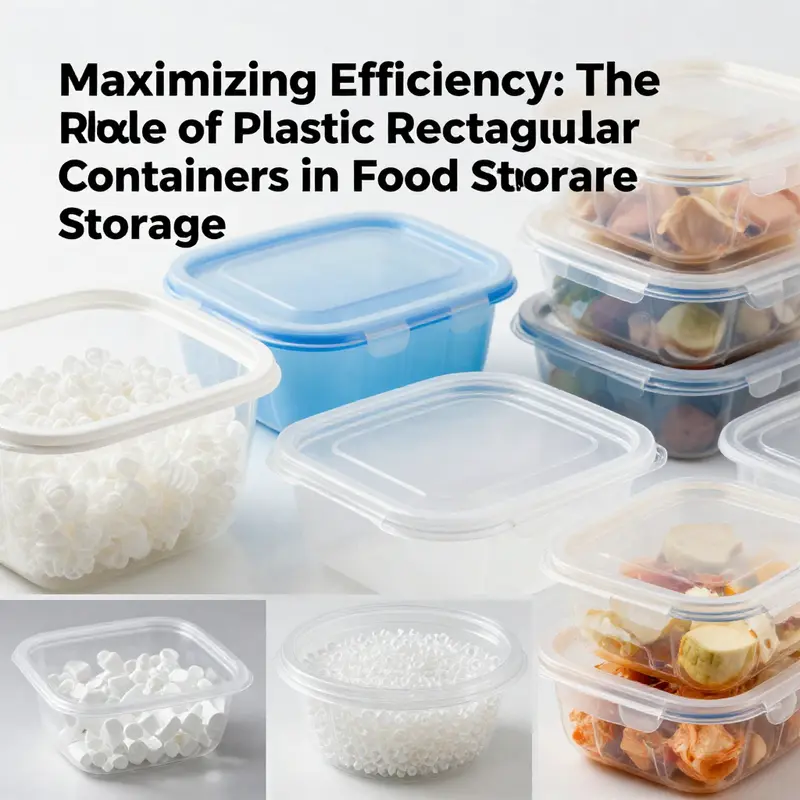
Rectangular plastic food containers are so common that they often disappear from the foreground of daily kitchen life. Yet their materials determine not only how well they protect and preserve food, but also how safely and efficiently they fit into the rhythms of home cooking, meal prep, and professional service. The rectangular form is more than a design choice; it is a storage strategy. It compresses space, encourages uniform stacking, and creates predictable footprints that align with shelves, drawers, and cold-storage systems. The materials chosen for these containers are the quiet engineers behind that efficiency. They decide whether a box will stay clear and bright after a hundred trips through the dishwasher, whether it will survive a week in the freezer without cracking, and whether it can brave the heat of a microwave or the chill of a freezer with minimal image distortion. In short, the material acts as the container’s armor and its passport, shaping performance and perceptions in equal measure.
Among the most common plastics used for rectangular containers are polyethylene terephthalate (PET), polypropylene (PP), polystyrene (PS), and Tritan, a proprietary copolyester that has carved a niche in premium, reusable storage. Each material carries a distinct profile of properties, from clarity and rigidity to heat resistance and chemical stability. PET is celebrated for its clarity and stiffness. When a container made of PET is filled with dry goods or cold foods, it presents a transparent window into its contents, a feature that helps with quick inventory checks in busy kitchens and retail displays. PET’s rigidity also translates into reliable dimensional stability, which matters when you stack containers in a row or slide them into a narrow refrigerator shelf. The material’s recyclability adds another practical layer: a container that is easy to recycle can reduce waste streams and align with circular economy goals. In practice, PET’s advantages are most evident in short- to medium-term storage needs, particularly for dry goods and non-fatty foods that do not demand high heat resistance. As a consequence, many households reach for PET-based containers when the goal is visibility, light weight, and uncomplicated disposal routes after use.
Polypropylene offers a different set of strengths that make it a staple in both home kitchens and commercial settings. PP is unusually versatile when it comes to temperature exposure and chemical resistance. It can tolerate repeated cycles of freezer cold and microwave reheating better than many other plastics, which is why PP containers are often marketed as microwave-safe, freezer-safe, and dishwasher-safe. The chemical resistance of PP helps it stand up to sauces, marinades, and cleaning agents without degrading or transferring flavors. A PP container can serve as a practical, everyday tool for batch prep, portioning, and meal planning. Its heat tolerance is generally more forgiving than PS and PET in typical consumer-use scenarios, though limits still apply depending on thickness, lid design, and the presence of any venting mechanisms. The broad adoption of PP is driven by its balanced mix of performance, cost, and safety—factors that matter in households as well as in food service operations where reliability and repeatability are essential.
Polystyrene, including the foam-style variant, occupies a somewhat different niche. PS is known for its clarity and insulating properties in some forms, offering cost-effective solutions in single-use packaging and disposable ware. In the context of rectangular containers, PS can provide a stiff, light, and inexpensive option. However, the tradeoffs are clear. PS is more prone to odor transfer and, in some cases, faster degradation when exposed to certain fats or high-fat foods. Its environmental footprint can also be more challenging in the sense of recycling complexity and the economics of recovery, which influences decisions in both home recycling and larger-scale waste management programs. The choice to use PS often reflects a calculation about cost, convenience, and the intended lifetime of the container in question. For applications focused on short-term storage or single-use packaging, PS sometimes offers practical advantages in terms of molding ease and cost per unit, even as it invites a closer look at odor control and end-of-life considerations.
Tritan raises the bar further still in the conversation about materials for plastic rectangular containers. This high-performance copolyester has gained traction in premium reusable storage due to its combination of transparency, shatter resistance, and resistance to staining and odors. Tritan’s glass-like clarity without the fragility of glass makes it attractive for consumer expectations of hygienic appearance and reliable monitoring of contents. Its odor resistance helps maintain the neutral flavor and aroma of stored foods over repeated use, which is a plus for people who rotate ingredients or carry leftovers across a week. The tradeoffs with Tritan usually center on cost and, in some cases, the availability of recycling streams tailored to this material. Yet for households and businesses prioritizing long service life, repeated washing, and a more robust user experience, Tritan often delivers a compelling combination of performance and perceived value.
The selection among PET, PP, PS, and Tritan is rarely about a single material being universally superior. It is about aligning the material’s inherent properties with the intended use. A container designed to store dry pantry staples on a shelf may leverage PET’s clarity and rigidity to facilitate quick scanning and inventory checks, while a family’s weekly meal-prep regimen may benefit from PP’s heat tolerance and dishwashing resilience, enabling the same box to move from refrigerator to microwave with minimal risk. For a busy takeout operation or a catering setup that requires rapid reheating and easy stackability, the choice might favor PP’s balance of cost and heat tolerance, paired with a well-designed vented lid to manage steam during reheating. In contrast, a high-end home kitchen that values longevity and a near-laminate-like appearance might opt for Tritan, accepting a higher unit cost for a container that remains clear and durable after many cycles. The interplay between material properties and practical demands is not merely a theoretical exercise; it shapes everyday outcomes, from the moment a lid snaps shut to the moment a container is pulled from the freezer for defrosting.
Across these materials, safety standards and regulatory considerations provide the essential framework within which manufacturers operate. Food-contact safety is not optional; it is a baseline expectation that informs how resins are formulated, colored, and compounded. In many regions, the materials used in food containers must align with standards such as those set by food safety authorities, and they are often required to meet broader compliance frameworks like ROHS, REACH, and ISO-9001 for manufacturing quality. The practical upshot is that a well-made plastic rectangular container does more than hold contents. It represents a carefully negotiated balance among safety, durability, and performance, all while supporting cleanliness and hygiene priorities in kitchens of every scale.
A practical lens on material choice also takes into account the life cycle of the product. PET’s recyclability adds a potential environmental advantage, especially when the waste stream is well managed and the container is free from problematic labels or incompatible laminates. PP’s widespread recycling options contribute similarly, particularly for households that separate plastics by resin type. PS, with its recycling challenges in many municipal programs, invites careful consideration of end-of-life. Tritan, while durable and reusable, sometimes faces more complex recycling flows due to being a copolyester and not always accepted in all recycling streams. People planning long-term storage for leftovers, or operators aiming to minimize replacement cycles in a commercial kitchen, weigh these life-cycle considerations alongside price and performance. The result is a nuanced decision-making process: not simply “which plastic is best?” but rather “which plastic best fits the food, the usage pattern, and the waste realities of this environment?”
Even when the focus is on continuing reuse rather than single-use convenience, the chemistry behind these plastics matters. Heat exposure, chemical migration, and surface interactions with foods—fats, acids, and oils—play out differently across PET, PP, PS, and Tritan. PET’s barrier properties can be excellent for certain dry goods, but less optimal when fats or solvents are in play. PP tends to resist a wider range of chemicals and temperatures, which makes it a versatile all-round option; still, its performance can depend on wall thickness, lid integrity, and sealing mechanisms. PS, especially in foam variants, can offer elegant insulation but may be more susceptible to odor absorption and surface staining over time. Tritan’s design emphasizes durability and resilience against color changes and odor transfer, which is a meaningful benefit in households that stash strongly scented leftovers or reuse containers frequently. The overarching theme is that the material is a steward of the contents as much as a protector of the container itself.
Beyond the laboratory-like considerations of chemistry and standards, there is a human-facing dimension to material choice. Consumers encounter differences in how a container feels in the hand, how easily it stacks in a fridge, how visible the contents are through the wall thickness, and how readily it returns to its original shape after a careful twist or bend. In everyday use, these micro-variations influence habit: clear PET boxes invite quick checks of what’s inside; opaque PP boxes encourage a tidier, more uniform look; the crisp, glossy sheen of Tritan can signal a premium tool that deserves careful handling. For commercial kitchens, the stakes rise even higher. The ability to withstand repeated cycles of washing, the reliability of lids to stay sealed during transport or steam exposure, and the predictability of performance across hundreds of containers all contribute to efficiency, hygiene, and speed. The economics of these choices—unit cost, wash-cycle compatibility, and lifetime value—often determine whether a kitchen migrates to one material family or keeps a mixed approach that leverages the strengths of several plastics for different tasks.
Sourcing realities also shape material decisions. Wholesale suppliers emphasize a few constants: clear communication about food-contact safety, consistent resin performance, and compatibility with lids and seals designed for that specific material. The interplay of supply chain considerations with practical performance makes the story of material selection a living one, adaptable to new processing advances, evolving safety expectations, and shifting consumer needs. In turn, the consumer’s daily experience—how a box looks after multiple cycles, how easily it can be cleaned, and how confident one feels about reheating leftovers—becomes a reflection of the material story behind the container. When a kitchen system uses a blend of containers chosen for PET’s clarity, PP’s resilience, PS’s cost-effectiveness, and Tritan’s durability, the result is a versatile ecosystem that can flex with family routines, seasonal menus, and the demands of a busy workweek.
To bring these ideas into a practical frame, consider the lifecycle and the environment in which these containers operate. In households that prioritize visibility and quick identification of contents on crowded shelves, PET can be ideal for dry goods or translucent storage where content can be assessed at a glance. In families that value durability and repeated reheating, PP stands out as a workhorse that can endure the daily grind. For those who prize long-lasting clarity and the confidence of a robust, stain-resistant inner surface for leftovers, Tritan often shines as a premium option. In situations where cost is the primary driver, or where a short-term need supersedes long-term reuse, PS-based options may fill the gap with acceptable performance at a lower price point. Each choice carries a subtle set of implications for how a kitchen or a food-service operation performs, how waste is managed, and how people perceive the reliability of the tools they use to protect and nourish themselves and others.
The broader context of the modern kitchen, whether residential or commercial, continues to push toward a balance of safety, cost, usability, and sustainability. The rectangle remains the preferred silhouette because it aligns with the way people organize, stack, and access their meals. The materials chosen for these rectangles are the quiet guardians of that efficiency, the compounds that translate raw chemical potential into everyday practicality. In this sense, a plastic rectangular container is more than a vessel; it is an interface between food and human habit, a tool that shapes how meals are prepped, stored, transported, warmed, and enjoyed. As manufacturing processes evolve and new food-contact standards emerge, these materials will continue to be re-evaluated and refined. The core insight remains: selecting the right material for the right task is essential to delivering safe food storage, predictable performance, and a kitchen that runs with the minimal friction that people crave in their daily routines.
External resource for regulatory context on food-contact materials: https://www.fda.gov/food/packaging-food-contact-substances-fcs/overview-food-contact-materials
Plastic Rectangular Food Containers: Standards, Safety, and Everyday Reliability
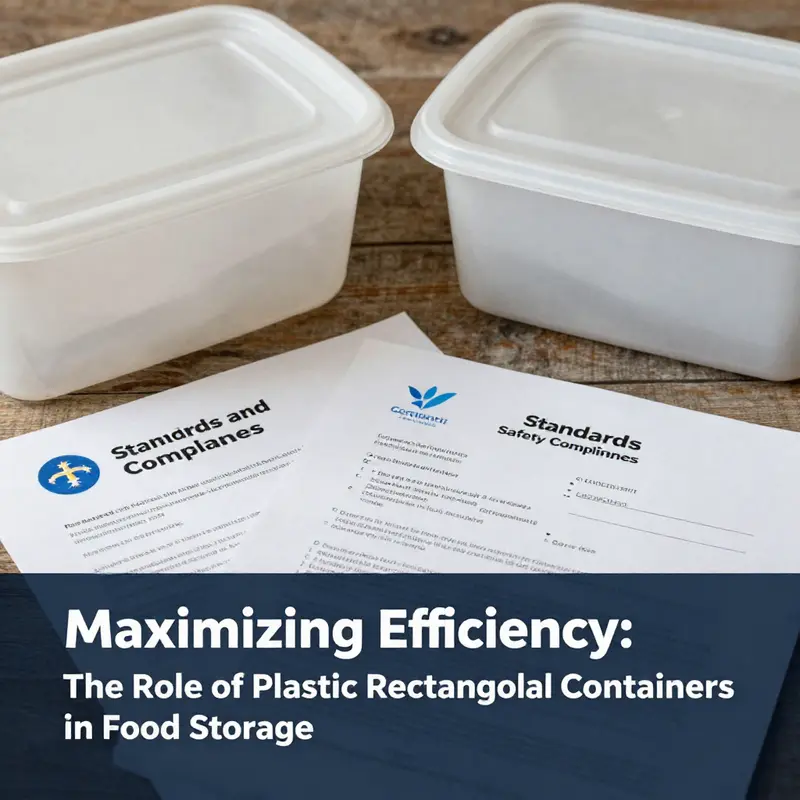
Plastic rectangular containers are designed for organized storage, reheating, and repeated use, and their safety rests on a framework of materials, testing, and labeling. Key elements include the use of food-grade resins such as PET, HDPE, and PP; regulatory expectations that limit chemical migration into food; and robust testing to verify performance under heat, acidity, and washing. Clear labeling and declarations of compliance help buyers select appropriate containers for microwaving, freezing, or oven use, while recycling codes and care instructions support responsible disposal. Good design—tight seals, uniform wall thickness, and appropriate venting—helps prevent leaks and maintain food integrity across multiple cycles. Consumers and professionals alike should look for credible food-contact declarations, understand heat-use ratings, and follow manufacturer guidelines to ensure safety and durability over time.
The Linear Advantage: How Plastic Rectangular Storage Shapes Our Kitchens, from Meal Prep to Maintenance
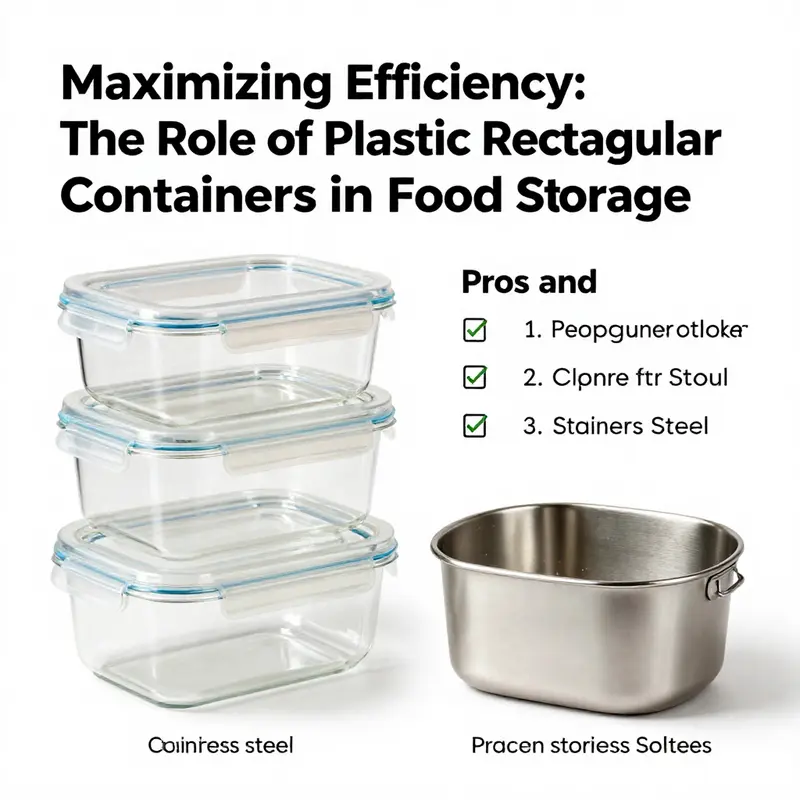
Rectangular plastic storage containers have become an almost invisible backbone of modern kitchens and workrooms. They occupy shelves, fill refrigerators, and stand at the ready for batch cooking, frozen stock, and daily organization. The shape alone matters as much as the material, because a long, flat rectangle locks together with others to form a precise, modular grid. When you slide containers into a fridge or freezer, the flat sides kiss one another, corners meet corners, and space is reclaimed with almost mathematical efficiency. This design ethos extends beyond casual storage; it supports commercial kitchens that juggle speed, hygiene, and throughput. In such settings, the same containers used by home cooks become tools for portion control, inventory tracking, and workflow optimization. The choice of plastic—often polypropylene or high-density polyethylene—complements that geometric logic with durability, chemical resistance, and food safety. These plastics are selected for their low weight, resistance to moisture, and compatibility with standard cleaning cycles, which makes them practical for everyday use and robust enough for high-demand environments. Within this landscape, the containers’ lids—airtight, snap-on, or locking—are not afterthoughts but essential partners. If the container is the chassis, the lid is the seal that protects freshness, prevents leaks, and keeps contaminants at bay. The lids may also feature vents or steam release mechanisms, a small but meaningful innovation for reheating or thawing inside the microwave or oven-safe ranges. The result is a versatile system that can survive the tempo of a kitchen, from the quiet rhythm of household meal prepping to the brisk cadence of a busy commercial service line.
The materials themselves deserve attention. Polypropylene and HDPE are the most common choices because they balance safety with resilience. BPA-free variants have become the baseline expectation for most consumers, reflecting a broader shift toward safer food-contact plastics. The chemistry is not an abstract matter; it translates into how a container behaves under daily use. Polypropylene’s heat resistance aids warm storage and repeated microwaving, while HDPE’s chemical resistance and sturdy wall thickness help resist cracking and staining even when dark sauces or bright marinades are stored for extended periods. Some lines push further with ultra-thin walls that still maintain adequate rigidity, which reduces weight and bulk while preserving stackability. In practice, this can translate into a lighter cart in a commercial kitchen or a lighter stack in a family’s pantry, which reduces fatigue during busy days and simplifies routine cleaning.
When we talk about the rectangular form’s advantages, the first benefit is space efficiency. A stack of rectangular containers tends to fill a fridge or cabinet without unnecessary gaps. The geometry aligns with shelves and doors, and the flat faces allow for easier labeling, visibility, and quick scanning of contents. The ability to see through transparent walls is another practical layer; contents are quickly identifiable, which speeds up meal planning and reduces the chance of forgotten items lingering at the back. The stackability is not merely about storage density; it also influences how people plan meals. When a family knows that multiple containers will nest neatly, they can portion meals by the week with greater confidence. This has knock-on effects for reducing food waste because portion sizes align more closely with planned meals, and leftovers are more readily tracked.
Yet the story of plastic rectangular containers is not without nuance. The very advantages of lightness and cost come with trade-offs that users should weigh against alternatives. Compared to glass, plastic containers generally excel in weight, price, and shatter resistance. Glass stores odors and flavors differently and often requires careful handling to avoid chips or breakage. Glass is chemically inert and non-porous, which makes it an attractive option for long-term storage of potent or aromatic foods. However, it is heavier and more fragile, which complicates repeated movement across kitchens, especially in households with kids or busy households where containers are moved frequently. Stainless steel offers another axis of comparison. Stainless steel is celebrated for durability and hygiene, and it doesn’t retain flavors or odors as easily as some plastics might. It also carries a higher upfront cost and can be less forgiving in terms of microwave reheating, since metal is not microwave-safe. The physical heft of metal frames a different mode of use, often favoring cold storage or room-temperature meals rather than hot, reheating-based workflows. The realities of temperature tolerance—steel, glass, and certain silicone options—present a spectrum in which plastic occupies a practical middle ground. It can be heated, frozen, cleaned in standard dishwashers, and re-stacked with ease, all while keeping costs in check.
Alongside glass and metal, reusable silicone bags sometimes enter the conversation as a flexible, eco-friendly alternative. Silicone offers a wide temperature range, from freezer to oven, with little risk of leaching chemicals when properly used. It provides resilience against punctures and can serve as a flexible liner or a substitute for rigid containers when packing for travel or bulk storage. Yet silicone lacks the rigid geometry that makes rectangular plastic containers so efficient for stacking and stable for long-term dry storage. Silicone bags can be excellent for items that benefit from a flexible, sealable pouch, but when one needs to pile dozens of containers in a cabinet or align them in a fridge door, the rigid walls of rectangular plastic units usually win out. The practical decision often comes down to how the user values ruggedness, stable stacking, and bulk capacity against the desire for minimal material use or a different sustainability profile. The tension between rigidity and flexibility is not merely technical; it informs everyday behavior—how a family packs lunches, how a student organizes a dorm refrigerator, or how a restaurant preps bulk ingredients for service.
The utility of rectangular plastic containers stretches beyond the home kitchen into the realm of professional food service and bulk preparation. In those contexts, the architecture of storage becomes part of a broader operating system. The containers enable batch cooking, inventory control, and quick access to ingredients during service windows. They support portioning schemes that align with nutritional goals, menu design, and waste monitoring. When a kitchen runs on a clock, every second saved by faster retrieval, clearer labeling, and predictable stacking compounds into meaningful gains. A well-chosen set can reduce cross-contamination risks by keeping ingredients separated and contained, which is a particularly important consideration in busy kitchens where multiple teams work in close proximity. The lids, seals, and venting features contribute to safety, maintain hygiene, and manage moisture—an essential trio in environments where time and cleanliness are non-negotiable.
From a lifecycle perspective, the decision to use plastic versus glass or metal carries environmental implications as well. Lightweight plastics reduce transportation emissions and energy demands, while bulk-durability offsets the need for frequent replacements. Recyclability is a critical factor, though it is not as straightforward as it might seem. Recycling streams vary by region, and the fate of discarded containers depends on local facilities, contamination levels, and consumer habits. In some settings, high-renewal plastic products are designed to endure repeated cycles of washing and use; in others, a period of use followed by recycling is part of a broader plan to minimize waste. The conversation thus moves from a simple material choice to a system-level assessment that weighs durability, frequency of use, cleaning regimes, and end-of-life options. When stakeholders—from households to schools and hospitality operations—make these trade-offs, they do not decide in a vacuum. They consider the pace of daily life, the need for dependable containment, and the costs that accumulate across a year or a decade.
A practical approach to choosing among these options rests on a few guiding questions. What is the primary storage scenario—refrigeration, freezing, or reheating? How important is weight and portability for daily routines or for transporting meals? What is the tolerance for odor retention or color staining, and how critical is chemical inertness for storing strongly scented items or acidic sauces? How much budget is available for initial purchases, and what is the anticipated lifecycle of the containers in that specific setting? For families focused on meal prepping and weekly planning, the rectangular plastic system often delivers the best balance of convenience, cost, and space efficiency. For cooks or households with a strong emphasis on odor control and long-term storage of prepared foods, alternative materials may be favored even if they require more careful handling or higher upfront investment. The central point remains consistent: the rectangular form, when paired with food-safe plastics, offers a thoughtful synthesis of practicality and performance that underpins many modern kitchen routines. It is this synthesis that explains why plastic rectangular containers have become ubiquitous, even as growing awareness of sustainability drives new experimentation with glass, metal, and silicone. The choice is not a verdict against any material but an informed decision that aligns with usage patterns, storage realities, and personal or organizational goals.
For readers exploring the broader spectrum of storage options, a complementary avenue of consideration is how alternative materials approach the same storage challenges. Paper-based and kraft options, while not a direct substitute for every cold-chain need, provide insights into how packaging design can optimize space, visibility, and hygiene using different material properties. The discussion around these alternatives helps illuminate why the rectangular plastic approach endures in many households and workplaces. It highlights a central lesson: storage is not only about containment but about how containment shapes behavior. The way a kitchen is organized—the frequency with which items are retrieved, the ease of cleaning, the speed of meal assembly, and the clarity of inventory—depends as much on shape and lid design as on the raw material.
In the end, a well-chosen set of plastic rectangular containers becomes a practical instrument for daily life and professional operation. They offer predictable performance: lightweight, durable, and cost-effective storage that can be air-tight and microwave-safe, with container walls engineered to resist warping under normal use. They are designed for repeatable cycles of use and cleaning, a factor that matters as families and businesses aim to reduce waste and improve efficiency. But the chapter of choice is not closed with any single recommendation. The trade-offs are real, and the right answer depends on context: how an item will be used, how much space is available, and what balance of cost, durability, and convenience best serves the user’s routine. As readers move through this topic, they encounter a landscape where the rectangular plastic container is both a tool and a philosophy—one that foregrounds space efficiency, practical safety, and a balanced approach to daily culinary life. For those who look beyond plastics, the journey continues with discussions of glass and silicone, each presenting its own strengths and constraints, and with packaging designs that push the boundaries of sustainability and usability.
Internal link for further context on alternatives (kraft-based takeout solutions): takeaway food kraft rectangular square rectangle salad paper bowl
External reference: https://www.amazon.com/Snapware-Total-Solution-3-Pack-Cup/dp/B008R3B9NQ
Final thoughts
Plastic rectangular containers stand out as the go-to choice across various food sectors due to their practicality, safety, and versatility. Understanding their applications, materials, and compliance with safety standards gives food businesses the edge they need in today’s competitive market. As we’ve explored, these containers not only facilitate efficient food storage and transport but also meet the rigorous demands of modern food operations. With numerous advantages over alternative storage solutions, they remain indispensable for any food service provider aiming to enhance food organization and presentation.