
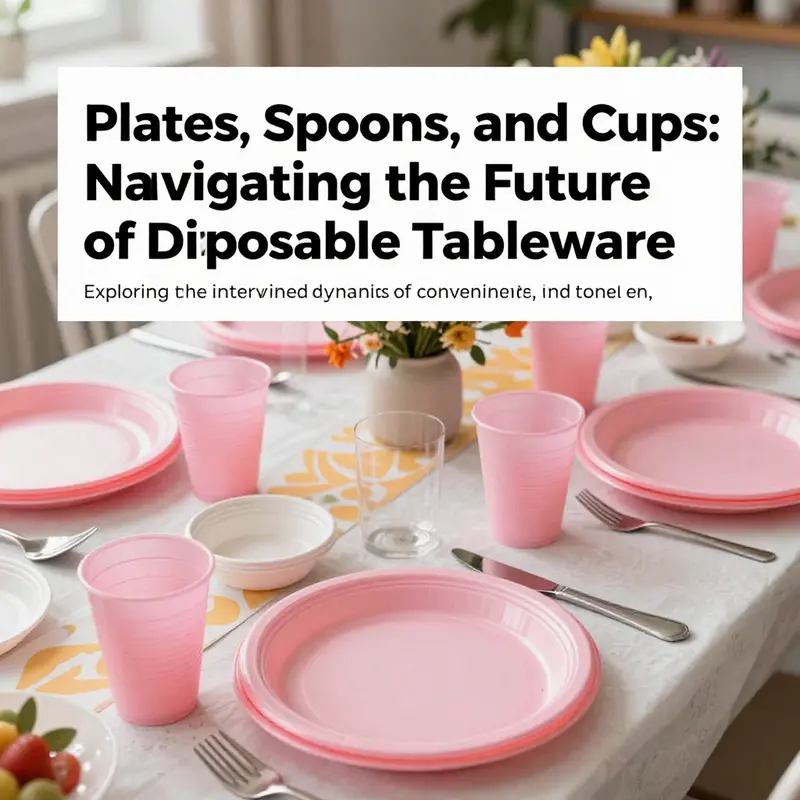
As the landscape of dining experiences evolves, the need for convenient solutions like plastic plates with disposable silverware and pink cups becomes increasingly apparent. This article delves into the environmental impacts these items may pose, market trends shaping their adoption across various sectors, and shifting consumer preferences towards sustainable alternatives. Event planners, food truck operators, catering services, and corporate teams will find critical insights that not only address demand but also spotlight necessary steps towards more responsible practices. Each chapter will build upon the previous ones, weaving together the narrative of how the disposable tableware market is not simply a reflection of convenience but also a response to growing ecological concerns and consumer activism.
Unraveling the Environmental Legacy of Disposable Tableware: Implications of Plastic Plates, Silverware, and Pink Cups
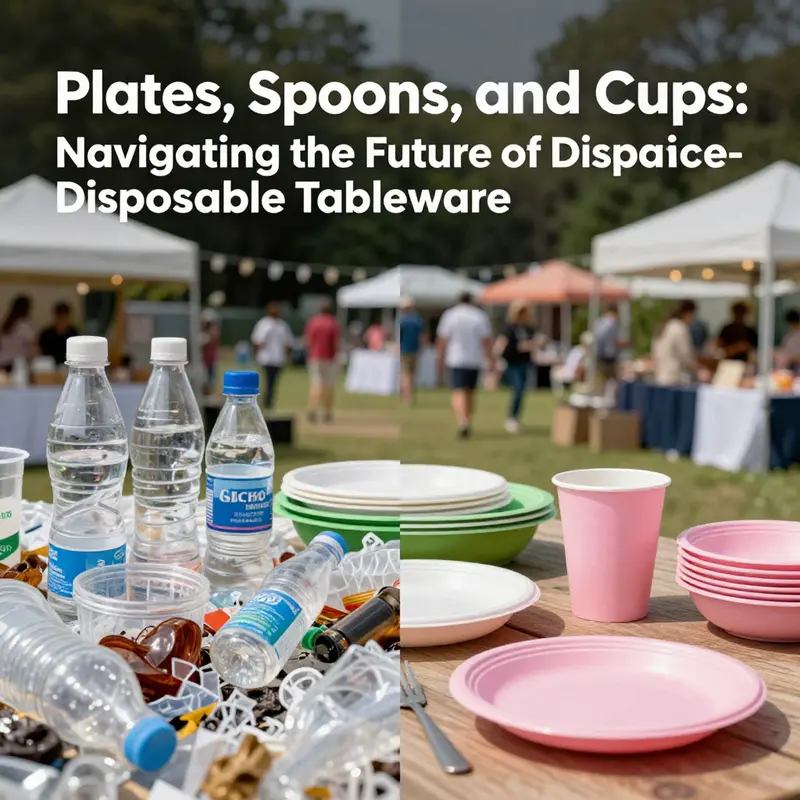
The widespread use of plastic plates, disposable plastic silverware, and pink cups has become symbolic of our era’s quest for convenience. These single-use items, popular at celebrations and everyday gatherings alike, embody both the ingenuity of modern manufacturing and the significant environmental challenges that accompany our reliance on fossil fuel-derived materials. From their production to their final disposal, every step in the lifecycle of these products raises concerns that extend far beyond the dinner table.
It is essential to understand that most disposable tableware is manufactured from petroleum-based plastics such as polypropylene (PP) and polystyrene (PS). These materials are prized for their light weight, cost-effectiveness, and durability during use. However, these very properties also work against environmental sustainability. They do not biodegrade in a meaningful time frame and hence, persist in natural ecosystems for hundreds of years. When these items are discarded carelessly, they slowly fragment into microplastics, contaminating soil and waterways and inflicting lifelong harm on marine creatures that mistake them for food.
Among these products, pink cups have a distinct symbolic appeal at events ranging from children’s parties to formal occasions. The vibrant color, however, is not without consequence. To achieve such hues, manufacturers incorporate synthetic dyes and pigments that may contain toxic chemicals. During production, use, and eventual degradation, these chemicals can leach into the environment. The resultant contamination can have cascading effects on ecosystems, affecting not only aquatic organisms but also the broader food chain. Even when efforts are made to innovate and substitute harmful dyes with less toxic options, residual concerns linger regarding the complete breakdown and bioaccumulation of such compounds in nature.
The environmental impact extends even further when one considers the full chain of disposal issues. Ideally, disposable goods should be recycled; however, many plastics are resistant to recycling efforts, particularly when they become contaminated with food residues. In natural settings, incineration is often used as a way to reduce waste volume, but this releases greenhouse gases and toxic compounds into the atmosphere. Thus, a simple convenience at a social event translates into long-term ecological costs that are not immediately apparent. The persistence of these materials means that, even decades after their initial use, their remnants continue to affect terrestrial and marine ecosystems.
With growing environmental awareness, several manufacturers have begun to reimagine disposable tableware by exploring sustainable alternatives. Biodegradable materials, such as those made from polylactic acid (PLA) derived from cornstarch, provide a promising alternative that breaks down more quickly under industrial composting conditions. However, these alternatives are not a silver bullet. They rely on the availability of facilities capable of managing industrial composting, which, in many regions, is limited. In the absence of such infrastructure, even biodegradable items can languish in landfills, where they break down incompletely and sometimes emit methane, a potent greenhouse gas.
Furthermore, the trends in consumer behavior provide a dual-edged narrative. On one hand, consumers are increasingly willing to pay a premium for products that are marketed as sustainable and eco-friendly. This willingness has spurred investments in technological advancements aimed at improving production efficiency and reducing the environmental footprint of disposable tableware. On the other hand, the sheer convenience of single-use products continues to drive demand, creating a market where both environmentally sound innovations and traditional plastic items coexist. As industries strive to strike a balance, innovations such as eco-friendly recyclable pulp cups have emerged as a viable alternative, serving as a nod to a more environmentally responsible future while maintaining the convenience demanded by consumers. For a glimpse into one such alternative, consider the discussion on eco-friendly recyclable pulp cups available for environmentally conscious take-away solutions eco-friendly recyclable pulp cups.
Compounding the problem is the fact that the production processes for conventional disposable tableware depend heavily on non-renewable fossil fuels. The extraction, refining, and chemical processing stages emit significant amounts of greenhouse gases. The cumulative effect of these processes adds another layer of complexity to the environmental footprint associated with these everyday items. Despite significant advances in industrial efficiency and a move towards greener production methods in some parts of the world, global dependency on petroleum-based plastics remains an entrenched challenge.
Critically, the intersection of environmental impact and market dynamics calls for a systemic reevaluation of manufacturing practices. As awareness grows, governments around the world are beginning to enact stringent regulations designed to limit the use of non-biodegradable materials. The United Nations Environment Programme (UNEP) has repeatedly underscored the urgency of this shift in its annual reports. In its Plastic Pollution Report 2024, UNEP highlighted that over 13 million tons of plastic waste enter the oceans annually, with single-use products being a significant contributor to this escalating crisis. These stark figures emphasize the need for a global response that not only incorporates recycled or biodegradable inputs but also promotes a culture of reuse and mindful consumption. Reducing reliance on disposable items, where possible, could lead to dramatic environmental benefits over time.
Yet, even as new constraints are imposed, the market for disposable tableware is evolving through a process of innovation and adaptation. Technological advancements have opened up avenues for the development of plastics that have a reduced environmental impact during production and disposal. For instance, improved catalysts and innovative polymerization techniques mean that new biodegradable plastics can now match or even exceed the performance of their conventional counterparts in many applications. These changes suggest that the future of disposable dining solutions might lie in a hybrid model where convenience is not sacrificed for the sake of ecological responsibility.
The production of biodegradable and compostable alternatives, however, presents its own array of challenges that need to be addressed. The raw materials, often derived from agricultural sources, compete with food production, raising concerns about resource allocation and land use. Additionally, the production cost of these alternatives is often higher compared to traditional petroleum-based plastics. This cost differential poses a barrier to widespread adoption, particularly in markets where cost competitiveness is a priority. Nevertheless, gradual scale-up and technological innovation are expected to help bridge this gap, providing both investors and consumers with more eco-friendly options without significantly impacting the bottom line.
Consumer attitudes are also pivotal in shaping the future of disposable tableware. In recent years, a growing number of environmentally conscious consumers have begun to demand transparency regarding the environmental impact of products they use daily. Environmental sustainability has become a key selling point, influencing buying habits even when it comes to everyday items like plates, cutlery, and cups. This trend is particularly pronounced in the growing demographic of socially and environmentally aware millennials and younger generations. Their preference for sustainable products is not merely a passing interest but a driving force behind the shift towards greener alternatives. As consumer preferences evolve, companies that adapt and integrate eco-friendly production methods into their business models are likely to thrive in this competitive landscape.
Moreover, the challenges posed by plastic waste are not confined to any one part of the globe. While regions with advanced waste management systems may mitigate some of the environmental impacts through better recycling and disposal techniques, many parts of the world lack these infrastructures. In developing countries, where waste management systems are often underfunded or non-existent, the environmental consequences are more pronounced. Plastic plates, disposable silverware, and pink cups, when discarded into unmanaged waste streams, can lead to significant environmental degradation. This global disparity underscores the need for international cooperation, coordinated policy actions, and technology sharing to ensure that sustainable practices are adopted worldwide.
Despite these challenges, there is room for optimism. Numerous research initiatives and policy reforms are geared towards reducing the overall environmental footprint of disposable tableware. Many governments are actively seeking out public-private partnerships that encourage innovation in sustainable materials. Concurrently, non-governmental organizations are playing a critical role in educating the public about the consequences of single-use plastics and promoting alternatives that are both environmentally and economically viable. Initiatives aimed at alleviating plastic pollution stress the importance of preventative measures—reducing plastic production and consumption at its source is perhaps the most effective strategy in the long run.
While some may view the environmental impact of disposable plastic items as an insurmountable challenge, the narrative is not entirely one of doom and gloom. There is a gradual but definite move towards improvement that is being propelled by a combination of market forces, technological progress, and heightened public awareness. Recycling innovations, for instance, are enabling more efficient recovery of plastics that previously could not be feasibly recycled. Emerging techniques in chemical recycling are promising to transform waste products into raw materials that can be reused in the production of new items. These processes, if scaled globally, could significantly reduce the volume of material that ends up in landfills and natural habitats.
The conversation also extends to the realm of policy-making, where legislative efforts are increasingly aimed at curtailing the production and use of non-degradable materials. A concerted approach that includes a mix of economic incentives, regulatory controls, and consumer education is essential to drive change. Policy initiatives that reward companies for reducing their environmental footprint and penalize those that rely solely on non-renewable resources have the potential to catalyze a shift in industry practices. Such measures create a feedback loop that benefits not only the environment but also the long-term sustainability of the market.
In considering the future trajectory of disposable tableware, it is crucial to recognize that the issues at hand are multifaceted. The environmental legacy of these products spans from extraction and manufacturing to consumption and disposal. Each stage of this lifecycle presents unique challenges that require innovative solutions. For example, the development of new materials that mimic the properties of traditional plastics but are derived from renewable resources is one promising avenue. These materials not only offer the same level of durability and convenience but are also designed to break down more readily in the environment, thereby reducing long-term ecological harm.
This intricate interplay between technological innovation, consumer behavior, and regulatory frameworks will ultimately determine the fate of disposable plastic tableware. While the current scenario paints a sobering picture of environmental degradation, it also opens up a window of opportunity for transformative change. The increasing demand for sustainable products reflects a broader shift in societal values, one that prioritizes long-term ecological balance over short-term convenience.
It is clear that the road ahead is both challenging and complex. Yet, the lessons gleaned from the environmental impacts of plastic plates, disposable silverware, and pink cups serve as a powerful reminder of the need to continually reassess our consumption patterns. A shift in perspective is vital: convenience should not come at the expense of the planet. The collective effort to innovate, regulate, and educate offers a pathway towards a future where disposable tableware can be both functional and environmentally responsible.
As the industry evolves, collaborative efforts between manufacturers, government bodies, and consumers become increasingly important. The integration of sustainable practices into the design, production, and disposal of disposable tableware is not just an environmental mandate—it is an economic and social imperative. By embracing a model where eco-friendly alternatives are prioritized and infrastructural support for waste management is strengthened, we can mitigate the adverse effects of these everyday products. This means investing in research and development, building composting and recycling facilities, and reimagining the design of products so that their end-of-life impacts are minimized.
In conclusion, while plastic plates, disposable plastic silverware, and pink cups have long been emblematic of modern convenience, they also highlight significant environmental challenges that demand urgent attention. The reliance on non-renewable materials, the persistence of microplastics, and the toxic legacy of synthetic dyes are issues that intersect with every stage of the products’ lifecycle. By fostering technical innovation, updating policy frameworks, and shifting consumer behaviors, a balance can be struck—a future in which disposable tableware is designed with both practicality and the environment in mind. For further insights into the scale of the problem and ongoing initiatives to address plastic pollution, see the full report by the United Nations Environment Programme on plastic waste UNEP Plastic Pollution Report 2024.
Through the integration of sustainable production practices and enhanced waste management policies, the environmental burden of disposable tableware may indeed be lessened over time. The task is daunting, but the collective commitment to change, spurred by innovations in eco-friendly materials and evolving consumer expectations, promises a more sustainable and responsible path forward. The story of plastic plates, disposable silverware, and pink cups is not merely one of environmental degradation—it is also a narrative of potential transformation, where awareness and innovation pave the way for a healthier planet.
Ultimately, the journey towards sustainable disposable tableware is emblematic of a broader societal realization: that the convenience and ease of modern life cannot justify the long-term harm to our environment. As industries, governments, and individuals continue to confront the stark realities presented by decades of plastic dependency, there is hope for a future where functionality and environmental stewardship coalesce to create a balanced, resilient ecosystem. The changes we forge today will determine the legacy we leave for future generations, underscoring the need to act collectively and decisively in the interest of our shared planet.
Navigating the Sustainable Shift: Transforming the Disposable Tableware Market
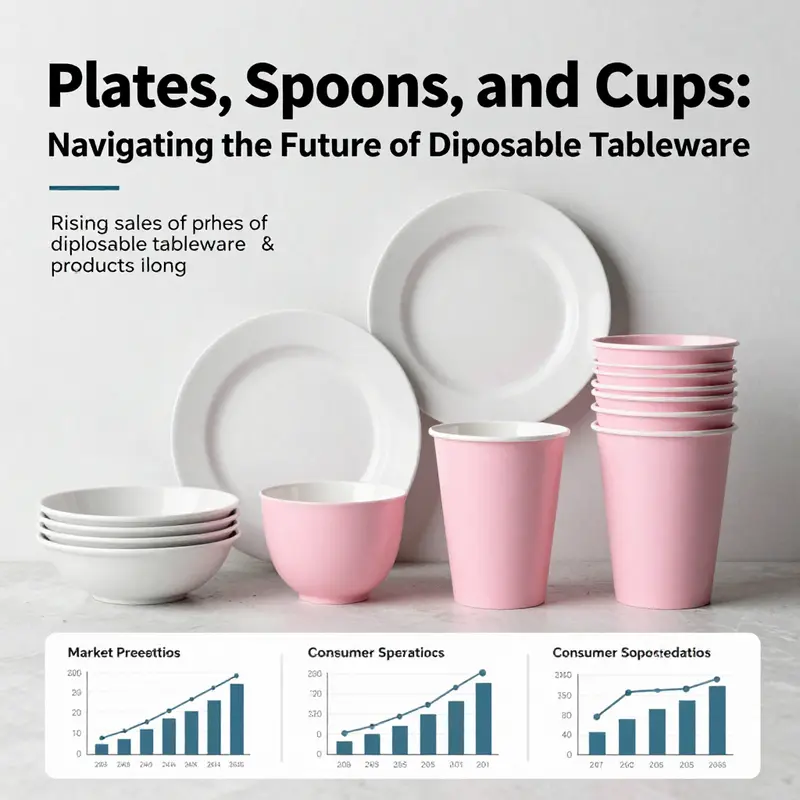
The disposable tableware market, once defined by ubiquitous plastic plates, silverware, and even the novelty of pink cups, is undergoing a profound transformation. Driven by a convergence of stringent environmental policies, shifting consumer priorities, and breakthrough technological innovations, the industry is redefining itself in ways that not only meet regulatory demands but also reflect an evolving commitment to sustainability.
At the heart of this transformation lies the role of environmental regulations. Government agencies across the globe, most notably in regions such as China, the European Union, and Japan, have implemented policies that aim to curb the widespread use of traditional, petroleum-based plastics. In China, strict initiatives that have been steadily enforced since 2020 have led to progressive bans on non-degradable disposable tableware in multiple provinces. In regions like Hainan and Zhejiang, the complete prohibition of certain plastics has compelled manufacturers to rethink and reformulate their products. These regulatory measures are more than just legal requirements; they signal a seismic shift in market expectations. Companies that once relied on cost-effective but environmentally harmful materials are now investing heavily in biodegradable substitutes, fundamentally altering production processes.
The shift toward sustainable alternatives is not merely a reaction to regulations but also a clear signal of market restructuring. As consumers become increasingly aware of environmental issues, they are starting to demand more responsibly produced products—even if these come at a premium. Throughout the market, eco-conscious consumers consistently demonstrate a willingness to pay more for items that align with their values, such as biodegradable plastics or paper pulp-based tableware. For example, advanced materials like polylactic acid (PLA) and polybutylene adipate terephthalate (PBAT) are quickly becoming the new industry standard as they offer similar functionality to traditional plastics while being derived from renewable resources and offering enhanced biodegradability. Manufacturers are also exploring innovative alternatives such as paper pulp molded tableware made from renewable sources like bamboo and sugarcane waste. This type of material not only delivers on performance—boasting heat resistance and grease resistance—but also underscores a shift towards a more circular economy.
The evolution of material science plays a central role in this story of market change. Over the past half-decade, significant strides have been made in the development of bioplastic composites. For instance, PLA/PBAT materials now exhibit a heat deformation temperature that exceeds 95°C, making them suitable for hosting hot foods without compromising structural integrity. These advancements have been crucial for industries that cater to fast-casual dining and food delivery, where performance under varying temperatures is paramount. Alongside this, scale-up initiatives spearheaded by major chemical companies have driven down production costs by almost 40%, making bioplastics a more economically viable option. In parallel, novel production pathways—like converting agricultural straw into lactic acid—are reducing reliance on fossil fuels and fostering an even greener production pipeline. These technological breakthroughs are emblematic of the industry’s broader commitment to sustainability, where innovation is not just a competitive advantage but a necessity in an increasingly eco-conscious market.
Behind the numbers and technological achievements, however, lies an equally important human element: consumer behavior. A significant portion of market data highlights that younger generations, particularly those belonging to Generation Y and Generation X, are at the forefront of this shift. A recent report indicated that a substantial majority of consumers expect even small price increases if they are assured of environmentally friendly credentials. This willingness to invest in sustainability has not gone unnoticed by major players, many of which have integrated environmentally responsible practices into their brand identities. Global chains and retail giants are increasingly adopting biodegradable packaging solutions as a core component of their marketing strategies. The emphasis is not solely on reducing plastic waste but also on crafting a narrative that resonates with the ethos of modern consumers who value corporate responsibility and a commitment to the environment.
As the market shifts, so too do the production paradigms. Traditional methods that once relied on labor-intensive manual production are now giving way to digitized, automated systems. Manufacturers such as Zhejiang Zhongxin Environmental Protection Technology have pioneered the use of fully automated, intelligent production lines capable of making both paper pulp containers and PLA-based cutlery concurrently. These flexible manufacturing setups not only boost production efficiency—by up to 60% per shift—but also significantly reduce energy consumption and material waste. By integrating automation with eco-friendly production methods, these systems set an industry benchmark that reconciles economic efficiency with environmental responsibility. The streamlined nature of these technologies also means that companies can respond quickly to market fluctuations while maintaining consistent quality, thereby ensuring that sustainable products are as accessible as their traditional counterparts.
The practical implications of these technological and regulatory shifts are particularly evident in how disposable tableware is marketed and positioned in the marketplace. Consider, for instance, the everyday convenience of disposable items at a casual gathering or a large-scale event. The once ubiquitous plastic plates, silverware, and pink cups have been symbols of convenience and modern lifestyle. Today, these goods are fast becoming the vanguard of a new era, where design innovation and environmental stewardship work in tandem. Consumers no longer view disposable products solely through the lens of convenience; they now see them as reflections of their personal values. In many ways, purchasing decisions are becoming a form of personal activism, as environmentally conscious consumers actively choose products that leave a lighter ecological footprint.
This reimagining of disposable tableware has also given rise to novel branding strategies that emphasize value beyond mere functionality. Leading companies are now leveraging sustainability as a key differentiator in crowded markets. Detailed market analysis emphasizes that the priority for many brands is not just to fulfill the need for convenience but to do so in a manner that mitigates environmental impact. The philosophy of a circular economy—where materials are continuously reused and recycled—has started to permeate every aspect of product design. At various production facilities, renewable energy sources power the machinery that produces these sustainable products, further underscoring the industry’s commitment to eco-friendly practices. The conversation has shifted from one merely about disposal to one about the lifecycle of materials, inviting both manufacturers and consumers to reimagine every step of the process from production and consumption to end-of-life recycling.
The practical benefits of these innovations are beginning to manifest in market performance. High-volume sectors such as food delivery and fast-casual dining have been quick to adapt, demonstrating robust growth in areas where disposable products are essential. Despite the effectiveness of these new manufacturing processes, challenges remain. Supply chains must now be recalibrated to source eco-friendly raw materials, and logistical systems adjusted to handle products requiring specific disposal or recycling protocols. Yet, these hurdles are not insurmountable. Instead, they represent the natural growing pains of an industry in transition. As companies continue to refine their supply chains and production technologies, the broader benefits—less environmental impact and improved consumer trust—are expected to far outweigh any short-term difficulties.
Market analysts project that this push toward sustainability will not only lead to incremental improvements but may also result in a complete paradigm shift. The era marked by easy disposability and convenience is gradually yielding to a mindset that values the sustainability of materials as much as their performance. In an environment where digitalization and automation are reducing the carbon footprint of production, the emergence of fully integrated production systems promises a future where waste is minimized and efficiencies maximized. Consumers are already responding; surveys show that a significant majority are more likely to support brands that demonstrate transparent, responsible practices. Interestingly, this trend is generating momentum well beyond the culinary sphere. As packaging and consumer goods industries observe these shifts, many are adopting similar principles in their own production and marketing strategies.
Integral to these market dynamics is the role of information and education. Consumers learn about these sustainable shifts through various channels, from social media discussions to coverage in mainstream media outlets. The increased public dialogue surrounding environmental challenges has been instrumental in making sustainable alternatives not only available but also socially desirable. Discussions about the legacy of single-use plastics have prompted a reevaluation of everyday consumer habits. In this context, even minor products—a plastic plate at a birthday party or a set of disposable silverware at a backyard barbecue—have transformed into symbols of broader environmental accountability.
The conversation extends to every facet of the disposable tableware industry. For instance, many manufacturers now share insights into how they are leveraging renewable raw materials and advanced processing techniques to create products that meet strict biodegradability standards. Detailed technical data, such as the improvements in heat deformation temperatures and cost reductions attributable to scale-up production, reinforce a clear message: sustainability and profitability are not mutually exclusive. Rather, the strides made in material science and intelligent packaging illustrate that a strong environmental ethic can drive innovation in very practical ways. One illustrative case is the development of eco-friendly recyclable products such as the innovative cups designed for take-away beverages. These advancements are not only practical; they also demonstrate the immense potential for converting environmental challenges into opportunities in a competitive marketplace. For more insights into similar innovations in eco-friendly beverage containers, one may explore the range of products such as the eco-friendly recyclable pulp cups for beverages, which represent a tangible example of this industry revolution.
Beyond the technical and regulatory aspects of this transformation, there remains a broader narrative of responsibility and opportunity. The disposable tableware industry once thrived on a model of convenience at any cost, often sidelining environmental impact in the process. Today, however, the narrative is becoming one of compromise and coexistence—a scenario where high performance, consumer convenience, and responsible environmental practices are no longer competing interests but complementary objectives. The evolution already underway suggests a future where environmental responsibility becomes the norm rather than the exception. This shift is particularly important when considering sectors where disposable tableware is not only commonplace but absolutely essential, such as in large-scale food delivery and takeout services. Here, the push towards biodegradable alternatives not only addresses environmental concerns but also aligns with the operational needs of a rapidly growing market segment.
The interplay between market demand and technological innovation creates a dynamic landscape that continues to evolve. Manufacturers are investing in both research and infrastructure to streamline the production of biodegradable products. These investments are yielding dividends: enhanced product quality, reduced production costs, and, most importantly, products that contribute to a healthier planet. This progress is being matched by equally transformative changes in consumer behavior. The increased awareness of environmental issues has led to a significant shift in purchasing patterns. For instance, consumers are now more informed about the origins of the materials used in their everyday products and are prioritizing those that are produced through sustainable, environmentally friendly processes.
In this new era of mindful consumption, every disposable item becomes a part of a larger story. It is a story where convenience and sustainability are no longer at odds but are integrated into a single value proposition. The narrative is one of continuous innovation—a cycle where solutions pave the way for additional challenges, and each new obstacle is met with inventive, efficient responses that hold promise for even greater sustainable returns. As this cycle of innovation persists, the market for disposable tableware appears poised to not only adapt to but also actively shape the future of ecological responsibility, ensuring that even the most transient of products plays a role in a broader movement towards a greener economy.
This transformation is far from linear, however. It is an intricate tapestry of regulatory mandates, scientific advancements, consumer advocacy, and industrial reinvention. Every small change in one segment of the chain—from raw material sourcing to end-user disposal—has a ripple effect that touches every point in the lifecycle of these products. The movement towards sustainable disposable tableware is a testament to the ability of industry and society to collaborate for the greater good. Each biodegradable plate, each new design of silverware, and every change in the color or texture of something as seemingly trivial as a pink cup embodies this collaborative spirit.
While challenges persist, the road ahead is filled with promise. New manufacturing methodologies continue to reduce both waste and energy consumption, while the consolidation of supply chains around renewable materials offers a new kind of economic resilience. Industry analysts believe that these combined efforts will lead to an integrated, smarter production ecosystem that grows in tandem with consumer expectations. The integration of sustainable practices into mass production is helping to redefine the role of disposable items in our daily lives. What was once seen as a compromise between convenience and conservation is rapidly evolving into a model that maximizes both.
As the narrative evolves, the industry is also witnessing a ripple effect that influences other sectors. The success of sustainable disposable tableware serves as a blueprint for industries struggling with similar challenges. The principles learned here—such as the importance of investing in research and the ability to adapt rapidly to new regulations—are being applied in fields ranging from packaging to consumer electronics. The shift towards sustainability is becoming a universal trend, and the disposable tableware market is at the forefront, leading by example.
This ongoing evolution not only reshapes production and consumption patterns but also redefines the relationship between corporations and their customers. Today’s consumers are more discerning than ever, and they demand transparency at every level of the supply chain. Companies that can demonstrate a genuine commitment to sustainability are rewarded with loyalty and trust, which in turn fuels further innovation. The interconnected dynamics of consumer expectation, regulatory requirements, and technological breakthroughs create a feedback loop that continuously drives the industry forward.
The future of disposable plateware, silverware, and even uniquely styled items such as pink cups lies in harnessing these synergies to create a seamless, responsible production system. This is a future where the lifecycle of a product—from its creation to its eventual decomposition— is embarked upon with both efficiency and care. As industries navigate this transformative period, every stakeholder, from manufacturers and regulators to consumers and innovators, plays an integral part in crafting the new standard of sustainable convenience.
Reflecting on the overall progress, it is clear that the disposable tableware market is transitioning into an era defined by sustainability and technological ingenuity. The convergence of regulatory pressures, material innovations, and heightened consumer expectations signals a move away from the disposable, single-use mentality towards a more thoughtful, resource-efficient approach. An investment in smart, eco-friendly technology today promises benefits that extend far into the future. For those interested in further insights on environmentally responsible practices and policy, the guidelines provided by the Environmental Protection Agency offer a detailed look at the strategic directions shaping this industry.
The journey ahead remains challenging yet filled with opportunity. Every innovation and every regulatory update is a step toward a more sustainable global market. This transformation, sparked by a necessity to reduce waste and conserve resources, highlights a critical point in our collective future: the need to reconsider how even the simplest products, such as a plastic plate, disposable silverware, or a vibrant pink cup, can contribute to a greener, more sustainable world. By embracing innovation and committing to ongoing improvement, the disposable tableware industry is not only reinventing itself but also setting a precedent for how modern economies can balance convenience with responsibility.
In conclusion, the transformation of the disposable tableware market stands as a testament to modern innovation fueled by environmental accountability. The journey from traditional plastics to advanced biopolymers, from labor-intensive production to intelligent automation, and from consumer apathy to active engagement represents a comprehensive overhaul that redefines an entire industry. With continued investment, regulatory support, and consumer advocacy, the future ahead promises a far more sustainable and resilient disposable tableware ecosystem—a true evolution that meets modern demands while safeguarding our environmental heritage.
Celebrating Aesthetic Brilliance: How Design, Durability, and Convenience Shape Disposable Tableware Preferences
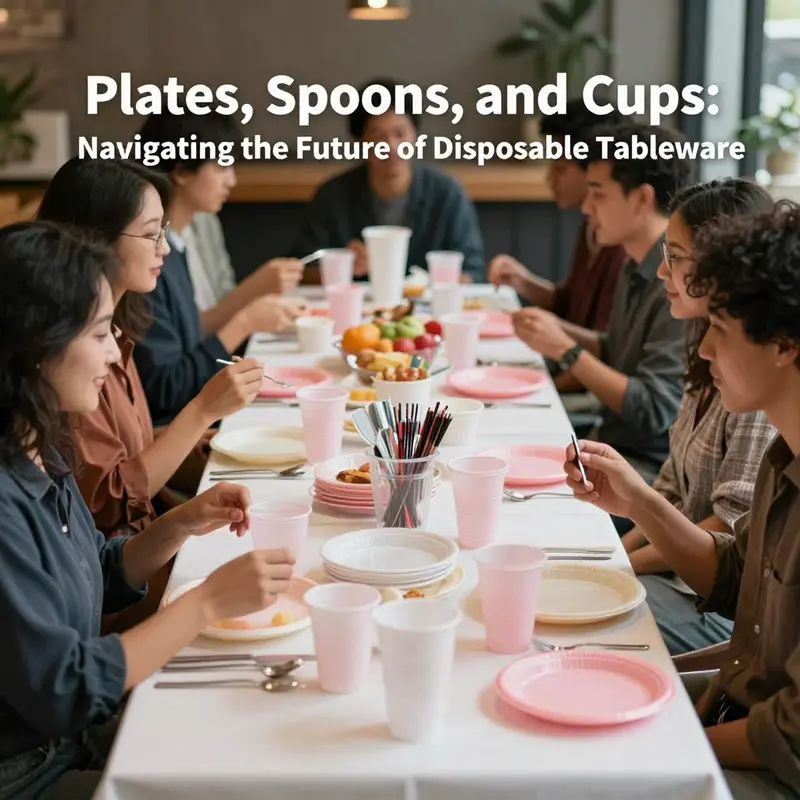
When guests arrive at a well-planned celebration, every detail plays a role in setting the stage for unforgettable memories. The choice of tableware can be a defining aspect of the event’s theme and style, and for many consumers, disposable plastic plates paired with silverware and pink cups do more than just simplify clean-up; they become part of the visual and tactile narrative. In today’s market, the allure of a disposable dinnerware set goes beyond mere convenience—it evokes emotion. The integration of elegant hues such as rose gold and vibrant pink is carefully curated to enhance the overall aesthetic of a table setting. Consumers are drawn to these products not solely because they promise efficiency, but because they encapsulate a blend of luxury and practicality. Many appreciate that an impeccably designed disposable product can transform an ordinary midday meal or evening soirée into a special, celebratory affair.
This sensitivity toward design is underscored by a modern demand for visual appeal where style meets function. The notion that disposable tableware need not be visually mundane has led to innovations that balance striking color palettes, intricate patterns, and a reassuring sense of robustness. For example, a dinnerware set featuring metallic accents and fan-shaped details signals reliability and class, thereby forestalling the often-perceived compromise between disposability and elegance. As event planners and hosts place more emphasis on creating a memorable dining experience, these stylish items emerge as an indispensable part of the decor, contributing to an ambiance that extends well beyond the culinary pleasures. The contemporary consumer understands that every element on display speaks to a broader narrative of taste and sophistication.
The material quality of such products is another critical aspect that influences purchasing decisions. Even though disposable items are engineered for one-time use, they must deliver the kind of performance one would expect from their reusable counterparts. Consumers consistently mention the importance of sturdy construction, as the practicality of these products depends directly on their ability to withstand the demands of loaded plates and bustling serving stations. Whether it is a thick, heavy-duty plastic plate or a resilient, premium piece of silverware, durability is crucial in ensuring that the meal is enjoyed without worry. The assurance that these items will not bend, crack, or fail during use adds significant value, especially in scenarios where time and resources are limited. It is not unusual for customers to opt for a luxurious disposable set if it promises performance that approaches that of non-disposable versions.
Equally important is the convenience provided by disposable tableware. In a world where time is often in short supply, the ability to host an event without the burdensome task of extensive clean-up is priceless. The ease of use that accompanies these products is a major draw for planners and hosts who prefer solutions that are both efficient and high in quality. From birthday birthdays to large-scale reception events, the practicality of being able to discard items after use minimizes labor and maximizes guest enjoyment. This emphasis on efficiency aligns with contemporary lifestyles that prize both immediate satisfaction and hassle-free maintenance of time. The disposable aspect is particularly valued in scenarios where maintaining hygiene and managing large quantities of tableware is a concern, making the products a reliable choice in a variety of dining contexts.
Beyond the immediate practical aspects, the market dynamics of disposable tableware are shaped by a confluence of consumer demand and global supply trends. Regions such as North America, Western Europe, and Eastern Asia have shown robust acceptance for these items, reflecting a diverse array of cultural preferences and event styles. The growing foothold of suppliers in regions like China demonstrates that the trend toward stylish yet disposable alternatives is not confined by geography. The universal appeal lies in a shared desire for products that combine functionality with modern aesthetics. As manufacturers respond with improved processes and refined designs, there is clear evidence that investing in higher quality even in disposable products is a trend that is set to escalate, balancing utility with the need for an attractive dining presentation.
Manufacturers have also begun to acknowledge and act upon the nuanced tastes of consumers. Recent technological advancements have enabled the development of production techniques that ensure the final product is not only cost-effective but also resilient and visually alluring. The production processes have evolved to minimize imperfections while maintaining the structural integrity of the items. Even within the realm of disposable tableware, where cost and convenience are key drivers, there is an emerging insistence on a product’s longer-lasting performance and its potential to carry intricate design details. This evolution is closely associated with quality improvements that ensure tablescapes remain memorable throughout the event. In many respects, investing in premium disposable dinnerware is a testament to a consumer’s expectation that even disposable items can evoke a sense of celebration and refinement.
It is essential to examine the consumer psyche behind these purchasing decisions. From the perspective of buyers, every disposable item is part of a narrative that speaks to both the testimony of the event and an aspiration for a certain lifestyle. The interplay between functionality and design aesthetics functions as a catalyst for repeat purchases, making the decision to invest in what might traditionally be considered a throwaway item anything but trivial. In choosing products that successfully marry the practical and the artistic, consumers are consciously challenging the notion that convenience has to come at the expense of sophistication. The deliberate selection of color-coordinated sets—often incorporating modern accents like rose gold and contemporary vibes like pink—suggests that design is as significant a marker of status as is the product’s inherent functionality.
Moreover, the market is beginning to reflect a dialogue between consumer desires and broader environmental considerations. Although the current popularity of such disposable products largely hinges on convenience and aesthetic allure, there is an undercurrent of awareness regarding the impact of these items on the environment. While traditional materials such as polystyrene are often used due to their cost and functionality, concerns about non-biodegradability have spurred a cautious interest in alternatives that may reduce ecological footprints over time. Some innovative manufacturers are already exploring renewable materials to offer products made from palm leaf or coconut leaf alternatives. These eco-friendly variants, though not yet the dominant market presence, signal an emerging trend. Consumers are increasingly willing to invest in products that combine sustainability with their cherished attributes of style and reliability. For those keen on exploring sustainable packaging options, resources like the discussion found on the page for eco-friendly printed beverage cups internal resource offer insights into how aesthetic and environmental benefits can coexist.
In the grand scheme of event planning and casual dining alike, the choices consumers make in disposable tableware reflect a deeper cultural shift. The willingness to spend a little extra on tableware that promises a delightful appearance, substantiated by functional durability, underscores a broader trend in consumer habits. Today’s buyers no longer view disposable items as merely transient; instead, they see them as an opportunity to curate experiences in which every visual detail is as important as the food served. This shift in attitude brings with it a rising demand for products that challenge traditional expectations. Each element—from the texture of a plastic plate to the color of the accompanying cup—is scrutinized under the lens of modern design trends and practical application. For many, the meticulous selection of dining ware is synonymous with the desire to craft a backdrop that enhances the overall event ambiance.
At the same time, product innovation continues to be driven by a robust marketplace that revolves around both style and substance. Leading manufacturers are increasingly revisiting their design blueprints to incorporate elements that appeal to the visual senses and meet practical standards. The alignment between the ease of use associated with disposables and the elegance of a well-chosen design is a delicate balance to achieve. As suppliers refine their production methods, it is becoming evident that the future of disposable tableware will likely rest on the ability to adapt to evolving consumer values. A convergence of innovation and demand has spurred a consideration of future trends where quality and sustainability are of high priority. The current trajectory underscores a belief that even products designed for single use can have a lasting impact on the overall dining experience.
The evolution in consumer demand for disposable tableware has broader implications for both manufacturers and event organizers. As the market becomes more competitive, expectations from buyers continue to rise, pushing producers to adopt innovative solutions that do not compromise on durability or visual appeal. This competitive pressure sometimes creates an opportunity for companies to set new benchmarks for what disposable products can offer. The trend is not a momentary fad but rather a reflection of changing lifestyles that value sophistication in every detail. Consumers expect disposable items to be robust enough to endure lengthy dinners and stylish enough to complement themed events. This dual expectation acts as a catalyst for further innovation, compelling suppliers to rethink the conventional design paradigms associated with disposable dinnerware.
Furthermore, a closer look at the demographic segments that favor these products reveals a pattern of discerning choices. Event organizers, grandparents hosting birthday parties, and even corporate caterers in need of practical yet chic solutions echo the same message: convenience need not be devoid of style. Many users have come to associate disposable tableware with a certain level of curated taste that transcends the limitations of traditional plastic products. The desire for products that double as both decorative accents and functional tableware is directly linked to how consumers plan and execute their events. In many respects, the modern disposable dinnerware set is emblematic of a lifestyle that embraces efficiency while still holding aesthetics in high regard.
Another notable aspect of consumer preference is how personalization plays a role in decision-making. With advances in custom printing and design, many disposable products now come with options that allow for personalization. This trend is particularly valuable in contexts where hosts wish to tie the products into a cohesive event theme. Personalization not only reinforces the brand of the event but also adds a layer of thoughtfulness that guests appreciate. The ability to order custom designs—often featuring tailored colors, logos, or patterns—transforms standard disposable items into memorable pieces that serve as a keepsake from the occasion. It is this interplay of personalized design with practicality that continues to fuel the demand for premium disposable dinnerware sets. Emphasis on these custom features is reflective of the larger consumer trend towards niche products that mirror an individual’s or an event’s distinct identity.
The efficiency of disposable tableware is also intertwined with the evolving trends in event management. With heightened awareness of health, safety, and cleanliness—especially in venues hosting large numbers of people—the assurance that items are used once and then discarded becomes an added advantage. The simplicity and ease of post-event cleanup, which reduces labor and minimizes contact with potentially contaminated items, has emerged as a compelling reason for many businesses and private hosts to choose disposable options. This is particularly evident in settings where rapid turnaround between events is required, and where the production of reusable tableware might be impractical. Consequently, disposable tableware’s blend of stylish design, robust material quality, and sheer convenience has solidified its place as a preferred solution for a variety of modern gatherings.
While the choices around disposable tableware have traditionally focused on aesthetics and durability, the conversation is gradually expanding toward environmental responsibility. Critics have long pointed out the long-term consequences of using non-biodegradable materials, and there is a growing consumer segment that is calling for sustainable alternatives. As awareness of environmental concerns gains momentum, some manufacturers are exploring ways to combine high-quality design with the use of eco-friendly materials. Although conventional products still dominate the market, the push toward more sustainable production practices is becoming undeniable. Many industry experts believe that consumer preference is evolving such that eco-friendly attributes may eventually complement the design and durability factors for disposable tableware. In this evolving landscape, it is conceivable that future products will be celebrated not only for their immediate appeal but also for their contribution to overall environmental stewardship. For those intrigued by sustainable innovations in dining ware, further insights can be found at the U.S. Environmental Protection Agency’s resource page, which discusses responsible production practices external resource.
In summary, today’s consumer choices regarding disposable plastic plates, silverware, and pink cups are much more than simple transactions. They are reflective of broader trends that blend aesthetic brilliance, robust design, and practical convenience. Buyers demand products that fit neatly within themed events, that promise both stability and visual allure, and that offer a convenient, one-time-use solution ideal for a variety of settings. As manufacturers continue to enhance the quality and functionality of disposable tableware, there is little doubt that these products will keep evolving to meet the sophisticated tastes of a diverse clientele. The ongoing dialogue between technology, market trends, and consumer preference will likely see a future where even the most transient of items leaves a lasting impression.
Ultimately, these disposable tableware choices underscore a commitment to elevating everyday experiences. Consumers are not merely buying a product; they are investing in a moment, a memory, and a creative expression that enhances the ambience of any event. Whether for a birthday celebration, a corporate gathering, or an intimate dinner party, the knowledge that every detail has been carefully considered contributes immensely to the overall success of the occasion. This convergence of form and function epitomizes what modern disposable tableware strives to achieve: an undeniable charm that transforms the ordinary into the extraordinary, making every gathering feel uniquely curated and beautifully memorable.
Navigating the Environmental Crossroads: Sustainability Challenges and Opportunities for Plastic Plates, Disposable Silverware, and Pink Cups
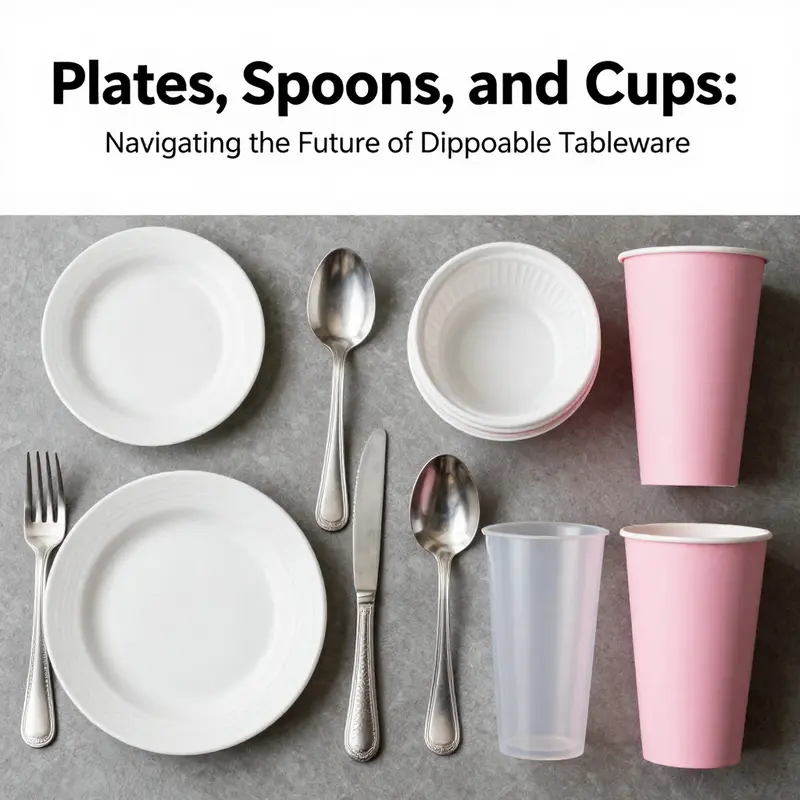
The modern reliance on disposable tableware, including plastic plates, disposable plastic silverware, and pink cups, encapsulates a paradox central to contemporary life: the demand for convenience meets the harsh realities of environmental sustainability. In this chapter, we explore the complex web of sustainability challenges that arise from the use of these single-use products. While the very design of such items is meant to simplify everyday life, especially during social gatherings or large events like parties and birthdays, their production and disposal create significant ecological burdens that ripple across ecosystems and communities.
The genesis of these challenges lies in the fundamental composition and disposal practices tied to plastic tableware. Manufactured primarily from fossil-fuel derived compounds such as polystyrene and polypropylene, these items offer short-term convenience at a grave cost to long-term environmental health. The manufacturing processes are energy-intensive, releasing carbon emissions that contribute to the global greenhouse effect. Once discarded, these plastics do not simply vanish; they persist for centuries, gradually breaking down into microplastics that infiltrate soils, waterways, and even the food chain. These degradation products pose serious risks to wildlife and human health, as they accumulate in organisms and ecosystems alike.
A significant obstacle to mitigating these environmental impacts is the challenge of recycling. Although recycling programs exist, many disposable plastics, particularly those used for tableware, are not suited for conventional recycling streams. Plastics like polystyrene, frequently used for plates and cups, are notoriously difficult to recycle due to their low density and tendency to fragment during processing. These materials are often downcycled into lower quality products, if recycled at all. Colored plastics, such as the distinctive pink of the cups in discussion, complicate recycling efforts even further because the dyes and additives interfere with sorting and reprocessing activities. The recycling industry struggles to keep pace with the speed at which these items are produced and discarded, leading to disheartening statistics such as the sobering fact that only about 9% of all plastic is effectively recycled. This systemic failure underscores the urgent need for innovations and reforms across waste management systems.
Beyond recycling, there is a broader environmental impact associated with disposable tableware that demands our attention. The inherent design of these products means that even when they are manufactured with modern methods, the life cycle of the item—from production through disposal—has long-lasting ecological consequences. The energy consumption during production, coupled with greenhouse gas emissions, amplifies the carbon footprint of each item. When these objects take hundreds to thousands of years to decompose, their accumulation in landfills creates hotspots for environmental degradation. In many cases, even biodegradable alternatives, if not disposed of properly, can end up decomposing in anaerobic landfill conditions that produce methane, a greenhouse gas far more potent than carbon dioxide in the short term.
Consumer behavior plays a pivotal role in the persistence of these challenges. Despite rising awareness about environmental issues, many consumers continue to favor convenience over sustainability. The familiar ease of grabbing a disposable plate or cup during an event often overshadows concerns about the ecological footprint of these products. This reluctance to change habits is compounded by a cultural shift that prizes immediate gratification and minimal cleanup. As consumers become more aware of the need for sustainable practices, there is a growing but still limited willingness to invest in alternatives that promise a lower environmental impact. However, the higher upfront costs of biodegradable products, along with the lack of widespread infrastructure to support their industrial composting, create barriers to rapid adoption.
The challenges of recycling and environmental persistence are compounded by infrastructural inadequacies. Many municipalities lack the facilities or the comprehensive waste management strategies necessary to manage the influx of disposable plastic products. The technical limitations of current recycling processes mean that even when consumers attempt to dispose of their plastics responsibly, the end result is often downcycled material that loses much of its original quality. This challenge is exacerbated by the complex mix of materials used in manufacturing, including additives that improve durability or alter appearance. For instance, the vivid pink hue of some cups, while visually appealing and trendy, represents an additional hurdle in recycling streams that struggle to separate these items from their monochrome counterparts.
Technological advancements and innovative approaches, however, offer a glimmer of hope in addressing these sustainability challenges. Research and development in the realm of biodegradable alternatives are paving the way for a future where disposable tableware can meet consumer demands without inflicting irreversible harm on the planet. Materials such as sugarcane fiber, corn starch, and bamboo-based products have emerged as promising substitutes that decompose much more rapidly than traditional plastics. Such innovations are not without their own challenges; they require new manufacturing processes, changes in consumer habits, and significant investment in waste management infrastructure. The tension between cost and environmental benefit remains a central theme. While the initial expense of producing or purchasing eco-friendly alternatives may be higher, the long-term benefits for both the environment and public health could be substantial.
In parallel with these material innovations, policymakers and industry leaders are advocating for systemic changes to better manage the life cycle of disposable tableware. Among the most promising strategies is the adoption of Extended Producer Responsibility (EPR) laws. Under EPR frameworks, manufacturers assume greater accountability for the entire life cycle of their products, from production to end-of-life disposal. This approach incentivizes companies to design products that are easier to recycle or that have a smaller environmental footprint. Improved labeling practices that clearly communicate the recyclability or compostability of items can empower consumers to make more informed choices, thus gradually shifting market dynamics toward sustainability.
Simultaneously, circular economy models are gaining traction as a means to reimagine waste management altogether. In a circular economy, products are designed for longevity and recyclability, and waste is minimized through a continuous cycle of use and reuse. This model represents a fundamental shift away from the traditional linear economy, which takes resources, consumes them, and then discards waste. The transition to a circular economy for disposable tableware involves both technological innovation and systemic policy changes, requiring collaboration among governments, businesses, and consumers.
Public education is another essential cornerstone in the quest for sustainability. As consumers begin to grasp the profound impact of their choices, there is an increasing need for clear, accessible information about the environmental costs of disposable plastics. Outreach campaigns and educational programs can help shift societal norms toward valuing sustainability over convenience. These efforts must be complemented by visible improvements in waste management infrastructure, ensuring that when consumers do opt for biodegradable products, there are effective systems in place to handle their disposal.
Innovative examples of these efforts can be seen in sectors that have successfully merged convenience with eco-conscious design. Some manufacturers have begun to capitalize on the inherent appeal of alternative materials by creating products that not only function as reliable food service items but also support environmental initiatives. For instance, manufacturers exploring the use of recycled materials or biodegradable composites are working to transform the image of disposable tableware. They are aiming to reconcile the need for convenience with the pressing demands of environmental stewardship. One can explore a range of such innovations, including alternatives that embody sustainability through materials like eco-friendly recyclable pulp cups, which offer a glimpse into a more sustainable future. For more on such innovations, consider reviewing the insights provided in this article on eco-friendly recyclable pulp cups available here: eco-friendly recyclable pulp cups.
The multifaceted challenges associated with plastic plates, disposable silverware, and pink cups extend beyond the environmental sphere into the domains of economic viability, consumer culture, and regulatory frameworks. At the economic level, businesses are often caught between the demands of cost efficiency and the growing consumer preference for sustainable products. This tension is evident in markets where the price sensitivity of disposable items necessitates low production costs, a factor that historically favored the use of conventional plastics over more sustainable alternatives. However, as consumer awareness rises, market trends are shifting. Companies that invest in environmentally friendly production methods may find that they gain a competitive advantage in a marketplace increasingly defined by eco-conscious consumers.
Regulatory pressure is expected to intensify as governments worldwide recognize the urgent need to reduce plastic waste. Stricter environmental regulations and incentives for sustainable practices are slowly becoming the norm rather than the exception. These policy shifts encourage companies to find innovative solutions to the sustainability challenges discussed here. For instance, subsidies for research into biodegradable materials and grants for the development of advanced recycling technologies are examples of how policy can drive progress in this sector. The role of both national and international regulatory bodies is pivotal in setting standards that balance the economic interests of businesses with the environmental imperatives of our time.
The impact of these regulations may become particularly pronounced in the food service and event planning industries, where the use of disposable tableware is most widespread. As cities and countries adopt more progressive waste management policies, the pressure on manufacturers to produce sustainable alternatives will only increase. This shift will likely spur further research and innovation, creating a positive feedback loop that benefits both the market and the environment in the long run. The challenge is not simply one of technological feasibility but also of altering long-standing consumer habits and business practices that have been entrenched for decades.
The narrative of sustainability in disposable tableware is ultimately one of transformation. It is an ongoing journey from entrenched practices toward a more responsible and sustainable future. The obstacles are formidable, but they also present unique opportunities for innovation and change. The push for biodegradable alternatives, more efficient recycling systems, and innovative policy frameworks marks a critical inflection point in the way society manages its disposable goods. Each small change, whether it be a new design in a biodegradable plate or a revised recycling policy, contributes to a larger mosaic of environmental responsibility.
Across the spectrum of challenges—from the technical difficulties of recycling mixed plastics to the broader issues of consumer behavior—there is a clear imperative to reimagine how we produce, use, and dispose of disposable tableware. This reimagining must be rooted in a deep understanding of the interconnected nature of environmental, economic, and social factors. For consumers, the choice to opt for sustainable alternatives is not a solitary act but part of a collective responsibility. For manufacturers, it is a call to innovate and lead in an era where environmental stewardship is as important as profitability. And for policymakers, it is a mandate to create the regulatory frameworks necessary to support a transition toward a circular and sustainable economy.
In summing up these challenges and opportunities, it becomes evident that the path forward is not one defined by a single solution but by a confluence of strategies acting in harmony. The future landscape of disposable plastic tableware, encompassing plastic plates, disposable plastic silverware, and the emblematic pink cups, is poised at a critical juncture. It is a crossroads between convenience and sustainability, short-term benefits and long-term impacts. The road ahead demands a concerted effort from all stakeholders to embrace innovative materials, adopt comprehensive waste management practices, and nurture an informed consumer base. Only then can we hope to diminish the environmental footprint of these indispensable yet problematic items.
For further authoritative insights on the lifecycle impacts of plastics and strategies for establishing a circular economy, please refer to the detailed analysis provided by the Ellen MacArthur Foundation on their website: Ellen MacArthur Foundation – Plastics & the Circular Economy.
Final thoughts
Navigating the future of disposable tableware requires a keen understanding of both market demands and environmental considerations. With a growing trend towards sustainability, understanding the impact and shifting preferences surrounding plastic plates, disposable silverware, and pink cups is crucial. As businesses adapt to consumer desires for eco-friendly options, the embrace of biodegradable materials and responsible practices emerges as both an opportunity and a necessity for growth and success.