
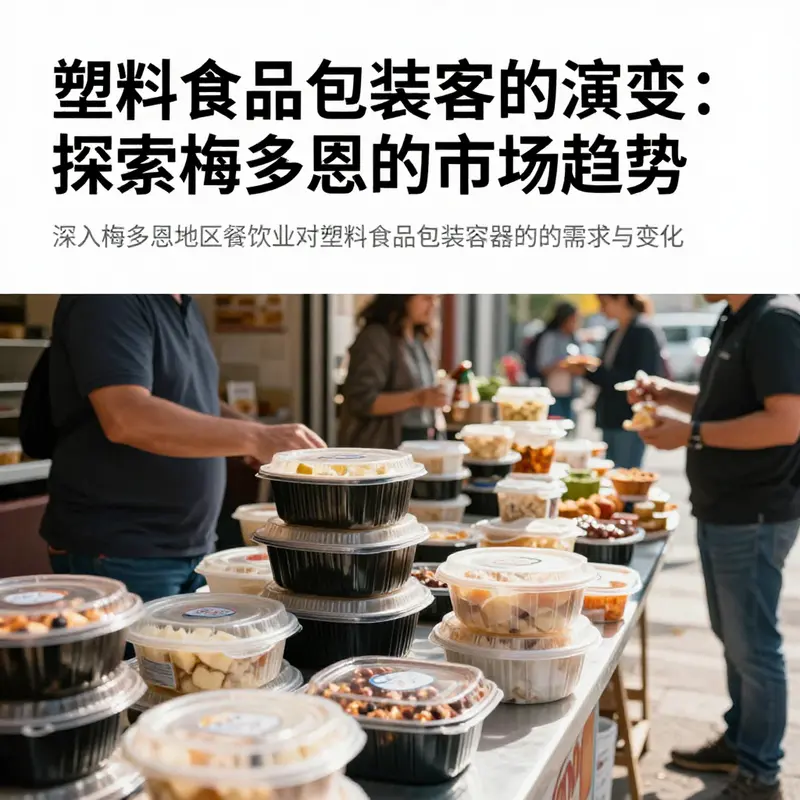
在现代西方国家,塑料食品包装容器的使用日益普遍,尤其是在法国的梅多恩地区。这一趋势不仅反映了日常生活的便利性,也体现了环保意识的逐渐增强。法国的餐饮业,包括泡沫茶店、餐厅、食品卡车和活动策划服务,面临着对于包装材料的多样化需求。在接下来的章节中,我们将探讨梅多恩当地零售与餐饮业的塑料食品包装容器需求、可回收塑料包装趋势及其影响,以及如何通过在线采购渠道来优化供应链。这将为当地商家和计划采购团队提供必要的见解与指导。
Meudon’s Plastic Food-Container Landscape: Local Demand, Global Supply, and the Shift Toward Recyclable Packaging
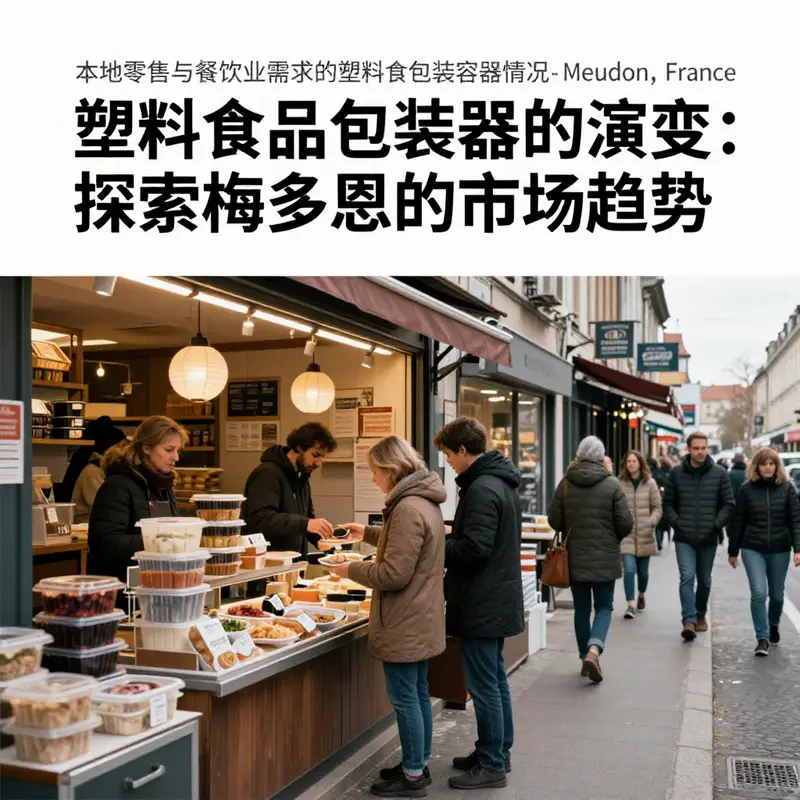
In Meudon, a leafy suburb just beyond the western edge of Paris, daily life is a quiet rhythm of small bakeries, café terraces, and family-run markets that rise and fall with the city’s pulse. The streets carry the aroma of fresh coffee and the chatter of neighbors meeting after a long day. Yet behind this tranquil surface lies a hidden layer of logistics and design choices that color every meal taken away from the plate. Plastic food packaging containers, the everyday enablers of takeout and casual dining, sit at the intersection of local habit and global supply chains. They are the unglamorous backbone of catering in Meudon, quietly shaping how meals move from kitchen to table, how long they stay fresh, and how they are ultimately disposed of and reused or recycled. This chapter charts that terrain with a focus on the realities of a suburban French setting, where small restaurants and neighborhood groceries rely on bulk suppliers, where environmental policy and consumer expectations push for change, and where the advantages and limits of plastic packaging are weighed against the goals of a city that prides itself on quality and responsibility.
Meudon has a dense network of eateries that serve a broad spectrum of customers, from office workers who grab a quick lunch after a morning at the station to families who pick up prepared meals on busy evenings. In such a setting, plastic containers are not merely convenient; they are essential to the business model. The typical packaging seen in this part of the Île-de-France region ranges from transparent plastic lunch boxes designed to display a colorful array of ingredients to sealed containers intended to preserve moisture and temperature for steaming hot dishes. There are also water-tight clamshells and varied molded plastic containers used for fruit portions, salads, and side dishes. For many small operators, these containers are acquired in bulk from suppliers who can deliver a steady stream of stock to Paris region distributors and, through them, to Meudon shops and restaurants. The relationship is practical: a steady supply, predictable pricing, and the ability to customize sizes and lids to fit the restaurant’s menu and branding. In this sense, Meudon mirrors a broader pattern visible across suburban French markets where urban demand meets the scale and reach of regional suppliers rather than a reliance on local manufacturing alone.
What makes the Meudon equation complex is the same factor that complicates packaging decisions in many European towns: policy. France is part of a broader push in the European Union toward reducing plastic waste and promoting recyclability and circularity. The single-use plastics directive and subsequent national measures have nudged operators toward packing materials that can be recycled more easily or composted in the right facilities. In practice, this means a careful balancing act. Plastic containers that survive a takeout journey without leaking or deforming are highly valued. But they must also be selected with an eye to the end-of-life scenario. In Meudon, as in many French municipalities, recycling streams, sorting rules, and local collection schedules are the practical front line of waste management. Restaurants and retailers that ship to households or offer takeout must align with municipal guidelines, label containers correctly, and choose materials that can be sorted and processed by local recyclers. The reality is that recyclability is not simply a material property; it is a system performance issue that depends on what the local waste stream can actually handle. PET and certain plastics may be highly recyclable in theory, yet if the local sorting facility cannot process them efficiently or if contamination is high, the perceived value of such packaging diminishes in the eyes of the buyer.
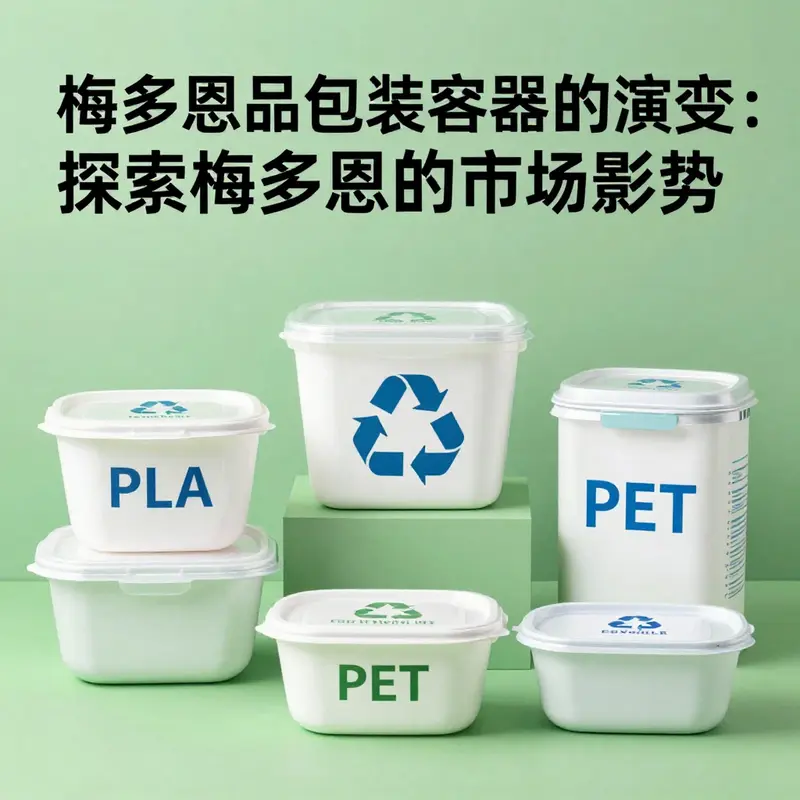
Within this framework, suppliers and buyers in Meudon increasingly consider the lifecycle of packaging. The trend toward recyclable or compostable plastics is notable. PET remains common for its durability and clarity, which makes it appealing for display packaging in shops and takeout windows. However, the rising interest in bioplastics such as PLA and starch-based materials reflects a desire to reduce reliance on fossil-based plastics and to align with evolving consumer expectations. PLA, for instance, offers a lower carbon footprint during production and can be compostable in industrial facilities. But the real test lies in whether Meudon’s waste infrastructure can support industrial composting or if consumer households will properly separate PLA items from conventional recyclables. Without robust end-of-life pathways, even technically recyclable or compostable labels may not translate into better environmental outcomes. The practical takeaway for Meudon’s restaurateurs and shopowners is that material choice cannot be divorced from local collection realities, partner networks, and the regulatory environment that governs waste management.
Another layer to this story is the global reach of packaging supply chains. Meudon does not host large plastic container factories, but it sits comfortably within a web of suppliers that span continents. The procurement of bulk plastic containers often happens through online platforms or through regional distributors who consolidate orders for multiple clients across the Paris metropolitan area. The implication is clear: even though a restaurant in Meudon may be small, its purchasing power can be bolstered by joining a cluster of nearby businesses to negotiate terms, obtain standardized containers, and ensure a steady flow of stock. The online dimension is particularly relevant here. Platforms serving the European market enable surgical procurement of containers that conform to European standards, with quantities that suit seasonal demand or promotional campaigns. For example, bulk listings on international platforms indicate that recyclable plastic takeout containers can be procured at prices that reflect mass production and centralized logistics. While precise price dynamics will vary with the supplier, currency fluctuations, and shipping costs, the general trajectory is toward more affordable bulk options that can meet strict regulatory and quality criteria. The price point cited in global temperature checks hints at the economics: orders in bulk can approach a few tenths of a euro per unit, subject to customization and minimum order quantities. For Meudon operators seeking to balance cost and compliance, this volatility is an expected feature of a supply chain that must hold steady in the face of regulatory tightening and shifting consumer demand.
Local procurement, in practice, often unfolds through a layered network. The smallest operators turn to neighborhood distributors who service Paris and the surrounding suburbs, including Meudon, to obtain standard shapes and sizes that fit popular menu items. Medium-sized companies may negotiate agreements with regional distributors who have established relationships with manufacturers in neighboring regions and across Europe. Large orders or special requests, such as containers with specific lid designs to prevent leaks during long deliveries or packaging that accommodates certain food shapes, can prompt collaboration with packaging houses in the Île-de-France region. The strategic advantages here are twofold. First, proximity reduces lead times and ensures reliability during peak periods. Second, regional distributors can tailor orders to fit local menus, seasonal promotions, and branding guidelines without the need for expensive import logistics. This is not a trivial distinction. In Meudon and the wider Paris area, the tempo of service is brisk, and a late shipment can ripple across several restaurants that share street-level traffic patterns and offline footfall. Given that, it is reasonable to expect that a portion of the plastic container stream in Meudon comes from regional suppliers capable of quick response, while a larger portion travels through national and international channels when inventory needs are high or when specific materials are required to meet evolving standards.
The role of online marketplaces in shaping Meudon’s packaging habits cannot be overstated. For restaurants seeking bulk quantities or flexible return policies, digital platforms provide a practical route to secure containers with consistent quality. They also enable comparison across materials, thicknesses, and lid types, which matters when the same restaurant must juggle a two-sided demand: compact packaging for quick bites and more robust containers for hot meals or longer delivery windows. The ease of bulk ordering from online sources can reduce the friction of logistics and financial planning for small operators, who may not have the scale to negotiate exclusive supply contracts. However, the reliance on these channels also introduces exposure to international price swings, potential variations in material specifications, and the need to confirm conformity with the European market’s standards for food contact materials. In response, Meudon’s restaurateurs and grocery managers often rely on a mix of sources: some containers come via local distributors who can verify compliance and provide after-sales support, others arrive through established online platforms that guarantee a broad range of options with uniform documentation. The balancing act becomes managing cost, reliability, and compliance across a supply base that remains sensitive to political and economic shifts in Europe and beyond.
Against this backdrop, the practical choices made by Meudon’s food businesses reflect a continuous negotiation between convenience, cleanliness, branding, and environmental responsibility. A transparent container can showcase the meal, appealing to customers who want to see their food, while a well-sealed container reduces the risk of spills during transit, an essential factor for street-level takeout, especially in the city’s cooler seasons. The lid design often matters as much as the base shape, since a secure seal minimizes leakage and helps maintain temperature, texture, and aroma through the delivery journey. In a neighborhood where many orders are consumed within minutes of pickup or on the way to a home, speed and reliability trump novelty. Yet the pressure to reduce plastic waste is equally real. The push toward recyclable options motivates some operators to experiment with containers that can be sorted and processed in local recycling streams. Bioplastics such as PLA are attractive in concept, but their performance in real-world Meudon conditions—exposure to heat, pressure, and moisture—must be tested against the needs of the kitchen and the expectations of customers and waste facilities. The cost differential between standard plastics and bioplastics also matters, particularly for smaller operators who run lean margins and seek every opportunity to optimize price without sacrificing quality. In a city that values both culinary quality and environmental stewardship, packaging decisions become a visible extension of a restaurant’s brand and a statement of its values. The packaging choices, then, are not incidental; they signal a restaurant’s stance on sustainability and responsibility to a clientele that is increasingly aware of waste and recycling practices.
Another element shaping Meudon’s plastic container landscape is the design and customization capability offered by suppliers. A number of packaging partners in and around Paris are able to produce containers in varying shapes, sizes, and with different lid configurations. The ability to tailor containers to a menu item—whether it be a delicate sushi roll, a hearty pasta dish, or a greasy fried snack—helps minimize material waste and improves customer satisfaction. Customization can also extend to branding, with printed logos or color schemes that align with a restaurant’s identity. In Meudon’s competitive environment, such customization may translate into stronger customer recognition and repeat business, reinforcing the value of packaging as a form of portable brand presence. Yet customization comes at a cost, sometimes restricting flexibility during supply disruptions or price fluctuations. This makes the supplier relationship particularly important; partners that can deliver on-time and provide clear documentation about materials, certifications for food contact safety, and end-of-life options become trusted allies for these small and mid-sized operators.
The conversation around plastic packaging in Meudon also intersects with broader public debates about sustainability and circular economy. France has actively pursued measures intended to reduce single-use plastics and promote alternative packaging where feasible. These policy directions are not mere background noise; they shape procurement patterns and restaurant choices. Operators who previously prioritized low-cost, standard shapes now weigh the long-term implications of their packaging decisions. They consider whether a given container supports efficient recycling, whether its production aligns with evolving environmental regulations, and whether it enhances the consumer’s sense of responsibility toward waste reduction. In practice, this means that Meudon’s takeout culture is gradually aligning with a more system-wide approach to packaging—one that intertwines consumer expectations, municipal recycling capabilities, and the global working dynamics of a packaging supply chain that must adapt to shifting standards and new materials.
An important nuance in this transition is the role of educational and informational resources. Restaurants and retailers need clear guidance on what counts as recyclable plastic, how to segregate packaging at the point of disposal, and which bioplastics actually have a viable end-of-life path in the local waste system. The practical reality is that a well-intentioned decision can be undermined by confusion at the consumer level. For Meudon residents and business owners, community programs and municipal communications play a crucial part in translating policy into practice. When a customer returns a container to the recycling stream, there is a chain of custody that begins with the packaging creator and ends with the recycler’s processing line. This chain can be strengthened by packaging choices that simplify sorting and by labeling that clearly communicates how to dispose of the item. In this sense, the success of Meudon’s packaging strategy rests on a collaboration in which the restaurant, the distributor, and the recycling facility all play a meaningful role.
Within this ecosystem, the potential for innovation remains high. Biodegradable or compostable materials continue to evolve, and suppliers are experimenting with new formulations and manufacturing processes. The promise of reduced environmental impact is enticing, but the practicalities of collection, transport, and end-of-life processing must be considered. In Meudon, as in other communes around Paris, the question is not merely whether a material can break down, but whether it can break down in a manner that aligns with local facilities and consumer behavior. The result is a cautious optimism about bioplastics and compostable options, tempered by the reality of infrastructure and the need for reliable supply chains that can meet the city’s demand during peak dining periods. Against this backdrop, the choice between conventional plastics and more sustainable options becomes a decision driven by multiple factors: cost, performance, regulatory compliance, and the long-term viability of the waste management system that will handle the packaging after use.
Finally, the Meudon case illustrates a broader truth about urban food packaging: the container is not just a vessel but a node in a network that links the kitchen to the consumer and, ultimately, to the waste system. The practical reality is that a restaurant that wants to thrive in Meudon must navigate a dynamic set of constraints and opportunities. It must secure reliable containers that perform well and fit the menu, while also aligning with local recycling practices and regulatory expectations. It must manage costs in a market where bulk purchasing and online ordering provide both relief and exposure to global price movement. And it must consider the full lifecycle of the packaging, from production to end of life, in a city and country that increasingly prize sustainability. The story of Meudon’s plastic food packaging is, in this sense, a microcosm of the European shift toward packaging that respects both business realities and environmental responsibilities. It suggests a future in which containers are chosen not only for their ability to protect and present meals, but also for their compatibility with a circular economy that supports local recovery systems, transparent labeling, and consumer confidence.
For readers who want to see how alternative materials are positioned relative to plastic, a practical path is to explore options that combine strength and sustainability in formats suitable for takeout. The following example is representative of the options available in the market today and demonstrates how a move toward recyclable packaging can coexist with the need for reliable performance. disposable octagonal box restaurant food kraft paper packaging This link points to a packaging type that is designed to be both sturdy and adaptable for branding while offering a viable end-of-life path in some recycling environments. It speaks to a broader trend in Meudon and similar suburbs where businesses are testing the waters of recyclable and paper-based packaging as a complement or alternative to plastics. The choice between such options and traditional plastic containers is not simply a matter of preference but a strategic decision about cost, efficiency, and alignment with local recycling capabilities. In many cases, the right approach will involve a mix of container types, chosen to optimize performance for specific dishes, minimize waste, and maximize the likelihood that packaging can be recycled through the municipal stream.
In this broader perspective, the Meudon experience resonates with a central lesson for European and global packaging practice. Local demand drives the need for dependable supply, while global supply chains provide the means to meet that demand at scale. Regulation and consumer preference push for more sustainable options, but the path to real sustainability depends on how well the system handles end-of-life packaging. Meudon offers a case where the balancing act between convenience, cost, and environmental responsibility is played out in real time, with small businesses carefully calibrating their choices against the capabilities of local recycling networks and the realities of international supply channels. The chapter closes with a sense that the future of plastic packaging in Meudon will be shaped by continued collaboration among restaurateurs, distributors, municipal authorities, and packaging innovators. It will be defined by practical decisions about what to buy, how to use it, and how to dispose of it, all aimed at maintaining the city’s distinctive character while embracing a more sustainable and resilient packaging system.
External resources provide broader context for these trends and help illuminate the direction of the packaging industry in Europe and beyond. For a broader understanding of how bioplastics and recyclability are evolving at scale, see the European Bioplastics overview. https://www.european-bioplastics.org/
Meudon at the Crossroads: How Recyclable Plastic Food Containers Are Changing Local Supply, Trust and Business Practice
梅多恩(Meudon)作为巴黎西南的一个既有居民区又拥有活跃餐饮和零售场景的城镇,正在经历塑料食品包装材料使用和供应方面的一场结构性调整。虽然本地并无大型塑料包装制造厂,但梅多恩的餐馆、咖啡馆、熟食店和日常零售对一次性和可回收塑料容器的需求仍然旺盛。改变并非只来自法规或技术,而是由公众信任、供应链可追溯性、以及设计驱动的客户体验共同推动。本文在宏观趋势与本地现实之间建立联系,旨在提供能直接用于梅多恩商家的战略视角。
市场现实首先体现在使用场景:外卖、半成品打包、堂食剩菜带走和零售小份装水果或甜点。这些场景需要透明、耐热、可封闭并便于堆放的容器。供应方通常通过两条渠道满足需求:一是区域性分销商,他们从法兰西岛及周边的包装厂采购并分销;二是跨境电商和批发平台,能提供竞争力更强的大批量价格和多样化材料选择。对梅多恩的企业来说,短期内这两条渠道会并存:小型餐馆倾向于从本地配送商取货以缩短补货周期,而连锁或批量采购者则更依赖线上批发以压低单价。
然而,单纯供应并不能解决的,是消费者对“可回收”承诺的怀疑。全球范围内,“可回收”标签的实际回收率与标签宣称产生了显著差距。这种差距已经演化为对品牌承诺的系统性怀疑。对于梅多恩的咖啡馆或外卖店,这种信任问题具有三方面的后果。第一,顾客在选择餐厅或外卖服务时会考虑包装的真实性,不再仅看标签。第二,社交媒体和地方社区讨论会迅速放大不一致行为,给小商家带来声誉风险。第三,地方政府与消费者团体有可能将投诉上升为更严格的地方监管或倡导活动。换言之,梅多恩的商家若依赖含糊其辞的“可回收”说辞,短期内或许能省成本,长期则可能付出更高代价。
应对这一信任危机的核心路径是从“可回收”走向“设计可回收、透明可追溯”。这不是一句口号,而是具体的设计与采购决策集合。容器的材质选择、单一材质化设计、标签与回收指引的清晰标注、以及供应商提供的原材料溯源记录,都会成为合规与信誉的关键。对梅多恩的餐饮企业而言,可行的第一步是调整采购规格:避免多层复合材料或难以拆分的复合盖,优先选择单一可回收树脂或明确标示可生物降解的材料。这类改变会在包装成本结构、厨房操作流程和顾客体验之间产生连锁反应,因此需要在实施前进行小范围试点与员工培训。
与此同时,技术层面的演进也在改变游戏规则。传统机械回收在处理混合塑料、食物污染和薄膜材料方面显得力不从心。化学回收与高级回收技术正逐步商业化,能够把混合或污染塑料重新转化为原料级别的化学品或单体,从而支持食品接触级再生料的应用。对梅多恩这类依赖外部供货的地区而言,化学回收的扩展代表着未来可持续包装供应链的一条可能路径,但它也带来成本与监管的双重考验:初期投资高,处理设施集中,且需要严格的食品安全评估。地方商家应密切关注供应商是否能提供经认证的再生材料说明与检测报告。
再生塑料(PCR)在食品包装领域的使用越来越普遍,但其价值建立在可信赖的供应链与可验证的文档之上。可追溯性标准与认证体系正在形成,目的是避免“绿色漂绿”现象。梅多恩的采购经理应要求供应商提供再生料来源说明和追溯证书,并将这些要求纳入采购合同。对消费者来说,店铺若能在包装上或菜单上透明展示材料来源和可处理方式,会获得显著的品牌加分。
法规层面的变化不容忽视。欧盟层面关于包装与包装废弃物的立法持续收紧,目标是推动包装在设计环节就考虑循环性和易回收性。地方实施细则会根据城市和行政区的回收能力出现差异。梅多恩所在的法兰西岛大区可能在若干年内出台更精细的分类回收规则或对不合规包装施加收费。这意味着,短期内不采取行动的商家可能面对意外成本或被市场排斥。因此,提前评估自身包装组合,并与本地回收服务提供商建立联系,成为降低未来合规风险的务实策略。
成本压力与转型机遇并存。使用高级回收材料或可降解替代品通常会提高采购成本。对许多小型经营者来说,这种成本的短期转嫁几乎不可行。解决之道在于优化包装使用和采购策略:减少包装用量,采用模块化且通用的容器,集中采购以获得规模折扣,或者与邻近企业组团采购,以分摊物流成本。另一个常被忽视的策略是替换性增长:通过强调可持续包装,引入增值服务或新品(例如套餐升级、可重复使用容器租赁),来吸引愿意为可持续付费的本地顾客群体。
在具体操作层面,梅多恩的餐饮和零售企业可以采取一套互补措施,既降低风险也增强竞争力。首先,进行包装盘点,明确现有容器按材质、回收途径和成本分类的全貌。其次,设定短中长期目标:例如三个月内完成非必要一次性塑料替换;一年内实现主要外卖容器材料单一化并获得供应链可追溯证明;三年内将再生材料占比提升至某一目标值。再次,与本地回收处置服务沟通,确保企业的包装在当地回收体系中有去处。最后,优化顾客沟通:清晰标注容器处理方式、在收银或取餐处设置回收或回收信息展示、并在社交平台上说明企业正在采取的具体步骤,以建立信任。
供应链合作同样关键。梅多恩的企业应超越单纯的买卖关系,与供应商建立长期合作框架。要求供应商提供材料测试报告、可追溯证书和替换方案。若供应商位于大区外,考虑物流时间对保鲜和供货连续性的影响。小型企业也可以借助区域行业协会或行业集采平台,争取更优的条款与更稳定的再生材料来源。在这方面,探索纸质或纸塑复合较少的纸质替代品,也许是值得并行试点的一条路径。有关生态纸质容器的设计和可用性示例,可参见一款常见的可堆叠纸碗产品,它展示了替代外卖容器的设计趋势与供应模式。可降解生态外卖纸碗示例
顾客体验不能被忽视。可回收或可降解容器若在功能上未能满足保温、密封或便携需求,会迅速被市场淘汰。因此,在材料选择与包装替换过程中,企业需做真实的用户测试。测试应关注保温性、耐漏性、餐品陈列美观性以及与现有厨房操作流程的兼容性。仅在功能上与一次性塑料等价甚至更好的解决方案出现后,消费者才会模糊化的环保承诺转化为实际购买行为与口碑传播。
最后,梅多恩的公共与私营部门之间存在重要协作机会。市政可以通过提供回收信息、设置专门回收点或与回收企业合作举办社区回收日来降低系统性不信任。私营部门则可以承诺共享数据,帮助城市了解包装流向与回收效率。这样的数据共享不仅有助于合规,更能支持本地创新,激励回收企业在地区内投资更高级的回收技术。
在全球走向更严格包装要求的大背景下,梅多恩的中小企业并非被动接受者。通过有意识的设计决策、对供应链可追溯性的要求、与顾客的透明沟通以及与市政的协作,本地企业可以把合规压力转化为竞争优势。塑料包装的未来不在于简单的替换材料,而在于把“真实、透明与减量”嵌入企业的日常运作中。对于梅多恩,这意味着在不牺牲顾客体验的前提下,逐步建立一套既可操作又能赢得社区信任的包装实践。
更多关于欧盟包装法规与未来合规要求的官方信息,可参考欧盟环境与回收议题页面:
https://environment.ec.europa.eu/topics/waste-and-recycling/packaging-and-packaging-waste_en
From Clicks to Containers: Online Sourcing for Plastic Food Packaging in Meudon
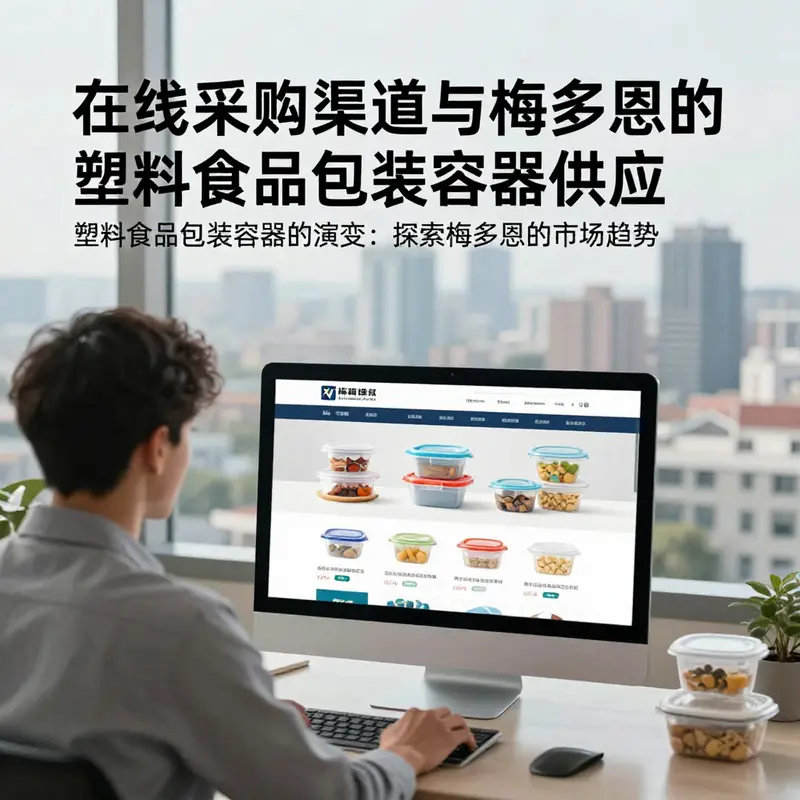
Meudon, on the southwestern edge of Paris, relies on online channels to source plastic food packaging for takeout and dining services. Local operators use a mix of platforms to match containers with menus, temperatures, and volumes while staying compliant with EU and French packaging rules.
The main channels include broad multi-category e-commerce platforms, vertical packaging platforms focused on industrial supplies, and data-driven tendering portals that surface opportunities from public and private buyers. In practice a Meudon buyer defines container specs (clear or opaque, lid compatibility, leak resistance, temperature tolerance), searches for suppliers who can deliver from nearby or cross-border warehouses, and then reviews certificates of conformity and material safety data sheets before selecting a partner.
Sustainability and recyclability guide decisions. Buyers favor items that are recyclable in French municipal streams or that come with credible end-of-life information, while some also consider compostable or bio-based options where performance allows. The online workflow can also reduce risk: real-time shipment tracking, supplier performance data, and contingency plans help manage disruptions and preserve service levels.
Ultimately online sourcing connects Meudon’s kitchens to a global packaging ecosystem, delivering more choice, consistent documentation, and better price visibility, while supporting local compliance and environmental goals. For broader context on online procurement dynamics in global markets, platforms like Alibaba illustrate scale and marketplace structure: https://www.alibaba.com/
Final thoughts
通过对梅多恩地区塑料食品包装容器需求的分析、可回收包装趋势的探讨,以及在线采购渠道的介绍,我们可以看到,餐饮业正在逐步接受更加环保和可持续的包装选择。这样的变化不仅能提升品牌形象,还有助于减少环境影响。作为商家,选择适当的塑料食品包装容器,将使您在市场中立于不败之地,并满足顾客日益增长的环保期望。