
As the culinary landscape in Merville, France, evolves, so too does the demand for effective and reliable food packaging solutions. From bubble tea shops to bustling food trucks, the significance of sustainable and durable plastic food packaging containers cannot be understated. This article will delve into the current market trends, analyze the structural characteristics of plastic food containers, and examine the pressing issues regarding environmental sustainability and regulations in Merville. Each chapter aims to equip food and beverage businesses with the insights needed to make informed packaging decisions that enhance their service offerings while aligning with industry standards.
Market Currents: Unpacking Plastic Food Container Packaging in Merville, France
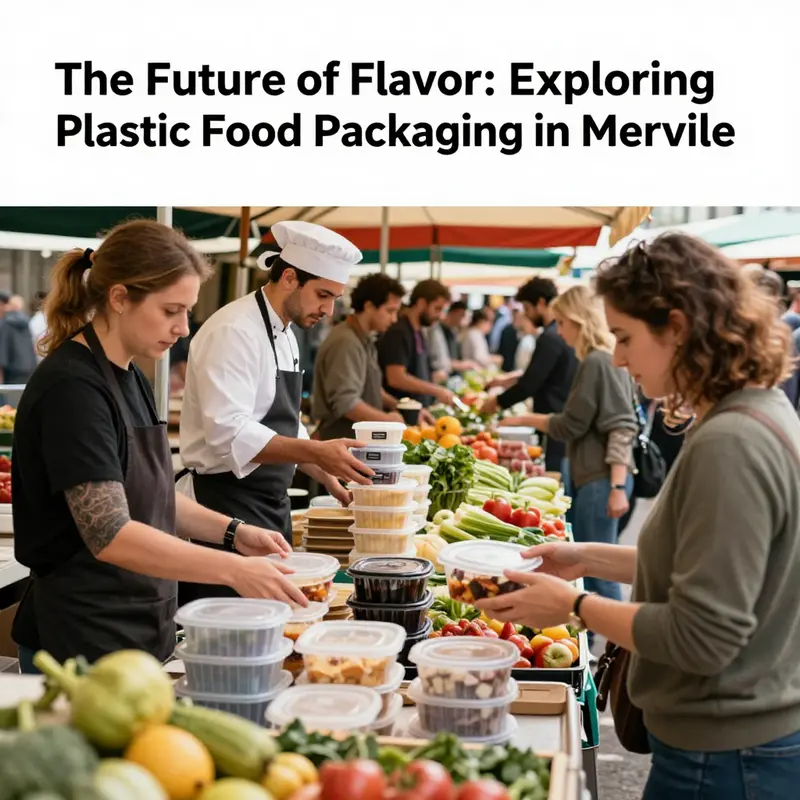
Merville sits in the fabric of northern France, a town whose commercial pulse mirrors broader national shifts in how households, eateries, and retailers think about plastic packaging for food. The local market is not an isolated island; it is a node in a web of urbanization, consumer habits, and regulatory frameworks that together shape demand for plastic food containers. To understand what Merville represents, one can trace a longer arc: the rise of ready meals, the expansion of takeout and delivery channels, and the relentless push toward more efficient, lightweight packaging that protects food, preserves freshness, and travels well from kitchen to consumer. In this landscape, plastic containers have moved from simple vessels to purpose-built systems that balance performance with cost, hygiene with convenience, and aesthetics with sustainability. The story in Merville, and across Hauts-de-France, is not simply a tale of plastic versus paper or plastic versus glass. It is a narrative about how markets adapt to evolving consumer expectations while grappling with environmental considerations and regulatory signals from Brussels to the local council chambers.
From a market perspective, France stands as a robust consumer of disposable packaging, with the broader French market contributing a meaningful slice to regional demand. International data point to a global disposable food packaging market of substantial scale in recent years, and while the French share is not always broken down in every regional report, the available indicators point to a durable appetite for plastic food packaging. France accounts for a notable portion of regional consumption, reflecting strong outlets for ready-to-eat meals, takeout, and retail convenience formats. This pattern aligns with Hauts-de-France’s urban density and growing network of foodservice franchises, bakeries, and supermarkets that rely on efficient packaging to keep products safe, visible, and easy to handle during peak hours of business. The local market thus sits at the intersection of consumer convenience and supply-chain efficiency, where the economics of thin-wall containers, clamshells, and rigid trays must compete with evolving sustainability expectations and practical needs in busy urban corridors.
The structural characteristics of plastic food containers—lightweight, durable, and adaptable—are central to their appeal in Merville and beyond. In practical terms, these containers reduce breakage risk during transit, minimize weight for distribution fleets, and enable standardized handling in kitchens and retail environments. The ability to design for specific food types—dairy in thin-walled cups, ready-to-eat meals in hinged clamshells, soups in ribbed bowls—has driven broad adoption across segments from catering to casual dining, from school cafeterias to party services. Yet the very traits that make plastic containers popular also demand careful consideration of safety and regulatory compliance. Food-grade plastics must meet strict standards for chemical migration, temperature resistance, and hygiene. In a market like Merville, where small and medium-sized distributors often source through local wholesalers or B2B platforms, the selection process hinges on a balance between performance specifications and total cost of ownership. The local procurement environment, while not always publishing granular Merville-only statistics, benefits from France’s well-established logistics networks and an increasingly integrated European supply chain that can route materials efficiently to northern towns while maintaining consistent quality across batches.
To read the broader context, it is helpful to frame the French market against the estimated scale of demand. Globally, the disposable food packaging market has shown resilience, with France contributing a meaningful proportion of regional consumption. The market’s value in 2023 presents a backdrop of ongoing demand for plastic containers despite evolving sustainability pressures. Projections toward 2030 suggest continued growth, driven by persistent urbanization, the expansion of ready-to-eat offerings, and the popularity of single-use packaging across commercial and household settings. In France, the rigid plastic packaging segment—including durable containers for dairy and other packaged foods—remains a substantial component of overall packaging volume. At the same time, flexible plastic packaging continues to gain share, particularly for fresh produce, bakery items, and pre-packaged meals. This dual trend—robust rigid packaging alongside a growing flexible segment—speaks to the adaptability of plastics that can be engineered for a wide range of culinary formats and service contexts. The interplay between these two streams frames how Merville and the broader Hauts-de-France region approach sourcing strategies, supplier selection, and the design of packaging configurations that optimize transport, shelf life, and consumer convenience.
Sustainability concerns increasingly color every purchase decision in the packaging value chain. In France, there is a clear shift toward reusable and recyclable options, even as single-use plastics remain prevalent due to their cost and convenience. The emergence of reusable plastic bulk containers and other circular-economy initiatives signals a pivot in how businesses large and small think about packaging architecture. In Merville, local businesses often weigh the environmental footprint of packaging alongside their operational needs: stackability, washing or cleaning costs, and the potential to participate in take-back or refill systems. This nuanced calculus is particularly important in a region with a mix of urban retail and small-batch manufacturing, where packaging decisions can influence brand perception and customer satisfaction as much as they affect margins. The sustainability conversation is not a mere trend; it shapes procurement plans, supplier negotiations, and long-term capital investments in automation and warehouse handling. In practical terms, this means that buyers in Merville and similar towns increasingly favor packaging solutions that integrate recyclability, minimal migration risk, and compatibility with local recycling streams, even as they demand the reliability of performance under typical French kitchen and transport conditions.
All of this positions Merville as a microcosm of France’s broader packaging ecosystem. The town’s proximity to major distribution routes and industrial hubs makes it a useful reference point for analyzing how local markets respond to macroeconomic cues and regulatory frameworks. It is in places like Merville that the tension between efficiency and sustainability becomes tangible: the choice between a low-cost, readily available container and a higher-cost, more sustainable option that might require different handling or filtration in the supply chain. For buyers and planners, the question often reduces to a balancing act: how to maintain product integrity and consumer appeal while aligning with evolving environmental policies and the circular economy push. The answer lies in a thoughtful approach to supplier selection, one that foregrounds quality, consistency, and the capacity to adapt packaging configurations to evolving product lines without sacrificing efficiency in production, storage, and logistics.
From a sourcing perspective, the Merville market benefits from a spectrum of channels. Local distributors and industrial supply houses offer proximity and responsiveness, which matter when short lead times are needed for promotional campaigns or seasonal demand surges. Online B2B platforms provide broader access to a range of packaging formats and materials, allowing buyers to compare thickness, barrier properties, and temperature tolerances across multiple suppliers. The practical reality for many buyers in north France is that procurement decisions hinge on a combination of price, reliability, and compliance with food-safety standards recognized across the European Economic Area. In this environment, the capacity to verify supplier certifications, track material provenance, and audit migration performance becomes part of the due diligence necessary to sustain a stable supply chain through busy periods or sudden demand spikes.
The market signals also reflect how organizations plan for the long term. The projection toward 2030 notwithstanding, the real-world decision-making process in Merville is pragmatic. Companies weigh the total cost of ownership—not just the sticker price of a container but the costs associated with storage, handling, and potential waste disposal. A package that travels well through cold-chain logistics, resists leakage, and stacks efficiently within a warehouse yields savings over time. When the numbers are projected out, a company might decide that investing in slightly more expensive packaging with better barrier properties or higher recyclability offers greater reliability and fewer compliance headaches than opting for the lowest upfront price. These considerations are not unique to France; they echo the global trend toward packaging that harmonizes performance with sustainability and lifecycle efficiency. Yet in Merville, the clarity of local demand—especially around the needs of diners, caterers, and small grocers—gives buyers a tangible framework for testing new packaging concepts before broader rollout.
To illustrate how a typical packaging choice might unfold in a practical setting, consider the kinds of containers commonly used for ready-to-eat meals and takeout that endure the rigors of daily use. A carton or rigid plastic tray paired with a secure lid can provide reliable temperature tolerance and a crisp appearance on display, with the added benefit of stackability for efficient shelf-space management. Meanwhile, for cold or fresh items, a thinner-walled, transparent container can offer visibility while keeping weight down for carriers and couriers. The compatibility of these formats with standard labeling, tamper-evident seals, and easy-opening mechanisms is part of the day-to-day evaluation that procurement teams perform as they negotiate with suppliers. In this sense, the Merville market embodies a blend of practical constraints and aspirational goals: maintain product integrity, reduce waste, and present meals in a way that resonates with busy consumers who demand both speed and quality.
Within this narrative, one can also recognize the role of design choices that extend beyond mere function. Packaging is, in many cases, the first touchpoint for a brand’s story. Even in a market as pragmatic as Merville, there is room for packaging to convey care for the planet, as well as a sense of culinary experience. A well-designed container can signal freshness, safety, and convenience—factors that influence consumer behavior and repeat purchases. In regional markets like Hauts-de-France, success stories often emerge from firms that combine local sensibilities with an awareness of global supply dynamics. They leverage a mix of domestic production capacity and cross-border sourcing to ensure that resilient, compliant packaging is available when needed, even in the face of supply-chain disruptions that can ripple through small businesses. While the local landscape may not always publish granular data for Merville alone, the broader French and European proxies offer a reliable gauge for planning. They help buyers anticipate when to stock common formats, how to diversify container types to match product lines, and where to invest in materials that align with circular economy goals without compromising the established service levels that customers expect.
For readers seeking to explore a concrete example of a packaging option commonly deployed in ready-to-serve formats, consider the case of a disposable octagonal box used for takeout and restaurant packaging. This design emphasizes ease of handling, efficient stacking, and a presentation that can be customized with branding while maintaining robust protection for contents. It is a type of packaging that can be integrated into a broader strategy of standardizing container formats across product lines, simplifying supplier relationships, and reducing the complexity of inventory management. In the context of the French market, such formats can be particularly advantageous in franchise operations or regional chains that require consistency across multiple outlets while navigating local procurement realities. For readers who want to see such a packaging option in a real-world product page, a concise reference point is available in the following example: disposable-octagonal-box-restaurant-food-kraft-paper-packaging. This would be one of several formats that a buyer could evaluate as part of a broader packaging migration that balances performance, cost, and sustainability.
Looking ahead, the Merville market is likely to be shaped by a combination of ongoing urban growth, evolving consumer preferences, and policy directions that encourage resource efficiency and circular economy practices. The projection for the broader French market into 2030—driven by strong CAGR and expanding segments in both rigid and flexible packaging—suggests a continuing expansion of the plastic packaging footprint in food contexts, even as brands and municipalities push for higher recycling rates and greater material reuse. In practical terms, this translates into opportunities for suppliers who can deliver consistent, compliant solutions that meet food-safety standards and provide reliable performance across a spectrum of temperatures and durations. It also implies opportunities for buyers who can navigate the balance between cost control and the long-term benefits of packaging systems designed for reuse, return, or recycling. The strategic takeaway for Merville and similar markets is clear: invest in packaging configurations that deliver predictable performance, align with sustainability goals, and remain adaptable as consumer and regulatory expectations evolve across France and Europe. The region’s economic and logistical realities favor packaging strategies that optimize flow from factory to fork, while keeping a watchful eye on the environmental dimensions that increasingly define modern food packaging.
External researchers and market observers emphasize a broader context that helps frame local choices. The evolving dynamic in France sits within a European and global storyline where packaging materials are scrutinized for safety and environmental impact, yet remain indispensable for food protection and convenient consumer experiences. The balance between single-use convenience and circular economy ambitions continues to be a central debate, shaping which container designs gain traction in urban markets like Merville. As buyers and suppliers collaborate across town lines, the capacity to innovate within the constraints of cost, safety, and sustainability becomes a key differentiator. The Merville case illustrates how a local market can reflect national trajectories: steady demand driven by lifestyle shifts, careful attention to regulatory compliance, and growing attention to the environmental legacy of packaging choices. In this sense, the city’s market narrative is a doorway into understanding France’s plastic packaging ecosystem as it stands today and as it might evolve in the near future.
For a concise reference that situates these domestic dynamics within a wider forecast, consider external market analyses that shed light on France’s packaging trajectory and what it implies for regional buyers. While specifics can vary by source, the overarching message is consistent: continuous demand for packaging that protects food, supports efficient logistics, and offers opportunities for sustainable improvements. Integrating such insights with local procurement practices can help Merville and Hauts-de-France retailers and foodservice providers make informed decisions about container formats, supplier partnerships, and investment priorities that align with both immediate needs and long-term strategic goals. In this light, the market overview of plastic packaging in Merville is not merely a snapshot; it is a lens through which to view how France negotiates the evolving intersection of convenience, safety, and sustainability in food packaging.
External resource: https://www.marketresearchfuture.com/reports/plastic-food-container-market-france-2915
From Merville to the Shelf: Unraveling the Structural Landscape of Plastic Food Packaging Containers in France
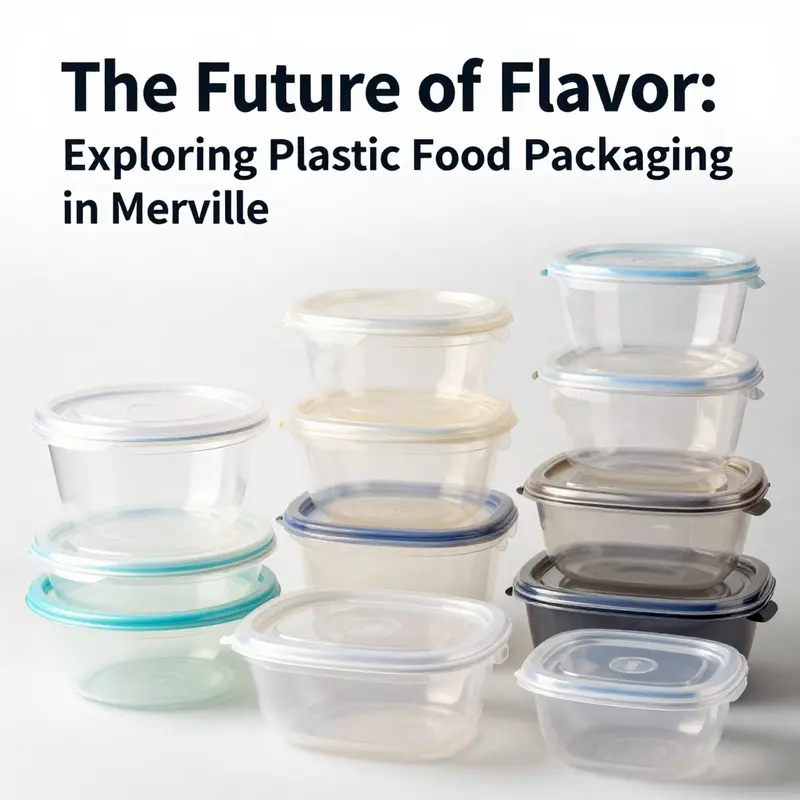
In the quiet corridors of Merville and the broader French market, plastic food packaging containers occupy a pragmatic intersection of safety, efficiency, and daily routine. The town itself is not defined by a single container supplier, but by the way local buyers—whether a school kitchen, a takeaway operation, or a small grocer—navigate a supply chain that stretches from regional distributors to global manufacturers. The discussion of their structural characteristics cannot stand in isolation from the realities of procurement, regulatory requirements, and the evolving push toward sustainability. What makes a plastic container fit for food, and how does its design reflect both the material science behind polymers and the practical demands of service, storage, and waste management in France? The answer lies in a layered understanding of materials, forms, and processes, all of which converge to shape the containers that carry meals from kitchen to consumer hands while meeting stringent safety and environmental expectations.
At the core of any plastic food container is a balance between weight, strength, and versatility. Lightweight yet durable packaging aligns with the portability and shelf-life goals of modern food service, whether for ready meals, take-out, or prepared foods sold in retail settings. The structural characteristics that enable this balance are rooted in polymer choice and geometry. Polyolefins, particularly low-density polyethylene (LDPE) and linear low-density polyethylene (LLDPE), have long been favored for their combination of flexibility, clarity, and moisture barrier properties. They allow thin walls that resist impact and flex without cracking, a practical benefit when containers are stacked, transported, and subjected to various handling conditions. In Europe, including France, these materials also benefit from a well-established supply network and a regulatory framework designed to safeguard food contact, which adds a level of assurance for buyers who must demonstrate compatibility with food products and compliance with migration limits.
Yet material choice is only one facet. The true structural character of a plastic container emerges through its geometry, wall thickness distribution, closure systems, and the way the interior surface interacts with food. Walls may taper or display ribbing to enhance rigidity without significantly increasing weight. Round, rectangular, or even more complex shapes are not mere aesthetics; they influence stackability, heat transfer, and the ease with which contents are poured, scooped, or reheated. The base design matters too: a stable footprint reduces the risk of tipping in transit, while the contour of the bottom can affect how the container drains when emptied, which in turn impacts both consumer experience and cleanliness in a food-service workflow. The lid or cap is not simply a closure but a critical component of the seal—an interface that must resist leaks during transport, align with hot-fill or cold-fill regimens, and withstand repeated use or disposal in the context of single-use, refillable, or recyclable packaging streams.
The interplay of heat resistance and chemical migration is especially salient in the French and broader European context. Containers that are used for hot foods or that are able to tolerate microwaving must maintain structural integrity when exposed to elevated temperatures. Heat resistance is not a luxury; it is a functional prerequisite that informs the choice of polymers and the methods used to seal and join components. At the same time, food safety hinges on controlling chemical migration—the potential transfer of substances from the plastic into the food. Regulatory regimes in France and across the European Union set explicit expectations for materials that are in contact with food. These include restrictions on certain additives and monomers, as well as testing that assesses how much, if any, substance might migrate into different types of foods under realistic conditions. The design engineer must consider these migration pathways when selecting materials and thicknesses, ensuring that performance does not compromise safety across the product’s lifecycle—from packaging line to consumer kitchen.
This dual focus on heat performance and migration resonates with broader industry observations on plastic food containers. Lightweight, durable, and cost-effective packaging remains a core advantage for the sector. The ability to support meal prep, take-out, and retail presentation hinges on a careful stewardship of materials: choosing polymers with predictable behavior under varied temperatures, chemical exposures, and cleaning regimens; shaping walls, rims, and closures to reduce stress concentrations; and aligning the interface with lids and seals that minimize leaks while enabling efficient manufacturing and consumer use. In this framework, the container’s structure becomes a narrative about efficiency and responsibility, a story of how polymer science translates into practical designs that serve kitchens and households while respecting environmental constraints and regulatory oversight.
A key dimension of this narrative is the manufacturing process that yields these structures. Polyolefin-based containers often arise through extrusion and thermoforming, or through injection-molding routes for harder-walled components. Each process leaves a trace in the final product: the distribution of wall thickness, the surface finish, and the presence or absence of features like scoring lines or textured interiors that aid with grip or reduce adhesion of sticky foods. The micro-level details—how a seam is formed, how a lid clamps onto the rim, or how a handle or vent might be integrated—have practical consequences for stackability, automatic filling lines, and post-consumer handling. In the European context, these details must also align with standards for food contact, printing inks used on packaging surfaces, and the adhesives employed in lidding systems. The cumulative effect of these choices is a container that sits at the intersection of engineering precision and everyday practicality.
Beyond the technical specifics, the structural characteristics of plastic containers in France are shaped by the realities of the supply chain and the expectations of end-users. Local buyers in Merville and surrounding towns weigh trade-offs among cost, performance, recyclability, and ease of procurement. A container’s form factor must fit existing storage spaces and transportation vehicles, while also meeting the operational rhythms of busy kitchens and retailers. Standardization plays a critical role here. When a particular shape, thickness, or closure system becomes familiar within a purchasing environment, it reduces training burdens for staff, minimizes the risk of mispackaging, and speeds up the throughput of food preparation and handling. The result is not only a technically sound container but one that harmonizes with the daily routines of people who use it to deliver meals, snacks, or groceries.
In the French market, there is also a growing emphasis on sustainability within the structural design philosophy of containers. While the lightweight and strong performance of plastic remains widely valued, buyers increasingly seek packaging that can be recycled, collected, or repurposed within a circular economy. This shift influences material selection, with attention paid to the recyclability of polyolefins and to how additives or printing inks affect recycling streams. The container’s lifecycle, from production to end-of-life treatment, becomes part of the evaluation criteria. Designers and procurement professionals in Merville and other towns must balance performance with end-of-life considerations, ensuring that packaging can be efficiently separated from other waste streams, reprocessed, and reintegrated into the market as raw material. In practice, this balance often translates into choices about wall thickness optimization, material blends, and the avoidance of coatings or inks that complicate recycling.
A practical takeaway for readers following this topic is the importance of aligning the container’s structural characteristics with the broader packaging strategy. For instance, a container used for hot foods must integrate a robust heat-seal interface and a lid that remains secure during transit, while also allowing safe reheating in many consumer contexts if needed. Conversely, a container intended for cold or ambient foods might emphasize different barrier properties and a lighter structure to improve cost efficiency and transport efficiency. In all cases, the end-user experience—how easy it is to open, how well the container holds up under typical handling, and how predictably it behaves during storage and service—depends on careful design choices that start with material selection and pass through the various stages of manufacturing and testing.
The broader literature—both within France and globally—reaffirms that these structural considerations are inseparable from safety, performance, and sustainability. A widely cited industry perspective highlights the ongoing tension between the advantages of plastic packaging and concerns about environmental impact, microplastics, and long-term waste management. This tension does not render plastic unusable for food packaging; rather, it emphasizes responsible design and material stewardship. In practice, responsible design means selecting polymers with favorable barrier properties and heat performance while minimizing additives that complicate recycling. It also means designing containers with predictable performance throughout their intended lifespan and ensuring that they participate constructively in waste management systems. Such an approach supports a more resilient supply chain in Merville and in the broader region, enabling food businesses to meet safety standards, satisfy consumer expectations, and contribute to a more sustainable packaging ecosystem.
From a procurement standpoint, the Structural Characteristics of Plastic Food Packaging Containers in France must be understood as part of a larger ecosystem. Local buyers rely on distributors who can provide consistent material supply, traceability, and compliance documentation. They also participate in international markets where economies of scale, innovation in barrier technologies, and advances in recycling technologies influence container performance and price. The French market, like many others in Europe, increasingly values transparency around material composition, migration data, and compliance records. This is essential not only for regulatory compliance but also for the confidence of restaurants, retailers, and institutions that their packaging choices align with consumer expectations for safety and sustainability. In many cases, decisions are driven by a combination of cost, performance, and the ability to integrate with other packaging formats within a single supplier ecosystem. The rationales behind these decisions are practical as much as they are theoretical: a container that performs reliably in the field reduces waste, protects food quality, and simplifies logistics.
As the conversation about packaging moves forward, it is worth acknowledging the existence of viable alternatives to plastic in the packaging landscape. In France and beyond, some operators experiment with paper-based or fiber-based solutions that can offer different advantages in terms of recyclability and compostability. The referenced external perspective provides a broader context for understanding the structural dynamics of containers—how plastics compare to other materials in terms of weight, barrier properties, and lifecycle impacts. While plastic containers remain a mainstay for many food-service and retail applications, the industry’s ongoing exploration of sustainable formats reflects a broader commitment to responsible packaging design that serves both business and environmental goals. To illustrate the spectrum of packaging options that might be considered in a town like Merville, one can look at examples of parchment-like or kraft paper packaging variants that are designed for take-out and delivery. For instance, a disposable octagonal box for restaurant food kraft paper packaging showcases how packaging designers adapt form to function while prioritizing recyclability and end-of-life management. This example, while not plastic, highlights the broader principle that structural design must be tuned to the material’s inherent properties and the system in which it operates. Readers navigating these choices can draw insights from such comparisons to better understand how container geometry, material selection, and end-of-life considerations collectively shape the packaging ecosystem in France.
For practitioners seeking practical orientation, the pathway from material science to shelves is paved by a sequence of decisions that start with the intended use, temperature exposure, and storage conditions. A container intended for hot meals requires robust heat seals, compatible lids, and a geometry that resists deformation under thermal stress. A container designed for cold or room-temperature foods emphasizes barrier performance against moisture and oxygen, while maintaining stackability and cost efficiency. A design that anticipates consumer use—whether it involves microwaving, freezing, or extended transit—benefits from a holistic view of the product’s lifecycle, including cleaning, reuse, or recycling steps. In Merville and across France, these design principles are applied within a regulatory and social framework that values safety, cleanliness, and resource stewardship. The outcome is a set of containers whose structural characteristics embody both technical rigor and practical sensibility, enabling food providers to deliver meals with confidence while contributing to a more sustainable packaging culture.
Ultimately, the story of plastic food packaging containers in a town like Merville is about the convergence of material science, manufacturing know-how, and everyday logistics. It is about translating the robust, testable properties of polymers into forms that meet real-world needs—from the durability required for handling and transport to the safety assurances demanded by regulatory bodies and consumers. It is also about recognizing the ongoing evolution of packaging, where innovation in materials, design, and end-of-life management continues to reshape what is possible and desirable. In that sense, the structural characteristics of these containers are not fixed; they emerge from a dynamic interplay of policy, technology, and practice. They tell a story of how modern packaging handles the tension between performance and responsibility, ensuring that something as simple as a food container can reliably perform its role in the intricate choreography of modern food systems in France.
For readers who wish to explore related design and packaging concepts beyond plastic, consider the broader ecosystem of take-away packaging options that struggle with similar constraints of weight, heat, seal integrity, and recyclability. When you encounter a container designed for easy disposal or reuse, you are witnessing a decision matrix that weighs performance against lifecycle impact, a matrix that continues to guide advances in both materials science and supply-chain strategy. The trajectory is hopeful: as standards tighten and consumer expectations evolve, packaging design in Merville and across France will continue to adapt, maintaining safety and practicality while embracing more sustainable pathways. In that ongoing conversation, the structural characteristics of plastic food containers will be continuously tested, refined, and reimagined to meet the demands of a modern food system that cares about people, performance, and the planet.
As you move from theory to practice, remember that the choices behind container design are informed by a blend of global knowledge and local context. The structural logic that governs a container’s walls, lids, and seals is universal, yet the way it is implemented in a French town depends on regional suppliers, local regulations, and the environmental priorities of the community. In this sense, the chapter on the structural characteristics of plastic food packaging containers in France is also a testament to the power of cross-border knowledge transfer: European standards, innovations in polymer science, and the practical wisdom of regional buyers converge to shape packaging that is safe, efficient, and increasingly sustainable. For those who want to learn more about the broader factors shaping container structure and industry practice—beyond the local corridor of Merville—an external resource provides a comprehensive overview of how wholesale practices interpret and implement these principles across the industry. See the following external reference for a wider lens on the topic: https://www.plasticsnews.com/industry-news/plastic-food-containers-wholesale-explained.
Policy-Driven Packaging: Navigating Sustainability, Regulation, and the Future of Plastic Food Containers in Merville, France
The town of Merville sits at the crossroads of agricultural production, food service, and evolving packaging standards that ripple outward to suppliers and kitchens across France. In this locale, as in many parts of Europe, plastic food containers are not just a convenience for transporting meals and preserving freshness; they are a focal point for a broader conversation about sustainability, health, and the responsibilities of manufacturers, retailers, and regulators. This chapter tracks how environmental sustainability concerns and concrete regulatory actions converge in Merville to reshape what counts as acceptable packaging for foods, especially when the packaging is plastic. The story is not merely about plastics versus alternatives; it is about how a community, guided by national policy and global environmental signals, navigates performance demands, cost pressures, and the practical realities of distribution and consumer expectations. The regulatory impetus comes from a French policy environment that has decided to curb plastic waste at its source, particularly in the food system, where packaging plays a pivotal role in preventing spoilage and ensuring food safety but also contributes significantly to waste streams when not end-of-life managed properly. A landmark element of this momentum is the law that, in May 2022, prohibited the use of plastic packaging for fresh produce, including the stems, leaves, and seeds. That policy is not a mere ceremonial gesture but a binding directive that forces stakeholders to rethink what constitutes a viable packaging solution for fruits and vegetables, and it pushes producers and retailers toward more sustainable alternatives or smarter designs that align with France’s broader environmental ambitions. The move mirrors a growing European and global trend toward eliminating unnecessary single-use plastics in the consumer food chain, while acknowledging the practical need for packaging that protects food quality, reduces waste, and remains economically viable for small and large players alike. In Merville, as elsewhere, the impact of this regulation is felt across multiple layers of the supply chain—from farmers bringing harvested produce to local markets to caterers preparing meals for schools, hospitals, and offices, to wholesale distributors supplying retailers and food-service operators with the packaging they require to keep products safe during transport and storage. In this sense, the policy acts as a catalyst for innovation, inviting designers and engineers to explore material choices that satisfy safety standards and performance criteria while offering advantages in recyclability, compostability, or reduced lifecycle environmental impact. The practical question becomes how to balance strong barrier properties, heat resistance, and chemical safety with end-of-life considerations and cost. The regulatory constraint does not exist in a vacuum; it is intertwined with ongoing assessments of plastic waste management, recycling rates, and the environmental footprint of alternative materials. The global context matters as well. While France implements targeted bans on certain plastic packaging uses, the larger world continues to wrestle with a stubbornly low recycling rate. Current estimates suggest that only about 9% of plastic is recycled globally, with as much as half ending up in landfills and another portion not managed effectively. Such figures amplify the sense of urgency around sustainable design. They also underscore the need for packaging that can be realistically collected, sorted, and reprocessed within existing municipal systems, or that can be returned to a circular economy through collection schemes and industrial composting where appropriate. In Merville, this translates into a layered approach: comply with the ban on specific plastic packaging uses, push for greater recyclability and reuse potential, and evaluate the lifecycle impacts of alternatives in a way that considers the local waste management ecosystem. The chapter that follows traces how businesses have responded, how sustainability objectives are translated into technical and commercial decisions, and how a city like Merville can become a microcosm for the broader French transition toward more responsible packaging across the food sector. At the heart of this transition lies a critical recognition: sustainability is not about eliminating plastics altogether, but about using them thoughtfully—minimizing environmental harm while maintaining the functional performance that keeps foods safe, appealing, and affordable. The discussion here threads through several interrelated concerns. First, there is the objective of reducing plastic waste without compromising food safety or supply chain resilience. Second, there is the imperative to design packaging that can be effectively recovered, recycled, or composted within the local and regional infrastructure. Third, there is the responsibility to communicate clearly with consumers about the nature of packaging choices, their environmental implications, and the proper disposal pathways. In Merville, the regulatory environment reinforces these aims by privileging materials and designs that align with established European standards for food contact and environmental safety, while also encouraging innovation in alternative materials, such as fiber-based or bio-based solutions, where they can meet functional requirements at a competitive price. The interplay of policy, technology, and market incentives shapes a landscape in which local suppliers and food-service operators must adapt rapidly to changing expectations and legal constraints. The broader context for this adjustment is illuminated by studies and industry analyses that highlight both the challenges and opportunities of transitioning away from certain single-use plastics. A widely cited perspective on the subject underscores that plastic containers have offered lightweight, durable, and cost-effective packaging options for a range of food applications, from ready meals to take-out, from bulk storage to retail display. Yet the same sources draw attention to risks associated with chemical migration, heat tolerance, and the environmental ramifications of disposal, especially when recycling streams are incomplete or mismanaged. In other words, the decision to move away from certain plastic packaging is driven not only by bans, but by a strategic calculus that weighs product performance against environmental outcomes and total cost of ownership across the product’s lifecycle. For practitioners in Merville and similar communities, the practical takeaway is that sustainability-driven regulatory changes create a demand for packaging that delivers on four core criteria: safety, recyclability, economic viability, and a minimized carbon and material footprint. Achieving this balance requires a careful assessment of materials, processing technologies, and end-of-life pathways, along with transparent communication with customers who are increasingly attentive to the environmental credentials of the packaging that accompanies their food. The French policy landscape embodies this approach by steering packaging decisions toward products that can be responsibly managed after use, while still maintaining the protective and preservative functions that contribute to food safety and quality. The implications for local procurement and sourcing are significant. In a market where laws shape what can and cannot be used, the path to compliance often starts with a robust evaluation of alternatives. This includes consumer-ready, fiber-based packaging, film and sheet materials with enhanced recyclability, and materials that can be integrated into existing municipal collection schemes. It also invites consideration of cartoning, fiber trays, and paper-based packaging solutions that offer barriers sufficient for many food applications while reducing dependence on conventional plastics. The strategic challenge, then, is to align material choice with regulatory requirements and with the realities of the local waste-management framework, while also delivering the performance expectations of customers and end-users. This alignment is not simply a matter of selecting a new material; it involves a comprehensive redesign of packaging systems, including closures, labeling, sealing methods, and trays, all of which must be compatible with both safety standards and recycling streams. The discussion also needs to engage with the global context in which plastics remain integral to many food-packaging solutions, and where continued innovation across polymer chemistry, additive technology, and recycling infrastructure offers pathways to reconcile performance with sustainability. A key insight from industry observers is that the sustainability challenge is not about choosing a single solution but about orchestrating a portfolio of options that can be deployed where and when they make the most sense. In Merville, this means coupling policy direction with practical testing and validation in real-world settings. It means evaluating the performance of alternative materials under local storage and transportation conditions, assessing the compatibility of those materials with the full range of foods handled in the community, and measuring the lifecycle impacts from production to end-of-life management. In doing so, the local ecosystem—comprising farmers, distributors, retailers, and service providers—builds a shared understanding of what it means to practice responsible packaging in a world where waste and health implications of plastics are under growing scrutiny. The result is a more resilient system that can adapt to evolving regulations while maintaining the efficiency and safety that consumers rely on. The concrete steps in this transition are incremental and pragmatic. Suppliers and manufacturers in and around Merville must update their product portfolios to reflect compliance with the ban on certain plastic packaging uses, while continuing to offer packaging solutions that protect freshness and minimize spoilage. They must also invest in process improvements that reduce material usage, improve recyclability, and support returnable or reusable packaging where feasible. In parallel, retailers and food-service operators must educate their customers about disposal pathways and the environmental rationale behind packaging choices, fostering a consumer culture that values responsible consumption. The regulatory signal is complemented by market dynamics that reward packaging designs with better end-of-life performance. This means that even as the demand for lighter and cheaper plastics persists, there is a growing premium on packaging that can be reprocessed through recycling streams or that originates from renewable feedstocks and is readily compostable where appropriate. The practical implication for a town like Merville is clear: success will hinge on collaboration across stakeholders, transparent data on packaging performance and waste outcomes, and a willingness to pilot innovative materials and collection schemes. The overarching narrative is not simply about replacing one material with another; it is about redefining what makes packaging effective in a modern food system. It involves rethinking how packaging contributes to food safety, how it informs consumer behavior, and how it fits within a circular economy framework. For researchers and practitioners seeking a blueprint for action, looking closely at Merville’s experience offers a lens into how regional and national policies, industry capabilities, and consumer expectations shape the adoption of more sustainable packaging options. A practical short-term pathway is to prioritize packaging that is compatible with existing recycling streams, to explore fiber-based or biodegradable-segment options for certain product categories, and to maintain rigorous documentation for compliance and traceability. This requires a cross-disciplinary approach, integrating insights from materials science, supply-chain logistics, environmental assessment, and regulatory affairs. It also calls for a transparent dialog with the public about the limitations and benefits of various packaging strategies, recognizing that the end goal is a packaging system that safeguards public health and reduces environmental impact without compromising the affordability and availability of nutritious foods. In closing, Merville’s regulatory milieu is a meaningful case study of how policy, science, and market forces converge to drive change in food packaging. It illustrates the tension between the practicalities of protecting food from spoilage and contamination and the imperative to minimize plastic waste. It also demonstrates that progress in packaging is not monolithic or instantaneous; it unfolds through iterative design, testing, and collaboration among farmers, distributors, retailers, and policymakers. The outcome is not simply fewer plastics, but smarter plastics—designed with clear end-of-life pathways, aligned with consumer expectations, and embedded in a regulatory landscape that champions sustainability as a standard, not an afterthought. For readers who want to explore concrete options beyond plastic, the landscape includes kraft-paper-based solutions and other recyclable or compostable formats that can fulfill the dual demands of performance and responsibility. A starting point for such exploration is a resource that details recyclable, fiber-based packaging solutions and their structural properties, offering practical guidance for designing packaging systems that meet safety, durability, and environmental goals in a contemporary French context. The synthesis of policy, technology, and practice in Merville thus provides a roadmap for other communities seeking to balance the needs of a modern food system with a commitment to environmental stewardship. It is a reminder that sustainability in packaging is an ongoing process requiring continuous evaluation, investment, and collaboration. As regulations evolve and consumer expectations sharpen, the most resilient approach will be one that treats packaging not as a static product but as a dynamic system that evolves in step with science, industry capabilities, and the evolving norms of responsible consumption. Readers interested in the broader dialogue surrounding non-plastic packaging options can consult industry perspectives on sustainable packaging design and implementation, which illuminate the tradeoffs between functional performance and lifecycle impacts. For additional context on how policy actions influence the packaging choices that reach consumers, a broader regulatory overview provides useful background on France’s approach to plastic waste and its implications for food packaging. External resource: https://www.euronews.com/2022/05/25/france-bans-plastic-packaging-for-fruits-and-vegetables
Final thoughts
In conclusion, the role of plastic food packaging containers in Merville is undeniably pivotal to the success of food and beverage businesses. As we have explored, understanding the market landscape, the structural advantages these containers provide, and the importance of adhering to environmental regulations are crucial for vendors aiming to thrive in a competitive market. By choosing the right plastic packaging, businesses can not only protect their products but also appeal to an increasingly conscious consumer base focused on sustainability.