
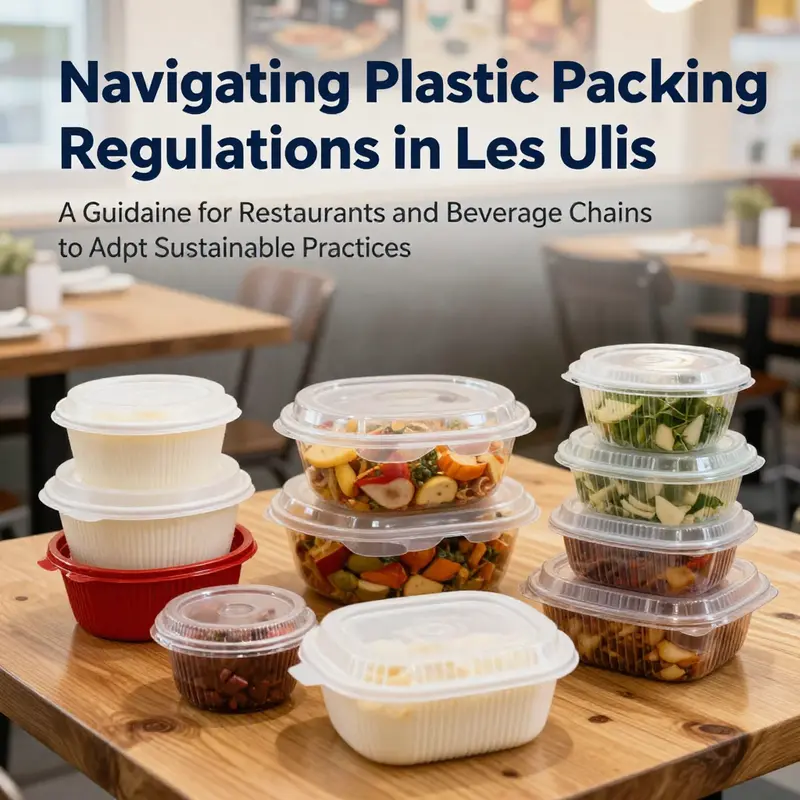
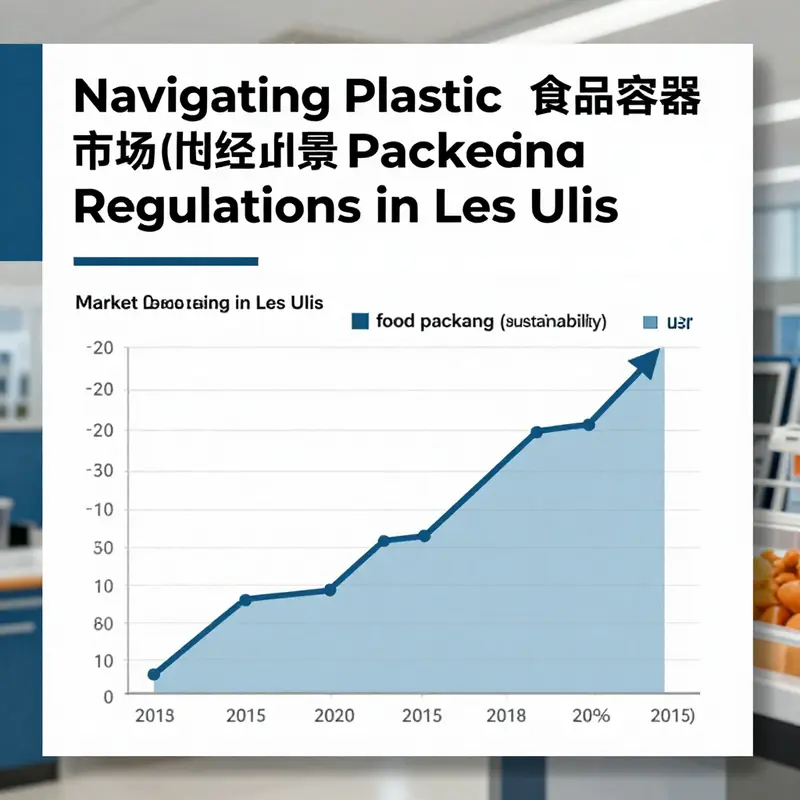
As the world becomes increasingly aware of environmental concerns, regulations regarding plastic packaging are intensifying. In Les Ulis, France, local food businesses are facing new guidelines aimed at reducing disposable plastic use. This article dives into the impact of these regulations on the food industry, showcasing the sustainable alternatives available, the adaptability of local businesses, and the overall economic outlook in a changing landscape. Each chapter will provide insights into how restaurants, beverage chains, and food service providers can transition while maintaining quality and service.
null
null
From Les Ulis to a Circular Plate: Sustainable Substitutes for Plastic Food Packaging
In the shifting landscape of packaging in Les Ulis, a town just outside Paris, the debate over plastic and its alternatives no longer circles merely around convenience. It has become a matter of policy, economics, and urban life—how a local restaurant, a café, or a hotel can serve meals with a smaller footprint while meeting safety and shelf-life standards. The European Union’s tightening rules on packaging and packaging waste are pushing this conversation from the margins to the center of daily operation. In Les Ulis, as in many European towns, the timeline is not a distant horizon but an evolving present: by 2026, rules restricting single-use plastic condiments in places of consumption were already reshaping how sauces and seasonings travel from kitchen to table, and a broader directive looms toward 2030, targeting even more single-use plastic packaging for vegetables and take-away sauces. The regulatory drumbeat is not merely a regulatory nuisance; it is a clarion call to reimagine the entire lifecycle of food packaging. It invites chefs, operators, designers, and policymakers to co-develop solutions that ensure safety and quality while drastically reducing waste. In this sense, Les Ulis reflects a global movement, but it also reveals the unique pressures and opportunities a mid-sized urban economy experiences as it transitions toward packaging that can be recycled, reused, or biologically harmonized with the environment.
The core challenge is to balance two imperatives that sometimes pull in opposite directions: the insistence on protecting food safety, extending shelf life, and maintaining the sensory qualities that attract customers; and the imperative to lower environmental impact, reduce carbon footprints, and move toward a circular economy where materials are kept in use longer and at higher value. Emerging sustainable substitutes address this balance not as a single miracle solution but as a spectrum of options that can be combined and adapted to local needs. In Les Ulis, like many other cities, the question becomes how to select, design, and deploy packaging that can guarantee microbiological safety and freshness while also enabling recycling or reuse across the supply chain. This requires more than replacing one material with another; it requires rethinking packaging architecture itself—how it is produced, how it is used, and how it returns to the system for recycling or repurposing.
Among the most promising directions is the advent of plant-based, biobased coatings that can be applied directly to food surfaces or to container substrates. Research groups, including teams at Rutgers University, have demonstrated a plant-based coating with a distinctive, web-like microstructure that can be sprayed onto foods to create a protective barrier. This protective layer is designed not only to block pathogenic and spoilage microbes during transit but also to withstand mechanical handling and some frictional stress during transport. The coating is designed to be biodegradable, breaking down naturally rather than persisting as waste. While laboratory results are encouraging, the real-world implications are even more compelling: if such coatings can be scaled for diverse food categories—from fresh-cut produce to ready-to-eat meals—they offer a potential route to cut the reliance on traditional petrochemical plastics without sacrificing safety or quality. In Les Ulis, applying this technology would mean close collaboration among farmers and suppliers, packaging designers, and local regulators to evaluate how the coating interacts with different foods, how it behaves under a range of temperatures, and how it aligns with local waste management capabilities. It would also require clear labeling so consumers understand what has been applied to their food and what the end-of-life path looks like. Nevertheless, the fundamental value proposition is straightforward: a thinner, edible, or degradable barrier on the surface of foods or packaging could reduce plastic load, improve end-of-life outcomes, and open space for new packaging formats that lean more heavily on renewable feedstocks.
Beyond coatings, a second major frontier lies in aseptic, multi-layer packaging for liquid and semi-liquid products. The market has moved toward sterile or aseptically packed beverages and beverages in multi-layer paper-based formats that combine paper with aluminum foil and a thin polymer layer. These systems can provide extended shelf life—six to twelve months—without requiring constant refrigeration and without the addition of preservatives. In a country like France, where consumer expectations for quality and freshness run high, such packaging can transform the viability of dairy, fruit juice, and other perishable products in take-out or hotel-room service contexts. The EU’s green strategy underpins these developments by steering packaging toward recyclability, and in some cases toward materials that can be separated and processed efficiently by local recycling streams. In Les Ulis, retailers and food-service operators are navigating this space by assessing how these advanced packaging formats fit with existing supply chains, whether they can be integrated with reusable systems, and how end-users perceive changes in packaging texture, feel, and perceived safety. The economics at stake are nuanced: initial capital outlays for new machinery, line changes to accommodate new packaging formats, and potential changes in unit costs must be weighed against longer-term savings from reduced waste, lower disposal fees, and improved product integrity.
A third pillar of sustainable substitution centers on the concept of edible or bioactive packaging. This idea has long inhabited the realm of research but is gradually moving toward practical feasibility. Edible films—constructed from starch, proteins, or seaweed derivatives—are designed to act as barrier layers that can be consumed along with the product in certain applications. In dairy, confectionery, and prepared foods, these films may serve not only as protective packaging but also as carriers for antioxidants or antimicrobial compounds that can enhance shelf life and food safety. If accepted by regulatory authorities and trusted by consumers, edible packaging could redefine waste streams by eliminating the need to separate packaging environmental components from the food itself. Yet this path also poses challenges: ensuring sensory neutrality (no off-flavors or undesirable textures), guaranteeing uniform coating thickness, avoiding allergen cross-contact, and validating regulatory compliance across different food categories. The Les Ulis context highlights the careful balance required between innovation and incremental, proven improvements that can be scaled rapidly within local supply networks.
When economic realities are layered onto these innovations, the conversation takes on a pragmatic tone. Recycled plastics and closed-loop systems present a credible transitional pathway when complete material substitution remains difficult. Even in the best-case scenario, a portion of plastic packaging cannot be eliminated immediately; the strategy then focuses on diverting those plastics from landfills through robust recycling streams and repeat-use applications. The goal is to create a value chain where old packaging becomes a feedstock for new packaging, thereby reducing virgin material extraction and lowering lifecycle emissions. Designing products with end-of-life in mind becomes an essential discipline for designers, suppliers, and retailers. In practice, this requires standardized labeling, accessible collection points, and clear communication to consumers about how to dispose of different packaging streams. In Les Ulis, where municipal facilities share responsibilities with regional authorities, aligning design, waste sorting, and consumer behavior remains a key determinant of how quickly and effectively closed-loop systems can deliver measurable environmental benefits.
The influence of regulation on both supply choices and consumer expectations cannot be overstated. The 2026 restriction on single-use condiment sachets and the looming 2030 ban on certain disposable packaging for vegetables and fast-food accompaniments create a compelling incentive to rethink the packaging stack from the restaurant inward. Operators must assess how to maintain portion control, product integrity, and brand recognition while transitioning to materials that are recyclable or reusable. In this context, the concept of a sustainable substitute transcends a single product substitution. It becomes a holistic strategy that includes supplier collaboration, design for circularity, and consumer education. For example, even simple decisions—such as selecting a take-away container with a recognized recycling pathway or choosing a paper-based option that can be composted in municipal facilities—can accumulate into a material impact when adopted across all outlets in a municipality like Les Ulis.
In a practical sense, the shift toward sustainable substitutes is not a rejection of all plastic; rather, it is a disciplined reallocation of plastic’s role within a circular framework. It is an invitation to reimagine hospitality and food service operations so that packaging becomes a dynamic, value-adding part of the product experience rather than a passive afterthought that ends up as waste. The hopeful trajectory is one where new coatings, safer and more efficient aseptic formats, edible films, and recycled plastics converge to deliver safer foods, longer shelf lives, lower environmental footprints, and an end-of-life story that closes the loop rather than ending in a landfill or a combustion plant. In Les Ulis, this convergence may look like a layered packaging system: a thin, plant-based barrier on food surfaces, paired with a recyclable outer container and an optional take-back program for reusables. It might also look like a small but meaningful shift in consumer education—clear labeling that explains why a particular packaging choice was made and how it fits into the city’s waste management ecosystem.
For readers who want to see how practical choices align with global innovation, the cross-border development of sustainable packaging provides a useful lens. Researchers are actively exploring how plant-based coatings can extend shelf life while remaining compatible with existing food safety standards. The idea of a sprayed, biodegradable barrier is not merely an academic curiosity; it represents a feasible approach to reduce reliance on conventional plastics in a wide range of foods. The work on aseptic, paper-based beverage packaging demonstrates the potential to restructure the cold chain by reducing refrigeration requirements and enabling longer distribution ranges. Such technologies, if scaled and adopted, could reshape how a city like Les Ulis sources and uses packaging for dairy and beverages, in turn affecting logistics, store design, and even daily consumer routines. The edible packaging concept, while still at an early stage for many food categories, offers a tantalizing glimpse of a future where packaging becomes part of the edible product experience, leaving little waste behind. The closed-loop, recycled-plastic pathway provides a practical bridge where substitution is not yet complete; it underscores the importance of building resilient recycling systems that can absorb and reprocess high-quality plastics back into food-grade packaging materials.
The interplay of these pathways is more than a technical challenge. It is a social and economic transformation that demands attention to design, governance, and communication. Local governments like the one serving Les Ulis can support this transition by funding pilot projects, creating pilot hubs for packaging trials, and coordinating with waste management authorities to optimize collection and sorting. Businesses must invest in flexible equipment, staff training in waste separation, and consumer engagement campaigns that explain why packaging changes matter. In the end, the goal is not a single breakthrough but a mosaic of viable substitutes that, taken together, reduce environmental burden while preserving or enhancing food safety and consumer satisfaction. The narrative emerging from Les Ulis is one of cautious optimism: as regulations tighten and consumer awareness grows, the market is responding with a broader palette of sustainable options, each contributing a different piece to the larger puzzle of responsible consumption and production.
Local practitioners are already looking beyond single-material replacements toward holistic packaging strategies. One tangible sign of this shift is the willingness to explore durable, recyclable packaging formats that perform across a variety of use cases—from hot soups to cold beverages to ready-to-eat meals. In parallel, a growing network of designers and manufacturers is experimenting with packaging designs that minimize material usage without compromising performance, making it easier for outlets to meet regulatory targets and still deliver the comfort and reliability customers expect. Such design-for-end-of-life thinking aligns with broader European commitments to a circular economy and resonates with the aspirations of Les Ulis residents who want their city to be both vibrant and environmentally responsible. The convergence of regulation, innovation, and consumer demand is beginning to generate momentum at the street level: menus can remain enticing, operations can remain efficient, and packaging can become a visible indicator of a city’s commitment to sustainability. Importantly, these developments are not simply theoretical; they have begun to shape procurement choices, supplier relationships, and restaurant remodels across the region, illustrating how policy and markets can reinforce each other to accelerate progress.
Within this frame, the potential to blend several of the discussed substitutes offers a compelling path forward. For instance, pairing a plant-based coating with aseptic, recyclable packaging can further extend product life while simplifying the end-of-life process for the packaging itself. Edible films, where appropriate, can replace some conventional wrappers in select dishes or ingredients, reducing waste streams and offering new sensory experiences for consumers who are curious about sustainable eating. The key challenge remains ensuring that any introduced packaging is compatible with existing waste streams, is universally understood by consumers, and is economically viable for operators who operate on tight margins. In Les Ulis—and in many other communities—the answer will likely involve a mix of standardized packaging solutions, shared procurement frameworks, and community education efforts. When these elements align, the city can move toward a system where sustainability is not a separate initiative but an integrated practice that informs every decision from supplier selection to in-store customer communication.
For those seeking a concrete example of a packaging option that aligns with the trend toward sustainability, consider the broader category of paper-based, single-use alternatives that can be designed to optimize recyclability and compostability. The existing blog ecosystem surrounding eco-friendly packaging solutions offers a window into practical implementations that local outlets can test and adapt. In Les Ulis, such experiences can be translated into pilot programs that compare different materials under real operating conditions, track performance, and yield data on waste reduction and customer acceptance. The outcome of such pilots can inform policy refinements, supplier commitments, and future investments, ensuring that the transition supports both public interest and the vitality of the local economy. The overarching message from this trajectory is clear: a sustainable substitute for plastic food packaging is not merely a technical replacement but a catalytic change in how food is produced, transported, served, and ultimately cherished by communities.
Internal link for practical context (example of packaging options): disposable octagonal kraft paper packaging.
External resource for technical background: https://www.rutgers.edu/news/roberts-plant-based-coating-extends-food-shelf-life.
从法规到操作:Les Ulis餐饮业应对一次性塑料包装转型的现实路径
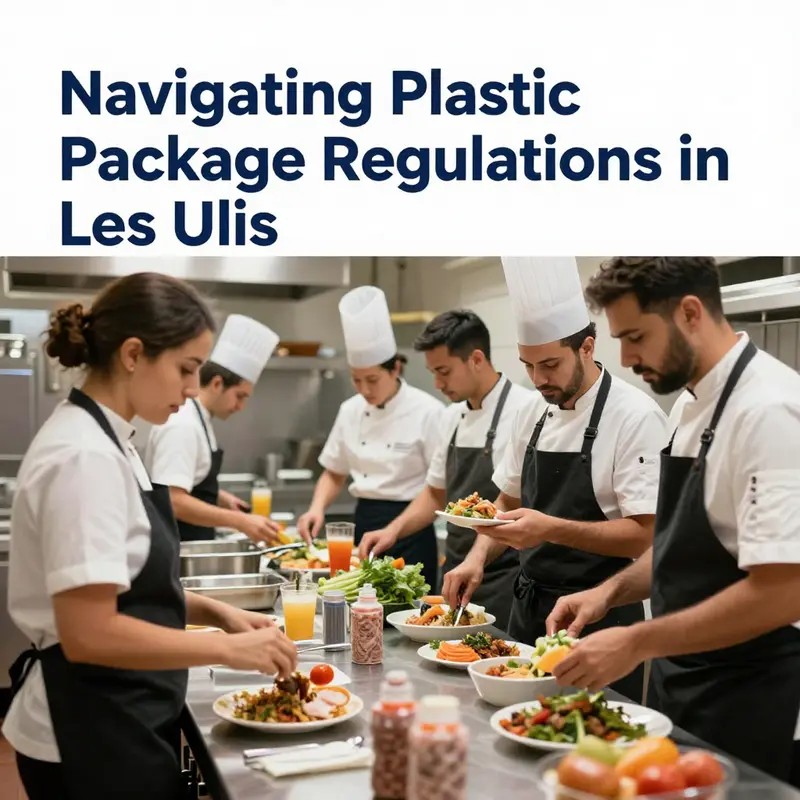
Les Ulis的餐饮业正站在法规改变的前沿。欧盟对一次性塑料的严格限制,已把餐厅、咖啡馆和外卖服务的包装选择推到关键抉择点。尽管当地具体案例在公开资料中尚不足,但基于欧盟的统一要求和法国的执法节奏,可以推断出一套完整的适应逻辑。本文描绘出这种逻辑,展示餐饮经营者如何把法规压力转化为长期节约、顾客信任和运营创新的机会。
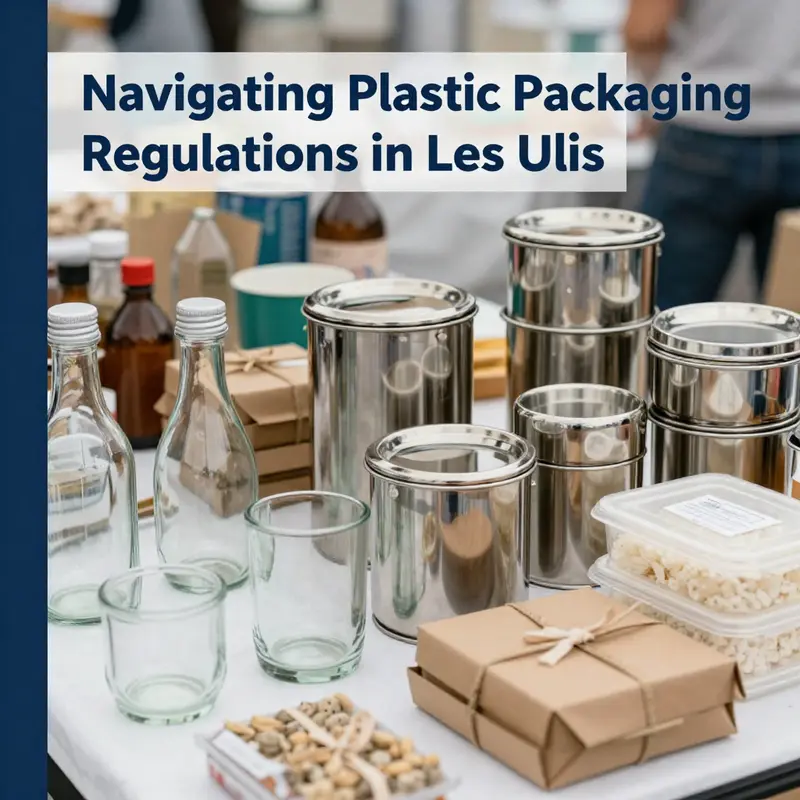
餐饮业的第一次响应通常从材料替换开始。面对2030年对一次性塑料的全面禁令,以及从2026年8月12日起禁止在堂食提供一次性塑料调味品的小包装,Les Ulis的商家逐步试验纸、木、竹、不锈钢和玻璃等替代材料。许多替代方案不只是一次性的表面替换。纸制容器若选用水性涂层或经认证的生物基涂层,可在短期内替代传统塑料。金属与玻璃容器则更多地朝向可重复使用的商业模式。尽管这些替代品的初期采购成本更高,但从减少废弃处理费、提高单位重复使用率和改善品牌形象来看,它们具备长期价值。为了降低短期负担,餐馆常以分批替换和先在外卖线上测试的方式逐步推进,以便调整物流和客户操作流程。
与此同时,鼓励顾客“自带容器”的战略变得格外重要。欧盟要求外卖最终分销商提供自带容器选项,这为Les Ulis的餐厅提供了直接的执行路径。商家可通过小额折扣、积分奖励或优先通道服务,引导消费者形成习惯。为提高制度接受度,店家需要明确展示卫生与安全规范。这包括在点单界面和柜台显著位置标注自带容器的消毒与密封要求,以及为自带容器提供临时消毒或检验服务。初期,员工培训也必须覆盖如何识别合规容器,以及在高峰期如何维持服务节奏而不因自带容器处理拖慢流程。
回收与循环系统成为另一个关键环节。欧盟对包装回收率的严苛要求,促使地方和私营部门建立闭环回收网络。Les Ulis的餐饮企业可与市政回收项目、第三方回收企业或跨店联盟合作,建立专门的餐盒回收点和回收频次表。回收模式不只是废弃物收集,它还包括容器的分类、清洗、再制造或集中处理。对一些餐厅而言,采用可堆肥材料并配合有序的餐厨废弃物收集,也能减少总体垃圾成本。此类系统需要透明的追踪机制,以便证明回收率并满足监管要求。
值得关注的是“可降解塑料”在未来政策中的地位。欧盟对所谓可降解材料的定义十分严格。单靠标签宣称“可降解”的塑料,很可能在短期内失去合法市场。这一变动迫使餐饮业放弃依赖可降解塑料的过渡方案,转向真正可持续的材料。对Les Ulis的经营者来说,这意味着采购策略需更具前瞻性。选择经第三方认证的再生纸、食品级不锈钢或可高频循环利用的玻璃器具,能避免未来因法规变更而造成的资产贬值。
运营层面的调整同样关键。厨房流程、外卖打包线和员工岗位分工均需重新设计。重复使用容器的回收、清洗与再分配,要求餐厅配备额外消毒设备或与中心化洗涤站合作。外卖平台接口也要更新,以支持“自带容器”选项和非一次性包装的修改说明。为了维持高峰期效率,餐厅可以设定回收容器的上限与发放规则,或者实行押金制度,确保容器按期回收并减少丢失率。押金机制若配合数字化追踪,会显著提升回收率并支持跨店循环使用。
从供应链角度看,Les Ulis的餐饮业需要创建新的采购网络。传统一次性塑料批发商正在转型,提供纸、浆、金属和玻璃等替代品。餐厅应与供应商协商灵活交付和小批量试单,以减少库存风险并快速迭代产品选择。在品控方面,需要明确材料的食品安全标准和耐用性指标。例如,纸碗需通过多次盛热汤或油腻食品的测试;金属容器需评估在运输过程中的密封性和保温能力。与供应商建立长期伙伴关系,将有助于在成本、设计和回收方案上获得更好的条件。
顾客沟通也是转型成功的核心。透明、简洁的信息可以提升接受度。Les Ulis的餐厅应在菜单、收据与店内显著位置说明新包装的环保意义和使用指南。对外卖顾客,应在订单页面明确选择可重复使用或可降解替代品的差异、价格和回收途径。以数据为支撑的宣导更易取得信任。餐厅可分享每月减少的一次性包装数量或回收容器的回收率,让环保行动成为可衡量的成就。
财政支持和激励措施也能加速转型。地方政府和行业协会时常推出小额补助或采购补贴,以帮助中小餐饮业完成首次设备投资。Les Ulis的经营者应留意市政发布的绿色基金、回收试点补贴或职业培训支持。参与这些计划能降低初期资本支出,并为后续扩展提供示范效应。若地方当局尚无此类支持,商家可以联合提交行业倡议,争取集体利益与政策支持。
创新商业模式将在该转型中发挥放大作用。许多餐厅开始试行“容器订阅”服务。顾客以月费方式订购可重复使用容器,餐厅负责清洗并循环使用,这降低了个体顾客的负担。另一种模式是建立邻里共享回收点,由几家餐厅共用清洗设施与物流,这能显著节省成本并提高回收率。与此配套,数字化管理平台可追踪容器流向、启用押金返还并生成可视化报表,帮助餐厅优化库存和回收频率。
最后,人才与文化的转变不可忽视。员工培训需覆盖新包装的使用、回收流程和顾客沟通技巧。前线员工是规则变动的执行者与顾客体验的守门人。通过培训与激励,让团队参与改进流程,能提高执行力并带来持续创新。与此同时,将环保作为品牌承诺的一部分,有助于吸引关注可持续消费的顾客群体,提升市场差异化优势。
Les Ulis的餐饮业面临的是长期结构性调适,而不是短期应对。将法规压力转化为组织能力的积累,是最可持续的路径。通过材料替换、推动自带容器、建立回收闭环、重构供应链与服务模式,以及强化顾客沟通与员工能力,餐厅可以在合规的同时实现成本优化和品牌增值。对经营者来说,关键在于实施中的渐进性与系统性。一步步试验、评估并放大成功做法,能把一项政策挑战,变成推动本地餐饮生态向更循环、透明和有韧性方向发展的机会。
更多关于欧盟限制的背景与具体时间表,参考欧盟相关报道: https://www.euronews.com/2024/03/06/eu-reaches-deal-on-strictest-plastic-ban-in-history
有关可替代纸制杯具的实际供应选项和样式,可参阅单壁纸杯的行业产品示例:single-wall paper coffee cup。
null
null
Final thoughts
The shifting landscape of plastic packaging regulations in Les Ulis poses both challenges and significant opportunities for the local food industry. By embracing sustainable alternatives and adapting to the new policies, restaurants and food service providers can enhance their appeal and ensure compliance. Moving forward, it is essential for businesses to stay informed and proactive in their packaging strategies while prioritizing environmental stewardship.