
Plastic hot food containers serve as a cornerstone of the foodservice industry, from bubble tea shops to catering services. Their popularity stems from their convenience and adaptability, especially when handling hot items. Yet, the safety of these containers is paramount, hinging on material quality, proper usage, and environmental impact. With the rise in consumer awareness around health and sustainability, businesses must ensure they are choosing the right packaging solutions. This article delves into the safety standards of materials like polypropylene, the ecological considerations of plastic use, practical applications in various food service settings, and the innovations paving the way for the future of disposable packaging.
Heat-Ready Safety: Navigating Material Integrity in Plastic Hot Food Containers
Heat is the most revealing test of any plastic container meant to cradle hot food. When steam rises from a freshly reheated meal or a busy kitchen fills a to-go bag with heat and haste, tiny chemical exchanges begin to occur between packaging and contents. The phenomenon is known in packaging science as migration: at elevated temperatures, additives and even some backbone molecules can shift from the plastic into the food. The dynamics of migration depend on many variables—how hot the food is, how long it stays in contact with the container, the fat and acidity of the food, and the exact composition of the plastic itself. This means that two containers that look alike can behave very differently under the same heating cycle. The practical upshot for foodservice operators is clear: material safety is not a one-time checkbox, but a continuous practice that starts with the choice of material and ends with diligent handling in service and reheating.
Polypropylene, typically assigned resin code #5, stands out in hot-food applications for a simple reason: it resists heat well. In ordinary use, polypropylene containers can withstand temperatures approaching 160°C (320°F) without deformation, at least when they are designed for this purpose. This heat tolerance makes PP a natural candidate for microwave reheating and for holding soups, stews, and other hot meals without the container softening or warping. When a container bears the label “food-grade polypropylene” and carries appropriate compliance documentation, it aligns with regulatory expectations that facilitate safe contact with both hot and cold foods. The U.S. Food and Drug Administration’s guidelines on food contact materials emphasize that items approved for contact with food are safe when used as directed, including that they are microwave-safe only if specifically designed for that use. It is not enough to see a generic claim of “microwave-safe” on a package; the claim must reflect a material designed to withstand repeated heating and to meet the conditions of use described by the manufacturer. In other words, the label matters as much as the material.
But not all plastics used in hot-food packaging share the same profile. Polystyrene, a lineage often associated with foam take-out boxes and certain rigid PS containers, is less forgiving once heat is involved. Styrene monomer and related compounds can migrate at higher temperatures, raising concerns about potential exposure. While modern PS food-contact materials are designed to minimize migration, their performance under sustained heat or repeated cycles is generally not on par with PP in terms of chemical stability. This is why many operators and researchers lean toward PP as a safer default for hot meals, particularly when the container is intended for reheating in a microwave or for meals kept at elevated temperatures during transport.
The spectrum of plastic types extends beyond PP and PS. High-density polyethylene (HDPE, resin code #2) can be stable and relatively inert, a quality making it a common choice for durable, cold-to-warm applications. Still, HDPE has its limits for hot-food use; it is typically more heat-resistant than LDPE but not as optimized for high-temperature microwave use as PP. Low-density polyethylene (LDPE, resin code #4) can be used in some food-packaging contexts, but its performance under direct, repeated heating to high temperatures is not as robust, which is why many hot-food packaging designers steer away from LDPE for containers that will see microwaves or long hot-hold times. The resin identification codes provide a quick reference, but they do not tell the whole safety story. A container with a favorable code can still pose risks if it is not manufactured to food-grade standards or if it is used beyond its heat tolerance. The bottom line remains: material choice should be guided by a clear understanding of heat exposure, food type, and the specific certifications the container carries.
Beyond the resin codes, a broad and evolving conversation centers on additives. Inside many heat-stable plastics lurk plasticizers, stabilizers, antioxidants, and other additives that improve performance but also have the potential to migrate under heat. Phthalates, for example, have historically been associated with increased concerns about hormonal disruption, particularly with long-term, low-dose exposure. BPA and its substitutes, such as BPS and BPF, have been the subject of extensive scrutiny because of their potential endocrine-disrupting effects. The evidence is nuanced and still developing, but the broader literature consistently underscores the possibility that heat and repeated use can alter the likelihood and quantity of additive migration. The message for foodservice operators is pragmatic: while many containers marketed as “microwave-safe” or “food-grade” may minimize risks, these properties are not universal guarantees. The safest practice is to rely on containers that are certified for hot-food contact and intended for microwave use, and to avoid heating in containers that show any sign of deformation, discoloration, or wear.
A 2024 study by T. Jin adds a cautionary note that merits careful consideration in day-to-day operations. The study suggests that microplastics and organic additives can form during routine use of takeaway containers. While the health implications of long-term consumption of such fragments remain a matter for ongoing research, the study reinforces the practical precaution that repeated heating or exposure to extreme temperatures increases the potential for leaching and fragmentation. It is not a reason to abandon the use of plastics in hot-food contexts, but it is a compelling reminder of the need for careful product selection, strict adherence to manufacturer guidelines, and clear consumer communication about safe use. When in doubt, choosing containers that are explicitly designed for hot food and microwave heating is a prudent default. The risk calculus becomes more manageable when processes and products are aligned with a clear standard rather than a moving target of consumer expectations.
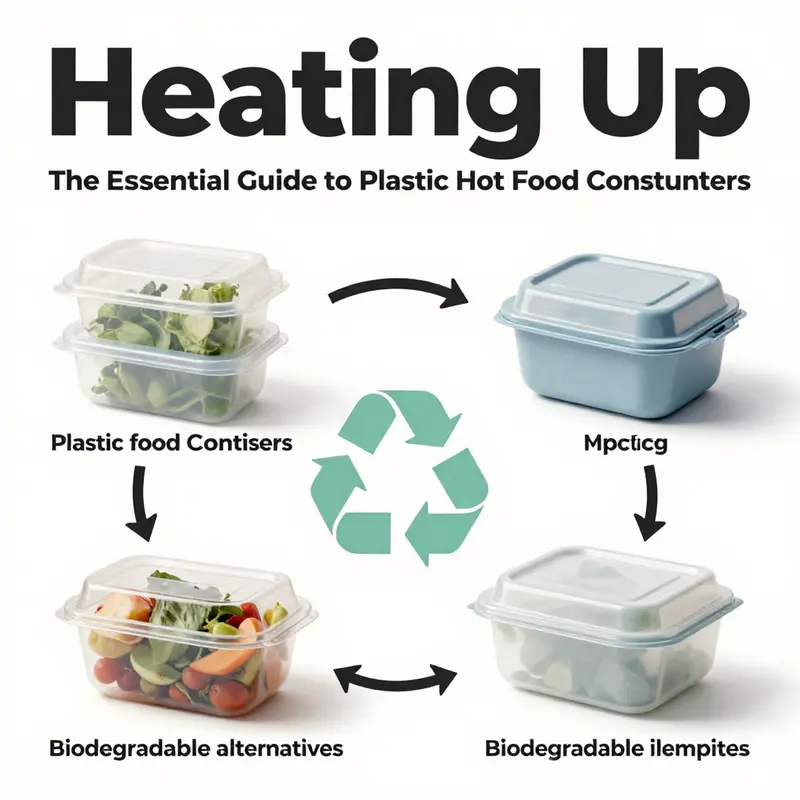
Another layer in the conversation concerns the environmental footprint of plastic hot-food containers. Recyclability and perceived eco-friendliness sit alongside safety considerations. While many plastic containers are marketed as recyclable, the reality of their end-of-life fate depends on local recycling streams, contamination, and the presence of additives that complicate processing. In some markets, biodegradable or compostable alternatives are increasingly offered, though they remain less common in large-volume wholesale channels and may require separate logistics for composting or controlled disposal. For businesses seeking a path that balances heat safety with environmental responsibility, a key step is to evaluate not just the upfront cost but the full life cycle implications of each packaging choice. This translates into a strategic decision to normalize the use of heat-certified plastics where practical, while also investing in secondary packaging options or reusable systems that reduce long-term waste without compromising safety.
In the everyday workflow of a restaurant, café, or meal-prep service, the implications of material safety play out in real terms. Staff must be trained to recognize containers that are clearly labeled as microwave-safe and food-grade, and to reject any container that is scratched, cracked, or deformed. These physical signs often presage deeper material degradation that cannot be fully mitigated by labeling or marketing. Food safety programs should emphasize the importance of matching the heating method to the container’s design. If a seal or lid becomes compromised during transport, the risk of leakage increases not only from a food safety perspective but also from the possibility of localized overheating, which can accelerate material breakdown. In practice, this means keeping a close eye on storage, minimizing prolonged hot-hold times, and establishing clear standards for reheating durations that align with the container’s specifications. It also implies that operators consider inert materials like glass or ceramic for reheating or final plating when the meal’s temperature and presentation demand the highest standards of fidelity and safety.
To illustrate the spectrum of packaging options while staying grounded in hot-food safety, the industry has gradually shifted toward more cautious decision-making that weighs performance, safety, and sustainability. Where possible, programs can promote containment solutions that optimize heat retention while limiting the opportunities for migration. Some operators, seeking to reduce risk, adopt designs with robust seal systems and inner liners that act as barriers to direct contact between hot food and the plastic, thus reducing potential migration. For those who want to explore greener paths without sacrificing safety, the market now features a variety of non-plastic or semi-plastic alternatives that can handle heat sufficiently for many menu items. When considering such options, remember that the right choice depends on the specific dish, the expected reheating method, and the logistical realities of the operation. A careful balance between safety data, practical handling, and environmental considerations is essential to maintain the integrity of the food and the trust of customers.
As we reflect on these dimensionalities—the chemistry of additives, the thermal realities of heating, the regulatory scaffolds surrounding food-contact materials, and the environmental considerations that shape corporate responsibility—one principle emerges with clarity. Plastic hot-food containers can be safe and reliable, but safety is not a given. It is an outcome produced by explicit material choices, certified compliance, and disciplined use. For hot foods, polypropylene-based containers stand as a credible default when heat exposure is frequent and intensity is high. Yet even PP must be used according to its certified guidelines, and operators should avoid subjecting any container to conditions beyond its designed capacity. The health stakes are not abstract; they revolve around real meals that people consume daily. The guidance remains straightforward: select containers that are clearly labeled for hot-food contact and microwave use, avoid containers that show signs of wear, and adhere to manufacturer recommendations about reheating and duration. In the end, the goal is not merely compliance but the cultivation of consumer trust through consistent performance, transparent labeling, and responsible stewardship of resources.
For those curious about alternatives, it helps to consider packaging ecosystems that lean toward sustainability without compromising safety. Eco-friendly options such as recyclable paper-based cup holders and paper bowls illustrate how service design can diversify beyond plastics while still delivering reliable take-out experiences. As packaging choices evolve, the onus is on operators to remain vigilant about heat safety standards and to communicate clearly with customers about proper use. This collaborative approach—between material science, regulatory guidance, and practical operations—offers the best path to keeping meals safe, hot, and responsibly packaged from kitchen to consumer. For further context on how greener, non-plastic packaging approaches can complement hot-food service, see environmentally oriented packaging options such as eco-friendly recyclable paper cup systems that support safe, heat-tolerant service while reducing plastic dependence. eco-friendly-recyclable-pulp-2-4-cups-coffee-take-away-cup-holder.
Finally, authoritative guidelines help anchor these reflections in a broader regulatory landscape. When uncertain about a container’s heat-treatment compatibility or its migration potential, consulting official resources is prudent. The FDA provides guidance on microwave-safe plastics and emphasizes that food-contact materials must be used as intended and within the limits of their design. For practitioners seeking a precise, actionable reference, the FDA’s Microwave-Safe Plastics guidance offers a clear framework for evaluating whether a given container is appropriate for reheating and hot-food service. For readers who want direct access to this guidance, see the FDA resource linked here: https://www.fda.gov/food/food-contact-materials/food-contact-materials-questions-and-answers#microwave-safe-plastics. The combination of regulatory clarity and practical experience helps ensure that hot-food packaging remains a reliable, safe component of the dining experience rather than a source of concern.
From Convenience to Consequence: The Environmental Footprint of Plastic Hot Food Containers
The everyday choice of a plastic hot food container carries with it a shadow that follows the convenience of takeout and rapid meal turnover. In the bustle of kitchens and curbside pickups, the environmental implications often move to the back of the queue, overlooked in the rush to serve hot meals quickly. Yet the life cycle of these containers—how they are made, used, discarded, and sometimes recycled—frames a broader story about resource use, waste, and the delicate balance between feeding a growing hunger for ready-to-eat food and protecting the ecosystems on which food security itself depends. The environmental footprint of plastic hot food containers is not a single measure but a composite of energy intensity, fossil fuel dependence, emissions, and persistent waste that outlives the convenience they promise. To understand this footprint, it helps to trace the journey from raw materials to final fate. Most hot food containers are fashioned from polypropylene or polystyrene. Both rely on fossil fuels for their feedstocks and processing energy, making their manufacture an energy-intensive step in the value chain. Even when the finished product appears simple, the process requires extraction, refining, resin production, and plastic shaping, all of which consume non-renewable resources and release greenhouse gases. The scale of this energy use is not merely a local concern; it aggregates to a global impact as millions of meals move through commercial kitchens and retail outlets each day. In many regions, the push to keep costs low further amplifies these effects, as suppliers optimize for price and throughput, sometimes at the expense of longer-term environmental considerations. After manufacture, the containers embark on a functional life that is ostensibly short but environmentally consequential. They must withstand heat, resist leakage, and maintain structural integrity during transport and reheating. In commercial settings, this often means plastics designed for hot foods are selected for durability and barrier properties, enabling hot meals to travel safely without soggy lids or brittle rims. But durability in use does not translate into safety when the container reaches the end of its life. The chain of consequence begins anew at the moment of disposal, where the fate of these containers diverges into a set of pathways that can either mitigate or magnify environmental harm. A defining feature of plastic packaging is its persistence. Conventional plastics do not readily biodegrade in natural environments; instead, they fragment into microplastics that can remain in soils and water for decades or even centuries. These microplastics become ubiquitous pollutants, infiltrating ecosystems, altering habitats, and potentially entering the food web through ingestion by marine life and terrestrial organisms. The problem is not merely the presence of large pieces of plastic but the cumulative load of tiny particles that are easy to overlook in daily operations. Microplastics associated with packaging can migrate from containers through routine use, especially when heating is involved. The risk is not limited to environmental waste streams; it extends to the potential for chemical leaching and additive migration during repeated heating or exposure to high temperatures. While many claims of “microwave-safe” or “hot food compatibility” exist in the marketplace, the reality is that repeated heating can increase the rate of release of additives and additives can migrate under certain conditions. This is why regulatory and safety frameworks emphasize certified materials and strict guidelines for heat exposure. The environmental narrative extends beyond the flue of emissions and the sink of waste. When plastics are discarded, the end-of-life options define the trajectory of harm or opportunity. Landfilling, the most common fate in many regions, confines containers in undecomposing layers that may trap methane, a potent greenhouse gas. In recycling streams, the story becomes more hopeful but remains complex. A large share of plastic packaging cannot be recycled efficiently due to contamination, multi-layered compositions, and the specialized infrastructure required to separate and process the materials. Even when recycling programs exist, the actual rate of successful recycling remains modest, which means a considerable portion ends up in landfills or as litter in the environment. The practice of incineration adds another layer of risk. While energy recovery can offset some fossil fuel use, incineration releases toxic pollutants, including dioxins and furans, especially when combustion conditions are not perfectly controlled or when plastics are mixed with other waste streams. The public health implications of such emissions are significant; communities near incineration facilities may experience higher exposure to air pollutants that contribute to respiratory or cardiovascular concerns. In aggregate, these pathways paint a stark picture: plastic hot food containers contribute to polluting the air, soil, and water through emissions, waste, and fragmentation. The coastal and marine environments, in particular, bear a heavy burden. Microplastics released from discarded containers can journey from streets to streams, from rivers to oceans, accumulating in surface waters and sediments. Marine life ingests these particles, mistaking them for food, which can result in physical harm, reduced feeding efficiency, and potential bioaccumulation up the food chain. The ecological costs extend to biodiversity, ecosystem services, and the resilience of natural systems that food producers depend on for clean water, fisheries, and climate regulation. In considering the environmental responses to these pressures, governments and organizations have begun to chart pathways toward reductions in pollution and resource use. Regulatory initiatives, such as the 2024 standards implemented in some jurisdictions, aim to tighten chemical migration controls and promote opportunities for safer materials. These standards acknowledge the need to curb the migration of additives into food and to elevate the performance of materials that minimize environmental harm. They also reflect a broader ambition: to guide the shift from single-use reliance toward more sustainable models of packaging. Yet policy alone cannot transform practice; it must be complemented by design innovation and responsible procurement. For businesses, this means embracing a lifecycle perspective. Procurement choices that favor materials with lower embodied energy, fewer hazardous additives, and improved end-of-life outcomes can shift the packaging footprint over time. It also means recognizing that plastic remains a practical option in many contexts—providing heat resistance, leak protection, and cost advantages—but that these benefits come with a responsibility to improve end-of-life outcomes. A growing stream of alternatives offers potential pathways to reduce environmental harm without sacrificing performance. Compostable or recyclable paper-based containers, for example, can deliver heat resistance with a different end-of-life profile. Paper-based designs often favor renewable or biodegradable feedstocks and can be paired with composting or certified recycling streams to minimize long-term persistence in the environment. The adoption of reusable systems, such as durable containers used across multiple cycles, presents another promising approach, especially in high-volume settings that can support return logistics and sanitation protocols. The challenge with any alternative is ensuring compatibility with hot foods, the ability to withstand reheating cycles, and the feasibility of scale in wholesale markets. It is here that the design and certification standards matter most. A product that is marketed as eco-friendly must not only meet performance criteria but also align with end-of-life infrastructure. This alignment requires transparent labeling, clear consumer guidance, and credible certifications that distinguish genuine environmental benefits from greenwashing. The pursuit of sustainability in this sector also raises questions about supply chain stewardship. Shifts toward greener packaging are not simply about choosing a different material; they involve suppliers, processors, waste management providers, and retailers coordinating to close loops. The idea is to reduce the environmental footprint at every stage—from raw material sourcing, through manufacturing, to end-of-life processing. In the broader discourse, the move away from conventional plastic toward safer, more sustainable alternatives is tied to regional and global policy developments. National and international bodies are increasingly attentive to the cumulative impacts of packaging on climate, resource depletion, and ecosystem health. The desire for safer materials, lower emissions, and higher recycling rates aligns with the broader aim of decoupling packaging from the most harmful environmental effects while preserving the benefits of food deliveries and takeout services. For a reader seeking practical anchors, consider the way packaging choices ripple through a business’s broader sustainability strategy. A single decision about the primary material used for hot meals affects energy consumption, waste volumes, and the level of post-consumer recycling or composting that a city must manage. It also influences consumer perceptions and market opportunities, since customers are more likely to support venues that demonstrate environmental responsibility. As this chapter contends, the environmental impact of plastic hot food containers is not a fatalistic verdict but a call to reimagine packaging with the aim of reducing harm while maintaining service quality. The path forward lies in a combination of smarter design, responsible use, and robust waste management. It requires that stakeholders invest in research and certification to ensure that materials perform under real-world conditions, especially when subjected to heat and repeated use. It requires governments to align incentives with innovations, rewarding solutions that minimize emissions, reduce resource extraction, and improve end-of-life outcomes. And it requires businesses to adopt procurement practices that favor evidence-based approaches to sustainability, ensuring that the convenience of hot meals does not come at the expense of planetary health. For readers who want a concrete thread through this narrative, the exploration of greener options is not about abandoning practicality but about expanding the toolkit available to food service operations. In practice, this means exploring paper-based or compostable alternatives where feasible, while maintaining safety and performance. It also means designing for reuse where possible, and establishing clear systems for return, cleaning, and repurposing of containers so that the life cycle ends with minimal environmental release. When evaluating options, it helps to consider the full lifecycle: source materials, energy demands, water use, emissions during production, the potential for chemical migration during heating, the ease (or difficulty) of recycling or composting, and the social dimensions of waste management in the communities that support the packaging system. The task is not to choose a single silver bullet but to integrate a portfolio of strategies that collectively reduce harm while preserving the value chain that makes hot meals accessible. In this sense, the environmental impact of plastic hot food containers becomes a compass for more sustainable practices rather than a dead end. The next steps involve sharpening the standards that govern material safety and environmental performance, supporting the deployment of greener alternatives at scale, and encouraging a culture of stewardship among manufacturers, distributors, retailers, and consumers alike. This integrated approach recognizes that each stage of the container’s life carries a responsibility and that meaningful progress emerges when suppliers commit to safer formulations, heat-tested performance, and transparent end-of-life pathways. For readers already engaged in the supply chains of food-service packaging, a practical takeaway is to seek out partners and products that demonstrate credible environmental performance through third-party verification and clear lifecycle information. When a business can show that its packaging reduces energy use, minimizes waste, and steers end-of-life streams toward recycling or composting rather than abandonment in the environment, it strengthens both its brand and its contribution to a healthier planet. In sum, plastic hot food containers offer undeniable practical benefits, but their environmental footprint demands ongoing attention and action. The shift toward sustainability is not a single policy or a single product change; it is a coordinated evolution across material choice, design for end-of-life, and the infrastructure that makes waste management possible. The interplay of regulation, innovation, and responsible procurement holds the promise of keeping meals hot and safe while steadily reducing the ecological costs that accompany their manufacture and disposal. For further context on how packaging interacts with broader waste-management systems and environmental health, see the EPA’s overview of food packaging and its environmental implications. Internal links to greener alternatives can guide readers toward practical options that align with this broader agenda, such as exploring more sustainable takeout packaging alternatives like eco-friendly printed-logo single-wall paper cup for contexts where a paper-based option may fit the service model without sacrificing performance. External resource: https://www.epa.gov/food-packaging
Heat, Hold, and Heal: The Unseen Role of Plastic Hot Food Containers in Modern Foodservice
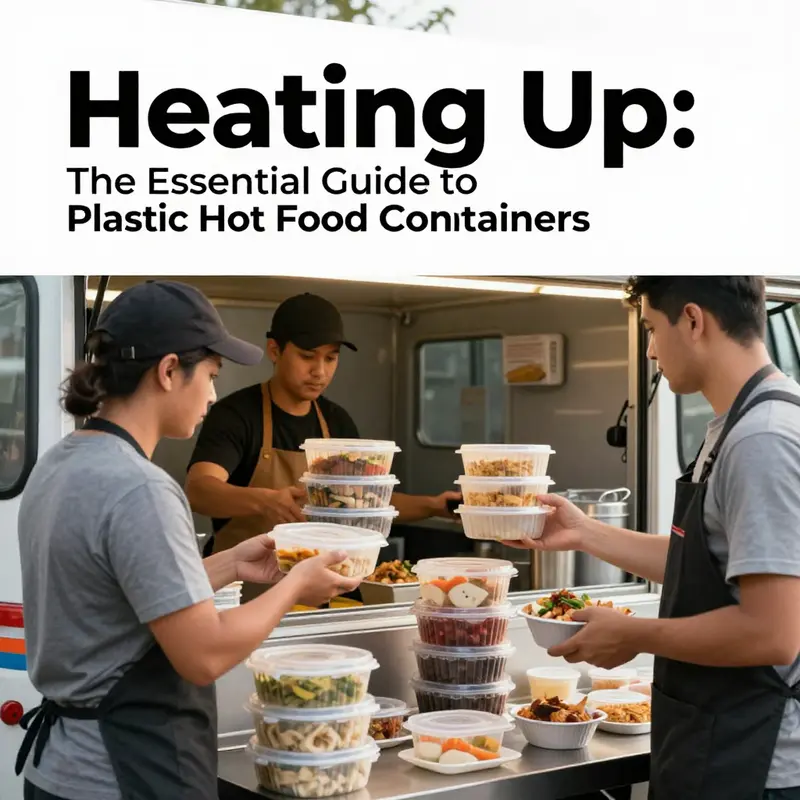
The journey of a hot meal from kitchen to customer depends on a simple but essential partner: the plastic container that carries steam aroma and integrity.
In fast paced takeout and delivery, these containers provide heat resistance, leak protection, and ease of transport. They enable chefs to translate culinary practice into portable service without sacrificing sensory expectations. Yet behind the convenience lies a web of materials safety and evolving practices around sustainability.
To understand how plastic hot food containers function in the wider industry, it helps to trace how material choices shape heating resilience, aging, and end of life.
The main materials used are polypropylene PP and polystyrene PS. PP is favored for hot applications because of higher heat resistance and mechanical stability. It can withstand temperatures up to about 160 C under typical use, which means it can tolerate reheating in microwaves without significant deformation. This robustness is why containers marketed for hot meals carry assurances of microwave compatibility and food grade safety. The reasoning is grounded in a regulatory framework that governs food contact substances.
Polystyrene PS offers strong insulation. Its low thermal conductivity helps keep soups and other hot items warm. The trade off is that PS is not ideal for heating in microwaves; at high temperatures it can migrate chemicals such as styrene. As a result PS is used for insulation and cost efficiency for short term holding rather than direct microwave use.
Other plastics such as PET and HDPE appear in certain packaging but have limitations for hot food service. PET is generally not recommended for hot food containers because it can deform or leach substances at high temperatures. HDPE is versatile but does not offer the same heat resistance as PP. For direct hot food service PP remains the safer option.
In practice many operations use PP for primary takeout boxes and microwavable containers because of durability and stackability. When a container fails to meet these criteria there are risks of spills and unsafe temperatures.
Compounding material considerations is the idea that repeated heating can alter migration behavior. Some studies indicate microplastics and additives can be released during routine use. This underscores the need for containers clearly designed for hot food use and reheating. The safety calculus is about repeated cycles of heating and cooling, storage, and transport.
Beyond safety, the economic side centers on durability, reliability, and total cost of ownership. PP based containers offer predictable performance that supports efficient service and reduced product loss due to leaks. The supply chain for these containers is robust with many manufacturers offering customizable options and certifications. While some markets pursue greener alternatives, these options are less common in bulk settings due to cost and end of life processing. In practice effective packaging often blends reliable PP with greener options where feasible.
Environmentally the story is tied to plastic pollution. Disposable containers contribute to visible waste. Governments and international bodies push for reduced reliance on single use plastics and for packaging that can be recycled or composted in appropriate facilities. In this landscape PP remains attractive for safety and performance, yet there is momentum for alternatives like PLA or PHA that originate from renewable resources and can degrade under industrial composting conditions. These options face challenges in terms of scalability, cost, and composting infrastructure. Many businesses adopt a pragmatic approach: deploy durable PP for daily use while piloting greener materials in limited lines and pairing with recycling and composting programs.
For consumers and operators practical guidelines emerge: choose containers labeled as food grade and microwave safe; avoid plastics with certain codes such as 3, 6, or 7 unless the manufacturer states otherwise; consider lifecycle and potential for reusable or compostable options.
In contemplating the future packaging can be seen as an interface between culinary practice and societal expectations. The container should perform reliably throughout the meal lifecycle from sealing the lid to reheating and disposal. The design focus is on durability and safety while reducing environmental impact. This drives innovation in materials science and collaboration among chefs, packaging engineers, and waste management networks. The result is a spectrum of options that can be tailored to different business models while preserving safety, reliability, and ecological responsibility.
For readers exploring sustainable packaging that preserves hot food performance a shift toward kraft paper based alternatives exists. Paper based options can be engineered to deliver insulation and leak resistance while offering a clearer end of life path in many markets. A concrete option shown in packaging lines is the disposable octagonal box restaurant kraft paper packaging family and related collections.
Ultimately the chapter of plastic hot food containers is about balance. Balance safety and performance with environmental realities. Balance cost with reliability. It is a continuum of decisions including material selection, design for manufacturing and transport, safety certifications, and greener options where feasible.
External resource for further reading: https://www.fda.gov/food/packaging-and-storage-food-safety/food-contact-substances
Beyond the Takeout Box: Future Innovations Redefining Plastic Hot Food Containers
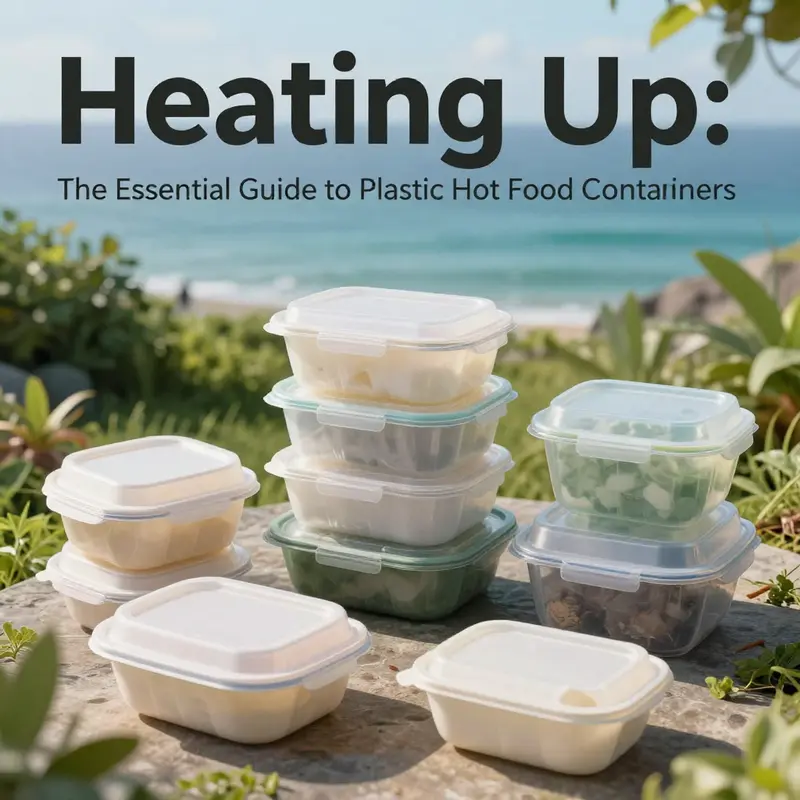
The next chapter in plastic hot food containers is not a retreat from the present but a deliberate reimagination of what hot, ready-to-eat meals can travel in. As consumer expectations evolve around safety, speed, and sustainability, the packaging that carries hot food is moving from a simple vessel to a connected, smarter, and more responsible interface between kitchen, consumer, and planet. The heart of this evolution rests on three interwoven trajectories: greener materials that can withstand heat without compromising safety or comfort, manufacturing methods that marry performance with recyclability, and smart features that give both users and businesses clearer signals about temperature, freshness, and transparency. This triad is not a distant ideal; it is already reframing how takeout, meal prep, and catering logistics are planned and executed. At stake is more than a container; it is a system that can reduce waste, minimize chemical exposure, and elevate the overall experience of hot-food service without compromising speed and affordability.
A central hinge in the future narrative is the shift toward bio-based and compostable plastics that still behave like the conventional workhorses of hot-food service. Polylactic acid (PLA) and polyhydroxyalkanoates (PHA), derived from renewable resources such as corn, sugarcane, or other abundant carbohydrates, are being engineered to tolerate high temperatures, with some tolerances approaching the 120°C neighborhood. The promise here is twofold: first, to reduce the fossil-carbon footprint of packaging, and second, to offer a logical pathway toward end-of-life options that align with circular economy principles. Yet the path is nuanced. While these bio-based materials can perform under hot storage and even during microwave heating, their ultimate fate in waste streams depends on the availability of industrial composting infrastructure and regulatory clarity. In many regions, home composting remains impractical or ineffective for packaging, which means the success of these materials hinges on robust collection, sorting, and composting ecosystems. This is where policy signals—ranging from national strategies to regional directives—play a decisive role. Regulations that mandate reduced single-use plastics, or that favor compostable alternatives where appropriate, help create the demand and the economic scale needed for these materials to compete with entrenched petrochemical plastics.
The synergy between material science and policy becomes more compelling when we consider the heat resilience that makes hot-food packaging practical in everyday cooking and re-heating. A notable frontier is the refinement of multi-layer co-extrusion techniques, where a dedicated food-contact layer sits atop other functional layers. This architecture can isolate any potentially migratory substances to the non-food-contact surface while preserving mechanical strength, clarity, and barrier properties. When the food-contact layer is selected to be a high-performance polymer that is approved for food contact by major safety bodies, the result is an outer shell that remains resistant to bending, cracking, and moisture ingress even as the meal is transported through crowded streets or transit systems. Crucially, such configurations also aim to improve recyclability by ensuring that the layers can be separated or rendered compatible with common recycling streams, minimizing the contamination that makes plastics harder to recycle. The practical upshot is a container that not only keeps a meal hot and intact but also reduces the toxic load of additives migrating into the food and clarifies its end-of-life options for waste processors and consumers alike.
These manufacturing advances are part of a broader push toward safer, smarter packaging ecosystems. Intelligent packaging concepts are moving from novelty to utility. Imagine heat-sensitive indicators that shift color when a container has been exposed to temperatures outside the safe range for certain foods. Such features would empower consumers to avoid reheating or consuming food that may have degraded in safety or quality. On the digital side, the integration of QR codes or near-field communication (NFC) tags can link to real-time data about ingredients, nutritional information, and even the product’s carbon footprint. For busy diners who want to balance convenience with conscientious choices, these elements provide a layer of transparency that was previously optional. They also offer foodservice operators a direct channel for delivering safety messages, sanitation notices, or seasonal promotions without adding friction to the ordering or pickup process.
From a design perspective, the evolution is toward modularity and user-centered ergonomics. Containers are becoming more compartmentalized, with built-in insulation layers and thoughtfully engineered handles that stay cool to the touch. The ability to stack securely, prevent leaks, and accommodate different meal configurations—for example, a hot entrée paired with a delicate salad or sauce—can significantly streamline kitchen-to-client workflows. For meal-prep services that assemble dozens or hundreds of meals daily, such innovation reduces breakage, spillage, and the need for secondary packaging. It also supports healthier, less wasteful consumption patterns by enabling readers to portion meals more accurately and to reheat without sacrificing texture. The same principles apply to catering and hospitality, where modular containers can be tailored to different service formats, from boxed lunches to plated service in a single trip. The ergonomic and functional refinements go hand in hand with sturdier, more reliable seals that resist leakage under heat and travel, an essential feature when hot liquids or sauces are involved.
The market dynamics behind these innovations are increasingly driven by the scale of takeout and delivery. The food-service ecosystem is undergoing a transformation in which the economics of packaging are inseparable from the economics of meal preparation, delivery speed, and customer satisfaction. A growing body of evidence suggests that manufacturers are responding with investments that blend material science with manufacturing software and process optimization. In this context, the role of advanced manufacturing becomes as important as the choice of polymer. Real-time quality control, precise extrusion control, and feedstock optimization can reduce batch-to-batch variability, ensuring that every container meets strict temperature and safety requirements. This translates into fewer product recalls, less waste, and more predictable performance for businesses that must scale up to meet demand. Moreover, the emphasis on end-of-life outcomes is pressing; recyclability and compostability must be designed into the product from the outset, not treated as afterthoughts. When packaging can be diverted efficiently from landfills into high-value recycling streams or composting facilities, the environmental benefits multiply across the supply chain.
With these technological and regulatory tides in mind, it is essential to acknowledge the ongoing tension between ambitious environmental goals and the practical realities of safety, cost, and reliability. Repeated heating, microwaving, and long storage all raise concerns about chemical migration and degradation of polymers, even for materials marketed as microwave-safe. The takeout bowl that looks sturdy today may become brittle or release trace additives after dozens of reheats, which can pose health risks and erode consumer trust. This is why certified food-grade standards and rigorous testing continue to anchor the development of next-generation containers. Standards such as FDA or other regional equivalents provide a framework to verify that a material will not transfer harmful substances to hot foods at intended temperatures. The future, therefore, rests on materials that can maintain integrity under repeated use, while offering a clear, verifiable path to sustainability. They will have to win the confidence of chefs, delivery drivers, and diners who rely on these containers to carry meals that are both delicious and safe.
The conversations shaping this future are also informed by broader environmental and policy commitments. In many regions, directives aimed at reducing single-use plastics are paired with incentives for sustainable packaging alternatives. These regulations encourage innovation, but they also require robust infrastructure for waste processing and consumer education. It is not enough to swap a petroleum-based container for a biodegradable one if the latter cannot be collected and treated properly. The success of next-generation containers, therefore, depends on aligned policies, market-ready materials, and the development of efficient waste-management systems. The goal is a packaging landscape where high-performance containers can be produced at scale, with a palatable price point for businesses and a reasonable environmental payoff for communities.
If there is a throughline to these developments, it is the recognition that hot-food packaging must be more than a passive vessel. It should be an active partner in food safety, in waste reduction, and in consumer clarity. That means materials choices that minimize leaching and microplastic formation, processes that maximize recyclability or compostability without sacrificing performance, and features that help users understand and manage temperature and freshness. It also requires transparent labeling and easy-to-access certifications so that businesses can confidently source compliant packaging at the volumes demanded by modern food service. This is not about chasing the latest gimmick; it is about aligning science, design, and policy to create containers that perform reliably in real-world conditions—from a busy kitchen to a crowded curbside pickup, and finally to an appropriate end-of-life path.
For organizations exploring sustainable, disposable packaging options that still deliver hot-food performance, there is value in examining options that emphasize a responsible lifecycle. One practical route is to explore materials and designs that emphasize recycled-content or renewables-based feedstocks while maintaining heat resistance and barrier performance. While no single solution fits every use case, the market is moving toward options that can be certified for safe contact, support efficient heating in microwaves, and be directed toward appropriate waste streams after use. In addition, packaging researchers and manufacturers are increasingly testing how different layers interact under thermal stress, how additives migrate over repeated cycles, and how designs can be reengineered to minimize or eliminate the need for non-recyclable components. These efforts collectively point toward a packaging future where hot-food containers are not only safer and more sustainable but also simpler to manage for both the operator and the diner.
As a closing note, the trajectory of future innovations in plastic hot food containers will hinge on integration—between greener raw materials, more sophisticated manufacturing, and smarter, more informative user experiences. It is a convergence that promises safer, cleaner, and more transparent packaging that still delivers the reliability and convenience critical to modern food service. To readers who are considering sourcing decisions or product development, the message is clear: push for certifications, seek materials and designs proven to perform under hot conditions, and prioritize end-of-life pathways that align with your regional waste infrastructure. The container of the near future will be designed not just for a single hot meal but for a lifecycle that respects safety, sustainability, and the evolving expectations of a generation that eats on the go without compromising its standards.
For further exploration of sustainable packaging alternatives that align with these aims, see this internal resource on eco-friendly recyclable pulp cups and holders: eco-friendly recyclable pulp cup holder. This example illustrates how a shift toward renewables-based, recyclable formats can support hot-food service without sacrificing function or convenience. The broader takeaway is that the future of plastic hot food containers will be measured not only by heat resistance and leak prevention but also by how seamlessly packaging integrates into responsible waste systems and informed consumer choices. As research, policy, and industry practice converge, the path forward becomes a landscape of smarter materials, smarter designs, and smarter use—one that makes the act of taking your hot meal on the road a safer, cleaner, and more transparent experience.
External resource for deeper context on manufacturing innovations in multi-layer co-extrusion and safety-certified packaging can be found here: https://www.sse.com.cn/assortment/stock/sse/stockinfo/companyinfo/2025-09-28/20250928173612862.pdf
Final thoughts
In conclusion, plastic hot food containers hold significant value for foodservice industries, providing convenience and safety for hot food applications. By choosing certified materials like food-grade polypropylene and keeping environmental considerations in mind, businesses can ensure they meet health standards while remaining mindful of sustainability. As the industry evolves, staying ahead of innovations will be crucial for packaging success. This holistic understanding of material safety, the environmental impact, practical applications, and future advancements empowers foodservice operators to make informed decisions for their packaging needs.