
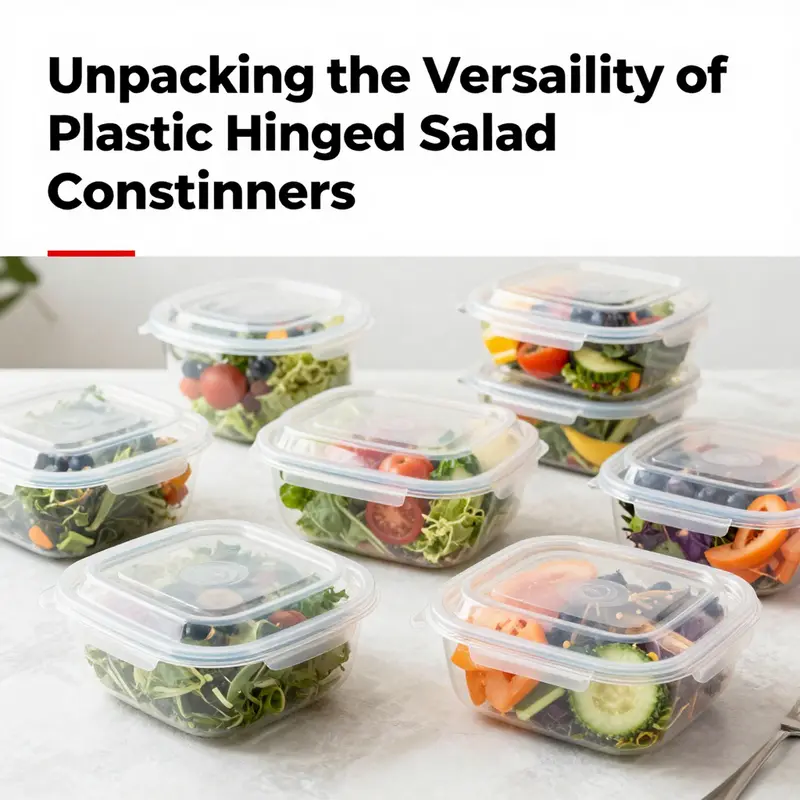
Plastic hinged salad food containers have emerged as essential tools in the food industry, particularly for bubble tea shops, restaurants, food trucks, and catering services. Their secure, leak-resistant design ensures fresh and appealing presentations of salads, fruits, and other grab-and-go items. These containers not only enhance convenience and presentation but also help businesses streamline operations and improve customer satisfaction. As we dive into the benefits and features of these ingenious containers, we will also look at current market trends, material safety considerations, environmental impacts, and how they compare to other food packaging solutions.
Practical Advantages and Distinctive Features of Hinged Plastic Salad Containers
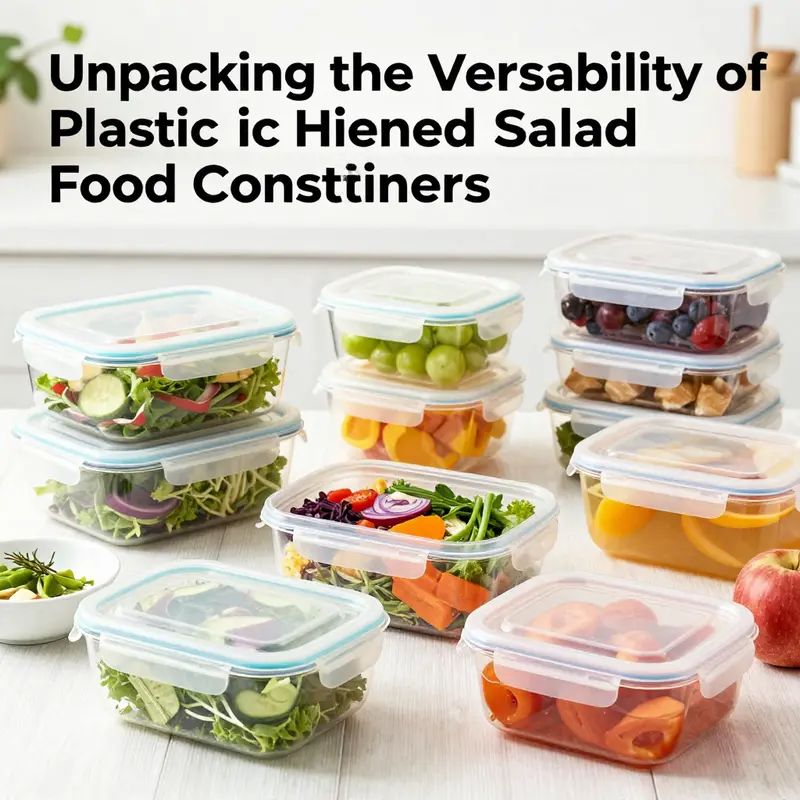
Leak resistance, clarity, and convenience converge in hinged plastic salad containers to solve common packaging challenges. These containers are engineered to protect delicate ingredients while simplifying handling, display, and transport. At their core, they address three connected needs: keep wet and fragile elements intact, make contents appealing and identifiable, and offer a reliable, space-efficient package for fast-paced food service and retail environments.
A defining characteristic is the integrated hinge and secure snap closure. This single-piece design eliminates loose lids and reduces assembly steps during packing. The hinge provides a continuous closure that resists accidental opening, so leafy greens, grains, and toppings remain where they belong. For businesses packing dozens or hundreds of meals, that stability translates into fewer customer complaints and lower returns. The hinge also shortens the customer interaction: a reliable reseal means the container can be opened and closed several times—useful for consumers who eat part of a salad and save the rest—without searching for separate components.
Closely linked to the hinge is the containers’ leak-resistant engineering. Many designs include raised lip seals and precisely mating lid edges that compress slightly on closure. For salads with dressings, this matters. Dressings stored separately will stay put in dedicated compartments, and when stored in the main cavity, the seal minimizes seepage during transport. The practical result is preserved texture: greens stay crisp and crunchy rather than limp or soggy. That performance reduces food waste and helps businesses present consistent quality from kitchen to customer.
Transparency is another major advantage. Clear plastics commonly used in these containers provide excellent visual clarity. When items are displayed on shelves or in grab-and-go cases, customers can quickly identify contents without opening packaging. This clarity boosts impulse purchases and simplifies inventory checks during restocking. For food operators, it reduces the need for secondary labeling while preserving freshness indicators; a wilted leaf or condensation becomes visible at a glance.
Material choices play a central role in balancing cost, durability, and food safety. PET and PP are two plastics frequently selected. PET delivers high clarity and good barrier properties against moisture and grease. PP offers toughness and better heat resistance for applications that require microwave reheating. When containers are manufactured from FDA-compliant food-grade polymers, they meet regulatory standards for direct food contact, providing reassurance for both suppliers and end users. The combination of lightweight construction and structural strength allows containers to withstand stacking and impact without deforming, which protects fragile ingredients and optimizes storage.
Space efficiency is a practical benefit that resonates across kitchens and supply chains. Stackable clamshells nest on the production line and stack securely when filled, cutting down on wasted shelf space. Facilities gain measurable benefits: tighter packing reduces transportation volume, lowering shipping costs and carbon footprint per unit. Back-of-house storage becomes simpler too; staff can grab organized stacks without sorting separate lids. For operations that pack bulk orders for delivery, stackability cuts the chance of collisions that could bruise produce or displace toppings.
Versatility in layout elevates the container from mere carrier to meal manager. Partitioned bases allow components to be separated, which preserves flavors and textures and supports balanced, portion-controlled servings. Built-in dressing cups keep vinaigrettes sealed until serving, preventing sogginess and enabling healthier presentation. For meal-prep businesses, this modularity facilitates predictable portion sizes and consistent plating. For consumers, it means salads can be customized without compromising freshness: dressings, nuts, seeds, and crunchy elements remain separate until they are intentionally combined.
Operational speed and hygiene intersect in the disposable nature of many hinged containers. Single-use designs reduce the labor and processes associated with returnable packaging: no washing, no inspection, no breakage risk from repeated cycles. For high-turnover outlets, shorter turnaround improves throughput and reduces time between shifts. The hygiene benefits are clear as well; single-use packaging lowers cross-contamination risk compared with reusable systems that depend on correct sanitation protocols.
At the same time, reusability expectations must be realistic. One-piece hinges can fatigue with repeated opening and closing. While some consumers will reuse a clamshell a few times, these containers are optimized for single-use or short-term repeated use. Manufacturers address longevity for intended application through material thickness and hinge design; thicker edges and reinforced hinge bridges extend useful life when reuse is required.
Aesthetics and branding opportunities should not be overlooked. Clear lids showcase ingredients while interior compartments create organized, attractive presentations that encourage purchase. The container’s surface also accepts labels and stickers for branding, nutritional information, and ingredient lists, allowing food operators to convey value and compliance. For retailers, the combination of visibility and neat presentation reduces shelf-check time and supports price differentiation between premium and value offerings.
Practical performance extends to temperature resilience. Depending on material, many hinged salad containers tolerate freezing and microwave reheating. Freezer-safe options enable long-term storage for prepared meals, while microwave-safe choices support convenience for consumers warming soups or roasted vegetables included in bowls. This flexibility allows a single packaging format to serve multiple stages in the food lifecycle: preparation, chilled display, reheating, and final consumption.
Despite their strengths, these containers must be chosen with context in mind. Heavier, greasy dressings and very liquid-based dishes still demand careful selection of seals and compartment design. For businesses seeking more sustainable choices, alternative formats can include recyclable clear plastics or hybrid solutions where the bowl is made from compostable fiber and topped with a clear PET lid. Matching packaging style to menu items and handling conditions ensures consistent performance and avoids surprises at peak service.
Supply considerations also matter. Reliable sourcing from manufacturers that adhere to food-safety standards prevents variability in wall thickness, clarity, and sealing performance. Buyers should verify certifications and material specifications to ensure compatibility with their processes, whether that means stacking hundreds of filled trays on a pallet or freezing meals for long-term storage.
Finally, these containers support operational improvements that go beyond immediate handling benefits. Reduced spoilage, fewer spills, and stronger product presentation all contribute to higher customer satisfaction and better inventory control. When combined with thoughtful product display and clear labeling, they help operators maintain consistent portioning and reduce the time teams spend on corrective tasks.
For businesses exploring options or validating suppliers, detailed technical specifications and performance parameters can be helpful for precise selection. A practical resource that outlines material safety certifications, stackability, and usage notes is available for further review: Alibaba.com – Disposable Clear PET Clamshell Container with Hinged Lid (https://www.alibaba.com/product-detail/Disposable-Clear-PET-Clamshell-Container-with_1600597245853.html).
If you are considering alternate formats that pair visual clarity with eco-friendly materials, a useful comparison is a custom disposable kraft paper salad bowl with PET lid which combines recyclable fiber with a clear sealing lid for presentation and protection: https://greendispopack.com/product/custom-disposable-kraft-paper-bowl-take-away-kraft-paper-salad-bowl-with-pet-lid/.
Clamshell Confidence: Market Momentum, Material Science, and Real-World Use of Plastic Hinged Salad Containers
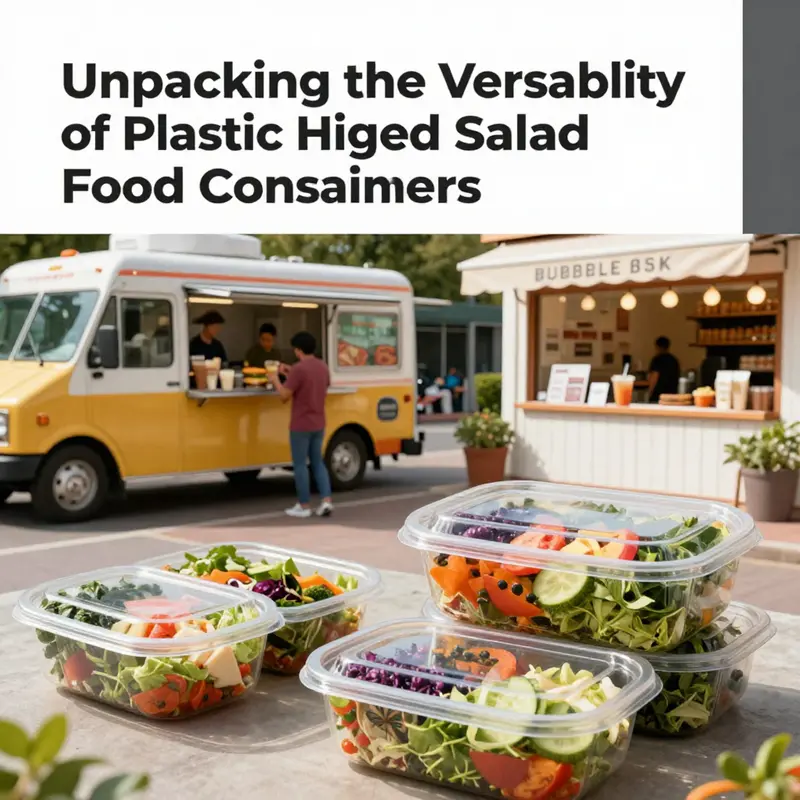
Plastic hinged salad containers—often referred to in shorthand as clamshells—are more than a simple packaging choice. They are a carefully engineered solution that balances the needs of food safety, convenience, and presentation in a system that moves products from kitchen to consumer with speed and reliability. The built-in hinge makes the lid fold over the base in a single movement, forming a compact unit that protects delicate greens, fruits, and mixed ingredients from crushing during handling and transport. The seal is designed to keep moisture and dressings contained, so a salad arrives fresh rather than soggy, a quality that matters as much to a shopper choosing between options as it does to a restaurant manager watching over waste and returns. In modern service environments, this combination of protection, visibility, and ease of use has become a standard rather than an exception, a shift driven by the demands of on-the-go consumption and the growing importance of reliable, predictable packaging in the cold chain. The material most often chosen for these containers is FDA-certified food-grade PET, a clear plastic that exposes the contents while ensuring safety. Clarity matters because the consumer’s eye is drawn to the freshness and color of the ingredients, and a transparent container makes the salad appear more appetizing on shelves and in meal-prep boxes. The transparency also simplifies inventory management for retailers and helps as a quality-control cue for kitchen staff during packing. The combination of a transparent body with a robust, sealed lid is a straightforward equation for protecting quality while supporting an appealing display. The packaging is more than a shell; it is a portable display that travels through the supply chain intact, presents the product clearly to the consumer, and preserves the intended texture and flavor profile until the moment of consumption. From a regulatory standpoint, the use of FDA-grade PET in direct contact with food provides a baseline of safety that is widely acknowledged by buyers and manufacturers alike, reinforcing consumer confidence in the packaging system as a whole. The FDA’s guidance on food-contact materials, including 21 CFR 177.1630, informs the choice of materials and informs the processes that keep performance consistent across millions of units. Beyond safety, the design emphasizes practicality. A built-in dressing compartment or cup is a feature that almost feels like a small innovation within a larger system: it keeps sauces separate until the moment of serving, preserving the integrity of the greens and preventing the dreaded soggy bite that can undermine the experience of a seemingly simple dish. This is not merely a convenience; it is a preservation strategy that aligns with how modern meals are assembled, stored, and consumed in a high-velocity environment. It is easy to overlook how such design decisions ripple outward, affecting the efficiency of kitchens, the economics of batch production, and the reliability of delivery platforms that depend on sturdy, leak-resistant packaging. The sealing action, the hinge integrity, and the overall geometry all contribute to a container that can be stacked efficiently for transport and storage, a feature that translates into tangible savings in warehousing and distribution. A container that stacks well takes up less space and reduces the number of units that must be moved, which in turn lowers handling costs and minimizes the risk of damage during stacking and unstacking. The additive effect of space savings becomes especially relevant for retailers and food-service operators who pack multiple SKUs into a single delivery run or who need to keep a large, varied assortment ready for grab-and-go customers. The practical underpinnings of the design—clarity, seal, stackability, and dressings separation—combine with materials that meet safety standards and offer cost advantages, making plastic hinged salad containers a durable option in a landscape where margins are often thin and demand is volatile. In market terms, plastic continues to dominate the broader category of food containers, and the segment that includes hinged clamshells reflects that strength. A market report published in early 2026 notes that plastics accounted for a commanding share of the market, with roughly six-tenths of the total value in 2025. That dominance is not merely historical; it is the result of ongoing manufacturing efficiencies, reliable performance, and the ability to tailor product features to evolving customer expectations. Among the regional dynamics, the Asia-Pacific region leads in revenue share, a signal of the expansion of dining concepts, convenience stores, and quick-service restaurants across a vast and diverse market. The United States, while a mature arena, continues to exhibit steady growth, driven by continuing demand for convenient, safe, and presentable cold meals and by the expansion of meal-prep services and home-delivery platforms. In terms of material science, hdpe—high-density polyethylene—has shown particularly strong momentum in certain applications, traversing a favorable growth path as packaging needs shift toward more robust, cost-effective solutions. The expectation of continued growth for HDPE, alongside PET, reflects ongoing iterations in polymer performance, recyclability considerations, and the demand for lighter yet sturdy packaging that can withstand the rigors of cold-chain transport. Beverages have emerged as a significant sub-segment, underscoring the breadth of plastic packaging’s utility. Although the primary focus remains salads and similar cold foods, the packaging architecture that supports beverages—tight seals, clear visibility, and durable packaging—transfers across adjacent applications. This cross-pollination underscores the modularity of clamshell designs and their potential to support a range of cold, ready-to-eat products without requiring a complete redesign for each new line. Such cross-application potential is one of the reasons the hinged container has become a foundational format in many retailers and food-service operations. It is also a reminder that even as the market emphasizes single-use solutions, the infrastructures around these containers must accommodate efficiency, safety, and a degree of sustainability that aligns with broader corporate and regulatory expectations. The dressings compartment, when present, further elevates the value proposition. It addresses a specific consumer need—the ability to customize taste and texture at the moment of consumption—without compromising the integrity of the salad itself. For operators, this feature reduces the risk of product compromise during transit and helps maintain an optimal eating experience that drives repeat purchases. Visual appeal remains a crucial factor, and the clear PET body is central to this. Seeing the arrangement of greens, fruits, and toppings helps customers gauge freshness and portion size at a glance, supporting higher conversion rates in display cases and online product imagery alike. Yet the appeal of the clamshell goes beyond aesthetics. The packaging is designed for cold foods, a nod to the realities of modern menus that emphasize fresh, raw, and lightly prepared ingredients. The leather of decision for operators is the balance of performance, cost, and perceived quality, where the hinge reliability, seal integrity, and material safety shape every unit that leaves the kitchen. The integrated design also has practical implications for the supply chain. When containers are easy to assemble, seal, and stack, the entire operation—packing, warehousing, and transport—becomes smoother and more predictable. Space savings translate into tangible logistics benefits, enabling more efficient use of pallets and warehouse racking, while the robust seals minimize spillage risks, reducing returns and customer complaints. From a consumer perspective, the container’s transparency works as a double-edged sword: it showcases the product, but it also demands consistency in quality across batches. Manufacturers invest heavily in consistent molding, precise sealing, and calibration of the hinge tolerance to ensure that every unit opens with one hand, seals securely, and returns to a closed state with minimal effort. The durability of the hinge matters more than it might appear in a casual glance. One-piece hinges perform well in disposable contexts, but wear can become a consideration with repeated use. This reality reinforces the idea that clamshells are ideally suited for single-use or limited reuse in controlled environments, where the packaging is disposed of after a single function or a limited cycle of use. In the broader context of sustainability, brands continuously evaluate the trade-offs between material choices, recyclability, and lifecycle impact. PET and HDPE offer established recycling streams in many regions, aligning with municipal programs and corporate stewardship goals. While the environmental footprint of single-use packaging remains a topic of discussion, advances in resin chemistry, improved barrier properties, and more efficient manufacturing processes contribute to reducing energy consumption and waste. In practice, the decision to adopt hinged plastic salad containers is not solely about cost or performance; it is about fitting into a system that values speed, reliability, and appeal without compromising safety or regulatory compliance. The packaging must perform in the most demanding conditions: crowded display fixtures, busy food-preparation lines, dynamic delivery routes, and consumer households with varying refrigeration and reheating practices. The one-piece hinge, the see-through body, and the discreet compartmentalization together enable a cohesive consumer experience that supports the modern food-service model—fast service, fresh taste, and minimal waste. For researchers and buyers seeking real-world context, the landscape is populated with supplier catalogs and case studies that emphasize leak resistance, stackability, and durability under practical usage scenarios. An industry catalog listing—without naming specific brands here—highlights features such as strong leak prevention, space-saving stacking, and compliance with food-safety standards to reassure buyers about the viability of these containers for daily use in both retail and food-service settings. This is not merely about a container; it is about how packaging choices integrate with kitchen workflows, logistics networks, and consumer expectations in a rapidly evolving food economy. The result is a packaging format that has traveled from a niche solution to a mainstream component of modern food service and retail. It stands as a testament to how an elegant, simple design can deliver dependable performance across cultures and markets, while continuing to adapt to new demands—whether it is the push for faster delivery times, the need for better visual merchandising, or the desire to optimize space in busy cafeterias and stores. As the market continues to evolve, the hinge remains a point of continuity: a trusted mechanism that couples practicality with protection, presentation with preservation, and cost efficiency with the customer experience. For those who manage a cold-food portfolio, understanding this balance is essential to selecting packaging that not only holds up in transit but also communicates quality at a glance. In this sense, the hinged plastic salad container is not simply a box; it is a compact, adaptable module within a broader system designed to deliver freshness, convenience, and trust from kitchen to consumer. External resource: https://www.alibaba.com/product-detail/Disposable-Clear-PET-Clamshell-Container-with_1600597245853.html
Internal reference for product visualization: Disposable takeaway paper kraft rectangle rectangle salad paper bowl
Guardians of Freshness: Material Safety, Compliance, and the Science Behind Plastic Hinged Salad Containers
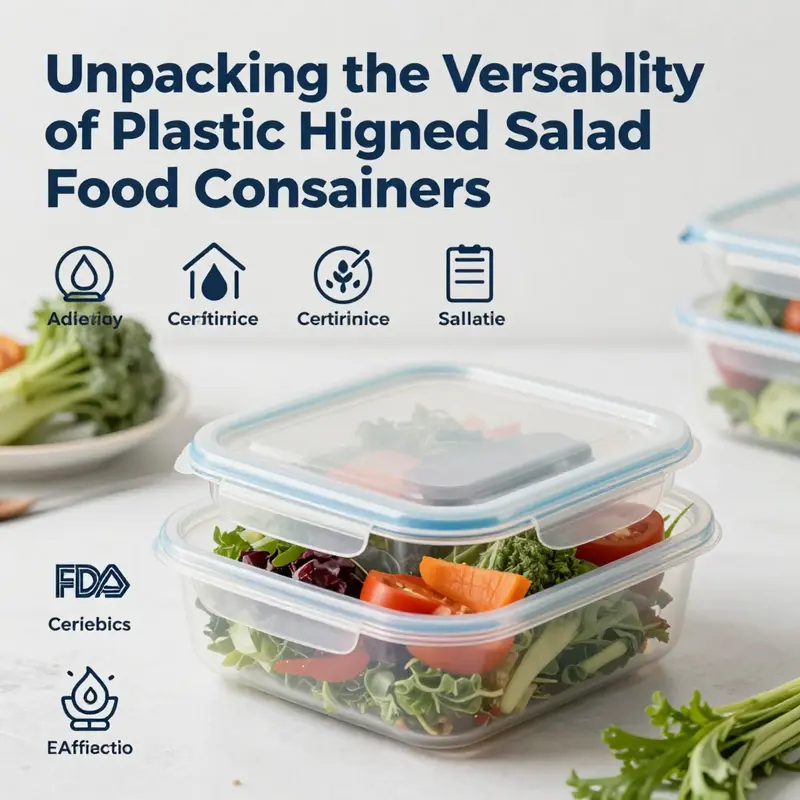
The humble plastic hinged salad container, often seen as a simple vessel for greens and toppings, hides a domain of careful science and regulatory stewardship. Known in the trade as a clamshell, its built-in hinge and secure snap-lock lid are designed not merely for convenience but to preserve texture, color, and taste from the moment a bowl is sealed until it is opened at the table or under a delivery heater lamp. The promise of freshness hinges on more than sturdy hinges and a clear lid. It rests on material safety, compliant manufacturing, and a design language that prevents contamination, migration of chemicals, and mechanical failure under real-world conditions. When a consumer unseals a container and lifts the lid, the impression should be one of cleanliness, reliability, and confidence in the safety of what’s inside. This is where the chapter of material safety and regulatory compliance begins to intersect with every practical choice made by foodservice operators, packaging engineers, and suppliers alike.
Material safety for salad containers centers on what the plastic is made of and how it behaves in contact with food. Salads are rarely neutral in chemical terms. Acidic dressings, citrus bases, and sometimes higher-fat components can interact with packaging if the material is not chosen with care. The most widely recommended material for these applications is polypropylene, known in the industry as #5 PP. It is renowned for its food-grade status, high heat resistance (withstood temperatures around 130°C in tested scenarios), and, crucially, the absence of BPA and phthalates in standard formulations. This combination reduces the risk of chemical migration into food, even under extended storage or during brief reheating. By contrast, other common plastics present more questions. Low-density polyethylene (LDPE, #4) offers safety for many applications but often does not provide the structural rigidity needed for a durable, stackable hinged container used in high-volume kitchens. It may be considered safe for food contact, but its performance under microwave heating or with long-term storage of fatty or acidic foods calls for explicit labeling to avoid misapplication. Materials such as PVC (#3) and polystyrene (#6) carry heightened concerns about migration of additives or degradation products, while polycarbonate (#7) formulations may introduce BPA into the conversation, even though many manufacturers now offer BPA-free options. The best practice, then, is to select containers whose material is clearly labeled as food-grade, BPA-free, and microwave-safe only when that capability is explicitly stated by the manufacturer. In the realm of safety, this is not merely a marketing claim but a regulatory and scientific expectation that protects both consumer health and retailer liability.
The regulatory landscape anchors these material choices to concrete standards that govern how plastic packaging may touch and interact with food. In the United States, the FDA’s framework for food-contact materials provides the baseline for what is permissible. Specifically, 21 CFR 177.1520 addresses polypropylene and other polymers designed for direct contact with food. Compliance with this regulation signals that a container has been evaluated for migration under normal use, stability during intended storage, and suitability for contact with a broad range of food types, including acidic and oily foods. Regulatory diligence does not stop at a single standard, however. As referenced in contemporary industry guidance, total migration limits must be observed. A technical baseline discussed in trade measures highlights a threshold around 10 mg per square decimeter as a general upper bound for substances migrating into food or food simulants under standard conditions. But migration is not the only concern. Color migration matters as well; even when chemical migration remains within acceptable bounds, visible transfer of dye or pigment can render a product non-compliant or unacceptable to retailers and consumers who expect pristine presentation. Microbial safety remains another pillar: a total aerobic microbial count per unit in a defined range is a proxy for process hygiene and container cleanliness before use. Beyond chemical safety, physical durability forms part of compliance. Packages must withstand practical handling, including drops from a plausible height, heat exposure, and utensil interaction. Real-world tests approximate a drop from about 0.8 meters, heat resistance near 100°C with minimal deformation, and a fork insertion strength that ensures compatibility with common dining utensils. When a container passes these multi-faceted checks, it becomes a reliable vehicle for safe, fresh salads from kitchen to consumer.
The design features embedded in modern hinged containers further reinforce safety and compliance while supporting efficiency in busy foodservice operations. A leak-resistant lid with robust seals is not just a convenience feature; it is a critical defense against spills that could occur during transit or on the dining table. This is especially important for dressings and dressings-based salads where leakage would compromise quality and customer satisfaction. Vented designs, with strategically placed air channels, address an often-overlooked hazard: pressure buildup during reheating. When consumers intend to warm a salad, a vented lid helps release steam safely and reduces the risk of lid blow-offs. The hinge itself is designed to endure repeated cycles without brittle failure, maintaining a secure closure that minimizes contamination risk. Transparent, clear lids enable visual inspection without opening the container, reducing unnecessary contamination by handling while still allowing staff and customers to verify contents at a glance. Yet even with these advantages, one must heed cautions about heating. Not all plastic clamshells are microwave-safe, and misapplying a non-microwave-safe container in a microwave can lead to deformation, odor transfer, or chemical migration under stress. The safety message here is precise: rely on labeling, follow manufacturer directions, and respect the container’s limits.
As environmental responsibility broadens the conversation, sustainability considerations increasingly influence material selection and compliance strategy. Many brands now balance performance with reduced environmental impact by exploring eco-friendly materials and recycling pathways. In some instances, this means embracing modified food-grade polypropylene formulations that maintain safety while offering improved recyclability or reduced environmental footprint. The concept of eco-plastics in the packaging sector is often accompanied by certifications or claims such as BPA-free and recyclability, and, in some cases, certifications that align with eco-friendly production processes. It is important to view these sustainability claims through the lens of safety and regulatory compliance. A packaging choice marked as eco-friendly must still demonstrate safe contact with food, resistance to the intended storage conditions, and absence of migration that would compromise taste or health. In practical terms, many suppliers highlight the use of FDA-certified eco plastics and other green design strategies that maintain performance while addressing waste and resource use. This alignment between safety and sustainability is a growing trend in the market, reflecting the dual demand from operators for reliable performance and responsible stewardship of packaging waste.
The path to selecting a safe, compliant hinged salad container is not a ritual of guesswork but a careful, evidence-based process. Operators should prioritize material type and labeling, seeking #5 PP that is explicitly described as food-grade, BPA-free, and microwave-safe only when indicated. They should examine regulatory compliance statements, preferably documented as FDA 21 CFR 177.1520 compliance for the relevant polymer. They should look for assurances about heat resistance, often tested at or above 100°C, and about mechanical integrity under realistic handling, including drop and fork tests. Visible attributes like a smooth rim, sound hinge action, and a reliable snap-lock mechanism provide practical signals of durability. The container’s seal quality—whether it uses an effective gasket or an integrated leak channel—extends the life of a product by protecting dressings from leaking and greens from crushing during transit. When sustainability is a priority, operators should seek clear claims about recyclability or compostable pathways, and if eco-friendly plastics are used, they should confirm that the packaging remains fully compliant with the relevant safety regulations. The interplay between safety, compliance, and environmental considerations is not a trade-off but a harmonized standard that supports both customer health and brand integrity.
For readers who want to explore related discussions around packaging viability beyond plastic clamshells, an internal resource on sustainable paper-based packaging options provides a complementary perspective. This resource highlights how eco-conscious choices are evolving within the broader landscape of ready-to-eat packaging, including the lifecycle considerations of different materials. You can explore this topic through the internal page linked here: eco-friendly-printed-logo-single-wall-paper-coffee-cup. This reference helps frame the sustainability dimension without diverging from the central safety narrative of plastic hinged containers, illustrating how brands communicate safety and environmental commitments across packaging formats.
On the regulatory side, it is prudent to consult authoritative guidance that codifies the expectations around food-contact materials. The U.S. Food and Drug Administration maintains comprehensive resources on food-contact materials, including the standards, testing methods, and permitted substances that govern how packaging interacts with foods. For a formal overview and the latest regulatory framework, visit the FDA’s official guidance on food-contact materials. This resource provides the foundation for manufacturers and buyers to verify that every hinged container entering service has been evaluated for safety, migration, and durability under conditions typical of food service, delivery, and consumer use. In parallel with the detailed research results, these guidelines support a rigorous approach to selecting containers that protect consumer health while enabling efficient logistics for salads and dressings alike. The emphasis on material safety, compliance, and responsible packaging choices remains central to maintaining trust in the product category and ensuring that freshness is preserved from bagging line to table.
External resource: FDA guidance on food-contact materials. https://www.fda.gov/food/food-contact-materials
Beyond the Clamshell: Reimagining the Environmental Footprint of Hinged Salad Containers
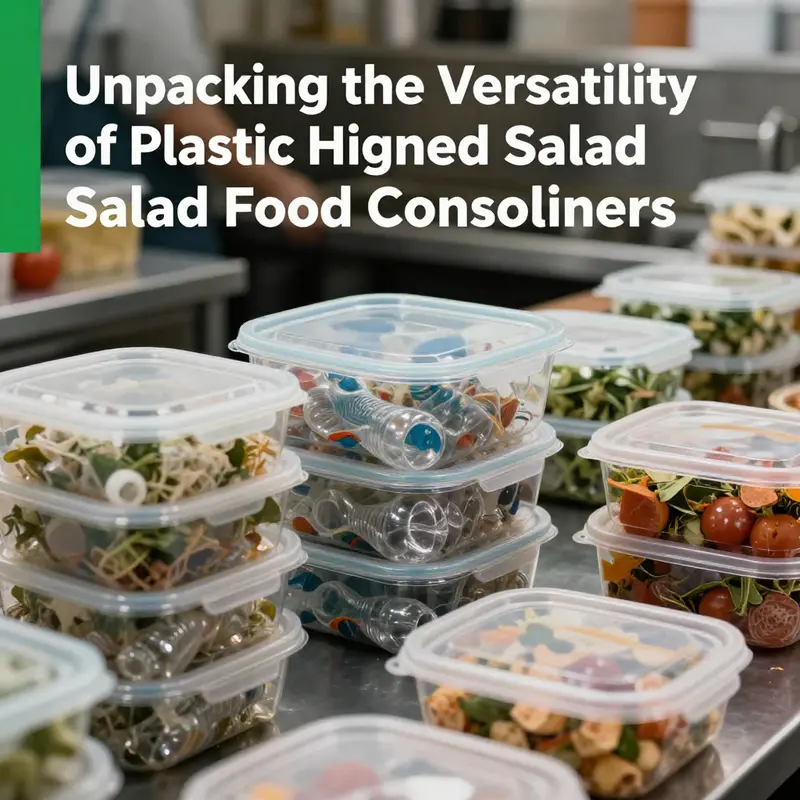
The hinge in a plastic salad container is more than a mechanical detail; it embodies a balancing act between everyday convenience and the long, often unseen consequences of packaging choices. When a lid folds over a sturdy base and clips into place, it safeguards leafy greens, cradles delicate ingredients, and keeps dressings from soaking through the outer film. For food service operations, this reliability translates into less waste from crushed greens, fewer spillage incidents during transport, and a consistent customer experience from kiosk to home. Yet beneath that reassuring snap lies a complex web of environmental concerns that challenge the assumption that practicality and sustainability must be at odds. Plastic hinged containers are typically made from fossil-fuel–based polymers, most commonly polypropylene or polystyrene. These materials offer a level of clarity, strength, and lightness that many other packaging options struggle to match. Their very utility arises from a design that is optimized for single-use contexts—grab-and-go meals, salad bars, and quick-service counters where speed, predictability, and visual appeal drive sales. In such settings, the container becomes an essential link in the chain from farm to fork, a disposable link that can speed service and protect food integrity during transit. It is precisely this efficiency that makes the environmental questions so salient. When a product is meant to be used once or a handful of times before disposal, the entire lifecycle—the energy input of production, the difficulty of recycling, and the ultimate fate of the material—magnifies in significance. The economics of convenience meet the ethics of waste management, and the conversation shifts from merely asking whether a container works to asking how its entire journey unfolds after the last bite is taken. The same hinge that keeps a salad intact can complicate end-of-life processes, especially in regions where recycling streams are uneven or under-resourced. In many parts of the world, plastics labeled as food-grade or suitable for direct contact may still end up in mixed-waste streams that are not effectively sorted or processed. Consequently, even though a hinged clamshell may be readily accepted by some municipal programs, the broader system often struggles to separate and reintroduce these materials into a circular economy. This is not merely a matter of consumer behavior; it is a question of infrastructure, policy, and the economics of recycling facilities that must manage a constant stream of polyolefins and polystyrene. The result is a paradox: a container designed to preserve freshness and reduce waste from food spoilage can contribute to longer-term waste if the container itself is not efficiently recycled or reused. A critical element in this paradox is the material choice. Polypropylene and polystyrene bring different advantages to the table. PP is known for its fairly good chemical resistance, stiffness, and relatively high melting point, properties that help keep dressings contained and salads crisp under typical transport conditions. PS, in contrast, offers superior clarity and a crisp rigidity that enhances product presentation and allows consumers to visually assess contents without opening the lid. Both materials, however, are derived from fossil fuels and are not inherently biodegradable. They are also, in many contexts, not easily reclaimable through curbside recycling programs that are already stretched thin by an ever-growing mix of plastics and composites. The visual appeal of a crystal-clear, leak-resistant container can mask the more challenging logistics of end-of-life management. Even when recycling streams exist, contamination remains a stubborn barrier. Residues from dressings, oils, or damp greens can complicate the sorting process, leading to downgraded streams or outright rejection at facilities that operate under tight quality controls. The result is a waste trajectory that often terminates in landfills or in the environment, where plastics persist for decades and, through physical and chemical weathering, gradually fragment into microplastics. These microplastic fragments can travel with wind and water, infiltrate soils, and eventually make their way into aquatic ecosystems and, ultimately, the food chain. The persistence of plastics in the environment underscores a fundamental tension in modern food packaging: the need to protect and transport perishable foods in ways that are safe and reliable, while also minimizing long-term ecological footprints. The scale of this challenge is not hypothetical. Studies compiled by environmental science researchers highlight that a large portion of plastics produced are single-use, and due to imperfect waste management and limited recycling success, a sizable fraction ends up in landfills or natural environments. In quantitative terms, estimates from respected research syntheses indicate that a substantial share—often cited around the majority—of plastic waste fails to re-enter circular loops. In many analyses, landfilling remains the default fate for materials that cannot be easily reprocessed into new products. This reality carries concrete environmental costs. The long decline of such materials in landfills means extended resource draws, continued energy use in production, and ongoing emissions associated with the lifecycle of plastics. In addition to landfilling concerns, there is growing awareness of microplastics generated not just by wear and tear but by improper disposal and the breakdown of larger plastic items. When containers degrade, they can shed microfibers and microplastic particles that may accumulate in soils and waterways. The public health dimension of microplastics remains actively studied, with researchers probing potential effects on wildlife and human exposure through the food chain. While the science is evolving, the precautionary principle argues for reducing unnecessary plastic use and improving the recyclability and compostability of packaging materials where feasible. The environmental economics of hinged salad containers also hinge on design efficiency. The built-in hinge, for instance, reduces the risk of lid loss and breakage during transport, which lowers single-use product waste in the moment. The stackable form saves storage space and transport weight, enabling more efficient distribution and display in retail settings. Collectively, these design strategies support a leaner operational footprint on a per-unit basis, yet they do not automatically translate into lower environmental impact when end-of-life pathways are constrained or non-existent. The lifecycle assessment of such containers must, therefore, balance several variables: the reduction in food waste achieved by reliable containment against the resource extraction, manufacturing energy, emissions, and post-consumer handling required to manage end-of-life streams. In this light, eco-conscious decision-making becomes less about a binary choice between plastic and paper and more about optimizing the entire system. This is where alternatives begin to enter the discussion with practical seriousness. For instance, plant-based polymers such as polylactic acid (PLA) and containers made from bamboo fiber or other bio-based materials are often highlighted as more sustainable options. These materials can offer industrial compostability or complete biodegradability under certain conditions, potentially reducing long-term waste in appropriate facilities. However, these alternatives are not without caveats. Many PLA-based or other compostable designs require industrial composting environments to achieve their intended end-of-life benefits. In many communities, curbside composting is not universally available, and home composting of such materials can be impractical. Moreover, some bio-based options lack microwave safety or thermal resilience to the same degree as traditional plastics, limiting their functional versatility for heated or refrigerated meals that require quick service in busy kitchens. The net environmental performance thus depends heavily on local waste-management infrastructure, consumer behavior, and the specific material’s lifecycle parameters. A more nuanced approach to sustainability emerges when considering monomaterial designs. A mono-material clamshell—constructed from a single polymer with consistent recycling streams—can simplify sorting, reduce contamination, and improve recoverability in recycling facilities that are equipped to handle that polymer family. Such design choices can also reduce the multiplicity of resin types, enabling higher recycling yields and fewer downgraded products. Additionally, packaging engineers and procurement teams are increasingly emphasizing the importance of labeling clarity and material identification to ensure that consumers can direct containers into the correct recycling or composting streams. When a container is clearly labeled as recyclable or compostable, and the labeling is legible even after contact with moisture and oils, the probability of proper disposal increases. In parallel, the physical design can be adjusted to facilitate recycling facility processing. Features such as easy-to-open lids, standardized dimensions, and minimal multilayer construction can all contribute to smoother mechanical separation and higher-quality recovered materials. Yet changing manufacturing lines is not free of cost, and the supply chain must balance short-term financial pressures with long-term environmental payoffs. This is where the broader social dimension of packaging decisions comes into view. Businesses operating supermarkets, salad bars, and quick-service restaurants serve diverse customer bases with varying expectations and access to recycling infrastructure. The most responsible path often involves a blend of approaches: using more recyclable or compostable materials where feasible, investing in design improvements that reduce material intensity, and participating in or supporting broader waste-management efforts that extend the container’s usable life in the system—as a reusable option in certain settings or as a better end-of-life candidate in others. The conversation also benefits from a clearer narrative about consumer choices. Even when a hinged container is recyclable, its environmental advantage can be undermined by consumer mistakes, such as disposing of it with food residues or placing it in the wrong bin. Education, labeling, and convenience all play roles in shaping disposal behavior. In practice, this means packaging decisions are not purely technical; they are sociotechnical, requiring coordination among designers, manufacturers, retailers, waste-management operators, and consumers. To illustrate a practical pathway toward greener packaging, consider the packaging ecosystem’s broader shift toward recyclable and compostable alternatives that still meet the operational demands of food service. A widely discussed approach is to adopt packaging materials that retain the protective and presentation benefits of hinged containers while aligning more closely with regional waste streams. For example, some facilities accept mono-material, clear, recyclable plastics that preserve product visibility and are easier to sort. Others have the capacity to process industrially compostable alternatives, provided that the supply chain can reliably route used containers to the appropriate facilities. The feasibility of these pathways is not uniform across markets, and any transition must be guided by local realities, including facility capabilities, consumer habits, and regulatory frameworks. In a market where sustainability conversations are increasingly prominent, procurement decisions often weigh these local conditions as heavily as the materials’ intrinsic properties. One way to reconcile performance with environmental responsibility is to explore packaging options that maintain the functional strengths of hinged containers—such as secure closures and dressings separation—while embracing materials and configurations designed for higher rate recovery. This might involve selecting monomaterial polymers with well-established recycling streams, adopting designs that minimize material usage without compromising seal integrity, or integrating clear, standardized labeling that directs end users to the correct disposal channel. It is not a single silver bullet, but a tapestry of small, cumulative improvements across the lifecycle. For readers seeking concrete examples of how greener packaging concepts are being explored in related contexts, a closer look at sustainable paper-based container designs can be instructive. In particular, there is growing interest in kraft paper-based solutions that offer robust mechanical protection while aligning with composting or recycling infrastructures in many regions. These designs remind us that the path toward sustainability is not about abandoning functionality but about rethinking how a container can be both effective in the moment and responsible over its entire lifetime. For readers and practitioners looking to dive deeper into life-cycle considerations and material trade-offs, broader analyses of plastic pollution and the environmental costs of single-use packaging provide essential context. A comprehensive overview, such as that offered by ScienceDirect Topics on Plastic Pollution, helps frame the conversation within a global perspective on waste, resource use, and environmental stewardship. It is through this broader lens that the hinged salad container emerges as a microcosm of a larger, ongoing redesign of how we package, transport, and ultimately value the food we eat. If the goal is to reduce the cumulative burden of our daily packaging choices, then improvements must be pursued not only in the materials themselves but in how systems handle them after their moment of use. By coupling better design with smarter disposal pathways and transparent information for consumers, the industry can advance toward packaging that protects freshness while respecting planetary limits. Ultimately, the question is not whether hinged containers are perfect, but whether they can be part of a more sustainable, more recoverable, and more responsible packaging ecosystem. An integrated approach—one that aligns material science, product design, waste infrastructure, and consumer behavior—offers the most promising route to reconcile the everyday utility of salad containers with the health of the environments that sustain us. External resource: ScienceDirect Topics on Plastic Pollution: https://www.sciencedirect.com/science/article/pii/S254246032200017X
Hinged Clamshells in Context: A Thorough Comparison of Plastic Salad Containers Against Paper, Aluminum, and Fiber Packaging
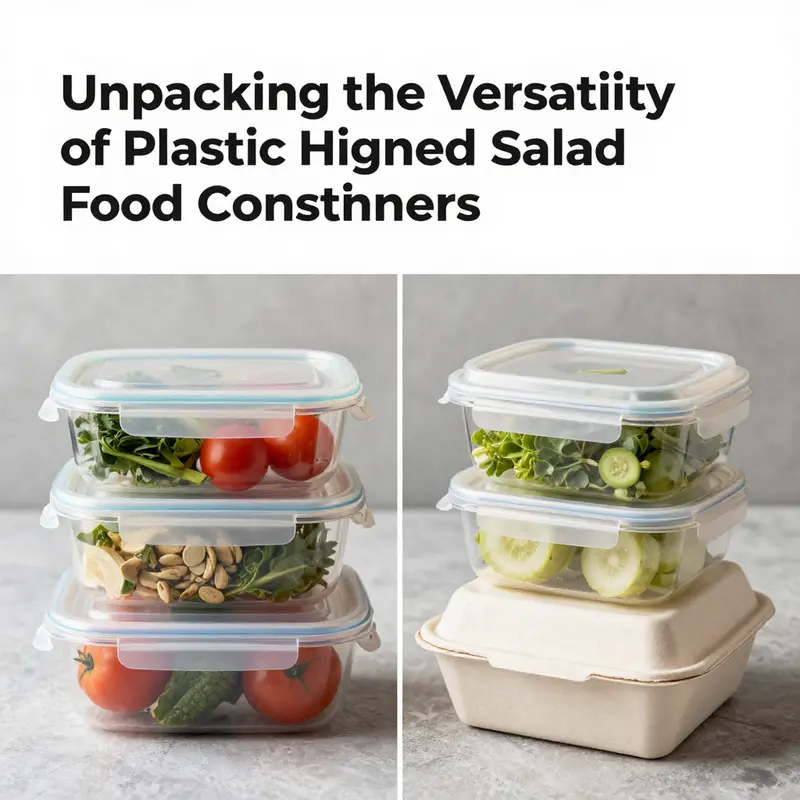
Hinged plastic salad containers, widely recognized as clamshells for their built‑in, foldable lids, have become a standard in the modern food service landscape. They are the product of a design that emphasizes convenience, protection, and speed. Yet the shelves of a deli, a supermarket take‑out counter, or a meal‑prep service are also populated with alternatives—paper-based bowls, aluminum trays, and molded fiber, each with its own strengths and tradeoffs. Reading these options side by side reveals a nuanced picture: the best packaging choice is not a single universal winner but a careful balance of performance, cost, consumer experience, and end‑of‑life implications. In this chapter, we navigate that balance, grounding the discussion in the material properties, the practical realities of handling and transport, and the evolving expectations of sustainability and safety that govern the packaging decision for fresh salads and other delicate foods.
The core appeal of plastic hinged salad containers lies in their rigid transparency, secure seal, and user‑friendly lid design. The typical construction relies on clear, food‑grade polymers such as PET, PP, or, less commonly, clear polystyrene. PET’s combination of clarity and barrier properties makes it attractive for displaying vivid colors of leafy greens and multi‑component salads. The visible contents are not just an aesthetic advantage; they reinforce quality and freshness in the consumer’s mind. When shoppers can see the crisp greens, the red peppers, the delicate strands of carrot, the appeal is immediate. This visibility is harder to achieve with opaque or semi‑transparent alternatives, where product cues must be communicated through other channels. The hinged lid further strengthens the container’s practicality. It closes with a snap‑like confidence that helps prevent leaks and spills, a critical feature for dressings that would otherwise sog the greens or stain paper wrappers during transit. The ease of use is another virtue: a simple lift and close, without the risk of losing a loose lid somewhere in a carryout bag. In high‑volume environments, that seamless operation translates into faster service lines and fewer mishaps, which is why the hinged design remains popular despite the emergence of other packaging formats.
A distinctive advantage of these containers is the leak‑resistant seal, particularly when salad components are dressed. Many models include dressing compartments or cups that separate sauces from vegetables until the moment of consumption. This arrangement preserves the intended texture and mouthfeel of the dish, guarding against the sogginess that can ruin the eating experience. The built‑in compartment concept demonstrates a broader design philosophy: packaging that anticipates the full journey of the product—from display on the shelf to transport in a car or bag, to a quick reheat or serving at the table. For operators, that means fewer customer complaints about leakage and a more predictable product quality during delivery or takeout. The seal pressure and gasket performance, while dependent on the exact material and form factor, have proven to be a reliable line of defense against minor temperature excursions and handling shocks during routine logistics.
However, the appeal of hinge containers is not limited to performance alone. The economic dimension of mass production makes them especially attractive in fast‑moving consumer goods settings. They are designed for high throughput, with established manufacturing processes that support scale and efficiency. The clear, rigid structure allows for straightforward stacking, flattening, and automation in packaging lines, all of which contribute to a compact footprint in warehouses and on loading docks. Stackability—often cited as a space‑saving feature—can reduce storage space by a substantial percentage, a boon when space is a costly constraint in busy kitchens or retail displays. This efficiency is a practical advantage when every square meter of a facility matters, and it also supports the environmental logic of reducing the volume of packaging needed per shipment through better space utilization.
From a materials science perspective, the trade‑offs among PET, PP, and PS are instructive. PET generally offers good clarity and excellent gas barrier properties, which help preserve freshness and reduce moisture loss in salads with moisture‑rich components. PP contributes impact resistance and a higher heat tolerance, enabling lighter weight designs that still perform well under a range of temperatures. The use of clear PS, while less common in newer lines due to evolving environmental considerations, historically offered superb clarity and stiffness at a lower cost per unit. What links these materials is how they support a predictable, reliable consumer experience: a rigid container that holds shape, resists crushing in transit, and presents the product in an appetizing way.
Yet as sustainability concerns ramp up, the conversation about plastic hinged containers increasingly includes end‑of‑life considerations, recyclability, and the advent of compostable or bio‑based variants. Industry attention has shifted toward systems that enable recycling streams and reduce plastic waste without sacrificing performance. In this context, the container’s lifecycle is not only about its ability to protect and present food but also about how easily it can be diverted from landfills to recycling or composting streams where available. The move toward renewable or recyclable materials has accelerated, alongside innovations in closed‑loop recycling programs and bio‑based plastics that aim to balance functionality with environmental responsibility. In regions with robust municipal recycling programs, the plastics used in hinged containers can be reclaimed and reprocessed, reducing the net environmental impact. In areas where recycling infrastructure is limited, compostable variants or fiber‑based substitutes may present a more feasible solution, though they may trade barrier performance or cost for compostability.
When compared with other packaging formats, plastic hinged containers carry both clear advantages and meaningful limitations. Paper‑based containers, for instance, offer a familiar, often eco‑perceived option that can appeal to sustainability minded consumers. They have advanced in moisture resistance and strength, yet they typically lag behind plastic in barrier performance and structural integrity when faced with wet dressings or heavy ingredients. Tear resistance and collapse under pressure remain common concerns, particularly for multi‑component salads that include sauces and fruits with high moisture content. Paper remains an attractive option where compostability is the primary selling point, but the real trade‑off is performance in real‑world transport, where leakage and deformation can undermine the eating experience.
Aluminum trays provide exceptional rigidity and heat retention, making them well suited for hot meals and long‑haul transport. Their metallic mirroring can also enhance some presentation aspects. However, aluminum’s opacity prevents visibility of the product, a factor that matters at shelf‑display and during consumer evaluation. Recyclability of aluminum is generally high, but it is heavier and less space‑efficient than plastic in many distribution scenarios. In casual dining and takeout contexts, the lack of transparency and the potential for thermal leakage into the outer packaging can reduce perceived freshness. Moreover, for chilled or room‑temperature salads, the heat management and insulation characteristics of aluminum may not offer the same balance achieved by modern plastic hinged designs, especially when the goal is to keep dressing separate or maintain crisp textures without additional components.
Molded fiber packaging—made from recycled paper or plant fibers—presents a compostable and renewable option that aligns with circular economy narratives. The environmental appeal is compelling, and many operators appreciate the natural aesthetics and the perception of sustainability. Yet the structural integrity of molded fiber often falls short of plastic in terms of crush resistance, seal reliability, and long‑distance transport resilience. For salads with delicate greens, moist ingredients, or multi‑component arrangements, leakage and deformation risks increase, particularly when stacked or compressed during shipping. The growing availability of molded fiber variants with enhanced strength and moisture resistance is promising, but in high‑volume takeout and delivery settings, plastic hinged containers often maintain a more consistent performance profile.
Within this comparative framework, the decision matrix increasingly includes evolving standards and consumer expectations around safety and sustainability. Compliance with food‑contact regulations—such as FDA 21 CFR 177.1630, which governs the safety of certain polymers for direct contact with food—continues to be a baseline requirement. Beyond that, operators must weigh the practicality of reusability or single‑use convenience against the environmental costs associated with disposable packaging. The industry’s trajectory points toward a hybrid future: packaging that preserves the quality and presentation benefits of hinged plastic designs while incorporating recycled content, improving recyclability, and offering compostable or renewable alternatives where feasible. This evolution is not a rejection of clamshells but a refinement of their role in a broader, more sustainable packaging ecosystem.
In practice, the choice between hinged plastic containers and competing options hinges on several interdependent factors. For a supermarket deli aiming to maximize shelf appeal and minimize spill risk, the hinged approach offers a reliable combination of clarity, seal integrity, and space efficiency. In a meal‑prep service where multi‑component salads must stay appetizing through a delivery window, the dressing‑compartment feature and leak resistance can be decisive advantages. For operators prioritizing compostability and a lighter environmental narrative, paper or fiber alternatives may be preferred, provided they meet the required performance standards for moisture management and transport safety. The economics of scale, supplier reliability, and the ability to integrate with existing fulfillment workflows will also influence the final decision. In short, plastic hinged containers remain a strong choice for many applications, particularly where performance, presentation, and efficiency intersect. Yet they coexist with a spectrum of alternatives that can better align with specific sustainability goals or regional recycling realities.
For readers seeking a concrete example of an ecosystem that pairs environmental considerations with functional performance, consider exploring eco‑friendly packaging options described in this example catalog of sustainable food packaging choices, which highlights how different materials and designs can complement each other in a market that increasingly prioritizes responsible stewardship. Additionally, a practical pointer for operators exploring alternatives is to assess packaging choices not only on cost and performance but also on compatibility with their existing labeling, portion control, and cold‑chain logistics. A well‑executed packaging strategy acknowledges that the physical protection of the product, the consumer’s unboxing experience, and the end‑of‑life outcome are interdependent elements of a successful brand narrative.
For readers curious about eco‑friendly alternatives that align with the broader packaging landscape, consider this option: disposable kraft paper salad bowl with PET lid. While not a direct substitute for every salad segment, it demonstrates how an emphasis on sustainability can be paired with practical design features to meet specific operational goals. The broader takeaway is not to chase a single best material but to match packaging performance with the realities of handling, distribution, consumer expectations, and end‑of‑life realities. The packaging decision should be revisited as market conditions evolve, technology advances, and consumer priorities shift, ensuring that the chosen solution continues to deliver on freshness, safety, and value.
External resource: For a broader industry perspective on trends in disposable plastic hinged salad containers and related packaging solutions, see the Packaging Digest overview at https://www.packagingdigest.com/food-packaging/plastic-hinged-salad-containers-2026
Final thoughts
Plastic hinged salad food containers are proving to be indispensable in the food service sector, blending functionality with visual appeal while ensuring food safety and freshness. Their adaptability in a variety of settings—from bubble tea shops to catering events—demonstrates their vital role in modern food packaging. As businesses become more conscious of sustainability and packaging efficiency, these containers stand out not only for their practical benefits but also for their potential environmental impact, especially when sourced responsibly.